
The Mystery of Coca: Unveiling Its Sacred Role in Andean Agriculture and Rituals

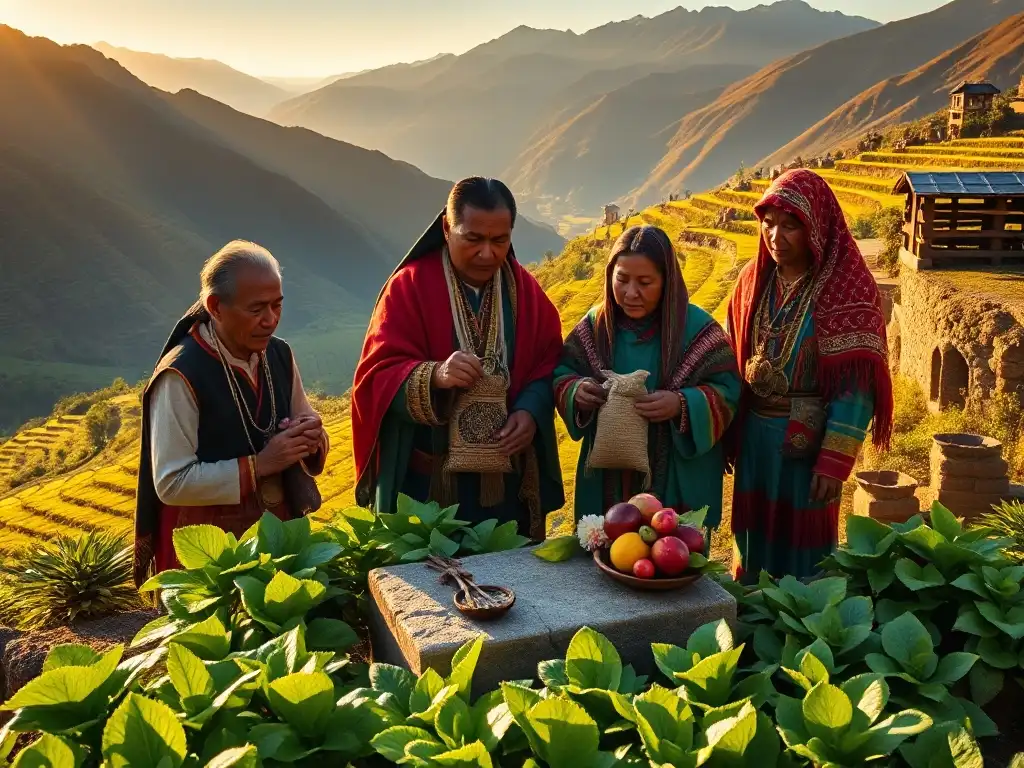
Step into a world lost to time, yet echoing with vibrant life. The Andean Civilizations website unveils the secrets of a fascinating past, revealing the ingenuity and spiritual depth of the Incas, Moche, Nazca, and Tiahuanaco. But what truly fueled their empires and shaped their beliefs? Prepare to be captivated by the enigma of the Andean coca leaf ritualistic use, a practice far more complex than mere stimulation, as detailed in our exploration of Andean Agriculture and Food. Discover the mysteries that lie hidden within this sacred plant and its profound role in shaping Andean societies. Journey with us…
- The Sacred Significance of Coca: Unveiling its Role in Andean Agriculture and Rituals
- Andean Coca: More Than Just a Plant
- The Ritualistic Use of Andean Coca Leaf
- Coca in Andean Agriculture and Society
- The Cultural Legacy of Coca: Past and Present
- Andean Coca Leaf Ritualistic Use: Key Takeaways
- Frequently Asked Questions
- Final Reflection: The Enduring Legacy of Coca in Andean Culture
- Embrace the Wisdom of Coca: Transform Your Understanding!
The Sacred Significance of Coca: Unveiling its Role in Andean Agriculture and Rituals
Coca, Erythroxylum coca, holds a position of profound significance within the tapestry of Andean civilizations. Far from being merely a stimulant, as it's often perceived in modern contexts, coca played – and continues to play – a central role in Andean agriculture, spirituality, and social life.
This article delves into the intricate relationship between coca cultivation, its ritualistic use, and its deep-seated cultural importance across various Andean societies, from the Incas to the pre-Inca cultures. We will explore the evidence showcasing coca's multifaceted role, highlighting its integration into daily life and its powerful symbolic meaning within the context of Andean agriculture and religious practices.
This exploration will illuminate how the coca leaf transcended its practical applications to become an integral element of Andean cosmology and worldview, deeply entwined with their understanding of the universe and their place within it. Understanding coca’s role is key to understanding the very fabric of Andean society and its enduring legacy.
Coca Cultivation: A Symbiotic Relationship with the Andes
The cultivation of coca was not a simple agricultural practice; it was a deeply integrated system reflecting a sophisticated understanding of Andean ecosystems. Coca thrives in specific microclimates, requiring careful attention to altitude, soil conditions, and water availability. Andean farmers developed ingenious techniques, including terracing and irrigation systems, to optimize coca production.
These methods weren't just about maximizing yield; they were expressions of reverence for the land and a recognition of the reciprocal relationship between humans and nature. Evidence suggests that coca cultivation was often integrated into broader agricultural systems, with coca plants strategically placed alongside other crops to create a balanced and sustainable ecosystem. The meticulous care and knowledge required for successful coca cultivation underscore its importance within the Andean agricultural landscape.
The precise methods varied across different Andean cultures, reflecting regional adaptations and unique approaches to land management. This nuanced approach to cultivation highlights the deep-rooted connection between the Andean people and the coca plant itself.
Coca in Andean Rituals: A Bridge Between Worlds
The ritualistic use of coca leaves extended far beyond mere agricultural practices. Coca was a fundamental component of Andean religious ceremonies, acting as a conduit between the human and spiritual realms. Shamans, or paqos, utilized coca leaves in divination rituals, seeking guidance from the spirits and interpreting omens. The leaves were often chewed, and the resulting altered state of consciousness facilitated communication with the supernatural world.
Furthermore, coca offerings were presented to deities and ancestors, symbolizing respect, gratitude, and a desire for blessings. The careful preparation and presentation of coca offerings reflected a deep understanding of ritual protocol and the power dynamics inherent within Andean religious systems. Specific rituals varied among different Andean cultures, but the overarching theme of coca's sacred role remained consistent across diverse societies.
Beyond its religious significance, coca played a crucial role in social interactions and community building within Andean societies. The sharing of coca leaves was a common practice, symbolizing trust, friendship, and reciprocity. Coca chewing was often a social activity, fostering camaraderie and strengthening social bonds. The exchange of coca leaves during important social events, such as festivals and ceremonies, reinforced social structures and affirmed community ties.
This practice transcended mere social etiquette; it served as a powerful mechanism for maintaining social cohesion and promoting cooperation within Andean communities. This social dimension of coca use underscores its role not just as a sacred plant, but as a fundamental element of Andean social fabric. The precise customs surrounding coca sharing varied widely, reflecting the rich diversity of Andean cultures and their unique social structures.
The Enduring Legacy of Coca: From Ancient Traditions to Modern Practices
The importance of coca in Andean cultures persists to this day. While its ritualistic use has evolved over time, coca continues to hold a central place in Andean spiritual and social life. The coca leaf remains a symbol of identity, tradition, and cultural heritage for many Andean communities.
Understanding the historical and cultural significance of coca is crucial for appreciating the complex relationship between humans and plants in the Andes and for respecting the enduring legacy of Andean civilizations. Further research into the specific practices and beliefs surrounding coca use across different Andean societies is essential for a comprehensive understanding of this multifaceted plant and its profound impact on Andean culture. The continued study of coca, both its agricultural aspects and its ritualistic uses, offers a deeper understanding of the resilience and cultural richness of Andean traditions.
Andean Coca: More Than Just a Plant

The Andean coca leaf ( Erythroxylum coca) transcends its botanical classification; it holds a deeply significant place within the cultural and spiritual fabric of Andean civilizations. For millennia, coca has been far more than a simple crop; it's a sacred plant interwoven with daily life, ritualistic practices, and agricultural systems. Understanding its role requires moving beyond a purely economic or pharmacological perspective and delving into the rich tapestry of Andean beliefs and traditions.
The enduring legacy of coca in Andean culture highlights a complex relationship between humans and nature, where the plant represents not just sustenance but also a conduit to the spiritual realm. This section will explore the multifaceted significance of coca, focusing on its ritualistic use and its integral position within Andean agricultural practices. The term "Andean coca leaf ritualistic use" itself underscores the plant's central role, demonstrating its importance beyond mere agricultural production.
Understanding the Origins of Coca Cultivation in the Andes
Pinpointing the exact origins of coca cultivation remains a challenge for researchers. However, archaeological evidence suggests its cultivation predates the Inca Empire by centuries, possibly millennia. Early evidence of coca use, including coca leaf remnants found in ancient burial sites, points to a long and deeply rooted relationship between the plant and Andean societies.
The spread of coca cultivation likely followed the expansion of agricultural practices across the diverse Andean landscapes. Different Andean cultures, including the Moche, Nazca, and Tiwanaku, incorporated coca into their distinct belief systems and rituals, suggesting the plant's widespread adoption and significance long before Inca dominance. The precise methods of early coca cultivation remain partially unknown, with ongoing research attempting to reconstruct the techniques used by these ancient civilizations.
We can infer, based on later Inca practices, that coca cultivation likely involved careful selection of suitable microclimates and soil conditions, reflecting an intimate understanding of the plant's needs. This deep-rooted knowledge, passed down through generations, emphasizes the plant's cultural and economic importance within these ancient societies. Further research into pre-Inca agricultural practices is needed to fully illuminate the early history of coca cultivation.
The Unique Agroecological Niche of Coca
Coca thrives in specific ecological conditions, primarily found in the eastern slopes of the Andes, often in cloud forests and other high-altitude environments. This unique agroecological niche significantly shaped the development of Andean agricultural systems. The plant's preference for warm, humid conditions, coupled with its sensitivity to frost, dictated the location and methods of cultivation. The cultivation of coca often involved sophisticated terracing techniques, similar to those used for other Andean crops, allowing farmers to maximize the use of available land and create optimal microclimates for coca growth.
The intercropping of coca with other plants was also common, creating diverse and resilient agricultural systems that minimized environmental impact. This practice, common in traditional Andean agriculture, reflects a sophisticated understanding of ecological balance and resource management. The coca plant, therefore, wasn't simply cultivated in isolation; it was integrated into a broader, carefully managed ecosystem reflecting a symbiotic relationship between the plant and its environment.
Further study is required to fully understand the intricacies of traditional coca agroforestry systems and their sustainability. The relationship between coca cultivation and biodiversity in the Andean region remains a crucial area for ongoing research, particularly in the context of modern agricultural practices. Understanding this unique agroecological niche is vital for preserving both the biodiversity of the Andean region and the cultural significance of coca cultivation.
The Ritualistic Use of Andean Coca Leaf
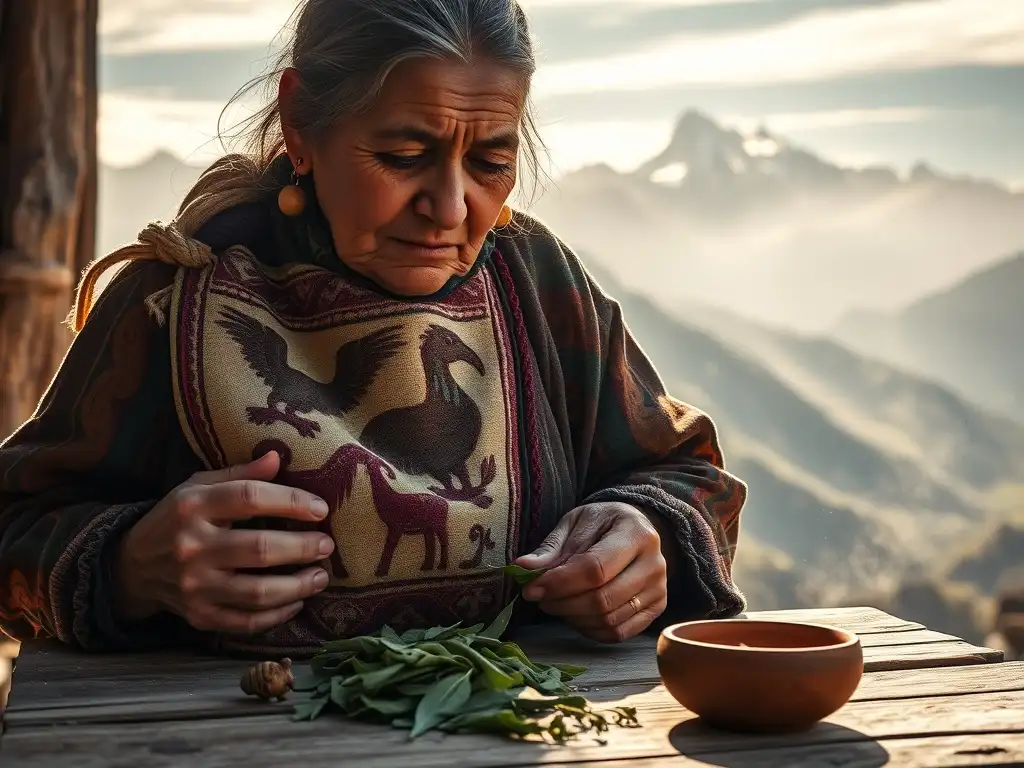
The Andean coca leaf, Erythroxylum coca, transcended its practical applications as a stimulant and became deeply interwoven with the spiritual fabric of Andean life. Its ritualistic use, a practice spanning millennia, offers a captivating glimpse into the complex cosmology and beliefs of these ancient civilizations. Understanding the sacred role of coca provides crucial insight into Andean worldview, social structures, and their relationship with the natural world. The nuanced ways in which coca was utilized in rituals reveal a sophisticated understanding of its power, not merely as a physical stimulant, but as a conduit to the spiritual realm.
This section delves into the multifaceted ritualistic use of the coca leaf, examining its role in spiritual practices, offerings, and healing ceremonies. The enduring legacy of coca in Andean culture highlights its significance far beyond its agricultural and medicinal properties. The term "Andean coca leaf ritualistic use" itself encapsulates this profound connection.
Coca's Role in Andean Spiritual Practices
Coca's incorporation into Andean spiritual practices was pervasive. It wasn't simply a casual element; rather, it served as a crucial intermediary between the human and spiritual worlds. Shamans, or paqos, played a central role in these rituals, utilizing coca leaves for divination, communicating with spirits, and accessing altered states of consciousness.
The chewing of coca leaves, often accompanied by prayer and offerings, was believed to enhance clarity, focus, and connection to the divine. Specific coca leaf arrangements, often intricately woven or meticulously placed, held symbolic meaning, varying according to the specific ritual and the deity being addressed. For example, certain patterns might represent the Andean cosmology, reflecting the layered structure of the universe and its connection to the earth.
The precise details of these practices varied across different Andean cultures, but the fundamental significance of coca remained consistent. The meticulous preparation and presentation of the coca leaves themselves underscored the profound respect and reverence accorded to this sacred plant. Detailed ethnographic studies and archaeological findings continue to reveal the depth and complexity of coca's role in Andean spiritual life.
Coca as a Sacred Offering to the Pachamama
The Pachamama, the Andean Earth Mother, was a central figure in the spiritual lives of Andean peoples. Coca leaves were frequently offered to the Pachamama as a sign of respect, gratitude, and appeasement. These offerings, often accompanied by other gifts like chicha (fermented corn beer) or food, were intended to maintain a harmonious relationship between humanity and the earth.
The act of offering coca leaves was not merely symbolic; it was a tangible expression of reciprocity and a recognition of the earth's life-giving power. Archaeological evidence, including the discovery of coca leaves in pre-Columbian burial sites, confirms the prevalence of coca offerings throughout Andean history. The placement of coca leaves in specific locations, like mountaintops or sacred springs, further underscores their significance in maintaining a balance between the human and natural worlds.
The practice continues in many Andean communities today, highlighting the enduring importance of coca as a sacred offering. The ritualistic use of coca leaves in this context showcases the deep spiritual connection between the Andean peoples and their environment.
The Use of Coca in Andean Healing Ceremonies
Beyond spiritual practices, coca played a vital role in Andean healing ceremonies. Shamans utilized coca leaves in diagnosing illnesses, guiding their treatments, and facilitating communication with the spirit world to identify the root causes of ailments. The coca leaf was not just a medicinal herb; it was a tool for spiritual healing, allowing shamans to access spiritual insights and guide their patients toward recovery.
The chewing of coca leaves by both the shaman and the patient was often a crucial part of the healing process, facilitating a shared experience and strengthening the bond between healer and patient. The preparation of coca-infused remedies, often involving other medicinal plants, demonstrated a sophisticated understanding of herbal medicine and its synergistic potential. The efficacy of coca in easing symptoms, such as pain and nausea, may have contributed to its widespread use in healing practices.
Accounts from chroniclers and ethnographic studies provide compelling evidence of coca's crucial role in Andean traditional medicine and its enduring legacy in contemporary healing practices. The detailed knowledge of coca's properties and its integration into healing ceremonies underscore the sophisticated medical understanding within Andean societies.
Coca in Andean Agriculture and Society
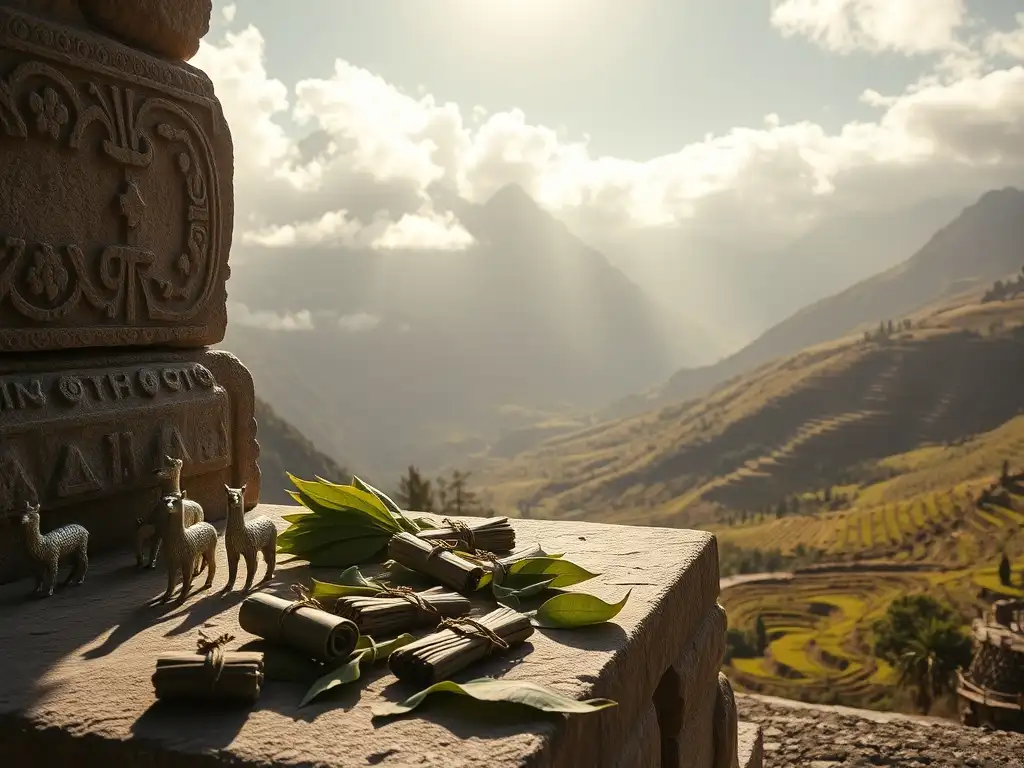
The coca plant ( Erythroxylum coca) holds a position of paramount importance within the tapestry of Andean civilization, extending far beyond its role as a mere agricultural crop. Its cultivation, use, and symbolism are deeply intertwined with the social fabric, religious beliefs, and daily lives of Andean communities for millennia. Understanding the coca plant's significance requires examining its multifaceted role in Andean agriculture and society, from its practical applications to its profound spiritual meaning. The phrase "Andean coca leaf ritualistic use" only scratches the surface of its complex integration into Andean life.
Traditional Coca Farming Techniques in the Andes
Traditional coca cultivation in the Andes demonstrates remarkable adaptation to diverse ecological niches. Farmers meticulously select suitable terrains, often utilizing hillside terraces – a testament to their advanced agricultural engineering. These terraces, painstakingly constructed, optimize sunlight exposure and water management, maximizing coca yields in challenging mountainous landscapes. The techniques employed are not simply about maximizing production; they reflect a deep respect for the land and its delicate ecosystem.
Furthermore, the process involves a complex understanding of soil fertility and pest control. Andean farmers utilize natural fertilizers, such as composted animal manure and plant residues, avoiding synthetic chemicals. Pest management is often achieved through integrated approaches, including companion planting and the strategic use of naturally occurring insecticides.
This sustainable approach showcases a holistic understanding of agriculture that has been refined over centuries. The intricate knowledge passed down through generations ensures the continued cultivation of this sacred plant, highlighting the enduring connection between Andean communities and their environment. This deeply rooted agricultural knowledge and practice is a crucial part of understanding the broader context of Andean coca leaf ritualistic use.
The coca leaf's significance extends far beyond its agricultural value; it's deeply embedded within the social structures of Andean communities. The act of sharing coca leaves, known as acullico, is a fundamental social ritual. It fosters community bonding, facilitates negotiations, and underpins social interactions. From everyday conversations to important ceremonies, acullico serves as a powerful tool for establishing trust, solidifying relationships, and promoting social harmony.
Beyond social interactions, coca played a crucial role in the economic systems of various Andean cultures. It functioned as a form of currency in some societies, used for bartering goods and services. Its economic significance further solidified its place as a vital component of Andean life, highlighting its role not only in spiritual and social contexts but also in the practical realities of daily existence. The deeply ingrained social and economic functions of the coca leaf are integral to comprehending the broader meaning and significance of Andean coca leaf ritualistic use.
Coca as a Source of Energy and Sustenance
The coca leaf, beyond its spiritual and social implications, provides a crucial source of energy and sustenance for Andean communities. Chewing coca leaves helps alleviate hunger and fatigue, particularly at high altitudes where oxygen levels are lower. The mild stimulant properties of coca provide a much-needed boost, enabling people to endure physically demanding tasks and maintain productivity throughout the day.
The nutritional value of coca leaves should not be overlooked. They contain significant amounts of vitamins and minerals, contributing to the overall well-being of those who consume them. This dual role – as both a stimulant and a nutritional supplement – makes coca an invaluable resource for Andean populations, especially in areas with limited access to other food sources. This practical aspect of coca leaf use complements its spiritual and social functions, offering a complete picture of its importance in Andean societies and providing a vital piece in understanding the historical context of Andean coca leaf ritualistic use.
The Cultural Legacy of Coca: Past and Present

The Andean coca leaf ( Erythroxylum coca) holds a multifaceted significance extending far beyond its recognized stimulant properties. For millennia, it has been deeply interwoven into the fabric of Andean life, playing a crucial role in both agricultural practices and spiritual rituals. Understanding its cultural legacy requires acknowledging its enduring presence, even amidst modern challenges and evolving perceptions.
The enduring relationship between Andean peoples and the coca plant underscores its profound impact on their history, identity, and spiritual beliefs. This section will explore the historical importance of coca, its modern-day uses, and the ongoing efforts to protect its cultural significance.
The Historical Importance of Coca in Andean Civilizations
Archaeological evidence suggests coca cultivation and use date back thousands of years, predating even the Inca Empire. Pre-Columbian cultures, including the Moche, Nazca, and Tiwanaku, revered coca, depicting it in their art and incorporating it into their rituals. For example, Moche pottery frequently features images of coca leaves, often alongside other sacred elements, suggesting its importance in their religious ceremonies. The Nazca lines, while their purpose remains debated, may also have held a connection to coca cultivation and ritualistic practices, with some theories linking certain geoglyphs to astronomical events significant to coca harvesting cycles.
The Inca Empire further institutionalized coca's importance, integrating it into their social and religious structures. It was used in religious ceremonies, offered as tribute, and even incorporated into mummification practices. The distribution and control of coca became a powerful tool for the Inca rulers, highlighting its economic and political significance.
The sheer volume of coca leaves found in Inca tombs underscores its enduring importance in their worldview. Analyzing the archaeological record reveals a continuous thread of coca use, reflecting its deep-rooted importance in Andean civilizations. This historical context is crucial in understanding the modern-day significance of coca leaf ritualistic use.
Modern-Day Uses and Perceptions of Coca
Despite centuries of use, the coca leaf continues to play a vital role in contemporary Andean life. While its use as a stimulant remains prevalent, it also holds significant cultural and spiritual importance. Chewing coca leaves, known as acullico, is a deeply ingrained social practice, facilitating community bonding and providing a sense of well-being.
Furthermore, coca is often used in traditional Andean medicine to alleviate altitude sickness, hunger, and fatigue. It's also an integral part of many Andean ceremonies and rituals, used to connect with ancestral spirits and make offerings to the gods. However, modern perceptions of coca are often shaped by its association with cocaine production, leading to misconceptions and stigmatization.
This negative perception has led to legal restrictions and limitations on coca cultivation and trade, creating significant challenges for Andean communities who rely on coca for their livelihoods and cultural practices. The nuanced relationship between traditional coca use and the illicit cocaine trade highlights the need for a more informed and balanced approach to understanding this plant and its cultural significance. It's crucial to distinguish between the traditional, ritualistic use of coca and the illegal production of cocaine, which significantly differs in the processing and effects.
Protecting the Andean Coca Tradition
The ongoing challenges faced by Andean communities in preserving their coca traditions necessitate a multi-faceted approach to protection. Efforts to safeguard the cultural and economic value of coca must address both the legal and social aspects of its use. This involves promoting sustainable coca cultivation practices that minimize environmental impact and ensure fair trade for farmers. Educational initiatives are crucial to dispel misconceptions and raise awareness about the distinction between traditional coca use and cocaine production.
Legal reforms that acknowledge the cultural significance of coca while effectively combating illicit drug trafficking are also essential. The protection of Andean coca traditions requires collaborative efforts between governments, international organizations, and Andean communities themselves. The future of coca cultivation and its cultural significance depends on recognizing its deep-rooted place in Andean history and working towards its sustainable and responsible use.
The preservation of this ancient tradition is not merely about protecting a plant; it’s about safeguarding the cultural identity and livelihoods of the Andean people. It’s a crucial aspect of maintaining the rich tapestry of Andean culture, demonstrating respect for their traditions and heritage. 🌱
Andean Coca Leaf Ritualistic Use: Key Takeaways
The Andean coca leaf, Erythroxylum coca, held – and continues to hold – a position of profound significance far beyond its nutritional value. Its ritualistic use permeated various aspects of Andean life, deeply intertwined with their spiritual beliefs, social structures, and agricultural practices. Understanding this sacred role requires moving beyond simplistic interpretations and delving into the nuanced ways coca shaped Andean cultures. This section will explore the enduring legacy of coca in the Andes, highlighting its multifaceted roles in ritual and daily life.
The Enduring Legacy of Coca in the Andes
The coca leaf's importance wasn't merely confined to the Incan Empire; its ritualistic use has a much deeper history, stretching back millennia. Archaeological evidence suggests coca chewing was prevalent long before the Inca, with finds dating back to pre-Inca societies like the Moche and Nazca cultures. These cultures depicted coca leaves in their art, demonstrating a deep-seated cultural connection that transcended mere practical application.
The leaves were not simply a stimulant; they were a sacred offering, a conduit to the spiritual world, and a vital part of daily life. This continuity underscores the enduring power of coca's symbolic and ritualistic significance throughout Andean history. The precise methods of coca preparation and consumption varied across different groups and time periods, but the underlying spiritual meaning remained remarkably consistent.
The enduring legacy of coca is evident in the persistence of its use even today. While its ritualistic aspects have, in some cases, been adapted to syncretic religious practices, many Andean communities continue to integrate coca into their daily lives and ceremonies, demonstrating the plant's continued cultural relevance. This continuity points to a deeply rooted connection between the Andean people and coca, a relationship that has spanned centuries and resisted attempts at eradication. The plant's resilience mirrors the enduring spirit of the Andean cultures themselves.
Coca in Andean Religious Practices: Offerings and Divination
Beyond its everyday use as a stimulant and social lubricant, coca played a central role in Andean religious ceremonies. The leaves were frequently used as offerings to deities and ancestral spirits, often placed on huacas (sacred sites) or incorporated into ritual bundles. The act of offering coca was not merely symbolic; it was believed to establish a connection between the living and the spiritual realm, facilitating communication and seeking divine favor. The meticulous preparation and presentation of coca offerings underscored their sacred nature.
Furthermore, coca leaves were employed in divination practices. By interpreting the patterns of the leaves, shamans and other practitioners could supposedly gain insights into the future, interpret dreams, or diagnose illnesses. This aspect of coca's ritualistic use highlights its role as a tool for understanding the world and navigating the complexities of life. The detailed interpretations of coca leaf patterns varied greatly between different Andean communities, showcasing the diversity of belief systems within the region. Further research into these specific divination techniques within different Andean communities is needed to fully understand the breadth of this practice.
Coca and Andean Agriculture: A Symbiotic Relationship
The cultivation of coca wasn't merely an agricultural activity; it was intrinsically linked to the spiritual and social fabric of Andean life. Coca plantations were often located near sacred sites, reflecting the plant's spiritual significance. The agricultural practices themselves were often imbued with ritualistic elements, with specific ceremonies performed to ensure a bountiful harvest. This symbiotic relationship between coca cultivation and religious practices highlights the deep integration of coca into the Andean worldview.
The meticulous care given to coca plants indicates a deep respect for the plant's life-giving properties. Farmers would meticulously tend to their coca plants, performing rituals and offerings to ensure their health and productivity. This holistic approach to agriculture, where the spiritual and the practical were inseparable, highlights the unique perspective of Andean civilizations on their relationship with the natural world. The specific rituals and techniques used in coca cultivation varied regionally, offering a rich field of study for researchers exploring Andean agricultural practices. [Specific details on regional variations in coca cultivation pending].
The Socio-Political Implications of Coca Use
The control and distribution of coca also held significant socio-political implications. In the Inca Empire, for example, coca leaves were often used as a form of tribute, highlighting their economic and social value. The Inca state's control over coca production and distribution reinforced its power and authority. This economic significance further solidified coca's importance within the social fabric.
The regulation of coca production and trade had far-reaching consequences, impacting social hierarchies and economic systems. [Further data needed on the specific economic and social impact of coca control in pre-Columbian societies]. The impact of coca control extended beyond the Inca Empire, with various Andean societies developing unique systems for managing this valuable resource. Understanding these systems is crucial for grasping the complexities of Andean political and economic structures.
Frequently Asked Questions
What was the significance of coca leaves in Andean cultures?
Coca leaves held immense spiritual and ritualistic significance in Andean civilizations. They were seen as a sacred gift from the gods, facilitating communication with the spirit world and enhancing agricultural practices. Offering coca was crucial in ceremonies and daily life.
How was coca used in Andean agricultural practices?
Coca leaves played a vital role in ensuring successful harvests. Farmers would offer coca to mountain spirits (apus) and the earth to promote fertility and protect crops from harm. It was also used to treat illnesses in livestock and humans.
Did all Andean cultures use coca in the same way?
While coca was central across many Andean cultures, the specific rituals and uses varied. The Incas, for example, had elaborate coca ceremonies, while other groups might have had more localized traditions. Specific offerings and rituals depended on the culture and region.
What evidence exists to support the ritualistic use of coca?
Archaeological discoveries, including mummies found with coca leaves, and depictions of coca use in pottery and textiles, provide strong evidence of its ritualistic importance. Ethnohistorical accounts from Spanish chronicles also document its sacred role.
Beyond rituals, what other roles did coca leaves play in Andean life?
Coca leaves were not only used ritually, but also had practical applications. They were chewed to alleviate hunger and fatigue, aid in altitude acclimatization, and were used for medicinal purposes. Its use was deeply integrated into daily life.
Final Reflection: The Enduring Legacy of Coca in Andean Culture
The sacred coca leaf, far from being a mere stimulant, remains a vital thread in the rich tapestry of Andean life, its enduring significance woven into the fabric of both agricultural practices and deeply spiritual rituals. Its continued use challenges Western perceptions and highlights the complex relationship between humans and nature, a relationship that deserves greater understanding and respect in our increasingly globalized world.
The enduring power of coca's symbolic weight is undeniable; it transcends mere pharmacological effects, representing a profound connection to ancestral wisdom and the delicate balance of the Andean ecosystem. Its role in daily life, from agricultural ceremonies to healing practices, speaks volumes about the intricate relationship between the people and their environment. Coca is not just a plant; it is a living being, a sacred gift from the Apus (mountain spirits).
This sentiment, often echoed by Andean communities, underscores the profound spiritual significance imbued within the coca leaf.
Consider the implications of this enduring tradition. How can we, as global citizens, better appreciate and respect cultural practices that differ from our own? You are invited to reflect on the power of tradition, the importance of understanding diverse cultural perspectives, and the need for respectful dialogue in a world increasingly interconnected. Let the mystery of coca inspire you to explore the rich tapestry of human experience and to challenge your own preconceived notions about ancient traditions and their continuing relevance in the modern world.
Embrace the Wisdom of Coca: Transform Your Understanding!
Thank you for exploring the fascinating world of coca and its profound significance in Andean culture. You've gained valuable insights into its agricultural and ritualistic roles. Now, let's put that knowledge into practice.
- **Engage with Local Cultures:** Consider visiting an Andean community or attending a cultural festival where coca plays a central role. Immersing yourself in their traditions will provide a deeper understanding of this plant's importance.
- **Share Your Knowledge:** Discuss your newfound understanding of coca with friends and family. You could even write a blog post to educate others and help preserve the rich history and traditions associated with this ancient plant.
- **Support Sustainable Practices:** Support organizations dedicated to ethical coca farming and the preservation of indigenous agricultural practices. Your contribution can help safeguard cultural heritage and promote sustainable agriculture.
How has learning about coca changed your perspective on its role in Andean culture and agriculture? We'd love to hear your thoughts!