
The Evolution of Food Storage in the Andean Civilizations

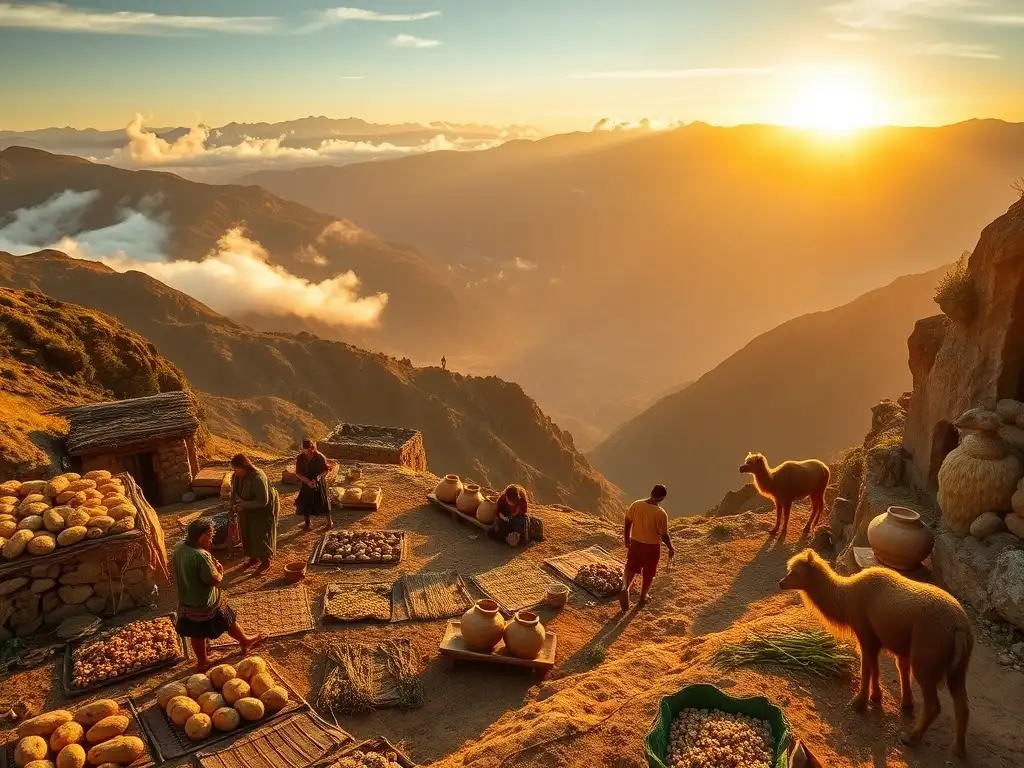
Step into a world lost to time, yet echoing with innovation. For centuries, the towering peaks of the Andes witnessed the rise and fall of magnificent civilizations. But how did these cultures, the Incas, Moche, Nazca, and Tiahuanaco amongst them, thrive in such challenging environments? Discover the ingenious Andean civilizations food preservation techniques that not only sustained these empires but also shaped their unique cultures. Unravel the secrets of their agricultural mastery and prepare to be amazed.
- Andean Civilizations Food Preservation Techniques: An Evolutionary Journey
- The Rise of Sophisticated Food Preservation in the Inca Empire
- Comparative Analysis of Food Storage Across Andean Cultures
- The Impact of Andean Food Preservation on Population and Development
- Modern Relevance and Lessons from Andean Food Storage
-
Frequently Asked Questions
- What methods did Andean civilizations use to preserve food?
- How did the Incas preserve potatoes, a staple crop?
- Were there regional variations in food preservation techniques across different Andean cultures?
- What role did food preservation play in the success of Andean civilizations?
- What evidence exists to support our understanding of Andean food preservation?
- Final Reflection: Echoes of Ingenuity: Preserving the Past, Nourishing the Future
- Unveil the Secrets of Ancient Andean Food Preservation!
Andean Civilizations Food Preservation Techniques: An Evolutionary Journey
The Andes Mountains, a formidable yet life-giving landscape, shaped the ingenuity of its ancient inhabitants. For millennia, Andean civilizations—including the Incas, Moche, Nazca, and Tiahuanaco—developed sophisticated agricultural practices and, crucially, innovative food preservation techniques to survive the harsh environmental conditions and ensure year-round sustenance.
This article explores the evolution of food storage in these remarkable societies, highlighting the challenges they faced and the remarkable solutions they devised to secure their food supply. Understanding their methods offers valuable insights into the resourcefulness and adaptability of Andean cultures, revealing a complex interplay between environment, technology, and societal organization.
We'll delve into the ingenious strategies employed, from simple storage techniques to more advanced processes, showcasing the ingenuity that allowed these civilizations to thrive in a demanding environment. This journey will illuminate the critical role food preservation played in the development and sustainability of Andean societies and provide a deeper understanding of the keyword: "Andean civilizations food preservation techniques".
The Importance of Food Storage in Ancient Andean Societies
Food storage wasn't merely a practical matter for Andean civilizations; it was fundamental to their survival and social structure. The Andean region's diverse geography, ranging from arid coastal deserts to high-altitude plains, presented unique challenges. Erratic weather patterns, including droughts and unpredictable harvests, necessitated effective strategies for preserving food surpluses during abundant periods to mitigate lean times.
The ability to store food also played a vital role in supporting population growth, facilitating trade and exchange networks, and maintaining social stability. Without reliable methods of food preservation, the complex social and political structures of these civilizations would have been impossible to sustain. Consider, for example, the Inca Empire's extensive network of roads and storage facilities (qollqas) – a testament to the importance placed on ensuring a consistent food supply across its vast territory.
The success of these empires hinged directly on their ability to effectively manage and distribute stored food resources. This is why understanding the "Andean civilizations food preservation techniques" is crucial to comprehending their overall societal development.
Early Andean Food Storage Methods: Challenges and Innovations
The earliest Andean societies faced the primary challenge of preserving perishable goods in a climate characterized by significant temperature fluctuations and high humidity in certain regions. Their initial approaches were relatively simple, focusing on natural methods. These included:
- Drying: This was a ubiquitous technique, applied to a wide range of foods, including meats, fruits, and vegetables. The sun's intense radiation in the high-altitude regions provided a readily available and effective means of dehydration.
- Freezing: In the high Andes, the naturally low temperatures allowed for the preservation of certain foods through freezing, particularly during the colder months.
- Underground Storage: Potatoes, a staple crop, were often stored in subterranean pits or cellars (qollqas), utilizing the cooler, more stable temperatures underground to slow down spoilage. These storage facilities were often lined with straw or other insulating materials to further enhance their effectiveness. The construction and management of these storage facilities highlight the sophisticated understanding of environmental conditions and preservation principles possessed by these ancient peoples. The development of these methods, especially considering the limited technology available, demonstrates a high level of ingenuity and adaptation to their environment.
- Salting: Salting was another effective method used to preserve meat and fish, inhibiting microbial growth and extending shelf life. The use of salt, however, was dependent on access to salt resources, which influenced regional variations in food preservation practices.
The development and refinement of these early techniques laid the groundwork for more complex and efficient food storage methods employed by later Andean civilizations. The evolution of food preservation in the Andes reflects not only the ingenuity of its people but also their deep understanding of their environment and its resources. Further research will delve into the more advanced techniques developed by later civilizations, such as the Inca Empire, highlighting their contribution to the impressive legacy of Andean food preservation.
Pre-Inca Food Preservation: Regional Variations
Andean civilizations, long before the Inca Empire's rise, developed diverse food preservation techniques tailored to their specific environments. The sheer geographical diversity of the Andes—coastal deserts, high-altitude plains, and the Amazonian rainforest—necessitated regionally specific approaches to preserving precious food resources. These techniques weren't uniform; instead, they reflected a sophisticated understanding of local ecosystems and the challenges posed by preserving perishable goods in varied climates.
The ingenuity of these pre-Inca societies is evident in the variety of methods they employed, showcasing their deep connection to their environment and a remarkable adaptability to diverse conditions. Understanding these variations illuminates the complexity of Andean food systems and their resilience over centuries.
The development of these techniques was crucial for the survival and prosperity of these early Andean communities, laying the groundwork for the later Inca Empire's sophisticated agricultural practices. Archaeological evidence continues to reveal new facets of these early preservation methods, enriching our understanding of their resourcefulness and ingenuity.
Coastal Andean Food Storage Practices
The arid coastal regions of Peru presented unique challenges for food preservation. The scarcity of water and the intense sun necessitated methods that minimized spoilage and dehydration. Coastal communities heavily relied on seafood—fish and shellfish—which required quick preservation to prevent decay.
One common method was sun-drying, a simple yet effective technique that removed moisture, inhibiting microbial growth. Additionally, evidence suggests the use of underground storage pits, lined with materials to control humidity and temperature, helping maintain the quality of dried foods and other staples like grains and beans. The development of these techniques allowed coastal Andean communities to thrive despite the harsh environmental conditions, ensuring a consistent supply of food throughout the year.
These practices, passed down through generations, demonstrate an intimate understanding of the interplay between climate and food security. Further research into coastal middens and archaeological sites continues to shed light on the sophistication of these early preservation strategies.
Highland Andean Food Storage Techniques
The high Andes, characterized by cold temperatures and fluctuating climates, presented a different set of challenges. Highland communities relied heavily on potatoes, quinoa, and other hardy crops adapted to these conditions. Freezing temperatures, while posing a challenge, also provided a natural preservation method.
The storage of potatoes and other root vegetables in underground cellars or qollqas (stone structures) helped maintain stable temperatures, preventing spoilage and extending shelf life. These structures often incorporated ingenious ventilation systems to regulate humidity and airflow, preventing rot and maintaining food quality. The qollqas weren't merely storage spaces; they represented a sophisticated understanding of thermal properties and their application to food preservation.
The construction of these structures required considerable skill and planning, reflecting the importance of food security in the highland Andean communities. The design of qollqas varied based on the specific climatic conditions and available resources in each region, further highlighting the adaptability of these communities.
Amazonian Andean Food Storage Solutions
The Amazonian rainforest, with its humid and warm climate, presented unique challenges to food preservation. Spoilage was a constant threat due to high humidity and the abundance of microorganisms. Amazonian Andean communities developed diverse methods to address this.
One prevalent technique was smoking, which helped to reduce moisture content and inhibit bacterial growth. This was particularly effective for preserving fish and meat. Additionally, they employed fermentation techniques for certain fruits and vegetables, transforming them into more stable and longer-lasting food sources.
The use of natural containers, such as woven baskets or pottery, also played a crucial role in food preservation, helping to control moisture levels and protect against pests. The diverse range of techniques employed in the Amazonian region underscores the ingenuity and adaptability of these communities in dealing with the specific environmental conditions of the rainforest. These methods, often intertwined with intricate knowledge of local plants and their properties, highlight the deep connection between these communities and their environment.
The Rise of Sophisticated Food Preservation in the Inca Empire
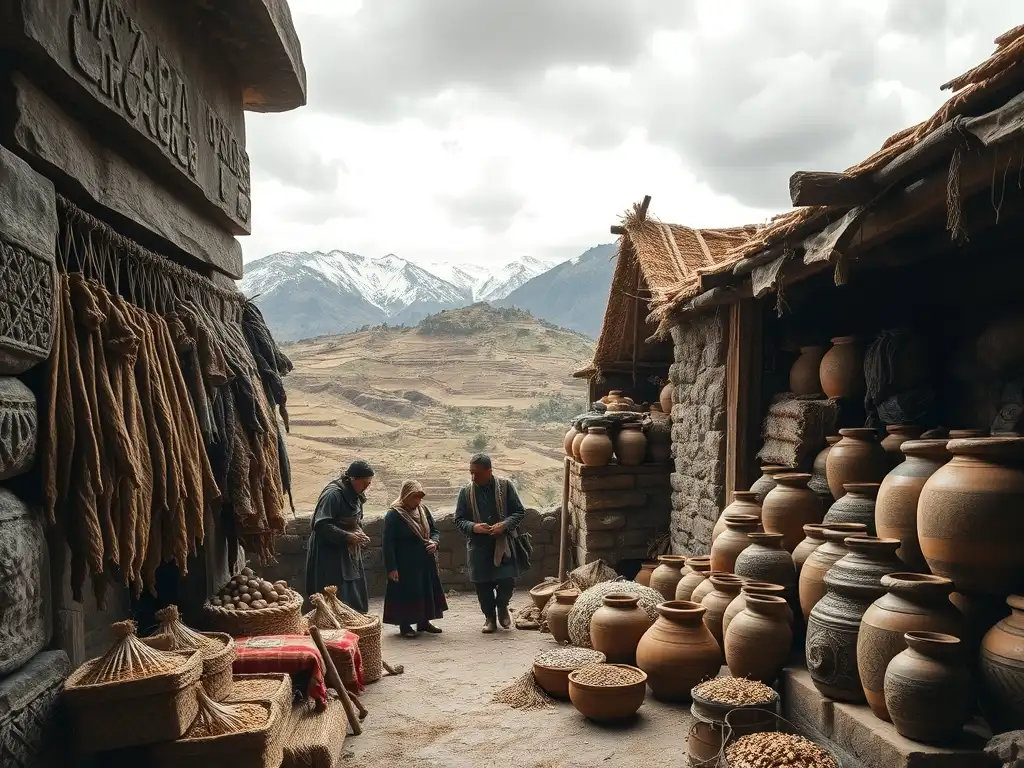
The Inca Empire, renowned for its intricate social structures and impressive engineering feats, also developed remarkably advanced food preservation techniques crucial for sustaining its large population and navigating the challenging Andean geography. Their success wasn't solely based on agricultural prowess; it was significantly bolstered by innovative strategies for storing and preserving food surpluses, ensuring year-round availability even in harsh climates. This sophisticated system, involving specialized infrastructure and a range of preservation methods, allowed the Inca to maintain stability and power for centuries.
Understanding these techniques offers invaluable insight into the ingenuity and adaptability of this remarkable civilization, highlighting their mastery of resource management within the context of Andean civilizations food preservation techniques. The efficiency of their system allowed for the support of not only the population but also the vast, complex administrative and military apparatus of the empire.
Inca Food Storage Infrastructure: Colcas and Tambos
The Inca's food preservation success was inextricably linked to their advanced storage infrastructure. Two key elements stand out: colcas and tambos. Colcas were strategically located, fortified storehouses, often built into hillsides or cliffs, providing natural insulation and protection from the elements.
These structures, varying in size and complexity depending on local needs and resources, were meticulously designed to regulate temperature and humidity, crucial for preserving a variety of foodstuffs. They were not simply storage spaces; their construction demonstrated a deep understanding of Andean microclimates and their impact on food preservation. Detailed archaeological evidence reveals the use of sophisticated ventilation systems and strategically placed openings to control air circulation, minimizing spoilage and maximizing shelf life.
Tambos, on the other hand, served a dual purpose. While primarily functioning as waystations along the Inca road network, offering lodging and supplies for travelers and officials, many tambos also incorporated significant food storage facilities. This strategic placement ensured a continuous flow of provisions throughout the empire, bolstering the effectiveness of the overall food distribution system and reinforcing the empire's ability to withstand periods of scarcity. The combination of colcas and tambos created a resilient and far-reaching network for Andean civilizations food preservation techniques.
Understanding Inca Food Preservation Techniques
Beyond the infrastructure, the Inca employed a diverse range of preservation techniques, reflecting a deep understanding of food science and the properties of different foods. These methods, often combined, significantly extended the shelf life of perishable goods, ensuring food security across the seasons and supporting the large population. The techniques were not static; they were adapted and refined over time based on experimentation and experience, demonstrating a continuous process of improvement in Andean civilizations food preservation techniques.
Drying Techniques: Chuño and Charqui
Drying was arguably the most widespread and effective Inca food preservation technique. Chuño, freeze-dried potatoes, represents a remarkable adaptation to the high-altitude Andean environment. Potatoes were harvested, subjected to freezing temperatures, and then repeatedly frozen and thawed, resulting in a lightweight, long-lasting product. This process effectively removed moisture, inhibiting microbial growth and preventing spoilage.
Similarly, charqui, dried llama or alpaca meat, provided a crucial source of protein. The meat was carefully cut, salted, and sun-dried, a process that eliminated moisture and preserved the meat for extended periods. Both chuño and charqui were essential components of the Inca diet, providing sustenance during lean times and facilitating long-distance travel and trade.
Salt Preservation: A Key Method for Certain Foods
Salt preservation played a significant role in Andean civilizations food preservation techniques, particularly for meats and some vegetables. The Inca utilized readily available salt deposits, carefully applying it to various food items to inhibit bacterial growth and prevent spoilage. This method, while perhaps simpler than drying or fermentation, was highly effective for certain foods and contributed significantly to the empire's overall food security. The precise methods and quantities of salt used varied depending on the specific foodstuff, demonstrating an empirical understanding of the optimal salt concentrations for different products.
Fermentation Methods in Andean Food Preservation
Fermentation, a process known and utilized by numerous cultures, also held a significant place in Inca food preservation. While specific details about the precise methods and types of fermented foods are limited, archaeological evidence suggests the use of fermentation to preserve certain grains and fruits. This process, by creating an acidic environment, inhibits the growth of spoilage organisms, extending the shelf life of the products.
It's likely that the Inca, like many other Andean cultures, utilized a variety of fermentation techniques, passed down through generations, reflecting a rich tradition of food preservation and cultural practices within the overall context of Andean civilizations food preservation techniques. Further research is needed to fully understand the diversity and complexity of Inca fermentation methods.
Comparative Analysis of Food Storage Across Andean Cultures
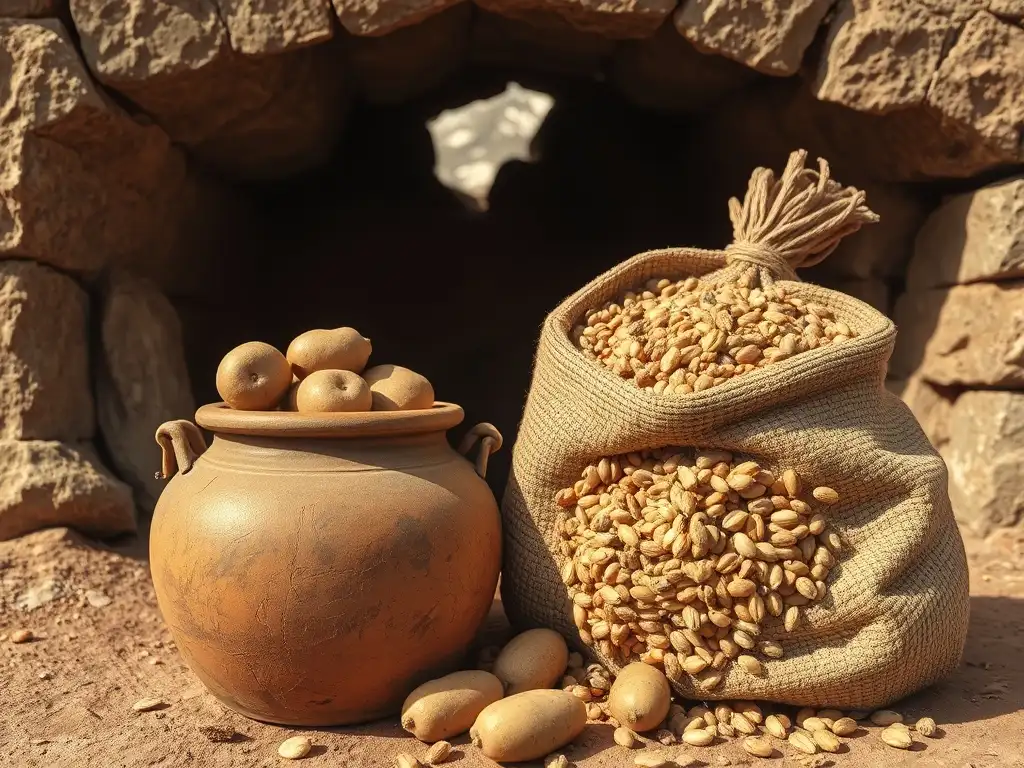
This section delves into the diverse and sophisticated food storage methods employed by various Andean civilizations, highlighting their adaptations to unique environmental challenges and technological advancements. Understanding these techniques provides crucial insights into their agricultural practices, societal organization, and overall resilience. We will examine the strategies utilized by the Moche, Nazca, and Tiahuanaco cultures, emphasizing the ingenuity and effectiveness of their approaches to preserving and distributing food.
The variations observed reflect not only differing geographical contexts but also unique cultural priorities and technological capabilities. The keyword phrase "Andean civilizations food preservation techniques" is central to understanding the remarkable achievements of these ancient societies.
Moche Food Storage Practices
The Moche civilization (c. 100-800 CE), renowned for its intricate pottery and metalwork, also developed advanced food storage techniques. Their arid coastal environment necessitated innovative solutions for preserving perishable goods. Evidence suggests a significant reliance on underground storage, utilizing qollqas—storage structures built into the earth—to maintain stable temperatures and humidity levels. These structures, often built of adobe brick and carefully sealed, protected food from the harsh sun and fluctuating temperatures.
The Moche also utilized sophisticated drying techniques, particularly for fish and other seafood. Archaeological findings reveal extensive evidence of sun-dried and possibly smoke-dried fish, a crucial protein source in their diet. The scale of these operations suggests a well-organized system of food preservation, supporting a substantial population.
Furthermore, the Moche's mastery of pottery allowed for the creation of large storage jars, further enhancing their capacity to preserve food for extended periods. These jars, often decorated with intricate designs, were likely used for storing grains, beans, and other staples. The complexity of their pottery, indicative of their technological prowess, directly impacted their ability to effectively store and preserve food.
Nazca Food Preservation Techniques
The Nazca culture (c. 100 BCE – 500 CE), known for its enigmatic geoglyphs, faced similar environmental challenges as the Moche. Their mastery of irrigation systems, crucial for agriculture in their desert environment, was complemented by effective food preservation methods. While less evidence of elaborate underground storage exists compared to the Moche, the Nazca demonstrated expertise in drying and preserving various foods. They likely used similar sun-drying techniques for fish and other produce. Additionally, the Nazca's extensive knowledge of plant life allowed them to cultivate and preserve a variety of crops, adapting their preservation methods to each specific foodstuff.
The Nazca also possibly employed fermentation techniques, though direct evidence remains limited. Fermentation, a powerful method for extending the shelf life of food, could have played a crucial role in their food security. Further research, including detailed analysis of organic residues found in archaeological contexts, is needed to fully understand the scope of Nazca food preservation techniques. The development of efficient preservation methods was key to their survival in a challenging environment, contributing significantly to their societal stability. This underscores the importance of considering "Andean civilizations food preservation techniques" within the broader context of their environmental adaptation.
Tiahuanaco Food Storage and Distribution Systems
The Tiahuanaco civilization (c. 500-1000 CE), situated at a higher altitude in the Andes, faced different environmental conditions compared to the coastal cultures. Their sophisticated agricultural practices, including terracing and irrigation, were integral to their food production. However, the challenges of preserving food in a colder, higher-altitude environment required unique strategies.
Tiahuanaco's food storage systems likely involved a combination of techniques, including underground storage and the use of specialized containers. While the specific types of containers are still under investigation, the scale of their agricultural production suggests a complex system for storing and distributing food across their vast empire. The efficient distribution of food was likely crucial to their social and political organization.
The sophistication of their urban planning and infrastructure points to a well-organized system for managing food supplies, ensuring the sustenance of their large population. This highlights the critical interplay between food production, storage, and distribution in the success and stability of the Tiahuanaco empire. Understanding the complexities of their "Andean civilizations food preservation techniques" offers invaluable insights into their societal structure and economic power.
| Civilization | Primary Storage Methods | Key Preservation Techniques | Environmental Challenges |
|---|---|---|---|
| Moche | Underground qollqas, large pottery jars | Sun-drying, possibly smoke-drying | Arid coastal climate |
| Nazca | Sun-drying, possibly fermentation | Sun-drying, possibly fermentation | Arid desert climate |
| Tiahuanaco | Underground storage, specialized containers | [Specific techniques pending further research] | High altitude, colder climate |
The Impact of Andean Food Preservation on Population and Development
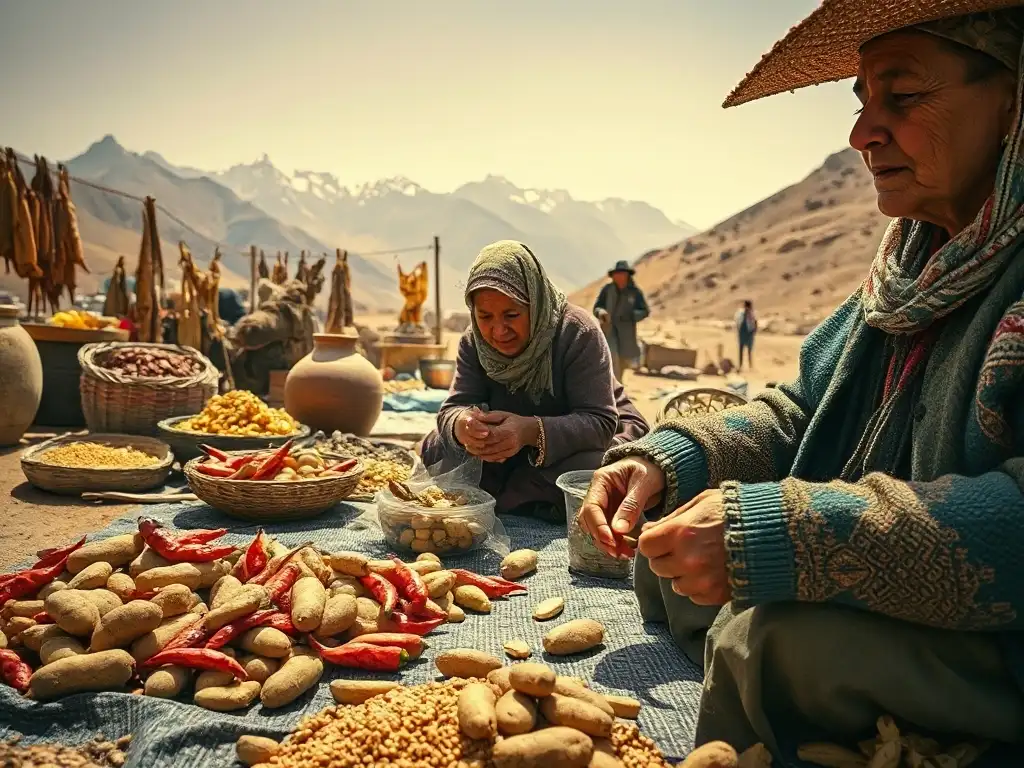
The ingenious food preservation techniques developed by Andean civilizations were not merely culinary innovations; they were fundamental to the growth and sustainability of their societies. These techniques directly impacted population density, urban development, and the overall trajectory of these remarkable cultures. Without effective methods to store and preserve surplus food, the complex social structures and impressive achievements of the Inca, Moche, Nazca, and Tiahuanaco would have been severely constrained. The ability to safeguard food against spoilage allowed for population growth beyond what would have been possible through reliance on immediate harvests alone.
This, in turn, fueled the development of larger, more sophisticated settlements and ultimately, the rise of powerful empires. The impact reverberates through history, shaping the landscape and culture of the Andes even today. Understanding the significance of these preservation methods is crucial to grasping the full scale of Andean achievement.
The Role of Food Storage in Supporting Large Populations
The ability to store food surpluses was directly correlated with the ability of Andean civilizations to support large, concentrated populations in urban centers. Consider, for example, the impressive urban planning of the Inca capital, Cusco. A city of this size, with its complex social hierarchy and specialized labor, could only exist with a reliable system for food procurement and preservation.
Without the qollqas (Inca storehouses), sophisticated techniques of freeze-drying (chuño), and other preservation methods, the population would have faced constant threats of famine. The scale of these storehouses themselves is a testament to the importance placed on food storage.
Archaeological evidence reveals vast networks of these structures, strategically located across the varied Andean landscapes to ensure access to food reserves regardless of localized crop failures. This infrastructure allowed for the development of a complex social structure, with specialized artisans, administrators, and priests freed from the constant pressure of immediate food production.
Effective food preservation techniques were not simply about preventing hunger; they were crucial in maintaining social stability and reducing the risk of conflict. Periods of scarcity, inevitably caused by unpredictable weather patterns or crop failures, were less likely to lead to widespread famine or social unrest when sufficient reserves were available. The ability to distribute stored food during lean times served as a powerful tool for political control and social cohesion.
The Inca, for instance, used their extensive granaries to manage food distribution, ensuring that even the most remote communities had access to essential supplies. This system fostered loyalty and reduced the likelihood of rebellion, contributing significantly to the empire's longevity. The strategic distribution of preserved foods, therefore, played a significant role in maintaining social harmony and political stability within Andean societies.
Further research is needed to quantify the exact impact on conflict rates, but the correlation between food security and social stability is undeniable. [Specific data on conflict rates in relation to food availability pending].
The Legacy of Andean Food Preservation Techniques
Many Andean food preservation techniques, honed over millennia, continue to be practiced today. The production of chuño (freeze-dried potatoes) and charqui (sun-dried meat) remains a vital part of Andean culinary traditions, demonstrating the enduring practicality and cultural significance of these ancient methods. These techniques not only provide a way to preserve food but also contribute to the unique flavors and textures that characterize Andean cuisine.
The legacy of these practices extends beyond the culinary sphere; they represent a profound understanding of the Andean environment and its challenges. Understanding and appreciating these techniques offers valuable insights into the resourcefulness and ingenuity of Andean civilizations, and their enduring relevance in a world increasingly concerned with food security and sustainable food systems.
The preservation of these traditional methods is crucial for both cultural heritage and future food security in the Andes. The techniques represent a valuable knowledge base for modern sustainable food practices and should be studied and preserved for future generations.
Modern Relevance and Lessons from Andean Food Storage
The ingenious food preservation techniques employed by Andean civilizations hold significant relevance in today's world, particularly in the face of growing concerns about food security and sustainability. Understanding how these ancient cultures addressed challenges of food spoilage and storage offers valuable insights for modern agricultural practices and food systems.
Their solutions, often reliant on readily available natural resources and sustainable methods, present a compelling alternative to resource-intensive modern techniques. The focus on minimizing waste and maximizing the shelf life of produce resonates strongly with contemporary efforts to reduce environmental impact and enhance food availability, especially in regions with similar climatic conditions to the Andes.
By studying these techniques, we can potentially adapt and improve upon them, creating more resilient and environmentally friendly food systems. The ingenuity of the Andean civilizations in this area should not be underestimated; their methods offer a wealth of knowledge for tackling the pressing issues of our time.
Studying Ancient Andean Food Preservation for Sustainable Practices
The study of Andean food preservation techniques offers a wealth of opportunities for developing sustainable agricultural practices. For example, the intricate qollqa systems, sophisticated underground storage structures, offer insights into passive cooling and temperature regulation. Analyzing their design and construction could inform the development of modern, energy-efficient storage solutions for a variety of agricultural products.
Furthermore, the Andean peoples' mastery of dehydration and freeze-drying techniques, often employed for potatoes, quinoa, and other staples, provides a blueprint for environmentally friendly food preservation that minimizes the need for artificial preservatives and refrigeration. Research into the specific methods used, including the selection of optimal drying conditions and the use of natural preservatives, can contribute to the development of improved and more sustainable dehydration technologies. This is especially crucial in regions with limited access to electricity and refrigeration, mirroring the conditions faced by ancient Andean communities.
The integration of these ancient methods with modern technology could significantly improve food security and reduce food waste globally. Specific studies examining the efficacy of traditional Andean preservation methods compared to modern counterparts are needed to fully quantify their potential impact on sustainability.
Rediscovering Traditional Andean Food Storage Techniques
Rediscovering and revitalizing traditional Andean food storage techniques is not merely an academic exercise; it has significant implications for food security and cultural preservation. Many traditional methods, passed down through generations, remain relevant today, particularly in remote Andean communities. These methods often utilize locally sourced materials and require minimal energy input, making them highly sustainable and adaptable to diverse environments.
For instance, the use of chullpas (tower-shaped structures) for storing grains and other commodities demonstrates a sophisticated understanding of ventilation and pest control. Similarly, the practice of storing potatoes in cool, dark cellars or underground pits, often lined with straw or other insulating materials, effectively extends the shelf life of this crucial Andean staple. Documenting and promoting these practices, alongside training programs for local communities, can help ensure their continued use and contribute to the economic empowerment of Andean farmers.
Moreover, these techniques can provide valuable alternatives to industrially produced preservation methods, contributing to greater food sovereignty and cultural resilience. The preservation of these techniques is not just about food; it’s about preserving a vital aspect of Andean cultural heritage.
The Importance of Preserving Andean Culinary Heritage
Preserving Andean culinary heritage is intrinsically linked to safeguarding traditional food storage techniques. These techniques are not simply methods of preservation; they are integral components of a rich and diverse culinary tradition. The knowledge embedded within these practices extends beyond the practical aspects of food storage; it embodies generations of accumulated wisdom about food production, environmental adaptation, and community resilience.
Losing these traditional methods would represent a significant loss not only to Andean cultures but also to the global understanding of sustainable food systems. Efforts to document, preserve, and promote these techniques should be prioritized, involving collaboration between researchers, local communities, and culinary institutions. This includes developing educational programs, creating accessible resources, and supporting the work of individuals and organizations dedicated to preserving Andean culinary traditions.
The preservation of this knowledge is crucial for promoting food security, cultural diversity, and sustainable development in the Andean region and beyond. The unique flavors and nutritional benefits of many traditional Andean foods are also directly linked to the preservation methods used, highlighting the importance of preserving this integral part of their cultural identity.
Frequently Asked Questions
What methods did Andean civilizations use to preserve food?
Andean civilizations employed various techniques, including sun-drying, freeze-drying, and storage in underground cellars. These methods helped them survive harsh conditions and maintain food supplies year-round.
How did the Incas preserve potatoes, a staple crop?
The Incas utilized a combination of techniques, such as freeze-drying (chuño) and storage in cool, dark places, to preserve their potato harvests. This ensured food security throughout the year.
Were there regional variations in food preservation techniques across different Andean cultures?
Yes, regional differences in climate and available resources led to diverse preservation methods. For instance, coastal communities relied more on salting and sun-drying, while those in the highlands utilized freeze-drying.
What role did food preservation play in the success of Andean civilizations?
Efficient food preservation was crucial for the growth and stability of these societies. It allowed for population growth, supported large-scale projects, and enabled them to withstand periods of scarcity and environmental challenges.
What evidence exists to support our understanding of Andean food preservation?
Archaeological findings, such as preserved food remains found in tombs and storage facilities, along with ethnohistorical accounts, provide valuable insights into their techniques and practices. These sources reveal the sophistication of their methods.
Final Reflection: Echoes of Ingenuity: Preserving the Past, Nourishing the Future
The ingenious food preservation techniques developed by Andean civilizations remain strikingly relevant today, offering valuable lessons in sustainability and resource management in the face of climate change and growing global food insecurity. Their mastery of diverse environments and innovative approaches to food storage stand as a testament to human adaptability and ingenuity, a legacy that continues to inspire modern solutions.
The impact of these ancient practices extends far beyond the realm of history; they resonate deeply within contemporary discussions surrounding food security, environmental responsibility, and cultural heritage. Their methods, often utilizing readily available natural resources, offer a compelling counterpoint to modern, energy-intensive preservation methods. The past is never dead. It's not even past.
- William Faulkner. This quote perfectly encapsulates the enduring relevance of Andean food preservation techniques, reminding us that understanding our past can illuminate pathways to a more sustainable future.
Consider the ingenuity of these ancient peoples, their deep understanding of their environment, and their commitment to preserving resources for future generations. You too can embrace a more mindful approach to food, reducing waste, and exploring sustainable practices inspired by the wisdom of the Andes. Let the echoes of their ingenuity inspire you to explore innovative solutions to the challenges of our time, fostering a deeper connection to the food we consume and the planet we inhabit.
Unveil the Secrets of Ancient Andean Food Preservation!
Thank you for exploring the fascinating world of food storage in Andean civilizations! Your interest in this rich history helps us better understand how these remarkable cultures thrived. Now, let's delve even deeper into this captivating subject.
Here are some ways to continue your exploration:
- Experiment with Traditional Preservation: Try preserving food using ancient methods like drying or fermentation. This offers a hands-on connection to Andean heritage and sustainable practices.
- Share Your Knowledge: Discuss your findings with friends, family, or join online communities dedicated to ancient civilizations to exchange ideas and perspectives.
- Expand Your Research: Explore documentaries, books, and other resources about Andean cultures to broaden your understanding of their innovative food preservation techniques.
Finally, consider this: Could some of our modern food preservation methods actually be rooted in the ingenious techniques developed by Andean civilizations? We encourage you to share your thoughts!