
Copper's Calling: Unraveling the Use of Copper in Ancient Andean Art

Dive into the mesmerizing world of Andean Civilizations, where lost empires whisper tales of ingenuity and artistry. Prepare to be captivated by the intricate artistry and advanced technologies of the Incas, Moche, Nazca, and Tiahuanaco. But first, consider this: what secrets do the shimmering surfaces of ancient Andean copper artifacts hold? Journey with us to uncover the astonishing Ancient Andean copper art techniques—a story of innovation and cultural significance that will leave you breathless.
The Andes Mountains, a spine of towering peaks traversing South America, were not only a geographical marvel but also a cradle of sophisticated civilizations. For millennia, Andean cultures, including the Incas, Moche, Nazca, and Tiahuanaco, developed remarkable artistic traditions, often intertwined with their mastery of metalworking.
This article delves into the fascinating world of ancient Andean copper art, exploring the techniques employed, the cultural significance of the metal, and the enduring legacy of these remarkable creations. We will uncover the secrets behind the artistry and ingenuity that transformed humble copper ore into breathtaking works of art, revealing the intricate processes and profound cultural meanings embedded within these ancient artifacts.
Understanding these ancient Andean copper art techniques provides a crucial window into the technological prowess, artistic sensibilities, and spiritual beliefs of these remarkable societies. Prepare to be amazed by the skill and dedication of these ancient artisans, whose creations continue to captivate and inspire us today.
The Significance of Copper in Andean Cultures
Copper held a position of immense cultural significance for various Andean civilizations. It wasn't merely a material for crafting tools and ornaments; it represented power, status, and connection to the spiritual realm. The vibrant reddish hue of the metal likely resonated with the colors of the landscape and perhaps even held symbolic meaning connected to the sun or blood. Evidence suggests copper objects were often associated with ritual practices and elite burials, reinforcing their importance within Andean societies.
The painstaking effort involved in extracting, refining, and shaping copper further enhanced its value, making it a prized possession reserved for the upper echelons of society. The scarcity of readily accessible copper deposits further contributed to its valued status. Archaeological discoveries consistently reveal the presence of copper artifacts in elite contexts, highlighting its role as a symbol of power and prestige.
Ancient Andean Copper Art Techniques: From Ore to Ornament
The transformation of raw copper ore into intricate works of art involved a complex series of steps, demonstrating a high level of metallurgical skill. These ancient Andean copper art techniques were passed down through generations, refined over centuries. The process typically began with mining the ore, often from challenging mountain locations.
This was followed by smelting, a process of heating the ore to extract the pure copper. This required specialized knowledge of temperatures and fuels, and was a task requiring considerable expertise. Once extracted, the copper was then shaped using techniques such as hammering, annealing (heating and cooling to soften the metal), and casting.
More advanced techniques included lost-wax casting, allowing for the creation of intricate and detailed forms. The artisans also developed methods for alloying copper with other metals, such as tin or arsenic, to create bronze and other alloys with enhanced properties. The final stages often involved polishing and decorating the finished piece, sometimes with intricate designs using inlays or plating.
Notable Examples of Ancient Andean Copper Art
Numerous examples of ancient Andean copper art showcase the remarkable skill and artistry of these ancient metalworkers. From intricate headdresses and ceremonial masks to delicately crafted tools and weaponry, the range of objects created is astounding. The Moche culture, known for its sophisticated metalworking traditions, produced stunning copper and gold alloys. Their mastery of lost-wax casting is particularly evident in the detailed figures of animals and deities.
The Tiahuanaco culture, famous for its monumental architecture, also created impressive copper artifacts, though often incorporating other materials like silver and turquoise into their designs. The Nazca culture, while perhaps less known for metalworking than others, still produced significant copper artifacts demonstrating their technical abilities. While precise numbers of surviving artifacts are difficult to ascertain due to looting and degradation, the existing collection provides compelling evidence of the widespread use and sophistication of copper artistry across different Andean cultures.
The Enduring Legacy of Andean Copper Art
The legacy of ancient Andean copper art continues to resonate today. These remarkable objects not only provide insights into the technological advancements of these ancient societies but also offer a window into their beliefs, values, and aesthetic sensibilities. Museums around the world proudly display collections of Andean copper artifacts, attracting visitors from across the globe. The intricate designs, the masterful craftsmanship, and the enduring beauty of these pieces continue to inspire awe and admiration.
The study of ancient Andean copper art techniques remains an active area of research, with ongoing efforts to understand and appreciate the ingenuity and skill of these ancient artisans. The rich tapestry of Andean culture is intricately woven with threads of copper, a testament to the enduring power of human creativity and innovation. The study of their copper artistry provides a profound connection to the past, enriching our understanding of these fascinating civilizations.
- The Significance of Copper in Andean Cultures
- Ancient Andean Copper Art Techniques: From Ore to Ornament
- Notable Examples of Ancient Andean Copper Art
- The Enduring Legacy of Andean Copper Art
- The Transmission of Metalworking Skills Through Generations
- The Influence of Pre-Columbian Copper Art on Modern Andean Craftsmanship
- Preservation and Study of Andean Copper Artifacts
- The Enduring Allure of Ancient Andean Metalwork
- Hammering and Annealing: Fundamental Techniques
- Advanced Techniques: Casting, Repoussé, and Alloying
The Significance of Copper in Ancient Andean Civilizations
Copper held a position of immense significance in the lives of ancient Andean civilizations. Far beyond its practical applications, copper represented power, prestige, and a connection to the spiritual realm. Its malleability allowed for intricate artistry, while its rarity elevated it to a status symbol, reflecting the social hierarchy and religious beliefs of the time. The mastery of copperworking techniques became a key indicator of a civilization's technological advancement and cultural sophistication.
Understanding the role of copper allows us to delve deeper into the complex tapestry of Andean societies and their unique worldview. Analysis of surviving artifacts reveals a sophisticated understanding of metallurgy, with techniques evolving over centuries, reflecting the changing needs and aesthetics of different cultures across the Andes. The sheer volume of copper artifacts unearthed across various Andean sites underscores its pervasive influence on daily life and ceremonial practices.
Copper's Role in Andean Society and Culture
Copper's role in Andean society transcended mere utility. Its lustrous quality and the difficulty in its extraction and processing contributed to its association with divinity and power. Elites often adorned themselves with copper jewelry and tools, signifying their high status.
The intricate designs and craftsmanship displayed on copper objects reveal a deep understanding of artistic expression and symbolism. For example, the Moche culture, known for its sophisticated metalworking, created stunning copper ornaments depicting deities, animals, and scenes of daily life, reflecting their rich mythology and societal structure. The presence of copper in burial sites further underscores its importance in the afterlife, suggesting beliefs in its continued power and significance in the spiritual realm.
Further research into burial contexts and associated grave goods could shed more light on the specific symbolic meanings attributed to copper objects in different Andean cultures. Detailed studies of surviving artifacts are crucial to understanding the nuanced social and cultural significance of copper in these ancient societies.
Early Evidence of Copper Usage in the Andes
The earliest evidence of copper usage in the Andes dates back to the early stages of the formative period, approximately 5000 years ago. While initial uses were likely rudimentary, involving simple hammering and annealing techniques, these early examples lay the groundwork for the more complex metalworking techniques that would emerge later. Archaeological findings, such as rudimentary copper tools and ornaments from sites in Peru and Chile, provide crucial insights into the evolution of copper technology. These early artifacts, often characterized by simpler designs and less refined techniques, stand in stark contrast to the sophisticated artistry of later periods.
The gradual development of more advanced techniques, such as casting and alloying, marked a significant technological leap, transforming copper's role in Andean society. [Specific site locations and artifact descriptions pending further research]. A chronological study of these early artifacts is essential for tracing the development of Andean copperworking.
The Importance of Metalworking in Andean Rituals
Copper metalworking was deeply intertwined with Andean religious practices. Copper objects, particularly those with intricate designs and high levels of craftsmanship, often served as offerings to deities or were included in elaborate burial rituals. The meticulous detail and symbolic imagery found on many copper artifacts suggest their use in shamanistic practices and ceremonies.
For instance, the Nazca culture is known for its elaborate copper headdresses and ceremonial objects, demonstrating the integral role of copper in religious rituals. Analysis of these objects reveals detailed iconography linked to their mythology and cosmology. The creation of these ritual objects was likely performed by highly skilled artisans, possibly holding a special social or religious status.
Further research into the context of discovery and associated artifacts is necessary to fully understand the ceremonial role of copper. Understanding the relationship between metalworking and ritual is crucial for a comprehensive understanding of Ancient Andean religion and spirituality. The symbolic and ritualistic use of copper underscores its profound importance in the spiritual life of these civilizations.
Ancient Andean Copper Art Techniques: A Deep Dive
This section delves into the sophisticated metallurgical practices employed by ancient Andean cultures, focusing on their mastery of copper. Understanding these Ancient Andean copper art techniques reveals a level of technological advancement often underestimated in pre-Columbian societies. We will explore the evolution of these techniques, from early smelting methods to the advanced processes that resulted in stunning works of art.
Early Copper Smelting Methods in the Andes
The earliest evidence of copper smelting in the Andes dates back to approximately 3000 BCE, though the exact methods remain a subject of ongoing research. Archaeological findings suggest a gradual development, starting with simpler techniques and evolving into more sophisticated processes. Initially, likely, a process of direct reduction was used. This involved heating copper ore (often malachite or azurite) directly with charcoal in a rudimentary furnace. The heat reduced the ore, separating the copper from its impurities. These early furnaces were likely small, possibly pit-like structures, and the yield of refined copper was probably low.
The process was labor-intensive, requiring careful control of temperature and airflow. Evidence suggests that early Andean metallurgists experimented with different types of fuel and furnace designs, gradually improving their efficiency. The quality of the resulting copper varied, with some pieces showing significant amounts of impurities. This early copper, often brittle, was likely used for simple tools and ornaments, demonstrating the initial steps in harnessing copper’s potential. The development of more efficient smelting techniques was crucial for the later flourishing of Andean copper artistry.
Advanced Techniques in Andean Copper Metallurgy
By the time of the Moche and later cultures, Andean metallurgists had achieved remarkable proficiency in copper working. They moved beyond simple smelting, developing advanced techniques such as alloying and casting. Alloying involved combining copper with other metals, such as tin or arsenic, to create stronger and more durable alloys like bronze. The addition of these elements significantly altered the properties of the copper, resulting in a harder, more workable metal ideal for intricate designs and larger-scale pieces.
The development of lost-wax casting is a testament to their ingenuity. This sophisticated technique allowed for the creation of complex, three-dimensional objects. A model of the desired object was sculpted in wax, covered in clay, and then heated, melting out the wax. Molten copper was then poured into the resulting mold, creating a near-perfect replica. The intricate details found in Moche and Nazca metalwork, including human and animal figures, are a direct result of this mastery of lost-wax casting. This shows the high level of skill and planning involved in Ancient Andean copper art techniques.
The mastery of these techniques wasn't limited to one specific culture. While the Moche are renowned for their metalwork, evidence suggests that similar techniques were employed across various Andean cultures, each adding its unique stylistic elements. The ability to create such intricate and detailed pieces speaks volumes about the knowledge, skill, and social organization required for advanced copper working in the Andes.
Hammering and Annealing Copper in Pre-Columbian Art
Hammering and annealing were fundamental Ancient Andean copper art techniques used throughout the Andean region to shape and refine copper. Hammering, a process of repeatedly striking the metal with a hammer, allowed artisans to gradually shape the copper into the desired form. The process required considerable skill and precision, particularly when creating delicate details. However, repeated hammering could work-harden the metal, making it brittle and prone to cracking.
To counteract this, Andean metallurgists employed annealing, a process of heating and then slowly cooling the metal. This process relieved the stress caused by hammering, restoring the copper’s malleability and preventing cracking. The precise temperatures and cooling methods used varied depending on the desired outcome and the specific alloy being worked.
The combination of hammering and annealing allowed artisans to create intricately shaped objects with smooth, polished surfaces. Analysis of ancient Andean copper artifacts reveals the meticulous attention to detail involved in these processes, demonstrating a deep understanding of the metal's properties and behavior. The enduring beauty and strength of many surviving pieces are a testament to the effectiveness of these techniques, which are central to understanding Ancient Andean copper art techniques.
The development of these *Ancient Andean copper art techniques* represents a significant achievement in pre-Columbian metallurgy. The sophisticated processes employed showcase a remarkable understanding of material science and manufacturing, contributing significantly to the rich artistic heritage of the Andes.
The Use of Molds in Creating Copper Artifacts
The mastery of copperworking in the Andes wasn't solely reliant on hammering and shaping. The ancient Andean metalworkers, particularly during the later periods like the Inca, developed sophisticated techniques involving the use of molds to create intricate and standardized artifacts. These molds, often made of clay or stone, allowed for the mass production of smaller items like jewelry components—earrings, beads, and decorative elements—ensuring consistency in size and design. The process involved creating a two-part mold, carefully assembling it around a model of the desired object, and then pouring molten copper into the cavity.
Once cooled, the mold was broken open to reveal the finished copper piece. The precision achieved through this method is remarkable, evident in the uniformity of many surviving artifacts. Evidence suggests that different mold types were used, ranging from simple, single-piece molds for simpler shapes to more complex, multi-part molds for intricate designs.
The use of molds significantly increased the efficiency of copper production, allowing for the creation of large quantities of standardized items for both utilitarian and ceremonial purposes. This technique showcases the Andean artisans' understanding of metallurgy and their ability to adapt their methods to meet the demands of a growing and sophisticated society. The discovery of numerous molds at various archaeological sites further supports the widespread use of this technique across different Andean cultures.
Gilding and Plating Techniques in Andean Copper Art
Beyond the basic shaping and casting of copper, Andean artisans further enhanced their creations through advanced techniques like gilding and plating. Gilding, the application of a thin layer of gold to a copper surface, was a common practice, adding a luxurious sheen and enhancing the aesthetic appeal of the artifact. This wasn't simply a superficial application; evidence suggests the use of sophisticated techniques to ensure the gold adhered firmly to the copper.
While the exact methods remain a subject of ongoing research, it's likely that various techniques were employed, possibly including the use of mercury amalgamation or heat-based bonding. The resulting gilded artifacts, often found in elite burials, demonstrate a high degree of skill and artistic sophistication. Plating, the application of a different metal (such as silver) onto copper, was another prevalent technique, offering a different aesthetic effect and potentially increasing the artifact's durability.
The combination of gilding, plating, and other decorative techniques, such as inlay and engraving, allowed Andean metalworkers to create truly stunning and unique pieces of art, reflecting the high level of technological and artistic achievement within these ancient societies. The survival of numerous examples of gilded and plated copper artifacts provides tangible evidence of the sophisticated techniques employed by Andean artisans in manipulating metals to achieve a wide range of visual and functional effects. These techniques highlight the ingenuity and artistry that defined ancient Andean metalworking.
Exploring the Diversity of Copper Artifacts in the Andes
The Andes Mountains, a spine of South America, were not only a geographical marvel but also a crucible of ancient civilizations renowned for their mastery of metalworking. While gold and silver often steal the spotlight, copper played a crucial role in the development of Ancient Andean copper art techniques, shaping their daily lives, warfare, and religious practices.
This section delves into the impressive diversity of copper artifacts unearthed from various Andean cultures, showcasing the ingenuity and artistry of these ancient peoples. The sheer range of objects crafted from copper reflects not only their technological prowess but also their complex social structures and spiritual beliefs.
Copper Tools and Utensils in Daily Andean Life
Copper's malleability and durability made it an ideal material for crafting everyday tools and utensils. Archaeological findings reveal a remarkable variety of copper implements used in agriculture, food preparation, and textile production. Simple yet effective tools like adzes, axes, and chisels facilitated the clearing of land for farming and the construction of dwellings. The precise techniques employed in their creation, often involving hammering, annealing, and cold-working, demonstrate a high level of skill. Furthermore, the discovery of copper knives, needles, and awls highlights their use in processing food and creating textiles – essential activities within Andean communities.
The meticulous craftsmanship evident in these everyday objects underscores the significant role copper played in the daily lives of Andean people. For instance, the intricate shaping of copper needles, some less than an inch long, points to a level of dexterity and precision that would be admired even today. These artifacts weren't just functional; they represented a tangible link to the earth's resources and the people's ability to harness them for their benefit.
The consistent presence of copper tools and utensils across various Andean cultures suggests a widespread understanding and application of copper metallurgy, indicative of a shared technological knowledge base. Further research into the specific alloys used and the regional variations in tool design could provide even deeper insights into the nuances of Andean copperworking.
Copper Weapons and Military Gear
Beyond their practical applications, the Ancient Andean civilizations also utilized copper extensively in the creation of weapons and military gear. While later Andean cultures such as the Inca relied heavily on bronze and other alloys, earlier societies, like the Moche, demonstrated significant skill in crafting copper weapons. The discovery of copper axes, spearheads, and knives in burial sites and battlefields confirms their importance in warfare. The shapes and sizes of these weapons varied considerably depending on the specific culture and period, reflecting evolving combat strategies and technological advancements.
The production of these weapons required advanced metallurgical skills. The process involved carefully selecting and smelting copper ore, followed by meticulous shaping and hardening techniques. Some artifacts exhibit evidence of intricate surface decoration, suggesting that weapons were not merely functional but also served as symbols of power and status.
For example, certain copper spearheads bear elaborate designs, potentially representing clan affiliation or religious iconography. The study of these decorative elements offers valuable insights into the social and cultural contexts of warfare in ancient Andean societies. Analyzing the chemical composition of the copper used in these weapons might also reveal details about trade networks and the sources of copper ore utilized across different regions.
Religious and Ceremonial Copper Objects
The significance of copper extended beyond the practical and military realms; it played a crucial role in Andean religious and ceremonial practices. Numerous copper artifacts, including ornate headdresses, masks, and ceremonial vessels, have been found in elite burials and sacred sites. These objects, often adorned with intricate designs and symbolic motifs, suggest that copper was imbued with spiritual significance, possibly representing a connection to the divine or ancestral spirits.
The meticulous craftsmanship displayed in these ceremonial objects showcases the high level of artistic skill possessed by Andean metalworkers. The use of techniques such as repoussé (hammering from the back to create raised designs) and chasing (hammering from the front to refine details) resulted in stunningly detailed and expressive pieces. The symbolic imagery depicted on these artifacts, often featuring deities, animals, and abstract patterns, provides invaluable insights into the religious beliefs and cosmology of these ancient cultures.
Further investigation into the iconography and stylistic variations across different regions and periods could help unravel the complex tapestry of Andean religious thought. Detailed analysis of the copper alloys used in these ceremonial items could also reveal information about their intended use and significance within specific rituals. The presence of unique alloys or decorative elements might indicate items of exceptional importance or reserved for specific elite members of society.
Copper Jewelry and Adornments in Andean Culture
Copper's malleability and attractive reddish hue made it a prized material for crafting intricate jewelry and adornments in Andean cultures. These weren't simply decorative items; they held significant social, religious, and symbolic meaning, reflecting the wearer's status, identity, and connection to the spiritual realm. The artistry involved in creating these pieces showcases the advanced metalworking techniques of Andean artisans.
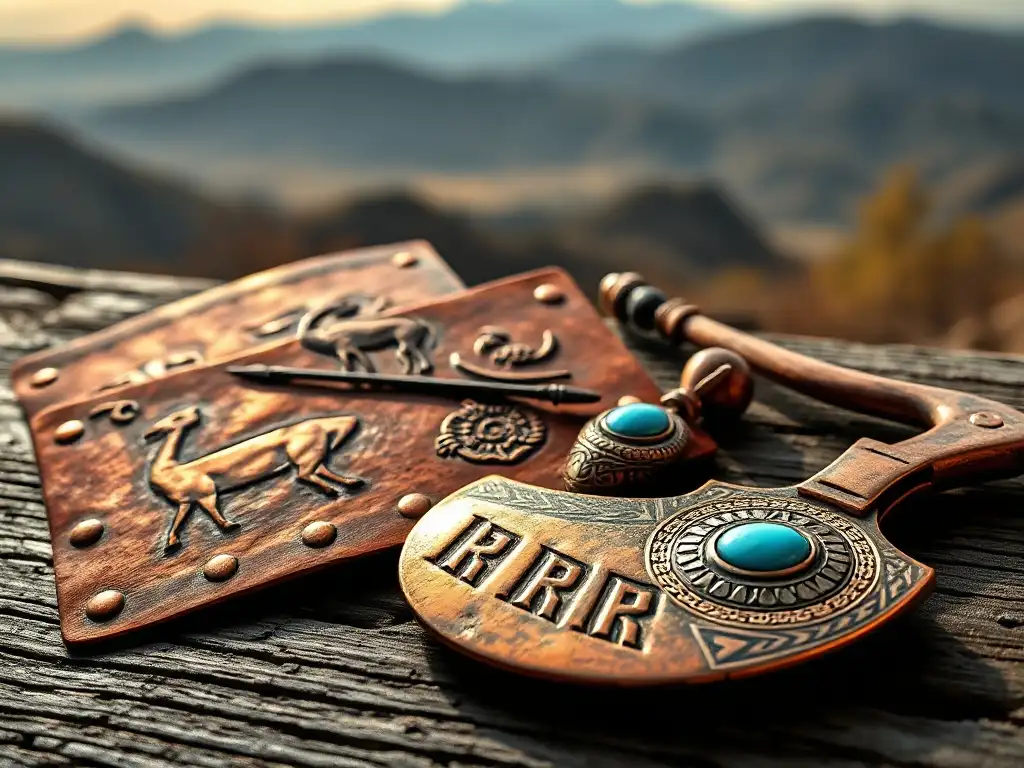
From the elaborate headdresses of elite members of society to the simpler pendants and earrings worn by commoners, copper played a vital role in expressing social hierarchy. The size, complexity, and the presence of other precious metals or semiprecious stones often indicated a higher social standing. For example, large copper breastplates inlaid with turquoise or gold were typically reserved for rulers or high priests. These pieces weren't just worn for display; they were integral parts of ceremonial rituals and power displays.
The forms themselves were incredibly diverse. We see intricate designs, often depicting stylized animals, deities, or abstract patterns. These weren't just simple shapes; they were imbued with meaning, often relating to Andean cosmology and mythology.
Some designs might represent powerful animals like jaguars or condors, symbolizing strength and power, while others might depict celestial bodies like the sun or moon, reflecting the Andean belief system's close connection to the cosmos. The craftsmanship involved in creating these intricate forms, often using techniques like hammering, annealing, and casting, demonstrates a remarkable level of skill and artistry. Detailed studies of surviving pieces reveal a surprisingly sophisticated understanding of metallurgy and design.
The use of copper in jewelry also extended beyond the realm of the elite. Simpler copper earrings, bracelets, and pendants were common amongst the general population, indicating its widespread availability and importance in daily life. While less ornate than those of the elite, these pieces still held symbolic meaning and served as important personal adornments.
The prevalence of copper jewelry across different Andean cultures highlights its importance as a material that transcended social boundaries, connecting individuals across social strata through shared cultural practices and beliefs. Further research into the distribution and stylistic variations of these artifacts can reveal more about trade networks and cultural exchange across the Andes. The legacy of these pieces continues to inspire contemporary artists and jewelry makers, demonstrating the enduring appeal and artistic significance of ancient Andean copperwork.
The Artistic Expression Through Copper: Regional Variations
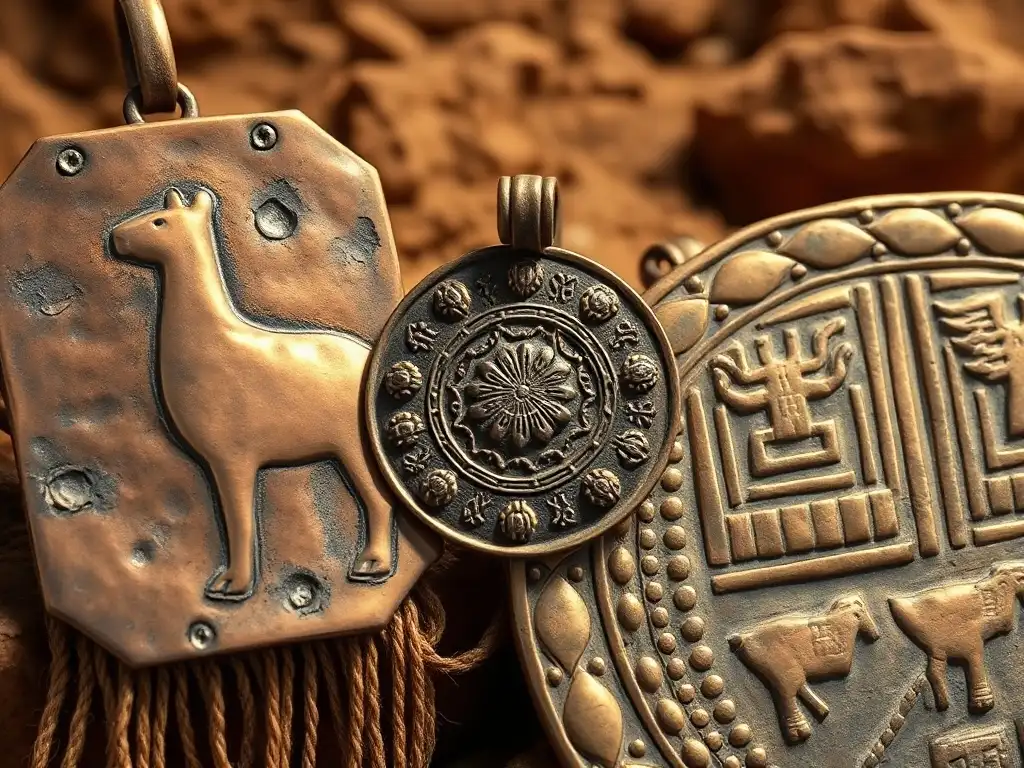
The use of copper in ancient Andean art wasn't a monolithic practice; rather, it bloomed with diverse regional styles reflecting unique cultural beliefs and technological advancements. Understanding these variations is crucial to appreciating the ingenuity and artistic expression of these civilizations. The readily available copper ore in the Andes fueled a flourishing metalworking tradition, shaping religious iconography, elite adornments, and everyday tools. The techniques employed, from hammering and annealing to casting and inlay, varied across cultures, resulting in a rich tapestry of artistic styles.
Analyzing these differences unveils insights into the social structures, belief systems, and technological capabilities of each Andean society. This section delves into the distinct characteristics of Moche, Inca, and Tiahuanaco copper artistry, highlighting their unique approaches to material manipulation and artistic expression. The sheer variety in Ancient Andean copper art techniques showcases the remarkable adaptability and innovation within the Andean world.
Moche Copper Art: Techniques and Iconography
Moche metalworkers, renowned for their mastery of lost-wax casting, produced exquisite objects reflecting their complex mythology and societal hierarchy. Their copper artifacts, often adorned with gold and silver inlays, depict powerful deities, fierce warriors, and scenes of ritual sacrifice. The Ancient Andean copper art techniques used by the Moche involved intricate detail work, showcasing their advanced metallurgical understanding.
For example, the iconic Moche "portrait vessels," while primarily ceramic, often incorporated copper elements, such as eyes or decorative accents, demonstrating the integration of different materials to enhance artistic impact. The use of alloys, such as arsenical copper, further enhanced the durability and aesthetic qualities of their work. The vibrant imagery, combined with the sophisticated casting techniques, points to a highly skilled and specialized artisan class, likely linked to the ruling elite.
Analysis of Moche copper artifacts reveals a deep understanding of metal properties, enabling them to create both functional tools and elaborate ceremonial objects. The stylistic consistency across numerous artifacts suggests established workshops and the transmission of specialized knowledge through generations.
The Moche's distinctive style is characterized by:
- Intricate Detail: Exquisitely rendered figures and scenes are common features.
- Figurative Representations: Deities, warriors, and animals are frequently depicted.
- Use of Inlay: Gold and silver inlays were used extensively to highlight details and add richness.
- Lost-Wax Casting: This sophisticated technique allowed for complex shapes and fine details.
Inca Copper Work: Imperial Style and Function
Inca copper work, while less flamboyant than that of the Moche, demonstrates a different kind of mastery: the standardization and mass production of objects reflecting the empire's administrative power. While the Inca also utilized lost-wax casting, their emphasis shifted towards functional items and standardized forms. This reflects the Inca's centralized administration and their focus on practical applications of metalworking.
The Ancient Andean copper art techniques employed by the Inca were adapted to produce tools, weapons, and ritual objects in greater quantities than previous Andean cultures. However, this doesn't mean a lack of artistry. Inca copper objects, often characterized by their simple yet elegant forms, demonstrate an understanding of balance and proportion.
The use of copper in Inca religious contexts often involved the creation of ritual objects, such as bells or small figurines, used in ceremonies. The stylistic uniformity across the vast Inca empire suggests a controlled and organized production system, reflecting the centralized nature of their government.
The Inca's copper work is distinguished by:
| Feature | Description |
|---|---|
| Style | Simple, elegant forms; emphasis on functionality |
| Techniques | Lost-wax casting, hammering, and annealing |
| Purpose | Tools, weapons, ritual objects, and decorative elements for elite individuals |
| Distribution | Standardized production across the vast Inca empire |
Tiahuanaco Copper Art: A Symbolic Language
Tiahuanaco copper objects, though less abundant than those of the Moche or Inca, possess a powerful symbolic significance. The Ancient Andean copper art techniques used by the Tiahuanaco culture often involved hammering and repoussé, creating intricate relief designs on relatively flat sheets of copper. Their artistry often focuses on stylized figures and geometric patterns, reflecting their sophisticated cosmology and religious beliefs. These designs, often incorporating feline imagery and intricate knotwork, are believed to represent cosmic forces and spiritual concepts central to their worldview.
The limited number of surviving Tiahuanaco copper artifacts suggests that they might have held a particularly sacred or ritualistic value, reserved for elite contexts or ceremonial purposes. The scarcity of these objects, combined with their complex iconography, underscores their importance within Tiahuanaco society. Further research is needed to fully understand the meaning and function of these unique pieces.
However, the available evidence hints at a sophisticated symbolic language embedded within their copper artistry. The use of copper, a valuable and rare material, reinforces the sacred and ritualistic significance associated with these objects. The artistry of Tiahuanaco highlights the use of copper as a medium to convey complex religious and cosmological beliefs.
Other Regional Styles of Copper Artifacts in the Andes
Beyond the well-known styles of the Incas and Moche, a diverse tapestry of copper artistry unfolded across the Andes. The geographically dispersed nature of these cultures led to unique aesthetic choices and technological innovations in copperworking. For example, the Nazca culture, famed for their geoglyphs, also displayed a remarkable skill in crafting small, intricately detailed copper objects.
These often featured stylized animals and geometric patterns, reflecting the symbolic language prevalent in their textile and ceramic arts. The level of detail achieved, considering the tools available at the time, is truly astonishing, showcasing a mastery of hammering, annealing, and potentially even lost-wax casting techniques.
The specific alloys used by the Nazca artisans, and how these might have influenced the final color and durability of the artifacts, remains an area of ongoing research. Further studies are needed to determine the exact composition of these alloys and their impact on the appearance of the finished pieces.
The Tiahuanaco culture, known for its monumental architecture and sophisticated social organization, also produced distinctive copper artifacts. While less prolific in terms of sheer volume compared to the Moche, the Tiahuanaco copper pieces often displayed a more monumental scale and a preference for bold, geometric designs. They frequently incorporated elements of their iconic stepped pyramids and stylized feline imagery into their metalwork. The precise techniques employed by Tiahuanaco artisans, especially concerning the creation of larger, more complex forms, are still being investigated.
Analysis of the copper objects themselves and the archaeological context in which they were found is crucial to understanding the full scope of their metalworking capabilities. Preservation challenges associated with these ancient artifacts also pose a significant hurdle in the ongoing research. Detailed analysis of the metallurgy and the decorative techniques employed are essential for a complete understanding of Tiahuanaco copper art.
Smaller, less dominant cultures also contributed significantly to the overall Andean copper tradition. These often-overlooked groups, scattered throughout the diverse Andean landscape, developed their own regional styles, frequently incorporating local materials and symbolic motifs into their copperwork. Studying these smaller groups provides a richer, more nuanced understanding of the overall Andean metalworking tradition. Unfortunately, the limited archaeological evidence available from some of these smaller cultures makes it challenging to fully reconstruct their metalworking practices and artistic styles.
Further excavation and analysis of sites in these regions are critically needed to shed light on these fascinating yet understudied aspects of ancient Andean copper art. The diversity of these regional styles highlights the widespread and deeply ingrained nature of copperworking within ancient Andean societies. Each region developed its own unique style, revealing the rich cultural landscape of the Andes.
The Legacy of Ancient Andean Copper Art Techniques
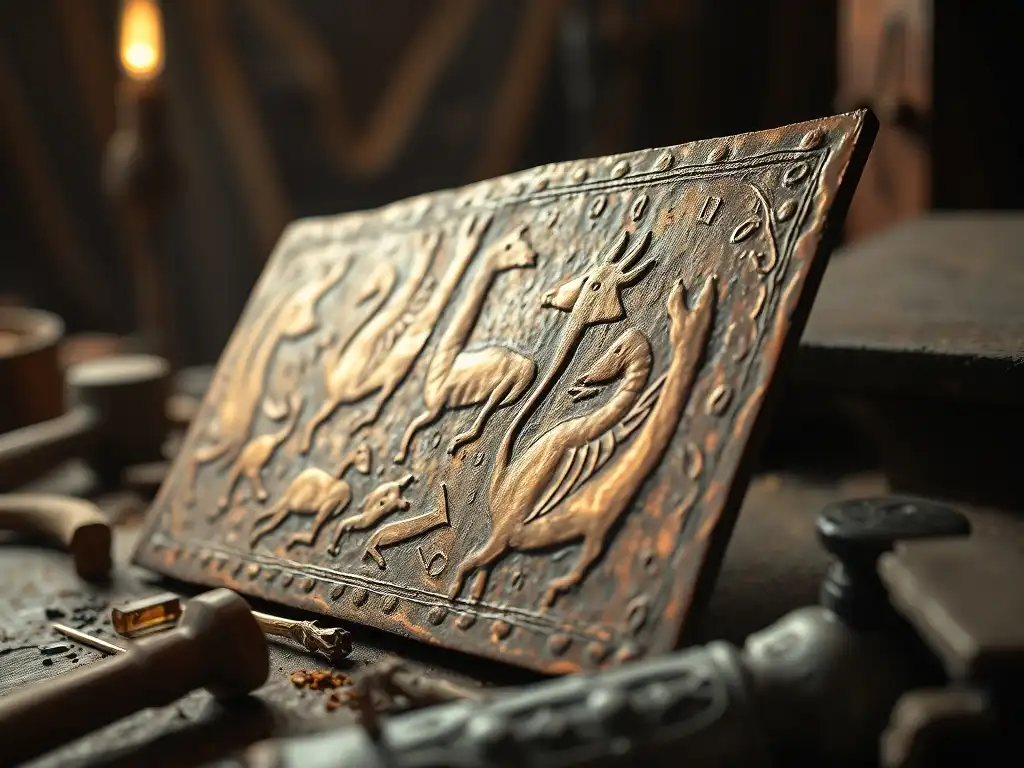
The artistry of ancient Andean civilizations, particularly their mastery of copper, continues to fascinate and inspire. Their techniques, passed down through generations, represent a sophisticated understanding of metallurgy and design. This section delves into the enduring legacy of these ancient Andean copper art techniques, examining the methods employed and their impact on subsequent artistic traditions. Understanding these techniques provides a deeper appreciation for the ingenuity and skill of these ancient metalworkers. The keyword "Ancient Andean copper art techniques" is central to this exploration.
The Transmission of Metalworking Skills Through Generations
The transmission of metalworking skills in the Andes wasn't merely a matter of apprenticeship; it was a deeply ingrained cultural practice. Evidence suggests a strong familial component, with knowledge and techniques passed down from parent to child, often within specific lineages. This ensured the continuity of artistic styles and metallurgical expertise across generations.
Consider, for example, the remarkably consistent quality and stylistic elements observed in copper artifacts spanning centuries within specific regions. This consistency points to a structured system of knowledge transfer, perhaps involving rituals or ceremonies marking the transition of skills. Furthermore, the complexity of some techniques, requiring specialized tools and a deep understanding of material properties, strongly suggests a systematic approach to training and mentorship.
Oral traditions, alongside practical demonstrations, likely played a significant role in this process, ensuring the preservation of valuable techniques and secrets. The meticulous detail found in many ancient Andean copper artifacts speaks volumes about the dedication and time invested in this intergenerational learning process. We can imagine young apprentices, carefully observing and assisting master craftsmen, gradually mastering the intricacies of hammering, annealing, and shaping malleable copper into breathtaking works of art.
The Influence of Pre-Columbian Copper Art on Modern Andean Craftsmanship
The legacy of ancient Andean copper art techniques extends far beyond the archaeological record. Modern Andean artisans continue to draw inspiration from their ancestors' mastery of metalworking, albeit with modern tools and techniques. While the scale and complexity might differ, the underlying principles of hammering, shaping, and embellishing copper remain strikingly similar.
The stylistic elements, particularly in the design motifs and symbolic representations, often echo pre-Columbian aesthetics. This continuous thread of artistic tradition highlights the enduring cultural significance of ancient Andean copperwork. Many contemporary artists actively seek to revive and reinterpret ancient techniques, using traditional methods alongside modern technologies.
This fusion of old and new results in a vibrant and evolving artistic expression that pays homage to the rich heritage of Andean metalworking. The intricate detail and symbolic representations found in modern Andean copper jewelry and decorative items often directly reflect motifs and designs prevalent in pre-Columbian artifacts, showcasing the enduring influence of these ancient techniques on contemporary artistic practices. The vibrant colors and intricate patterns observed in modern pieces are often informed by traditional Andean color palettes and decorative styles.
Preservation and Study of Andean Copper Artifacts
The preservation and study of ancient Andean copper artifacts are crucial for understanding these sophisticated techniques. The challenges involved in preserving these delicate objects are significant, especially given the effects of oxidation and environmental degradation. Careful conservation efforts, employing specialized techniques and materials, are essential to protect these invaluable pieces of cultural heritage.
Furthermore, scientific analysis, including metallurgical studies, plays a vital role in uncovering the secrets of ancient Andean metalworking. By analyzing the composition of the copper alloys, the techniques used in shaping and embellishing the artifacts, and the tools employed, researchers can gain a deeper understanding of the ingenuity and skill of the ancient artisans. These analyses often reveal surprising levels of sophistication and technological advancement, challenging preconceived notions about the capabilities of pre-Columbian societies.
Moreover, detailed documentation of these artifacts, including high-resolution photography and 3D scanning, is crucial for creating comprehensive records and facilitating future research. This ongoing work is essential not only for preserving these artifacts for future generations but also for further elucidating the remarkable legacy of ancient Andean copper art techniques. The ongoing efforts in preservation and study contribute significantly to our understanding of "Ancient Andean copper art techniques," enriching our appreciation of this remarkable cultural heritage.
The Enduring Allure of Ancient Andean Metalwork
The artistry of ancient Andean metalworking continues to captivate audiences worldwide. The sheer skill involved in transforming raw copper, gold, silver, and other metals into intricate objects of adornment, ritual, and power is truly remarkable. These aren't just functional items; they are breathtaking works of art that speak volumes about the sophisticated techniques and aesthetic sensibilities of these cultures. The enduring appeal lies not only in their beauty but also in the stories they tell—stories of societal structures, religious beliefs, and daily life.
Consider, for example, the intricate hammered details on a Moche ceremonial headdress or the delicate filigree work found in Inca jewelry. These pieces are not merely objects; they are tangible links to a vibrant past, showcasing a mastery of metallurgy that was centuries ahead of its time. The preservation of these artifacts, many found in remarkably good condition despite the passage of millennia, further enhances their allure and enables modern researchers and art enthusiasts to appreciate the ingenuity of these ancient artisans.
The vibrant colors achieved through patination and the innovative use of alloys further add to the allure, making these pieces highly sought after in museums and private collections alike. The enduring legacy of these techniques is evident in the ongoing study and appreciation of Andean metalwork, inspiring contemporary artists and researchers to this day. The meticulous attention to detail, the innovative use of materials, and the profound cultural significance imbue these pieces with an undeniable charm that transcends time and culture.
Hammering and Annealing: Fundamental Techniques
Ancient Andean metalworkers relied heavily on hammering and annealing to shape their copper creations. Hammering, a process of repeatedly striking the metal with a hammer, allowed artisans to shape and refine their pieces. This required significant skill and precision, as uneven hammering could easily damage the delicate copper. The process wasn't simply about brute force; it demanded a keen understanding of the metal's malleability and the ability to control the force and direction of each strike.
Annealing, on the other hand, involved heating the copper to a specific temperature and then allowing it to cool slowly. This process softened the metal, making it more pliable and less prone to cracking during hammering. The precise temperatures and cooling methods would have been carefully controlled, reflecting a deep understanding of the material properties. Without annealing, the copper would become brittle and work-hardened, making it impossible to shape into intricate designs.
The combination of hammering and annealing allowed the artisans to create incredibly detailed and complex forms, from thin sheets to three-dimensional sculptures. The mastery of these seemingly simple techniques is a testament to the advanced metallurgical knowledge of these ancient civilizations. Evidence of these techniques can be seen across various Andean cultures, demonstrating a widespread understanding and consistent application of these fundamental processes.
Advanced Techniques: Casting, Repoussé, and Alloying
Beyond the fundamental techniques of hammering and annealing, ancient Andean metalworkers employed a range of advanced methods to create their remarkable artwork. Casting, a process of pouring molten metal into a mold, allowed for the creation of complex shapes and intricate details that would be impossible to achieve solely through hammering. The creation of these molds, often made from clay or stone, itself required considerable skill and precision. Repoussé, a technique where the metal is shaped from the back using hammers and punches, allowed for the creation of three-dimensional forms with remarkable detail.
This required a deep understanding of the metal's properties and the ability to manipulate it with great delicacy. Furthermore, the ancient Andean metalworkers were masters of alloying, combining different metals to create new alloys with desired properties. For instance, they combined copper with tin to create bronze, a harder and more durable metal suitable for tools and weapons.
The precise proportions of the alloys were carefully controlled, indicating a sophisticated understanding of metallurgy. The combination of casting, repoussé, and alloying allowed Andean artisans to create an extraordinary range of objects, from functional tools to elaborate ceremonial items, showcasing their advanced technical skills and artistic vision. The precise control and innovative application of these techniques underscore their mastery of metalworking.
Frequently Asked Questions
What role did copper play in Ancient Andean societies?
Copper was incredibly important, serving as a fundamental material for tools, weapons, and elaborate artwork. Its malleability and aesthetic appeal made it highly valued.
What were some common copper art techniques used by Andean civilizations?
Ancient Andean artisans employed techniques such as hammering, annealing, casting, and inlaying to create intricate and beautiful copper objects. Alloying with other metals was also common.
Which Andean cultures are most known for their copper artistry?
While many cultures worked with copper, the Moche, Nazca, and Inca are particularly renowned for their sophisticated copperworking skills and the artistry displayed in their creations.
How did the Andeans obtain the copper they used?
Andean civilizations had access to rich copper deposits throughout the Andes mountains. Mining techniques varied across cultures and time periods, but evidence suggests sophisticated methods were employed.
Where can I see examples of ancient Andean copper art?
Many museums worldwide house collections of ancient Andean copper artifacts. You can find examples in museums in Peru, as well as major institutions in the United States and Europe. Online resources also offer many images and information.
Final Reflection: The Enduring Legacy of Andean Copper
The mastery of copper by ancient Andean artisans wasn't merely a technological achievement; it was a profound cultural statement, a testament to human ingenuity that continues to resonate today. The intricate techniques they developed, from hammering and annealing to casting and inlay, remain a source of wonder and inspiration, challenging our modern understanding of metallurgical prowess and artistic expression. Their legacy is not confined to dusty museum displays; it lives on in the vibrant cultural identity of the Andes and continues to inform contemporary artistic practices.
The enduring power of Andean copper art lies not just in its aesthetic beauty, but in its ability to connect us to a rich and complex past. These objects, imbued with the spirit and beliefs of their creators, speak volumes about their society, their worldview, and their relationship with the natural world. Art washes away from the soul the dust of everyday life.
– Pablo Picasso. This quote, while not directly related to Andean art, perfectly captures the timeless power of artistic expression to transcend time and connect us across cultures. The enduring appeal of these artifacts underscores the importance of preserving and understanding these ancient techniques, ensuring their stories continue to be told.
Consider, for a moment, the skill and dedication required to create these masterpieces. Imagine the generations of knowledge passed down, the meticulous craftsmanship, the deep connection to the earth from which the copper was mined. You, the reader, are now part of this ongoing conversation.
Take a moment to reflect on the artistry you've encountered in this article. Let the enduring legacy of Andean copper inspire you to appreciate the artistry and ingenuity of past civilizations, and to seek out the connections between ancient traditions and your own life. Perhaps even more importantly, let it inspire you to appreciate the enduring power of human creativity and its ability to transcend time.
Unveil the Wonders of Copper's Legacy!
Thank you for exploring the fascinating world of ancient Andean civilization and the crucial role copper played in its art. We hope you were inspired by the beauty and ingenuity of Andean craftsmanship. Now, let's delve deeper into this rich history!
Here are some ways you can continue your exploration:
- Visit local museums or browse online exhibits featuring Andean artifacts to experience the artistry of copper up close.
- Connect with other enthusiasts by joining online forums or social media groups dedicated to Andean history. Share your discoveries and insights!
- Consider creating your own artwork using copper or similar materials to engage with this enduring tradition.
What most captivates you about Andean art, and how do you believe it reflects the culture's values and identity? We'd love to hear your perspectives!