
Unveiling the Dawn: The Enigmatic First Footprints in the Andes


Step into a world lost to time, yet echoing with the whispers of giants. Imagine colossal mountain cities carved from stone, intricate textiles woven with celestial stories, and advancements in engineering that defy explanation. This is the realm of Ancient Andean civilizations history, a tapestry of ingenuity and mystery waiting to be unravelled. Prepare to be captivated as we delve into the enigmatic origins of these fascinating cultures, beginning with the very first footprints in the Andes... Dive in and discover the secrets held within the breathtaking landscapes of "Unveiling the Dawn."
The Andes Mountains, a spine of rock and ice stretching along the western edge of South America, have witnessed millennia of human history. This article delves into the captivating story of the earliest Andean inhabitants, exploring their initial settlements, innovative adaptations, and the enduring legacy they left behind.
Understanding the origins of these ancient Andean civilizations is crucial to appreciating the complex tapestry of cultures that would later flourish in the region, from the Inca Empire to the preceding Moche, Nazca, and Tiahuanaco societies. We will journey back in time, piecing together the fragmented evidence to paint a picture of life in the nascent Andean world, uncovering the ingenuity and resilience of the people who first called this challenging yet rewarding landscape home.
This exploration of "Ancient Andean civilizations history" will reveal not only when these early settlements emerged but also how they thrived in such a diverse and demanding environment.
Introduction to the Earliest Andean Settlements
The precise origins of human settlement in the Andes remain a subject of ongoing research and debate. However, archaeological findings point towards a gradual process of human migration and adaptation spanning millennia. Early evidence suggests the presence of humans in the Andes as far back as 12,000 years ago, although the nature of these early settlements is still being understood. These early inhabitants were not simply passive inhabitants; they were active agents, shaping their environment and developing sophisticated strategies to survive and thrive in the high-altitude regions.
The earliest settlements were likely small, dispersed groups practicing a hunter-gatherer lifestyle. Archaeological evidence, including the discovery of early tools and remnants of campsites, suggests a reliance on readily available resources such as wild plants and animals.
The varied geography of the Andes, ranging from coastal deserts to high-altitude plains and cloud forests, presented both challenges and opportunities, forcing these early populations to develop diverse strategies for subsistence. The development of agriculture, a crucial turning point in Andean history, is believed to have begun gradually, with the domestication of native plants like potatoes and quinoa playing a vital role in the transition from nomadic hunter-gatherer societies to more settled agricultural communities.
Adapting to Altitude and Climate: Technological Innovations
The high altitude of the Andes presented significant challenges to early inhabitants. Thin air, extreme temperature fluctuations, and unpredictable weather patterns required innovative solutions for survival. These early Andean populations didn't merely endure; they adapted and innovated. Their ingenuity is reflected in their technological advancements, which allowed them to cultivate crops in challenging terrains and to build shelters that provided protection from harsh weather conditions.
Evidence suggests the development of sophisticated irrigation systems, terracing techniques, and specialized farming tools. These innovations allowed for the efficient cultivation of crops, even on steep slopes and in arid regions. The construction of sturdy houses, often made from locally sourced materials like adobe or stone, further demonstrates the adaptive capabilities of these early communities.
Furthermore, their understanding of the Andean environment allowed them to develop a deep knowledge of medicinal plants and other natural resources, contributing to their overall well-being and resilience. The ingenuity displayed in these adaptations laid the foundation for the more complex societies that would emerge later in Andean history.
The Spread of Early Andean Cultures: Tracing Migration Patterns
Understanding the migration patterns of early Andean populations is key to grasping the spread and development of their cultures. While the exact routes and timelines remain unclear in many instances, archaeological evidence suggests a gradual expansion from several initial settlement areas. The discovery of similar artifacts and technologies in geographically dispersed locations hints at the exchange of ideas and cultural practices among different groups.
The movement of people was likely influenced by a combination of factors, including the availability of resources, environmental changes, and social dynamics. The movement of these early populations wasn't necessarily a chaotic or violent process; rather, it likely involved a complex interplay of migration, trade, and cultural exchange. Detailed analysis of ancient DNA, combined with archaeological data, is slowly revealing a more complete picture of these early Andean population movements and their impact on the development of distinct cultural identities across the region.
This ongoing research is crucial for a more complete understanding of the "Ancient Andean civilizations history". Further research is needed to fully clarify the intricate details of these early migrations.
The Legacy of Early Andean Settlements: A Foundation for Future Empires
The early Andean settlements, although often overlooked in favor of the more elaborate later empires, laid the crucial groundwork for the magnificent civilizations that followed. Their mastery of agriculture, their technological innovations, and their adaptation to the challenging Andean environment created a foundation upon which future societies could build. The knowledge and skills accumulated by these early inhabitants—from irrigation techniques to the domestication of crops—were passed down through generations, shaping the development of later Andean cultures.
Their legacy is not merely material; it also lies in their cultural practices, beliefs, and social structures. The early Andean worldview, with its profound connection to the natural world, would continue to influence subsequent societies. The ingenuity and resilience demonstrated by these early inhabitants serve as a testament to the human capacity for adaptation and innovation, and their story forms a vital chapter in the rich and complex history of the Andes. The enduring influence of these early settlements reminds us that the grandeur of the later empires was built upon the solid foundations laid by these pioneering inhabitants.
- Introduction to the Earliest Andean Settlements
- Adapting to Altitude and Climate: Technological Innovations
- The Spread of Early Andean Cultures: Tracing Migration Patterns
- The Legacy of Early Andean Settlements: A Foundation for Future Empires
- What is the main focus of this article, "Unveiling the Dawn: The Enigmatic First Footprints in the Andes"?
- Which ancient Andean civilizations are discussed in the article?
- What kind of information can I expect to find regarding the "Ancient Andean civilizations history"?
- How does this article contribute to understanding the broader history of the Andes?
- Where can I find more information about the specific cultures mentioned in the article?
The Preceramic Period: Laying the Foundation for Andean Civilizations
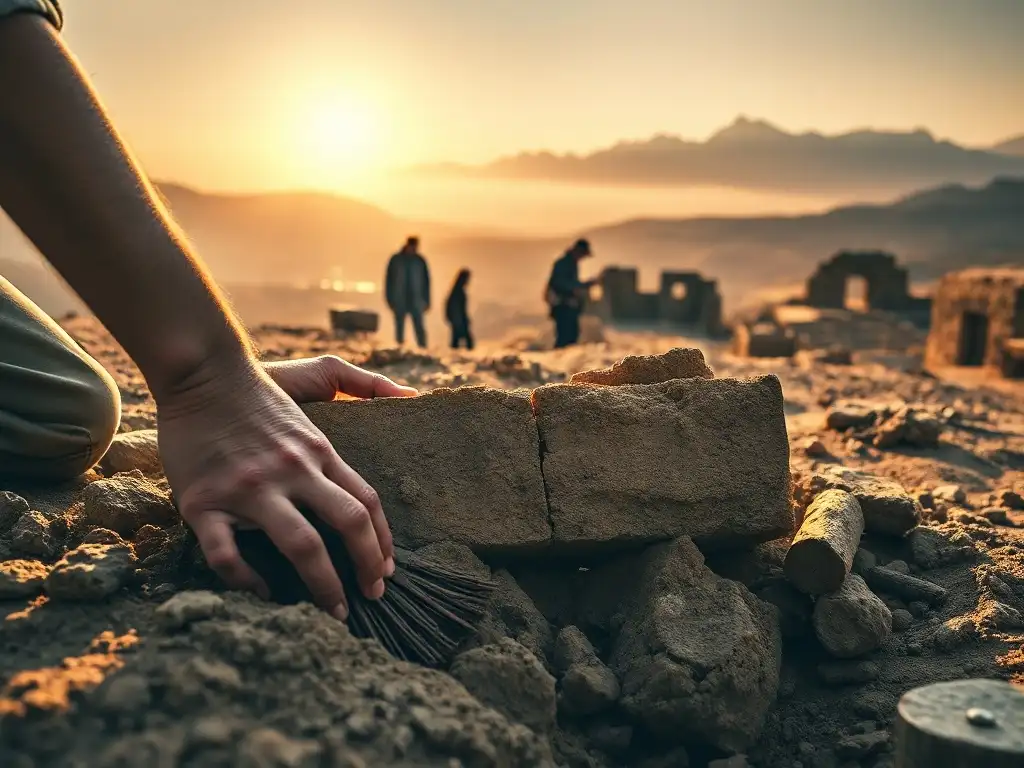
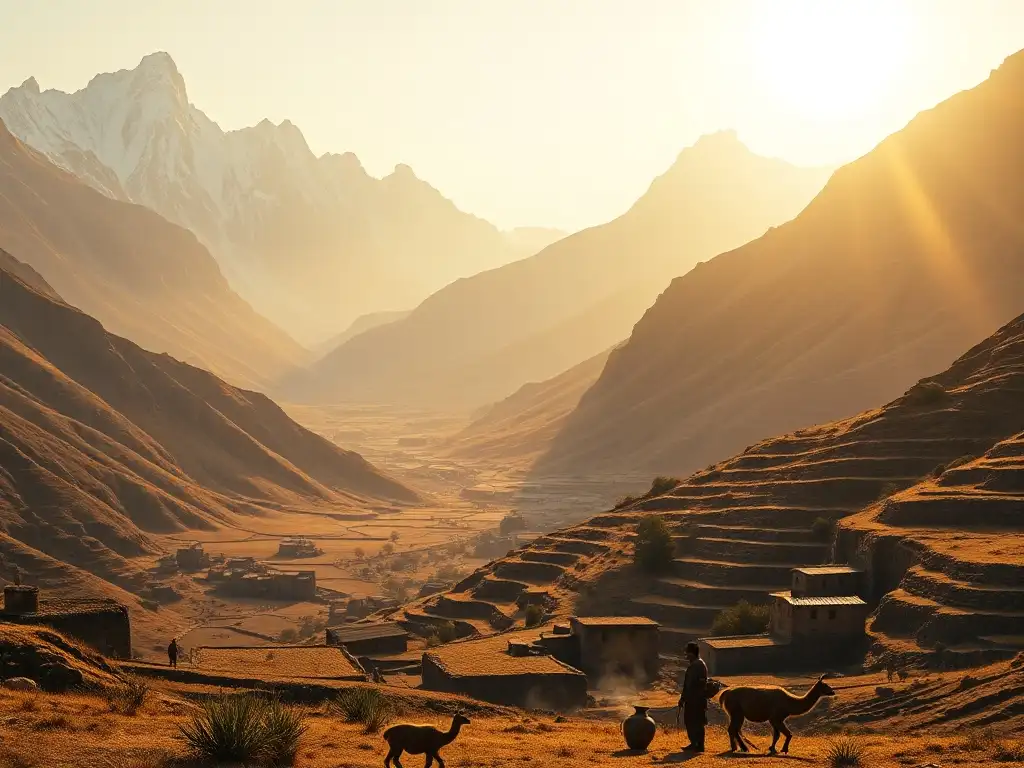
This section delves into the crucial Preceramic Period (circa 8000-1800 BCE), a foundational era in the development of Ancient Andean civilizations history. Before the rise of monumental architecture and sophisticated technologies associated with later cultures like the Inca, Moche, and Nazca, the Andes witnessed the gradual emergence of complex societal structures rooted in adaptation to diverse environments and resource management. Understanding this period is vital to appreciating the later achievements of these remarkable civilizations. The innovations and challenges faced by early Andean inhabitants directly shaped the trajectory of their history.
Early Hunter-Gatherers in the Andean Highlands
The earliest inhabitants of the Andean highlands were nomadic hunter-gatherers, adept at exploiting the varied resources offered by this challenging terrain. Archaeological evidence suggests a reliance on hunting camelids (llamas and alpacas) and collecting wild plants. Cave paintings and rock art from this period offer glimpses into their lives, depicting hunting scenes and stylized representations of animals and possibly celestial events.
These early groups developed a deep understanding of their environment, learning to navigate the high altitudes and utilize available resources effectively. Their survival strategies laid the groundwork for later sedentary communities.
The challenges of adapting to the harsh climate, including extreme temperatures and altitude sickness, fostered resilience and resourcefulness, crucial traits for the development of more complex societies. Further research is needed to fully understand the social organization and belief systems of these early highland groups; however, existing evidence points to a sophisticated understanding of their environment and a capacity for adaptation which were key factors in their survival.
Coastal Adaptations and Resource Management
In contrast to the highland environment, the coastal regions of the Andes offered a different set of challenges and opportunities. The Preceramic coastal inhabitants developed highly effective strategies for exploiting marine resources. Evidence from sites like Paloma and Huaca Prieta reveals the early domestication of plants like squash and beans, alongside a significant reliance on fishing and shellfish gathering.
The development of sophisticated fishing techniques, including the use of nets and hooks, allowed for a stable food supply. This abundance of resources contributed to the development of larger, more sedentary settlements along the coast. Careful management of these resources was crucial for survival, laying the groundwork for future agricultural advancements.
The coastal communities also developed impressive technologies for processing and preserving food, techniques that likely influenced later Andean cultures. Analysis of shell middens reveals detailed insights into their dietary habits and resource management strategies, highlighting their remarkable adaptability to the coastal ecosystem.
The Emergence of Sedentary Lifestyles
A significant shift occurred during the late Preceramic period with the emergence of sedentary lifestyles. This transition, linked to increased agricultural productivity and the domestication of plants and animals, represents a fundamental turning point in Ancient Andean civilizations history. The development of irrigation systems, though initially simple, allowed for the cultivation of larger areas of land, leading to increased food surpluses.
This surplus facilitated population growth and the development of more complex social structures. The establishment of permanent villages marked a significant change from the nomadic lifestyle of earlier hunter-gatherers. Larger settlements required more sophisticated organizational structures, leading to the development of social hierarchies and specialized labor.
The transition to sedentary life is not a linear process; archaeological findings illustrate a gradual shift with varying timelines across different regions of the Andes. However, this period marks a crucial step towards the development of the more complex societies that would flourish in the following centuries, leaving an undeniable mark on Ancient Andean civilizations history.
Tracing the Origins: Archaeological Evidence of Early Andean Peoples
This section delves into the compelling archaeological evidence that illuminates the lives and development of the earliest Andean inhabitants, long before the rise of the Inca Empire. Understanding these foundational societies is crucial to grasping the complexities of later, more sophisticated Andean civilizations. Our exploration will focus on key sites, artifact analysis, and the crucial role of radiocarbon dating in establishing reliable chronologies for these ancient cultures. This allows us to build a more complete picture of "Ancient Andean civilizations history."
Key Archaeological Sites: Caral, Huaca Prieta, and Kotosh
Several pivotal archaeological sites offer invaluable glimpses into the lives of early Andean populations. These sites, representing distinct cultural expressions and geographical locations, showcase the diversity and ingenuity of these pioneering communities.
- Caral: Located in the Supe Valley of Peru, Caral is renowned as one of the oldest known urban centers in the Americas. Dating back to approximately 2600 BCE, Caral reveals a sophisticated social organization, evidenced by its monumental architecture – large pyramids, plazas, and residential structures. The absence of weaponry or defensive structures suggests a relatively peaceful society focused on agriculture and resource management. Analysis of its remains shows evidence of a complex irrigation system, hinting at advanced agricultural practices and a well-organized society capable of managing substantial resources. This challenges previous assumptions about the development of complex societies in the Andes, significantly impacting our understanding of "Ancient Andean civilizations history."
- Huaca Prieta: Situated on the north coast of Peru, Huaca Prieta is significant for its early evidence of cotton cultivation and the development of sophisticated textile production. Dating back to around 3500 BCE, this site provides compelling evidence of the earliest known use of cotton in the Americas. The discovery of meticulously crafted woven textiles and intricate basketry at Huaca Prieta reveals a level of artistic skill and technological advancement that was previously underestimated for this early period. These artifacts reveal a cultural sophistication previously unknown, adding significant depth to the narrative of "Ancient Andean civilizations history."
- Kotosh: Located in the central Andes of Peru, Kotosh is famous for its distinctive architecture and the discovery of the "Temple of the Crossed Hands," a remarkable structure featuring a unique artistic motif. Dating to approximately 2000 BCE, Kotosh demonstrates complex religious practices and symbolic representations. The "Temple of the Crossed Hands" itself is a testament to the early development of religious structures and rituals, demonstrating the importance of spiritual life in shaping the social fabric of these early communities. This site significantly contributes to our understanding of the early development of Andean religious beliefs and their influence on the broader societal structure, enriching the study of "Ancient Andean civilizations history."
Analyzing Artifacts: Stone Tools, Woven Textiles, and Basketry
The artifacts unearthed at these sites provide crucial insights into the technological capabilities and daily lives of early Andean peoples. Analysis of these materials reveals the sophistication of their craftsmanship and their ability to adapt to their environment.
The analysis of stone tools reveals a gradual progression in technology, moving from simple chopping tools to more refined projectile points and grinding stones. This development reflects an increased mastery over stone working techniques and a growing adaptation to diverse hunting and agricultural practices. Similarly, the study of woven textiles and basketry reveals sophisticated techniques and the use of diverse plant fibers, showcasing their understanding of plant properties and their ability to create durable and aesthetically pleasing objects.
These artifacts are not just practical tools; they are also indicators of artistic expression and social organization. The intricate designs and varied techniques used in their creation demonstrate a complex cultural landscape and a rich artistic tradition, contributing significantly to our understanding of "Ancient Andean civilizations history."
Insights from Radiocarbon Dating: Establishing Chronologies
Radiocarbon dating plays a pivotal role in establishing accurate chronologies for early Andean sites. By analyzing organic materials like plant remains and bone fragments, researchers can determine the age of artifacts and settlements with a relatively high degree of precision. This technique is essential for constructing a coherent timeline of cultural development in the Andes, allowing us to trace the evolution of technology, social structures, and belief systems over millennia.
The application of radiocarbon dating has significantly refined our understanding of the temporal relationships between different sites and cultures, leading to a more nuanced and accurate reconstruction of "Ancient Andean civilizations history." Without this precise dating, our understanding of these early societies would be significantly less precise and complete, hindering our ability to accurately trace the development of these fascinating cultures.
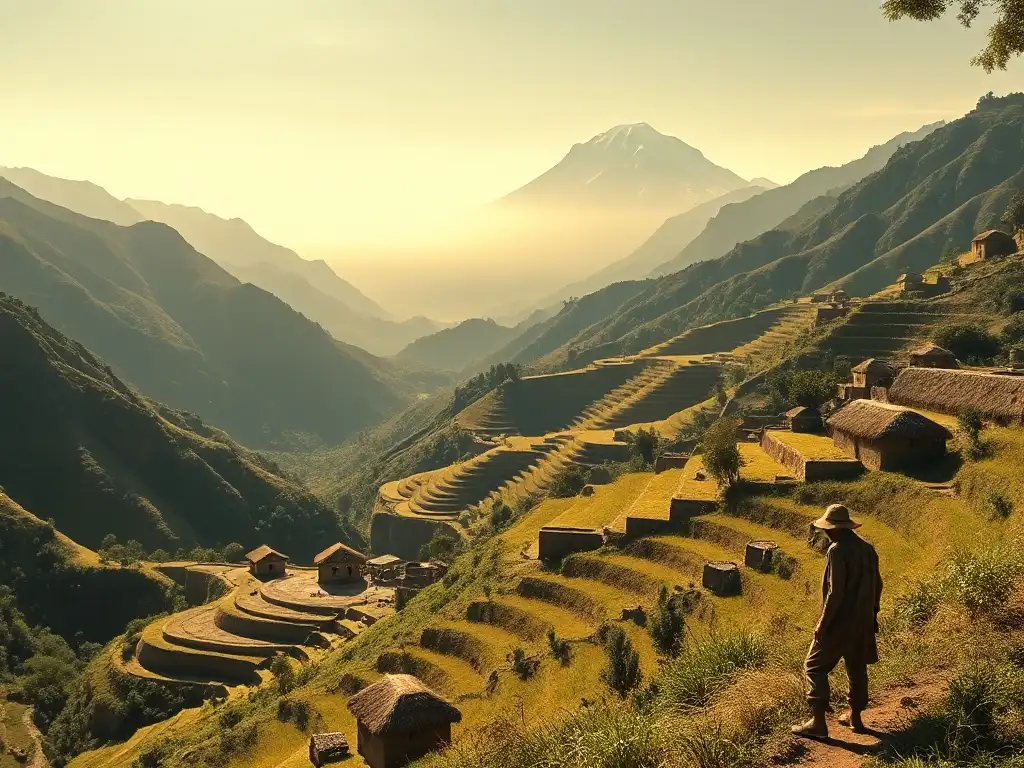
The development of agriculture in the Andes Mountains profoundly impacted the trajectory of Ancient Andean civilizations history. The transition from nomadic hunter-gatherer lifestyles to settled agricultural communities laid the groundwork for the complex societies that would later flourish. This shift, occurring gradually over millennia, involved a remarkable adaptation to the challenging Andean environment and spurred significant innovations in farming techniques and social organization.
The availability of surplus food, a direct consequence of successful agriculture, fostered population growth, specialization of labor, and the emergence of social hierarchies. This section delves into the crucial role of agriculture in shaping the early Andean civilizations.
The Domestication of Andean Crops: Potatoes, Quinoa, and Llamas
The domestication of key crops and animals was pivotal to the success of early Andean agriculture. Solanum tuberosum, better known as the potato, became a staple food, its diverse varieties adapting to a wide range of altitudes and climates across the Andes. Similarly, Chenopodium quinoa, or quinoa, provided a crucial source of protein and carbohydrates, thriving in harsh conditions where other crops failed. These two crops, along with other important Andean plants like maize and beans, formed the cornerstone of the Andean diet.
The domestication of the llama ( Lama glama) and alpaca ( Vicugna pacos) provided crucial resources beyond food. These camelids served as pack animals, transporting goods across the challenging terrain, and their wool became a vital material for clothing and textiles. Their dung served as fertilizer, further enhancing agricultural productivity.
The successful domestication of these animals significantly increased the carrying capacity of the Andean environment, enabling larger and more settled populations. Understanding the precise timing and methods of domestication remains a subject of ongoing research, but archaeological evidence suggests a gradual process spanning centuries, involving careful selection and breeding. The development of sophisticated irrigation systems further enhanced the productivity of these crops, allowing for sustained agricultural surpluses.
The Rise of Early Villages and Communities
The increased food security provided by successful agriculture led to the establishment of permanent settlements and the growth of early villages. These communities, initially small and relatively egalitarian, gradually increased in size and complexity. Archaeological sites like [Specific site name pending] in the [Specific region pending] region provide evidence of early village life, revealing insights into housing structures, social organization, and subsistence strategies.
The development of specialized tools, such as grinding stones for processing grains and textiles, indicates a growing division of labor, with individuals specializing in different tasks. This specialization contributed to increased efficiency and productivity within the communities.
The emergence of villages also facilitated the development of social networks and exchange systems. Evidence suggests that early Andean communities engaged in trade, exchanging goods and resources with neighboring groups. This interconnectivity fostered cultural exchange and contributed to the spread of agricultural practices and technologies across the Andes. The size and complexity of these early villages varied considerably, depending on factors such as environmental conditions, resource availability, and population density. However, their existence marks a significant step in the development of complex societies in the Andes.
While early Andean villages were initially relatively egalitarian, evidence suggests that social stratification began to emerge as communities grew larger and more complex. The accumulation of wealth, particularly in the form of agricultural surpluses and valuable resources, likely played a significant role in the development of social hierarchies. Archaeological discoveries of elaborate burials, containing prestigious grave goods, indicate the existence of individuals with higher social status.
These burials often contained items such as finely crafted pottery, textiles, and ornaments, reflecting differences in wealth and power. The presence of large, monumental structures, such as [Specific structure type pending], also suggests the existence of centralized authority and the mobilization of significant labor resources.
The precise nature and extent of social stratification in the early Andean period are still debated among scholars. Some argue that social hierarchies were relatively fluid and based on achievement, while others believe that inherited status played a more significant role.
Further research, including detailed analysis of archaeological data and the development of more sophisticated dating techniques, is needed to fully understand the dynamics of social complexity in the prehistoric Andes. However, the presence of early signs of social inequality provides a crucial context for understanding the later development of more complex and hierarchical societies in the region, significantly impacting the trajectory of Ancient Andean civilizations history.
The Dawn of Andean Art and Symbolic Expression
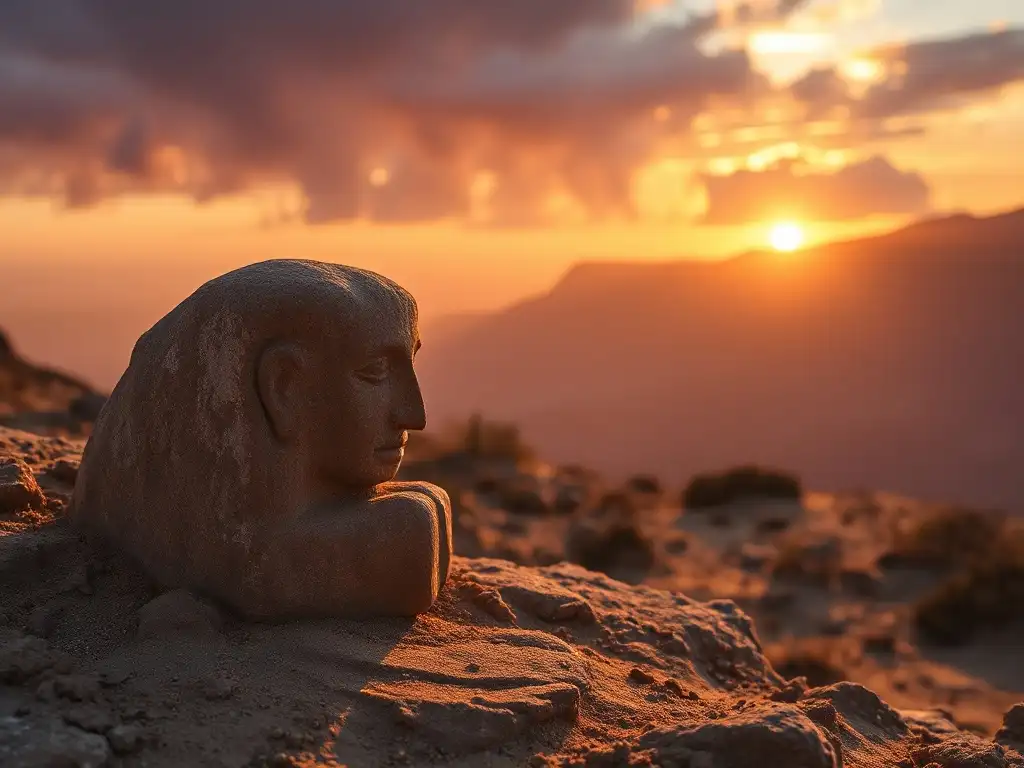
The exploration of "Ancient Andean civilizations history" necessitates a deep dive into their artistic expressions, which served as powerful vehicles for transmitting beliefs, values, and societal structures. These early artistic endeavors weren't merely decorative; they were integral to the spiritual and social fabric of these burgeoning societies. Understanding these early artistic manifestations provides invaluable insight into the worldview and societal organization of the first Andean inhabitants.
The earliest evidence of artistic expression reveals a complex interplay between the natural environment and the human spirit, laying the foundation for the sophisticated artistic traditions that would flourish in later Andean cultures. The development of art wasn't a sudden event, but rather a gradual process interwoven with the development of social complexity and technological advancements.
Early Artistic Manifestations: Rock Art at Toquepala and Lauricocha
The earliest known examples of Andean art are found in rock art sites such as Toquepala in southern Peru and Lauricocha in central Peru. These sites showcase a range of artistic styles and techniques, hinting at the diversity of early Andean groups and their unique cultural expressions. At Toquepala, for instance, researchers have documented numerous examples of rock paintings depicting camelids, human figures, and abstract symbols.
The vibrant pigments used, often derived from minerals found locally, suggest a sophisticated understanding of color and its symbolic significance. Analysis of the pigments and the rock surfaces themselves provides valuable information about the dating and the environmental context of these artistic creations. The stylistic variations observed within the Toquepala rock art suggest that these creations span a considerable timeframe, reflecting the evolution of artistic conventions over generations.
The Lauricocha cave paintings, on the other hand, present a different artistic style, often featuring simpler geometric patterns and representations of hunting scenes. The use of ochre and charcoal in these paintings offers a contrasting palette to the vibrant colors found at Toquepala.
The presence of both figurative and abstract representations in these early artistic traditions suggests that Andean artists were already exploring a wide range of visual languages to express their worldview. Further research is necessary to fully understand the chronological relationships between these different artistic styles and their possible connections to specific cultural groups.
The study of these early rock art sites is crucial for understanding the evolution of artistic expression in the Andes and its relationship to the broader cultural development of the region. Detailed analysis of the pigments, techniques, and subject matter provides vital clues to understanding the beliefs, social structures, and daily lives of the earliest Andean inhabitants.
Symbolic Representations of the Andean Worldview
The imagery found in early Andean art offers valuable insights into the worldview of these ancient societies. Many of the depictions, whether figurative or abstract, appear to be deeply connected to the natural environment. Camelids, for example, frequently feature prominently, reflecting their importance as a source of food, transportation, and raw materials.
The representation of these animals often transcends simple depiction, imbued with symbolic meaning reflecting the spiritual significance of these creatures in Andean society. The recurring motifs of spirals, zigzags, and other geometric patterns suggest an appreciation for abstract forms and their potential for conveying deeper meanings. These symbols likely represented concepts that were central to Andean cosmology, possibly relating to celestial bodies, agricultural cycles, or other aspects of the natural world.
The presence of human figures in the rock art, often depicted in stylized forms or engaged in activities such as hunting or ritualistic ceremonies, provides further clues to the social organization and daily lives of these early communities. The depiction of individuals in different poses or adorned with specific ornaments may indicate social hierarchies or ritualistic roles within the society.
Further research is needed to fully decipher the symbolism embedded in these artistic representations, including the use of specific colors, compositions, and the context of the images within their respective sites. The decoding of these symbolic languages is crucial for reconstructing a comprehensive understanding of the beliefs, values, and social dynamics of early Andean civilizations.
The Significance of Ritual and Ceremony in Ancient Andean Culture
The significance of ritual and ceremony in shaping the cultural landscape of early Andean societies is powerfully illustrated through the archaeological evidence. While direct evidence may be limited, the prevalence of certain motifs in early art suggests that ritual played a pivotal role in their lives. The repeated depictions of human figures in specific poses, often associated with abstract symbols or animals, strongly suggest the presence of ceremonial practices. These rituals likely served multiple functions, including maintaining social cohesion, ensuring successful harvests, and communicating with the spiritual world.
The careful selection and preparation of pigments used in rock art further points to the ritualistic nature of artistic creation. The fact that many of these pigments were sourced from distant locations suggests a significant investment of time and effort in the production of these artistic works, elevating their significance beyond mere decoration.
The location of many rock art sites, often in remote or inaccessible locations, also supports this idea; these sites may have been deliberately chosen for their sacred significance or their association with particular rituals. Furthermore, the presence of artifacts found alongside rock art, such as ceremonial objects or offerings, provides additional corroboration for the importance of ritual in the creation and use of these artistic expressions.
The study of early Andean art, therefore, provides a window into the deeply spiritual and ritualistic aspects of their lives, offering a valuable perspective on their worldview and societal structures. More research is needed to fully comprehend the specific rituals practiced and their role in shaping Andean societies.
Connecting the Dots: Understanding the Legacy of the First Andean Inhabitants
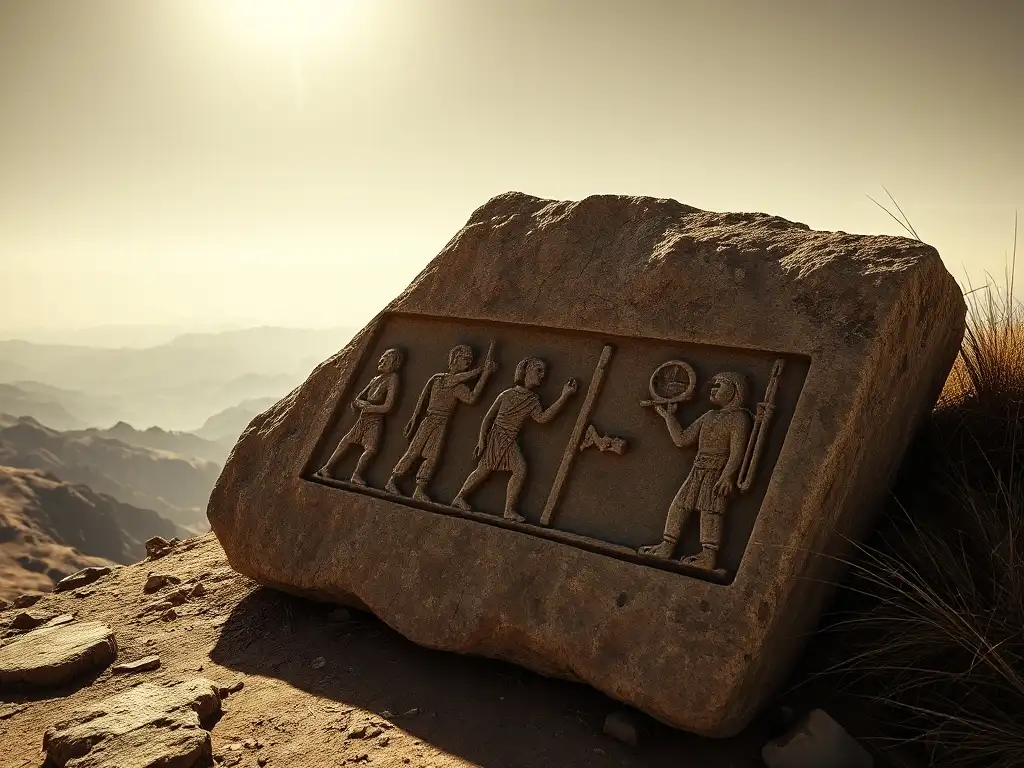
This section delves into the profound and lasting impact of the earliest Andean inhabitants on the subsequent flourishing of complex civilizations like the Inca, Moche, and Nazca. Understanding their contributions is crucial to grasping the full narrative of Ancient Andean civilizations history. We'll explore how their innovative approaches to settlement, agriculture, and technology laid the groundwork for later societal advancements.
The legacy of these pioneering groups isn't merely a historical footnote; it's the very foundation upon which the impressive achievements of later Andean cultures were built. Their ingenuity in adapting to the challenging Andean environment serves as a testament to human resilience and innovation.
How Early Settlements Shaped Later Andean Civilizations
The initial settlements in the Andes, characterized by small, dispersed communities, gradually evolved into larger, more complex social structures. These early settlements, often located near reliable water sources and fertile valleys, were strategically chosen to maximize access to resources. This careful consideration of geography directly influenced the development of later urban centers and agricultural practices.
For example, the careful terracing techniques employed by early Andean farmers – evident in archaeological sites like [Specific archaeological site pending] – became a hallmark of later civilizations, allowing them to cultivate crops on steep slopes and maximize arable land. This early mastery of agriculture not only ensured food security but also facilitated population growth and the development of specialized labor, paving the way for more intricate social hierarchies and the emergence of complex societies.
The strategic placement of early settlements also influenced the development of road networks and communication systems, laying the groundwork for the impressive infrastructure seen in later Andean empires. The study of these early settlements provides invaluable insights into the long-term processes of societal development in the Andes, highlighting the continuous adaptation and innovation of its inhabitants.
The Influence of Preceramic Cultures on Andean Traditions
Preceramic cultures, predating the use of pottery, left an indelible mark on subsequent Andean traditions. Their sophisticated understanding of the environment, reflected in their advanced agricultural techniques and intricate social organizations, provided the foundation for later cultural achievements. These early inhabitants developed complex systems of irrigation, as seen in [Specific example of early irrigation system pending], which allowed them to cultivate diverse crops in challenging environments.
Their mastery of textile production, evident in the discovery of early textiles made from [Specific material pending], laid the groundwork for the renowned textile traditions of later Andean cultures. Furthermore, their unique religious and cosmological beliefs, reflected in [Specific example of early religious practices pending], influenced the development of religious practices and iconography in later societies.
The legacy of preceramic cultures is interwoven with the fabric of later Andean civilizations, demonstrating the enduring influence of early innovations and beliefs. Understanding these early cultures is key to interpreting the complex tapestry of Ancient Andean civilizations history.
The Continuity of Textile Techniques and Agricultural Practices
The continuity of textile techniques and agricultural practices across millennia is a remarkable testament to the ingenuity and adaptability of Andean peoples. Early techniques of weaving, dyeing, and spinning, initially developed during the preceramic period, evolved and diversified over time, yet retained core elements that can be traced back to their origins. Similarly, agricultural practices, such as terracing and irrigation, were refined and expanded upon by later cultures, but their fundamental principles remained remarkably consistent.
For example, the use of [Specific agricultural tool pending] can be traced from early settlements to the Inca empire, demonstrating a continuity of technological approaches. The enduring success of these practices highlights their effectiveness in the challenging Andean environment and underscores the importance of cultural transmission and adaptation in shaping the trajectory of Ancient Andean civilizations history.
The remarkable longevity of these techniques suggests a deep understanding of the environment and a strong emphasis on practicality and sustainability. This continuity provides a powerful narrative of cultural resilience and the enduring legacy of early Andean innovators.
Challenges and Future Research in Ancient Andean Civilizations History
Understanding the ancient Andean civilizations presents significant challenges for historians and archaeologists. The very nature of the Andes—a geographically diverse and often harsh environment—has impacted the preservation of archaeological sites and the interpretation of available evidence. Furthermore, the sheer scale of time involved, encompassing millennia of human activity, adds layers of complexity. This section explores some of the key challenges and highlights areas ripe for future research in unlocking the secrets of Ancient Andean civilizations history.
Ongoing Debates and Unresolved Questions
Many aspects of Ancient Andean civilizations history remain hotly debated. For example, the precise origins and development of agriculture in the region continue to be refined. While evidence points to independent domestication of certain crops like potatoes and quinoa, the exact timelines and diffusion patterns are still being investigated. The role of environmental factors versus cultural innovations in shaping agricultural practices is another ongoing point of contention.
Similarly, the nature of early social organization remains a subject of ongoing scholarly discussion. Were early Andean societies egalitarian, or did hierarchical structures emerge earlier than current evidence suggests? The lack of extensive written records, relying instead heavily on material culture analysis, complicates these inquiries.
The interpretation of iconography and symbolism on ceramics and textiles is also a source of ongoing debate, leading to varying interpretations of religious beliefs and social structures. A major challenge is the limited access to some sites due to their remote locations and the fragility of the archaeological record itself. This necessitates innovative and non-invasive research methods, such as remote sensing technologies, to minimize disruption while maximizing data acquisition.
New Discoveries and Their Implications
Recent decades have witnessed a surge in new discoveries that significantly impact our understanding of Ancient Andean civilizations history. Advances in dating techniques, such as radiocarbon dating and luminescence dating, have provided more precise chronologies, refining existing timelines and challenging established narratives. New excavation sites have yielded unexpected artifacts and architectural remains, providing insights into previously unknown settlements, technologies, and cultural practices.
For instance, the discovery of sophisticated irrigation systems in unexpected locations has reshaped our understanding of the ingenuity and organizational capacity of early Andean societies. These new findings often necessitate a reassessment of existing theories and models, leading to a more nuanced and comprehensive picture of the past.
The analysis of ancient DNA (aDNA) also holds immense potential for tracing population movements, understanding genetic relationships between different Andean groups, and shedding light on the complex processes of cultural exchange and interaction. The integration of diverse data sets—archaeological, genetic, linguistic, and environmental—is crucial for interpreting these new discoveries and formulating more robust historical narratives.
The Importance of Protecting Andean Archaeological Sites
The preservation of Andean archaeological sites is paramount for future research and for safeguarding cultural heritage. Many sites are vulnerable to looting, natural erosion, and the impacts of climate change. The increasing pressure of tourism and development also poses a significant threat. Protecting these invaluable resources requires a multi-pronged approach.
This includes strengthening legal frameworks to combat looting and illegal trafficking of artifacts; implementing sustainable tourism practices that minimize environmental damage; and investing in conservation and preservation efforts to mitigate the effects of natural degradation. Community engagement is crucial, involving local populations in the protection and management of archaeological sites. Education and awareness campaigns are also vital to foster a sense of ownership and responsibility towards the preservation of Andean cultural heritage.
The loss of these sites represents not just a loss of physical artifacts, but also a loss of irreplaceable knowledge about the rich and complex history of Ancient Andean civilizations. Protecting these sites ensures that future generations can learn from and appreciate the legacy of these remarkable cultures. This proactive approach is vital for the continued advancement of Ancient Andean civilizations history research and the safeguarding of a shared global heritage.
Conclusion: Appreciating the Enigmatic First Steps in the Andes
The study of the earliest Andean civilizations presents a captivating blend of meticulous archaeological investigation and tantalizing unanswered questions. While significant progress has been made in understanding the initial human settlements and their adaptations to the challenging Andean environment, much remains shrouded in mystery. The fragmented nature of the archaeological record, coupled with the inherent difficulties in interpreting ancient human behavior, necessitates a cautious and nuanced approach to interpreting the available evidence.
This means acknowledging the limitations of our current understanding and embracing the ongoing process of discovery. The puzzle of the Andean origins is far from solved, but each new discovery, each carefully analyzed artifact, brings us closer to a more complete picture.
The challenges faced by researchers, from environmental degradation to the ethical considerations of preserving fragile sites, highlight the importance of interdisciplinary collaboration and sustainable research practices. Future studies must integrate diverse methodologies, incorporating advanced technologies like LiDAR and sophisticated dating techniques, to further refine our understanding of chronology and settlement patterns.
Furthermore, a greater emphasis on community engagement and the incorporation of indigenous knowledge can significantly enrich our understanding of the past. By working collaboratively with local communities, researchers can gain valuable insights into traditional narratives and perspectives, fostering a more holistic and respectful approach to the study of ancient Andean civilizations.
Ultimately, the journey into the enigmatic first footprints in the Andes is a testament to the enduring human spirit and our capacity for adaptation. It is a story of ingenuity, resilience, and a profound connection to the land.
While the full narrative remains unwritten, the fragments we have uncovered provide a powerful glimpse into the complex tapestry of human history in the Andes, inspiring continued exploration and a deeper appreciation for the rich legacy of these ancient civilizations. The quest to understand the "Ancient Andean civilizations history" is a continuous process, one that requires patience, careful analysis, and a deep respect for the past.
Every new finding, every new interpretation, enriches our understanding and compels us to continue exploring the mysteries of these remarkable people. The journey of discovery is as significant as the destination itself, urging us to remain curious and appreciative of the enduring legacy of the Andean peoples.
Frequently Asked Questions
What is the main focus of this article, "Unveiling the Dawn: The Enigmatic First Footprints in the Andes"?
This article explores the earliest known settlements and cultures in the Andes Mountains, preceding the more well-known civilizations like the Inca. It focuses on the initial human presence and its impact on shaping the region's subsequent history.
Which ancient Andean civilizations are discussed in the article?
While the article primarily focuses on the earliest inhabitants, it provides context by setting the stage for later civilizations such as the Inca, Moche, Nazca, and Tiahuanaco. These later cultures built upon the foundations laid by these earlier groups.
What kind of information can I expect to find regarding the "Ancient Andean civilizations history"?
The article delves into the origins of Andean societies, examining their early technologies, social structures, and adaptations to the challenging Andean environment. It offers insights into the development of agriculture and settlement patterns.
How does this article contribute to understanding the broader history of the Andes?
It provides a crucial foundation for understanding the later, more complex Andean civilizations. By exploring the earliest inhabitants, the article illuminates the long and rich history of human interaction and development in the Andes.
Where can I find more information about the specific cultures mentioned in the article?
Further research into specific cultures mentioned can be found through academic journals, archaeological databases, and museum resources focusing on the Andes. The article serves as an excellent starting point for deeper exploration.
Final Reflection: Echoes of the Past, Shaping Our Present
The meticulous study of ancient Andean civilizations offers not just a glimpse into a distant past, but a vital understanding of human resilience and ingenuity that continues to resonate today. Their sophisticated agricultural techniques, intricate social structures, and awe-inspiring architectural feats stand as testaments to human potential, challenging our modern assumptions about societal development and technological advancement. These weren't simply isolated communities; they were complex societies that shaped the landscape and left an indelible mark on the world.
The enduring legacy of the Andean civilizations is profoundly moving. Their stories, etched into the very fabric of the mountains and woven into the rich tapestry of their descendants' cultures, remind us of the interconnectedness of history and the importance of preserving cultural heritage. The past is never dead. It's not even past.
- William Faulkner. This quote perfectly encapsulates the ongoing influence of these ancient societies, whose innovations and struggles continue to inform our understanding of human civilization and its capacity for both creation and destruction. Their triumphs and failures offer invaluable lessons for navigating the complexities of our own time.
Consider the ingenuity of their terrace farming, a testament to sustainable practices that are increasingly relevant in our era of climate change. Reflect on the intricate social structures that allowed for large-scale projects like Machu Picchu to be conceived and built. You, the reader, hold the power to carry this knowledge forward.
Engage with the ongoing research, visit museums and archaeological sites, and support initiatives that protect and celebrate the rich heritage of the Andean civilizations. Let their echoes inspire you to build a future that is both innovative and sustainable, a future worthy of the legacy they left behind.
Embrace the Adventure: Delve Deeper into Andean History!
Thank you for joining us on this journey through the rich and mysterious past of the Andes! We hope you've discovered fascinating insights into the region's early history. Let's continue exploring this captivating world!
Here are some ways to further your exploration:
- Explore the ancient Andean civilizations further—our website offers comprehensive guides and resources.
- Share this article with friends and fellow history enthusiasts to spark engaging discussions about the Andes' enigmatic past.
- Join our online community forum to connect with other Andean history enthusiasts and participate in lively conversations.
What aspect of Andean civilization intrigues you most, and how will you learn more? Share your thoughts in the comments!