
Divination and Prophecy: Unveiling the Inca's Methods of Seeking Guidance

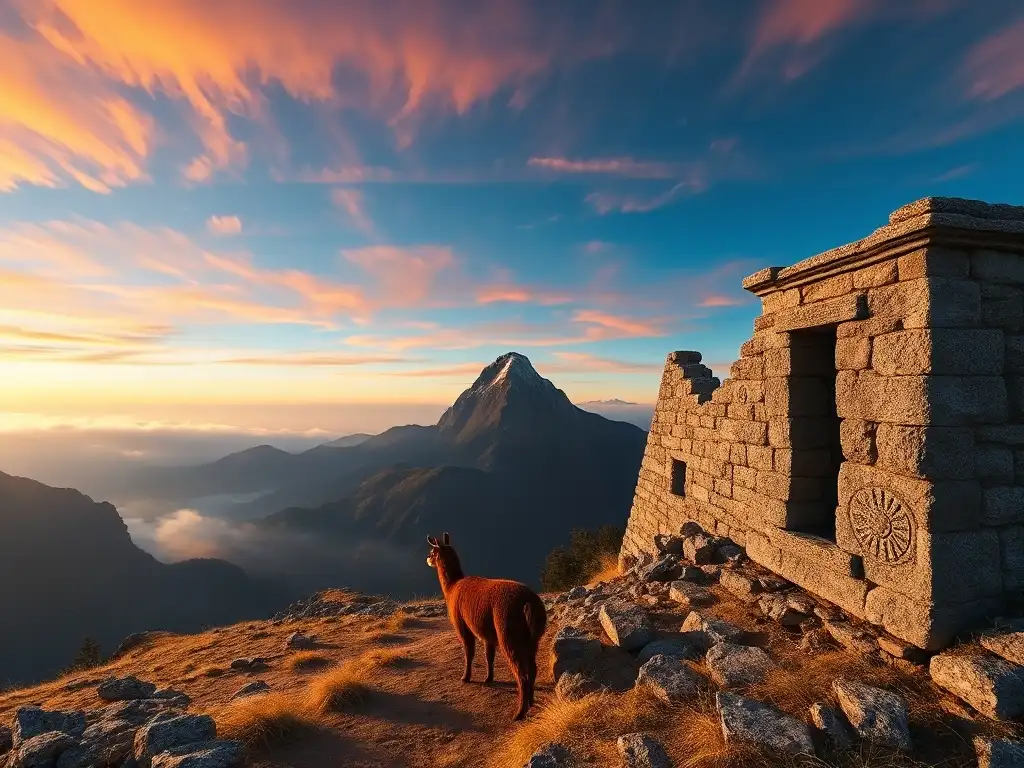
Step into a world lost to time, yet echoing with whispers of prophecy. Dive into the enigmatic world of the Andes, where towering mountains held secrets as profound as the civilizations that thrived amongst them. This journey begins with the Inca divination methods, a fascinating exploration of how these masterful builders sought guidance from the cosmos. Uncover the rituals, symbols, and beliefs behind their predictive practices—a glimpse into a culture that saw the future woven into the fabric of their everyday lives. Dare to unravel the mysteries that lie ahead?
- Inca Divination Methods: Seeking Guidance in the Andean World
- Core Practices of Inca Divination
- Other Inca Prophecy Techniques
- Interpreting the Results of Inca Divination
- Case Studies: Examples of Inca Divination in Action
- The Legacy of Inca Divination Practices
- Frequently Asked Questions
- Final Reflection: Echoes of the Andes: The Enduring Power of Inca Divination
- Unveil the Mysteries of Inca Divination Today!
Inca Divination Methods: Seeking Guidance in the Andean World
The Inca Empire, a civilization that flourished in the Andes Mountains for centuries, left behind a rich tapestry of traditions, customs, and beliefs. Beyond their remarkable architectural achievements and sophisticated agricultural practices, the Inca possessed a complex religious system deeply intertwined with divination and prophecy. This article delves into the fascinating world of Inca divination methods, exploring how these practices shaped their society, influenced their decisions, and provided a framework for understanding the natural and spiritual realms.
We will uncover the significance of divination in daily life, from mundane decisions to matters of state, illustrating how the Inca sought guidance from the supernatural to navigate the challenges and opportunities of their existence. Understanding Inca divination provides a crucial key to unlocking a deeper comprehension of their worldview and the intricate workings of their empire.
This exploration will shed light on specific techniques employed, the individuals involved in these practices, and the broader societal implications of their beliefs about prophecy and the future. The methods employed were not merely superstitious; they were integral to the Inca's governance, social structure, and spiritual life, reflecting a sophisticated understanding of their environment and their place within the cosmos.
The Significance of Divination in Inca Society
Divination wasn't a peripheral practice in Inca society; it was deeply ingrained in the fabric of daily life and governance. From the emperor's decisions on matters of war and state to a farmer's choice of planting season, divination played a significant role. The Inca believed that the gods and spirits communicated their will through various signs and omens, and skilled diviners were crucial intermediaries in interpreting these messages.
The accuracy of divination was considered paramount; incorrect predictions could have dire consequences, impacting everything from agricultural yields to the success of military campaigns. This reliance on divination highlights the Inca's profound respect for the unseen forces shaping their world and their willingness to seek guidance beyond the realm of human understanding. The social standing of diviners varied, with some holding positions of immense power and influence, advising the emperor and shaping national policy.
The importance of accurate divination is further underscored by the detailed rituals and ceremonies associated with these practices, reflecting the significance attributed to the communication with the spiritual world. Specific examples of divinatory practices used for different situations, such as agricultural planning or conflict resolution, are unfortunately sparsely documented, requiring further research to fully elucidate the scope of their use. However, available evidence strongly suggests a pervasive and integral role for divination in all facets of Inca life.
Understanding Inca Prophecy and its Role in Decision-Making
Inca prophecy wasn't simply about predicting the future; it was about understanding the will of the gods and aligning human actions with the cosmic order. Prophecies often guided major decisions, such as the location of new settlements, the initiation of military campaigns, or the selection of emperors. The interpretation of dreams, the observation of natural phenomena like the flight of birds or the movement of stars, and the use of specific divination tools were all part of this complex system. While specific details of many prophetic methods remain elusive, accounts from Spanish chroniclers suggest the use of coca leaf reading (similar to modern forms of tasseography), the examination of entrails (extispicy), and the interpretation of unusual natural events.
The role of priests and specialized diviners in interpreting these signs and communicating them to the emperor and other leaders was crucial. The Inca believed that acting in accordance with divine guidance, as revealed through prophecy, would ensure prosperity, success, and the continued favor of the gods. Conversely, ignoring prophetic warnings could lead to misfortune and divine wrath.
The integration of prophecy into the decision-making processes of the Inca Empire emphasizes the profound influence of religious beliefs on their governance and the extent to which their worldview was shaped by a belief in the supernatural. Further investigation into primary sources and archaeological findings could reveal more precise details about the specific techniques and their applications within the Inca political and social structures. The study of Inca prophecy offers a valuable insight into the intricate relationship between religion, politics, and society within the Inca Empire.
Core Practices of Inca Divination
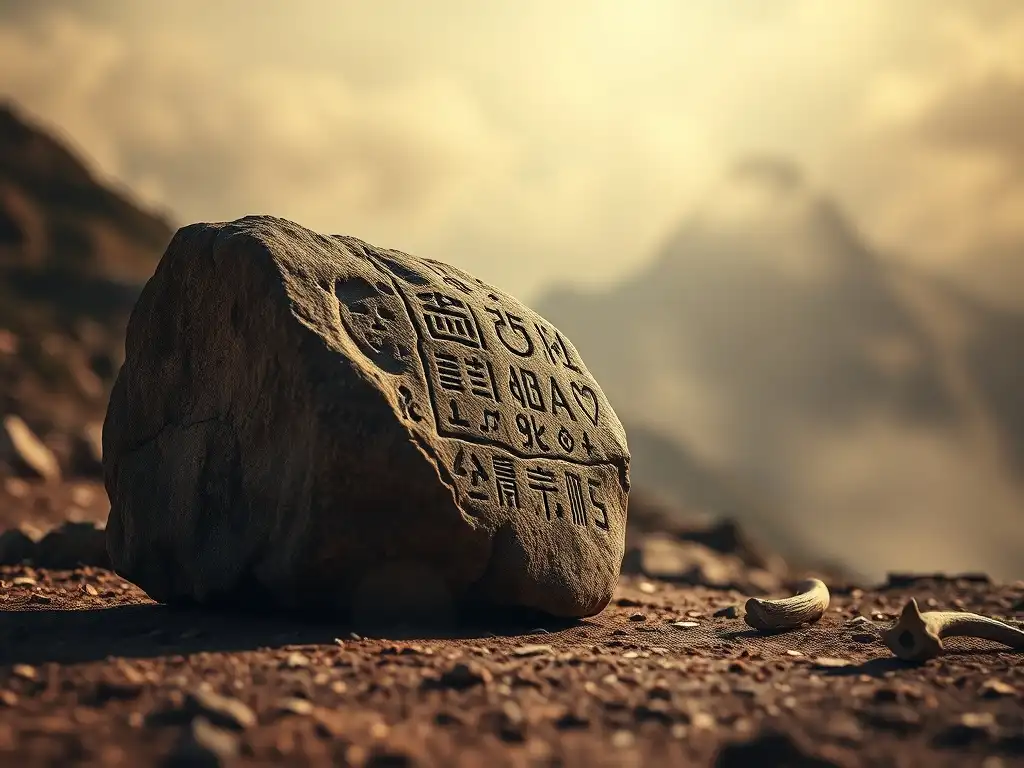
The Inca, renowned for their sophisticated empire, weren't solely focused on conquering vast territories and building impressive infrastructure. Their worldview was deeply intertwined with the spiritual realm, and divination played a crucial role in navigating daily life and making important decisions, from agricultural planning to military campaigns. Inca divination methods weren't monolithic; rather, they encompassed a variety of techniques, each with its own significance and practitioners.
This section delves into the core practices used by the Inca to seek guidance from the unseen world, focusing on the most prevalent and well-documented methods. Understanding these methods provides invaluable insight into the Inca's spiritual beliefs and their intricate relationship with the natural world. The sophisticated nature of these practices reveals a level of understanding and ritualistic precision that belies the often-simplified portrayals of ancient Andean cultures.
Coca Leaf Reading: Interpreting the Sacred Leaves
Coca leaves, Erythroxylum coca, held immense cultural and religious significance for the Inca. Beyond their stimulant properties, they served as a vital tool for divination. The process involved carefully selecting a handful of leaves and then interpreting their arrangement, position, and even the subtle nuances of their individual shapes and veins.
This wasn't a random process; specific patterns were associated with specific outcomes. For instance, a certain leaf orientation might predict a successful harvest, while another could foretell impending challenges or even misfortune. The interpretation wasn't solely based on a set of rigid rules; skilled practitioners, often women, would weave in their own knowledge, intuition, and experience to provide a nuanced reading.
The level of detail in Coca leaf reading was astonishing. Not only was the arrangement of the leaves important, but also factors such as the time of day, the surrounding environment, and even the mental state of the reader could influence the interpretation. This intricate process underscores the holistic nature of Inca divination, where the spiritual and the physical worlds were inextricably linked.
Furthermore, the use of coca leaves in divination highlights the deep respect the Inca held for the natural world, demonstrating how even seemingly mundane elements could be imbued with sacred significance. The meticulous attention to detail in coca leaf reading reflects the high level of expertise and training required of those who practiced this form of divination.
The Role of Priests and Seers in Coca Divination
Coca leaf reading wasn't a practice anyone could undertake. Specialized priests and yachachiq, or seers, were trained from a young age in the intricate art of interpreting the sacred leaves. These individuals weren't merely conduits for receiving divine messages; they acted as intermediaries, interpreting the subtle signs and translating them into practical guidance for the community. Their role extended beyond simply predicting the future; they offered counsel and advice, helping individuals and communities navigate complex situations and make informed decisions.
These specialists often held positions of significant power and influence within Inca society. Their expertise in divination made them indispensable advisors to the ruling elite, influencing decisions related to warfare, agriculture, and even matters of state. The accuracy of their predictions, combined with their spiritual authority, cemented their role as essential figures in Inca society.
The training involved years of rigorous study and practice, passing down knowledge through generations of experienced practitioners. The selection of these individuals was likely based on a combination of factors, including aptitude, spiritual inclination, and social standing. Detailed records of their training methods and selection processes, however, remain elusive, requiring further research to fully understand the intricacies of their societal role.
Observing Animal Behavior: Omens and Interpretations
Beyond coca leaf reading, the Inca also meticulously observed the behavior of animals, believing that their actions held significant prophetic meaning. The flight patterns of birds, the movements of llamas, and even the seemingly random behavior of other creatures were all considered potential omens. Specific animal behaviors were associated with specific outcomes, offering clues about the future. For example, the flight of a particular bird in a specific direction might be interpreted as a favorable sign for an upcoming military campaign, while the unusual behavior of a llama could indicate an impending natural disaster or societal upheaval.
This form of Inca divination was closely tied to the Inca's deep understanding of the natural world. Their keen observation skills, honed over generations of living in close proximity to nature, allowed them to recognize subtle patterns and behaviors that might have escaped the notice of outsiders.
The interpretations weren't arbitrary; they were based on accumulated knowledge and traditional understanding of animal behavior and its correlation with significant events. Unfortunately, detailed accounts of the specific animal behaviors and their associated interpretations are scarce, but existing evidence suggests a complex system of omens and prophecies based on meticulous observation and nuanced interpretation.
Further research into Inca ethnozoology will undoubtedly shed more light on this fascinating aspect of their divination practices. The Inca's keen observation of the natural world, and their ability to extract meaning from animal behavior, represent a sophisticated understanding of ecological interconnectedness and a profound respect for the animal kingdom.
The Significance of Spiders, Birds, and Other Creatures
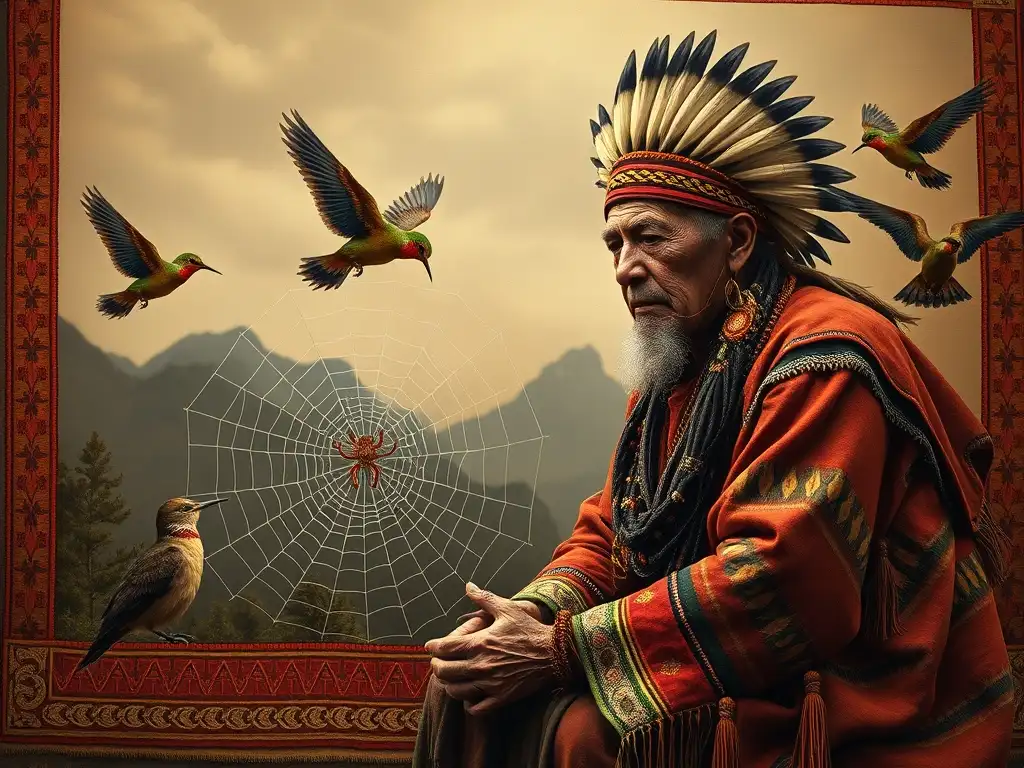
Inca divination wasn't limited to elaborate rituals; everyday observations held significant prophetic weight. Animals, particularly spiders, birds, and certain insects, played a crucial role in interpreting omens. The appearance of a specific spider species, its size, its web's complexity – all these details were meticulously noted and interpreted by the yachaq, the Inca shaman or priest. A large, intricately woven spiderweb might symbolize upcoming abundance and prosperity, while a small, sparsely woven one could foretell hardship or scarcity.
Similarly, the flight patterns of birds, their calls, and even the type of bird itself were imbued with meaning. A condor soaring high above might signify good fortune and divine favor, while a low-flying hawk could herald impending danger or conflict. The Inca meticulously documented these animal signs, creating a complex system of natural omens that informed their decisions, from planting crops to engaging in warfare. This practice, deeply rooted in animistic beliefs, highlights the Inca's profound connection to the natural world and their ability to extract meaning from seemingly mundane observations.
The interpretation of these signs wasn't arbitrary; it was based on a deep understanding of animal behavior and a sophisticated system of symbolic associations developed over centuries. The knowledge was passed down through generations of yachaqs, ensuring the continuity of this vital aspect of Inca divination. Furthermore, the use of animal omens showcases the Inca's pragmatic approach to prophecy, integrating it into the everyday fabric of their lives.
Divination Through Dreams and Visions
Dreams and visions formed another cornerstone of Inca divination. The Inca believed that the spirit world was most accessible during sleep, allowing the yachaq to receive divine messages and guidance. These dreams weren't simply fleeting images; they were considered powerful conduits to the spirit realm, capable of revealing the future or providing insight into unresolved issues. The interpretation of dreams relied heavily on symbolism.
Recurring motifs, specific colors, and the emotional tone of the dream were all meticulously analyzed to unravel their meaning. For example, a dream featuring flowing water might symbolize abundance and fertility, whereas a dream filled with darkness and shadows could indicate impending misfortune or danger. The yachaq acted as an interpreter, guiding individuals through the complex symbolism of their dreams and helping them understand the divine messages embedded within them.
The process often involved detailed questioning, exploring the dreamer's emotional state and the context of the dream to gain a deeper understanding of its significance. This practice underscored the importance of dreams in Inca culture, highlighting their role as a crucial link between the human and spiritual worlds. The accuracy of dream interpretation was often judged by its subsequent correlation with real-world events, strengthening the belief in this method of Inca divination.
Interpreting Recurring Dreams and Symbolic Visions
Recurring dreams held particular significance in Inca divination. The repetition of a dream was seen as a powerful reinforcement of the message, underscoring its importance and urgency. The yachaq would pay close attention to these recurring motifs, meticulously analyzing their symbolic meaning and their potential implications for the dreamer's life. For instance, repeatedly dreaming of a specific mountain or a particular landscape could indicate a connection to a specific deity or ancestral spirit, or it might point towards a geographical location of importance.
Similarly, symbolic visions, often experienced during altered states of consciousness induced by ritual practices or fasting, were considered potent sources of prophetic insight. These visions, frequently described as vivid and emotionally charged, contained powerful symbols that needed careful interpretation. The yachaq would guide the individual through the process of deciphering these visions, using a combination of established symbolic systems and intuitive understanding.
The interpretation of recurring dreams and symbolic visions often involved community participation, with family members and other community elders offering their insights and perspectives, creating a collective understanding of the prophetic message. This collaborative approach emphasized the importance of shared knowledge and collective wisdom in interpreting the messages from the spirit world, ensuring a more accurate and comprehensive understanding of the divine guidance received. The detailed record-keeping of these interpretations, though limited in surviving documentation, further suggests the importance placed on the long-term analysis of recurring visions and dreams in understanding the unfolding destiny of individuals and the community as a whole.
Other Inca Prophecy Techniques
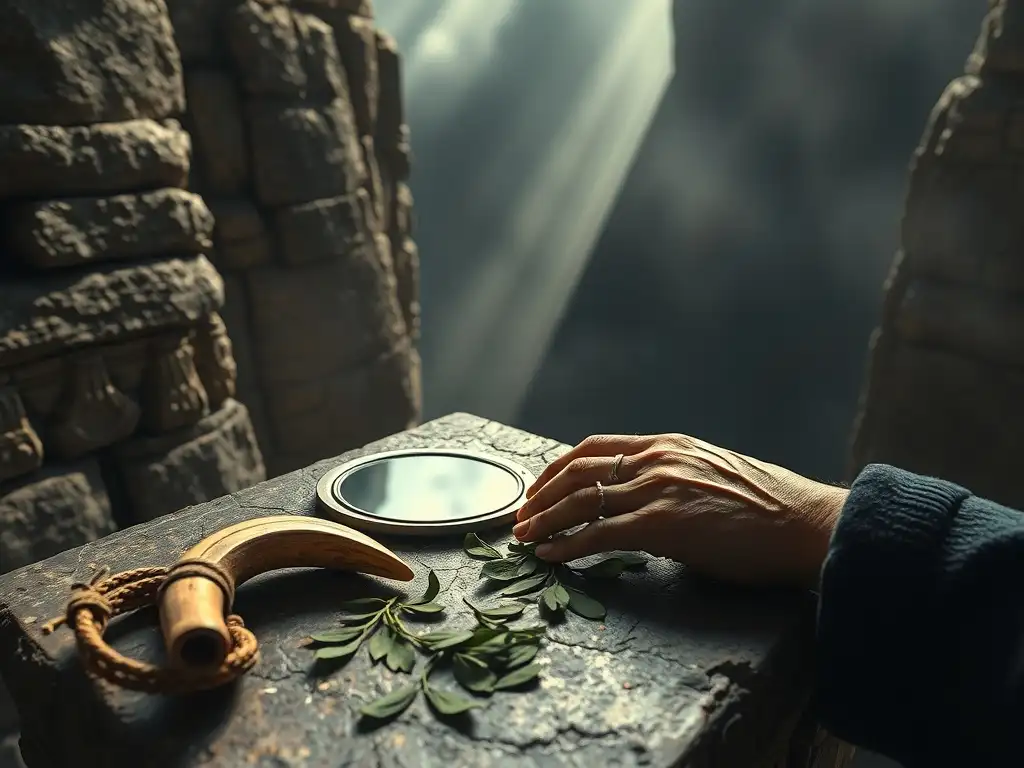
The Inca civilization, renowned for its sophisticated infrastructure and intricate social structures, also possessed a complex system of divination and prophecy. While the use of coca leaves is well-documented, other methods of seeking guidance from the spiritual realm played a significant role in Inca society. These techniques were often intertwined with their deep reverence for nature and their belief in the interconnectedness of the physical and spiritual worlds.
Understanding these diverse approaches offers a richer perspective on Inca religious practices and their worldview. The search for "Inca divination methods" often yields information primarily focused on coca leaf reading, but ignoring these other crucial aspects provides an incomplete picture.
The Use of Oracles and Sacred Sites for Guidance
Oracles and sacred sites served as crucial conduits to the spiritual world for the Inca. These weren't simply arbitrary locations; they held deep symbolic meaning and were often associated with specific deities or ancestral spirits. Priests, or hamacas, trained in interpreting these signs, would travel to these sites to perform rituals and seek divine guidance.
The interpretation of natural phenomena occurring at these sites – a peculiar bird call, a specific rock formation, unusual weather patterns – were meticulously recorded and interpreted. For example, the presence of a specific type of bird at a particular temple might signify a successful harvest, while its absence could foretell a coming drought. The location itself was considered imbued with camay, a spiritual energy, making it a powerful place for divination.
Detailed records of these interpretations, though largely lost to time, would have been carefully preserved by the Inca elite, serving as a guide for political decisions, agricultural practices, and even personal matters. The accuracy of these prophecies, of course, is difficult to assess from our modern perspective, but their importance in shaping Inca society is undeniable. The integration of these natural signs with ritualistic practices makes this an essential aspect of understanding Inca divination methods.
Consulting the Sun God Inti for Prophecies
The Sun God, Inti, held supreme importance in the Inca pantheon. His favor was believed to be essential for the prosperity of the empire. Therefore, consulting Inti for prophecies was a practice of paramount significance.
This didn't involve direct communication, but rather the careful observation of the sun's movements and behavior. Specific events, like eclipses or unusual sunrises and sunsets, were interpreted as divine messages. The hamacas would meticulously record the timing and nature of these events, comparing them to existing astronomical charts and historical records to decipher their meaning.
For instance, a particularly intense sunset might be interpreted as a warning of impending conflict, while an unusually bright sunrise could signify a bountiful harvest. The precision with which the Inca tracked celestial events suggests a sophisticated understanding of astronomy, intricately woven into their religious practices. This detailed observation and interpretation of solar events are key components of the broader picture of Inca divination methods.
The Role of the Moon and Stars in Inca Divination
Beyond the sun, the moon and stars also played a significant role in Inca divination. The phases of the moon were closely observed, with each phase potentially carrying a different symbolic meaning. The appearance of specific constellations also held prognostic significance.
Like the observation of the sun, this was a highly specialized practice, requiring years of training and a deep knowledge of celestial movements. The Inca calendar, remarkably accurate for its time, was deeply intertwined with these celestial observations. The timing of agricultural activities, religious festivals, and even military campaigns were often determined based on the positions of the moon and stars.
The detailed records of these observations, although largely fragmented, reveal a complex system of astronomical and astrological knowledge that contributed significantly to their understanding of the world and their methods for seeking guidance. This aspect of Inca divination methods highlights the sophisticated level of astronomical knowledge possessed by the Inca priests and their influence on various aspects of Inca life.
Divination using Knotted Cords (Quipu)
While primarily known as a sophisticated record-keeping system, the Inca quipu—complex arrays of knotted cords—may have also served divinatory purposes. The intricate system of knots, colors, and cord arrangements could have encoded more than just numerical data. Some scholars propose that specific knot patterns, color combinations, and even the materials used in the cords held symbolic meaning, potentially used to interpret omens or predict future events. This interpretation, however, remains highly debated due to the lack of explicit textual evidence explaining their use in divination. The complexity of the quipu system itself makes deciphering any potential divinatory use challenging.
Researchers are still uncovering the secrets held within these ancient artifacts, and further investigation is needed to fully understand their potential role in Inca prophecy. The sheer variety of quipu configurations suggests a level of sophistication that could easily encompass both record-keeping and divination within the same system. Think of it like a complex cipher – one that, if understood, could reveal a wealth of information beyond simple numerical data. The potential for hidden meanings within the seemingly straightforward knot patterns is intriguing, and further research into the cultural and symbolic context surrounding the quipu is crucial for understanding its possible divinatory applications.
The colors themselves, for example, might have held specific symbolic weight in predicting auspicious or inauspicious events. Unfortunately, the absence of a comprehensive Inca "divination manual" leaves much to the interpretation of modern scholars. The ongoing research involving meticulous analysis of existing quipu specimens offers a glimmer of hope that, eventually, a clearer understanding of its divinatory applications will emerge. The challenge lies in disentangling the record-keeping function from any potential divinatory one, demanding a nuanced approach that considers both the structure and the context of the quipu.
The possibility of using quipu for divination adds another layer of complexity to our understanding of Inca culture and their sophisticated methods of understanding the world around them. Further investigation into the symbolic meanings associated with different knot types, colors, and materials is essential to unlocking the secrets potentially held within these remarkable artifacts.
The quipu stands as a testament to the ingenuity and complexity of Inca knowledge systems, hinting at a deeper understanding of their relationship with the cosmos and their ability to seek guidance from the spiritual realm. It's a fascinating area of study that continues to captivate researchers and offer new insights into the rich tapestry of Inca civilization.
Unraveling the mysteries of the quipu and its potential use in divination is a testament to the enduring legacy of the Inca people and their sophisticated methods for interpreting the world. This ongoing research continues to shed light on the intricate relationship between the Inca and their understanding of the spiritual realm.
Interpreting the Results of Inca Divination
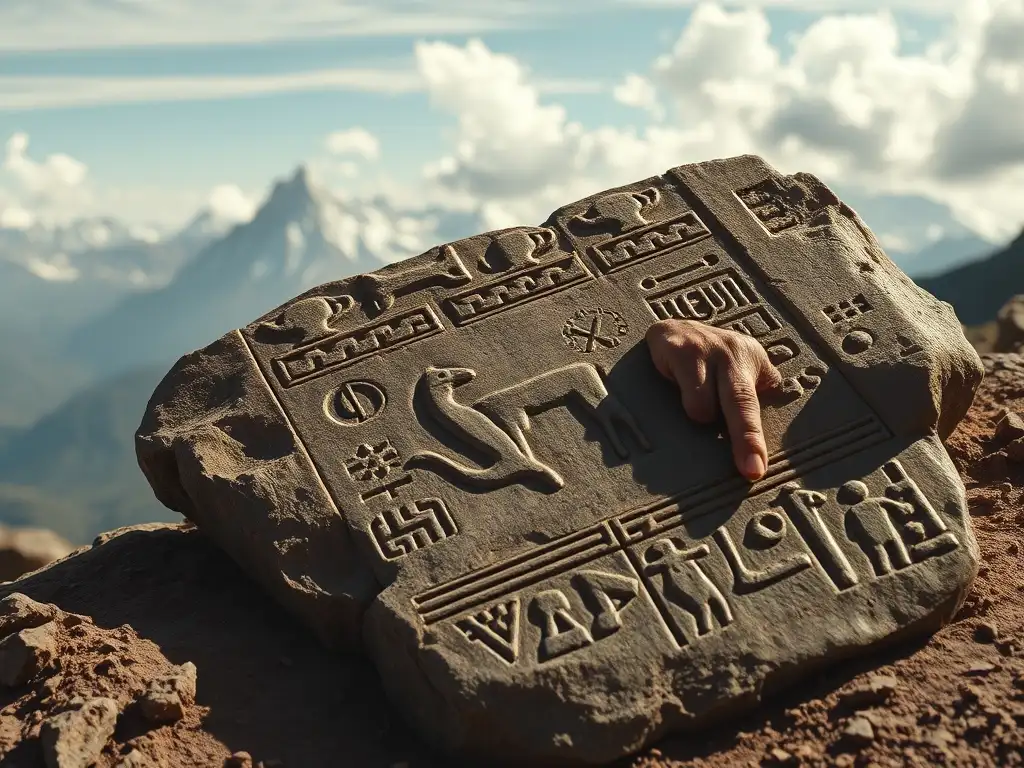
Interpreting the results of Inca divination was a complex process, far from a simple yes or no answer. Practitioners, often paqos (shamans), didn't just receive a prediction; they deciphered a message embedded within the chosen method's outcome. This interpretation heavily relied on a deep understanding of Inca cosmology, mythology, and societal structures. The meaning wasn't fixed; context was crucial.
For example, the flight pattern of a condor might signify victory in war under one set of circumstances, but impending drought under another. The subtle nuances within the divination process were critical to accurate interpretation. The paqos often spent years honing their skills, learning to read the signs and understand their implications within the specific context of the question posed. This involved not just technical expertise but also a profound understanding of Inca social dynamics and the current political and environmental climate.
How Divination Informed Political and Military Decisions
Inca divination played a pivotal role in shaping political and military decisions. Before embarking on a military campaign, for instance, the Sapa Inca (emperor) would consult paqos to assess the chances of success. The outcome of the divination, carefully interpreted, would influence whether the campaign proceeded, was postponed, or even abandoned altogether. This wasn't simply about predicting victory or defeat; it provided a framework for strategic planning.
A negative omen might lead to adjustments in military strategy, alliance negotiations, or even the selection of a different target. Similarly, political decisions, such as succession disputes or the appointment of officials, were often influenced by divination. The selection of a new Sapa Inca, a matter of paramount importance, was undoubtedly guided by prophetic insights, ensuring the chosen successor was deemed divinely favored.
This integration of divination into governance highlights its profound influence on the Inca Empire's stability and trajectory. Records of these practices, however, are limited, relying heavily on interpretations of archaeological findings and surviving Spanish chronicles, which sometimes present biased perspectives. Further research is needed to fully understand the depth of this influence.
The Impact of Prophecy on Agricultural Practices
Agricultural practices within the Inca Empire were deeply intertwined with divination. The Inca's sophisticated agricultural system, characterized by terracing and irrigation, relied heavily on predicting weather patterns and crop yields. Paqos utilized various divination methods, such as observing the stars, analyzing animal behavior, or interpreting the patterns in coca leaves, to forecast the upcoming agricultural season.
Favorable predictions would lead to adjustments in planting schedules, resource allocation, and labor organization. Conversely, unfavorable prophecies might trigger preventative measures, such as the creation of emergency food stores or the implementation of alternative agricultural strategies. The Inca's success in sustaining a large population through efficient agriculture was significantly aided by their integration of divination into their agricultural planning.
This proactive approach to risk management, informed by prophetic insights, minimized the impact of environmental uncertainties and ensured food security for the empire. Detailed accounts of specific agricultural prophecies and their impact on Inca farming practices require further investigation.
Divination and its Influence on Inca Rituals and Ceremonies
Inca divination wasn't limited to major political or agricultural decisions. It profoundly influenced the timing and execution of numerous rituals and ceremonies. Many festivals and religious observances were scheduled based on the results of divination, ensuring that they aligned with favorable cosmic cycles and spiritual energies.
The Capacocha (human sacrifice) ceremonies, though controversial, were likely timed according to prophetic guidance, suggesting that these events were not arbitrary but deeply embedded within a complex system of religious beliefs and cosmological understanding. Even seemingly minor rituals, such as offerings to local deities or ancestor veneration, were potentially influenced by divination, reflecting the pervasive role of prophecy in everyday Inca life.
The intricate relationship between divination and ritual highlights the deeply spiritual nature of Inca society and the profound importance placed on maintaining harmony between the human and spiritual realms. The specifics of how divination shaped individual rituals remain an area of ongoing scholarly research and debate, requiring further analysis of archaeological evidence and existing historical accounts.
Case Studies: Examples of Inca Divination in Action
This section delves into specific historical events within the Inca Empire, illustrating how divination methods played a crucial role in shaping decisions and influencing outcomes. By examining these case studies, we can gain a deeper understanding of the practical application of Inca divination and its societal impact. The intricate relationship between prophecy, ritual, and political power will become evident.
Analyzing these examples allows us to move beyond theoretical discussions of Inca divination techniques and into the realm of tangible historical impact. We will explore how Inca rulers, priests, and the populace relied on various forms of divination to interpret the will of the gods and navigate critical junctures in their lives and the empire's destiny. The importance of these practices in shaping Inca society cannot be overstated, as they served as a vital link between the human and spiritual realms.
The Coronation of Pachacuti and its Divinatory Context
The ascension of Pachacuti Inca Yupanqui to the Inca throne in the mid-15th century marks a pivotal moment in Inca history. His reign saw the transformation of a relatively small kingdom into the vast and powerful empire known to us today. While historical accounts are often embellished with legendary elements, numerous sources suggest that divination played a significant role in legitimizing Pachacuti's claim to power. Before his official coronation, various divinatory practices were likely employed to ascertain the favor of the gods and to confirm Pachacuti's suitability as ruler.
These might have included:
- Interpretations of animal sacrifices: The examination of the entrails of sacrificed llamas or alpacas was a common divination method. Specific patterns or anomalies in the organs would be interpreted by specialized priests to predict the future and assess the auspiciousness of events. The successful interpretation of these sacrifices likely contributed to the bolstering of Pachacuti's legitimacy.
- Consultation of oracles: The Inca utilized various forms of oracles, including those involving coca leaf readings or the interpretation of patterns in natural phenomena such as the flight of birds. Positive readings from these oracles would have served to reinforce the belief in Pachacuti's divinely ordained rule.
- Use of quipu for divination: While primarily used for record-keeping, some scholars believe that quipu might also have been employed in divinatory practices. The intricate knotting system could potentially have been used to record and interpret omens and prophecies, providing further support for Pachacuti's claim.
The successful integration of these divinatory practices into Pachacuti's coronation ceremony not only legitimized his rule but also underscored the profound significance of divination within Inca society. It was not simply a matter of superstition, but a vital component of the political and religious order. Further research is needed to fully understand the specific methods and interpretations used during this critical period.
The Inca Civil War and the Prophecies Involved
The Inca Civil War (1532-1537) following the Spanish conquest was a brutal conflict fueled by internal power struggles and exacerbated by the collapse of the Inca empire's traditional structures. While the Spanish conquest undeniably played a significant role, prophecies and divination likely influenced the decisions and actions of the contending factions. The clash between Huáscar and Atahualpa for the Inca throne was, in part, a consequence of conflicting interpretations of prophecies and omens.
Each faction likely consulted various divination methods to gauge their chances of success. The interpretation of these prophecies, however, often proved contradictory and contributed to the escalating conflict. For example:
| Faction | Divination Method Used (potential) | Interpretation | Outcome |
|---|---|---|---|
| Huáscar's | Coca leaf reading, llama sacrifice | Favorable initial readings, later negative turns. | Initially successful, but ultimately defeated. |
| Atahualpa's | Bird flight observation, quipu readings | Initially negative, but later perceived as positive | Initially defeated, then regained power, only to be executed. |
The ambiguity and conflicting interpretations of these divinatory practices highlight the complexities of using such methods to predict the future, particularly in times of great upheaval. The Inca Civil War serves as a powerful illustration of how divination, while deeply ingrained in Inca culture, did not always provide clear or accurate guidance, especially during periods of significant social and political instability. The inherent uncertainties associated with divination may have contributed to the internal divisions and ultimately facilitated the Spanish conquest.
Further historical investigation is needed to clarify the specific divinatory practices used by both sides and their influence on the conflict's course. The lack of detailed primary sources makes definitive conclusions difficult, but the role of prophecy remains a fascinating aspect of this tumultuous period in Inca history.
The Legacy of Inca Divination Practices
The Inca Empire, renowned for its sophisticated infrastructure and intricate social organization, also possessed a complex system of divination and prophecy deeply intertwined with their religious beliefs and worldview. Understanding Inca divination methods requires appreciating the pervasive influence of huacas (sacred objects or places) and the belief in a powerful, interconnected cosmos. The Inca worldview wasn't solely focused on predicting the future; divination served as a crucial tool for understanding the present, navigating daily life, and making critical decisions impacting everything from agriculture to warfare.
This wasn't simply fortune-telling; it was a sophisticated system for interacting with the spiritual realm and maintaining harmony within their society. The legacy of these practices continues to resonate in contemporary Andean cultures, demonstrating the enduring power of these ancient traditions. We'll explore the lasting impact of these methods and their modern adaptations below.
Influence of Inca Beliefs on Contemporary Andean Cultures
Inca divination, despite the Spanish conquest's attempts at suppression, left an indelible mark on Andean spiritual practices. While many specific techniques might have been lost or altered over centuries, the underlying principles – the connection between the human world and the spirit world, the importance of interpreting natural phenomena, and the role of ritual in seeking guidance – persist. Many contemporary Andean communities still utilize forms of divination, though often subtly integrated into their daily lives and religious observances. For example, the interpretation of animal behavior, dreams, and natural events (like unusual weather patterns) continues to play a role in decision-making within various communities.
These practices are often passed down orally, within families and specific lineages, maintaining a strong connection to the ancestral Inca traditions. The use of coca leaves for divination, though possibly predating the Inca, gained prominence during the Inca period and continues in many areas today. The intricate process of interpreting the arrangement and patterns of coca leaves remains a powerful tool for seeking guidance and understanding the will of the spirits.
This demonstrates a clear, unbroken line from ancient Inca divination techniques to current Andean spiritual practices. The enduring popularity of these techniques underscores the deeply ingrained nature of these beliefs within Andean culture. The influence is not just spiritual; it's also deeply embedded in the social fabric of many Andean communities.
Modern Adaptations of Traditional Andean Divination Methods
The enduring power of Inca divination is evident in its adaptation and evolution within contemporary Andean societies. While precise replications of ancient methods are rare, modern practitioners have creatively integrated elements of traditional Inca divination into their practices. For instance, some healers and spiritual guides incorporate elements of paqos (Andean shamans) traditions, which themselves have roots in pre-Inca and Inca practices. The use of coca leaf reading, mentioned earlier, is a prime example of a direct adaptation.
Additionally, the interpretation of dreams and natural phenomena, deeply rooted in Inca cosmology, remains prevalent. However, these practices often blend with other indigenous traditions and even elements of Catholicism, reflecting the syncretic nature of Andean spirituality. Modern adaptations often involve a deeper understanding of Inca cosmology and a more nuanced interpretation of symbols and signs. For example, researchers have documented increased scholarly interest in Inca iconography and its potential connection to the symbolic language used in contemporary divination practices.
This indicates a renewed appreciation for the complexity and sophistication of Inca divination methods, leading to a more informed and nuanced approach to interpreting their legacies. The study and revival of these ancient practices is not simply a matter of historical interest; it’s a vital aspect of cultural preservation and a testament to the enduring relevance of Inca knowledge in the contemporary Andean world. The continued use and adaptation of these methods highlight their resilience and ongoing importance within Andean cultures.
Frequently Asked Questions
What divination methods did the Inca use?
The Inca employed various methods, including interpreting dreams, observing natural phenomena like animal behavior and celestial events, and using objects like coca leaves for divination. These practices were integral to their daily lives and decision-making.
How important was divination to Inca society?
Divination played a crucial role in Inca society, influencing everything from agricultural practices and military campaigns to matters of state and personal life. It was a vital tool for understanding the will of the gods and navigating uncertainty.
Did the Inca use specific tools for divination?
While they didn't have a standardized deck of cards like some other cultures, the Inca utilized natural elements like coca leaves (reading patterns of scattered leaves) and objects with symbolic significance. Llamas and other animals were also observed for signs.
What was the role of priests in Inca divination?
Inca priests, or hamacs, held a privileged position in interpreting divine messages. They were responsible for performing rituals and analyzing the results of divination, advising rulers and the community on important decisions.
How accurate were Inca divination methods believed to be?
The Inca firmly believed in the accuracy and power of their divination methods. Success or failure were seen as reflecting the divine will and the correctness of the interpretation, not the validity of the method itself.
Final Reflection: Echoes of the Andes: The Enduring Power of Inca Divination
The intricate methods of Inca divination, far from being relics of a bygone era, offer a potent lens through which to examine our own contemporary search for meaning and guidance. Their sophisticated systems, utilizing everything from llama entrails to celestial observations, remind us that the human need to understand the future and connect with the unseen is a universal and timeless impulse.
The enduring influence of Inca divination practices is not merely historical; it resonates deeply within our own cultural landscape, shaping our understanding of spirituality and the relationship between humanity and the cosmos. Their emphasis on interpreting natural signs and seeking guidance from the spiritual world continues to find echoes in modern practices, from astrology to intuitive readings. The past is never dead. It's not even past.
– William Faulkner. This quote perfectly encapsulates the enduring relevance of Inca divination; its legacy continues to inform our own approaches to understanding the unknown.
Consider the ways in which you seek guidance in your own life. Do you consult horoscopes, rely on intuition, or seek advice from trusted sources? Reflect on the similarities and differences between these modern practices and the sophisticated systems employed by the Inca. By understanding their methods, we gain a deeper appreciation for the enduring human quest for meaning and the diverse ways in which cultures have sought to navigate the uncertainties of life. Embrace the wisdom of the past to illuminate your path forward.
Unveil the Mysteries of Inca Divination Today!
Thank you for exploring the fascinating world of Inca divination and prophecy! We hope you've gained valuable insights into how these ancient practices offer guidance and inspire self-discovery. Now, it's time to connect with this rich heritage and apply its wisdom to your life.
Here are some ways you can continue your journey:
- **Create a vision board:** Draw inspiration from the Inca's deep connection to the cosmos to visualize and manifest your aspirations.
- **Join our community:** Share your thoughts on divination and its relevance to modern life by joining our social media community.
- **Expand your knowledge:** Explore our featured articles on other ancient cultures to broaden your understanding of diverse approaches to seeking knowledge and foresight.
What insights into your future or personal journey have you discovered through learning about Inca methods? We'd love to hear your reflections!