
Moche Medicine and Healing Practices: Herbs, Rituals, and Care

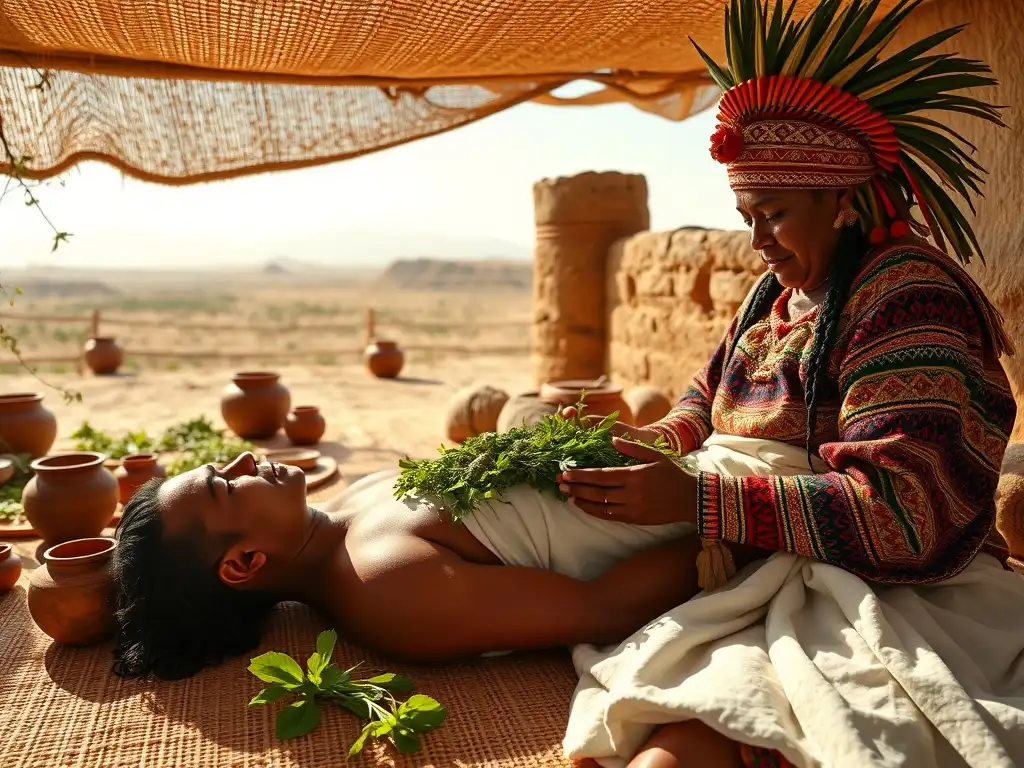
Step into a world lost to time, where the towering Andes held secrets of unparalleled healing. Discover the intriguing world of the Moche civilization and their sophisticated medical practices. Prepare to be amazed by the ingenuity of their Moche healing practices, a fascinating blend of herbal remedies, sacred rituals, and advanced surgical techniques. Uncover the mysteries behind their remarkable understanding of the human body – a legacy that continues to inspire awe and wonder. Journey with us to explore this captivating realm...
The Moche civilization, flourishing along the northern coast of Peru from approximately 100 CE to 800 CE, left behind a remarkable legacy in art, architecture, and surprisingly, medicine. This article delves into the fascinating world of Moche healing practices, exploring their sophisticated understanding of the human body, their use of medicinal plants, and the crucial role of religious rituals in their approach to health and well-being. We will uncover evidence from archaeological findings, analyzing intricate ceramics and analyzing iconography to illuminate the complexities of Moche medicine and its place within their vibrant societal structure.
Understanding these practices provides crucial insight into the daily lives of the Moche people and their holistic approach to life, death, and the spiritual world. This exploration of Moche healing practices offers a unique perspective on the advanced knowledge and ingenuity of this pre-Columbian civilization, challenging common misconceptions and revealing a nuanced understanding of their medical expertise.
We will examine the evidence to reveal the sophistication of their herbal remedies, surgical techniques (where evidence exists), and the deep integration of their medical practices with their religious beliefs. This detailed study of Moche healing practices will illuminate the holistic nature of their worldview and their profound connection to the natural world.
Understanding Moche Health and Well-being
The Moche worldview deeply intertwined health and spirituality. Unlike many Western medical approaches, their healing practices weren't solely focused on physical ailments; they encompassed a holistic perspective encompassing spiritual, emotional, and physical well-being. Evidence suggests that maintaining a balance between these aspects was crucial for overall health.
Archaeological discoveries, such as the intricate depictions on Moche pottery, reveal scenes of individuals undergoing treatments, suggesting a complex system of healthcare. These depictions, often showing shamans performing rituals or administering herbal remedies, provide valuable insights into their medical procedures. Furthermore, the careful preservation of certain skeletal remains suggests an understanding of hygiene and sanitation, further highlighting their comprehensive approach to health.
The Moche people’s close relationship with their environment, particularly their dependence on agriculture and the sea, undoubtedly shaped their understanding of health and illness, likely leading to the development of remedies from natural resources. Further research is needed to fully understand the Moche concept of illness, but the available evidence suggests a nuanced and sophisticated understanding far beyond simple superstition.
The Role of Healers in Moche Society
Moche society appears to have had specialized healers, often depicted in their art as individuals with distinct attire and paraphernalia. These healers, likely shamans or priests, played a crucial role in the community, acting as both medical practitioners and spiritual guides. Their expertise extended beyond simply administering herbal remedies; they likely conducted rituals aimed at restoring spiritual balance, which was considered essential for physical healing.
The prestige and authority of these healers are evident in the artistic representations found on Moche ceramics, where they are often depicted in positions of power and respect. The exact hierarchy within the Moche healing system remains unclear, but the evidence suggests a specialized and respected profession. Further research into burial sites and the analysis of associated grave goods may reveal additional details about the social status and training of these individuals.
The presence of specialized tools and medicinal plants in some graves suggests a structured approach to healing and the potential for apprenticeships or a form of medical training. The detailed depictions on Moche pottery offer a visual record of the healers' activities, providing invaluable clues to their roles and techniques.
Moche Medical Knowledge: An Overview
The Moche possessed a remarkable understanding of medicinal plants and their properties. Their knowledge, passed down through generations, allowed them to create a wide range of herbal remedies to treat various ailments. While the exact formulas and applications remain largely unknown, the presence of specific plants in archaeological contexts, along with depictions on pottery, provides clues about their medicinal uses. Evidence suggests the use of plants with analgesic, anti-inflammatory, and antiseptic properties.
Furthermore, some evidence hints at surgical procedures, although the extent and sophistication of these practices require further investigation. The Moche's knowledge of anatomy, evident in their realistic depictions of the human body in their art, suggests a level of understanding that was remarkably advanced for its time. The integration of their medical knowledge with their religious beliefs emphasizes the holistic nature of their healing practices.
Unfortunately, much of the specific details concerning the exact plants used, the preparation methods, and the specific diseases treated remains lost to time. However, the available evidence strongly suggests a sophisticated understanding of medicinal botany and therapeutic practices exceeding simple folk remedies. Further interdisciplinary research combining archaeological findings with botanical and medical expertise is crucial to unlock the full extent of Moche medical knowledge.
- Understanding Moche Health and Well-being
- The Role of Healers in Moche Society
- Moche Medical Knowledge: An Overview
Moche Herbal Remedies and Medicinal Plants
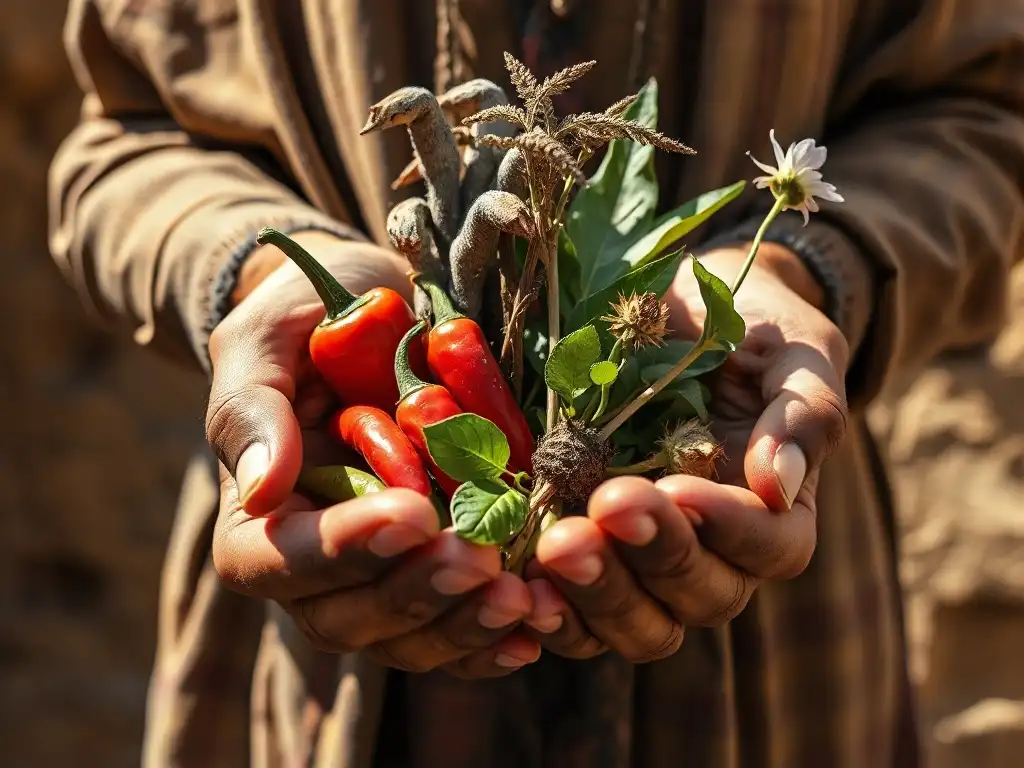
The Moche civilization, renowned for its sophisticated artistry and complex societal structures, also possessed a surprisingly advanced understanding of medicine and healing. Their healing practices, deeply intertwined with their spiritual beliefs, relied heavily on herbal remedies and medicinal plants. Archaeological evidence, particularly from Moche burials and iconography, reveals a rich pharmacopoeia, suggesting a detailed knowledge of the therapeutic properties of various plants found in their coastal and Andean environments.
Understanding Moche healing practices provides invaluable insight into their worldview and their relationship with the natural environment. The use of plants for medicinal purposes wasn't simply a matter of practical application; it was integrated into their ritualistic and spiritual framework, underscoring the holistic approach to health prevalent in Moche society. This section will delve into the specifics of their herbal remedies, focusing on the plants used, their preparation, and their applications in treating various ailments.
Common Medicinal Plants Used by the Moche
Numerous plants likely played a crucial role in Moche medicine. While definitive identification from archaeological remains is challenging, iconographic representations on ceramics and textiles offer clues. For example, depictions frequently show plants with distinct characteristics, suggesting the use of species like:
- Datura species (Jimsonweed): Known for its hallucinogenic properties, Datura may have been used in rituals and possibly for pain relief or anesthesia during surgical procedures. Its potent effects, however, would have required careful handling, highlighting the advanced knowledge of dosage and potential risks. The Moche's careful depiction of these plants on their pottery implies a deep understanding of their properties.
- Nicotiana species (Tobacco): Tobacco, with its diverse effects, may have been utilized in various contexts within Moche healing practices. It could have served as an analgesic, a stimulant, or a component in ritualistic ceremonies aimed at healing or contacting the spiritual realm. The precise ways in which tobacco was incorporated into their medicinal practices are still under investigation, but its presence is strongly suggested by archaeological findings.
- Solanum species (Nightshades): Certain Solanum species possess medicinal properties, and some researchers believe they were utilized by the Moche for their anti-inflammatory or analgesic effects. Further research is needed to confirm the specific species used and their intended applications within the Moche pharmacopoeia. The diverse uses of nightshades in other ancient cultures provide a valuable comparative framework for this line of inquiry.
- Various other plants: Beyond these, the Moche likely utilized a wider range of plants with medicinal properties, including those with anti-bacterial, anti-fungal, or other therapeutic effects. Identifying these requires further analysis of botanical remains found in Moche sites. The complexity of their medicinal knowledge remains partly hidden awaiting more thorough research and analysis.
Preparation and Application of Moche Herbal Medicines
The preparation and application of Moche herbal medicines likely involved a combination of techniques. Evidence suggests that plants were often processed into various forms:
- Infusions: Boiling plant materials in water to create teas or infusions was a probable method of preparing herbal remedies. This method would have allowed for the extraction of water-soluble compounds with therapeutic benefits.
- Decoctions: Similar to infusions, decoctions involved simmering plant material for a longer period to extract a greater concentration of active compounds. This method may have been used for plants with more robust or less soluble components.
- Plasters and Poultices: Crushed or ground plant materials may have been applied directly to wounds or affected areas as plasters or poultices. This method allowed for topical application of medicinal compounds.
- Ointments and Salves: Combining plant extracts with animal fats or other substances likely resulted in ointments and salves for external applications. This approach would have improved the efficacy of the plant-based ingredients.
The administration of these herbal remedies may have been oral, topical, or even inhaled, depending on the specific ailment and the chosen plant. The holistic nature of Moche healing suggests that treatments weren't limited to physical application but often incorporated ritualistic elements to address the spiritual aspects of illness. The precise methods of application remain a topic of ongoing research.
Specific Ailments and Their Herbal Treatments
While specific details are limited, we can infer potential uses based on the known properties of plants and Moche iconography. For example:
| Ailment | Potential Herbal Treatment | Evidence |
|---|---|---|
| Inflammation | Solanum species, possibly others with anti-inflammatory properties | Iconographic representations; comparative ethnobotany |
| Pain Relief | Datura species, Nicotiana species | Datura's use in other cultures; Moche iconography |
| Wound Healing | Plant-based plasters and poultices | Archaeological evidence of wound treatment |
| Infections | Plants with antibacterial or antifungal properties | Logical inference based on plant properties |
It's crucial to emphasize that this is an ongoing area of research. Further archaeological investigations, coupled with interdisciplinary approaches involving botany, chemistry, and anthropology, are essential for a more complete understanding of Moche healing practices and the specific plants and methods employed. The rich tapestry of Moche culture continues to reveal its secrets, offering fascinating insights into their advanced understanding of the natural world and its healing potential. Further research into the Moche pharmacopoeia promises to uncover more details about their sophisticated medicinal knowledge.
Moche Rituals for Healing and Well-being
The Moche civilization, renowned for its sophisticated artistry and complex social structures, also possessed a remarkably developed system of medicine and healing. Their approach wasn't solely based on empirical knowledge; it was deeply intertwined with their spiritual beliefs and elaborate rituals. Understanding Moche healing practices requires exploring this intricate connection between the physical and the spiritual realms.
The effectiveness of their treatments, while debated, is undeniable evidence of their advanced understanding of the human body and its interaction with the supernatural. This section will delve into the rituals employed by the Moche to achieve physical and spiritual well-being, highlighting the key elements that characterized their unique approach to healing.
Spiritual Beliefs and Their Connection to Moche Healing
Moche cosmology heavily influenced their healing practices. Their worldview was populated by a pantheon of gods and spirits, many associated with specific natural forces and aspects of life. Illness, therefore, wasn't simply a biological malfunction but often attributed to an imbalance in these forces or the intervention of malevolent spirits.
This belief system directly impacted their healing methods, which frequently combined herbal remedies with spiritual rituals aimed at appeasing deities or driving away evil entities. For example, the presence of specific iconography on Moche pottery depicting healing ceremonies strongly suggests a close relationship between religious practices and medical treatments. The use of hallucinogenic plants, like the Brugmansia (Angel's Trumpet), in rituals might have served both diagnostic and therapeutic purposes, offering insights into the spiritual causes of illness and inducing altered states of consciousness believed to facilitate healing.
Further research is needed to fully understand the nuanced ways in which Moche spiritual beliefs informed their approach to healing. The interpretation of iconography on Moche artifacts remains a subject of ongoing scholarly debate, and more detailed analysis of these objects could shed light on the specific spiritual beliefs related to different types of illnesses and healing processes. Additional research on plant usage and their potential psychoactive properties is also crucial for a complete understanding of the Moche healing practices.
Moche Healing Rituals: A Detailed Look
Moche healing rituals were diverse and varied depending on the nature of the ailment. Evidence suggests a combination of techniques, including the administration of herbal remedies, surgical procedures (as indicated by trepanation evidence), and elaborate ceremonies involving offerings and prayers. Archaeological findings, such as the discovery of specialized medical tools and the depiction of healing scenes on pottery, provide valuable insights into these practices.
One common ritual involved the use of medicinal plants. While the exact composition of many Moche remedies remains unknown, analyses of plant remains found in burial contexts suggest the use of various herbs and roots with potential medicinal properties. These plants may have been used to treat a wide range of conditions, from minor wounds to more serious illnesses. The preparation and administration of these remedies likely involved specialized knowledge and expertise, potentially held by shamans or other healers within the community.
Another notable aspect of Moche healing was their performance of trepanation, a surgical procedure involving drilling holes into the skull. While the reasons for trepanation remain debated, it's speculated that it was performed to treat head injuries, relieve pressure from skull fractures, or as part of a ritualistic practice. The high success rate in some cases is testament to their surgical skills and understanding of basic anatomy.
The survival rate of patients who underwent trepanation, while not precisely known, suggests a level of surgical expertise that was surprisingly advanced for the time period. Further study on the tools and techniques used in trepanation is needed to fully understand this remarkable aspect of Moche medical practices.
The Role of Shamans in Moche Healing Ceremonies
Shamans played a pivotal role in Moche healing ceremonies. They were believed to possess the ability to communicate with the spirit world and mediate between the living and the supernatural. Their expertise extended beyond herbal remedies; they were likely responsible for conducting the rituals, interpreting omens, and diagnosing the spiritual causes of illness. Depictions on Moche pottery often show shamans wearing elaborate headdresses and costumes, performing rituals involving offerings and incantations.
These individuals held significant social standing within the community, acting as both healers and spiritual leaders. The shaman's role extended beyond simply treating physical ailments; they served as intermediaries between the human and spiritual realms, addressing the underlying spiritual imbalances believed to cause illness. This combination of spiritual and physical healing is a key characteristic of Moche healing practices, setting them apart from purely empirical approaches.
The social status and influence of shamans within Moche society suggest a deep integration of religious and medical practices, highlighting the holistic nature of their approach to healing and well-being. Further investigation into Moche social structures and the training and selection of shamans could provide valuable insights into the complexities of their healing system. The study of Moche iconography and its representation of shamans in healing ceremonies will continue to be a crucial area for understanding the role and significance of these spiritual leaders in Moche society.
Moche Surgical Practices and Wound Care
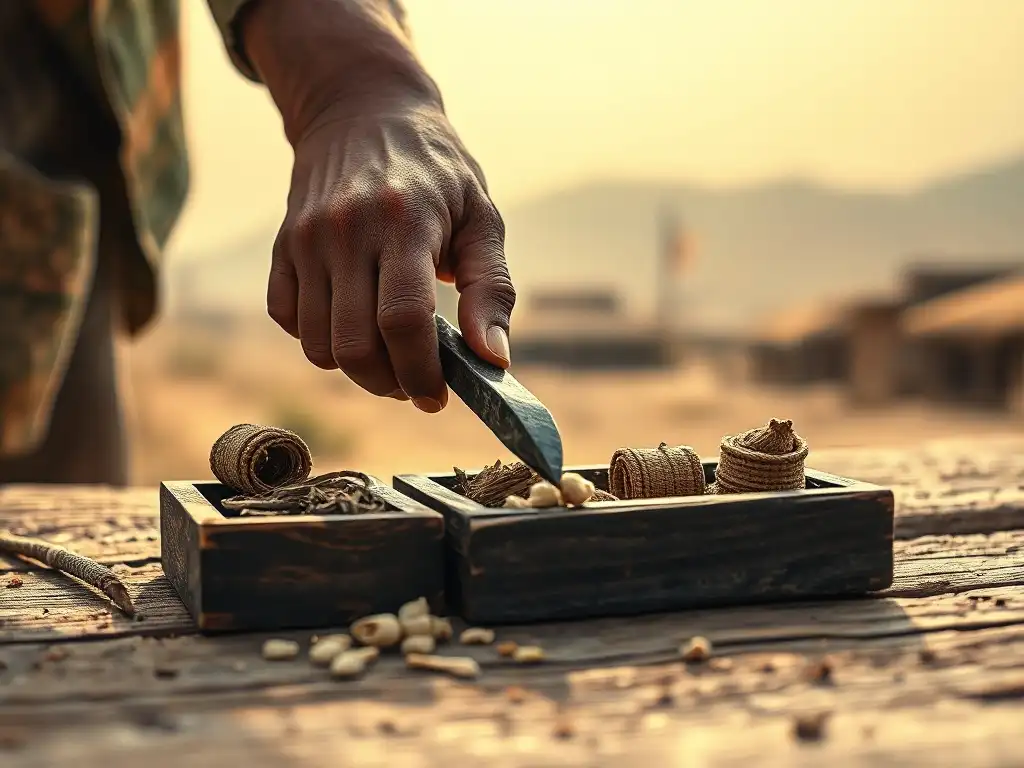
The Moche, a pre-Columbian civilization flourishing on the northern coast of Peru from approximately 100 CE to 800 CE, possessed surprisingly advanced medical knowledge for their time. While not as extensively documented as some other aspects of their culture, evidence suggests a sophisticated understanding of surgical practices and wound care, far exceeding expectations for a society without modern tools and techniques. Their skill in treating injuries and illnesses contributed significantly to their societal stability and longevity. The focus on Moche healing practices reveals a deeply interwoven relationship between their medical knowledge and their spiritual beliefs.
Evidence of Surgical Interventions in the Moche Culture
Archaeological discoveries provide compelling evidence of Moche surgical interventions. Analysis of skeletal remains has revealed instances of trepanation – the surgical procedure of drilling or cutting a hole into the skull. While trepanation was practiced in various cultures around the world, the Moche examples demonstrate a level of precision and success that is noteworthy.
Some skulls show evidence of multiple surgeries, suggesting repeated attempts to treat injuries or infections. Furthermore, the survival rates, indicated by bone healing patterns, suggest a relatively high level of success in some cases, implying a good understanding of asepsis and post-operative care—though the exact methods remain partially shrouded in mystery. The tools used for these procedures are believed to have been made from obsidian or other sharp materials, reflecting both the ingenuity and resourcefulness of Moche surgeons.
Further research is needed to fully understand the extent and techniques employed in Moche trepanation, but existing evidence already challenges preconceived notions of their medical capabilities. The precise reasons for trepanation, whether for therapeutic or ritualistic purposes, remain a subject of ongoing debate among scholars.
Moche Techniques for Treating Injuries and Fractures
Beyond trepanation, the Moche also displayed proficiency in treating various injuries and fractures. Analysis of Moche burials reveals the use of splints and bandages made from materials like wood, reeds, and textiles. These findings indicate a practical approach to fracture management, aiming to stabilize the injured limb and promote healing. The craftsmanship in some of these splints is remarkable, suggesting a detailed understanding of anatomy and the biomechanics of bone healing.
Interestingly, some splints show signs of repeated adjustments, signifying a continuous monitoring and refinement of the treatment process. The Moche clearly understood the importance of immobilization in fracture healing, a fundamental principle of modern orthopedics. The sophistication of their techniques highlights their practical, problem-solving approach to medicine, even in the absence of advanced technology. It is likely that their medical knowledge was passed down through generations of healers, building upon the experiences and accumulated wisdom of their predecessors.
Moche Post-operative Care and Recovery Practices
While the specifics of Moche post-operative care remain largely speculative due to limited direct evidence, inferences can be drawn from the observed healing patterns in skeletal remains and from broader insights into their culture. Successful trepanation and fracture healing necessitate a degree of post-operative care, implying practices aimed at minimizing infection, promoting healing, and managing pain. The use of herbal remedies, discussed elsewhere in this article, almost certainly played a critical role in this process.
The potential use of bandages and dressings, along with the careful application of splints, suggests a focus on preventing infection and protecting the wound. It is also plausible that dietary restrictions and rest were employed as part of the recovery process, though concrete evidence of such practices is currently lacking. Further research, including detailed analysis of organic residues found on artifacts and in burial contexts, may shed light on the specific herbal preparations and other methods used in Moche post-operative care.
The remarkable success rate suggested by some skeletal remains implies a surprisingly effective approach to post-surgical management. The study of Moche healing practices continues to unravel fascinating details about their medical knowledge and their ability to treat complex injuries.
Moche Dental Health and Care
The Moche civilization, renowned for its sophisticated artistry and complex social structures, also demonstrated a surprising level of understanding and practice in dental health. While not possessing the same technological advancements as modern dentistry, their approach to oral hygiene and treatment reveals a nuanced understanding of the importance of dental care within their society.
Analysis of Moche remains provides fascinating insights into their methods, beliefs, and the overall state of oral health within the population. This section delves into the specifics of Moche dental health, examining their perceived understanding of dental hygiene, their practices for maintaining oral health, and the evidence of any surgical or restorative procedures they performed.
Moche Understanding of Dental Hygiene
The extent to which the Moche understood the connection between oral hygiene and overall health remains a subject of ongoing research. However, archaeological evidence suggests a level of awareness beyond simply treating existing problems. The discovery of various plant materials, possibly used for cleaning teeth, within Moche burials hints at rudimentary hygiene practices. While specific techniques remain unknown, the presence of these materials suggests an attempt to maintain oral cleanliness.
It is speculated that these plant-based materials might have had antiseptic properties, helping to combat infections and prevent tooth decay. Further research is needed to definitively identify these materials and confirm their intended use. The meticulous nature of Moche craftsmanship in other areas of life suggests a similar attention to detail might have been applied to oral hygiene, although direct evidence is limited.
It's plausible that oral hygiene was taught within families, passed down through generations. This highlights that Moche dental care wasn't necessarily a formalized practice, but rather a combination of traditional knowledge and practical applications. This contrasts sharply with modern understandings of dental hygiene, but shows that the Moche were not neglecting oral health completely.
Practices for Maintaining Oral Health
While the specifics of Moche oral hygiene routines remain elusive, we can infer some practices based on the available archaeological evidence. The presence of plant materials in burials suggests the use of chewing sticks or brushes made from natural fibers. These could have been used to remove food particles and plaque from the teeth.
It's also possible that the Moche used abrasive materials, such as finely ground minerals, to polish their teeth. Further research into the chemical composition of materials found in association with Moche remains could shed light on the exact nature of these practices. The relatively low incidence of severe periodontal disease in some Moche populations, compared to other contemporary societies, could be attributed to these, albeit rudimentary, hygiene practices.
It's important to remember, however, that the available data is limited and further investigation is necessary to develop a comprehensive understanding of Moche dental health practices. The survival of Moche remains with relatively intact dentition in several instances provides a valuable window into their success in this area.
Evidence of Moche Dental Procedures
Evidence suggests that the Moche performed some rudimentary dental procedures. Several skeletal remains show signs of dental modifications, including filing and drilling of teeth, often for aesthetic purposes. These modifications, while not strictly therapeutic, indicate a level of skill and precision in manipulating dental structures. While some interpretations suggest these modifications were ritualistic or symbolic, others point to a potential early form of restorative dentistry.
For example, some instances of tooth filing may have been used to smooth down broken or chipped teeth, providing a form of rudimentary repair. However, there is limited evidence of more complex procedures like tooth extraction or filling cavities. The tools used for these procedures remain largely unknown, although it is likely they employed simple hand-held tools made from stone or other readily available materials.
Further detailed analysis of Moche dental remains, coupled with advanced imaging techniques, could reveal more about their dental tools and techniques. The lack of widespread evidence for complex dental procedures underscores the limitations of their technology, but highlights their capability to address dental issues in basic ways. The overall picture paints a picture of a society attempting to manage dental health with the resources at their disposal.
Moche Diet and its Relation to Health
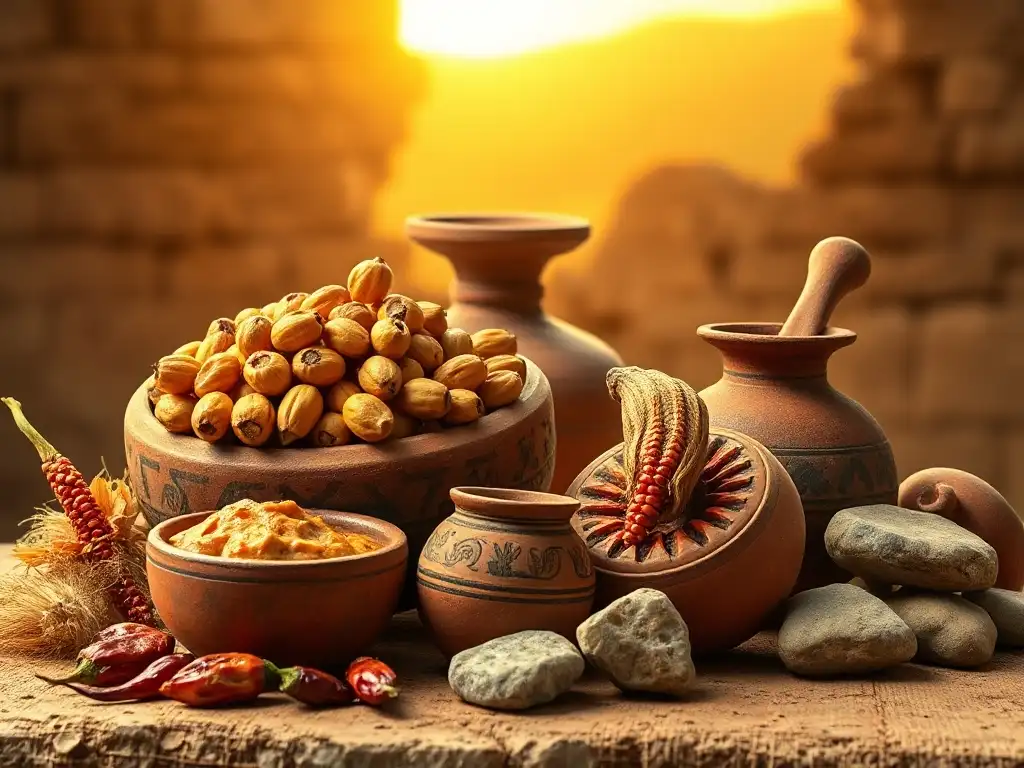
The Moche people, renowned for their sophisticated artistry and engineering, also possessed a nuanced understanding of health and wellness deeply intertwined with their diet. Understanding their dietary habits provides crucial insight into their "Moche healing practices" and overall societal well-being. While detailed dietary records are scarce, archaeological evidence, particularly from excavated settlements and burial sites, offers valuable clues about their food consumption and its impact on their health.
Staple Foods in the Moche Diet
The Moche diet was largely based on agricultural products, reflecting their mastery of irrigation systems and fertile coastal lands. Maize (corn) formed the cornerstone of their nutrition, providing carbohydrates for energy. Archaeological evidence consistently reveals maize remains in various forms – from kernels to processed products like chicha (a fermented maize beverage). Beyond maize, beans (various types including kidney and lima beans), squash, and other vegetables constituted significant portions of their meals. The availability of diverse vegetables provided a range of essential vitamins and minerals.
Furthermore, the Moche were skilled fishermen, and fish played a crucial role in their diet, providing a rich source of protein and omega-3 fatty acids. Evidence suggests they consumed a variety of fish species, depending on seasonal availability and location. Seafood, including shellfish like mussels and clams, further supplemented their protein intake and provided additional micronutrients. Finally, the Moche also cultivated and consumed various fruits, including lucuma and chirimoya, adding sweetness and essential vitamins to their diet.
Nutritional Aspects of Moche Cuisine
The nutritional profile of the Moche diet appears to have been relatively balanced, although the precise proportions of different food groups remain uncertain. The combination of maize, beans, and squash, a classic example of complementary protein sources, likely ensured adequate protein intake. This protein combination, known as the "three sisters" in other Andean cultures, is a particularly efficient way to obtain essential amino acids.
The inclusion of fish and seafood further enhanced the protein and essential fatty acid content of their diet. The variety of vegetables provided a good source of vitamins and minerals, contributing to overall health and disease resistance.
However, it is important to note that the nutritional quality of the Moche diet likely varied depending on factors such as geographic location, social status, and seasonal changes. Those in higher social strata may have had access to a wider variety of foods and a more consistent supply throughout the year. Seasonal variations in food availability could have led to periods of nutritional deficiency for some segments of the population.
The Role of Diet in Preventing Illness
The Moche understanding of diet extended beyond mere sustenance; it played a crucial role in their preventative healthcare strategies. A balanced diet, rich in diverse nutrients, likely contributed to improved immunity and reduced susceptibility to common illnesses. The consumption of foods rich in antioxidants, like certain fruits and vegetables, may have aided in protecting against cellular damage and chronic diseases. Moreover, the fermented beverage chicha, while potentially containing alcohol, might have also provided probiotics beneficial to gut health.
This holistic approach to nutrition, recognizing the interconnectedness of food and well-being, underscores the sophistication of Moche "Moche healing practices." Further research, particularly isotopic analysis of skeletal remains, could provide more precise data on the long-term dietary effects on Moche health and life expectancy. This would allow for a more comprehensive understanding of the relationship between diet and the prevalence of specific illnesses within the Moche population.
Moche Disease and Common Ailments
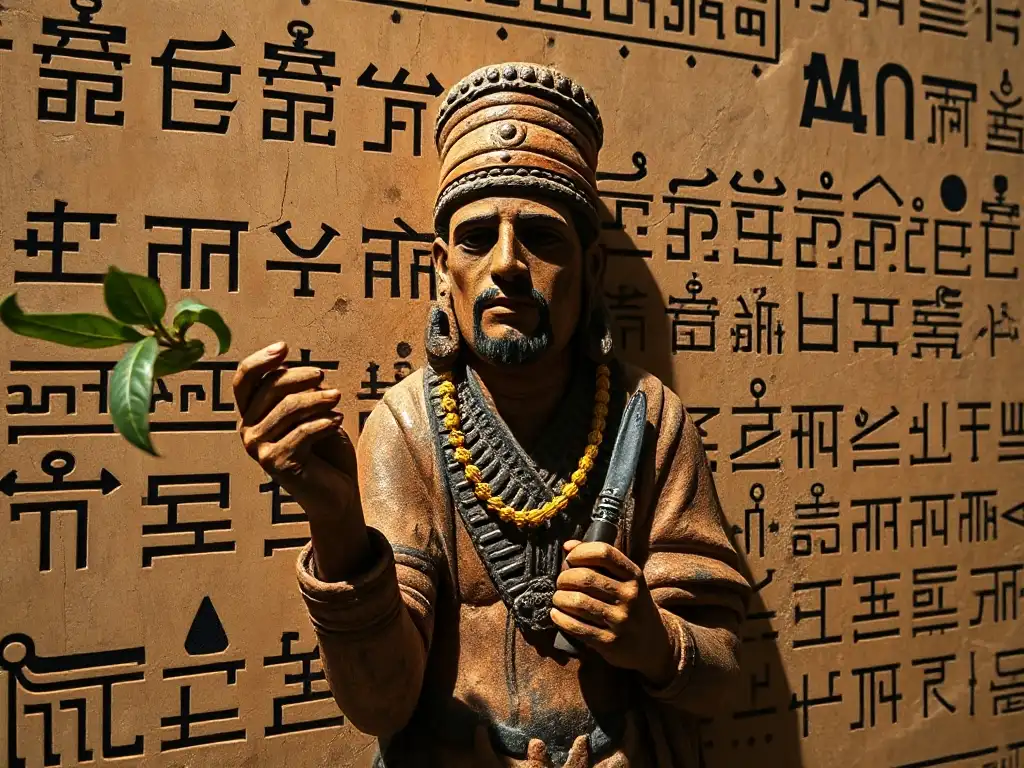
The Moche civilization, flourishing along the arid northern coast of Peru from approximately 100 to 800 CE, faced a unique set of health challenges shaped by their environment and lifestyle. Understanding Moche disease and common ailments provides crucial insight into their sophisticated, albeit limited, medical knowledge and healing practices. Analyzing archaeological evidence, such as skeletal remains and iconography, allows us to piece together a picture of their health and the strategies they employed to address illness. The study of Moche healing practices reveals a complex interplay of practical remedies and spiritual beliefs.
Common Health Issues in the Moche Population
Evidence from Moche burials suggests a range of health issues prevalent within the population. Dental problems were surprisingly common, with caries (tooth decay) and abscesses frequently observed. This is likely attributable to a diet rich in carbohydrates and a lack of effective dental hygiene.
Skeletal analysis also reveals a high incidence of osteoarthritis, particularly in the spine and knees, indicating the physically demanding nature of Moche life and the impact of repetitive tasks on joint health. Furthermore, evidence suggests the presence of infectious diseases, although pinpointing specific pathogens remains challenging due to the limitations of archaeological analysis. Trauma, resulting from accidents, warfare, or possibly even ritualistic practices, is also evident in some skeletal remains, showcasing injuries like fractures and cranial trauma.
Malnutrition, while difficult to definitively assess in skeletal remains, was likely a factor influencing overall health and susceptibility to disease among certain segments of the population. The prevalence of these ailments points to the importance of understanding Moche medicine's role in addressing these persistent health concerns.
Possible Causes of Moche Diseases
Several factors contributed to the health challenges faced by the Moche. Their coastal environment, while providing abundant resources, also presented hazards. Exposure to harsh sunlight and fluctuating temperatures likely contributed to skin problems and dehydration.
The proximity to the ocean, while offering food, also increased the risk of waterborne diseases. Their agricultural practices, while innovative for their time, may have been affected by the unpredictable nature of the El Niño Southern Oscillation (ENSO), leading to periods of famine and malnutrition. Intense physical labor in agriculture, fishing, and construction undoubtedly played a significant role in the prevalence of musculoskeletal problems like osteoarthritis.
The presence of infectious diseases suggests close contact with animals and potentially poor sanitation practices. Further research, including detailed analysis of pathogens from skeletal remains and a more thorough understanding of Moche dietary habits, would be beneficial in clarifying the causal links between these factors and the specific diseases afflicting the Moche population. This deeper analysis could provide a more comprehensive understanding of the challenges faced by Moche medical practitioners.
Moche Methods for Disease Prevention
While definitive proof of systematic disease prevention strategies is limited, several aspects of Moche life suggest an awareness of maintaining health. Their sophisticated irrigation systems, crucial for agriculture, might have played an indirect role in disease prevention by ensuring a stable food supply and reducing the risk of malnutrition. The careful preparation and processing of food, evident in their culinary practices, could have minimized the risk of foodborne illnesses.
Furthermore, the presence of herbal remedies in Moche burials suggests an understanding of the potential medicinal properties of plants, potentially used for both treatment and prevention of illnesses. However, the specific preventative measures employed by the Moche remain largely speculative due to the limited evidence. Future research focusing on the analysis of plant remains found in association with Moche settlements could shed further light on their understanding of medicinal botany and its potential role in preventative healthcare.
The detailed study of Moche agricultural practices and their impact on overall health is another important avenue for future research into Moche preventative healthcare. The potential use of preventative medicine in Moche society remains a significant area needing further investigation.
Moche Care for Children and Pregnant Women
The Moche civilization, renowned for its sophisticated artistry and complex social structures, also possessed a surprisingly advanced understanding of healthcare, particularly concerning women and children. Evidence from archaeological digs suggests a level of care and attention to maternal and child health that surpasses many assumptions about pre-Columbian societies. While written records are absent, careful analysis of burial sites, artifacts, and iconography provides valuable insights into their practices.
The Moche worldview, deeply intertwined with nature and the supernatural, heavily influenced their approaches to healing and preventative care. This holistic perspective is evident in their treatment of pregnant women and infants, as well as in their efforts to protect children from disease.
Understanding their methods sheds light on the ingenuity and resourcefulness of the Moche people in addressing the challenges of health within their environment. The keyword "Moche healing practices" is directly applicable here, as we delve into the specific practices surrounding the most vulnerable members of their society.
Moche Practices for Maternal Health
Pregnant women in Moche society received specialized care, reflecting a societal respect for their role and the importance of healthy births. Archaeological evidence, such as the presence of specialized tools and the careful placement of grave goods in women's burials, suggests a range of practices designed to support maternal health. These might have included nutritional guidance tailored to pregnancy, herbal remedies to alleviate common pregnancy discomforts, and possibly even rudimentary midwifery practices.
The recurring motifs of fertility and childbirth in Moche art, particularly in ceramics, further underscore the importance placed on successful pregnancies and healthy infants. Specific herbs used, however, remain [specific information pending] further research into plant remains found in associated burial sites.
The Moche likely utilized a combination of medicinal plants and ritualistic practices to ensure the well-being of expectant mothers and the successful outcome of childbirth. We see a clear connection between their spiritual beliefs and their practical approach to healthcare, illustrating the holistic nature of Moche "Moche healing practices".
Moche Care and Feeding of Infants
Infant care within Moche society also reveals a level of sophistication. Analysis of infant burials suggests that infants were not simply discarded but were given a degree of attention and care. While infant mortality rates were likely high, comparable to other pre-industrial societies, the presence of feeding implements and the careful arrangement of burial goods indicates a level of parental investment and concern.
The Moche likely practiced breastfeeding, though the exact duration and supplementary feeding methods remain [specific information pending] further research. While we lack concrete details on specific infant feeding practices, the archaeological record hints at a social structure that valued the survival and well-being of infants, a critical aspect of their overall "Moche healing practices".
The meticulous care given to infants, even in death, highlights the value placed on their lives within the Moche community. Further research is needed to fully understand the nutritional practices implemented to ensure the survival of infants.
Protecting Children from Illness
Protecting children from illness was likely a significant concern for Moche families. While the exact methods used remain largely unknown, we can infer some practices based on similar cultures and the available archaeological evidence. The use of amulets and charms, frequently depicted in Moche art, suggests a belief in the power of protective magic against illness.
These amulets may have been made from various materials, potentially imbued with medicinal properties or carrying symbolic significance. Additionally, the prevalence of certain plants in burial contexts suggests the use of herbal remedies for childhood ailments. However, [specific information pending] detailed analysis of plant residues found in association with children's remains.
The Moche's understanding of herbal medicine, coupled with their spiritual beliefs, likely formed the basis of their preventative and curative "Moche healing practices" for children. This aspect of their culture deserves further investigation to uncover the specific techniques and beliefs surrounding child health. The holistic approach, combining spiritual and practical elements, is a defining characteristic of Moche medicine.
Moche Healing Practices: A Synthesis
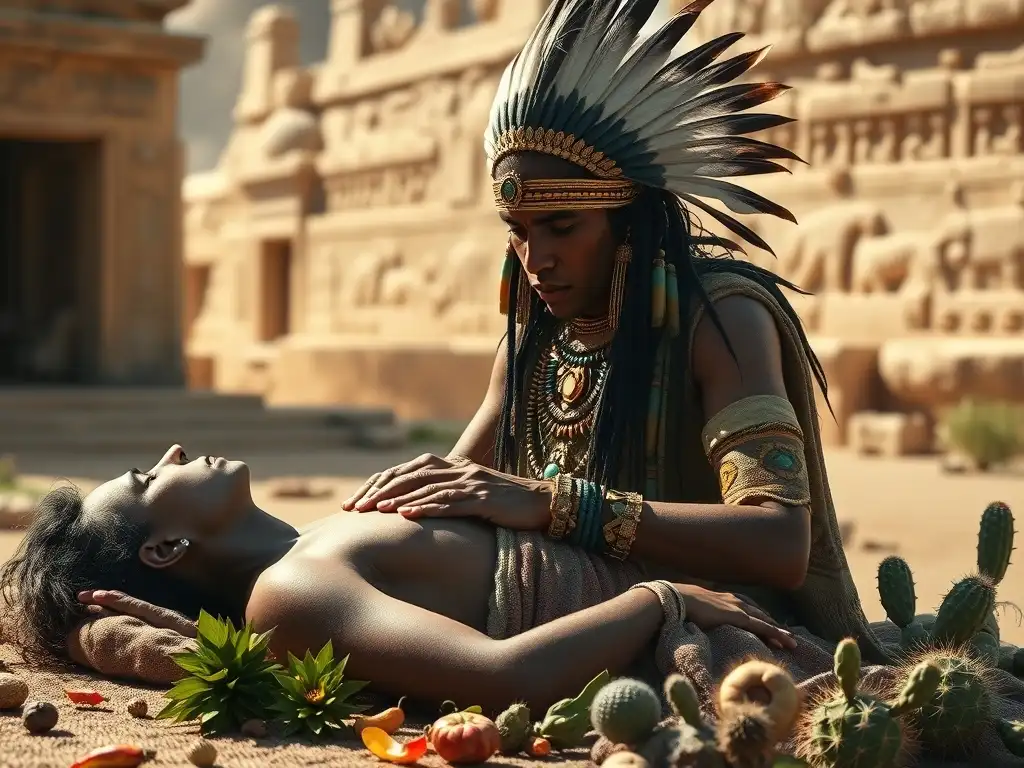
The Moche civilization, flourishing along the northern coast of Peru from approximately 100 CE to 800 CE, developed a sophisticated system of healing practices that intertwined herbal remedies, ritualistic ceremonies, and careful physical care. Understanding Moche healing practices requires appreciating their holistic worldview, where the physical and spiritual realms were deeply interconnected. Illness wasn't simply a biological malfunction; it was often seen as a disruption of this delicate balance, requiring interventions on multiple levels.
Archaeological evidence, primarily from Moche burials and iconography depicted on their stunning ceramics, provides invaluable insights into their medical knowledge and beliefs. These sources reveal a surprisingly advanced understanding of anatomy, medicinal plants, and surgical techniques for the time.
The Moche weren't just treating symptoms; they were attempting to address the root cause of imbalance, reflecting a sophisticated understanding of preventative and curative medicine. This integrated approach to health and wellbeing is a hallmark of Moche healing practices and sets them apart from many other contemporaneous cultures.
The Holistic Approach to Moche Medicine
Moche medicine wasn't compartmentalized. It wasn't simply a matter of a "doctor" prescribing a specific treatment. Instead, healing involved a multifaceted approach encompassing spiritual, physical, and social dimensions. Shamans, or curanderos, played a central role, acting as intermediaries between the physical and spiritual worlds.
Their expertise extended beyond herbal remedies; they were often responsible for performing rituals aimed at restoring balance and warding off malevolent spirits believed to cause illness. This holistic approach is vividly illustrated in Moche pottery, which frequently depicts scenes of healing ceremonies, featuring shamans interacting with patients, utilizing medicinal plants, and engaging in ritualistic practices. For example, depictions of trepanation—surgical removal of portions of the skull—suggest a surprisingly advanced understanding of neurosurgery, although the exact techniques and success rates remain largely unknown due to limited evidence.
The survival of individuals who underwent such procedures hints at a level of post-operative care that deserves further research. Moreover, the Moche understanding of medicinal plants, as evidenced by the presence of various plant remains in burials, suggests a sophisticated knowledge of botany and pharmacology, far surpassing many contemporary cultures in the region. They likely possessed a detailed understanding of the properties of various herbs and their applications in treating different ailments.
Legacy of Moche Healing Traditions
The legacy of Moche healing traditions extends far beyond their civilization's collapse. Many of the medicinal plants utilized by the Moche continue to be used in traditional Andean medicine today. This continuity underscores the efficacy and enduring relevance of their knowledge.
While much remains unknown about the specifics of their practices, the available archaeological evidence—especially the detailed iconography on their pottery and the analysis of plant remains—provides a fascinating glimpse into a sophisticated medical system. Further research, particularly interdisciplinary studies combining archaeology, botany, and anthropology, is crucial to fully understand the complexity and effectiveness of Moche healing practices. The Moche's holistic approach, combining herbal remedies, ritualistic practices, and surgical interventions, offers a valuable perspective on ancient medicine and its enduring impact on subsequent Andean cultures.
The meticulous care shown in their burials, often including the presence of medicinal plants and other artifacts related to healing, demonstrates the high value they placed on health and wellbeing, both in life and in the afterlife. Understanding their methods offers insights not only into their society but also into the broader history of medicine and the development of healing practices in the Andes. The study of Moche healing practices continues to provide valuable lessons, contributing to our understanding of the interplay between culture, religion, and medicine in shaping a civilization's approach to health and illness.
Frequently Asked Questions
What were the primary methods of Moche healing?
The Moche utilized a holistic approach, combining herbal remedies, ritualistic practices, and surgical procedures. Their understanding of the human body was surprisingly advanced for their time.
What role did ritual play in Moche healing?
Rituals were central to Moche medicine. They believed that spiritual forces influenced health and illness, so ceremonies aimed to appease deities or harness their power for healing. Shamans were key figures in these rituals.
What types of herbs and plants did the Moche use for medicinal purposes?
The Moche used a wide variety of native plants and herbs. Evidence suggests the use of coca leaves, as well as other plants with analgesic, anti-inflammatory, and other medicinal properties.
Did the Moche perform surgery?
Yes, archaeological evidence shows the Moche performed surprisingly complex surgical procedures, including trepanation (skull surgery). Their surgical techniques, while rudimentary, demonstrate a sophisticated understanding of anatomy.
How effective were Moche healing practices?
The effectiveness varied greatly depending on the ailment and the specific treatment. While some treatments were likely placebo effects, others demonstrate a surprisingly high level of practical medical knowledge for their time, leading to successful outcomes in some cases.
Final Reflection: Echoes of the Moche: A Legacy of Healing
The intricate world of Moche medicine, far from being a relic of the past, offers a potent reminder of humanity's enduring quest for well-being. Understanding their sophisticated herbal remedies, ritualistic practices, and holistic approach to care provides invaluable insights into the interconnectedness of physical and spiritual health, a concept increasingly relevant in our modern, often fragmented, healthcare systems. The Moche's dedication to healing, evident in their elaborate iconography and archaeological findings, challenges us to reconsider our own approaches to wellness.
The enduring power of the Moche's holistic approach lies in its recognition of the mind-body connection, a principle often overlooked in contemporary medicine. Their integration of herbalism, ritual, and spiritual practices created a comprehensive system of care that addressed the patient's physical ailments alongside their emotional and spiritual needs. The body is a temple,
a phrase often repeated today, echoes the Moche's profound respect for the human form and its inherent capacity for healing. This resonates deeply with my own belief in the importance of holistic wellness, emphasizing the interconnectedness of physical and mental health.
Consider the legacy of the Moche healers. Their ingenuity in utilizing natural resources and their profound understanding of the human body offer a rich tapestry of knowledge. You, too, can draw inspiration from their holistic approach. Explore the natural world around you, consider the power of mindful practices, and seek a balance between physical and spiritual well-being. Let the echoes of the Moche inspire you to cultivate a more integrated and fulfilling approach to your own health and the health of your community.
Unveil the Healing Secrets of Moche Medicine!
Thank you for exploring the fascinating world of Moche medicine and healing practices! You've discovered the vital role of herbs, rituals, and holistic care in the Moche civilization's approach to health and well-being. Now, let's apply this knowledge to enhance your own life.
Here are some ways to connect with this rich heritage:
- Incorporate Moche-inspired herbal remedies into your daily wellness routine: Research readily available herbs used traditionally by the Moche and integrate them thoughtfully into your health plan. Consider consulting with a healthcare professional before making significant changes to your regimen.
- Share this knowledge with friends and family: Discuss traditional healing practices and how they might complement modern healthcare approaches. This can spark interesting conversations and broaden perspectives on wellness.
- Explore local herbalists, farmers' markets, or community gardens: Discover plants with historical connections to Moche traditions and learn about their potential uses in healing. Remember to always identify plants correctly and use caution when handling any unfamiliar herbs.
What aspects of Moche culture's healing practices or herbal remedies have intrigued you the most? Share your thoughts below!