
Andean Textile Evolution: How Weaving Styles Changed Over Time

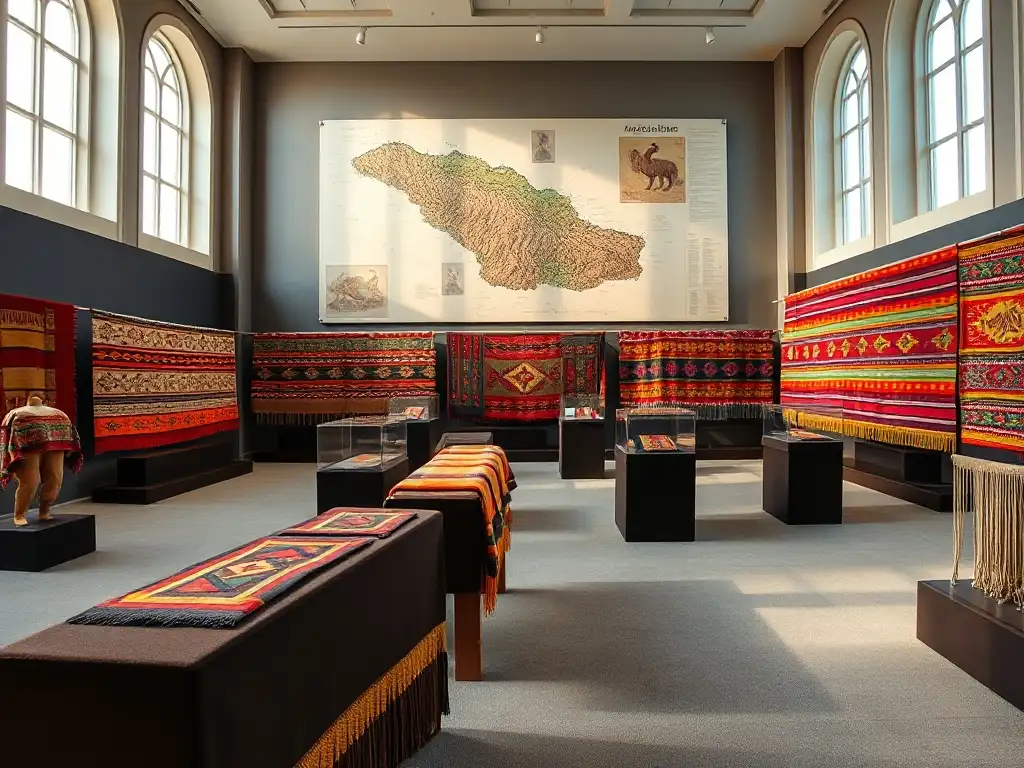
Unravel the mysteries of a lost world, where vibrant threads whisper tales of empires risen and fallen. Step into the captivating world of Andean Civilizations, a realm of breathtaking artistry and innovative engineering. Prepare to be amazed by the intricate artistry of the Andean textile history timeline, a journey through centuries of weaving techniques and symbolic designs that will leave you breathless. Discover how these ancient cultures transformed simple fibers into powerful expressions of their beliefs and identities – a story waiting to be woven into your understanding.
-
Andean Textile Evolution: A Journey Through Weaving Styles
- Introduction to Andean Textile History
- Early Andean Weaving Traditions (Pre-Ceramic Period)
- The Development of Complex Techniques (Formative Period)
- Regional Styles and Innovations (Regional Development Period)
- The Inca Empire and its Impact on Andean Weaving (Late Horizon)
- Post-Conquest Andean Textiles: Continuity and Change
- The Legacy of Andean Textile Art
- Conclusion: A Rich Tapestry of Andean Textile History
- Frequently Asked Questions
- Final Reflection: The Enduring Threads of Andean Weaving
- Discover Your Creative Weaving Journey Today!
Andean Textile Evolution: A Journey Through Weaving Styles
The Andes Mountains, a spine of towering peaks running down the western coast of South America, are home to a rich tapestry of cultures, each leaving behind a legacy of artistic expression. Nowhere is this more evident than in the remarkable history of Andean textiles. This article explores the fascinating evolution of Andean weaving techniques, styles, and symbolic meanings, tracing a timeline of innovation and cultural significance from the earliest known examples to the sophisticated artistry of the Inca Empire and beyond.
We will delve into the diverse materials, intricate designs, and enduring legacy of Andean textile traditions, providing a comprehensive overview of this captivating aspect of Andean heritage, directly addressing the key phases in the history of Andean textile production to satisfy your search for an "Andean textile history timeline." Prepare to be amazed by the ingenuity and artistry of these ancient Andean cultures!
Introduction to Andean Textile History
Andean textile history is a vast and complex subject, spanning millennia and encompassing a diverse array of cultures. From the earliest fragments of woven fabrics discovered in pre-ceramic contexts to the exquisitely detailed garments of the Inca Empire, the story of Andean textiles reflects the ingenuity, resourcefulness, and artistic sensibilities of the Andean peoples. The development of weaving in the Andes wasn’t merely a practical matter of clothing production; it was deeply intertwined with religious beliefs, social structures, and artistic expression.
Textiles served as a powerful medium for conveying identity, status, and narrative, playing a crucial role in Andean societies throughout history. Understanding this intricate relationship between textiles and Andean culture provides a deeper appreciation for the enduring legacy of these remarkable artifacts. The following sections will trace this remarkable journey, examining key periods and significant advancements in Andean textile production.
Early Andean Weaving Traditions (Pre-Ceramic Period)
The origins of textile production in the Andes remain a subject of ongoing research and discovery. However, evidence suggests that weaving emerged surprisingly early, predating even the development of pottery in some regions. This early weaving represents a remarkable feat of technological innovation and artistic expression, laying the groundwork for the sophisticated textile traditions that would follow.
The Dawn of Textile Production in the Andes
Archaeological finds from sites like Guitarrero Cave in Peru have yielded fragments of textiles dating back to the early Pre-Ceramic period (circa 8000 BCE). These early textiles, often made from plant fibers, represent the earliest known examples of weaving in the Andes. While the techniques were relatively simple compared to later developments, they demonstrate a fundamental understanding of textile production and a burgeoning artistic sensibility.
The discovery of these early textiles pushes back the timeline of Andean textile history significantly, highlighting the long and continuous tradition of weaving in the region. Further research continues to uncover more evidence, constantly refining our understanding of this critical period.
Materials Used in Early Andean Weaving: Cotton, Camelid Fibers
The earliest Andean weavers utilized readily available natural materials. Cotton, a staple crop in the warmer coastal regions, provided a soft and durable fiber ideal for weaving. In the higher altitudes of the Andes, camelid fibers – from llamas, alpacas, and vicuñas – offered warmth and resilience, particularly valuable in the challenging Andean climate.
The careful selection and preparation of these fibers played a crucial role in the quality and longevity of the resulting textiles. Evidence suggests early techniques involved spinning the fibers into yarn using simple hand spindles, a process that required significant skill and patience. The use of both plant and animal fibers showcases the adaptability and resourcefulness of early Andean weavers, who skillfully harnessed the resources available to them.
The Development of Complex Techniques (Formative Period)
The Formative Period (circa 1500 BCE – 200 CE) in the Andes witnessed the burgeoning of textile production, laying the groundwork for the sophisticated weaving traditions that would follow. Early Andean textiles, while simpler than later examples, reveal a remarkable understanding of fiber preparation and basic weaving techniques. Archaeological evidence suggests the use of both plain weave and simple patterned weaves, often employing natural dyes derived from plants and minerals.
The colors, though limited compared to later periods, were vibrant and durable, indicating a mastery of dyeing processes. These early textiles served practical purposes, such as clothing and wrapping for mummies, but also hint at the beginnings of symbolic and ritual use.
The discovery of fragments of textiles in contexts associated with ceremonial activities suggests their importance in early Andean societies. This period saw the development of fundamental skills that would be refined and elaborated upon in subsequent eras, establishing the foundation for the rich tapestry of Andean textile traditions.
Advancements in Andean Textile Weaving Techniques
During the formative period, significant advancements in Andean textile weaving techniques emerged, driven by both practical needs and evolving cultural expressions. Innovations in fiber preparation, such as the development of more refined spinning techniques, allowed for the creation of finer and stronger yarns. This, in turn, facilitated the creation of more intricate and detailed designs.
The emergence of new weaving structures, beyond the basic plain weave, allowed for the incorporation of more complex patterns and textures. Evidence from archaeological sites suggests experimentation with techniques like tapestry weaving and brocade, although these were likely still in their early stages of development. The increasing sophistication of textile production during this period reflects a growing level of social organization and specialized labor.
The production of high-quality textiles likely required skilled artisans working within a structured system, indicating a growing complexity of Andean societies. Furthermore, the diversity of fiber types employed – including cotton, camelid fibers, and possibly even plant fibers – demonstrates an adaptation to the varied environments of the Andes and a deep understanding of local resources.
Introduction of the Backstrap Loom in Andean Cultures
The introduction of the backstrap loom represents a pivotal moment in the development of Andean textile technology. While the exact date of its arrival remains debated, evidence points to its use during the Formative Period, significantly impacting weaving practices. The backstrap loom, a portable and versatile tool, allowed for greater control over the weaving process, enabling the creation of wider and longer fabrics.
This innovation facilitated the production of more elaborate textiles, expanding the possibilities for both design and function. The backstrap loom's portability also likely contributed to the spread of textile production across diverse Andean regions. Its adaptability to different fiber types and weaving techniques made it a crucial tool for Andean weavers for centuries to come.
The introduction of this technology marked a crucial step toward the development of the remarkably sophisticated textile traditions of later periods. The backstrap loom's enduring legacy in Andean weaving underscores its importance in shaping the cultural landscape of the region.
Regional Styles and Innovations (Regional Development Period)
The Regional Development Period (circa 200 CE – 1476 CE) witnessed a flourishing of distinct regional textile styles, reflecting the diverse cultural identities and technological advancements across the Andes. This era saw the rise of powerful regional states, each with its own unique artistic traditions, including distinctive styles in textile production. The development of specific techniques and motifs became associated with particular regions, creating a complex tapestry of textile traditions.
This period showcases the remarkable adaptability and creativity of Andean weavers in response to both environmental and cultural factors. The increasing complexity of social organization and the development of specialized craft production further fueled innovation in textile arts.
Moche Textile Art: Iconography and Techniques
Moche textiles (circa 100 CE – 800 CE) are renowned for their vibrant colors, intricate designs, and rich iconography. Moche weavers mastered a wide range of techniques, including tapestry weaving, brocade, and resist dyeing. Their textiles often depict scenes of daily life, mythological figures, and ritual ceremonies, providing invaluable insights into Moche society and beliefs. The use of vibrant colors, often achieved through the use of natural dyes, further enhanced the visual impact of their textiles.
The sophisticated techniques employed by Moche weavers demonstrate a high level of skill and artistic expression. Many Moche textiles were associated with elite individuals or ceremonial contexts, highlighting their cultural significance. The detailed imagery found on these textiles provides a unique window into the worldview and artistic sensibilities of this remarkable civilization.
Nazca Textiles: Geometric Designs and Color Palettes
Nazca textiles (circa 100 BCE – 800 CE) are characterized by their striking geometric designs and sophisticated color palettes. Nazca weavers were masters of intricate patterning, creating complex geometric motifs that often covered the entire surface of the textile. Their mastery of dyeing techniques allowed them to achieve a wide range of vibrant colors, often using natural dyes derived from plants and minerals. The use of multiple colors and the precision of their designs demonstrate a high degree of skill and artistry.
Many Nazca textiles exhibit a strong connection to the natural world, with designs that evoke landscapes, animals, and plants. The precision and complexity of their geometric designs suggest a highly structured and organized society. The use of textiles in both daily life and ceremonial contexts further highlights their cultural significance in Nazca society. The vibrancy and complexity of Nazca textiles continue to inspire awe and admiration.
Tiahuanaco Textile Tradition: Symbolism and Craftsmanship
Tiahuanaco textiles (circa 500 CE – 1200 CE) are distinguished by their intricate designs, symbolic motifs, and exceptional craftsmanship. Tiahuanaco weavers employed a variety of techniques, including tapestry, brocade, and supplementary weft, to create elaborate textiles. Their designs often incorporated symbolic motifs related to the Tiahuanaco religion and cosmology. The use of sophisticated weaving techniques and the careful selection of colors and materials demonstrate a high level of skill and artistic expression.
Many Tiahuanaco textiles were associated with elite individuals or ceremonial contexts, highlighting their cultural significance. The symbolic meanings embedded within their designs provide invaluable insights into the religious beliefs and worldview of the Tiahuanaco civilization. The quality and sophistication of Tiahuanaco textiles reflect the power and influence of this important Andean state. Their intricate designs and symbolic motifs continue to fascinate and inspire researchers and art enthusiasts alike.
The Inca Empire and its Impact on Andean Weaving (Late Horizon)
The Inca Empire, spanning from the 15th to the 16th centuries, significantly impacted Andean weaving, leaving an indelible mark on textile production and societal structures. Prior to Inca rule, diverse regional styles flourished across the Andes. The Incas, however, implemented a system of standardization and control, leading to a more uniform, albeit still regionally nuanced, textile production across their vast empire. This standardization wasn't simply about aesthetics; it reflected the Inca's sophisticated administrative and economic strategies. The empire's vast network of roads and administrative centers facilitated the efficient distribution of raw materials and finished products, contributing to the empire's economic strength and cultural cohesion. The Inca's centralized control over textile production is evident in the archaeological record, revealing a remarkable uniformity in certain textile types and techniques across geographically diverse regions. This, however, didn't entirely erase pre-existing regional styles; rather, it incorporated and adapted them into a broader imperial framework.
Inca Textile Production: Standardization and Control
The Inca state exerted considerable control over textile production. Specialized workshops, camayocs, employed skilled weavers who produced textiles for the elite, the state, and religious purposes. These workshops were strategically located throughout the empire, often near sources of raw materials like alpaca and llama fleece. The Inca system ensured a consistent supply of high-quality textiles for the state's needs, including clothing for officials, ceremonial items, and tribute goods.
The standardization extended to the types of textiles produced, with certain patterns and colors associated with specific social ranks or occasions. This controlled production also served as a powerful symbol of Inca authority and imperial power, visually representing the empire's reach and control. Archaeological evidence, including the discovery of large quantities of standardized textiles in Inca storage facilities, supports this assertion. The Inca's meticulously organized system of textile production was a key element of their administrative prowess and economic strength.
The Role of Textiles in Inca Society and Economy
Textiles were far more than mere clothing items in Inca society; they were integral to the empire's social structure, economy, and religious beliefs. Textiles served as a crucial form of tribute, with communities obligated to provide a set quantity of textiles to the state. This tribute system not only provided the Inca with essential resources but also reinforced their authority and ensured the loyalty of subject populations.
Furthermore, textiles played a significant role in social status, with the quality and type of clothing reflecting an individual's rank within society. Elite members wore finely woven garments adorned with intricate designs, showcasing their privileged position. The complexity and artistry of Inca textiles also served a religious purpose, with many textiles used in ceremonies and rituals.
The vibrant colors and symbolic patterns held deep spiritual meaning, connecting the living with the divine realm. In essence, Inca textiles were deeply embedded within the social fabric of the empire, functioning as a powerful symbol of status, power, and spiritual connection.
Inca Weaving Techniques: Tapestry, Brocade
Inca weavers were masters of various techniques, including tapestry and brocade weaving. Tapestry weaving, involving the interweaving of different colored threads to create intricate designs, was particularly prevalent in Inca textiles. This technique allowed for the creation of highly detailed and colorful images, often depicting animals, plants, and geometric patterns. Brocade weaving, a more complex technique involving the use of supplementary weft threads to create raised patterns, was employed to produce luxurious and richly textured textiles.
These techniques, combined with the use of high-quality materials like alpaca and llama wool, resulted in textiles of exceptional quality and beauty. The sophistication of Inca weaving techniques is evident in the surviving examples, which continue to amaze textile experts and historians with their intricate designs and technical mastery. The precision and artistry of these techniques demonstrate the advanced skills and knowledge of Inca weavers.
Post-Conquest Andean Textiles: Continuity and Change
The Spanish conquest of the Inca Empire in the 16th century marked a profound turning point in Andean textile history. While the conquest brought significant changes, Andean textile traditions demonstrated remarkable resilience and adaptability. The introduction of new materials, techniques, and aesthetics from Europe inevitably impacted Andean weaving, but indigenous styles and knowledge persisted, often blending with and transforming the incoming influences.
This period witnessed a complex interplay between continuity and change, with Andean weavers creatively adapting and incorporating new elements into their existing traditions. The result was a rich and dynamic textile tradition that reflected both indigenous heritage and external influences.
The Influence of European Techniques and Materials
The arrival of the Spanish introduced new materials like cotton and linen, along with weaving techniques like the backstrap loom, which was adopted alongside existing Andean techniques. European dyes, particularly cochineal, also became integrated into Andean textile production. These new elements, however, didn't simply replace existing practices; they often blended with indigenous techniques, resulting in hybrid textile traditions.
For example, Andean weavers adapted European techniques to their existing designs and styles, creating unique textile forms that combined both indigenous and European elements. This fusion process was not always uniform; different regions showed varying degrees of adoption and adaptation, reflecting the complex historical and social dynamics of the post-conquest period.
Andean Textile Traditions: Adaptation and Resilience
Despite the profound disruptions caused by the Spanish conquest, Andean textile traditions proved remarkably resilient. Indigenous weavers adapted to new circumstances, creatively integrating European influences while maintaining their distinct cultural identity. The continuity of traditional designs, patterns, and techniques demonstrates the enduring strength of Andean textile traditions.
Indigenous communities continued to produce textiles for both local consumption and trade, preserving their ancestral knowledge and skills. This resilience is testament to the deep cultural significance of textiles in Andean society and the ingenuity of Andean weavers in adapting to changing circumstances. The persistence of traditional Andean textile designs and techniques underscores the profound cultural significance of weaving in Andean societies, a legacy that continues to this day.
The Legacy of Andean Textile Art
Andean textile art boasts a legacy spanning millennia, a testament to the ingenuity and artistic prowess of ancient civilizations. From the intricate designs of the Paracas culture, known for their elaborate mantles and burial shrouds, to the finely spun textiles of the Inca Empire, Andean weaving has consistently demonstrated remarkable technical skill and symbolic depth. The vibrant colors, complex patterns, and sophisticated techniques employed reflect not only aesthetic preferences but also a deep connection to the Andean worldview.
These textiles served multiple purposes, functioning as clothing, ceremonial objects, and even forms of currency, reflecting their multifaceted role in Andean society. The use of natural dyes derived from plants, insects, and minerals further underscores the resourcefulness and intimate relationship between the Andean people and their environment. The remarkable preservation of many ancient textiles, often discovered within arid burial sites, provides invaluable insights into the techniques and artistic sensibilities of past generations.
Studying these artifacts allows us to reconstruct the evolution of weaving techniques and understand the social and religious significance imbued within each piece. The complexity and artistry of these textiles highlight the sophisticated understanding of mathematics and geometry inherent in their creation, often reflecting cosmological beliefs and a deep connection to the Andean landscape.
Modern Andean Textile Practices
Despite the passage of time, Andean textile traditions continue to thrive in the twenty-first century. Many communities across the Andes maintain traditional weaving practices, adapting them to contemporary contexts while preserving their cultural heritage. The use of ancient techniques, such as backstrap loom weaving, remains prevalent, demonstrating the enduring relevance of these methods.
However, modern Andean textile practices also incorporate new materials and designs, reflecting a dynamic interplay between tradition and innovation. For instance, some artisans incorporate modern synthetic dyes alongside natural pigments, offering a wider range of colors and expanding their creative possibilities. Furthermore, the integration of contemporary themes and motifs into traditional designs demonstrates a capacity for adaptation and a willingness to engage with the broader world.
The resilience of Andean textile traditions is a testament to the cultural significance of weaving, its economic importance to many communities, and the dedication of artisans to preserving their ancestral heritage. The continued production of textiles ensures the survival of these ancient techniques and the transmission of knowledge from one generation to the next. These textiles, whether used for everyday wear or for ceremonial purposes, represent a living legacy, connecting the present to a rich and vibrant past.
The Enduring Significance of Andean Weaving in Cultural Heritage
The enduring significance of Andean weaving in cultural heritage cannot be overstated. These textiles represent not merely aesthetic achievements but also powerful expressions of identity, spirituality, and social structures. They serve as tangible links to the past, preserving knowledge and traditions that have been passed down through generations. The intricate designs often encode complex narratives, reflecting cosmological beliefs, social hierarchies, and historical events.
The use of specific colors and patterns can signify particular deities, ceremonies, or social groups, providing valuable insights into the worldview and social organization of Andean civilizations. The preservation and study of Andean textiles are crucial for understanding the rich cultural heritage of the region. Museums and cultural institutions play a vital role in safeguarding these artifacts and making them accessible to researchers and the public alike.
Moreover, the continued practice of Andean weaving helps maintain cultural diversity and contributes to the economic well-being of many communities. Recognizing and celebrating the enduring significance of Andean weaving is essential for preserving this invaluable aspect of cultural heritage for future generations. The story woven into these textiles is a story of resilience, adaptation, and the enduring power of cultural traditions.
Conclusion: A Rich Tapestry of Andean Textile History
The history of Andean textiles is a rich and complex tapestry, woven with threads of innovation, tradition, and cultural significance. From the earliest examples of sophisticated weaving techniques to the vibrant textile traditions that persist today, Andean weaving has consistently demonstrated remarkable artistic skill and cultural depth.
The evolution of Andean textile art reflects not only technological advancements but also profound shifts in social structures, religious beliefs, and artistic expression. The legacy of Andean textiles is a testament to the ingenuity and creativity of the Andean peoples, their deep connection to their environment, and the enduring power of cultural heritage.
Understanding the evolution of Andean textiles offers invaluable insights into the history, culture, and artistic achievements of these remarkable civilizations, showcasing a vibrant and continuous thread connecting the past to the present. The enduring legacy of Andean textile art continues to inspire and captivate, serving as a powerful reminder of the rich cultural heritage of the Andes.
Frequently Asked Questions
What is the earliest evidence of textile production in the Andes?
The earliest evidence suggests textile production began in the Andes around 6000 BCE, with the discovery of fragments of woven fabrics in Peru. These early textiles were likely made from natural fibers like cotton and camelid wool.
How did Andean textile techniques evolve over time?
Andean textile techniques significantly evolved, progressing from simple plain weaves to incredibly complex designs and structures. Innovations included new dyeing techniques, intricate spinning methods, and the use of advanced looms.
Which Andean cultures were most renowned for their textiles?
Many Andean cultures were skilled weavers, but the Inca, Moche, Nazca, and Paracas cultures are particularly renowned for their sophisticated textiles, each with unique styles and techniques. These textiles often depicted religious beliefs and social structures.
What materials were commonly used in Andean textiles?
Andean textiles primarily used cotton and the wool from camelids such as llamas and alpacas. The quality and color of these materials played an important role in the social status of the wearer. Different fibers also dictated varying weaves and textures.
How can I learn more about the Andean textile history timeline?
To delve deeper into the Andean textile history timeline, explore museum collections, academic journals, and books focusing on Andean archaeology and textile history. Many online resources offer detailed information and images of these remarkable artifacts.
Final Reflection: The Enduring Threads of Andean Weaving
The vibrant tapestry of Andean textile traditions continues to resonate today, a testament to the ingenuity and resilience of its creators. From the intricate designs of pre-Columbian cultures to the contemporary innovations preserving ancient techniques, the evolution of Andean weaving offers a powerful narrative of adaptation, cultural continuity, and artistic brilliance. This rich history, far from being a relic of the past, remains a vital source of inspiration and cultural identity.
The influence of Andean textiles extends far beyond the Andes themselves. Their impact on global fashion, art, and cultural exchange is undeniable, a testament to the enduring power of artistic expression. The intricate symbolism woven into each piece, the meticulous craftsmanship passed down through generations, and the profound connection to the land itself all contribute to their enduring appeal. The threads themselves are a story, a history, a living memory.
This quote, though not directly from an Andean weaver, perfectly captures the essence of what these textiles represent: a living legacy.
Consider, for a moment, the stories embedded within the threads. Imagine the hands that created these masterpieces, the knowledge passed down through countless generations, the resilience in the face of adversity. You, too, are part of this ongoing narrative. By appreciating and understanding the history of Andean textiles, you not only expand your knowledge but also connect with a rich cultural heritage that continues to inspire and evolve. Let the enduring threads of Andean weaving inspire you to explore your own creative spirit and appreciate the power of cultural preservation.
Discover Your Creative Weaving Journey Today!
Thank you for exploring the captivating world of Andean textile weaving! You've discovered a rich tradition of innovation reflecting a vibrant cultural heritage. Now, let's channel that inspiration and begin your own creative journey.
Here's how you can continue:
- Embark on a weaving project: Gather your materials and create a small piece inspired by Andean styles, blending traditional techniques with your personal style.
- Share your passion: Post about Andean textiles on social media or within your community, inspiring others to appreciate this remarkable artistry.
- Join a weaving community: Connect with fellow enthusiasts through local workshops or online classes to learn new techniques and share your passion.
What unique design will you create to celebrate the intricate stories woven into Andean textiles?