
The Silent Storytellers: Deciphering Andean Metal Artifacts

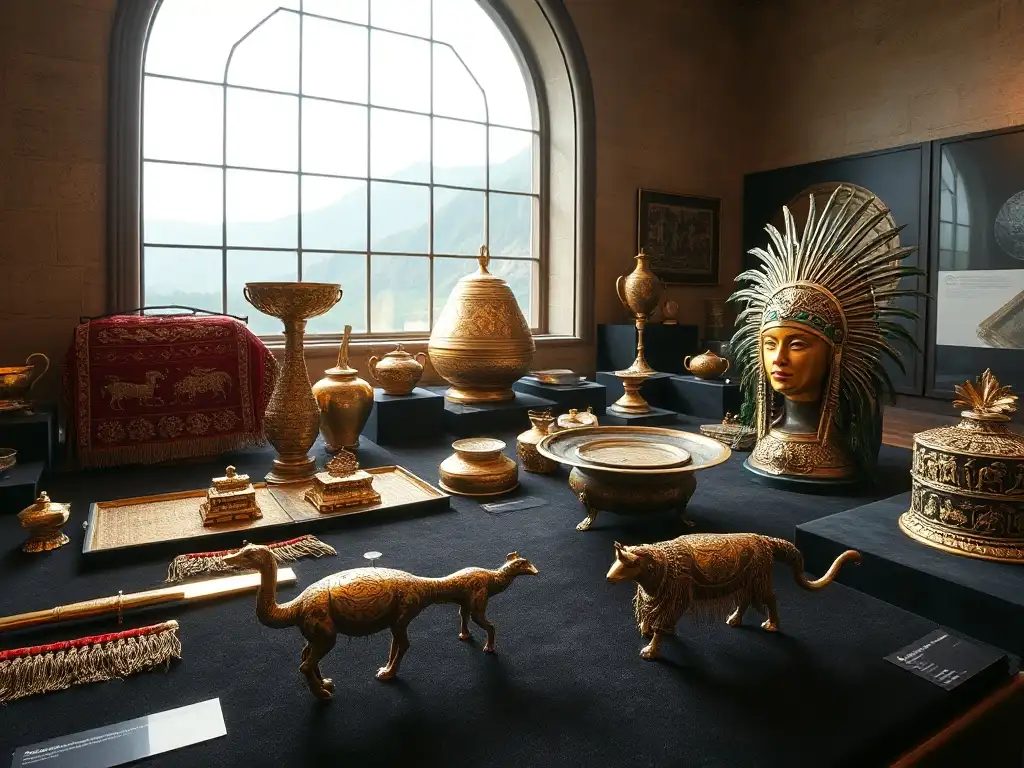
Uncover the mysteries whispered by the mountains! Journey with us into the heart of the Andes, where ancient civilizations forged a legacy as dazzling as the gold itself. From the intricate artistry of the Nazca to the sophisticated engineering of the Incas, prepare to be amazed. But what secrets do the Andean metal artifacts meaning truly hold? Dive into the captivating world of Andean technology and innovation to discover the answers.
The Andes Mountains, a spine of towering peaks running down the western coast of South America, are home to a rich tapestry of ancient civilizations. For centuries, these cultures – including the Incas, Moche, Nazca, and Tiahuanaco – flourished, leaving behind a legacy not only of impressive architectural feats like Machu Picchu, but also a remarkable collection of metal artifacts.
These objects, crafted with astonishing skill and artistry, serve as silent storytellers, whispering tales of their creators' beliefs, social structures, and technological prowess. Understanding the meaning behind these Andean metal artifacts provides invaluable insight into the complexity and sophistication of these pre-Columbian societies.
This article delves into the world of Andean metallurgy, exploring the techniques employed, the symbolism embedded within the artifacts, and the ongoing efforts to decipher the rich cultural narratives they embody. We will examine how the analysis of Andean metal artifacts meaning contributes to a more complete understanding of Andean civilizations and their lasting impact on history.
Techniques of Andean Metalworking
Andean metalworking reached remarkable heights, showcasing a sophisticated understanding of metallurgy far exceeding what was previously thought possible for pre-Columbian societies. The artisans skillfully employed various techniques, including:
- Lost-wax casting: This intricate process allowed for the creation of highly detailed and complex shapes, evident in many ceremonial objects and figurines. The precision required for this technique speaks volumes about the advanced metallurgical knowledge of the time.
- Hammering and repoussé: These techniques involved shaping metal sheets by hammering from the front and back, creating three-dimensional forms with incredible detail. This is particularly evident in the creation of intricate decorative elements on various artifacts.
- Alloying: Andean metallurgists expertly combined different metals, such as gold, silver, copper, and tin, to create alloys with varying properties and colors. This control over material properties allowed for a greater range of artistic expression and functionality.
- Inlay and overlay: This technique involved embedding or layering different metals to create visually stunning and intricate designs. The precise placement of these metals reveals a masterful understanding of both artistry and craftsmanship.
The mastery of these techniques allowed Andean artisans to create objects of both practical and ceremonial significance, ranging from everyday tools to elaborate royal regalia. The sheer variety and quality of these artifacts underscore the highly developed metallurgical traditions of these civilizations.
Symbolism and Iconography in Andean Metal Artifacts
The artistry of Andean metal artifacts extends beyond mere technical skill; it is deeply imbued with symbolic meaning. Many artifacts feature intricate iconography, reflecting the religious beliefs, social structures, and worldview of the cultures that created them. For example:
- Representations of deities: Many artifacts depict figures believed to represent gods and goddesses, reflecting the importance of religion in Andean society. The specific iconography and attributes of these figures offer clues to the nature of Andean religious beliefs and practices.
- Animal motifs: Animals frequently appear in Andean metalwork, often holding symbolic significance. Condor imagery, for example, may represent power and royalty, while other animals may symbolize fertility, strength, or other important cultural concepts. [Specific examples of animal motifs and their interpretations pending]
- Geometric patterns: Geometric designs, such as spirals, zigzags, and stepped frets, are also prominent in Andean metalwork. These patterns may represent cosmological concepts, social hierarchies, or other important aspects of Andean culture. [Further research needed to clarify the specific meanings of geometric patterns]
Deciphering the Meaning: Ongoing Research and Challenges
Deciphering the meaning behind Andean metal artifacts is an ongoing process, requiring interdisciplinary collaboration between archaeologists, metallurgists, art historians, and anthropologists. While significant progress has been made, many questions remain unanswered. Challenges include:
- Limited contextual information: Many artifacts have been found outside their original contexts, making it difficult to determine their precise function and significance.
- Interpretative biases: Researchers' interpretations can be influenced by their own cultural backgrounds and perspectives. A critical approach is crucial to avoid imposing modern interpretations onto ancient artifacts.
- Technological limitations: Analyzing the composition and manufacturing techniques of these artifacts requires sophisticated technologies, and not all artifacts are accessible for such analysis.
Despite these challenges, ongoing research continues to shed light on the meaning and significance of Andean metal artifacts, enriching our understanding of these remarkable civilizations and their lasting cultural legacy. The meticulous study of these objects promises to unlock further secrets about the sophisticated worldview and technological achievements of the ancient Andes. The pursuit of understanding "Andean metal artifacts meaning" is an ongoing and exciting journey of discovery.
- Techniques of Andean Metalworking
- Symbolism and Iconography in Andean Metal Artifacts
- Deciphering the Meaning: Ongoing Research and Challenges
- What makes Andean metal artifacts so significant?
- What materials were primarily used in Andean metalworking?
- What is the meaning behind the different shapes and symbols found in Andean metal artifacts?
- How did Andean metalworkers achieve such intricate detail in their work?
- Where can I learn more about the meaning and significance of specific Andean metal artifacts?
Unveiling the Secrets of Andean Metallurgy
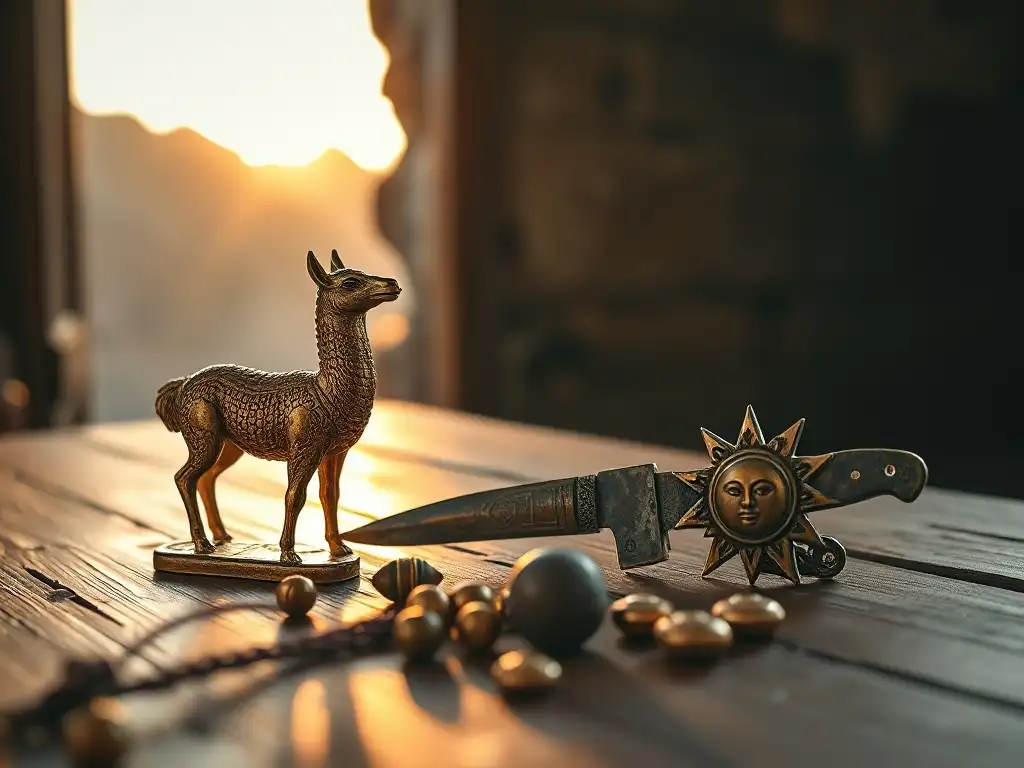
This section delves into the fascinating world of Andean metallurgy, exploring the techniques, artistry, and cultural significance behind these remarkable metal artifacts. The Andean region, encompassing modern-day Peru, Bolivia, Ecuador, Colombia, and parts of Chile and Argentina, boasts a rich history of metalworking that spans millennia. Understanding the meaning behind these artifacts requires examining both the technical prowess involved in their creation and the symbolic context in which they were produced and used.
The study of Andean metal artifacts provides invaluable insights into the social structures, religious beliefs, and technological advancements of these ancient societies. The sheer variety and sophistication of the metalwork found across different Andean cultures demonstrate a remarkable level of metallurgical expertise, often exceeding that of contemporary societies in other parts of the world. We will explore the specific techniques employed, the types of metals used, and the evolving styles that reflect the dynamic cultural landscape of the Andes.
The careful study of these objects allows us to reconstruct a more complete picture of Andean life, shedding light on aspects that might otherwise remain obscured by the passage of time. This exploration into the Andean metal artifacts meaning will reveal the stories embedded within these ancient treasures.
The Significance of Metalworking in Andean Civilizations
Metalworking in the Andes wasn't merely a technological achievement; it was deeply intertwined with the social, political, and religious fabric of Andean societies. The control and manipulation of metals like gold, silver, copper, and bronze conferred significant prestige and power. Access to these materials and the skills to work them often marked the elite classes, with elaborate metal objects serving as symbols of authority and religious power. For instance, the intricate gold ornaments and ceremonial objects found in Inca tombs highlight the importance of metal in reinforcing royal authority.
The Moche culture, known for its sophisticated metalwork, often depicted powerful figures and mythical creatures in their castings, reflecting their complex religious beliefs and cosmology. The creation of these objects was not just a craft; it was a sacred act, performed by skilled artisans who held a special status within their communities. The meaning inherent in these pieces lies not only in their aesthetic appeal but also in their function as powerful symbols within the social hierarchy and religious practices.
The scarcity of certain metals, like gold, further enhanced their symbolic value, reinforcing their role as markers of elite status and divine connection. This specialized knowledge and skill in metalworking played a critical role in shaping the social and political landscape of the Andes, cementing the power of ruling elites and influencing religious practices. The development of metallurgical techniques was a gradual process, evolving over centuries, reflecting the innovation and adaptation of Andean cultures to their environment.
Exploring the Diversity of Andean Metal Artifacts
The diversity of Andean metal artifacts is astounding, reflecting the unique characteristics of different cultures and time periods. From the delicate goldwork of the Nazca to the imposing bronze sculptures of the Tiahuanaco, each piece tells a unique story. Let's consider some examples:
| Culture | Metal Type(s) | Artifact Examples | Notable Characteristics |
|---|---|---|---|
| Nazca | Gold, copper, silver | Small gold figurines, embossed sheets, jewelry | Fine detail, intricate designs, often depicting deities |
| Moche | Gold, silver, copper, bronze | Figurines, vessels, ornaments, weapons | Realistic depictions, high-quality casting techniques |
| Inca | Gold, silver, copper, bronze | Ceremonial objects, jewelry, weaponry | Large-scale projects, symbolic use of precious metals |
| Tiahuanaco | Bronze, copper | Large sculptures, tools | Monumental scale, geometric designs |
The Andean metal artifacts meaning is further enriched by the diverse techniques employed. These included:
- Casting: A process involving melting metal and pouring it into molds. The Moche were masters of lost-wax casting, allowing for highly detailed and intricate pieces.
- Hammering and Repoussé: Shaping metal by hammering it from the front and back. This technique is evident in the thin, embossed gold sheets of the Nazca culture.
- Alloying: Combining different metals to create new alloys with desired properties. The Inca utilized alloys to achieve specific colors and strengths in their metalwork.
- Inlay: Setting smaller pieces of metal into larger objects to create decorative patterns. This technique added complexity and visual appeal to many artifacts.
The sheer variety and complexity of these techniques, combined with the symbolic use of different metals and the artistic skill involved, demonstrate the advanced metallurgical knowledge and artistic sophistication of Andean civilizations. Each artifact offers a unique glimpse into the beliefs, practices, and technological capabilities of these fascinating cultures. Further research and analysis are needed to fully unlock the secrets held within these silent storytellers. The ongoing study of Andean metal artifacts meaning continues to unveil new layers of understanding about these remarkable ancient societies.
Understanding the Meaning Behind Andean Metal Artifacts
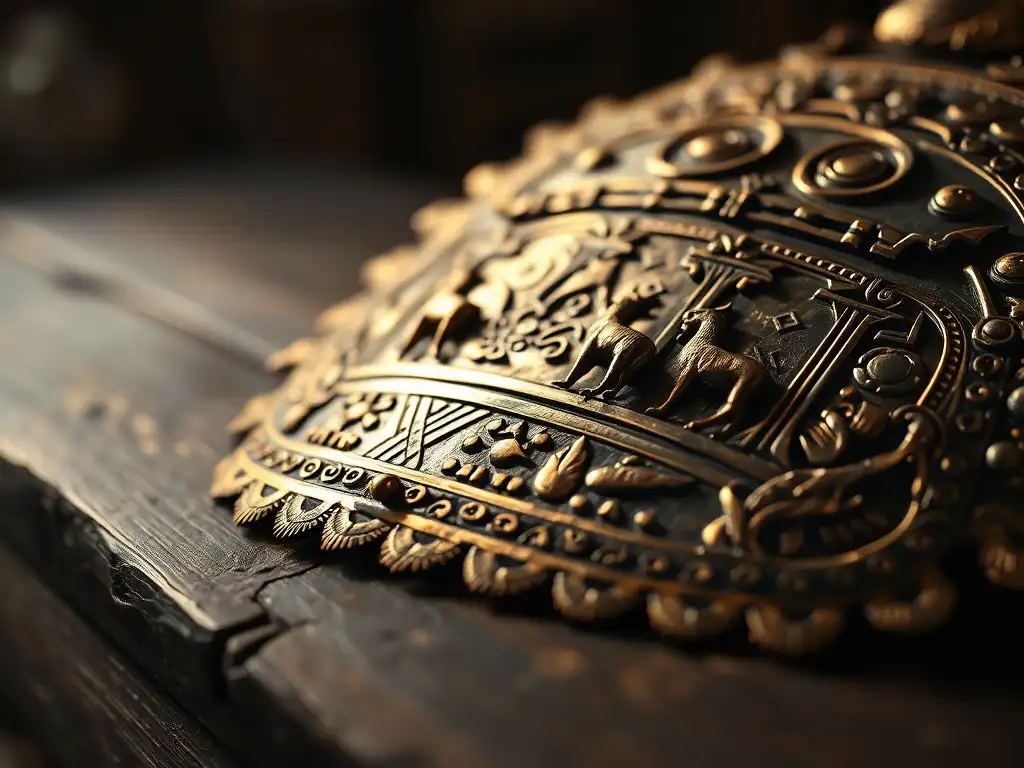
The study of Andean metal artifacts offers a unique window into the complex belief systems, social structures, and technological prowess of ancient Andean civilizations. These objects, far from being mere decorative items, served as powerful symbols, ritualistic tools, and expressions of social status. Understanding their meaning requires a multidisciplinary approach, combining archaeological findings with anthropological interpretations and metallurgical analysis.
The keyword "Andean metal artifacts meaning" encapsulates the very essence of this intricate field of study, highlighting the significance of these objects beyond their aesthetic value. This section delves into the diverse ways these artifacts communicate the stories of past Andean societies.
Decoding Symbols and Iconography in Andean Metalwork
Andean metalworkers displayed remarkable skill in crafting intricate designs and symbols onto their creations. These weren't haphazard decorations; they were carefully chosen motifs carrying specific cultural and religious significance. For example, the recurring imagery of feline deities, such as jaguars and pumas, in Moche metalwork reflects the importance of these animals in their cosmology and shamanistic practices. These powerful predators often symbolize strength, power, and the connection between the earthly and spiritual realms.
Furthermore, the use of specific geometric patterns, such as stepped frets or interlocking spirals, also holds symbolic weight. These patterns, often found on tumbagas (gold-copper alloys) and other metal objects, may represent agricultural cycles, celestial events, or abstract concepts related to Andean worldview. The precise meaning of many symbols remains debated among scholars, requiring further research and cross-referencing with other archaeological evidence, such as textiles and ceramics.
The complexity of the iconography itself highlights the sophisticated understanding of symbolism within Andean societies. Careful analysis of these visual elements provides valuable insight into the beliefs and values of these ancient cultures. The sheer diversity of styles across different Andean cultures – from the Nazca's intricate designs to the Inca's more standardized motifs – underscores the richness and complexity of their artistic and symbolic systems.
The Role of Precious Metals in Andean Rituals and Power
The use of precious metals, particularly gold and silver, was inextricably linked to Andean rituals and the expression of power. These metals, considered sacred and imbued with spiritual significance, were not simply used for ornamentation but served crucial roles in religious ceremonies and the legitimation of elite authority. Gold, in particular, was often associated with the sun, a powerful deity in many Andean cultures. Gold objects, therefore, were not only aesthetically pleasing but also possessed a spiritual potency, acting as conduits for divine power.
The distribution of metal artifacts also reveals much about social hierarchies. Elaborate gold and silver objects, often featuring intricate craftsmanship and precious stones, were primarily found in elite tombs and ceremonial contexts. This suggests that access to these metals and the skills to work them were restricted to the ruling classes, reinforcing their power and status within society.
The careful curation and preservation of these artifacts over centuries demonstrate their enduring cultural and religious importance. Analyzing the context of discovery – whether in tombs, temples, or other ceremonial sites – is critical to understanding the function and meaning of these objects within Andean society. The scarcity of these precious metals further emphasized their symbolic value and their connection to power and divinity.
Metallurgical Techniques and Their Implications for Andean Society
The sophisticated metallurgical techniques employed by Andean societies are a testament to their advanced technological capabilities. Their mastery of alloying, casting, hammering, and gilding showcases a deep understanding of material science. The creation of tumbagas, for example, required a precise understanding of the properties of gold and copper to achieve the desired color and durability. This knowledge wasn't simply technical; it was embedded within a broader cultural context.
The development and refinement of these techniques had significant implications for Andean society. The ability to work with precious metals not only facilitated the creation of prestigious artifacts for elite members but also contributed to the development of specialized craftspeople and potentially trade networks. The spread of certain techniques and styles across different regions suggests the existence of cultural exchange and possibly even apprenticeship systems.
Understanding the precise metallurgical processes used – techniques like lost-wax casting, hammering, and annealing – allows researchers to reconstruct the technological advancements and the social organization necessary to support these complex metalworking practices. Further research into the specific tools and workshops used in these processes would provide a more complete picture of this crucial aspect of Andean technology and its societal impact. The evolution of metallurgical techniques over time reflects the dynamism and innovation within Andean societies.
Analyzing Specific Types of Andean Metal Artifacts
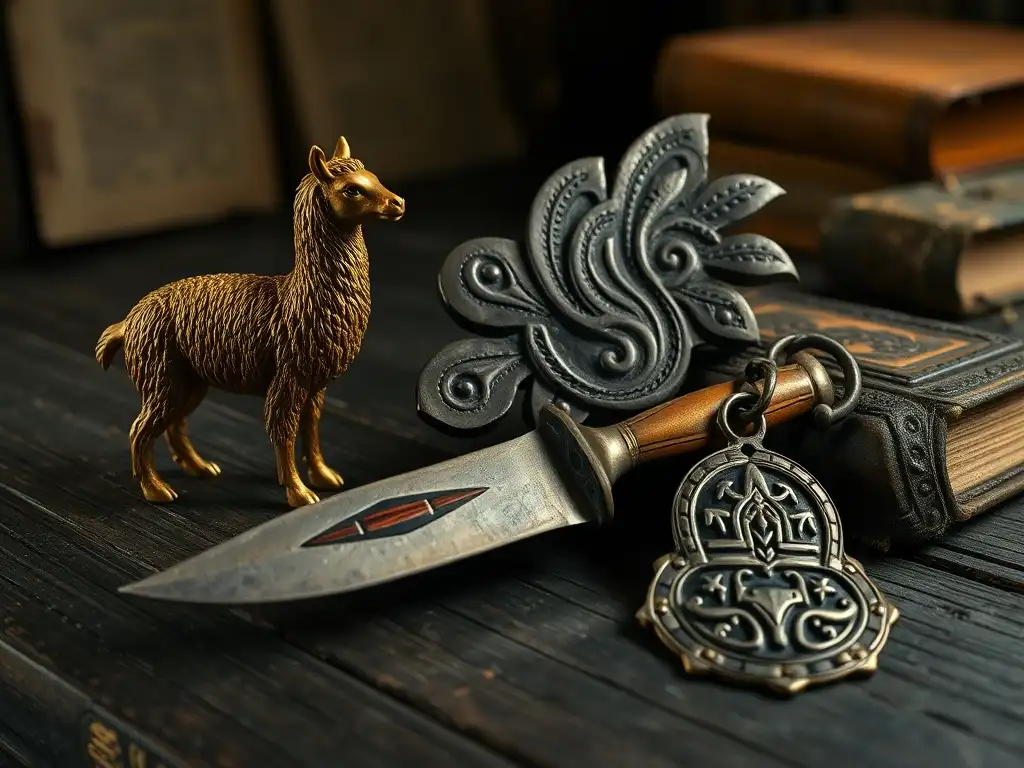
This section delves into the diverse world of Andean metal artifacts, focusing on the symbolic meaning and technological prowess reflected in these objects. Understanding the nuances of these artifacts provides crucial insights into the beliefs, social structures, and metallurgical advancements of the ancient Andean civilizations. We'll explore the rich tapestry of meaning woven into these silent storytellers, examining both the materials used and the artistry involved. The analysis presented here aims to illuminate the significance of Andean metal artifacts, clarifying their role beyond mere ornamentation.
Andean Gold Artifacts: Beyond Decoration
Andean gold artifacts are renowned for their exquisite craftsmanship and dazzling beauty. However, their significance extends far beyond mere aesthetic appeal. The use of gold, a precious and symbolically potent metal, highlights its crucial role in Andean cosmology and social hierarchy. The sheer quantity and variety of gold artifacts unearthed across various Andean cultures underscore the metal's importance.
Examining Gold Masks, Ornaments, and Ritual Objects
Gold masks, often depicting deities or ancestors, served as powerful intermediaries between the living and the spiritual world. The intricate detail and skillful execution of these masks, found in contexts ranging from tombs to ritual sites, suggest a deep connection between the artisan and the spiritual realm. For example, the Moche culture produced incredibly lifelike gold masks, characterized by their detailed features and expressive qualities. These were not simply decorative pieces; they were imbued with spiritual power, acting as representations of powerful figures or ancestral spirits.
Ornaments, such as earrings, necklaces, and nose rings, were not merely adornments but markers of social status and power. The size, complexity, and quantity of gold ornaments worn by individuals reflected their position within society. Elaborate gold headdresses, for instance, were often reserved for elite members of society, symbolizing their authority and connection to the divine.
Ritual objects, such as gold figurines and vessels, played an integral role in Andean religious practices. These objects were often used in ceremonies and offerings, reflecting the Andean worldview and beliefs about the cosmos. The meticulous craftsmanship evident in these pieces underscores the sacred nature of the rituals they were used in. The presence of gold in these contexts suggests its connection to the sun, a powerful deity in many Andean cultures.
Andean Silver Artifacts: Reflecting Status and Beliefs
While gold holds a prominent position in Andean metalwork, silver also played a significant role, reflecting both societal status and cosmological beliefs. Unlike gold, which was often associated with the sun and royalty, silver carried its own set of symbolic connotations, often linked to the moon, water, and fertility.
The Significance of Silver in Andean Cosmology
The use of silver in Andean artifacts reveals a complex interplay between material culture and religious beliefs. Silver objects, while perhaps less extravagant than their gold counterparts, were equally significant in Andean society. Silver vessels, for instance, were often used in ceremonies associated with water and agriculture, reflecting the vital role of these elements in Andean life.
The association of silver with the moon and its cyclical nature suggests a connection to fertility and regeneration. Moreover, the presence of both gold and silver in certain artifacts, such as elaborate ceremonial objects, highlights the integration of these two metals in Andean cosmological thought, symbolizing the balance and interplay of celestial forces.
Further research is needed to fully understand the specific nuances of silver's symbolic meaning in different Andean cultures, as the available data is still being analyzed and interpreted. [Specific information pending: A detailed comparative study of silver usage across various Andean cultures.]
Copper and Bronze Artifacts: Everyday Tools and Weapons
The Andean region's mastery of metallurgy is strikingly evident in the diverse range of copper and bronze artifacts unearthed from archaeological sites. These artifacts weren't merely decorative; they were integral to daily life, reflecting the ingenuity and practicality of Andean societies. From the simplest tools to sophisticated weapons, copper and bronze played a crucial role in shaping Andean cultures.
The transition from primarily using copper to incorporating bronze, an alloy of copper and tin, marked a significant technological advancement, allowing for the creation of stronger and more durable implements. This shift reflects a growing understanding of metallurgical processes and a desire for improved functionality in tools and weapons. The availability of tin, however, was geographically limited, impacting the distribution and prevalence of bronze artifacts across different Andean regions.
This geographical constraint influenced both the technological development and the socio-economic structures of these societies. The careful study of the distribution patterns of copper and bronze artifacts provides valuable insights into trade networks and cultural exchange across the vast Andean landscape. The careful study of these artifacts also reveals a sophisticated understanding of material properties and an advanced level of craftsmanship.
Understanding the Functionality of Andean Metal Implements
Analyzing the functionality of Andean metal implements requires a multi-faceted approach. We must consider not only the material used – copper, bronze, or even gold and silver in certain cases – but also the shape, size, and degree of wear and tear on each artifact. For example, a seemingly simple copper axe head might reveal subtle variations in its design that indicate its specific use – perhaps felling trees versus butchering animals. The presence of wear patterns on the blade's edge can provide clues about the type of material it was used to work with, and the overall condition of the artifact can shed light on its age and frequency of use.
Similarly, the meticulous craftsmanship evident in some tools, such as finely crafted chisels or needles, suggests specialized roles within Andean society. Detailed examination of these tools, coupled with contextual information from the archaeological site, allows researchers to reconstruct the daily lives and activities of the Andean people. The presence of certain types of tools within a specific site can also indicate the nature of the settlement itself – whether it was primarily agricultural, involved extensive metalworking, or something else entirely.
This holistic approach to studying Andean metal implements provides a more comprehensive understanding of their significance within the wider context of Andean civilization. By carefully comparing and contrasting different artifacts, we can create a more accurate picture of the technological capabilities and social structures of these remarkable societies. The meticulous study of the functionality of these tools helps us decipher the silent stories they tell about the lives of the Andean people.
The Cultural Context of Andean Metal Artifacts
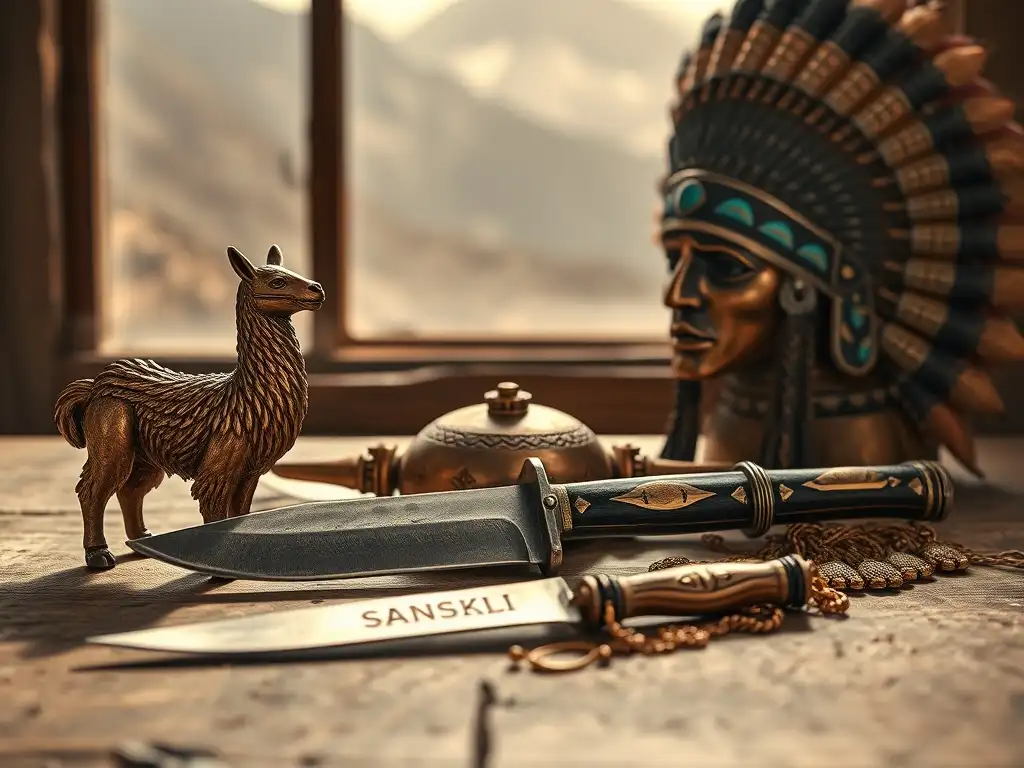
Understanding the meaning behind Andean metal artifacts requires delving into the intricate social fabric, religious beliefs, and extensive trade networks of the ancient Andean civilizations. These objects weren't merely decorative; they were powerful symbols imbued with deep cultural significance, reflecting the worldview and societal structures of the time. Analyzing their design, materials, and context of discovery provides crucial insights into the lives and beliefs of these fascinating cultures.
The sheer artistry and technical prowess displayed in these artifacts highlight the advanced metallurgical skills of Andean societies and their profound understanding of their environment. The study of Andean metal artifacts meaning unlocks a window into a rich and complex past.
Andean metal artifacts played a significant role in establishing and reinforcing social hierarchy. The type of metal, the intricacy of the design, and the object itself often indicated the social status of the owner. For instance, gold, a rare and highly valued metal, was primarily reserved for the elite, signifying power, divinity, and access to resources.
Elaborately crafted gold ornaments, such as tumi ceremonial knives or intricately decorated breastplates, were exclusive possessions of rulers and high-ranking officials. Silver, though less rare than gold, was still a precious metal, and silver objects, while less exclusive, still denoted a higher social standing. Copper and bronze artifacts, more common, were accessible to a wider range of the population, but even within these materials, variations in craftsmanship and design indicated social distinctions.
The distribution of metal artifacts in archaeological contexts further supports this interpretation. Elite burials often contained a profusion of gold and silver objects, while commoner graves contained fewer and simpler metal items, primarily made of copper or bronze. This stark contrast highlights the unequal distribution of wealth and power within Andean societies and the powerful symbolic role of metalwork in maintaining this hierarchy.
The study of Andean metal artifacts meaning, therefore, is crucial for understanding the complex social dynamics of these ancient civilizations. Analyzing the specific types of artifacts associated with different burial contexts provides further evidence of this social stratification.
Religious Beliefs Reflected in Metalwork
Many Andean metal artifacts are deeply intertwined with religious beliefs and practices. Depictions of deities, mythical creatures, and ritual scenes are common motifs found on various objects. The use of specific metals and alloys also held religious significance. Gold, for example, was often associated with the sun and its divine power, while silver was linked to the moon and water. The creation of these objects was often considered a sacred act, performed by specialized craftsmen who held a privileged position within society.
For example, the Moche culture, known for its sophisticated metalwork, created elaborate gold and silver masks that likely represented deities or ancestors. These masks were not simply decorative; they were integral parts of religious ceremonies and rituals. Similarly, the Inca used gold and silver to create representations of their deities, such as the sun god Inti, further emphasizing the sacred nature of these metals and the objects created from them.
The intricate detail and symbolic imagery found on these artifacts provide invaluable insights into the complex religious beliefs and practices of the Andean civilizations. The detailed iconography often depicted complex narratives, revealing crucial information about their mythology and cosmology.
Trade and Exchange of Metal Artifacts in the Andes
The distribution of Andean metal artifacts across vast geographical areas strongly suggests extensive trade networks connecting different Andean cultures. The exchange of raw materials, such as copper and gold ores, as well as finished metal objects, facilitated the flow of wealth, ideas, and cultural practices. Certain styles and techniques of metalworking spread across regions, indicating cultural interaction and exchange. The presence of exotic metals, such as gold and silver, in regions where these resources were not locally available, provides further evidence of extensive trade routes and a sophisticated system of exchange.
The discovery of metal artifacts from one culture in the burial sites of another suggests inter-regional alliances or trade relationships. These exchanges were not simply economic transactions; they also played a crucial role in creating and maintaining social and political ties between different groups. The presence of certain types of artifacts in specific regions can help trace the routes of trade and the extent of cultural interaction.
Further research is needed to fully understand the complexity of these exchange networks and their impact on the development of Andean cultures. The study of Andean metal artifacts meaning, in this context, sheds light on the interconnectedness of these societies and their dynamic interactions. Understanding these trade routes helps us piece together a more complete picture of the Andean world and its intricate social and economic systems.
Dating and Provenance of Andean Metal Artifacts
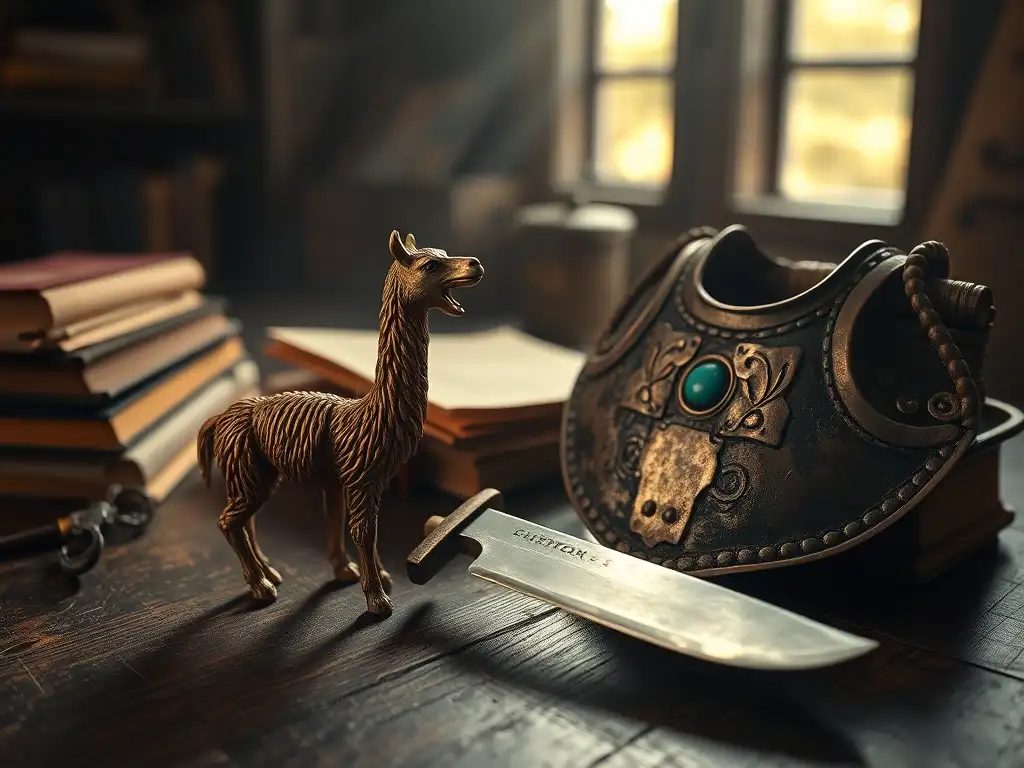
Understanding the age and origin of Andean metal artifacts is crucial for reconstructing the complex history of Andean metallurgy and its socio-political implications. Pinpointing the creation date and geographical source of these objects allows researchers to trace technological advancements, trade networks, and the evolution of artistic styles across different Andean cultures. The challenge lies in the inherent complexities involved in analyzing these ancient objects, often degraded by time and environmental factors.
Establishing a reliable chronology and provenance for Andean metal artifacts requires a multidisciplinary approach, combining scientific analysis with careful contextualization of archaeological finds. The meaning behind these artifacts is inextricably linked to their place and time of creation.
Scientific Methods for Analyzing Andean Metal Objects
Several scientific methods are employed to date and analyze Andean metal artifacts, providing crucial insights into their composition, manufacturing techniques, and age. These methods contribute significantly to our understanding of "Andean metal artifacts meaning" by providing a scientific framework for interpreting their cultural significance.
- Metallographic Analysis: This technique examines the microstructure of the metal, revealing information about the smelting process, alloying techniques, and the presence of impurities. For instance, analyzing the grain size and distribution can indicate the temperature and duration of the heating process during smelting. Variations in these microstructures can help distinguish between different workshops or periods.
- X-Ray Fluorescence (XRF): XRF spectroscopy is a non-destructive method used to determine the elemental composition of the metal. This allows researchers to identify the specific metals and alloys used, such as gold, silver, copper, and bronze, and to trace the sources of these materials. The presence of certain trace elements can help pinpoint the origin of the ore used in the metalworking process, providing valuable clues about trade routes and exchange networks.
- Radiocarbon Dating: While not directly applicable to the metal itself, radiocarbon dating of organic materials found in association with the artifacts – such as textiles, wood, or charcoal – can provide a chronological framework for the metal objects. This is particularly useful when artifacts are found within a specific context, like a tomb or a ceremonial site. The precision of radiocarbon dating varies, but it remains a vital tool for establishing a timeline.
- Thermoluminescence (TL) Dating: This technique can be used to date ceramic objects found alongside metal artifacts. By measuring the accumulated radiation within the ceramic material, researchers can estimate the time elapsed since the pottery was last heated, providing a chronological marker for the associated metal objects. This method is particularly useful when direct dating of the metal is not possible.
Challenges in Determining the Origin of Metal Artifacts
Despite the advanced techniques available, determining the precise origin of Andean metal artifacts presents significant challenges. The meaning attributed to an artifact is often tied to its origin, making this a critical area of research.
- Recycled Materials: The reuse of metal from older objects is a common practice observed in Andean metallurgy. This practice obscures the original source of the metal and complicates efforts to trace its origins. Identifying recycled materials requires careful analysis of the metal's microstructure and composition, looking for evidence of previous working and repair.
- Trade and Exchange Networks: The extensive trade networks that existed across the Andes resulted in the widespread circulation of metal artifacts. This makes it difficult to link an artifact to a specific workshop or region solely based on its composition. Archaeological context and stylistic analysis become crucial in such cases.
- Limited Archaeological Context: Many Andean metal artifacts have been found outside their original contexts, either through looting or displacement over time. The lack of precise archaeological information makes it difficult to determine their original location and purpose. This significantly limits the possibilities of accurate provenance studies. This lack of context impacts the interpretation of "Andean metal artifacts meaning," as the original purpose and significance of the artifact may remain unknown.
- Technological Limitations: Despite advancements in scientific analysis, some challenges remain. The degradation of certain metals due to corrosion or environmental factors can make analysis difficult. Additionally, the interpretation of analytical data requires expertise and careful consideration of various factors, including the limitations of each method. Further research and technological advancements are needed to improve the accuracy and precision of provenance studies. The complexity of these challenges highlights the ongoing need for interdisciplinary research to fully understand the meaning and significance of Andean metal artifacts.
Preserving and Interpreting Andean Metal Artifacts
This section delves into the crucial aspects of preserving and interpreting Andean metal artifacts, focusing on the challenges and advancements in understanding their rich history and cultural significance. The delicate nature of these objects, combined with the complexities of their creation and use, necessitates a multidisciplinary approach to their study. Understanding the Andean metal artifacts meaning requires a careful balance between scientific analysis and cultural sensitivity.
The Importance of Archaeological Research
Archaeological research forms the bedrock of our understanding of Andean metal artifacts. Careful excavation techniques, meticulous documentation, and rigorous analysis of the surrounding context are paramount. For example, the discovery of a gold mask in a royal tomb provides a vastly different interpretive framework than finding the same mask in a common grave.
The former might suggest a symbol of royal power, while the latter could indicate a different social or ritual function. Moreover, the spatial relationship between artifacts – their proximity to other objects, their arrangement within a structure, or their association with specific burial rituals – provides crucial clues to their meaning. Detailed stratigraphic records, meticulously mapping the layers of soil and the location of artifacts, are essential for reconstructing the chronological sequence of events and understanding the evolution of metalworking techniques over time.
The analysis of soil samples can also reveal valuable information about the environment and the potential use of specific metals. This detailed contextual information is crucial for determining the Andean metal artifacts meaning, moving beyond simple aesthetic appreciation. Without this rigorous approach, we risk misinterpreting the significance of these remarkable objects.
Ethical Considerations in the Study of Andean Metalwork
The study of Andean metal artifacts carries significant ethical responsibilities. The looting and illegal trafficking of these objects represent a severe threat to cultural heritage. Many artifacts have been removed from their original context, making accurate interpretation extremely difficult and robbing future generations of the opportunity to learn from these priceless pieces.
Therefore, ethical collecting, repatriation efforts, and the promotion of responsible research practices are crucial. This includes adhering to strict ethical guidelines regarding the acquisition, study, and display of artifacts. Collaboration with local communities and indigenous groups is paramount, ensuring that their perspectives and knowledge are respected and incorporated into the research process.
The Andean metal artifacts meaning is often deeply intertwined with the cultural identity and spiritual beliefs of these communities; their involvement is vital for a holistic understanding. Open access to research findings, promoting transparency and collaboration within the scholarly community, is also essential. The goal is not merely to analyze the objects but to build a responsible and respectful relationship with the cultural heritage they represent.
Future Directions in the Research of Andean Metal Artifacts Meaning
Future research on Andean metal artifacts should focus on integrating advanced technologies with traditional archaeological methods. Techniques like 3D scanning and digital modeling allow for the creation of detailed virtual replicas, facilitating the study of fragile objects without causing further damage. Isotopic analysis can provide insights into the origin of the metals used, revealing trade networks and the geographical reach of Andean metallurgical traditions.
Furthermore, advancements in material science can shed light on the techniques used by ancient artisans, helping us understand their remarkable craftsmanship. By combining scientific analysis with ethnographic studies and oral histories, we can develop a more nuanced and complete understanding of the Andean metal artifacts meaning.
This interdisciplinary approach, emphasizing collaboration and ethical considerations, will pave the way for a richer and more comprehensive interpretation of these silent storytellers of the Andean past. The future of Andean metal artifact research lies in its ability to embrace a holistic perspective, recognizing the cultural, historical, and scientific dimensions of these objects and their significance.
Frequently Asked Questions
What makes Andean metal artifacts so significant?
Andean metal artifacts are incredibly significant because they offer rare insights into the beliefs, social structures, and technological prowess of ancient Andean civilizations. They are also aesthetically stunning examples of ancient artistry.
What materials were primarily used in Andean metalworking?
The primary metals used were gold, silver, copper, and bronze, often combined to create alloys and intricate designs. Spondylus shells and other materials were also incorporated.
What is the meaning behind the different shapes and symbols found in Andean metal artifacts?
The meanings vary greatly depending on the culture and time period. Many depict deities, animals, or plants that held religious or symbolic importance. Others represent social status or political power.
How did Andean metalworkers achieve such intricate detail in their work?
Andean metalworkers employed sophisticated techniques like lost-wax casting, hammering, and soldering to achieve incredible detail. Their mastery of metallurgy was remarkably advanced for their time.
Where can I learn more about the meaning and significance of specific Andean metal artifacts?
You can explore museum collections featuring Andean artifacts, consult academic journals and books, and visit websites dedicated to Andean archaeology and history, like the one you're currently on! Research specific cultures like the Inca, Moche, or Nazca to delve deeper.
Final Reflection: Echoes of the Andes: A Legacy in Metal
The intricate artistry of Andean metal artifacts isn't merely a historical curiosity; it's a vibrant testament to a sophisticated civilization that continues to resonate with us today. These objects, painstakingly crafted centuries ago, offer invaluable insights into the beliefs, social structures, and artistic prowess of Andean cultures, challenging our preconceived notions of pre-Columbian societies. Their enduring power lies in their ability to bridge the gap between past and present, inviting us to engage with a rich and complex heritage.
The enduring legacy of Andean metalworking is profoundly moving. These artifacts, often imbued with symbolic meaning and religious significance, speak volumes about the ingenuity and spiritual depth of their creators. Their impact extends far beyond the realm of archaeology; they inspire artists, historians, and anthropologists alike, fueling ongoing research and sparking renewed appreciation for the cultural richness of the Andes. The past is never dead. It's not even past.
– William Faulkner. This quote perfectly encapsulates the enduring relevance of these artifacts, their stories echoing across centuries, shaping our understanding of the human experience.
Consider the intricate detail, the masterful craftsmanship, the stories whispered in the alloys. You, the reader, are now part of this ongoing conversation. Take a moment to reflect on the power of these silent storytellers. Engage with their legacy – visit a museum, research the cultures that created them, and allow yourself to be moved by the artistry and the enduring spirit of the Andean people. Let their echoes inspire you to appreciate the richness of human history and the enduring power of cultural expression.
Unveil the Wonders of Andean Metal Art!
Thank you for exploring the fascinating world of Andean metalwork with us! Discovering these ancient artifacts offers a unique glimpse into a rich culture and its artistic achievements. Now, let's build on that knowledge.
Here are some ways to continue your exploration:
- **Visit a local museum or gallery** to experience the beauty of Andean metal art firsthand. You'll be amazed by the craftsmanship and artistry.
- **Share your newfound appreciation** with friends and family, or spark a conversation online. Help spread awareness of the incredible achievements of Andean civilizations.
- **Connect with other enthusiasts** by joining an online forum or community dedicated to Indigenous art. Sharing your passion and learning from others will enrich your understanding.
What aspect of Andean metalwork most captivated you, and how will you delve deeper into this fascinating subject?