
The Magic of Movement: Discovering the Enchantment of Andean Dance Performance

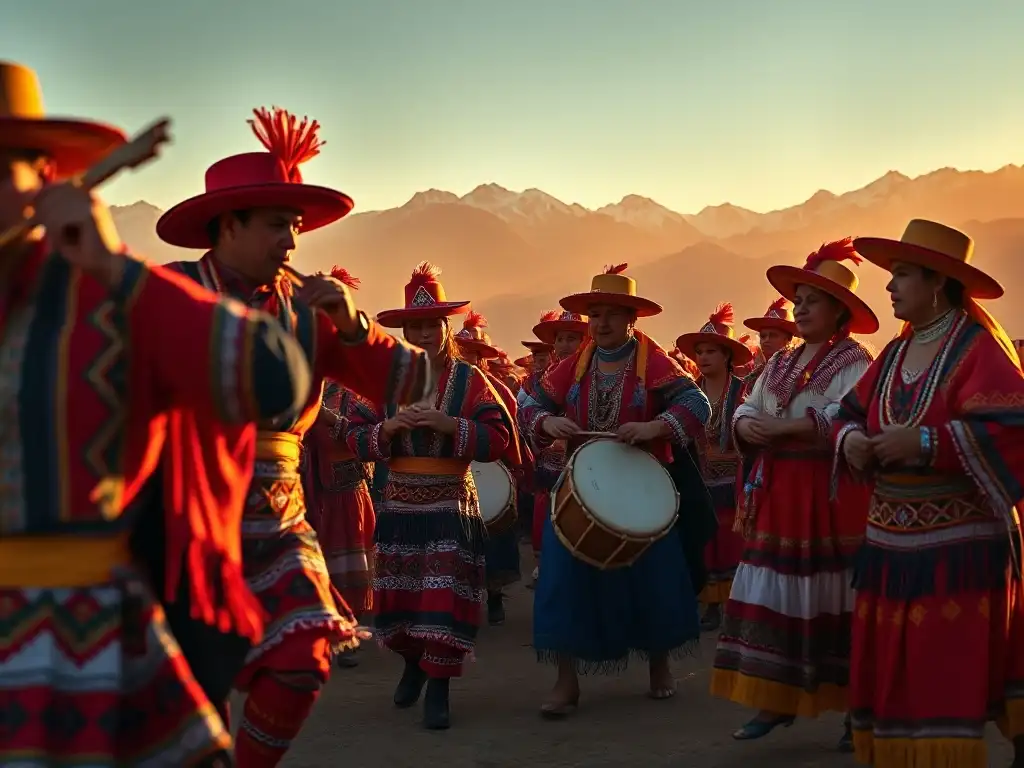
Prepare to be captivated by the mesmerizing rhythms and vibrant traditions of the Andes! Journey with us through time as we unveil the secrets behind Andean dance performance history, a captivating narrative woven into the rich tapestry of ancient Andean civilizations. From the Incas to the Nazca, discover how movement became a sacred language, expressing spirituality, storytelling, and the very essence of Andean life. Uncover the magic—explore the Immersive Andean Experiences that await.
Andean dance performance history is a vibrant and captivating tapestry woven from centuries of tradition, ritual, and storytelling. Far more than mere entertainment, these dances serve as powerful expressions of Andean culture, reflecting the beliefs, social structures, and daily lives of the people who created them. From the majestic movements of Inca ceremonies to the intricate steps of pre-Columbian rituals, Andean dance offers a unique window into the past, revealing the enduring spirit of these remarkable civilizations.
This article delves into the rich history of Andean dance, exploring its evolution, symbolism, and continuing relevance in contemporary Andean society. We will journey through time, uncovering the secrets embedded within each graceful step and rhythmic beat, and providing you with a deeper understanding and appreciation for this captivating art form. Prepare to be enchanted by the magic of movement as we explore the profound legacy of Andean dance performance.
Unveiling the Rich Tapestry of Andean Dance Performance History
The history of Andean dance is deeply intertwined with the history of the Andes themselves. Evidence suggests that dance played a crucial role in the lives of Andean societies long before the arrival of the Inca Empire. Archaeological findings, such as pottery depicting dancers and ceremonial objects associated with dance, hint at the existence of sophisticated dance traditions among earlier cultures like the Nazca and Moche. These early forms of dance likely served religious, agricultural, and social functions, reflecting the close relationship between the people and the natural world.
The Inca Empire (1438-1533 CE) significantly impacted Andean dance, standardizing certain forms and incorporating them into state rituals and ceremonies. Inca dances often involved large groups of performers, elaborate costumes, and complex choreography, reflecting the hierarchical structure of the empire. These performances were integral to religious festivals, honoring deities and ensuring a bountiful harvest.
Different dances were associated with different deities and agricultural cycles, demonstrating the deep spiritual significance of dance within Inca society. Unfortunately, much of the detailed knowledge of pre-Columbian and early Inca dance was lost following the Spanish conquest. However, fragments of information, preserved through oral traditions and colonial accounts, allow us to piece together a partial understanding of this fascinating history.
Following the Spanish conquest, Andean dance faced significant challenges. While some traditions were suppressed, many others survived, adapting and evolving to incorporate new influences. The fusion of indigenous and European elements gave rise to new dance forms, reflecting the complex cultural dynamics of the colonial and post-colonial periods. Today, many Andean dance traditions continue to thrive, representing a powerful testament to the resilience and cultural richness of the Andean people.
Immersing Yourself in the World of Andean Dance: A Step-by-Step Guide
Experiencing Andean dance firsthand is an unforgettable journey. While fully mastering the intricate steps and movements requires dedicated study and practice, appreciating the beauty and cultural significance of these dances is accessible to everyone. Here's a guide to enhance your immersion:
- Attend a Festival: Many Andean communities hold vibrant festivals throughout the year, offering opportunities to witness authentic dance performances. These festivals often feature multiple dance groups, showcasing a variety of styles and traditions. The atmosphere is electric, filled with music, color, and community spirit.
- Seek Out Performances: Many cities and cultural centers regularly host Andean dance performances. These performances provide a more structured setting to observe the details of the choreography and costumes. Often, there are opportunities to learn more about the history and cultural significance of the dances.
- Take a Workshop: Several organizations offer workshops and classes in Andean dance. These workshops provide a hands-on experience, allowing you to learn basic steps and movements. They are a wonderful way to deepen your appreciation and build a connection with this vibrant art form.
- Research and Learn: Before attending a performance or festival, research the different styles of Andean dance and their cultural significance. Understanding the history and symbolism will enhance your appreciation and enjoyment.
Remember to be respectful and observant during performances. Appreciating the artistry and cultural significance of Andean dance is a rewarding and enriching experience.
Understanding the Language of Andean Dance: Symbolism and Meaning
Andean dance is not merely a series of steps; it's a rich language of symbolism and meaning. The movements, costumes, and music all convey powerful messages, reflecting the beliefs, values, and social structures of the Andean people.
- Costumes: Elaborate costumes are integral to Andean dance, often incorporating vibrant colors, intricate patterns, and symbolic elements. The materials, colors, and designs can represent specific deities, animals, plants, or social status. For example, certain headdresses might symbolize mountains, while specific fabrics might represent the earth or the harvest.
- Music: The music accompanying Andean dances is equally significant, often incorporating traditional instruments like panpipes, drums, and flutes. The rhythms and melodies can tell stories, evoke emotions, and reinforce the themes of the dance. The tempo and intensity of the music can also reflect the mood and purpose of the performance.
- Movements: The movements themselves are often symbolic, representing agricultural practices, animal behaviors, or mythological narratives. Certain steps might symbolize planting, harvesting, or the movements of animals considered sacred. The grace and precision of the movements often reflect the reverence and respect for the deities or themes being represented.
Understanding the symbolism and meaning embedded within Andean dance provides a deeper appreciation for its artistry and cultural significance. It transforms a simple performance into a powerful narrative, connecting viewers to the rich history and enduring traditions of the Andean people. The study of Andean dance performance history is a journey of discovery, revealing the profound connection between movement, culture, and spirituality in the heart of the Andes.
- Unveiling the Rich Tapestry of Andean Dance Performance History
- Immersing Yourself in the World of Andean Dance: A Step-by-Step Guide
- Understanding the Language of Andean Dance: Symbolism and Meaning
Experiencing the Vibrancy: The Best Andean Dance Performances
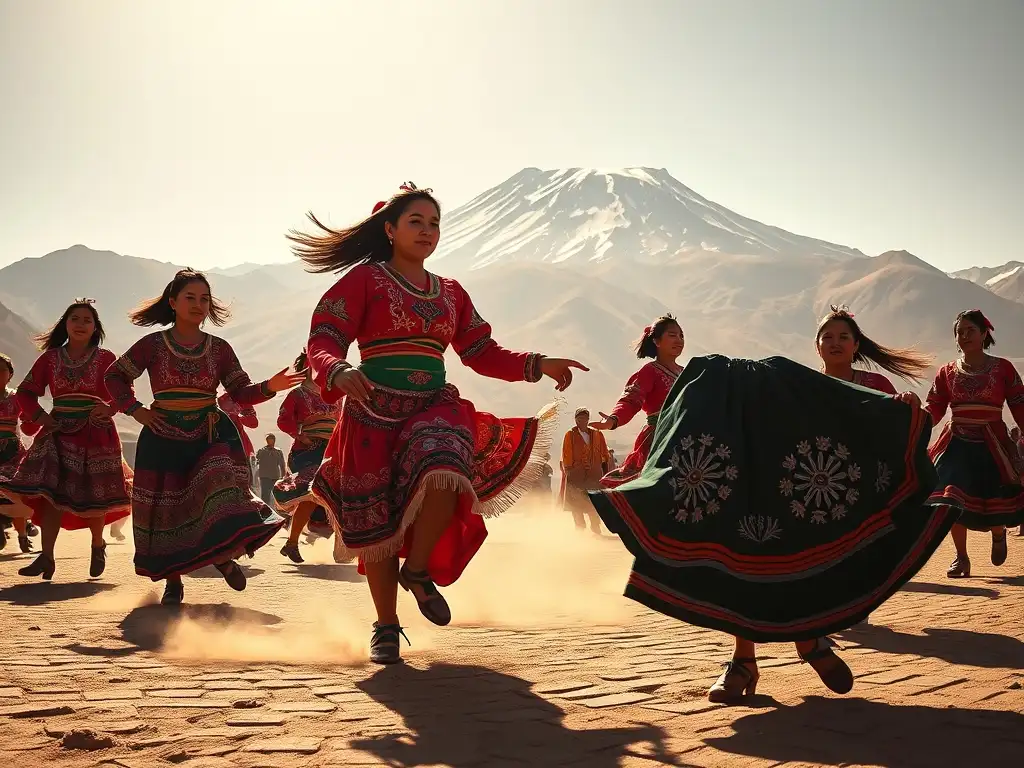
This section delves into the captivating world of Andean dance performances, exploring the diverse styles and the rich history behind their mesmerizing movements. Understanding the context of these performances is key to appreciating their cultural significance and the emotional resonance they evoke. The vibrant energy of Andean dance is not merely entertainment; it's a powerful expression of history, spirituality, and community. From the intricate footwork to the symbolic costumes, every aspect carries layers of meaning, passed down through generations.
Witnessing the Energy: Live Andean Dance Shows
Attending a live Andean dance show is an unforgettable experience. The sheer energy emanating from the performers is palpable, transporting the audience to another realm. These performances often feature ensembles of dancers, musicians, and sometimes even singers, creating a truly immersive spectacle. The choreography varies greatly depending on the specific Andean culture represented.
For example, Inca dances often incorporate ceremonial elements and majestic movements reflecting their imperial power, while dances from the Moche culture might portray scenes from their mythology, often involving dramatic storytelling through movement. The costumes alone are works of art, meticulously crafted with vibrant textiles and intricate details, reflecting the unique aesthetics of each region. Many performances are accompanied by traditional Andean instruments, such as the zampoña (panpipes), charango (a small Andean lute), and drums, further enriching the sensory experience. The music and dance work in perfect harmony, creating a powerful and unforgettable performance.
These shows are frequently staged during festivals and celebrations, adding another layer of communal joy to the event. Consider researching specific regional festivals to find authentic and high-quality performances. The experience is not just about watching; it's about feeling the rhythm, understanding the story, and connecting with the rich heritage of the Andean people.
Participating in the Rhythm: Interactive Andean Dance Workshops
For a more immersive experience, consider participating in an interactive Andean dance workshop. These workshops provide a unique opportunity to learn the fundamental steps and movements of various Andean dance styles. Many workshops emphasize the cultural significance of the dances, offering insights into their history, symbolism, and the social context in which they are traditionally performed. This hands-on approach allows for a deeper understanding and appreciation of the artistry involved.
Participants not only learn the physical movements but also gain insights into the cultural nuances embedded within the choreography. Learning to perform even a simple Andean dance provides a profound connection to the culture, fostering a sense of belonging and appreciation for the traditions. Workshops often cater to various skill levels, welcoming both beginners and experienced dancers. The interactive nature of these workshops creates a fun and engaging environment, perfect for individuals or groups seeking a deeper cultural immersion.
The instructors are often experienced dancers themselves, passionate about sharing their knowledge and preserving the cultural legacy of Andean dance. Through participation, you'll not only improve your dance skills but also cultivate a deeper understanding and appreciation for the rich tapestry of Andean culture. The energy and camaraderie shared within these workshops are truly exceptional. This active engagement offers a distinct contrast to the more passive observation of a live show, providing a deeper and more personal connection to the "Andean dance performance history".
Maximizing Your Andean Dance Experience: Essential Gear and Resources
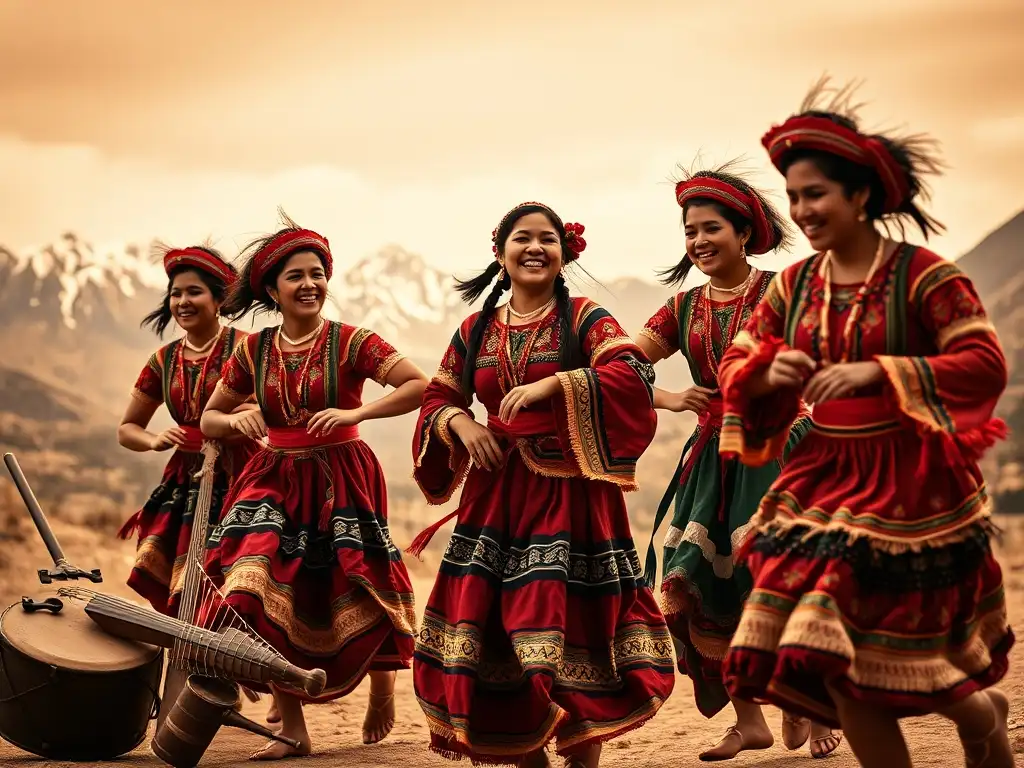
Attending an Andean dance performance is an immersive experience, and proper preparation can significantly enhance your enjoyment. Understanding what to bring and what resources to consult beforehand will allow you to fully appreciate the artistry and cultural significance of the event.
Capturing the Moment: Photography and Videography Tips
Documenting the vibrant energy of an Andean dance performance is crucial to preserving the memory. However, capturing high-quality footage requires careful consideration. Bright, vibrant colors are characteristic of Andean attire and scenery; therefore, ensuring your camera settings are optimized for these conditions is paramount. Consider using a camera with a good zoom lens to capture detailed shots of the intricate costumes and the dancers' expressive movements.
For photography, a fast shutter speed is essential to freeze the motion of the dancers. Experiment with different aperture settings to control depth of field, potentially blurring the background to emphasize the dancers. Avoid using flash photography, as it can be distracting to both the performers and other audience members, and may not accurately represent the ambiance of the performance.
Videography demands a steadier hand, or the use of a tripod, to avoid shaky footage. Consider using a microphone to capture the music's nuances, especially the rhythmic percussion instruments so central to Andean music. Remember to obtain permission before filming or photographing any aspects of the performance, particularly if you plan to share your work online. Respecting the performers and the cultural context is crucial. Many performances have specific rules regarding photography and videography, so being mindful of any signage or announcements is important.
Enhancing Your Appreciation: Books and Guides on Andean Culture
Before attending your Andean dance performance, immersing yourself in relevant literature can profoundly enrich your experience. Reading about the history and cultural significance of Andean dance will provide you with a deeper understanding of the movements, costumes, and music. Several excellent resources delve into the specific styles of dance you might witness, providing valuable context. For example, books focusing on the danza de tijeras (shears dance) will illuminate the intricate steps and symbolic significance of this unique tradition.
Similarly, guides focusing on the huayno or yaraví musical styles will enhance your appreciation of the accompanying music, often a crucial element in Andean dance performances. These resources often include stunning visuals, further immersing you in the rich tapestry of Andean culture. Look for books that not only describe the dances but also explore the historical and social contexts in which they evolved.
Understanding the cultural significance of the costumes, the roles of the dancers, and the narrative embedded in many performances will elevate your understanding and appreciation of the "Andean dance performance history". Learning key phrases in Quechua or Aymara, the primary languages of the Andes, can also provide a more intimate connection to the performance. This preparation will transform a simple viewing into a truly meaningful cultural experience.
Don't underestimate the power of pre-performance research! It will exponentially enhance your enjoyment and deepen your appreciation for the artistry on display.
Preserving the Legacy: Supporting Andean Dance Performance
The vibrant tapestry of Andean dance performance history is intricately woven with threads of tradition, innovation, and community. Its preservation requires a multifaceted approach, ensuring the art form not only survives but thrives for generations to come. Understanding the challenges and opportunities inherent in safeguarding this legacy is crucial for its continued flourishing. The intricate steps, rhythmic music, and colorful costumes are not merely aesthetic elements; they are living repositories of cultural memory, reflecting beliefs, social structures, and historical events. The loss of these traditions would represent a significant cultural impoverishment, impacting not only the Andean communities themselves but also the global appreciation of diverse artistic expressions. Therefore, active and sustained efforts are vital to secure its future. This involves addressing several key areas, from financial support to educational initiatives and the active involvement of younger generations. The following sections will delve deeper into some of the most effective strategies.
Supporting Local Artists: Purchasing Authentic Andean Crafts
One of the most direct ways to support Andean dance performance is by supporting the artists themselves. Many dancers and musicians rely on income generated from performances and the sale of related crafts. Purchasing authentic Andean crafts, such as intricately woven textiles, handcrafted musical instruments (like panpipes or charangos), and traditional masks, directly contributes to their livelihoods. This financial support allows them to dedicate more time to perfecting their art, passing down their skills to apprentices, and continuing to create new and innovative expressions within the traditional framework.
Authenticity is key here; purchasing mass-produced imitations undermines the economic viability of these artisans and dilutes the cultural value of their work. Look for pieces with distinct regional styles, reflecting the unique artistic heritage of specific Andean communities. This conscious consumerism not only provides economic sustenance but also fosters a deeper appreciation for the craftsmanship and cultural significance embedded in each item.
Consider purchasing directly from artisans at local markets or through fair-trade organizations to ensure a fair price and support sustainable practices. Supporting these artists is a tangible way to ensure the continued vitality of Andean dance performance and the preservation of its rich artistic heritage. The economic empowerment of the artists is directly linked to the preservation of their cultural heritage; a thriving artistic community is a vibrant one.
Promoting Andean Dance: Sharing the Beauty and Richness
Beyond economic support, promoting Andean dance performance is essential for its long-term survival. This involves actively sharing the beauty and richness of this art form with a wider audience. Initiatives such as educational programs in schools and universities can introduce younger generations to the history, cultural significance, and artistic techniques involved in Andean dance. Workshops and masterclasses led by experienced dancers can provide hands-on learning experiences, fostering a deeper understanding and appreciation.
Documenting and archiving these traditions through film, photography, and written records is also crucial. This creates a lasting legacy for future generations and allows researchers and enthusiasts to learn from the past. Furthermore, promoting Andean dance through festivals, cultural events, and online platforms increases its visibility and accessibility to a global audience. This increased exposure not only promotes cultural exchange but also generates interest and support for the art form.
The active participation of communities in these initiatives is vital; fostering a sense of ownership and pride in their heritage ensures the longevity of Andean dance performance. By actively engaging with and promoting this art form, we contribute to its preservation and ensure that its vibrant legacy continues to inspire and enchant for years to come. The more people who appreciate and understand Andean dance, the more likely it is to thrive.
Frequently Asked Questions
What is the significance of dance in Andean cultures?
Dance held a central role in Andean life, deeply connected to religious beliefs, agricultural cycles, and social structures. Performances honored deities, celebrated harvests, and reinforced community bonds.
How did Andean dance evolve through history?
Andean dance traditions evolved over millennia, influenced by various cultural exchanges and environmental factors. Styles varied across different Andean societies, reflecting unique beliefs and practices.
What are some of the key characteristics of Andean dance performances?
Andean dances are characterized by rhythmic movements, costumes, and musical instruments. Many incorporate symbolic gestures and narratives, telling stories about myths, legends, or historical events.
What role did music play in Andean dance performances?
Music was integral to Andean dance, providing the rhythmic structure and emotional tone. Traditional instruments like panpipes, drums, and flutes accompanied the dancers, enhancing the overall performance.
Where can I experience an authentic Andean dance performance today?
Authentic Andean dance performances can be found in community celebrations, cultural festivals, and museums across the Andes region. Many professional dance troupes also perform, preserving and sharing these traditions.
Final Reflection: The Enduring Legacy of Andean Dance
The vibrant tapestry of Andean dance, far from being a relic of the past, continues to weave its magic into the present, a testament to the enduring power of cultural expression. Its intricate steps, rhythmic music, and symbolic costumes speak not only to a rich history but also to the resilience and adaptability of a people who have preserved their traditions across centuries. This enduring legacy deserves not only our admiration but also our active engagement in understanding and celebrating its significance.
The profound impact of Andean dance extends far beyond mere entertainment; it's a living archive of stories, beliefs, and social structures. It reflects the complex interplay between nature, spirituality, and community, offering a window into a worldview profoundly different from our own. Dance is the hidden language of the soul,
as Martha Graham so eloquently put it, and in Andean dance, that language is particularly rich and evocative. The more we learn about its history and evolution, the more we appreciate the depth and complexity of this cultural treasure. It is a powerful reminder of the importance of preserving cultural heritage for future generations.
Consider, for a moment, the stories whispered through the movements, the emotions conveyed through the costumes, the history embedded in each carefully choreographed step. You, the reader, now hold a piece of this rich history. I invite you to delve deeper, to seek out performances in your community, to explore the music and the stories behind the dances, and to share this captivating art form with others. Let the magic of movement inspire you, not just as a spectator, but as a participant in the ongoing preservation and celebration of Andean dance.
Unveil the Dance of Life!
Thank you for exploring the enchanting world of Andean dance! You've discovered the beauty and rich history woven into these expressive movements. Now, let's build on that inspiration.
Here are some ways to further connect with Andean dance:
- Take an Andean dance class or workshop to experience the rhythm and joy firsthand.
- Share your favorite parts of this article on social media and invite friends to celebrate Andean culture with you.
- Create your own dance routine using traditional Andean music playlists as your inspiration.
What will you create, inspired by the magic of Andean dance?