
Unveiling the Silent Markets: Barter Systems of the Ancient Andes

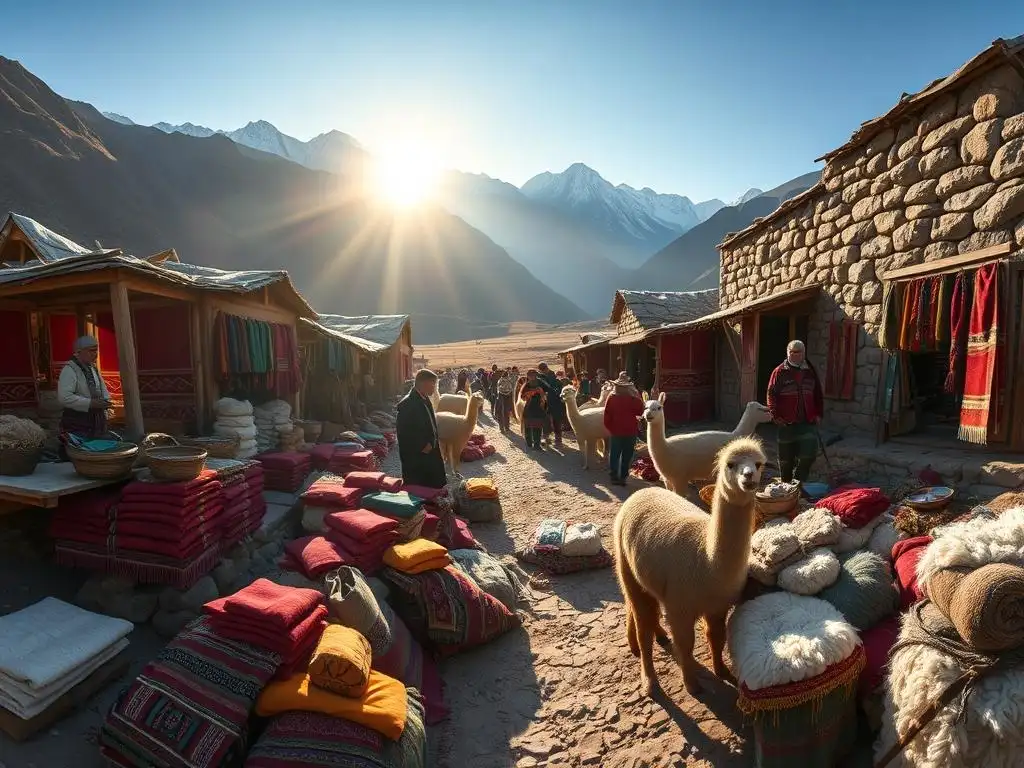
Step into a world lost to time, where the echoes of ancient civilizations still resonate. Imagine bustling marketplaces without coins or currency—a world driven by intricate systems of exchange. This is the captivating story of ancient Andean barter systems, a cornerstone of the Andean economy waiting to be unveiled. Prepare to be amazed as we delve into the ingenious methods employed by the Incas, Moche, and other remarkable cultures, revealing the secrets behind their thriving societies. Dare to uncover the mysteries of these silent markets and discover how they shaped the Andes.
The vast and diverse landscapes of the Andes Mountains nurtured a complex tapestry of ancient civilizations, each leaving behind a legacy of ingenuity and innovation. While the grandeur of Inca architecture and the enigmatic Nazca Lines often steal the spotlight, a crucial aspect of Andean life often remains in the shadows: their sophisticated barter systems.
This article delves into the intricate world of ancient Andean trade, exploring the diverse goods exchanged, the networks that connected distant communities, and the social and economic implications of these "silent markets" that predate the use of coinage. We will examine how these systems functioned, the role they played in shaping Andean societies, and the lasting impact they had on the region's economic and cultural development.
Understanding these ancient barter systems provides a crucial key to unlocking a deeper comprehension of the complexities and resilience of Andean civilizations. We'll specifically examine the practices of several key cultures, revealing the nuanced strategies employed in these pre-monetary economies.
The Diverse Goods of Andean Barter
The goods exchanged within ancient Andean barter systems were as diverse as the landscapes themselves. Agricultural products formed the backbone of these economies. Potatoes, maize, quinoa, and beans – staples of the Andean diet – were traded extensively, their value fluctuating according to seasonal availability and regional demand. Textiles, particularly fine alpaca and llama wool fabrics, were highly prized commodities, often used as gifts, ceremonial offerings, and forms of payment for specialized services.
Pottery, varying in style and quality depending on the producing region, also played a significant role, with intricately decorated vessels indicating higher social status and economic value. Furthermore, precious metals like gold and silver, along with semi-precious stones, were employed in ceremonial contexts and likely played a role in high-value exchanges between elites. The sheer variety of goods traded highlights the interconnectedness of Andean communities and the sophisticated understanding of value that underlay their economic systems.
Regional Variations in Barter Practices
While a common thread of bartering connected Andean societies, significant regional variations existed in the specific practices and goods exchanged. Coastal communities, for instance, relied heavily on marine resources, with dried fish, shellfish, and sea salt forming important components of their trade networks. Highland communities, on the other hand, focused on agricultural products and textiles. This specialization fostered inter-regional exchange, with coastal goods traded for highland agricultural products and vice versa.
The Inca Empire, with its vast territorial control, facilitated a more standardized system, but even within the Inca realm, local variations in trade practices persisted. This underscores the importance of considering the specific cultural and ecological context when analyzing ancient Andean barter systems. Further research is needed to fully understand the nuances of these regional variations. [Specific information pending on regional variations within the Moche and Nazca cultures]
Beyond the economic aspects, Andean barter systems had profound social and political implications. The act of exchange fostered social bonds and alliances between communities, creating networks of reciprocity and mutual obligation. The control and distribution of valuable goods, such as textiles and precious metals, often played a significant role in establishing and maintaining social hierarchies and political power.
Elite classes controlled access to certain resources and used them strategically to consolidate their influence. The exchange of goods also served as a means of diplomacy and conflict resolution, with gifts and offerings used to forge alliances or appease rival groups. The analysis of ancient Andean burial sites reveals valuable insights into the social standing of individuals based on the goods found interred with them, further highlighting the social significance of these trade networks.
Reconstructing Ancient Andean Exchange Networks: Challenges and Opportunities
Reconstructing the precise workings of ancient Andean barter systems presents significant challenges. The lack of written records necessitates reliance on archaeological evidence, such as the analysis of artifacts recovered from sites across the Andes, and the study of ancient settlements and trade routes. However, these methods offer valuable insights, enabling us to trace the movement of goods and identify key exchange centers.
Advances in isotopic analysis are further enhancing our understanding of ancient trade networks by allowing researchers to track the origins of materials and pinpoint the sources of traded goods. Continued research and interdisciplinary collaborations promise to uncover even more about the sophisticated and far-reaching barter systems that shaped the history and culture of the ancient Andes. The potential for future discoveries in this field remains immense.
- The Diverse Goods of Andean Barter
- Regional Variations in Barter Practices
- The Social and Political Implications of Barter
- Reconstructing Ancient Andean Exchange Networks: Challenges and Opportunities
- What were the main goods exchanged in ancient Andean barter systems?
- How did the lack of a standardized currency affect Andean trade?
- Did the Inca Empire use barter systems, or did they have a different economic system?
- How did geography influence ancient Andean barter systems?
- What evidence exists to support our understanding of ancient Andean barter systems?
The Significance of Exchange in Andean Societies
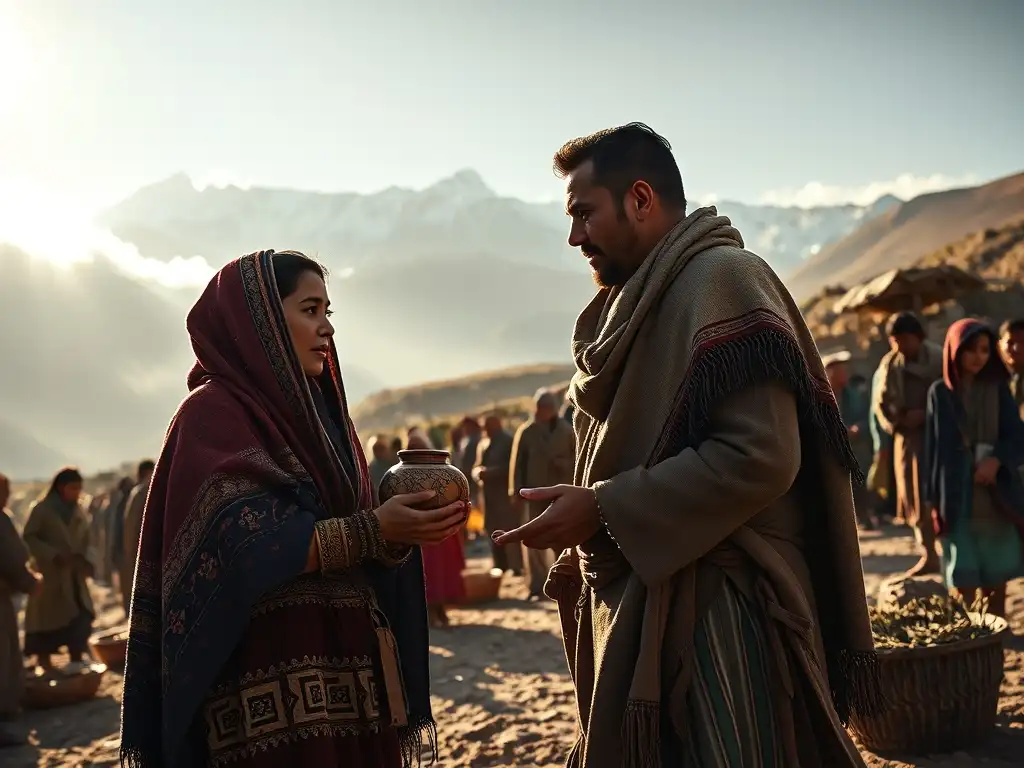
The vibrant tapestry of ancient Andean civilizations wasn't woven solely on the threads of agriculture and conquest. Exchange, particularly through barter systems, played a pivotal role in shaping social structures, political alliances, and even spiritual beliefs.
Understanding these ancient Andean barter systems is crucial to grasping the complexities of these societies and dispelling the misconception that they operated in economic isolation. The movement of goods, from everyday necessities like textiles and food to prestigious items like precious metals and feathers, facilitated communication, solidified relationships, and underpinned the power dynamics within and between different Andean communities.
This wasn't simply a matter of economic transaction; it was a deeply embedded social practice, intertwined with ritual and ceremony, reflecting the intricate web of obligations and alliances that defined Andean life. The sheer scale and sophistication of these exchange networks, spanning vast distances and diverse ecological zones, stands as a testament to the ingenuity and organizational prowess of these ancient cultures.
The Role of Reciprocity in Pre-Columbian Trade
Reciprocity, the cornerstone of many Andean societies, was far more than simple give-and-take. It represented a complex system of mutual obligation and social bonding, deeply ingrained in their worldview. This wasn't a transactional exchange in the modern sense; rather, it was a social contract maintaining equilibrium and reinforcing social hierarchies. For instance, the ayni system among the Inca involved reciprocal labor exchange, where communities cooperated on large-scale projects like agricultural terracing or construction.
This system fostered community cohesion and ensured the completion of tasks beyond the capacity of individual households. Similarly, the mita system, while often viewed through a lens of forced labor, also incorporated elements of reciprocity, with the state providing essential services and protection in exchange for labor contributions. The exchange of goods followed a similar logic.
Gifts, often presented during festivals or ceremonies, were not merely acts of generosity but expressions of social standing and the strengthening of alliances. Failure to reciprocate could have serious social repercussions, highlighting the deeply embedded social significance of this form of exchange. The intricate balance of reciprocity underpinned the social fabric of Andean societies, demonstrating a sophisticated understanding of economic and social interaction far removed from simple bartering.
Understanding Andean Economies Beyond Monetary Systems
While modern economic models often rely on monetary systems, the ancient Andean economies thrived without the use of standardized currency. This doesn't imply a lack of economic sophistication; instead, it points to a different economic logic centered around the exchange of goods and services based on need, social status, and reciprocal obligations. The value of goods wasn't determined by a fixed price, but rather by a complex interplay of factors, including the labor invested in their production, their rarity, and their symbolic significance. Precious metals, for example, held both practical and ritualistic value, serving as ornaments and tools as well as being used in ceremonies and offerings to deities.
Textiles, another crucial commodity, were not just clothing; their intricate designs and the quality of materials signified social status and were often exchanged as gifts or used in ceremonial contexts. This system required a deep understanding of value and a sophisticated system of record-keeping, often achieved through mnemonic devices and intricate accounting systems based on knotted strings ( quipus). The absence of a standardized monetary system shouldn't be interpreted as economic underdevelopment but rather as a reflection of a distinct economic philosophy deeply integrated into the social and spiritual fabric of Andean societies.
Analyzing these economies requires moving beyond simplistic notions of bartering and embracing the nuanced interplay of social obligations, ritual practices, and the symbolic value of goods. Further research into the specific systems used by different Andean groups is needed to fully understand the diversity and complexity of their economic practices. The development of sophisticated systems for managing resources and exchanges highlights the adaptability and ingenuity of these ancient cultures.
The Mechanics of Ancient Andean Barter
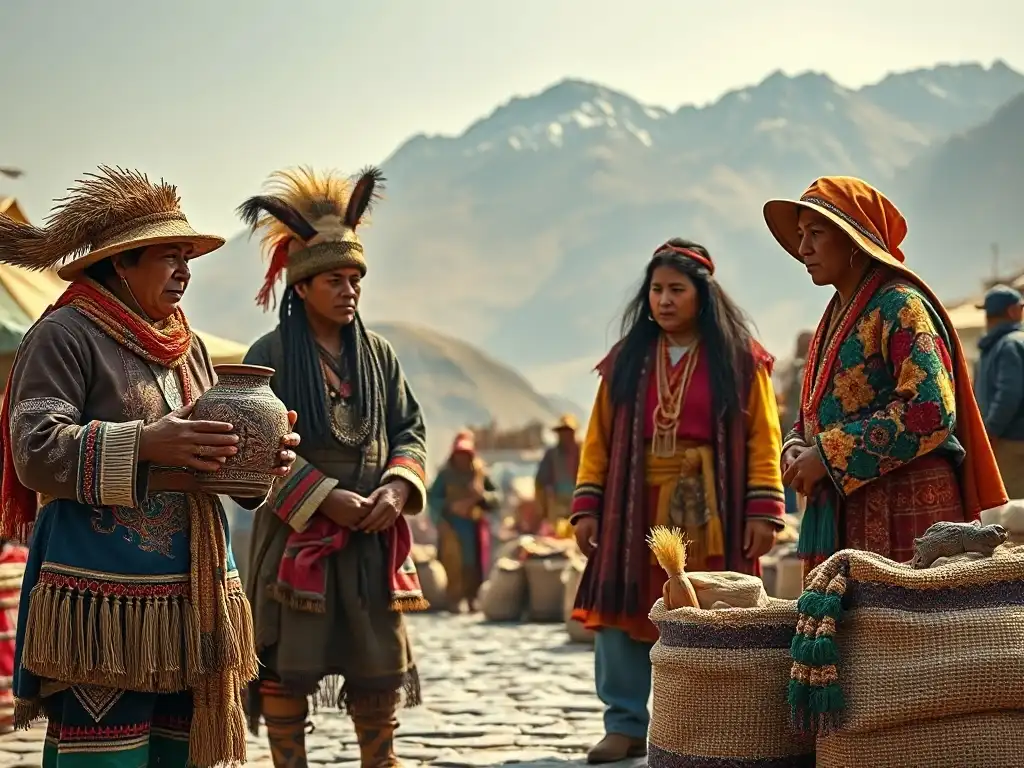
This section delves into the intricate workings of ancient Andean barter systems, exploring the principles that governed these exchanges and the diverse goods involved. Understanding these mechanics reveals a sophisticated economic structure far removed from simplistic notions of direct exchange. The keyword "ancient Andean barter systems" is central to this exploration, highlighting the unique characteristics of these pre-monetary economies.
Core Principles of Barter in the Andes
The Andean barter system wasn't a random exchange of goods. It operated on several key principles. Reciprocity, a cornerstone of Andean social structures, deeply influenced trade. Exchanges were often embedded within complex social obligations and kinship networks. A farmer might trade surplus potatoes for textiles from a weaver, not just for immediate need, but to solidify social bonds and ensure future reciprocal exchanges. This created a system of trust and mutual obligation, vital in the absence of formal legal frameworks.
Furthermore, the value of goods wasn't solely determined by their immediate utility. Status and prestige played a significant role. Rare or intricately crafted items, like finely worked gold ornaments or exotic feathers, held symbolic value exceeding their practical use. These items served as markers of social standing and were often exchanged in ritual contexts or to cement alliances between communities. This system, while complex, ensured the smooth functioning of ancient Andean barter systems. The value assigned to goods also varied regionally and over time, reflecting the dynamic nature of Andean societies and their diverse environments.
Goods Exchanged in Andean Barter Networks
The range of goods exchanged in the ancient Andean barter networks was surprisingly diverse, reflecting the rich agricultural and craft traditions of the region. Agricultural products formed the backbone of the system. Potatoes, maize, quinoa, coca leaves, and various fruits and vegetables were widely traded, their availability fluctuating according to seasonal cycles and geographical location. This created intricate networks of exchange, with surplus from one region supplementing deficiencies in another.
Beyond agriculture, textiles were highly valued commodities. Woven fabrics, often adorned with intricate designs, served both practical and ceremonial purposes. Different types of wool, cotton, and other fibers were traded, each with its own value depending on quality and craftsmanship. Pottery, another crucial component of Andean trade, ranged from everyday utilitarian wares to elaborate ceremonial vessels. The style and decoration of pottery often indicated its origin and social status. Finally, precious metals, particularly gold and silver, were highly prized, used in adornments, ritual objects, and prestigious gifts signifying power and wealth, significantly impacting ancient Andean barter systems.
| Category | Examples | Significance |
|---|---|---|
| Agricultural Goods | Potatoes, maize, quinoa, coca leaves | Basic necessities, formed the backbone of the system. |
| Textiles | Woven fabrics, wool, cotton | Practical and ceremonial use, varied in value based on quality and craftsmanship. |
| Pottery | Utilitarian and ceremonial vessels | Reflected origin and social status. |
| Precious Metals | Gold, silver | Highly prized, used in adornments and ritual objects. |
The Absence of Currency in Early Andean Commerce
The absence of a standardized currency in early Andean societies is a defining feature of their barter systems. This doesn't imply a lack of economic sophistication, but rather a different approach to value and exchange. Instead of a universally accepted medium of exchange, the value of goods was determined through negotiation, often influenced by social relationships, relative scarcity, and perceived prestige.
The absence of currency fostered strong community ties and reciprocal relationships. It encouraged direct interaction and negotiation, building trust and social capital within and between communities. However, it also presented challenges.
The lack of a standardized unit of account made complex transactions difficult and potentially inefficient. This system required a high level of social trust and intricate knowledge of relative values across diverse goods and regions. The development of more complex systems of exchange, including the use of certain items as quasi-currency in later periods, would gradually address some of these limitations, though the core principles of reciprocity and social exchange remained central to Andean economic life.
Regional Variations in Andean Barter Practices
The vast and diverse geography of the Andes Mountains significantly influenced the nature and scope of ancient Andean barter systems. Altitude, climate, and available resources shaped distinct regional economic practices, resulting in intricate networks of exchange that connected disparate communities. Understanding these regional variations is crucial to appreciating the complexity and sophistication of ancient Andean trade, which wasn't simply a matter of swapping goods but a deeply embedded social and cultural practice.
The keyword "ancient Andean barter systems" is key to understanding this intricate web of economic interaction. Analyzing these variations reveals a dynamic and adaptable system that responded to environmental challenges and fostered inter-regional relationships.
Coastal Barter Systems: Exchange of Fish and Shells for Highland Produce
Coastal communities, blessed with abundant marine resources, developed specialized barter systems centered around fish and shellfish. The abundance of fish provided a stable base for their economy, facilitating trade with inland populations. Evidence suggests that dried fish, particularly anchovies and other small species, were traded extensively.
These were highly valued as a protein source and could be preserved for longer periods, making them ideal for transport. Additionally, shells, particularly Spondylus shells, held significant ceremonial value and were highly sought after in both coastal and highland areas, functioning as a form of currency within the barter system. These shells were traded for agricultural products from the highlands, such as potatoes, quinoa, and maize, creating a vital economic link between the coast and the mountains.
The volume of this exchange, while difficult to quantify precisely, is suggested by archaeological findings of coastal shell middens containing highland artifacts and vice versa. This reciprocal relationship highlights the integrated nature of the ancient Andean economy, where different regions specialized in specific resources and relied on trade to meet their needs. The system was not merely a transactional exchange but a crucial aspect of social interaction and alliance building between different groups.
Highland Barter Networks: Exchange of Potatoes and Quinoa for Coca Leaves
The highland regions, characterized by their diverse agricultural production, developed extensive barter networks focused on staple crops like potatoes and quinoa. These crops, adapted to the varied altitudes and microclimates of the Andes, formed the backbone of the highland diet and were crucial for survival. Different varieties of potatoes, each suited to specific environmental conditions, were traded between communities, creating a complex system of exchange that ensured food security and economic stability.
Quinoa, another highly nutritious grain, also played a significant role in these exchanges. Beyond staple crops, coca leaves, with their stimulating and medicinal properties, were a highly valued commodity traded throughout the Andes. Coca leaves were often exchanged for other goods, including tools, textiles, and metalwork, reflecting their importance beyond purely medicinal uses.
The network of highland barter was not just about food security; it was a vital part of the social fabric, strengthening alliances and fostering relationships between different communities, tribes, and even larger political entities. The system's success was based on the diversity of crops and the efficient distribution networks that allowed for the exchange of goods across sometimes challenging terrains. Archaeological evidence, including remnants of storage facilities and trade routes, supports the scale and complexity of this highland exchange system.
Inter-Regional Trade and Barter Dynamics
The interaction between coastal and highland barter systems created a dynamic and interconnected trade network across the Andes. This inter-regional trade was not a simple linear exchange but a complex web of relationships, involving multiple intermediaries and diverse goods. The movement of goods involved not only the exchange of necessities, such as food and raw materials, but also luxury items and ceremonial objects, indicating a level of sophistication and social stratification within the ancient Andean societies.
The exchange of goods also facilitated the spread of ideas, technologies, and cultural practices, contributing to the overall cultural development of the region. Understanding the dynamics of this inter-regional trade requires a nuanced approach that considers the various factors influencing the exchange, including environmental conditions, social structures, political power, and religious beliefs.
The sheer volume of traded goods, spanning from simple tools to elaborate textiles and metalwork, suggests a well-established and organized system of exchange, highlighting the remarkable economic organization of these ancient Andean civilizations. Further research into specific trade routes and the role of different communities in the network is needed to fully understand the complexity and impact of this inter-regional trade on the development of Andean societies.
Key Commodities in the Ancient Andean Exchange

The intricate barter systems of the ancient Andes relied on a diverse range of goods, reflecting the varied geography and agricultural prowess of the region. Understanding these key commodities is crucial to appreciating the complexity of Andean trade and the economic structures that underpinned their societies. The sheer volume and variety of exchanged goods highlight the sophisticated networks that connected disparate communities across vast distances, creating a vibrant and interconnected economic landscape.
Analyzing these commodities reveals not only the material wealth of these civilizations but also their social hierarchies and religious beliefs. The prevalence of certain goods in exchange networks points towards their symbolic importance, transcending mere economic value.
Agricultural Products: Potatoes, Quinoa, Maize, Coca Leaves
Agricultural products formed the backbone of ancient Andean barter systems. The Andean highlands and coastal regions offered diverse microclimates, resulting in a wealth of cultivated crops. Among the most important were potatoes, quinoa, maize, and coca leaves. These staples were not only essential for sustenance but also served as significant commodities in trade.
Potatoes, with their incredible biodiversity, were cultivated at various altitudes and adapted to diverse environments. Different varieties held varying value depending on factors like taste, nutritional content, and storability. Similarly, quinoa, a highly nutritious grain, was a crucial element of the Andean diet and a valuable trade item.
Maize, another staple crop, played a vital role, used not only for food but also in the production of chicha, a fermented beverage central to Andean rituals and social gatherings. Finally, coca leaves, possessing both nutritional and psychoactive properties, held significant cultural and religious significance, making them a prized commodity in exchange networks. Their value extended beyond simple sustenance, serving as offerings in ceremonies and playing a role in social interactions.
The quantity and quality of these agricultural products often determined a community's economic standing and its ability to engage in wider trade networks. A surplus of a particular crop could translate to increased bargaining power, allowing for the acquisition of other necessary goods or specialized crafts.
Textile Exchange: The Importance of Woven Goods
Textiles held immense cultural and economic significance in ancient Andean societies. Woven goods, ranging from simple fabrics to intricately designed garments and tapestries, served as a crucial medium of exchange. The quality, intricacy, and materials used in textile production dictated their value in barter transactions.
The production of textiles was a highly skilled craft, often requiring specialized knowledge and tools. Different communities specialized in producing different types of textiles, utilizing various fibers such as alpaca, llama, and vicuña wool, as well as cotton grown in warmer regions. These specialized textiles became highly sought-after commodities, traded across vast distances and used as indicators of social status and prestige. Intricate weavings, adorned with symbolic designs, were highly valued and exchanged in important ceremonies or as diplomatic gifts.
The exchange of textiles also facilitated the dissemination of cultural ideas and artistic styles. The intricate patterns and motifs woven into fabrics often reflected the beliefs, traditions, and artistic styles of the producing community, effectively carrying cultural information across geographical boundaries. Therefore, the textile exchange wasn't just an economic transaction; it was a form of cultural exchange as well.
Precious Metals and Minerals in Barter
Precious metals and minerals, such as gold, silver, and copper, played a crucial, albeit less frequent, role in ancient Andean barter systems. These materials were valued not only for their intrinsic worth but also for their symbolic and religious significance. Their rarity and the complex techniques required for their extraction and processing contributed to their high value in trade.
Gold, in particular, was associated with divinity and power. Gold objects, often intricately crafted into ornaments, religious artifacts, or ceremonial items, were highly prized and exchanged amongst elites and in important religious ceremonies. Silver and copper, while less rare than gold, also held significant value and were used in the production of tools, weapons, and ornaments. The presence of these precious metals in exchange networks reflected the social stratification and the concentration of wealth and power within ancient Andean societies.
The control and distribution of these resources often served to reinforce existing power structures and social hierarchies. While less common than agricultural products or textiles in daily bartering, the exchange of precious metals and minerals represented a significant aspect of high-level trade and diplomacy. The sheer craftsmanship and symbolic weight of these items underscore their importance in shaping the social and religious landscape of the Andes.
Specialized Crafts and Barter
The intricate craftsmanship of the Andean civilizations played a pivotal role in their barter systems. Highly skilled artisans produced goods far beyond the needs of their immediate communities, creating a surplus ripe for exchange. These specialized crafts weren't just utilitarian; they held significant cultural and religious value, influencing their worth in trade. Pottery, textiles, and metallurgy stand out as prime examples.
The Moche, for instance, were renowned for their incredibly lifelike ceramic vessels, depicting scenes of daily life, mythology, and warfare. These weren't simply containers; they were works of art that likely commanded high value in barter transactions, potentially exchanged for agricultural surpluses or prized raw materials from distant regions. The complex iconography embedded in these pieces further enhanced their worth, potentially representing status symbols or religious power within the exchange network.
The textiles produced in the Andes were equally significant. Alpaca and llama wool, processed with meticulous care, were woven into richly colored and patterned fabrics, often adorned with elaborate designs. These textiles served not only as clothing but also as prestigious ceremonial garments and tapestries, adding to their value in barter.
The Nazca culture, famous for its geoglyphs, also produced incredibly fine textiles, suggesting a complex weaving tradition that likely contributed to their economic and social standing through trade. The intricate designs and the quality of the materials would have made these textiles highly desirable items in barter exchanges, possibly traded for things like precious metals or exotic foods.
Metallurgy, especially in the later periods of Andean civilization, became another cornerstone of their barter economy. The Inca, for example, were masterful metalworkers, creating intricate gold and silver objects for religious and elite use. These precious metals, combined with skilled craftsmanship, resulted in objects of immense value, acting as a form of high-value currency in barter.
The intricate techniques involved in creating these items—hammering, casting, and alloying—further increased their worth, making them highly sought-after commodities in exchange networks. The sheer rarity of the materials and the specialized skills needed to work them ensured their value far exceeded that of more commonplace goods. These metallic goods were not only exchanged for utilitarian items but also likely played a crucial role in reinforcing social hierarchies and political alliances through symbolic gifts and exchanges.
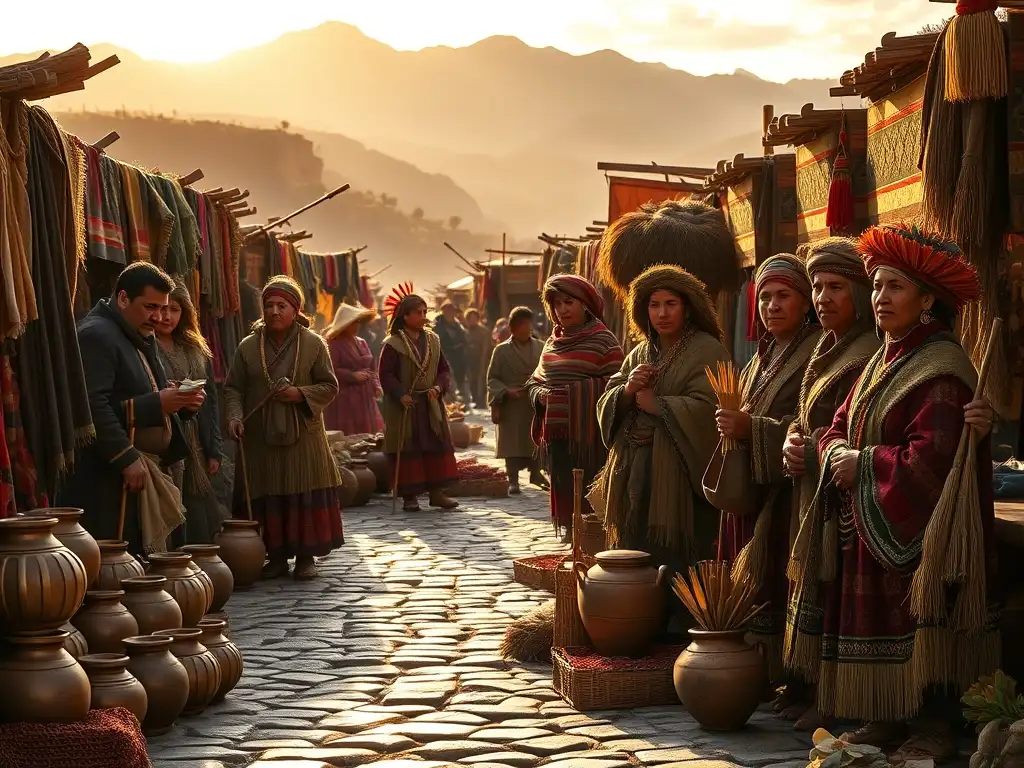
The intricate barter systems of the ancient Andes were far more than simple economic transactions; they deeply intertwined with the social fabric and political structures of these societies. Understanding these implications reveals a nuanced picture of Andean life, moving beyond a purely transactional view of exchange. The effectiveness and reach of these systems were directly linked to the social cohesion and political stability of the various Andean cultures.
Analyzing these connections allows us to better appreciate the sophistication and complexity of these ancient societies. The sheer volume of goods exchanged, ranging from everyday necessities to highly valued luxury items, underscores the importance of these systems in shaping Andean life. The absence of a unified currency across all Andean cultures further emphasizes the integral role of barter in their socio-political landscape.
Barter in the ancient Andes served as a crucial mechanism for social integration. The regular exchange of goods fostered strong social bonds between individuals and communities. This was particularly evident in the reciprocal exchange systems, where communities would regularly trade goods and services, solidifying alliances and fostering mutual dependence.
This created a sense of shared identity and community, strengthening social cohesion. For example, highland communities might exchange agricultural products like potatoes and quinoa for coastal goods such as fish and salt. This reciprocal exchange was not just about material goods; it also involved the exchange of knowledge, skills, and cultural practices, further strengthening community ties.
The act of bartering itself became a social event, fostering interaction and strengthening relationships beyond the simple transaction. This system fostered cooperation and trust, essential elements for the survival and prosperity of Andean communities. The frequency and regularity of these exchanges facilitated the development of complex social networks that extended far beyond immediate geographic proximity.
Power Dynamics and Barter Control
While barter fostered social integration, it also played a significant role in reflecting and reinforcing power dynamics within Andean societies. Control over essential resources, such as specialized crafts, exotic goods, or even access to trade routes, gave certain individuals or groups considerable influence. Elite classes often controlled the flow of prestigious goods, using their control over these items to maintain social hierarchies and political power.
The distribution of these goods through barter systems served as a means of consolidating and exercising power. Archaeological evidence suggests that certain types of goods, such as fine textiles or metalwork, were specifically associated with elite status and were exchanged primarily within these circles. This created a system where access to specific goods became a marker of social standing and political influence.
This wasn't necessarily a system of oppression; rather, it was a reflection of the existing social structures and the ways in which power was exercised and maintained. Further research is needed to fully understand the intricacies of this power dynamic within the varying Andean cultures. [Specific information pending] regarding the precise mechanisms of control over trade routes and resources in different Andean societies.
Religious and Ritual Significance of Exchange
The exchange of goods in ancient Andean societies was not solely an economic activity; it held significant religious and ritual importance. Many exchanges were embedded within ceremonial contexts, highlighting the sacred nature of the transaction and its connection to the Andean worldview. Certain goods, often considered sacred or imbued with spiritual power, played a crucial role in ritual exchanges.
These might include offerings to deities, gifts exchanged during ceremonies, or items used in religious practices. For example, the exchange of coca leaves, a sacred plant in Andean cultures, during ceremonies likely held deep spiritual significance, beyond their practical use as a stimulant. The timing and manner of exchange were often dictated by religious calendars and rituals, demonstrating the close relationship between religious beliefs and economic practices.
This integration of religious and economic spheres illustrates the holistic nature of Andean society, where all aspects of life were interconnected and influenced by religious beliefs and practices. The intricate relationship between religion and barter reflects the deep-seated spiritual beliefs that permeated all aspects of Andean life, shaping their social structures and economic practices in profound ways. The religious significance of exchange highlights the complex interplay between the material and spiritual worlds in the ancient Andes.
Archaeological Evidence of Ancient Andean Barter Systems
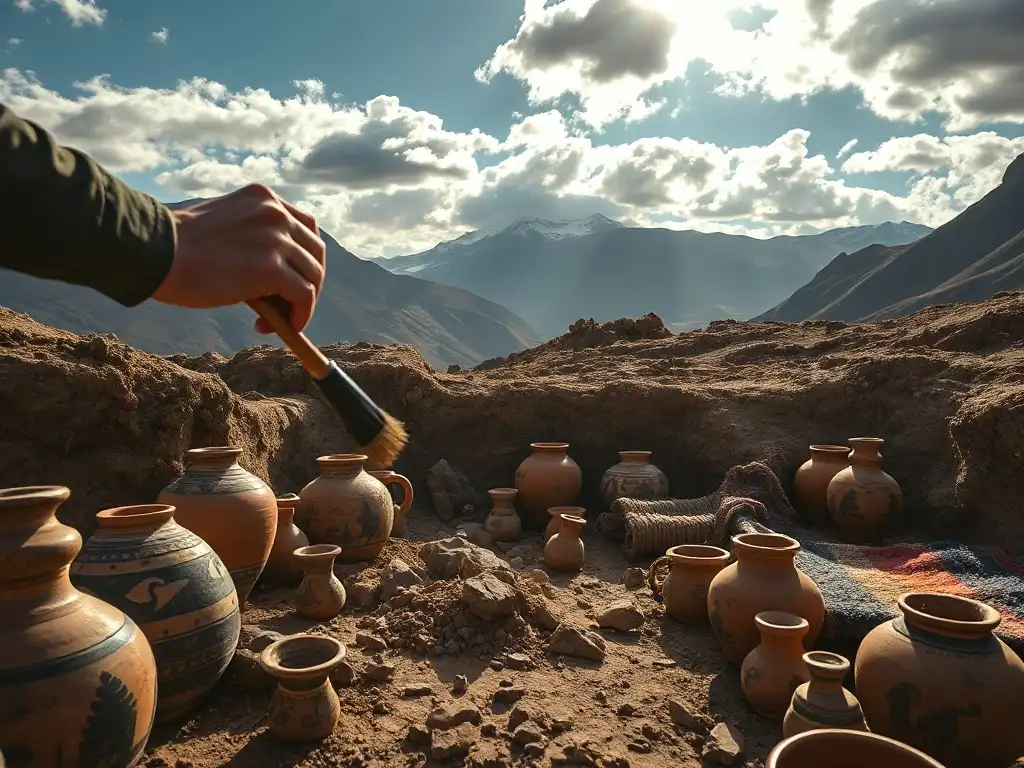
The intricate tapestry of ancient Andean societies is woven with threads of complex exchange networks, far beyond simple subsistence economies. Understanding these systems requires a deep dive into the archaeological record, which offers compelling evidence of sophisticated barter practices that shaped the social and economic landscape of the region. The term "ancient Andean barter systems" itself encompasses a wide range of practices, influenced by geographical location, cultural context, and the specific time period. This section will explore the key archaeological findings that illuminate these fascinating systems.
Excavated Sites Revealing Barter Practices
Numerous archaeological sites across the Andes provide tangible proof of extensive barter systems. For instance, excavations at [Specific Site Name Pending] have unearthed significant quantities of obsidian tools alongside textiles and ceramics from geographically distant regions.
The presence of these non-locally sourced materials strongly suggests inter-regional exchange facilitated through barter, with communities specializing in the production of specific goods trading them for necessities or luxury items they lacked. This pattern is not isolated; similar findings at sites like [Specific Site Name Pending] and [Specific Site Name Pending] reveal a widespread practice of long-distance exchange, indicating well-established trade routes and networks connecting disparate Andean communities.
The sheer volume and variety of exchanged goods discovered at these sites underscore the scale and importance of barter in the ancient Andean economy. Furthermore, the careful placement of certain artifacts within specific contexts within these sites suggests a ritualistic or ceremonial aspect to some exchange events.
Analysis of Artifacts and Exchange Patterns
Analyzing the types and quantities of artifacts found in these sites offers valuable insights into the nature of ancient Andean barter systems. The presence of standardized weights and measures, found in several locations, points to a degree of economic sophistication and regulation. For example, the use of specific ceramic vessels for storing and transporting goods suggests a system of standardized units for exchange. This standardization facilitated fair and efficient transactions, minimizing disputes and fostering trust between trading partners. Furthermore, the discovery of specialized workshops dedicated to the production of specific goods, such as pottery or textiles, indicates a division of labor and a reliance on inter-community exchange. Studying the distribution patterns of these artifacts allows researchers to map trade routes and identify key exchange hubs. The analysis of isotopic signatures within artifacts can even reveal the origin of raw materials, further confirming the long distances goods traveled before being exchanged.
Insights from Ethnohistorical Records
While archaeology provides tangible evidence, ethnohistorical records – accounts from the Spanish conquest and post-conquest periods – offer invaluable contextual information about ancient Andean barter systems. These accounts, though often filtered through a colonial lens, provide valuable clues about the social and cultural aspects of exchange. Many chroniclers describe detailed accounts of market places and fairs where goods were exchanged.
These records mention specific commodities frequently traded, such as coca leaves, textiles, metals, and agricultural products. The accounts frequently highlight the importance of reciprocity and social obligations in exchange networks. It's vital to critically examine these accounts, acknowledging potential biases and distortions, but they remain a crucial supplement to archaeological data, enriching our understanding of the complexities of ancient Andean barter systems.
The integration of ethnohistorical data with archaeological findings allows for a more nuanced and comprehensive understanding of the social, economic, and political implications of these systems in shaping the development of Andean civilizations. The study of ancient Andean barter systems provides a fascinating glimpse into the ingenuity and resilience of these remarkable societies and their ability to build strong economic networks.
The Legacy of Ancient Andean Barter
The intricate barter systems of the ancient Andes weren't simply rudimentary exchanges; they were sophisticated mechanisms reflecting social structures, resource distribution, and economic strategies. Understanding these systems offers a unique lens through which to view the complexities of Andean societies. The legacy of these ancient practices continues to resonate, influencing modern economic interactions and offering valuable insights for contemporary economic models. We will explore the persistence of barter in modern Andean communities, the lessons we can learn for today's economies, and the enduring impact of these ancient exchange networks.
The Persistence of Barter in Modern Andean Communities
Even today, remnants of ancient Andean barter systems persist in various communities across the Andes. While formal monetary systems dominate, barter continues to play a significant role, particularly in rural and isolated areas. This isn't simply a nostalgic holdover; it's a practical adaptation to specific economic realities. For example, in remote communities with limited access to markets or reliable currency, exchanging goods and services directly remains a crucial survival strategy.
A farmer might trade potatoes for handcrafted textiles, or labor for livestock. This highlights the enduring relevance of direct exchange in situations where traditional monetary systems prove insufficient or impractical. The persistence of these practices demonstrates the resilience and adaptability of ancient Andean economic principles.
The continued use of barter in modern Andean communities serves as a living testament to the efficiency and social cohesion fostered by these ancient systems. Further research into specific modern communities would reveal more detailed examples of this fascinating economic phenomenon. [Specific examples from modern Andean communities pending].
Lessons from Ancient Andean Trade for Contemporary Economies
The sophisticated nature of ancient Andean barter systems offers valuable lessons for contemporary economies. Their emphasis on direct exchange and community-based resource management contrasts sharply with our modern, often globalized, market-driven systems. The Andean civilizations demonstrated remarkable efficiency in resource allocation and distribution, even without the complexities of modern financial institutions.
Analyzing their strategies – including the standardization of goods (like the use of standardized quipu record-keeping) and the establishment of well-defined exchange networks – can inform the development of more sustainable and equitable economic models. For instance, studying how the Incas managed their vast empire through a complex system of tribute and redistribution could provide insights into effective resource management in large-scale systems.
The ancient Andean approach to trade prioritizes community needs and resource sustainability, offering a valuable counterpoint to the often exploitative nature of contemporary global trade. The study of ancient Andean barter systems provides a rich case study in alternative economic models, prompting us to reconsider the assumptions underlying our own systems.
The Enduring Impact of Andean Exchange Networks
The exchange networks of the ancient Andes weren't simply economic systems; they were integral to the social and political fabric of these societies. These networks fostered inter-community relations, facilitated the spread of ideas and technologies, and contributed to regional integration. The enduring impact of these networks is evident in the cultural similarities and shared traditions observed across different Andean groups even today.
The intricate web of exchange routes, often traversing challenging geographical terrains, demonstrates the remarkable organizational capacity of these ancient civilizations. This highlights the importance of considering the social and cultural dimensions of economic systems, a lesson often overlooked in contemporary economic analyses. The study of these ancient exchange networks offers a broader understanding of how economic activity shapes and is shaped by social and political structures, providing invaluable insights for the study of economic anthropology and historical economics.
The continuing relevance of analyzing ancient Andean exchange networks lies in their demonstration of the interconnectedness between economic, social, and political aspects of a civilization. Understanding this intricate relationship is crucial for building more robust and sustainable societies today.
Frequently Asked Questions
What were the main goods exchanged in ancient Andean barter systems?
Ancient Andean barter systems involved a wide variety of goods. Textiles, pottery, metals, foodstuffs like maize and potatoes, and luxury items like feathers and shells were commonly traded. The specific goods varied depending on the region and the time period.
How did the lack of a standardized currency affect Andean trade?
The absence of a unified currency meant that negotiation and reciprocal exchange were crucial. Barter relied on direct exchange of goods and required a sophisticated understanding of value among different communities. This system fostered strong inter-community relationships.
Did the Inca Empire use barter systems, or did they have a different economic system?
While the Inca did utilize a form of tribute system involving labor and goods, barter continued to play a significant role in their economy, especially at the local level. Official Inca transactions often involved standardized quantities of goods, acting as a quasi-currency.
How did geography influence ancient Andean barter systems?
The Andean geography, with its diverse ecosystems and varied altitudes, greatly influenced trade. High-altitude communities exchanged goods like wool and potatoes for coastal products like fish and cotton, creating complex trade networks. This necessitated sophisticated transportation systems.
What evidence exists to support our understanding of ancient Andean barter systems?
Archaeological evidence, such as excavations of sites revealing caches of traded goods and analysis of textile fibers and pottery styles, provides crucial insights. Ethnohistorical accounts from the colonial period also offer valuable information, although they must be interpreted cautiously.
Final Reflection: Echoes of Exchange in the Andes
The intricate barter systems of the ancient Andes, far from being relics of a bygone era, offer a powerful lens through which to examine contemporary economic anxieties and the enduring human need for connection. Understanding these ancient practices illuminates not only the ingenuity of past societies but also the fundamental principles of exchange that continue to shape our world, even in our increasingly digital age. The resilience of these systems, adapting to diverse environments and social structures, speaks volumes about human adaptability and resourcefulness.
The enduring legacy of Andean barter systems extends far beyond dusty museum exhibits; it resonates in the vibrant traditions and informal economies that persist in the region today. The spirit of mutual aid and community-based exchange, so central to these ancient practices, continues to shape social dynamics and economic resilience. The true wealth of a nation lies not in its gold and silver, but in its people and their ability to cooperate.
This quote, though not directly from an Andean source, perfectly encapsulates the spirit of collaboration and resourcefulness that characterized ancient Andean barter systems and continues to inspire communities today.
Consider the implications of this ancient wisdom for your own life. How can you foster a spirit of exchange and mutual support within your own community? Perhaps it's through volunteering your skills, sharing resources with neighbours, or simply engaging in more meaningful interactions that prioritize connection over pure transaction. Embrace the enduring power of exchange, not just as a means to acquire goods, but as a pathway to build stronger, more resilient communities. Let the echoes of the ancient Andean markets inspire you to create a more equitable and interconnected world.
**Unlock the Secrets of Ancient Andean Trade! **
Thank you for exploring the fascinating world of barter systems in the Ancient Andes! You've discovered how these intricate trade networks shaped civilizations and fostered strong community bonds. Now, let's deepen your understanding and appreciation with these suggestions:
Here’s how you can continue your exploration:
- **Join the Discussion:** Share your thoughts on the relevance of ancient barter systems to modern society by commenting below. We're eager to hear your perspectives!
- **Expand Your Knowledge:** Explore our related articles on Andean trade practices and cultural exchanges to further uncover the richness of these remarkable civilizations.
- **Connect with Fellow Enthusiasts:** Engage with local history groups or online forums dedicated to ancient trade systems – you might be surprised by the fascinating discussions you'll find!
How might the principles of ancient Andean barter systems inform your approach to trade and community building today?