
The Unseen Layers of Andean Social Complexity: A Deep Dive

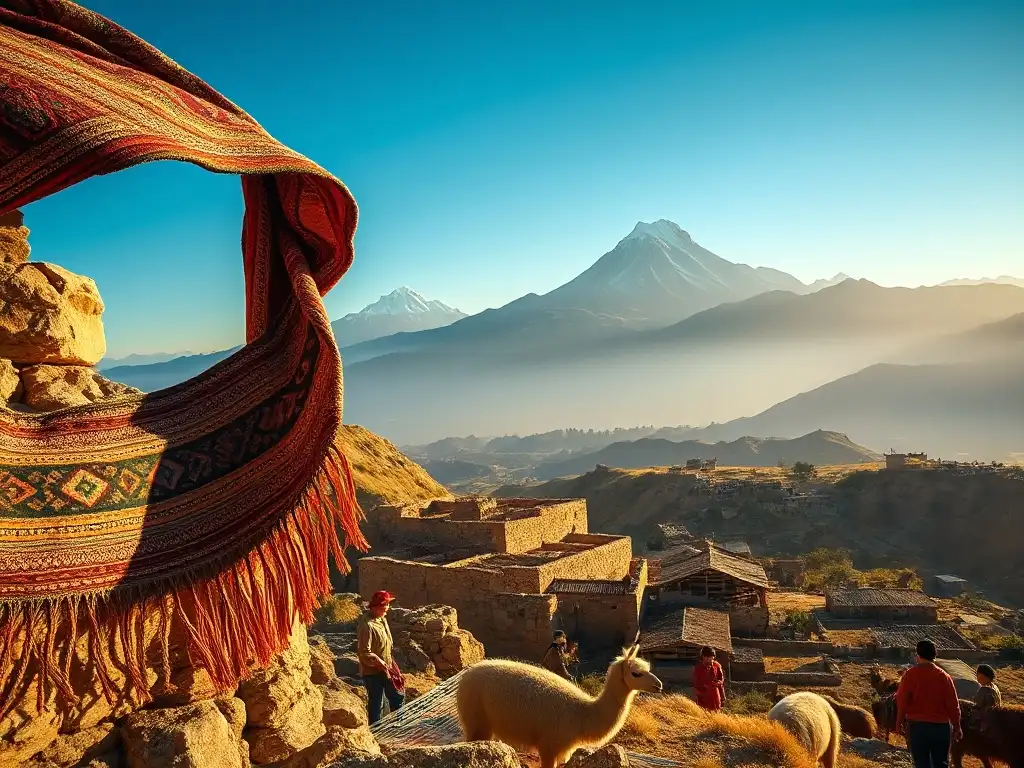
Unravel the mysteries of a world lost to time, yet echoing in the breathtaking landscapes of the Andes. Prepare to be captivated by the intricate tapestry of Andean civilizations, a story far richer and more complex than you ever imagined. Discover how the ingenious social structures of these remarkable cultures shaped their empires, their art, and their very survival. Dive into the heart of the matter with our in-depth exploration of Andean civilizations social structure—a journey that will rewrite your understanding of these ancient giants. Are you ready to uncover their secrets?
- Unveiling the Complexities of Andean Civilizations Social Structure
- The Foundations of Andean Social Organization
- Social Stratification in Pre-Inca Andean Cultures
- The Hierarchy of Power in Nazca Society
- Tiahuanaco's Social and Political Organization
- The Inca Empire's Social Pyramid: A Detailed Look
- Social Mobility and Status in Andean Civilizations
- Gender Roles and Social Status in Andean Societies
- The Impact of Religion and Ritual on Social Structure
- Economic Factors Influencing Andean Social Hierarchies
- The Legacy of Andean Social Structures
-
Frequently Asked Questions
- What was the basis of Andean civilizations' social structures?
- How did the Inca Empire organize its society?
- Did all Andean civilizations have similar social structures?
- What role did religion play in Andean social structures?
- How did the Andean social structure impact their technological advancements?
- Final Reflection: Unraveling the Threads of Andean Legacy
- Embark on Your Andean Adventure Today!
The Andes Mountains, a majestic spine running down the western coast of South America, were home to a dazzling array of sophisticated civilizations long before the arrival of Europeans. While the Inca Empire often dominates narratives about Andean history, a deeper dive reveals a fascinating tapestry of social structures, varying significantly across time and geography. This article explores the unseen layers of Andean social complexity, moving beyond simplistic hierarchical models to uncover the nuanced dynamics of power, kinship, and social mobility within societies like the Inca, Moche, Nazca, and Tiahuanaco.
We will examine how these societies organized themselves, the roles of different social groups, and the mechanisms that maintained (or challenged) the existing social order. Understanding the intricacies of Andean social structures is crucial to appreciating the full richness and diversity of these remarkable civilizations and their lasting legacy. This exploration will provide insights into the factors that contributed to both the success and eventual decline of these powerful Andean empires, demonstrating how their social fabric played a pivotal role in shaping their history.
We will analyze specific examples to illustrate the complexities of Andean social organization and its impact on various aspects of life, from agriculture and warfare to religion and art. This deep dive into “Andean civilizations social structure” will reveal a far more nuanced and captivating picture than previously imagined.
Andean societies, far from being monolithic, displayed a remarkable diversity in their social structures. While a hierarchical system was common across many cultures, the specifics varied greatly. Generally, these societies were organized around a hierarchical pyramid, with an elite ruling class at the apex. However, the composition and the extent of power wielded by this elite differed significantly.
For instance, the Inca Empire, known for its vast territorial reach and intricate administrative system, featured a highly stratified society. At the top stood the Sapa Inca, the emperor, considered a divine figure. Below him were the nobility ( curacas), who held significant regional power and often controlled vast landholdings and resources.
These curacas were responsible for collecting tribute and managing the labor force within their territories. The vast majority of the population comprised ayllus, kinship-based communities, responsible for agricultural production and other essential tasks. Within the ayllus, there was a degree of social differentiation, with some families holding more prestige or influence than others.
This system was buttressed by a complex religious ideology that legitimized the emperor's authority and the social hierarchy. The Inca also utilized a sophisticated system of record-keeping using quipus (knotted strings) to manage resources and track population data, further highlighting the centralized nature of their social control.
The Moche civilization, known for its stunning pottery and elaborate warfare, also possessed a stratified social structure, though its precise workings remain a subject of ongoing research. Evidence suggests a powerful elite class, likely composed of priests and warriors, controlled the production and distribution of resources. Their elaborate tombs and monumental architecture testify to their wealth and power. The common people, likely involved in agriculture and craft production, formed the base of the Moche social pyramid. Unlike the Inca, the Moche did not have the same level of centralized control, leading to regional variations in social organization.
The complexities of Andean social structures extended beyond simple hierarchies. The interplay between kinship, religion, and economic factors created a dynamic social landscape, where social mobility, while limited, was not entirely impossible. Further research and analysis of archaeological evidence are crucial to fully understanding the subtle nuances and variations within these complex social systems. The following sections will delve deeper into these aspects, exploring specific examples and providing a more comprehensive understanding of the rich tapestry of Andean social organization.
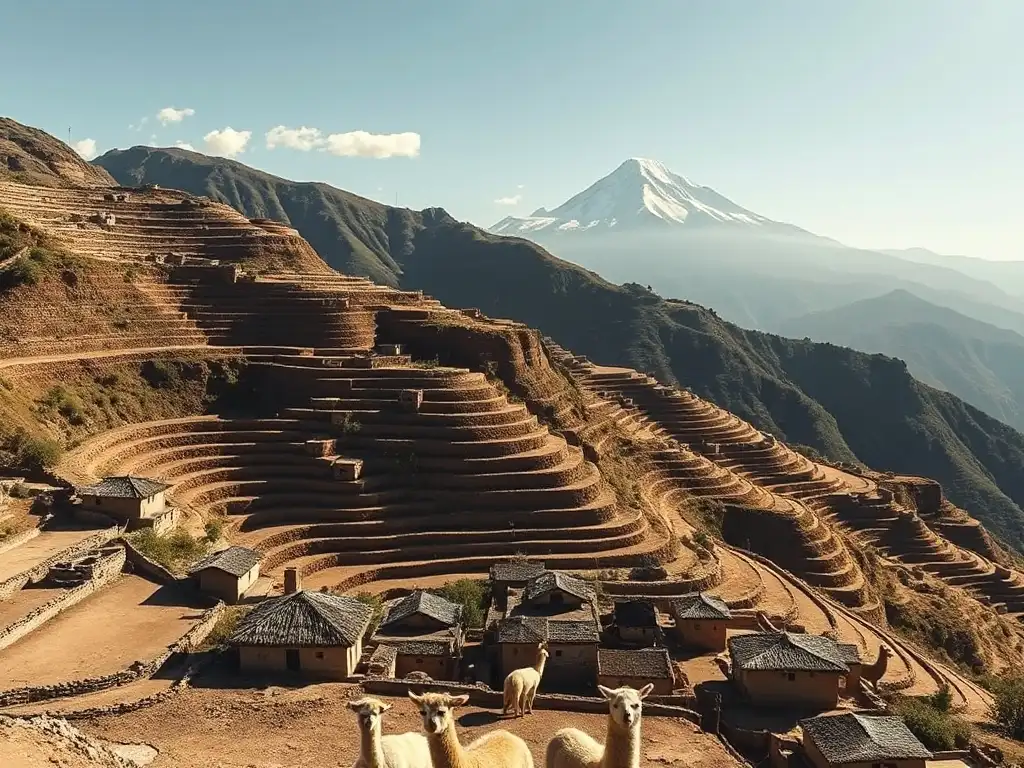
This section delves into the fundamental building blocks of Andean social structures, moving beyond simplistic hierarchical models to explore the nuanced interplay of kinship, community, and religious belief that shaped daily life in these complex societies. Understanding these foundational elements is crucial to appreciating the intricacies of Andean civilizations social structure and the remarkable achievements of these cultures. We will examine the crucial roles of kinship, ayllus, and religious authority in establishing and maintaining social order. The concept of "Andean civilizations social structure" requires a multi-faceted approach, acknowledging the diversity across different cultures and time periods.
Understanding Kinship and Lineage in Andean Societies
Andean societies placed immense importance on kinship and lineage, which formed the bedrock of their social organization. Unlike many Western models that emphasize the nuclear family, Andean kinship systems were expansive, encompassing extended family networks and intricate systems of reciprocal obligations. Lineage, tracing descent through generations, was vital in determining social standing, access to resources, and participation in community affairs.
The concept of ayni, reciprocal exchange, was deeply ingrained in Andean kinship. This system of mutual obligation extended beyond immediate family to encompass broader kinship networks and communities. Individuals were expected to contribute labor, goods, or services to their relatives and community members, creating a complex web of interdependence that fostered social cohesion. This reciprocal system wasn't merely economic; it reinforced social bonds and solidified kinship ties. Failure to participate in ayni could lead to social ostracism and loss of standing within the community.
Furthermore, ancestral veneration played a significant role in shaping kinship structures. Ancestor worship wasn't simply a religious practice; it was a fundamental aspect of maintaining social order and legitimizing authority. Lineages often traced their ancestry back to mythical figures or powerful ancestors, bolstering their claims to land, resources, and prestige. This connection to the past provided a powerful sense of identity and continuity, strengthening social bonds across generations. The strength of these bonds directly impacted the Andean civilizations social structure.
The Role of Ayllus in Andean Community Structure
The ayllu, a fundamental socio-economic unit in many Andean societies, was a kinship-based community that played a crucial role in organizing production, distribution, and social life. Ayllus were not simply groups of related individuals; they were complex social entities with their own internal hierarchies, leadership structures, and territorial boundaries. Membership in an ayllu granted access to land, resources, and participation in community rituals and decision-making processes.
The size and structure of ayllus varied across different Andean cultures and throughout history. Some were relatively small and localized, while others encompassed vast territories and thousands of individuals. However, the core principle of collective ownership and reciprocal obligations remained consistent. Land was typically held communally, with individual families receiving plots for cultivation. The distribution of resources was often regulated by community leaders, ensuring a degree of equity and social stability. This communal ownership was a defining characteristic of the Andean civilizations social structure, contrasting sharply with individualistic property systems found in other parts of the world.
The internal organization of ayllus often involved a hierarchy of leaders and officials responsible for managing resources, resolving disputes, and organizing community activities. These leaders, often chosen based on lineage, experience, or religious authority, played a crucial role in maintaining social order and ensuring the smooth functioning of the ayllu. The authority of these leaders was rooted in both kinship ties and religious beliefs, further highlighting the intertwined nature of social and spiritual life in Andean societies.
The ayllu system demonstrates a sophisticated form of social organization, far more complex than a simple hierarchical structure. It represents a powerful example of how kinship, cooperation, and communal ownership shaped the Andean civilizations social structure.
The Andean civilizations, famed for their intricate artistry and impressive engineering feats, also possessed sophisticated social structures. Understanding the complexities of Andean social stratification requires moving beyond simplistic hierarchical models. Pre-Inca societies, while exhibiting clear hierarchies, displayed a nuanced system involving diverse social groups and fluid boundaries, unlike the rigid caste systems of other ancient civilizations. The concept of ayllu, a kinship-based community, played a crucial role, shaping social organization and resource distribution in many Andean societies.
While the ayllu provided a foundation of social cohesion, it didn't negate the existence of powerful elites and specialized labor groups. The degree of social stratification varied across different cultures and time periods, with some societies showing more pronounced inequalities than others. Factors such as agricultural productivity, access to resources, and military prowess all influenced the shape of social hierarchies. Further research is needed to fully understand the dynamics of social mobility within these complex systems.
The existing archaeological evidence, while rich, often leaves significant gaps in our understanding of daily life and social interactions for the majority of the Andean population. This lack of detailed information makes generalizations about social mobility challenging. For example, the precise mechanisms for advancement within the social hierarchy are still largely debated among researchers.
The Hierarchy of Power in Nazca Society
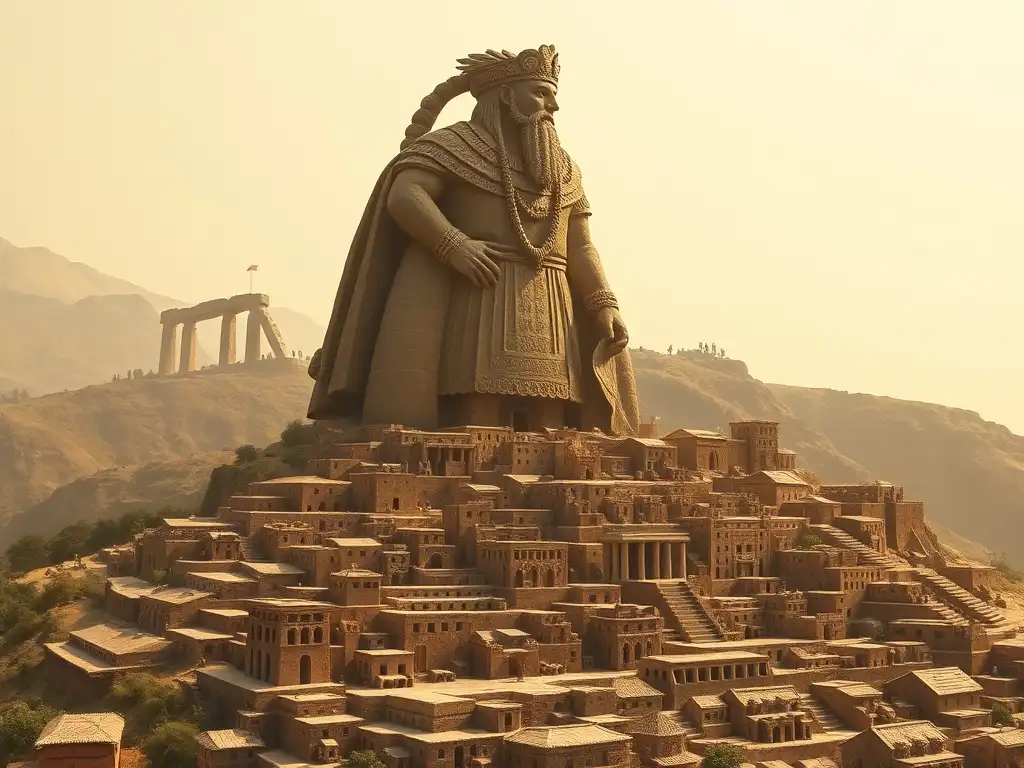
The Nazca civilization (c. 100 BCE – 800 CE), renowned for its breathtaking geoglyphs, also possessed a stratified social structure. Archaeological evidence suggests a hierarchical system with distinct social classes. At the apex sat the elite, likely composed of priests, rulers, and high-ranking officials. These individuals enjoyed privileged access to resources and were often buried with elaborate grave goods, reflecting their high status.
Evidence suggests that this elite class controlled the production and distribution of resources, maintaining its power through religious authority and potentially through control of irrigation systems, crucial for agriculture in the arid Nazca region. Below the elite were skilled artisans, who produced the beautifully crafted ceramics and textiles for which Nazca is famous. These artisans likely occupied a relatively high social standing, due to their specialized skills and the value of their work. The majority of the population consisted of farmers and laborers, who worked the land and supported the upper classes.
Their social standing was significantly lower than that of the elite and artisans, but their role in sustaining the society was undeniably crucial. The precise nature of social mobility within Nazca society remains uncertain, though the evidence suggests limited opportunities for social advancement. Further research, particularly focused on analyzing commoner burials and settlements, could shed more light on their daily lives and social standing.
Religious beliefs played a significant role in shaping Nazca society. The elite likely controlled religious institutions, using religious ideology to legitimize their power and maintain social order. The elaborate iconography found on Nazca ceramics and textiles suggests a complex religious system, with deities, shamans, and ritual practices playing central roles in social life.
Religious rituals, possibly involving human sacrifice, likely served to reinforce social hierarchies and reaffirm the elite's dominance. The widespread nature of elaborate burial practices, even for individuals outside the elite class, suggests the importance of ancestor veneration and communal rituals in maintaining social cohesion. The interplay between religious beliefs and social organization in Nazca remains a fascinating area of ongoing research, with new discoveries continuously refining our understanding of this complex relationship.
The Tiahuanaco civilization (c. 500 – 1000 CE), located on the shores of Lake Titicaca, developed a powerful empire that exerted significant influence across a vast region. Tiahuanaco's social structure was highly stratified, with a clear hierarchy of power. At the top resided the ruling elite, likely composed of a priestly-political class that controlled the state's resources and religious institutions. Their power was manifested in the monumental architecture of Tiahuanaco, including the iconic Sun Gate and Kalasasaya complex.
These massive structures required a considerable workforce, suggesting a highly organized and controlled labor system. Below the elite were specialized artisans, responsible for the creation of sophisticated textiles, ceramics, and metalwork. These artisans likely lived in designated areas within the city, possibly enjoying a relatively higher social standing compared to the commoners.
The majority of the population consisted of farmers and laborers, who sustained the empire through agriculture and construction projects. Their lives were likely less privileged than those of the elite and artisans, but their labor was essential to the functioning of the state. Intriguingly, the nature of social mobility in Tiahuanaco remains a subject of ongoing investigation, with limited evidence to definitively characterize the path to social advancement.
Archaeological excavations at Tiahuanaco have revealed significant variations in burial practices, providing valuable insights into social stratification. Elite burials often contained elaborate grave goods, including gold and silver ornaments, fine textiles, and intricately carved objects. These finds highlight the privileged status of the elite and their access to rare and valuable resources.
In contrast, commoner burials were typically less elaborate, containing fewer and simpler grave goods. This disparity in burial practices reflects the significant social and economic inequalities that existed within Tiahuanaco society. The careful analysis of burial contexts, including the location of graves and the types of goods found within them, provides crucial clues to understanding the social hierarchy and the complexities of social life in this remarkable civilization.
The ongoing excavation and analysis of Tiahuanaco burials promise to further refine our understanding of social dynamics within this ancient Andean civilization. The careful study of isotopic analysis of skeletal remains could potentially reveal dietary differences between social classes, further supporting the existing evidence of social stratification.
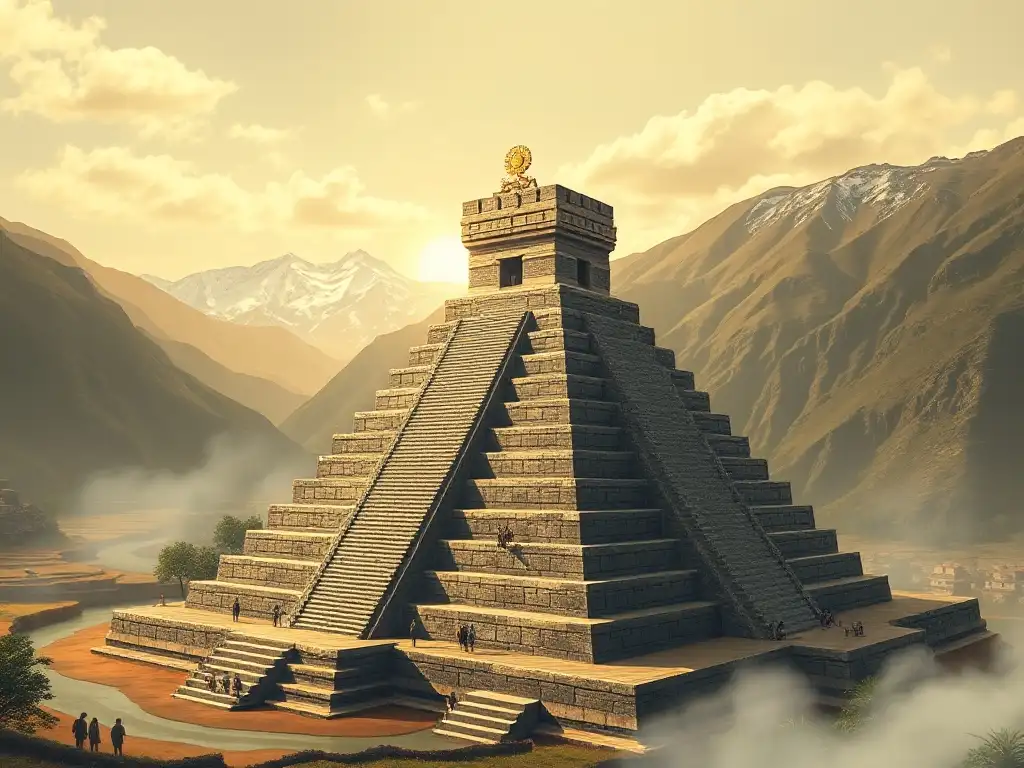
The Inca Empire, a marvel of Andean civilizations, boasted a remarkably intricate social structure, a hierarchical pyramid reflecting the empire's sophisticated organization and control. Understanding this structure is key to grasping the true complexity of Inca society and its lasting legacy. The system wasn't merely about power; it was a carefully constructed web of responsibilities, privileges, and obligations that permeated every aspect of life, from agriculture to religious practices.
This social pyramid, while seemingly rigid, allowed for a degree of social mobility based on merit and loyalty, though primarily within defined parameters. Analyzing the different strata reveals a nuanced understanding of Andean civilizations social structure far beyond a simple ruler-subject dichotomy.
The Sapa Inca: Divine Ruler and Apex of Andean Society
At the pinnacle of the Inca social pyramid sat the Sapa Inca, considered not just a ruler but a divine figure, a direct descendant of the sun god Inti. His authority was absolute, encompassing both temporal and spiritual power. The Sapa Inca controlled vast resources, commanded the army, and oversaw the complex administrative machinery of the empire.
His word was law, and his decisions impacted the lives of millions. His status wasn't merely inherited; it was actively cultivated through elaborate rituals, ceremonies, and a carefully managed public image designed to reinforce his divine right to rule. The Sapa Inca's power wasn't solely based on force; it was buttressed by a sophisticated propaganda machine and a deeply ingrained belief system that legitimized his authority within the Andean civilizations social structure.
The Sapa Inca's immense influence extended beyond the political realm; he was the supreme religious leader, responsible for maintaining the cosmic order and ensuring the prosperity of the empire. His decisions regarding religious matters held immense weight, impacting everything from agricultural cycles to warfare.
The Inca Nobility: Privileges and Responsibilities
Below the Sapa Inca resided the Inca nobility, a privileged class comprised of relatives and loyal supporters of the emperor. This group enjoyed significant advantages, including access to land, wealth, and high-ranking positions within the government and the military. However, their elevated status came with significant responsibilities.
Inca nobles were expected to serve the Sapa Inca loyally and effectively, often holding key administrative positions and managing large estates. They played a crucial role in maintaining order and collecting taxes, acting as intermediaries between the emperor and the common people. The nobility wasn't a monolithic entity; it was further stratified into different ranks and lineages, reflecting varying degrees of closeness to the imperial family and influence within the court.
Their influence extended to all aspects of Andean life, impacting social norms, religious practices, and economic activities. The nobles' power and influence were essential in maintaining the stability and effectiveness of the Andean civilizations social structure. Records suggest a system of rewards and punishments that kept the nobility loyal and effective in their duties.
Curacas and Local Administration
At the local level, the administration of the Inca Empire relied heavily on the curacas, pre-existing local leaders who were incorporated into the Inca system. These individuals, often hereditary rulers of conquered territories, maintained their authority under Inca rule, acting as intermediaries between the central government and the local population. They were responsible for collecting taxes, organizing labor, and ensuring compliance with Inca laws. The curacas played a vital role in the smooth functioning of the empire, bridging the gap between the centralized power of the Sapa Inca and the diverse communities within the vast empire.
While they retained some degree of autonomy, their ultimate loyalty lay with the Inca emperor. Their power was carefully monitored, and any sign of rebellion or disloyalty was swiftly dealt with. The curacas were a crucial component of the Inca Empire's administrative structure, demonstrating the empire's ability to integrate existing power structures into its own hierarchical system within the Andean civilizations social structure.
The success of the Inca Empire's administration relied heavily on the effective collaboration between the central government and these local authorities. Their role highlights the nuanced and adaptive nature of Inca rule. The system wasn't simply about imposing a rigid structure, but about integrating existing power dynamics to achieve effective governance.
The Common People: Mit'a Labor and Daily Life
The vast majority of the Inca population were the ayllu, commoners who lived in small villages and were organized into kinship-based groups. Their lives revolved around agriculture, with the cultivation of potatoes, maize, quinoa, and other Andean staples forming the backbone of their existence. While often romanticized, their lives were demanding, characterized by a system of reciprocal obligations and labor contributions to the empire.
The cornerstone of Inca economic and social control was the mit'a system. This was not simply forced labor, but rather a form of obligatory service that varied depending on the individual's skills and the needs of the empire. Some individuals might contribute to agricultural projects, building roads, or temples, while others with specialized skills might work as artisans, weavers, or metalworkers.
The mit'a was cyclical; periods of service were followed by periods of tending to personal lands and families. While demanding, the mit'a also provided a degree of social safety net, ensuring access to resources and protection from hardship.
It's crucial to understand that the mit'a was not universally resented; rather, its success depended on its perceived fairness and integration within the reciprocal obligations of the ayllu. Inequities and abuses certainly existed, leading to discontent and rebellion in certain instances, but the system as a whole was instrumental in the Inca's ability to build and maintain their vast empire.
Daily life for commoners involved a complex interplay of agricultural activities, community obligations, and religious practices. Homes were typically simple structures made of adobe or stone, reflecting the available resources in the region. Families worked cooperatively, sharing resources and responsibilities.
Religious practices were deeply intertwined with daily life, with rituals and ceremonies held regularly to ensure good harvests and appease the gods. The intricate system of huacas (sacred places) played a significant role in the spiritual and social lives of the commoners, providing a focal point for community gatherings and religious observances. The Andean worldview deeply permeated every aspect of their lives, shaping their social interactions and their understanding of the world around them.
Archaeological evidence, such as the remains of domestic structures and agricultural terraces, paints a picture of a society deeply connected to its environment and organized around the collective well-being of the ayllu. The ayllu itself served as a crucial social and economic unit, providing a framework for mutual support and cooperation in the face of hardship and uncertainty.
The common people's role in the Inca social structure is often overlooked, overshadowed by the grandeur of the imperial court and the power of the elite. However, their contributions, through their labor and their adherence to the social order, were essential to the empire's success and endurance.
Understanding their daily lives and the complex dynamics of the mit'a system is key to unlocking a more nuanced and complete understanding of Andean civilizations social structure. The impact of Inca social organization on the common people remains a subject of ongoing research and debate, with new discoveries continuously enriching our understanding of this fascinating and complex society.
Understanding the social structures of Andean civilizations requires moving beyond simple hierarchical models. While a rigid hierarchy existed, particularly within the Inca Empire, the degree of social mobility and the pathways to achieving higher status varied across different Andean societies and throughout their history. The concept of "Andean civilizations social structure" is far more nuanced than a simple pyramid suggests, reflecting a complex interplay of factors including lineage, merit, and opportunity.
This section explores the dynamics of social mobility, focusing primarily on the Inca, as they represent the most extensively documented case. However, it's crucial to remember that other Andean societies, like the Moche or Nazca, likely possessed similarly intricate, if less well-understood, systems.
The Inca Empire, despite its hierarchical structure, offered avenues for social advancement, albeit often limited. While birth played a significant role, individual merit and achievement could propel individuals upward. The mit'a system, a form of mandatory labor service, offered a pathway. Exceptional performance in mit'a assignments, particularly those requiring specialized skills or demonstrating initiative, could lead to recognition and advancement.
Furthermore, success in military campaigns provided a clear route to enhanced social standing. Captains and other high-ranking military officials often enjoyed elevated social status and significant privileges, demonstrating that military prowess was a powerful catalyst for social mobility. This was especially true in times of expansion or conflict, when military success was paramount. The system wasn't entirely meritocratic, however; existing social connections and family ties often facilitated access to these opportunities.
The Influence of Military Prowess and Religious Roles
Military achievement and religious roles significantly impacted social standing within Inca society. The Inca army was not merely a defensive force; it was a powerful engine of social mobility. Successful military leaders were rewarded with land, titles, and privileges, solidifying their higher social position and often passing these advantages to their descendants. The Inca's sophisticated military organization, with its clearly defined ranks and rewards system, ensured that exceptional military service was directly translated into social elevation.
Similarly, religious roles held considerable weight. Priests and priestesses, particularly those associated with powerful deities or important shrines, commanded respect and influence. Their positions, however, were often hereditary, limiting direct social mobility through religious service.
Nevertheless, exceptional religious leadership or demonstrated spiritual abilities could potentially influence social standing, particularly within their local communities. Further research is needed to fully understand the interaction between religious status and broader social mobility within the Inca Empire. [Specific data on priest advancement pending].
Despite the opportunities mentioned above, social mobility in Andean civilizations was significantly constrained by hereditary status. Lineage and ancestry played a dominant role in determining one's social position. Members of the Inca royal family and the nobility enjoyed unparalleled privileges and power, their positions virtually unassailable.
This elite group controlled access to resources, land, and political influence, effectively limiting the upward mobility of those outside their circles. Even within the broader population, individuals from prestigious ayllus (kinship groups) generally enjoyed more opportunities and advantages than those from less influential groups. This is supported by archaeological evidence showing distinct burial practices and grave goods that reflect social hierarchies.
The system wasn't entirely static; individuals could improve their relative standing within their ayllu, but the overall structure remained largely stratified, with significant limitations on true social mobility across major divisions. The deeply ingrained system of ayllu organization acted as a powerful constraint on radical social advancement, ensuring that social structures remained largely stable across generations. Even exceptional achievements rarely led to a complete transcendence of one's inherited social standing.
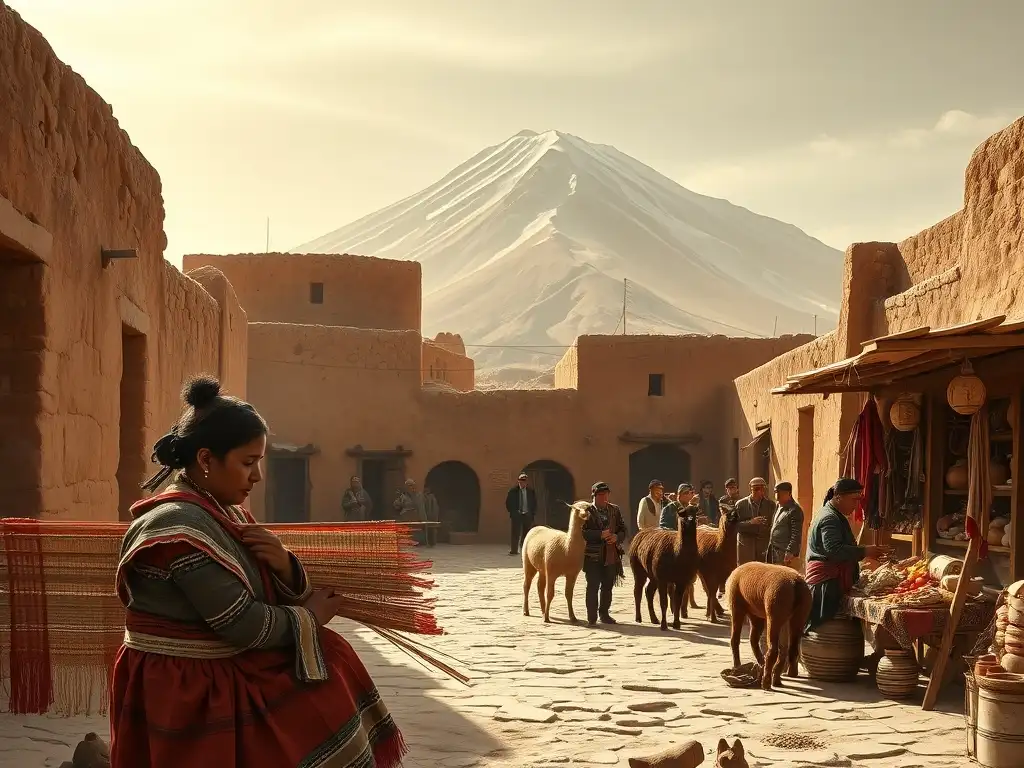
Understanding the social structure of Andean civilizations requires a nuanced look beyond simple hierarchical models. A crucial element often overlooked is the complex interplay between gender and social status. While patriarchal structures existed, the roles and influence of women varied significantly across different Andean cultures and time periods. The simplistic narrative of women solely as homemakers is inaccurate and fails to capture the dynamism and diversity of their contributions. This section will explore the multifaceted roles of women and the social significance of gender in shaping Andean societies.
The Roles of Women in Andean Communities
The roles of women in Andean communities were diverse and often depended on factors such as geographic location, specific cultural group, and social class. While agricultural labor was often gendered, with women playing a significant role in cultivating crops like potatoes and quinoa, their contributions extended far beyond the domestic sphere. Archaeological evidence suggests women participated in textile production, a highly valued skill, creating intricate fabrics for both everyday use and ceremonial purposes.
In some societies, women held positions of authority, particularly within religious contexts. For example, [specific information pending] regarding the roles of women in specific pre-Inca religious ceremonies. Furthermore, women's roles in managing household resources and participating in trade networks should not be underestimated.
Their economic contributions were vital to the functioning of Andean communities, impacting their overall social structure. The extent of their political influence, however, remains a topic of ongoing research and debate amongst scholars studying Andean civilizations social structure. More research is needed to fully elucidate the nuances of women’s power within different Andean groups.
Gender and Labor Division in the Inca Empire
The Inca Empire, known for its highly organized and centralized structure, presented a more defined, although still complex, gendered division of labor. Men were primarily responsible for activities such as warfare, herding llamas, and construction projects. Women, however, were not confined to domestic tasks.
They were heavily involved in textile production, which was crucial to the Inca economy and served as a significant source of tribute. The production of cumbi (a type of fine cloth) was a highly specialized skill requiring considerable expertise, and women who excelled in this craft often held positions of prestige within their communities. Furthermore, women played vital roles in agricultural production, particularly in the cultivation of terraced fields.
While the Inca Empire exhibited a patriarchal structure, with men holding the most powerful political positions, the contributions of women were essential to the empire's economic and social stability. The Inca system of mit'a (labor service) also included women, demonstrating their crucial role in the empire's infrastructure and resource management. The intricate tapestry of Andean civilizations social structure is highlighted by the essential roles women played in this vast empire.
Pre-Inca Andean cultures exhibited a wide range of gender dynamics. While generalizations are difficult due to the diversity of these societies, evidence suggests that women held varying levels of power and influence depending on the specific culture. In some cultures, such as the Moche, depictions in pottery and other artifacts suggest women held significant religious roles and even participated in warfare.
[Specific information pending] concerning the role of women warriors in Moche society. In contrast, other cultures may have exhibited more clearly defined patriarchal structures. The Nazca culture, for instance, while renowned for its geoglyphs, shows less clear evidence of powerful female figures in prominent societal roles.
Analyzing the social significance of gender in these pre-Inca societies requires careful consideration of archaeological evidence, iconography, and the limitations of interpreting past cultures through a modern lens. The diversity of these pre-Inca Andean civilizations social structure underscores the need for further research and analysis to fully appreciate the complexities of gender roles in this period. The study of Andean civilizations social structure continues to unravel fascinating details about the roles of women across diverse cultures and time periods.
The intricate social structures of Andean civilizations were profoundly shaped by religious beliefs and ritual practices. Religion wasn't a separate sphere of life; it permeated every aspect, from daily routines to monumental construction projects. Understanding the Andean worldview is crucial to deciphering the complexities of their social hierarchies and power dynamics.
The Andean concept of ayni—reciprocity—extended beyond simple exchange; it encompassed a cosmic balance maintained through ritual observance and the veneration of deities. Failure to uphold these religious obligations could disrupt this balance, impacting social order and potentially leading to societal unrest. This pervasive influence of religion on social structure is evident in various aspects of Andean life, as detailed below.
The Andean pantheon was vast and complex, featuring a hierarchy of deities reflecting the social structure itself. The supreme creator god, Viracocha (among the Inca, different names existed in other cultures), held the highest position, mirroring the emperor's authority. Other important deities, like the sun god Inti and the moon goddess Mama Killa, were also integral to the Inca worldview, and their importance influenced the social standing of those associated with their worship.
For example, priests dedicated to the sun god held significant power and prestige within Inca society. The worship of Pachamama, Mother Earth, emphasized the interconnectedness of humans and nature, further reinforcing the importance of maintaining ecological balance – a task often overseen by specific community leaders or shamans. The specific deities worshipped and the nature of their worship varied across different Andean cultures, leading to nuanced variations in social hierarchies.
For instance, the Moche civilization's intense focus on warfare and their pantheon of warrior-gods resulted in a social structure that heavily favored the military elite. More research is needed to fully understand the religious beliefs of lesser-known Andean cultures and how these beliefs influenced their social structures. [Specific information pending on the religious beliefs and social structure of lesser-known Andean groups like the Wari].
Priest and Shaman Roles in Andean Societies
Priests and shamans occupied crucial positions within Andean societies, acting as intermediaries between the human and divine realms. Their roles extended beyond simple religious functions; they often held considerable political and social influence. Inca priests, for example, advised the emperor on matters of state and played a significant role in administering justice and maintaining social order.
Their expertise in astronomy, agriculture, and medicine also made them indispensable figures in community life. Shamans, on the other hand, often operated at a more local level, providing healing services, divination, and mediating conflicts within their communities. The power and prestige of priests and shamans varied depending on their specific skills and the size and complexity of their communities.
The intricate knowledge and ritual expertise required for these roles ensured that they occupied elevated positions within the social hierarchy. The level of influence held by religious figures also varied across different Andean cultures, reflecting the different ways in which religion was integrated into social and political life. Furthermore, the training and selection processes for these roles often involved rigorous apprenticeships and demonstrated a strong connection to lineage and social standing.
Religious festivals served as crucial mechanisms for reinforcing social cohesion and reaffirming the existing social order within Andean civilizations. These festivals, often elaborate and spectacular events, involved large-scale participation from all social strata. Through collective rituals, such as agricultural ceremonies or the celebration of specific deities, a sense of shared identity and purpose was fostered. The Inca's Inti Raymi, the festival celebrating the sun god, is a prime example.
This grand event brought together people from across the empire, reinforcing the emperor's authority and promoting social unity. The festivals were not just celebratory; they also served as opportunities to reaffirm social roles and responsibilities. For instance, the distribution of food and resources during festivals underscored the reciprocal relationships that underlay Andean society and reinforced the obligations of the elite to care for their subjects.
Additionally, participation in these rituals was a way to demonstrate loyalty and reaffirm one's place within the existing social hierarchy, strengthening the overall structure of Andean society. The vibrant and diverse nature of these festivals across different Andean cultures highlights the importance of religion in maintaining social order and promoting collective identity. 🎊
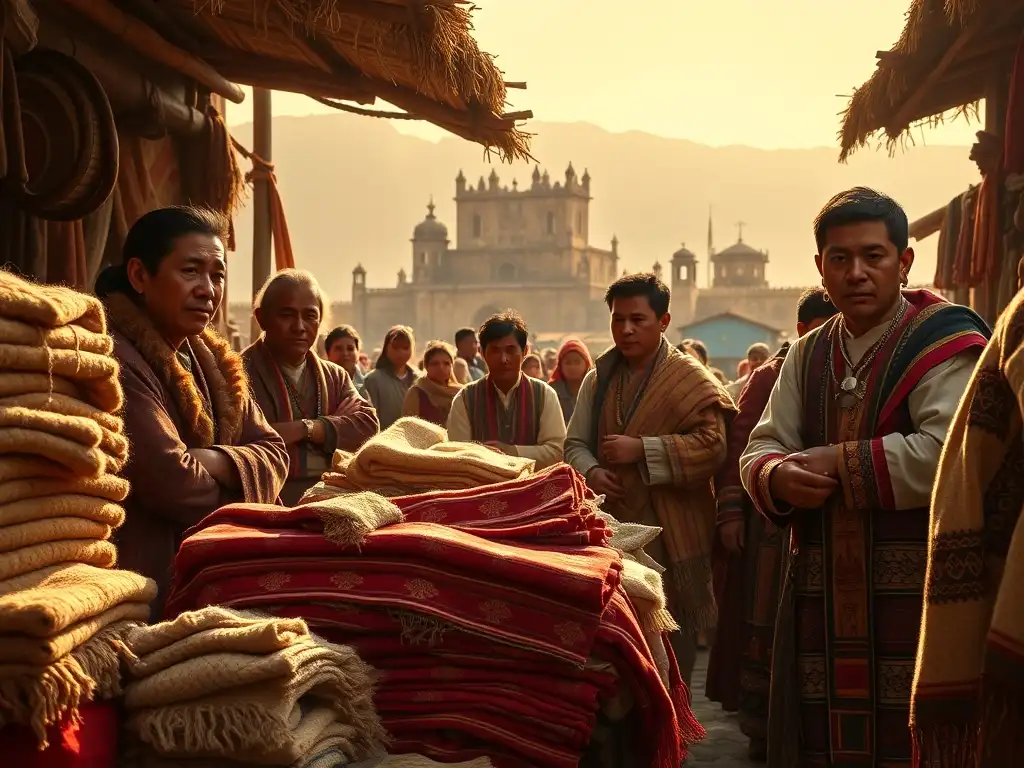
The intricate social structures of Andean civilizations weren't solely defined by lineage or religious authority; economic factors played a crucial, interwoven role. Understanding the complex interplay between agricultural production, resource control, and trade networks is key to deciphering the nuances of Andean social stratification.
The distribution of wealth and access to vital resources directly impacted an individual's position within the hierarchical system, shaping power dynamics and social mobility (or lack thereof). This section delves into the specific economic mechanisms that underpinned the social hierarchies of these remarkable civilizations, exploring how these factors contributed to the overall Andean civilizations social structure.
Andean agricultural practices were remarkably sophisticated for their time, profoundly shaping social organization. The development of advanced irrigation systems, terracing techniques (like the impressive waru waru system), and crop diversification allowed for surplus production—a critical factor in supporting larger, more complex societies. This surplus wasn't evenly distributed. Elite classes, often priests and rulers, controlled prime agricultural lands and the labor needed to cultivate them. This control translated directly into economic power and solidified their social standing.
For example, the Inca Empire's mit'a system, while ostensibly a form of communal labor, also served to consolidate power in the hands of the ruling class. While the mit'a obligated all able-bodied citizens to contribute labor to public works projects, the elite were exempt, further highlighting the economic disparity built into the system. The allocation of land and the management of agricultural output were key mechanisms for maintaining and reinforcing social hierarchy within the Andean civilizations social structure.
The distribution of food surpluses, often used for feasts and ceremonies, served as a powerful tool to demonstrate and reinforce the dominance of the elite. Detailed records, while scarce, suggest that different social groups had access to varying quantities and qualities of food, reflecting their hierarchical positions.
Beyond agriculture, control over other vital resources—minerals, textiles, and specialized crafts—directly influenced social power. Access to precious metals like gold and silver, often used in religious rituals and adornments, was heavily restricted to the elite. The control of these resources not only signified wealth and power but also reinforced religious authority, as these materials were often associated with divine beings.
Similarly, the production of high-quality textiles, often intricately woven with symbolic designs, was a key indicator of social status. Specialized artisans, many of whom were likely tied to elite households or religious institutions, held a privileged position within the social hierarchy due to their expertise and access to valuable resources. This control over essential goods and specialized skills contributed significantly to the complex social stratification observed across various Andean civilizations. The concentration of resources in the hands of a select few is a recurring theme in understanding the Andean civilizations social structure.
Extensive trade networks connected different Andean societies, further influencing social stratification. Long-distance exchange of goods like coca leaves, ceramics, and exotic feathers created opportunities for certain groups to accumulate wealth and power. Merchants and traders, particularly those involved in long-distance trade, often enjoyed a relatively high social standing due to their access to valuable goods and their role in connecting different regions.
However, the benefits of trade weren't equally distributed. Access to trade routes and control over key trade goods often favored elite groups, reinforcing existing power structures. The control of ports, mountain passes, and other strategic locations crucial for trade further solidified the economic and social dominance of certain groups. The impact of trade on Andean social structures was multifaceted and complex, contributing to the overall dynamic and uneven distribution of power within the Andean civilizations social structure. Further research is needed to fully understand the nuanced relationships between trade networks and social mobility in different Andean societies.
The intricate social structures of Andean civilizations, far from disappearing with the arrival of the Spanish conquistadors, left an indelible mark on subsequent societies. Understanding this legacy requires moving beyond a simplistic narrative of conquest and replacement, to appreciate the complex interplay between pre-Columbian systems and colonial and post-colonial realities. The Andean civilizations social structure, characterized by hierarchical systems and sophisticated forms of social organization, profoundly shaped the political, economic, and cultural landscapes of the region for centuries to come.
This enduring influence is evident in various aspects of modern Andean life, reflecting the resilience and adaptability of these ancient social systems. Analyzing this legacy allows us to gain a deeper understanding of the Andean world, both past and present.
The Spanish crown, upon conquering the Inca Empire, attempted to dismantle existing power structures and impose its own hierarchical system. However, the complete eradication of pre-Columbian social organization proved impossible. The ayllu, the traditional Andean community-based system, demonstrated remarkable resilience.
While modified and adapted to the colonial context, the ayllu continued to function as a crucial social and economic unit, providing a framework for community organization and resource management. This persistence is documented in numerous colonial-era records showcasing the ayllu's role in labor organization (like the mita system, though heavily exploited) and in maintaining social cohesion despite the oppressive colonial regime.
The Spanish colonial administration, despite its efforts to centralize power, often had to rely on pre-existing Andean social networks and hierarchies to govern effectively. Local leaders, often those who had held positions of authority within the Inca system, were frequently co-opted into the colonial bureaucracy, maintaining a degree of influence and control at the local level. This pragmatic approach, born out of necessity, inadvertently preserved elements of the Andean social structure within the colonial framework.
The resulting hybrid system, a blend of Spanish colonial authority and adapted Andean social practices, shaped the political and social dynamics of the region for centuries. Even the introduction of new religious beliefs saw syncretism, with indigenous practices often incorporated into the newly imposed Catholic faith.
The Enduring Impact on Modern Andean Cultures
The enduring influence of Andean social systems extends into the contemporary era. Modern Andean societies, while vastly different from their pre-Columbian predecessors, retain vestiges of the ancient social structures in their community organization, social values, and even their political systems. The concept of ayni, the principle of reciprocity and mutual support, continues to be a cornerstone of many Andean communities, shaping social interactions and economic exchanges. This principle, deeply rooted in the ancient Andean worldview, fosters cooperation and collective action, crucial for navigating the challenges of contemporary life in often marginalized communities.
Furthermore, many contemporary Andean social movements draw inspiration from pre-Columbian forms of social organization and resistance. The emphasis on community-based action, collective decision-making, and the assertion of indigenous rights reflect a continuity with the values and practices of the ancient Andean civilizations. This connection to the past provides a powerful framework for social activism and the struggle for self-determination in the present day.
Analyzing modern Andean social movements reveals how the past continues to shape the present, highlighting the enduring legacy of the Andean civilizations social structure on the region's cultural and political landscape. The resilience of these ancient systems underscores their profound and lasting impact, making the study of Andean social structures crucial to understanding the complexities of modern Andean societies.
Frequently Asked Questions
Andean societies were not monolithic. Their social structures were complex and varied across different civilizations, but generally revolved around kinship, religious authority, and agricultural productivity. Elite classes held significant power, often linked to religious roles.
How did the Inca Empire organize its society?
The Inca Empire implemented a highly structured system based on a vertical archipelago model, connecting different ecological zones. This system involved a rigid hierarchy with the Sapa Inca at the top, followed by nobles, priests, and commoners. Ayllus, or kinship groups, formed the foundation of community organization.
No, while some similarities existed, significant variations occurred. The Moche emphasized military power and a theocratic elite, while the Nazca likely had a more decentralized structure. Tiahuanaco's social organization remains partially unclear, but evidence points to a complex system with strong religious influence.
Religion played a crucial role, often intertwined with political power. Priests and religious elites held significant influence, controlling resources and ceremonies. Religious beliefs shaped social norms, rituals, and the distribution of labor and resources.
The hierarchical structure, particularly the centralized control in empires like the Inca, facilitated large-scale projects, such as road systems and irrigation. Specialized labor within the social hierarchy contributed to advancements in agriculture, textiles, and metallurgy.
Final Reflection: Unraveling the Threads of Andean Legacy
The intricate social structures of the Andes, far from being relics of a distant past, continue to resonate deeply within the fabric of contemporary Latin American societies. Their enduring influence shapes political systems, economic models, and even cultural expressions, reminding us of the profound and lasting impact of these remarkable civilizations. Understanding their complexity is not merely an academic exercise; it's a crucial step towards appreciating the richness and diversity of human experience.
The legacy of Andean social organization, with its sophisticated systems of reciprocity, hierarchical structures, and intricate kinship networks, continues to inform our understanding of social dynamics in diverse contexts. The echoes of their ingenuity are evident in contemporary community-based initiatives, the enduring importance of family ties, and the persistent struggle for equitable distribution of resources. The past is never dead. It's not even past.
– William Faulkner. This quote perfectly encapsulates the enduring relevance of studying Andean civilizations and their social structures, as their impact reverberates through time and continues to shape our present.
Consider the intricate balance of power, the innovative agricultural techniques, and the profound spiritual beliefs that characterized these societies. These elements, though expressed in a different time and place, offer valuable lessons for navigating the complexities of our own world. You, the reader, are now equipped with a deeper understanding of Andean social complexity. Reflect on how these insights might inform your own perspectives on social structures, power dynamics, and the enduring legacy of past civilizations. Let the echoes of the Andes inspire you to explore the unseen layers of your own community and the world around you.
Embark on Your Andean Adventure Today!
Thank you for exploring the fascinating complexities of Andean society! You've gained valuable insights into the richness of this extraordinary culture. Let's build on those discoveries—here are some ways to deepen your connection with the Andean community:
- Explore local Andean art: Visit nearby galleries or markets to appreciate and support authentic Andean artisans.
- Join a community forum: Connect with other enthusiasts on our website to share your experiences and engage in stimulating discussions about Andean civilizations.
- Attend a cultural event: Look for local festivals or online events that celebrate Andean traditions and heritage.
What aspect of Andean civilization has captivated you most, and how would you like to learn more about it?