
The Hierarchy of Moche Society: Gods, Rulers, and Common Folk

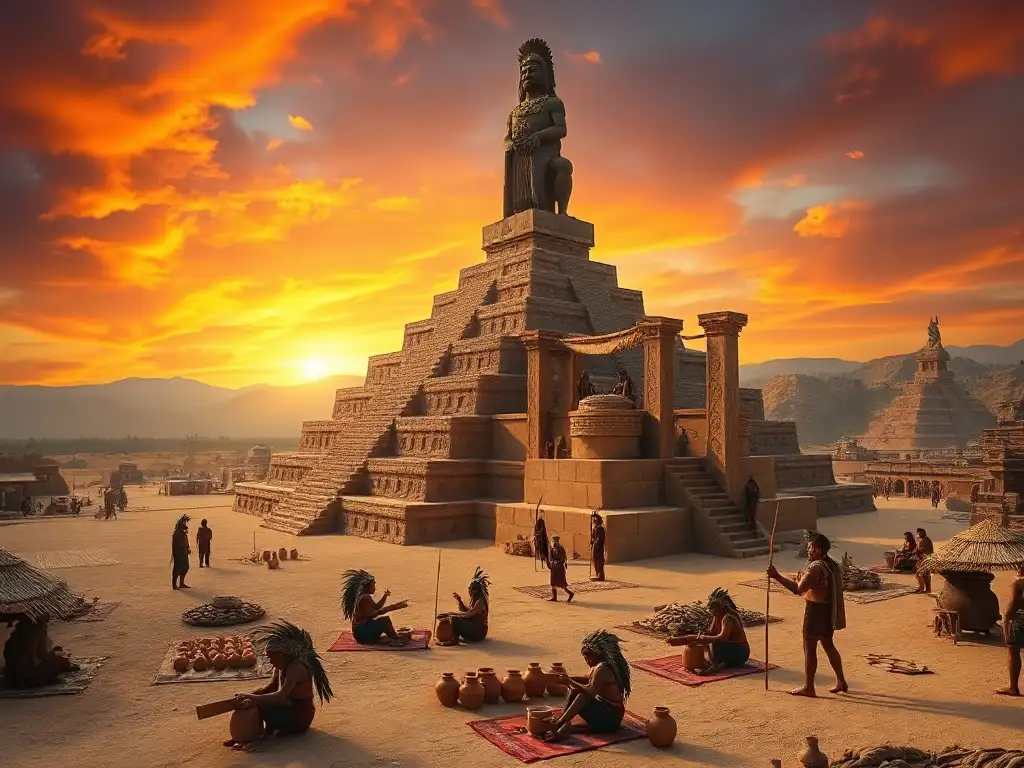
Step into a world lost to time, yet echoing with the power and mystery of the Andes. Prepare to unravel the intricate tapestry of Andean Civilizations, where empires rose and fell, leaving behind breathtaking legacies in art, technology, and societal structures. But what truly shaped these ancient societies? Discover the fascinating complexities of the Moche social hierarchy structure, a system that reveals much about their beliefs, power dynamics, and daily lives. Dive in and uncover the secrets held within the layers of this remarkable civilization – the gods, the rulers, and the common folk – and their interwoven destinies.
- Understanding the Moche Social Hierarchy Structure
- The Divine Rulers: Power at the Top of the Moche Social Pyramid
- The Noble Class: Supporting the Moche Elite
- The Common People: The Foundation of Moche Society
- The Moche Social Structure: A Rigid and Hierarchical System
- Moche Social Stratification: A Look at Everyday Life
- The End of the Moche Social Order: Factors and Transformations
- Frequently Asked Questions
- Final Reflection: Unraveling the Threads of Moche Society
- Unveil the Legacy of Moche Society Today!
The Moche civilization, flourishing along the northern coast of Peru from approximately 100 CE to 800 CE, was a remarkably sophisticated society with a complex social structure. Understanding their hierarchical system is crucial to comprehending their achievements in art, architecture, engineering, and agriculture. This article delves into the intricate layers of Moche society, exploring the roles and privileges of its various members, from the divine figures at the apex to the commoners forming the base.
We will examine the evidence – primarily archaeological findings such as elaborate tombs, monumental architecture, and iconography – to paint a picture of their social organization, addressing the keyword "Moche social hierarchy structure" and its nuances. This investigation will reveal how this hierarchical system underpinned the Moche's remarkable cultural and technological advancements, offering a deeper understanding of this fascinating ancient civilization.
The Moche were not a unified empire in the same way as the Inca, but rather a collection of interconnected chiefdoms or regional centers governed by powerful elites. Archaeological evidence suggests a highly stratified society with a clear hierarchy. Their social organization was deeply intertwined with their religious beliefs, with the ruling class often portrayed as having a divine or semi-divine status.
This connection between religious authority and political power is a recurring theme in Moche iconography, which depicts rulers performing rituals and interacting with supernatural beings. The intricate system of irrigation canals, vast public works projects, and sophisticated agricultural techniques all point to a highly organized and centralized administration capable of mobilizing significant labor forces. This organization, however, was not egalitarian; the benefits of these advancements were not equally distributed, reinforcing the existing social hierarchy.
The Moche social structure wasn't rigid and unchanging. While the elite maintained their positions of power, there's evidence suggesting some social mobility, though the extent of this remains a subject of ongoing research and debate among archaeologists. The study of Moche burials, for instance, reveals variations in grave goods and the richness of offerings, suggesting differences in social status and access to resources. Furthermore, the depiction of various social groups in Moche art allows us to analyze their relative positions and roles within the broader societal framework.
The Moche Elite: Priests and Rulers
At the pinnacle of the Moche social hierarchy were the priests and rulers, often considered interchangeable in their roles and power. These individuals controlled the resources, commanded the labor force, and held significant religious authority. Their status is evidenced by their elaborate burials, often containing gold and silver ornaments, finely crafted ceramics, and other luxurious grave goods. These burials frequently include human sacrifices, highlighting their power and the extent of their control over the lives of their subjects.
The imagery of rulers and priests in Moche art depicts them with elaborate headdresses, regalia, and symbols of power, emphasizing their divine connection and authority. Their palaces and temples, often located in strategically important positions, further underscore their dominance. The construction of these monumental structures required the coordinated efforts of a large workforce, showcasing the elite's ability to mobilize and control labor.
The Warrior Class and Military Organization
The Moche civilization, despite its agricultural focus, possessed a strong military component. Archaeological evidence, including depictions of warriors in their art and the discovery of weaponry, indicates a significant warrior class. These warriors, likely drawn from the upper echelons of society, played a crucial role in maintaining order, expanding Moche territory, and protecting their resources.
Their status might have been hereditary, or achieved through merit, though the exact mechanisms of recruitment and advancement within the warrior class are still being investigated. Their presence in the hierarchy reflects the importance of military strength in consolidating and maintaining Moche power. The impressive scale of their military campaigns and their ability to maintain control over a vast territory highlight the effectiveness of their military organization and the social status afforded to those who served within it.
Artisans and Craftspeople
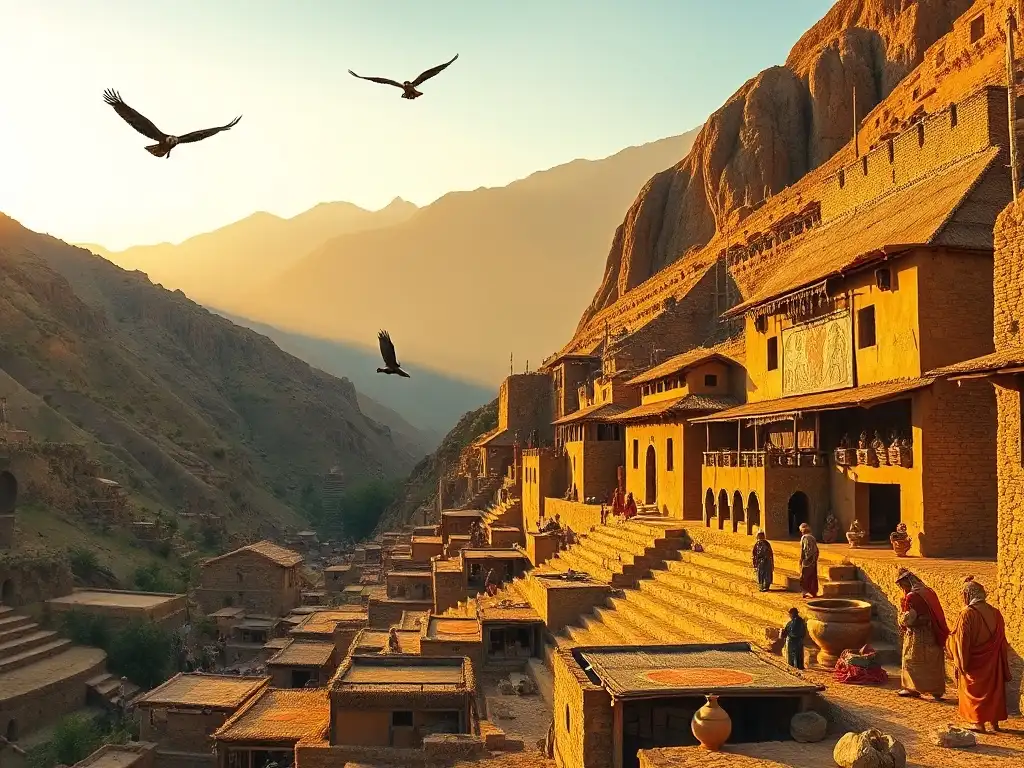
Below the elite and warrior classes, the Moche society contained a large population of skilled artisans and craftspeople. These individuals were responsible for producing the exquisite ceramics, textiles, metalwork, and other artifacts that are characteristic of Moche culture. Their skills were highly valued, and their creations served both practical and ceremonial purposes.
While not holding the same political power as the elite, their specialized knowledge and craftsmanship were essential to the functioning of the society. The level of skill and artistry displayed in Moche artifacts suggests a high degree of specialization and possibly the existence of workshops or guilds where these artisans worked. The social standing of artisans likely varied depending on their specialization and the demand for their products.
Commoners and Farmers
The vast majority of the Moche population consisted of commoners, primarily farmers who cultivated the fertile lands along the coast. Their labor was essential to the survival of the civilization, providing the agricultural surplus that supported the elite and sustained the urban centers. Archaeological remains, such as residential structures and agricultural tools, offer insights into their daily lives and working conditions.
While less prominently depicted in Moche art than the elite classes, their contribution to the society was undeniably crucial. The sophisticated irrigation systems and agricultural techniques employed by the Moche required a considerable amount of coordinated labor, demonstrating the collective efforts of these commoners. The social standing of farmers likely varied based on land ownership and access to resources, but the majority formed the base of the Moche social pyramid.
The Moche social hierarchy was a complex and dynamic system, reflecting the interplay of religious beliefs, political power, military strength, and economic production. While the elite held a dominant position, the contributions of artisans and farmers were essential to the functioning of the society. Further research and archaeological discoveries continue to refine our understanding of the nuances and complexities of this fascinating ancient civilization, offering new perspectives on the intricate social fabric of the Moche people.
The "Moche social hierarchy structure" was not static; it evolved and adapted over time, reflecting the changing circumstances and needs of the civilization. Understanding this dynamic interplay is key to grasping the true nature of Moche society and its remarkable legacy.
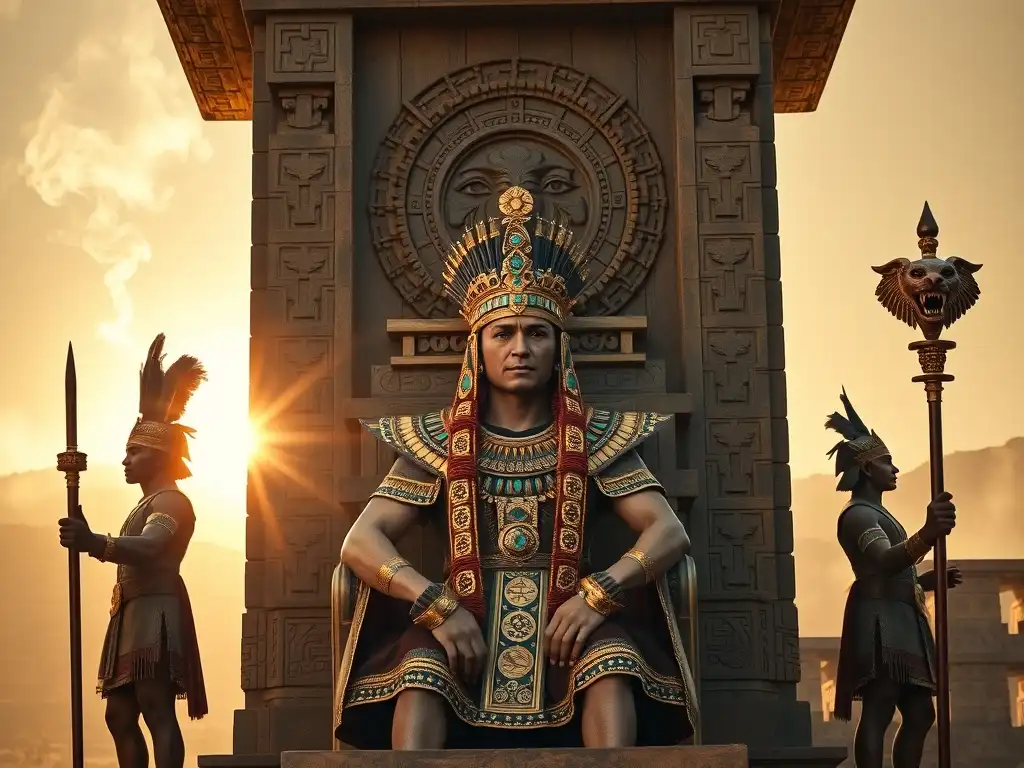
The Moche social hierarchy structure placed immense power in the hands of a select few, primarily the priest-kings. These individuals weren't merely political leaders; they were considered divine intermediaries, possessing both temporal and spiritual authority. This unique blend of power allowed them to control virtually every aspect of Moche life, from resource allocation to religious ceremonies. Understanding the Moche social hierarchy requires acknowledging the almost god-like status of these rulers.
Their power wasn't solely based on force, but on a carefully cultivated image of divinity and their crucial role in maintaining cosmic order. The Moche believed that their rulers ensured the prosperity and fertility of their land through their connection to the supernatural realm. This belief system solidified their position at the apex of the Moche social hierarchy.
The Role of the Priest-Kings in Moche Society
The priest-kings of the Moche civilization held a multifaceted role, seamlessly blending religious and political leadership. Their priestly duties involved conducting elaborate ceremonies, offering sacrifices, and interpreting the will of the gods. These rituals, often depicted in intricate Moche pottery, were crucial for ensuring a successful harvest, rainfall, and the overall well-being of the society. Simultaneously, they acted as the supreme political authority, making decisions regarding warfare, infrastructure development, and the distribution of resources.
The intricate balance of these roles is vital in understanding the Moche social hierarchy structure. Evidence suggests these rulers held absolute power, their decisions largely unquestioned, and their commands obeyed without hesitation. The power of the priest-king wasn't just a matter of authority; it was ingrained in the very fabric of Moche belief and social order. Their authority maintained the social structure, allowing the civilization to thrive.
Evidence of Moche Rulership: Iconography and Burials
The Moche social hierarchy structure is vividly illustrated through the iconography found in their art and the grandeur of their burial sites. Moche pottery frequently depicts powerful figures adorned with elaborate headdresses, jewelry, and regalia, signifying their high status within the society. These images, often featuring the rulers performing ritual acts or engaged in warfare, serve as powerful propaganda, reinforcing their divine authority and the legitimacy of their rule.
Furthermore, the lavish burials of Moche elites provide compelling evidence of their exceptional power and wealth. Tombs containing gold ornaments, intricate textiles, and sacrificed human beings underscore the reverence and resources devoted to those at the top of the Moche social hierarchy.
The scale and complexity of these burial sites far exceed those of commoners, highlighting the vast differences in social standing. The sheer extravagance of these burials reinforces the idea of divine rulers and their privileged position within the Moche social structure.
Moche Elite Power: Controlling Resources and Labor
The Moche elite's power extended far beyond religious and ceremonial roles. They held absolute control over essential resources, including land, water, and labor. This control allowed them to amass significant wealth and maintain their elevated social status.
The Moche relied on extensive irrigation systems for agriculture, and the elite likely controlled the distribution of water, ensuring the productivity of the land and the loyalty of those who depended on it. Moreover, they likely controlled the labor force, organizing large-scale public works projects, such as the construction of monumental structures and irrigation canals. This control over resources and labor was integral to the Moche social hierarchy structure.
Evidence suggests a hierarchical system of labor, with commoners obligated to contribute their work to the benefit of the elite, further cementing their dominant position in the social fabric of Moche society. The effective management of these resources ensured the stability and prosperity of the Moche civilization, directly linked to the power of the elite.
The Noble Class: Supporting the Moche Elite
The Moche social hierarchy structure was complex, with a clear distinction between the elite and the commoners. While the curaca (supreme ruler) occupied the apex, a powerful noble class provided crucial support, wielding significant influence and authority within Moche society. This nobility wasn't simply a hereditary group; achievements in warfare, religious service, or administrative prowess could elevate individuals into this privileged stratum.
Their social standing granted them access to resources, luxury goods, and the best land, starkly contrasting with the lives of the commoners. The Moche's highly stratified society ensured the stability and continuity of their powerful civilization. Evidence for this comes from the lavish tombs and artifacts found at elite burial sites, showcasing the wealth and power concentrated within this class.
The intricate gold and silver jewelry, fine textiles, and elaborate ceramics unearthed from these sites speak volumes about the privileged lifestyles enjoyed by the Moche nobility. Furthermore, the scale and complexity of Moche public works projects, such as irrigation systems and monumental architecture, suggest a highly organized society capable of mobilizing significant labor, a feat likely orchestrated by this powerful elite.
The Moche warrior elite held a prominent position within the noble class. Their military prowess and battlefield victories were crucial to maintaining the Moche kingdom's territorial integrity and expanding its influence. These warriors weren't merely soldiers; they were highly trained professionals, often depicted in Moche art wielding sophisticated weaponry and riding into battle on horseback.
Their status was reinforced by their access to superior weaponry and armor, further highlighting their social standing within the Moche social hierarchy structure. The iconography found on Moche pottery and metalwork often portrays warriors engaged in combat, emphasizing their role as protectors of the kingdom and symbols of Moche power. Their successful military campaigns likely brought them significant wealth and prestige, solidifying their positions within the elite.
The size and complexity of Moche military campaigns suggest a well-organized and highly disciplined military force, likely under the command of experienced and respected warrior leaders. These leaders, undoubtedly, enjoyed significant social and political power within the Moche state.
Parallel to the military power of the warrior elite, the Moche priesthood commanded immense influence and authority. As intermediaries between the earthly and spiritual realms, Moche priests played a vital role in maintaining social order and ensuring the prosperity of the kingdom. Their religious knowledge and ritual expertise were highly valued, granting them access to resources and social standing comparable to the warrior elite.
The elaborate rituals and ceremonies performed by these priests are depicted in detail on Moche pottery, showcasing the complexity and importance of their religious practices within the Moche social hierarchy structure. The construction and maintenance of magnificent temples and pyramids, centers of religious activity, required significant manpower and resources, demonstrating the vast power and influence wielded by the Moche priesthood.
The priests' role in interpreting omens, conducting divination, and managing sacred sites solidified their position within the elite, influencing political decisions and shaping societal norms. Their influence extended beyond the purely religious sphere, impacting daily life and social interactions.
Moche Administrators and Bureaucrats: Managing the Kingdom
The efficient functioning of the Moche state relied heavily on a skilled class of administrators and bureaucrats. These individuals were responsible for managing the kingdom's resources, overseeing public works projects, collecting taxes, and maintaining order. Their organizational skills and administrative expertise were essential to the smooth operation of the Moche social hierarchy structure.
While perhaps not as visibly powerful as the warrior elite or the priests, Moche administrators and bureaucrats held considerable influence behind the scenes. Evidence suggests a complex system of record-keeping and accounting, indicating a sophisticated administrative apparatus. The construction of large-scale irrigation systems, for example, required meticulous planning and coordination, highlighting the critical role played by Moche administrators in managing resources and labor.
These individuals, often appointed based on merit and ability, formed a crucial pillar of the Moche state, ensuring the efficient functioning of the kingdom and contributing significantly to its stability and prosperity. Their expertise in managing the kingdom's affairs played a crucial role in maintaining the Moche's power and influence.
The Common People: The Foundation of Moche Society
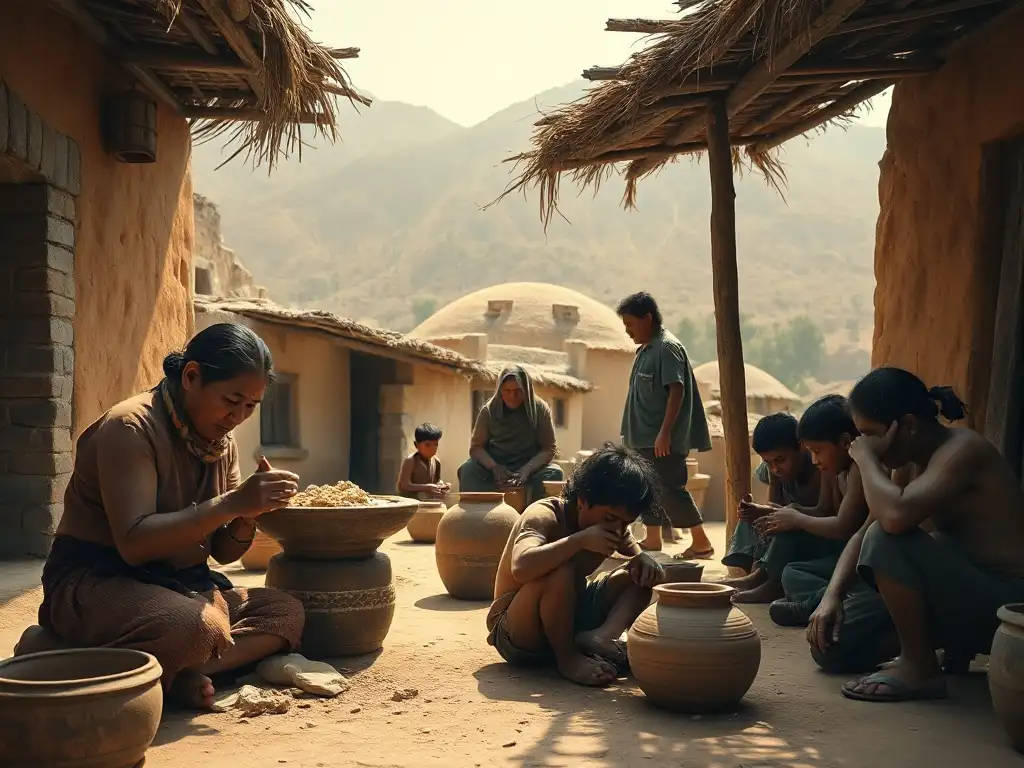
The Moche social hierarchy structure, while clearly exhibiting a powerful elite, rested fundamentally on the labor and contributions of its common people. These individuals, though not holding positions of power, were vital to the functioning and prosperity of the Moche state. Their diverse roles, ranging from agriculture and fishing to skilled craftsmanship, ensured the survival and cultural flourishing of the civilization.
Understanding their contributions is crucial to appreciating the complexity of the Moche social system and its remarkable achievements. The Moche social hierarchy wasn't just about the rulers; it was about the intricate web of interdependence between all its members. The common people were the foundation upon which the entire structure was built.
Moche Farmers and Agricultural Workers: Sustaining the Population
Moche farmers were the backbone of the society, responsible for producing the food that sustained the entire population. Their agricultural practices, remarkably sophisticated for their time, involved intricate irrigation systems, terraced farming on steep slopes, and the cultivation of a variety of crops. Evidence suggests they grew maize, beans, squash, potatoes, and cotton, utilizing a complex system of canals and reservoirs to manage water resources effectively. 1 These farmers weren't simply subsistence cultivators; they were integral to the economic engine of the Moche state, providing surplus produce that supported the elite and fueled trade. The success of the Moche civilization hinged on the productivity and skill of its agricultural workforce. The sheer scale of their irrigation projects, visible even today in the form of impressive ruins, testifies to their organizational abilities and the importance of agriculture within the Moche social hierarchy structure. Archaeological excavations consistently reveal evidence of specialized tools and techniques employed by these farmers, highlighting their expertise and dedication.
Moche Artisans and Craftspeople: Contributing to Moche Culture
Beyond the agricultural sector, the Moche possessed a thriving community of skilled artisans and craftspeople. Their artistry is legendary, evident in the exquisite metalwork, pottery, textiles, and jewelry that have survived to the present day. Moche artisans were highly specialized, with some focusing on intricate gold and silver work, others on the creation of lifelike ceramic vessels depicting scenes of daily life, mythology, and warfare.
These artisans weren't simply producing functional objects; their work played a significant role in shaping Moche culture and religious beliefs. The production of these artifacts required not only technical skill but also a deep understanding of Moche aesthetics and symbolic language. The intricate details and high quality of Moche artwork suggest a hierarchical structure within the artisan community itself, with master craftspeople likely overseeing apprentices and workshops.
The Moche social hierarchy structure included these artisans as integral contributors to the societal wealth and cultural identity. Their contributions were crucial to the Moche's renown for their sophisticated and visually stunning art.
Moche Fishermen and Coastal Communities: Utilizing Marine Resources
Along the coast, Moche fishermen played a vital role in supplementing the agricultural economy. The Pacific Ocean provided a rich source of protein and other resources, and the Moche developed advanced fishing techniques to exploit these resources effectively. Evidence suggests they used various fishing methods, including nets, hooks, and possibly even traps, to catch a wide variety of fish and marine animals.
Coastal communities were well-integrated into the broader Moche social hierarchy structure, contributing significantly to the food supply and possibly also engaging in trade with other coastal settlements or even more distant regions. The presence of fish remains in archaeological sites alongside agricultural products underscores the importance of marine resources in the Moche diet and economy.
Furthermore, the discovery of specialized fishing tools and coastal settlements indicates a level of organization and specialization within these communities, reflective of the broader Moche societal organization. The successful exploitation of marine resources added another layer of complexity and resilience to the Moche social hierarchy structure.
1 Further research is needed to quantify the exact crop yields and irrigation techniques employed by Moche farmers.
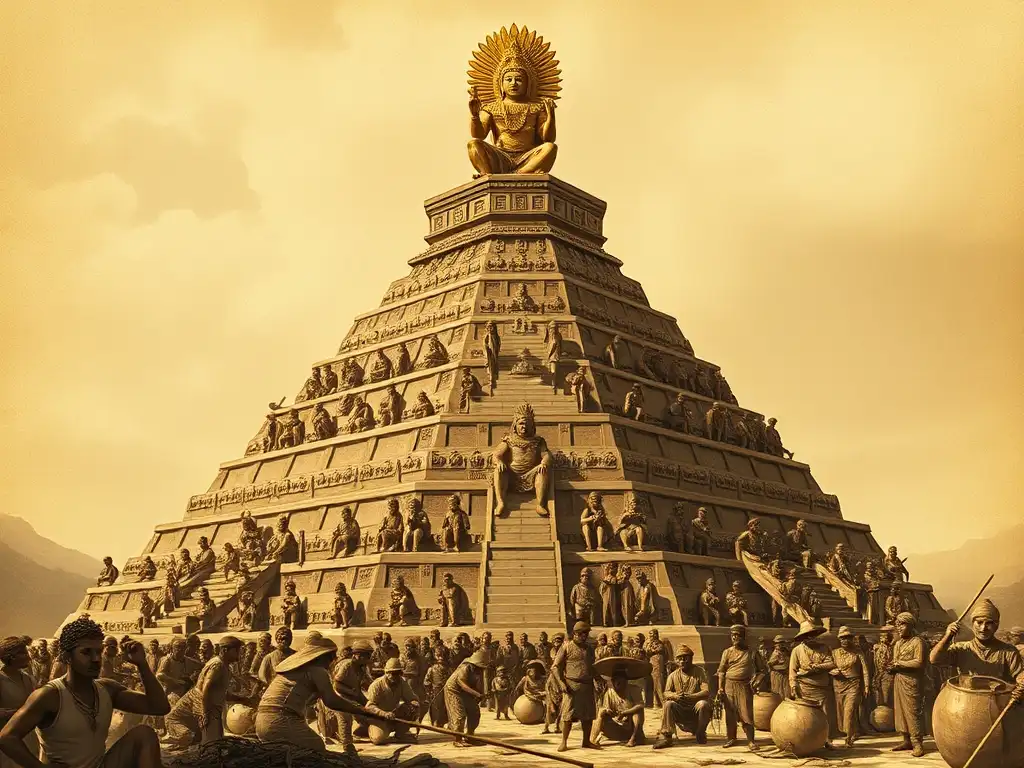
The Moche social hierarchy structure was remarkably rigid, mirroring a deeply stratified society where social mobility was extremely limited. Archaeological evidence, primarily from elaborate burial sites and the iconography depicted on Moche pottery, reveals a clear delineation between the elite and the commoners. This wasn't simply a matter of wealth; it was a system intricately woven into their religious beliefs and worldview.
Understanding this structure requires examining the interplay of religious authority, political power, and economic control, all of which reinforced the existing social order. The Moche social hierarchy wasn’t simply a pyramid; it was a complex system of interconnected roles and responsibilities, where each level played a vital part in maintaining the stability of the entire civilization. The system's effectiveness is evidenced by the Moche's impressive achievements in irrigation, agriculture, and monumental architecture.
Their sophisticated social organization was crucial to their remarkable success. Analyzing this structure reveals insights into the Moche's understanding of power, divinity, and social order.
The Moche class system was largely hereditary, with little evidence suggesting significant upward social mobility. While some individuals might have gained influence through exceptional military prowess or religious devotion, these instances seem to be exceptions rather than the rule. The vast majority of Moche people remained within their assigned social strata throughout their lives.
This rigid structure is reflected in the stark differences in burial practices. Elite burials, often containing elaborate grave goods such as gold ornaments, finely crafted ceramics, and even human sacrifices, stand in stark contrast to the simple interments of commoners. The sheer disparity in funerary practices underscores the entrenched nature of Moche social stratification.
Furthermore, analysis of Moche pottery reveals consistent depictions of social hierarchy, with rulers and priests portrayed in positions of authority over commoners engaged in agricultural labor or craft production. This visual representation reinforces the idea that social status was a deeply ingrained aspect of Moche identity, passed down through generations. Further research into [specific examples of potential social mobility within the Moche society pending] would provide a more nuanced understanding of this aspect of their social organization.
Religion played a crucial role in legitimizing and reinforcing the Moche social hierarchy. The Moche pantheon, populated by powerful deities often depicted in anthropomorphic or zoomorphic forms, served as a powerful symbol of the elite's authority. Priests, acting as intermediaries between the divine and the mortal realm, occupied a privileged position within the social structure.
Their control over religious rituals and ceremonies, including those involving human sacrifice, solidified their power and influence. The iconography on Moche ceramics frequently portrays rulers and priests alongside deities, emphasizing their divine connection and reinforcing their elevated status. The elaborate rituals and ceremonies were not merely religious acts; they were powerful displays of power and authority, designed to maintain the existing social order.
The close relationship between the ruling class and the priestly class suggests a symbiotic relationship where religious legitimacy bolstered political power. This intricate intertwining of religion and politics was central to the Moche social hierarchy structure. The use of religious iconography to represent and reinforce social status is a key element of understanding the Moche "social hierarchy structure".
The material culture of the Moche civilization provides compelling evidence of its stratified social structure. The quality and quantity of grave goods found in Moche burials directly correlate with the social status of the deceased. Elite burials are characterized by an abundance of finely crafted objects, including gold and silver ornaments, intricate textiles, and elaborate ceramics, often depicting scenes of ritual and warfare.
These lavish grave goods clearly distinguish the elite from the commoners, whose burials contain far less elaborate objects. The production of these high-quality goods also reflects the existence of specialized craftspeople who likely held a higher social standing than those engaged in agricultural labor. This specialization further reinforces the Moche social hierarchy structure, with skilled artisans occupying a position above the majority of the population.
The distribution of these artifacts across different Moche sites also provides insights into regional variations in social structure and the potential for localized power dynamics. Analyzing the material culture, therefore, offers a tangible and detailed glimpse into the complexities of Moche social stratification. The variation in the quality and quantity of grave goods clearly reflects the Moche social hierarchy structure.
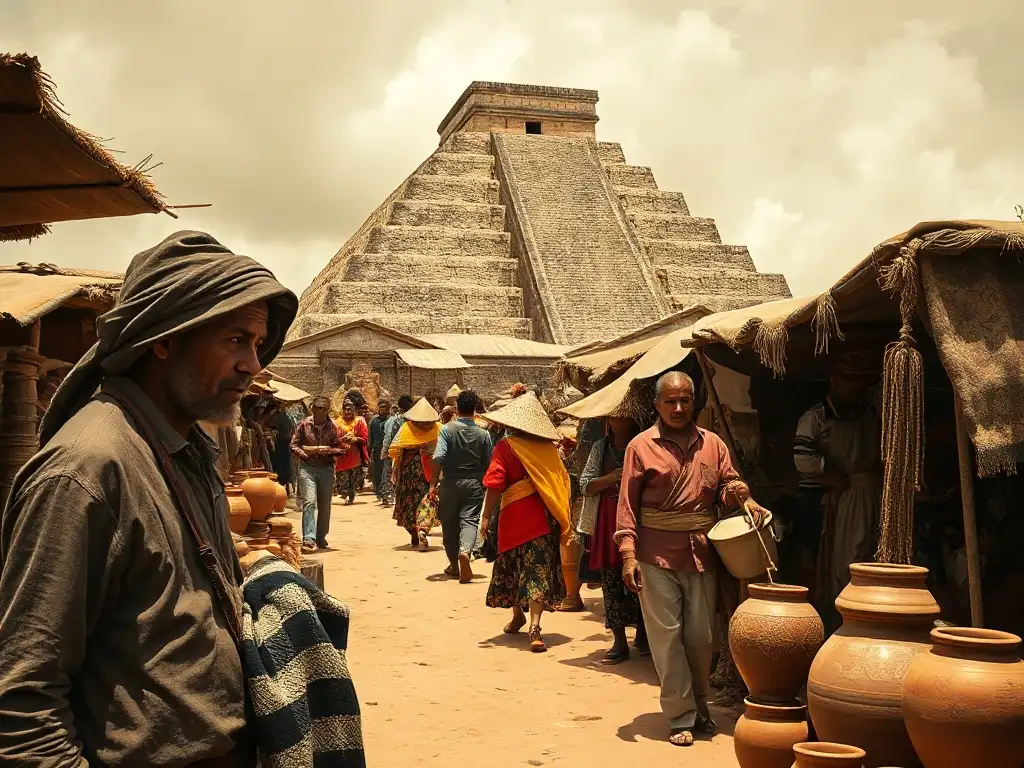
The Moche social hierarchy structure wasn't simply a rigid pyramid; it was a complex system reflected in daily life, impacting everything from the type of house one inhabited to the food consumed and the clothes worn. Understanding this stratification provides crucial insights into the Moche civilization's social dynamics and power structures. Analyzing archaeological evidence, such as burial sites and residential areas, allows us to reconstruct, with a degree of accuracy, the everyday experiences of individuals at different levels of Moche society.
The Moche social hierarchy, while seemingly absolute, also displayed a degree of fluidity, with potential for social mobility, albeit limited, based on merit or circumstances. This nuanced picture challenges simplistic interpretations of a purely static social order.
Moche housing directly mirrored social standing. Elite residences, often located in prominent areas near ceremonial centers, were substantially larger and more elaborately constructed than those of commoners. Archaeological excavations reveal significant differences in building materials and architectural features. For example, elite homes often featured multiple rooms, plastered walls adorned with intricate murals, and sophisticated drainage systems – luxuries absent in the smaller, simpler dwellings of the common populace.
These commoner homes were typically made of adobe bricks, smaller in size, and lacked the ornate decorations found in elite houses. The size and quality of the dwellings, therefore, served as a clear visual indicator of the inhabitant's place within the Moche social hierarchy structure. Furthermore, the proximity to important sites like temples or administrative buildings also signaled social status. The closer one lived to these power centers, the higher their likely position in society.
Clothing in Moche society served as another powerful indicator of social status. Textiles, meticulously crafted and richly decorated, were primarily worn by the elite. Archaeological finds reveal intricate weaving techniques and the use of high-quality materials like cotton and camelid fibers. Elaborate headdresses, adorned with feathers and precious metals, were reserved for the upper echelons of society, signifying their high rank and power.
The commoners, on the other hand, likely wore simpler garments made from readily available materials, with less elaborate designs and decorations. The differences in textile quality, ornamentation, and the use of specific dyes further reinforced the visual distinction between social classes within the Moche social hierarchy structure. The presence or absence of specific adornments, like jewelry or specific types of headdresses, provided clear visual cues regarding an individual's social standing.
Dietary differences significantly reflected the Moche social hierarchy. Analysis of skeletal remains and food remains from burial sites reveals clear disparities in the consumption of various foods. Elites enjoyed a diverse diet, including a wide array of proteins such as fish, birds, and various types of meat, supplemented by fruits, vegetables, and maize.
Their access to luxury foods, like seafood from the coast or exotic meats, highlighted their privileged position. In contrast, the diets of commoners were likely more limited, primarily consisting of maize and other readily available plant-based foods, with less frequent access to meat or fish. This disparity in food consumption, reflecting differential access to resources and wealth, underpins the significant social stratification present within the Moche social hierarchy structure.
The quality and variety of food consumed were thus another clear marker of social status within Moche society. Further research into isotopic analysis of skeletal remains could provide even more precise data on dietary differences between social strata.
The meticulously organized Moche social hierarchy structure, a cornerstone of their impressive civilization, didn't endure indefinitely. Its eventual collapse was a complex process, influenced by a confluence of internal and external pressures. While the precise timeline remains a subject of ongoing scholarly debate, archaeological evidence and interpretations suggest a gradual weakening of the Moche state, culminating in its disintegration around the 8th century CE. Understanding the factors contributing to this decline is crucial to grasping the full scope of Moche history and its lasting impact.
Internal Conflicts and the Decline of the Moche Elite
Internal strife likely played a significant role in the Moche's downfall. Evidence suggests a possible weakening of central authority, perhaps due to power struggles within the ruling elite. Intriguingly, some Moche iconography depicts scenes of violence and conflict, hinting at internal tensions. The elaborate funerary practices of the Moche elite, while showcasing their power and wealth, might also have contributed to instability. The concentration of resources and power in the hands of a few could have fueled resentment among other social strata, potentially leading to rebellion or fragmentation of the state. Further research into the distribution of elite burials across different Moche sites could shed light on the extent of these internal divisions. The lack of large-scale, unified defensive structures in later Moche periods could also signify a waning capacity for centralized control and response to external threats. This internal fragility likely made the Moche more vulnerable to external pressures.
Environmental Changes and Their Impact on Moche Society
Environmental factors significantly impacted the Moche social hierarchy structure. Changes in climate, particularly prolonged droughts, significantly affected agricultural productivity, the backbone of the Moche economy. Archaeological findings reveal a decline in agricultural yields in the centuries preceding the Moche's collapse.
This scarcity of resources would have had a cascading effect on the entire social structure, placing immense strain on the system. The Moche's sophisticated irrigation systems, while impressive, were not immune to the effects of prolonged drought. The disruption of agricultural production would have led to food shortages, social unrest, and ultimately, a weakening of the state's ability to maintain its complex social hierarchy.
The impact was likely felt most acutely among the commoners, potentially leading to increased social inequality and further destabilizing the existing power structure. Analysis of pollen and sediment samples from Moche sites continues to provide valuable data on the extent of these environmental changes and their effects on the Moche's agricultural practices.
Despite its ultimate collapse, the Moche social hierarchy structure left a lasting legacy. The sophisticated organization of Moche society, evident in their impressive architecture, intricate artwork, and advanced irrigation systems, demonstrates a remarkable level of social and political sophistication. The Moche's hierarchical system, while ultimately unsustainable, provided a framework for a complex and thriving civilization for centuries.
Elements of their social organization, particularly their emphasis on centralized authority and skilled craftsmanship, may have influenced subsequent Andean cultures. The study of Moche social structures offers valuable insights into the dynamics of power, social organization, and the resilience of ancient civilizations in the face of environmental and internal challenges. Understanding the rise and fall of the Moche provides a rich case study for examining the complexities of state formation, societal stability, and the long-term consequences of environmental change.
The Moche's legacy continues to inspire awe and intrigue, prompting ongoing research and a deeper appreciation for their significant contributions to Andean history. The continued investigation of Moche sites and artifacts promises further illumination of this fascinating and complex civilization and its enduring social structures.
Frequently Asked Questions
The Moche social structure was primarily based on religious beliefs and the power of the elite. A strong priestly class and powerful rulers held sway, with the majority of the population comprising farmers and artisans. This hierarchy is reflected in their art and monumental architecture.
How did the Moche rulers maintain their power?
Moche rulers likely maintained power through a combination of religious authority, control over resources, and potentially a sophisticated military. Their depictions in elaborate tombs and monumental art suggest a highly centralized power structure. Ritual sacrifices might have further reinforced their divine legitimacy.
What role did religion play in Moche society?
Religion was central to Moche life, shaping their social structure and daily practices. The elite likely controlled religious rituals and ceremonies, further reinforcing their authority. Powerful priests interpreted the will of the gods and advised rulers.
Moche society included a clear hierarchy ranging from powerful rulers and priests at the top, down to skilled artisans and farmers, and finally, unskilled laborers at the bottom. The social standing was largely hereditary, with little social mobility.
Archaeological evidence, including elaborate tombs, monumental architecture, and detailed ceramics, provides significant insights into the Moche social structure. Iconography and the depiction of individuals in different attire within artwork reveal the social stratification.
Final Reflection: Unraveling the Threads of Moche Society
The intricate tapestry of Moche society, woven with threads of divine power, political authority, and the everyday lives of its people, remains remarkably relevant today. Understanding the Moche social hierarchy isn't just about deciphering ancient history; it's about recognizing the enduring patterns of power dynamics that shape societies across time and cultures. The meticulous organization and clear stratification of their social structure offer valuable insights into how civilizations manage resources, maintain order, and express their beliefs.
The Moche's sophisticated system of social stratification, with its complex interplay between religious beliefs and political power, continues to resonate in our modern world. We see echoes of their hierarchical structure in contemporary societies, reminding us that the struggle for power and the influence of religious ideology are timeless themes. The past is never dead. It's not even past.
- William Faulkner. This quote perfectly encapsulates the enduring relevance of studying the Moche, as their societal structures offer a powerful lens through which to examine our own.
Consider the implications of the Moche hierarchy for your own life. How do you perceive power structures in your own community? Do you see parallels between the Moche's reverence for their rulers and the ways in which we venerate figures of authority today? Take a moment to reflect on the ways in which social hierarchies, both overt and subtle, shape your experiences and interactions. By understanding the past, we can gain a deeper understanding of the present and work towards a more equitable and just future.
Unveil the Legacy of Moche Society Today!
Thank you for exploring the fascinating world of the Moche civilization! You've discovered how this ancient society structured its power, culture, and spirituality. Now, let's explore ways to connect with this incredible history on a deeper level.
Here are some suggestions to further your understanding and engagement with the Moche legacy:
- Join a community dedicated to Andean civilizations. Share your insights and ask questions about Moche practices with others who share your interest, either online or in person.
- Immerse yourself in Moche art. Visit a museum or gallery showcasing their remarkable pottery and sculptures; allow their artistry to inspire you.
- Share your newfound knowledge. Discuss the importance of cultural history with friends, family, or online communities. Let's spark conversations about this incredible civilization!
Reflecting on the Moche's hierarchical structures, consider this: How can studying ancient societies like the Moche provide valuable insights into effective leadership and community building today?