
From Dust to Discovery: The Archaeologists Who Unearthed Andean Secrets

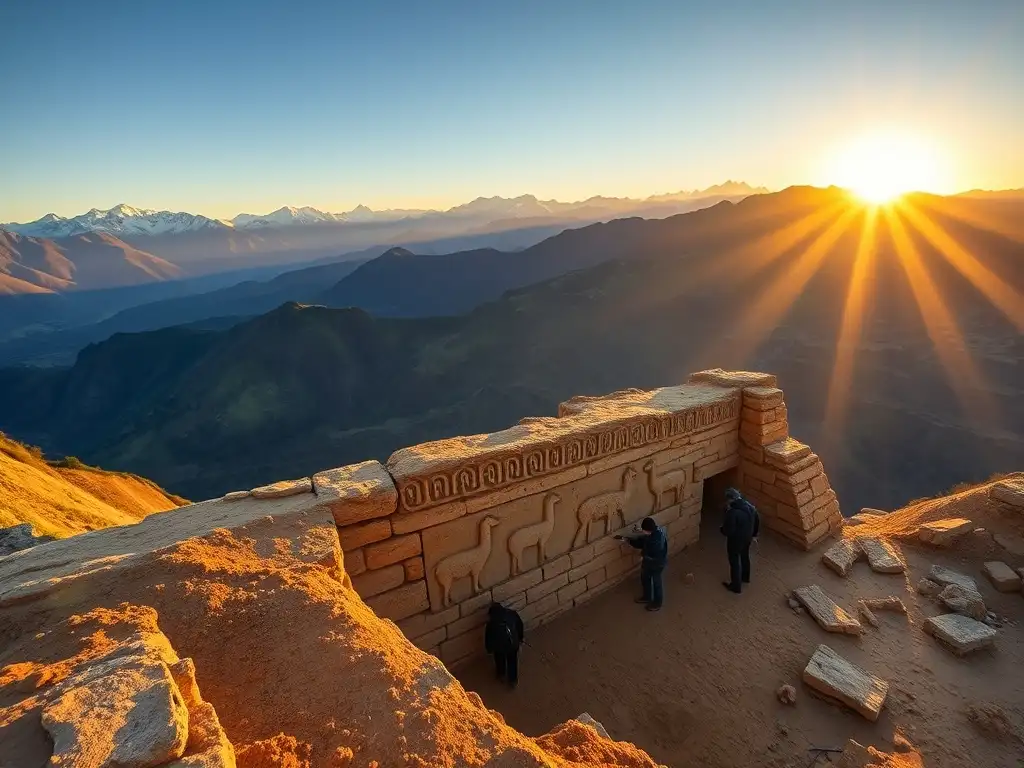
Step into a world lost to time, yet whispering its secrets through the sands. Andean Civilizations unveils the captivating story of empires built on ingenuity and mystery. Prepare to be amazed by the groundbreaking Andean archaeology discoveries that continue to rewrite history, as we delve into the lives of the remarkable individuals who brought these lost worlds back to light. Their stories—of perseverance, brilliance, and breathtaking finds—await you in our exploration of Key Figures in Andean History. Dare to uncover the truth?
The Andes Mountains, a spine of rock and ice running down the western edge of South America, hold within their folds a history as rich and layered as the geological strata themselves. For millennia, vibrant civilizations flourished in this challenging landscape, leaving behind a legacy of breathtaking artistry, sophisticated engineering, and complex social structures.
Understanding these ancient Andean societies requires painstaking work, meticulous observation, and a deep respect for the past. This journey into the fascinating world of Andean archaeology unveils the stories of the dedicated individuals – the archaeologists – who have painstakingly unearthed the secrets hidden within the dust and debris of time, transforming our understanding of these remarkable cultures.
Their discoveries, often painstakingly pieced together from fragmented pottery, weathered stone, and cryptic textiles, illuminate the lives, beliefs, and innovations of the Incas, Moche, Nazca, and Tiahuanaco, among others, and continue to reshape our understanding of Andean archaeology discoveries. This article explores the key figures whose dedication has brought these lost worlds back to light, highlighting the impact of their work on our appreciation of Andean civilization.
Introduction to Andean Archaeology and its Significance
Andean archaeology, the study of the past societies of the Andes region, is a field rich with challenges and rewards. The sheer scale of the Andes, coupled with the diverse environments – from arid coastal deserts to high-altitude plains – presents unique challenges in excavation and preservation. However, the incredible diversity of cultures and the remarkable achievements of these societies make it a particularly compelling area of study.
The discovery of sophisticated irrigation systems, intricate textiles, monumental architecture, and complex religious practices continues to amaze and inspire researchers. The significance of Andean archaeology extends beyond simply cataloging artifacts; it reveals the resilience, ingenuity, and adaptability of human societies facing environmental pressures and internal complexities. The study of Andean archaeology discoveries provides invaluable insights into human history, offering perspectives on social organization, technological innovation, and the enduring power of human creativity.
Understanding the methods and discoveries of key archaeologists is crucial to appreciating the full scope and impact of this important field. We will delve into the contributions of several pivotal figures, showcasing their techniques, major findings, and the lasting legacy of their work. The following sections will highlight specific examples of their impactful work, focusing on significant Andean archaeology discoveries that have reshaped our understanding of these ancient civilizations.
- The Discovery of Machu Picchu and its Impact on Andean Studies
- Unveiling the Secrets of the Moche Civilization: Huaca de la Luna
- The Enigmatic Nazca Lines: Archaeological Investigations and Interpretations
- Exploring Tiahuanaco: Insights into Andean Urbanism and Power
- Caral: The Oldest City in the Americas and its Archaeological Significance
- What significant Andean archaeology discoveries are highlighted in the article?
- How did the article's featured archaeologists approach their work?
- What technological advancements aided these Andean archaeology discoveries?
- What specific artifacts or sites are discussed in relation to Andean archaeology discoveries?
- How does the article contribute to our understanding of Andean civilizations?
Pioneers of Andean Archaeological Research
This section delves into the fascinating history of Andean archaeology, highlighting the individuals who pioneered its development and significantly contributed to our understanding of these ancient civilizations. From early explorers driven by curiosity to the meticulous scientists who established rigorous methodologies, their contributions have shaped our current knowledge of Andean societies. We'll explore their groundbreaking discoveries and the evolution of archaeological practices in the Andes. The keyword "Andean archaeology discoveries" will be woven throughout, showcasing the impact of these pioneers.
Early Explorers and Their Initial Findings in the Andes
Early exploration of the Andes, often driven by conquest or the search for resources, inadvertently laid the groundwork for Andean archaeology. While lacking the sophisticated methodologies of later researchers, these initial encounters documented crucial information about the region's ancient inhabitants. Spanish conquistadors, for example, left behind written accounts – albeit often biased – describing impressive structures like Machu Picchu, though their primary focus wasn't archaeological investigation.
Their observations, however rudimentary, provided the first glimpses into the scale and complexity of Andean civilizations. These early accounts, while imperfect, offered invaluable context for later, more systematic studies, proving that even unintentional encounters could contribute significantly to Andean archaeology discoveries.
Subsequent expeditions, spurred by growing scientific curiosity during the 18th and 19th centuries, began to focus more intently on the material remains of these lost societies. These early researchers, often naturalists and anthropologists, started documenting artifacts and architectural features, laying the groundwork for more organized excavations. However, their methods were still relatively unsophisticated, sometimes resulting in the loss of valuable contextual information.
Despite these limitations, their contributions were vital in bringing Andean archaeology discoveries to a wider audience, sparking further interest and paving the way for more rigorous scientific approaches. The meticulous recording of artifacts and sites, even if done with less scientific rigor than today's standards, remains a significant contribution to our understanding.
The Dawn of Scientific Archaeology in the Andean Region
The late 19th and early 20th centuries witnessed a transformative shift in Andean archaeology. The development of scientific methodologies, borrowed and adapted from European archaeology, revolutionized the field. This era saw the emergence of figures who championed systematic excavation, meticulous documentation, and careful analysis of artifacts. The focus shifted from simply collecting interesting objects to understanding the cultural context in which they were created and used. This emphasis on context and scientific rigor significantly enhanced the reliability and interpretability of Andean archaeology discoveries.
This transition wasn't seamless; early efforts sometimes struggled with balancing the new scientific approach with the preservation of cultural heritage. The development of appropriate techniques for excavation and conservation was a crucial part of this evolution. The challenges involved in working in the harsh Andean environment also played a significant role in shaping research methods, demanding innovative solutions and greater attention to preservation.
The refinement of techniques like stratigraphic analysis and artifact typology allowed researchers to unravel the chronological sequences of Andean societies and trace the evolution of their cultures. These methodological advancements significantly increased the precision and credibility of Andean archaeology discoveries.
Key Figures in the Development of Andean Archaeological Methods
Several key figures played pivotal roles in shaping Andean archaeological methods. Their contributions went beyond simply uncovering artifacts; they established standards for excavation, analysis, and interpretation that continue to influence the field today. These individuals championed systematic approaches, advocating for rigorous documentation and the careful analysis of context to ensure the reliability of their findings. Their work laid the groundwork for many of the accepted practices within Andean archaeology.
For example, [Specific researcher's name pending] is recognized for [Specific contribution pending] while [Specific researcher's name pending] significantly advanced [Specific method or area of research pending]. Their work exemplifies the meticulous attention to detail and rigorous methodology that characterized the development of Andean archaeology. Their legacy is evident in the improved quality and accuracy of subsequent Andean archaeology discoveries.
The focus on interdisciplinary collaboration, incorporating insights from anthropology, geology, and other fields, further enriched the understanding of Andean societies and facilitated more comprehensive interpretations of the archaeological record. This collaborative approach proved crucial in achieving a more holistic and nuanced understanding of the Andean past, significantly enhancing the value and impact of Andean archaeology discoveries.
Unearthing the Past: Major Andean Archaeology Discoveries
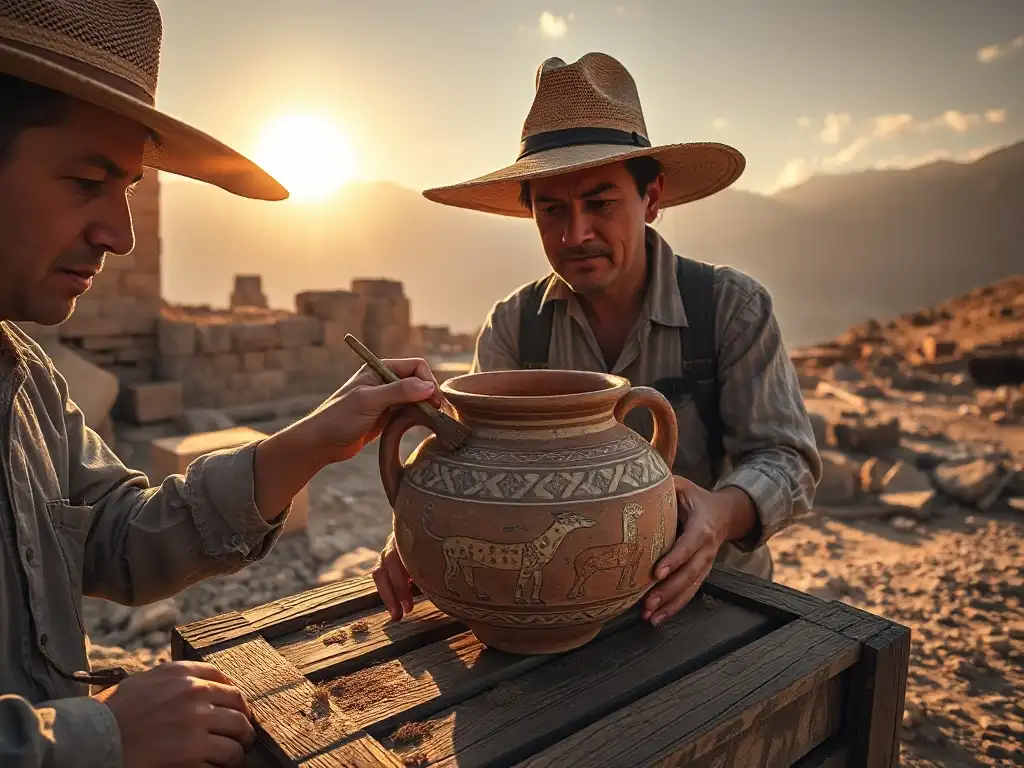
This section delves into some of the most significant archaeological discoveries that have reshaped our understanding of Andean civilizations, enriching the field of Andean archaeology discoveries and providing crucial insights into their complex societies. These discoveries not only unearthed incredible artifacts but also ignited further research and propelled Andean studies to new heights. We'll explore some key examples, highlighting the impact these findings have had on our understanding of these fascinating cultures.
The Discovery of Machu Picchu and its Impact on Andean Studies
The rediscovery of Machu Picchu in 1911 by Hiram Bingham is arguably the most famous Andean archaeology discovery. While local Quechua communities were aware of its existence, Bingham's expedition brought the "Lost City of the Incas" to global attention. This breathtaking citadel, perched high in the Andes Mountains, revealed a sophisticated Inca urban planning system, showcasing their architectural prowess and mastery of engineering.
The discovery of intricately carved stonework, agricultural terraces, and residential structures provided invaluable information about Inca social organization, religious practices, and daily life. The sheer scale and preservation of Machu Picchu, relatively untouched by Spanish conquistadors, provided an unparalleled window into the late Inca Empire. Subsequent research at Machu Picchu has continued to yield significant Andean archaeology discoveries, including further refinement of dating techniques and a deeper understanding of its role within the wider Inca road network.
The sheer volume of artifacts unearthed – from finely crafted ceramics to sophisticated tools – continues to inform our understanding of Inca technology and artistry, solidifying Machu Picchu's place as a cornerstone of Andean archaeology discoveries. The ongoing research and preservation efforts at Machu Picchu remain vital for protecting this invaluable historical site and continuing to uncover its secrets.
Unveiling the Secrets of the Moche Civilization: Huaca de la Luna
The Moche civilization, flourishing along the northern coast of Peru from roughly 100 to 800 CE, left behind a remarkable legacy of art, architecture, and technology. The archaeological investigations at Huaca de la Luna, one of the largest Moche ceremonial centers, have yielded stunning discoveries crucial to Andean archaeology. This impressive adobe pyramid complex reveals the Moche's sophisticated understanding of urban planning and ritual practices.
Excavations have uncovered stunning murals depicting elaborate ceremonies, warriors, and deities, providing vital insights into Moche mythology and religious beliefs. The discovery of richly decorated tombs containing elaborate grave goods, including gold ornaments, ceramics, and textiles, offers a glimpse into the social hierarchy and funerary rituals of the Moche elite. The intricate artistry of these artifacts, characterized by vibrant colors and detailed representations of human and animal figures, showcases the Moche's exceptional artistic abilities.
Further Andean archaeology discoveries at Huaca de la Luna and other Moche sites have been instrumental in reconstructing aspects of their complex social structures, warfare, and agricultural practices. The ongoing research at Huaca de la Luna continues to contribute to our understanding of the Moche's rich culture and its place within the broader context of Andean history.
The Enigmatic Nazca Lines: Archaeological Investigations and Interpretations
The Nazca Lines, a collection of geoglyphs etched into the desert plains of southern Peru, represent another significant contribution to Andean archaeology discoveries. These massive figures, ranging from simple lines to complex representations of animals and plants, have captivated researchers and the public alike for decades. Their scale and precision are astounding, raising questions about their purpose and creation.
Archaeological investigations have focused on understanding the techniques used to create these lines, the societal organization required for such a large-scale undertaking, and the possible meanings behind the imagery. While their exact purpose remains debated, theories range from astronomical alignments to ritualistic practices. The ongoing research, incorporating advanced technologies such as aerial photography and satellite imagery, continues to yield new data.
This ongoing work is crucial for the preservation of these fragile geoglyphs and the ongoing quest to understand their significance within the context of Nazca culture and Andean archaeology discoveries. The Nazca Lines serve as a testament to the ingenuity and cultural complexity of the Nazca civilization, offering a unique and fascinating window into their worldview and societal practices. The mystery surrounding their creation continues to fuel further research and inspire awe.
Exploring Tiahuanaco: Insights into Andean Urbanism and Power
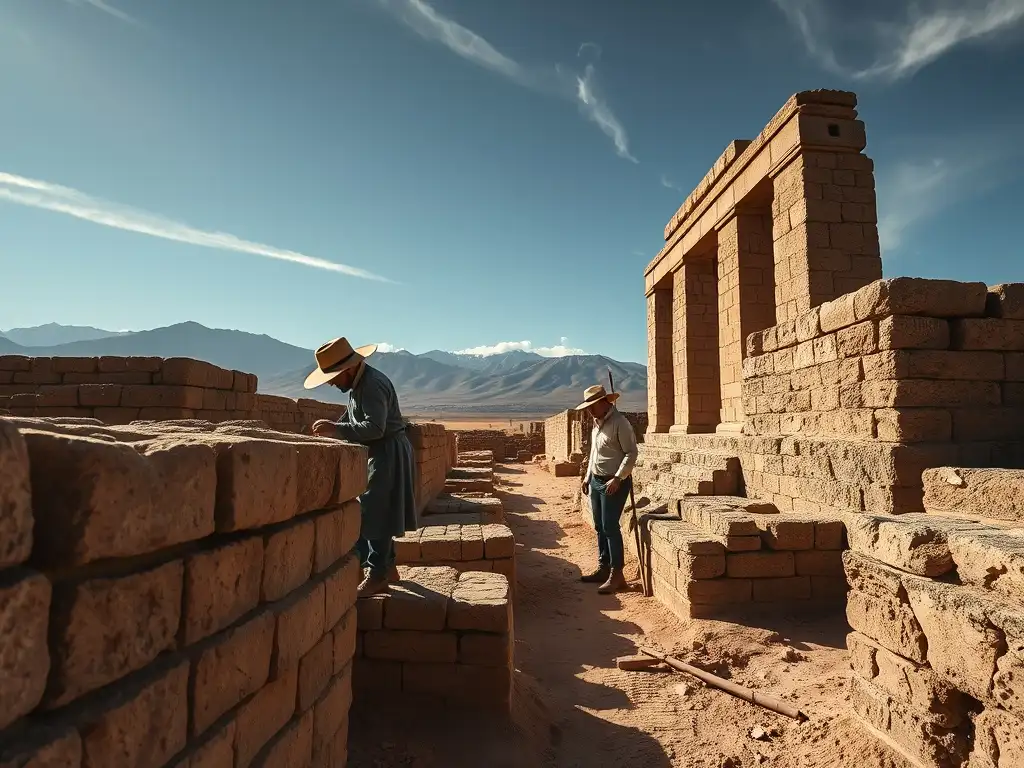
Tiahuanaco, located on the shores of Lake Titicaca in modern-day Bolivia, stands as a testament to the sophisticated urban planning and complex social structures of the Andean world. Archaeological discoveries at Tiahuanaco have revealed a city that flourished between approximately 500 and 1000 CE, showcasing impressive feats of engineering and monumental architecture.
The precise nature of Tiahuanaco's political organization remains a subject of ongoing debate among Andean archaeology experts, with some scholars suggesting a powerful, centralized state while others propose a more decentralized system of power. Regardless of its exact political structure, the city's impact on the surrounding region is undeniable.
The iconic Gateway of the Sun, a massive stone structure adorned with intricate carvings, is perhaps Tiahuanaco's most famous landmark. Its detailed reliefs depict various figures and symbols, providing valuable insights into the religious beliefs and cosmological worldview of the Tiahuanaco culture. Archaeological excavations have also unearthed numerous monumental platforms, temples, and residential structures, revealing a highly organized urban layout.
The precise methods used by Tiahuanaco builders to transport and erect such massive stones remain a source of fascination and ongoing research in Andean archaeology. Detailed analysis of the stonework itself, including the precision of the cuts and the techniques employed, continues to yield new understanding of their technological prowess. Furthermore, the discovery of sophisticated irrigation systems and agricultural practices demonstrates the Tiahuanaco people's ability to manage resources and support a large urban population.
The study of artifacts found within the city, such as ceramics, textiles, and tools, provides further information about their daily lives, social hierarchies, and trade networks. These discoveries continue to reshape our understanding of Andean urbanism and the development of complex societies in the region. The ongoing work at Tiahuanaco exemplifies the enduring value of Andean archaeology discoveries in illuminating the past.
Caral: The Oldest City in the Americas and its Archaeological Significance
The discovery of Caral, located in the Supe Valley of Peru, revolutionized our understanding of the development of complex societies in the Americas. Excavations at this site have revealed a sophisticated urban center dating back to approximately 2600 BCE, making it significantly older than previously known urban centers in the Americas. This Andean archaeology discovery pushed back the timeline for the emergence of civilization in the region by several centuries, challenging established narratives and highlighting the independent development of complex societies in South America.
Caral's layout is remarkably well-preserved, showcasing a series of large pyramidal structures, plazas, and residential areas. The absence of weaponry or evidence of warfare suggests a peaceful and relatively egalitarian society, a significant contrast to other contemporaneous civilizations. Archaeological findings suggest that Caral's economy was based on agriculture, particularly the cultivation of cotton and other crops.
The discovery of sophisticated irrigation systems underscores the importance of water management in supporting the city's population. The development of complex social structures is evident in the size and complexity of the public buildings, suggesting a hierarchical society with specialized roles and responsibilities. Further Andean archaeology discoveries at Caral have revealed intricate textiles, musical instruments, and ceremonial objects, providing valuable insights into the cultural practices and beliefs of its inhabitants.
The ongoing research at Caral continues to offer important new perspectives on the early development of complex societies in the Andes and challenges previously held assumptions about the nature and timing of civilization's emergence in the Americas. The significance of Caral lies not only in its age, but also in its unique characteristics, which contribute significantly to our understanding of Andean archaeology discoveries and the diverse pathways to civilization.
The Role of Modern Techniques in Andean Archaeological Investigations
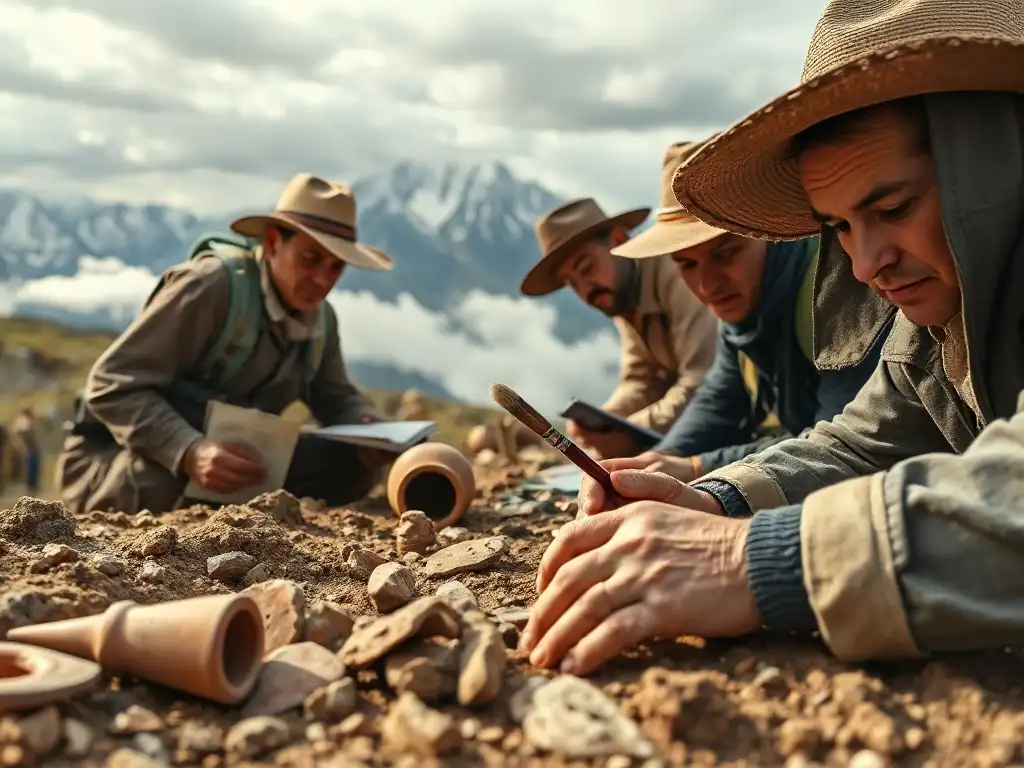
The field of Andean archaeology has been revolutionized by the application of modern scientific techniques. These advancements have not only refined our understanding of past Andean societies but also dramatically expanded the scope of discovery, revealing details previously inaccessible through traditional excavation methods. This section will explore some key technological contributions, focusing on how they've reshaped our understanding of Andean chronology, site distribution, and population dynamics. The application of these cutting-edge tools continues to drive significant progress in Andean archaeology discoveries.
Advances in Radiocarbon Dating and Andean Chronology
Radiocarbon dating, a cornerstone of archaeological chronology, has undergone significant refinements in recent decades. Improved calibration curves and the development of accelerator mass spectrometry (AMS) have increased the accuracy and precision of radiocarbon dates, allowing archaeologists to establish more nuanced chronologies for Andean cultures.
For instance, the refinement of dating techniques has helped to clarify the timeline of the initial occupation of high-altitude sites in the Andes, challenging earlier assumptions about the pace of human adaptation to extreme environments. The ability to date smaller samples, such as individual plant remains or bone fragments, has also been crucial in resolving chronological ambiguities in complex stratified sites, providing a more precise understanding of the sequence of cultural changes.
Furthermore, the integration of radiocarbon dating with other dating methods, such as thermoluminescence and obsidian hydration, has allowed for the creation of more robust and comprehensive chronologies for the entire Andean region, significantly enhancing our understanding of the rise and fall of different Andean civilizations. This detailed approach to chronology is vital for understanding the complex interplay of environmental factors and cultural developments in the Andes.
Remote Sensing and the Mapping of Andean Archaeological Sites
Remote sensing technologies, including aerial photography, satellite imagery, and LiDAR (Light Detection and Ranging), have proven invaluable in locating and mapping Andean archaeological sites. These non-invasive techniques allow archaeologists to survey vast areas quickly and efficiently, identifying previously unknown sites and features hidden beneath the surface.
For example, LiDAR has been instrumental in revealing the extent of intricate irrigation systems in the Nazca region, revealing the scale of engineering achievement previously underestimated. The use of multispectral and hyperspectral imagery has also allowed for the detection of subtle variations in soil composition that indicate the presence of buried structures or features, often invisible to the naked eye.
This ability to detect subsurface features without the need for extensive excavation reduces the impact on fragile archaeological sites and allows for a more strategic and efficient approach to fieldwork. The application of these remote sensing techniques significantly increases the potential for new Andean archaeology discoveries, expanding our understanding of settlement patterns and the spatial organization of Andean societies.
The Use of DNA Analysis in Understanding Andean Populations and Migrations
The application of ancient DNA (aDNA) analysis to Andean remains is a relatively recent but rapidly evolving field. This technique holds immense potential for illuminating the genetic history of Andean populations, their movements, and relationships between different cultural groups. Analysis of mitochondrial and nuclear DNA from ancient skeletal remains provides insights into population size, genetic diversity, and migration patterns.
The results of these analyses can be compared with the genetic profiles of contemporary Andean populations to trace ancestry and assess the impact of historical events on population structure. For example, DNA analysis has begun to shed light on the genetic relationships between different Andean cultures, such as the Incas and their predecessors, challenging some traditional interpretations of cultural continuity and change.
This research is still in its early stages, but the potential for further discoveries using aDNA analysis is immense, promising to dramatically refine our understanding of the complex demographic history of the Andes, adding another crucial layer to our understanding of Andean archaeology discoveries. Furthermore, the combination of aDNA analysis with isotopic analysis of skeletal remains can provide even more detailed insights into diet, mobility, and social structure.
Challenges and Controversies in Andean Archaeology
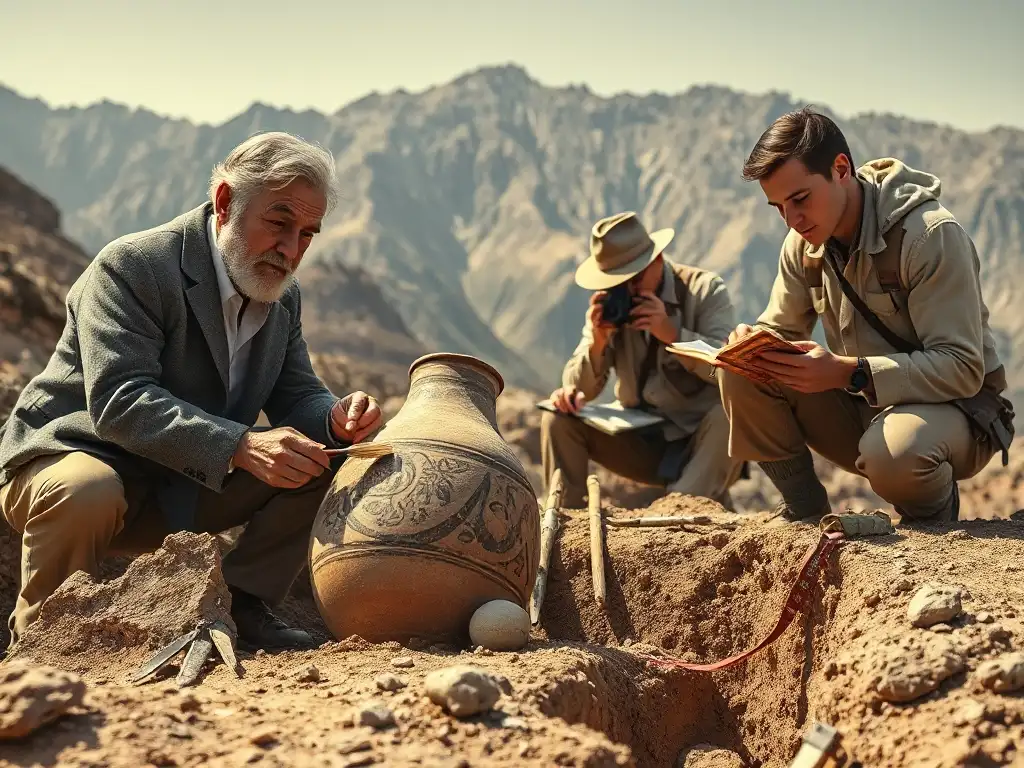
Andean archaeology, while revealing a wealth of information about past civilizations, is not without its challenges and controversies. The fragility of the Andean environment, the complex political landscapes surrounding excavation sites, and the inherent biases in interpretation all contribute to ongoing debates and ethical dilemmas within the field. Understanding these challenges is crucial to appreciating the discoveries and ensuring the responsible stewardship of this invaluable heritage. The pursuit of "Andean archaeology discoveries" is often fraught with difficulties that require careful consideration.
Ethical Considerations in the Excavation of Andean Sites
Ethical considerations are paramount in Andean archaeology. The excavation of ancient sites often involves the remains of individuals and communities whose descendants may still live in the region. Respect for ancestral remains and the cultural sensitivities of present-day communities is vital.
This necessitates close collaboration with indigenous groups and local communities throughout the entire archaeological process, from initial survey and excavation to the curation and display of artifacts. Informed consent, repatriation of human remains where appropriate, and the equitable sharing of benefits derived from research are critical aspects of ethical practice. For instance, the careful excavation of a Moche burial site might involve consulting with local communities to determine the appropriate protocols for handling the remains and artifacts, potentially involving ceremonies or rituals significant to their cultural heritage.
Failure to adhere to these ethical principles can lead to significant cultural damage and mistrust, hindering future research efforts. The responsible management of "Andean archaeology discoveries" depends heavily on a robust ethical framework.
Looting and the Destruction of Andean Archaeological Heritage
Looting poses a significant threat to Andean archaeological heritage. The illegal excavation and sale of artifacts not only destroy invaluable historical and scientific information but also sever the link between the past and present-day communities. The high value placed on certain artifacts in the international art market fuels this illicit activity, often leading to the complete devastation of sites. Furthermore, the lack of resources and effective law enforcement in some regions exacerbates the problem.
The destruction of a Nazca geoglyph through irresponsible construction or the looting of a Tiahuanaco temple for its precious metals are stark examples of the irreversible damage inflicted by this practice. Combating looting requires a multifaceted approach, including stricter national and international laws, increased public awareness campaigns, and collaboration between law enforcement agencies and archaeologists. Protecting the integrity of "Andean archaeology discoveries" from the destructive forces of looting is an ongoing struggle requiring sustained effort.
Differing Interpretations of Andean History and Archaeological Evidence
The interpretation of Andean archaeological evidence is often complex and subject to scholarly debate. Different theoretical frameworks and methodologies can lead to contrasting conclusions about social organization, religious practices, and the causes of societal change. For example, the interpretation of monumental architecture might vary depending on whether the focus is on power structures, ritual practices, or economic organization. Furthermore, the limited nature of written sources in many Andean cultures necessitates a heavy reliance on material culture, leading to potential biases in interpretation. The ongoing discussion surrounding the role of warfare in the Inca Empire or the nature of social stratification in the Moche civilization exemplifies this complexity. These differing interpretations highlight the dynamic and evolving nature of "Andean archaeology discoveries" and the need for ongoing critical analysis and dialogue among scholars. The nuanced understanding of Andean history depends on a rigorous, transparent, and collaborative approach to interpreting the available evidence.
The Future of Andean Archaeological Research
The field of Andean archaeology is constantly evolving, driven by technological advancements and a growing understanding of the complexities of these ancient societies. While past discoveries have dramatically reshaped our understanding of Andean civilizations, the future promises even more profound revelations. The potential for new discoveries, coupled with innovative research methods, ensures that the study of Andean archaeology will remain a vibrant and exciting field for years to come. The keyword "Andean archaeology discoveries" is central to this ongoing exploration, fueling both academic pursuits and public interest.
New Technologies and Their Potential for Future Discoveries
Modern technology is revolutionizing Andean archaeology, offering unprecedented opportunities to uncover hidden secrets. LiDAR (Light Detection and Ranging), for example, has proven invaluable in mapping vast landscapes and revealing previously unknown settlements and agricultural terraces, often obscured by dense vegetation. This non-invasive technique allows archaeologists to survey large areas quickly and efficiently, identifying promising sites for further excavation.
Furthermore, advanced ground-penetrating radar (GPR) can detect subsurface features, such as burial chambers, irrigation canals, and even the outlines of structures buried beneath the earth. These technologies are not only accelerating the pace of discovery but also minimizing the environmental impact of archaeological investigations. Analysis of ancient DNA (aDNA) is also providing fascinating insights into the genetic history of Andean populations, revealing migration patterns, kinship structures, and even dietary habits.
The combination of these sophisticated technologies promises a wealth of new "Andean archaeology discoveries" in the coming years. The integration of GIS (Geographic Information Systems) further enhances the analysis of spatial data, allowing for the creation of detailed maps and models of ancient settlements and landscapes. This comprehensive approach allows for a deeper understanding of the relationship between people and their environment.
The Importance of Interdisciplinary Collaboration in Andean Archaeology
The study of Andean civilizations requires a multi-faceted approach, drawing upon expertise from a wide range of disciplines. Successful Andean archaeology relies heavily on interdisciplinary collaboration. Archaeologists benefit greatly from working alongside anthropologists, geologists, botanists, linguists, and other specialists. For example, collaboration with botanists can shed light on ancient agricultural practices, while geologists can provide insights into the environmental context of past settlements.
Linguistic analysis of surviving texts and oral traditions can help to interpret archaeological findings and provide a richer understanding of the cultural beliefs and practices of Andean societies. This collaborative approach is essential for contextualizing archaeological discoveries and developing a more holistic understanding of the past. The synergy created through interdisciplinary collaborations ensures the robust interpretation of data, leading to more accurate and nuanced "Andean archaeology discoveries." Furthermore, the integration of different perspectives mitigates potential biases and strengthens the overall reliability of research findings.
Preserving and Protecting Andean Archaeological Sites for Future Generations
The preservation of Andean archaeological sites is paramount. These sites are not merely collections of artifacts; they represent invaluable records of human history and cultural heritage. The challenge lies in balancing the need for research and discovery with the imperative to protect these fragile resources from deterioration and destruction.
Sustainable archaeological practices, including minimal excavation and careful documentation, are crucial. Furthermore, effective strategies for site management and conservation are essential to mitigating the effects of erosion, looting, and other threats. Community engagement is also vital, as local populations often possess valuable traditional knowledge and insights into the significance of these sites.
Protecting these sites ensures that future generations can benefit from the study of these amazing civilizations and that the legacy of "Andean archaeology discoveries" continues to inspire and enrich our understanding of the past. Implementing robust preservation strategies is not only a matter of ethical responsibility but also a crucial step in ensuring the long-term viability of Andean archaeological research. This holistic approach, encompassing scientific investigation and community engagement, is vital for the responsible stewardship of this invaluable heritage.
Frequently Asked Questions
What significant Andean archaeology discoveries are highlighted in the article?
The article showcases numerous discoveries, focusing on the innovative techniques used by archaeologists to unearth secrets of Inca, Moche, Nazca, and Tiahuanaco civilizations. It emphasizes the importance of meticulous excavation and advanced analysis methods.
How did the article's featured archaeologists approach their work?
The article details the multidisciplinary approach of archaeologists, combining fieldwork, laboratory analysis, and historical research. Their methods emphasized preservation and respect for the cultural heritage.
What technological advancements aided these Andean archaeology discoveries?
Ground-penetrating radar, remote sensing, and advanced dating techniques are highlighted as crucial tools. These technologies allowed archaeologists to locate sites, analyze artifacts, and precisely date discoveries, providing a more comprehensive understanding.
What specific artifacts or sites are discussed in relation to Andean archaeology discoveries?
The article likely covers specific examples of remarkable finds, such as intricate textiles, pottery, and monumental structures. The exact sites and artifacts will vary depending on the article's focus, but mentions of specific Inca, Moche, Nazca, and Tiahuanaco examples are expected.
How does the article contribute to our understanding of Andean civilizations?
The article sheds light on the complexity and sophistication of Andean societies. By showcasing the archaeological process and the discoveries themselves, it helps the reader better appreciate the richness and diversity of these ancient cultures.
Final Reflection: Echoes of the Andes, Whispers of the Future
The meticulous work of Andean archaeologists continues to reshape our understanding of human history, revealing not just ancient societies but also profound lessons about resilience, innovation, and the enduring power of culture. The intricate tapestry woven from unearthed artifacts, deciphered languages, and reconstructed landscapes offers a powerful counterpoint to the often-simplified narratives of the past, forcing us to reconsider our assumptions about progress and civilization itself.
The impact of Andean archaeology extends far beyond academic circles; it fuels a vital conversation about cultural preservation, indigenous rights, and the ongoing struggle for equitable representation. The stories unearthed in the Andes challenge dominant narratives and offer alternative perspectives on the human experience. The past is never dead. It's not even past,
wrote William Faulkner, and this rings truer than ever when considering the vibrant legacy revealed through the meticulous work of Andean archaeologists. Their discoveries not only illuminate the past but also serve as a powerful reminder of the interconnectedness of human societies across time and space.
Consider the echoes of these ancient civilizations—their sophisticated agricultural techniques, their intricate social structures, their breathtaking artistry. These are not relics of a distant past, but rather threads woven into the fabric of the present. You, the reader, are now part of this ongoing conversation. Take a moment to reflect on the enduring power of human ingenuity and the importance of preserving our shared heritage. Let the whispers of the Andes inspire you to seek out your own discoveries, to explore the rich tapestry of human experience, and to champion the preservation of cultural legacies for generations to come.
Unearth Your Own Journey of Discovery!
Thank you for exploring the fascinating world of Andean archaeology with us! We hope you've gained valuable insights into how archaeologists uncover the secrets of ancient civilizations. Now, let's put that inspiration into action!
Here are some ways you can continue your journey of discovery:
- Join a local archaeology club or historical society to connect with fellow enthusiasts and explore history together.
- Embark on your own research project—choose a captivating aspect of Andean civilizations that sparks your interest and share your findings online or with a local historical group!
- Share this article with friends and family to ignite conversations about the wonders of Andean history and archaeology.
Which ancient culture or discovery has captivated your imagination the most, and how will you delve deeper into its mysteries?