
The Legacy of Andean Trade: How Ancient Practices Shaped Modern Economies

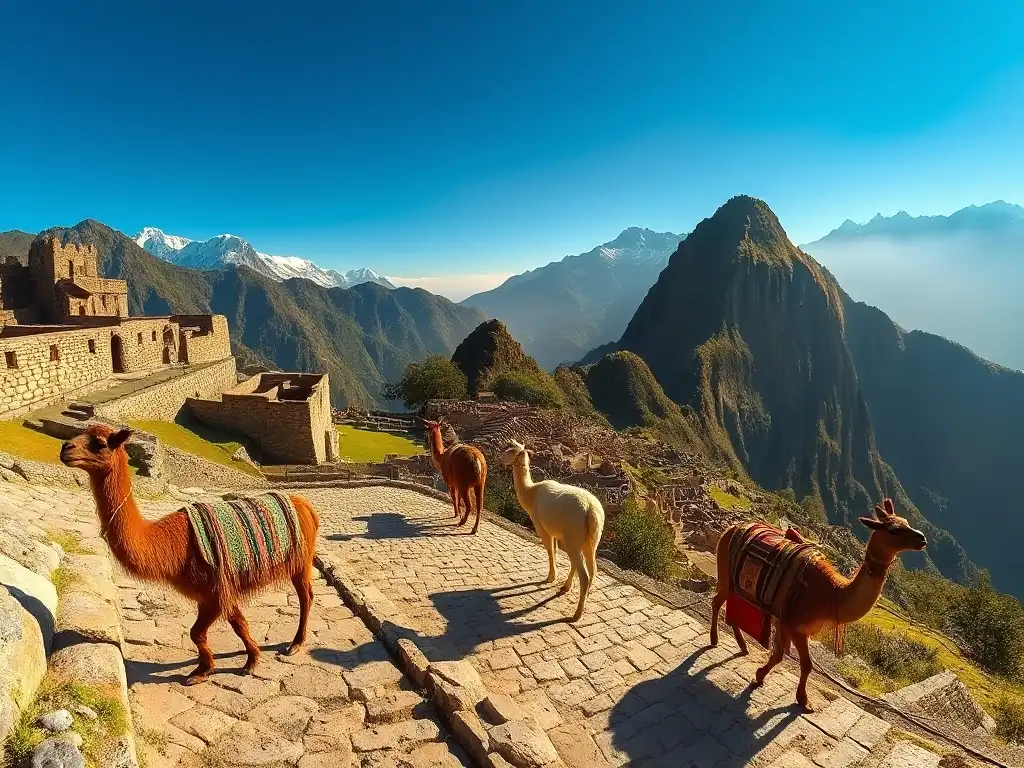
Step into a world lost to time, yet echoing in the present. Imagine a network of intricate pathways stretching across the Andes Mountains, a testament to the ingenuity and power of ancient civilizations. Ancient Andean trade routes weren't just paths; they were lifelines, connecting distant empires and shaping the very fabric of South American society. Uncover the secrets of this astonishing system and discover how its legacy continues to resonate in modern economies – the story is far more captivating than you might imagine. Explore the mysteries further...
The towering Andes Mountains, a seemingly insurmountable barrier, became a conduit for vibrant trade networks that connected diverse ancient Andean civilizations. For centuries, ingenious systems of transportation and communication facilitated the exchange of goods, ideas, and cultural practices across vast distances, leaving an indelible mark on the economic landscapes of South America and influencing global trade patterns to this day. This exploration delves into the intricate tapestry of Ancient Andean trade routes, examining the key routes, the commodities traded, and the lasting impact of these ancient practices on modern economies.
We will uncover how the ingenuity and resilience of these ancient societies paved the way for contemporary trade systems, highlighting the enduring legacy of their sophisticated economic models. Understanding this rich history provides valuable context for appreciating the complexities of modern global trade and the interconnectedness of societies, past and present.
Major Andean Trade Routes: A Network of Connectivity
The Andes weren't merely a geographical feature; they were a dynamic element shaping the very fabric of Andean trade. Several major routes crisscrossed the mountain ranges, each with unique characteristics and challenges. These routes weren't simply paths; they were carefully planned systems incorporating sophisticated engineering feats, such as carefully constructed roads, bridges, and resting places for travelers and their goods.
The Inca road system, for example, is renowned for its impressive scale and efficient design, extending thousands of kilometers and connecting the vast Inca Empire. Other civilizations, like the Moche and Nazca, also developed extensive trade networks, adapting their routes to the specific geographical features of their regions. The ingenuity of these systems allowed for the efficient transport of goods over challenging terrain, showcasing the remarkable engineering capabilities of these ancient societies.
Key Goods Traded: From Luxury Items to Everyday Essentials
The goods exchanged along these ancient Andean trade routes were incredibly diverse, reflecting the varied ecological zones and specialized production within the region. Luxury goods, such as precious metals (gold, silver), feathers, and textiles, were highly valued and often traded between elites. However, the trade networks also facilitated the exchange of essential goods necessary for daily life, including agricultural products (potatoes, maize, coca), ceramics, and tools.
The scale and variety of goods traded highlight the sophisticated level of economic organization and interdependence among these different Andean communities. The movement of these goods not only sustained individual communities but also fostered cultural exchange and technological diffusion across the region.
The Impact on Modern Economies: Echoes of the Past
The legacy of ancient Andean trade is not confined to the past. Many of the economic principles and practices developed by these ancient societies continue to resonate in modern economies.
The emphasis on efficient transportation networks, the organization of trade routes, and the sophisticated systems of exchange all provide valuable lessons for contemporary economic development. Moreover, the enduring cultural impact of these ancient trade routes is evident in the continued production and exchange of certain goods, the preservation of traditional crafts, and the ongoing celebration of cultural heritage linked to ancient trade practices.
Studying these ancient systems provides crucial insights into the sustainable practices and economic resilience that characterized these societies, offering valuable lessons for navigating the challenges of the modern global economy. The study of "Ancient Andean trade routes" therefore offers more than just historical insight; it provides a framework for understanding the enduring principles of successful trade and economic development.
Further Research Areas
Future research could focus on: The impact of climate change on ancient trade routes; The role of women in ancient Andean trade; A comparative analysis of Andean trade with other ancient trade networks.
- Major Andean Trade Routes: A Network of Connectivity
- Key Goods Traded: From Luxury Items to Everyday Essentials
- The Impact on Modern Economies: Echoes of the Past
- What were the primary goods traded along ancient Andean trade routes?
- How did the geography of the Andes affect trade routes?
- Which Andean civilizations were most heavily involved in trade?
- What technologies facilitated trade in the Andes?
- What is the lasting impact of ancient Andean trade routes on modern economies?
Understanding Ancient Andean Trade Systems
This section delves into the intricate networks that facilitated the exchange of goods and ideas across the diverse Andean landscape, shaping the economic and social fabric of ancient civilizations. Understanding these systems is crucial to appreciating the lasting impact of Ancient Andean trade routes on the region's modern economies. We'll explore the significance of trade, the evolution of exchange systems, and the key characteristics of the pre-Inca trade networks that paved the way for the Inca Empire's sophisticated logistical achievements. The study of ancient Andean trade routes offers valuable insights into the ingenuity and adaptability of these remarkable cultures.
The Significance of Trade in Andean Civilizations
Trade wasn't merely an economic activity for Andean civilizations; it was a fundamental pillar of their social and political structures. The exchange of goods fostered alliances, solidified power structures, and facilitated the dissemination of cultural practices and religious beliefs. Control over crucial trade routes often translated directly into political dominance. For example, the control of the coastal routes by the Moche civilization allowed them to access vital resources like marine products and salt, which they then traded inland for agricultural goods and precious metals.
This control significantly contributed to their economic prosperity and political influence. The absence of pack animals like horses or camels in the Andes presented unique challenges, prompting the development of innovative transport systems and sophisticated organizational structures to manage the movement of goods across vast distances and varied terrains. The high altitude and challenging geography of the Andes further amplified the importance of efficient trade networks.
The Ancient Andean trade routes weren't simply paths; they were lifelines for these societies. The sheer volume of goods transported – from textiles and ceramics to precious metals and coca leaves – testifies to the scale and importance of trade in their daily lives. The implications of this extensive trade extended far beyond mere economic gain; it formed a crucial element in the cultural exchange and the diffusion of ideas throughout the Andes.
Early Forms of Exchange in the Andes
Before the rise of large-scale empires like the Inca, Andean societies relied on diverse methods of exchange. Early forms included:
- Barter: Direct exchange of goods and services without the use of a standardized currency. This system was prevalent in smaller, more isolated communities.
- Reciprocity: A system of mutual exchange based on social obligations and kinship ties. This involved the sharing of resources and labor within communities and between allied groups. This system helped to ensure social cohesion and mutual support.
- Tribute: The offering of goods and labor to political leaders or religious elites. This system became more prominent with the development of larger, more centralized societies. Tribute often involved the delivery of specific goods along established Ancient Andean trade routes.
- Specialized Production: The development of specialized crafts and production centers, where goods were created for exchange rather than solely for local consumption. This is evident in the production of fine textiles, pottery, and metalwork found across different Andean regions.
The transition from simpler forms of exchange to more complex systems reflected the increasing complexity of Andean societies and the growing importance of trade in their economies. These early forms laid the foundation for the more sophisticated trade networks that would emerge later. The evolution of these systems demonstrates the adaptive capacity of Andean civilizations in meeting the challenges of resource allocation and economic management.
Key Features of Pre-Inca Trade Networks
Pre-Inca trade networks exhibited several key characteristics:
| Feature | Description | Example |
|---|---|---|
| Regional Specialization | Different regions specialized in producing particular goods. | Coastal regions focused on fishing and salt production; highlands on agriculture. |
| Extensive Networks | Trade routes extended across vast distances, connecting different ecological zones and cultural groups. | Routes connecting the coast, highlands, and Amazonian rainforest. |
| Relay Systems | Goods were often passed along a chain of intermediaries, rather than transported directly from origin to destination. | A network of villages exchanging goods along a mountain pass. |
| Inca Roads Precursors | The Inca road system built upon existing pre-Inca routes and established trade pathways. | Many Inca roads followed pre-existing trails used for centuries. |
| Transportation Methods | Goods were transported using a variety of methods, including human porters, llamas (where available), and rafts. | Human porters carrying goods across mountain passes; rafts navigating rivers. |
These pre-Inca networks were not simply haphazard routes; they were carefully managed systems that facilitated the flow of goods across the diverse Andean landscape. The development of these systems demonstrates a sophisticated understanding of geography, logistics, and social organization, laying the groundwork for the even more impressive trade infrastructure developed by the Inca Empire. The study of these Ancient Andean trade routes reveals a remarkable level of organization and foresight. Further research into specific regional trade networks and their interaction would illuminate a more complete picture of this complex system.
Major Ancient Andean Trade Routes and Their Impact
The intricate network of Ancient Andean trade routes played a pivotal role in shaping the economic and social landscapes of the Andes. These routes, far from being simple paths, were sophisticated systems connecting disparate communities and ecosystems, facilitating the exchange of vital resources and fostering cultural exchange. Understanding these routes is key to appreciating the complexity and resilience of Andean civilizations. The scale and sophistication of these trade networks are truly remarkable, considering the challenging terrain and the lack of wheeled vehicles. Let's delve into the major routes and their impact.
The Coastal Trade Routes: Connecting Communities
The Pacific coast, with its diverse microclimates and abundant marine resources, served as a crucial artery for trade. These coastal routes, primarily utilizing seafaring technologies and coastal paths, connected communities along the entire length of the Andean coastline, from what is now Ecuador to Chile. This wasn't just a simple exchange of goods; it fostered a vibrant network of interaction.
The movement of goods along these routes was facilitated by a combination of canoes, rafts, and pack animals. Evidence suggests the use of sophisticated navigation techniques, allowing traders to navigate the often treacherous currents and navigate the coastal deserts. The primary goods traded along the coastal routes included:
- Fish and seafood: A staple food source, fish and shellfish were traded extensively, both fresh and dried.
- Cotton: Used for textiles and clothing, cotton was a highly valued commodity.
- Spondylus shells: These brightly colored shells, sourced primarily from Ecuador, held significant religious and symbolic importance and were traded far and wide.
- Ceramics: Elaborately decorated pottery, often used for ritual purposes, was a significant trade item.
The coastal trade routes were not simply linear; they involved complex interactions and networks. For instance, the Moche civilization on the northern coast was known for its sophisticated metalworking and ceramics, which were highly sought after in other coastal communities. Likewise, the Nazca culture, renowned for its intricate geoglyphs, traded textiles and other unique crafts. The interconnectedness fostered through these routes contributed significantly to the cultural exchange and the diffusion of ideas and technologies along the coast.
Highland Trade Routes: Linking Diverse Ecosystems
The Andean highlands, characterized by their varied altitudes and microclimates, presented unique challenges and opportunities for trade. These routes, often traversing treacherous mountain passes and using intricate networks of trails, connected diverse ecological zones, facilitating the exchange of goods from different altitudes.
The Ancient Andean trade routes in the highlands relied heavily on pack animals, such as llamas and alpacas, to transport goods. The terrain dictated the routes, which often followed river valleys and mountain passes. The primary goods traded included:
- Wool: Llamas and alpacas provided wool, a vital resource for textiles.
- Potatoes and other agricultural products: The highlands were rich in agricultural diversity, with various crops adapted to different altitudes.
- Metals: The Andes were rich in mineral resources, including copper, silver, and gold, which were highly valued trade items.
- Obsidian: This volcanic glass was used for tools and weapons, and its trade networks extended far beyond the immediate region.
The highland trade routes were instrumental in linking different communities and ensuring the exchange of essential resources. The diversity of the highlands meant that communities specialized in producing particular goods. This specialization and interdependence facilitated trade and ensured a wider distribution of resources across the highlands. The Inca Empire later significantly improved and expanded these routes, constructing impressive road systems that facilitated trade and communication throughout their vast territory.
Trans-Andean Trade: Reaching the Amazon Basin
The trans-Andean trade routes connected the Andean highlands with the Amazon Basin, representing a significant feat of human endurance and ingenuity. These routes, often challenging and dangerous, facilitated the exchange of goods between vastly different environments. The goods traded included:
- Tropical products: The Amazon Basin provided valuable resources like feathers, exotic animals, and medicinal plants.
- Andean goods: Textiles, ceramics, and metalwork from the Andes were highly sought after in the Amazon.
- Salt: Salt, a vital preservative and seasoning, was traded from the coastal regions to the Amazon.
The trans-Andean trade was less frequent and more challenging than the coastal and highland routes. However, its significance lies in the cultural exchange and the spread of ideas and technologies between these two distinct regions. The evidence suggests a complex system of interaction, with goods and ideas moving in both directions. The challenges of navigating the dense Amazonian rainforest and the steep Andean slopes highlight the determination and ingenuity of the traders who ventured along these routes. The existence of this trade demonstrates the far-reaching extent of the Ancient Andean trade routes and the interconnectedness of Andean societies.
The Role of Llama Caravans in Ancient Andean Commerce
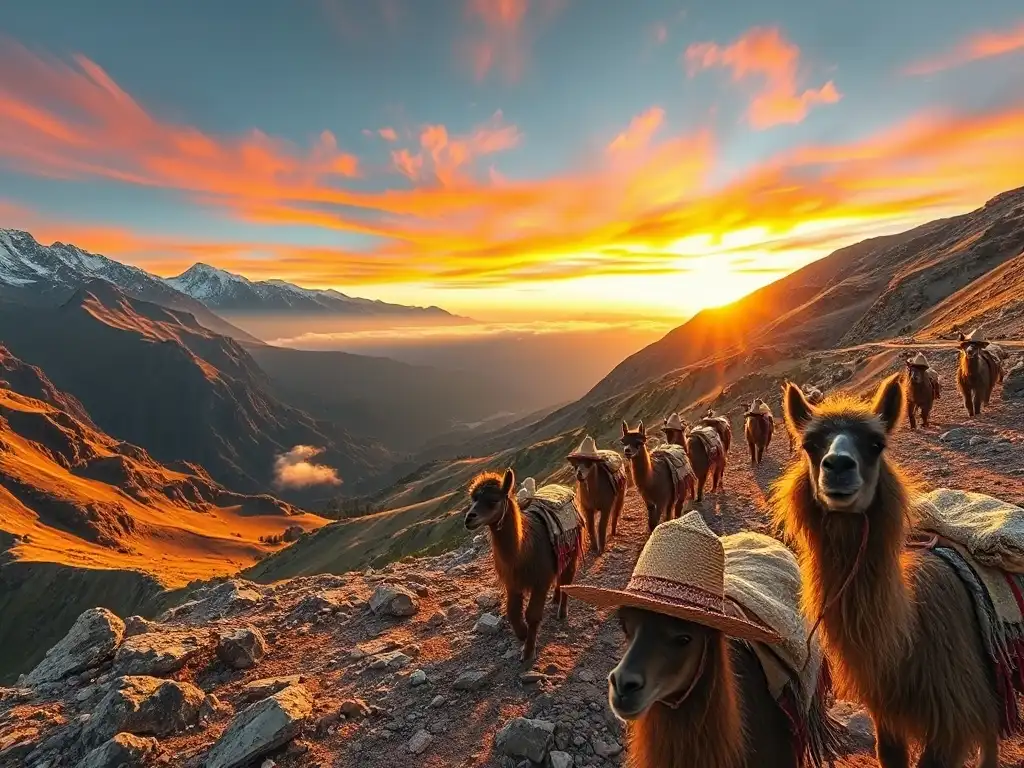
Llamas, the quintessential camelids of the Andes, played a crucial role in the ancient Andean trade networks. Their unique physiology, perfectly adapted to the high-altitude terrain, made them indispensable pack animals. Unlike horses, which were introduced to the Americas much later, llamas were indigenous to the region and readily available to the various Andean cultures. Their strength and endurance allowed them to carry significant loads across challenging mountain passes and treacherous trails, connecting distant communities and empires.
These caravans weren't simply strings of animals; they represented complex logistical operations, requiring skilled handlers, strategically placed waystations for rest and supplies, and sophisticated systems for managing the goods being transported. The sheer volume of goods moved by llama caravans over centuries is staggering, highlighting their integral part in the economic fabric of the Andes. Evidence suggests that llama caravans were not only used for transporting goods but also played a significant role in communication and the movement of people, acting as a vital link between different social and political entities.
The organization and management of these caravans reveal a level of sophisticated planning and coordination rarely attributed to pre-Columbian societies, showcasing a deep understanding of logistics and trade. The impact of llama caravans on the Andean economy extended beyond simple transportation; it fostered inter-regional exchange, cultural diffusion, and the development of specialized crafts and industries catering to the demands of long-distance trade. Their contribution to the growth and prosperity of Andean civilizations cannot be overstated.
The Chincha Trade Network
The Chincha, a pre-Inca culture inhabiting the south-central coast of Peru, established a remarkably sophisticated and far-reaching trade network. Unlike other Andean cultures that relied heavily on llama caravans for inland transportation, the Chincha leveraged their coastal location and mastery of maritime technology to dominate seaborne trade along the Pacific coast. Their expertise in shipbuilding and navigation allowed them to create a network that extended far beyond their immediate territory, connecting them to distant communities both along the coast and in the Andes. The Chincha were renowned for their control of valuable resources, including cotton textiles, which were highly prized throughout the region.
Their network facilitated the exchange of these textiles for other coveted goods, such as precious metals, ceramics, and agricultural products from inland communities. Evidence suggests the Chincha used a complex system of barter and exchange, possibly employing a form of standardized currency or intermediary goods to facilitate transactions. The scale and reach of the Chincha trade network are impressive, demonstrating their economic and political power within the broader Andean context.
Archaeological findings consistently reveal the widespread distribution of Chincha-produced textiles and other artifacts, showcasing the significant impact of their trading activities on the cultural landscape of the coastal and Andean regions. Their mastery of maritime trade fundamentally shaped the economic dynamics of the region, leaving a lasting legacy on subsequent Andean civilizations, including the Incas, who inherited and expanded upon the established trade routes and networks. The Chincha’s success highlights the importance of maritime trade in the overall picture of “Ancient Andean trade routes,” demonstrating the diverse strategies employed by different Andean cultures to achieve economic prosperity and influence.
Goods Traded Along Ancient Andean Routes
This section delves into the diverse range of goods exchanged along the intricate network of Ancient Andean trade routes, highlighting the economic and social significance of these exchanges. The movement of these goods wasn't simply a matter of commerce; it fostered cultural exchange, political alliances, and the development of sophisticated infrastructure across vast distances. Analyzing the types of goods traded reveals insights into the social stratification, technological capabilities, and religious beliefs of these ancient societies. Understanding the flow of these goods is crucial to comprehending the complexities of Ancient Andean trade routes and their lasting impact.
Essential Trade Goods: Textiles, Ceramics, and Metals
Textiles, ceramics, and metals formed the backbone of daily life in the Andes, and their trade was vital for sustaining these societies. High-quality textiles, often made from alpaca or llama wool, were highly valued for their warmth, durability, and intricate designs. These weren't just clothing; they served as status symbols, signifying social standing and prestige. The production of textiles involved specialized knowledge and techniques passed down through generations, demonstrating the sophisticated craftsmanship of Andean artisans. Different regions specialized in particular textile styles and colors, contributing to the diversity of goods available along the trade routes.
Ceramics played a crucial role in everyday life, serving as containers for food and water, as well as ceremonial and funerary objects. The styles and techniques of pottery varied considerably across different cultures, enabling archaeologists to trace the movement of goods and identify the origin of specific pieces. The Moche culture, for example, is famous for its incredibly lifelike and detailed ceramics, which were undoubtedly prized trade items. The precision and artistry involved in creating these pieces reflect the high level of skill and specialization within Andean society.
Metals, particularly copper, bronze, gold, and silver, held immense significance. These metals were not only used to create tools and weapons but also adorned prestigious objects and served as markers of wealth and power. The extraction, processing, and crafting of metals required specialized knowledge and expertise, and the control over these resources often conferred considerable political influence. The availability of metals along trade routes facilitated the development of sophisticated technologies and strengthened inter-regional connections.
Luxury Goods: Spondylus Shells, Feathers, and Exotic Items
Beyond the essential goods, luxury items played a significant role in Ancient Andean trade, reflecting the social hierarchies and the desire for prestige and status. Spondylus shells, sourced from the Pacific coast, were highly valued for their vibrant colors and their perceived magical properties. These shells were often crafted into ornaments and jewelry, indicating their importance in religious ceremonies and elite social circles. Their presence along trade routes demonstrates the extensive networks that connected coastal and highland communities.
Feathers, particularly those of rare and exotic birds, were another highly prized luxury good. These feathers were used to decorate clothing, headdresses, and other ceremonial objects, signifying power and spiritual authority. The control over the supply of these feathers often conferred considerable political and religious influence, underscoring their importance in Andean societies. The trade in feathers extended across vast distances, connecting different ecological zones and cultures.
Exotic items, such as obsidian from specific volcanic sources and coca leaves from the Amazonian rainforest, also played a role in Ancient Andean trade. Obsidian, a volcanic glass, was highly valued for its sharpness and was used to make tools and weapons. Coca leaves, prized for their stimulating properties, were used in religious ceremonies and as a form of currency in certain regions. The trade in these exotic items further highlights the sophistication and reach of the Ancient Andean trade networks.
Agricultural Products in Andean Trade: Potatoes, Quinoa, and Coca
Agricultural products were essential to the sustenance of Andean societies and played a significant role in trade networks. Potatoes, quinoa, and coca were among the most important crops, contributing to the dietary diversity and economic stability of these communities. Different varieties of potatoes, adapted to various altitudes and climates, were cultivated across the Andes, highlighting the agricultural ingenuity of the Andean people. The trade of potatoes allowed for the exchange of different varieties and ensured food security across diverse regions.
Quinoa, a highly nutritious grain, was another vital crop. Its resilience to harsh conditions made it an important staple food, and its trade contributed to the economic well-being of many communities. Different varieties of quinoa likely existed across the Andes, and the trade of these varieties promoted agricultural diversification and economic exchange.
Coca leaves, although also classified as a luxury good due to their religious and ceremonial significance, were a significant agricultural product traded across the Andes. Their stimulating properties made them valuable in various contexts, and their trade contributed to economic and social interactions across different regions. The cultivation and trade of coca leaves are further evidence of the sophisticated agricultural practices and trade networks of the ancient Andean civilizations. The controlled cultivation and trade of coca leaves also point towards a regulated system of production and distribution, reflecting the economic and social organization of these societies.
The Importance of Salt in Ancient Andean Economies
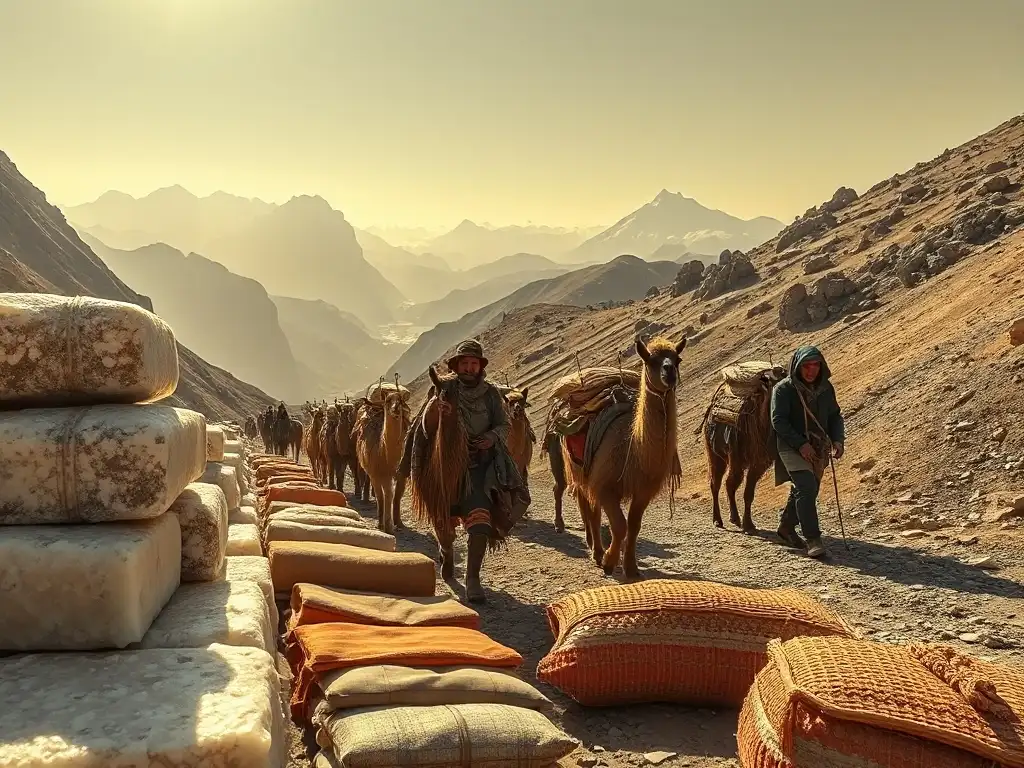
Salt, far from being a mere seasoning, held a position of paramount importance in ancient Andean economies. Its significance transcended mere culinary use; salt was a vital preservative, essential for preserving food, particularly meat and fish, which significantly extended their shelf life. This was crucial in a region with varying climates and challenges in food storage. The ability to preserve food allowed for the accumulation of surplus, impacting trade networks and societal stability.
Furthermore, salt was a highly valued commodity, often used as a form of currency or in ceremonial offerings. The control and distribution of salt, therefore, represented considerable economic and political power. Ancient Andean salt mines, some of which are still visible today, demonstrate the scale of salt production and the sophisticated techniques employed in its extraction and processing. The trade routes themselves were often shaped by the location of these salt deposits, creating strategic pathways connecting producers and consumers across vast distances.
The economic influence of salt is clearly evident in the archaeological record, with evidence of salt production and trade found across various Andean cultures, from the coastal regions to the high-altitude valleys. The sheer volume of salt traded underscores its crucial role in the economic fabric of these ancient societies. The value of salt in Andean economies is a testament to the ingenuity and resourcefulness of these ancient civilizations in harnessing natural resources.
Obsidian from Chivay and Copper from Corocoro
Obsidian, a volcanic glass prized for its sharpness, and copper, a malleable metal crucial for tools and weaponry, represent two key commodities that fueled ancient Andean trade. Chivay, located in the Colca Canyon, was a significant source of high-quality obsidian. This obsidian was traded extensively, reaching far beyond its immediate region, as evidenced by archaeological findings of Chivay obsidian artifacts in sites hundreds of kilometers away. The demand for this durable and easily sharpened material for tools and weapons propelled its value in exchange networks.
Similarly, Corocoro, in modern-day Bolivia, was renowned for its rich copper deposits. The mining and processing of copper were sophisticated endeavors, indicative of advanced metallurgical knowledge within Andean societies. Copper tools, ornaments, and weapons crafted from Corocoro copper circulated widely, contributing significantly to the economic prosperity of the regions involved in its extraction and trade. The trade routes connecting Chivay and Corocoro to other centers of Andean civilization facilitated the exchange of these essential materials, fostering economic interdependence and cultural exchange.
The presence of these materials in distant archaeological sites provides tangible evidence of the extensive and well-established trade networks that crisscrossed the Andes. The economic impact of both obsidian and copper on ancient Andean societies was profound, shaping their technological advancements, social structures, and political landscapes. The strategic location of these resources and the sophisticated methods of extraction and production highlight the ingenuity and economic acumen of the ancient Andean peoples.
The Impact of Ancient Trade on Andean Societies
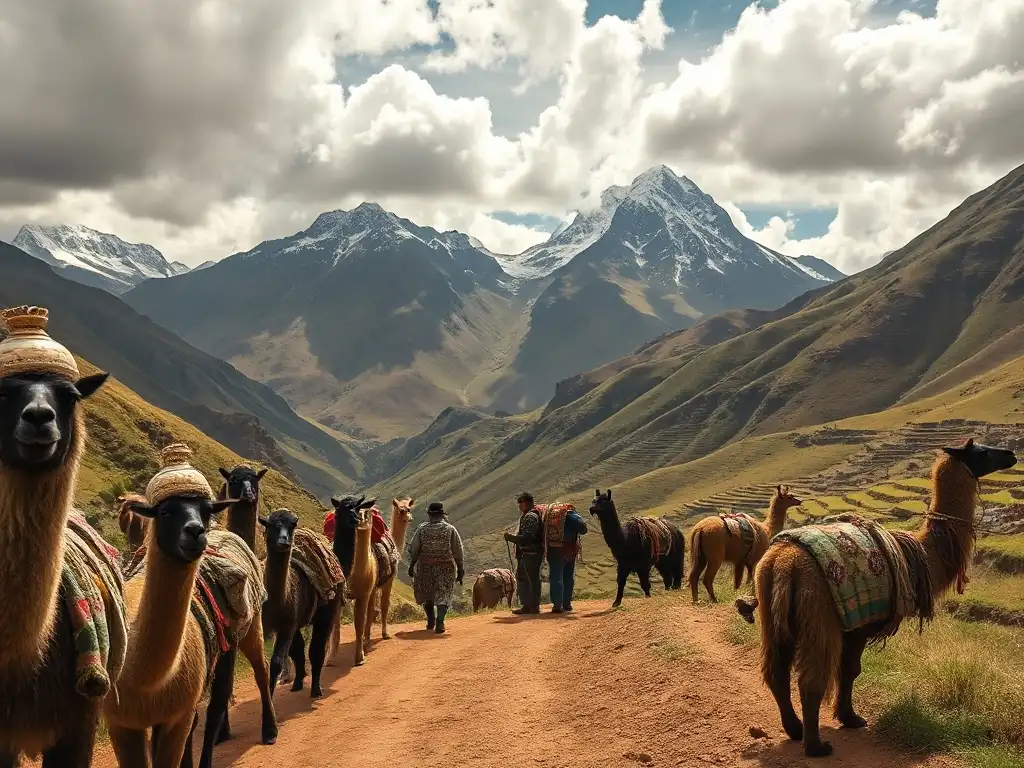
The intricate network of Ancient Andean trade routes profoundly shaped Andean societies, leaving an enduring legacy that resonates even today. The exchange of goods wasn't merely a commercial activity; it was a catalyst for cultural transformation, economic specialization, and the consolidation of political power. Understanding the impact of this trade is crucial to comprehending the complexities of these remarkable civilizations.
Cultural Exchange and Diffusion Through Trade
The movement of goods along the Ancient Andean trade routes facilitated a remarkable exchange of ideas, beliefs, and artistic styles. Pottery designs, textile techniques, and even religious practices spread across vast distances, demonstrating the interconnectedness of seemingly disparate Andean communities. For example, the distinctive iconography of the Moche culture, known for its intricate ceramics depicting deities and everyday life, can be found, albeit with regional variations, in sites far from their coastal heartland.
This diffusion wasn't a one-way street; instead, a vibrant process of cross-cultural fertilization occurred, resulting in a rich tapestry of Andean artistic and cultural expressions. The exchange wasn't limited to material culture; religious beliefs and rituals also underwent transformation through contact and interaction along these routes. Consider the spread of certain agricultural techniques, such as terracing, which optimized land use in diverse environments and was likely shared through trade networks.
The evidence suggests that the spread of ideas and practices was often as significant as the movement of goods themselves, contributing to a shared Andean cultural identity despite regional diversity. This cultural exchange, facilitated by trade, ultimately shaped the unique character of each civilization, fostering both similarities and differences across the region.
Economic Development and Specialization
The extensive Ancient Andean trade routes fostered economic growth and specialization within Andean societies. Communities developed expertise in the production of specific goods, leveraging their unique environmental resources and skills. Coastal regions, for instance, became centers for fishing and the production of salt, while highland communities focused on agriculture, particularly potatoes and other hardy Andean crops.
The specialized production of textiles in places like the Nazca region became renowned throughout the Andes, with their intricate designs and sophisticated weaving techniques driving significant trade. This specialization increased efficiency and productivity, leading to economic surpluses that could be exchanged for other essential goods. The development of sophisticated systems of storage and distribution, such as qollqas (Andean storehouses), further facilitated trade and economic management.
The evidence suggests a complex system of reciprocal exchange and market-based transactions, indicating a sophisticated understanding of economic principles. The volume of traded goods—from precious metals to everyday necessities—suggests a thriving economy significantly influenced by the efficiency and reach of these trade networks. The integration of diverse economies strengthened the entire Andean region.
Political Power and Control of Trade Routes
Control over the Ancient Andean trade routes was a key factor in the rise and fall of Andean empires. The ability to regulate the flow of goods, particularly valuable resources like metals and textiles, provided immense political and economic power. Empires like the Inca strategically placed their settlements along major trade routes, ensuring their control over resource distribution and the collection of tribute. The construction and maintenance of infrastructure, such as roads and bridges, were essential components of imperial power, facilitating the movement of goods and armies.
The Inca chasquis relay system, using runners to carry messages and goods across vast distances, demonstrates the sophisticated logistical capabilities of the empire. However, controlling these routes wasn't always easy. Conflicts often arose between competing groups vying for control of trade networks, resulting in wars and territorial disputes.
The strategic importance of these routes is evident in the location of many important settlements and fortifications, highlighting the close relationship between political power and economic activity. The ability to effectively manage and control trade routes was a crucial element in maintaining stability and expanding influence within the Andean region. The decline of empires was often linked to the loss of control over these vital economic arteries.
The Role of Trade in the Rise and Fall of the Inca Empire
The Inca Empire's phenomenal growth and eventual collapse are inextricably linked to its sophisticated trade network. The empire's strategic location along the Andes mountains, coupled with its highly organized administrative structure, facilitated the efficient movement of goods and resources across vast distances. This wasn't merely a matter of economic exchange; trade served as a crucial tool for consolidating power, maintaining social order, and projecting imperial authority.
The Inca mita system, a form of mandatory labor, played a vital role in constructing and maintaining the Qhapaq Ñan, the extensive network of roads that underpinned their trade system. This infrastructure allowed for the swift transport of goods, including textiles, precious metals, agricultural products, and livestock, connecting the far-flung corners of the empire.
The controlled distribution of these resources cemented Inca dominance and prevented the emergence of powerful regional rivals. The empire's control over trade routes also allowed for the efficient collection of tribute, further strengthening the central government's power.
However, the very system that fueled the Inca Empire's rise also contributed to its downfall. The over-reliance on a centralized system of resource management and distribution proved brittle in the face of internal rebellions and external pressures. Disruptions to the Qhapaq Ñan, whether through natural disasters or deliberate sabotage, severely hampered the empire's ability to respond effectively to crises.
The rigid control over trade also stifled local economies, leading to resentment and discontent among conquered populations. The inability to adapt to changing trade dynamics, coupled with the logistical challenges of managing such a vast territory, ultimately contributed to the empire's vulnerability and its eventual conquest by the Spanish.
The collapse of the Inca trade network served as a stark reminder of the interconnectedness between economic power and political stability. The efficient management of trade routes was not merely a matter of economic prosperity but also a key factor in the maintenance of imperial control.
The Wari Expansion and Trade Control
The Wari civilization, a powerful pre-Inca empire flourishing from approximately 600 to 1000 CE, demonstrated the crucial role of trade in imperial expansion and consolidation. Their influence extended across a significant portion of the central Andes, a feat facilitated by their mastery of trade routes and their control over key resources.
Unlike the Inca, who relied heavily on a system of roads, the Wari’s control extended through a combination of strategic alliances, military campaigns, and the establishment of administrative centers throughout their territory. These centers, often located at strategic points along trade routes, served as hubs for the collection and redistribution of goods.
Archaeological evidence suggests that the Wari controlled the flow of key resources such as textiles, ceramics, and metals, using trade as a tool to both enrich their economy and exert political power over subordinate groups. The distribution of Wari-produced goods, such as fine ceramics and textiles, served as a potent symbol of imperial authority and cultural influence.
The Wari’s success in controlling trade, however, wasn't without its challenges. Maintaining a vast and diverse empire required significant administrative capabilities, and the demands of controlling trade routes likely contributed to the empire's eventual fragmentation. The intricate network of exchange also meant that disruptions in one region could have cascading effects throughout the empire, creating vulnerabilities that were eventually exploited by rival groups.
While the Wari’s control over trade undoubtedly contributed to their rise as a major Andean power, it also highlights the inherent risks associated with relying on trade as a primary means of maintaining imperial power. The Wari case study provides a compelling example of how trade, while a powerful instrument for expansion, could also become a source of fragility for even the most formidable empires. The complex interplay between economic influence and political control remains a fascinating aspect of understanding ancient Andean societies and their legacies.
The Enduring Legacy of Ancient Andean Trade

The intricate network of Ancient Andean trade routes profoundly impacted the development of Andean societies and continues to resonate in modern economies. Understanding these ancient practices offers valuable insights into sustainable development and the enduring influence of trade on culture. This section explores the parallels between ancient and modern trade, the lessons learned for sustainable practices, and the lasting impact on contemporary Andean culture.
Parallels Between Ancient and Modern Trade Practices
Ancient Andean trade, while lacking modern technologies like trains and airplanes, shared striking similarities with contemporary global commerce. The exchange of goods was driven by specialization and comparative advantage. Coastal communities, for example, excelled at fishing and pottery, while highland regions specialized in agriculture, particularly potatoes and llama wool. This division of labor necessitated extensive trade networks, mirroring today's global supply chains.
For instance, the Moche civilization famously traded intricately crafted metalwork, often gold and silver artifacts, across vast distances, a practice analogous to today's international trade in luxury goods. The scale and sophistication of these ancient networks are remarkable. Consider the Nazca lines, some theorize they served as markers for trade routes, guiding caravans across the arid landscape—a testament to the importance placed on efficient transportation and communication, much like the GPS and satellite technology used today.
The organization of trade also presents interesting parallels. While we don't have the equivalent of chambers of commerce, evidence suggests the existence of intermediary groups facilitating exchanges and managing long-distance trade.
These intermediaries, possibly acting as merchants or even specialized guilds, played a crucial role in reducing transaction costs and managing risks inherent in long-distance trade, similar to modern logistics companies and international brokers. We can see evidence of this in the standardization of certain goods, such as pottery styles and weights and measures used in exchange, suggesting a degree of regulation and standardization that minimized disputes and encouraged trust.
Lessons from the Past for Sustainable Development
Analyzing Ancient Andean trade routes provides invaluable lessons for achieving sustainable development today. The Andes' challenging geography forced Andean civilizations to develop sustainable practices. For example, the intricate terracing techniques used in agriculture maximized land use and minimized soil erosion—practices that remain relevant in addressing modern environmental concerns. Similarly, their reliance on llamas and alpacas for transportation minimized environmental impact compared to the carbon footprint of today's extensive transportation networks.
Furthermore, the resilient nature of Andean societies in the face of climate change, such as droughts and floods, highlights the importance of adaptability and diversification in trade. The reliance on diverse crops and goods minimized vulnerability to single-crop failures, a lesson that modern agricultural systems could learn from.
The Inca's sophisticated system of storage and redistribution of surplus goods serves as a model for effective resource management and disaster preparedness, mitigating the risks of food shortages and economic instability. The integration of sustainable practices into ancient trade networks demonstrates a deep understanding of the interconnectedness between economic activity and environmental well-being, a crucial lesson for contemporary development strategies.
Influence of Ancient Trade on Modern Andean Culture
The legacy of Ancient Andean trade routes extends far beyond economic structures; it profoundly shaped modern Andean culture. The exchange of goods also fostered cultural exchange, leading to a rich tapestry of traditions and beliefs. The spread of artistic styles, religious practices, and technological innovations across the Andes, facilitated by trade networks, is evident in the similarities and variations found in different Andean cultures. For example, the widespread use of certain pottery styles or architectural techniques indicates the dissemination of ideas and skills along trade routes.
Moreover, the linguistic diversity of the Andes reflects the historical interactions and exchanges facilitated by trade. While the exact linguistic impact of trade is complex and requires further research, it's reasonable to assume that trade networks contributed to the spread and evolution of languages across the region. The enduring presence of ancient trade routes in the collective memory of Andean communities underscores the long-lasting impact of these networks on cultural identity and social structures.
Traditional markets and festivals in many Andean regions still follow ancient trade routes, highlighting the continued relevance of these historical pathways in contemporary life. The vibrant cultural landscape of the Andes is a testament to the enduring legacy of its ancient trade networks, a legacy that is interwoven with the fabric of modern Andean society. The continued relevance of these historical pathways in modern life demonstrates the profound and lasting impact of these ancient networks.
The Importance of Preserving Andean Trade Heritage
The preservation of Andean trade heritage is crucial for several reasons. Firstly, it allows us to understand the ingenuity and resilience of ancient Andean societies. Their intricate trade networks, spanning vast distances and diverse terrains, demonstrate remarkable organizational skills and adaptability.
Understanding these systems provides valuable insights into their social structures, political organization, and economic strategies. For example, the meticulous record-keeping systems employed by some Andean cultures, such as the Inca quipu, offer a glimpse into the complexities of their trade practices and economic administration. These systems weren't merely transactional; they were integral to the very fabric of their societies, shaping their identities and relationships.
Secondly, preserving this heritage contributes to a broader understanding of global trade history. The Andean civilizations' trade routes and practices offer valuable comparative data, allowing scholars to identify commonalities and differences in the development of trade networks across various cultures and time periods. This comparative perspective enriches our understanding of the evolution of trade as a global phenomenon, highlighting the interconnectedness of societies across vast geographical distances. For instance, comparing the Andean systems with those of the Mediterranean or Asian civilizations reveals fascinating similarities and differences in organizational strategies, technological innovations, and social impacts.
Finally, protecting this heritage has significant cultural and economic benefits. The archaeological sites associated with ancient Andean trade routes are vital tourism destinations, generating revenue and employment opportunities for local communities. Preserving these sites ensures the continuation of this economic benefit, while simultaneously promoting cultural pride and identity.
Moreover, the knowledge gained from studying these routes can inform contemporary sustainable development initiatives, particularly in regions with challenging geographical conditions. The ancient Andean peoples’ mastery of resource management and adaptation to their environment offers valuable lessons for modern societies facing similar challenges. Careful preservation and responsible tourism are key to ensuring that the legacy of Andean trade continues to enrich both our understanding of the past and our ability to build a sustainable future.
Future Research on the Interregional Trade of the Tiwanaku
Future research on the interregional trade of the Tiwanaku civilization should focus on several key areas. Firstly, more detailed analysis of the material culture found at Tiwanaku and its associated sites is needed. This includes a more precise chemical analysis of ceramics and other artifacts to pinpoint the origins of raw materials and identify specific trade routes.
Sophisticated techniques like isotopic analysis can help researchers trace the movement of goods across the vast Tiwanaku empire with greater accuracy than previously possible. This would allow for a more refined understanding of the extent of their trade network and the degree of integration between different regions.
Secondly, a more comprehensive study of the Tiwanaku's administrative and social structures is necessary. Understanding how the Tiwanaku managed and controlled their trade network is crucial to interpreting the economic and political implications of their trade. This requires further investigation of their societal organization, including the role of elites, specialized craft producers, and regional intermediaries. Were there specific institutions responsible for overseeing trade? What mechanisms were used to regulate trade and ensure fair exchange? These are crucial questions that require further investigation.
Thirdly, the impact of climate change and environmental factors on Tiwanaku trade should be more fully explored. Evidence suggests that climate shifts may have played a significant role in the rise and fall of the Tiwanaku civilization. Understanding how environmental changes affected their agricultural production and access to resources can shed light on the vulnerability of their trade networks and the resilience of their economic strategies.
This necessitates interdisciplinary research involving archaeologists, climatologists, and environmental scientists. By combining archaeological evidence with climate data, we can better understand the interplay between environmental factors and the dynamics of Tiwanaku trade.
This research will not only improve our understanding of the Tiwanaku but also provide valuable insights into the broader impact of environmental change on ancient societies and their trade networks. The integration of these different research approaches promises a more nuanced and complete understanding of the Tiwanaku's remarkable contribution to the ancient Andean trade system.
Frequently Asked Questions
What were the primary goods traded along ancient Andean trade routes?
The ancient Andean trade routes facilitated the exchange of a diverse range of goods. Textiles, metals (like gold and silver), ceramics, and foodstuffs were among the most significant items traded. These goods connected different regions and cultures.
How did the geography of the Andes affect trade routes?
The rugged and mountainous terrain of the Andes presented significant challenges. Trade routes often followed river valleys and coastal paths, adapting to the difficult landscape. This geography also led to the development of specialized regional economies.
Which Andean civilizations were most heavily involved in trade?
The Inca Empire established a vast and sophisticated trade network, but earlier civilizations like the Moche, Nazca, and Tiahuanaco also participated extensively. Trade was integral to the development and power of these societies.
What technologies facilitated trade in the Andes?
Llamas were crucial for transporting goods over long distances. The development of advanced road systems, including the Inca's Qhapaq Ñan, was also vital. Storage techniques for preserving goods were also important for long-distance trade.
What is the lasting impact of ancient Andean trade routes on modern economies?
Ancient Andean trade routes left a lasting legacy on the region's economies. These routes influenced the development of modern infrastructure and trade patterns. The legacy of interconnectedness continues to shape economic activity in the Andes today.
Final Reflection: Echoes of the Andes: A Legacy of Trade
The intricate web of ancient Andean trade routes continues to resonate in the globalized economy of today. The ingenuity and resilience demonstrated by these ancient civilizations in overcoming geographical challenges to facilitate commerce offers a powerful lesson in adaptability and interconnectedness, a lesson particularly relevant in our increasingly interdependent world. Their sophisticated systems of exchange, far from being relics of the past, provide a framework for understanding the complexities of modern supply chains and the enduring power of collaborative economic strategies.
The impact of Andean trade extends far beyond the mere exchange of goods; it shaped cultural identities, fostered technological innovation, and laid the groundwork for the diverse societies we see in the region today. The enduring legacy of these routes is a testament to the human capacity for collaboration and innovation in the face of adversity. The past is never dead. It's not even past.
– William Faulkner. This quote perfectly encapsulates the enduring influence of Andean trade practices, which continue to subtly, yet powerfully, shape our understanding of economic systems and cultural exchange.
Consider the ingenuity of these ancient traders, their mastery of challenging terrains, and their commitment to building lasting relationships across vast distances. You too possess the capacity for innovation and collaboration. Reflect on the challenges you face, and consider how the principles of resourcefulness, adaptability, and interconnectedness demonstrated by the ancient Andean civilizations can inspire your own approach to problem-solving and collaboration. Let the echoes of their legacy guide you towards building a more sustainable and interconnected future.
**Embrace the Legacy: Transform Your Understanding of Andean Trade! **
Thank you for exploring the fascinating world of Andean trade with us! You've discovered the profound impact of ancient Andean practices on our modern economies, and now it's time to build on that knowledge.
Here's how you can further engage with this rich history and make a difference:
- **Dive Deeper:** Delve into the intricate trade routes and ingenious methods employed by ancient Andean civilizations. Our website offers a wealth of resources to expand your understanding.
- **Share the Knowledge:** Discuss your newfound insights with friends, family, or on social media. By spreading awareness of Andean trade, you contribute to preserving its enduring legacy.
- **Connect with Community:** Join a local historical society, an online forum dedicated to ancient civilizations, or a relevant academic group to share your thoughts and learn from others who share your passion.
What aspect of Andean trade intrigues you the most, and how do you believe it continues to shape our economies today?