
Lost Melodies of the Andes: Tracing the Roots of Ancient Musical Traditions

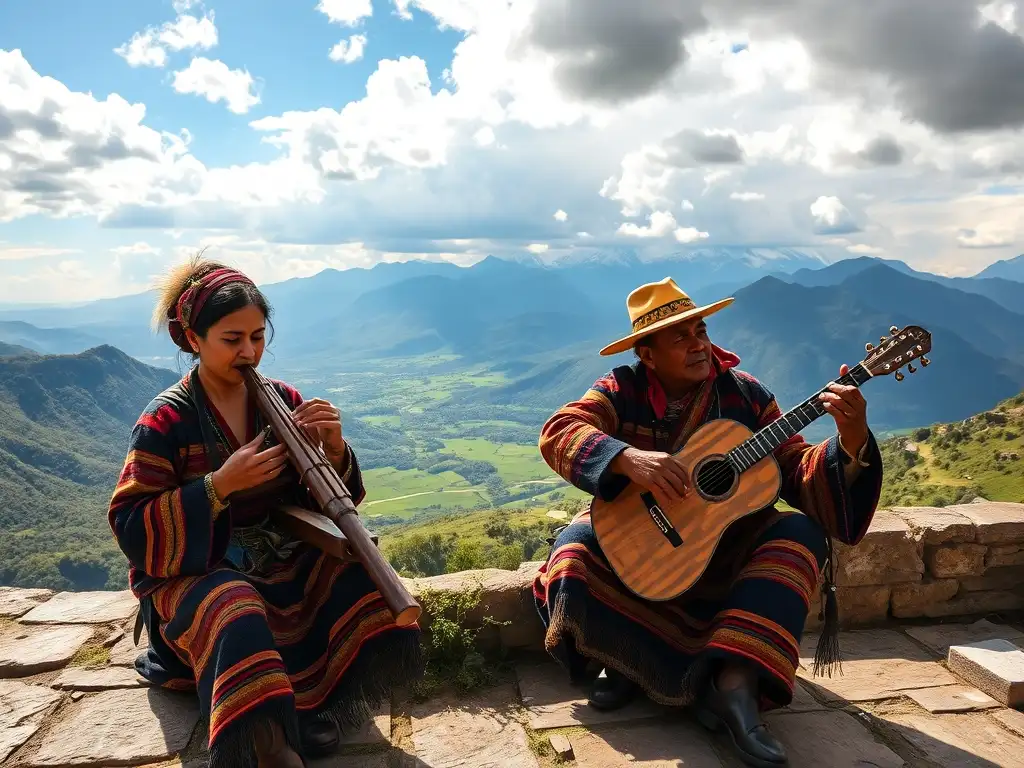
Uncover the echoes of a lost world. For centuries, the majestic Andes have whispered secrets of advanced civilizations – the Incas, Moche, Nazca, and Tiahuanaco. But what sounds filled their vibrant cities? Prepare to be captivated by the enigmatic world of Ancient Andean musical instruments, as we delve into the fascinating musical traditions that shaped these empires in our "Immersive Andean Experiences" section. Journey with us to unearth the lost melodies of the Andes – a story waiting to be rediscovered.
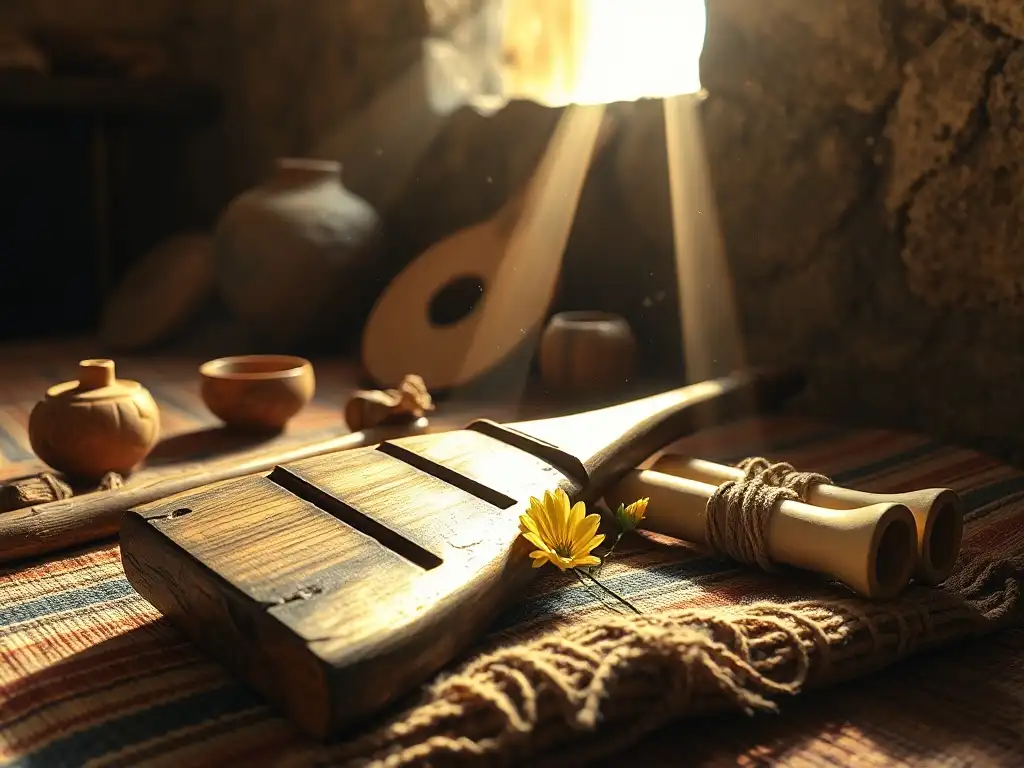
The Andes Mountains, a spine of towering peaks running down the western coast of South America, are home to a rich tapestry of ancient civilizations. Beyond the breathtaking landscapes and impressive architectural feats lie the echoes of vibrant musical traditions, a legacy passed down through generations, albeit sometimes faintly.
This article delves into the fascinating world of Ancient Andean musical instruments, exploring their diverse forms, their significance within Andean societies, and the ongoing efforts to understand and preserve these lost melodies. We will journey through the soundscapes of cultures like the Inca, Moche, Nazca, and Tiahuanaco, uncovering the instruments that shaped their rituals, celebrations, and daily lives.
Understanding these instruments provides a crucial window into the beliefs, social structures, and artistic expressions of these remarkable civilizations, offering a deeper appreciation for the enduring legacy of Andean culture. Prepare to be transported back in time, as we unearth the sounds of a world lost to history, yet still resonating in the vibrant music of the Andes today.
Introduction: Unearthing the Sounds of Andean Civilizations
The study of ancient Andean music presents unique challenges. Unlike written musical scores, much of our understanding comes from archaeological findings, artistic representations on pottery and textiles, and accounts from Spanish chroniclers who often lacked a nuanced understanding of the indigenous cultures they documented. Despite these limitations, considerable evidence reveals a sophisticated and diverse musical landscape.
Archaeological excavations have unearthed a variety of instruments, including flutes made from bone and reeds, panpipes crafted from different materials, and drums fashioned from animal hides stretched over clay or wooden frames. These artifacts, often fragmented and incomplete, offer tantalizing glimpses into the sounds of the past. Furthermore, the continued use of traditional instruments and musical styles in modern Andean communities provides valuable links to these ancient practices, allowing for a more complete understanding of the evolution of Andean music.
The sheer variety of instruments discovered highlights the rich musical diversity across different Andean cultures and time periods. For example, the complex panpipes of the Tiahuanaco culture differ significantly from the simpler bone flutes found associated with earlier coastal cultures. This diversity reflects not only varying technological capabilities but also unique cultural and ritualistic practices.
Understanding the Importance of Ancient Andean Musical Instruments
Ancient Andean musical instruments were far more than just objects; they held profound social, religious, and symbolic significance. Music played a vital role in Andean rituals, ceremonies, and daily life. Instruments were often associated with specific deities or spirits, and their use could invoke supernatural powers or influence the natural world.
For example, certain instruments might be used to call upon rain during times of drought or to appease powerful mountain spirits. The intricate craftsmanship evident in many instruments suggests a high level of artistry and skill. Materials were carefully selected, and instruments were often decorated with elaborate designs, further emphasizing their cultural and spiritual importance.
The construction of these instruments, often involving specialized knowledge and techniques, may have been the purview of skilled artisans or shamans, further underscoring their social significance. Analysis of excavated instruments reveals insights into the materials available and the craftsmanship techniques used by different Andean cultures. The presence of specific instruments in certain contexts, such as burial sites, highlights their role in funerary rites and beliefs about the afterlife.
The Role of Music in Andean Societies
Music permeated all aspects of Andean life, from agricultural cycles and celebrations to warfare and mourning. The rhythmic sounds of drums and flutes likely accompanied agricultural labor, helping to coordinate activities and maintain a sense of community. Festivals and ceremonies, often marked by elaborate costumes and dances, were accompanied by vibrant musical performances, reinforcing social bonds and reaffirming cultural identity.
Music also played a crucial role in political and military contexts. The sounds of trumpets and drums likely served to signal commands, announce victories, or inspire warriors during battle. The use of music in these contexts underscores its importance as a tool for social control and the expression of power.
Furthermore, evidence suggests that music functioned as a means of storytelling and the transmission of cultural knowledge across generations. Songs and musical narratives likely recounted historical events, myths, and legends, ensuring the preservation of cultural heritage. 🎶 The legacy of these ancient musical traditions continues to resonate in the vibrant musical landscape of the Andes today, demonstrating the enduring power of music to connect past and present.
Identifying Key Types of Ancient Andean Instruments
The Andes Mountains, a spine of towering peaks running down the western edge of South America, nurtured a diverse array of ancient cultures, each leaving behind a unique musical legacy. Understanding ancient Andean musical instruments requires recognizing the materials readily available to these civilizations: wood, bone, stone, shells, and various metals. These materials shaped the instruments' construction and, consequently, their sounds. The instruments themselves weren't merely tools for creating music; they were often deeply intertwined with religious ceremonies, social rituals, and daily life. Their soundscapes echoed through sacred spaces and bustling marketplaces alike.
One of the most recognizable ancient Andean instruments is the pututu, a long, shell trumpet often crafted from a marine shell. The pututu's powerful, resonant sound carried across vast distances, making it ideal for signaling and ceremonial use. Archaeological evidence suggests its importance in Inca society, where it likely played a crucial role in religious and military contexts. Its deep, booming tone was likely used to announce important events or to summon people together. The precise techniques for playing the pututu, and the specific sounds produced, likely varied across different Andean cultures.
Another significant category includes percussion instruments. These ranged from simple rattles made from gourds filled with seeds or small stones, to more complex drums crafted from animal hides stretched over wooden frames. These drums, often cylindrical or hourglass-shaped, varied in size and construction depending on the specific culture and intended use.
Some were likely used in agricultural ceremonies, while others accompanied dances or storytelling events. The rhythmic sounds provided the backbone for many Andean musical performances, contributing to their overall energy and impact. Variations in materials and construction methods resulted in a wide range of tonal qualities, from deep, resonant booms to sharp, staccato beats.
Beyond percussion and wind instruments, ancient Andean cultures also developed a variety of idiophones – instruments that produce sound through the vibration of the instrument itself. These included instruments made from stone, bone, or metal, often struck or shaken to create a variety of sounds. These instruments, while perhaps less prominent than drums or flutes in surviving accounts, likely played a significant role in the overall musical landscape.
Further research is needed to fully understand the specific types and uses of these idiophones, as many examples are fragmented or poorly documented. The discovery of new archaeological sites continues to reveal more about these intriguing musical traditions. The diversity of materials and construction techniques highlights the ingenuity and adaptability of Andean artisans in creating instruments well-suited to their environment and cultural needs.
- Introduction: Unearthing the Sounds of Andean Civilizations
- Understanding the Importance of Ancient Andean Musical Instruments
- The Role of Music in Andean Societies
- Identifying Key Types of Ancient Andean Instruments
- What types of musical instruments did the ancient Andean civilizations use?
- How did music function in Andean societies?
- What materials were used to create ancient Andean instruments?
- Are any ancient Andean musical instruments still played today?
- Where can I learn more about ancient Andean musical instruments?
Reconstructing the Sounds: A Practical Guide to Experiencing Ancient Andean Music
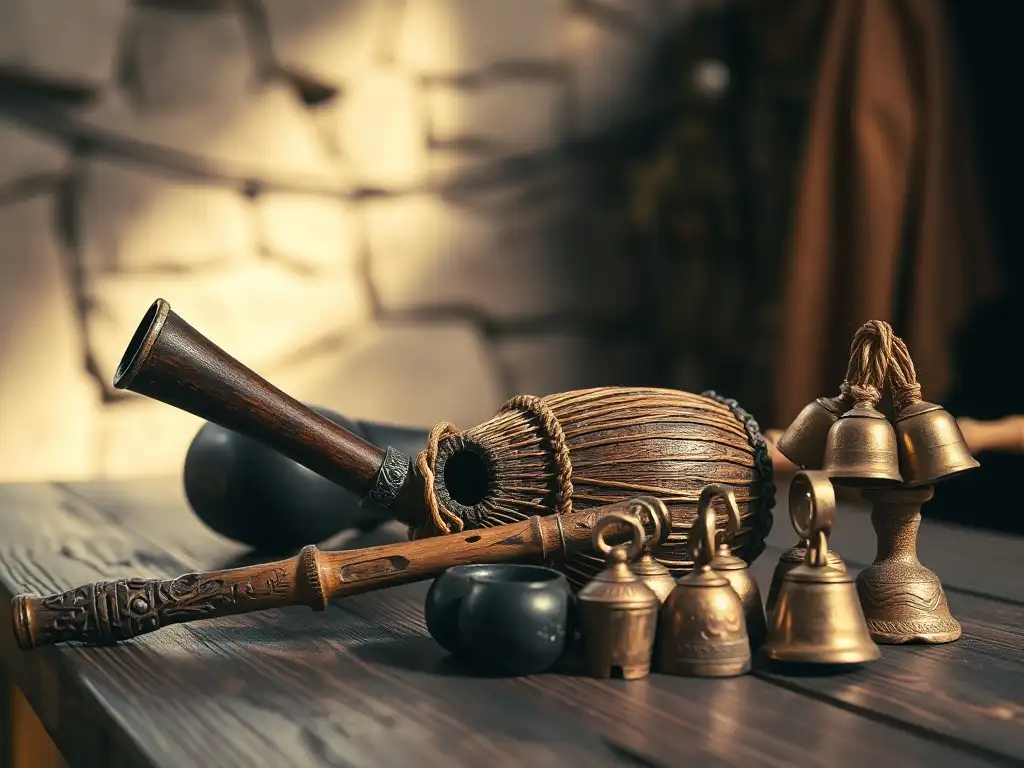
This section offers a practical approach to understanding and experiencing the sounds of ancient Andean civilizations. While original instruments are rare and often fragmented, dedicated research and craftsmanship allow us to appreciate the musical heritage of the Andes through replicas and modern interpretations. This guide outlines steps to engage with this fascinating aspect of Ancient Andean musical instruments and culture.
Step 1: Exploring Replicas of Ancient Andean Musical Instruments
Understanding the sounds of ancient Andean civilizations begins with examining the instruments themselves. Fortunately, meticulous archaeological work and skilled artisans have enabled the creation of high-quality replicas of many ancient instruments. These replicas provide invaluable insight into the materials, construction techniques, and sonic capabilities of these fascinating artifacts. By studying these instruments, we can begin to understand the nuances of their sounds and their role within ancient Andean societies.
Several museums and cultural centers around the world house collections of these replicas. These collections often include detailed information about the original instruments' discovery, dating, and cultural context. For example, replicas of pututus (long, shell trumpets), antaras (panpipes), and tunkas (drums) are readily available for examination. Careful observation of the materials (e.g., bone, wood, shells, ceramics) and construction reveals a sophisticated understanding of acoustics and craftsmanship.
Each instrument's unique shape and size directly impacts its tonal range and timbre, offering a captivating glimpse into the sonic landscape of the past. The differences between a Moche-era antara and an Inca antara, for example, might reveal evolving musical styles and techniques. Examining these subtle differences allows for a deeper appreciation of the diversity of Ancient Andean musical instruments.
Step 2: Learning to Play Basic Andean Melodies
While simply observing replicas provides a valuable understanding of ancient Andean musical instruments, actively engaging with the music through playing offers a deeper connection. Many institutions and workshops offer instruction in playing replicas of these instruments, providing a hands-on experience that brings the music to life.
Learning to play even basic melodies on an antara or a zampoña (another type of panpipes) allows one to appreciate the challenges and rewards of mastering these instruments. The fingerings and breathing techniques required reveal the intricacies of the music and highlight the skill of the ancient Andean musicians. Furthermore, understanding the musical scales and rhythms used in traditional Andean music provides context for appreciating the complexity and beauty of the compositions.
This hands-on experience transforms a passive observation into an active participation in the rich musical heritage of the Andean region. Even basic proficiency in playing a simple melody on a replica instrument offers a unique perspective on the ingenuity and artistic expression of ancient Andean cultures.
Step 3: Attending Andean Music and Dance Festivals
Attending modern Andean music and dance festivals provides a powerful way to experience the living legacy of ancient musical traditions. While the instruments and styles may have evolved over time, these festivals often incorporate elements of ancient musical instruments and techniques, offering a vibrant connection to the past.
These festivals typically feature performances by musicians playing both traditional and contemporary Andean music. Observing these performances offers a chance to witness the instruments in action, appreciating their sounds within a cultural context. The energy and artistry of the performers, coupled with the vibrant costumes and dance, create an immersive experience that transcends the purely musical. The festivals often also include workshops and demonstrations, providing further opportunities to engage with the music and learn more about its history and cultural significance.
Participating in these festivals is an excellent way to fully appreciate the enduring legacy of ancient Andean musical instruments and their continued relevance in modern Andean culture. The experience offers a powerful sense of continuity, connecting the past with the present. 🎵
The Modern Legacy of Ancient Andean Music
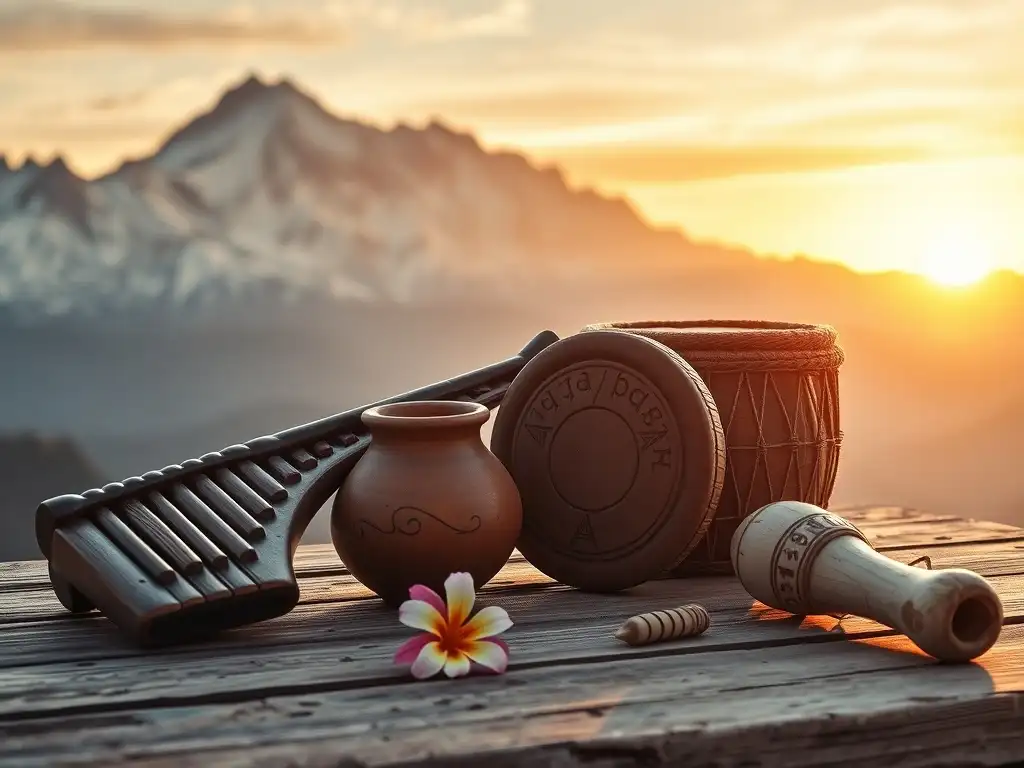
The vibrant tapestry of Andean music continues to thrive today, a testament to the enduring power of ancient traditions. While the specific sounds and instruments may have evolved, the core essence – the spirit of community, storytelling, and connection to the land – remains deeply rooted in the past. Understanding this legacy helps us appreciate the profound impact of ancient Andean musical instruments on the music we hear today. The legacy isn't merely a historical curiosity; it's a living, breathing tradition passed down through generations.
Preserving and Promoting Andean Musical Heritage
Preservation efforts are crucial to ensuring the continuity of these ancient traditions. Organizations and individuals dedicate themselves to archiving recordings of traditional music, documenting the construction techniques of ancient Andean musical instruments, and teaching younger generations the skills needed to play them. This dedication involves not just the physical preservation of instruments, but also the preservation of the cultural context surrounding their use.
For example, the meticulous documentation of ritualistic music associated with specific ceremonies helps maintain the integrity of the tradition. Furthermore, ethnomusicologists play a vital role in recording and analyzing the nuances of these musical traditions, contributing invaluable insights into their historical evolution and social significance. These efforts often involve collaborations between researchers, musicians, and local communities.
The collaborative nature of these preservation initiatives ensures that the knowledge remains accessible and relevant to those who hold it most dear. We see this collaborative spirit reflected in the numerous festivals and workshops dedicated to promoting Andean musical heritage.
The challenges, however, are significant. The loss of traditional knowledge due to factors like migration and modernization poses a threat. Moreover, the commercialization of traditional music can lead to a simplification or distortion of authentic practices. This necessitates a careful balance between promoting accessibility and maintaining the integrity of these fragile cultural heritages.
The need for sustainable funding models and robust educational programs is paramount. Without continued investment in preservation efforts, the richness and diversity of Andean musical traditions risk being lost forever. We need to ensure that the legacy of the ancient Andean musical instruments is not only preserved but also celebrated.
The Future of Andean Music
The future of Andean music is bright, but it depends on a conscious effort to navigate the complexities of globalization and modernization. While traditional forms of music continue to hold strong, we also see a vibrant fusion of ancient and modern styles. Contemporary Andean musicians are experimenting with new sounds and technologies, incorporating elements of rock, jazz, and electronic music while still retaining the core elements of their heritage.
This creative evolution is not a betrayal of tradition, but rather an adaptation and reinterpretation for a new generation. The incorporation of modern instruments alongside ancient Andean musical instruments creates a unique and compelling soundscape.
The rise of digital platforms has also presented both opportunities and challenges. While online platforms offer unprecedented access to Andean music for a global audience, they also raise concerns about copyright and the fair compensation of musicians. Navigating these challenges effectively will be crucial for the long-term health of the Andean music industry. The future depends on fostering a supportive environment where both tradition and innovation can coexist and flourish.
This requires a collaborative approach involving musicians, educators, policymakers, and technology companies. The careful integration of modern technologies with traditional practices can help ensure that Andean music continues to resonate with audiences worldwide for generations to come. The future of Andean music is a story yet to be written, and it will be shaped by the choices we make today.
Frequently Asked Questions
What types of musical instruments did the ancient Andean civilizations use?
The ancient Andean civilizations used a wide variety of instruments, including panpipes (antara), drums (tinku), flutes (pututo), and conch shell trumpets. These instruments played vital roles in ceremonies and daily life.
How did music function in Andean societies?
Music played a crucial role in Andean societies. It was used in religious ceremonies, agricultural rituals, and celebrations. Music was integral to their social fabric.
What materials were used to create ancient Andean instruments?
Ancient Andean instruments were often crafted from natural materials, such as wood, bone, stone, shells, and metals like gold and silver. The availability of materials influenced instrument design.
Are any ancient Andean musical instruments still played today?
Yes, many traditional Andean instruments are still played today. Modern musicians continue the legacy of their ancestors, keeping these ancient musical traditions alive.
Where can I learn more about ancient Andean musical instruments?
You can find more information in museums, academic journals, and ethnomusicology resources. Many books and online articles explore this fascinating subject in detail.
Final Reflection: Echoes of the Andes, Whispers of the Past
The vibrant sounds of ancient Andean music, once relegated to dusty museum archives and fading memories, are experiencing a powerful resurgence. This renewed interest isn't simply a nostalgic trend; it's a vital recognition of the rich cultural heritage embedded within these melodies and the instruments that create them. Understanding these ancient instruments allows us to connect with a past that continues to shape the present, offering valuable insights into the ingenuity and resilience of Andean civilizations.
The enduring power of Andean music lies not only in its captivating rhythms and haunting melodies, but also in its ability to transcend time and connect us to a profound cultural legacy. These instruments, crafted from simple materials yet imbued with deep spiritual significance, speak volumes about the ingenuity and artistry of their creators. Music is the universal language of mankind,
said Henry Wadsworth Longfellow, and the ancient Andean musical traditions prove this to be profoundly true, even across vast stretches of time and cultural differences. Their continued influence on contemporary Andean music and beyond is a testament to their enduring power and beauty.
The melodies of the Andes whisper stories of resilience, innovation, and a deep connection to the land. Consider the intricate designs on a pututu shell trumpet, or the meticulous craftsmanship of a antara panpipe. These are not merely instruments; they are tangible links to a vibrant past.
I urge you, dear reader, to delve deeper into this fascinating world. Listen to the echoes of the Andes, explore the history behind these instruments, and allow yourself to be moved by the enduring power of ancient musical traditions. Let the lost melodies find their way back into your heart, enriching your understanding of the world and its diverse cultural tapestry.
Unveil the Sounds of the Andes Today!
Thank you for exploring the enchanting world of ancient Andean musical traditions with us! We hope you've discovered the rich history and cultural significance of these captivating melodies. Now, let's share these vibrant sounds with the world!
Here's how you can get involved:
- **Attend local music events or festivals** celebrating Andean culture and experience the rhythms firsthand.
- **Share your favorite Andean music** on social media and inspire your friends to learn more about these traditions.
- **Consider learning an Andean instrument** like the charango or pan flute; it's a wonderful way to help preserve this musical heritage!
What aspect of Andean music most captivates you, and how will you integrate it into your life?