Andean Music and Dance

Discover how Andean music and dance express deep ritualistic and social significance across ancient civilizations. From sacred ceremonies honoring deities and ancestors to communal festivals that strengthen identity and solidarity, every rhythm, instrument, and movement carries cultural meaning. Explore the traditions of the Incas, Moche, Nazca, and Tiahuanaco, and uncover how performance connected spirituality, community, agriculture, and seasonal celebrations in the Andes. 🎶🕺⛰️
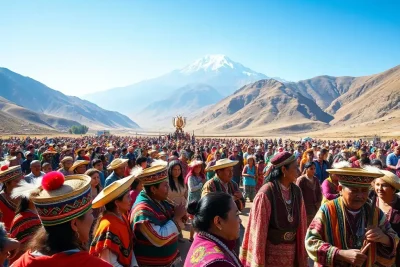
Discover how music and dance shaped ritual life, community identity, and social organization across the ancient Andes. In civilizations such as the Inca, Moche, Nazca, and Tiahuanaco, performances were far more than entertainment: they connected people with ancestors, sacred landscapes, agricultural cycles, rulers, and deities. This subcategory explores the ritualistic and social significance of Andean music and dance, examining how sound, movement, costume, and ceremony expressed belief and strengthened collective relationships.
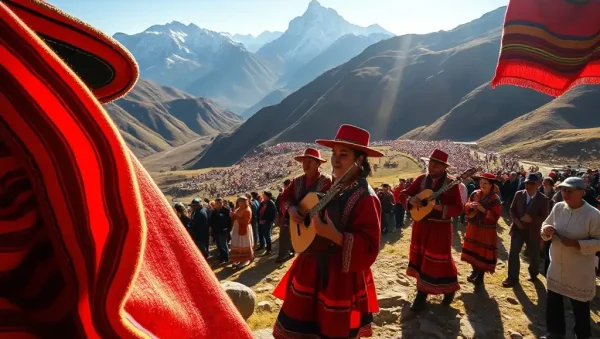
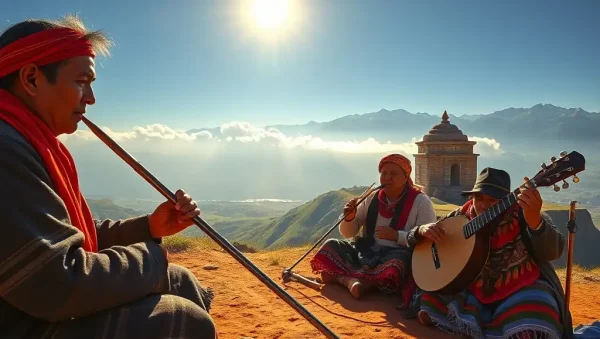
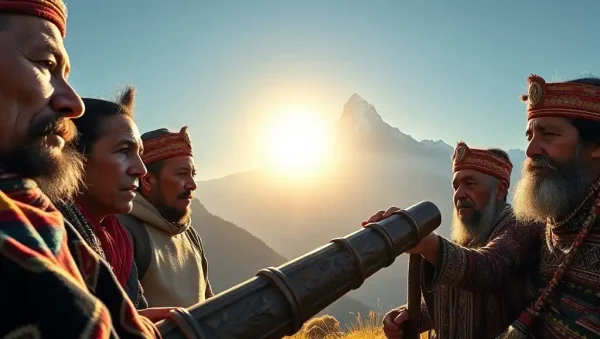
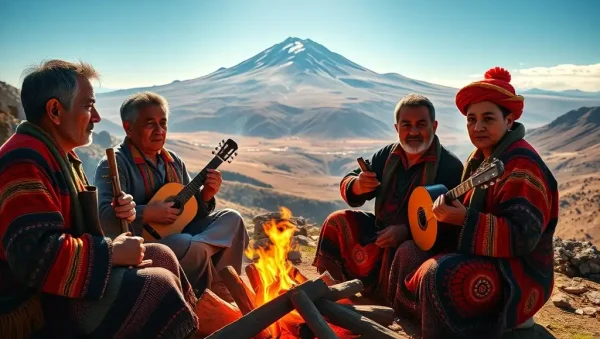
Andean music and dance were central to ceremonies honoring mountains, rivers, the sun, the moon, fertility, and ancestral powers. Flutes, panpipes, drums, rattles, and ceremonial voices created soundscapes for offerings, pilgrimages, harvest celebrations, funerary rites, and seasonal festivals. Readers can learn how ritual music served as a bridge between human communities and the supernatural world.
Many performances followed carefully established rhythms, choreographies, and ceremonial sequences. These traditions helped participants communicate devotion, request protection, and maintain balance between people and nature. By studying ritual performance, visitors can better understand Andean cosmology, sacred geography, and the spiritual foundations of ancient Andean culture.
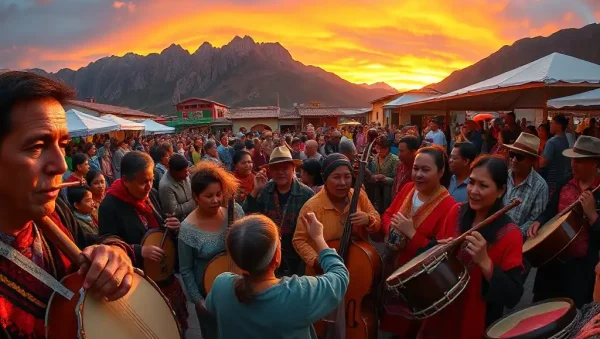
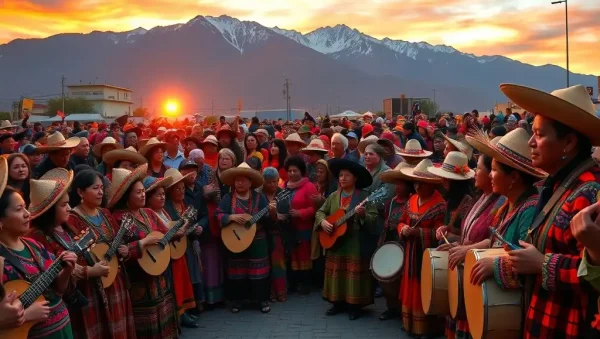
Collective music and dance helped create a strong sense of belonging among Andean communities. Group performances brought together families, villages, agricultural workers, religious specialists, and political leaders, reinforcing shared customs and local identity. Participation was often more important than individual virtuosity, because coordinated movement and rhythm represented cooperation.
This subcategory examines how Andean festivals and public ceremonies organized social life. Music could mark communal labor, reciprocal exchange, marriage, initiation, mourning, and political allegiance. Through dances and musical gatherings, communities transmitted values such as reciprocity, responsibility, respect for elders, and loyalty to the ayllu, the extended social group that shaped everyday life.
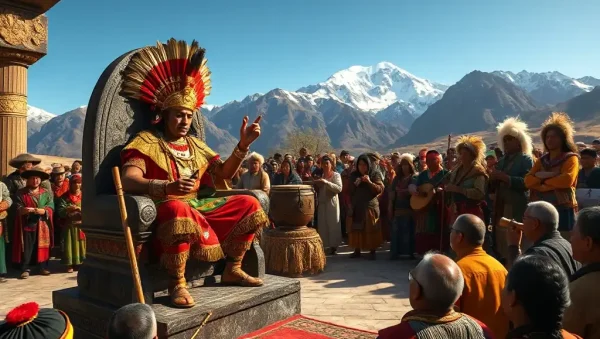
In the Inca Empire and earlier Andean states, ceremonial performance could demonstrate authority and social rank. Rulers and elites sponsored festivals, processions, and public spectacles that displayed wealth, military strength, religious legitimacy, and control over diverse territories. Music and dance helped transform political power into a visible and emotionally compelling experience.
Performers could represent provinces, ethnic communities, occupational groups, or conquered peoples within imperial ceremonies. Costumes, instruments, formations, and performance positions communicated social distinctions and political relationships. Readers will discover how Andean rulers used ritual performance to unite populations while also emphasizing hierarchy and imperial order.
Farming shaped the rhythm of life in the Andes, where communities depended on careful management of highland environments, valleys, and coastal regions. Music and dance accompanied planting, irrigation, harvest, herding, and ceremonies seeking rain or fertile fields. Panpipes, drums, songs, and communal dances expressed gratitude for food and concern for environmental balance.
Ancient Andean festivals often linked seasonal change with sacred time. Performances could honor agricultural deities, mountain spirits, ancestors, and celestial bodies associated with planting and harvest. Exploring these traditions reveals the close relationship between Andean music, ecological knowledge, agricultural technology, and religious belief.
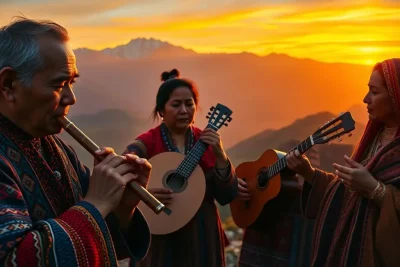
Every instrument and movement could carry social or religious meaning. Panpipes and flutes may have been associated with communal identity, while drums organized movement and intensified ceremonial emotion. Rattles, horns, shells, and singing voices added distinctive textures to processions and sacred performances. The way instruments were made, played, and combined offers valuable evidence about ancient Andean society.
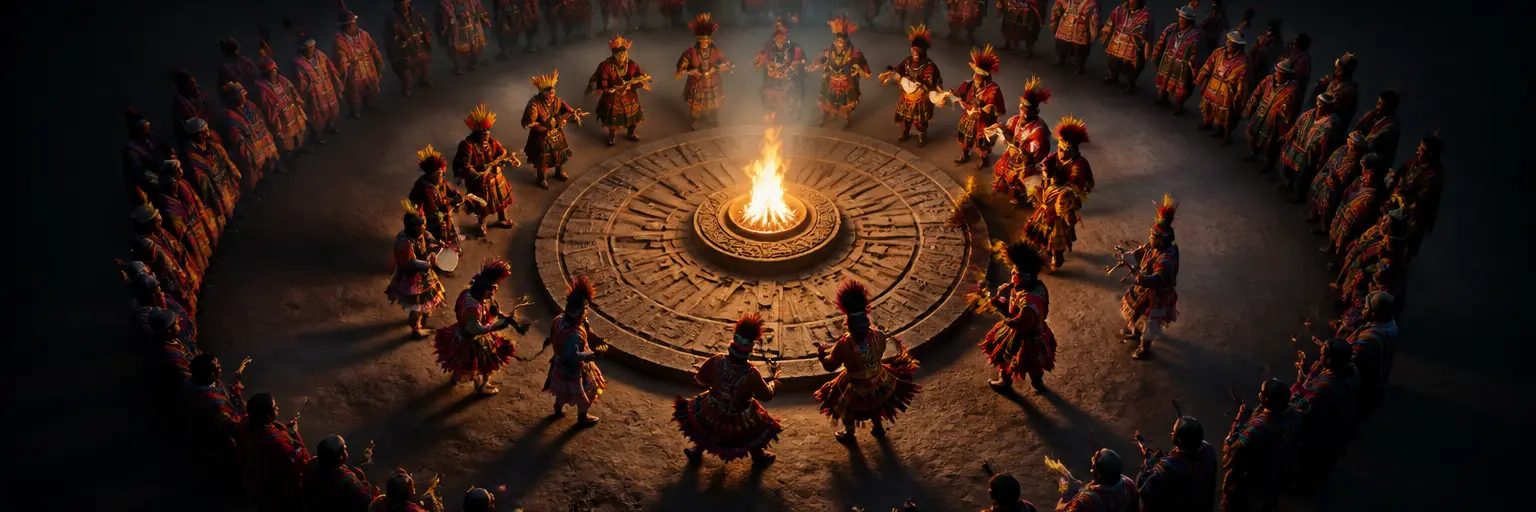
Dance gestures also communicated stories, relationships, and beliefs. Circular formations could suggest unity or cosmic cycles, while processions connected sacred spaces and community centers. Clothing, masks, feathers, body painting, and symbolic objects further transformed performers into ancestors, animals, deities, warriors, or representatives of different social groups.
Archaeologists and historians study Andean ritual music and dance through ceramics, textiles, sculptures, murals, burial objects, architectural spaces, colonial accounts, and surviving Indigenous traditions. Moche vessels depict musicians, dancers, processions, and ceremonial gatherings, while Nazca imagery reveals links between performance, animals, fertility, and sacred landscapes. Tiahuanaco monuments and objects provide further clues about ceremonial authority and religious symbolism.
Inca evidence includes descriptions of state festivals, organized performers, sacred processions, and music used in political and religious settings. Although many ancient sounds cannot be reconstructed with certainty, combining archaeology, ethnomusicology, iconography, and Indigenous knowledge allows researchers to develop a richer understanding of Andean ceremonial performance and its enduring cultural legacy.
Music and dance supported ceremonies honoring deities, ancestors, mountains, celestial bodies, and agricultural forces. They helped communities express devotion, request protection, celebrate seasonal cycles, and maintain harmony between humans and the natural and spiritual worlds.
Collective performances brought people together through shared rhythms, movements, costumes, and ceremonial responsibilities. They reinforced local traditions, family relationships, ayllu identity, reciprocal labor, and a sense of belonging within the wider community.
Yes. Inca rulers used public festivals, processions, and performances to display authority, honor state religion, organize diverse populations, and demonstrate imperial wealth and power. Performers could also represent different regions and social groups within the empire.
Ancient Andean musicians used panpipes, vertical flutes, drums, rattles, horns, shell trumpets, and the human voice. Archaeological discoveries and artistic depictions show that instruments were selected not only for their sound but also for their social, symbolic, and ceremonial roles.
Researchers examine archaeological instruments, Moche ceramics, Nazca designs, Tiahuanaco monuments, Inca historical accounts, textiles, tombs, and ceremonial architecture. They also compare this evidence with contemporary Indigenous Andean traditions while recognizing that ancient practices cannot always be reconstructed precisely.