Andean Music and Dance

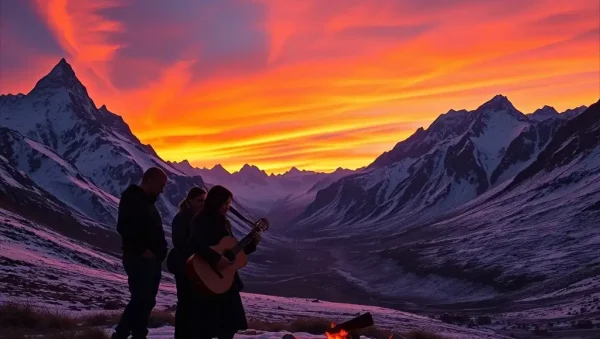
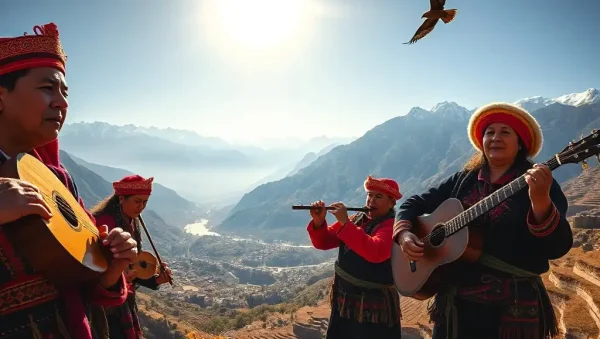
Discover the vibrant soundscape of the Andes 🎶 Explore traditional Andean instruments and musical forms, from haunting panpipes and powerful drums to rhythmic melodies that accompanied ceremonies, festivals, dances, and daily life. Learn how ancient cultures—including the Inca, Moche, Nazca, and Tiahuanaco—used music to express spirituality, preserve history, and connect communities. Immerse yourself in the enduring heritage of Andean music, indigenous instruments, and traditional musical traditions.
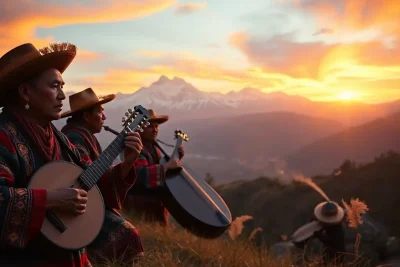
Discover the soundscape of the ancient Andes through Instruments and Musical Forms, a subcategory dedicated to the music, rhythms, melodies, and performance traditions of Andean civilizations. Explore how the Incas, Moche, Nazca, Tiahuanaco, and other cultures used music in ceremonies, festivals, religious rituals, dance, warfare, agriculture, and community life. From panpipes and flutes to drums, horns, and rattles, Andean musical instruments reveal the creativity, spirituality, technology, and social organization of ancient South American societies.
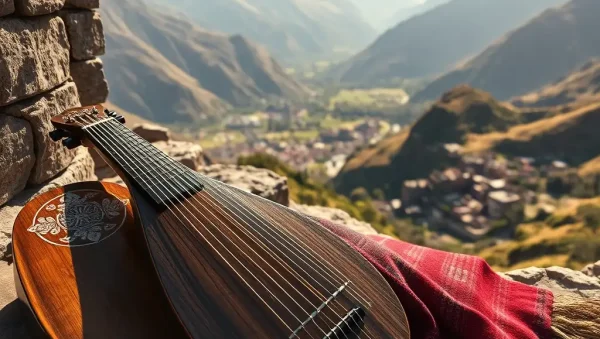
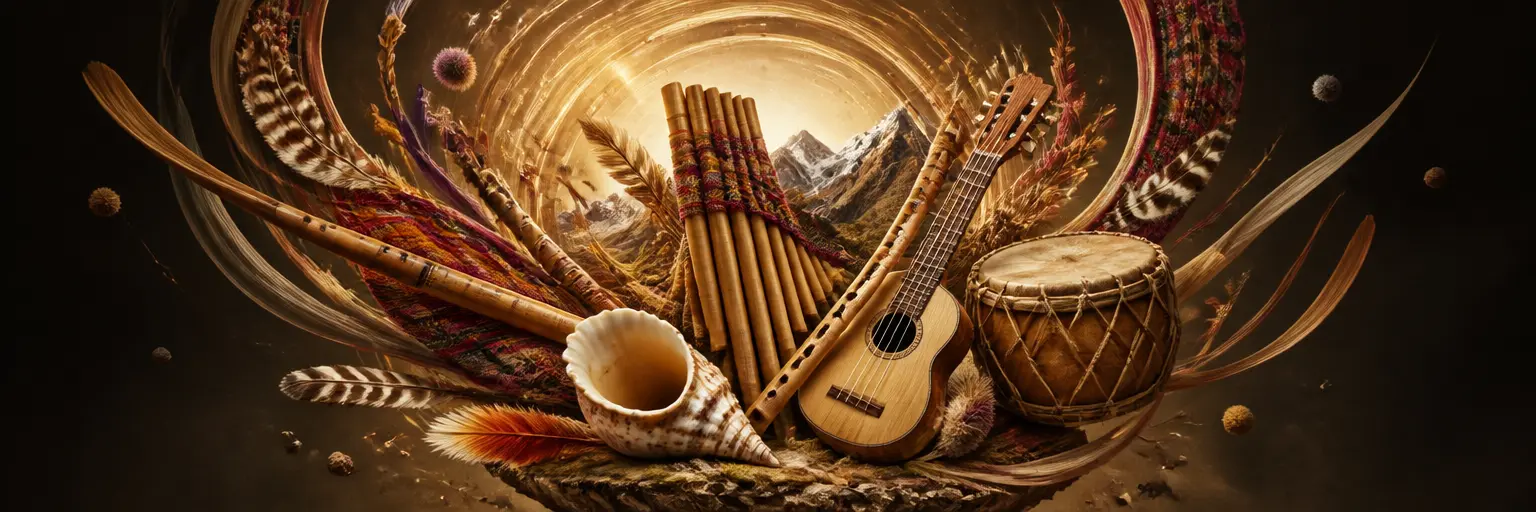
Learn about the most important musical instruments of the Andes, including panpipes, end-blown flutes, vessel flutes, drums, trumpets, horns, rattles, and percussion instruments. Articles in this section explain how instruments were made from materials such as clay, bone, wood, reeds, shells, animal skins, and metal, while examining the craftsmanship behind their distinctive sounds.
Readers can also discover how archaeologists identify ancient instruments and interpret their cultural meaning. Detailed descriptions connect surviving artifacts with Andean history, indigenous music, archaeological discoveries, and traditional performance practices, helping visitors understand how sound was produced and shared across ancient communities.
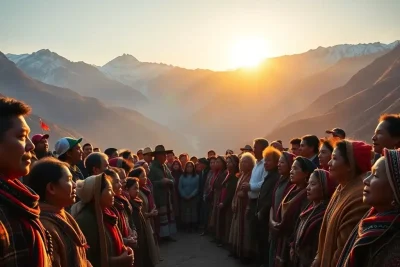
Explore the role of music in the Inca Empire, where sound accompanied religious ceremonies, royal events, agricultural celebrations, military processions, and community gatherings. Discover how different instruments and musical groups reflected the organization of Inca society, the importance of collective performance, and the relationship between music, dance, nature, and sacred landscapes.
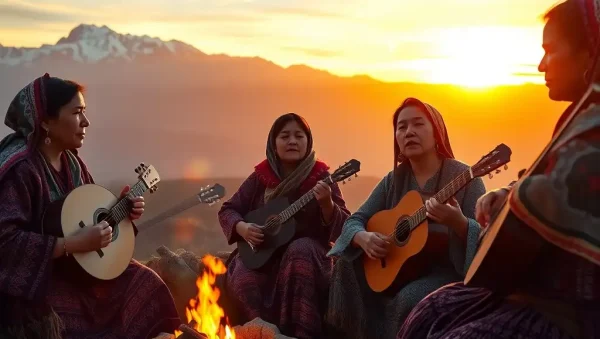
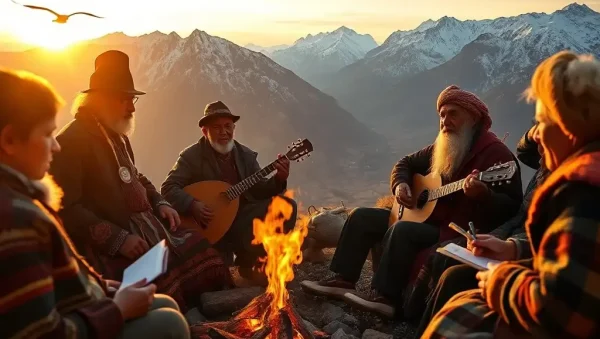
This subcategory also examines the continuity between ancient Inca music and modern Andean musical traditions. Visitors can learn how melodies, instruments, rhythms, and ceremonial practices have been preserved, adapted, or reinterpreted in the Andes, offering valuable insight into cultural memory and indigenous identity.
Understand the musical structures that characterize Andean performance, including repeating rhythms, layered melodies, call-and-response patterns, group coordination, and distinctive tonal systems. The content explores how ancient musicians organized sound for dancing, processions, storytelling, rituals, and communal celebrations.
Readers will gain a clearer understanding of Andean rhythms, traditional melodies, ceremonial music, folk music, and dance accompaniment. Explanations connect musical form with geography, altitude, agricultural cycles, religious beliefs, and the shared social responsibilities that shaped life in the ancient Andes.
Ancient Andean music is known through more than surviving instruments. Ceramic vessels, sculptures, textiles, murals, tomb offerings, and other archaeological objects depict musicians, dancers, instruments, and ceremonial performances. Explore how these visual sources help researchers reconstruct the musical traditions of the Moche, Nazca, Tiahuanaco, and Inca civilizations.
Articles also consider the challenges of interpreting archaeological evidence. Because sound itself rarely survives, specialists compare instrument design, artistic representations, excavation contexts, and living traditions to develop informed explanations about ancient Andean music and cultural practices.
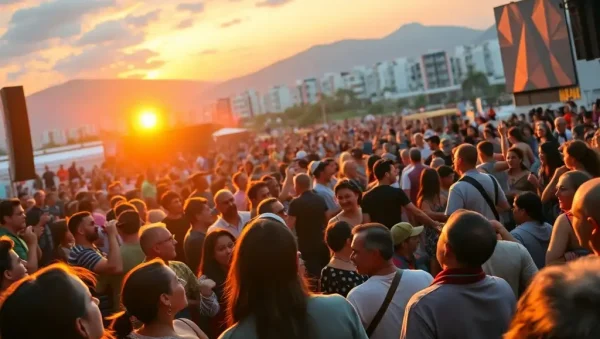
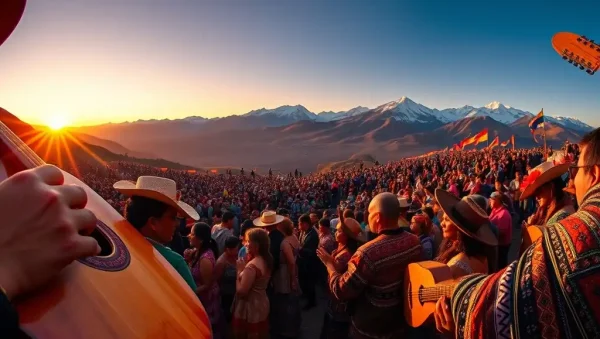
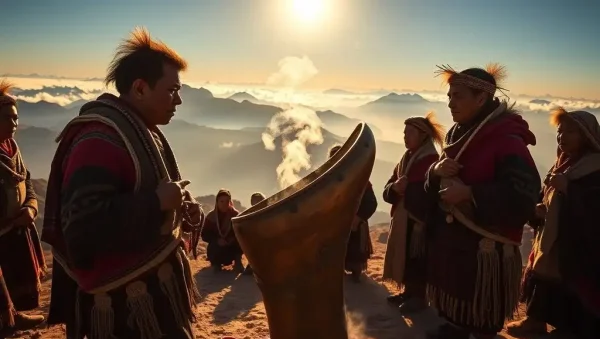
Discover how music and dance worked together in Andean religious festivals, seasonal celebrations, funerary rites, agricultural ceremonies, and community events. Instruments often provided the pulse for dancers, marked the movement of processions, or helped create an atmosphere associated with ancestors, deities, mountains, water, fertility, and the natural world.
This section emphasizes that Andean music was not simply entertainment. It was a powerful form of ritual communication, social identity, historical memory, and collective participation. Readers can explore how musicians, dancers, singers, and audiences formed a unified performance within ancient Andean society.
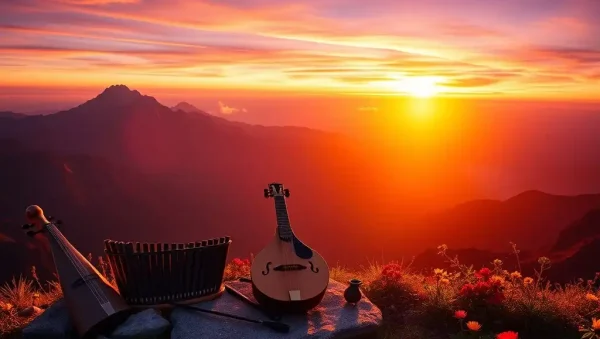
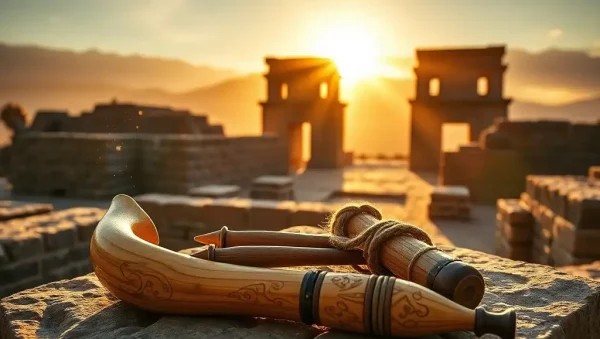
Ancient Andean musicians used panpipes, flutes, drums, horns, trumpets, rattles, vessel flutes, and other percussion instruments. These were commonly made from reeds, clay, bone, wood, shells, animal skins, and metal. Instrument types varied by region and cultural tradition.
Andean panpipes are groups of connected tubes of different lengths that produce distinct pitches when blown across their openings. They are associated with several Andean cultures and remain important in traditional music today. Their design demonstrates advanced knowledge of sound, construction, and coordinated ensemble performance.
Music accompanied religious ceremonies, agricultural festivals, military events, royal processions, funerary rituals, dances, and community work. Inca music helped express devotion, organize collective activities, honor ancestors, and strengthen relationships between people, rulers, and sacred landscapes.
Archaeologists can study an instrument’s materials, shape, size, decoration, location, and wear patterns to learn about its construction, use, age, and cultural importance. When combined with art and historical evidence, instruments provide valuable information about ancient technology, rituals, social roles, and musical traditions.
Yes. Many modern Andean musical traditions preserve or reinterpret older instruments, rhythms, performance styles, and ceremonial practices. Although contemporary music has also been influenced by colonial and global cultures, indigenous communities continue to maintain important elements of ancient Andean musical heritage.