Immersive Andean Experiences

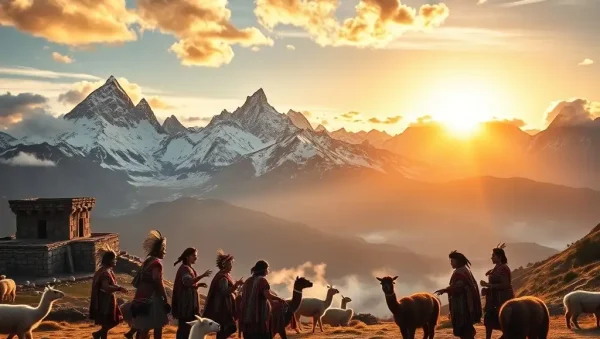
Feel the rhythm of the Andes 🎶 Immerse yourself in vibrant Andean music and dance festivals, where ancient traditions, colorful costumes, powerful instruments, and community celebrations bring the cultural heritage of the Incas and other Andean civilizations to life. Discover authentic performances, ceremonial dances, regional melodies, and the enduring spirit of Peru and the highlands. 🌄✨
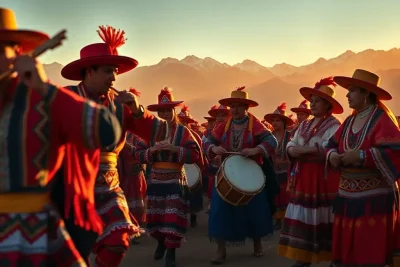
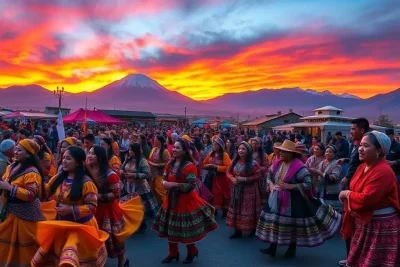
Discover the vibrant world of Andean music and dance festivals, where ancient traditions, Indigenous identity, community celebrations, and breathtaking mountain landscapes come together. Within Immersive Andean Experiences, this guide from Andean Civilizations explores the rhythms, instruments, ceremonial dances, colorful costumes, and cultural meanings connected to the musical heritage of the Incas, Moche, Nazca, Tiahuanaco, and other Andean societies. Learn what to expect at traditional festivals in Peru, Bolivia, Ecuador, and the wider Andes while gaining a deeper appreciation for living cultural traditions.
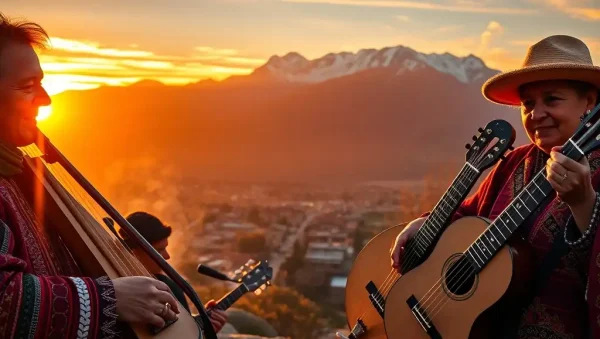
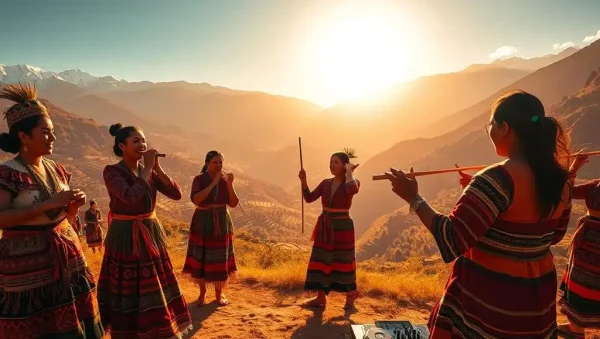
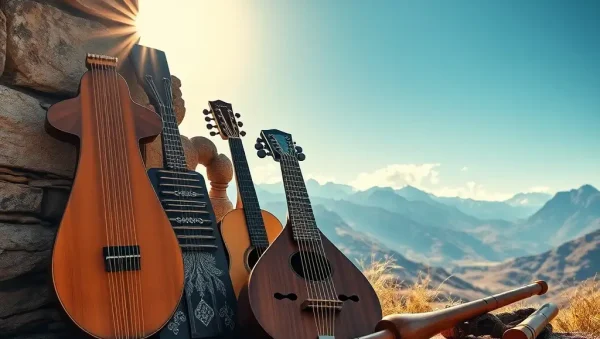
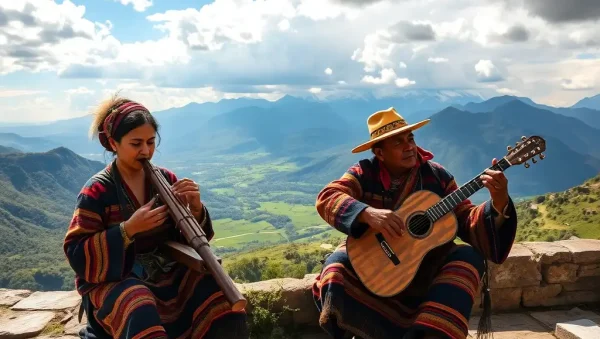
Andean festivals are renowned for distinctive sounds created with panpipes, quenas, charangos, drums, pututus, and flutes. These instruments produce melodies associated with highland communities, agricultural cycles, religious ceremonies, ancestral memory, and celebrations honoring nature. Readers can discover how instruments such as the siku and antara create layered harmonies while percussion provides the energetic foundation for procession music and communal dancing.
This subcategory also explains how Andean music varies between regions, from the Peruvian Andes and Lake Titicaca to Bolivia, Ecuador, northern Chile, and Argentina. Expect insights into Andean folk music, Indigenous musical traditions, pre-Columbian instruments, festival ensembles, and traditional Andean rhythms, helping visitors recognize the cultural context behind every performance.
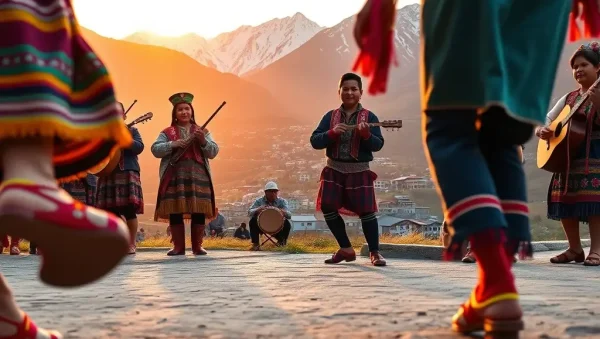
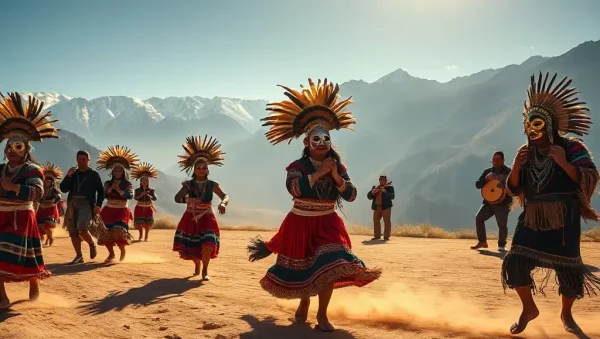
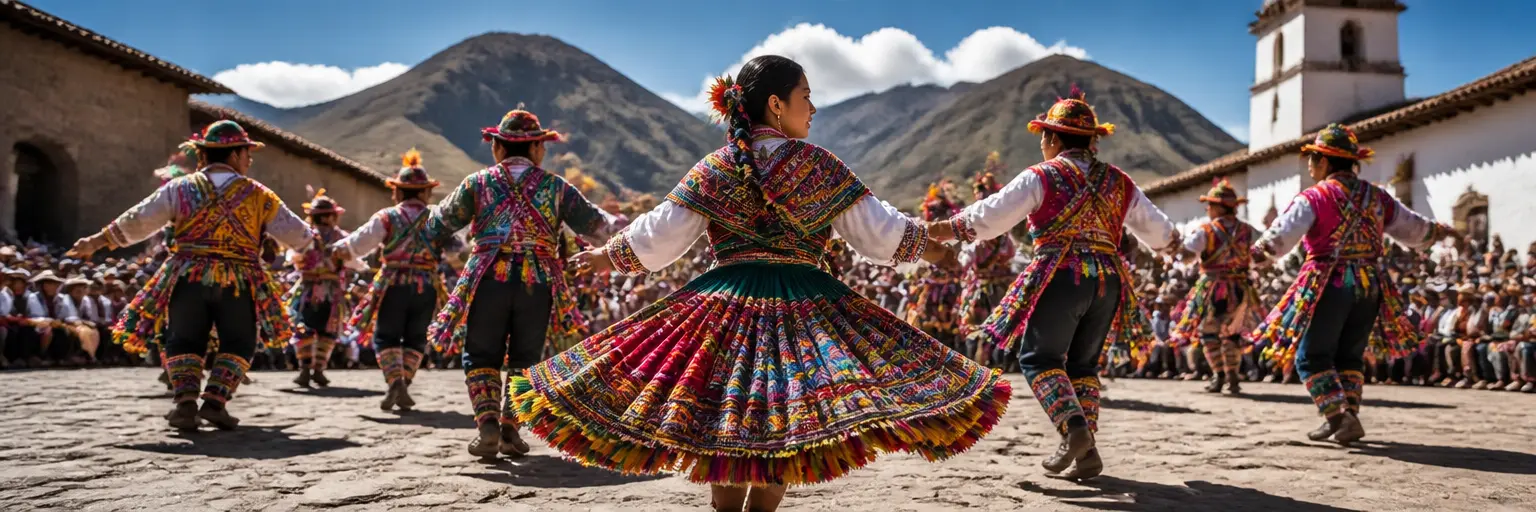
Dance is central to Andean cultural expression. Festival performances may include elaborate choreography, symbolic gestures, dramatic masks, colorful textiles, and coordinated movements that represent harvests, historical events, spiritual beliefs, courtship, warfare, or relationships between humans and the natural world. Visitors can learn about celebrated forms such as the Huaylarsh, Diablada, Morenada, Marinera Andina, Wititi, and traditional Quechua dances.
Readers can expect guidance on how to respectfully experience dance festivals, including where performances take place, how processions are organized, and why costumes and movement styles matter. These explanations connect modern celebrations with ancient Andean heritage, Inca ceremonial traditions, Indigenous identity, and community storytelling.
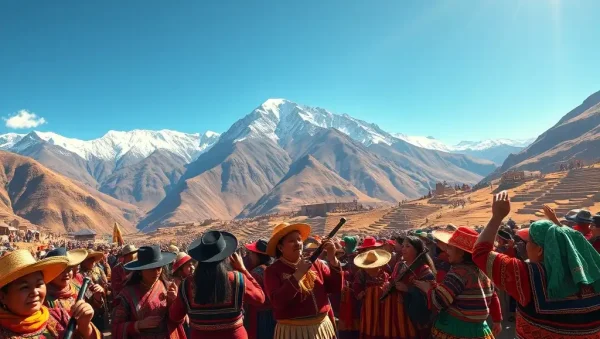
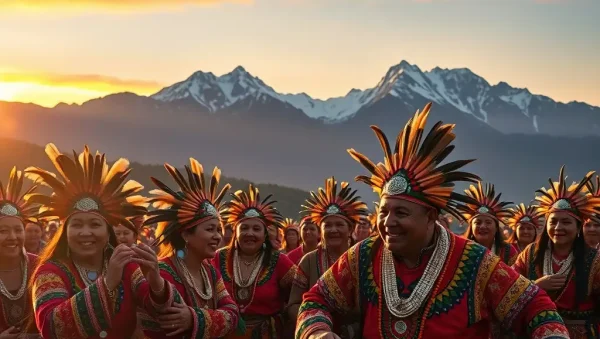
Andean festival clothing is a visual language rich in symbolism. Embroidered skirts, woven ponchos, feathered headdresses, mirrored decorations, animal motifs, and handcrafted masks often communicate regional identity, spiritual beliefs, social roles, or connections to local history. This section explores the artistry behind traditional Andean costumes and the techniques used by textile-producing communities.
Visitors will also learn how masks and accessories can reflect colonial history, pre-Hispanic imagery, Catholic influences, and enduring Indigenous worldviews. Understanding these details makes it easier to appreciate the meaning of a festival procession rather than viewing it only as a colorful spectacle.
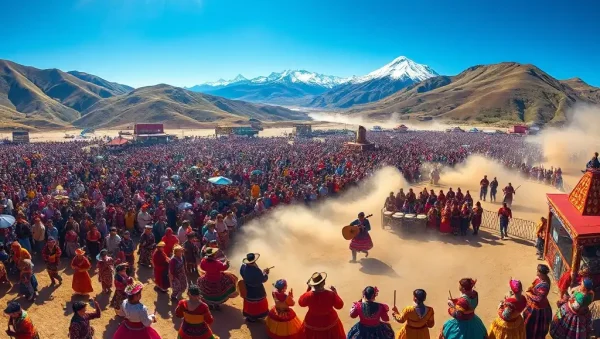
The Andes host festivals throughout the year, offering many opportunities to experience music and dance in authentic cultural settings. Important celebrations may include Inti Raymi in Cusco, the Fiesta de la Candelaria in Puno, Bolivia’s Carnaval de Oruro, the Virgen de la Puerta celebrations, and local harvest festivals. Each event has its own calendar, customs, sacred spaces, and musical traditions.
This guide helps readers understand what makes each destination distinctive, from high-altitude celebrations near Lake Titicaca to historic processions in Cusco and large-scale cultural festivals in Bolivia. Expect practical information about seasonal planning, public performances, community participation, respectful photography, and how to prepare for changing mountain weather.
Many Andean festivals combine music and dance with religious ceremonies, offerings, processions, pilgrimages, and community gatherings. These events may honor Pachamama, the Sun, saints, mountains, agricultural cycles, and ancestral spirits. Understanding this sacred dimension is essential for travelers who want to experience Andean culture responsibly and respectfully.
Readers can explore how ancient beliefs survived, adapted, and blended with later religious practices. The result is a living cultural tradition in which pre-Columbian symbolism, Catholic rituals, Quechua and Aymara heritage, and contemporary community life continue to influence festival performances.
A successful festival visit requires preparation. Travelers should research local dates, reserve accommodation early, bring suitable clothing for high-altitude conditions, stay hydrated, and allow time to adjust to the environment. This section offers practical advice for attending traditional Andean festivals, cultural celebrations, music performances, and Indigenous dance events.
Respect is equally important. Ask permission before photographing individuals, avoid interrupting ceremonies, follow local instructions, and support community artisans, musicians, guides, and cultural organizations. By participating thoughtfully, visitors help protect Andean cultural heritage while enjoying an authentic and meaningful experience.
Traditional Andean festivals commonly feature panpipes, quenas, charangos, guitars, drums, horns, and flutes. Musical styles vary by region, but many performances include energetic percussion, repeating melodies, and ensemble arrangements connected to ceremonial, agricultural, or community traditions.
Well-known celebrations include Inti Raymi in Cusco, the Fiesta de la Candelaria in Puno, Carnaval de Oruro in Bolivia, and numerous local festivals throughout Peru, Bolivia, Ecuador, Chile, and Argentina. Smaller community festivals can offer especially intimate and culturally meaningful experiences.
The best time depends on the event and destination. Many major festivals occur between January and June, while others follow agricultural, religious, or lunar calendars. Travelers should confirm official dates before booking transportation and accommodation because festival schedules can change.
Comfortable layers, sun protection, sturdy shoes, and warm clothing are recommended because Andean weather can change quickly. Visitors should not wear sacred or ceremonial garments without permission. Purchasing textiles and crafts from local artisans is a respectful way to support community traditions.
Observe ceremonies carefully, ask before taking photographs, follow local guidance, and avoid treating sacred rituals as entertainment alone. Supporting local guides, musicians, food vendors, artisans, and community-run cultural projects helps preserve the living heritage celebrated through Andean music and dance.