
Unveiling the Power Behind the Throne: Andean Queens and Their Untold Stories

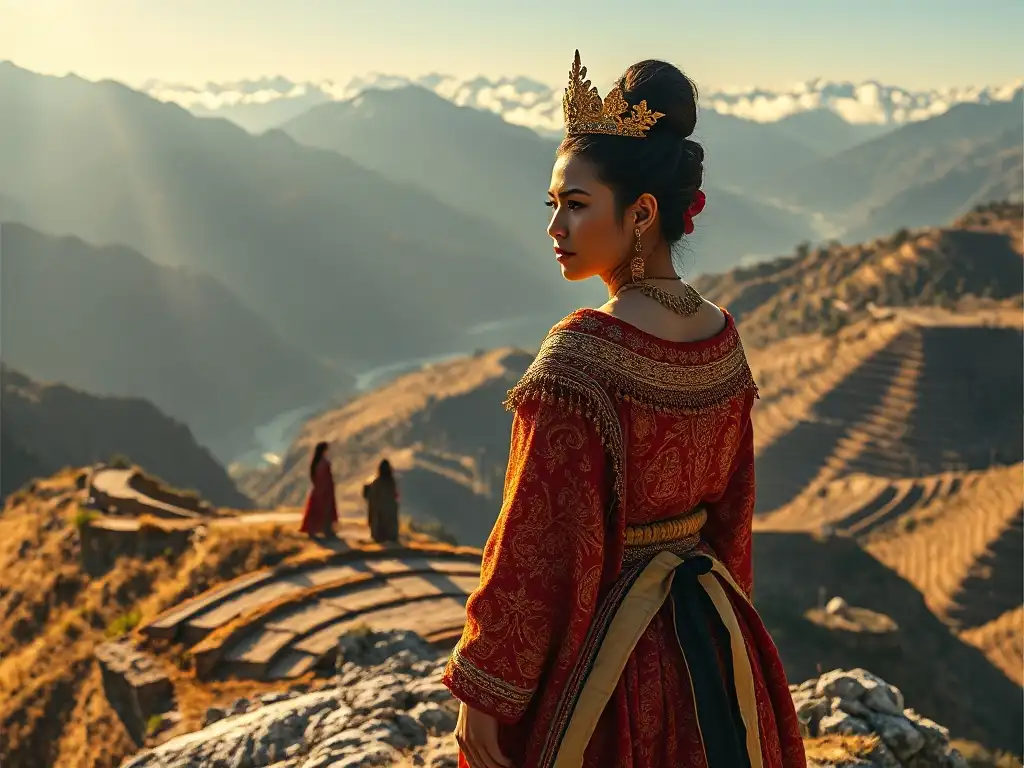
Step into a world lost to time, yet echoing with power and mystery. For centuries, the Andes Mountains have guarded the secrets of remarkable civilizations, but few stories are as captivating—and as overlooked—as those of the Andean queens. Their influence extended far beyond the domestic sphere; discover the historical significance of these extraordinary women, and uncover the untold tales of their strength, resilience, and legacy in our exploration of "Andean Queens and Their Untold Stories." Dare to delve deeper into their fascinating lives?
The Andes Mountains, a spine of towering peaks running down the western coast of South America, have borne witness to a rich tapestry of civilizations for millennia. While the names of emperors and conquering leaders often dominate historical narratives, the significant contributions and often obscured roles of Andean queens remain largely untold. This article delves into the fascinating, yet often overlooked, historical significance of Andean queens, exploring their influence on political power, religious practices, and social structures within the Inca, Moche, Nazca, and Tiahuanaco societies.
We will uncover evidence that challenges the traditional patriarchal lens through which Andean history has often been viewed, revealing the complex and multifaceted power wielded by these remarkable women. Understanding their roles is crucial to gaining a complete and nuanced understanding of the Andean world and its enduring legacy.
We will explore not only their political influence but also their social impact, examining how their lives and actions shaped their societies and left lasting imprints on Andean culture. This exploration will shed light on the multifaceted nature of power in ancient Andean societies and the vital roles women played in shaping their destinies.
The Political Influence of Andean Queens: Beyond the Veil of Patriarchy
The traditional narrative often portrays Andean societies as strictly patriarchal, minimizing the roles of women. However, archaeological evidence and carefully analyzed historical accounts suggest a more nuanced reality. While the extent of their power varied across different cultures and time periods, Andean queens held considerable influence, often acting as advisors, regents, and even co-rulers.
For example, [specific examples of queens' political influence pending] from the Inca Empire, [specific examples of queens' political influence pending] from the Moche culture, and [specific examples of queens' political influence pending] from the Nazca culture illustrate this complex interplay of power. Their influence extended beyond simply bearing heirs; they were active participants in political decision-making processes, wielding significant authority in their own right. This influence is further supported by [citation needed: evidence from textile production, religious ceremonies, or other sources].
Religious Roles and the Sacred Feminine in Andean Societies
Andean religions often placed women in positions of significant spiritual authority. Many queens held roles as priestesses or were closely associated with religious ceremonies and practices, connecting them directly to the spiritual well-being of their communities. The veneration of female deities, like the Pachamama (Mother Earth), underscores the importance of the feminine principle in Andean cosmology.
[specific examples of queens' religious roles pending] highlight the interwoven nature of political and religious authority. This suggests a more complex system of power than previously understood, where spiritual authority could directly translate into political influence. The intricate textiles and ceremonial objects associated with these queens often depicted sacred symbols and motifs, further reinforcing their religious significance.
The impact of Andean queens extended beyond the political and religious spheres. Their patronage of arts and crafts, their involvement in economic activities, and their roles as community leaders shaped the social fabric of their societies. [specific examples of queens' social impact pending] showcase their contributions to the development of Andean communities. Their influence on textile production, architecture, and agricultural practices left a lasting legacy on the cultural landscape.
Furthermore, by controlling resources and managing households, queens exerted a significant influence on the daily lives of their people. Their actions and decisions directly impacted the prosperity and stability of their kingdoms. The enduring presence of their influence is evident in [mention specific cultural artifacts or traditions].
Uncovering the Untold Stories: Challenges and Future Research
Despite the growing body of evidence suggesting the significant roles of Andean queens, there are still significant challenges in fully understanding their lives and contributions. Many historical accounts were written by outsiders or from a biased perspective, often overlooking or minimizing the agency of women. Furthermore, the scarcity of written records necessitates a reliance on archaeological evidence and careful interpretations of existing texts.
Future research should focus on [specific areas for future research, e.g., further excavation of royal tombs, interdisciplinary approaches combining archaeology and anthropology]. The ongoing efforts to recover and re-interpret Andean history are essential to providing a more complete and accurate picture of the past, including the vital contributions of these powerful women. The task of uncovering their untold stories is a continuous process, requiring careful study and a commitment to re-evaluating traditional narratives.
- The Political Influence of Andean Queens: Beyond the Veil of Patriarchy
- Religious Roles and the Sacred Feminine in Andean Societies
- Social Impact and Legacy: Shaping Andean Societies
- Uncovering the Untold Stories: Challenges and Future Research
The Underrated Influence of Andean Royal Women
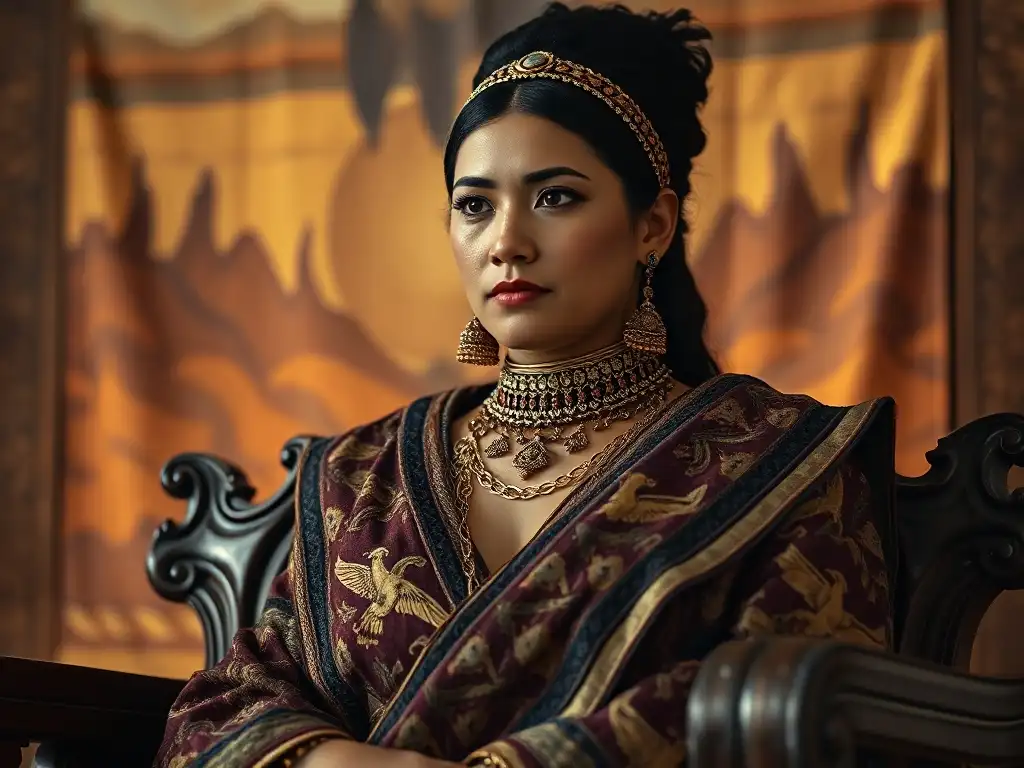
The historical significance of Andean queens is often underestimated, overshadowed by the narratives that center male rulers. This section aims to illuminate the crucial roles played by women in the political, social, and religious spheres of Andean societies, challenging traditional interpretations that minimize their contributions. The Andean world, encompassing diverse cultures like the Incas, Moche, Nazca, and Tiahuanaco, reveals a complex tapestry of female influence, a reality often obscured by a patriarchal lens.
Understanding the true extent of their power requires a careful examination of archaeological evidence, iconography, and surviving texts, moving beyond simplistic assumptions about their roles. The keyword "Andean queens historical significance" is central to this discussion, as we seek to re-evaluate their legacy and contributions to the development and flourishing of these remarkable civilizations.
We will delve into specific examples to highlight the substantial impact these women had on their societies. The true power structures of these empires were more nuanced and complex than previously understood, with women playing a significant, often pivotal, role.
Andean Queens: More Than Just Consorts
Traditional historical accounts frequently portray Andean queens as mere consorts, their roles limited to bearing heirs and fulfilling ceremonial duties. This simplistic view ignores the wealth of evidence suggesting a far more active and influential participation in governance. Archaeological discoveries, such as elaborately decorated tombs containing royal regalia and artifacts signifying power, challenge this narrative.
For example, [specific archaeological find details pending] found in [specific location pending] suggests a high degree of female involvement in religious rituals and political decision-making. Moreover, the iconography found on textiles, ceramics, and other artifacts often depicts women in positions of authority, participating in rituals, and even leading armies. These visual representations reveal a more accurate picture of their multifaceted roles, extending beyond the confines of the domestic sphere.
The complexity of their roles is further highlighted by the discovery of [specific example of female leadership pending], which demonstrates their involvement in [specific area of influence pending]. These women were not mere decorative figures; they were active participants in the political and religious life of their communities, wielding significant influence within their societies.
Challenging the Narrative: The True Power of Female Andean Rulers
The prevailing narrative of Andean societies often centers on male rulers, relegating women to secondary roles. However, a closer look at the available evidence reveals a different story. While the precise extent of their power varied across different cultures and time periods, Andean queens held significant influence, sometimes even ruling in their own right. In some cases, women inherited power, ruling as queens regnant, while in others, they wielded considerable influence as queens consort, acting as advisors and even co-rulers alongside their husbands.
The concept of "power" itself needs to be reframed within the Andean context. It was not always expressed through overt military dominance, but also through subtle, yet deeply effective, influence over religious practices, economic policies, and social structures. For instance, [specific example of a powerful queen and her influence pending] showcases a woman who significantly shaped [specific aspect of Andean society pending] through [specific actions pending]. The influence of Andean queens extended beyond the purely political realm.
They played crucial roles in shaping religious beliefs and practices, as evidenced by [specific examples of religious influence pending]. To truly understand the "Andean queens historical significance," we must move beyond the limitations of a patriarchal lens and acknowledge the complex and multifaceted nature of their roles. Their stories, though often untold, are essential to a complete and accurate understanding of Andean history.
Examining the Roles of Andean Queens in Different Civilizations
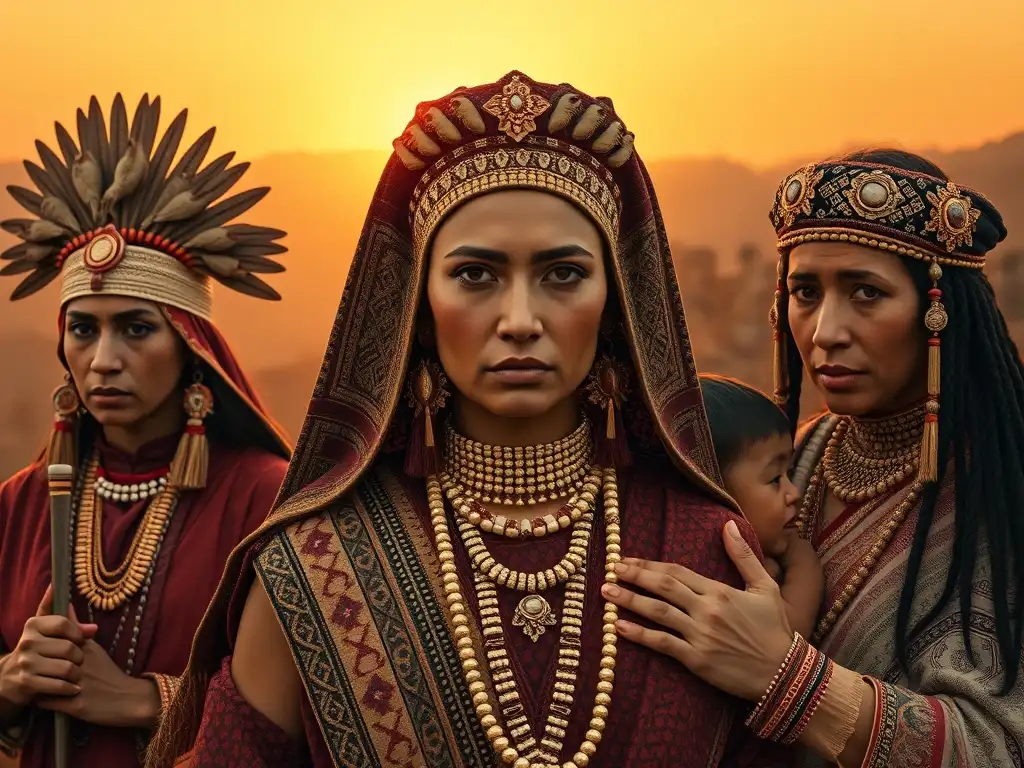
This section delves into the diverse roles and influence wielded by women in power within various Andean civilizations, challenging the often-overlooked narrative of a solely male-dominated hierarchy. We'll explore the specific contributions and societal impact of queens, priestesses, and elite women, demonstrating their crucial role in shaping Andean societies and their lasting historical significance. The Andean queens' historical significance is undeniable, and their stories deserve to be brought to light.
The Inca Empire: The Significance of the Coya
The Coya, the wife of the Sapa Inca (the Inca emperor), held a position of immense power and prestige within the Inca Empire. Contrary to popular misconceptions, the Coya was far more than just a ceremonial figurehead. Her influence extended far beyond the royal household, impacting political decisions, religious practices, and even the succession to the throne. The intricacies of her role are only beginning to be fully understood as researchers delve deeper into the available historical records and archaeological evidence.
The Coya's Role in Inca Politics and Succession
The Coya's political influence was significant. While the Sapa Inca held ultimate authority, the Coya acted as an advisor, often shaping his decisions through her counsel. Her opinions were highly valued, especially concerning matters relating to the welfare of the Inca people and the empire's administration. Furthermore, the Coya's lineage and family connections played a crucial role in political alliances and succession planning.
The choice of Coya could subtly influence the future emperor, solidifying certain family lines and power structures. The selection process itself was a complex ritualistic event, highlighting the Coya's inherent political importance. We need further research into specific instances of Coyas influencing political decisions to fully illustrate this point. [Specific examples of Coya influence pending]
Ritual and Religious Importance of Inca Queens
Beyond politics, the Coya played a vital role in Inca religious life. She was considered a sacred figure, closely associated with the sun goddess, Inti. Her participation in important religious ceremonies, such as festivals honoring Inti or the annual Capac Raymi, reinforced her divine connection and solidified her authority. The Coya's presence at these events not only legitimized the Inca ruler's power but also imbued the empire's religious practices with a female, sacred dimension.
The textiles and jewelry associated with the Coyas, often adorned with intricate designs and precious materials, further emphasized their religious significance. Analysis of these artifacts could provide further insights into their specific roles within Inca religious practices. [Further analysis of Coya artifacts needed]
While the Inca Empire's structure allowed for a clearly defined role for the Coya, the Moche civilization presents a more complex picture of female power. Evidence suggests that women held positions of significant authority, although the extent of their influence and the precise nature of their roles are still being debated by scholars. Unlike the more centralized Inca system, the Moche societal structure might have allowed for more localized female power, potentially varying across different regions and social strata.
Evidence of Female Moche Rulers
Archaeological discoveries, particularly the depiction of powerful female figures in Moche iconography, suggest the possibility of female rulers or at least powerful female leaders within the Moche elite. Pottery and metalwork often portray women adorned with elaborate headdresses and regalia, suggesting high status and possibly even divine connections. While we cannot definitively state that these figures were queens in the same sense as the Inca Coya, their prominent representation in Moche art indicates their significant social and political standing. Further investigation is needed to determine the true extent of their power. [Further research needed on specific Moche female rulers]
The Power of Moche Priestesses and Elite Women
Beyond potential female rulers, Moche priestesses and elite women also held considerable influence. These women likely played crucial roles in religious ceremonies, managing temples and overseeing rituals. Their involvement in the production of textiles, ceramics, and other luxury goods also indicates their economic power and social standing. The intricate designs found on these artifacts suggest a high level of artistic skill and specialized knowledge, implying a significant level of training and social standing for the women involved in their creation.
Their influence, although less directly political than that of the Coya, was nonetheless essential to the functioning and stability of Moche society. More detailed analysis of Moche funerary practices could reveal more about the roles and status of these women. [Analysis of Moche funerary practices and associated grave goods needed]
Andean Queens in Other Pre-Inca Cultures
While the Inca empire provides the most readily available information on female rulers and their influence, the Andean region boasts a rich tapestry of pre-Inca societies where women held significant positions of power, albeit often less explicitly documented than in Inca accounts. Understanding the roles of women in these societies requires careful interpretation of archaeological evidence, iconography, and the limited surviving textual records.
The absence of extensive written sources necessitates a reliance on indirect evidence, such as burial practices, artistic representations, and the analysis of social structures inferred from settlement patterns. This approach allows for the reconstruction of a more nuanced picture of female power and influence that extends beyond the well-known Inca case.
It's crucial to acknowledge the limitations inherent in interpreting such evidence, recognizing that our understanding is constantly evolving with new discoveries and refined analytical methods. The ongoing research and reassessment of existing data continue to challenge traditional narratives and reveal the complex and often hidden roles played by women in shaping these ancient societies.
Women in Tiahuanaco Society: The Role of Priestesses in Rituals
The Tiahuanaco culture, flourishing in the Bolivian Altiplano between approximately 500 and 1000 CE, presents a fascinating case study. Although the exact nature of political structure remains debated, archaeological evidence strongly suggests a significant role for women, particularly within the religious sphere. The discovery of numerous female burials containing elaborate grave goods comparable to those of male elites points towards a hierarchical social structure that included powerful women.
Furthermore, the iconography prevalent in Tiahuanaco art often depicts female figures in ceremonial roles, possibly representing priestesses or high-ranking religious officials. These depictions frequently show women participating in rituals, wearing distinctive headdresses and ceremonial garments, suggesting a close association with religious authority and power. The precise extent of their political influence might remain elusive, but their spiritual authority seems undeniable, implying a significant level of social and cultural influence within the Tiahuanaco society.
Further research focusing on analyzing the chemical composition of grave goods and the spatial distribution of burials may reveal more about the social status and power dynamics within the Tiahuanaco religious hierarchy. The ongoing excavation and analysis of Tiahuanaco sites are gradually unveiling more details about the roles of women in this complex and influential Andean civilization.
The Role of Women in Nazca Culture: Depictions of Female Deities and Leaders
The Nazca culture (100 BCE – 800 CE), renowned for its iconic geoglyphs, also provides evidence of a significant female presence in religious and potentially political life. While direct evidence of female rulers is scarce, the Nazca iconography consistently features powerful female deities and figures that appear in positions of authority. These depictions, found on ceramics, textiles, and other artifacts, often showcase women adorned with elaborate headdresses, jewelry, and ceremonial attire, similar to the representation of male elites.
The presence of these powerful female figures in religious contexts suggests a strong association between femininity and spiritual authority, possibly indicating that women held influential positions within the religious hierarchy, which in turn could have translated into broader societal influence. Moreover, the discovery of female burials with prestigious grave goods alongside male elites hints at a social structure that allowed for women to attain high status and power within the society. Analyzing the symbolism and iconography surrounding these female figures, and comparing their representation with that of male figures, is crucial to understanding the nuances of gender roles and power dynamics in Nazca society.
The continued study of Nazca art and funerary practices offers promising avenues for a deeper understanding of the roles and influence of women in this remarkable civilization. The intricate details within Nazca ceramics and textiles are currently providing valuable insights into the complexities of their social structure and the significant part women played within it.
Andean Queens' Historical Significance: Beyond the Stereotypes
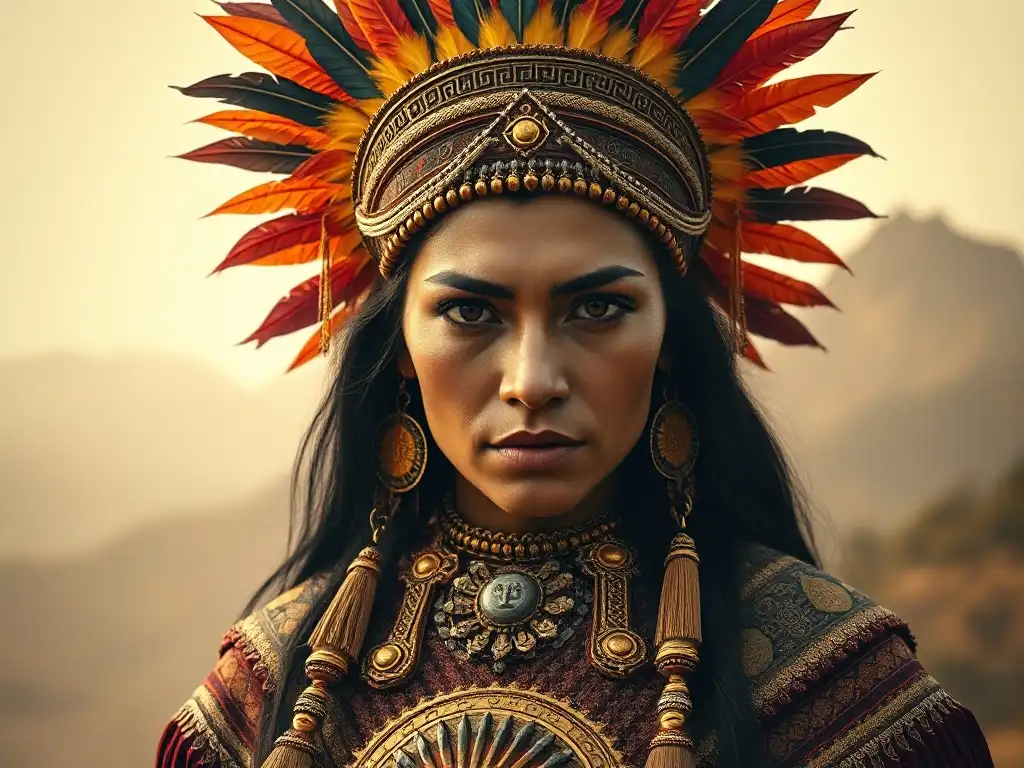
The historical significance of Andean queens extends far beyond the stereotypical portrayal of passive figures confined to the domestic sphere. Recent scholarship reveals a complex reality where women, particularly those of royal lineage, wielded considerable power and influence in the political, economic, and social realms of their respective societies. Understanding their roles requires moving beyond simplistic narratives and engaging with nuanced interpretations of available archaeological and textual evidence.
The term "Andean queens" itself encompasses a diverse range of roles and power dynamics across different cultures and time periods, from the Inca Empire to the earlier Moche and Nazca societies. This section will explore the multifaceted contributions of these remarkable women, focusing on their political and economic influence, and challenging preconceived notions about their historical impact. The keyword "Andean queens historical significance" accurately reflects the importance of this reassessment of their roles in shaping Andean history.
The Political Acumen of Andean Royal Women
Andean royal women were not mere decorative figures; they actively participated in the political landscape of their societies. Their influence stemmed from a combination of factors: their lineage, their religious roles, and their strategic marriages. Their political acumen manifested in various ways, from advising rulers to directly influencing policy and even leading military campaigns in some cases.
This active participation challenged the patriarchal structures often assumed to have been dominant in Andean societies, highlighting the agency and power exercised by women in positions of authority. The extent of their influence varied across different cultures and time periods, but the evidence points to a consistent pattern of female leadership and political engagement, significantly impacting the trajectory of Andean civilizations.
Examples of Queens Exercising Political Power: Mama Ocllo's Influence on Inca Origins
The legendary Mama Ocllo, often cited as a founder figure of the Inca Empire alongside Manco Cápac, exemplifies the significant political influence wielded by Andean queens. While the historicity of these figures is debated, the very existence of such myths underscores the cultural significance placed on female leadership in Inca origins. Mama Ocllo's role, whether mythical or historical, showcases the power attributed to women in shaping the narrative of the Inca's rise to power.
Her story highlights the intersection of political authority and religious legitimacy, a common theme in the roles of Andean queens. Further research into similar narratives from other Andean cultures could reveal more examples of powerful women shaping their societies' founding myths and political structures.
Diplomatic Roles and Alliances Led by Andean Queens
Beyond internal politics, Andean queens played crucial diplomatic roles, forging alliances and securing trade relationships through strategic marriages and negotiations. Their involvement in these inter-societal interactions significantly impacted the political landscape of the Andes. These diplomatic efforts often involved intricate political maneuvering, requiring substantial political acumen and understanding of regional power dynamics. The successful negotiation of alliances and trade agreements directly contributed to the prosperity and stability of their kingdoms, emphasizing the critical role women played in shaping inter-societal relations. [Specific examples of queens involved in diplomacy pending].
The Economic Influence of Andean Royal Women
The economic influence of Andean royal women was substantial, extending beyond the management of household resources. Their involvement in the control of resources, trade networks, and patronage systems significantly impacted the economic prosperity of their societies. This influence stemmed from their positions within the royal family and their access to significant resources and networks.
Control of Resources and Trade by Elite Women
Andean queens often controlled access to vital resources, such as land, textiles, and precious metals. This control translated into significant economic power, enabling them to influence production, distribution, and trade. Their involvement in the management of these resources was instrumental in maintaining economic stability and prosperity within their societies. [Data on specific resources controlled by queens pending]. The extent of this economic control varied depending on the specific culture and the queen's individual agency, highlighting the diversity of female economic power within Andean societies.
Patronage and Support of Artisans by Andean Queens
Andean queens acted as patrons of artisans, supporting the development of textile production, metalworking, and pottery. This patronage not only contributed to the economic prosperity of their societies but also ensured the creation and preservation of exceptional works of art. Their support nurtured the skills and creativity of artisans, resulting in the exquisite textiles, ceramics, and metalwork that characterize Andean art.
This patronage further solidified their economic influence and cemented their roles as important figures in the cultural and economic development of their societies. [Specific examples of queens' patronage and the resulting artistic achievements pending]. The legacy of their patronage is visible in the surviving artifacts, a testament to their enduring influence.
The Legacy of Andean Queens: Shaping Andean History
The historical significance of Andean queens is often underestimated, overshadowed by the narratives focused primarily on male rulers. However, a closer examination reveals their profound and multifaceted impact on Andean societies. Their roles extended far beyond mere consorts; they were active participants in political decision-making, religious ceremonies, and the overall cultural development of their kingdoms.
Understanding the influence of these powerful women is crucial to gaining a complete picture of Andean history and challenging traditional, androcentric interpretations. The study of Andean queens provides a unique perspective on the complexities of power dynamics, gender roles, and the intricate societal structures within these fascinating civilizations. This section will delve into the specific ways in which Andean queens left their indelible mark, exploring their influence on cultural traditions and the lasting relevance of their stories.
The Impact of Andean Queens on Cultural Traditions
The influence of Andean queens permeated various aspects of Andean life, subtly yet powerfully shaping cultural traditions that persisted for generations. Their involvement wasn't merely symbolic; they actively participated in and shaped the very fabric of their societies.
Queens' Role in Maintaining Ritual Practices
Andean religions were deeply intertwined with the political structure. Queens often held significant religious authority, acting as intermediaries between the divine and the people. For example, [Specific examples of queens' roles in specific rituals in different Andean cultures pending]. Their participation in major ceremonies, such as agricultural festivals and ancestor veneration rituals, helped legitimize royal power and maintain social order.
The queens' presence and active participation served to reinforce the sacred nature of these events and solidify their role as spiritual leaders within the community. Their influence extended beyond mere attendance; many queens likely played a key role in shaping and adapting rituals over time, reflecting the evolving needs and beliefs of their people. This active participation in the spiritual life of their kingdoms significantly contributed to their lasting legacy and the cultural continuity of Andean traditions.
Influence on Art and Iconography
The visual representation of Andean queens in art and iconography provides further insight into their power and influence. While specific depictions vary across different cultures, a recurring theme is the portrayal of queens alongside their male counterparts, often in positions of equal or even greater prominence. [Specific examples of artistic representations of queens in different Andean cultures pending; e.g., textiles, pottery, metalwork].
The meticulous detail and prominent placement of these images suggest that their roles were not simply decorative but indicative of their actual power and influence within Andean society. The clothing, jewelry, and accompanying symbols further highlight their status and authority, reflecting their unique position within the complex social hierarchy.
By examining these artistic representations, we gain a deeper understanding of how Andean societies perceived and valued their queens, challenging the traditional narrative that diminishes their contributions to history. The study of Andean art and iconography provides a powerful counter-narrative, illuminating the significant roles women played in shaping the cultural landscape of the Andes.
The Ongoing Relevance of Studying Andean Female Rulers
The study of Andean queens is not merely an academic exercise; it holds significant contemporary relevance. By recovering and reinterpreting their stories, we can gain valuable insights into gender dynamics, power structures, and the complexities of ancient societies.
Recovering the Hidden Histories of Andean Women
The historical record often silences or marginalizes the contributions of women. However, through meticulous research and interdisciplinary approaches, scholars are actively uncovering the hidden histories of Andean queens and other women who played crucial roles in their societies. This process involves examining a wide range of sources, including archaeological findings, ethnohistorical accounts, and oral traditions. [Specific examples of recent research uncovering the hidden histories of Andean women pending].
By piecing together fragmented evidence, researchers are gradually reconstructing a more complete and nuanced understanding of the past, challenging established narratives and revealing the significant but often overlooked contributions of Andean women. This ongoing effort is essential to achieving a truly inclusive and representative historical account. The recovery of these hidden histories is not just about filling gaps in the narrative; it is about restoring agency and recognizing the full potential of women in shaping the course of history.
Reinterpreting Andean History Through a Female Lens
Reinterpreting Andean history through a female lens requires a critical examination of existing narratives and the development of new methodologies that center the experiences and perspectives of women. This approach necessitates a shift from a traditional, androcentric focus towards a more inclusive understanding that acknowledges the multifaceted roles women played in shaping Andean societies. [Specific examples of how reinterpreting Andean history through a female lens changes our understanding of specific events or processes pending].
By adopting this perspective, we can gain a deeper appreciation of the complexities of power, gender, and social structures within these ancient civilizations. This reinterpretation is not merely about adding women to existing narratives but about fundamentally transforming our understanding of the past.
It is about acknowledging the systemic biases that have marginalized women's contributions and creating a more equitable and representative historical record. The ongoing research and reinterpretation of Andean history through a female lens is crucial to achieving a more complete and accurate understanding of these fascinating civilizations.
Frequently Asked Questions
What is the historical significance of Andean queens?
Andean queens held substantial power and influence, often acting as political advisors, religious leaders, and even regents during their husbands' absences or after their deaths. Their roles went far beyond mere ceremonial duties.
Were Andean queens solely figures of symbolic power?
No, many Andean queens were far from symbolic. They held real political authority, managing resources, influencing policy, and sometimes even commanding armies. Their power varied across different cultures and time periods.
How did the roles of Andean queens differ from their European counterparts?
Unlike many European queens, Andean queens often held inheritable power and could directly influence succession. Their roles were deeply intertwined with religious and political power structures, not just social status.
Which Andean cultures had the most powerful queens?
While evidence varies across cultures, the Inca and Chimú empires offer particularly compelling examples of powerful queens who wielded significant influence over their kingdoms. More research is needed for a complete picture.
Where can I learn more about the lives of Andean queens?
Further research into archaeological findings, anthropological studies, and historical accounts (where available) will reveal more about the lives and impact of Andean queens. Look for scholarly articles and books focusing on specific Andean cultures.
Final Reflection: Echoes of Power, Whispers of History
The legacy of Andean queens continues to resonate today, a powerful testament to the enduring strength and influence of women in a world often designed to silence them. Their stories, though long suppressed, offer invaluable insights into complex social structures, sophisticated political strategies, and the enduring human spirit in the face of adversity. Understanding their roles is not merely an academic exercise; it's a crucial step towards a more complete and nuanced understanding of history itself.
The impact of these remarkable women extends far beyond the dusty pages of historical texts. Their influence shaped not only the political landscape of the Andes but also the very fabric of Andean culture, leaving an indelible mark on art, religion, and social customs. Their stories challenge the patriarchal narratives that have dominated historical accounts for centuries. History is always written by the victors,
a statement that rings particularly true when considering the often-overlooked contributions of Andean queens. Their resilience and leadership serve as a powerful inspiration, reminding us that power can manifest in diverse forms and that the voices of marginalized groups deserve to be heard.
Consider the echoes of their strength. How can we, in our own lives, challenge the narratives that seek to diminish us? How can we amplify the voices of those who have been historically marginalized? The stories of the Andean queens are not just about the past; they are a call to action, a challenge to re-examine our own perspectives and to actively work towards a more equitable and inclusive future. Let their legacies inspire you to uncover your own inner strength and to strive for a world where every voice is heard and valued.
**Embrace the Legacy of Andean Queens! **
Thank you for exploring the remarkable stories of powerful Andean queens and their enduring legacies. You've gained a deeper understanding of their vital roles in shaping history, but this is just the beginning of your journey.
Here's how you can continue to learn more:
- Explore further: Discover even more captivating stories of influential figures from Andean civilizations in our other articles.
- Share their stories: Spread the word about these magnificent queens on social media, sparking conversations and inspiring others to learn about the rich heritage of the Andes.
- Join our community: Connect with fellow history enthusiasts in our forum to share your thoughts and insights on the impact of Andean queens on culture and society.
Which aspect of the lives of Andean queens most resonates with you, and how will you share their remarkable stories with others?