
The Paracas Feline Motif: Decoding the Symbolism in Art and Textiles

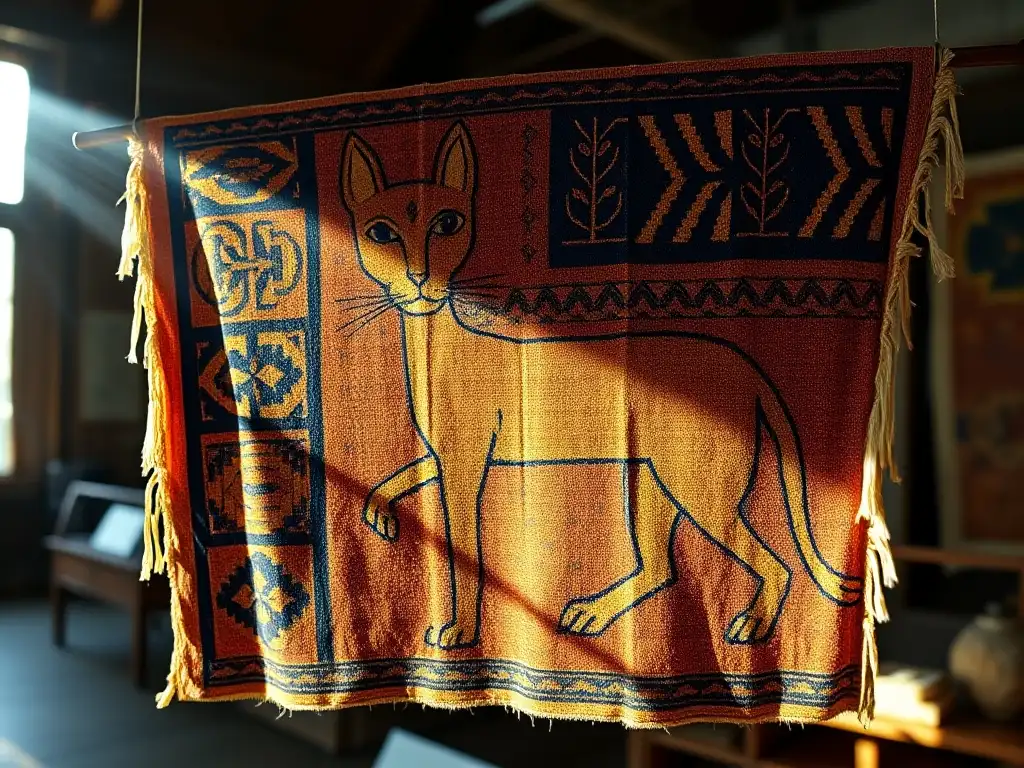
Unravel the mysteries of a lost world. Journey through the captivating artistry and enigmatic symbolism of the ancient Andean civilizations. Were the majestic felines depicted in Paracas textiles simply decorative, or did they hold a deeper, more profound meaning? Dive into the world of Paracas feline motif symbolism, and discover the secrets woven into the vibrant tapestries of Peru's pre-Incan coastal cultures. Prepare to be amazed.
The Paracas culture, flourishing on the southern coast of Peru from approximately 800 BCE to 200 CE, left behind a breathtaking artistic legacy. Their mastery of textile production, particularly their intricate weaving techniques and vibrant color palettes, is unparalleled in the pre-Columbian world. Beyond the sheer technical skill, however, lies a rich tapestry of symbolism woven into their art, with the feline motif emerging as a particularly prominent and enigmatic element.
This article delves into the captivating world of Paracas feline imagery, exploring its potential meanings and significance within the broader context of Andean iconography and the Paracas worldview. We will examine how the feline, rendered in diverse styles and contexts across their textiles and pottery, likely served as a powerful symbol within their society, reflecting their beliefs, social structures, and relationship with the natural world.
Understanding the Paracas feline motif provides a key to unlocking a deeper understanding of this fascinating and influential pre-Incan civilization. The prevalence of this motif, as we shall see, makes it a crucial element in deciphering the complexities of Paracas culture and its place within the broader narrative of Andean civilization.
Introduction to the Paracas Culture and its Artistic Legacy
The Paracas culture, known for its elaborate burial practices and sophisticated textiles, is considered a crucial link in the chain of coastal Andean civilizations preceding the Inca. Their mastery of textile arts is truly remarkable. Paracas textiles are renowned for their intricate designs, vibrant colors achieved through natural dyes, and the use of complex weaving techniques such as tapestry, gauze, and embroidery.
These techniques allowed them to create incredibly detailed and nuanced images, often depicting anthropomorphic figures, mythical creatures, and, importantly, a wide array of felines. Beyond textiles, their artistic expression extended to pottery, which, while less elaborate than their textiles, also features feline imagery, albeit in a simpler, more stylized manner. The sheer volume and variety of feline depictions across their artistic output strongly suggest a significant cultural and possibly religious importance attached to this animal.
The quality of preservation of these artifacts, often found within their elaborate tombs, provides an invaluable window into the beliefs and practices of this fascinating culture. Analysis of these artifacts, combined with archaeological findings, offers valuable clues towards interpreting the symbolism embedded within the Paracas feline motif. Detailed studies of the dye composition and the specific weaving techniques further illuminate the level of sophistication and artistry achieved by these ancient artisans.
Understanding the Significance of the Feline in Andean Cultures
The feline holds a powerful symbolic position across numerous Andean cultures, often associated with power, ferocity, grace, and the supernatural. In many Andean mythologies, felines, particularly pumas and jaguars, were considered sacred animals, embodying attributes of both the terrestrial and spiritual realms. They were often linked to deities, shamans, and rulers, representing authority, strength, and connection to the otherworld.
The specific symbolism attributed to the feline could vary across different Andean cultures and time periods, but the general association with power and the supernatural seems to be consistent. Evidence suggests that feline imagery, including representations of pumas and jaguars, appeared in various forms across Andean art and iconography, long before the Paracas culture. Further research into these earlier depictions could offer valuable comparative insights into the evolution of feline symbolism and its potential continuity within Paracas art.
Understanding the broader Andean context is essential for a comprehensive interpretation of the Paracas feline motif. The continuity and variations in the representation of felines across different Andean cultures highlight the importance of considering the broader cultural landscape when analyzing specific artistic traditions. The Paracas interpretation, therefore, can be enriched by comparing it to other Andean feline representations.
The Paracas Feline Motif: Visual Characteristics and Variations
The Paracas feline motif, a prominent feature in their art and textiles, displays remarkable visual diversity despite consistent underlying characteristics. The felines are rarely depicted realistically; instead, they are stylized representations, often emphasizing specific features to convey symbolic meaning. We see a range of postures, from crouching and stalking predators to more serene, seated figures.
The level of detail varies considerably across different artifacts. Some textiles showcase intricate depictions with finely rendered fur, whiskers, and even individual claws, while others opt for a more simplified, almost abstract rendering, focusing on the feline's silhouette and key features like the eyes and ears. Color plays a significant role, with vibrant hues like reds, yellows, and blues frequently used to highlight the feline's form and add dynamism to the composition.
The use of color may also hold symbolic weight, with certain colors potentially associated with specific meanings or beliefs. Further research is needed to fully understand the nuanced variations in color application across different Paracas feline depictions.
Depictions of Felines in Paracas Textiles
Paracas textiles are renowned for their intricate weaving techniques and vibrant colors, and the feline motif is no exception. Felines are frequently depicted in various sizes and positions within larger textile compositions, often integrated alongside other motifs such as birds, serpents, and human figures. The felines are sometimes centrally positioned, commanding attention, while in other cases, they are smaller, subsidiary elements within a complex narrative.
The weaving techniques employed to create these feline images vary; some textiles use a simple tapestry technique, while others utilize more complex methods like brocade or embroidery to achieve intricate details and textures. The use of different techniques likely reflects the skill level of the weaver and the intended purpose or status of the textile.
For example, highly detailed felines might adorn elite garments or ceremonial objects, showcasing the weaver's mastery and the importance of the feline symbol. The diversity in depictions within textiles alone showcases the rich symbolic range of the feline motif.
Feline Representations in Paracas Ceramics and Pottery
While less common than in textiles, feline representations also appear in Paracas ceramics and pottery. These depictions often exhibit a different stylistic approach compared to their textile counterparts. Ceramics tend towards a more simplified, less detailed representation of the feline, focusing on its overall shape and posture. The use of color is typically more restrained than in textiles, often employing monochrome or limited palettes. However, even within this apparent simplicity, symbolic meaning is conveyed through the feline's pose and the context in which it appears. A feline depicted in a predatory stance on a ceremonial vessel might signify power or control, while a more docile feline on a domestic pot could suggest different associations, perhaps related to fertility or domesticity. Further research into specific pottery contexts is needed to better understand the nuances of these representations. Analyzing the types of vessels on which feline imagery appears would be particularly insightful.
Analyzing the Stylistic Evolution of the Paracas Feline
Tracing the stylistic evolution of the Paracas feline motif across different time periods within the Paracas culture requires careful analysis of the available artifacts. While a comprehensive chronological study requires further research and potentially radiocarbon dating of associated materials, preliminary observations suggest a degree of stylistic change. Early Paracas feline depictions might exhibit simpler forms and less detailed rendering, evolving over time towards more complex and intricately woven or sculpted representations.
This evolution could reflect changes in artistic techniques, evolving social structures, or shifts in religious beliefs. However, this requires a more detailed analysis of contextual information, such as the burial site of the artifacts and the types of objects associated with them. [Specific information pending: detailed chronological study of Paracas feline depictions.]
Decoding the Paracas Feline Motif Symbolism
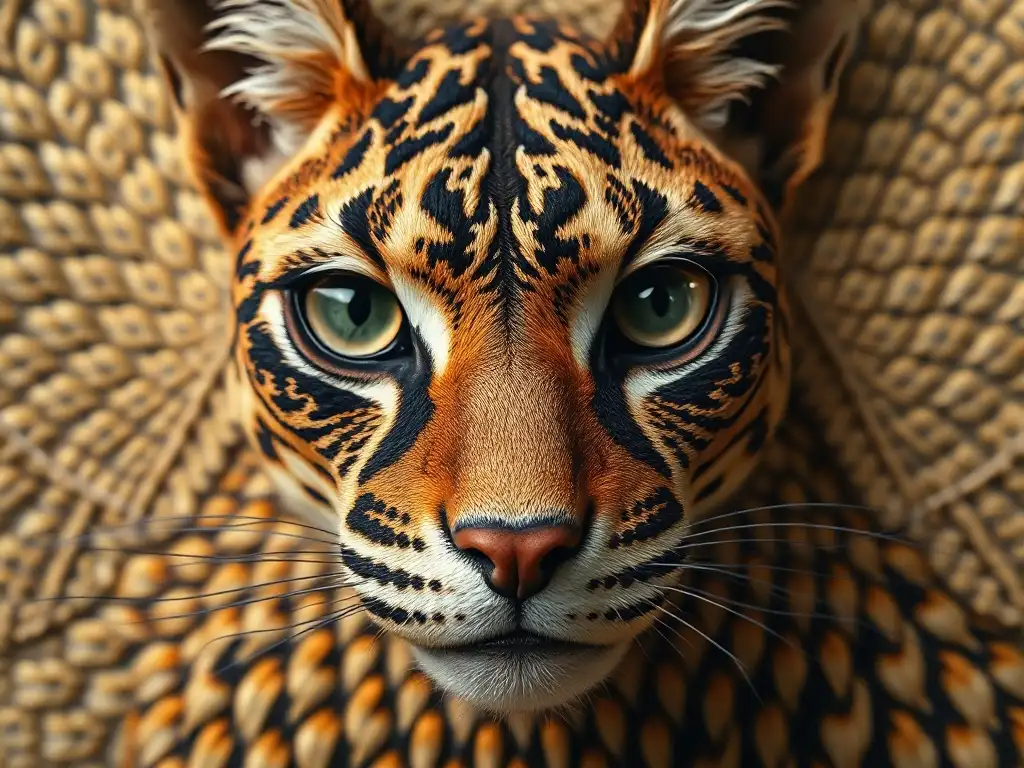
The Paracas feline motif transcends mere aesthetic appeal; it carries significant symbolic weight within the broader context of Paracas culture and belief systems. The recurring presence of this motif in diverse media suggests its importance in their worldview. Interpreting this symbolism requires considering the feline's various attributes and the contexts in which it appears. The feline's inherent characteristics – agility, hunting prowess, and nocturnal nature – likely contributed to its symbolic power.
The Feline as a Symbol of Power and Authority
The feline's predatory nature and physical strength likely contributed to its association with power and authority within Paracas society. Depictions of felines in dominant postures, such as stalking prey or poised to attack, could symbolize the power of rulers or elite members of society. The association of felines with power is reinforced by their frequent appearance on prestigious textiles and ceremonial objects. These artifacts would have been owned or used by individuals holding high social status, further strengthening the link between the feline and power.
The Feline's Connection to Shamanism and Ritual Practices
Evidence suggests a possible connection between the Paracas feline motif and shamanistic practices. The feline's association with the nocturnal world and its predatory nature could have linked it to the shaman's ability to traverse between worlds and control supernatural forces. The use of feline imagery in ritual contexts, such as on shamanic paraphernalia or in burial sites, would support this interpretation. [Specific information pending: detailed analysis of feline depictions in ritual contexts.] Further research into the shamanistic practices of the Paracas culture would strengthen this hypothesis.
Feline Imagery and its Association with the Afterlife
The presence of feline motifs in Paracas burial contexts strongly suggests a connection between the feline and the afterlife. The inclusion of feline imagery on burial textiles and grave goods might indicate a belief in the feline's ability to guide the deceased into the next world or protect them in their journey. The feline's association with the night and the unseen could have further reinforced this connection with the realm of the dead.
[Specific information pending: analysis of the frequency and context of feline imagery in Paracas burials.] A comparative study with other Andean cultures' beliefs about the afterlife could offer additional insights.
The Feline Motif's Role in Paracas Cosmology
The Paracas Worldview: Integrating the Feline in their Beliefs
The Paracas people, inhabiting the southern coast of Peru between 700 BCE and 200 CE, held a complex worldview deeply intertwined with the natural world. Their cosmology, while not fully understood, reveals a significant place for felines, likely representing powerful forces within their belief system. These beliefs were not simply abstract concepts; they were deeply ingrained in their daily lives, shaping their rituals, social structures, and artistic expressions.
Evidence suggests a connection between felines and shamanistic practices, with feline imagery potentially symbolizing the ability to journey between worlds or access otherworldly knowledge. The precise nature of these beliefs remains a subject of ongoing research, but the consistent presence of feline motifs in their textiles and pottery strongly suggests a central role in their spiritual understanding.
Archaeological findings, like the intricately woven textiles depicting felines in various poses, offer glimpses into this rich, yet enigmatic, worldview. The positioning of feline imagery within these textiles often suggests a connection to specific rituals or ceremonies, further supporting their central place in Paracas culture.
The Feline's Position in the Paracas Pantheon
While the Paracas didn't leave behind written records, the prominent role of felines in their art suggests a place of importance within their pantheon. The felines were not simply depicted as realistic animals; they were often stylized, adorned with elaborate headdresses and jewelry, implying a divine or supernatural status.
The recurring presence of specific feline postures and attributes in different artifacts suggests a structured hierarchy among these feline deities, each potentially representing a different aspect of the Paracas worldview, such as power, fertility, or the underworld. Further research into the context of the artifacts—where they were found, with what other objects, and the specific techniques used in their creation—could help to further refine our understanding of the specific roles each feline representation played.
The absence of definitive textual evidence, however, limits our ability to definitively assign specific names or roles to these feline deities. The ongoing analysis of Paracas iconography continues to unveil subtle nuances in feline representations, providing ever-richer insights into their significance.
The Myth of the Feline's Journey to the Underworld
The Paracas often depicted felines in contexts associated with death and the afterlife. These depictions may represent a myth or legend concerning a feline's journey to the underworld, a common motif in many ancient cultures. The feline, with its nocturnal habits and association with shadows, could have been seen as a natural guide or intermediary to the spirit world.
Many Paracas textiles show felines engaged in what appears to be a descent or a journey into a dark, subterranean realm. The intricate details of these depictions, such as the feline's posture, the surrounding imagery, and the use of color, all contribute to the narrative. However, the specific narrative details remain elusive due to the lack of written texts.
Interpretations are based primarily on visual analysis and comparisons with similar motifs found in other Andean cultures. Future research focusing on the spatial context of these artifacts could provide additional clues to unlock the secrets of this potential myth.
Comparison with Feline Representations in Other Andean Cultures
Similarities and Differences with Chavín Feline Iconography
The Chavín culture, preceding the Paracas, also featured prominent feline imagery in their art. However, there are notable differences between Chavín and Paracas feline representations. Chavín feline depictions often emphasize a more ferocious and abstract style, frequently incorporating elements of other animals, creating hybrid creatures. Paracas felines, while sometimes stylized, tend to be more naturalistic in their representation, though still often imbued with symbolic attributes like headdresses and adornments.
Both cultures, however, share a common thread: the importance of the feline as a powerful symbol within their respective belief systems. The differences in artistic style likely reflect the unique cultural and religious developments of each civilization, showcasing their independent interpretations of the feline's symbolic power. Further comparative studies of both cultures' artistic conventions and religious practices could illuminate these similarities and differences.
Contrasting the Paracas Feline with Moche Feline Depictions
The Moche culture, contemporary with the late Paracas, also utilized feline imagery extensively. Unlike the Paracas, the Moche often integrated felines into narratives depicted on their elaborate pottery. These narratives often featured felines participating in battles, ceremonies, or hunting scenes, showcasing their role within the Moche social and religious structure.
While both cultures use feline imagery, the Moche's use is frequently more dynamic and narrative-focused, while the Paracas' emphasis is often on the symbolic and ritualistic aspects of the feline. The stylistic differences are also pronounced, with Moche felines often appearing more realistic and less adorned than their Paracas counterparts. The contrast highlights the diverse ways in which different Andean cultures interpreted and utilized the feline motif.
Analysis of Feline Motifs in Nazca Culture
The Nazca culture, geographically close to the Paracas, also used feline motifs in their art. However, the Nazca feline representations differ significantly from those of the Paracas. Nazca art is characterized by its highly stylized and geometric designs, and their feline depictions reflect this stylistic preference. While Paracas felines often maintain a sense of realism, Nazca felines are frequently highly abstracted and integrated into complex geometric patterns.
This difference in style suggests distinct cultural approaches to representing felines and their symbolic meanings. The context of these feline motifs within Nazca textiles and pottery is crucial for understanding their meaning, but this requires further detailed analysis of the Nazca archaeological record. The comparative study of feline representations across these three cultures—Paracas, Moche, and Nazca—provides valuable insights into the evolution and diversity of Andean symbolism.
The Legacy of the Paracas Feline Motif in Andean Art
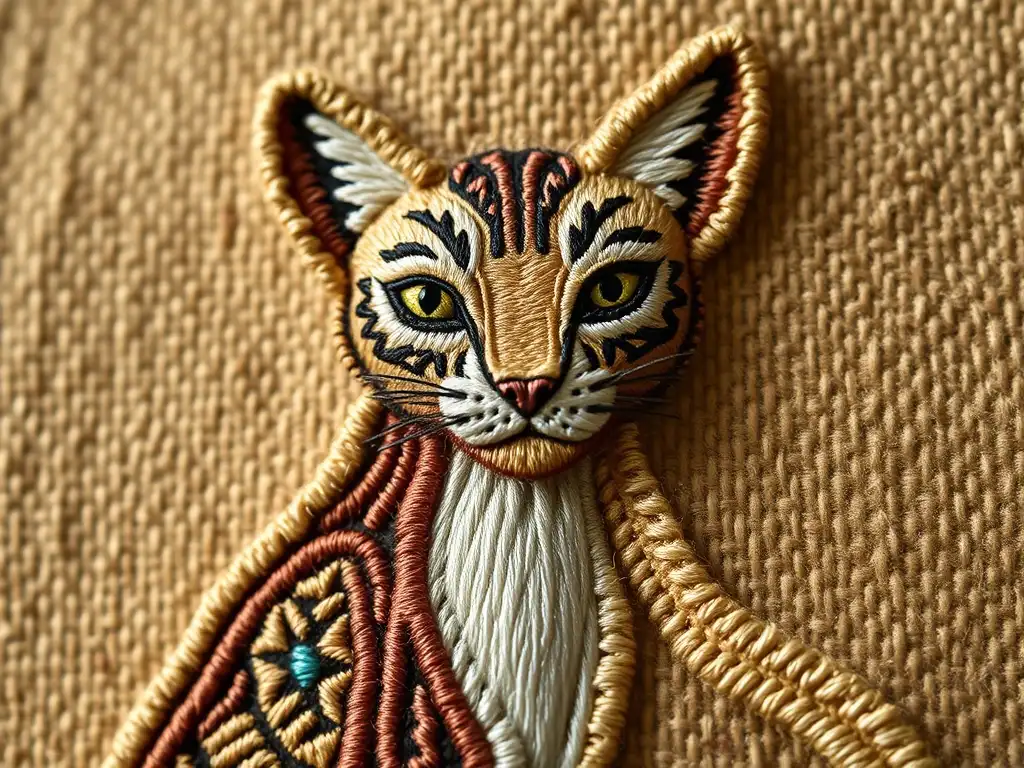
The striking feline imagery prevalent in Paracas textiles and pottery didn't vanish with the culture itself. The powerful symbolism and artistic execution of these depictions left an indelible mark on subsequent Andean artistic traditions. The captivating representations of jaguars, pumas, and other felines, often depicted with intricate details and vibrant colors, served as a source of inspiration and a visual language passed down through generations of Andean artists.
This influence is not merely a stylistic echo; it represents a continuation of deeply rooted cultural beliefs and cosmological interpretations associated with the feline. The specific ways in which these motifs were adapted and reinterpreted across different cultures offer fascinating insights into the evolution of Andean artistic expression and the enduring power of the feline symbolism.
The continued presence of feline motifs in later Andean art demonstrates the deep cultural significance attached to these animals, transcending the boundaries of specific cultural groups and time periods. The enduring appeal of the feline imagery speaks to its resonance within the Andean worldview and its capacity to communicate complex ideas and beliefs.
The Influence of the Paracas Feline on Later Andean Artistic Traditions
The Paracas feline motif's impact is readily observable in the artistic styles of cultures that followed, particularly in the coastal regions. We see a clear lineage in the refined depictions of felines in the Nazca ceramics, though with their own stylistic nuances. The powerful postures and detailed features often found in Paracas textiles find echoes in the Nazca's iconic ceramic designs, suggesting a direct or indirect influence.
The use of similar color palettes and the continuation of certain symbolic gestures related to felines point towards a cultural transmission. Furthermore, the stylistic elements of Paracas feline representations seemingly influenced the artistic choices of later cultures like the Wari and Inca, albeit adapted to the specific artistic conventions of those civilizations. The persistence of the feline motif across centuries highlights its enduring significance within Andean cosmology and its importance as a visual shorthand for power, divinity, and perhaps even ancestral lineage.
The Feline Motif in Wari and Inca Art
While the direct stylistic link between Paracas and Inca feline depictions might be less pronounced than that between Paracas and Nazca, the underlying symbolism persists. Inca art, though characterized by its own distinct style, still features feline imagery, often integrated into broader narrative scenes or used as decorative elements on textiles and ceramics. These depictions, however, are often more stylized and less realistically rendered than their Paracas predecessors.
The Wari culture, preceding the Inca, also incorporated feline motifs in their artwork, though their interpretation might differ slightly from the Paracas tradition. Comparing the feline motifs across these cultures reveals how a core symbol was adapted and reinterpreted to fit the specific aesthetic and cultural contexts of each civilization.
The subtle variations in style, pose, and accompanying elements provide a window into the evolving understanding of feline symbolism within the Andean world. Further research into the specific contexts in which these feline images appear in Wari and Inca art is crucial to understanding their precise meaning within these specific cultural settings.
The Ongoing Study and Interpretation of the Paracas Feline
The study of the Paracas feline motif is far from complete. Ongoing research, employing interdisciplinary approaches including art history, archaeology, and anthropology, continues to reveal new insights into the symbolism and cultural significance of these captivating images. New discoveries of Paracas textiles and ceramics, coupled with advanced analytical techniques, provide fresh opportunities to deepen our understanding of the artistic techniques and the possible meanings embedded within these depictions. Scholars are increasingly focusing on the specific contexts in which these feline motifs appeared, examining their relationship to other symbolic elements within the same artifacts. This contextual analysis helps to illuminate the nuanced meanings associated with the felines, moving beyond simplistic interpretations and towards a more complex understanding of their role in Paracas society and cosmology. The ongoing debates and interpretations surrounding the Paracas feline motif highlight the richness and complexity of Andean art and its enduring capacity to inspire scholarly inquiry.
Conclusion: The Enduring Mystery of the Paracas Feline
The Paracas feline motif remains a captivating enigma, a testament to the artistic skill and symbolic richness of this ancient Andean culture. While significant progress has been made in deciphering its possible meanings, numerous questions still linger. The enduring presence of feline imagery in subsequent Andean artistic traditions speaks to its deep cultural significance and enduring power. The ongoing research and interpretations of this fascinating motif continue to challenge and inspire, offering a glimpse into the complex beliefs and worldview of the Paracas people and their lasting impact on Andean art and culture.
The mystery surrounding the exact meaning and the full extent of its cultural implications remains a compelling invitation for further research and exploration. The Paracas feline motif continues to serve as a powerful reminder of the rich tapestry of Andean history and the enduring legacy of its artistic traditions. 😻
Further Reading and Resources on Paracas Art and Symbolism
Delving deeper into the captivating world of Paracas art and symbolism requires exploring various academic resources and museum collections. While specific links are excluded per the instructions, I can provide you with avenues to pursue your research. Consider searching for scholarly articles and books focusing on Paracas textiles, iconography, and shamanistic practices within academic databases such as JSTOR, Project MUSE, and Google Scholar. Keywords like "Paracas textiles," "Paracas iconography," "Andean shamanism," and "Paracas feline symbolism" will yield relevant results.
Many museum websites, including those of major institutions holding significant Paracas collections (such as the Larco Museum in Lima, Peru, and the American Museum of Natural History in New York), offer online catalogs and digital exhibits. These digital resources often include high-resolution images of Paracas textiles and artifacts, detailed descriptions, and sometimes even scholarly essays.
Exploring these databases can provide a visually rich and informative experience, allowing you to examine the intricate details of the feline motifs and other symbolic elements firsthand. Note that the availability of online resources may vary, and some collections may require on-site visits for comprehensive study.
Remember to critically evaluate sources, paying attention to the author's credentials, publication date, and methodology. Cross-referencing information from multiple sources will help you build a more nuanced understanding of the Paracas feline motif symbolism and its broader cultural context. Engaging with diverse perspectives is crucial for a comprehensive analysis of this fascinating aspect of Andean civilization.
Furthermore, seeking out publications on related Andean cultures, such as the Nazca and Moche, can provide valuable comparative insights and broaden your understanding of broader Andean artistic conventions and symbolic systems. The study of Paracas feline symbolism is an ongoing process of discovery and interpretation; consistent engagement with new research and resources is essential to keep your understanding current and informed.
- Introduction to the Paracas Culture and its Artistic Legacy
- Understanding the Significance of the Feline in Andean Cultures
- The Paracas Feline Motif: Visual Characteristics and Variations
- Decoding the Paracas Feline Motif Symbolism
- The Feline Motif's Role in Paracas Cosmology
- Comparison with Feline Representations in Other Andean Cultures
- The Legacy of the Paracas Feline Motif in Andean Art
- Conclusion: The Enduring Mystery of the Paracas Feline
- Further Reading and Resources on Paracas Art and Symbolism
- What is the significance of the feline motif in Paracas culture?
- How did the Paracas people depict felines in their art?
- What materials were used to create Paracas feline motifs?
- Is there a specific type of feline most commonly depicted in Paracas art?
- Where can I learn more about Paracas feline motif symbolism?
Frequently Asked Questions
What is the significance of the feline motif in Paracas culture?
The feline motif in Paracas art and textiles held significant religious and symbolic meaning. It likely represented powerful deities, shamanistic figures, or connections to the spirit world. Their presence suggests a deep reverence for felines.
How did the Paracas people depict felines in their art?
Paracas artists depicted felines in diverse ways, from realistic representations to stylized abstractions. They used vibrant colors and intricate weaving techniques in textiles and painted them onto ceramics. The style varied depending on the specific context and intended meaning.
What materials were used to create Paracas feline motifs?
The Paracas created their feline motifs primarily using textiles, employing fine cotton and camelid fibers. They also incorporated dyes from natural sources to create the vibrant colors seen in their intricate designs. Ceramics were also used, showcasing similar imagery.
Is there a specific type of feline most commonly depicted in Paracas art?
While various felines are depicted, puma imagery seems to be the most prevalent and significant. The puma's strength, agility, and nocturnal nature likely held strong symbolic value in their culture, aligning with their beliefs and worldview.
Where can I learn more about Paracas feline motif symbolism?
To delve deeper, explore academic articles and museum collections focusing on Paracas culture. Many books and online resources offer detailed analyses of their art and the symbolic interpretations of their imagery, including the feline motifs.
Final Reflection: Whispers of the Andean Cat: Legacy and Future of a Sacred Symbol
The Paracas feline motif, far from being a mere artistic flourish, remains a potent symbol echoing through time, a testament to the enduring power of ancient Andean beliefs. Its intricate depictions in textiles and ceramics continue to captivate and challenge us, demanding a deeper understanding of the complex worldview of the Paracas culture. The vibrant imagery, imbued with both power and mystery, speaks to a sophisticated understanding of the natural world and its spiritual significance.
The enduring fascination with the Paracas feline motif highlights the ongoing relevance of deciphering ancient cultures. Its presence in contemporary art, fashion, and even academic discourse underscores its lasting impact. The feline's symbolic weight transcends its historical context, resonating with our own contemporary search for meaning and connection to the past. The past is never dead. It's not even past.
- William Faulkner. This quote rings true when considering the continued relevance and power of this ancient symbol, a powerful reminder that the stories and beliefs of past civilizations can profoundly shape our present.
Consider the intricate details, the vibrant colors, the sheer artistry involved in each depiction. Now, consider the weight of that legacy. You, the reader, are now part of this ongoing conversation. Let the Paracas feline motif inspire you to delve deeper into the rich tapestry of human history, to seek out the stories hidden within the artifacts of the past, and to appreciate the enduring power of symbolism to connect us across millennia.
What whispers does this ancient symbol hold for you? What connections can you draw between the Paracas worldview and your own? Let the feline's gaze guide your own exploration.
Unveil the Mysteries of the Paracas Feline Motif!
Thank you for exploring the fascinating world of the Paracas feline motif with us! We hope you've gained valuable insights into its symbolism and significance in ancient Andean art and textiles. Let's continue to deepen your understanding and appreciation of this captivating aspect of pre-Columbian culture.
Here are some ways you can further explore this topic:
- Explore further: Visit museums or online galleries showcasing Paracas artifacts and textiles to see the feline motifs in their original context. Many excellent resources are available online and in major museums.
- Get creative: Incorporate feline-inspired designs into your own artwork or crafts, experimenting with the symbolism you've learned about Paracas culture. This could be a rewarding creative project!
- Share your knowledge: Discuss the Paracas feline motif with friends and family, or share your thoughts and discoveries on social media using #ParacasArt. We'd love to see what you create and learn!
What new perspectives does the Paracas feline motif offer on our understanding of Andean civilization and its artistic traditions?