
Celestial Reflections: The Role of Metal in Andean Astronomical Beliefs


Step into a world lost to time, yet echoing with celestial whispers. Imagine a civilization that forged not just tools, but stars themselves, their beliefs woven into the very metal they crafted. Andean metal astronomical beliefs hold the key to unlocking the mysteries of the Andes, revealing a sophisticated understanding of the cosmos reflected in breathtaking artistry. Prepare to be captivated as we delve into the intricate relationship between Andean metalwork and their profound astronomical knowledge. Journey with us to uncover the secrets held within these ancient artifacts.
- Celestial Reflections: The Role of Gold in Inca Astronomical Beliefs
- The Significance of Gold in Inca Culture
- Inca Cosmological Views and Celestial Observation
- Inca Gold Astronomical Beliefs: Connecting Earth and Sky
- Gold Artifacts as Astronomical Tools in Inca Civilization
- The Influence of Inca Gold Astronomical Beliefs on Art and Iconography
- The Legacy of Inca Gold Astronomical Beliefs
-
Frequently Asked Questions
- What role did metal play in Andean astronomical beliefs?
- How did Andean astronomers utilize metals in their observations?
- What specific astronomical events were reflected in Andean metalwork?
- Were there specific metals associated with particular celestial bodies or deities?
- Where can I find examples of Andean metalwork reflecting astronomical beliefs?
- Final Reflection: Echoes of the Cosmos in Andean Metalwork
- Discover the Mysteries of Andean Astronomy Today!
Celestial Reflections: The Role of Gold in Inca Astronomical Beliefs
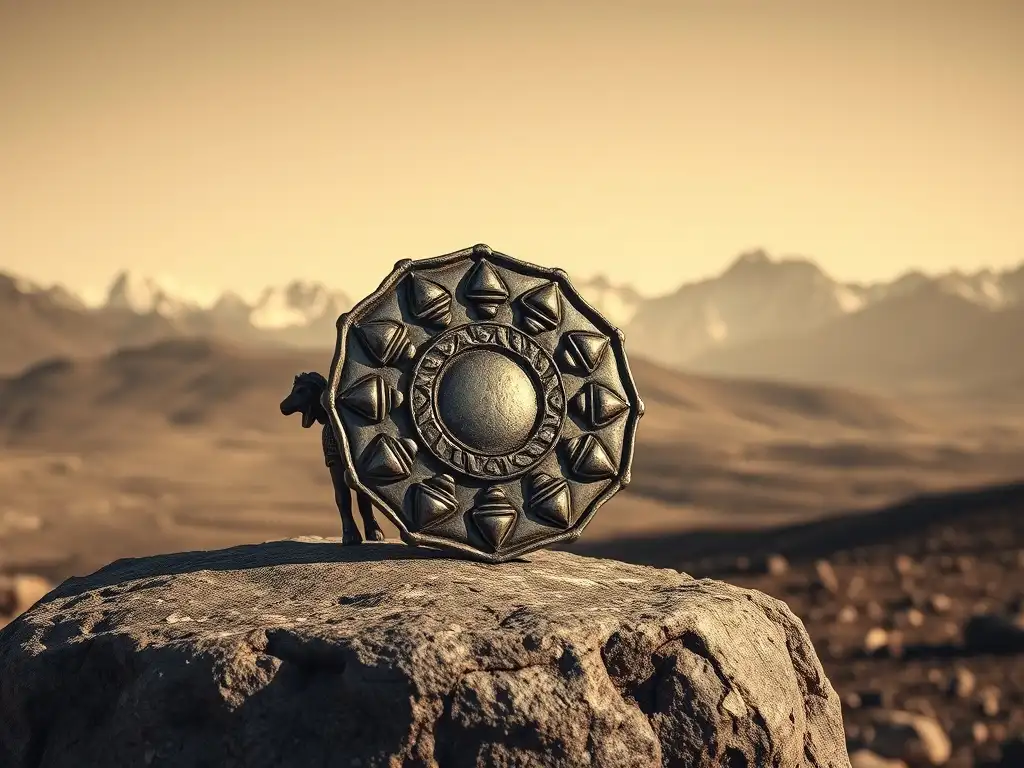
The Andes Mountains, a spine of towering peaks piercing the South American sky, served as more than just a geographical feature for the ancient civilizations that thrived there. For cultures like the Inca, Moche, Nazca, and Tiahuanaco, the celestial realm held immense spiritual significance, deeply intertwined with their daily lives and societal structures.
This article delves into the fascinating connection between Andean astronomical beliefs and the prominent role of metalworking, particularly gold, silver, and copper, in expressing and reinforcing those beliefs. We will explore how these metals, meticulously crafted into intricate objects, served as powerful conduits between the earthly and heavenly realms, reflecting the Andean understanding of the cosmos and their place within it.
By examining specific examples and analyzing the symbolic significance of metallic artifacts, we aim to illuminate the sophisticated astronomical knowledge and artistic prowess of these remarkable Andean cultures, highlighting the unique interplay between metalworking and cosmology in shaping their worldview. Understanding this relationship provides crucial insight into the complex tapestry of Andean art and iconography, revealing a profound connection between the human and divine, the terrestrial and celestial.
Introduction to Inca Goldworking and Astronomy
Inca goldworking reached unparalleled heights of artistry and sophistication. Gold, considered the "sweat of the sun," held immense symbolic value, representing the divine power and vitality of the Inca empire. Inca astronomers meticulously tracked the movements of the sun, moon, and stars, utilizing their observations to regulate agricultural cycles, plan religious ceremonies, and maintain the intricate social order.
Their understanding of celestial mechanics was remarkably advanced, enabling them to predict eclipses and other astronomical phenomena with surprising accuracy. This knowledge wasn't merely theoretical; it was deeply embedded in their religious beliefs and materialized in their exquisite metalwork. Gold, with its radiant brilliance, perfectly embodied the sun's power, making it the ideal medium for creating objects that reflected and celebrated the celestial world.
The intricate designs adorning these artifacts—often featuring celestial motifs like the sun, moon, stars, and constellations—served as tangible representations of their cosmological worldview. For example, [Specific examples of Inca gold artifacts depicting celestial imagery and their interpretations pending]. The meticulous craftsmanship and the symbolic richness of these objects underscore the profound significance of astronomy in Inca society and the integral role of metalworking in expressing these beliefs.
Metalworking Techniques and Astronomical Symbolism in the Moche Culture
The Moche civilization (100-800 CE), known for its sophisticated irrigation systems and remarkable artistic achievements, also possessed advanced metallurgical skills. Their metalworking, primarily focused on gold, silver, and copper, often incorporated astronomical motifs. Unlike the Inca, Moche astronomical representations were frequently integrated into depictions of their deities and rituals.
[Data on specific Moche metal artifacts with astronomical symbolism and their associated rituals pending]. Their intricate designs often featured stylized representations of celestial bodies, such as the sun and moon, integrated into scenes of warfare, fertility, and religious ceremonies. The use of different metals might have also held symbolic meaning, with gold potentially representing the sun and silver the moon.
Analyzing the techniques employed—lost-wax casting, hammering, and alloying—reveals not only the technical proficiency of Moche artisans but also their deep understanding of the cosmos and its influence on their lives. The artistry of the Moche metalwork serves as a powerful testament to their sophisticated astronomical observations and their ability to translate them into enduring artistic expressions.
The Role of Silver and Copper in Nazca and Tiahuanaco Astronomical Beliefs
While gold held paramount importance in Inca and Moche cultures, other Andean civilizations utilized silver and copper extensively in their astronomical expressions. The Nazca (100 BCE – 800 CE), famed for their enigmatic geoglyphs, also demonstrated considerable skill in metalworking. [Specific examples of Nazca metalwork featuring astronomical motifs or symbols pending].
Similarly, the Tiahuanaco culture (c. 300 – 1000 CE), known for its monumental architecture and sophisticated social organization, incorporated metal into their ritual objects and adornments, although the specific astronomical symbolism present may differ from other Andean cultures. [Detailed analysis of Tiahuanaco metalwork and its potential connection to their astronomical beliefs pending].
Further research is needed to fully understand the specific astronomical significance attributed to silver and copper by these cultures, highlighting the need for continued research in Andean archaeology and art history. The diversity in material choices and artistic styles across different Andean cultures underscores the richness and complexity of their cosmological beliefs and their unique approaches to expressing them through metalworking.
The Significance of Gold in Inca Culture
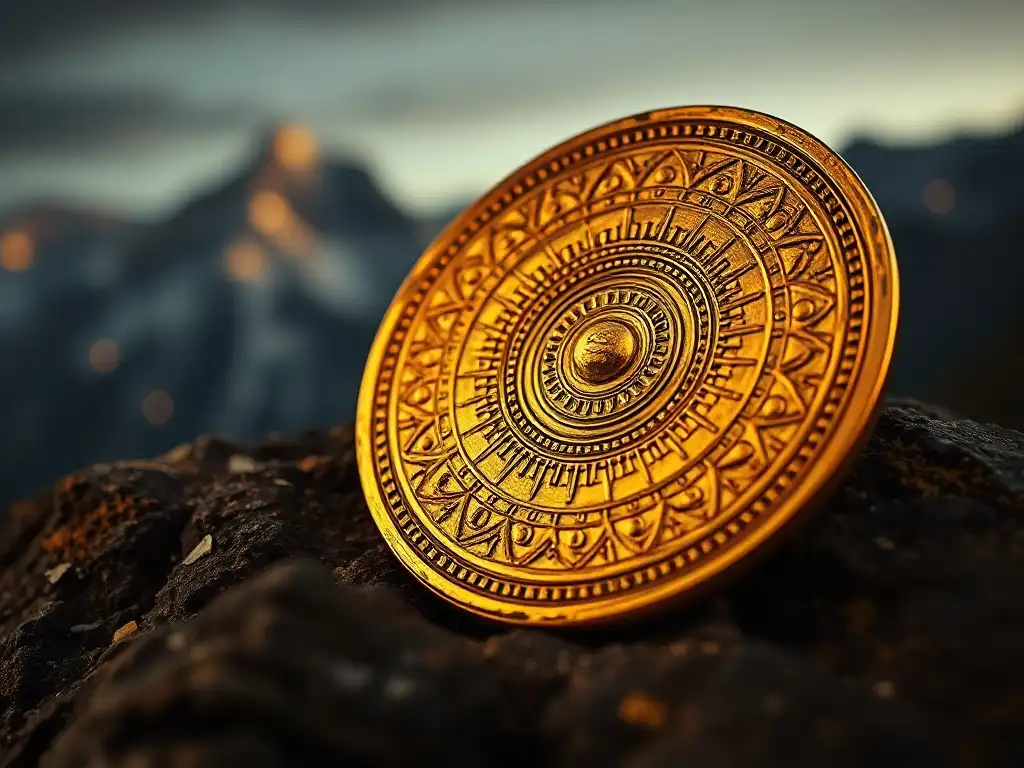
The Inca Empire, flourishing in the Andes from the 15th to the 16th century, imbued gold with profound spiritual and cosmological significance. Far from being merely a precious metal, gold held a central place in their worldview, inextricably linked to the sun god, Inti, and the celestial realm. This deep-seated reverence shaped Inca metalworking practices and the artistic expression of their astronomical beliefs. The very act of crafting gold objects was considered a sacred ritual, connecting the artisan to the divine.
Gold as a Sacred Material
In Inca cosmology, gold symbolized the sun's radiant energy and its life-giving power. The sun, Inti, was the supreme deity, the source of all life and prosperity. Gold, with its shimmering brilliance, was the perfect earthly representation of the sun's divine essence. This is evident in the numerous gold artifacts found in Inca tombs and ceremonial sites, often associated with royal burials and religious rituals. These artifacts, ranging from intricately crafted figurines to ceremonial vessels, were not merely decorative objects; they were powerful symbols of the Inca's connection to the cosmos.
The Inca believed that gold possessed a spiritual energy that could influence the natural world. They associated it with the sun's ability to control the weather, the growth of crops, and the overall well-being of the empire. This belief is reflected in the use of gold in agricultural rituals and in the creation of objects intended to appease or honor the sun god.
For example, elaborate gold ornaments were often offered as sacrifices to ensure a bountiful harvest or to influence the course of celestial events. The meticulous detail and craftsmanship evident in these objects underscore the sacred nature of the material and the significance of the rituals in which they were used. Archaeological evidence consistently supports this interpretation, with gold objects frequently discovered alongside other ritual items in sacred contexts.
Goldworking as an Imperial Craft
Goldworking in the Inca Empire was not simply a craft; it was a highly specialized and strictly controlled imperial activity. Only skilled artisans, often designated by the state, were permitted to work with gold. These artisans, who likely received extensive training and held prestigious positions within Inca society, were responsible for creating the elaborate gold objects that adorned temples, palaces, and royal tombs. The workshops where they labored were likely under the direct supervision of the Inca state, ensuring the quality and consistency of the finished products.
The Inca's mastery of goldworking techniques was remarkable, showcasing their advanced understanding of metallurgy and their artistic skill. They employed various methods, including hammering, casting, repoussé (hammering from the reverse side to create relief), and soldering, to create intricate designs and complex forms. The use of alloys, combining gold with other metals like silver or copper, allowed for greater versatility and control over the final product.
The precision and detail evident in Inca goldwork are striking, highlighting the high level of skill and expertise attained by Inca artisans. Their ability to create such intricate and delicate pieces, showcasing celestial motifs and astronomical alignments, speaks volumes about their technological prowess and their deep-seated religious beliefs.
The production of gold objects was thus not only a reflection of the Inca's artistic capabilities but also a powerful demonstration of their imperial control and their connection to the divine. The meticulous record-keeping and organization needed to manage such a specialized craft further underscore the centralized nature of Inca governance and its influence on all aspects of Inca life, including their religious beliefs and practices.
Inca Cosmological Views and Celestial Observation
The Inca worldview was deeply intertwined with celestial observations, shaping their religious beliefs, agricultural practices, and social structures. Their understanding of the cosmos wasn't merely a scientific pursuit; it was a fundamental aspect of their existence, influencing everything from royal lineage to the timing of agricultural cycles. The Andean metal astronomical beliefs were significantly influenced by this cosmic perspective, with metals playing a crucial role in representing and interacting with the divine forces they perceived in the heavens.
Unlike some cultures that viewed the stars as distant points of light, the Inca saw them as active participants in the earthly realm, influencing events and possessing agency. This intimate connection is reflected in their sophisticated astronomical observatories and the intricate metalwork used in religious ceremonies. The precision of Inca astronomical knowledge, rivaling that of many other ancient civilizations, is a testament to their keen observation skills and sophisticated understanding of celestial mechanics.
Their ability to predict solstices and equinoxes with remarkable accuracy allowed them to plan agricultural activities and religious festivals with precision, highlighting the practical applications of their astronomical expertise. This practical application further underscores the deeply integrated nature of their astronomical beliefs within their daily lives. Further research is needed to fully understand the nuances of how specific metal alloys were associated with particular celestial bodies or events [specific information pending].
Inca Understanding of the Cosmos
The Inca cosmos wasn't a static entity; it was a dynamic interplay between the kay pacha (the earthly world), the hanan pacha (the upper world, home to the sun, moon, and stars), and the ukhu pacha (the underworld). This tripartite division wasn't simply a geographical separation but a complex cosmological model that defined social hierarchies and religious practices. The sun ( Inti), the moon ( quilla), and the stars were considered powerful deities, with their movements and positions influencing the lives of the Inca people.
The Inca believed that the hanan pacha exerted significant power over the kay pacha, hence the importance of accurately observing and interpreting celestial phenomena. This understanding is reflected in their sophisticated calendar system, which allowed them to predict agricultural seasons and plan important ceremonies. The precision of their astronomical knowledge is evident in the construction of sites like Machu Picchu, where the buildings are strategically aligned with celestial events.
The careful placement of windows and structures suggests a deep understanding of solar and lunar movements, reflecting the Inca's intricate relationship with the cosmos. Further study of Inca iconography and surviving astronomical instruments could illuminate the precise ways in which they interpreted celestial events and their significance in their beliefs. [Specific information pending on the correlation between specific metal alloys and the tripartite cosmology].
The Importance of Inti, Quilla, and the Stars
Inti, the sun god, held supreme importance in Inca cosmology. He was considered the creator god and the ultimate source of life and energy. Gold, with its radiant yellow color reminiscent of the sun's glow, was frequently used in representations of Inti, further highlighting the metal's symbolic connection to the deity. Elaborate gold masks, ornaments, and ceremonial objects were created to honor Inti and to facilitate communication with him.
Similarly, quilla, the moon goddess, was associated with silver, a metal whose pale luminescence echoed the moon's silvery light. Silver objects, often crafted with intricate designs, were used in rituals dedicated to Quilla, reinforcing the symbolic link between the metal and the celestial body. The stars, too, held significance, with specific constellations associated with different deities and events. While the specific metallurgical techniques used to create objects associated with the stars require further research [specific information pending], it is evident that metals played a vital role in representing and interacting with these celestial bodies, emphasizing their importance within the Inca cosmological framework.
The use of different metals, their alloys, and their associated colors helped to visually represent the complexity of the Inca worldview, further enhancing the impact of religious ceremonies and reaffirming the integral role of Andean metal astronomical beliefs in their society. The careful crafting and symbolic use of these metal objects demonstrate the Inca's deep respect for the celestial bodies and their profound influence on their lives. The intricate designs and masterful craftsmanship also showcase the advanced metallurgical skills of the Inca artisans.
Inca Gold Astronomical Beliefs: Connecting Earth and Sky
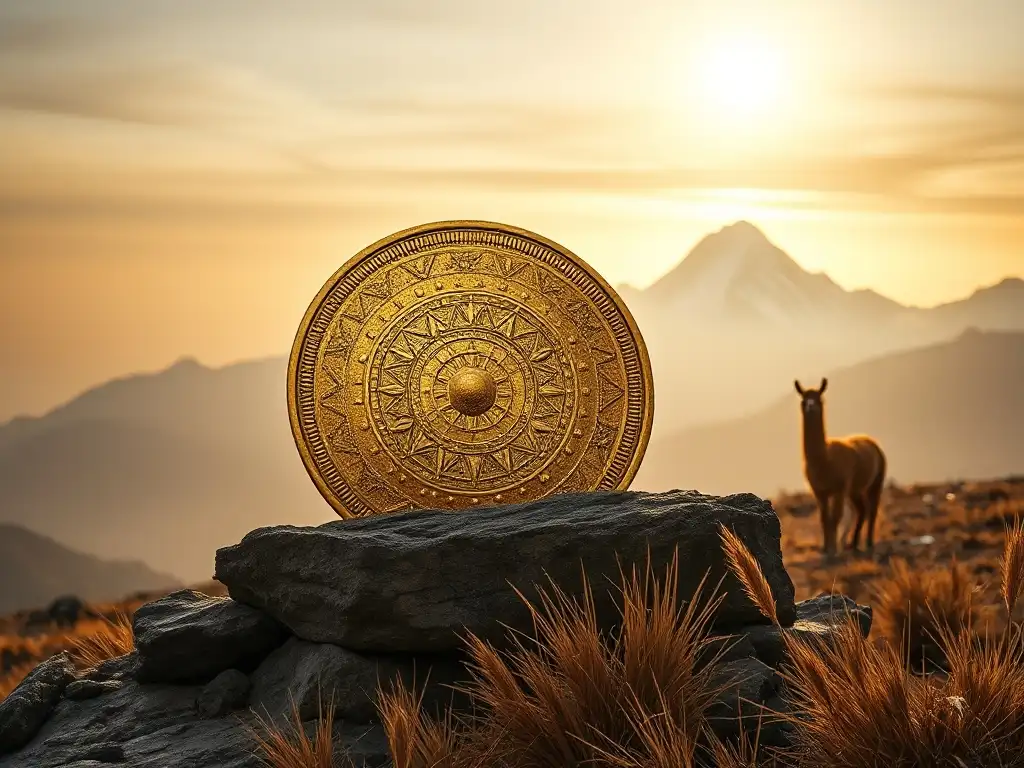
The Inca civilization, renowned for its sophisticated understanding of astronomy and its mastery of metalworking, intricately intertwined these two realms. Their beliefs regarding the celestial sphere deeply influenced their use of gold, a metal considered sacred and imbued with divine properties. The Incas didn't just utilize gold for ornamentation; they employed it in ways that directly reflected their cosmological worldview, bridging the terrestrial and celestial planes.
This section explores the profound connection between Inca gold and their astronomical beliefs, illuminating the sophisticated ways in which they manifested their understanding of the cosmos. The rich symbolism embedded within their gold artifacts reveals a complex system of beliefs about the sun, moon, stars, and their influence on human life. Analyzing this relationship provides a deeper understanding of Andean metal astronomical beliefs.
Representing Celestial Bodies in Gold
Inca goldsmiths possessed extraordinary skill, capable of crafting intricate representations of celestial bodies. The sun, a central deity in Inca cosmology, was frequently depicted in gold discs, often adorned with intricate designs symbolizing solar rays or other celestial elements. These weren't mere artistic representations; they were powerful religious objects, used in rituals and ceremonies to honor the sun god, Inti.
Similarly, the moon, another significant celestial entity, was also represented in gold, sometimes depicted as crescent shapes or full discs, reflecting its phases and perceived influence on earthly cycles. The meticulous detail and craftsmanship evident in these pieces underscore their religious significance.
For example, the precision in replicating the subtle variations of the lunar cycle in gold artifacts suggests a deep understanding of celestial mechanics and a reverence for the moon's power. Even smaller celestial bodies like stars were represented in gold, often incorporated into larger pieces as smaller dots or studs, further emphasizing the Inca's comprehensive understanding and representation of the night sky.
The Use of Gold Artifacts in Rituals and Ceremonies
The use of gold in Inca astronomical rituals and ceremonies solidified its connection to the celestial realm. Gold artifacts, representing celestial bodies or constellations, were likely central to religious practices. These rituals may have involved offerings to the sun god, requests for favorable weather patterns, or celebrations of significant astronomical events like solstices and equinoxes.
While precise details about these ceremonies remain elusive due to limited surviving records, archaeological discoveries of gold artifacts in sacred sites provide compelling evidence of their importance. The discovery of gold objects buried with mummies, for instance, suggests that these artifacts were considered essential for the deceased's journey into the afterlife, perhaps to guide them through the celestial realm.
Furthermore, the presence of gold artifacts in temples and other sacred places points to their use in public rituals, reinforcing the connection between the Incas' astronomical beliefs and their religious practices. Further research into these practices could uncover a more complete picture of the role of Andean metal in astronomical beliefs.
Symbolic Meanings of Gold in Astronomical Context
Beyond its aesthetic qualities, gold held profound symbolic meaning within the Inca astronomical worldview. Its radiant color and inherent value mirrored the sun's brilliance and power, making it the ideal material to represent Inti. The malleability of gold allowed Inca artisans to shape it into diverse forms, representing the ever-changing celestial landscape.
The permanence of gold, resistant to decay, further enhanced its symbolic association with the enduring power of celestial bodies. Furthermore, the rarity and difficulty of acquiring gold likely contributed to its sacred status, reinforcing its link to the divine and the celestial. The use of gold in astronomical contexts was not merely a matter of aesthetic preference; it was a deliberate choice, reflecting the Inca's deeply held beliefs about the relationship between the earthly and celestial realms.
The inherent properties of gold, combined with its cultural significance, made it the perfect medium to express and reinforce their astronomical worldview. Further study of Inca iconography and religious texts could shed more light on the nuanced symbolic meanings associated with gold within their astronomical beliefs, furthering our understanding of Andean metal astronomical beliefs.
Gold Artifacts as Astronomical Tools in Inca Civilization
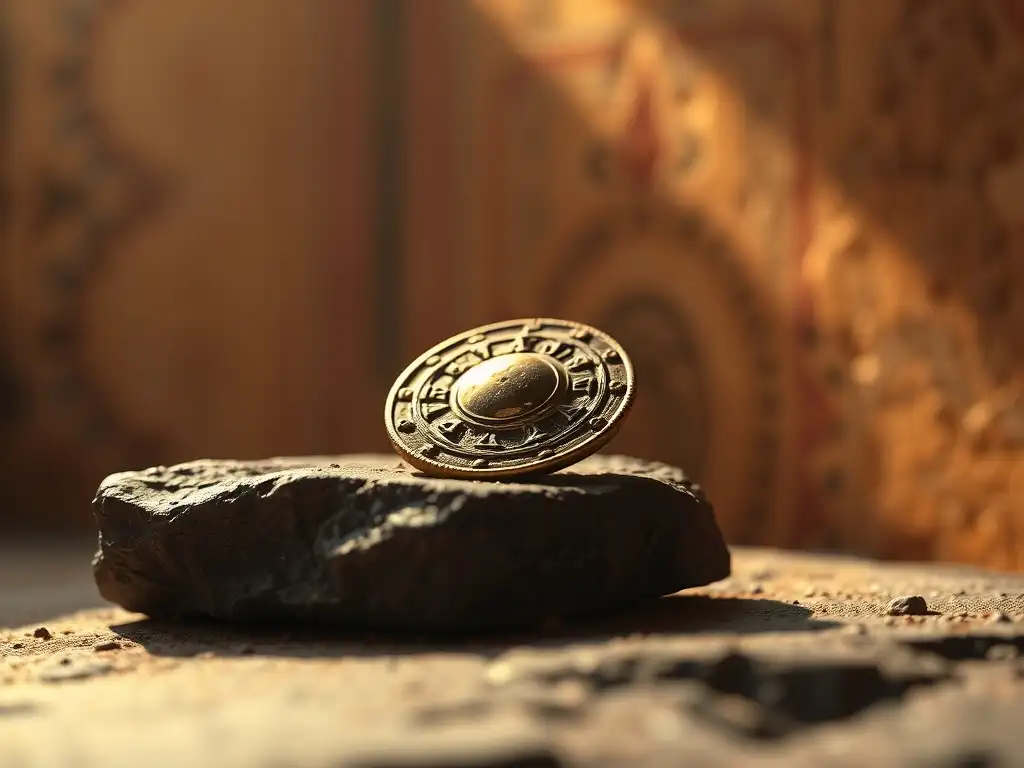
The Inca civilization, renowned for its sophisticated understanding of astronomy and its mastery of metalworking, produced a variety of gold artifacts that likely served astronomical purposes beyond mere ornamentation. These meticulously crafted objects, often imbued with symbolic meaning, suggest a deep connection between the Inca worldview and the celestial sphere.
The precision and detail in their creation point towards a level of technological advancement and astronomical knowledge that continues to fascinate researchers today. While definitive proof of their function is often lacking, the circumstantial evidence and the cultural context strongly support their use in astronomical observations and rituals.
The careful consideration of the sun's position and the celestial cycles underpinned many aspects of Inca life, from agriculture to religious practices, making the use of gold artifacts in these activities highly plausible. Analysis of these artifacts, combined with ethnohistoric accounts and archaeological findings, allows us to explore the fascinating intersection of Andean metal astronomical beliefs and Inca cosmology.
Gold Mirrors for Observing the Sun
Inca gold mirrors, far from being simple vanity items, may have played a crucial role in solar observations. These highly polished mirrors, often featuring intricate designs, could have been used to reflect sunlight, potentially aiding in tracking the sun's movement across the sky. The intense reflectivity of the gold would have allowed for precise observation, especially during solstices and equinoxes, critical moments in the Inca agricultural calendar.
Some scholars hypothesize that these mirrors were not only used for direct observation but also to project the sun's image onto other surfaces, creating a kind of primitive solar projection system. The intricate designs on many mirrors might also have held symbolic significance related to the sun's journey or to specific constellations, further enhancing their astronomical purpose. Further research, including detailed analysis of the reflective properties of the gold alloys used and the precise orientations of discovered mirrors, is needed to fully understand their function.
The precise craftsmanship evident in these artifacts, however, suggests a level of intentionality that goes beyond simple decoration. The use of gold, a material associated with the sun and divinity in Inca culture, further strengthens the argument for their astronomical significance.
Gold Discs and Their Astronomical Significance
Gold discs, another prominent category of Inca gold artifacts, often display intricate designs and symbolic representations potentially linked to celestial bodies and events. These discs vary in size and complexity, with some featuring representations of the sun, moon, or stars. The patterns and motifs found on these discs often align with known Inca astronomical knowledge, suggesting a deliberate connection between the artifacts and the celestial sphere.
For example, some discs may depict constellations or celestial alignments significant to Inca cosmology, such as the Pleiades, a cluster of stars associated with agricultural cycles. The precise arrangement of elements on these discs, often exhibiting remarkable symmetry and balance, suggests a deep understanding of astronomical phenomena and a sophisticated level of artistic and technological skill.
Analyzing the iconography on these discs, comparing it to other Inca astronomical representations (such as textiles or pottery), and correlating them with known Inca calendar systems is crucial for unlocking their astronomical meaning. The careful study of these gold discs offers valuable insights into the Andean metal astronomical beliefs and their practical application in Inca society.
Gold Sundials and Ritual Objects
While definitive examples of Inca gold sundials are scarce, some scholars propose that certain gold artifacts, characterized by their shape and markings, might have served as rudimentary sundials or gnomons. These objects, possibly combined with other elements like strategically placed stones or sticks, could have been used to determine the time of day or track the seasonal changes based on the length and direction of the shadow cast by the sun. The use of gold, a material associated with the sun's power and prestige, would have enhanced the ritualistic significance of such devices.
Beyond sundials, other gold objects, often featuring intricate designs and symbolic imagery, likely played a role in astronomical rituals and ceremonies. These ritual objects might have been used in ceremonies marking solstices, equinoxes, or other important astronomical events, serving as focal points for prayer or offerings to celestial deities. The meticulous craftsmanship and the use of precious materials like gold underscore their importance within Inca religious practices and their connection to the celestial realm.
Further investigation into the potential function of specific gold artifacts, coupled with a deeper understanding of Inca ritual practices, is crucial for fully appreciating the intricate relationship between Andean metal astronomical beliefs and the Inca religious system. The enduring mystery surrounding many of these objects only adds to their allure and the importance of continued research.
The Influence of Inca Gold Astronomical Beliefs on Art and Iconography
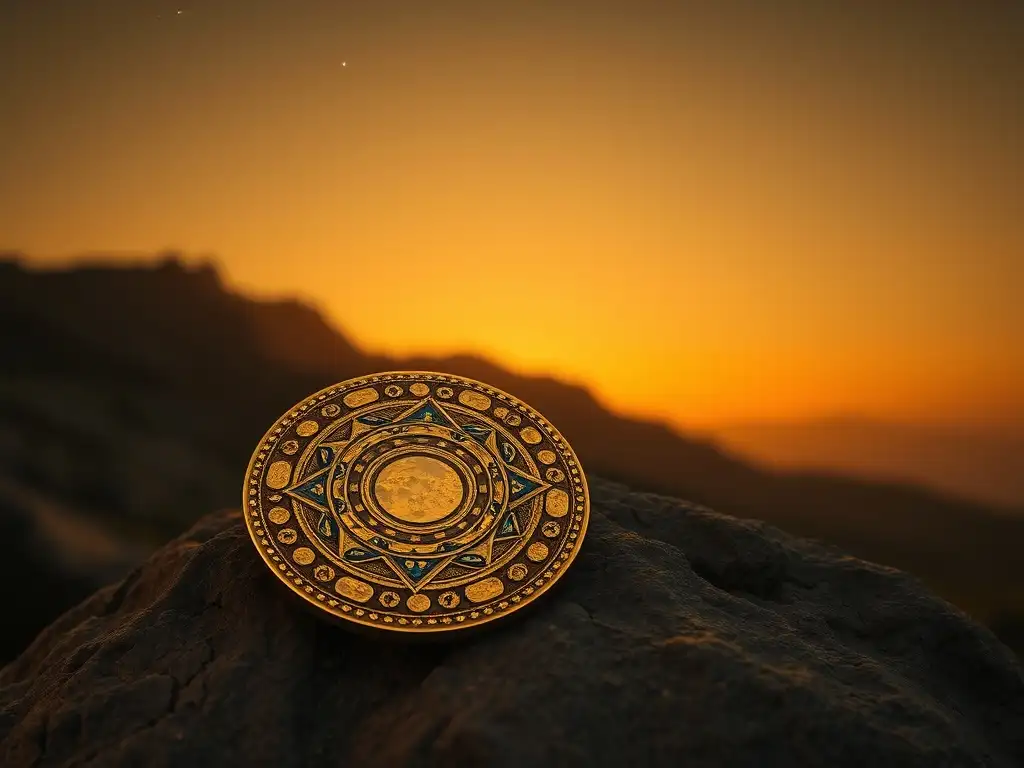
The Inca civilization's profound reverence for the celestial bodies is vividly reflected in their sophisticated metalworking, particularly in gold. Their astronomical beliefs, deeply intertwined with their worldview and social structure, heavily influenced the design, creation, and use of gold artifacts. The Inca's mastery of metallurgy allowed them to translate their cosmological understanding into tangible, visually stunning objects, creating a powerful link between the terrestrial and celestial realms.
This section will explore how Inca gold art serves as a window into their astronomical beliefs, demonstrating the intricate connection between their metalworking traditions and their understanding of the cosmos. We will examine specific examples of celestial motifs in gold art, the astronomical significance of gold jewelry, and the representation of key deities like Inti (the sun) and Quilla (the moon) in Inca iconography. Understanding this relationship provides crucial insights into the Inca worldview and their sophisticated understanding of astronomy.
The prevalence of gold in these astronomical representations underscores its perceived sacredness and connection to the divine. Analysis of these artifacts reveals not just artistic skill, but also a complex cosmological system encoded in material form. The use of gold, a material associated with the sun's brilliance and power, further emphasizes the sacred nature of the astronomical themes depicted.
Celestial Motifs in Gold Art
Inca goldsmiths skillfully incorporated celestial motifs into their artwork, often representing constellations, planets, and other astronomical phenomena. These motifs weren't merely decorative; they held deep symbolic meaning, reflecting the Inca's belief in the influence of the stars on their lives. For instance, representations of the Milky Way, often depicted as a swirling band of gold, are frequently found in various artifacts.
These depictions were not simply realistic portrayals, but rather symbolic representations of the sacralized celestial river, linking the earthly realm with the divine. Furthermore, the meticulous detail and precision in these depictions showcase the advanced astronomical knowledge of the Inca, suggesting a detailed understanding of celestial movements and constellations. Studies of surviving artifacts reveal a surprising level of accuracy in the representation of celestial events, indicating a sophisticated understanding of astronomy that went beyond simple observation.
The use of different alloys and techniques in creating these celestial motifs also adds another layer of complexity, suggesting a possible connection between the material properties of the gold and the celestial bodies they represented. For example, the use of higher karat gold might have been reserved for representations of particularly important celestial bodies like the sun or moon. [Specific examples of gold artifacts depicting celestial motifs pending].
Gold Jewelry and its Astronomical Connection
Gold jewelry in Inca society wasn't merely adornment; it served as a powerful symbol of status, power, and, importantly, connection to the celestial realm. Specific designs and adornments on jewelry often reflected astronomical events or celestial bodies. For example, earrings shaped like crescent moons or necklaces featuring sun disc pendants were likely not coincidental but rather deliberate expressions of astronomical beliefs.
The use of gold, a metal associated with the sun's power and divinity, further reinforced this celestial connection. The intricate craftsmanship and the use of various techniques like repoussé and filigree enhanced the symbolic value of these pieces. The distribution of these astronomical-themed jewelry pieces across different social strata also provides insights into the Inca social structure and the significance of astronomy within it.
High-ranking officials likely wore more elaborate and astronomically significant jewelry, reflecting their privileged position within the society and their closer connection to the divine. [Data on the distribution of astronomical jewelry across social classes pending]. Furthermore, the use of specific gemstones in conjunction with gold in these pieces might have added another layer of astronomical symbolism, linking specific stones to specific celestial bodies or constellations.
Representations of Inti and Quilla in Inca Iconography
Inca iconography frequently depicts Inti (the sun god) and Quilla (the moon goddess), highlighting their central role in Inca cosmology and religion. These representations, often found in gold and other precious metals, are crucial in understanding the Inca's astronomical beliefs. Inti, often portrayed as a sun disc, is frequently depicted with radiating rays, embodying his power and life-giving energy. Quilla, on the other hand, is often represented as a crescent moon, sometimes accompanied by stars, emphasizing her cyclical nature and connection to the night sky.
The meticulous detail and craftsmanship evident in these depictions underscore their importance and the reverence with which these deities were held. The use of gold, a material associated with the sun's brilliance, for representations of Inti further reinforces his importance as the supreme deity. The presence of these representations in various contexts, from temple decorations to royal regalia, highlights the pervasiveness of these deities and their influence on all aspects of Inca life.
[Specific examples of Inti and Quilla representations in Inca gold artifacts pending]. The study of these representations offers a valuable insight into the religious and cosmological beliefs of the Inca, revealing the deep connection between their religious practices and their astronomical understanding. The meticulous craftsmanship and the choice of materials used in these depictions are testament to the importance the Inca placed on their deities and their celestial connection.
The Legacy of Inca Gold Astronomical Beliefs
The Inca Empire, renowned for its sophisticated astronomical knowledge, intricately wove celestial observations into its religious beliefs and practices. Gold, a precious metal symbolizing the sun god Inti, played a pivotal role in representing this cosmic connection. Inca artisans crafted elaborate gold objects—from intricately detailed sun discs to miniature celestial representations—that were not merely decorative but served as powerful religious artifacts, reflecting their deep understanding of the cosmos.
The use of gold in these astronomical contexts underscored the Inca belief in the divine power of the sun and its influence on earthly events. The precise astronomical alignments of some Inca structures, coupled with the discovery of gold artifacts within these sites, further solidify the link between Inca metalworking and their astronomical beliefs. These findings suggest a conscious effort to create a tangible representation of their cosmological worldview using gold as a medium to express this sacred connection.
Understanding Inca Worldviews
Inca worldview was deeply intertwined with the celestial sphere. The sun, moon, and stars were not merely astronomical bodies but powerful deities influencing all aspects of life, from agriculture to political power. The Inca calendar, a sophisticated system of tracking celestial cycles, governed agricultural practices and religious ceremonies. Gold, as a symbol of the sun's power and divine essence, was naturally incorporated into objects reflecting these celestial events.
For example, many gold artifacts depict solar and lunar cycles, constellations, and other astronomical phenomena, highlighting the significance of these celestial bodies in the Inca religious system. The precise craftsmanship and attention to detail in these gold objects reveal a profound understanding not only of metallurgy but also of the intricacies of the cosmos. This deep-seated connection between the celestial and the terrestrial is clearly reflected in the Inca's use of gold in their astronomical representations.
The Enduring Impact of Goldworking Techniques
The Inca mastery of goldworking techniques, particularly their skill in hammering, repoussé, and soldering, allowed them to create incredibly detailed and lifelike astronomical representations in gold. These techniques ensured the creation of durable and visually stunning objects that served as powerful symbols of their cosmological beliefs. The Inca’s advanced understanding of metallurgy enabled them to create thin, yet strong, gold sheets, ideal for depicting celestial imagery.
Their ability to seamlessly join pieces of gold allowed for the construction of complex, multi-part objects, such as the often-found intricate representations of celestial bodies. The legacy of these techniques is evident in the surviving artifacts, demonstrating both the technical prowess and the religious significance of Inca goldworking. The precision and artistry involved further emphasized the sacred nature of these objects and their role in maintaining the cosmic balance.
Modern Interpretations and Archaeological Studies
Modern archaeological studies continue to shed light on the Inca's astronomical beliefs and their relationship to goldwork. Careful analysis of Inca sites, combined with the study of recovered gold artifacts, allows researchers to better understand the context in which these objects were created and used.
For example, recent discoveries have revealed new details about the astronomical alignments of specific Inca structures, potentially indicating the use of gold objects in rituals related to celestial events. Furthermore, ongoing research using advanced imaging techniques provides a deeper understanding of the craftsmanship and symbolism embedded within these precious artifacts, enriching our knowledge of Andean metal astronomical beliefs.
The continued study of these objects and the sites where they were found promises to further illuminate the intricate relationship between Inca cosmology and their remarkable skill in goldsmithing. This ongoing research emphasizes the enduring significance of Andean metal astronomical beliefs and the rich tapestry of knowledge they continue to reveal.
Frequently Asked Questions
What role did metal play in Andean astronomical beliefs?
Andean cultures, like the Inca and Moche, incorporated metalwork into their astronomical practices. Gold, silver, and copper were used to create objects reflecting celestial bodies and deities, used in rituals and ceremonies. These artifacts often served as symbolic representations of the cosmos.
How did Andean astronomers utilize metals in their observations?
While not directly used for observation like telescopes, metal instruments may have aided in precise measurements of celestial events. Certain metal tools could have assisted in tracking the movements of the sun, moon, and stars. The precision in Andean metalwork suggests a sophisticated understanding of astronomy.
What specific astronomical events were reflected in Andean metalwork?
Andean metalwork often depicted solar and lunar cycles, constellations, and eclipses. Specific designs and iconography on metal objects linked them to significant astronomical events and deities associated with them. This demonstrates a deep understanding and reverence for the cosmos.
Were there specific metals associated with particular celestial bodies or deities?
Yes, certain metals held symbolic significance related to specific celestial bodies or deities. For example, gold might represent the sun, while silver could be associated with the moon. The choice of metal contributed to the overall meaning and power of the artifact.
Where can I find examples of Andean metalwork reflecting astronomical beliefs?
Many museums around the world house collections of Andean metal artifacts, showcasing their astronomical significance. You can find examples in museums in South America, the United States, and Europe. Researching museum collections online is a great starting point for further exploration.
Final Reflection: Echoes of the Cosmos in Andean Metalwork
The intricate metalwork of the Andes isn't merely ornamentation; it's a tangible testament to a sophisticated astronomical understanding that continues to resonate today. These meticulously crafted objects, imbued with celestial symbolism, offer a powerful glimpse into a worldview deeply connected to the cosmos, a worldview that challenges our modern, often fragmented, relationship with the night sky. The precision and artistry involved speak volumes about the Andean peoples' profound observation and interpretation of the heavens.
The enduring legacy of Andean astronomical beliefs, as expressed through their metalwork, is a potent reminder of the interconnectedness of humanity and the universe. These artifacts, now housed in museums and private collections worldwide, serve as powerful conduits to a past that informs our present. They whisper stories of meticulous observation, deep spiritual connection, and a sophisticated understanding of celestial mechanics that predates many modern scientific advancements. The stars are a language, and the universe is a book that we are only beginning to read.
This sentiment, though modern, perfectly encapsulates the enduring mystery and wonder inherent in the Andean astronomical tradition as revealed through their metalwork.
Consider, for a moment, the implications of this rich heritage. How might a deeper understanding of these ancient practices enrich our own appreciation for the cosmos?
I invite you to look beyond the artifacts themselves and contemplate the enduring power of human connection to the universe, a connection that transcends time and culture. Let the echoes of the Andean cosmos inspire you to look up at the night sky with renewed wonder and curiosity, to seek out the stories written in the stars, and to appreciate the enduring legacy of those who came before us, who saw in the heavens not just a void, but a vibrant tapestry of meaning and connection.
Discover the Mysteries of Andean Astronomy Today!
Thank you for joining us on this enlightening journey through the celestial beliefs of Andean civilizations! We hope you found the exploration of the crucial role of metal in their astronomical practices valuable. Let's delve even deeper into this fascinating legacy.
Here are some ways you can continue your exploration:
- Dive Deeper: Learn more about the rich metalworking traditions of Andean cultures by exploring our other articles on the subject and its significance in their rituals and beliefs.
- Share Your Insights: Discuss your newfound knowledge with friends, or join our online community to connect with others interested in Andean history and astronomy.
- Create Your Connection: Experiment with using reflective surfaces during your own astronomical observations—how does this enhance your experience?
What aspect of Andean celestial beliefs captivates you most, and how can you integrate these insights into your daily life?