
Mountain Pass Engineering: Inca Roads Through the Toughest Terrain

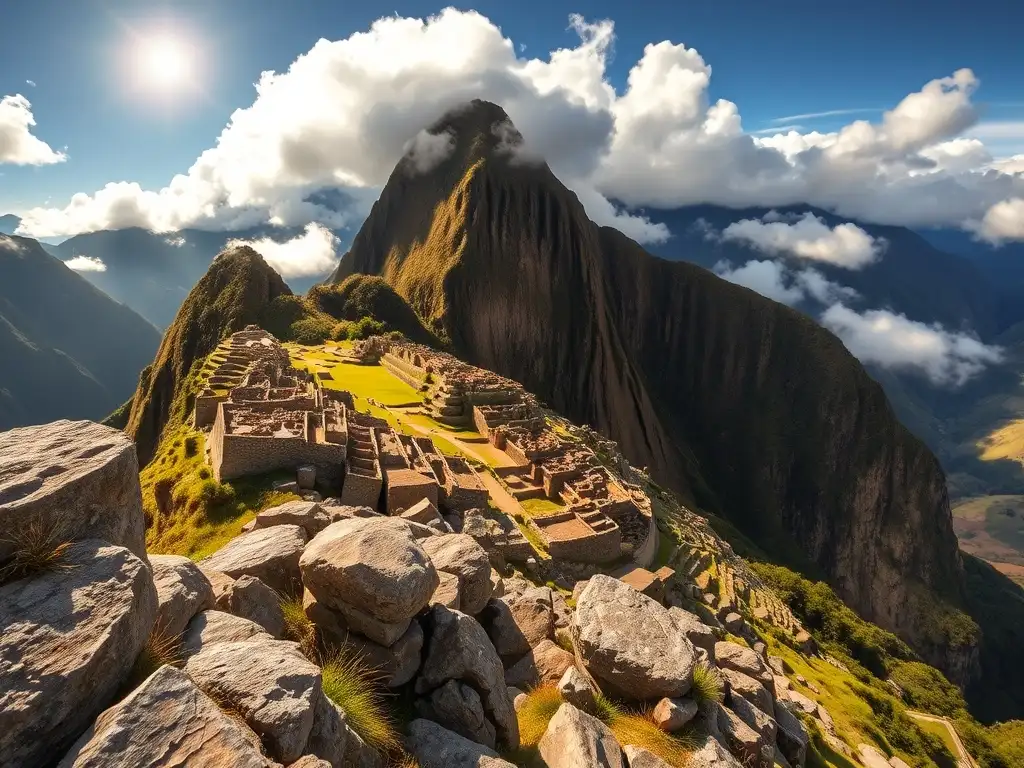
Step into a world lost in time, where ingenuity conquered towering peaks and breathtaking landscapes. Imagine the sheer audacity of civilizations that carved empires from the Andes Mountains. This is the story of Andean Civilizations, a journey through the remarkable achievements of cultures like the Incas, Moche, and Nazca. But we begin with a marvel of engineering that still defies explanation: the Inca road engineering techniques that allowed them to traverse the seemingly impassable. Prepare to be amazed as we unravel the secrets behind their incredible mountain pass mastery. Read on to discover more...
The Inca Empire, renowned for its sophisticated civilization in the Andes Mountains, achieved remarkable feats of engineering, particularly in its extensive road network. Spanning thousands of miles across incredibly challenging terrain, these roads weren't merely pathways; they were the arteries of a vast empire, facilitating communication, trade, and military movements.
This article delves into the ingenious engineering techniques employed by the Inca to conquer the formidable Andean geography, focusing on their mastery of mountain pass construction and the overall strategic planning of their road system. We will explore the challenges posed by the Andes, the innovative solutions implemented by Inca engineers, and the lasting legacy of their remarkable infrastructure.
Understanding the Inca road engineering techniques provides crucial insights into their societal organization, technological prowess, and enduring adaptability in the face of extreme environmental conditions. The intricate network of Inca roads stands as a testament to human ingenuity and a powerful symbol of their advanced civilization.
The Challenge of Andean Geography for Inca Infrastructure
The Andes Mountains present a formidable challenge to any infrastructure project. The sheer scale of the mountain range, with its towering peaks, deep gorges, and unpredictable weather patterns, demands exceptional engineering expertise. Inca road builders faced numerous obstacles, including:
- Steep inclines and treacherous slopes: Navigating the steep gradients required innovative solutions to prevent landslides and ensure the stability of the roads.
- Seismic activity: The Andes are a seismically active region, necessitating construction techniques that could withstand earthquakes and other geological events.
- Varied and unpredictable weather: From torrential rains to freezing temperatures, Inca engineers had to account for a wide range of climatic conditions that could impact road construction and maintenance.
- Difficult terrain: The varied terrain, including rocky outcrops, dense forests, and treacherous river crossings, posed significant challenges to construction and transportation of materials.
- Accessibility of resources: Sourcing building materials like stone, wood, and other resources in remote locations added complexity to the project.
The Inca's success in overcoming these challenges is a testament to their advanced understanding of engineering principles and their ability to adapt their techniques to the specific characteristics of the environment. Their roads were not simply built; they were carefully planned and strategically integrated into the landscape.
Inca Road System: A Network Across Varied Landscapes
The Inca road system was not a single road, but a vast network connecting the entire empire. This intricate system facilitated the efficient movement of people, goods, and messages across diverse landscapes. The network incorporated several key features:
- Strategic placement: Roads were strategically placed to connect major settlements, administrative centers, and agricultural regions. This allowed for efficient communication and resource management.
- Varied construction techniques: The Inca adapted their construction techniques to the specific terrain, employing different methods for mountain passes, valleys, and coastal regions. For instance, in mountainous regions, they used sophisticated techniques of terracing and retaining walls to create stable roadbeds.
- Suspension bridges: To cross rivers and gorges, the Inca employed suspension bridges made of woven fibers, demonstrating their advanced knowledge of materials science and engineering. The design and construction of these bridges were remarkably durable, capable of supporting significant weight.
- Maintenance and upkeep: The Inca understood the importance of regular maintenance and upkeep of their roads. They established a system for regular inspections and repairs, ensuring the longevity of their infrastructure. This proactive approach underlines their commitment to the efficient functioning of the entire empire.
- Integration with the environment: Rather than imposing their infrastructure on the landscape, the Inca cleverly integrated their roads into the natural environment. This minimized environmental impact and showcased their deep understanding of the Andean ecosystems.
The Inca road system was a marvel of engineering, reflecting their sophisticated understanding of geography, materials science, and construction techniques. Its strategic design and robust construction ensured its effectiveness for centuries, playing a vital role in the administration, economy, and military strength of the Inca Empire.
- The Challenge of Andean Geography for Inca Infrastructure
- Inca Road System: A Network Across Varied Landscapes
- What innovative techniques did the Inca use for road construction in mountainous areas?
- How did the Inca manage to build roads across such steep inclines?
- What materials did the Inca primarily use to build their roads?
- What was the purpose of the extensive Inca road network?
- How did Inca road engineering compare to other ancient civilizations?
Inca Road Engineering Techniques: Conquering Mountain Passes
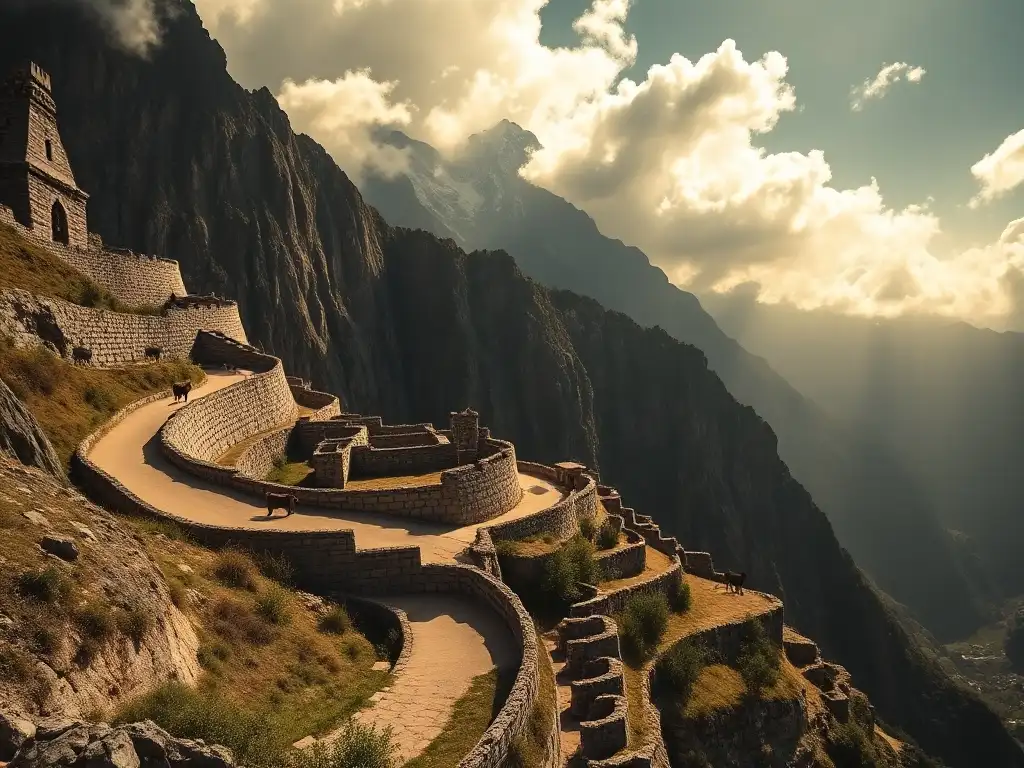
The Inca Empire, renowned for its sophisticated civilization, achieved remarkable feats in road engineering, particularly in navigating the challenging Andean mountain passes. Their mastery of "Inca road engineering techniques" allowed them to connect disparate regions of their vast empire, facilitating trade, communication, and military movement across incredibly diverse and difficult terrain. This section delves into the specific methods employed, revealing the ingenuity and practicality of their approach.
Surveying and Planning for High-Altitude Roads
Before a single stone was laid, meticulous surveying and planning were crucial to Inca road engineering. The challenging topography demanded a deep understanding of altitude, slope, and geological stability. Evidence suggests that Inca engineers utilized a combination of techniques, including visual observation from vantage points, rudimentary surveying instruments (possibly including plumb bobs and knotted ropes for measuring), and a profound knowledge of local geography gleaned from generations of experience.
They skillfully chose routes that minimized steep inclines and avoided unstable areas prone to landslides or rockfalls. The selection of optimal pathways was not a matter of chance but a testament to their advanced understanding of surveying principles for high-altitude environments. Detailed planning also considered the availability of local resources for construction, ensuring efficient and sustainable practices.
For example, the proximity of suitable stone quarries would have heavily influenced route selection, minimizing transportation costs and effort. The overall planning process involved a sophisticated interplay of practical knowledge and strategic foresight, reflecting the empire's organizational capabilities and engineering prowess.
Construction Methods for Inca Mountain Roads
The construction of Inca mountain roads was a complex undertaking, demanding both skilled labor and innovative techniques. The Incas didn't possess wheeled vehicles or draft animals like horses or oxen, relying instead on human labor and ingenuity. This necessitated efficient and sustainable methods adapted to the high-altitude environment.
The roads varied in width and complexity depending on their intended use, with major thoroughfares being wider and more heavily engineered than smaller, local routes. The process involved careful excavation, grading, and paving using locally sourced materials, highlighting a deep understanding of sustainable construction practices. The roads were not simply paths; they were carefully engineered structures designed to withstand the harsh conditions of the Andes.
Using Local Stone in Inca Road Construction
Local stone formed the backbone of Inca road construction. Engineers skillfully selected stones of varying sizes and shapes, fitting them together with remarkable precision to create durable and stable surfaces. The technique, often referred to as ashlar masonry, involved precise cutting and shaping of stones to minimize gaps and maximize interlocking strength. This approach, combined with the use of mortar in certain sections, resulted in roads that were remarkably resistant to erosion and weathering.
The choice of stone type was also strategic, with engineers selecting stones known for their durability and resistance to frost damage, a critical factor in the high-altitude Andean environment. The selection process itself demonstrates an advanced understanding of geology and material science, showing how Inca road construction was not simply about building, but about building to last. The longevity of many sections of these roads, even today, serves as a testament to this approach.
Terracing and Retaining Walls in Inca Pass Engineering
The steep, unstable slopes of the Andes presented significant challenges to road construction. To overcome this, Inca engineers employed advanced terracing and retaining wall techniques. Terracing involved carving into hillsides to create level platforms, allowing for the construction of roads on relatively stable ground. Retaining walls, often built from carefully fitted stones, were strategically positioned to prevent landslides and erosion, further stabilizing the roadbed.
These walls were not merely barriers; they were integral components of the road system, skillfully designed and constructed to withstand the forces of gravity and the elements. The precise placement and construction of these retaining walls showcased a mastery of structural engineering and a deep understanding of the principles of soil mechanics. Their design often incorporated drainage features, further enhancing their effectiveness and longevity.
Drainage and Water Management on Inca Roads
Effective drainage was crucial for the longevity of Inca roads, especially in the high-altitude regions with frequent rainfall and snowmelt. Inca engineers incorporated sophisticated drainage systems into their road designs to prevent water accumulation and erosion. These systems often involved strategically placed ditches, channels, and culverts to divert water away from the road surface. The construction of these drainage systems was integrated into the overall road design, showcasing the holistic approach adopted by Inca engineers.
The effectiveness of these systems is evident in the survival of many sections of these roads across centuries. This dedication to water management demonstrates a nuanced understanding of hydrology and its impact on infrastructure, further highlighting the sophistication of Inca engineering principles. The integration of drainage into the road design ensured the roads remained functional even during periods of heavy rainfall or snowmelt, demonstrating the forward-thinking nature of Inca road construction.
Inca Bridge Building: Crossing Ravines and Gorges
The Inca road system wasn't just about traversing mountains; it also involved ingeniously overcoming significant geographical obstacles like deep ravines and gorges. Their mastery of bridge building was crucial to maintaining connectivity throughout their vast empire. Inca engineers didn't rely on a single technique, but rather adapted their approach based on the specific challenges presented by the terrain. For shallower ravines, they might employ simple, sturdy bridges constructed from stone or wood.
However, for deeper and wider gorges, their innovative suspension bridge designs proved essential. These weren't merely rope bridges; they represented a sophisticated understanding of materials science and engineering principles. The Inca's ability to construct these bridges across treacherous landscapes showcased their remarkable adaptability and problem-solving skills.
The construction of these bridges was not merely a feat of engineering but a testament to the Inca's understanding of the natural world and their ability to harness its resources. The strategic placement of these bridges facilitated trade, communication, and military movement across otherwise impassable terrain, contributing significantly to the empire's stability and expansion. The longevity of some of these structures, even considering the harsh Andean climate, is a testament to the quality of their craftsmanship and the durability of their designs.
Suspension Bridge Technology Using Fiber Cables
The Inca's suspension bridges stand out as particularly impressive examples of their engineering prowess. These bridges, often spanning hundreds of feet across deep gorges, utilized a sophisticated system of fiber cables made primarily from ichu grass, a resilient, high-altitude plant. This wasn't a simple matter of weaving together strands of grass; the Inca developed techniques to create incredibly strong and durable cables capable of supporting significant weight. The process likely involved twisting individual strands into thicker ropes, then combining these ropes into even larger, more robust cables.
These cables were then carefully anchored to the canyon walls using sophisticated knotting and fastening techniques, often reinforced with stone supports. The bridge deck itself was usually constructed from woven materials, such as wood or additional ichu grass, providing a stable surface for passage. The design incorporated a degree of flexibility, allowing the bridge to sway slightly with the wind and absorb some of the impact from foot traffic. Archaeological evidence suggests a remarkable understanding of load distribution and stress management in these designs, ensuring the bridges could withstand considerable use over many years.
The creation and maintenance of these suspension bridges required specialized knowledge and skilled labor, highlighting the advanced organizational capacity of the Inca Empire. 👩🔧 The precision and ingenuity involved in their construction are still a source of wonder and admiration for modern engineers. Detailed analysis of surviving remnants reveals a level of sophistication that surpasses many contemporary understandings of pre-Columbian technology.
Strategic Importance of Inca Mountain Roads
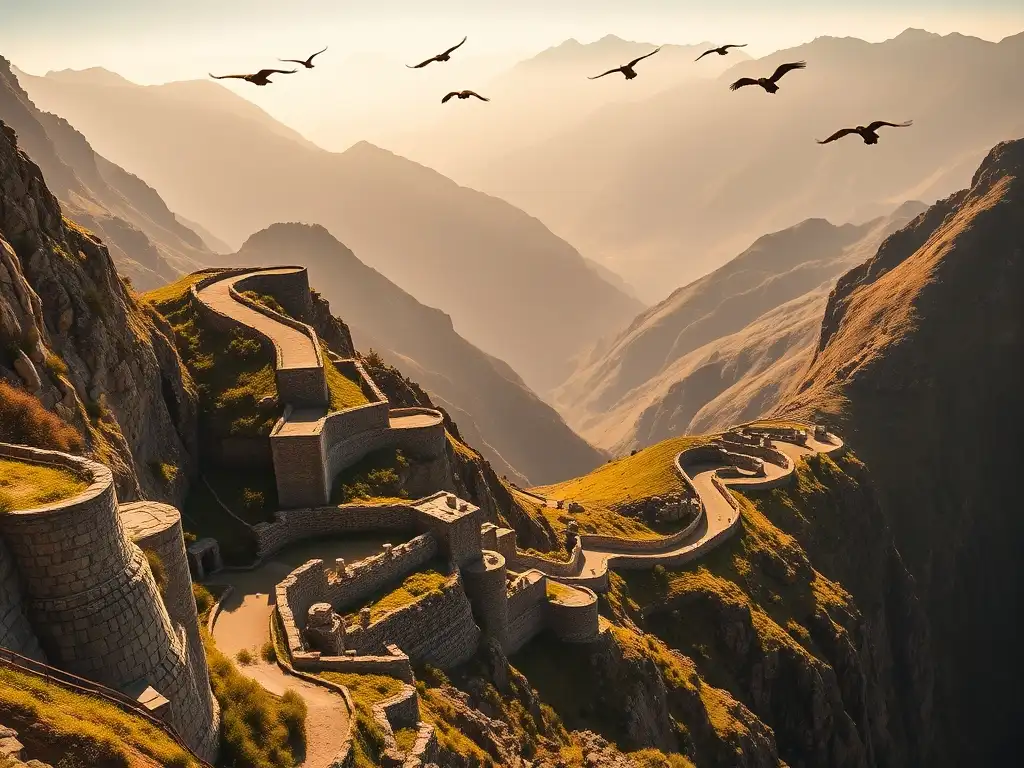
The Inca road system, a marvel of ancient engineering, wasn't merely a network of paths; it was the very backbone of their vast empire. Its strategic importance permeated every facet of Inca life, from military dominance to economic prosperity. Understanding the ingenuity behind its construction requires appreciating its crucial role in connecting disparate regions across the challenging Andean terrain.
The sophisticated Inca road engineering techniques employed were directly linked to the empire's ability to maintain control, facilitate trade, and manage resources effectively across its extensive territory. This network, spanning thousands of miles, served as a vital artery, ensuring the smooth functioning of the Inca state.
Military and Communication Routes Through the Andes
The Inca's military prowess was significantly amplified by their unparalleled road network. Rapid troop mobilization was paramount for suppressing rebellions, quelling uprisings, and expanding their dominion. The strategically placed chasquis – relay runners – utilized the roads to transmit urgent messages across vast distances with remarkable speed.
This efficient communication system allowed for swift responses to threats and enabled coordinated military actions across the empire. Imagine the logistical challenge of moving armies across steep mountain passes and treacherous terrain! The Inca road engineering techniques, with their carefully constructed pathways, bridges, and resting places, solved this problem brilliantly.
The roads weren't simply paths; they were military highways, facilitating the rapid movement of soldiers and supplies, a critical factor in maintaining the empire's stability and power. For example, the swift response to uprisings in distant provinces relied heavily on the speed and efficiency of this communication and transport network. The Inca’s mastery of road building directly contributed to their military success and the maintenance of their far-flung empire.
Facilitating Trade and Resource Management
Beyond military applications, the Inca road system was instrumental in managing trade and resources across the empire. The Andes presented significant geographical barriers to the transport of goods, yet the Inca overcame these obstacles with ingenious engineering. The roads connected diverse ecological zones, allowing for the efficient exchange of agricultural products, textiles, and other valuable commodities.
This intricate network facilitated the distribution of surplus goods from fertile valleys to less productive regions, ensuring a relatively stable food supply across the empire. The Inca road engineering techniques, including the use of sophisticated drainage systems and carefully chosen routes, ensured the roads remained passable even during the rainy season. This reliability was essential for maintaining a consistent flow of goods and resources, contributing significantly to the economic prosperity and social stability of the Inca state.
The system wasn't just about moving goods; it was about managing the empire's resources strategically, fostering economic interdependence and reducing the risk of shortages or localized economic crises. The efficient movement of goods, facilitated by the network, is a testament to the effectiveness of Inca road engineering techniques and their crucial role in the empire's overall success. The careful planning and construction of these routes showcases the sophisticated understanding of logistics and resource management inherent in Inca civilization.
The Legacy of Inca Road Engineering
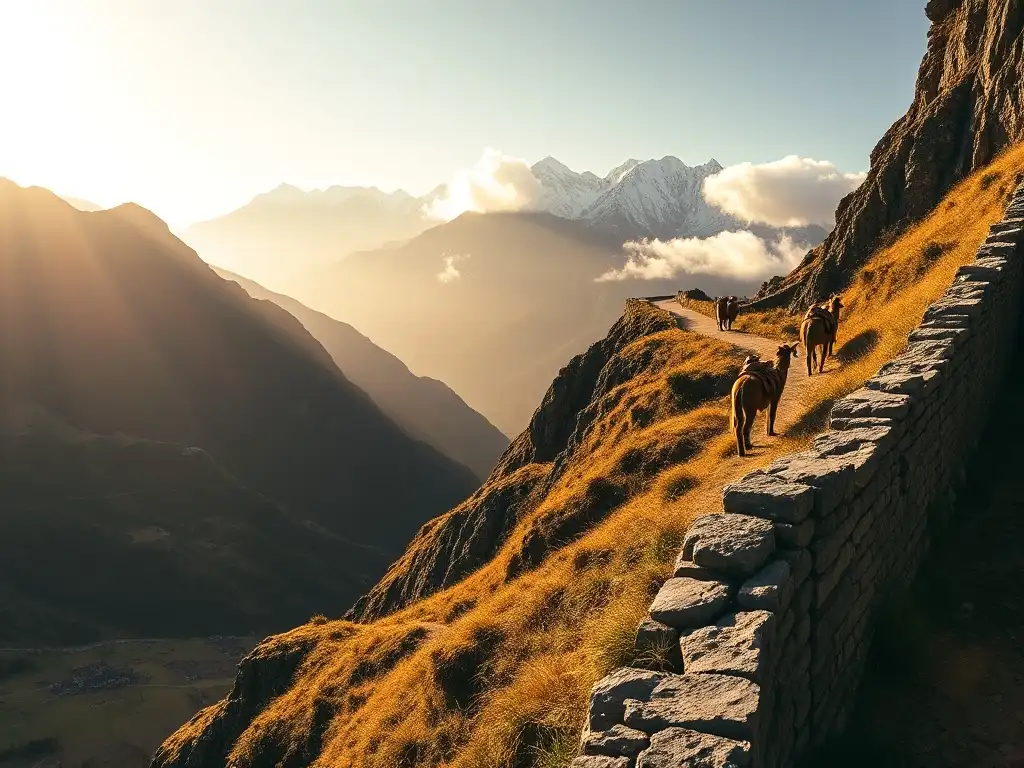
The Inca road system, a marvel of ancient engineering, continues to inspire awe and intrigue centuries after its construction. Its impact extends far beyond its historical significance; the ingenuity and resilience of Inca road engineering techniques remain relevant and influential even today. The network, spanning thousands of miles across diverse and challenging Andean terrain, showcases a sophisticated understanding of topography, materials science, and logistical planning.
This wasn't simply a system of transportation; it was a vital artery connecting the vast Inca Empire, facilitating trade, communication, military movements, and the efficient administration of a sprawling realm. The legacy of this remarkable achievement is deeply embedded in the cultural landscape and infrastructure of modern-day Andean communities. Understanding these techniques provides valuable insights into the Inca worldview and their remarkable capacity for organized labor and innovative solutions.
The sheer scale and complexity of the project are testament to the advanced organizational and engineering capabilities of the Inca civilization. Their mastery of stonework, drainage systems, and path construction, even in the most challenging environments, continues to fascinate researchers and engineers alike. The enduring impact of Inca road engineering is undeniable, offering valuable lessons for sustainable infrastructure development in challenging terrains worldwide.
Influence on Modern Andean Infrastructure
Inca road engineering techniques, characterized by their adaptability and resilience, continue to influence modern Andean infrastructure projects. The Inca's ability to seamlessly integrate their roads into the natural landscape, minimizing environmental impact, serves as a model for contemporary sustainable infrastructure development. Their mastery of stonework, particularly their use of dry-stone construction, offers valuable lessons in seismic stability and longevity – crucial considerations in earthquake-prone Andean regions.
For instance, many modern road construction projects in the Andes incorporate elements of Inca techniques, such as the use of locally sourced materials and the careful consideration of drainage systems to mitigate erosion and landslides. Furthermore, the Inca's understanding of route selection, prioritizing accessibility and minimizing gradient, informs current road planning in mountainous regions.
The Inca's emphasis on durability and adaptability in the face of harsh climatic conditions provides valuable insights for designing and constructing resilient infrastructure capable of withstanding extreme weather events. This ongoing influence demonstrates the enduring relevance of Inca engineering principles in addressing the contemporary challenges of infrastructure development in the Andes.
Preservation and Study of Inca Road Networks
The preservation and study of the Inca road networks are crucial for understanding the intricacies of their engineering achievements and ensuring the long-term preservation of this invaluable cultural heritage. Ongoing archaeological research continues to uncover new insights into Inca road construction techniques, materials, and logistical planning. Efforts are underway to document and map the remaining sections of the road network using advanced technologies such as LiDAR and GIS, providing a comprehensive understanding of its extent and complexity.
Moreover, conservation projects focus on stabilizing vulnerable sections of the roads and mitigating the impact of erosion and other environmental threats. These initiatives involve collaborative efforts between archaeologists, engineers, and local communities, ensuring the preservation of these sites for future generations. The study of Inca road engineering is not only about preserving historical artifacts; it is also about learning from the past to inform the present and future.
Understanding their innovative and sustainable approaches to infrastructure development can provide crucial lessons for contemporary engineering challenges. The ongoing research and preservation efforts ensure that the ingenuity and resilience of Inca road engineering techniques continue to inspire and inform for years to come.
The Abra Málaga Pass
The Abra Málaga Pass, located in the Peruvian Andes, serves as a compelling example of Inca road engineering prowess. This high-altitude pass, characterized by its steep gradients and challenging terrain, presents a significant engineering challenge. The Inca's ability to construct a passable road across such difficult terrain underscores their sophisticated understanding of topography, materials science, and construction techniques.
The ingenuity displayed in overcoming the obstacles posed by the Abra Málaga Pass highlights the remarkable engineering skills of the Inca civilization. The road's construction involved careful planning and execution, considering factors such as drainage, stability, and accessibility. The use of locally sourced materials and the integration of the road into the natural landscape are further testaments to the Inca's sustainable approach to infrastructure development.
Analysis of Engineering Choices in the Abra Málaga Pass
Analyzing the engineering choices made in the construction of the Abra Málaga Pass reveals several key aspects of Inca road engineering techniques. The selection of the route itself demonstrates a remarkable understanding of topography, minimizing the gradient and maximizing accessibility. The use of dry-stone construction, a hallmark of Inca engineering, ensured the stability of the road in the face of seismic activity and erosion.
The intricate drainage systems incorporated into the road design minimized the risk of landslides and prevented water damage. Furthermore, the integration of the road into the surrounding landscape, minimizing environmental impact, showcases the Inca's sustainable approach to infrastructure development. The careful selection of materials, their durability, and the adaptation to the local environment all contributed to the longevity and effectiveness of the Abra Málaga Pass.
The choices made reflect a deep understanding of the natural environment and a commitment to building durable and sustainable infrastructure. The study of these choices provides invaluable insights into the advanced engineering capabilities of the Inca civilization and highlights the enduring relevance of their techniques in contemporary infrastructure projects.
Comparison with Roman Road Building Techniques
The Inca and Roman road networks, while geographically distant and developed in vastly different contexts, offer fascinating points of comparison regarding engineering techniques. Both civilizations mastered the art of road construction, adapting their approaches to challenging terrain. However, their methods differed significantly in several key aspects.
Roman road building, famously exemplified by the Via Appia, prioritized straight lines and durable, long-lasting structures. They used extensive stone paving, often with multiple layers, creating remarkably even surfaces capable of withstanding heavy traffic from legions and chariots. Their engineering involved sophisticated surveying techniques to ensure straight routes, sometimes necessitating extensive cutting through hillsides or the construction of substantial bridges and viaducts.
The focus was on creating a robust, easily maintained infrastructure for military and trade purposes. This approach, while effective in the relatively flat landscapes of the Roman Empire, would have been impractical and excessively resource-intensive in the Andes' rugged terrain.
Inca road engineering, conversely, prioritized adaptability and integration with the environment. While they also used stone, their techniques involved more intricate fitting of stones to the contours of the landscape, creating pathways that were often uneven but remarkably stable. They skillfully used local materials, including earth, stone, and wood, adapting their construction methods to the specific challenges of each section of road.
Instead of forcing a straight line, they followed the natural contours of the mountains, creating winding paths that minimized the need for extensive earthworks. This approach was arguably more sustainable and less disruptive to the environment, perfectly suited to the Andean mountain ranges. The Inca roads weren't designed for the heavy wheeled traffic of the Romans; instead, they facilitated the movement of people, pack animals, and smaller loads.
The differing approaches highlight the influence of geography and societal needs on engineering solutions. The Romans, with their vast, relatively flat empire, could afford the resources and manpower for large-scale, standardized road construction. The Incas, operating in the complex Andean environment, developed a more flexible and environmentally integrated approach that maximized efficiency and sustainability given the constraints of their environment.
Both civilizations, however, left behind impressive legacies of road engineering, demonstrating remarkable ingenuity and adaptability to their respective geographical and societal contexts. The enduring remnants of both Roman and Inca roads stand as testaments to the remarkable engineering capabilities of these ancient civilizations, each demonstrating a mastery of construction tailored to their unique circumstances.
Frequently Asked Questions
What innovative techniques did the Inca use for road construction in mountainous areas?
The Inca employed remarkable engineering skills, including terracing, stonework, and drainage systems to build roads across challenging Andean terrain. They adapted their techniques to the specific geographical challenges of each location.
How did the Inca manage to build roads across such steep inclines?
The Inca mastered complex systems of ramps, retaining walls, and strategically placed switchbacks to navigate steep inclines. Their understanding of slope stability and stone construction was crucial to their success.
What materials did the Inca primarily use to build their roads?
The Inca primarily used locally sourced stone, carefully fitted together without mortar. They also utilized earth and gravel for the road surface, adapting to the available resources in each region. This ensured durability and stability.
What was the purpose of the extensive Inca road network?
The Inca road system served multiple purposes, including facilitating trade, communication, and military movement across their vast empire. The roads were vital for administrative control and cultural exchange.
How did Inca road engineering compare to other ancient civilizations?
Inca road engineering stands out for its scale, adaptability, and mastery of challenging terrain. While other civilizations built roads, the Inca's integration with the landscape and sophisticated construction techniques were unparalleled.
Final Reflection: Echoes of the Inca on Modern Engineering
The ingenuity of Inca road engineering continues to resonate today, a testament to their mastery of construction and adaptation to challenging environments. Their achievements, often built with seemingly rudimentary tools, surpass many modern feats in terms of sustainability and integration with the landscape. The sheer scale and longevity of their road network, carved into mountains and spanning vast distances, remains a powerful symbol of human resilience and innovation.
The impact of Inca road building extends far beyond the impressive physical structures themselves. It speaks to a profound understanding of environmental harmony and community collaboration, values often lost in today's fast-paced, resource-intensive development. The roads were not merely pathways; they were arteries of life, connecting communities and facilitating the exchange of goods, ideas, and culture.
This quote encapsulates the holistic approach the Inca took, an approach that modern engineering projects could benefit from emulating, prioritizing long-term sustainability and community benefit over short-term gains.
Consider the challenges faced by today's engineers. From climate change to resource scarcity, the lessons learned from the Inca's pragmatic and sustainable approach are more relevant than ever. You, the reader, are now equipped with a deeper understanding of Inca road engineering techniques. I urge you to reflect on how these ancient practices can inform your own perspective on sustainable development and problem-solving. Let the echoes of the Inca inspire you to find innovative and environmentally conscious solutions to the challenges facing our world.
Embark on Your Journey of Exploration!
Thank you for reading our article on the incredible engineering of the Inca roads through the Andes Mountains. We hope you've gained a deeper appreciation for the ingenuity and resilience of the ancient Andean civilizations. Now, let's explore how you can further engage with this fascinating topic.
- **Delve deeper** into Inca history by exploring our resource hub, which features interactive maps and documentaries about these remarkable roads.
- **Share your discoveries! ** Discuss the most intriguing aspects of Inca engineering with friends and family, or join our online community forum to connect with fellow history enthusiasts.
- **Plan a visit! ** Consider traveling to the Andes to witness firsthand the breathtaking landscapes and remaining sections of these ancient pathways.
What aspect of Inca road engineering most captivates you, and how do you see it influencing modern infrastructure? We'd love to hear your thoughts!