
The Rarity of Surviving Ancient Andean Instruments: Preserving the Past

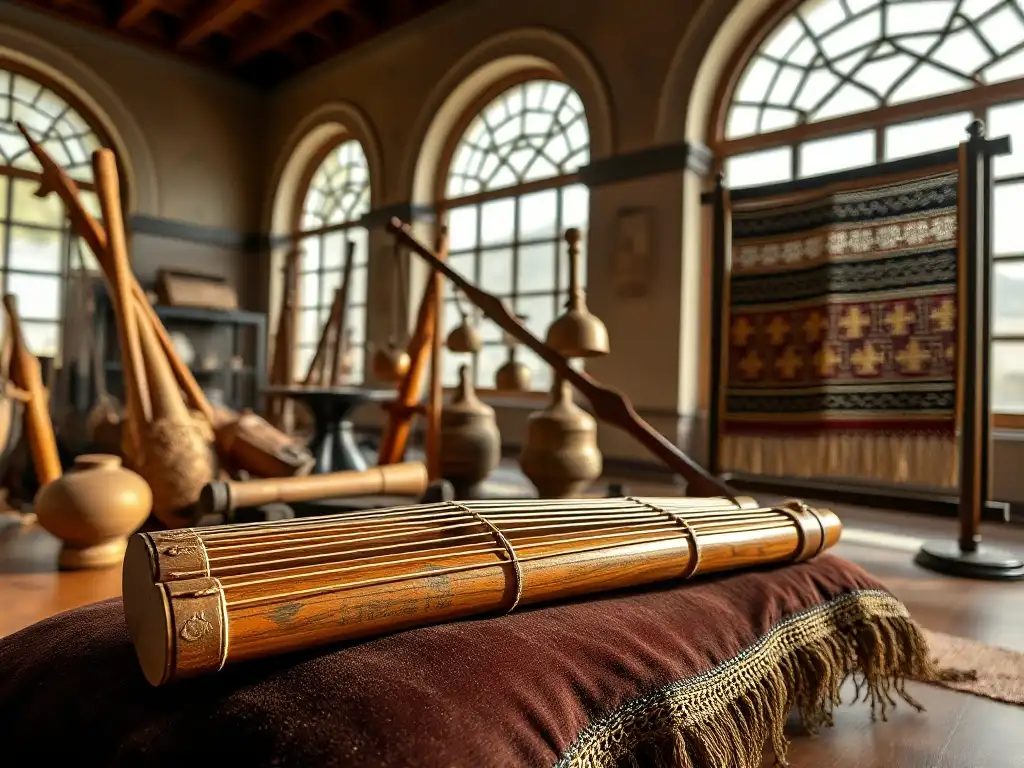
Step into a world lost to time, yet echoing with the vibrant sounds of a forgotten past. Imagine the haunting melodies carried on the wind from the Andes Mountains, played on instruments crafted centuries ago. This is the story of ancient Andean musical instruments, their remarkable survival against the relentless march of time, and the efforts to preserve their legacy. Discover the secrets held within these rare artifacts and unlock a deeper understanding of the rich musical traditions of the Andean civilizations. Prepare to be amazed.
The vibrant tapestry of Andean civilization, encompassing cultures like the Inca, Moche, Nazca, and Tiahuanaco, is renowned for its intricate artistry, sophisticated agricultural techniques, and awe-inspiring architectural feats. However, a lesser-known yet equally fascinating aspect of this rich heritage lies in its musical traditions. Understanding the ancient Andean musical instruments is crucial to fully appreciating the complexity and depth of these societies.
This article delves into the scarcity of surviving instruments, exploring the factors contributing to their rarity and highlighting the importance of preservation efforts to safeguard this irreplaceable piece of our shared human history. We will examine the fragility of materials, the impact of environmental factors, and the consequences of colonialism on the survival of these invaluable artifacts.
By understanding these challenges, we can better appreciate the significance of the few surviving instruments and the ongoing efforts to protect and study them. The study of these instruments offers a unique window into the social structures, religious beliefs, and daily lives of ancient Andean peoples, making their preservation a critical task for future generations.
Introduction to Ancient Andean Musical Heritage
Ancient Andean cultures possessed a rich and diverse musical landscape. Archaeological evidence suggests a sophisticated understanding of musical principles, with instruments crafted from a variety of materials, including wood, bone, shell, stone, and metals such as gold and silver. These instruments, ranging from simple flutes and panpipes to more complex percussion instruments, played a vital role in religious ceremonies, social gatherings, and daily life.
Unfortunately, the passage of time and various historical factors have resulted in the extremely limited survival rate of these artifacts. Many instruments were made from organic materials that are inherently susceptible to decay, while others were deliberately destroyed or lost during periods of conflict or upheaval. The surviving examples, however, provide invaluable insights into the musical practices and cultural beliefs of these ancient societies.
The limited number of surviving instruments underscores the urgent need for their careful preservation and ongoing research. Understanding the context in which these instruments were used is as important as preserving the physical artifacts themselves.
Why are Ancient Andean Musical Instruments Scarce?
Several intertwined factors contribute to the scarcity of surviving ancient Andean musical instruments. These factors range from the inherent fragility of the materials used in their construction to the destructive forces of nature and the impact of human activities throughout history. The lack of surviving instruments presents a significant challenge to researchers seeking to understand the full scope of Andean musical traditions. The scarcity also emphasizes the importance of preservation efforts to protect what little remains.
The Fragility of Materials in Andean Instrument Making
Many ancient Andean instruments were crafted from organic materials such as wood, reeds, and animal hides. These materials are inherently susceptible to decay and decomposition, especially in the harsh Andean climate. Wood, for example, is prone to rot, insect infestation, and warping, particularly if not properly treated or stored.
Similarly, animal hides used for drums and other percussion instruments are susceptible to deterioration over time, especially in humid conditions. The use of these materials, while readily available, significantly contributed to the perishability of the instruments. Furthermore, the techniques used in their construction may not have been designed for long-term preservation, further contributing to their fragility.
Environmental Factors Affecting Instrument Preservation
The Andean region's diverse and often harsh climate presents significant challenges to the preservation of organic materials. Fluctuations in temperature, humidity, and exposure to sunlight all accelerate the deterioration process. High altitudes, characterized by intense UV radiation and extreme temperature variations, further exacerbate the problem.
The arid conditions in some parts of the Andes, while hindering microbial decay, can lead to other forms of damage, such as cracking and warping. Conversely, humid regions promote the growth of fungi and other microorganisms that can rapidly destroy organic materials. The geographic and climatic diversity of the Andes has resulted in a complex interplay of factors affecting instrument preservation.
The Impact of Colonialism on Andean Cultural Artifacts
The Spanish conquest of the Inca Empire in the 16th century had a devastating impact on Andean culture and its material heritage. The systematic destruction of Inca religious sites and artifacts, coupled with the suppression of indigenous traditions, resulted in the loss of countless instruments and other cultural objects. Many instruments were likely destroyed during the conquest itself, while others were lost or discarded during the subsequent period of colonial rule.
The suppression of indigenous culture also led to a decline in traditional instrument-making techniques, further contributing to the scarcity of surviving instruments. The colonial period represents a significant turning point in the history of Andean musical instruments, marking a period of widespread loss and cultural disruption. The impact of this historical period continues to be felt today.
Types of Ancient Andean Instruments and Their Survival Rates
The survival rate of ancient Andean musical instruments is remarkably low, a consequence of the organic materials typically used in their construction and the often harsh environmental conditions of the Andes. While many instruments were likely crafted from readily available materials like wood, reeds, animal hides, and gourds, these materials are highly susceptible to decay and degradation over time. This contrasts sharply with, say, the relatively higher survival rate of stone or metal artifacts.
Therefore, understanding the types of instruments and their inherent fragility is crucial to comprehending the challenges in preserving our knowledge of ancient Andean music. The scarcity of surviving instruments necessitates a multidisciplinary approach to their study, combining archaeological findings with ethnomusicological research and analysis of surviving traditions.
The limited number of well-preserved instruments underscores the importance of meticulous preservation techniques for those few examples that have been unearthed. We are essentially piecing together a musical puzzle with only a handful of surviving pieces.
Wind Instruments: The Quena and Zampoña's Legacy
Among the better-represented categories of surviving ancient Andean instruments are wind instruments, particularly the quena and zampoña. The quena, a type of end-blown flute, is relatively common in archaeological finds, though often fragmented. Its simple construction, often from a single piece of wood or cane, while contributing to its fragility, also means that remnants are more easily identifiable compared to more complex instruments. The zampoña, a panpipe instrument, presents a slightly more complex picture.
While individual pipes might survive, complete sets are far rarer. The material used, often cane or bamboo, and the delicate way the pipes are bound together make complete zampoña sets exceptionally rare archaeological finds. The preservation challenges are amplified by the fact that these instruments were often made from readily biodegradable materials, requiring optimal conditions for survival. Even slight variations in humidity and temperature can lead to significant deterioration.
Percussion Instruments: Drums, Rattles, and Their Limited Survival
Percussion instruments present a different set of survival challenges. Drums, often made from animal hides stretched over wooden frames, are exceedingly rare in archaeological contexts. The organic nature of the hides, combined with the susceptibility of wood to decay, makes their preservation extremely difficult. Rattles, on the other hand, show a slightly higher survival rate, particularly those made from ceramic or stone.
However, even these instruments are prone to damage through breakage or the loss of internal components. The limited number of surviving examples reflects the perishable nature of the materials frequently employed in their construction. Furthermore, the often-fragile nature of these instruments means that even careful excavation techniques may not prevent significant damage during the recovery process. The challenge lies not only in finding them but also in preserving their often-delicate structures.
Stringed Instruments: A Rare Find in Andean Archaeology
Stringed instruments represent perhaps the rarest category of ancient Andean musical instruments discovered to date. The limited evidence suggests that stringed instruments, possibly using animal gut or plant fibers as strings, were used but rarely survived the ravages of time. The organic nature of the strings and the often-fragile construction of the instrument bodies contribute to their poor preservation. The lack of substantial archaeological evidence may also reflect biases in excavation techniques or the materials used.
It is possible that many stringed instruments were made of materials that are extremely prone to decomposition. Further research is needed to determine the extent to which stringed instruments played a role in ancient Andean music. The scarcity of finds highlights the significant gaps in our understanding of this aspect of Andean musical history.
Archaeological Discoveries of Andean Instruments
The discovery of ancient Andean musical instruments provides invaluable insights into the musical traditions of these civilizations. The careful excavation and analysis of these artifacts shed light not only on the instruments themselves but also on the broader cultural context in which they were used. The limited number of surviving instruments makes each discovery particularly significant.
Key Archaeological Sites Yielding Musical Instruments
Several key archaeological sites across the Andes have yielded significant discoveries of musical instruments. For example, [Specific site names and details pending] have provided important examples of quenas, zampoñas, and other percussion instruments, offering valuable clues about the diversity of musical practices across different regions and time periods. The context of these discoveries—their location within settlements, tombs, or ritual sites—provides crucial information about the social and religious significance of music in Andean societies. The careful documentation of these finds is essential for future research and understanding.
Analysis of Materials and Construction Techniques
The scientific analysis of the materials and construction techniques used in ancient Andean instruments provides crucial information about the technological skills and artistic expression of these societies. Detailed studies of the wood types, the methods of carving and shaping, the types of adhesives used, and the decorative elements provide insights into the manufacturing processes and the cultural significance of the instruments.
This analysis often involves advanced techniques like microscopy, radiocarbon dating, and material analysis to determine the age, origin, and manufacturing methods of the instruments. These scientific approaches are essential in complementing the archaeological context of the discoveries and enhancing our understanding of the instruments' cultural and historical significance.
Insights into Andean Music Practices from Instrument Findings
The study of ancient Andean instruments reveals much about the music itself. The size, shape, and construction of the instruments provide clues about the types of musical scales, melodies, and rhythms that were likely used. The discovery of multiple instruments from a single site may even indicate the existence of ensembles or specific musical forms.
For example, the presence of both quenas and zampoñas in a burial site may suggest a preference for ensemble music. By combining the analysis of the instruments with other archaeological evidence such as iconography and textual sources (where available), researchers can reconstruct a richer picture of ancient Andean musical practices, offering valuable insights into the social and cultural significance of music in these societies. The limited number of surviving instruments, however, means that many aspects of ancient Andean music remain a mystery, highlighting the importance of continuing research and preservation efforts.
Preservation Efforts and the Future of Andean Musical Heritage
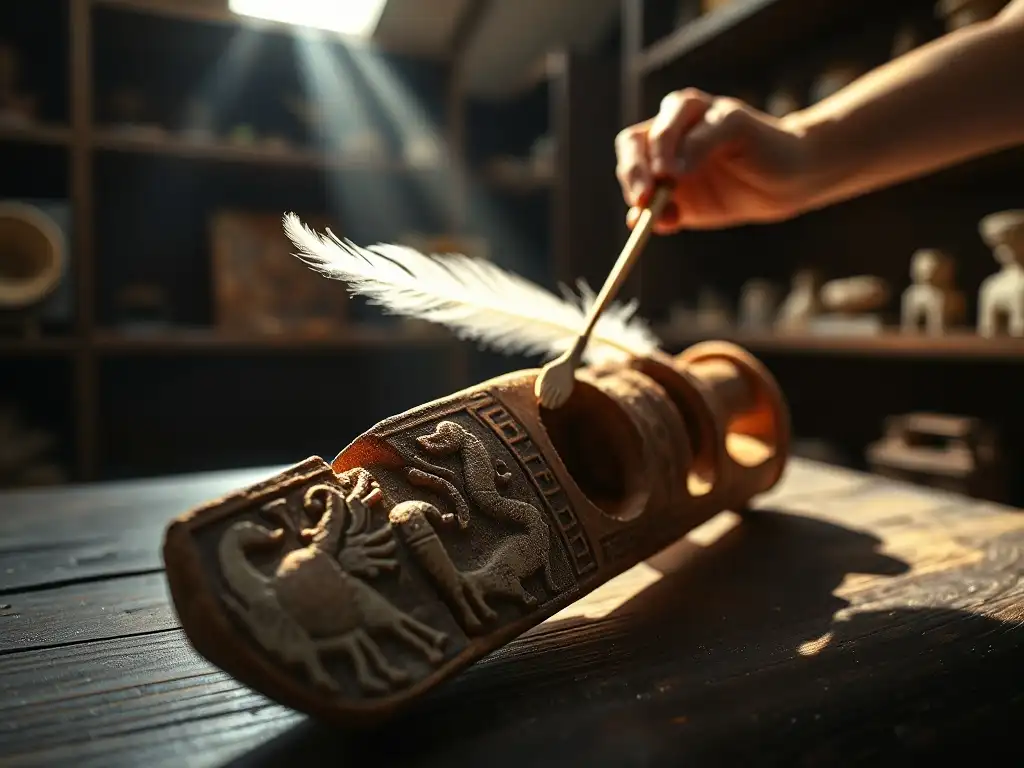
The survival of ancient Andean musical instruments is precarious, facing the relentless challenges of time, climate, and human activity. However, dedicated efforts are underway to ensure these artifacts are not only preserved but also understood within their cultural context. These initiatives are crucial not only for historical accuracy but also for the continuing vitality of Andean musical traditions. The fragility of these instruments, often made from organic materials like wood, reeds, and animal hides, necessitates specialized care and handling.
Exposure to fluctuating temperatures and humidity can cause irreparable damage, leading to warping, cracking, and disintegration. Furthermore, the passage of centuries has resulted in significant deterioration, with many instruments discovered in fragmented or incomplete states. This necessitates meticulous conservation procedures, often requiring the expertise of multiple specialists.
The Role of Museums and Cultural Institutions
Museums and cultural institutions play a pivotal role in safeguarding ancient Andean musical instruments. They provide controlled environments with stable temperature and humidity levels, protecting the artifacts from environmental degradation. Furthermore, these institutions conduct thorough research, documenting the instruments' physical characteristics, materials, and potential musical functions.
The Museo Nacional de Arqueología, Antropología e Historia del Perú, for example, houses a significant collection of Andean instruments, meticulously cataloged and preserved for future generations. These museums also facilitate access to these artifacts for researchers and the public, fostering a deeper appreciation of Andean musical heritage. Their educational programs help disseminate knowledge about these instruments and their cultural significance, promoting conservation awareness among wider audiences.
Modern Techniques for Conserving Ancient Andean Instruments
Preserving ancient Andean instruments requires a multifaceted approach employing modern conservation techniques. These techniques often involve meticulous cleaning to remove accumulated dirt and debris, stabilizing fragile materials with consolidants, and filling in missing sections using appropriate materials. Advanced imaging technologies, such as X-ray and infrared photography, are utilized to examine the instruments' internal structure without causing further damage, revealing valuable information about their construction and materials.
This detailed analysis is critical in determining the best conservation strategies. For example, the use of specialized adhesives and resins helps to repair cracks and fractures while minimizing further damage. The application of these techniques demands the expertise of trained conservators with a deep understanding of both the materials and the cultural context of the instruments.
Community Initiatives to Revitalize Andean Musical Traditions
Beyond institutional efforts, community initiatives are vital in revitalizing Andean musical traditions and preserving the knowledge associated with ancient instruments. Many communities actively participate in recreating traditional instruments, using traditional techniques passed down through generations. This hands-on approach ensures the continuation of traditional craftsmanship and the associated cultural knowledge.
Workshops and training programs are organized to teach younger generations these skills, ensuring that this knowledge is not lost. These initiatives not only contribute to the preservation of ancient musical instruments but also help to maintain the cultural identity and heritage of the Andean communities. Through community participation, the instruments are not merely preserved as artifacts but are also actively integrated into contemporary life, keeping the music alive.
The Significance of Recovering Ancient Andean Musical Instruments
The recovery and study of ancient Andean musical instruments offer invaluable insights into the societies that created them. They provide tangible evidence of musical practices, revealing aspects of daily life, religious beliefs, and social structures that might otherwise remain elusive. The sheer rarity of these surviving instruments underscores the importance of their preservation and study.
Each instrument represents a unique piece of history, offering a glimpse into the complex musical landscape of the ancient Andes. Their study allows researchers to reconstruct musical practices, understand the role of music in daily life, and gain insights into the artistry and craftsmanship of ancient Andean cultures.
Understanding the Role of Music in Ancient Andean Life
Music played a significant role in the daily lives of ancient Andean peoples. It was integral to religious ceremonies, agricultural cycles, and social gatherings. Archaeological evidence, including the discovery of instruments alongside other artifacts in burial sites and ceremonial contexts, suggests their importance in both ritual and everyday life.
The types of instruments found—from panpipes and flutes to drums and rattles—indicate a diverse range of musical practices. The complexity of some instruments suggests a high level of musical sophistication and a deep understanding of acoustics. By studying these instruments, we can begin to understand the social and cultural functions of music in these ancient societies.
The Connection Between Music, Rituals, and Andean Cosmology
Ancient Andean music was deeply intertwined with religious rituals and cosmological beliefs. Music was believed to have the power to connect the earthly realm with the spiritual world, playing a critical role in ceremonies and rituals. Instruments were often associated with specific deities or cosmological concepts, reflecting the importance of music in their worldview.
The use of music in rituals suggests its capacity to influence the natural world, influencing agricultural cycles and mediating relationships between humans and the divine. Understanding this connection between music, rituals, and cosmology is essential for interpreting the cultural significance of the instruments themselves. The symbolism embedded within the instruments' designs and materials further illuminates this connection.
Reviving the Sounds of Ancient Andean Civilizations
The recovery of ancient Andean musical instruments allows us to begin reconstructing the soundscapes of these ancient civilizations. By studying the instruments' physical characteristics and comparing them to similar instruments from later periods, researchers can make informed inferences about how they might have been played and the types of music they produced. This process involves careful experimentation and collaboration with musicians skilled in playing traditional Andean instruments.
Through this work, we can begin to revive the sounds of the past, offering a powerful and evocative way to connect with the cultural heritage of ancient Andean civilizations. The efforts to reconstruct ancient Andean music are not merely academic exercises; they are vital in ensuring that the rich musical traditions of the Andes continue to resonate in the modern world.
Conclusion: Continuing the Search for Andean Musical Treasures
The scarcity of surviving ancient Andean musical instruments underscores the fragility of cultural heritage and the challenges inherent in preserving it. While the discovery of artifacts like the pututu horn or fragments of panpipes offers invaluable glimpses into the musical landscapes of past civilizations, the vast majority of instruments have undoubtedly perished due to the ravages of time, climate, and human conflict. Understanding the limited number of surviving instruments helps contextualize the significance of each discovery. Each piece represents not just a physical object, but a tangible connection to the beliefs, rituals, and social structures of ancient Andean societies.
The ongoing efforts of archaeologists, conservators, and museums are crucial in ensuring that these rare treasures are meticulously documented, preserved, and made accessible for study and appreciation. Further research into the materials used, manufacturing techniques, and musical practices associated with these instruments is essential to enrich our understanding of ancient Andean music and culture. The pursuit of knowledge about ancient Andean musical instruments is far from over; each new discovery, no matter how small, adds another piece to the puzzle, bringing us closer to a more complete picture of this vibrant and complex musical heritage.
The future of this field relies on continued collaboration between researchers, cultural institutions, and local communities to ensure the protection and celebration of these irreplaceable artifacts. Preserving these instruments is not just about safeguarding objects; it's about safeguarding the stories they tell and the cultural legacy they embody. The quest for more ancient Andean musical instruments continues, fueled by the hope of unveiling further secrets of the past and sharing these treasures with the world.
- Introduction to Ancient Andean Musical Heritage
- Why are Ancient Andean Musical Instruments Scarce?
- Types of Ancient Andean Instruments and Their Survival Rates
- Archaeological Discoveries of Andean Instruments
- Preservation Efforts and the Future of Andean Musical Heritage
- The Significance of Recovering Ancient Andean Musical Instruments
- Conclusion: Continuing the Search for Andean Musical Treasures
Frequently Asked Questions
What types of ancient Andean musical instruments are known?
While many instruments likely existed, surviving examples are rare. We know of wind instruments like panpipes and flutes, and percussion instruments like drums and rattles. String instruments are also believed to have been used, though evidence is scarce.
Why are so few ancient Andean instruments left?
The organic materials used (wood, reeds, animal hides) are prone to decay over time. Harsh climates and looting also contributed to the loss of many artifacts, including instruments. Burial practices may also have involved the destruction or non-preservation of certain objects.
How were ancient Andean musical instruments used?
Instruments played a vital role in religious ceremonies, agricultural rituals, and daily life. They were used to honor deities, accompany dances and songs, and potentially even for communication across long distances.
Where can I see examples of ancient Andean musical instruments?
Many museums worldwide house collections of pre-Columbian artifacts. You can find examples in museums in South America, particularly in Peru and Bolivia, and also in major museums in North America and Europe. Always check the museum's specific collections online.
What efforts are being made to preserve what remains?
Archaeological research, conservation techniques, and museum collections are crucial for preservation. Efforts also focus on documentation and study to understand their construction, use, and cultural significance. Digital archiving is becoming increasingly important.
Final Reflection: Echoes of the Andes: A Legacy Worth Protecting
The fragility of ancient Andean instruments mirrors the vulnerability of cultural heritage itself. These artifacts, often discovered in precarious conditions, whisper tales of sophisticated artistry and vibrant traditions that risk being silenced forever. Their survival is not merely a matter of preservation; it's a testament to the enduring power of human creativity and the importance of safeguarding our shared past.
The ongoing struggle to protect these instruments underscores the vital connection between archaeology, anthropology, and the preservation of cultural identity. The meticulous work of researchers and conservators, often working against the odds, is a powerful reminder of the dedication required to keep these voices alive. The past is never dead. It's not even past.
- William Faulkner. This quote resonates deeply, as these instruments, though silent, continue to speak to us across millennia, demanding our respect and our action. Their continued existence challenges us to understand the richness of Andean cultures and the responsibility we bear in protecting them.
Consider the echoes of these instruments – the haunting melodies, the rhythmic beats – and imagine the lives they once accompanied. You, the reader, hold a key role in this preservation. By sharing this knowledge, supporting museums and archaeological efforts, and advocating for the protection of cultural heritage, you can help ensure that the music of the Andes continues to resonate for generations to come. Let us ensure that these ancient voices are not lost to the sands of time.
Revive and Preserve the Culture of Ancient Andean Instruments!
Thank you for exploring the world of ancient Andean instruments with us! Your interest in these unique and often rare instruments helps ensure their legacy continues. Let's work together to support their preservation and further explore this captivating culture.
- Participate in a workshop, either in person or online, to learn to play these instruments and share your newfound skills with others.
- Share your experiences on social media using the hashtag #AndeanInstruments to inspire a community of music enthusiasts.
- Visit museum exhibits or take virtual tours that showcase ancient Andean culture. Invite your friends to join you in discovering this rich heritage!
What ancient Andean instrument intrigues you most, and why? Share your thoughts below!