
Uncovering the Roots: How PreIncan Cultures Shaped the Andean World We Know

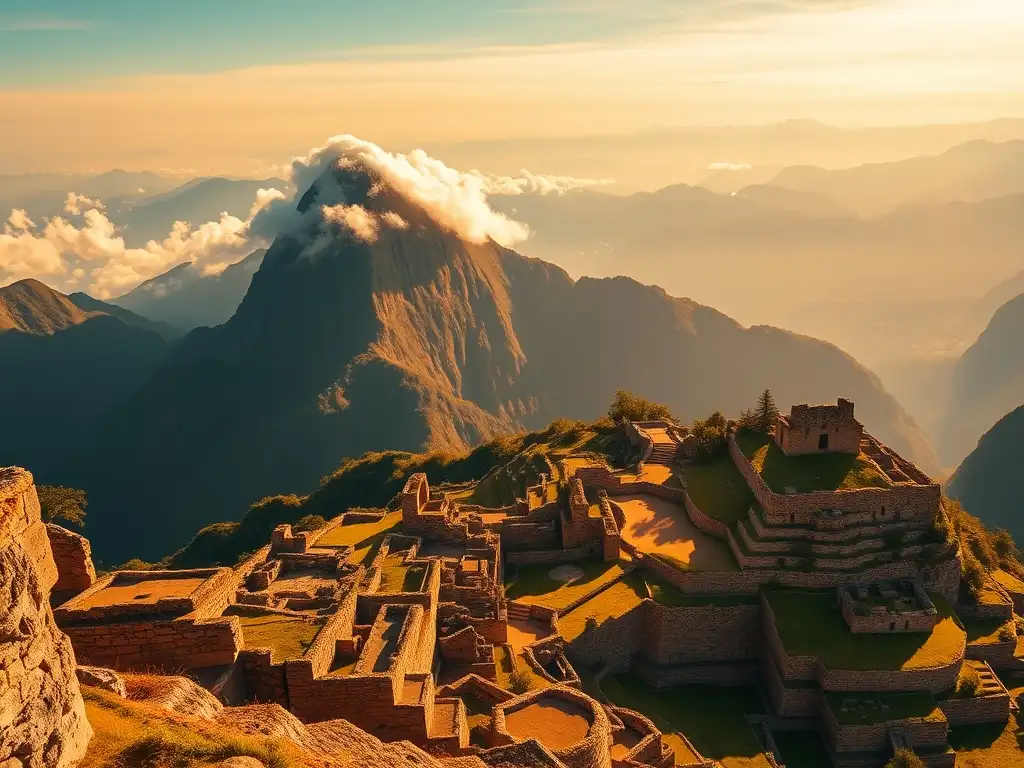
Step into a world lost to time, yet echoing in the majestic Andes. Forget everything you think you know about the Incas. This is a journey into the heart of the PreIncan Andean civilizations, a realm of breathtaking ingenuity and mysterious power. Discover how these remarkable cultures – the Moche, Nazca, Tiahuanaco, and more – laid the foundations for the Andean world we know today. Their legacy, woven into the very fabric of the mountains, awaits your exploration. Dive in and uncover the secrets of their astonishing achievements.
- Uncovering the Roots: How Pre-Incan Cultures Shaped the Andean World
- The Foundation of Andean Civilization: Exploring Pre-Incan Societies
-
Key Pre-Incan Cultures and Their Contributions
- The Chavín Culture: Religious and Artistic Influence on Subsequent Societies
- The Paracas Culture: Masters of Textile and Burial Rituals
- The Nazca Culture: Engineering Marvels and Geoglyphs
- The Moche Culture: Skilled Artisans and Powerful Rulers
- The Tiwanaku Culture: Engineering and Trade Networks in the Altiplano
- Legacy of Pre-Incan Andean Civilizations
- The Enduring Impact of Pre-Incan Andean Cultures
-
Frequently Asked Questions
- What are some examples of PreIncan Andean civilizations?
- How did PreIncan societies influence the Inca Empire?
- What are some notable achievements of PreIncan Andean civilizations?
- How did PreIncan civilizations adapt to the diverse Andean geography?
- What are the primary sources used to learn about PreIncan Andean civilizations?
- Final Reflection: Echoes of the Andes: A Legacy Beyond the Inca
- Embrace the Heritage: Take Action Today!
Uncovering the Roots: How Pre-Incan Cultures Shaped the Andean World
The Andes Mountains, a spine of towering peaks running down the western coast of South America, cradled a vibrant tapestry of cultures long before the Inca Empire rose to prominence. Understanding the Andean world as we know it requires delving into the rich and complex legacies of the Pre-Incan civilizations. These societies, flourishing for millennia before the Inca, laid the groundwork for the later empire's achievements, contributing significantly to its sophisticated agriculture, intricate social structures, and awe-inspiring architecture.
This article explores the key Pre-Incan Andean civilizations—their innovations, societal organization, and lasting impact—highlighting how their contributions fundamentally shaped the Andean region and continue to resonate today. We will examine how these diverse groups, each with their unique characteristics, collectively built the foundation upon which the Inca Empire, and indeed much of modern Andean culture, was constructed.
Understanding these "roots" is crucial for a comprehensive appreciation of the Andean world's rich and multifaceted history. This exploration of Pre-Incan Andean civilizations will focus on key aspects of their development, emphasizing their independent achievements and the interconnectedness of their cultural advancements.
The Rise of Coastal Societies: Moche and Nazca Innovations
The arid coastal regions of Peru witnessed the rise of remarkable civilizations long before the Inca. The Moche (c. 100-800 CE), known for their sophisticated irrigation systems, produced impressive feats of engineering that allowed them to cultivate the otherwise barren desert lands. Their mastery of hydraulics, evident in their intricate canal networks, enabled them to support a large and complex society.
Beyond their engineering prowess, the Moche are renowned for their highly developed art, particularly their pottery, which vividly depicts scenes of daily life, religious rituals, and warfare. Their detailed ceramics provide invaluable insights into their social structure, religious beliefs, and worldview. Simultaneously, further south, the Nazca (c. 100 BCE – 800 CE) developed equally impressive skills in irrigation, alongside their enigmatic geoglyphs, vast designs etched into the desert floor, visible only from the air.
These immense figures, along with their intricate pottery and textiles, showcase a sophisticated understanding of mathematics, astronomy, and social organization. The Nazca's ingenuity in adapting to the harsh desert environment provides a compelling example of human resilience and innovation. Both the Moche and Nazca left behind a legacy of artistic and technological brilliance that significantly influenced later Andean cultures.
Highland Powerhouses: Tiahuanaco and its Influence
Moving inland to the high altitudes of the Andes, the civilization of Tiahuanaco (c. 300-1100 CE) emerged as a major power. Located near present-day Lake Titicaca, Tiahuanaco's influence extended far beyond its immediate surroundings. Their sophisticated agricultural techniques, adapted to the challenging high-altitude environment, included terracing and raised fields, maximizing food production in a challenging climate. The monumental architecture of Tiahuanaco, including the iconic Gate of the Sun, showcases a profound understanding of stonework and engineering.
Their sophisticated urban planning and administrative systems suggest a highly centralized and organized society. Furthermore, their distinctive artistic style, characterized by intricate carvings and monumental sculptures, is identifiable in artifacts found throughout the Andean region, indicating a vast network of trade and cultural exchange. The legacy of Tiahuanaco's advanced agricultural practices, urban planning, and artistic style profoundly impacted subsequent Andean cultures, including the Inca.
The Pre-Incan civilizations of the Andes were not isolated entities. Evidence suggests extensive interaction and exchange between coastal and highland societies, indicating a complex network of trade, cultural diffusion, and even conflict. The similarities in agricultural techniques, artistic styles, and religious beliefs across different regions suggest a shared cultural heritage.
While each civilization possessed unique characteristics, they also contributed to a collective Andean identity that evolved over centuries. This interconnectedness is a key element in understanding the development of Andean societies and the eventual rise of the Inca Empire. The shared knowledge and innovations of these earlier cultures provided the foundation for the Inca's later achievements, highlighting the importance of recognizing the contributions of all Pre-Incan Andean civilizations.
The Lasting Legacy: Pre-Incan Contributions to the Andean World
The impact of Pre-Incan civilizations on the Andean world is undeniable. Their innovations in agriculture, engineering, and art laid the groundwork for the later Inca Empire and continue to shape the region today. From the sophisticated irrigation systems of the Moche to the monumental architecture of Tiahuanaco, these cultures left behind a rich legacy that continues to inspire awe and wonder.
Understanding their contributions is essential for a comprehensive appreciation of the Andean region's unique cultural heritage. The study of Pre-Incan Andean civilizations provides not only a glimpse into the past but also a deeper understanding of the enduring resilience and creativity of the human spirit in the face of challenging environments. Their achievements serve as a testament to human ingenuity and the power of cultural exchange.
The Foundation of Andean Civilization: Exploring Pre-Incan Societies
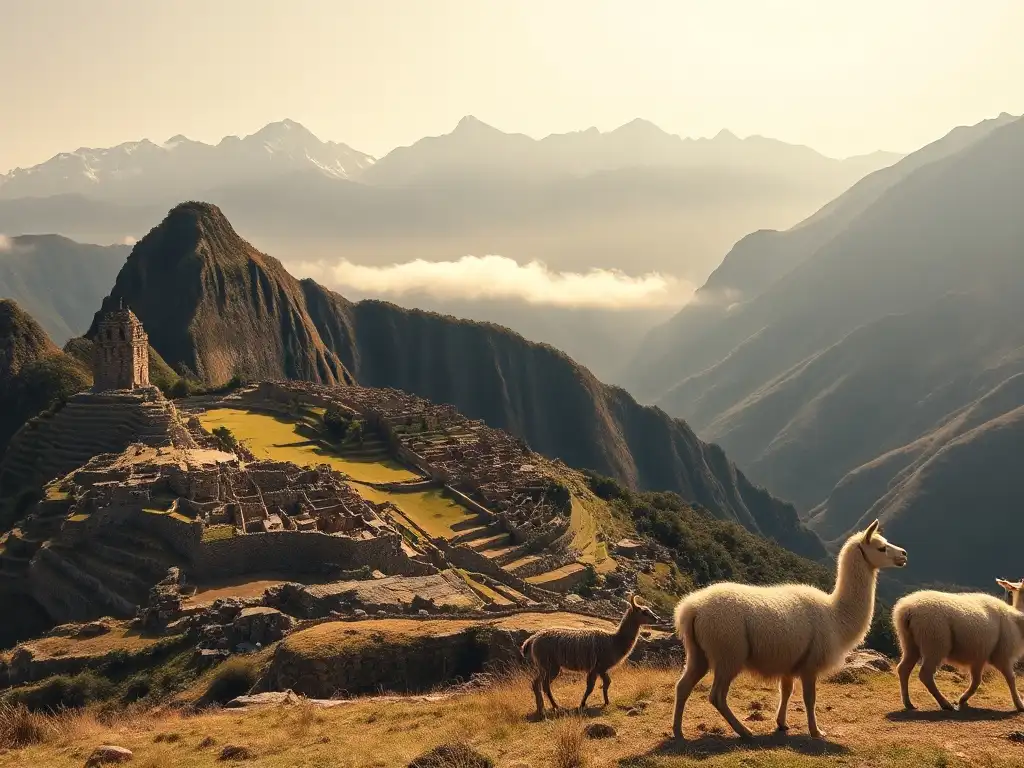
This section delves into the fascinating tapestry of Pre-Incan Andean civilizations, highlighting their significant contributions to the region's rich cultural heritage. Understanding these societies is crucial to appreciating the later Inca Empire, as the Incas built upon—and often adapted—preexisting societal structures, technologies, and beliefs. We will explore the diverse societies that flourished in the Andes long before the rise of the Inca, demonstrating the depth and complexity of Andean development.
The term "Pre-Incan Andean civilizations" itself encompasses a vast array of cultures, each with its unique characteristics and legacies. This exploration will provide a solid foundation for understanding the multifaceted nature of Andean history.
Defining the Pre-Incan Era: A Journey Before the Inca Empire
Defining the "Pre-Incan" era isn't a simple task. It's not a neatly demarcated period with clear start and end dates. Instead, it represents a long and complex process of cultural development in the Andes, spanning millennia. The Inca Empire, at its zenith, controlled a vast territory, but numerous independent and sophisticated societies existed both before and concurrently with Inca expansion.
Therefore, "Pre-Incan" encompasses societies that existed before the Inca's rise to power, those that existed simultaneously but outside Inca control, and even those that survived Inca rule, maintaining distinct cultural identities. This nuanced understanding is crucial for avoiding a simplistic narrative that overshadows the rich diversity of Andean history. The timeline below further illustrates this complexity.
Geographical Context of Pre-Incan Development in the Andes
The Andes Mountains present a formidable geographical challenge, yet this very challenge shaped the unique development of Pre-Incan societies. The dramatic variations in altitude, climate, and resources led to a remarkable diversity of cultural adaptations. Coastal regions, such as those inhabited by the Moche and Nazca, boasted fertile valleys and access to the sea, fostering distinct agricultural practices and maritime technologies.
Highland societies, like the Tiahuanaco, adapted to the harsher conditions of the Altiplano, developing sophisticated irrigation systems and agricultural techniques suited to higher altitudes. The varied geography significantly impacted social organization, economic strategies, and even religious beliefs, leading to a rich mosaic of Pre-Incan cultures.
For example, the challenging terrain fostered the development of ingenious engineering feats, such as sophisticated terrace farming techniques that maximized arable land in mountainous areas. This geographical diversity is a key factor in understanding the complex interplay between environment and culture in the Andean region.
Timeline of Major Pre-Incan Andean Civilizations: A Chronological Overview
The following table provides a simplified chronological overview of some major Pre-Incan Andean civilizations. It's important to remember that these are broad estimations, and significant overlap and interaction existed between these cultures. Further research is needed to fully understand the nuanced relationships and influences between these societies. Moreover, many other smaller and less well-known cultures also contributed significantly to the rich tapestry of Andean history. This timeline serves as a starting point for further exploration.
| Civilization | Approximate Period | Notable Characteristics | Key Geographic Location |
|---|---|---|---|
| Caral-Supe | 3000-1800 BCE | Earliest known complex society in the Andes; monumental architecture | Norte Chico, Peru |
| Chavín | 1200-200 BCE | Pan-Andean influence; distinctive religious iconography | Central Andes, Peru |
| Moche | 100-800 CE | Sophisticated metalworking, elaborate ceramics, monumental architecture | Northern coast of Peru |
| Nazca | 100-750 CE | Famous Nazca Lines, advanced irrigation systems | Southern coast of Peru |
| Tiahuanaco | 500-1000 CE | Extensive empire, monumental architecture, advanced agriculture | Altiplano, bordering Peru and Bolivia |
| Wari | 600-1000 CE | Large empire, extensive road network, sophisticated urban planning | Central Andes, Peru |
This chronological overview underscores the long and complex history of the Andes before the Inca, emphasizing the importance of understanding these foundational societies for a complete understanding of the Andean world. The diversity and sophistication of these Pre-Incan civilizations provide a rich context for appreciating the later achievements of the Inca Empire. Further research into specific cultures within this broad timeframe is strongly encouraged to fully appreciate the intricacies of Pre-Incan Andean development.
Key Pre-Incan Cultures and Their Contributions
This section delves into the significant contributions of several key Pre-Incan Andean civilizations, highlighting their unique cultural advancements and the lasting impact they had on subsequent Andean societies, including the Inca Empire. Understanding these foundational cultures is crucial to fully appreciating the complexity and richness of the Andean world. The influence of these Pre-Incan Andean civilizations is undeniable, shaping the artistic, religious, and technological landscape for centuries.
The Chavín Culture: Religious and Artistic Influence on Subsequent Societies
The Chavín culture (c. 1200 – 200 BCE) stands out as a pivotal force in the development of Andean civilization. Its influence, primarily through religious and artistic innovations, spread across a vast area of the northern Andes, leaving an indelible mark on later cultures. The Chavín's sophisticated religious system, characterized by a complex pantheon of deities and elaborate rituals, profoundly impacted the beliefs and practices of succeeding societies.
This cultural diffusion, often referred to as the "Chavín horizon," demonstrates the culture's remarkable ability to exert significant influence despite the absence of a unified political empire. The Chavín style, easily recognizable in its distinctive iconography and artistic motifs, became a template for later artistic expressions.
Chavín De Huántar: The Core of Chavín Religious Practices
Chavín de Huántar, located in the central Andes of modern-day Peru, served as the epicenter of Chavín religious practices. This monumental site, characterized by its intricate architecture and elaborate stone carvings, was likely a pilgrimage center attracting individuals from far-flung regions. The temple complex, with its labyrinthine passages, underground chambers, and meticulously crafted sculptures, facilitated ritual ceremonies and fostered a sense of shared religious identity across diverse communities.
Archaeological evidence suggests the use of hallucinogenic substances in these rituals, further emphasizing the spiritual significance of the site and the importance of altered states of consciousness in Chavín religious belief. The layout itself, a sophisticated system of interconnected spaces, likely reflected a complex cosmology and reinforced the power and authority of the Chavín religious elite. Further research is needed to fully understand the intricate details of Chavín religious practices, but the evidence suggests a highly organized and influential religious system.
Chavín Art and Iconography: Decoding its Symbolic Language
Chavín art is renowned for its distinctive style, characterized by intricate carvings, stylized depictions of jaguars, snakes, and other animals, often combined with human features. This unique iconography, frequently found on ceremonial objects, textiles, and architectural elements, likely conveyed complex religious and cosmological beliefs. The recurring motifs, such as the feline-human hybrid, the stylized serpent, and the "Lanzón" monolith, point to a sophisticated system of symbolic representation.
Scholars are still actively engaged in decoding the meaning behind these symbols, aiming to better understand the Chavín worldview and its influence on the development of Andean art. Analysis of Chavín art reveals a high level of technical skill and artistic sophistication, showcasing the advanced capabilities of Chavín artisans. The impact of Chavín art can be traced in subsequent Andean cultures, demonstrating its enduring legacy.
The Paracas Culture: Masters of Textile and Burial Rituals
The Paracas culture (c. 800 – 100 BCE), flourishing along the southern coast of Peru, is celebrated for its remarkable textile artistry and elaborate burial rituals. Their mastery of textile production, using intricate techniques and vibrant colors, produced some of the finest examples of pre-Columbian textiles. The Paracas culture is also known for its unique burial practices, providing invaluable insights into their social structure, religious beliefs, and funerary customs. The intricate details of Paracas textiles and burial practices highlight the sophistication and artistry of this coastal culture.
Paracas Necropolis: Unveiling Elaborate Burial Practices
The Paracas Necropolis, a vast cemetery containing thousands of intricately wrapped mummies, provides a unique window into the funerary practices of the Paracas culture. These mummies, often adorned with elaborate textiles and accompanied by grave goods, reveal a complex social hierarchy and a rich symbolic language associated with death and the afterlife. The careful preparation of the bodies, the use of elaborate textiles, and the inclusion of various artifacts suggest a deep belief in an afterlife and the importance of providing the deceased with necessary provisions for their journey.
The sheer scale of the necropolis and the complexity of the burial practices highlight the significant investment of time, resources, and labor involved, demonstrating the importance of these rituals within Paracas society. Analysis of the artifacts found within the tombs reveals valuable information about social status, trade networks, and the daily lives of Paracas people.
Paracas Textiles: Intricate Designs and Advanced Techniques
Paracas textiles are recognized globally for their exceptional quality and intricate designs. Using a variety of techniques, including tapestry weaving, embroidery, and dyeing, Paracas artisans created stunningly detailed and colorful textiles. The vibrant colors, intricate patterns, and the use of diverse materials showcase their advanced textile technology and sophisticated aesthetic sensibilities.
The complexity of the designs and the mastery of weaving techniques indicate a high level of skill and specialization within Paracas society. These textiles were not merely functional items; they held significant symbolic value and were often used in religious ceremonies and burial practices. The enduring beauty and technical sophistication of Paracas textiles continue to inspire awe and admiration today, offering a testament to the skill and artistry of this remarkable culture.
The Nazca Culture: Engineering Marvels and Geoglyphs
The Nazca culture, flourishing along Peru's southern coast between 100 BCE and 800 CE, left behind a legacy of astonishing engineering feats and enigmatic artistry. Their mastery of irrigation systems, crucial in the arid desert environment, allowed them to cultivate a surprisingly productive agriculture. Complex canal networks, some stretching for kilometers, channeled precious water from underground sources to fertile fields, demonstrating a sophisticated understanding of hydrology and a remarkable ability to collaborate on large-scale projects.
This sophisticated water management was essential to their survival and prosperity in such a harsh climate. The Nazca people weren't just brilliant engineers; they were also highly skilled artisans, as evidenced by their intricate textiles and pottery. But perhaps their most enduring and mysterious contribution is the Nazca Lines.
Nazca Lines: Purpose and Interpretation of the Mysterious Geoglyphs
The Nazca Lines, vast geoglyphs etched into the desert surface, remain one of archaeology's greatest mysteries. These enormous figures of animals, plants, and geometric shapes, some stretching hundreds of meters in length, are only truly visible from the air. Their creation involved painstaking removal of the reddish-brown surface layer to reveal the lighter subsoil, a process requiring immense effort and precision. Numerous theories exist regarding their purpose, ranging from astronomical calendars and ritual sites to messages to the gods or even landing strips for extraterrestrial visitors.
However, no single theory has gained universal acceptance. The sheer scale and precision of the lines, coupled with the lack of conclusive evidence, continue to fuel speculation and research. Recent studies suggest that the lines may have been used in conjunction with water sources and rituals related to seasonal cycles, but much more research is required to fully understand their significance.
Nazca Pottery: Detailed Depictions of Their Worldview
Nazca pottery is renowned for its vibrant colors and incredibly detailed depictions of their world. The pottery, often intricately painted with scenes of daily life, mythology, and religious beliefs, offers invaluable insights into their culture and beliefs. From depictions of stylized animals and plants to intricate representations of rituals and ceremonies, the pottery serves as a visual record of their society. The use of specific colors and motifs often suggests symbolic meaning and social status.
For example, certain colors might be associated with particular deities or social classes, while specific animal depictions could represent power, fertility, or other important cultural concepts. The level of detail in the Nazca pottery is truly remarkable, providing scholars with a wealth of information about their society. The artisans' skill in creating these pieces is a testament to their advanced artistic abilities and their commitment to preserving their cultural heritage.
The Moche Culture: Skilled Artisans and Powerful Rulers
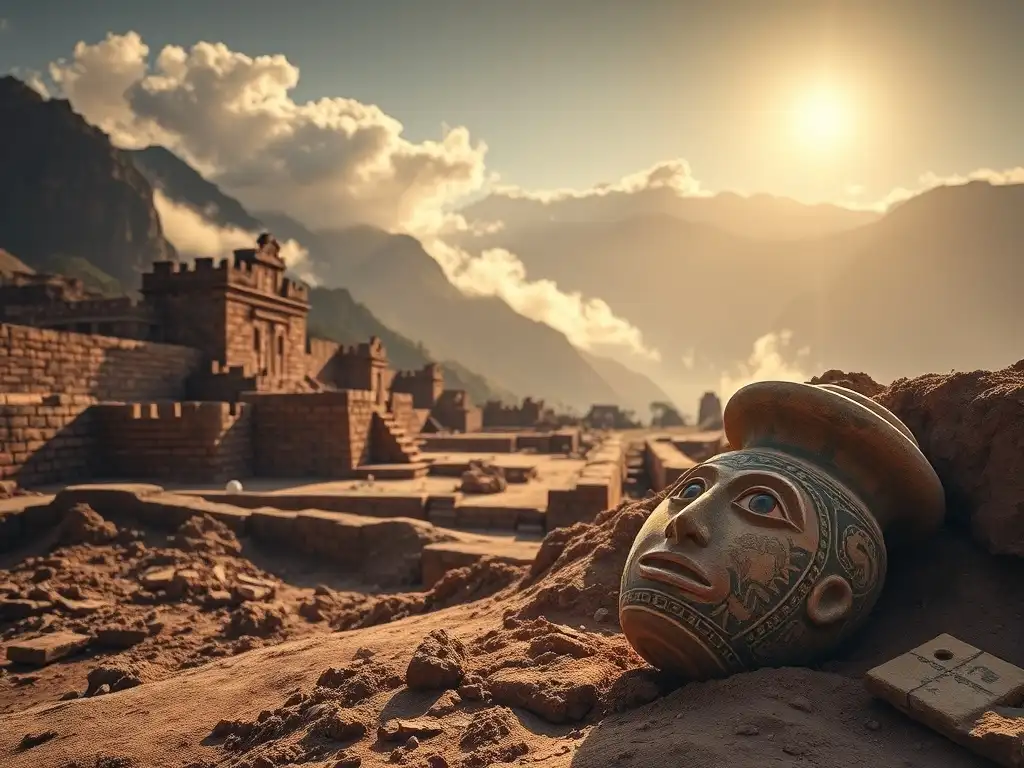
The Moche civilization, flourishing on Peru's northern coast from approximately 100 CE to 800 CE, was known for its sophisticated social organization, impressive architectural achievements, and remarkable artistic prowess. Their highly stratified society, ruled by powerful elite, controlled a vast territory and extensive irrigation systems. These systems, similar in complexity to those of the Nazca, facilitated their intensive agriculture, supporting a large and densely populated population.
The Moche were master builders, constructing monumental adobe structures, including vast pyramids and impressive palaces, which often served as both religious and administrative centers. Their ability to organize large-scale construction projects underscores their sophisticated engineering and social organization.
Moche Art and Architecture: Depicting Daily Life and Rituals
Moche art is characterized by its realism and detailed depictions of daily life and religious rituals. Their pottery, often featuring intricate scenes of warfare, hunting, and religious ceremonies, provides unparalleled insights into their society. The Moche also created stunning metalwork, using techniques such as hammering, casting, and repoussé to create intricate objects, such as ceremonial vessels and ornaments.
These artistic creations, found in tombs and religious sites, offer important clues about Moche beliefs and social structures. Architectural features such as the Huaca del Sol and Huaca de la Luna, massive adobe pyramids, reflect their sophisticated understanding of construction and their ability to mobilize large workforces. The scale and complexity of these structures demonstrate their advanced engineering skills and centralized political power.
Moche Society: Social Hierarchy and Political Organization
The Moche society was highly stratified, with a powerful elite at the top, followed by priests, warriors, artisans, and farmers. The ruling class controlled resources and exerted significant power, as evidenced by elaborate tombs containing rich grave goods and the impressive scale of their monumental architecture. Their political organization was centralized, with a powerful ruler, possibly a theocratic monarch, at the apex of the social hierarchy. This centralized authority facilitated the construction of large-scale public works projects and the maintenance of social order.
The Moche state's control over resources and its ability to mobilize labor were key factors in its success. However, the specific mechanisms of power and the nature of the ruling class are still subject to ongoing research and debate. The evidence suggests a sophisticated and complex societal structure that enabled the Moche to thrive for several centuries.
The Tiwanaku Culture: Engineering and Trade Networks in the Altiplano
The Tiwanaku culture, flourishing in the southern Andes between approximately 300 CE and 1000 CE, stands as a testament to the ingenuity and organizational prowess of Pre-Incan Andean civilizations. Located on the shores of Lake Titicaca in present-day Bolivia, Tiwanaku's success was deeply intertwined with its mastery of hydraulic engineering and its extensive trade networks. Their ability to thrive in such a challenging high-altitude environment highlights their sophisticated understanding of agriculture and resource management.
The arid climate and thin air of the Altiplano presented significant obstacles, yet Tiwanaku's inhabitants developed innovative solutions, leaving behind a legacy of impressive achievements. Their agricultural innovations, including raised fields and sophisticated irrigation systems, allowed them to maximize crop yields in a harsh environment. This agricultural surplus likely fueled the growth of their urban center and supported a complex social hierarchy.
This advanced agricultural knowledge, coupled with their strategic location near Lake Titicaca, facilitated trade with distant regions, extending their cultural and economic influence across a vast area of the Andes. The exchange of goods, ideas, and technologies played a crucial role in shaping the broader Andean world.
Tiwanaku Architecture: Monumental Constructions and Urban Planning
Tiwanaku's architectural achievements are truly awe-inspiring. The city itself was meticulously planned, showcasing sophisticated urban design principles. Monumental structures, such as the Akapana pyramid and the Kalasasaya temple, are prime examples of their architectural prowess. These massive constructions, built from precisely cut and fitted stone blocks, demonstrate an advanced understanding of engineering and construction techniques.
The sheer scale of these projects suggests a highly organized society with a centralized authority capable of mobilizing large labor forces. The precision of the stonework is remarkable, with some blocks weighing several tons, showcasing exceptional craftsmanship and knowledge of mechanics. Furthermore, the intricate carvings and designs found on these structures suggest a deep understanding of symbolic representation and cosmology.
Scholars continue to debate the exact functions of these structures, but their sheer size and complexity point to their importance in Tiwanaku's religious and social life. The sophisticated urban planning, including intricate networks of canals and roads, further underscores the advanced nature of Tiwanaku society and its ability to manage resources effectively. The strategic placement of buildings, along with the evidence of sophisticated water management systems, provides insight into their urban planning expertise.
Tiwanaku Influence: Spreading Cultural and Religious Ideas
The influence of Tiwanaku extended far beyond its immediate geographical boundaries. Their cultural and religious ideas spread throughout the Andes, leaving a lasting impact on subsequent Andean cultures. Archaeological evidence suggests that Tiwanaku's religious beliefs, artistic styles, and architectural techniques were adopted by numerous groups across a wide region.
The widespread dissemination of Tiwanaku iconography, including distinctive ceramic styles and religious symbols, points to a significant cultural exchange and influence. For instance, the characteristic "Gate of the Sun," with its intricate carvings, exemplifies the sophisticated artistic expression of the Tiwanaku culture and its influence on later Andean art. The adoption of Tiwanaku agricultural techniques also contributed to the success of other Andean communities, demonstrating the practical impact of their technological innovations.
The spread of their religious beliefs, possibly involving a sun god or a creator deity, is evident in the shared iconography found in various archaeological sites throughout the region. The Tiwanaku's legacy thus extends beyond the physical remains of their city, demonstrating their significant cultural and religious contributions to the broader Andean world and the development of subsequent Pre-Incan Andean civilizations. Their impact is a key element in understanding the complex tapestry of Pre-Incan cultural development.
Legacy of Pre-Incan Andean Civilizations
This section delves into the profound and lasting impact of Pre-Incan Andean civilizations, showcasing their ingenuity and influence on the subsequent Inca Empire and the broader Andean world. Understanding these precursor cultures is crucial to appreciating the full complexity and richness of Andean history. The contributions made in agriculture, social organization, and artistic expression laid the foundation for the later flourishing of the Inca and other powerful Andean societies. The term "Pre-Incan Andean civilizations" itself encapsulates a diverse array of cultures, each with unique characteristics, yet all contributing to the tapestry of Andean heritage.
Contributions to Andean Agriculture: Advanced Farming Techniques
Pre-Incan Andean civilizations were masters of adapting to their challenging environment. Their agricultural innovations were remarkable, considering the steep slopes, arid climates, and high altitudes of the Andes Mountains. They developed sophisticated farming techniques that ensured food security and supported population growth, laying the groundwork for later empires.
One prime example is the development of terracing. This involved carving level platforms into hillsides, creating fertile fields where crops could thrive. This ingenious method not only increased arable land but also prevented soil erosion and conserved water. Evidence of extensive terracing systems can still be seen today, a testament to the engineering prowess of these early Andean cultures. The Nazca, for instance, are renowned for their intricate and extensive terraced agriculture.
Furthermore, the utilization of irrigation systems was crucial in managing water resources effectively. Canals and aqueducts were meticulously constructed to channel water from rivers and streams to agricultural fields, even in arid regions. This sophisticated water management allowed for year-round cultivation of crops. [Specific data on the extent of Nazca irrigation systems pending].
Another key innovation was the development of diverse crop varieties. Pre-Incan farmers cultivated a wide range of crops, including potatoes, maize, quinoa, and beans, adapting them to different altitudes and microclimates. This diversification ensured resilience against crop failures and provided a balanced diet. The sheer number of potato varieties cultivated by Pre-Incan communities is a striking example of their agricultural expertise. The domestication and cultivation of these staple crops were fundamental to the sustenance and prosperity of Andean societies.
The sophisticated agricultural techniques of Pre-Incan Andean civilizations were inextricably linked to the development of complex social structures. The need to organize labor for large-scale irrigation projects, terraced farming, and storage of surplus food led to the emergence of hierarchical societies with specialized roles and labor divisions.
These societies weren't simply agrarian communities; they were characterized by a high degree of social organization, often reflected in their urban planning and monumental architecture. Cities like Chavín de Huántar, with its impressive ceremonial center, demonstrate the capacity for large-scale coordinated projects and a centralized authority. The presence of elite classes, religious specialists, and skilled artisans indicates a degree of social stratification and specialization not seen in simpler societies.
The development of sophisticated record-keeping systems, including the use of quipu (knotted strings), further facilitated the administration of these complex societies. While the exact nature of quipu information remains a subject of ongoing research, it's evident that these systems played a vital role in managing resources, tracking populations, and recording historical events. These advancements in social organization undoubtedly influenced the later development of the Inca Empire’s highly structured administrative system. The organization and management skills honed by Pre-Incan civilizations provided a solid foundation for the Inca's vast empire.
Pre-Incan Art and Technology: Influencing Later Andean Artistic Styles
Pre-Incan art and technology exerted a significant influence on subsequent Andean artistic styles. The distinct artistic traditions of cultures like the Moche, Nazca, and Tiahuanaco left an indelible mark on the Andean aesthetic landscape, providing a rich foundation for Inca art.
The Moche, for example, were renowned for their exquisite pottery, depicting scenes of daily life, mythology, and warfare with astonishing detail and realism. Their mastery of ceramic techniques, including the use of mold-making and polychromy, was unparalleled. These artistic achievements influenced subsequent ceramic styles across the Andes.
The Nazca are best known for their monumental geoglyphs, vast designs etched into the desert surface. The purpose of these enigmatic figures remains debated, but their scale and precision are impressive, showcasing advanced engineering and planning. While the function remains uncertain, their impact on the Andean artistic landscape is undeniable. The striking visual impact of these geoglyphs is a testament to the Nazca's artistic vision and technical skill.
Tiahuanaco’s legacy is visible in its monumental stone architecture, exemplified by the intricate stonework and colossal structures of its ceremonial center. The precision and scale of Tiahuanaco's construction demonstrate advanced engineering knowledge and a highly organized workforce. The architectural styles and techniques employed by Tiahuanaco significantly influenced later Andean building traditions, particularly in the use of massive stone blocks and intricate carvings. The influence of these Pre-Incan artistic traditions is clearly visible in the artistic and architectural achievements of later Andean civilizations, proving their enduring legacy.
Religious Beliefs and Practices: Shaping Andean Spirituality
The spiritual landscape of the Pre-Incan Andean civilizations was rich and complex, significantly influencing the later Inca empire and leaving a lasting mark on Andean spirituality. Understanding these diverse belief systems is crucial to appreciating the full tapestry of Andean culture. While specific details vary across different cultures and time periods, several common threads emerge. A deep reverence for nature was paramount; mountains, rivers, and celestial bodies were not merely geographical features but powerful, sentient entities worthy of respect and worship. This animistic worldview permeated daily life, informing agricultural practices, social structures, and even warfare.
The worship of deities took many forms. Some cultures focused on creator gods, while others emphasized ancestor veneration, believing that the spirits of deceased relatives continued to influence the living world. Elaborate rituals, often involving offerings of food, drink, textiles, and precious metals, were performed to appease these deities and ensure their continued favor.
These ceremonies frequently involved specialized priests and priestesses, who held considerable social and political power. Archaeological evidence, such as the discovery of intricately decorated temples and burial sites, provides compelling insights into the scale and significance of these religious practices. For example, the Moche culture's elaborate tombs, adorned with vibrant murals depicting ritual sacrifices and mythical beings, vividly illustrate their complex religious beliefs.
Furthermore, the concept of huaca—sacred places or objects imbued with spiritual power—was central to Andean spirituality. These huacas could be natural features like mountains or springs, or man-made structures like temples or ceremonial centers. Their veneration fostered a deep connection between the people and their environment, reinforcing the importance of maintaining a harmonious relationship with the natural world. The precise nature of these beliefs varied considerably among different Pre-Incan groups, reflecting the diverse ecological and social contexts in which they developed.
However, the underlying theme of a deeply spiritual connection with the environment remained a consistent feature across these cultures. The influence of these beliefs on subsequent Andean societies, including the Inca, is undeniable, demonstrating the enduring legacy of Pre-Incan religious practices. The Inca's own pantheon and rituals undoubtedly built upon and adapted many of the existing traditions and beliefs of their predecessors.
The Enduring Impact of Pre-Incan Andean Cultures
The Inca Empire, often perceived as the apex of Andean civilization, was in reality built upon a foundation laid by centuries of preceding cultures. Understanding the PreIncan Andean civilizations is crucial to comprehending the Inca's achievements and the broader Andean trajectory. These earlier societies—the Moche, Nazca, Tiahuanaco, Wari, and many others—developed sophisticated agricultural techniques, complex social structures, and remarkable artistic and technological innovations that directly influenced subsequent Andean societies, including the Inca.
Their legacy isn't merely historical; it's woven into the very fabric of the Andean world. The intricate irrigation systems, the stunning textiles, and even the architectural styles seen in Inca constructions all bear the marks of these earlier, often overlooked, civilizations. Ignoring their contributions risks a fundamentally incomplete understanding of Andean history.
Connecting the Dots: How Pre-Incan Societies Paved the Way for the Inca Empire
The Inca Empire's rapid expansion and consolidation of power were facilitated by the pre-existing infrastructure and organizational models inherited from previous Andean cultures. For example, the Inca's mastery of terrace farming, allowing them to cultivate steep slopes, wasn't a sudden invention. It was a refinement of techniques perfected over centuries by cultures like the Moche and the Nazca, who developed elaborate irrigation systems to manage water resources in arid environments.
Similarly, the Inca's administrative prowess, evident in their sophisticated road network and centralized governance, built upon the organizational structures and societal hierarchies already established by the Wari and Tiahuanaco cultures. These earlier societies had experimented with large-scale urban planning and complex social stratification, providing blueprints, so to speak, for the Inca's imperial ambitions. The Inca didn't simply conquer; they adapted and expanded upon existing systems, demonstrating the powerful and lasting impact of the PreIncan Andean civilizations.
Preserving the Past: The Importance of Studying Pre-Incan Andean Civilizations
The study of PreIncan Andean civilizations is not merely an academic exercise; it holds profound significance for understanding the present. By investigating these earlier societies, we gain insights into sustainable agricultural practices, resilient social structures, and innovative technological solutions that are relevant to contemporary challenges. The ingenuity displayed by these cultures in adapting to harsh environmental conditions, for instance, offers valuable lessons for modern-day societies facing similar issues like climate change and resource scarcity.
Furthermore, preserving and interpreting their cultural heritage is essential for maintaining a sense of identity and continuity within Andean communities. Understanding the ancestral roots helps to foster a deeper appreciation for the diverse cultural tapestry of the Andes and promotes the protection of invaluable archaeological sites and artifacts. The study of these civilizations contributes to a more holistic and nuanced understanding of Andean history, challenging Eurocentric narratives and highlighting the rich contributions of indigenous cultures.
Ongoing Discoveries and Future Research
Research into PreIncan Andean civilizations is a dynamic and ever-evolving field. New archaeological discoveries are constantly reshaping our understanding of these societies, revealing previously unknown aspects of their lives, technologies, and beliefs. Advanced technologies, such as LiDAR (Light Detection and Ranging), are now being employed to map vast areas, uncovering hidden settlements and infrastructure that were previously undetectable.
Further research is needed to investigate the complex interplay between different PreInca cultures, the nature of their interactions (whether cooperative or conflictual), and the factors that led to their rise and fall. Genetic studies are also shedding light on population movements and migrations, providing a deeper understanding of the ancestral connections between these societies.
The future of research promises to unearth even more fascinating details about the PreIncan Andean civilizations, enriching our understanding of this remarkable period in Andean history and highlighting the enduring legacy of these remarkable cultures. The potential for discovery remains immense.
Frequently Asked Questions
What are some examples of PreIncan Andean civilizations?
Several significant PreIncan cultures thrived in the Andes. These include the Moche, Nazca, Tiahuanaco, and Wari, each with unique artistic, technological, and societal developments. They laid the groundwork for later Andean empires.
How did PreIncan societies influence the Inca Empire?
PreIncan civilizations significantly influenced Inca development. The Inca inherited and adapted existing agricultural techniques, architectural styles, and administrative systems from these earlier cultures, building upon their foundations.
What are some notable achievements of PreIncan Andean civilizations?
PreIncan cultures achieved remarkable feats. The Nazca Lines, the Moche's advanced metalwork, and the Tiahuanaco's monumental architecture are just a few examples of their sophisticated engineering and artistic skills.
How did PreIncan civilizations adapt to the diverse Andean geography?
PreIncan societies developed remarkable adaptive strategies to thrive in the Andes' diverse environments. They utilized terracing for agriculture, built intricate irrigation systems, and developed varied architectural styles to suit different altitudes and climates.
What are the primary sources used to learn about PreIncan Andean civilizations?
Archaeological excavations, textiles, ceramics, and monumental structures provide crucial insights. Written records are scarce, but studying these artifacts helps us understand their cultures, beliefs, and daily lives.
Final Reflection: Echoes of the Andes: A Legacy Beyond the Inca
The intricate tapestry of Andean civilization wasn't woven solely by the Inca; its vibrant threads were spun centuries earlier by a multitude of PreIncan cultures. Their ingenuity, resilience, and profound connection to the land laid the foundation for the empire that followed, and their influence continues to resonate powerfully in the region today. Understanding their contributions is not merely an academic exercise; it's crucial to appreciating the full richness and complexity of Andean history.
The enduring impact of PreIncan societies is evident in the very landscape of the Andes, from the sophisticated agricultural techniques still employed to the breathtaking architectural marvels that continue to inspire awe. Their legacy extends beyond the physical realm, however; it's woven into the cultural fabric of modern Andean communities, shaping their traditions, beliefs, and identities. The past is never dead. It's not even past.
– William Faulkner. This quote perfectly encapsulates the enduring presence of PreIncan cultures in the modern Andean world, their stories echoing through generations.
Consider the profound implications of this history. By acknowledging the contributions of these often-overlooked civilizations, we gain a deeper understanding not only of the Andes but also of the broader human experience. You, the reader, are now equipped with a new perspective on this rich history. Take this knowledge with you, explore further, and engage with the living legacy of the PreIncan Andean civilizations. Let their stories inspire you to appreciate the depth and complexity of human history and the enduring power of cultural heritage.
Embrace the Heritage: Take Action Today!
Thank you for exploring the fascinating world of Pre-Incan cultures with us. Understanding these rich civilizations and their profound influence on the Andean world offers invaluable insights into our shared history. Now, let's build on this knowledge and make a difference!
- **Visit** your local museum or cultural center to discover artifacts and exhibitions related to Andean civilizations. You might be surprised by what you find!
- **Share** this article with friends and family to spark conversations about the enduring impact of these cultures on our modern world.
- **Connect** with other history enthusiasts by joining online forums or local groups dedicated to the study of Andean history. Sharing your perspectives and learning from others will enrich your understanding.
What aspects of Pre-Incan culture do you find most compelling, and how do you see their influence shaping your life today?