
The Tiahuanaco Women: Guardians of Tradition and Ritual

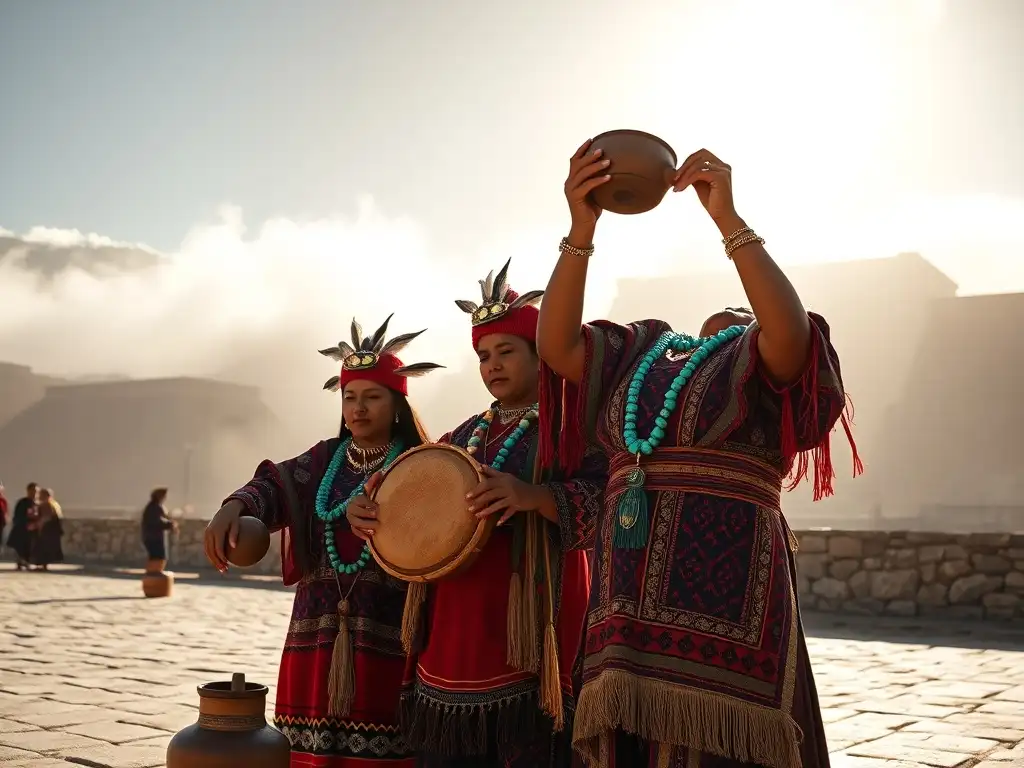
Step into a world lost to time, yet echoing with the power of ancient Andean cultures. Beyond the towering stones of Machu Picchu and the intricate Nazca lines lies a story waiting to be unearthed: the vital, often overlooked, roles of Tiahuanaco women in sacred rituals. Their influence extended far beyond domestic life; discover how these remarkable figures shaped the spiritual landscape of a civilization and learn about their captivating contributions to a vibrant society. Prepare to be amazed by the untold story of the Tiahuanaco women's roles in rituals – a journey into a fascinating past awaits.
The enigmatic Tiahuanaco civilization, flourishing in the Andean highlands from approximately 500 to 1000 CE, remains a captivating subject for historians and archaeologists. While much of the focus has traditionally been on monumental architecture and complex societal structures, a deeper investigation reveals the crucial roles played by Tiahuanaco women. This article delves into the often-overlooked contributions of these women, exploring their participation in religious rituals, societal organization, and the preservation of cultural traditions.
By examining available archaeological evidence and weaving together scholarly interpretations, we aim to illuminate the significance of Tiahuanaco women's roles in rituals and their broader influence on the civilization's trajectory. Understanding their contributions is essential for a more complete and nuanced understanding of this fascinating pre-Columbian society. We will explore how their roles challenge traditional narratives that often minimize the agency and influence of women in ancient societies.
Introduction to Tiahuanaco Society and Gender Roles
Tiahuanaco society was characterized by a sophisticated hierarchical structure, with evidence suggesting a complex system of social stratification. While the exact nature of gender roles remains a subject of ongoing research and debate among scholars, archaeological findings point to a significant level of female participation in various aspects of life.
Unlike some other ancient societies where women's roles were primarily confined to domestic spheres, Tiahuanaco seems to have presented opportunities for women to engage in activities beyond the home. This is suggested by the discovery of female burials containing prestigious artifacts and tools indicating involvement in craft production, trade, and possibly even political decision-making.
Further research is needed to fully understand the nuances of gender relations and power dynamics within Tiahuanaco society, but preliminary evidence suggests a more complex and less rigidly defined gender system than might be initially assumed. The study of textile production, for example, reveals intricate techniques and designs suggesting specialized female labor, possibly linked to ritual practices.
The limited textual sources available from the period further complicate the reconstruction of gender roles. However, the iconography found on Tiahuanaco ceramics and textiles offers valuable clues. Depictions of women participating in ceremonies and rituals, often alongside men, suggest a level of social and religious importance. The precise nature of these roles remains open to interpretation, but it is clear that women were not simply passive participants. Their active involvement in religious ceremonies suggests a significant degree of spiritual authority and influence within the community.
The Significance of Women in Tiahuanaco Culture
The significance of women in Tiahuanaco culture is further underscored by their apparent participation in ritual practices. Archaeological evidence, including the discovery of female burials containing ritual objects and the depiction of women in ceremonial contexts on artifacts, strongly suggests their active involvement in religious ceremonies. These ceremonies likely played a vital role in maintaining the social order, ensuring agricultural fertility, and reinforcing the community's identity.
The specific roles women played in these rituals are still being investigated, but it is plausible that they held positions of authority or acted as intermediaries between the human and spiritual realms. The intricate textiles and pottery often found in women's graves further supports this hypothesis, indicating their involvement in the production of sacred objects used in these rituals.
Furthermore, the discovery of female figurines and idols suggests that women were also represented in the Tiahuanaco pantheon. These figurines often depict women in elaborate attire, holding ritual objects or engaging in symbolic gestures. This visual representation suggests a powerful symbolic association between women and the religious life of Tiahuanaco, reinforcing their crucial role in maintaining the community's spiritual and cultural identity.
The detailed craftsmanship of these artifacts also points to the high level of skill and artistry possessed by Tiahuanaco women, further illustrating their crucial contributions to the civilization's artistic and cultural heritage. The ongoing research and analysis of these artifacts continue to reveal new insights into the multifaceted roles of women in Tiahuanaco society and their significant contribution to the civilization's rich cultural tapestry.
- What roles did women play in Tiahuanaco society?
- What evidence suggests women's participation in Tiahuanaco rituals?
- Were women's roles in Tiahuanaco rituals different from men's?
- How did women's roles in rituals contribute to Tiahuanaco's power?
- What are the challenges in researching women's roles in ancient Tiahuanaco?
Tiahuanaco Women's Roles in Rituals
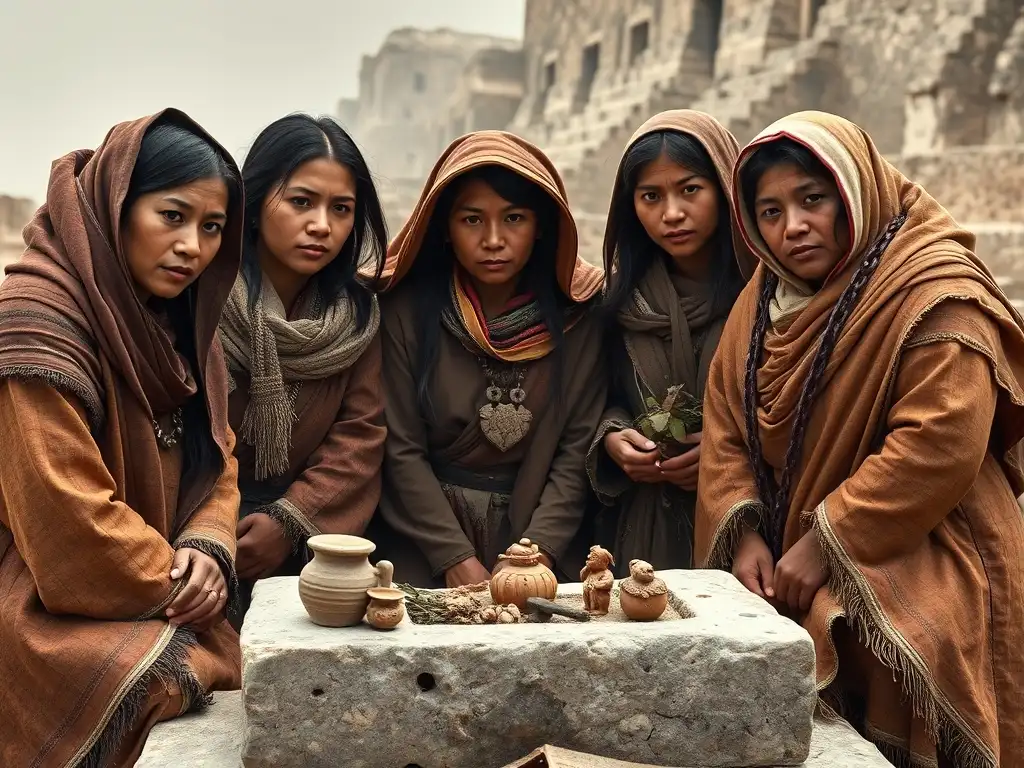
The role of women in Tiahuanaco society remains a fascinating and complex area of study. While patriarchal structures undoubtedly existed, archaeological evidence and interpretations of iconography suggest a more nuanced reality than often assumed. Women were not simply passive participants in Tiahuanaco life; they held significant positions within the religious and social spheres, actively shaping the cultural landscape.
This section will delve into the various ways Tiahuanaco women participated in rituals, demonstrating their crucial contributions to the civilization's spiritual and social fabric. Understanding their roles sheds light on the complexities of gender dynamics within this remarkable Andean civilization and challenges simplistic interpretations of ancient societies.
The Importance of Female Priestesses in Tiahuanaco Religious Practices
Archaeological findings, though limited, hint at the presence of female priestesses within Tiahuanaco's religious hierarchy. While definitive proof remains elusive, the discovery of female figurines adorned with priestly attire and the depiction of women in positions of authority in some ceramic art strongly suggest their participation in religious leadership. These figurines, often crafted with meticulous detail, depict women wearing elaborate headdresses, adorned with symbolic jewelry and holding ritual objects.
The meticulous craftsmanship and the prominent display of these artifacts suggest their significant role in the religious life of the community. Furthermore, the presence of women in depictions of important ceremonies alongside, or even leading, male figures, challenges the traditional assumption of a purely male-dominated religious system.
Further research, including advanced techniques like isotopic analysis of skeletal remains, could potentially provide additional insights into the dietary habits and social status of individuals buried with these ritual objects, potentially confirming their roles as priestesses. More detailed analysis of Tiahuanaco iconography, focusing specifically on female figures in ceremonial contexts, would significantly enrich our understanding of this aspect of Tiahuanaco culture.
Women as Participants in Tiahuanaco Ceremonies
Beyond the potential for female priestesses, evidence suggests widespread female participation in various Tiahuanaco ceremonies. Many ceremonial artifacts, including textiles, pottery, and even some monumental architecture, bear intricate designs that may represent aspects of female ritual roles. These artifacts, often found in association with male figures, point to a collaborative nature of many religious practices.
The textiles, for example, often show complex weaving techniques and symbolic designs that likely held significant ritual meaning. The detailed craftsmanship and the use of rare materials suggest that the creation of these textiles was not merely a mundane task, but a ritualistic activity itself, in which women played a pivotal role. Furthermore, the presence of women in depictions of large-scale public ceremonies suggests that their involvement extended beyond the private sphere.
This active participation in public rituals highlights the significant social standing and influence women held within Tiahuanaco society. The precise nature of their roles and contributions in these ceremonies remains an area requiring further investigation, but their presence is undeniable.
Specific Rituals: The Ch'alla and Women's Participation
The ch'alla, a ritual offering of coca leaves, chicha (a fermented maize beverage), and other items to the earth and deities, was a crucial practice across Andean cultures, and likely held a prominent place in Tiahuanaco life. While the specifics of Tiahuanaco ch'alla practices are not fully understood, it is plausible that women played a crucial role. Considering the importance of women in agricultural practices (planting, harvesting, processing), their connection to the earth and fertility would have naturally linked them to this ritual.
The preparation of chicha, a beverage central to many Andean rituals, was traditionally a female task, suggesting women's significant contribution to the ch'alla ceremony. Additionally, the creation of textiles and other offerings used in the ch'alla would further solidify their involvement. Analysis of archaeological sites could reveal evidence of ceremonial spaces associated with women or containing artifacts specifically related to women's activities, shedding more light on their participation in rituals like the ch'alla.
The investigation of these sites, coupled with further analysis of Tiahuanaco iconography and anthropological studies of related Andean cultures, could illuminate the specific roles women played in this important ritual. The potential for women to have held significant roles in mediating between the human and spiritual worlds through the ch'alla is a compelling avenue for future research.
Specific Rituals: The Offering to Pachamama and Women's Roles
The veneration of Pachamama, Mother Earth, was central to Tiahuanaco cosmology and daily life. The offering to Pachamama wasn't a simple act; it was a complex ritual imbued with deep symbolic meaning, meticulously performed to ensure the fertility of the land and the well-being of the community. Women played a crucial, often leading, role in these ceremonies.
Archaeological evidence, although limited, suggests that female shamans or priestesses were actively involved in preparing the offerings and conducting the rituals. These offerings frequently included coca leaves, llama fetuses, and intricately crafted ceramic vessels filled with food and drink. The placement of these offerings—often in carefully selected locations such as springs, caves, or agricultural fields—further highlights the significance of women's understanding of the landscape and its spiritual connections.
The precise nature of their participation remains a subject of ongoing research, but it's clear that their knowledge of agricultural cycles and the land’s rhythms was integral to the success of the ritual. The meticulous preparation and presentation of the offerings, activities often associated with women in Andean societies, suggest a high degree of skill and spiritual authority. The continuity of these practices across generations reinforces the idea that the transmission of this sacred knowledge occurred primarily within women's lineages.
The careful selection of offerings themselves speaks volumes about women's intimate connection with the land. The meticulous preparation of the coca leaves, for instance, a process requiring considerable expertise, was likely a female-led activity. The selection of llama fetuses, often chosen for specific characteristics, points to a deep understanding of animal husbandry and symbolic representation. The creation of the ceramic vessels themselves, often exquisitely decorated, further emphasizes the artistic and ritualistic skills possessed by Tiahuanaco women.
Their involvement wasn't merely peripheral; it was central to the efficacy and spiritual potency of the entire ritual. The success of the harvest, the health of the community, and the well-being of the land were intricately linked to the women's participation in these ceremonies. The ritual's success was seen as a direct reflection of their skill, devotion, and connection to the spiritual world.
This intimate link between women, the land, and the spiritual realm is a recurring theme in Andean cultures, and the Tiahuanaco civilization is no exception. Further research into the burial sites associated with these rituals may reveal additional insights into the specific roles of women in Pachamama offerings. The careful analysis of artifacts found alongside the remains of women buried in these contexts may shed light on their status and responsibilities within the community.
We can envision a scene where women, adorned in ceremonial attire, carefully arrange the offerings at a sacred site, chanting prayers and performing rituals to appease Pachamama and ensure the bounty of the land. This image, though constructed from fragmented evidence, speaks to the significance of women's roles in maintaining the delicate balance between the human world and the spiritual realm. Their participation wasn't simply a matter of assisting men; it was a central act of leadership and spiritual authority, demonstrating their deep understanding and mastery of the intricate rituals that sustained their society.
The study of Tiahuanaco women's roles in Pachamama offerings continues to be a vital area of research, promising to uncover further details about the complexity and richness of their spiritual practices. The integration of archaeological findings with anthropological studies promises to offer a more complete understanding of their vital contributions to Tiahuanaco society.
The Symbolic Representation of Tiahuanaco Women
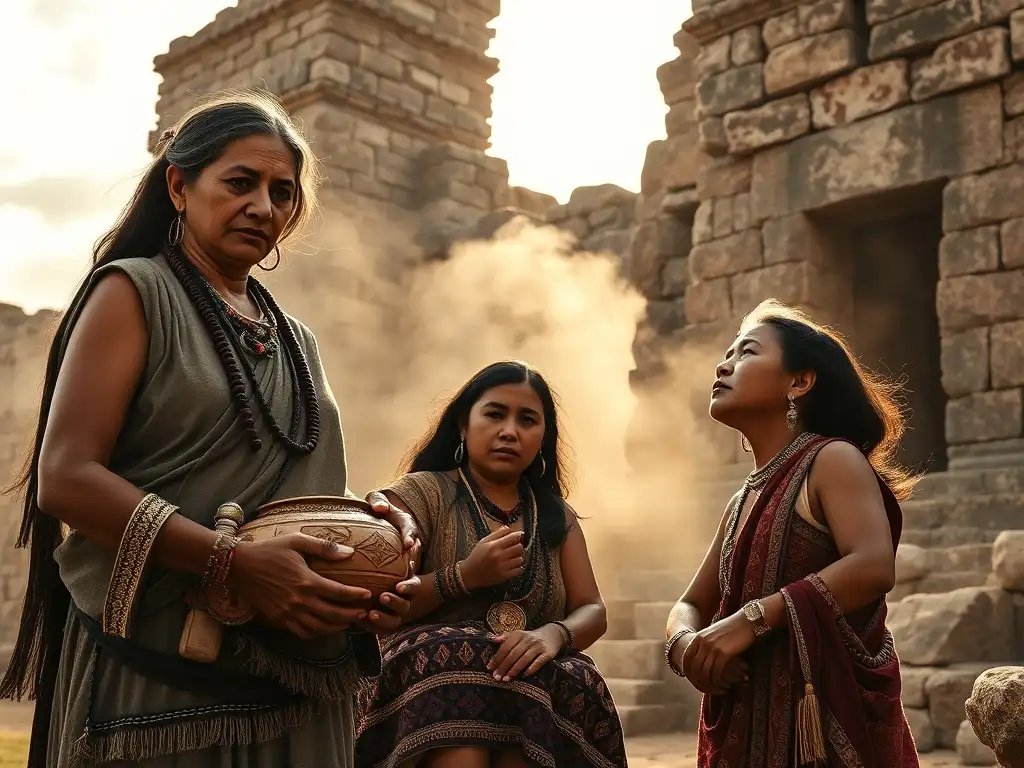
The enigmatic Tiahuanaco culture, flourishing in the Andean highlands between 500 and 1000 CE, left behind a rich archaeological record that hints at a complex social structure. While our understanding of Tiahuanaco society is constantly evolving through ongoing research, the role of women, often overlooked in traditional historical narratives, is increasingly recognized as central to their religious and social life.
Analyzing Tiahuanaco art, particularly ceramics and textiles, offers crucial insights into the symbolic representation of women and their significance within the culture. The imagery suggests a deep integration of women into the spiritual and ritual life of the civilization, challenging the simplistic view of ancient Andean societies as solely male-dominated.
This section delves into the iconography and meaning behind the female figures depicted in Tiahuanaco art, uncovering clues about their roles in ritual practices and their position within the broader social fabric. Understanding these representations is crucial to a more nuanced and complete understanding of Tiahuanaco civilization and its lasting legacy.
Iconography and Female Figures in Tiahuanaco Art
Tiahuanaco art is characterized by its distinctive style, featuring stylized human figures, geometric patterns, and intricate carvings. Female figures are frequently depicted, often portrayed with specific attributes that suggest their roles and status within the society. These depictions are not simply decorative; they are imbued with symbolic meaning, often connected to fertility, motherhood, and the earth's generative powers.
For example, many female figures are shown holding staffs or scepters, suggesting authority and participation in ritual ceremonies. Others are depicted wearing elaborate headdresses and clothing, indicating social standing and perhaps even specific religious roles. The prevalence of these recurring motifs in various media – stone carvings, ceramics, and textiles – underscores their importance in the cultural imagination of the Tiahuanaco people.
The consistent presence of these images across different art forms reinforces the idea that these weren't simply random representations but rather intentional and meaningful symbols reflecting societal values and beliefs. Further research into the specific iconographic elements used – the types of headdresses, jewelry, and postures – could provide even more precise insights into the diverse roles women played within Tiahuanaco society. Analysis of the placement of these figures within larger compositions also offers clues to their social and ritual significance.
The Meaning Behind Female Depictions in Tiahuanaco Ceramics and Textiles
The detailed craftsmanship of Tiahuanaco ceramics and textiles provides invaluable information about the roles of women in ritual practices. Female figures are often depicted alongside other elements associated with religious rituals, such as stylized animals, plants, and deities. This suggests a close connection between women and the spiritual realm.
For instance, the presence of female figures on vessels used in ceremonies or on textiles used in religious contexts strongly indicates their active participation in ritual events. The clothing and adornments depicted on these female figures often mirror those found in archaeological contexts, helping to corroborate the visual evidence with material culture. The intricate weaving techniques and designs on Tiahuanaco textiles, often featuring stylized female figures, highlight the advanced technological skills and artistic abilities of women.
This mastery of textile production likely placed women in positions of authority and influence, both within the domestic sphere and potentially within religious contexts. Analyzing the specific color palettes and symbolic motifs used in these textiles could reveal even more about the specific rituals in which these women participated. Further research into the techniques used in textile production, coupled with analyses of the dyes and materials used, will shed more light on the expertise and social significance of female artisans.
The Role of Tiahuanaco Women in the Production of Ritual Objects
The production of ritual objects, such as ceremonial vessels, textiles, and ornaments, was a crucial aspect of Tiahuanaco religious life. Archaeological evidence strongly suggests that women played a significant role in this production. The intricate detail and craftsmanship found in many of these objects imply a high level of skill and specialized knowledge, often associated with female artisans in other Andean cultures. The discovery of workshops and tools associated with the production of these artifacts could help to pinpoint the specific roles that women played.
For example, the analysis of textile fragments found in association with female burials could indicate specialized roles in weaving and textile production. Similarly, the discovery of female burials containing tools used in pottery production strongly suggests their involvement in the creation of ceremonial vessels. The distribution and style of these objects also offer insights into the social organization of production and exchange. Further research is needed to fully understand the division of labor and the specialized roles of women within the production chain of ritual objects.
Detailed chemical analysis of pigments and materials used in the production of these objects could also provide further insight into the specialized knowledge and skills possessed by Tiahuanaco women. The meticulous nature of the artifacts suggests a level of expertise and dedication that is rarely acknowledged in discussions of Tiahuanaco society. This underscores the need for more research focusing specifically on the roles of women in the production and use of these ritually significant objects.
Tiahuanaco Women’s Influence on Family and Society
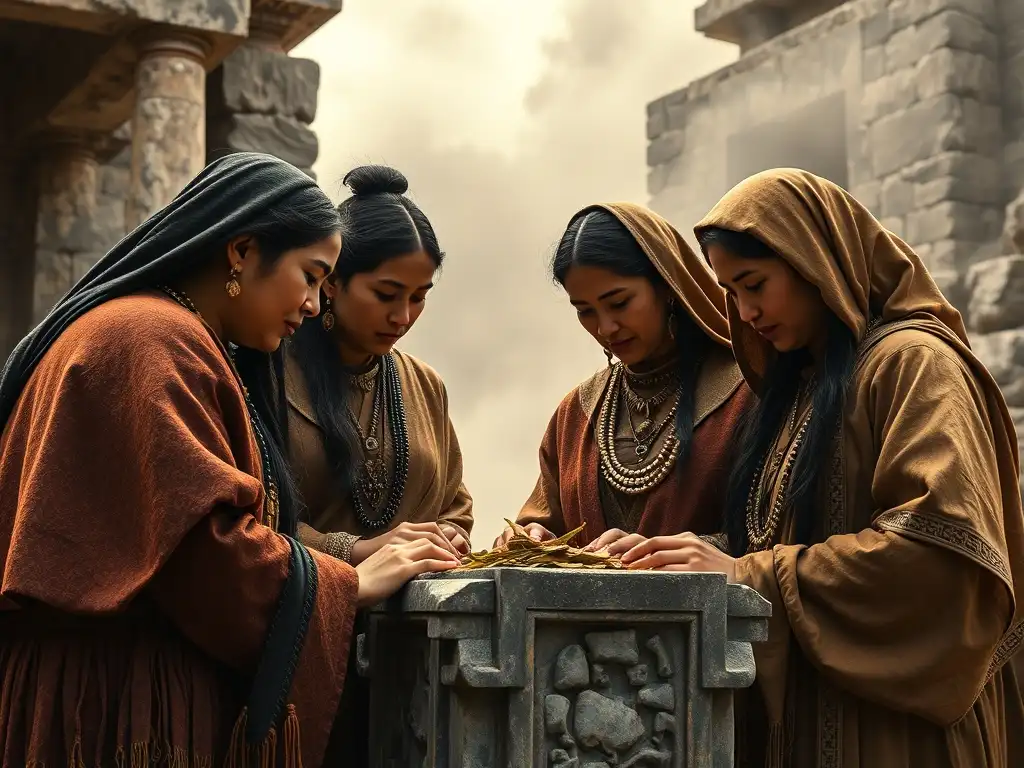
The role of Tiahuanaco women extended far beyond the ceremonial sphere, significantly impacting family structures and societal organization. While their participation in rituals is well-documented, a deeper understanding reveals their crucial contributions to the daily life and social fabric of this sophisticated civilization. Archaeological evidence, though limited, suggests a complex social hierarchy where women held positions of influence and responsibility, both within the domestic sphere and in broader communal activities.
Understanding their influence requires examining their multifaceted roles, moving beyond the often-narrow focus solely on ritualistic participation. This section will explore the less-examined aspects of their lives, focusing on their contributions to the social and economic well-being of Tiahuanaco.
Women’s Contributions to Tiahuanaco Society: Beyond Ritual
While the participation of Tiahuanaco women in religious ceremonies is undeniable and fascinating, their contributions extended far beyond the confines of ritualistic practices. Evidence from unearthed textiles, pottery, and agricultural tools points to their significant roles in textile production, food preparation, and agriculture – activities fundamental to the economic and social stability of Tiahuanaco. The intricate weaving techniques displayed in surviving textiles suggest a high level of skill and specialization among female artisans.
These textiles were not only functional but also held symbolic importance, often used in rituals and ceremonies, further highlighting the women's central role in both the mundane and sacred aspects of life. The production of pottery, another crucial economic activity, also heavily involved women, as indicated by the consistent stylistic elements found across various pieces. Furthermore, analysis of skeletal remains suggests that women participated actively in agricultural labor, contributing significantly to the food production that sustained the large Tiahuanaco population.
Their involvement in these crucial economic sectors provided the foundation for the prosperity and survival of the civilization. The meticulous organization and efficiency required for these activities demonstrate a level of social and economic organization that placed women at the heart of Tiahuanaco's functioning. Further research is needed to fully quantify their economic contribution, but the existing evidence strongly suggests a vital role beyond ritual.
Tiahuanaco Women as Educators and Caregivers
The role of Tiahuanaco women as educators and caregivers is a less visible but equally crucial aspect of their influence on society. While direct evidence is scarce, anthropological parallels with other Andean societies suggest that women were primarily responsible for the upbringing and education of children. This encompassed not only the practical aspects of childcare, such as feeding and clothing, but also the transmission of cultural knowledge, traditions, and values.
The intricate designs found on textiles and pottery, many of which depict scenes of daily life and mythology, potentially served as tools for teaching and storytelling, passing down knowledge and beliefs through generations. The complexity of these designs reflects a deep understanding of cultural symbolism and narrative, suggesting the crucial role of women in preserving and transmitting Tiahuanaco’s rich cultural heritage.
Moreover, their experience in various economic activities likely provided a crucial source of practical education for younger generations, ensuring the continuity of essential skills and knowledge. The nurturing and educational role of women played a vital part in the social cohesion and stability of Tiahuanaco, shaping the future generations and ensuring the continuation of their cultural practices.
The Power of Female Lineage in Tiahuanaco Society
The importance of female lineage in Tiahuanaco society is a subject requiring further investigation, but existing evidence hints at a system where women held significant social standing through their family connections. While the patriarchal nature of many Andean societies is well documented, the analysis of burial sites and the distribution of artifacts suggests a possible matrilineal or at least strongly matrilocal component in some aspects of Tiahuanaco society. The presence of elaborate grave goods associated with female burials, comparable in quality to those of male elites, suggests a certain level of social power and status attached to women's lineage.
This contrasts with some other Andean cultures where female burial goods were consistently less elaborate. Further research into kinship structures and inheritance patterns within Tiahuanaco society is necessary to fully understand the role of female lineage and its impact on social hierarchy and power dynamics.
The existing evidence, however, indicates that the influence of Tiahuanaco women extended beyond their immediate family and played a significant part in shaping the social structure of the civilization. Understanding the intricacies of their social standing will shed light on the complexities of Tiahuanaco society and challenge preconceived notions about gender roles in Andean civilizations.
Understanding Tiahuanaco Women Through Archaeological Evidence
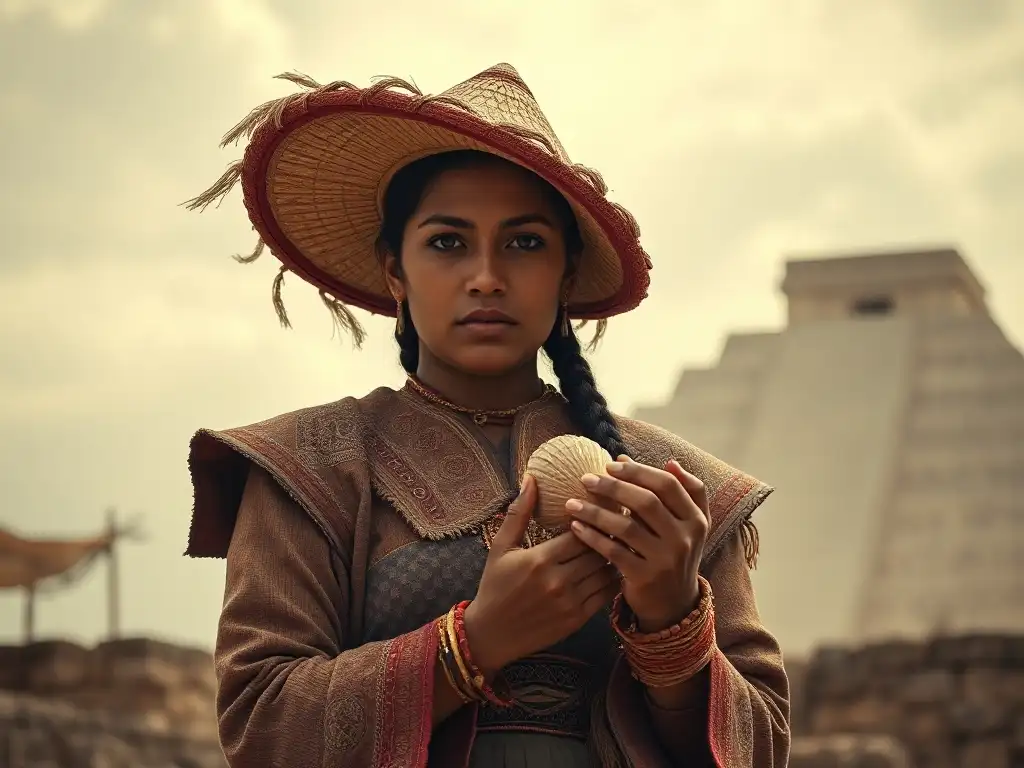
The study of Tiahuanaco women's roles in rituals relies heavily on archaeological evidence, which, while sometimes fragmented, offers compelling insights into their lives and societal importance. Unlike many ancient societies where women's contributions are often overlooked or minimized in historical accounts, the archaeological record of Tiahuanaco provides a unique opportunity to examine their multifaceted roles. Analyzing burial practices, artifacts, and settlement patterns allows us to reconstruct a more complete picture of their daily lives, their participation in religious ceremonies, and their overall status within the Tiahuanaco society.
The careful examination of these clues helps us understand the significant contributions of Tiahuanaco women to the cultural and spiritual fabric of their civilization. The limited written records necessitates a stronger reliance on material culture to understand the complexity of their roles.
Burial Practices and the Status of Tiahuanaco Women
Excavations at Tiahuanaco sites have unearthed numerous burials, offering valuable information about the social hierarchy and the roles of women within the society. While the interpretation of burial goods can be complex and debated, certain patterns emerge. The presence of elaborate grave goods, such as fine textiles, sophisticated jewelry, and finely crafted ceramics, in some female burials suggests a higher social standing for certain women.
These findings contradict the simplistic view of women solely as domestic figures. For instance, the discovery of a burial containing a woman interred with intricately designed gold ornaments and ceremonial paraphernalia points to her involvement in high-level religious or political activities. Further research is needed to definitively correlate specific grave goods with precise roles, but the variance in burial contents strongly indicates a differentiated social structure among women, mirroring the complexity observed in the male population.
The analysis of isotopic ratios in skeletal remains could also provide further insights into diet and social status, potentially differentiating between elite and commoner women. This research holds the potential to reveal more nuanced information about the social stratification of Tiahuanaco women and their participation in ritualistic practices.
Artifacts: Textile Fragments, Spindles, and Ceramics
The discovery of numerous textile fragments, spindlewhorls, and ceramic artifacts associated with female burials and domestic sites provides further evidence of women’s crucial roles in Tiahuanaco society. The intricacy and sophistication of the textiles, often adorned with complex designs and vibrant colors, suggest a high level of skill and expertise in weaving. These textiles were not merely utilitarian; they served as important ceremonial items, used in rituals and adorned by elite members of society.
The abundance of spindlewhorls, tools used in spinning yarn, indicates that spinning and weaving were widespread activities, likely undertaken by women across different social strata. The styles and decorations on the ceramics also suggest specialized roles for women in pottery production, hinting at potential involvement in religious ceremonies through the creation of ritual vessels. The analysis of these artifacts, combined with ethnographic studies of Andean textile traditions, provides a richer understanding of the economic and social contributions of Tiahuanaco women.
The presence of specific motifs or symbols on textiles and ceramics could even offer clues about their roles in specific rituals or ceremonies. Further research into the chemical composition of the pigments and clays used in these artifacts could further refine our understanding of their production and use.
What Archaeology Reveals About the Daily Lives of Tiahuanaco Women
Archaeological evidence suggests that the daily lives of Tiahuanaco women were multifaceted and involved a range of activities beyond domestic tasks. While they undoubtedly played a significant role in household management, food production, and childcare, the archaeological record also points to their involvement in agriculture, textile production, and religious practices. The discovery of agricultural tools in association with female burials, along with the presence of storage facilities near residential areas, suggests their active participation in food production and distribution. The presence of both simple and elaborate tools indicates varying levels of involvement in these activities, possibly reflecting social differentiation.
Furthermore, the sophisticated weaving techniques evident in the textile fragments suggest a high level of skill and expertise among female artisans. This points to a specialized role in textile production, possibly involving the creation of ceremonial garments and textiles used in rituals. The analysis of pollen and plant remains found in residential areas could provide further insights into their involvement in agriculture and food processing.
Understanding the daily lives of Tiahuanaco women offers a crucial perspective on their contribution to the overall functioning and resilience of the Tiahuanaco civilization, highlighting their integral role in the social, economic, and spiritual spheres of their society. The integration of these diverse findings paints a vivid picture of the complex and significant roles played by Tiahuanaco women. 👩🌾 🧵 🏺
Legacy of Tiahuanaco Women and their Impact on Andean History
The legacy of Tiahuanaco women extends far beyond the physical ruins of their civilization. Their influence resonates through subsequent Andean cultures, shaping religious practices, artistic expressions, and social structures. While archaeological evidence directly illustrating their roles is sometimes limited, careful analysis of artifacts, iconography, and comparative studies with later Andean societies reveal a significant contribution.
The intricate textiles found at Tiahuanaco sites, for example, suggest a high level of skill and specialization among female artisans, a tradition that continued in later Andean societies. These textiles weren't mere clothing; they were often imbued with symbolic meaning, reflecting the women's deep understanding of ritual and cosmology. The recurring motif of the "Goddess Mama Ocllo," often depicted in textiles and ceramics, points towards a powerful feminine presence in Tiahuanaco's religious beliefs, a presence that arguably influenced the veneration of female deities in later Inca and pre-Inca cultures.
Understanding the Tiahuanaco women's roles requires moving beyond a simplistic view of their societal participation and acknowledging the pervasive, albeit sometimes subtle, influence they wielded in shaping Andean cultural identity. Further research, particularly focusing on isotopic analysis of skeletal remains and detailed study of less-explored sites, could significantly enhance our comprehension of their multifaceted lives and their lasting impact on Andean history.
The Enduring Influence of Tiahuanaco Women in Later Andean Societies
The sophisticated weaving techniques and artistic styles evident in Tiahuanaco textiles found their way into later Andean societies, suggesting a direct lineage of knowledge and skills passed down through generations. The intricate patterns and symbolic imagery, often interpreted as representing cosmological beliefs and agricultural cycles, are remarkably similar in later Andean textiles, particularly those from the Inca period. This continuity suggests that women played a crucial role in preserving and transmitting cultural knowledge across significant temporal shifts.
Moreover, the strong emphasis on female deities and the prominence of female figures in Tiahuanaco iconography appear to have influenced the religious beliefs and practices of later societies. The veneration of Pachamama, the Earth Mother, in Inca and other Andean cultures, may have roots in the powerful female figures worshipped in Tiahuanaco. The continuity of these religious and artistic traditions underscores the enduring impact of Tiahuanaco women's roles in shaping the cultural landscape of the Andes.
Detailed comparative studies of Tiahuanaco and later Andean art and religious practices are essential to fully appreciate the extent of this influence. Analyzing the evolution of specific motifs and techniques across different periods could reveal the transmission pathways of knowledge and skills, further illuminating the role of Tiahuanaco women in this process.
How Tiahuanaco Women’s Stories are Preserved Today
Preserving the stories of Tiahuanaco women requires a multi-faceted approach that combines archaeological investigation with careful interpretation of existing historical records and oral traditions. While direct historical accounts from Tiahuanaco women themselves are scarce, archaeologists continue to unearth artifacts that offer glimpses into their lives. The painstaking analysis of textiles, ceramics, and other artifacts, coupled with advanced scientific techniques like isotopic analysis and DNA testing, can reveal valuable insights into their diets, health, social status, and craftsmanship.
Furthermore, the careful study of iconography and symbolic representations in Tiahuanaco art provides clues about their religious beliefs and societal roles. Ethnohistorical studies, which examine the historical accounts and oral traditions of Andean communities, can also contribute to a more comprehensive understanding of Tiahuanaco women's roles, offering valuable context and interpretations of the archaeological evidence. Interpreting the data requires a critical and nuanced approach, acknowledging the limitations of the available evidence and avoiding overly simplistic or speculative conclusions.
The ongoing effort to uncover and interpret these diverse sources is crucial for building a more complete and accurate picture of Tiahuanaco women and their contributions to Andean civilization. The collaboration between archaeologists, anthropologists, and historians is fundamental for this endeavor.
Conclusion: The Importance of Recognizing Tiahuanaco Women’s Contributions
Recognizing the contributions of Tiahuanaco women is not merely an act of historical revisionism; it's crucial for a complete and accurate understanding of Andean civilization. Their roles as artisans, religious figures, and keepers of cultural knowledge were integral to the success and longevity of Tiahuanaco society. By actively seeking out and interpreting the evidence of their lives and achievements, we gain a richer and more nuanced perspective on the complexities of Andean history.
Further research, particularly focused on gender studies within the context of Andean archaeology and anthropology, is essential to unravel the full extent of their influence. This includes not only analyzing existing artifacts and data but also employing new technologies and methodologies to uncover new evidence.
By acknowledging and celebrating the significant contributions of Tiahuanaco women, we can ensure a more inclusive and representative understanding of Andean history, fostering a deeper appreciation for the diverse roles and agency of women in shaping one of the world's most fascinating ancient civilizations. The ongoing exploration of "Tiahuanaco women's roles in rituals" and their broader societal impact remains a vibrant and essential area of scholarly inquiry.
Frequently Asked Questions
What roles did women play in Tiahuanaco society?
Women in Tiahuanaco held significant roles, participating in agriculture, textile production, and religious ceremonies. Their influence extended beyond the domestic sphere, actively shaping the culture.
What evidence suggests women's participation in Tiahuanaco rituals?
Archaeological findings reveal female figurines and textiles associated with religious sites, suggesting their involvement in rituals. Depictions on ceramics also show women participating in ceremonies and processions.
Were women's roles in Tiahuanaco rituals different from men's?
While men likely held prominent leadership positions, evidence suggests women played equally important, distinct roles in rituals. Their contributions were vital to the spiritual and social fabric of Tiahuanaco society.
How did women's roles in rituals contribute to Tiahuanaco's power?
Women's participation in rituals, particularly those related to agriculture and fertility, ensured the community's well-being and prosperity. This contributed to the overall power and stability of the Tiahuanaco civilization.
What are the challenges in researching women's roles in ancient Tiahuanaco?
Limited written records pose a challenge. However, interpreting archaeological evidence, including textiles, ceramics, and burials, provides valuable insight into women’s crucial roles in Tiahuanaco rituals and society.
Final Reflection: Echoes of the Tiahuanaco Women: A Legacy of Strength and Spirituality
The intricate roles of Tiahuanaco women in ritual practices resonate powerfully with contemporary discussions of gender, spirituality, and societal power. Their contributions, often overlooked in historical narratives, offer a vital counterpoint to patriarchal interpretations of ancient Andean civilizations, reminding us that a complete understanding requires acknowledging the multifaceted contributions of all members of society.
The enduring legacy of these women extends far beyond the archaeological record; their influence continues to shape our understanding of Andean spirituality and the vital role women played in maintaining cultural continuity. Their dedication to ritual, their deep connection to the earth, and their apparent authority within their communities challenge simplistic notions of ancient societies. The past is never dead. It's not even past.
- William Faulkner. This quote perfectly encapsulates the ongoing relevance of understanding the Tiahuanaco women and their enduring impact on our present-day perspectives.
Consider the strength and resilience embodied by these women. Their commitment to their traditions, their spiritual practices, and their community in the face of immense challenges serves as an inspiration. You too possess the power to shape your own narrative, to honor your traditions, and to contribute to a more inclusive and equitable future. Let the legacy of the Tiahuanaco women inspire you to explore your own connection to history, community, and the enduring power of the human spirit.
Embrace the Legacy: Take Action Today!
Thank you for exploring the remarkable stories of Tiahuanaco women and their vital roles as keepers of tradition and ritual. We hope you've gained a deeper understanding of their enduring legacy and its importance within Andean culture. Now, let's explore ways to connect with this rich heritage on a personal level.
Here are some suggestions:
- Attend local cultural events or festivals celebrating Andean traditions, immersing yourself in the vibrant rituals and practices.
- Share this article with friends and family to raise awareness of the historical significance of Tiahuanaco women, sparking conversations that celebrate cultural heritage.
- Join an online forum or community dedicated to Andean civilizations to connect with like-minded individuals passionate about preserving and promoting these traditions.
What aspect of the Tiahuanaco women's legacy resonates most with you, and how do you see it influencing contemporary cultural practices?