
Andean Flutes: From Simple Whistles to Complex Melodies of the Mountains


Welcome to Andean Civilizations, where the echoes of a lost world resonate through time. Prepare to be captivated by the breathtaking artistry and ingenuity of ancient Andean cultures. But first, let's unravel a fascinating mystery: the Andean flute's journey from simple whistles to the complex melodies that once filled the mountain valleys. Discover the secrets behind this ancient instrument and its profound connection to the vibrant history of the Andes—a story waiting to be explored.
- Andean Flutes: A Journey Through Sound and History
- The Evolution of Andean Flutes: From Simple Whistles to Complex Instruments
- Andean Flute History: Cultural Context and Usage
- Construction and Materials of Andean Flutes
- The Unique Sounds and Musical Styles of Andean Flutes
- The Legacy of Andean Flutes: Present and Future
- Frequently Asked Questions
- Final Reflection: Echoes of the Andes: A Legacy in Every Note
- **Unveil the Melodies of the Andes! **
Andean Flutes: A Journey Through Sound and History
The Andean region, a breathtaking tapestry of towering mountains and vibrant cultures, boasts a rich musical heritage deeply intertwined with its history. For centuries, the haunting melodies of Andean flutes have echoed through the valleys and across the high plains, narrating stories of gods, nature, and daily life.
This article delves into the fascinating history of these instruments, tracing their evolution from simple whistles to the complex and nuanced flutes we know today. We'll explore the diverse types of Andean flutes, their construction techniques, and their significant role in Andean music and culture, examining their place within the broader context of Andean "flute history."
From the earliest ceramic whistles unearthed by archaeologists to the intricately crafted instruments played in modern festivals, we will uncover the enduring legacy of these captivating instruments and their profound connection to the Andean people. Prepare to be transported on a sonic journey through time, as we unravel the captivating story of the Andean flute.
Exploring the Origins of Andean Flutes
The earliest evidence of wind instruments in the Andes dates back thousands of years. Archaeological excavations have unearthed numerous ceramic whistles and rudimentary flutes from various pre-Columbian cultures, including the Moche, Nazca, and Tiahuanaco. These early instruments, often crafted from clay or bone, were relatively simple in design, typically featuring a single or double-hole system.
However, their existence provides compelling evidence of the early development of wind instrument technology in the region. Analysis of these early flutes reveals insights into the materials used, the techniques employed in their creation, and the potential musical styles they were used to create. While the exact sounds they produced may be lost to time, their discovery offers a glimpse into the ancient Andean world and its musical traditions.
The precise dating of these early instruments varies depending on the specific archaeological site and the methodologies used, but many examples date back to several centuries BCE, showcasing a long and rich history of musical instrument development in the Andes. Further research is needed to fully understand the evolution of these early instruments and their role in ancient Andean society.
The Inca Empire and the Rise of Panpipes
The Inca Empire, with its sophisticated civilization and vast territory, played a crucial role in the development and dissemination of Andean flutes. While panpipes, rather than single flutes, became particularly prominent during this era, their influence is undeniable. Evidence suggests that various types of flutes, including those made of reeds and wood, were also employed, showcasing a variety of materials and techniques.
The Inca's advanced metalworking skills also led to the creation of refined flutes from materials like silver and gold, reflecting the importance of music within their culture. These instruments were not merely recreational; they played a vital role in religious ceremonies, agricultural rituals, and social gatherings, underscoring their deep integration into the fabric of Inca society.
The precise styles of music played on these instruments remain a subject of ongoing research, but scholars believe they were used to accompany dances, create ceremonial atmospheres, and express a wide range of emotions and meanings. The legacy of Inca musical practices is still felt in many Andean communities today.
From Colonial Times to Modern Andean Music
The arrival of the Spanish conquistadors in the 16th century marked a turning point in Andean history, significantly impacting the region's musical landscape. While many traditional instruments and musical forms were suppressed or altered, the Andean flute persevered, adapting and evolving in response to the cultural changes. The introduction of new musical styles from Europe led to a fascinating fusion of indigenous and European traditions, resulting in unique musical forms that incorporated both European and Andean instruments.
The flute, in its various forms, continued to hold a prominent place in Andean musical life, finding its way into both traditional and newly emerging genres. This resilience speaks volumes about the enduring appeal and significance of the Andean flute within Andean culture. Today, the Andean flute continues to thrive, playing a key role in contemporary Andean music, from traditional folk styles to more modern genres.
The Diverse Family of Andean Flutes: Types and Techniques
The term "Andean flute" encompasses a wide variety of instruments, each with its own unique characteristics and playing techniques. These include, but are not limited to: sikus (panpipes), antara (vertical panpipes), quena (vertical flute), pinquillo (a type of end-blown flute), and many others. Each instrument boasts a different tone, timbre, and range, allowing for a rich and varied soundscape.
The construction techniques for these instruments vary depending on the type of flute and the materials used. Some are made from simple reeds, while others are carved from wood or bone, and some are crafted from metal. The techniques used to create the holes, shape the body of the flute, and refine the sound all contribute to the unique characteristics of each instrument.
Understanding these variations is crucial to appreciating the full scope of Andean flute music. The precise details of the construction vary widely across different communities and traditions, reflecting a diverse range of techniques passed down through generations.
The Evolution of Andean Flutes: From Simple Whistles to Complex Instruments
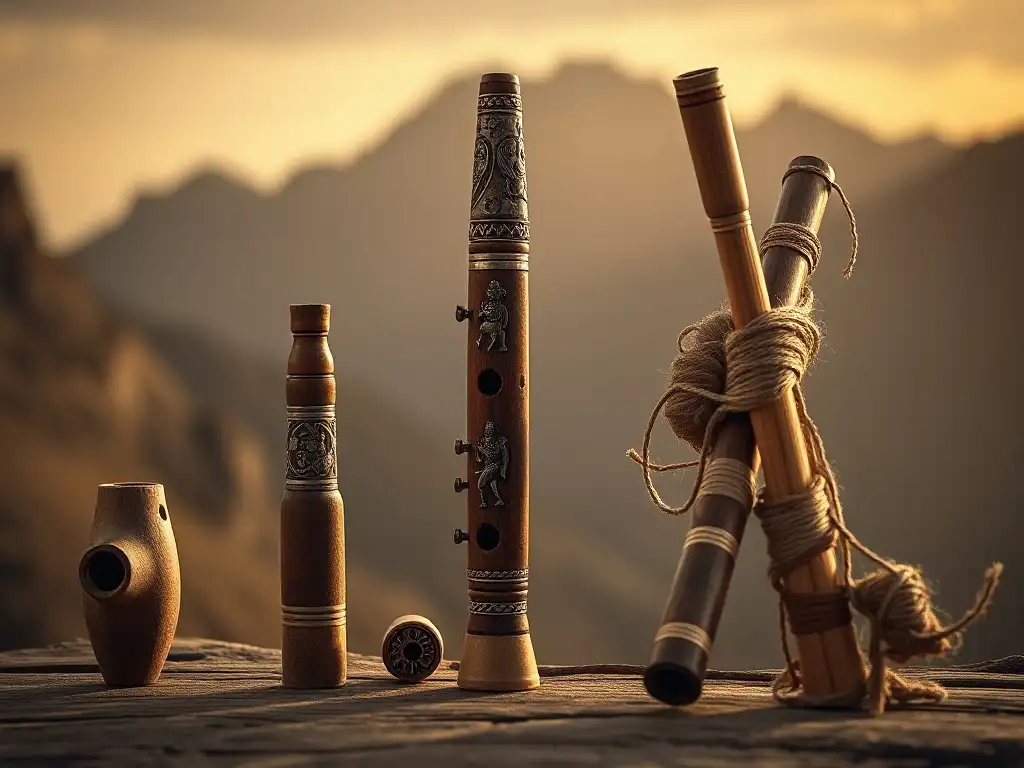
The history of Andean flutes is a fascinating journey reflecting the evolution of Andean cultures themselves. From humble beginnings as simple whistles used in ritual and communication, these instruments blossomed into sophisticated and complex musical tools, integral to the social and spiritual life of the Andean peoples. Understanding the evolution of these flutes offers a unique window into the ingenuity and artistry of these ancient civilizations. Tracing the "Andean flute history" reveals a rich tapestry of innovation and cultural significance.
Early Andean Whistles and Their Significance
The earliest forms of Andean flutes were likely simple whistles, crafted from readily available materials such as bone, wood, or reeds. Archaeological evidence suggests the use of such instruments dates back thousands of years. These weren't merely toys; their significance transcended simple entertainment. They played a crucial role in ritualistic practices, possibly used to communicate with deities or during ceremonies. The sounds produced, echoing through the mountain valleys, might have held symbolic meaning, connecting the earthly realm with the spiritual world.
Consider the findings at [specific archaeological site pending] where fragmented bone whistles were discovered alongside ceremonial artifacts. The careful craftsmanship and the context of their discovery strongly suggest their ritualistic purpose. The whistles, though simple in design, were likely imbued with deep cultural and spiritual meaning. Further research is needed to fully understand the specific function of these early whistles, but their presence offers invaluable insight into the early development of Andean music. Analysis of their materials and construction techniques could provide further details on the technological capabilities of the cultures that produced them.
The Development of the Quena: A Key Andean Flute
The quena, a quintessential Andean flute, represents a significant step in the evolution of Andean wind instruments. Unlike the simpler whistles, the quena possesses a more complex design, featuring finger holes that allow for a wider range of notes and melodies. Its characteristic sound, often described as haunting and melancholic, has become synonymous with Andean music. Made traditionally from cane or wood, the quena's construction demonstrates a sophisticated understanding of acoustics and musical principles.
The quena's design, with its six finger holes and characteristic slightly inclined mouthpiece, allows for a wide range of musical expression. This versatility made it suitable for both solo performances and ensemble playing. Its popularity spread throughout the Andes, becoming integrated into various musical traditions and styles.
The quena’s evolution is not solely a technological advancement; it’s a testament to the cultural significance of music in Andean life. The craftsmanship involved in creating a quena is an art form in itself, passed down through generations of artisans. Each instrument is unique, reflecting the individual skill and artistry of its maker.
The Siku or Zampoña: Panpipes of the Andes
The siku (or zampoña), a panpipe instrument, represents another significant milestone in the development of Andean flutes. This instrument consists of a set of pipes of varying lengths, bound together, producing a unique and captivating sound. Unlike the single-pipe quena, the siku allows for the simultaneous playing of multiple notes, creating rich harmonies and complex musical textures. The siku's development showcases a remarkable understanding of harmonic principles and musical arrangement. The intricate tuning and arrangement of the pipes demonstrate the advanced musical knowledge of Andean cultures.
The siku exists in various forms across different Andean regions, each with its own unique tuning and playing style. Some siku varieties are played in pairs, with one playing a drone while the other plays the melody. This intricate interplay demonstrates a sophisticated understanding of musical counterpoint. The siku’s construction, involving meticulous crafting and precise tuning of multiple pipes, underscores the advanced technological skills of Andean artisans.
The instrument's capacity for complex harmonies and counterpoint elevated Andean music to new heights of sophistication. The enduring popularity of the siku and its continued use in contemporary Andean music highlight its significant cultural and musical legacy. The continued innovation in its design and playing styles also testifies to the instrument's ongoing evolution within Andean musical traditions.
Other Notable Andean Flute Variations: The Pinkillo and Tarka
The diverse landscape of Andean music boasts a rich tapestry of instruments, and among them, the pinkillo and tarka stand out as significant flute variations. While sharing similarities with other Andean flutes, these instruments possess unique characteristics that have shaped their roles in traditional music.
The pinkillo, often described as a smaller, higher-pitched relative of the antara, is typically made from a single piece of cane or wood. Its smaller size contributes to its higher pitch, making it ideal for playing bright, melodic lines. Unlike some other flutes that might be played in ensembles, the pinkillo is often used as a solo instrument, allowing its distinctive sound to shine. Its construction, while seemingly simple, requires considerable skill to achieve the proper intonation and tone quality.
Master pinkillo players often spend years perfecting their technique, demonstrating the depth of artistry associated with this seemingly unassuming instrument. The precise fingerings and breath control needed to coax a beautiful melody from the pinkillo contribute to its enduring appeal. Many traditional Andean songs feature the pinkillo's distinctive sound, weaving it into the rich sonic tapestry of the region's musical heritage.
The tarka, in contrast, presents a different sonic character. Often made from a single piece of wood or bamboo, and sometimes featuring multiple pipes bound together, the tarka is known for its slightly deeper, more resonant tone compared to the pinkillo. Its construction often involves intricate carving and shaping, adding to its aesthetic appeal. The tarka is frequently used in ensembles, often paired with other flutes or panpipes to create rich harmonic textures.
Its ability to blend seamlessly within an ensemble, while still retaining its individual character, makes it a versatile instrument in the Andean musical landscape. The tarka's role in community music-making highlights its social significance, often accompanying celebrations and rituals. The deep resonance of the tarka lends itself to expressing both joy and solemnity, making it an instrument of remarkable versatility. Its enduring popularity underscores its important role in preserving Andean musical traditions.
Andean Flute History: Cultural Context and Usage
The history of the Andean flute is deeply intertwined with the rich tapestry of Andean cultures, stretching back millennia. These instruments weren't merely tools for making music; they were integral components of daily life, religious practices, and storytelling traditions. Understanding their historical significance requires exploring their diverse roles within Andean societies, from the simplest panpipes to the more complex instruments used in elaborate ceremonies.
The evolution of Andean flute-making techniques, materials, and styles reflects the changing social structures and artistic expressions throughout the various Andean civilizations. Analyzing these aspects reveals a fascinating interplay between music, culture, and spirituality. The enduring legacy of the Andean flute speaks volumes about the enduring power of music to connect past and present generations.
This section will delve into the specific cultural contexts and usage of these instruments across different Andean societies, focusing on their symbolic meaning and practical applications. We will explore how the flute's role evolved over time and how it continues to resonate in modern Andean culture.
Andean Flutes in Rituals and Ceremonies
Andean flutes played a crucial role in rituals and ceremonies across various Andean civilizations. Archaeological evidence suggests their use in both public and private religious practices. For instance, flute-like instruments have been found in Moche tombs, indicating their importance in funerary rites. The sounds produced were believed to have the power to communicate with the spirit world, facilitating contact with deities or ancestors.
Specific types of flutes might have been associated with particular deities or ceremonies. For example, certain flutes might have been used to invoke rain during drought, while others might have accompanied offerings to mountain spirits ( apus). The intricate designs and materials used in the creation of these ritual flutes further highlight their sacred significance.
The precise melodies and rhythms employed during these ceremonies likely held symbolic meanings, though the exact interpretations often remain lost to time. However, ethnomusicological studies of contemporary Andean communities offer valuable insights into the potential meanings and functions of these ancient ritual practices. The continuation of these traditions in modern Andean communities demonstrates the enduring power of music in religious life.
The Role of Andean Flutes in Daily Life
Beyond their ceremonial use, Andean flutes were also an integral part of daily life. Simple panpipes, easily constructed from readily available materials like reeds or bone, were likely used for entertainment and social gatherings. Pastoral communities might have used flutes to communicate across distances or to accompany work songs during agricultural activities.
The sounds of these flutes would have been woven into the fabric of daily life, providing a musical backdrop to the rhythm of work and play. The accessibility of these instruments made music-making a common activity, fostering a sense of community and shared cultural identity. Furthermore, the construction and playing of these instruments likely served as a form of skill transmission within families and communities, passing down traditional knowledge and techniques across generations.
The integration of flutes into everyday life underscores their importance not only as musical instruments but as cultural tools that shaped social interactions and community cohesion. [Further research is needed on the specific types of flutes used in daily life across different Andean communities].
Andean Flutes and the Transmission of Stories
Andean flutes also served as powerful tools for the transmission of stories and oral traditions. Complex melodies and rhythms could encode narratives, historical events, or mythological tales. The music itself became a mnemonic device, helping to preserve and transmit cultural knowledge across generations.
This oral tradition was particularly important in societies with limited literacy. The melodies were not simply musical sounds; they were vessels of meaning, carrying the weight of history and cultural memory. Specific musical phrases might have represented particular characters, events, or locations within a story.
The intricate interplay of melodies and rhythms could create a rich tapestry of sounds that evoked vivid images and emotions in the listener. While the precise meanings of many ancient Andean flute melodies are lost, the enduring practice of storytelling through music demonstrates the profound connection between music, language, and cultural identity in the Andes. [Further analysis of existing recordings and ethnomusicological studies is needed to fully understand the narrative potential of Andean flute music].
Construction and Materials of Andean Flutes
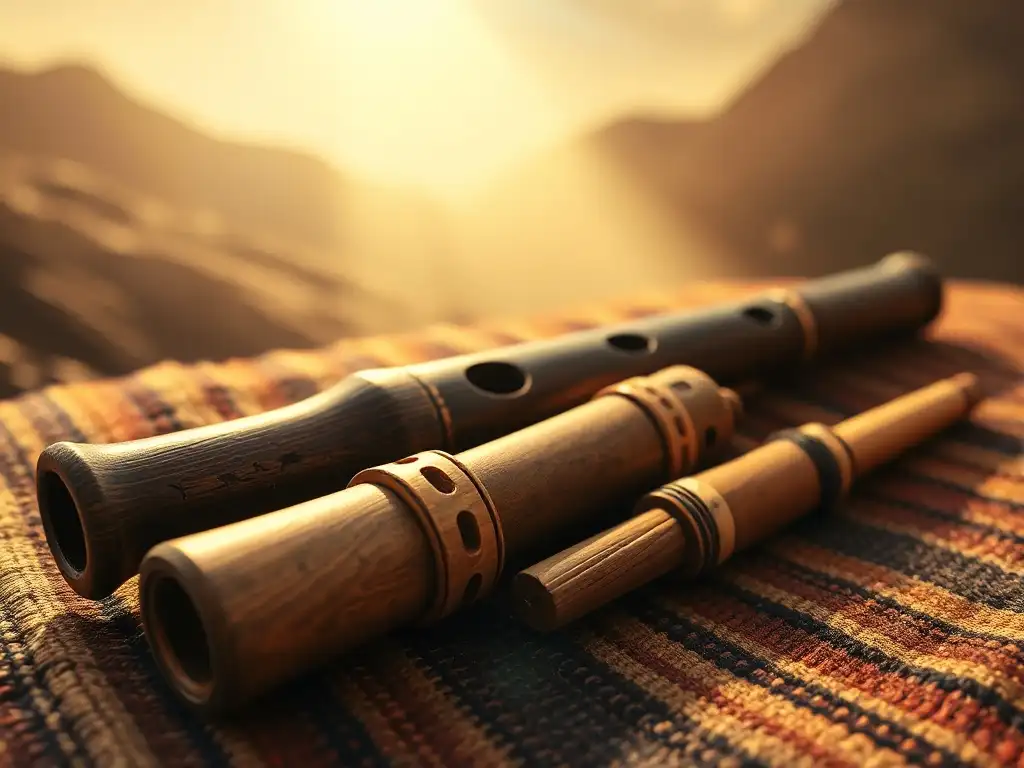
The construction and materials used in crafting Andean flutes reflect both the ingenuity of the Andean cultures and the readily available resources of their environment. From simple panpipes to more complex instruments, the design and materials reveal a deep connection to the natural world and a sophisticated understanding of acoustics. Understanding the materials and techniques employed provides a crucial insight into the Andean flute history and the evolution of musical expression in the region.
Traditional Materials Used in Andean Flute Making: Bamboo, Bone, Wood
Traditional Andean flute making relied heavily on materials readily available in the Andean highlands and valleys. The most common materials included bamboo, bone, and wood. Each material imparted unique sonic qualities to the instrument.
- Bamboo: Widely used due to its abundance and natural hollow structure, bamboo provided a readily available and relatively easy-to-work material. Different bamboo species, varying in thickness and density, yielded flutes with distinct tonal characteristics. Larger diameter bamboo produced deeper, resonant tones, while thinner bamboo created higher-pitched sounds. The natural nodes of the bamboo often served as convenient markers for determining the length of the flute sections.
- Bone: Animal bones, particularly those of camelids like llamas and alpacas, were also frequently employed. Bone flutes offered a denser, more resonant sound compared to bamboo. The crafting process involved careful shaping and smoothing of the bone to create the desired flute body. Bone flutes often featured intricate carvings and decorations, reflecting the artistic skills of the artisans. The durability of bone also contributed to the longevity of these instruments.
- Wood: Various types of wood, depending on regional availability, were used in Andean flute making. The selection of wood impacted the sound and overall feel of the instrument. Harder woods produced brighter, clearer tones, while softer woods yielded warmer, mellower sounds. The choice of wood was often influenced by both the acoustic properties and the aesthetic appeal of the particular species.
Techniques for Crafting Andean Flues
The creation of an Andean flute was a meticulous process, demanding skill and precision. While precise techniques varied across different Andean cultures and time periods, several common approaches were employed.
The process typically started with the selection of appropriate raw materials. Bamboo stalks were carefully chosen for their straightness, diameter, and lack of imperfections. Bone sections were cleaned, and wood was often seasoned to reduce warping and cracking. Next, the material was shaped to the desired dimensions using tools such as knives, chisels, and rasps. Holes were carefully drilled or carved, their placement and size meticulously determined to produce the desired musical scale.
The precision of hole placement was crucial for achieving accurate intonation. Finally, the flute was often polished and sometimes decorated with paint, carvings, or other embellishments. The finishing touches reflected the artistry and cultural identity of the creator. This careful attention to detail ensured the production of high-quality instruments capable of producing beautiful melodies. The techniques passed down through generations ensured the continuity of this rich musical tradition.
Modern Andean Flute Making and Adaptations
While traditional techniques continue to be practiced, modern Andean flute making has seen some adaptations. The introduction of new materials, such as acrylic and PVC, provides alternative options for flute construction, offering greater durability and consistency in sound production. Modern tools and techniques allow for greater precision in hole placement and a wider range of design possibilities. However, many contemporary flute makers continue to prioritize traditional materials and techniques, preserving the authenticity and unique sonic character of these instruments. The use of 3D printing is even emerging as a tool for experimentation and production, offering exciting possibilities for innovation while still respecting the rich Andean flute history. This blend of tradition and innovation ensures the vibrant continuation of Andean flute music for generations to come. The adaptability of the Andean flute showcases the enduring appeal and relevance of this ancient instrument within a constantly evolving world.
The Unique Sounds and Musical Styles of Andean Flutes
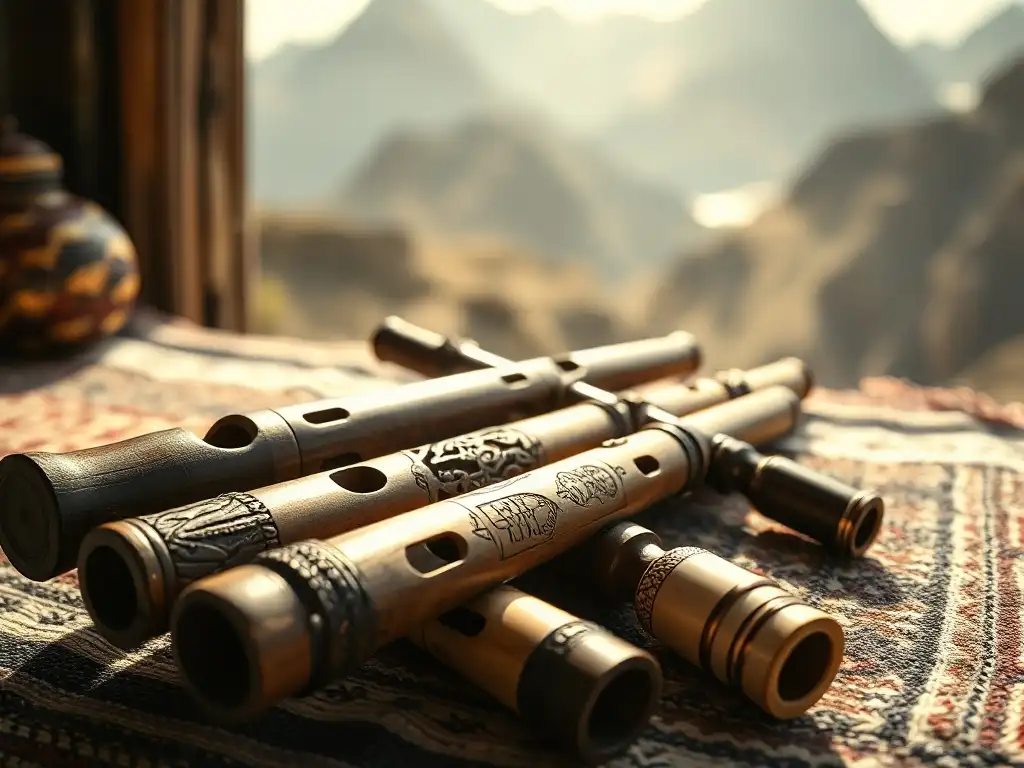
Andean flute history is rich and diverse, reflecting the varied cultures and landscapes of the Andes Mountains. The distinctive sounds produced by these instruments are deeply intertwined with the spiritual and social life of the Andean peoples. This section will explore the melodic and harmonic characteristics of some prominent Andean flutes, highlighting their unique contributions to the vibrant musical tapestry of the region.
The use of these instruments, passed down through generations, speaks to the enduring power of tradition and the adaptability of musical forms. Understanding the nuances of Andean flute music requires examining both the instruments themselves and the musical contexts in which they are played. We will delve into the specific characteristics that set Andean flutes apart, considering factors such as construction, playing techniques, and cultural significance.
The Melodic Characteristics of Quena Music
The quena, a simple transverse flute typically made from cane or wood, is perhaps the most recognizable Andean flute. Its sound is characterized by a haunting, slightly melancholic melody, often described as both sweet and plaintive. The quena's relatively simple construction allows for a wide range of expressive techniques, from delicate trills and grace notes to powerful, sustained tones.
Many traditional huayno melodies, for example, rely heavily on the quena's ability to convey both joy and sorrow simultaneously. The melodic lines often feature stepwise motion with occasional leaps, creating a sense of both intimacy and grandeur. The quena's unique timbre, with its slightly nasal quality, further contributes to its distinctive character.
Analysis of numerous recordings reveals a preference for pentatonic and diatonic scales, although modal variations are common, reflecting the influence of regional styles and individual performer preferences. The quena's melodic potential is further amplified by its use in ensembles, where its voice can intertwine with other instruments to create complex and layered textures.
The Harmonic Richness of Siku Ensembles
Unlike the soloistic quena, the siku is a panpipe instrument that produces rich harmonies. The siku typically consists of two sets of panpipes, a siku alto and a siku soprano, played simultaneously. The harmonious interplay between these two sets creates a unique sonic texture, often described as both ethereal and powerful. Andean flute history reveals that the siku's complex harmonic structures are deeply rooted in the Andean worldview, reflecting a profound understanding of musical relationships and cosmic balance.
The precise tuning of each pipe is crucial to achieving the desired harmonic effect, a process that often involves years of apprenticeship and refinement. The construction of the siku itself is a complex process, requiring meticulous attention to detail. Each pipe must be carefully cut and tuned to ensure that the ensemble produces a harmonious sound.
This process requires a deep understanding of acoustics and a keen ear for musical precision. Studies of siku ensembles have revealed a wide range of harmonic combinations, often employing parallel intervals and drone-like textures to create a hypnotic and mesmerizing effect. The rhythmic interplay between the two sets of pipes also contributes to the overall harmonic richness of the ensemble.
Regional Variations in Andean Flute Music: Huayno and Saya
Andean flute music exhibits considerable regional variation, reflecting the diverse cultural landscapes of the Andes. The huayno, a lively and energetic dance music from the central Andes, often features the quena prominently, alongside other instruments such as the charango and bombo. The huayno's melodies are typically fast-paced and upbeat, emphasizing rhythmic vitality. In contrast, the saya, a more subdued and introspective style from the southern Andes, often utilizes the zampoña, a type of panpipe, to create a more melancholic and reflective mood.
The saya's melodies are typically slower and more lyrical, emphasizing melodic contour and emotional depth. These stylistic differences reflect the unique cultural and geographical contexts in which these musical forms developed, demonstrating the adaptability of Andean flute music to diverse regional expressions. Further research is needed to fully document the vast array of regional variations in Andean flute music, including detailed analysis of specific melodies and rhythmic patterns from different Andean communities. This exploration will provide a richer understanding of the diversity and complexity of Andean musical traditions.
The interplay between the flute's melodic capabilities and the rhythmic complexities of the accompanying instruments creates a rich and dynamic musical experience. The differences in melody, rhythm, and instrumentation between huayno and saya highlight the diversity within Andean flute music. 🎼
The Legacy of Andean Flutes: Present and Future
The legacy of Andean flutes extends far beyond their historical significance; they remain vibrant and evolving instruments deeply intertwined with the cultural fabric of the Andes. Their enduring appeal is reflected in their continued use in both traditional and contemporary musical contexts, showcasing their remarkable adaptability and resilience. Understanding this enduring presence is crucial to appreciating the full impact of these instruments on Andean music and culture.
The study of Andean flute history reveals a trajectory from simple, functional instruments to sophisticated musical tools, reflecting the evolution of Andean societies themselves. This evolution continues today, demonstrating the remarkable vitality of these ancient instruments.
Andean Flutes in Contemporary Music
Andean flutes are not relics of the past; they are thriving in contemporary music scenes. Many contemporary Andean musicians seamlessly integrate traditional flute playing techniques with modern musical styles, creating unique and captivating soundscapes. This fusion often involves incorporating electric instruments, synthesizers, and other modern technologies, resulting in a vibrant and innovative musical landscape.
For example, some artists use looping pedals to create layered textures with their flutes, while others incorporate them into electronic dance music (EDM), producing a truly unexpected and exciting blend of genres. This innovative approach not only expands the reach of Andean music but also introduces these ancient instruments to a wider audience, ensuring their continued relevance and popularity in the 21st century.
The incorporation of Andean flutes into diverse musical genres demonstrates their versatility and timeless appeal. Their unique timbre and expressive capabilities lend themselves well to a wide range of musical styles, making them a sought-after instrument for both traditional and contemporary musicians.
Preserving the Traditions of Andean Flute Making
The crafting of Andean flutes is a time-honored tradition, often passed down through generations within families. This intricate process involves selecting specific types of wood, often native to the Andes, and employing traditional techniques that have been refined over centuries. The precise methods vary depending on the specific type of flute and the region, but the emphasis on craftsmanship and the use of traditional materials remain constant.
Many artisans meticulously hand-carve each flute, ensuring a unique and high-quality instrument. Unfortunately, the preservation of these traditional techniques faces challenges. The increasing availability of mass-produced instruments presents competition, and the younger generation may not always be interested in learning the time-consuming craft.
Efforts are underway to document and preserve these traditional methods through workshops, apprenticeships, and the establishment of artisan cooperatives. These initiatives aim to safeguard this invaluable cultural heritage and ensure the continued creation of authentic Andean flutes for future generations. The detailed knowledge of wood selection, carving techniques, and finishing processes is crucial for maintaining the quality and unique sound of these instruments.
The Enduring Cultural Importance of Andean Flutes
Beyond their musical applications, Andean flutes hold profound cultural significance. They are often associated with specific rituals, ceremonies, and celebrations, playing an integral role in Andean spiritual and social life. The sounds of these flutes evoke a deep connection to the land, ancestors, and the rich cultural heritage of the Andes.
Their presence in various ceremonies underscores their role in maintaining cultural identity and transmitting traditions across generations. The intricate designs and decorations often found on these flutes also carry symbolic meaning, further enhancing their cultural importance. These designs frequently incorporate motifs representing nature, mythology, and spiritual beliefs, reflecting the deep connection between the Andean people and their environment.
The continued use of Andean flutes in contemporary celebrations and rituals highlights their enduring cultural relevance and their ability to bridge the gap between the past and the present. They serve as a powerful symbol of cultural continuity and resilience, embodying the spirit and traditions of the Andean people.
Frequently Asked Questions
What is the history of Andean flutes?
Andean flutes have a rich history, dating back thousands of years. Their evolution reflects the development of Andean cultures, progressing from simple whistles to complex instruments used in ceremonial and social contexts. Their designs and materials varied across different cultures and time periods.
What materials were traditionally used to make Andean flutes?
Traditionally, Andean flutes were crafted from natural materials readily available in the Andes. These included bone, wood, and reeds, reflecting the ingenuity of Andean artisans in adapting to their environment. Some flutes were also made from clay or metal.
How did the sound of Andean flutes evolve over time?
The sounds of Andean flutes evolved alongside the development of their designs and materials. Early flutes may have produced simpler sounds, while later instruments became capable of more complex melodies and harmonies. The techniques of playing also became more sophisticated.
What role did Andean flutes play in Andean societies?
Andean flutes held significant roles in Andean societies. They were used in religious ceremonies, social gatherings, and personal expression. The music played on these flutes was integral to their cultural identity and spiritual beliefs.
Where can I learn more about Andean flute history and music?
You can explore further by researching specific Andean cultures like the Inca, Moche, or Nazca, and their musical traditions. Museums and online archives often hold artifacts and recordings related to Andean flutes. You can also find ethnomusicological studies dedicated to Andean music.
Final Reflection: Echoes of the Andes: A Legacy in Every Note
The history of the Andean flute, as explored throughout this article, is not merely a chronicle of instruments; it's a living testament to the enduring spirit of Andean culture. From the simplest panpipes to the intricately carved instruments of today, these flutes carry within them the echoes of centuries of tradition, innovation, and resilience. Their continued presence in modern music speaks volumes about the power of cultural heritage to transcend time and geography.
The evolution of the Andean flute, from its humble beginnings as a shepherd's whistle to its current role in both traditional and contemporary music, profoundly reflects the dynamic nature of Andean society itself. The instruments' ability to adapt and evolve while retaining their core essence is a powerful metaphor for the resilience of the Andean people. Music is the universal language of mankind,
said Henry Wadsworth Longfellow, and the Andean flute speaks volumes in its unique dialect, carrying stories of hardship, joy, and the enduring connection to the land.
Consider, for a moment, the rich tapestry of sounds woven into the history of the Andean flute. Now, imagine yourself carrying that legacy forward. You can contribute to the preservation and celebration of this vibrant musical tradition by actively seeking out Andean flute music, supporting Andean musicians, and sharing the beauty of their art with others. Let the melodies of the Andes resonate within you, inspiring a deeper appreciation for the cultural heritage that has shaped these remarkable instruments and the people who play them.
**Unveil the Melodies of the Andes! **
Thank you for joining us on this journey through the enchanting world of Andean flutes! You've discovered how these remarkable instruments have evolved and their deep connection to Andean culture and history. Now, let's delve even deeper into this melodic experience.
Here are a few ways you can continue your exploration:
- **Learn to play the Andean flute! ** Find a local workshop or online class to connect with this rich heritage and develop your musical skills.
- **Share the beauty of Andean music. ** Invite friends and family to listen and introduce them to these captivating instruments.
- **Connect with fellow enthusiasts. ** Join online communities or social media groups dedicated to Andean music to share ideas, ask questions, and exchange experiences.
Consider what aspects of Andean music would most resonate with your friends and family. What sounds or melodies would you share with them?