
The Importance of the Household Shrine: Honoring Family Spirits

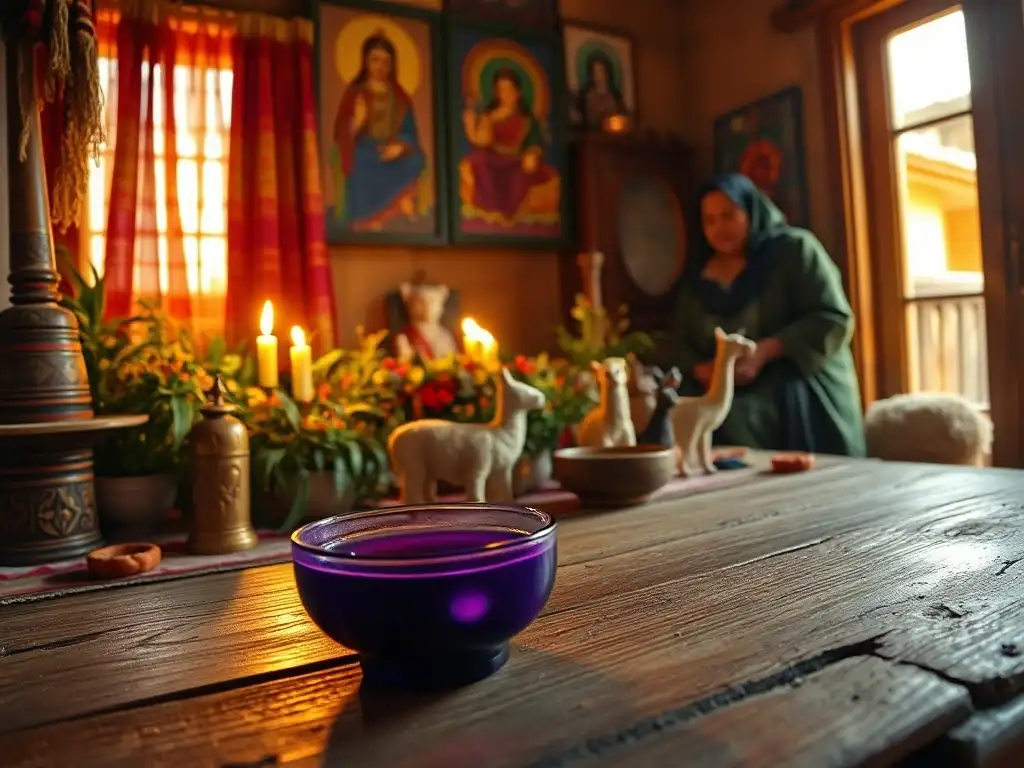
Step into a world lost to time, yet echoing with vibrant life. Imagine the intricate tapestry of Andean culture, where towering mountains met ingenious artistry and profound spiritual beliefs. This journey into the heart of ancient civilizations begins with an exploration of Andean household shrine rituals, revealing the profound significance of these sacred spaces in daily life and the continuity of family across generations. Uncover the secrets held within these intimate shrines – secrets waiting to be revealed. Prepare to be amazed.
- The Importance of the Household Shrine: Honoring Family Spirits in Andean Cultures
- The Significance of the Household Shrine in Andean Societies
- Andean Household Shrine Rituals and Practices
- Connecting with Ancestral Spirits Through the Household Altar
- The Evolution of the Andean Household Shrine
- The Household Shrine as a Symbol of Andean Identity
- Preserving Andean Household Shrine Traditions
- Frequently Asked Questions
- Final Reflection: Echoes of Ancestors, Whispers of the Future
- **Honor Your Ancestors Today! **
The Importance of the Household Shrine: Honoring Family Spirits in Andean Cultures
The Andean region boasts a rich tapestry of cultural traditions, deeply interwoven with a profound respect for ancestors and the spiritual world. This reverence is powerfully manifested in the household shrine, a central element of family life across various Andean civilizations, including the Inca, Moche, Nazca, and Tiahuanaco cultures.
This article delves into the significance of these domestic shrines and the rituals associated with them, exploring their role in maintaining family cohesion, ensuring prosperity, and connecting the living with the spirit world. Understanding these practices offers a crucial lens through which to view Andean social structures, kinship systems, and the enduring power of ancestral veneration.
We will uncover the intricate details of these rituals, examining their variations across different Andean groups and highlighting their lasting impact on contemporary Andean communities. This exploration of “Andean household shrine rituals” will reveal the profound spiritual and social importance of these seemingly simple domestic spaces.
Introduction to Andean Ancestral Veneration
Andean cultures, unlike many others, didn't view death as an end but rather a transition. Ancestors were, and continue to be, considered active participants in the lives of their descendants. This belief system fueled elaborate rituals and ceremonies designed to honor and appease the spirits of the deceased, ensuring their continued protection and guidance.
The concept of ayni – reciprocity – played a central role; offerings and prayers were seen not as mere acts of piety but as essential exchanges to maintain a harmonious relationship with the ancestral realm. This reciprocal relationship extended beyond the grave, influencing daily life, agricultural practices, and social interactions. The household shrine became the focal point for these interactions, a physical manifestation of this ongoing dialogue between the living and the dead.
The shrines themselves varied in form and complexity depending on the specific cultural group and the family's resources, but their core function remained consistent: to provide a space for communication and offering to the ancestors. This enduring practice showcases the deep-rooted spiritual beliefs that shaped Andean societies and continue to resonate today. The intricate details of these offerings, the specific rituals performed, and the significance of the objects placed within the shrine, all contribute to a complex and fascinating picture of Andean spiritual life.
The Physical Manifestation of the Household Shrine: Structure and Objects
The Andean household shrine was not a standardized structure; rather, it adapted to the available resources and the specific beliefs of each community. It could be as simple as a designated shelf or corner in the home, adorned with carefully chosen objects, or a more elaborate structure, possibly built into a wall or a separate room. Common elements included:
- Small figurines: Representing ancestors, deities, or protective spirits. These were often crafted from clay, wood, or stone.
- Offerings of food and drink: These offerings, often including chicha (a fermented corn beverage) and coca leaves, were intended to nourish and appease the ancestral spirits.
- Textiles and clothing: Pieces of clothing, often belonging to deceased family members, were frequently included as a way to maintain a physical connection with the departed.
- Inca-era artifacts (where applicable): In regions with a strong Inca heritage, smaller, portable artifacts or replicas of important Inca objects might be included. These could represent a specific deity or ancestor of significance to the family.
- Natural elements: Items like feathers, stones, and plants, often imbued with spiritual significance, were also frequently incorporated.
The placement of the shrine within the home was also significant, often situated in a prominent location, reflecting its importance within the family structure. The careful arrangement of these objects reflects a deep understanding of the spiritual world and the intricate relationship between the living and the dead. The shrines were not static displays; they were actively engaged with through daily rituals and offerings.
Rituals and Practices Associated with Household Shrines
The rituals associated with Andean household shrines were varied but generally involved offerings, prayers, and periodic cleansing ceremonies. These actions served to maintain a harmonious relationship with the ancestral spirits and ensure their continued benevolence. Family members, especially the head of the household, played a crucial role in performing these rituals. The frequency of these rituals varied, from daily offerings of coca leaves and food to more elaborate ceremonies performed on special occasions, such as birthdays, harvests, or important life events.
These ceremonies often involved burning incense, chanting prayers, and sharing stories about the ancestors. The specific rituals and offerings varied significantly depending on the region, family traditions, and the particular ancestor being honored. For example, some families might focus on specific ancestors known for their skills in agriculture or healing, offering items associated with those skills as a gesture of respect and gratitude.
The rituals were not merely rote actions but rather opportunities to connect with the family's history and to reaffirm their ties to the spiritual world. The act of offering itself was a powerful demonstration of ayni, reinforcing the reciprocal relationship between the living and the dead.
The Continuing Relevance of Andean Household Shrines
Even today, many Andean communities continue to maintain household shrines, demonstrating the enduring power of ancestral veneration. Although the forms and practices may have evolved over time, the underlying principles of respect, reciprocity, and connection with the spiritual world remain central. The shrines serve as tangible reminders of family history and cultural identity, representing a vital link between the past, present, and future.
The continued practice of these rituals highlights the resilience of Andean traditions and their ability to adapt to changing circumstances while preserving their core values. The study of these contemporary practices offers valuable insights into the ongoing significance of these traditions and their enduring impact on Andean societies. The household shrine is not just a relic of the past; it is a living tradition that continues to shape the lives of Andean communities.
The Significance of the Household Shrine in Andean Societies
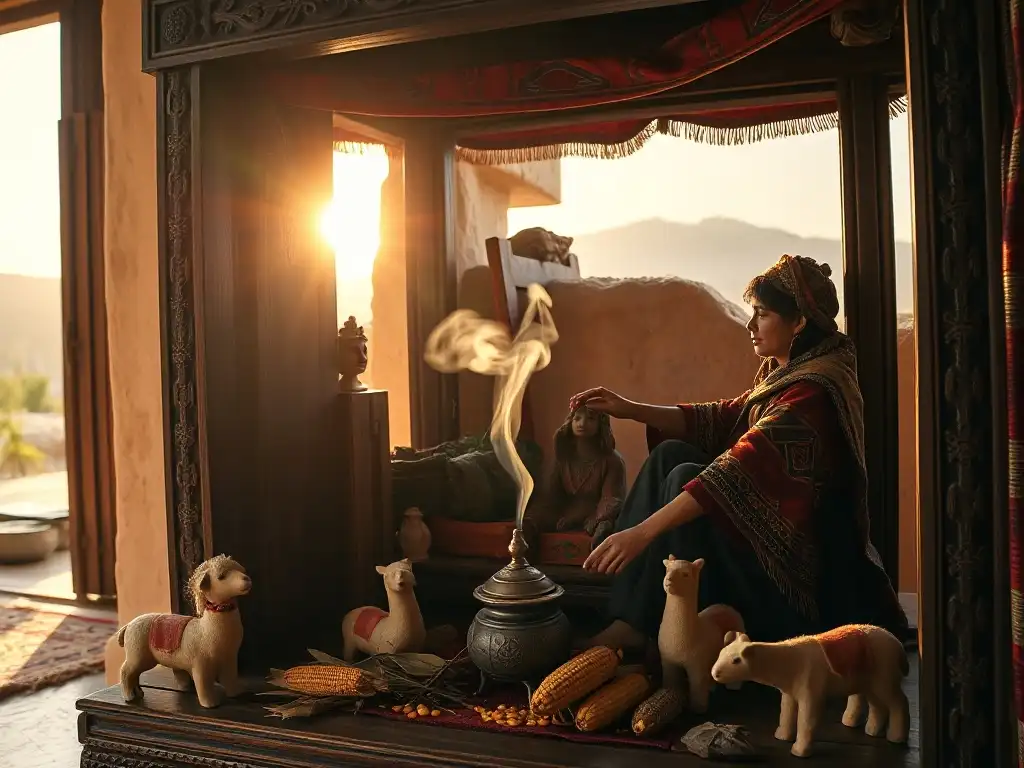
The Andean household shrine, a focal point of family life and spiritual practice, held profound significance across various Andean cultures. Its importance transcended mere religious observance; it was deeply intertwined with the fabric of daily existence, impacting family dynamics, social structures, and even economic activities. Understanding the role of the ahuayhuasi (Quechua for "house of the spirits") provides crucial insight into the complex worldview and social organization of Andean societies.
These rituals, often overlooked in broader discussions of Andean religion, offer a nuanced perspective on family relationships and community bonds. The meticulous attention given to the shrine and its associated rituals underscores the centrality of ancestor veneration and the enduring connection between the living and the departed in Andean cosmology.
The persistent presence of these shrines, even in contemporary Andean communities, demonstrates the enduring power of these traditions and their continued relevance in shaping cultural identity. Studying "Andean household shrine rituals" allows us to appreciate the intricate tapestry of beliefs and practices that defined these vibrant societies.
The Central Role of the Shrine in Family Life
The Andean household shrine wasn't simply a place for ritualistic offerings; it served as a dynamic center of family life. Daily routines often revolved around its presence. Families would begin and end their days with prayers and offerings, seeking blessings and protection from their ancestors and guardian spirits.
Important life events – births, marriages, and deaths – were marked by elaborate rituals performed at the shrine, solidifying the family's connection to the spiritual realm and ensuring the continuity of lineage. The shrine acted as a repository of family history, with heirlooms, photographs, and other objects representing past generations carefully preserved and displayed. This constant engagement with the shrine fostered a strong sense of family identity and continuity, transmitting cultural values and beliefs across generations.
Even mundane activities, like preparing food or weaving, might be accompanied by silent prayers or offerings made to the shrine, highlighting the pervasive influence of the spiritual world on daily life. This intimate relationship between the family and the shrine underscores the importance of ancestor veneration in Andean cultures and its profound impact on the social fabric of the community.
Defining the Andean Household Shrine: Structure and Components
While the specific form of the Andean household shrine varied across different cultures and regions, several common features can be identified. Many were simple, consisting of a small alcove or shelf in the home, often located in a prominent position, like a corner or near the hearth. Others were more elaborate, incorporating intricately carved wooden structures or niches. Regardless of size or complexity, the shrine typically contained a variety of elements reflecting the family's spiritual beliefs and history. These might include:
- Figurines: Representing ancestors, deities, or protective spirits.
- Offerings: Food, drink, coca leaves, and other items intended to appease or honor the spirits.
- Textiles: Woven cloths, often brightly colored and intricately patterned, serving both decorative and symbolic purposes.
- Photographs: Of deceased family members, preserving their memory and maintaining a connection with the past.
- Personal Items: Belongings of deceased family members, further strengthening the link between the living and the departed.
The arrangement of these elements varied according to family tradition and specific beliefs, but their presence always signified the shrine's central role in connecting the family to the spiritual world. The careful selection and placement of these items reflect the deeply personal and symbolic nature of the shrine, demonstrating the rich tapestry of beliefs and practices that shaped Andean family life.
Materials Used in Constructing Family Altars
The materials used in constructing Andean household shrines reflected both the available resources and the symbolic significance attached to particular substances. Common materials included:
- Wood: Often sourced from locally available trees, chosen not only for their durability but also for their perceived spiritual properties. Certain woods were believed to possess protective or auspicious qualities.
- Stone: Used in some regions, particularly for more permanent or elaborate shrines. Stone was often associated with strength, permanence, and connection to the earth.
- Clay: Used for creating figurines and other decorative elements. Clay, as a naturally occurring material, was often seen as possessing a direct connection to the earth and its life-giving forces.
- Textiles: Woven fabrics were integral to the construction and decoration of many shrines, often used to adorn the structure or create niches for offerings. The colors and patterns of these textiles held symbolic meanings, varying according to regional traditions and family practices.
The careful selection and preparation of these materials underscore the reverence and respect given to the construction of the family altar, reflecting the deep spiritual significance attached to the shrine and its role in maintaining the family's connection to the ancestral world. The choice of materials was not arbitrary; it was a deliberate act, imbued with spiritual significance and reflecting the family's unique beliefs and traditions. Further research is needed to fully understand the regional variations in material choices and their respective symbolic meanings. [Specific information pending: detailed regional variations in material usage and symbolism].
Andean Household Shrine Rituals and Practices
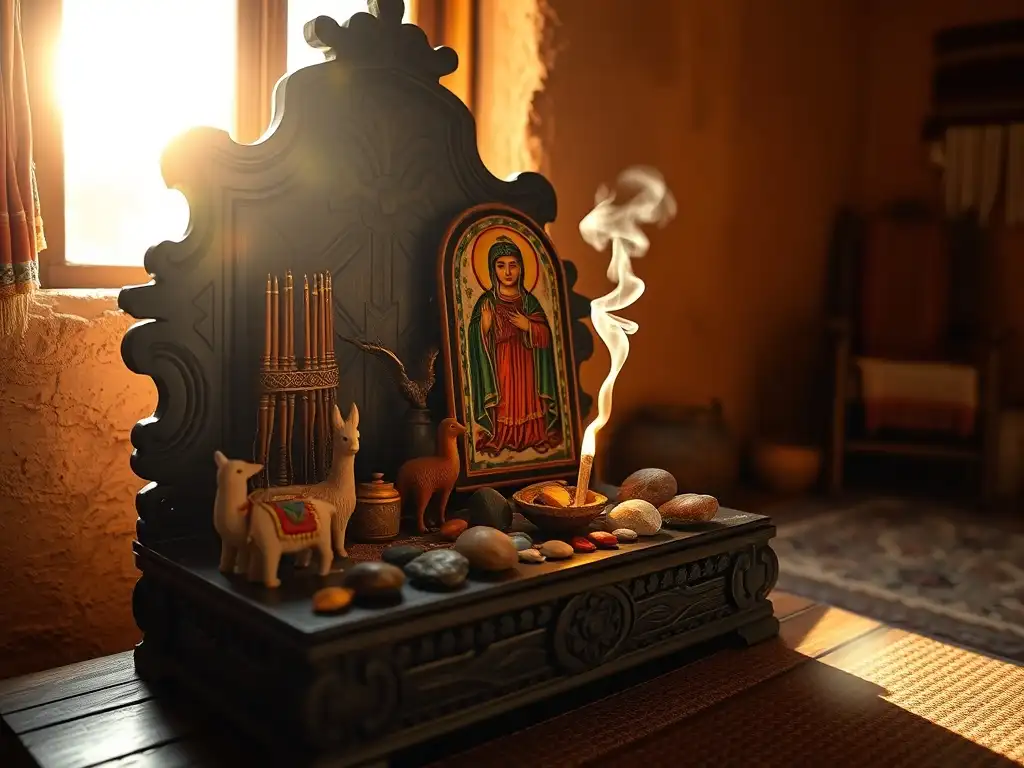
The Andean household shrine, a central feature in the domestic sphere of many pre-Columbian Andean societies, served as a focal point for complex rituals designed to honor ancestral spirits and ensure the well-being of the family. These rituals were not merely symbolic acts; they were deeply ingrained in the daily lives of Andean communities, shaping social interactions and reinforcing kinship ties. Understanding these practices offers crucial insight into the intricate web of beliefs and social structures that defined Andean family life.
The significance of these rituals extended beyond the individual family; they contributed to the broader cosmological understanding of the Andean world, connecting the domestic realm with the supernatural. The term "Andean household shrine rituals" encompasses a wide range of practices, each with its own unique significance and purpose.
Specific Rituals Performed at the Family Shrine
Specific rituals varied across different Andean cultures and even within individual families, reflecting diverse beliefs and traditions. However, certain common threads emerge. Daily offerings, often consisting of coca leaves, chicha (fermented corn beer), and food, were a common practice, demonstrating continuous respect for the ancestors and soliciting their continued protection. More elaborate ceremonies were performed on specific occasions, such as birthdays, marriages, or significant agricultural events like planting and harvesting. These ceremonies often involved the preparation of special foods, the burning of incense, and the recitation of prayers or chants.
For example, the Inca performed capacocha, a ritual sacrifice involving children and llamas, though this was usually reserved for state-level ceremonies and not exclusively limited to the household shrine. However, smaller-scale sacrifices, such as the offering of small animals or precious objects, were more likely to occur within the family shrine context. The Moche culture, known for their elaborate funerary practices, likely incorporated similar offerings in their household shrines, though the specific details remain somewhat elusive due to the limited surviving evidence.
Further research is needed to clarify the specific rituals practiced within the household shrines of different Andean groups, particularly regarding the frequency and intensity of these ceremonies. The available archaeological evidence suggests a strong correlation between the size and complexity of the shrine and the social standing of the family.
Offerings and Sacrifices in Andean Shrine Ceremonies
Offerings made at the Andean household shrine were carefully selected, reflecting the importance placed on reciprocity between the living and the dead. The offerings weren't simply discarded; they were seen as a form of communication and sustenance for the ancestral spirits. Coca leaves, a sacred plant in Andean culture, were frequently offered, representing a connection to the spiritual realm and a request for blessings.
Chicha, a fermented beverage, was also commonly offered, symbolizing both nourishment and the life-giving power of nature. Food offerings, often consisting of the family's staple crops, reinforced the connection between the agricultural cycle and the well-being of the family.
Beyond these common offerings, more elaborate sacrifices were sometimes made, especially during important ceremonies. These could include small animals, such as guinea pigs or llamas, or precious objects like pottery, textiles, or jewelry. The selection of the offering was crucial, reflecting the specific needs and desires of the family and their understanding of the ancestral spirits' preferences.
The act of offering itself was a symbolic act of exchange, reinforcing the reciprocal relationship between the living and the dead. The careful preparation and presentation of offerings underscore the deep reverence and respect held for the ancestral spirits. Detailed archaeological studies of shrine contents provide valuable insights into the types and quantities of offerings made across different periods and regions.
The Role of Family Members in Shrine Rituals
All family members played a role in maintaining the household shrine and performing the associated rituals. The head of the household, usually the eldest male, often led the ceremonies, but the participation of other members, including women and children, was essential. Women likely played a significant role in preparing offerings and maintaining the shrine's cleanliness, while children might assist in carrying out smaller tasks.
This collective participation reinforced family unity and strengthened the bond between the living and the departed. The division of labor within the family reflected the overall social structure and gender roles of the specific Andean culture.
The rituals themselves served as an important means of transmitting cultural knowledge and values across generations. Children learned about their ancestors, their history, and their place within the family lineage through their participation in shrine rituals. These rituals were not just religious practices; they were also crucial for socialization and the transmission of cultural heritage.
The importance of family participation underscores the communal nature of Andean religious beliefs and practices, highlighting the interconnectedness of the domestic and spiritual realms. Further research is needed to fully understand the nuanced roles played by different family members in these rituals, particularly concerning the involvement of women and children. Ethnohistorical accounts and archaeological analysis of household layouts offer valuable clues in this pursuit.
Seasonal and Life Cycle Events Marked at the Shrine
Andean household shrines weren't simply static displays; they served as dynamic focal points for marking the passage of time and significant life events within the family. The cyclical nature of Andean agriculture deeply influenced these rituals, with many ceremonies tied to the agricultural calendar. For example, the planting and harvesting seasons were often accompanied by offerings and prayers at the family shrine, ensuring a bountiful yield and appeasing the spirits associated with fertility and abundance.
These offerings might include coca leaves, chicha (a fermented corn beverage), food, or other items deemed valuable to the family. The specific offerings varied depending on the region and the particularities of the family's traditions. We see evidence of this in archaeological findings, such as remnants of food and drink discovered alongside shrine artifacts.
Beyond agricultural cycles, the household shrine played a crucial role in marking key life cycle events. Births, coming-of-age ceremonies (initiations), marriages, and deaths were all significant occasions marked with rituals performed at the shrine. The birth of a child, for instance, might involve presenting the newborn to the ancestral spirits, seeking their blessing and protection.
Similarly, marriages often included rituals at the shrine to unite the families and ensure the couple’s prosperity. Death, a particularly poignant moment, was often marked by extended ceremonies at the shrine, involving offerings and prayers to guide the deceased's spirit to the afterlife and to maintain a connection with the departed family member. The shrine, therefore, served as a bridge between the living and the dead, reinforcing the family's connection across generations.
Ethnographic studies of contemporary Andean communities reveal continued adherence to these practices, demonstrating the enduring importance of these rituals. The specific rituals varied significantly between different Andean groups, reflecting the diverse cultural landscapes of the region. However, the central role of the household shrine in marking life cycle events remains a consistent theme across many Andean cultures.
Connecting with Ancestral Spirits Through the Household Altar
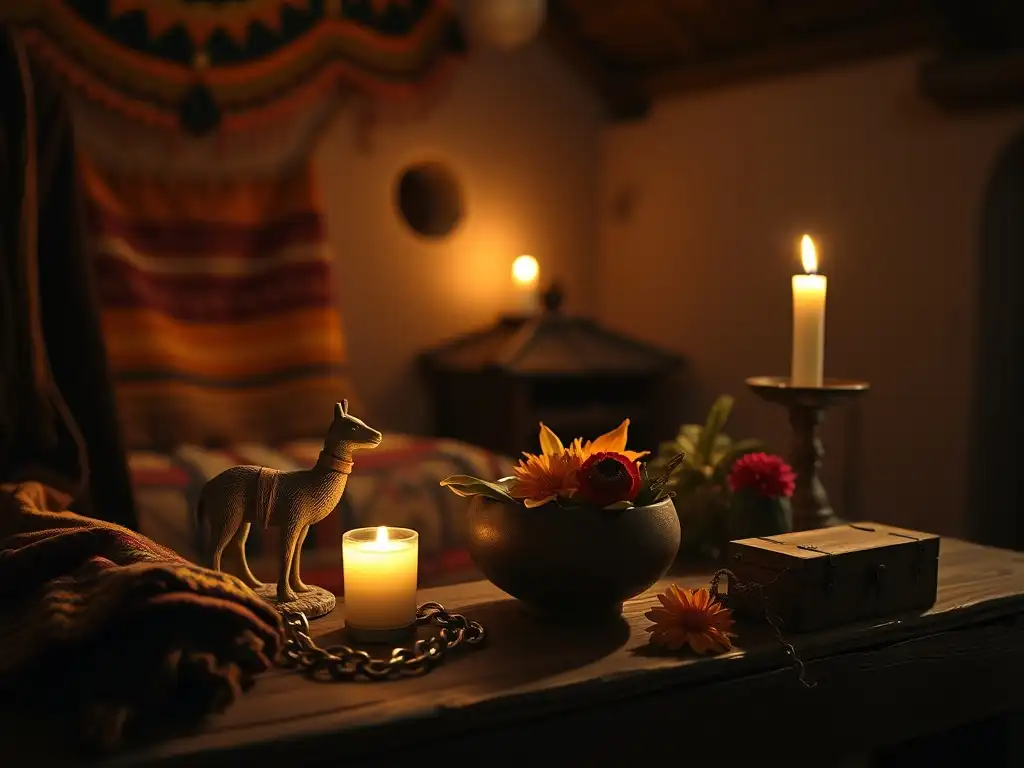
The Andean household shrine, or waqa, wasn't merely a decorative element; it served as a vital link between the living and the deceased, a tangible representation of the enduring power of family lineage. These carefully constructed and maintained spaces fostered a continuous dialogue with ancestral spirits, believed to profoundly influence the fortunes and well-being of the family. Understanding the significance of the waqa requires appreciating the Andean worldview, where the boundaries between the living and the spirit world were far more permeable than in many other cultures.
The rituals performed at these shrines were integral to the social fabric, solidifying family bonds and reinforcing community ties. The waqa acted as a powerful symbol of continuity, reminding family members of their place within a larger, interconnected ancestral network.
The practice wasn't solely confined to the Inca; similar traditions existed across various Andean cultures, albeit with regional variations in design and ritualistic practices. These variations, however, underscore the universality of the belief in ancestral influence and the importance of maintaining contact with the spirit world.
Understanding the Andean Concept of Ancestral Spirits
Andean cultures didn't view death as an absolute end. Instead, they believed that deceased ancestors continued to exist in a spiritual realm, retaining a powerful influence over the lives of their descendants. These ancestral spirits, often referred to as mallquis, weren't simply distant figures; they were active participants in the lives of the living. Their blessings were sought for good harvests, successful hunts, and protection from illness and misfortune.
Conversely, their displeasure could manifest as misfortune or illness. This intimate relationship with the mallquis necessitated regular communication and appeasement through offerings and rituals performed at the household shrine. The mallquis were not seen as judgemental entities, but rather as integral members of the extended family, their continued well-being intrinsically linked to that of their living relatives.
This concept is crucial to understanding the profound significance of the waqa in Andean social structures. The waqa was not just a place of remembrance; it was a space of ongoing interaction and negotiation with these powerful ancestral beings. The constant maintenance and attention paid to the shrine reflected the continuous need to honor and maintain a positive relationship with the family's mallquis.
The Importance of Maintaining the Lineage through Shrine Practices
The rituals performed at the Andean household shrine were not simply acts of piety; they were essential practices for maintaining the continuity of the family lineage. Offerings of food, drink, coca leaves, and other precious items were routinely made to appease the ancestral spirits and ensure their continued benevolence. These offerings represented more than simple gifts; they were symbolic acts of reciprocity, acknowledging the ongoing dependence of the living on the spiritual support of their ancestors.
The meticulous upkeep of the waqa itself – cleaning, decorating, and replacing offerings – further emphasized this commitment to maintaining the connection with the mallquis. Neglecting the shrine was believed to invite misfortune and disrupt the harmonious flow of energy between the living and the dead, potentially weakening the family's social standing and prosperity. The continuity of the lineage was paramount in Andean society, and the waqa played a central role in ensuring its perpetuation.
The shrine acted as a physical and spiritual anchor, connecting successive generations and providing a sense of belonging within a larger, enduring family structure. The vibrant tapestry of Andean life was woven with threads of ancestral memory, reinforced by the daily rituals performed at the household shrine.
Communicating with the Deceased: Prayer and Meditation at Shrines
Communication with ancestral spirits wasn't a passive activity; it involved active engagement through prayer, meditation, and ritual offerings at the waqa. Family members would gather at the shrine, offering prayers and making requests for guidance, protection, and blessings. These prayers weren't simply spoken aloud; they were often accompanied by symbolic gestures and offerings, creating a multi-sensory experience that fostered a deep connection with the spiritual realm. The use of coca leaves, for example, played a significant role in these rituals, acting as a conduit for communication with the mallquis.
The chewing of coca, combined with prayer and meditation, allowed individuals to enter a state of heightened awareness, facilitating communication with the spirit world. Moreover, the waqa itself often contained specific objects or representations of the ancestors, acting as focal points for prayer and meditation. These objects could include miniature figures, textiles, or other items that held personal or familial significance.
The careful placement and arrangement of these objects within the shrine reflected the complex relationships within the family and their interactions with the ancestral spirits. The waqa was not simply a space for communication; it was a living, dynamic space where the past, present, and future were interwoven, creating a powerful sense of continuity and belonging. The rituals performed at these shrines were vital to the spiritual and social well-being of the Andean family unit, ensuring the ongoing influence and support of their cherished ancestors.
The Evolution of the Andean Household Shrine
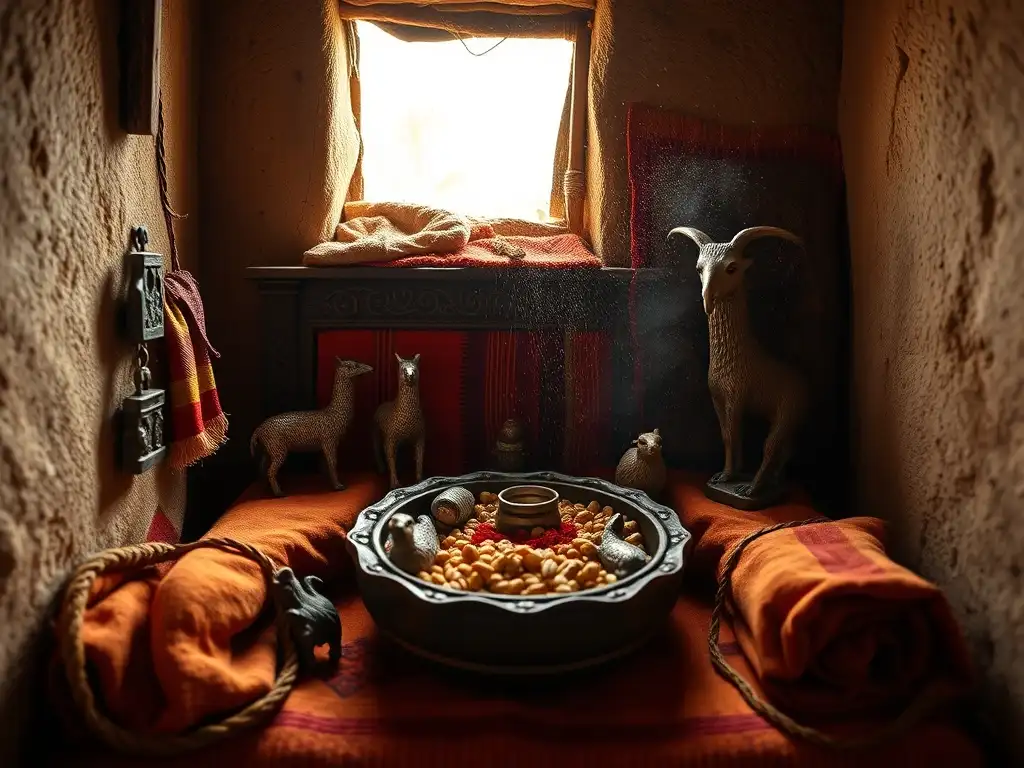
The Andean household shrine, a focal point of family life and spiritual practice for centuries, wasn't a static entity. Its form, function, and the rituals associated with it evolved significantly over time, reflecting shifts in Andean societies and their interactions with external forces. Understanding this evolution is key to appreciating the enduring significance of these domestic altars in contemporary Andean communities. The practice of venerating ancestors and household spirits, central to Andean cosmology, manifested differently across various cultures and periods, demonstrating remarkable adaptability and resilience. Analyzing these changes reveals a complex interplay between tradition and innovation, continuity and change.
Historical Changes in Shrine Practices
Shrine practices varied considerably across different Andean cultures. While a comprehensive overview is beyond the scope of this section, we can highlight some key variations. For instance, early evidence suggests that simpler forms of ancestor veneration existed well before the Inca Empire.
Smaller, less elaborate shrines might have been common in pre-Inca societies, possibly consisting of little more than a designated space where offerings were placed. The Inca, with their sophisticated state organization, likely standardized some aspects of shrine construction and ritual, though regional variations undoubtedly persisted. Evidence from archaeological digs reveals diverse materials used in the construction of these shrines: stone, clay, textiles, and wood, reflecting the available resources and artistic preferences of each community.
The types of offerings also varied across time and space. While agricultural products like maize and coca leaves were consistently important, other offerings might include textiles, pottery, or precious metals, depending on the community's wealth and cultural practices. The frequency of rituals also fluctuated, influenced by agricultural cycles, seasonal changes, and specific family events like births, marriages, and deaths. Understanding these nuanced historical variations is crucial for interpreting the meaning and significance of Andean household shrine rituals. Further research is needed to fully document the diversity of these practices across different Andean groups and time periods.
The Impact of Colonialism on Andean Household Altars
The arrival of the Spanish in the 16th century profoundly impacted Andean religious practices, including those associated with household shrines. The Spanish colonial regime actively sought to suppress indigenous religions, often violently suppressing traditional rituals and beliefs. This resulted in a complex process of syncretism, where indigenous beliefs and practices were blended with elements of Catholicism. Many Andean communities, facing persecution, strategically integrated Catholic imagery and saints into their existing shrine practices. This wasn't simply a superficial overlay; rather, it represented a complex negotiation between indigenous spirituality and the imposed religious authority.
For example, the Virgin Mary might be incorporated into existing shrine spaces, alongside traditional Andean deities or ancestor figures. This syncretic approach allowed communities to maintain aspects of their ancestral traditions while ostensibly complying with colonial religious mandates. This process of adaptation and resistance shaped the evolution of Andean household shrines, resulting in hybrid forms that reflected the ongoing tension between indigenous and colonial influences.
The impact of this syncretism is still visible in contemporary shrine practices, highlighting the enduring resilience of Andean cultural traditions in the face of historical oppression. Further research into colonial-era records and ethnographic studies could illuminate the precise dynamics of this complex cultural exchange.
Modern Interpretations and Continuities of Shrine Traditions
Despite centuries of change, Andean household shrine rituals continue to hold significant meaning in many communities. While the forms and practices have evolved, the underlying principles of ancestor veneration and maintaining harmonious relationships with the spiritual world remain central. Contemporary Andean households often integrate both traditional and modern elements into their shrine practices. This might involve incorporating photographs of deceased family members alongside traditional offerings, or combining Catholic prayers with indigenous rituals.
The practice of making offerings remains a vital aspect of maintaining the spiritual well-being of the household. These offerings, often including food, drink, coca leaves, and incense, serve as expressions of respect and gratitude to ancestors and protective spirits. The shrines themselves continue to serve as focal points for family gatherings and celebrations, reinforcing social bonds and transmitting cultural knowledge across generations.
While modernization and globalization have brought new challenges and influences, the core values and practices associated with Andean household shrines demonstrate remarkable continuity, highlighting the enduring power of tradition in shaping contemporary Andean identities and family structures. Further research into contemporary practices, including ethnographic studies and interviews with community members, is crucial for a deeper understanding of these evolving traditions.
The study of Andean household shrine rituals offers a compelling case study in the resilience and adaptability of cultural traditions in the face of historical and social change. This dynamic interplay of continuity and change underscores the vibrant and enduring nature of Andean spirituality.
The Household Shrine as a Symbol of Andean Identity
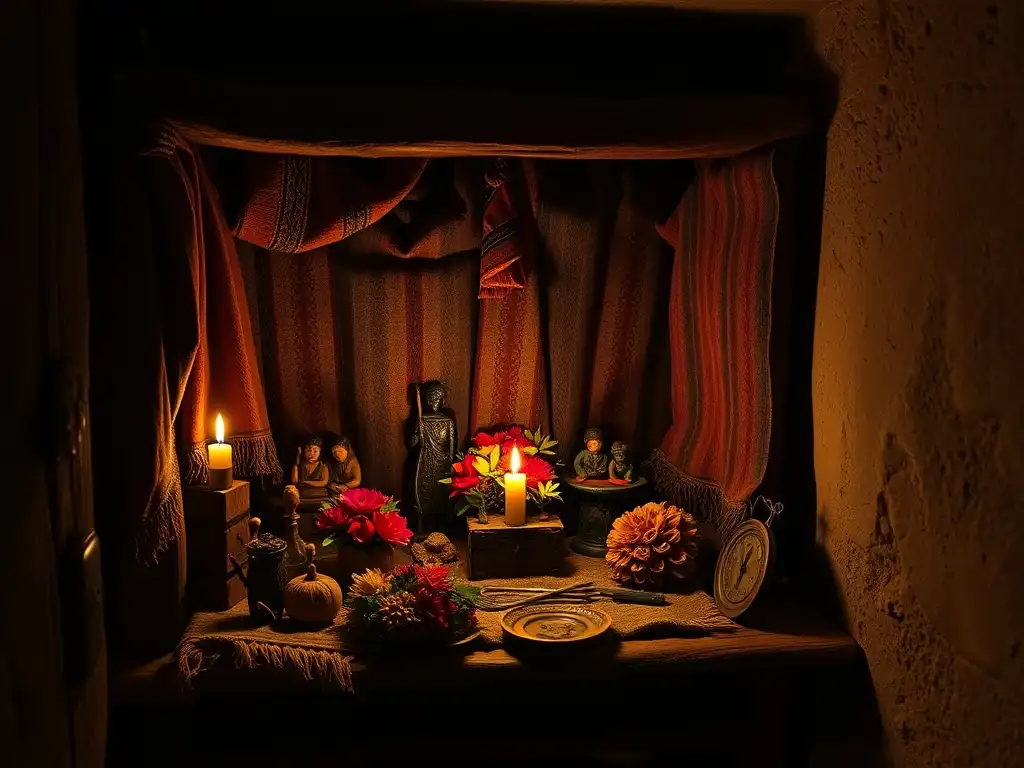
The Andean household shrine, or wak'a (though the term varies regionally), serves as far more than a simple place of worship; it's a potent symbol of Andean identity, connecting individuals to their ancestors, their community, and the broader cosmological worldview. Its presence in a home isn't merely decorative; it's a declaration of belonging, a testament to cultural continuity across generations. The intricate details of its construction, the offerings placed within, and the rituals performed before it all speak volumes about the family's history, beliefs, and connection to the land.
Understanding the wak'a requires understanding the deeply interwoven nature of Andean spirituality, social structure, and daily life. The significance of these shrines extends beyond the purely religious, deeply impacting social cohesion and cultural transmission.
How Shrines Reflect Family History and Local Traditions
The design and contents of an Andean household shrine are rarely uniform. Instead, they reflect the unique history and traditions of the specific family and community. For instance, a family tracing its lineage back to a particular ayllu (Andean community) might incorporate specific iconography or artifacts associated with that group. This could include miniature representations of local deities, ancestral figurines, or even small, symbolically significant objects from the land itself, like carefully chosen stones or pieces of wood. These objects often carry intricate histories, passed down through oral traditions and imbued with the accumulated spiritual energy of generations.
Furthermore, the offerings presented at the shrine—from coca leaves and chicha (a fermented corn beverage) to food and textiles—are also deeply rooted in local customs. The types of offerings, the frequency of rituals, and even the specific prayers recited often vary significantly between regions and even individual families, reflecting a rich tapestry of diverse traditions within the broader Andean cultural landscape. This variation underscores the shrine's role not just as a symbol of shared Andean identity, but also as a marker of distinct local practices and family legacies.
Detailed studies of Andean household shrines reveal a complex interplay between broader cultural patterns and localized variations, highlighting the dynamism of Andean traditions. [Specific examples of regional variations in shrine offerings pending]
The Shrine as a Center of Andean Cultural Preservation
The Andean household shrine plays a crucial role in the preservation of Andean cultural heritage. It serves as a living repository of traditions, beliefs, and practices that might otherwise be lost to time. The rituals performed at the shrine, passed down through generations, maintain a vital link to the past, ensuring the continuity of cultural knowledge and practices. These rituals are not merely rote repetitions; they are opportunities for storytelling, for transmitting moral values, and for reinforcing community bonds.
For example, the act of preparing offerings often involves the use of traditional techniques and materials, keeping ancient crafts alive. The prayers and songs recited before the shrine preserve ancient languages and oral traditions, ensuring their continued use and transmission to younger generations. The meticulous care taken in maintaining the shrine itself—cleaning, repairing, and adding new elements—reflects a deep respect for both the physical object and the spiritual values it represents.
This constant engagement with the shrine ensures the preservation of a complex and multifaceted cultural heritage. The shrine acts as a dynamic, living archive, constantly evolving yet maintaining its core connection to the past.
The Ongoing Relevance of Household Shrines in Contemporary Andean Life
Despite the pressures of globalization and modernization, Andean household shrines retain significant relevance in contemporary Andean life. While the forms and practices may adapt to changing circumstances, the underlying spiritual and social functions of the wak'a persist. Many families continue to maintain shrines in their homes, incorporating both traditional and contemporary elements. For example, alongside traditional offerings, one might find photographs of deceased family members or other personal items that hold symbolic importance. This blending of tradition and modernity illustrates the resilience of Andean culture and its ability to adapt to new contexts while preserving its core values.
The shrine continues to serve as a focal point for family gatherings, providing opportunities for reinforcing family ties and transmitting cultural knowledge. It remains a powerful symbol of identity, connecting individuals to their ancestors and their community. The ongoing practice of shrine rituals underscores the continued importance of Andean spirituality and its enduring influence on everyday life.
The resilience of the wak'a in the face of modernization demonstrates the deep-rooted nature of Andean traditions and their continuing relevance for contemporary Andean communities. Further research could explore the specific ways in which younger generations are engaging with these traditions and adapting them to their own lives. [Data on the prevalence of household shrines in contemporary Andean communities pending]
Preserving Andean Household Shrine Traditions
The Andean household shrine, a focal point of family life and spiritual connection for centuries, faces increasing challenges in the modern world. Understanding the significance of these shrines and the rituals associated with them is crucial to preserving this vital aspect of Andean cultural heritage. These small, carefully constructed domestic spaces represent more than just religious devotion; they are tangible embodiments of family history, continuity, and the enduring bond between the living and their ancestors. The rituals performed within these shrines, passed down through generations, are a powerful testament to the enduring strength of Andean family structures and their unique spiritual beliefs.
These practices, encompassing offerings, prayers, and symbolic gestures, reinforce social bonds and provide a sense of continuity and identity within the family unit. The careful maintenance of the shrine itself – cleaning, decorating, and ensuring the proper arrangement of offerings – reflects the respect and reverence afforded to family spirits and the ancestors. The concept of ayni, reciprocal exchange, is deeply embedded in these practices, underscoring the belief in a continuous flow of energy and support between the living and the spirit world.
The preservation of these traditions is not merely a matter of cultural preservation; it's a vital component of maintaining the social fabric and spiritual well-being of Andean communities. Detailed ethnographic studies are needed to fully document the diverse practices across different Andean regions, capturing the nuances and variations in shrine construction and ritual performance. This data will be essential in developing effective strategies for their preservation.
Challenges in Maintaining Family Shrines Today
The preservation of Andean household shrine rituals faces significant hurdles in the contemporary landscape. Rapid urbanization, migration to urban centers, and the influence of globalized culture are eroding traditional practices. Many younger generations, exposed to different belief systems and lifestyles, are less inclined to participate in these rituals, leading to a decline in knowledge transmission. Furthermore, economic pressures and the increasing cost of traditional offerings pose a significant challenge.
The availability of certain materials used in shrine construction and rituals is also becoming increasingly limited, impacting the authenticity and continuity of the practices. For example, the sourcing of specific types of coca leaves or certain types of clay for figurines may be difficult in certain regions. The lack of formal recognition and support from governmental or institutional bodies also hinders the preservation efforts.
Without adequate funding and resources dedicated to documenting, promoting, and supporting these traditions, their continued existence is threatened. Moreover, the lack of dedicated educational programs focusing on Andean spirituality and traditional practices within the formal education system perpetuates the knowledge gap amongst younger generations. This lack of institutional support contributes to the gradual erosion of these invaluable cultural practices.
Ways to Promote and Support Andean Shrine Practices
Several strategies can be implemented to promote and support the continuation of Andean household shrine practices. One crucial step is to foster greater awareness and appreciation of these traditions through educational initiatives and public outreach programs. This includes developing culturally sensitive educational materials, workshops, and community events that highlight the significance of Andean spirituality and the role of family shrines. Support for research and documentation of these practices is essential.
Ethnographic studies, oral history projects, and the creation of digital archives can help preserve knowledge and make it accessible to a wider audience. Furthermore, establishing community-based initiatives that provide resources and support to families who maintain shrines is critical. This could involve providing access to traditional materials, offering workshops on shrine construction and ritual performance, and facilitating intergenerational knowledge exchange. Governmental support and funding for these initiatives are crucial.
Recognizing the importance of these practices as a vital part of Andean cultural heritage can lead to the allocation of resources to support their preservation. Finally, integrating these traditions into tourism initiatives in a respectful and ethical manner can create economic opportunities for communities while simultaneously promoting the preservation of these practices. This approach requires careful planning and collaboration with local communities to ensure the authenticity and integrity of the traditions are maintained.
The Role of Younger Generations in Shrine Keeping
The active involvement of younger generations is paramount to the long-term survival of Andean household shrine rituals. Their participation ensures the transmission of knowledge, skills, and beliefs across generations. Engaging young people through interactive workshops, storytelling sessions, and community-based projects can foster a sense of ownership and pride in their cultural heritage. Creating opportunities for young people to learn from older generations, acting as apprentices or assisting in shrine maintenance and ritual performance, is vital.
This intergenerational dialogue not only preserves traditional knowledge but also strengthens family bonds and fosters a sense of continuity. Incorporating Andean spirituality and traditional practices into formal education curricula can significantly impact the knowledge and understanding of younger generations. This can help to counteract the erosion of traditional practices caused by globalization and urbanization. Furthermore, promoting the use of digital technologies to document and share knowledge about Andean household shrines can engage younger audiences and make these traditions more accessible.
This approach can also help to connect geographically dispersed members of the Andean diaspora, facilitating the exchange of knowledge and experiences. Ultimately, empowering younger generations to become active custodians of these traditions ensures their continued relevance and vitality in the years to come. Their participation is not just about preserving the past; it's about shaping the future of Andean cultural identity.
Frequently Asked Questions
What is a household shrine in Andean cultures?
Andean household shrines are sacred spaces within homes dedicated to honoring ancestors and spirits. They often contain offerings and personal items of significance to the family. These shrines are vital to maintaining family connections to the spiritual world.
What kind of rituals are performed at these shrines?
Rituals vary across cultures but often involve offerings of food, drink, and coca leaves. Prayers and incantations are common, as are acts of cleansing and purification to maintain harmony between the living and the spiritual realm. These rituals are performed regularly to ensure family well-being.
How important are these shrines to Andean families?
Household shrines are central to Andean family life. They represent a direct link to the spiritual world and are crucial for maintaining family unity, prosperity, and protection from harm. They are not simply decorative; they are active participants in daily life.
What are some common offerings used in Andean household shrine rituals?
Food and drink are common, often reflecting local produce and preferences. Coca leaves are especially significant for their spiritual properties. Other offerings might include incense, textiles, and small figurines. The offerings are intended to appease and honor the spirits.
How do Andean household shrine rituals differ across different cultures?
While the core concept of honoring ancestors is consistent, specific practices and the types of offerings vary greatly among different Andean cultures. The Inca, Moche, Nazca, and Tiahuanaco all had unique traditions related to their household shrine rituals, reflecting their distinct beliefs and customs.
Final Reflection: Echoes of Ancestors, Whispers of the Future
The enduring practice of maintaining Andean household shrines speaks volumes about the enduring power of family connection and spiritual reverence; it's a living testament to a culture that honors its past while shaping its future. These rituals, far from being relics of a bygone era, offer a potent model for strengthening community bonds and fostering a deeper sense of belonging in an increasingly fragmented world. The meticulous care given to these sacred spaces reflects a profound respect for the cyclical nature of life and the continuous presence of ancestors.
The vibrant tapestry of Andean culture is richly woven with threads of ancestral reverence, and the household shrine stands as a central motif in this intricate design. The act of tending to these shrines is not merely a ritual; it's a living dialogue with generations past, a way of carrying their wisdom and strength into the present. As the anthropologist, Carlos Milla Villena, once observed, The shrine is not simply a place of worship, but a living archive of family history, a tangible link to the past that shapes the present and informs the future.
This resonates deeply with my own understanding of the profound impact these traditions have on individual and collective identity.
Consider the significance of these practices in your own life. How can you cultivate a deeper connection with your own heritage and family history? Perhaps it's through creating a space of remembrance, honoring your ancestors in your own way, or simply taking time to reflect on the legacy you wish to leave behind.
Let the spirit of the Andean household shrine inspire you to build stronger bridges between generations, fostering a sense of belonging and continuity that transcends time and space. Embrace the power of remembrance, and let the echoes of your ancestors guide you towards a richer, more meaningful future.
**Honor Your Ancestors Today! **
Thank you for learning about the importance of household shrines and their role in honoring family heritage. This understanding is a significant step towards connecting with your roots and strengthening your family bonds. Now, let's put this knowledge into practice!
Here are some ways you can begin:
- Create or Revive a Family Shrine: Designate a special space to honor your ancestors. Even a simple shelf with photographs and cherished family heirlooms will suffice.
- Share Your Experience: Talk to family and friends about your new shrine, encouraging them to explore their own ancestral traditions and create their own tributes.
- Participate in Cultural Events: Look for local gatherings or celebrations that honor ancestral traditions and join in the festivities!
As you embark on this journey, consider how honoring your ancestors will deepen your connection to your family's history and legacy. Share your thoughts and experiences with us in the comments!