
The Allure of the Unknown: Unraveling the Mysteries of Andean Ritual Music

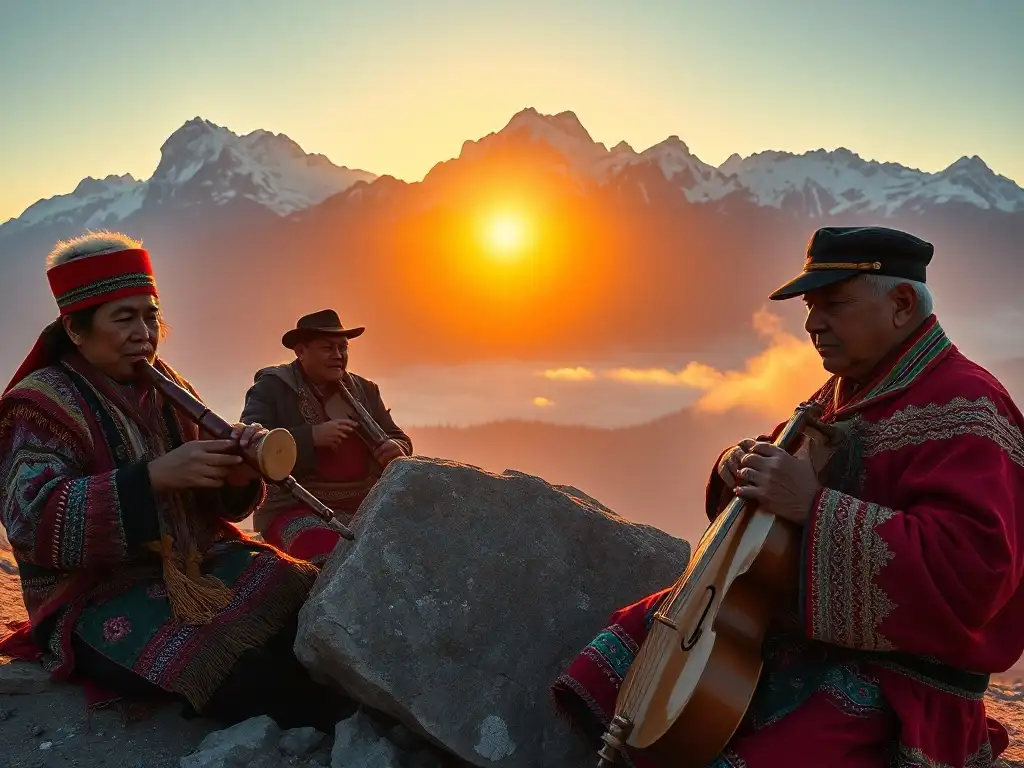
Step into a world lost to time, yet echoing with the vibrant rhythms of a forgotten past. Imagine the soaring melodies and haunting rhythms that once filled the sacred plazas of the Andes. This is where we delve into the captivating history of Andean ritual music, exploring its profound influence on the lives and beliefs of civilizations like the Incas, Moche, and Nazca. Prepare to be captivated by the secrets whispered on the wind – secrets only the echoes of ancient instruments can reveal. Uncover the mysteries and discover the mesmerizing power of Andean ritual music history within.
The Andes Mountains, a spine of towering peaks running down the western edge of South America, have witnessed the rise and fall of countless civilizations. These cultures, each with their unique expressions of art, architecture, and societal structures, left behind a rich legacy – one that resonates powerfully through their music. This article delves into the captivating world of Andean ritual music, exploring its historical context, its profound role in ancient Andean societies, and the enduring mysteries it continues to hold.
We will journey through time, examining the evolution of musical instruments, the significance of specific melodies and rhythms, and the ways in which music intertwined with religious beliefs and social practices. Understanding Andean ritual music is not merely appreciating a collection of ancient sounds; it is gaining a deeper understanding of the beliefs, fears, and aspirations of the people who created it, offering invaluable insight into the vibrant tapestry of Andean civilization and its enduring legacy.
We will focus specifically on the historical development of Andean ritual music, aiming to unravel its complexities and appreciate its lasting impact. This exploration will illuminate the significant role "Andean ritual music history" plays in understanding these fascinating ancient societies.
Introduction to Andean Ritual Music and its Historical Context
Andean ritual music, a vibrant and multifaceted tradition, wasn't merely entertainment; it was an integral part of daily life, deeply interwoven with religious beliefs, agricultural cycles, and social structures. Its history stretches back millennia, evolving alongside the various Andean cultures. From the pre-Inca civilizations like the Moche and Nazca, known for their elaborate iconography and sophisticated irrigation systems, to the Inca Empire with its vast territorial reach and intricate social hierarchy, music played a vital role in shaping their worldview and societal dynamics.
Archaeological discoveries, such as intricately carved panpipes and depictions of musical instruments in ceramics and textiles, provide tangible evidence of the importance of music in these societies. The soundscapes of the Andes, with their echoing valleys and towering peaks, likely influenced the development of musical styles, creating a unique sonic landscape that continues to inspire awe and wonder.
While precise details about specific musical practices are often lost to time, we can piece together a picture of its significance through careful analysis of surviving artifacts and ethnomusicological research. The study of Andean ritual music history requires a multidisciplinary approach, combining archaeological findings with anthropological interpretations and analyses of surviving musical traditions.
The Historical Roots of Andean Music in Ritual Practices
The relationship between music and ritual in ancient Andean societies was profound and multifaceted. Music wasn't simply an accompaniment to ceremonies; it was considered a powerful force capable of influencing the natural world and the spiritual realm. For example, certain melodies and rhythms were believed to invoke deities, ensure successful harvests, or appease ancestral spirits. The use of specific instruments, such as the pututu (a shell trumpet) or the antara (a panpipe), often held symbolic meaning, reflecting the social status of the performer or the specific nature of the ritual.
The Inca, for instance, employed highly structured musical ensembles in ceremonies honoring the sun god Inti, highlighting the close relationship between music, religion, and political power. Evidence suggests that music played a crucial role in maintaining social order and reinforcing the hierarchical structure of Inca society. Furthermore, musical performances often served as a means of transmitting knowledge, stories, and historical narratives across generations, preserving cultural memory and shaping collective identity.
The intricate interplay between music and ritual in ancient Andean societies demonstrates the profound significance of music in their lives, far surpassing its role as mere entertainment. Detailed studies of surviving musical instruments and their associated iconography continue to reveal new insights into the complexity and richness of these ancient musical practices. The study of "Andean ritual music history" therefore requires a careful examination of both the material culture and the social context in which the music was performed.
- Introduction to Andean Ritual Music and its Historical Context
- The Historical Roots of Andean Music in Ritual Practices
Exploring the Diverse World of Andean Ritual Music
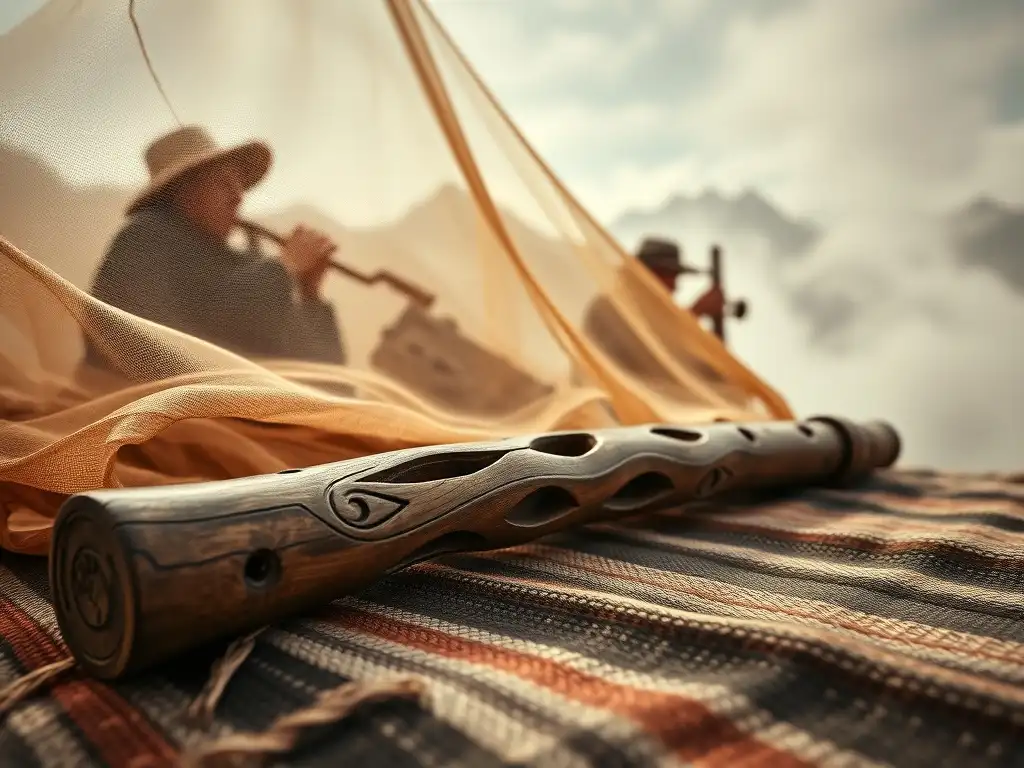
The rich tapestry of Andean civilization is interwoven with the threads of music, a powerful force shaping ritual, social life, and spiritual beliefs. Understanding Andean ritual music history requires exploring its evolution across various cultures and empires, from the pre-Inca societies to the Inca dominance and beyond. This vibrant musical legacy, passed down through generations, offers a unique window into the beliefs and practices of these fascinating civilizations.
The study of Andean ritual music provides invaluable insights into the complex relationship between music, religion, and society in the Andes. We will delve into the specific musical traditions of several significant Andean cultures, revealing the captivating power of their sonic heritage.
Pre-Incan Musical Traditions and Rituals
The pre-Inca period, spanning millennia before the Inca Empire, saw the flourishing of diverse cultures, each with unique musical traditions deeply intertwined with their religious and social practices. These traditions laid the groundwork for the later development of Inca ritual music. The complexity and sophistication of these early musical forms challenge our understanding of the capabilities and cultural depth of these ancient Andean societies. Evidence suggests a highly developed musical system, though much remains to be deciphered.
Music in Moche Ceremonies and Beliefs
The Moche civilization (100-800 CE), renowned for its intricate pottery depicting vibrant scenes of daily life and ritual, also offers glimpses into their musical practices. While written musical notation is absent, the archaeological record reveals instruments like panpipes and possibly drums, depicted in ceremonial contexts. These depictions suggest the importance of music in Moche religious ceremonies, possibly accompanying offerings to their deities or marking significant life events.
Further research into Moche iconography and the analysis of unearthed artifacts could shed more light on their musical instruments and their role in society. The study of Moche music offers a unique perspective on the development of Andean ritual music traditions.
Nazca Lines and the Role of Music in their Culture
The enigmatic Nazca Lines, vast geoglyphs etched into the desert landscape, continue to fascinate researchers. While their exact purpose remains debated, some theories suggest a connection to astronomical observations and religious rituals. The possibility that music played a role in these ceremonies is intriguing, although direct evidence is scarce.
It's plausible that music accompanied processions or ceremonies related to the creation of the lines, acting as a conduit to the supernatural world. Further investigation into the cultural context of the Nazca Lines, combined with the study of their contemporaneous musical instruments (if any are discovered), could reveal the potential role of music in their creation and significance.
The Musical Legacy of Tiahuanaco and its Ritualistic Significance
The Tiahuanaco culture (c. 1500-1100 BCE), a powerful pre-Inca civilization, left behind a substantial architectural and artistic legacy. While our understanding of their musical practices is limited, the monumental scale of their structures suggests the possibility of large-scale ceremonial music, perhaps involving ensembles of instruments and large-scale performances. The grandeur of Tiahuanaco's structures hints at a sophisticated society, likely with complex musical traditions to match.
Further archaeological investigation could uncover instruments or iconographic evidence to illuminate their musical practices and the role of music in their religious beliefs. The discovery of new artifacts could significantly enhance our understanding of Tiahuanaco's musical culture.
The Inca Empire and the Evolution of Ritual Music
The Inca Empire (1438-1533 CE) consolidated the diverse musical traditions of the Andean region, creating a unique imperial style that integrated elements from various conquered groups. This imperial music served to reinforce Inca power and ideology, emphasizing the emperor's divine status and the unity of the empire. The Inca's mastery of organization and administration also extended to their musical practices, resulting in well-structured musical performances for both religious and secular events.
Inca Musical Instruments and their Symbolic Meanings
Inca music relied on a variety of instruments, including panpipes ( antara ), drums ( tinya ), and flutes. Each instrument held symbolic meaning, often associated with specific deities or ceremonies. The antara, for example, was frequently depicted in art and its varied sizes suggest a wide range of musical possibilities.
The careful crafting of these instruments highlights their cultural and spiritual significance. Detailed analysis of surviving instruments and their iconographic representations can further elucidate their symbolic meanings within Inca society. The materials used in their construction and the level of craftsmanship provide insights into the social status of the musicians and the importance of the musical performances.
Music and Dance in Inca Religious Festivals
Inca religious festivals were elaborate affairs, often involving large-scale musical and dance performances. These events served to reinforce the Inca worldview, honoring their gods and reaffirming the emperor's power. Music played a central role in these festivals, helping to create a powerful atmosphere and unifying the participants.
The rhythmic and melodic elements of Inca music were likely designed to evoke specific emotions and connect participants to the divine realm. Further study of Inca chronicles and archaeological findings could provide more specific details about the structure and choreography of these performances and the social roles of the musicians and dancers. The intricate organization of these events testifies to the sophisticated social and religious structure of the Inca Empire.
The Impact of Inca Ritual Music on Andean Culture
The legacy of Inca ritual music profoundly impacted the musical traditions of the Andean region. Elements of Inca musical styles and instruments persisted long after the fall of the empire, blending with pre-existing traditions to shape the rich musical landscape of the Andes today. The enduring influence of Inca music is evident in various contemporary Andean musical forms, demonstrating the lasting impact of this powerful civilization.
Studying the evolution of Andean music from the pre-Inca period through the Inca Empire and beyond illuminates the enduring power of music as a cultural force. Further research into contemporary Andean music can reveal the continued relevance and adaptation of Inca musical traditions.
Analyzing the Instruments of Andean Ritual Music
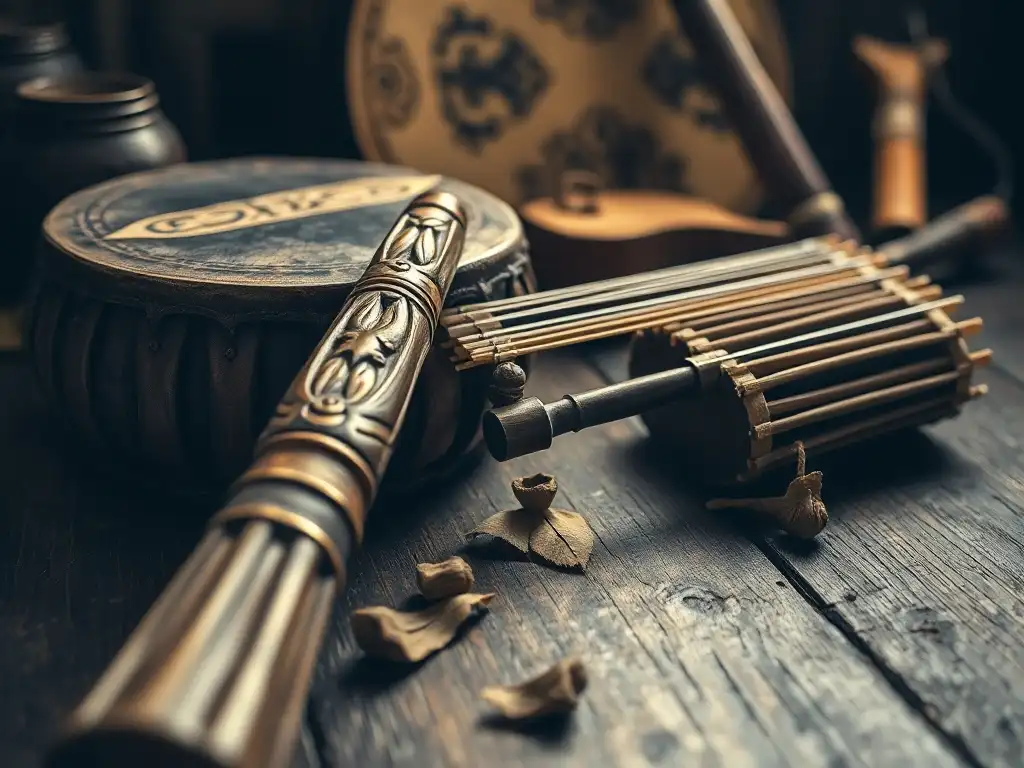
This section delves into the fascinating world of Andean ritual music instrumentation, exploring the diverse array of instruments used in ceremonies and rituals across various Andean cultures. Understanding these instruments is crucial to grasping the depth and complexity of Andean ritual music history. We will examine both wind and percussion instruments, highlighting their unique roles and significance within the context of ancient Andean spiritual practices. The specific sounds produced, the materials used, and the intricate techniques employed all contribute to the powerful and evocative nature of this musical tradition.
Wind Instruments: The Voices of the Andes
Wind instruments played a vital role in Andean ritual music, often acting as conduits between the human and spiritual realms. Their sounds were believed to possess the power to influence the natural world and appease deities. The haunting melodies produced by these instruments were integral to ceremonies, shaping the atmosphere and guiding the ritual's progression. The craftsmanship involved in creating these instruments was also a significant aspect of their ritualistic importance, often incorporating sacred materials and symbolic designs.
The Significance of the Quena in Rituals
The quena, a simple yet profoundly expressive end-blown flute, holds a prominent place in Andean ritual music history. Made traditionally from cane or wood, its plaintive tones were often associated with lamentations, prayers, and invocations to the gods. Archaeological evidence suggests its widespread use across various Andean cultures, spanning centuries.
The quena's melodic capabilities allowed for both solo performances and ensemble playing, frequently accompanying other instruments in complex ceremonial compositions. Its portability also made it suitable for a range of ritual settings, from intimate ceremonies to large-scale public events. The quena's enduring presence in contemporary Andean music serves as a testament to its enduring spiritual significance.
The Power of the Siku and its Ceremonial Use
The siku, a panpipe instrument, is another cornerstone of Andean ritual music. Composed of a set of vertically arranged pipes of varying lengths, the siku produces a unique, ethereal sound. The intricate tuning and playing techniques associated with the siku demonstrate a high level of musical sophistication.
Different siku ensembles, often involving multiple players, were used to create rich textures and complex harmonies within ritual contexts. The siku’s sound was often associated with specific deities or natural phenomena, further emphasizing its ritualistic importance. The size and number of pipes in a siku could vary greatly, reflecting the specific ceremonial purpose and the social status of the performers.
The Antara: An Ancient Flute with Ritualistic Importance
The antara, a type of panpipe closely related to the siku, also holds significant ritualistic importance. While similar in appearance to the siku, the antara often features a slightly different arrangement of pipes and a distinct tonal quality. Its use in rituals varied across different Andean cultures, but it was consistently associated with ceremonies related to fertility, harvest, and ancestor veneration.
Some scholars believe the antara was used in specific rituals to communicate with the spirits of the mountains or to invoke rainfall. The interplay between the antara and other instruments, such as the quena and percussion instruments, created a complex and evocative soundscape within the ritual setting.
Percussion Instruments: Rhythms of Andean Rituals
Percussion instruments provided the rhythmic backbone of Andean ritual music, grounding the spiritual experience in a palpable physicality. The rhythmic pulses created by these instruments often served to regulate the flow of ceremonies, marking transitions between different stages and enhancing the overall emotional impact. The materials used in their construction, often sourced from natural elements, further connected the music to the surrounding environment and the spiritual forces it sought to invoke.
The Role of the Wankara Drum in Ceremonies
The wankara, a large, cylindrical drum, was a crucial element in many Andean ceremonies. Its deep, resonant sound was often used to announce the beginning of a ritual, to signal important transitions within the ceremony, and to amplify the overall intensity of the experience. The wankara's size and weight made it a powerful symbol of authority and ritual power. Specific rhythmic patterns played on the wankara were often associated with different deities or aspects of the natural world. The physical act of playing the wankara, requiring considerable strength and stamina, further imbued the instrument with ritual significance.
The Importance of the Tinya in Ritualistic Performances
The tinya, a smaller, hourglass-shaped drum, played a supporting role alongside the wankara and other percussion instruments. Its higher-pitched sound provided a contrasting texture to the wankara's deep tones, creating a more complex and dynamic rhythmic framework. The tinya was often used to punctuate key moments within a ceremony or to accentuate specific melodic phrases played by wind instruments. Its smaller size made it more portable than the wankara, allowing for its use in a wider variety of ritual settings. The rhythmic interplay between the tinya and the wankara was a defining characteristic of many Andean ritual performances.
Other Percussion Instruments and their Ritualistic Functions
Beyond the wankara and tinya, a variety of other percussion instruments contributed to the richness and complexity of Andean ritual music. These included instruments such as the pututu (a shell trumpet), the chilli (a type of rattle), and various types of rattles made from gourds or seeds. Each instrument played a unique role within the overall sonic landscape of the ritual, contributing to the overall atmosphere and symbolic meaning.
Further research is needed to fully understand the specific functions and significance of each instrument within the diverse range of Andean cultures and their respective rituals. The specific materials, construction techniques, and symbolic associations associated with each instrument require further investigation to fully appreciate the nuances of Andean ritual music history. 🎶
The Spiritual Significance of Andean Ritual Music
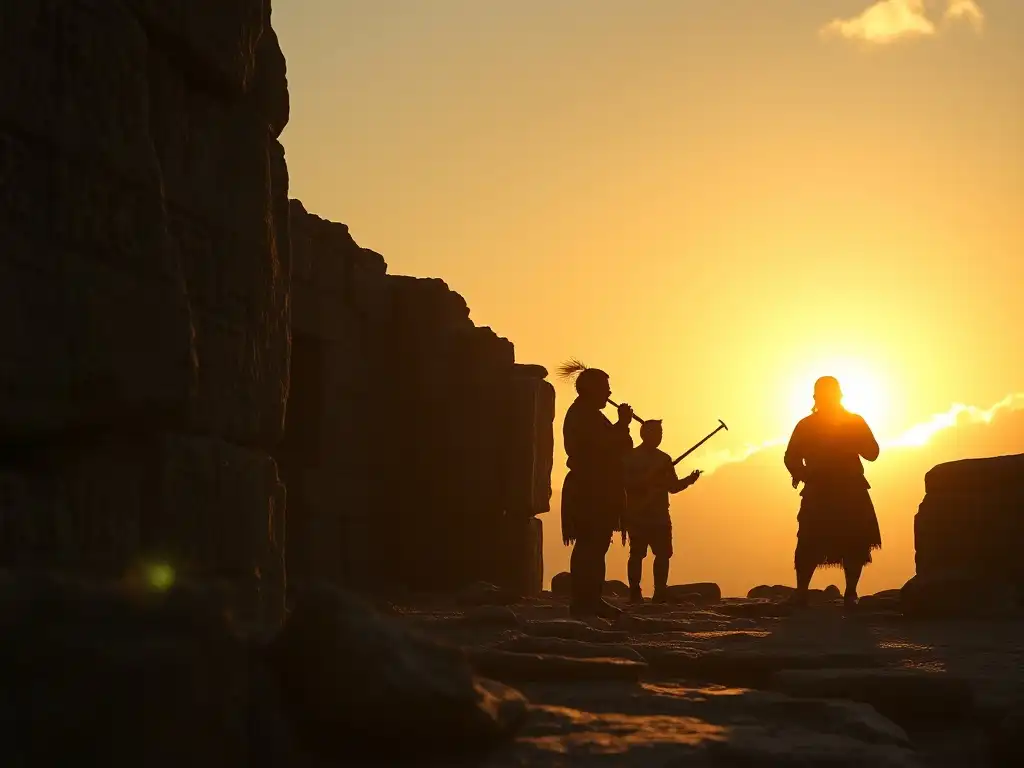
Andean ritual music history is deeply intertwined with the spiritual beliefs and practices of the Andean cultures. Music wasn't merely entertainment; it served as a vital link between the human and spiritual realms, a powerful tool for communication with deities and ancestors, and a means of maintaining cosmic balance. Understanding this profound connection is crucial to appreciating the richness and complexity of Andean musical traditions.
The soundscapes created, often involving panpipes, drums, and other instruments made from natural materials, were carefully crafted to evoke specific emotions and facilitate spiritual experiences. This section delves into the multifaceted spiritual role of Andean ritual music.
Music as a Conduit to the Divine
The Andean worldview is profoundly animistic; the natural world is imbued with spiritual energy. Mountains, rivers, and even rocks are believed to possess spirits (Apus). Ritual music acted as a conduit to these spirits, facilitating communication and offering. For example, the yaraví, a melancholic song form often associated with mourning or longing, could be used to express supplications to the Apus for rain, a good harvest, or protection.
The melodies, often modal and characterized by their use of pentatonic scales, were believed to resonate with the spiritual energies of the landscape, strengthening the connection between the performer and the divine. The rhythmic patterns, often complex and cyclical, mirrored the natural rhythms of the Andean environment, further reinforcing this link. The specific instruments used also held symbolic meaning, their sounds believed to carry specific messages to the spiritual realm.
Ritual Music and its Connection to Andean Deities
Specific musical pieces were often dedicated to particular Andean deities. The Inca sun god, Inti, for instance, was celebrated through vibrant, energetic melodies played on instruments like the pututo (a long, straight trumpet) and antara (panpipes). These performances were not mere entertainment; they were acts of worship, aimed at appeasing and honoring the deity. The choice of instruments, the tempo, and even the melodic contours were carefully chosen to reflect the attributes of the deity being honored.
Detailed records of these rituals, unfortunately, are scarce due to the destruction of many indigenous texts after the Spanish conquest. However, surviving accounts and ethnographic studies provide valuable insights into the intricate relationship between music and the Andean pantheon. Further research is needed to fully understand the specific musical associations with each deity.
The Use of Music in Shamanic Practices
Shamanistic practices played a central role in Andean societies. Shamans, or paqos, used music extensively in their rituals to enter altered states of consciousness, communicate with spirits, and heal the sick. The repetitive rhythms and hypnotic melodies of certain songs facilitated trance states, allowing the shaman to journey to other realms and interact with spiritual entities.
The use of specific instruments, such as rattles and drums, was believed to generate vibrations that could cleanse the body and spirit, driving away negative energies. The shaman's vocalizations, sometimes incorporating guttural sounds and ululations, were also integral to these practices, creating a powerful sonic landscape designed to facilitate spiritual transformation. The effectiveness of these practices was deeply rooted in the belief system of the Andean people, where music was considered a powerful force capable of shaping reality.
The Healing Power of Andean Ritual Music
Beyond its spiritual significance, Andean ritual music was also deeply intertwined with healing practices. The belief in the interconnectedness of the physical and spiritual realms meant that illness was often seen as a disruption of this balance. Music was a key element in restoring this harmony and promoting healing.
Music Therapy and its Ancient Roots in the Andes
The use of music for therapeutic purposes has ancient roots in the Andes. Music was employed not only to treat physical ailments but also to address emotional and psychological distress. Specific melodies and rhythms were believed to possess the power to alleviate pain, reduce anxiety, and promote relaxation.
The sikuris, a type of Andean panpipe ensemble, were often used in healing ceremonies, their music believed to possess a restorative power. While precise details of these ancient music therapy techniques remain elusive, anthropological studies suggest a sophisticated understanding of the therapeutic potential of music within Andean cultures. Modern researchers are now exploring the potential of Andean musical traditions for contemporary music therapy applications.
The Role of Sound in Spiritual Cleansing Rituals
Spiritual cleansing rituals were, and continue to be, an important aspect of Andean culture. Music played a vital role in these rituals, helping to purify individuals and spaces from negative energies. The sounds of certain instruments, particularly those made from natural materials, were believed to have cleansing properties. The rhythmic chanting and drumming accompanying these rituals created a powerful sonic environment, believed to drive away malevolent spirits and restore spiritual balance.
These rituals often involved the use of sacred plants and other elements, but music served as a crucial component in the process of spiritual purification. The precise nature of these rituals varied across different Andean communities, but the central role of music remained consistent. The legacy of these practices lives on in contemporary Andean communities, where music continues to be an essential part of spiritual life.
Modern Interpretations and Preservation of Andean Ritual Music
The enduring legacy of Andean ritual music is not merely a historical curiosity; it's a vibrant, evolving tradition that continues to shape contemporary Andean cultures. Understanding how these musical practices have survived and adapted is crucial to appreciating their significance in the modern world. The study of Andean ritual music history reveals a fascinating interplay between ancient practices and modern reinterpretations, a testament to the resilience and adaptability of Andean cultures. This section explores the diverse ways in which Andean ritual music is being preserved and reinterpreted in the 21st century.
The Survival of Traditional Ritual Music Practices
The survival of Andean ritual music is a complex story, woven from threads of continuity and change. While many traditional practices have been lost or altered over time due to colonization and modernization, many communities have successfully maintained aspects of their musical heritage. This preservation often occurs within the context of specific religious or social events, ensuring that the music remains deeply embedded in the fabric of daily life.
For instance, certain communities in the Peruvian Andes still perform huaynos and yaravíes during religious festivals, demonstrating a remarkable continuity with ancient traditions. These musical forms, while evolving, retain core elements of their ancestral counterparts – melodic structures, rhythmic patterns, and even the use of traditional instruments like the charango and panpipes. The longevity of these practices speaks to the importance of music in reinforcing cultural identity and transmitting knowledge across generations.
Contemporary Andean Communities and their Musical Heritage
Contemporary Andean communities play a vital role in preserving their musical heritage. Many communities actively teach their children traditional songs and instruments, ensuring the continuation of their musical traditions. This transmission of knowledge often takes place within family settings, during community gatherings, and through formal and informal apprenticeships. The active participation of younger generations is crucial for the long-term survival of these musical practices.
Furthermore, many communities are increasingly aware of the importance of documenting and archiving their musical traditions, collaborating with researchers and musicians to preserve and disseminate their unique cultural heritage. This proactive approach safeguards Andean ritual music from the threats of globalization and cultural homogenization. However, the success of these efforts varies significantly depending on factors like access to resources, political stability, and the level of community engagement.
The Challenges of Preserving Ancient Musical Traditions
Despite the efforts made to preserve Andean ritual music, significant challenges remain. The rapid pace of modernization and globalization often leads to the erosion of traditional practices. The migration of people from rural communities to urban centers can disrupt the transmission of musical knowledge, leading to a decline in the number of individuals proficient in traditional musical forms. Furthermore, the lack of resources for documentation and archiving can result in the loss of valuable musical traditions.
The challenge is further compounded by the increasing influence of popular music genres, which can threaten the viability of traditional musical forms. Preservation strategies must therefore adapt to these challenges, incorporating innovative approaches to ensure the long-term survival of this precious cultural heritage. For example, using digital archiving techniques to preserve recordings and musical scores can help mitigate the risk of loss due to physical damage or deterioration.
The Revitalization of Andean Ritual Music
Beyond mere preservation, there's a growing movement to actively revitalize Andean ritual music. This involves not only safeguarding existing practices but also fostering creativity and innovation within the tradition. This revitalization manifests in various forms, from the creation of new musical compositions inspired by ancient melodies to the integration of traditional music into contemporary art forms.
The Role of Modern Musicians in Keeping Ritual Music Alive
Modern Andean musicians play a crucial role in keeping ritual music alive and relevant. Many musicians are actively engaged in researching and reinterpreting ancient musical traditions, infusing them with contemporary sensibilities while maintaining their core essence. This often involves collaborations between established musicians and community members, creating a dynamic exchange of knowledge and musical ideas. Their performances not only entertain audiences but also serve as powerful vehicles for cultural transmission and education. These musicians often actively seek to educate audiences about the historical context and social significance of the music they perform, thereby increasing its appreciation and understanding.
The Fusion of Traditional and Contemporary Andean Music
A fascinating aspect of the revitalization of Andean ritual music is the growing fusion of traditional and contemporary styles. Modern musicians are experimenting with blending traditional Andean instruments and melodies with contemporary musical genres, resulting in innovative and captivating soundscapes.
This creative fusion not only breathes new life into ancient traditions but also opens up new avenues for cultural exchange and artistic expression. This dynamic interplay between tradition and modernity ensures that Andean ritual music remains a vibrant and evolving art form, resonating with both traditional communities and a wider global audience, further enriching the tapestry of Andean ritual music history.
Frequently Asked Questions
What role did music play in Andean civilizations?
Music played a vital role in Andean societies. It was integral to religious ceremonies, agricultural cycles, and social gatherings, reflecting their deep connection with nature and spirituality. It served to honor deities and celebrate life's milestones.
How did Andean ritual music differ across different cultures?
While sharing some common threads, Andean ritual music varied significantly between cultures like the Inca, Moche, Nazca, and Tiahuanaco. Instruments, styles, and the specific rituals they accompanied all differed, reflecting unique cultural beliefs and practices. Regional variations were also prominent.
What types of instruments were used in Andean ritual music?
Andean ritual music utilized a wide array of instruments, including panpipes (antara), drums (tinku), conch shells, and flutes. The specific instruments used often depended on the ceremony or region. Many were made from natural materials.
Are there any surviving examples of Andean ritual music?
While written musical notation is scarce, some surviving instruments and ethnomusicological studies of contemporary Andean music offer insights into the sounds and structures of ancient ritual music. Oral traditions also continue to preserve aspects of this musical legacy.
How can I learn more about the history of Andean ritual music?
Researching academic papers, books, and reputable online resources dedicated to Andean archaeology and ethnomusicology is a great starting point. Visiting museums with collections of Andean artifacts, and exploring contemporary Andean music, can also provide valuable context and understanding of this rich history.
Final Reflection: Echoes of the Andes, Whispers of the Future
The enduring power of Andean ritual music resonates deeply within contemporary society, a testament to its ability to transcend time and connect us to something profoundly human. Its intricate melodies and rhythmic complexities aren't merely historical artifacts; they are living expressions of spirituality, community, and the enduring search for meaning in a complex world. The echoes of ancient ceremonies continue to inspire and challenge us, reminding us of the rich tapestry of human experience.
The exploration of Andean ritual music has profoundly shaped my understanding of cultural preservation and the vital role music plays in shaping identity. It's a powerful reminder that music isn't just entertainment; it's a vessel for transmitting knowledge, beliefs, and traditions across generations. Music is the universal language of mankind,
said Henry Wadsworth Longfellow, and in the case of Andean ritual music, this rings truer than ever. The intricate layers of meaning embedded within these ancient soundscapes offer a window into a worldview vastly different from our own, yet undeniably connected to our shared human experience.
Consider the profound impact of these ancient melodies. Let the rhythms and harmonies of the Andes inspire you to explore your own cultural heritage, to seek out the stories whispered through the music of your ancestors. Embrace the unknown, for within its depths lie the keys to understanding ourselves and our place within the vast, interconnected web of human history. Let the allure of the unknown lead you to a deeper appreciation for the beauty and power of music, and its capacity to bridge the chasm between past and present.
Embrace the Mystique of Andean Ritual Music!
Thank you for exploring the captivating world of Andean ritual music with us! We've unveiled the profound connections between sound, culture, and spirituality, sparking your curiosity. Now, it's time to delve deeper and experience these enchanting rhythms firsthand!
- Learn to play traditional Andean instruments: Join a local workshop or online class to express yourself musically.
- Share your passion: Discuss Andean music with friends, family, or online communities; spread the word about its unique beauty.
- Deepen your understanding: Explore the rich tapestry of Andean culture through articles on our site or documentaries that delve into these mystical traditions.
What aspect of Andean ritual music resonates most with you, and how will you share this experience with others?