
Dancing with Deities: The Spiritual Significance of Andean Movement

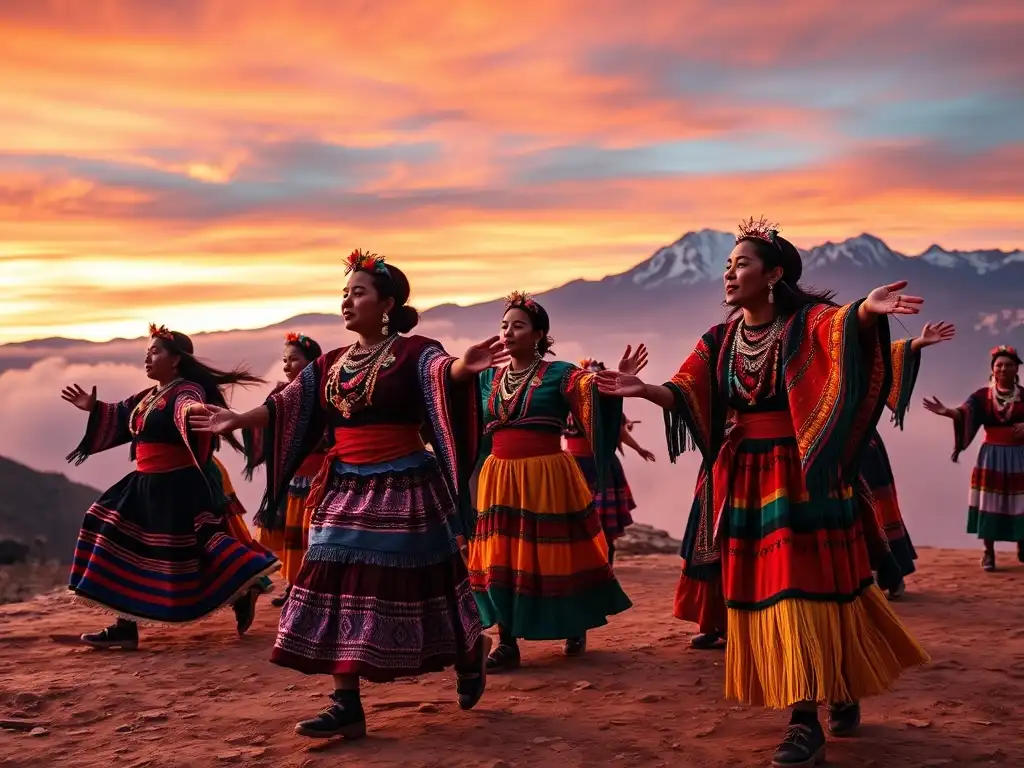
Unravel the mysteries of the Andes—a land where vibrant cultures flourished and the line between the earthly and spiritual realms blurred. Journey with us through the captivating world of Andean dance, where every graceful movement held profound significance. Discover the hidden meanings woven into the rhythms and steps, and uncover the spiritual power behind these ancient traditions. Prepare to be amazed as we delve into the Andean dance spiritual meaning, revealing a legacy that continues to resonate today. Are you ready to dance with the deities?
The Andes Mountains, a spine of towering peaks running down the western coast of South America, are not just a geographical feature; they are the very embodiment of Andean spirituality. For millennia, the diverse cultures inhabiting this breathtaking landscape – from the Incas to the pre-Inca civilizations like the Moche, Nazca, and Tiahuanaco – have interwoven their beliefs and practices with the rhythms and movements of the land itself.
This article delves into the profound spiritual significance of Andean dance, exploring how seemingly simple movements were, and continue to be, powerful expressions of connection to the deities, ancestors, and the forces of nature. We will examine the intricate relationship between dance, ritual, and the Andean worldview, uncovering the layers of meaning embedded within these captivating performances.
Understanding the spiritual core of Andean dance provides crucial insight into the heart of Andean culture and its enduring legacy. This exploration will reveal how dance was not merely entertainment, but a fundamental aspect of Andean life, deeply intertwined with their cosmology and social fabric.
The Body as a Conduit: Connecting with the Supernatural
Andean dance wasn't simply about physical dexterity; it was a deeply spiritual practice. The body served as a conduit, a channel through which the dancers could connect with the supernatural realm. Through precise movements, specific postures, and rhythmic patterns, they aimed to establish a communion with the apus (mountain spirits), the pachamama (Earth Mother), and other powerful entities.
The dancers, often in elaborate costumes representing specific deities or natural forces, became living embodiments of these spiritual energies. Their movements were not arbitrary; they were carefully choreographed sequences designed to invoke specific energies and facilitate communication with the spiritual world. Consider, for example, the intricate steps and gestures used in Inca ceremonies – each movement likely held a symbolic meaning related to agricultural cycles, celestial events, or specific deities.
[Specific examples of Inca dance movements and their interpretations pending]. The precision and intentionality of these movements underscore the sacred nature of Andean dance.
Dance as Ritual: Maintaining Cosmic Balance
Many Andean dances were integral components of elaborate rituals designed to maintain the delicate balance of the cosmos. These rituals, often performed at specific times of the year or in conjunction with significant agricultural events, aimed to ensure the fertility of the land, the well-being of the community, and the continued favor of the deities. The dances themselves were not isolated events; they formed part of a larger ritual tapestry, involving offerings, prayers, and other symbolic actions.
The movements of the dancers were seen as actively participating in the cosmic order, helping to sustain the harmony between the earthly and spiritual realms. [Details on specific rituals and their associated dances, including descriptions of the movements and their symbolic meanings, pending]. The intensity and dedication involved in these ritual dances demonstrate the centrality of dance in the Andean worldview.
Beyond its ritualistic function, Andean dance also played a crucial role in fostering social cohesion and reinforcing community identity. Shared dances served as unifying forces, bringing people together in collective expressions of cultural pride and belonging. These communal dances were not only opportunities for entertainment but also vital occasions for reaffirming social bonds and transmitting cultural knowledge across generations. [Examples of communal Andean dances and their role in community life pending].
The vibrant costumes, intricate music, and collective movements created a powerful sense of shared identity and strengthened the social fabric of Andean communities. The legacy of these dances continues to be evident in contemporary Andean communities, where they remain important expressions of cultural heritage and community spirit. The energy and joy expressed in these dances demonstrate their enduring power to connect individuals and strengthen social ties.
The Enduring Legacy: Andean Dance Today
Even today, the spiritual significance of Andean dance remains deeply rooted in the cultural consciousness of Andean communities. While many of the ancient rituals have evolved or been adapted, the essence of the spiritual connection embedded within the movements persists. Contemporary Andean dances, often incorporating elements from both ancient and modern traditions, continue to serve as powerful expressions of cultural identity, social cohesion, and spiritual connection.
The continued practice of these dances highlights the enduring relevance of these ancient traditions and their capacity to connect people to their heritage and to the spiritual forces of the Andes. [Examples of contemporary Andean dances and their relationship to ancient traditions pending].
The persistence of Andean dance serves as a testament to the enduring power of these ancient traditions and their ability to adapt and thrive across generations. The vibrant and powerful expressions of dance in the Andes today truly underscore the enduring legacy of this rich and profound tradition.
- The Body as a Conduit: Connecting with the Supernatural
- Dance as Ritual: Maintaining Cosmic Balance
- Social Cohesion and Community Identity through Dance
- The Enduring Legacy: Andean Dance Today
The Sacred Connection: Andean Dance Spiritual Meaning
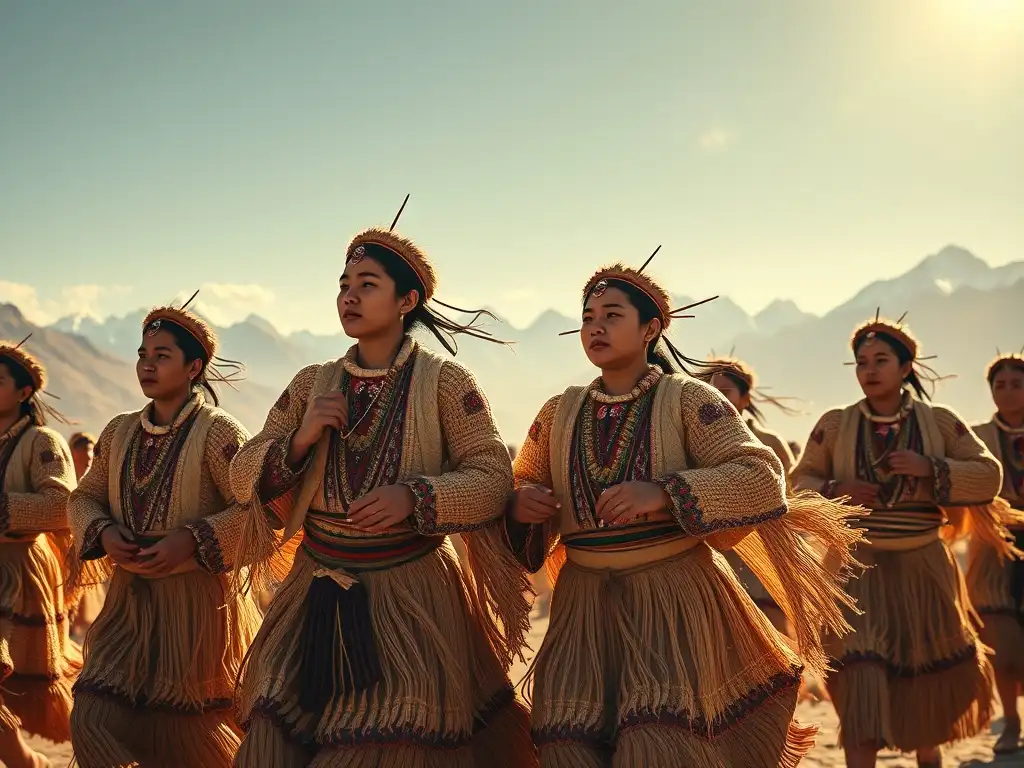
This section delves into the profound spiritual significance of Andean dance, exploring how movement served as a conduit to the divine and a reflection of the Andean worldview. Understanding this connection is key to appreciating the richness and complexity of Andean culture. We will examine how dance wasn't merely entertainment, but a vital component of religious practices, social cohesion, and the maintenance of cosmic balance. The term "Andean dance spiritual meaning" encapsulates the deep-rooted beliefs and practices that shaped these vibrant traditions.
Understanding the Cosmic Worldview in Andean Dance
Andean cosmology, a complex system of beliefs about the universe and humanity's place within it, deeply influenced their dance traditions. The Andes were seen as a living entity, a sacred landscape teeming with spirits ( Apus, mountain deities; Mallquis, ancestral spirits; etc.). Dance served as a bridge between the human and spiritual realms, a way to interact with these powerful entities.
For example, dances performed during agricultural cycles sought to ensure bountiful harvests, appealing to the Pachamama (Mother Earth) for fertility and prosperity. These dances were not arbitrary movements; each step, gesture, and posture held symbolic meaning, representing the cyclical nature of life, death, and rebirth, mirroring the rhythms of the Andean landscape itself. The intricate patterns and formations often represented celestial bodies, mirroring the cosmos in their movements, further emphasizing the connection between the earthly and heavenly realms.
The use of specific costumes, masks, and musical instruments further reinforced the sacred nature of the performance, transforming dancers into intermediaries between the human and divine worlds. The vibrant colors and intricate designs often mirrored the landscape and the deities they honored.
The Role of Movement in Andean Rituals
Movement in Andean rituals wasn't simply a decorative element; it was integral to the efficacy of the ritual itself. Through dance, participants actively participated in shaping reality, influencing the spiritual forces that governed their lives. Consider the Capac Cocha, the sacred lake of the Incas, where rituals involving elaborate dances were performed to ensure the well-being of the empire. The movements in these dances were carefully choreographed, each step and gesture carrying a specific meaning, often mimicking the actions of deities or representing natural phenomena.
This wasn't passive observation; it was active participation in the shaping of reality. The dancers were not merely performers; they were agents of change, actively engaging with the spiritual world through their movements. Furthermore, the collective nature of many Andean dances fostered social cohesion and reinforced community bonds. Participating in these rituals strengthened social ties and reaffirmed shared beliefs, contributing to the stability and resilience of Andean societies.
The rhythmic movements and shared experience created a powerful sense of unity and collective identity, further demonstrating the multifaceted role of dance in Andean life. The energy generated by the collective movement likely amplified the spiritual impact of the rituals, making them even more potent. Detailed ethnographic studies are still needed to fully understand the nuances of specific dances and their associated rituals, but the evidence strongly suggests that movement was central to the spiritual efficacy of Andean religious practices.
Deities and Dance: Honoring the Gods Through Motion
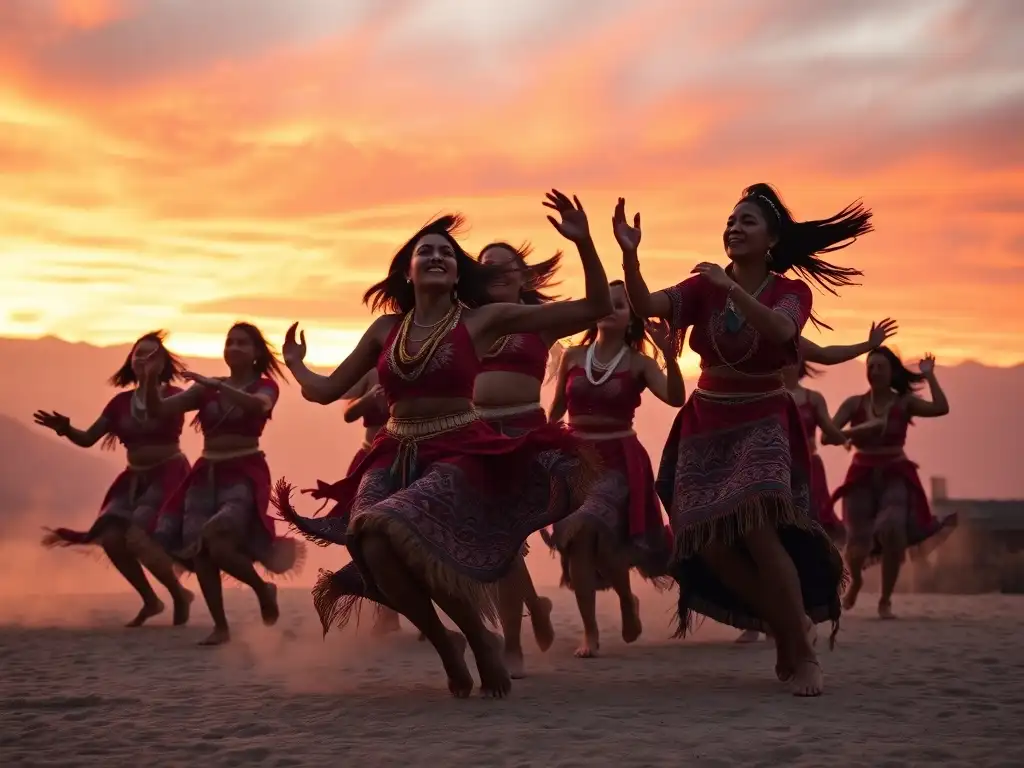
Andean dance wasn't merely entertainment; it was a profoundly spiritual act, a vibrant dialogue between the human and divine realms. The movements, rhythms, and costumes were meticulously crafted to honor specific deities and invoke their blessings. Understanding the spiritual significance of Andean dance requires appreciating the intricate relationship between movement, cosmology, and the pantheon of Andean gods.
The very act of dancing was considered a sacred offering, a way to connect with the supernatural forces that shaped their world. This wasn't passive worship; it was an active participation in the cosmic order, a dynamic exchange of energy between dancers and deities. The intensity and precision of the movements reflected the reverence and respect held for the divine.
The Andean worldview, deeply interconnected with nature and spirituality, infused every aspect of their dances, making them powerful expressions of faith and devotion. Each step, each gesture, held a specific meaning, contributing to the overall ritualistic purpose.
Specific Deities and their Associated Dance Forms
Different Andean cultures associated specific dance forms with particular deities. For instance, the Inca celebrated the Inti Raymi festival with dances honoring Inti, the sun god. These dances often involved elaborate costumes representing the sun's power and radiance, with movements mimicking the sun's journey across the sky. The vibrant colors and rhythmic patterns symbolized the sun's life-giving energy.
Similarly, dances dedicated to Pachamama, the earth goddess, often involved movements that mirrored the cycles of planting and harvesting, reflecting the deep connection between the people and the land. These dances were not merely performances; they were agricultural rituals, seeking to ensure bountiful harvests and the fertility of the earth. Detailed accounts of these specific dance forms are scarce, however, and further research is needed to fully understand the nuances of each deity's associated movement. For example, [specific information pending] regarding the dances dedicated to the moon goddess, Mama Killa, and the nuances of their movements.
The limited surviving documentation makes reconstructing the precise details of these dances challenging. However, through careful study of remaining artifacts and anthropological analysis, we can piece together a clearer picture of the rich tapestry of Andean dance and its spiritual significance. The diversity of dance forms highlights the complexity of the Andean pantheon and the depth of their spiritual beliefs.
The Symbolic Gestures in Andean Religious Dance
The gestures within Andean religious dances were far from arbitrary; they were imbued with deep symbolic meaning. For instance, specific hand movements might represent offerings to the gods, while certain footwork could symbolize the earth's fertility or the celestial bodies' movements. The use of specific instruments, such as panpipes or drums, further enhanced the symbolic nature of the dance, adding another layer of meaning to the ritual. The costumes themselves were significant, often adorned with feathers, precious metals, and intricate designs representing different aspects of the Andean worldview.
For instance, the use of specific colors carried symbolic weight, with red often representing the sun's energy and green representing the earth's fertility. These symbolic gestures weren't simply decorative; they were integral to the dance's spiritual purpose, acting as conduits for communication with the divine. Analyzing these gestures requires a multidisciplinary approach, combining anthropological studies with iconographic analysis of surviving artifacts. This interdisciplinary approach allows for a more holistic understanding of the complex symbolism embedded within Andean dance.
Unfortunately, the precise interpretation of many gestures remains a subject of ongoing research and scholarly debate. More research is needed to fully decipher the intricate language of Andean dance gestures, however, preliminary findings suggest a complex system of communication between the dancers and the divine. The challenge lies in piecing together fragmented evidence and interpreting it within the context of the Andean worldview. The decipherment of these gestures offers a powerful glimpse into the beliefs and practices of these ancient Andean civilizations.
Spiritual Practices Embedded in Andean Choreography
Andean dance wasn't merely a form of entertainment; it was a deeply spiritual practice interwoven with the fabric of daily life and religious ceremonies. Understanding the spiritual meaning behind Andean dance requires delving into the intricate relationship between movement, music, costume, and the Andean worldview. The movements themselves, often mimicking animal behaviors or agricultural processes, were believed to influence the natural world and appease the deities.
This section will explore the key elements that imbued Andean dance with profound spiritual significance, focusing on the role of chanting and music, and the symbolic power of costumes and masks. The keyword phrase "Andean dance spiritual meaning" is central to understanding this complex and fascinating aspect of Andean culture. Different Andean cultures, such as the Inca, Moche, Nazca, and Tiahuanaco, each had unique styles and interpretations, but the underlying spiritual essence remained consistent.
Chanting and Music: Enhancing the Spiritual Experience
The rhythmic chanting and musical accompaniment integral to Andean dance were not simply background noise; they were essential components of the spiritual experience. The music, often played on instruments like panpipes, drums ( tunkas), and flutes, served to create a trance-like state, facilitating communication with the spirit world. The melodies were often based on pentatonic scales, creating a mystical and evocative atmosphere. Specific rhythms and melodies were associated with particular deities or ceremonies, further emphasizing the spiritual connection.
For example, during harvest festivals, the music would be upbeat and celebratory, reflecting the abundance of the land and expressing gratitude to the gods for a bountiful crop. Conversely, during funerary rites, the music would be slower, more melancholic, and designed to guide the deceased's spirit to the afterlife. The chanting, often led by a shaman or priest, would incorporate specific prayers and invocations, reinforcing the spiritual message of the dance.
The intricate interplay between music, chanting, and movement created a powerful synergy, enhancing the spiritual efficacy of the performance and deepening the participants' connection to the divine. Careful observation of surviving musical scores and ethnographic accounts reveals the rich detail and profound spiritual layers embedded within these musical traditions.
The Use of Costumes and Masks in Sacred Performances
Costumes and masks played a pivotal role in transforming dancers into intermediaries between the human and spiritual realms. The elaborate attire, often adorned with feathers, precious metals, and vibrant textiles, was not mere ornamentation; it was a powerful symbol of transformation and connection to the divine. Specific colors and patterns held symbolic meanings, representing different deities, natural elements, or social statuses. For instance, the use of specific colors could symbolize fertility, power, or connection to the ancestors.
Masks, particularly significant in many Andean traditions, allowed dancers to embody the spirits of animals, deities, or ancestors. By donning a mask, a dancer wasn't simply acting a role; they were believed to temporarily inhabit the spirit of the being represented. This transformation allowed for direct communication with the spirit world and facilitated the performance of sacred rituals.
The craftsmanship of these masks, often meticulously carved from wood or sculpted from clay, further emphasizes their spiritual importance. The detailed features, often including symbolic markings and elaborate headdresses, reveal the depth of artistic skill and spiritual understanding invested in their creation.
The careful study of surviving artifacts and archaeological evidence continues to shed light on the intricate symbolism and spiritual significance embedded within these remarkable pieces. The attention to detail and the symbolic richness of costumes and masks are testament to the profound spiritual significance of Andean dance within its cultural context.
Andean Dance as a Form of Prayer and Devotion
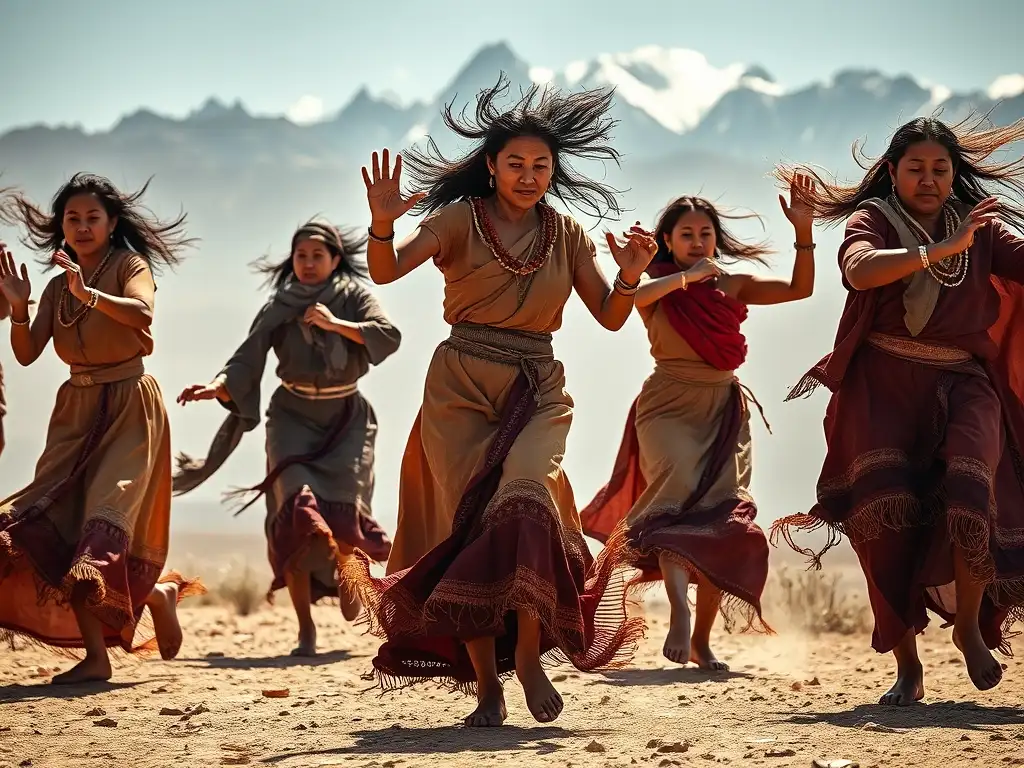
Andean dance wasn't merely entertainment; it was a deeply spiritual practice, a vibrant expression of devotion and a conduit to the unseen world. For centuries, Andean cultures have viewed dance as a sacred act, a way to communicate with deities, ancestors, and the forces of nature. This wasn't passive observation; participants actively engaged in a dialogue with the spiritual realm through carefully choreographed movements, rhythmic steps, and symbolic gestures.
The intensity and precision of these dances reflect the profound reverence held for the spiritual forces shaping their lives. Understanding the spiritual significance of Andean dance requires appreciating its role as a form of prayer and a means of actively participating in the spiritual landscape. The power of these dances lay not just in their beauty, but in their ability to connect the physical and spiritual worlds.
This connection is evident in the meticulous preparation, the sacred objects sometimes used, and the intense focus of the dancers themselves. The very act of dancing became a form of offering, a gesture of respect and supplication to the higher powers. The rhythmic pulse of the music, often accompanied by traditional instruments like the pututo or antara, further enhanced this spiritual connection, creating a trance-like state conducive to spiritual communion.
Connecting with Ancestral Spirits Through Dance
The Andean worldview emphasizes the interconnectedness of the living and the dead. Ancestors are not simply figures from the past; they are active participants in the present, offering guidance and protection. Dance played a crucial role in maintaining this connection. Specific dances were dedicated to honoring ancestral spirits, invoking their blessings, and seeking their wisdom.
These dances often involved mimicking the movements and actions of ancestors, recreating historical events, or embodying the spirits themselves. The costumes, often elaborate and symbolic, further reinforced this connection, representing ancestral attire or embodying specific deities associated with the ancestors. For example, the use of specific colors, feathers, or masks could directly relate to particular ancestral figures or their associated powers.
The intricate steps and gestures weren't arbitrary; they were carefully designed to communicate with the spirits on their terms, engaging in a silent conversation across the veil between worlds. The emotional intensity of these dances, often involving both ecstatic joy and solemn reverence, speaks to the profound emotional connection between the living and the deceased. Detailed ethnographic studies [specific information pending] could shed more light on the specific dances used for ancestral communication and their regional variations.
Seeking Blessings and Guidance through Ritual Movement
Many Andean dances served as petitions for blessings, good harvests, healing, or protection from harm. These ritual dances were often performed at specific times of the year or in response to particular events. The movements themselves were carefully choreographed to represent the desired outcome or to invoke the power of specific deities. For example, a dance seeking a bountiful harvest might mimic the growth of crops, the nurturing of the land, or the cycle of life and death.
Similarly, dances performed for healing might involve gestures that symbolized the restoration of health or the expulsion of illness. The use of specific offerings, such as coca leaves or chicha (a fermented corn beverage), further reinforced the ritual nature of the dance, acting as material representations of the petition being offered. The community's participation in these dances underscored their collective desire for blessings, transforming the dance into a shared act of faith and hope. This communal aspect is vital to understanding the spiritual power of the dance; it's not just an individual act but a collective plea to the divine.
The success of the ritual wasn't solely dependent on the skill of the dancers but on the collective faith and devotion of the entire community. The precise choreography and symbolic gestures, therefore, were not merely aesthetic but powerful tools for communicating with the spiritual world and achieving tangible results. The Andean dance, in this context, becomes a tangible manifestation of faith and a powerful tool for shaping reality.
The Evolution of Andean Dance and its Spiritual Legacy
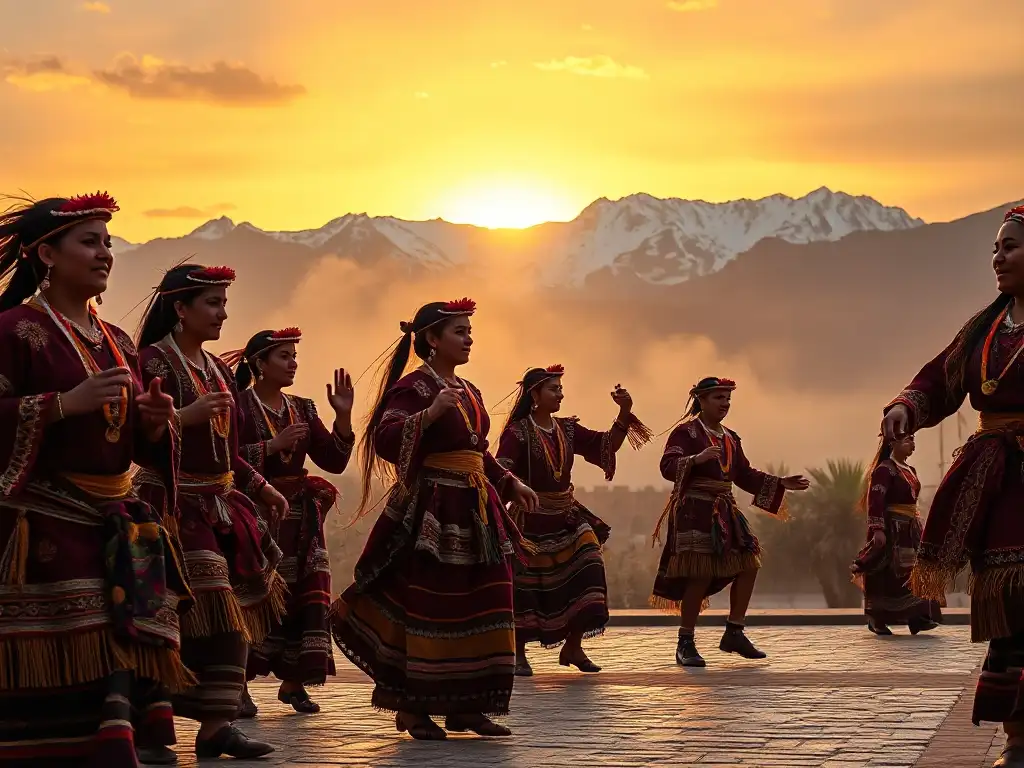
The spiritual significance of Andean dance is deeply intertwined with its evolution, spanning millennia and reflecting the shifting beliefs and practices of various Andean cultures. From the early pre-Inca societies to the Inca Empire and beyond, movement served as a powerful conduit to the divine, a means of communicating with deities and ancestors, and a fundamental aspect of social life. Understanding this evolution provides crucial context for appreciating the enduring spiritual meaning embedded within contemporary Andean dance.
Early forms of Andean dance, likely rooted in agricultural cycles and shamanistic practices, were likely less formalized than those witnessed during the Inca period. Evidence suggests that ritual dances played a vital role in ensuring successful harvests, appeasing powerful nature spirits, and maintaining cosmic balance. These early dances, often involving elaborate costumes and symbolic gestures, likely incorporated elements of mime, storytelling, and trance-like states, all aimed at facilitating interaction with the spiritual realm.
While precise details about these ancient practices remain elusive due to limited surviving documentation, archaeological findings, such as depictions on pottery and textiles, offer tantalizing glimpses into their significance. For instance, the intricate designs found on Moche pottery frequently feature individuals engaged in what appears to be ritualistic dance, suggesting the prominent role of movement in their religious beliefs.
The Inca Empire witnessed a significant refinement and standardization of Andean dance. The Inca rulers, recognizing the potent power of dance as a tool for social control and religious reinforcement, formalized many existing traditions. Dance became an integral part of state ceremonies, festivals honoring the sun god Inti, and rituals aimed at ensuring the prosperity of the empire. Specific dances were associated with particular deities or events, each carrying a unique spiritual meaning and requiring specialized training.
The huayno, for example, while evolving over time, retains traces of its Inca roots, demonstrating the enduring nature of these traditions. The Inca's highly structured society ensured the preservation and transmission of dance knowledge through hereditary lineages, maintaining a strong link between the spiritual and the social. The use of specific instruments, costumes, and movements further reinforced this link between the physical act of dancing and its spiritual implications.
Contemporary Expressions of Traditional Andean Dances
Despite the disruptions caused by the Spanish conquest and subsequent colonization, many traditional Andean dances have persisted, albeit often in adapted forms. Contemporary expressions of these dances continue to reflect their profound spiritual significance, although the degree of spiritual engagement varies across communities and individuals. In many Andean communities, traditional dances remain central to religious festivals and celebrations, maintaining their connection to ancestral practices and the spirit world. The yaraví, for instance, a melancholic song and dance, often evokes themes of longing, loss, and connection to the past, reflecting a deep engagement with the spiritual dimension of Andean life.
The continued performance of these dances serves not only as a means of cultural preservation but also as a way of connecting with the ancestral past and reaffirming community identity. For many dancers, the act of performing is a deeply spiritual experience, allowing for a connection with the divine and a reaffirmation of their cultural heritage.
This is particularly evident in the commitment and dedication shown by dancers, who often undergo rigorous training to master the complex steps, rhythms, and symbolic gestures that are integral to these dances. The costumes themselves, often intricately designed and adorned with symbolic elements, further underscore the spiritual importance of these performances.
The vibrant colours, intricate patterns, and symbolic motifs all contribute to the overall meaning and impact of the dance, highlighting its continued relevance in contemporary Andean society. The transmission of this knowledge from one generation to the next ensures that the spiritual legacy of Andean dance continues to thrive.
The Importance of Preserving the Spiritual Roots of Andean Dance
The preservation of Andean dance is not merely a matter of cultural heritage; it's a crucial endeavor for safeguarding a vital link to a rich spiritual legacy. The spiritual essence of Andean dance is intricately woven into the fabric of Andean identity and worldview, offering profound insights into the beliefs, values, and cosmology of these ancient civilizations.
As globalization and modernization continue to exert their influence, there's a growing need to actively protect and promote these traditions. The loss of these dances would represent a significant loss not only for Andean culture but for the world's understanding of diverse spiritual expressions.
Several initiatives are crucial for preserving the spiritual roots of Andean dance. These include supporting community-based dance groups, documenting and archiving dance traditions, and integrating Andean dance into educational curricula. Furthermore, fostering respectful collaborations between researchers, dancers, and community leaders is essential to ensure that the preservation efforts are culturally sensitive and empower local communities to maintain ownership and control over their traditions.
This collaborative approach ensures that the spiritual integrity of the dances is maintained, preventing the commodification or superficial representation of these deeply significant practices. The ongoing documentation and study of Andean dance practices, combined with active community involvement, are essential for ensuring the preservation of this invaluable cultural and spiritual heritage for future generations. The richness and depth of Andean dance deserve continued attention and support to ensure its continued flourishing and its vital message of spiritual connection remains vibrant.
Andean Dance: A Pathway to Spiritual Awakening
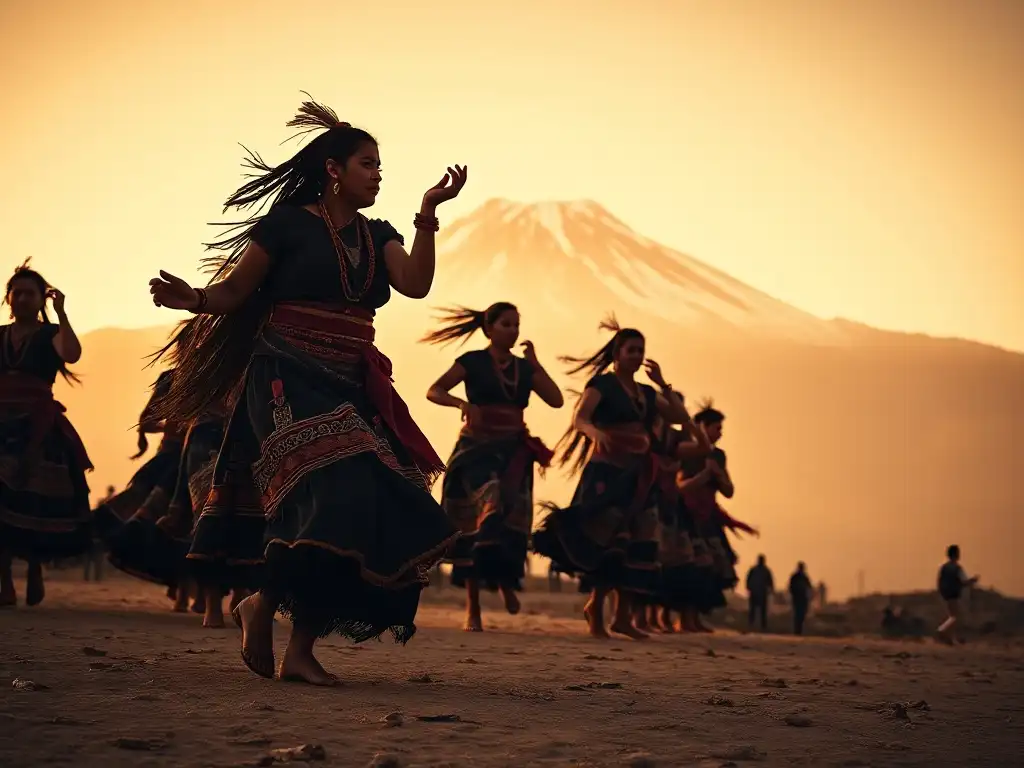
This section delves into the profound spiritual significance of Andean dance, exploring how movement served as a conduit to the divine for ancient Andean cultures. We'll examine the intricate relationship between physical expression, spiritual connection, and the cosmos within the context of Andean belief systems. The very act of dancing wasn't merely entertainment; it was a sacred ritual, a powerful form of communication with the supernatural world, and a vital aspect of maintaining cosmic harmony.
Understanding this perspective is crucial to appreciating the richness and complexity of Andean cultural heritage. The term "Andean dance spiritual meaning" encapsulates this deeply interwoven relationship.
Experiencing the Power of Movement in Andean Traditions
Andean dances weren't haphazard movements; they were meticulously choreographed performances, often imbued with symbolic gestures and narratives reflecting their cosmology. Consider the Tinkus dance of Bolivia, a vigorous, sometimes aggressive, display of strength and energy. While seemingly confrontational, the Tinkus dance is believed to represent a battle between opposing forces – good versus evil, light versus darkness – ultimately culminating in the triumph of good.
The rhythmic pounding of feet on the earth, the clash of clubs, and the intense energy of the dancers all contribute to a powerful spiritual experience, both for the performers and the observers. This carefully structured chaos mirrors the cyclical nature of Andean life and the continuous struggle between opposing forces within the cosmos. The dancers, through their physical exertion, symbolically participate in this cosmic drama, helping to maintain balance and order.
Another striking example is the Huayno, a popular Andean dance characterized by its graceful steps and expressive movements. Although often performed at social gatherings, the Huayno also holds spiritual significance. The flowing movements, often accompanied by heartfelt singing, are believed to invoke feelings of joy, gratitude, and connection to the earth and its bounty. The dancers' interactions, the subtle shifts in weight, and the expressive use of their bodies all contribute to a sense of community and shared spiritual experience.
The Huayno, therefore, exemplifies how even seemingly secular forms of Andean dance can be deeply rooted in spiritual practice. The vibrant colors of the costumes, the intricate weaving patterns, and the symbolic gestures all contribute to a rich tapestry of spiritual meaning. Further research is needed to fully explore the regional variations in spiritual interpretations of Huayno.
The Enduring Relevance of Andean Dance for Modern Spirituality
The spiritual significance of Andean dance continues to resonate today. Many modern Andean communities maintain these traditions, preserving not only the choreography but also the underlying spiritual beliefs. Furthermore, the principles of Andean dance – the connection between movement, spirituality, and community – are finding renewed interest among people seeking alternative spiritual paths. The emphasis on physical embodiment, emotional expression, and connection to nature aligns with contemporary wellness practices and spiritual explorations.
The resurgence of interest in Andean spiritual practices, including dance, can be attributed to several factors. Firstly, there's a growing global appreciation for indigenous cultures and their wisdom. Secondly, the emphasis on mindful movement and holistic well-being resonates with many seeking alternatives to traditional religious frameworks. Finally, the accessibility of information about Andean culture through various media has broadened awareness and understanding.
The revival of Andean dance is not simply a cultural preservation effort; it's a living testament to the enduring power of these ancient traditions to inspire and connect people with something larger than themselves. The continued study and practice of Andean dance offer a valuable path for exploring holistic well-being and deepening one's spiritual connection. [Specific data on the number of modern Andean dance groups and their participation in spiritual practices pending].
The Saya Dance of Afro-Bolivian Culture
The Saya dance, a vibrant and powerful expression of Afro-Bolivian culture, offers a compelling example of how Andean movement intertwined with spiritual beliefs. While not strictly an Andean dance in origin (its roots lie in the traditions brought by enslaved Africans), its presence in Bolivia and its integration into the broader Andean cultural landscape makes it crucial to understanding the region's diverse spiritual expressions through dance. The Saya's energetic rhythms, intricate footwork, and evocative movements tell a story deeply rooted in resilience, resistance, and spiritual connection.
Its enduring popularity speaks volumes about its continuing significance in Bolivian society, demonstrating the dynamic interplay of indigenous and African cultural influences. Understanding the Saya provides a richer, more nuanced perspective on the multifaceted nature of "Andean dance spiritual meaning."
Detailed Description of the Saya Dance Ritual
The Saya is performed in a circle, often accompanied by drums ( tambores), maracas ( maracas), and other percussion instruments. The rhythmic pulse is infectious, driving the dancers' movements. Men and women often dance separately, though sometimes they may join together in a unified performance. The dancers' movements are fluid and expressive, incorporating elements of both African and indigenous Andean styles.
They often involve complex footwork patterns, hip movements, and graceful arm gestures. The costumes are typically brightly colored, reflecting the celebratory nature of the dance. These vibrant colors symbolize joy, vitality, and the connection to the earth. Specific movements within the Saya can vary depending on the region and the occasion, but the overall effect is one of powerful energy and communal celebration.
The intensity and the synchronicity of the dancers' movements are mesmerizing, reflecting a deep connection between the dancers and the spiritual forces they invoke. This shared experience transcends mere entertainment; it's a ritualistic affirmation of identity and cultural heritage. Observing a Saya performance is akin to witnessing a living tapestry of history, faith, and artistic expression. The subtle shifts in tempo and the collective energy of the dancers create a palpable sense of shared spiritual experience, highlighting the profound "Andean dance spiritual meaning" often embedded within such performances.
The Spiritual and Cultural Significance of the Saya
The Saya dance is not simply a form of entertainment; it's a powerful vehicle for cultural preservation and spiritual expression. For Afro-Bolivian communities, the Saya serves as a vital link to their ancestors and a means of maintaining their cultural identity. The rhythmic drumming and chanting often incorporate elements of prayer and praise, invoking spiritual energies and ancestors.
The dance itself can be seen as a form of communication with the spiritual realm, a way of expressing gratitude, seeking guidance, or celebrating important events. The Saya's ability to unite a community in shared experience underscores its importance as a social and spiritual force. It's a testament to the resilience of Afro-Bolivian culture and its capacity to adapt and evolve while retaining its core spiritual values.
The vibrant colors of the costumes, the powerful rhythms of the music, and the expressive movements of the dancers all contribute to a deeply moving and spiritually enriching experience. The Saya, therefore, offers a compelling case study in understanding the complex and multifaceted relationship between movement, spirituality, and cultural identity within the broader context of "Andean dance spiritual meaning." Further research into specific regional variations and the oral histories associated with the Saya would undoubtedly reveal even deeper layers of its spiritual significance.
Frequently Asked Questions
What is the spiritual significance of Andean dance?
Andean dance is deeply intertwined with spiritual beliefs. Many dances are performed to honor deities, ensure a good harvest, or communicate with the spirit world. They are not merely entertainment, but sacred rituals.
How did Andean dances connect to nature?
Many dances were performed to honor the earth, sun, and other natural forces. They reflected the deep reverence Andean cultures held for the environment and its influence on their lives and agriculture. Agricultural cycles often dictated dance performances.
Which Andean cultures had significant dance traditions?
Several Andean cultures possessed rich dance traditions, including the Inca, Moche, Nazca, and Tiahuanaco. Each culture's dances reflected their unique beliefs and artistic styles, yet shared common threads of spiritual connection.
What role did music play in Andean dances?
Music was integral to Andean dances. Instruments like panpipes, drums, and flutes provided the rhythmic accompaniment, enhancing the spiritual experience and helping to tell the story of the dance. Music and dance were inseparable.
Are Andean dance traditions still practiced today?
Yes, many Andean dance traditions persist to this day. While some practices have evolved, the core spiritual significance and connection to ancestral traditions remain strong, ensuring the continuity of these rich cultural expressions.
Final Reflection: The Enduring Spirit of Andean Dance
The vibrant traditions of Andean dance remain profoundly relevant today, offering a powerful testament to the enduring connection between humanity and the sacred. These ancient movements, far from being mere historical artifacts, continue to shape communities and inspire individuals seeking deeper meaning in a rapidly changing world. Their intricate steps and evocative rhythms are not just expressions of joy, but potent channels for spiritual connection and cultural preservation.
The enduring power of Andean dance lies in its ability to transcend time and space, weaving together ancestral wisdom with contemporary experiences. It's a living testament to the resilience of indigenous cultures and their profound understanding of the interconnectedness of all things. Dance is the hidden language of the soul,
as Martha Graham so eloquently put it, and in Andean dance, this language speaks volumes about the deep spiritual relationship between people and the Andean landscape, the cosmos, and the divine. This resonates deeply with me, highlighting the importance of preserving and understanding these traditions for future generations.
Consider, for a moment, the intricate patterns of the dance, the symbolic gestures, the communal spirit that infuses each performance. These are not simply steps; they are prayers, stories, and expressions of gratitude. You too can find a deeper connection to your own spirituality and heritage by exploring the rich tapestry of Andean dance. Seek out performances, learn about the symbolism, and allow yourself to be moved by the power of these ancient traditions. Let the rhythm resonate within you, and discover the profound spiritual meaning that awaits.
Embrace the Rhythm: Connect with Andean Spirituality Today!
Thank you for exploring the rich tapestry of Andean dance and its spiritual significance! We hope you've gained a deeper understanding of how these vibrant movements embody profound cultural connections. Now, let's put that knowledge into practice and experience the beauty of this heritage firsthand.
Here are a few ways you can further connect with Andean spirituality and its expressive dance forms:
- **Immerse yourself in the culture** by taking an Andean dance class or workshop. You'll learn the steps and rhythms that tell compelling stories.
- **Share your passion** with friends and family by hosting a cultural gathering featuring Andean music and dance.
- **Deepen your understanding** by reading books or watching documentaries about Andean civilizations and their spiritual practices.
Which aspect of Andean dance resonates most with you, and how will you integrate it into your life?