
The Social Significance of Andean Art and Architecture

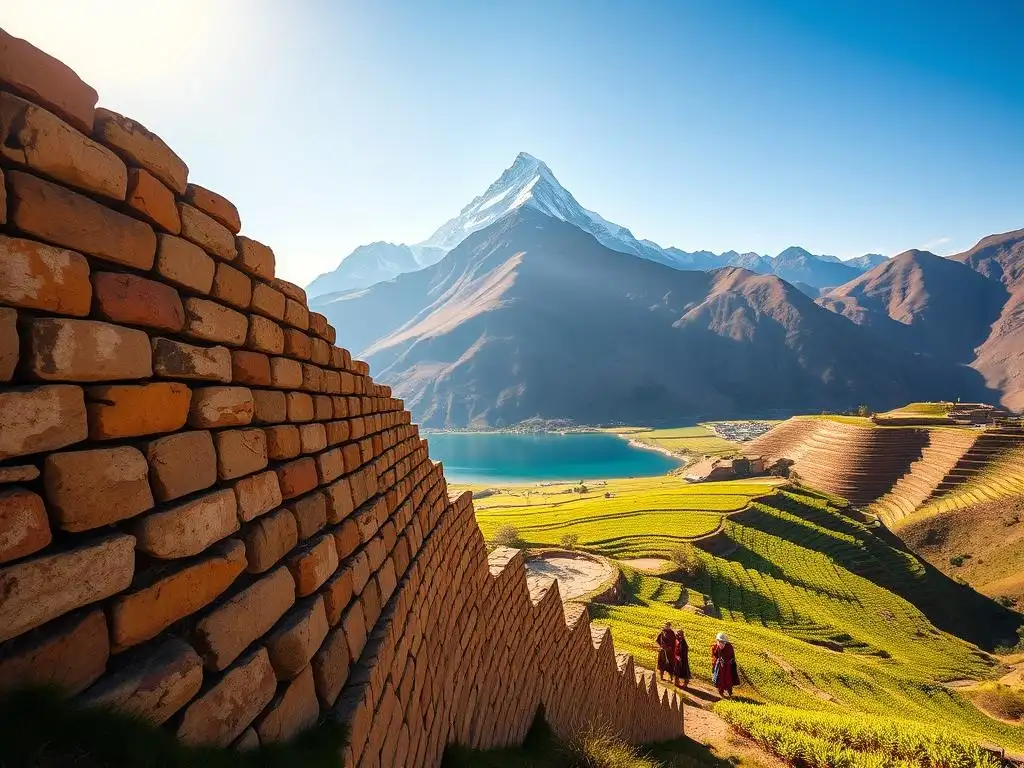
Step into a world lost to time, yet echoing with vibrant life. Imagine societies shaping towering mountain landscapes with breathtaking artistry—from the intricate textiles of the Nazca to the monumental architecture of the Incas. This is the realm of the Andean civilizations, where art wasn't merely decoration, but a powerful force shaping social structures. Discover the profound social impact of Andean art and unlock the secrets of a legacy that continues to inspire awe. Delve deeper into the intricacies of their world and uncover the stories etched in stone, woven into fabric, and painted across the desert sands.
- The Social Significance of Andean Art and Architecture: An Overview
- The Social Impact of Andean Art Forms
- Architectural Manifestations of Social Order
- Case Studies: Andean Art and Architecture in Specific Cultures
- Analyzing the Lasting Legacy of Andean Art
- Frequently Asked Questions
- Final Reflection: Echoes of the Andes: A Legacy of Social Significance
- Embrace the Beauty: Take Action with Andean Art!
Andean art and architecture weren't merely aesthetic expressions; they served as powerful tools reflecting and reinforcing the complex social structures of the ancient civilizations that thrived in the Andes Mountains. From the intricate textiles of the Nazca to the monumental stonework of the Incas, artistic creations and architectural designs communicated social status, religious beliefs, and political power.
This article delves into the profound social impact of Andean art and architecture, exploring how these creations shaped and were shaped by the societies that produced them. We will examine the ways in which artistic styles and architectural features conveyed social hierarchy, religious authority, and the overall worldview of different Andean cultures, demonstrating the inextricable link between artistic production and the social fabric of these fascinating ancient societies.
Understanding this connection provides crucial insight into the nuanced social dynamics of the Inca, Moche, Nazca, and Tiahuanaco civilizations, and how their art served as a powerful vehicle for social control and cultural expression. The intricate interplay between art, architecture, and social hierarchy offers a compelling narrative of Andean life, revealing the sophisticated systems of power and belief that underpinned these remarkable cultures.
Andean art, in its diverse forms, functioned as a potent symbol of social standing. Textiles, for example, weren't just clothing; the complexity of their weaving techniques, the use of rare dyes, and the intricacy of their designs directly correlated with the wearer's social status. Elite individuals adorned themselves with garments showcasing superior craftsmanship and materials, visibly distinguishing them from the common population. Similarly, pottery styles varied significantly across social strata.
Fine ceramics, often decorated with elaborate imagery and intricate details, were reserved for the elite, while simpler, less ornate pottery was used by the commoners. This clear distinction in artistic quality served as a visual marker of social hierarchy, reinforcing the existing power structures within Andean societies. Furthermore, the subject matter of the art itself often conveyed social messages.
Depictions of rulers, gods, and mythical creatures reinforced the authority of the ruling class and their connection to the divine realm. The use of specific motifs and iconography also held significant social meaning, varying across different regions and time periods, reflecting the unique cultural practices and beliefs of specific Andean groups. The creation and ownership of art objects, therefore, were not simply aesthetic endeavors but powerful expressions of social identity and power.
Andean architecture provides another compelling example of the social significance of artistic expression. Monumental structures, such as the impressive stone cities of the Inca and the elaborate pyramids of the Moche, were not just feats of engineering; they were powerful statements of social hierarchy and political control. The scale and grandeur of these structures directly reflected the power and prestige of the ruling elite. The meticulous craftsmanship and the use of high-quality materials further emphasized the social status of those who commissioned and controlled their construction.
The layout of cities also revealed social stratification. Palaces and temples, often located in the most prominent positions, were reserved for the elite, while residential areas for commoners were situated in less central locations. The size and quality of dwellings also varied according to social standing, with elite residences being significantly larger and more elaborately decorated than those of commoners. Moreover, the use of specific architectural styles and building materials further signified social distinctions.
For instance, specific types of stone or particular construction techniques might have been reserved for elite structures, creating a visual hierarchy within the urban landscape. The construction of these massive projects also required significant labor, highlighting the power and control exerted by the ruling class over the broader population. 👷🏽♂️ The social impact of Andean architecture is thus undeniable, serving as a powerful visual representation of social order and political dominance.
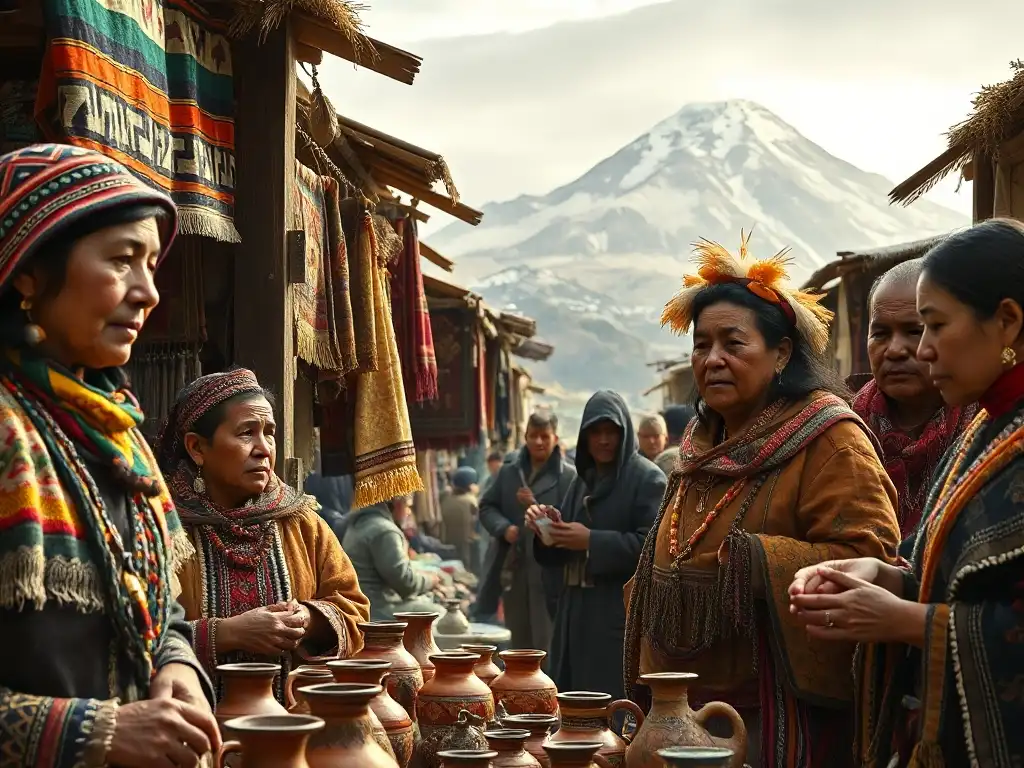
The study of Andean art reveals much more than aesthetic appreciation; it offers a profound window into the complex social structures and hierarchies of these ancient civilizations. Andean art, encompassing textiles, pottery, metalwork, and architecture, wasn't merely decorative; it served as a powerful tool for communicating social status, religious beliefs, political power, and even daily life experiences. Analyzing these art forms allows us to understand the subtle and overt ways in which Andean societies used artistic expression to reinforce social order and identity.
The profound social impact of Andean art is evident across various mediums, each conveying unique aspects of Andean life and its complexities. Understanding this impact requires careful examination of the materials used, the techniques employed, and the contexts in which these artworks were created and used. The keyword "Andean art social impact" is key to understanding this intricate relationship between art and society in the Andes.
Andean textiles represent a pinnacle of artistic achievement and social significance. The intricate weaving techniques, the vibrant colors derived from natural dyes, and the symbolic designs all contributed to the textiles' social value. The quality of the textile, the complexity of the design, and the materials used (e.g., alpaca wool versus llama wool) directly correlated with the wearer's social standing.
Elite individuals wore garments adorned with elaborate designs and fine materials, clearly distinguishing them from the commoners. For example, the use of specific motifs, like the khipu knot system, indicated a connection to administrative or religious elites. Furthermore, textiles served not only as clothing but also as ceremonial objects, burial shrouds, and even forms of currency.
The social impact of these textiles is undeniable, acting as visual markers of social hierarchy and personal identity within Andean communities. Detailed studies of textile fragments found in various archaeological sites continue to reveal new insights into the social stratification reflected in these remarkable creations. The diversity of textile techniques across different Andean cultures further emphasizes the importance of this art form in shaping social identities and status.
Pottery and Ceramics: Narratives of Daily Life and Beliefs
Andean pottery and ceramics offer a fascinating glimpse into the daily lives and spiritual beliefs of these ancient cultures. While utilitarian pottery existed for everyday use, ceremonial vessels and decorated pieces reveal much about social structures and religious practices. The style, decoration, and even the type of clay used could signify social class or affiliation with specific religious groups.
Representations of deities, mythical creatures, and scenes from daily life are frequently depicted, providing valuable insights into Andean cosmology and social interactions. For instance, the Moche culture is renowned for its incredibly detailed ceramic vessels depicting scenes of warfare, rituals, and everyday activities, offering a rich visual record of their social dynamics. The meticulous craftsmanship and symbolic imagery found in these pieces highlight the significant social role that pottery played in Andean societies.
The social impact of Andean ceramics is further emphasized by the discovery of large quantities of pottery in elite tombs and ceremonial contexts, demonstrating their importance in rituals and displays of power. Analyzing these ceramic artifacts allows researchers to understand the beliefs, values, and social structures of these ancient societies more completely.
Andean metalwork, particularly in gold, silver, and copper alloys, represents the apex of artistic skill and social prestige. The mastery of metallurgical techniques, often involving complex alloys and intricate casting processes, showcases the sophisticated technology and social organization of these societies. The creation of elaborate metal objects, such as ceremonial masks, jewelry, and weaponry, was not only a testament to technological prowess but also a powerful symbol of wealth and authority.
The use of precious metals, like gold, was directly linked to the power and status of elites, often used in royal regalia and religious ceremonies. The social impact of this metalwork is evident in the lavish burials of high-ranking individuals, where ornate metal objects were frequently found as grave goods. The production and distribution of these objects were likely controlled by the ruling elite, further consolidating their power and reinforcing social hierarchy.
The social impact of Andean metalwork extended beyond mere display of wealth, serving as a crucial element in rituals, ceremonies, and the overall symbolic representation of power within Andean society. The scarcity of precious metals and the sophisticated techniques required to work them ensured that metal objects remained powerful symbols of elite status.
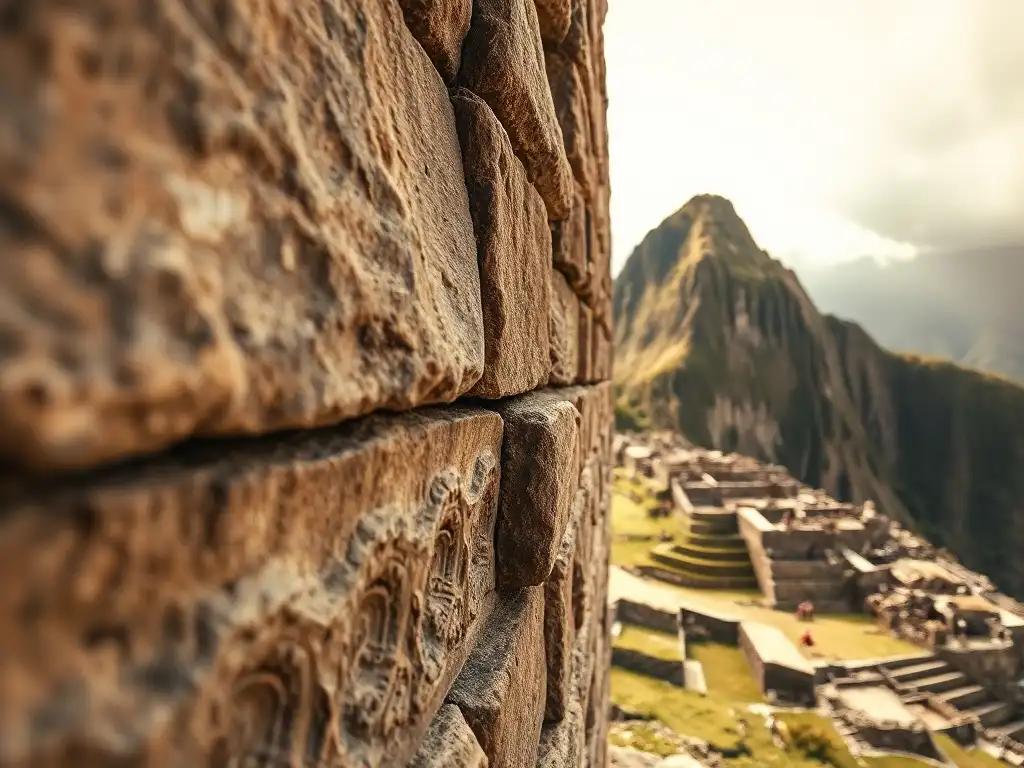
The architectural landscape of the Andes serves as a powerful testament to the intricate social structures that shaped these ancient civilizations. From monumental temple complexes to humble dwellings, buildings were not merely functional structures but potent symbols of power, religious authority, and social standing. Analyzing Andean architecture provides invaluable insights into the social hierarchy and the ways in which class distinctions were visibly manifested in the built environment.
The impact of Andean art on society is deeply intertwined with its architectural expression, creating a visual narrative of social order. The careful study of Andean art social impact reveals a complex interplay between aesthetics and social control.
Temple complexes, often located at strategic points within the landscape, served as the epicenter of religious and political authority. Their sheer scale and grandeur directly reflected the power and prestige of the ruling elite. Consider, for example, the massive stone structures at Sacsayhuamán near Cusco, showcasing the Inca's mastery of engineering and their ability to mobilize vast labor forces.
The impressive size and meticulous craftsmanship of these temples weren't merely aesthetic choices; they served to reinforce the divine legitimacy of the Inca rulers and their control over the population. The intricate carvings and symbolic representations found within these complexes further emphasized the sacred nature of the ruling power and its connection to the supernatural realm. The use of specific materials, like intricately carved stone, also played a role, signifying the wealth and resources controlled by the elite.
These temples weren't just places of worship; they were powerful statements of social dominance, visually communicating the hierarchy to all who beheld them. The Andean art social impact is clearly visible in the awe-inspiring nature of these structures, designed to inspire reverence and obedience.
Urban planning in Andean societies wasn't haphazard; it actively reflected and reinforced social stratification. Cities like Chan Chan, the capital of the Chimú kingdom, demonstrate a clear hierarchical organization. The layout of the city, with its distinct residential zones for different social groups, is a testament to the rigid social structure.
Elite residences were often larger, more elaborately decorated, and situated in the most desirable areas, typically closer to administrative centers and temples. In contrast, the housing of commoners was far more modest, reflecting their lower social standing. The use of distinct architectural styles and building materials further emphasized these class distinctions.
For example, the use of adobe bricks versus finely cut stone served as a visual marker of social status. This deliberate spatial segregation, coupled with architectural differences, served not only to maintain social order but also to reinforce the power of the elite by visually demonstrating their superiority. The spatial organization of Andean cities, therefore, is a key element in understanding the Andean art social impact and its role in perpetuating social hierarchies.
Even within domestic architecture, social stratification is clearly visible. While the monumental structures of temples and palaces immediately communicate social hierarchy, the variations in domestic dwellings provide a more nuanced understanding of the spectrum of social classes. The size, materials, and level of ornamentation of houses directly corresponded to the social status of their occupants.
Elite residences often featured multiple rooms, courtyards, and intricate decorative elements, indicating a higher standard of living and social prestige. Commoner dwellings, conversely, were typically smaller, simpler, and made of more readily available materials. The difference in architectural features extended beyond mere size and materials; it included aspects like the presence or absence of specific decorative elements, indicating a clear visual distinction between the social classes.
This visible distinction, reinforced daily through the built environment, played a crucial role in maintaining social order and reinforcing the existing power structures. The subtle yet significant variations in domestic architecture provide further insight into the pervasive Andean art social impact across all levels of society.
Case Studies: Andean Art and Architecture in Specific Cultures
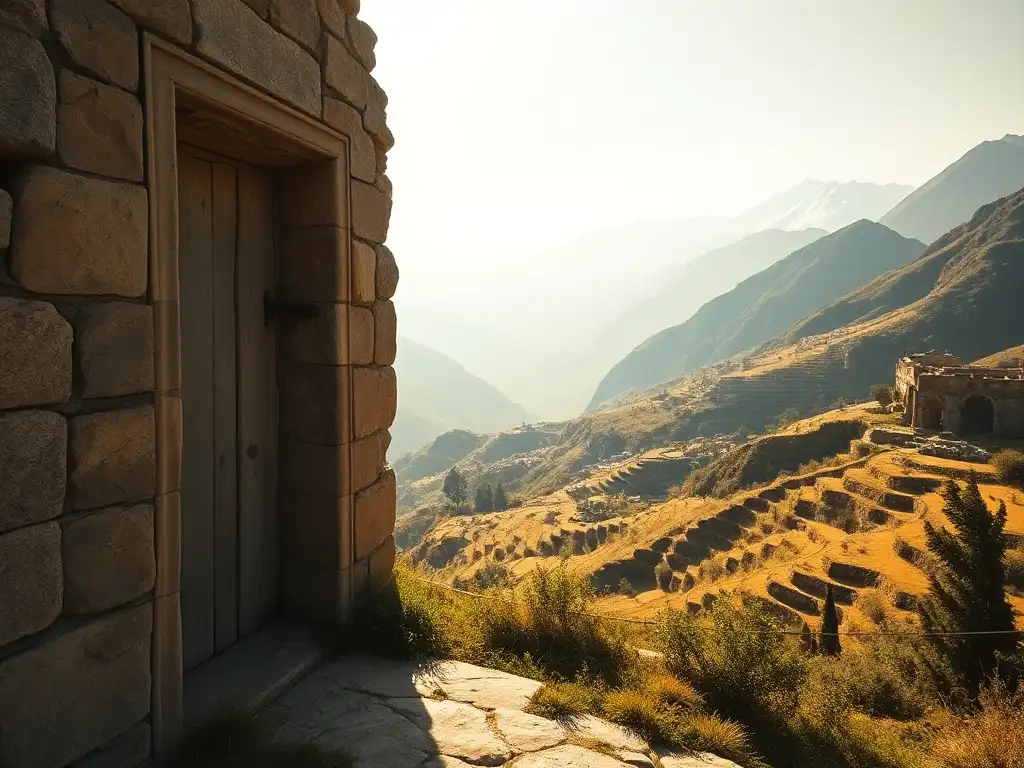
This section delves into the social impact of Andean art and architecture by examining specific cultural examples, demonstrating how artistic expression and built environments reflected and reinforced social structures. We will explore how different Andean civilizations utilized art and architecture to communicate power, beliefs, and social roles, offering insights into the intricate relationship between aesthetics and social dynamics within these societies. The analysis will focus on the Inca, Moche, and Nazca cultures, highlighting their unique approaches to artistic expression and its societal implications. Understanding the Andean art social impact requires a nuanced look at these diverse yet interconnected civilizations.
Inca art and architecture served as potent tools for asserting imperial power and maintaining social control across their vast empire. The grandeur of Inca structures, such as Machu Picchu and Sacsayhuamán, directly reflected the Inca emperor's divine authority and the power of the state. The meticulous stonework, precise engineering, and monumental scale were not merely aesthetic achievements; they were deliberate displays of power intended to awe and inspire obedience among the populace.
The standardized architecture found throughout the empire – from administrative centers to religious sites – further underscored the Inca's centralized control. Uniformity in design and construction techniques fostered a sense of imperial unity, while simultaneously minimizing regional variations that might challenge the established hierarchy. This standardization extended to textiles and ceramics, with specific styles and motifs reserved for the elite, clearly delineating social strata. The intricate designs, often featuring symbolic imagery related to Inca mythology and power, served as visual reminders of the emperor's authority and the social order he maintained.
Furthermore, the Inca utilized art and architecture to control and manage resources. The sophisticated network of roads and storehouses, integrated into the landscape, facilitated the efficient distribution of goods and the movement of people, consolidating the empire's economic and political power. This infrastructure itself became a powerful symbol of Inca dominance, showcasing their ability to harness and control the environment for the benefit of the state and the elite. The meticulous organization reflected in these aspects is a testament to the Inca's sophisticated understanding of the Andean art social impact.
Unlike the Inca emphasis on imperial control, Moche art and architecture focused on depicting social roles, rituals, and the natural world. Their renowned pottery, often featuring highly detailed and realistic scenes of daily life, provides invaluable insights into Moche society. These ceramics vividly portray various social classes, from rulers and warriors to farmers and artisans, offering glimpses into their roles and interactions.
The depiction of elaborate rituals, including sacrifices and ceremonies, highlights the importance of religion and the priestly class in Moche society. The intricate designs and the use of vibrant colors reflect the Moche's deep understanding of their environment and their sophisticated artistic techniques. Their monumental architecture, such as the Huaca del Sol and Huaca de la Luna, served as both religious centers and administrative hubs, reflecting the intertwining of religious and political authority.
Unlike the Inca's standardized designs, the Moche's art showcased a greater degree of regional variation, suggesting a more decentralized social structure. The Andean art social impact in the Moche culture is particularly evident in its detailed and realistic portrayal of social life.
The Nazca culture is best known for its enigmatic geoglyphs, vast designs etched into the desert landscape. While the precise purpose of these geoglyphs remains debated, their scale and complexity suggest a significant social function. The creation of these massive works required substantial labor and coordination, indicating a high degree of social organization and cooperation among the Nazca people.
The geoglyphs, along with Nazca's intricate pottery and textiles, are believed to have served symbolic functions, possibly related to religious beliefs, astronomical observations, or water management. The elaborate designs, often featuring stylized animals and plants, may have been intended to foster a sense of community and shared identity among the Nazca population. Their architecture, while less monumental than that of the Inca or Moche, reveals a sophisticated understanding of water management and agricultural techniques, which were crucial for the survival of their desert civilization.
The social cohesion fostered through shared labor and symbolic representation demonstrates the profound Andean art social impact of the Nazca culture. The creation of the geoglyphs, for example, required extensive community involvement and planning, strengthening social bonds and reinforcing group identity.
Tiahuanaco, a pre-Columbian civilization flourishing in the Andes between 500 and 1000 CE, left behind a legacy of monumental architecture and intricate art that profoundly impacted the social structures of the region. The city itself, located near present-day Lake Titicaca in Bolivia, served as a powerful symbol of centralized authority. Its imposing structures, like the Akapana pyramid and the Kalasasaya temple, were not merely functional buildings but also carefully designed statements of power and religious significance.
The sheer scale of these constructions—requiring immense labor and meticulous planning—demonstrates the ability of the Tiahuanaco elite to mobilize and control vast human resources, reinforcing their social dominance. The construction itself acted as a form of social control, demanding the participation and subordination of the population.
The elaborate carvings and intricate stonework found throughout Tiahuanaco's architecture further highlight the civilization's sophisticated social hierarchy. The recurring motifs, often depicting stylized figures and mythical creatures, were not randomly chosen but rather served as powerful visual symbols reinforcing religious beliefs and social order. The precision and artistry displayed in these carvings underscore the existence of specialized craftspeople, a testament to a complex social division of labor where skilled artisans held a privileged position within society.
Analysis of these artistic representations reveals a hierarchy of figures, suggesting a clear visual representation of social ranking and power dynamics. For example, the depiction of larger, more prominently displayed figures likely represented the elite, while smaller figures might represent commoners or subjects.
Furthermore, the distribution of art and artifacts across the Tiahuanaco empire points to a sophisticated system of social control and communication. The dissemination of similar artistic styles and architectural features across vast distances indicates a strong centralized authority capable of maintaining cultural uniformity and ideological cohesion. This standardization of artistic production not only served to unify the empire ideologically but also to visually reinforce the power and legitimacy of the ruling class.
The consistent use of particular materials and artistic conventions across geographically dispersed sites suggests a deliberate strategy to project power and influence, shaping the beliefs and perceptions of the wider population. The art itself became a tool for maintaining social order and reinforcing the dominant ideology. The very act of viewing and interacting with Tiahuanaco's art likely served to reinforce the social hierarchy and the power of the ruling elite.
The impact of Tiahuanaco's art and architecture extended far beyond its immediate geographical boundaries. The style and techniques employed by Tiahuanaco artisans influenced subsequent Andean cultures, leading to the widespread adoption of similar artistic motifs and architectural elements. This cultural diffusion, evident in the art of later civilizations like the Inca, demonstrates the enduring social and cultural influence of Tiahuanaco's artistic legacy.
The adoption of Tiahuanaco aesthetics by successor cultures suggests not just artistic imitation but also a transfer of social and political ideas. The enduring presence of Tiahuanaco-inspired art throughout the Andean region serves as a powerful testament to the civilization’s lasting impact on the social fabric of the Andes. The legacy of Tiahuanaco's sophisticated artistry continues to resonate, underscoring its crucial role in shaping the social dynamics of the later Andean civilizations.
Analyzing the Lasting Legacy of Andean Art
The enduring power of Andean art lies not just in its aesthetic beauty, but in its profound social impact. Analyzing Andean art reveals intricate details about the societies that created it, offering invaluable insights into their social structures, beliefs, and daily lives. From the monumental architecture of Machu Picchu to the intricate textiles of the Nazca culture, artistic expression served as a powerful tool for communicating social hierarchy, religious ideologies, and economic prosperity.
The keyword "Andean art social impact" encapsulates this multifaceted relationship between art and society. Understanding this impact requires a nuanced examination of various artistic forms and their contexts. We'll explore how Andean art reflected and shaped societal values, influenced artistic traditions across generations, and continues to inspire preservation and interpretation efforts today.
Andean Art as a Reflection of Societal Values
Andean art frequently mirrored the existing social hierarchy. Elaborate gold and silverwork, often depicting powerful figures or mythological beings, were primarily associated with the elite classes. These artifacts, crafted with meticulous detail and using advanced metallurgical techniques, served as symbols of status and power.
Conversely, simpler pottery and textiles, though equally skillful in their own right, were more commonly associated with the common people. The stylistic differences, ranging from the use of precious metals to the choice of materials and motifs, clearly delineated social distinctions. For example, the Moche culture's ceramic vessels often depicted scenes of warfare, ritual sacrifices, and daily life, reflecting the hierarchical structure of their society and the importance of religious ceremonies.
The intricate details in these depictions, from the expressions on the faces of the figures to the clothing they wore, provide valuable information about their social roles and status. Even seemingly mundane objects, like intricately woven textiles, carried social significance, with the complexity of the design and the quality of the materials often indicating the weaver's social standing. This subtle yet pervasive reflection of social values in everyday objects highlights the pervasive influence of social hierarchy on Andean artistic production.
The Enduring Influence of Andean Artistic Traditions
The artistic traditions of the Andes weren't static; they evolved and adapted over centuries, with each succeeding culture building upon the achievements of its predecessors. The influence of earlier styles is evident in the art of later periods, demonstrating a continuity of artistic practices and a shared cultural heritage. For instance, the Inca Empire, while possessing its own distinctive style, incorporated elements from earlier Andean cultures, such as the Nazca and Tiahuanaco.
This assimilation of pre-existing styles demonstrates a process of cultural exchange and adaptation, reflecting the empire's political and social integration of conquered territories. The enduring use of specific motifs, such as the condor, puma, and serpent, across different Andean cultures highlights the symbolic importance of these figures and their continued relevance in Andean cosmology. The continuous development of textile techniques, pottery styles, and architectural designs shows a dynamic artistic landscape that responded to both internal and external factors, including environmental changes, technological advancements, and political shifts.
This continuous evolution speaks volumes about the adaptability and resilience of Andean artistic traditions, demonstrating their ability to adapt and yet maintain a core set of cultural values. The impact of these traditions extends far beyond the Andean region, influencing later artistic movements and inspiring contemporary artists even today.
Preserving and Interpreting Andean Art for Future Generations
The preservation and interpretation of Andean art are crucial for understanding the rich cultural heritage of the region. Many artifacts are fragile and require careful conservation efforts to prevent further deterioration. Moreover, the accurate interpretation of these artifacts necessitates a multidisciplinary approach, drawing upon the expertise of archaeologists, anthropologists, art historians, and conservators. Understanding the context in which these objects were created is crucial for their proper interpretation.
This includes considering the social, political, and religious factors that influenced their creation and use. For example, the discovery of new archaeological sites and the development of advanced analytical techniques continue to shed new light on Andean art and its social significance. Efforts to document and catalogue existing collections, along with ongoing research and excavation projects, contribute significantly to a more complete understanding of Andean artistic traditions.
Furthermore, engaging with local communities and incorporating their perspectives in the interpretation and preservation of Andean art is essential to ensure that this cultural heritage is understood and valued by all. The preservation of Andean art is not just a matter of protecting physical objects; it is also about preserving the stories and values they represent, ensuring that future generations can appreciate and learn from the legacy of Andean civilization. The study of “Andean art social impact” continues to evolve with new discoveries and interpretations.
Frequently Asked Questions
Andean art wasn't just decorative; it directly reflected social hierarchies and political power. Royal imagery, for example, reinforced the authority of rulers and legitimized their rule. Religious beliefs were also heavily intertwined with artistic expression.
How did Andean art impact daily life?
Art permeated daily life, from textiles used in clothing and ceremonies to pottery used for everyday needs. Ceramics often depicted scenes of daily life, and religious iconography influenced rituals and beliefs. Art served both practical and spiritual functions.
What role did religion play in Andean art?
Religion was central to Andean art. Many artworks depicted deities, mythological figures, and ritualistic practices. Temples and palaces were themselves works of art, demonstrating the importance of religious beliefs in shaping society.
How did Andean art change over time?
Andean art evolved significantly across different cultures and time periods. The styles and subject matter of Inca art, for instance, differed greatly from those of the Moche or Nazca. These changes reflect shifts in social organization, religious beliefs, and technological advancements.
Andean art continues to inspire and influence artists and scholars today. Its enduring power lies in its ability to convey complex social structures, religious beliefs, and artistic achievements. The legacy of Andean art helps us understand the rich and complex history of the region.
The enduring power of Andean art and architecture resonates deeply with contemporary society, reminding us of the intricate connection between creativity, community, and cultural identity. These ancient expressions, far from being relics of a bygone era, offer potent insights into sustainable living, social organization, and the enduring human spirit. Their continued relevance is a testament to the timeless power of artistic expression to shape and reflect societal values.
The impact of Andean art and architecture extends far beyond the physical structures and artifacts themselves; it permeates the cultural landscape of the Andes and continues to inspire artists, scholars, and communities today. Their sophisticated understanding of astronomy, engineering, and social organization, as reflected in their art, challenges our modern assumptions about "primitive" societies. Art washes away from the soul the dust of everyday life.
– Pablo Picasso. This quote, while not directly about Andean art, perfectly encapsulates the enduring power of art to transcend time and connect us to something larger than ourselves, something that the intricate weavings, monumental structures, and powerful iconography of the Andes so powerfully demonstrate.
Consider the intricate details woven into a textile, the precise alignment of a stone structure, the symbolic meaning embedded in a ceramic vessel. These are not merely aesthetic choices; they are reflections of a complex social order, a deep connection to the land, and a profound understanding of the cosmos.
You, the reader, are now invited to reflect on the ways in which art and architecture shape your own community and how you might contribute to building a more meaningful and sustainable future, inspired by the enduring legacy of the Andes. Let the echoes of their artistry inspire your own creative spirit and your commitment to building a better world.
Embrace the Beauty: Take Action with Andean Art!
Thank you for exploring the fascinating world of Andean art and architecture! Your interest reveals an appreciation for the rich cultural heritage and social significance of these artistic expressions. Now, let's turn that inspiration into action.
Here are some ways to connect more deeply with Andean art and share its beauty:
- Visit a local museum or gallery showcasing Andean art to experience its cultural context firsthand.
- Share your newfound knowledge by discussing Andean civilizations with friends, family, or online. Use the hashtag #AndeanArt to spread awareness.
- Create artwork inspired by Andean traditions. Let your creativity flow, whether through drawing, painting, sculpting, or another medium, to connect personally with this vibrant culture.
What aspect of Andean art most captivates you, and how will you incorporate it into your life?