
The Legacy of Andean Social Structures: Understanding the Past

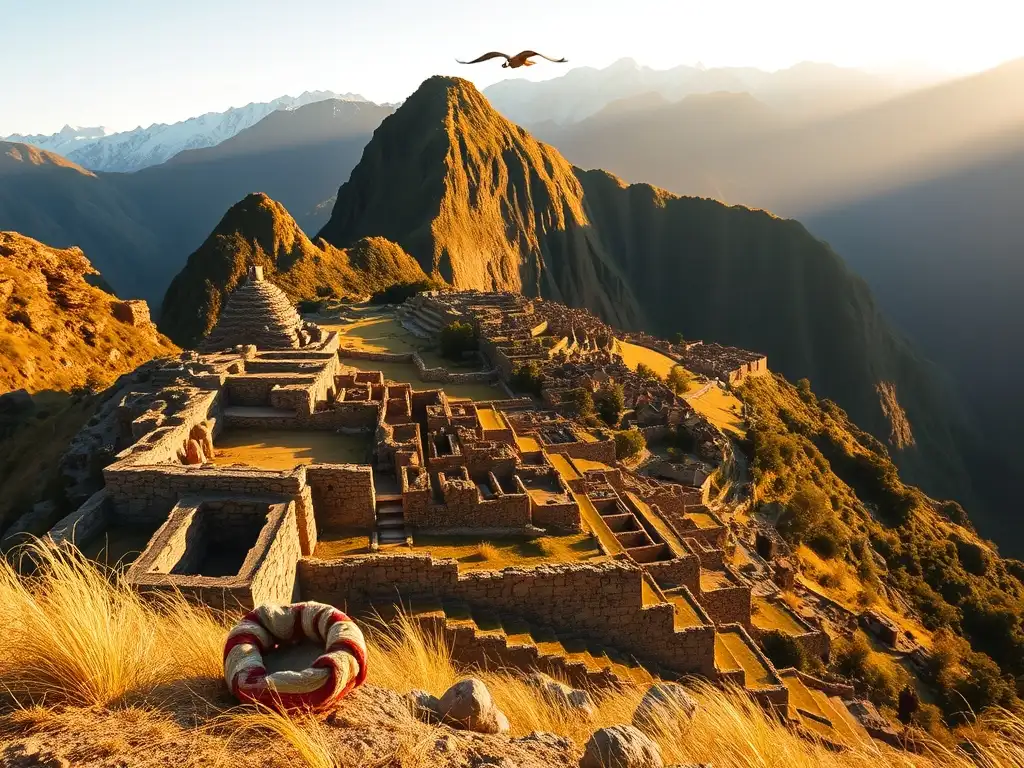
Unravel the mysteries of a world lost to time, yet echoing powerfully in the present. Journey into the heart of the Andes, where breathtaking landscapes cradle the legacies of the Incas, Moche, Nazca, and Tiahuanaco. Prepare to be captivated by the intricate tapestry of Andean social structures history, a story of ingenuity, resilience, and power that will reshape your understanding of the ancient world. Discover how these societies flourished and fell, leaving behind a legacy that continues to fascinate and inspire. Dive in – the adventure awaits.
Understanding the intricate social structures of the Andean civilizations is crucial to grasping the complexity and sophistication of these remarkable societies. This article delves into the history of Andean social structures, exploring the evolution of hierarchical systems from the pre-Inca era to the Inca Empire. We will examine the foundations of Andean social organization, the role of kinship, the development of social stratification, and the lasting impact of these systems on the region.
By analyzing the diverse social structures of cultures like the Moche, Nazca, Tiahuanaco, and ultimately the Inca, we aim to provide a comprehensive understanding of how these societies functioned and the enduring legacy they left behind. This exploration will shed light on the multifaceted nature of Andean societies and their remarkable achievements, offering a nuanced perspective on the "Andean social structures history" and the factors that shaped their unique social landscapes.
The history of Andean social structures is a rich and complex tapestry woven from diverse threads of cultural practices, environmental adaptations, and political developments. Unlike many other ancient civilizations, the Andean region did not develop a single, monolithic social structure. Instead, a remarkable diversity of social organizations existed across different times and geographical locations.
Early Andean societies, often characterized by small-scale agricultural communities, gradually evolved into more complex, hierarchical systems. The development of sophisticated irrigation systems, intensive agriculture, and specialized craftsmanship contributed to the emergence of social stratification and the concentration of power in the hands of elites. Understanding this evolution requires examining the interplay between various factors, including kinship ties, religious beliefs, and economic production.
The rise and fall of powerful empires like the Inca further shaped and reshaped these social structures, leaving an indelible mark on the region's history and cultural heritage. The study of Andean social structures provides invaluable insights into the dynamics of power, social mobility, and the enduring human capacity to organize and govern complex societies.
Before the Inca Empire's dominance, a variety of sophisticated pre-Inca societies flourished across the Andes, each with its own unique social structures. These societies, though diverse, shared certain commonalities that laid the groundwork for later hierarchical systems.
Early Andean Communities and Social Organization
Early Andean communities, dating back millennia, were often organized around kinship groups and reciprocal labor systems. Archaeological evidence suggests a relatively egalitarian social structure in some of these early settlements, with a focus on collective decision-making and resource distribution. However, as populations grew and agricultural production intensified, inequalities began to emerge. The development of specialized crafts and the accumulation of surplus goods gradually led to the differentiation of social roles and the emergence of individuals or groups with greater influence and power.
This process was influenced by factors such as access to resources, control over irrigation systems, and religious authority. The transition from egalitarian to stratified societies was a gradual process, varying significantly across different regions and time periods. Further research is needed to fully understand the nuances of this complex social transformation.
The Role of Kinship in Andean Societies
Kinship played a fundamental role in shaping Andean social structures across various periods and cultures. Lineage and clan affiliations determined social standing, access to resources, and political alliances. In many Andean societies, kinship networks extended beyond the immediate family, forming complex webs of relationships that governed social interaction and economic cooperation.
These extended kinship systems facilitated the organization of labor, the distribution of resources, and the maintenance of social order. The importance of kinship is evident in the archaeological record, with evidence of elaborate burial practices and monumental architecture that reflect the social prestige and power associated with particular lineages. The strength and influence of kinship ties varied across different Andean societies, and further research is needed to fully understand the nuances of its impact on social organization.
Development of Social Stratification in Pre-Inca Cultures
The development of social stratification in pre-Inca cultures was a gradual process driven by several factors, including agricultural intensification, technological advancements, and the emergence of specialized labor. As societies grew larger and more complex, certain individuals or groups accumulated greater wealth, power, and prestige. This led to the formation of social hierarchies, with elites occupying positions of authority and control over resources.
The nature and extent of social stratification varied across different pre-Inca cultures. Some societies, such as the Moche, exhibited a highly stratified social structure with a clear distinction between elites, commoners, and possibly enslaved individuals. Others, like the Nazca, may have had a less rigid social hierarchy.
The development of monumental architecture, elaborate burial sites, and sophisticated artistic styles often reflects the power and influence of the elite classes in these pre-Inca societies. Further research is needed to better understand the social dynamics and the lived experiences of different social groups within these complex societies. The study of Andean social structures reveals a dynamic interplay between various factors, shaping the unique social landscapes of these remarkable civilizations.
The Inca Empire, at its zenith, presented a remarkably centralized social structure. Unlike many other Andean societies, the Inca state exerted significant control over nearly all aspects of life, from agriculture and infrastructure to religion and social organization. This centralized system, while effective in unifying a vast and diverse territory, also resulted in a rigid hierarchical system with clearly defined social roles and responsibilities.
The Inca's success in building and maintaining this structure stemmed from a sophisticated bureaucratic system, efficient communication networks (using a system of runners called chasquis), and a powerful ideology that legitimized the emperor's authority and the social order. The empire's longevity, despite its eventual conquest by the Spanish, is a testament to the effectiveness, at least for a time, of this highly structured society.
Further research into Inca administrative records and archaeological findings continues to reveal the complexities and nuances of this fascinating social order. Understanding the Inca's social structure offers valuable insights into the broader context of Andean social organization.
Inca Social Hierarchy: The Sapa Inca and Nobility
At the apex of the Inca social hierarchy stood the Sapa Inca, the emperor, considered a divine figure, a direct descendant of the sun god Inti. His authority was absolute, and his word was law. Below the Sapa Inca were the curacas, regional leaders who governed provinces and oversaw the collection of tribute and labor. These curacas often maintained considerable local power, though ultimately subject to the emperor's authority.
The nobility, comprised of the emperor's family and high-ranking officials, enjoyed privileged status, access to resources, and exemption from many labor obligations. This elite class played a critical role in maintaining the Inca's centralized power structure, acting as administrators, religious leaders, and military commanders. The system ensured loyalty to the crown through privileges and responsibilities, creating a stable, if unequal, power dynamic. The Inca's ability to manage this complex hierarchy was essential to the empire's success.
The Ayllu: The Foundation of Inca Society
Beneath the nobility lay the ayllu, the fundamental social and economic unit of Inca society. The ayllu was a kinship-based community, comprised of extended families sharing land, resources, and responsibilities. Members of the ayllu cooperated in agricultural production, public works projects, and religious ceremonies. This communal structure provided a vital foundation for the Inca's centralized system, allowing for efficient mobilization of labor and resource allocation.
The ayllu also played a crucial role in social control, enforcing communal norms and resolving disputes within the community. The strength and resilience of the ayllu system contributed significantly to the Inca Empire's ability to adapt and endure for several centuries. Evidence suggests that the ayllu system, while adapted and modified by the Inca, had pre-existing roots in earlier Andean cultures.
Social Classes in the Inca Empire: From Farmers to Artisans
Inca society was broadly stratified into various social classes, reflecting distinct roles and responsibilities. At the base were the commoners, primarily farmers who formed the backbone of the empire's agricultural economy. They contributed significantly to the empire through agricultural production and mandatory labor. Above the farmers were artisans, skilled craftspeople who produced textiles, pottery, metalwork, and other goods for the elite and the state.
Their specialized skills contributed to the Inca's economic and cultural prosperity. Religious specialists, such as priests and priestesses, held considerable influence due to their connection to the spiritual realm. The Inca state controlled the production and distribution of goods, reflecting the centralized nature of their economy and social structure. This hierarchical system ensured the efficient functioning of the empire, but also perpetuated social inequalities.
The Mit'a System and Labor Organization in the Andes
The mit'a system was a crucial element of Inca social organization and a cornerstone of their economic and political power. This system of mandatory labor obligated all able-bodied citizens to contribute a certain amount of time to public works projects, such as the construction of roads, temples, and irrigation systems. The mit'a was not simply a form of forced labor but an integral part of Inca ideology, reinforcing the notion of reciprocal obligations between the ruler and the ruled.
It was a way to mobilize a large workforce for large-scale projects that benefited the entire empire. The efficient organization and management of the mit'a system were essential to the Inca's success in constructing their vast infrastructure and maintaining their control over the empire.
The Role of Mandatory Labor in Inca Social Structure
The mit'a's role in Inca social structure was multifaceted. It served as a mechanism for social control, ensuring the loyalty and cooperation of the populace. By participating in mit'a projects, individuals contributed to the empire's collective good, strengthening their sense of belonging and shared identity.
The system also provided a means of redistribution of resources, as individuals involved in mit'a often received compensation or access to resources. While demanding, the mit'a was an essential component of Inca social cohesion and economic productivity. The system's effectiveness depended on intricate organizational structures and a complex system of record-keeping to track individuals' contributions and ensure equitable distribution of labor demands.
Mit'a and its Impact on Andean Communities
The mit'a system had a profound impact on Andean communities. While it contributed to the construction of impressive infrastructure and the empire's economic prosperity, it also placed considerable burdens on individuals and families. The time spent away from agricultural work could impact food production and household economies.
The potential for abuse and exploitation of labor existed, though the Inca state attempted to mitigate this through regulations and oversight. The long-term effects of the mit'a on Andean societies are still being debated, with some arguing that it fostered social integration and collective identity, while others emphasize its exploitative aspects. Archaeological and historical evidence suggests that the mit'a varied in intensity and application across different regions and time periods.
Variations of Labor Systems Across Andean Cultures
While the Inca mit'a system is well-documented, it's important to acknowledge that labor organization varied considerably across different Andean cultures. Pre-Inca societies also had sophisticated systems of labor mobilization, often based on reciprocal exchange, kinship obligations, and religious practices. For example, the Moche civilization utilized a complex system of labor organization linked to their elaborate irrigation systems and monumental architecture.
The Nazca, renowned for their geoglyphs, likely relied on a combination of communal and specialized labor. These variations in labor systems reflect the diverse social and political structures of the various Andean civilizations, highlighting the complexity and dynamism of Andean societies before and after the Inca Empire. Further research is needed to fully understand the nuances of labor organization across the diverse spectrum of Andean cultures.
Limited Social Mobility in Traditional Andean Societies
Social mobility within traditional Andean societies, such as the Inca Empire, was generally limited. While exceptional individuals could potentially rise through the ranks through military prowess, religious devotion, or exceptional skill in craftsmanship, such instances were relatively rare. The system largely relied on inherited status, with individuals born into specific social strata generally remaining within those strata throughout their lives. This rigid structure, while providing a degree of social stability, also served to maintain the existing power hierarchies.
The ayllu, the kinship-based community, played a crucial role in reinforcing this social stratification, as social standing was often tied to lineage and family connections. Opportunities for upward mobility were largely circumscribed by the existing social order, and significant change in one's social standing was not a common occurrence. This contrasts sharply with societies that offered greater opportunities for social advancement based on merit or individual achievement.
Mechanisms of Social Control Used by Andean Rulers
Andean rulers employed a variety of sophisticated mechanisms to maintain social control and enforce social order. These methods ranged from the subtle influence of religious ideology and ritual to the more overt use of state power and coercion. The Inca, for example, utilized a highly centralized administrative system with a network of officials who monitored the population and ensured compliance with imperial decrees.
This system was supplemented by a complex system of taxation and labor obligations (the mita), which served to bind the population to the state and limit any potential for dissent. Furthermore, the Inca utilized elaborate propaganda and religious rituals to reinforce their legitimacy and authority, fostering a sense of reverence and obedience among their subjects.
The use of fear, through the threat of punishment or exile, also played a role in maintaining social control. The effectiveness of these varied methods in different Andean societies remains a topic of ongoing scholarly debate, but their presence is undeniable in the historical record.
The Influence of Religion and Ritual on Social Order
Religion and ritual played a profoundly influential role in shaping social order and maintaining social cohesion within Andean societies. Religious beliefs permeated all aspects of life, from agricultural practices to political organization. The Inca's elaborate state religion, for instance, reinforced the authority of the Sapa Inca, who was considered a divine intermediary between the gods and the people.
Religious festivals and ceremonies served not only to honor the deities but also to reaffirm the social hierarchy and reinforce the bonds of community. The intricate system of temples, shrines, and sacred sites further emphasized the importance of religion in Andean life. The performance of rituals, often involving elaborate costumes, sacrifices, and processions, served to instill a sense of awe and respect for the ruling elite and the divine order they represented.
The integration of religion into the daily lives of Andean people solidified social structures and maintained social stability. The power of religious belief systems to shape social behavior should not be underestimated when analyzing Andean social structures.
The Enduring Legacy of Andean Social Organization
The social structures of the ancient Andean civilizations continue to exert a significant influence on contemporary Andean societies. Elements of the traditional ayllu system, with its emphasis on communal land ownership and reciprocal obligations, persist in many rural communities. This communal ethos contrasts sharply with the individualistic tendencies prevalent in many Western societies.
The deep-rooted importance of kinship ties, respect for elders, and a strong sense of community solidarity are all enduring legacies of Andean social organization. These traditional social structures, while adapted to modern circumstances, continue to shape social interactions and community dynamics in many parts of the Andes. The continued relevance of these traditional social structures highlights the remarkable resilience and adaptability of Andean cultures.
Cultural Continuity in Contemporary Andean Communities
Despite centuries of colonization and globalization, many contemporary Andean communities have successfully maintained significant aspects of their traditional cultural heritage, including their social organization. Indigenous languages, traditional agricultural practices, and customary law systems continue to thrive in various regions of the Andes. This cultural continuity is closely linked to the persistence of traditional social structures, which often provide the framework for the transmission of cultural knowledge and practices across generations.
The preservation of traditional social structures has been crucial in maintaining cultural identity and resisting assimilation in the face of external pressures. This resilience underscores the deep-rooted nature of Andean social organization and its importance in shaping contemporary Andean identities. The persistence of these traditions reflects the enduring strength of Andean cultures.
Indigenous Land Rights and Community Governance
The struggle for indigenous land rights and community governance in contemporary Andean societies is inextricably linked to the legacy of Andean social structures. Many indigenous communities continue to assert their claims to ancestral territories and to advocate for self-determination in matters of local governance. The concept of communal land ownership, a cornerstone of traditional Andean social organization, is central to many of these land rights struggles.
Indigenous communities often seek to reclaim control over their resources and to revive traditional systems of community governance, which were often undermined during the colonial period and subsequently. The ongoing fight for indigenous rights serves as a powerful reminder of the enduring relevance of Andean social structures in contemporary political and social life, demonstrating a continuous struggle for self-determination rooted in ancient traditions. The fight for land rights often involves reinterpreting and adapting ancient systems to fit modern legal frameworks.
The study of Andean social structures reveals a fascinating tapestry of intricate hierarchies and complex power dynamics that varied significantly across different civilizations and time periods. While generalizations can be made, it's crucial to remember the nuanced differences between the Incas, Moche, Nazca, and Tiahuanaco, among others. Each society developed unique systems reflecting their specific environmental challenges, economic activities, and religious beliefs.
The rigid class structures, often underpinned by religious ideology and agricultural productivity, shaped daily life and access to resources. The Inca Empire, for instance, with its elaborate system of ayllus and state-controlled labor, presented a vastly different social landscape compared to the seemingly less centralized societies of the Nazca or Moche.
Understanding the complexities of Andean social structures requires moving beyond simplistic narratives of rigid hierarchies. We must acknowledge the fluidity and dynamism within these systems. Social mobility, while potentially limited, was not entirely absent. Individuals could, through exceptional skill, military prowess, or religious authority, potentially ascend social ladders.
Furthermore, the role of kinship, reciprocity, and community obligations shaped social relations in ways that modern, Western-centric analyses may overlook. The mita system, for example, while a form of labor tribute, also served as a mechanism for social integration and redistribution of resources within Inca society. Analyzing these systems requires careful consideration of their multifaceted nature, acknowledging both the constraints and opportunities they presented to individuals within the social order.
The enduring legacy of Andean social structures lies not just in their historical significance but also in their relevance to contemporary discussions of social inequality and power dynamics. Studying these past societies offers valuable insights into the ways in which social structures are constructed, maintained, and challenged. By examining the successes and failures of these past systems, we can gain a deeper understanding of the forces that shape social organization and inequality, both historically and in the present day. Further research, especially focusing on archaeological evidence and the interpretation of indigenous narratives, will continue to refine our understanding of this rich and multifaceted topic, offering a more complete picture of the lives and experiences of those who lived within these complex societies. The study of Andean social structures is therefore a continuous process of learning, refinement, and reinterpretation, constantly evolving as new evidence emerges and new perspectives are considered. 🌎
- Introduction to Andean Social Structures History
- Pre-Inca Social Systems: Foundations of Andean Hierarchy
- The Inca Empire: A Model of Centralized Social Structure
- The Mit'a System and Labor Organization in the Andes
- Social Mobility and Social Control in Andean Societies
- Andean Social Structures and Their Influence on Modern Societies
- Conclusion: Understanding the Complexities of Andean Social Structures
- What were the basic social structures of Andean civilizations?
- How did the Inca Empire organize its society?
- What role did religion play in Andean social structures?
- How did Andean social structures compare to those of other ancient civilizations?
- How did the collapse of Andean empires affect their social structures?
Frequently Asked Questions
Andean societies were generally hierarchical, with a ruling elite at the top, followed by priests, skilled artisans, farmers, and finally, laborers. The specific structure varied between cultures like the Inca, Nazca, and Moche.
How did the Inca Empire organize its society?
The Inca Empire used a highly centralized system, with the Sapa Inca as the supreme ruler. Society was divided into ayllus, or communities, responsible for tribute and labor. This system ensured efficient resource management and control.
Religion was deeply intertwined with Andean social structures. Priests held significant power, often advising rulers and influencing social norms. Religious beliefs justified the hierarchy and influenced daily life and rituals.
While similar hierarchical structures existed elsewhere, Andean civilizations had unique characteristics. The emphasis on community and reciprocity (ayni) within the ayllus differed from many other ancient empires with more purely centralized power structures.
The collapse of empires like the Inca led to significant disruption and reorganization. Existing hierarchies were broken, and new power structures emerged, often based on local dynamics and shifting alliances. The impact varied depending on the specific empire and the nature of its collapse.
Final Reflection: Echoes of the Andes: A Legacy Woven in Time
The intricate social structures of the Andes, far from being relics of a distant past, continue to resonate profoundly in contemporary Latin American societies. Their influence shapes political landscapes, economic realities, and cultural expressions, reminding us that history is not merely a collection of dates but a living force that molds the present. Understanding this legacy is crucial to navigating the complexities of the region and fostering a more equitable future.
The enduring impact of Andean social organization is evident in the persistent inequalities and power dynamics that still exist. The hierarchical systems, while modified over centuries, have left an indelible mark on societal structures. The legacy of Inca rule, with its sophisticated bureaucracy and intricate system of tribute, continues to inform discussions about governance and resource distribution. The past is never dead. It's not even past.
– William Faulkner. This quote perfectly encapsulates the enduring relevance of understanding Andean social structures; their influence is woven into the fabric of modern life, shaping our understanding of power, community, and identity.
Consider the ways in which the principles of ayni (reciprocity) and mita (labor service), though transformed, still inform community interactions and economic practices in many Andean communities. You, the reader, are now equipped with a deeper understanding of this rich history. Take this knowledge and apply it to your own understanding of social structures, power dynamics, and the enduring influence of the past on the present. Let the echoes of the Andes inspire you to build a more just and equitable future, informed by the lessons of history and the enduring strength of Andean communities.
Embrace the Wisdom of the Andes Today!
Thank you for exploring the rich tapestry of Andean social structures with us! We hope you gained valuable insights into their complex history and enduring legacy. Now, it's time to put your newfound knowledge to good use!
Here are a few ways you can continue your journey:
- **Dive Deeper:** Explore the wealth of additional resources on our website to uncover more about the intricate cultural practices and remarkable innovations of Andean civilizations. You'll find fascinating details about their achievements.
- **Share Your Insights:** Share what you've learned with friends and family. Start a conversation, perhaps even a book club, focused on Andean history. Inspire others with your newfound knowledge!
- **Get Involved:** Consider joining a community organization dedicated to the preservation of Indigenous cultures. Contribute to the ongoing efforts to celebrate and protect Andean heritage. Many organizations welcome volunteers.
Which aspect of Andean societal systems resonated most with you, and how will you integrate that inspiration into your life or community?