
The Lifespan of an Andean: From Birth to Death in Ancient Times

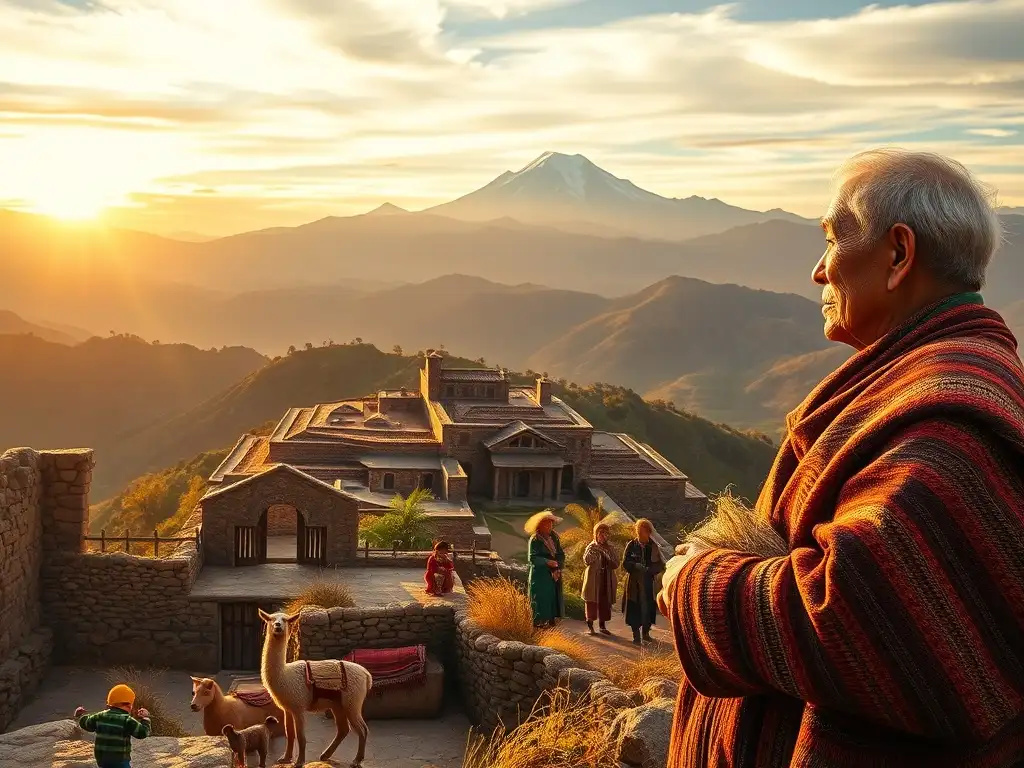
Step into a world lost to time, yet echoing with the vibrant spirit of the Andes. Prepare to unravel the mysteries of Andean lifespan stages, a journey through the fascinating social structures of ancient civilizations like the Incas, Moche, and Nazca. Discover how life unfolded from birth to death in these remarkable societies – a tale woven with intricate rituals, profound beliefs, and surprising insights into their daily lives. Dare to explore the captivating realities of Andean existence?
-
Andean Lifespan Stages: From Birth to Death in Ancient Times
- Introduction to the Andean Life Cycle
- Birth and Early Childhood in Ancient Andean Societies
- Adolescence and Initiation Rites in the Andes
- Adulthood and Productive Life in Andean Cultures
- The Senior Years and the Andean Concept of Aging
- Death, Burial Practices, and the Afterlife in Andean Beliefs
- Factors Influencing Andean Life Expectancy
- Comparing Lifespan Stages Across Different Andean Cultures
- Conclusion: Understanding the Andean Lifespan
-
Frequently Asked Questions
- How did Andean cultures view the concept of lifespan stages?
- What were some important rites of passage in Andean civilizations?
- How did the Andean lifespan stages relate to social roles and responsibilities?
- Did the environment impact the Andean lifespan and its stages?
- What evidence do we have about Andean lifespan stages and their associated rituals?
- Final Reflection: Echoes of the Andes: A Life Lived in Time and Place
- Embrace the Journey of the Ancients!
Andean Lifespan Stages: From Birth to Death in Ancient Times
The Andean region, home to a rich tapestry of ancient civilizations, offers a fascinating glimpse into the lives of its inhabitants. Understanding the lifespan of an Andean individual, from birth to death, reveals crucial insights into their social structures, beliefs, and daily routines.
This exploration delves into the various stages of life within these ancient societies, examining the rituals, practices, and challenges faced by individuals throughout their existence. We'll journey through the significant milestones, highlighting the unique aspects of Andean culture that shaped their understanding of life and death, exploring topics such as birth rites, childhood development, adulthood responsibilities, and funerary practices.
By examining these stages, we gain a deeper appreciation for the complexities and richness of Andean life, contributing to a more complete understanding of "Andean lifespan stages". This journey will illuminate how Andean societies viewed the different phases of life and how these perceptions influenced their social organization and worldview.
Introduction to the Andean Life Cycle
The Andean life cycle wasn't simply a linear progression from birth to death; it was deeply intertwined with the cyclical nature of Andean cosmology. The Andean worldview emphasized the interconnectedness of the human world with the supernatural realm, influencing every aspect of life, from birth rituals to funerary practices. The concept of ayni, reciprocal exchange, played a significant role, shaping social interactions and defining individual responsibilities within the community.
Understanding this framework is crucial to interpreting the various stages of life within these societies. The emphasis on community and reciprocity profoundly affected how Andean people experienced each stage of their lives, from the communal support surrounding childbirth to the elaborate ceremonies marking death and the afterlife. The transition between these stages often involved significant rituals and ceremonies designed to ensure a smooth passage and maintain harmony within the community and the cosmos.
Birth and Early Childhood in Ancient Andean Societies
The arrival of a new life in Andean societies was a momentous occasion, marked by a rich tapestry of rituals and practices designed to ensure the child's well-being and integration into the community. The significance of birth wasn't solely confined to the family; it held profound implications for the entire social structure.
Rituals and Practices Surrounding Andean Births
Andean birth practices varied across different cultures and time periods, but certain common threads emerge. Midwives, often respected women within the community, played a crucial role in assisting with childbirth. [Specific details on birthing practices for different Andean cultures pending]. The use of medicinal plants and herbal remedies was widespread, reflecting a deep understanding of traditional medicine.
Post-partum care involved specific rituals and dietary restrictions aimed at restoring the mother's health and ensuring the child's well-being. The ceremonies surrounding birth often involved offerings to deities and ancestors, seeking their blessings and protection for the newborn. These rituals helped to establish the child's connection to the community and the spiritual world from the very beginning. The act of birth was not simply a biological event; it was a deeply spiritual and social one.
Early Andean Childhood Development and Nurturing
Early childhood in Andean societies was characterized by close family ties and communal support. Children were often raised within extended family networks, fostering a strong sense of community and shared responsibility. [Specific details on childcare practices and family structures pending]. Breastfeeding was common, and supplementary foods were introduced gradually, reflecting an understanding of appropriate nutrition for infants and young children.
Play and socialization played a crucial role in children's development, teaching them essential social skills and preparing them for future roles within the community. The integration of children into community life began early, with opportunities for participation in various activities, gradually introducing them to the responsibilities and customs of their culture. This early integration helped to solidify their sense of belonging and identity within the Andean community. The process of nurturing and socialization was not merely about physical survival but also about the transmission of cultural values and beliefs.
Adolescence and Initiation Rites in the Andes
Adolescence in ancient Andean societies marked a significant transition, moving from childhood dependence towards adult responsibilities and social integration. The specific age of transition varied across different cultures and even within communities, but generally, it occurred around puberty, often signified by physical changes and the onset of menstruation in girls and the first signs of facial hair in boys. This period wasn't simply a biological shift; it was deeply interwoven with spiritual and social practices.
The Andean worldview emphasized a close relationship between the human and the supernatural world, and initiation rites reflected this. These weren't merely coming-of-age ceremonies; they were crucial steps in integrating young people into the complex social fabric of their communities and preparing them for their roles as adults.
Transitioning to Adulthood: Andean Initiation Ceremonies
Andean initiation ceremonies varied significantly depending on the specific culture and geographic location. The Incas, for example, might have involved elaborate rituals centered around the worship of the sun god Inti and other deities, often involving fasting, seclusion, and symbolic acts representing the shedding of childishness and the embrace of adult responsibilities. In other Andean cultures, initiation might have involved a more practical focus, such as learning specific skills related to agriculture, weaving, or pottery.
These ceremonies often involved elders imparting wisdom and traditional knowledge, ensuring the continuity of cultural practices and values across generations. The process wasn't always celebratory; some rites involved tests of endurance or challenges that symbolized the difficulties and responsibilities of adulthood.
The successful completion of these rites marked a formal acceptance into adulthood, granting the individual full social standing within the community. Archaeological evidence, such as the discovery of ceremonial objects associated with adolescent burials, offers glimpses into the significance of these transitions.
The Role of Andean Youth in the Community
While not yet bearing the full weight of adult responsibilities, Andean adolescents played important roles within their communities. Boys often assisted in agricultural tasks, herding animals, or learning crafts from their fathers or other male mentors. Girls, similarly, learned domestic skills from their mothers and other female relatives, participating in tasks such as weaving, cooking, and childcare. This practical involvement prepared them for the demands of adulthood and ensured the smooth functioning of the community.
Furthermore, youth participated in community festivals and religious celebrations, learning about their cultural heritage and strengthening social bonds. Their contributions, while not as central as those of adults, were essential to the community's overall well-being and continuity. This active participation fostered a sense of belonging and prepared them for their future roles as contributing members of society.
Adulthood and Productive Life in Andean Cultures
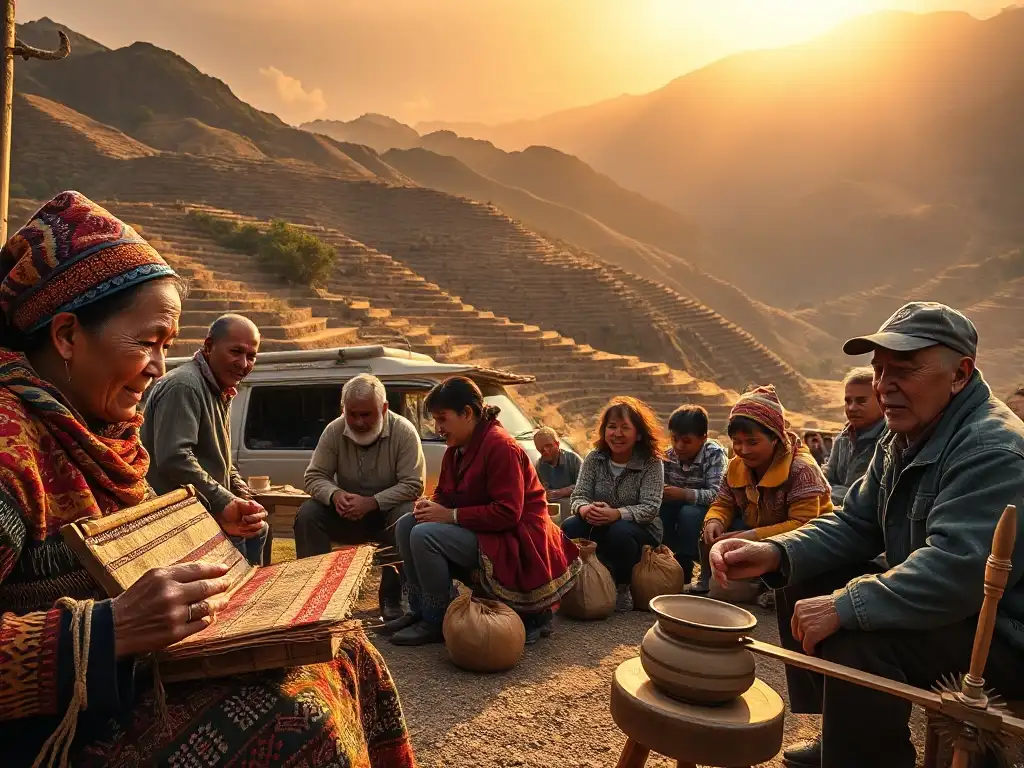
Reaching adulthood in ancient Andean societies meant entering a phase of significant responsibility and contribution to the community. This wasn't simply a matter of individual achievement but was deeply intertwined with the social and economic fabric of their societies. The emphasis on community and collective well-being meant that individual success was inextricably linked to the prosperity and stability of the entire group. The responsibilities and expectations placed upon adults were substantial, shaping their daily lives and influencing their social standing.
Daily Life and Work in Ancient Andean Communities
Daily life for Andean adults was largely dictated by the demands of agriculture, the primary economic activity across most Andean cultures. The cultivation of crops like potatoes, maize, and quinoa required considerable labor and skill, often involving complex irrigation systems and sophisticated agricultural techniques. This work was not solely the domain of men; women played crucial roles in planting, weeding, and harvesting.
Beyond agriculture, many adults engaged in specialized crafts such as pottery, weaving, metalworking, or stone carving. These crafts were not just sources of income; they also served important social and religious functions, reflecting the intricate relationship between art, religion, and daily life in Andean societies. The division of labor was often based on gender and age, with different tasks assigned to men, women, and children according to their abilities and experience.
Marriage and Family Structures in Andean Civilizations
Marriage in ancient Andean societies was a fundamental institution, shaping social structures and contributing to the stability of communities. Marriage arrangements varied across different cultures and regions, but often involved complex negotiations and considerations of social status, economic resources, and family lineage. Polygamy was practiced in some Andean cultures, particularly among the elite, while monogamy was more common among the general population.
Marriage was not merely a personal union; it had significant social and economic implications, strengthening family ties and solidifying alliances between different groups. Family structures were typically extended, with multiple generations living together and sharing responsibilities. Children played an important role in the family, contributing to household tasks and learning from their elders.
Social Responsibilities and Obligations of Andean Adults
Andean adults carried substantial social responsibilities and obligations. Beyond their economic contributions, they were expected to participate actively in community affairs, religious ceremonies, and public works projects. The concept of ayni, reciprocal exchange and mutual assistance, was central to Andean social organization. Adults were expected to contribute their time and skills to help others in need, fostering a strong sense of community solidarity.
They also played a crucial role in transmitting cultural knowledge and traditions to younger generations, ensuring the continuity of their customs and beliefs. This system of mutual support and shared responsibility was essential to the functioning of Andean societies and contributed to their resilience in the face of environmental challenges and social upheaval. Failure to fulfill these obligations could lead to social sanctions and exclusion from the community.
The Senior Years and the Andean Concept of Aging
The Andean concept of aging differed significantly from modern Western perspectives. Old age wasn't necessarily viewed as a period of decline but rather as a stage of accumulated wisdom, experience, and spiritual authority. The elderly were highly valued members of their communities, their longevity often seen as a testament to their connection to the spiritual world and their successful navigation of life's challenges.
This reverence for elders wasn't merely sentimental; it was deeply ingrained in the social fabric, influencing social structures, economic activities, and spiritual beliefs. The accumulation of knowledge and skills over a lifetime made elderly individuals invaluable assets, particularly in agricultural societies where understanding seasonal cycles and traditional techniques was crucial for survival.
Their role in transmitting cultural knowledge, maintaining social order, and guiding younger generations ensured their continued respect and influence. The Andean concept of ayni—reciprocity—played a vital role in this dynamic, with younger generations obligated to care for and honor their elders in return for the wisdom and experience passed down to them.
Respect and Status of Elders in Andean Societies
Elderly individuals in Andean societies commanded significant respect and held positions of authority within their communities. Their advanced age was often synonymous with wisdom, spiritual insight, and a deep understanding of ancestral traditions. They frequently served as advisors, mediators in disputes, and custodians of cultural knowledge. In many Andean communities, the eldest member of a family or clan often held the position of leader, making important decisions affecting the entire group.
Their opinions carried significant weight, and their pronouncements were generally accepted without question. This deference wasn't simply a matter of tradition; it was a practical acknowledgment of their extensive experience and accumulated knowledge. Their expertise in agriculture, medicine, and social customs was invaluable to the community's well-being. This respect extended beyond the immediate family; elders were often consulted by other families and even leaders of entire villages on important matters.
The Role of Elderly Andean Individuals
The roles of elderly Andean individuals were multifaceted and integral to the functioning of their societies. Beyond their roles as advisors and leaders, they often played crucial roles in transmitting cultural knowledge, preserving oral traditions, and teaching younger generations essential skills. They served as storytellers, preserving the history and mythology of their people, ensuring that cultural heritage was passed down across generations. Elderly women, in particular, were often responsible for teaching younger women the skills necessary for textile production, a cornerstone of Andean economies. Similarly, elderly men often instructed younger men in agricultural practices, building techniques, and other essential skills. Their involvement in religious ceremonies also underscored their importance. They often acted as intermediaries between the living and the spirit world, leading rituals and offering prayers to ensure the well-being of the community. In essence, the elderly served as the living embodiment of the community's history, wisdom, and spiritual connection.
End of Life Preparations in the Ancient Andes
End-of-life preparations in the Ancient Andes were deeply intertwined with their spiritual beliefs and social structures. While specific practices varied across different Andean cultures, a common thread was the importance of ensuring a peaceful and respectful transition for the deceased. Families prepared the body for burial, often dressing it in fine clothing and accompanying it with grave goods reflecting the deceased's status and possessions.
These offerings were not merely symbolic; they were believed to provide sustenance and comfort to the spirit in the afterlife. The process was often a community affair, with family and friends participating in the preparations and expressing their condolences and respect. The location of the burial site was also carefully considered, often chosen based on its proximity to sacred sites or places of significance to the deceased.
The careful preparation and burial of the deceased reflected the Andean belief in the continuity of life and the importance of honoring one's ancestors. Evidence suggests that some communities performed rituals and ceremonies leading up to the death of a loved one to facilitate a smooth transition.
Death, Burial Practices, and the Afterlife in Andean Beliefs
Andean beliefs about death and the afterlife were complex and varied across different cultures and regions. However, a common thread was the belief in the continued existence of the spirit after death. The burial practices reflect this belief, with elaborate rituals and offerings designed to ensure a comfortable passage for the deceased into the spirit world.
The type of burial, the grave goods included, and the location of the burial site all held significant meaning, often reflecting the social status and importance of the deceased within their community. The Andean worldview emphasized the interconnectedness of the living and the dead, with ancestors playing a vital role in the lives of the living.
Therefore, burial was not simply a disposal of the body but a sacred act intended to honor the deceased and maintain their connection to the community. The afterlife was not viewed as a separate realm but rather as a continuation of existence, albeit in a different form.
Andean Funeral Rituals and Traditions
Andean funeral rituals and traditions were elaborate and varied depending on the specific culture and the status of the deceased. Common practices included mummification, particularly among the elite, where the bodies were carefully preserved and adorned with elaborate clothing and jewelry. These mummies were often placed in tombs or burial chambers equipped with provisions for the afterlife, including food, drink, tools, and other personal belongings. Less elaborate burials were common for the common population, but still involved rituals and offerings intended to ensure a safe passage into the afterlife. These rituals often involved community participation, with family and friends performing ceremonies and offering prayers for the deceased. The location of the burial site also held symbolic meaning, often chosen based on its proximity to sacred mountains or other significant landmarks. The emphasis was on ensuring a respectful and dignified send-off, reinforcing the belief in the continued existence of the spirit.
Andean Beliefs about Death and the Spirit World
Andean beliefs about death and the spirit world were deeply intertwined with their cosmology and worldview. Death was not viewed as an end but rather as a transformation, a passage to another realm of existence. The spirit of the deceased was believed to continue to interact with the living world, influencing the lives of their descendants and the community as a whole.
Ancestors were revered and consulted, seen as powerful intermediaries between the living world and the spiritual realm. This belief system provided a sense of continuity and connectedness, emphasizing the importance of honoring one's ancestors and maintaining strong family ties. The spirit world was not necessarily a separate realm but was believed to be intertwined with the physical world, with sacred sites and natural features serving as points of connection between the two.
Notable Andean Burial Sites and Their Significance
Several notable Andean burial sites provide invaluable insights into the burial practices and beliefs of these ancient civilizations. The Royal Tombs of Sipán in Peru, for example, revealed the elaborate burial rituals of the Moche culture, showcasing their mastery of metalwork and their sophisticated understanding of the afterlife.
The extraordinary preservation of the mummies and their accompanying grave goods allows researchers to reconstruct aspects of their social structures, beliefs, and daily lives. Other significant sites, such as those at Tiwanaku in Bolivia and various Inca sites across the Andes, offer further evidence of the diverse burial practices across different Andean cultures.
The study of these sites continues to shed light on the complex beliefs and traditions surrounding death and the afterlife in ancient Andean societies, enriching our understanding of their rich cultural heritage. The careful excavation and analysis of these sites are vital for preserving and interpreting this valuable historical information.
Factors Influencing Andean Life Expectancy
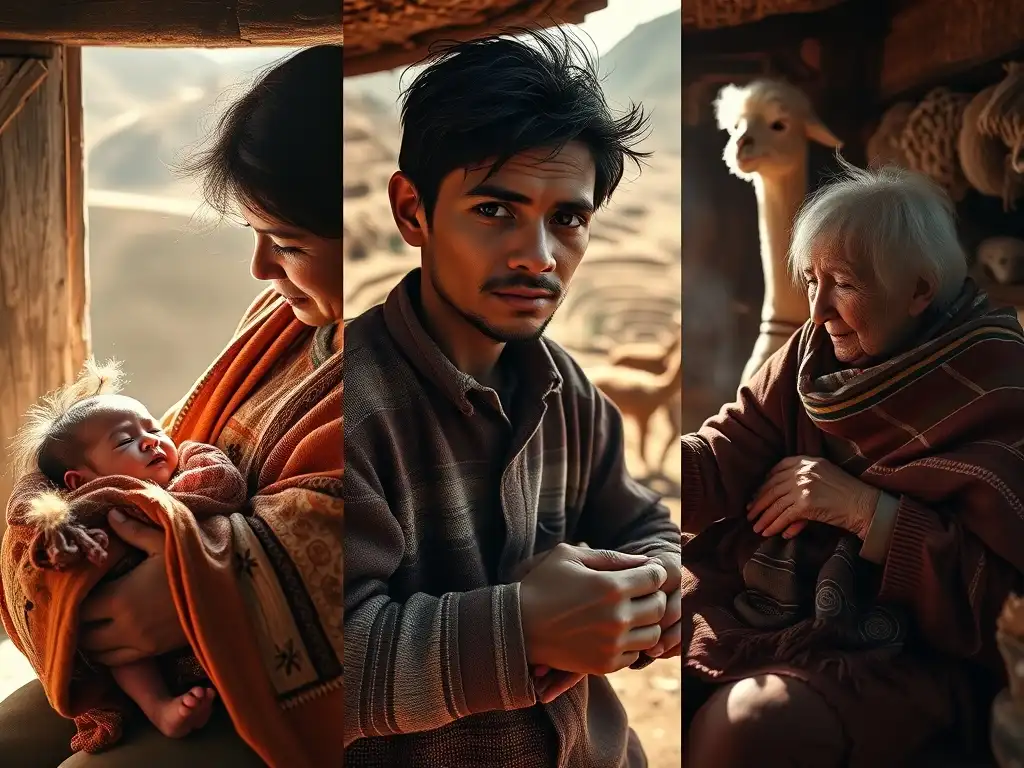
The lifespan of individuals in ancient Andean societies was significantly shaped by a complex interplay of factors. Understanding these factors requires a nuanced perspective, moving beyond simple averages and acknowledging the considerable regional and cultural variations that existed across the vast Andean region. While precise life expectancy figures remain elusive due to limited historical data, archaeological evidence, coupled with anthropological studies of similar societies, allows us to construct a reasonable picture.
Factors such as diet, environmental conditions, disease prevalence, and access to healthcare played crucial roles in determining the length and quality of life. These factors were not independent but rather intertwined, creating a dynamic and often challenging environment for Andean populations. Further research, particularly focusing on isotopic analysis of skeletal remains and detailed analysis of ancient settlements, could provide more precise data on the average lifespan and its fluctuations across different Andean groups and time periods.
Diet and Health in Ancient Andean Populations
The Andean diet, while varied across different regions and altitudes, generally consisted of potatoes, maize, quinoa, beans, and various fruits and vegetables. Access to protein sources varied, with some groups relying heavily on llama and alpaca meat, while others incorporated fish or hunted game into their diets. Nutritional deficiencies, particularly protein and micronutrient deficiencies, were likely common, especially in times of drought or crop failure.
The high altitude of many Andean settlements also presented challenges, with reduced oxygen levels potentially impacting fetal development and overall health. Dental analysis from archaeological sites reveals evidence of dental caries (cavities) and periodontal disease, suggesting dietary factors played a significant role in overall health. The impact of malnutrition on infant and child mortality rates was likely substantial, contributing to a lower average lifespan compared to populations with greater food security.
Environmental Challenges and their impact on Andean Lifespans
The harsh Andean environment significantly impacted life expectancy. High altitudes, characterized by low oxygen levels and extreme temperatures, posed significant challenges to human survival. Exposure to intense solar radiation and unpredictable weather patterns, including droughts and floods, also contributed to health problems and reduced life expectancy.
The rugged terrain, while providing resources, also made transportation and access to food and medical care difficult, especially in remote communities. Natural disasters, such as earthquakes and landslides, further threatened lives and livelihoods, causing widespread death and displacement. Access to clean water was also a critical factor; waterborne illnesses likely contributed to high mortality rates, particularly among children and the elderly.
Diseases and Medical Practices in Ancient Andean Societies
Andean populations were susceptible to various infectious and parasitic diseases, many of which were endemic to the region. Evidence suggests the prevalence of tuberculosis, pneumonia, and various intestinal parasites. The lack of effective treatments and sanitation significantly increased mortality rates. While the ancient Andeans lacked the sophisticated medical knowledge of later civilizations, they possessed a rich tradition of herbal medicine and surgical practices.
Archaeological evidence reveals trepanation (skull surgery), suggesting a level of surgical skill and understanding of basic anatomy. However, the success rate of such procedures was likely low, and infections could easily lead to death. The absence of widespread vaccination or antibiotic treatments severely limited their ability to combat infectious diseases, resulting in high mortality rates across all age groups.
Comparing Lifespan Stages Across Different Andean Cultures
While generalized statements about Andean lifespans are difficult due to limited data, comparing lifespan stages across different cultures reveals fascinating insights into societal values and practices. The variations in life cycles among the Incas, Moche, Nazca, and Tiahuanaco illustrate the diversity of experiences within the Andean world. Understanding these differences requires analyzing archaeological evidence, iconography, and the limited written records available, while acknowledging the inherent challenges in interpreting past societies.
Variations in Life Cycle Among the Incas
Inca society, known for its sophisticated organization, likely saw some variation in lifespan based on social class and access to resources. The elite likely enjoyed better nutrition and healthcare, potentially leading to longer lifespans compared to the commoners. Inca religious beliefs and practices, emphasizing ancestor veneration and the cyclical nature of life, likely influenced their perception of lifespan and death. The Inca emphasis on state control extended to healthcare, with state-sponsored healers and medical practitioners providing services to the population. However, the extent of their effectiveness in improving life expectancy remains a subject of ongoing research.
The Moche Perspective on Life and Death
The Moche civilization, renowned for its elaborate art and complex social structures, left behind a rich visual record of their worldview. Their pottery and other artifacts depict scenes of life and death, often highlighting themes of warfare, sacrifice, and ritual. While specific details about Moche lifespans are scarce, their artistic representations offer insights into their beliefs about the afterlife and the cyclical nature of existence.
The Moche's focus on warfare might have contributed to a higher mortality rate among males, influencing the overall lifespan statistics. Further research into Moche burial practices could potentially reveal additional information about life expectancy and health conditions.
The Nazca view of Lifespan and Ancestral Veneration
The Nazca culture, famous for its enigmatic geoglyphs, also held complex beliefs about life, death, and the afterlife. Their elaborate burial practices, including mummification and the inclusion of grave goods, suggest a deep reverence for their ancestors. The Nazca’s veneration of ancestors might have influenced their perception of lifespan, emphasizing the continuity between the living and the dead. Analysis of Nazca mummies could provide valuable data on health conditions and lifespan. However, the interpretation of such data requires careful consideration of factors such as preservation techniques and the selection bias inherent in archaeological samples.
Tiahuanaco and their Concept of the Cycle of Life
The Tiahuanaco civilization, known for its monumental architecture and sophisticated religious beliefs, likely had a nuanced understanding of the cycle of life. Their religious iconography often depicts themes of rebirth and regeneration, reflecting a cyclical view of time and existence. The Tiahuanaco's complex social structure, with its elite and commoner classes, might have resulted in variations in life expectancy.
The limited data available prevents a definitive assessment of their average lifespan, but their monumental architecture and sophisticated social organization suggest a level of societal stability that might have contributed to longer lifespans for some members of the population. Further research is needed to fully understand the Tiahuanaco’s perspective on lifespan and its relationship to their social and religious structures.
Conclusion: Understanding the Andean Lifespan
The study of Andean lifespans offers a fascinating glimpse into the social structures, beliefs, and environmental adaptations of these remarkable civilizations. While precise life expectancies remain challenging to determine due to limited historical records and the complexities of interpreting skeletal remains, analyzing archaeological evidence, alongside anthropological insights, paints a compelling picture.
We've explored the various stages, from the precarious journey of infancy and childhood, marked by high infant mortality rates and the constant threat of disease, to the revered status of elders, whose wisdom and experience were invaluable to their communities. The transition from childhood to adulthood, often signified by rites of passage and increasing responsibilities, was a crucial milestone.
Similarly, the approach of death and the rituals surrounding it reveal much about Andean beliefs regarding the afterlife and the cyclical nature of life. Understanding these nuances allows us to appreciate the resilience and adaptability of Andean peoples in the face of challenging environmental conditions and the complex social dynamics that shaped their lives.
The Significance of Studying Andean Lifespan Stages
Studying Andean lifespan stages is crucial for several reasons. Firstly, it allows us to move beyond simplistic narratives and gain a more nuanced understanding of the lived experiences of individuals within these societies. By analyzing the archaeological record – including burial sites, artifacts associated with different age groups, and skeletal analysis – we can reconstruct daily life with greater accuracy.
Secondly, this research contributes to a broader understanding of human development and adaptation across diverse cultures and environments. The challenges faced by Andean populations, such as high altitude, varied climates, and potential nutritional deficiencies, provide valuable comparative data for studies on human resilience and the impact of environmental factors on lifespan.
Finally, this work helps challenge Eurocentric biases in historical interpretations, highlighting the richness and complexity of Andean cultures on their own terms, rather than through the lens of external frameworks. This enriched understanding helps us appreciate the unique societal structures, beliefs, and practices that shaped Andean lives.
Key Takeaways on Life and Death in Ancient Andean Societies
Several key takeaways emerge from our exploration of Andean lifespan stages. The harsh realities of life in the Andes, characterized by high infant and child mortality, shaped family structures and social dynamics. The importance of community support and reciprocal relationships is evident in the archaeological record.
Furthermore, the significance of ritual and ceremony in marking life transitions, from birth to death, highlights the spiritual beliefs and cosmological understandings that permeated Andean societies. The respect afforded to elders, who held positions of authority and wisdom, underscores the value placed on experience and continuity within these communities. Finally, the careful consideration of burial practices and funerary rituals provides insights into Andean conceptions of the afterlife and their understanding of the cyclical nature of life and death.
These findings challenge simplistic notions of Andean societies and highlight the complexity and sophistication of their social structures and beliefs. Further research, particularly focusing on [specific information pending: more detailed analysis of specific sites and artifacts], will undoubtedly enrich our understanding of this fascinating topic even further.
Frequently Asked Questions
How did Andean cultures view the concept of lifespan stages?
Andean cultures didn't have a rigid, linear view of lifespan like modern Western societies. Instead, they focused on rites of passage marking key transitions, emphasizing community and spiritual development throughout life. These transitions were deeply tied to agricultural cycles and the cosmos.
What were some important rites of passage in Andean civilizations?
Significant rites included birth ceremonies, puberty rituals (often involving initiation into adult roles), marriage ceremonies, and elaborate funeral rites reflecting the belief in an afterlife. These marked transitions and social status changes.
An individual's age and stage of life directly influenced their social roles and responsibilities. Younger individuals typically assisted in daily tasks, while elders held positions of wisdom and authority, often as spiritual leaders or advisors.
Did the environment impact the Andean lifespan and its stages?
The harsh Andean environment significantly impacted lifespan and daily life. Harsh climates, altitude sickness, and limited resources affected access to food and healthcare, thus influencing life expectancy and the experiences of each stage.
What evidence do we have about Andean lifespan stages and their associated rituals?
Archaeological evidence provides insights into Andean lifespans. Textiles, pottery, and mummy remains offer clues about age, health, and social status. Furthermore, chronicles and oral traditions from the colonial period offer valuable, albeit sometimes biased, perspectives.
Final Reflection: Echoes of the Andes: A Life Lived in Time and Place
Understanding the lifespan stages of the ancient Andean people offers a powerful lens through which to view not only their culture, but also our own relationship with time, community, and mortality. The meticulous detail revealed in archaeological findings and anthropological studies paints a vibrant picture of a society deeply intertwined with its environment and spiritual beliefs, a society whose life cycle profoundly shaped its social structures and worldview. This understanding challenges our modern, often individualistic, perspective on life's journey.
The enduring legacy of Andean cosmology continues to resonate today, shaping our understanding of indigenous cultures and their intricate connection to the land. Their cyclical view of life, death, and rebirth offers a compelling counterpoint to linear Western conceptions of time. The mountains are our mother, the rivers our veins; we are one with the earth, and our lives are a reflection of its rhythms.
This sentiment, though paraphrased, captures the deep spiritual connection that permeated every stage of an Andean life, a connection that deserves our continued respect and study.
Consider, then, the profound implications of this ancient worldview. How might embracing a more cyclical understanding of life, one less focused on individual achievement and more on communal harmony and environmental stewardship, enrich our own experiences? I urge you to reflect on the rhythms of your own life, to consider the interconnectedness of all things, and to find inspiration in the enduring wisdom of the ancient Andean people. Let their story be a reminder of the beauty and fragility of life, and a call to live in harmony with the world around us.
Embrace the Journey of the Ancients!
Thank you for exploring the fascinating history of Andean civilization. We hope you gained a deeper understanding of their rich traditions and their profound connection to the environment. Now, let's delve further into the spirit of the Andes!
Here are some ways to continue your exploration:
- Discover more: Explore our website's extensive collection of articles on Andean culture and history.
- Share the knowledge: Share this article with friends and family on social media, or discuss the fascinating aspects of Andean life.
- Join our community: Engage with fellow history enthusiasts in our forum; share your thoughts and ask questions about the ancient Andean way of life.
What aspect of Andean life most captivated you, and how do you think it can inform our understanding of human relationships today?