
Climate and Collapse: How Environmental Changes Affected Andean Civilizations

Step into a world lost to time, yet echoing with the grandeur of the Andes. Imagine towering cities carved into mountainsides, intricate textiles whispering tales of ancient rituals, and ingenious engineering feats defying the harsh landscape. But what happened? Our exploration into Andean civilization climate collapse reveals a dramatic story of environmental upheaval and its devastating impact on these remarkable societies. Dare to uncover the secrets behind their rise and fall – their legacy awaits.
The breathtaking landscapes of the Andes Mountains, a region famed for its stunning beauty and rich biodiversity, also served as the cradle for some of the most sophisticated and fascinating civilizations in pre-Columbian America. From the Inca Empire's vast network of roads and terraced agriculture to the intricate Nazca Lines etched across the desert floor, these Andean societies demonstrated remarkable ingenuity and adaptability. However, their prosperity wasn't immune to the capricious nature of their environment.
This article delves into the complex interplay between climate change and the rise and fall of Andean civilizations, exploring how environmental shifts profoundly impacted their development, societal structures, and ultimate fates. We'll examine specific instances where climatic events triggered significant societal upheavals, showcasing the intricate relationship between human societies and their environment in the Andes.
Understanding this relationship is crucial for appreciating the full complexity of Andean history and for gaining valuable insights into the challenges faced by past societies in the face of environmental instability, insights that are increasingly relevant in our own era of climate change. The keyword "Andean civilization climate collapse" will be explored throughout this analysis, offering a comprehensive understanding of this crucial topic.
The Fragile Balance: Andean Civilizations and Climate Vulnerability
The Andes are characterized by extreme environmental variability. Altitude significantly influences climate, creating diverse ecological zones, from arid coastal deserts to lush cloud forests and frigid alpine regions. This verticality, while offering a remarkable range of resources, also meant that Andean societies were highly susceptible to fluctuations in climate. Slight shifts in rainfall patterns, temperature variations, or the frequency of extreme weather events could have devastating consequences for agriculture, the backbone of these societies.
For example, the Inca Empire, known for its sophisticated agricultural techniques, relied heavily on a predictable water supply for its terraced farming systems. A prolonged drought could cripple food production, leading to famine, social unrest, and ultimately, the weakening of the empire itself. The impact wasn't limited to agriculture; changes in climate could also affect the availability of other vital resources, such as pastureland for livestock and access to crucial trade routes.
Understanding this inherent vulnerability is crucial to interpreting the archaeological record and unraveling the mysteries surrounding the decline of many Andean civilizations. The fragility of their finely tuned relationship with the environment is a key theme in understanding their history. Many scholars believe that a combination of factors, including internal strife and external pressures, along with climatic shifts, contributed to the collapse of these societies.
Understanding the Environmental Context of Ancient Andean Societies
To fully grasp the impact of climate on Andean civilizations, we must consider the specific environmental context of each society. The Moche civilization, for example, thrived in a relatively arid coastal region, relying heavily on irrigation systems to cultivate crops. Evidence suggests that periods of intense rainfall or prolonged droughts significantly influenced Moche agricultural practices and population distribution. Similarly, the Nazca people, famous for their enigmatic geoglyphs, inhabited a hyper-arid desert environment.
Their sophisticated water management techniques, including underground aqueducts known as puquios, allowed them to survive in this challenging environment. However, even these advanced systems were vulnerable to extreme climatic events. Analyzing pollen records, sediment cores, and ice cores from various Andean regions allows researchers to reconstruct past climate patterns and correlate them with archaeological evidence of societal changes. This interdisciplinary approach provides a much richer understanding of the complex interactions between climate and the development, prosperity, and decline of Andean societies.
The data reveals a recurring pattern: periods of climatic stability often corresponded with periods of societal growth and flourishing, while periods of instability frequently coincided with societal stress and decline. This pattern underscores the crucial role of climate in shaping the history of the Andes. Further research is needed to fully quantify the exact impact of each climatic event on specific societies, but the evidence strongly suggests a significant correlation between environmental change and societal shifts. The study of Andean civilizations offers a compelling case study for understanding the vulnerability of human societies to climate change.
The Role of Climate Variability in Andean Civilization Development
The development of Andean civilizations was intricately linked to the region's highly variable climate. The Andes mountains create a diverse range of microclimates, from arid coastal deserts to lush highland valleys and frigid alpine zones. This climatic diversity fostered the development of specialized agricultural techniques and complex social structures adapted to specific environmental conditions. For instance, the terraced agriculture found in many Andean regions, like the Inca terraces of Machu Picchu, demonstrates a sophisticated understanding of water management and soil conservation necessary to thrive in challenging terrains.
These techniques allowed for increased agricultural productivity, supporting larger populations and the growth of complex societies. However, the very variability that fostered innovation also posed a significant threat. Periods of drought or extreme weather events could severely disrupt agricultural production, leading to societal instability and, in some cases, collapse.
The interplay between adaptation and vulnerability to climatic shifts is a crucial aspect of understanding the rise and fall of Andean societies. The ability of a civilization to successfully adapt to climate fluctuations often determined its longevity and prosperity. This adaptability, manifested in diverse agricultural practices and sophisticated water management systems, played a pivotal role in shaping the trajectory of Andean civilizations.
Evidence of Climate Change Impacts on Andean Cultures
Archaeological evidence strongly suggests that climate change significantly impacted Andean cultures throughout history. Studies of lake sediments, ice cores, and pollen records provide valuable insights into past climatic conditions and their effects on human societies. For example, analysis of pollen samples from the Titicaca Basin reveals shifts in vegetation patterns corresponding to periods of drought and increased aridity, coinciding with periods of societal upheaval in nearby settlements.
Similarly, isotopic analysis of human remains can shed light on dietary changes resulting from environmental stress, indicating potential resource scarcity during periods of climate instability. Furthermore, the abandonment of certain settlements, particularly those located in environmentally marginal areas, often correlates with periods of prolonged drought or other extreme weather events recorded in paleoclimatic data. The combination of these diverse lines of evidence paints a picture of Andean societies constantly adapting to and being challenged by a dynamic and often unpredictable climate.
The evidence highlights the importance of considering environmental factors when interpreting the historical trajectories of these fascinating civilizations. Further research continues to refine our understanding of the specific mechanisms through which climate change influenced the cultural and societal changes in the Andes.
El Niño Southern Oscillation (ENSO) and Its Effects on Andean Agriculture
The El Niño Southern Oscillation (ENSO) is a naturally occurring climate pattern that significantly influences rainfall and temperature across the tropical Pacific Ocean. Its effects extend far beyond the Pacific, impacting weather patterns in the Andes and significantly affecting Andean agriculture. During El Niño events, increased rainfall in some coastal and highland regions can lead to flooding and crop damage.
Conversely, other areas may experience severe drought, resulting in crop failure and food shortages. The unpredictability of ENSO's impacts made it a major challenge for Andean farmers. Their agricultural strategies had to be resilient enough to cope with both excessive rainfall and prolonged drought, often necessitating diverse planting strategies and the development of sophisticated irrigation systems to mitigate the effects of these climatic fluctuations.
The frequency and intensity of ENSO events have varied throughout history, and these variations have likely played a significant role in shaping the development and resilience of Andean agricultural practices. Understanding the historical interplay between ENSO and Andean agriculture provides crucial insights into the environmental pressures faced by these societies.
Drought Cycles and Their Impact on Andean Water Management
Recurring drought cycles have profoundly shaped Andean water management strategies. Evidence suggests that prolonged periods of drought have been a recurring feature of the Andean climate throughout history. These droughts have had a devastating impact on agriculture and water resources, forcing Andean societies to develop ingenious systems for water storage, distribution, and conservation.
Examples include the intricate canal systems built by various Andean cultures, such as the Nazca lines and the sophisticated irrigation systems of the Inca Empire. These systems were not only crucial for ensuring agricultural productivity but also played a vital role in maintaining social stability during periods of drought. The ability of a civilization to effectively manage its water resources during drought often determined its resilience and ability to survive periods of environmental stress.
The sophisticated water management strategies developed by Andean civilizations highlight their remarkable adaptation to a challenging and unpredictable environment. Further research into ancient water management techniques can inform modern approaches to water resource management in the face of increasing climate variability.
The Impact of Glacial Retreat on Andean Resources
Glacial retreat in the Andes has had significant consequences for Andean resources, particularly water availability. Glaciers are a vital source of freshwater for many Andean communities, providing water for agriculture, drinking, and hydroelectric power. As glaciers retreat due to climate change, the availability of this crucial resource diminishes, impacting both human populations and ecosystems.
The reduced glacial meltwater affects the flow of rivers and streams, leading to water scarcity in downstream areas. This scarcity can have devastating effects on agriculture, causing crop failures and food shortages. Additionally, glacial retreat can increase the risk of natural disasters such as landslides and floods, further threatening the livelihoods of Andean communities.
The impact of glacial retreat on water resources underscores the vulnerability of Andean societies to climate change and the need for sustainable water management practices. Understanding the complex relationship between glacial retreat and resource availability is essential for mitigating the negative consequences of climate change in the Andes.
Specific Case Studies of Climate-Induced Collapse in Andean Civilizations
The impact of climate change on Andean civilizations is a complex topic, requiring nuanced examination of specific cases to understand the interplay between environmental shifts and societal responses. While attributing collapses solely to climate change is an oversimplification—internal societal factors also played significant roles—environmental pressures were often catalysts for instability and decline. Several key civilizations experienced dramatic shifts linked to climatic fluctuations, offering valuable insights into the vulnerability of these advanced societies.
By analyzing these case studies, we can better comprehend the intricate relationship between human societies and their environment in the Andes. This understanding is crucial not only for appreciating the past but also for informing contemporary strategies for environmental sustainability and disaster preparedness in vulnerable regions.
The study of these collapses offers valuable lessons for modern societies facing similar environmental challenges. Understanding past responses can inform present-day strategies for mitigating the effects of climate change and building more resilient communities.
The Collapse of the Moche Civilization: A Case of Extreme Weather Events
The Moche civilization (c. 100-800 CE), renowned for its sophisticated irrigation systems and artistic achievements, experienced a period of decline linked to significant climatic shifts. Archaeological evidence suggests a prolonged drought, possibly exacerbated by El Niño-Southern Oscillation (ENSO) events, severely impacting agricultural production. The Moche relied heavily on irrigation canals drawing water from rivers, and prolonged droughts would have led to water scarcity and crop failures. This environmental stress likely contributed to social unrest, internal conflicts, and ultimately, the disintegration of the Moche state.
The weakening of centralized power, coupled with the inability to effectively manage resource scarcity, likely played a crucial role in the civilization's eventual collapse. The sudden shifts in precipitation patterns, as evidenced by paleoclimatic data, would have severely strained the Moche's sophisticated but ultimately fragile irrigation infrastructure. The resulting societal disruption and conflict likely accelerated the civilization's decline.
The Decline of the Tiwanaku Empire: Environmental Stress and Societal Change
The Tiwanaku empire (c. 300-1100 CE), a powerful civilization in the Altiplano region, faced challenges related to environmental change and resource management. Evidence suggests that periods of drought and cooler temperatures significantly impacted agricultural productivity. The Tiwanaku relied on intensive agriculture, and climate fluctuations likely decreased crop yields, leading to food shortages and social instability. While internal factors like overextension of the empire also played a role, environmental stress acted as a significant catalyst for decline.
The empire's sophisticated water management systems, though impressive, proved insufficient during prolonged periods of drought. The combination of environmental stress and internal pressures ultimately contributed to the Tiwanaku's eventual fragmentation and decline. The scale of the Tiwanaku's agricultural endeavors, while initially successful, ultimately made the empire highly vulnerable to climatic fluctuations.
The Nazca Culture and the Challenges of Arid Conditions
The Nazca culture (c. 100 BCE – 800 CE), known for its intricate geoglyphs, developed remarkable water management techniques to cope with the extremely arid conditions of the coastal desert. However, even their sophisticated systems, including underground aqueducts (puquios), were vulnerable to prolonged droughts. Variations in rainfall, possibly linked to ENSO events, would have severely impacted their ability to sustain their population and complex social structures.
While the Nazca did not experience a complete "collapse" in the same way as the Moche or Tiwanaku, their population fluctuated significantly in response to environmental changes. The ingenuity of their water management systems is a testament to their adaptation, but it also highlights the ongoing precariousness of life in such an unforgiving environment. Understanding their strategies reveals the limitations even the most advanced techniques can face in the face of extreme climatic variability.
The Inca Resilience: Adaptation and Management of Environmental Challenges
In contrast to the preceding examples, the Inca Empire (c. 1438-1533 CE) displayed remarkable resilience in the face of environmental challenges. While they were undoubtedly affected by climate fluctuations, their sophisticated administrative structures and technological innovations enabled them to mitigate the impacts and maintain relative stability for a considerable period. This resilience was not simply a matter of luck; rather, it was a result of deliberate strategies and a deep understanding of their environment.
The Inca's success stemmed from their ability to adapt and innovate, showcasing the importance of effective governance and technological advancement in responding to environmental change. Their legacy serves as a powerful example of how a civilization can successfully navigate environmental challenges.
Inca Agricultural Innovations to Mitigate Climate Impacts
The Inca implemented various agricultural innovations to address the varied climates across their vast empire. Terracing, for instance, allowed them to cultivate slopes effectively, maximizing arable land and preventing soil erosion. They also developed sophisticated irrigation systems, including canals and reservoirs, to manage water resources efficiently, especially in arid regions.
Crop diversification further enhanced resilience, ensuring food security even if one crop failed due to climatic variability. The Inca’s understanding of their environment and their practical application of agricultural techniques allowed them to withstand many climatic challenges. Their agricultural practices represent a sophisticated approach to managing environmental risk, ensuring food security for a large and diverse population.
Inca Infrastructure and Water Management Strategies
Inca infrastructure played a vital role in their ability to manage environmental challenges. Their extensive road network facilitated the movement of goods and people, allowing for rapid response to crises such as droughts or floods. Their mastery of stonework enabled the construction of durable structures, including irrigation canals and storage facilities, ensuring the efficient management of water resources.
This infrastructure not only supported agriculture but also enhanced communication and trade, contributing to the empire's overall resilience. The Inca’s sophisticated engineering and construction skills were not simply aesthetic achievements; they were integral to the empire’s capacity to withstand environmental pressures. This infrastructure demonstrates a remarkable understanding of engineering principles and their application to building a resilient and sustainable society.
Archaeological Evidence and the Study of Past Climates
Understanding the impact of climate change on Andean civilizations requires meticulous analysis of archaeological evidence coupled with sophisticated techniques for reconstructing past climates. Archaeologists utilize a multi-pronged approach, combining traditional excavation methods with cutting-edge scientific analyses to paint a clearer picture of the past. For example, the discovery of specific plant remains at a site can indicate the prevailing agricultural practices and the type of climate that supported them.
Similarly, the presence of certain animal bones offers insights into the available fauna and the overall ecosystem. These findings, when correlated with climate data, can reveal crucial connections between environmental shifts and societal changes.
The meticulous recording of stratigraphic layers during excavation is also vital, as it allows researchers to date artifacts and environmental indicators within a chronological framework, providing a timeline for environmental changes and their societal consequences. This integrated approach, combining archaeological fieldwork with climate science, is essential for a comprehensive understanding of the complex interplay between climate and Andean societies.
Ice Core Analysis and Andean Climate Reconstruction
Ice cores extracted from high-altitude glaciers in the Andes provide invaluable information about past climatic conditions. These cores act as natural archives, trapping atmospheric gases and dust particles within their layers.
By analyzing the isotopic composition of the ice and the trapped materials, scientists can reconstruct temperature variations, precipitation patterns, and even volcanic activity over millennia. For instance, studies of ice cores from the Quelccaya Ice Cap in Peru have revealed significant fluctuations in temperature and precipitation during the past several thousand years, providing a detailed record of climate variability that directly impacts our understanding of the periods of expansion and contraction of various Andean civilizations.
The resolution of these ice core records, sometimes reaching annual or even seasonal levels, allows researchers to link specific climatic events to documented societal changes, offering a powerful tool for understanding the impact of climate on Andean populations. The continued analysis of these ice cores is crucial for refining our understanding of Andean climate history and its relationship to the rise and fall of ancient civilizations.
Pollen Analysis and Vegetation Shifts in the Andes
Pollen analysis, or palynology, provides another crucial method for reconstructing past environments in the Andes. Pollen grains, remarkably resistant to decay, are preserved in lake sediments and peat bogs, offering a detailed record of past vegetation. Changes in pollen assemblages reflect shifts in vegetation zones, indicating changes in temperature, precipitation, and altitude.
For example, the presence of high-altitude pollen species at lower elevations may signal a warming trend, while the disappearance of certain species may indicate drought or other environmental stresses. By carefully analyzing pollen records from various locations across the Andes, researchers can map changes in vegetation patterns over time, providing valuable context for understanding the environmental challenges faced by Andean civilizations.
These shifts in vegetation could have had profound implications for agriculture, resource availability, and the overall stability of Andean societies. The correlation of pollen data with archaeological evidence allows researchers to directly link environmental changes to societal responses.
Sediment Analysis and Evidence of Past Floods and Droughts
Sediment analysis of lake beds and river deposits offers powerful evidence of past hydrological events, such as floods and droughts. Layers of sediment reveal changes in water levels, erosion patterns, and the transport of materials. The presence of fine-grained sediments indicates periods of calm water, while coarser materials suggest high-energy events like floods.
Conversely, the absence of sediment deposition in lake beds may signal prolonged drought. By analyzing the composition and layering of sediments, researchers can reconstruct the frequency and intensity of past floods and droughts, providing critical insights into the environmental pressures faced by Andean civilizations.
For example, evidence from lake sediments has revealed periods of intense drought that coincided with societal instability and population decline in certain regions, highlighting the vulnerability of these civilizations to environmental variability. Furthermore, the study of sediment layers helps understand how these civilizations adapted to, or failed to adapt to, these extreme climate events.
The Interplay of Climate, Society, and Political Instability
The relationship between climate change and the rise and fall of Andean civilizations is complex and multifaceted, involving a intricate interplay of environmental pressures, societal responses, and political instability. It's not simply a case of climate change causing collapse; rather, it's a more nuanced interaction where environmental stress acts as a significant catalyst that exacerbates existing social and political tensions.
For example, periods of drought or flood could lead to crop failures and food shortages, potentially triggering social unrest, internal conflicts, and weakening of political structures. This vulnerability was particularly pronounced in societies heavily reliant on agriculture, as seen in the case of [specific Andean civilization and example pending].
The resulting instability could then create opportunities for rival groups to challenge established power structures, leading to warfare and further societal disruption. The impact of climate change wasn't necessarily a direct cause of collapse, but rather a contributing factor that amplified existing vulnerabilities and tensions within Andean societies.
Climate Change as a Catalyst for Social and Economic Disruption
Climate change in the Andes acted as a powerful catalyst for social and economic disruption in many different ways. Droughts, for instance, could lead to widespread crop failures, resulting in famine and economic hardship. This, in turn, could exacerbate existing social inequalities, leading to increased competition for scarce resources and potentially escalating into conflicts. Similarly, floods could destroy infrastructure, disrupt trade routes, and displace populations, triggering widespread economic instability.
These environmental shocks often disproportionately affected vulnerable populations, leading to increased social stratification and potentially fueling social unrest. The resulting economic instability could weaken the ability of state institutions to maintain order and provide essential services, further destabilizing society. This complex chain reaction highlights the profound consequences of climate variability on the social fabric and economic stability of Andean civilizations.
The Role of Resource Competition in Andean Conflicts
Resource scarcity, often exacerbated by climate change, played a significant role in fueling conflicts between different Andean groups. Periods of drought or other environmental stresses could lead to intense competition for limited resources such as water, fertile land, and agricultural products. This competition could manifest in various forms, from raiding and skirmishes to larger-scale wars between competing groups or even within a single civilization.
The struggle for control over vital resources could weaken existing political structures and even lead to the collapse of entire states. [Specific examples of Andean conflicts driven by resource scarcity pending]. The analysis of archaeological evidence, such as fortifications and weaponry, can provide insights into the intensity and scale of these conflicts, highlighting the critical role of resource competition in shaping the history of Andean civilizations.
How Environmental Stress Weakened Political Structures
Environmental stress, particularly in the form of prolonged droughts or floods, significantly weakened the political structures of many Andean civilizations. Crop failures and food shortages resulting from such events could lead to widespread social unrest, undermining the authority of ruling elites and challenging the legitimacy of their governance. The inability of state institutions to effectively respond to these crises could further erode public trust and weaken their ability to maintain order. This weakening of political structures could create opportunities for rebellions, internal conflicts, and the rise of competing power centers.
[Specific examples of political instability caused by environmental stress in Andean civilizations pending]. The resulting political fragmentation and instability often created a fertile ground for the rise of new power structures and the eventual transformation or collapse of existing states. The long-term impact of environmental stress on the political landscape of the Andes was profound and far-reaching.
Lessons from the Past: Understanding Contemporary Climate Change Through the Andean Perspective
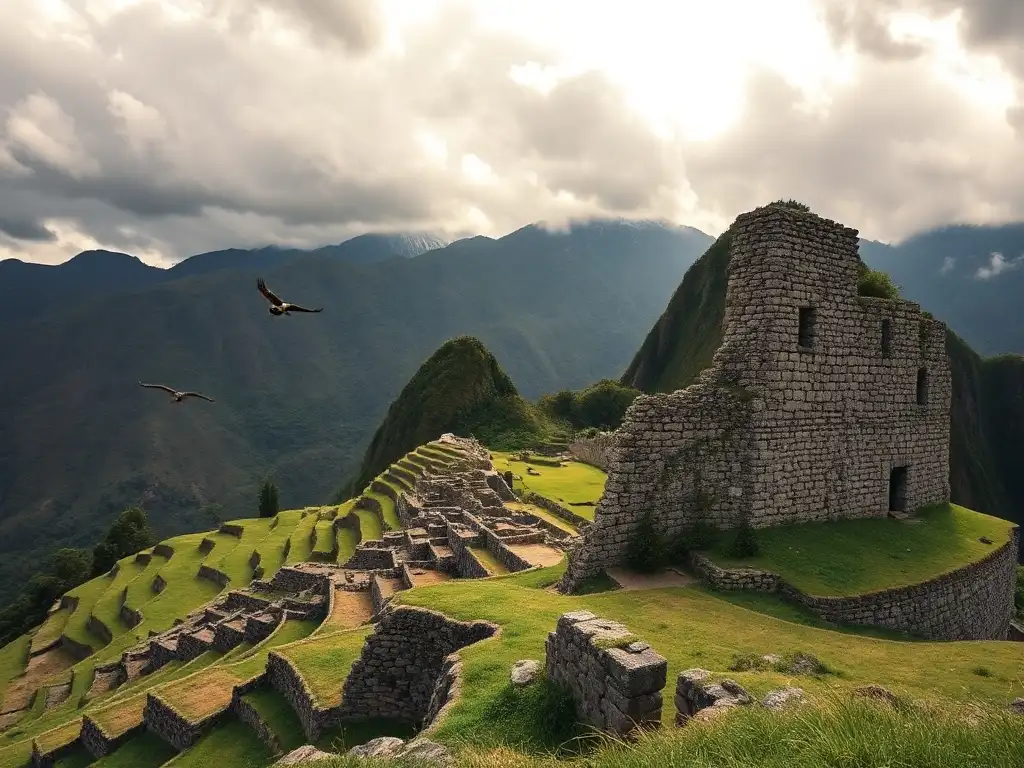
The study of Andean civilizations offers a unique and crucial lens through which to understand the impacts of climate change. These societies, flourishing in a geographically diverse and often challenging environment, developed sophisticated strategies for adapting to environmental variability. Their successes and failures provide invaluable lessons for contemporary societies grappling with the accelerating effects of anthropogenic climate change.
By examining past societal responses to drought, flooding, and other climate-related events, we can gain insights into effective adaptation and mitigation strategies. For instance, the intricate water management systems employed by the Inca, such as canals and terraced agriculture, demonstrate a remarkable understanding of hydrological processes and a commitment to sustainable resource use. These systems not only ensured food security but also helped to prevent soil erosion and maintain biodiversity.
Conversely, the collapse of certain Andean societies can be directly linked to periods of prolonged drought or other environmental stressors, highlighting the vulnerability of even advanced civilizations to climate change. Understanding these historical patterns is crucial for developing more resilient communities in the face of future climate challenges. The Andean experience underscores the critical interplay between climate, environment, and societal stability.
Applying Andean Lessons to Modern Climate Challenges
The insights gleaned from studying Andean responses to climate variability have direct relevance to modern climate change mitigation and adaptation strategies. The sophisticated agricultural techniques, such as terracing and irrigation, employed by Andean civilizations offer practical models for sustainable agriculture in mountainous regions. These techniques can improve water use efficiency, reduce soil erosion, and enhance crop yields, contributing to food security in the face of changing climate conditions.
Furthermore, the Andean emphasis on community-based resource management offers valuable lessons for contemporary approaches to environmental governance. The success of many Andean societies depended on their ability to cooperate in managing shared resources, such as water and land. This collaborative approach stands in contrast to many modern approaches that prioritize individual gain over collective well-being.
By adopting a more community-focused and participatory approach to climate change adaptation, we can foster more effective and sustainable solutions. Finally, the historical evidence of societal collapse due to climate change serves as a stark warning of the potential consequences of inaction. The Andean experience underscores the urgency of addressing climate change and the need for proactive and collaborative action.
The Importance of Sustainable Resource Management in Mountain Ecosystems
The Andean region, characterized by its high altitude and steep slopes, presents unique challenges for sustainable resource management. The fragility of mountain ecosystems makes them particularly vulnerable to climate change and human activities. The civilizations that thrived in these environments developed sophisticated strategies for managing water resources, soil conservation, and biodiversity. Their methods, often based on centuries of observation and experience, offer invaluable lessons for modern approaches to sustainable mountain development.
For instance, the Inca's sophisticated terracing systems not only increased agricultural productivity but also helped to prevent soil erosion and maintain biodiversity. These techniques are highly relevant to contemporary efforts to promote sustainable agriculture in mountain regions, which are often facing increasing pressure from population growth and climate change. Moreover, the Andean emphasis on community-based resource management highlights the importance of collaborative approaches to environmental conservation.
The successful management of shared resources, such as water and pastureland, depended on strong social institutions and a shared understanding of environmental limits. This community-based approach offers a valuable model for contemporary efforts to promote sustainable resource management in mountain ecosystems. Ignoring the lessons learned from the Andean experience could have disastrous consequences for the long-term sustainability of these fragile environments.
Ongoing Research and Future Directions in Andean Climate Studies
Research on the impact of climate change on Andean civilizations continues to evolve, driven by new archaeological discoveries, advancements in climate modeling, and improved analytical techniques. Current research focuses on refining our understanding of past climate variability, the relationship between climate change and societal collapse, and the resilience strategies employed by Andean societies. Future research directions include more detailed paleoclimatic reconstructions, incorporating a wider range of proxy data to improve our understanding of past climate conditions.
This will involve interdisciplinary collaborations between archaeologists, climatologists, and other scientists. Furthermore, research is needed to better understand the complex interactions between climate change, human activities, and societal responses. This requires integrating archaeological and historical data with climate models to create more comprehensive scenarios of past and future climate impacts.
Additionally, there is a growing need to understand the long-term consequences of environmental degradation and resource depletion in the Andean region. This includes exploring the links between past environmental changes and contemporary environmental challenges. The ongoing research is crucial for developing more effective strategies for climate change adaptation and mitigation in the Andes and beyond.
Exploring the Complex Relationships Between Climate and Andean Civilizations
The relationship between climate and Andean civilizations is far from simple and linear. It's a complex interplay of environmental factors, societal responses, and technological advancements. While prolonged droughts or other climate extremes undoubtedly played a role in the decline or collapse of some societies, it's crucial to avoid simplistic narratives of environmental determinism.
Other factors such as internal conflicts, disease outbreaks, and changes in trade networks also contributed to societal transformations. Research increasingly emphasizes the nuanced and multifaceted nature of these interactions. For example, studies are exploring how specific agricultural practices, such as the cultivation of drought-resistant crops or the construction of sophisticated irrigation systems, allowed some societies to withstand periods of climate variability.
Similarly, research is examining how societal responses to climate change, such as migration or changes in political organization, influenced the trajectory of different Andean cultures. A holistic approach that considers the interplay of various environmental and social factors is necessary to fully understand the dynamic relationship between climate and Andean societies.
New Archaeological Discoveries and Their Impact on Climate Understanding
New archaeological discoveries in the Andes continue to shed light on the impact of climate change on past societies. Recent excavations have unearthed evidence of sophisticated water management systems, revealing the ingenuity and resilience of Andean civilizations in the face of environmental challenges. These discoveries, combined with advancements in dating techniques and paleoclimatic reconstructions, allow for a more precise understanding of the timing and magnitude of past climate events and their impact on human societies.
For instance, the discovery of new settlements or agricultural terraces at higher altitudes may indicate adaptive strategies employed during periods of drought or other environmental stress. Similarly, the discovery of artifacts or human remains with evidence of malnutrition or disease may point to the devastating consequences of climate-related events.
These new findings constantly refine our understanding of the complex relationship between climate and Andean civilizations and provide further insights into the resilience and vulnerability of past societies. The ongoing discoveries emphasize the importance of continued archaeological research in understanding the long-term impacts of climate change and informing contemporary adaptation strategies.
Conclusion: The Enduring Legacy of Climate and Collapse in the Andes
The study of Andean civilization climate collapse reveals a complex interplay between societal choices and environmental pressures. While droughts, floods, and seismic activity undeniably played significant roles in the decline of various Andean empires, it's crucial to avoid simplistic narratives of environmental determinism. The story is far more nuanced, highlighting the resilience and adaptability of Andean populations alongside their vulnerability to dramatic climate shifts.
The sophisticated agricultural techniques, intricate water management systems, and complex social structures developed by these civilizations demonstrate remarkable ingenuity in responding to environmental challenges. However, the limitations of these systems, when confronted with exceptionally severe or prolonged climate events, ultimately contributed to societal upheaval and transformation.
The legacy of these collapses is not merely one of loss and ruin. Rather, it offers invaluable insights into the long-term consequences of climate change and the importance of sustainable resource management. Archaeological evidence continues to provide crucial data for understanding past climate variability and its impact on human societies.
This knowledge is increasingly relevant in our current era of anthropogenic climate change, offering crucial lessons for building more resilient communities in the face of future environmental uncertainties. By studying the successes and failures of past Andean civilizations, we can gain a deeper understanding of the intricate relationship between human societies and their environment, informing strategies for mitigating the risks posed by climate change today. The ongoing research in this field continues to refine our understanding of the complex dynamics at play, offering a richer and more nuanced picture of how climate change shaped the trajectory of Andean civilizations and continues to shape our world.
The study of “Andean civilization climate collapse” is not just an academic exercise; it’s a crucial lens through which we can better understand and address the challenges we face in the 21st century. Understanding the past informs our ability to better navigate the future.
- The Fragile Balance: Andean Civilizations and Climate Vulnerability
- Understanding the Environmental Context of Ancient Andean Societies
- The Role of Climate Variability in Andean Civilization Development
- Evidence of Climate Change Impacts on Andean Cultures
- Specific Case Studies of Climate-Induced Collapse in Andean Civilizations
- The Inca Resilience: Adaptation and Management of Environmental Challenges
- Archaeological Evidence and the Study of Past Climates
- The Interplay of Climate, Society, and Political Instability
- Lessons from the Past: Understanding Contemporary Climate Change Through the Andean Perspective
- Ongoing Research and Future Directions in Andean Climate Studies
- Conclusion: The Enduring Legacy of Climate and Collapse in the Andes
- What role did climate change play in the decline of Andean civilizations?
- Did all Andean civilizations collapse due to climate change?
- How did Andean civilizations adapt to climate variability before the major collapses?
- What evidence supports the link between climate change and Andean civilization decline?
- Are there modern implications from studying the relationship between climate and collapse in the Andes?
Frequently Asked Questions
What role did climate change play in the decline of Andean civilizations?
Climate change played a significant role. Droughts and other extreme weather events, often linked to El Niño patterns, severely impacted agriculture and water resources, leading to societal instability and ultimately, collapse in some cases. This was exacerbated by environmental degradation from unsustainable practices.
Did all Andean civilizations collapse due to climate change?
No. While climate change was a contributing factor to the decline of several Andean civilizations, it wasn't the sole cause for all. Internal conflicts, disease, and external pressures also played crucial roles, often interacting with the impacts of climate change in complex ways. The effects varied greatly depending on the specific civilization and its location.
How did Andean civilizations adapt to climate variability before the major collapses?
Andean civilizations developed sophisticated agricultural techniques, such as terracing and irrigation, to cope with climate variability. They also employed diverse cropping systems and storage techniques to mitigate the effects of drought and other environmental shocks. However, the severity of some climate shifts overwhelmed these adaptations.
What evidence supports the link between climate change and Andean civilization decline?
Archaeological evidence, such as shifts in settlement patterns, changes in agricultural practices, and analysis of pollen and other environmental data, points to the impact of climate change. Ice core samples provide further evidence of past climate fluctuations that correlate with societal changes.
Are there modern implications from studying the relationship between climate and collapse in the Andes?
Absolutely. Understanding the past helps us better prepare for future climate change impacts. The Andean experience provides valuable insights into the vulnerability of societies to environmental stress, informing strategies for disaster preparedness, sustainable resource management, and climate change mitigation today.
Final Reflection: Echoes of the Andes: Climate, Collapse, and Our Future
The fragility of even the most advanced societies in the face of environmental change is a stark lesson from the Andean civilizations, a lesson profoundly relevant to our own time. The dramatic shifts in climate that contributed to the decline of these powerful empires serve as a chilling premonition of what our own unsustainable practices might bring. Ignoring the warnings etched in the ruins of Machu Picchu and the desiccated fields of the altiplano is not an option; it's a gamble with our collective future.
The story of the Andean civilizations' rise and fall is not simply a historical account; it's a mirror reflecting our own relationship with the natural world. Their sophisticated agricultural techniques and intricate social structures, while impressive, ultimately proved vulnerable to the forces of nature. The echoes of their struggles resonate deeply, reminding us of the interconnectedness of human societies and their environment. The Earth does not belong to man; man belongs to the Earth.
This ancient wisdom, though perhaps not explicitly stated in this form by the Andean people, holds a timeless truth that we must heed.
Consider the choices we make today. Are we building resilient societies capable of weathering the storms of climate change, or are we repeating the mistakes of the past? You have the power to make a difference. By embracing sustainable practices, advocating for responsible environmental policies, and fostering a deeper understanding of our planet's delicate ecosystems, you can help shape a future where the lessons learned from the Andean civilizations are not forgotten, but serve as a guiding light towards a more sustainable and equitable world.
**Unleash Your Curiosity: Dive Deeper into Andean Environments! **
Thank you for exploring the fascinating story of how climate shaped Andean civilizations. You've gained valuable insights into the complex interplay between environment and society. Now, let's delve even deeper!
Here are some ways to further explore this topic:
- **Explore the Andean Landscape:** Visit a local museum or cultural center that showcases Andean history and the impact of climate on its civilizations. Witnessing artifacts and exhibits firsthand can significantly deepen your understanding.
- **Engage in the Conversation:** Participate in online discussions or join social media groups dedicated to environmental history and Andean cultures. Sharing your thoughts and learning from others can broaden your perspective.
- **Spread the Knowledge:** Share your newfound knowledge by writing a blog post or discussing what you've learned with friends and family. Highlighting the sustainable practices employed by these ancient civilizations can inspire modern solutions.
Consider how understanding the environmental challenges faced by Andean civilizations can inform our approach to building climate resilience today. What lessons can we learn from their successes and failures?