
Water Management Masters: Inca Control of Precious Resources

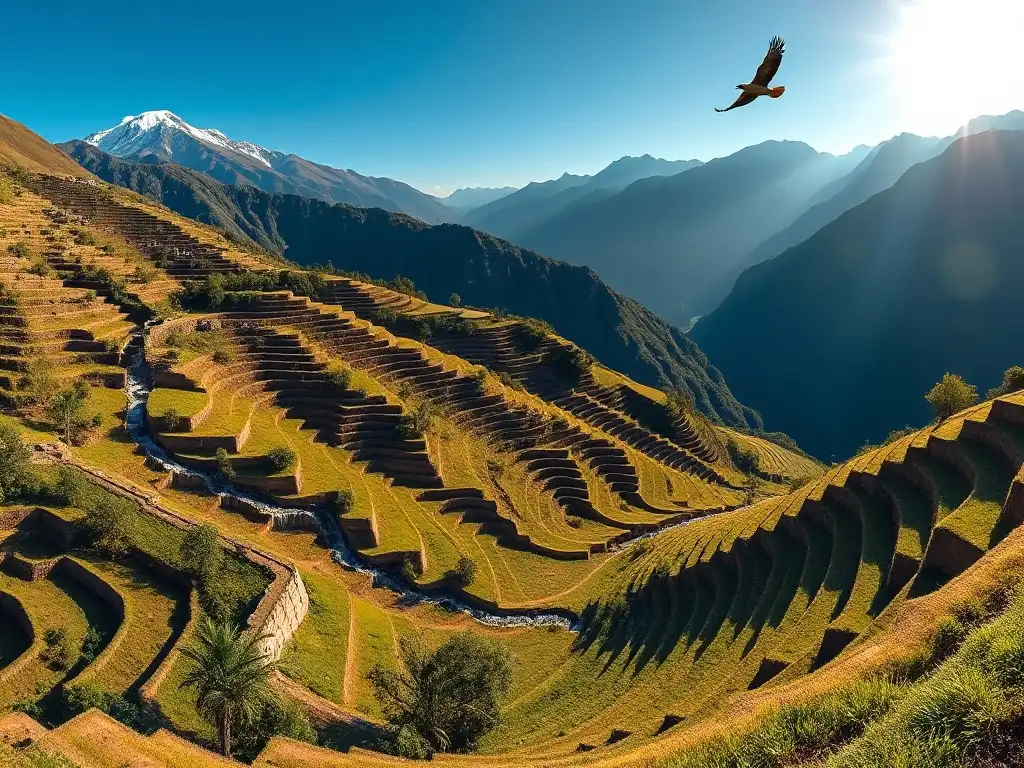
Dive into the captivating world of the Andean Civilizations! Imagine a society that harnessed the power of the Andes, mastering intricate techniques to thrive in a challenging landscape. Prepare to be amazed by the ingenuity of the Inca, whose mastery of water management shaped their empire and continues to inspire awe centuries later. Uncover the secrets behind their sophisticated systems in our exploration of Inca water management techniques – a testament to their remarkable civilization. Read on to discover how they transformed the harsh terrain into a flourishing realm.
- Inca Water Management Masters: Control of Precious Resources in the Andes
- The Importance of Water for the Inca Empire
- Inca Ingenious Water Management Techniques
- Inca Strategies for Water Conservation
- The Impact of Inca Water Systems on Agriculture
- The Legacy of Inca Water Management
-
Frequently Asked Questions
- How did the Inca manage water effectively in their arid environment?
- What were some of the key features of Inca irrigation systems?
- How did Inca water management impact their agriculture?
- Did the Inca use any advanced technology in their water systems?
- What evidence remains today of Inca water management systems?
- Final Reflection: The Enduring Legacy of Inca Water Wisdom
- Harness the Power of Water Management Today!
Inca Water Management Masters: Control of Precious Resources in the Andes
The Inca Empire, renowned for its sophisticated social structures and architectural marvels, also possessed an unparalleled understanding of water management. Their mastery of hydraulic engineering allowed them to thrive in the challenging Andean terrain, transforming arid landscapes into productive agricultural zones. This article delves into the ingenious Inca water management techniques, examining their innovative solutions for capturing, storing, and distributing this precious resource, showcasing their profound impact on the empire's prosperity and longevity.
Understanding Inca water management provides crucial insights into their remarkable ability to adapt to their environment and build a powerful and enduring civilization. We will explore the various methods employed, from intricate canal systems to sophisticated reservoirs, and analyze their lasting legacy on Andean societies. The keyword "Inca water management techniques" will be explored in detail, revealing the ingenuity and complexity of their approach.
Harnessing the Andes: Canal Systems and Aqueducts
The Inca's most impressive feats of water management involved the construction of extensive canal systems and aqueducts. These weren't simply ditches; they were meticulously engineered networks that channeled water from mountain streams and springs to distant agricultural fields, often traversing challenging terrain with remarkable precision. The canals were built using sophisticated techniques, including stonework that minimized water loss through seepage. The precise gradients ensured a consistent flow of water, even over long distances.
Archaeological evidence reveals the use of various materials, including stone, clay, and even wood, depending on the specific location and environmental conditions. The construction of these systems required immense labor and detailed planning, reflecting the Inca's centralized and highly organized society. The size and complexity of these projects varied regionally, adapting to the unique topography and water availability of each location. For example, [specific examples of canal systems and their lengths pending].
Storing the Life Blood: Reservoirs and Storage Systems
Beyond channeling water, the Inca developed sophisticated systems for storing it. Reservoirs, often built into hillsides or carved from rock, played a crucial role in ensuring a consistent water supply during dry periods. These weren't simply open basins; many were carefully designed to minimize evaporation and maintain water quality. Some reservoirs incorporated ingenious overflow systems to prevent damage during periods of heavy rainfall.
The Inca also utilized other storage methods, such as underground cisterns and strategically placed storage ponds, to ensure water availability throughout the year. The capacity of these reservoirs varied greatly, depending on the local needs and the available resources. [Specific data on reservoir capacities and locations pending]. The strategic placement of these reservoirs also demonstrates a deep understanding of hydrology and the seasonal variations in water availability.
Agricultural Innovation: Terracing and Irrigation Techniques
The Inca's water management systems were inextricably linked to their agricultural practices. Terracing, a technique of creating level platforms on steep slopes, allowed for efficient irrigation and maximized arable land. The terraces were often built with carefully constructed channels to distribute water evenly across the fields. This ingenious combination of terracing and irrigation systems enabled the Inca to cultivate crops at high altitudes, where traditional farming methods would have been impossible.
The precise alignment of the terraces, often following the contours of the land, minimized erosion and maximized water retention. [Specific examples of terraced agricultural areas and their associated irrigation techniques pending]. This innovative approach to agriculture allowed the Inca to support a large and densely populated empire.
A Legacy of Water Management: Enduring Impact on Andean Culture
The Inca's sophisticated water management systems were not simply engineering marvels; they were integral to the empire's social, economic, and political structures. Access to water was carefully regulated, reflecting the Inca's centralized control over resources. The maintenance of these systems required collective effort and cooperation, reinforcing social cohesion and community spirit. Even after the fall of the Inca Empire, many of their water management systems continued to be used by subsequent Andean societies, demonstrating their enduring legacy and impact on the region's cultural landscape.
The knowledge and techniques developed by the Inca continue to inform modern water management practices in the Andes. Understanding their achievements provides valuable lessons for sustainable water resource management in challenging environments. The ingenuity of the Inca water management techniques showcases their adaptability and emphasizes the importance of water as a vital resource for civilization.
The Importance of Water for the Inca Empire
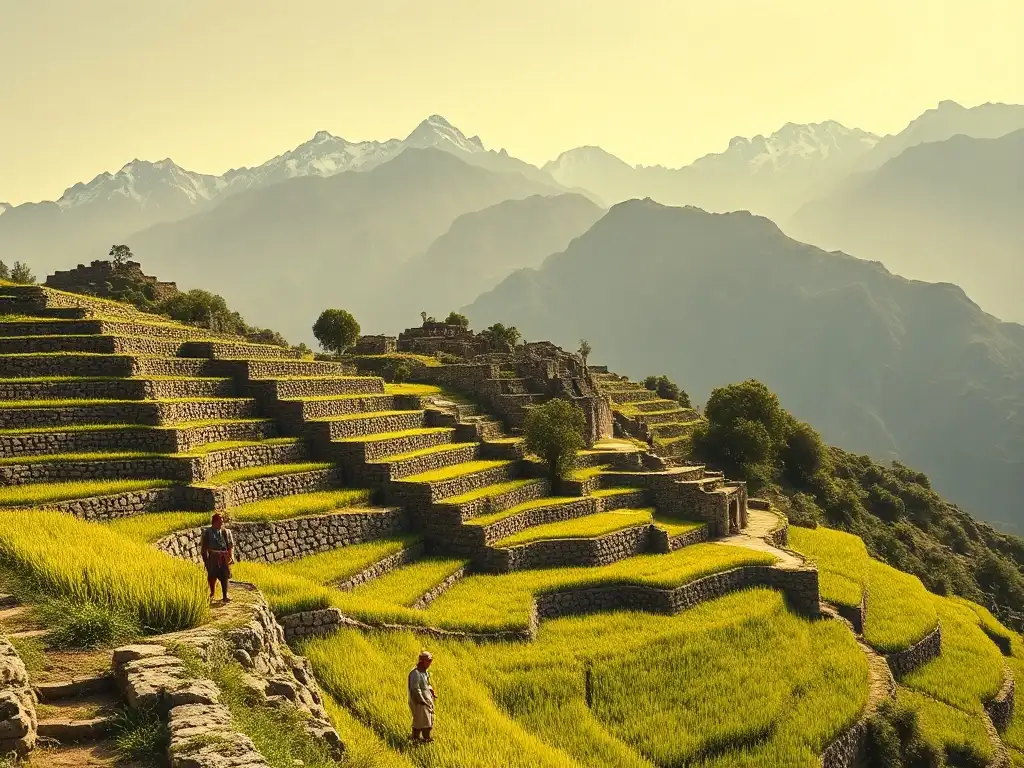
The Inca Empire, renowned for its sophisticated social structures and impressive engineering feats, thrived in a geographically diverse yet often challenging environment. Understanding the Inca's mastery of water management is crucial to comprehending their success and longevity. Their ability to harness and control water resources was not merely a feat of engineering; it was the cornerstone of their agricultural system, economic stability, and social organization.
Water wasn't just a resource; it was the lifeblood of the empire. The Inca's ingenuity in managing this precious commodity allowed them to cultivate vast stretches of land, feed a large population, and maintain a complex political system.
This section will explore the critical role of water in the Inca Empire, highlighting the challenges they faced and the innovative solutions they implemented. The effectiveness of their "Inca water management techniques" is a testament to their deep understanding of their environment and their remarkable ability to adapt and innovate.
Water Scarcity and the Andean Challenge
The Andes Mountains present a formidable challenge to agriculture. High altitudes, steep slopes, and unpredictable rainfall patterns create a naturally arid environment in many regions. Water scarcity was a constant concern for the Inca, particularly in the dry coastal areas and the high-altitude valleys. The availability of water directly impacted agricultural yields, impacting food security and the overall stability of the empire.
Chronic water shortages could lead to crop failures, famine, and social unrest. Historical accounts and archaeological evidence suggest that the Inca faced significant challenges in securing sufficient water for their agricultural needs, especially during periods of drought. For example, [Specific data on drought frequency and impact on Inca agriculture pending].
Understanding the severity of these challenges allows us to better appreciate the sophisticated strategies the Inca developed to overcome them. The constant struggle against water scarcity shaped their agricultural practices, their infrastructure projects, and their social organization. This constant pressure drove innovation and led to the development of highly effective water management systems.
Inca Adaptations to a Demanding Environment
Faced with the harsh realities of the Andean environment, the Inca developed a remarkable array of water management techniques. These techniques were not simply isolated practices but rather an integrated system designed to maximize water availability and efficiency. Their ingenuity is evident in the sophisticated infrastructure they created, including:
- Extensive canal systems: These canals, often carved into mountainsides, transported water from rivers and springs to distant fields, ensuring irrigation even in arid regions. The scale of these projects is truly astonishing, showcasing their advanced understanding of hydraulic engineering. [Specific examples of canal lengths and water carrying capacities pending].
- Terracing: This technique involved creating a series of level platforms on hillsides, allowing for efficient irrigation and preventing soil erosion. The terraces also helped to retain moisture, crucial in the dry Andean climate. The precision and scale of Inca terracing are a testament to their engineering prowess.
- Reservoirs and storage systems: The Inca constructed reservoirs and storage facilities to collect rainwater and meltwater, ensuring a reliable water supply during dry seasons. These structures varied in size and complexity, adapting to the local topography and water availability. [Specific examples of reservoir sizes and their water storage capacities pending].
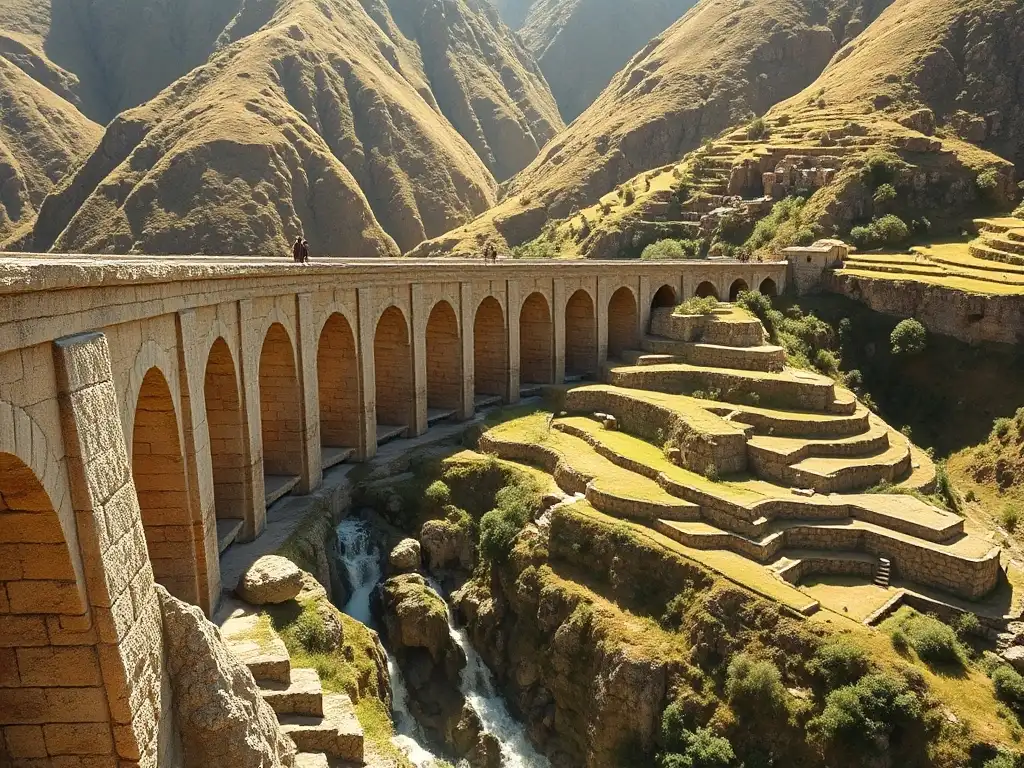
- Aqueducts: In some areas, the Inca built aqueducts to carry water across valleys and over significant distances. These impressive structures demonstrate their mastery of hydraulic engineering and their commitment to providing water to even the most remote communities. The construction of these aqueducts required advanced planning, significant labor, and detailed knowledge of the terrain.
The Inca's approach to water management was not simply about building impressive structures. It involved a deep understanding of hydrology, a sophisticated knowledge of their environment, and a well-organized system of labor and resource allocation. Their success in managing water resources was a key factor in the growth and prosperity of the Inca Empire, demonstrating the profound connection between water, agriculture, and civilization in the Andes. The legacy of their "Inca water management techniques" continues to inspire modern-day engineers and water resource managers.
Inca Ingenious Water Management Techniques
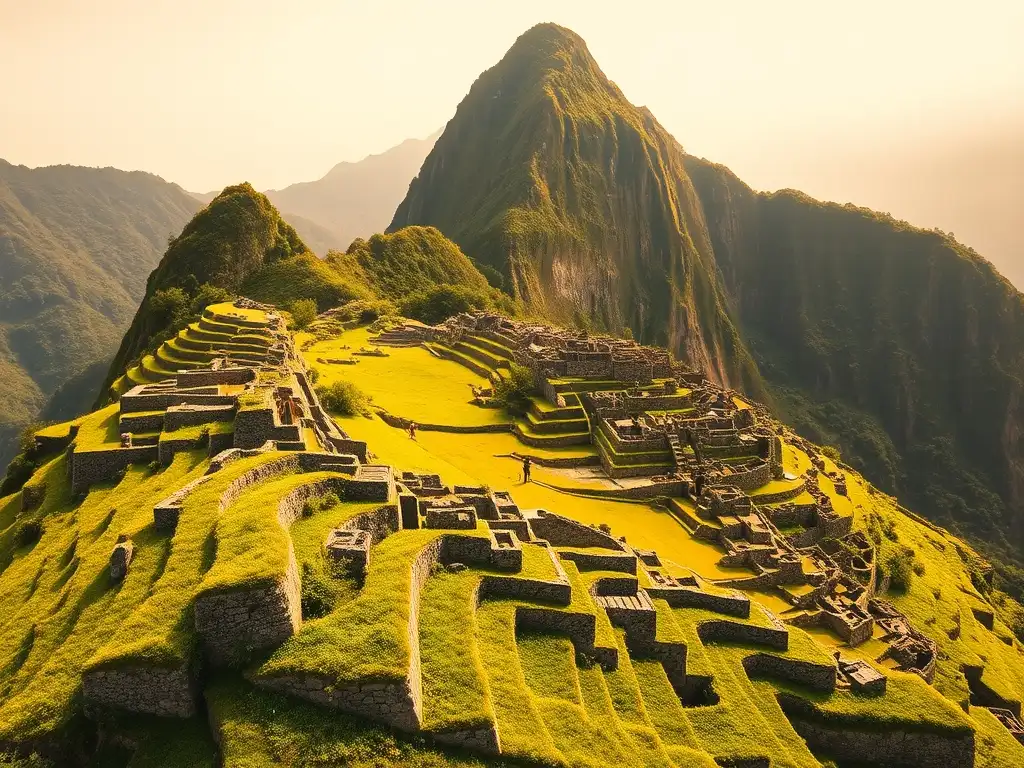
The Inca Empire, renowned for its sophisticated social structures and architectural marvels, also possessed incredibly advanced water management techniques. Their mastery of hydraulic engineering allowed them to thrive in diverse and often challenging Andean environments, transforming arid landscapes into productive agricultural zones. This success was crucial to supporting a large and densely populated empire, demonstrating a deep understanding of hydrology and a remarkable capacity for collaborative labor.
The ingenuity of their systems, particularly their ability to adapt to varied terrains and climates, remains a testament to their engineering prowess and continues to inspire modern water management strategies. Understanding their "Inca water management techniques" reveals a civilization deeply connected to and respectful of its environment.
Terracing and Water Diversion for Agriculture
Inca agriculture wasn't simply about planting crops; it was a meticulously planned and executed system designed to maximize water usage and minimize erosion. Terracing, the creation of step-like platforms carved into hillsides, was a cornerstone of their approach. These terraces weren't just aesthetically pleasing; they served several crucial functions.
First, they dramatically increased the amount of arable land available, effectively transforming steep slopes into productive farmland. Second, the terraced structure slowed water runoff, preventing erosion and allowing water to seep into the soil, irrigating crops more effectively. Third, the terraces created microclimates, offering protection from strong winds and allowing for the cultivation of a wider variety of crops at different altitudes.
The Inca also mastered the art of water diversion. They built intricate networks of channels and ditches to redirect water from rivers, streams, and springs to their terraced fields. This wasn't a haphazard process; careful observation and planning ensured that water flowed efficiently to where it was needed most. They understood the importance of even distribution, preventing waterlogging in some areas while ensuring sufficient irrigation in others.
Evidence suggests that they used sophisticated techniques to measure water flow and control its distribution, highlighting their detailed understanding of hydraulic principles. The scale of these projects is astonishing, representing a massive collective effort that speaks to the Inca's organizational capabilities and communal spirit. These systems were not just functional; they were a testament to their deep understanding of their environment and their ability to work collaboratively to overcome natural challenges.
Advanced Irrigation Systems: Canals and Aqueducts
Beyond terracing and diversion channels, the Inca constructed impressive canals and aqueducts to transport water over long distances and across challenging terrain. These weren't simple ditches; they were carefully engineered structures, often built from stone and meticulously fitted together to minimize leakage. Some canals stretched for kilometers, bringing water from distant sources to arid agricultural areas. The construction of these systems required advanced surveying techniques, a precise understanding of gradients, and sophisticated stone-cutting and masonry skills.
The Inca utilized a variety of materials, adapting their techniques to the local geology. In some areas, they used stone, while in others, they employed compacted earth or even woven materials. The durability of these structures is remarkable, with some canals and aqueducts remaining functional even today, a testament to the quality of their construction and the foresight of their design.
The management of these systems required ongoing maintenance and repair, indicating a high level of social organization and cooperation. Specialized personnel likely oversaw the upkeep of the canals and aqueducts, ensuring a continuous flow of water to the agricultural lands. The construction and maintenance of these extensive irrigation networks were crucial in supporting the Inca's agricultural productivity and the empire's overall prosperity.
The scale and sophistication of these projects underscore the Inca's advanced understanding of hydraulic engineering and their ability to mobilize vast resources for large-scale public works. These feats of engineering stand as a remarkable achievement of Andean ingenuity.
The Role of Reservoirs and Storage Facilities
To further enhance their water management capabilities, the Inca constructed reservoirs and storage facilities to collect and store water during periods of abundance for use during times of scarcity. These reservoirs varied in size and design, depending on the local topography and the availability of suitable materials. Some were simple ponds or tanks, while others were more elaborate structures, often integrated into the landscape to appear almost natural.
The ability to store water was crucial for ensuring a continuous supply for irrigation, especially during the dry season. This foresight minimized the impact of droughts and contributed significantly to the stability and resilience of Inca agriculture.
The construction of reservoirs required careful planning and engineering expertise. The Inca understood the importance of choosing appropriate locations to minimize seepage and maximize storage capacity. They also developed techniques for sealing the reservoirs to prevent water loss. The management of these reservoirs likely involved community participation, with individuals responsible for maintaining the structures and regulating water distribution.
The existence of these reservoirs demonstrates the Inca's forward-thinking approach to water resource management and their ability to plan for both short-term and long-term needs. Their sophisticated approach to water storage represents another key element of their successful agricultural system, showcasing their adaptability and foresight. The integration of these reservoirs into their broader water management strategies exemplifies their holistic and sustainable approach to resource management.
Inca Strategies for Water Conservation
The Inca Empire, renowned for its sophisticated engineering and agricultural prowess, developed ingenious strategies for water conservation, crucial for survival in the diverse and often arid Andean landscape. Their success wasn't solely reliant on grand projects like canals and aqueducts, but rather a multifaceted approach integrating efficient agricultural practices, innovative technologies, and a robust social structure dedicated to water management. Understanding these strategies reveals a civilization deeply attuned to the rhythms of nature and the vital role of water in their society.
This section will delve into the specific techniques employed by the Inca to ensure the sustainable use of this precious resource, highlighting their remarkable ingenuity in the face of challenging environmental conditions. The keyword "Inca water management techniques" is central to understanding their remarkable achievements.
Efficient Use of Water in Agriculture
Inca agricultural practices were remarkably efficient in their water usage. They employed techniques like terracing on steep slopes, creating level platforms that slowed water runoff, allowing it to soak into the soil and nourish crops. This prevented erosion and maximized water absorption.
Furthermore, the use of raised fields (or waru waru) in swampy areas was a brilliant solution. These elevated plots allowed for better drainage while retaining moisture, creating ideal conditions for cultivation, even in challenging wetland environments. The effectiveness of these techniques is evidenced by the high agricultural yields achieved by the Inca, even in areas with limited rainfall.
The Incas also practiced crop rotation, strategically alternating different crops to maintain soil fertility and reduce water needs. Certain crops, like quinoa, are particularly drought-resistant, further demonstrating their understanding of water conservation through careful crop selection. Detailed records, while scarce, suggest a sophisticated understanding of soil types and their water-retention properties, allowing for targeted planting strategies.
This meticulous approach showcases the Inca's deep knowledge of their environment and their commitment to sustainable agriculture – a key aspect of their overall water management strategy. Analysis of surviving agricultural sites shows a high degree of planning and precision in their water usage, demonstrating their mastery of efficient irrigation and cultivation.
Techniques to Minimize Water Loss
Beyond efficient agricultural techniques, the Inca implemented several strategies to minimize water loss during transport and storage. Their extensive network of canals and aqueducts, often built along mountain slopes, facilitated the transportation of water to distant fields and settlements. These impressive feats of engineering were not just about moving water, but also about minimizing evaporation and leakage. The construction of these systems involved meticulous planning and the use of durable materials, ensuring the long-term viability of their water infrastructure.
Furthermore, the Inca utilized reservoirs and storage systems to collect and store rainwater during the wet season, providing a crucial water source during drier periods. These weren't just simple pits; they were often carefully designed and lined to minimize seepage and evaporation. Their ingenuity extended to the use of underground channels (qanats) to tap into groundwater sources, providing a reliable water supply even during prolonged droughts.
This combination of surface and subsurface water management systems provided resilience against water scarcity and ensured the continuity of agricultural production. The precise methods for minimizing water loss during storage and transportation are areas where further research could illuminate the ingenuity of Inca engineering.
The Inca's success in water management wasn't solely a matter of technology; their social organization played a critical role. The mita system, a form of labor tribute, was instrumental in the construction and maintenance of irrigation systems. Communities were responsible for maintaining the canals and aqueducts within their territories, ensuring the proper functioning of the water infrastructure. This collective responsibility fostered a sense of shared ownership and encouraged careful water usage. The system was highly effective, ensuring the long-term sustainability of their water management systems.
Furthermore, the Inca state likely played a significant role in allocating water resources and resolving conflicts related to water access. While the precise mechanisms remain an area of ongoing research, it's clear that a centralized authority was crucial in managing this vital resource, particularly in densely populated areas or during periods of scarcity. Evidence suggests that water rights were carefully regulated, preventing overuse and ensuring equitable distribution among communities.
The social structure of the Inca Empire, therefore, was integral to the success of their water management techniques, highlighting the interconnectedness of social organization, technology, and environmental stewardship. The effectiveness of their social structures in managing water resources remains a compelling example of sustainable resource management.
The Impact of Inca Water Systems on Agriculture
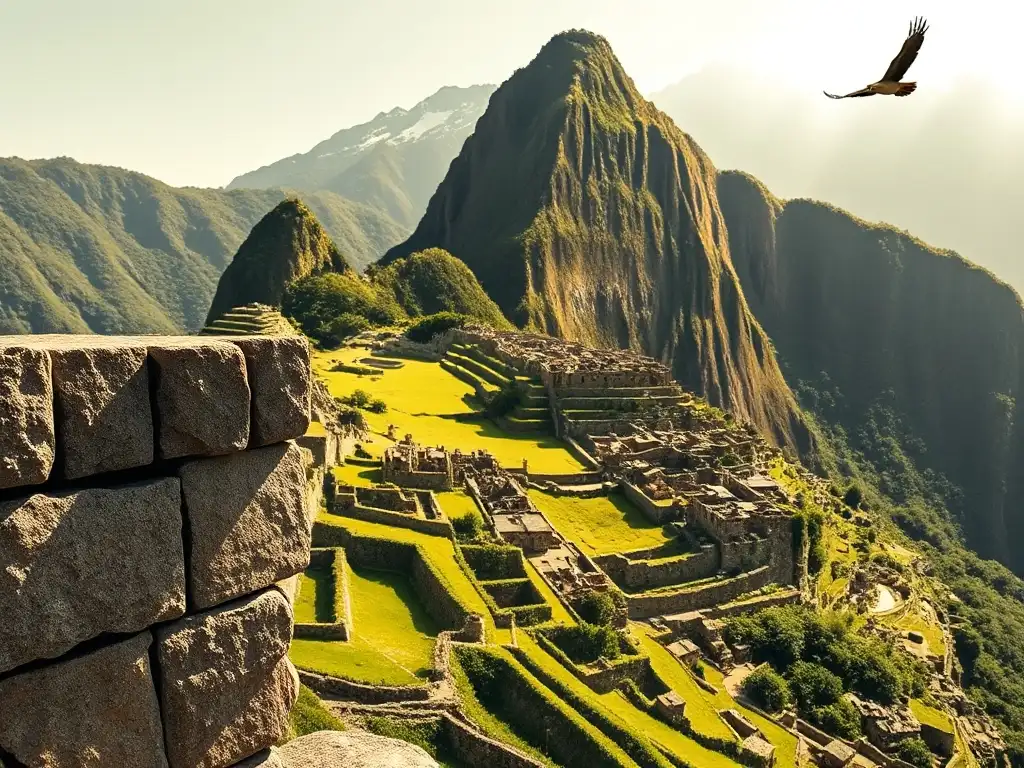
The Inca Empire's success was intrinsically linked to its mastery of water management. Their sophisticated techniques weren't merely ingenious engineering feats; they were the bedrock of their agricultural productivity, societal stability, and ultimately, their imperial power. Understanding the impact of these systems on Inca agriculture requires examining their influence on crop yields, population support, and long-term sustainability.
The effective Inca water management techniques were crucial for their thriving civilization, allowing them to cultivate vast areas of otherwise arid and challenging terrain. Their advanced understanding of hydrology and engineering allowed for unprecedented levels of agricultural production, contributing significantly to the empire's economic strength and political stability.
Increasing Agricultural Yields
Inca water management significantly boosted agricultural yields. Their ingenious system of canals, aqueducts, and irrigation ditches, meticulously crafted to navigate the varied Andean topography, ensured a consistent water supply to their terraced fields. This reliable access to water allowed for multiple harvests annually in many regions, far exceeding what would have been possible through reliance on rainfall alone.
For example, the terraced fields of Moray, with their concentric rings and microclimates, demonstrate the Inca’s understanding of controlled irrigation and its impact on crop diversification and yield optimization. This system allowed for the cultivation of a wide variety of crops, including potatoes, maize, quinoa, and beans, ensuring food security for the vast population.
The precise control of water flow, coupled with sophisticated soil management practices, maximized the potential of the land, leading to significantly higher yields per unit area compared to traditional farming methods of the time. This increase in agricultural output fueled the empire's growth and prosperity.
Supporting a Large Population
The Inca Empire supported a remarkably large population for its time, a feat made possible by its efficient water management systems. These systems provided the necessary infrastructure to cultivate enough food to sustain millions of people across a vast and diverse landscape. The reliable water supply enabled intensive agriculture, which, combined with efficient storage techniques and sophisticated distribution networks, ensured that even during periods of drought, the population had access to sufficient food.
[Specific population estimates for various Inca regions pending] could further quantify the relationship between water management and population capacity. The ability to feed such a large population was a critical factor in the empire's political and military strength, as it provided a stable base for its expansion and dominance. The intricate network of water systems acted as a vital artery, transporting life-giving water to the heart of the empire, sustaining its population and its power.
Sustainable Practices and Long-Term Viability
A key aspect of Inca water management was its sustainability. Unlike many modern agricultural practices which can deplete resources, Inca methods were designed for longevity. Their understanding of water conservation was paramount; they employed techniques like rainwater harvesting, efficient irrigation channels minimizing water loss through evaporation, and the construction of reservoirs to store water for drier periods.
This emphasis on long-term sustainability ensured the continued productivity of their agricultural lands for generations. The enduring legacy of many Inca irrigation systems, some of which are still functional today, is a testament to their environmentally sound practices. The use of natural materials in construction, coupled with an understanding of the local ecology, minimized environmental impact and ensured the long-term viability of their agricultural systems.
Their approach serves as a model for sustainable water management practices even in the modern era, highlighting the wisdom and foresight of the Inca civilization. This commitment to sustainable practices represents a crucial element in their success, reflecting a deep understanding of the interconnectedness between water resources and societal well-being.
The Legacy of Inca Water Management
The Inca Empire, renowned for its sophisticated societal structures and impressive architectural feats, also possessed an unparalleled mastery of water management. Their ingenuity in harnessing and distributing water resources allowed them to thrive in diverse and challenging Andean environments, supporting a large population and intensive agriculture. This wasn't simply a matter of digging canals; it was a complex system involving meticulous planning, sophisticated engineering, and a deep understanding of their environment.
The legacy of their water management techniques continues to inspire modern engineering solutions and offers valuable lessons in sustainable resource management. Understanding the Inca approach to water – their suyus (provinces) and the intricate networks of qanatos (underground canals) and acequias (surface canals) – reveals a civilization deeply connected to its environment and deeply committed to resource optimization. Their success wasn't just about technical prowess; it was also about social organization and communal responsibility, ensuring the equitable distribution of this precious resource.
The impact of their methods is still visible today, both in the landscape and in the ongoing efforts to preserve and adapt their ingenuity for modern needs. Analyzing their successes and failures provides crucial insights into sustainable water resource management, especially relevant in an era of increasing water scarcity.
Modern Applications of Inca Techniques
Inca water management techniques, though developed centuries ago, continue to offer valuable inspiration for contemporary water resource management challenges. Many of their principles, such as the use of gravity-fed systems and the integration of water management into broader agricultural planning, are directly applicable to modern projects. For example, the design of efficient irrigation systems in arid and semi-arid regions can benefit significantly from studying Inca acequias.
The Inca's understanding of water infiltration rates and soil characteristics, crucial for effective canal construction, is being revisited by modern hydrologists and engineers working on water conservation projects. Furthermore, the Inca emphasis on community involvement in water management provides a model for collaborative water resource governance, crucial for the success of modern water projects. The concept of shared responsibility for maintaining and distributing water, a cornerstone of Inca society, is increasingly recognized as essential in addressing modern water scarcity challenges.
Several modern projects specifically draw inspiration from Inca ingenuity. [Specific examples of modern projects inspired by Inca techniques pending]. The study of Inca water management is not just an academic pursuit; it offers practical solutions for the future.
Lessons Learned from Inca Engineering
The Inca's success in water management wasn't without its challenges. Analyzing their successes and failures provides invaluable lessons for modern engineers and policymakers. For example, while their qanatos were remarkably effective in arid regions, their reliance on gravity-fed systems meant that they were vulnerable to changes in topography and water availability.
This highlights the importance of considering the potential impacts of climate change and other environmental factors in the design of modern water systems. Moreover, the Inca system's effectiveness was also dependent on the social organization and community participation. The breakdown of these social structures during the Spanish conquest led to a decline in the effectiveness of the water management system, illustrating the critical role of community engagement in maintaining infrastructure and ensuring equitable access to water.
The Inca experience underscores the need for robust, adaptable, and socially inclusive water management strategies, that are not solely based on technical innovation but also on community engagement and long-term planning. Understanding the complexities of their system allows us to create more resilient and sustainable solutions for the future. The Inca legacy serves as a reminder that technological advancements must be coupled with social responsibility and environmental awareness for long-term success.
Preserving Inca Water Management Heritage
Preserving the tangible and intangible heritage of Inca water management is crucial for both historical understanding and future applications. The physical remnants of Inca canals, qanatos, and reservoirs are valuable archaeological sites that require careful preservation. These sites provide tangible evidence of Inca engineering prowess and offer opportunities for research and education. However, preservation efforts should not be limited to the physical infrastructure.
The traditional knowledge and practices associated with Inca water management, often passed down through generations, should also be documented and protected. This includes oral histories, traditional water management techniques, and community-based practices that have evolved over centuries. The preservation of this intangible heritage ensures that the lessons learned from Inca water management are not lost and can continue to inform modern approaches.
[Specific examples of preservation efforts and challenges pending]. Protecting this invaluable heritage ensures that future generations can benefit from the wisdom and ingenuity of the Inca civilization and learn from their successes and failures in sustainably managing a precious resource. The preservation of Inca water management heritage is not merely a historical endeavor; it's a crucial investment in the future of sustainable water management.
Frequently Asked Questions
How did the Inca manage water effectively in their arid environment?
The Inca developed sophisticated water management systems, including canals, aqueducts, and reservoirs, to divert and store water from rivers and snowmelt, irrigating vast agricultural lands. Their ingenuity allowed them to thrive in challenging terrain.
What were some of the key features of Inca irrigation systems?
Key features included terracing, which created level fields on slopes, and canals that transported water over long distances, often using gravity and clever engineering. They also built reservoirs to store excess water.
How did Inca water management impact their agriculture?
Efficient water management allowed the Inca to cultivate diverse crops, supporting a large population. This reliable food supply was crucial for their social and political stability.
Did the Inca use any advanced technology in their water systems?
While not using modern materials, the Inca demonstrated advanced engineering techniques. Their understanding of hydrology and gravity allowed them to create remarkably effective systems for their time. Stonework was crucial to their construction.
What evidence remains today of Inca water management systems?
Many ruins of Inca canals, aqueducts, and terraces are still visible today, showcasing their advanced capabilities. These remnants provide valuable insight into their engineering skills and societal organization.
Final Reflection: The Enduring Legacy of Inca Water Wisdom
The ingenious Inca water management systems, far from being relics of a bygone era, offer crucial lessons for our current struggle with water scarcity. Their sophisticated understanding of hydrology and community-based resource management provides a powerful counterpoint to the unsustainable practices prevalent in many parts of the world today. The challenges we face – drought, pollution, and inequitable access to clean water – are strikingly similar to those the Inca overcame centuries ago, highlighting the timeless relevance of their achievements.
The Inca's success wasn't just about engineering prowess; it was deeply intertwined with their social fabric and spiritual beliefs. Their respect for water as a sacred element fostered a culture of conservation and responsible use. This holistic approach, which integrated practical solutions with a deep understanding of the environment, is a stark reminder of the interconnectedness of human society and the natural world. Water is the driving force of nature.
- Leonardo da Vinci. This simple statement encapsulates the Inca's profound understanding, a wisdom we would do well to re-embrace in our modern context.
Consider the ingenuity of the Inca's systems, their understanding of water's power, and the enduring impact of their sustainable practices. You too can contribute to a more responsible and sustainable future. Reflect on your own water consumption, explore ways to conserve this precious resource, and advocate for policies that promote equitable access and responsible management. Let the legacy of the Inca water masters inspire you to become a steward of water, ensuring its availability for generations to come.
Harness the Power of Water Management Today!
Thank you for exploring the ingenious water management strategies of the Inca civilization! Their mastery of resource control offers valuable insights into sustainable practices relevant even today. Let's apply this knowledge.
- **Adopt sustainable practices** at home by reducing water waste. Fix leaks promptly and install water-efficient showerheads and faucets.
- **Get involved with local environmental groups** focused on water conservation. Volunteer your time or attend workshops to learn more and connect with like-minded individuals.
- **Share this article** with friends and family to inspire them to conserve water and appreciate the lessons we can learn from ancient civilizations.
How can you begin to conserve water today and make a positive impact on your community?