
The Importance of the Mit'a in Inca Agricultural Production

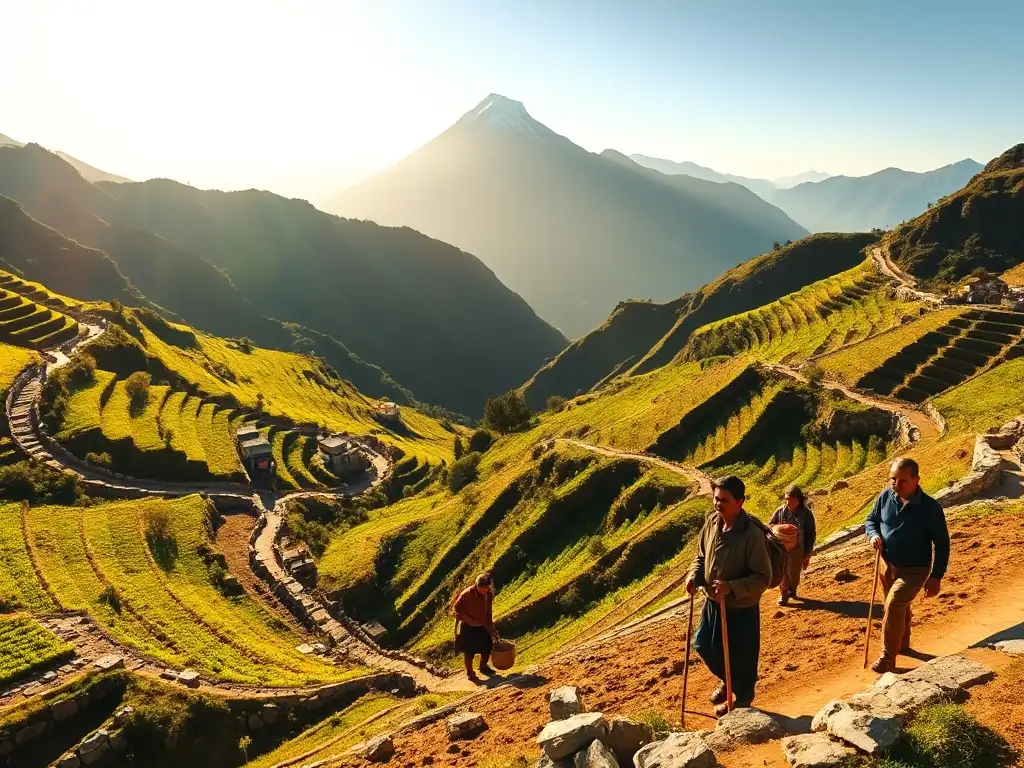
Unravel the mysteries of the Andes! Journey back in time to a world of breathtaking ingenuity and unparalleled societal structures. For centuries, the Inca Empire thrived, its success intricately woven into the fabric of its environment. But how did they achieve such remarkable feats of agricultural production? Prepare to be amazed as we delve into the intriguing secrets of the Inca Mit'a system agriculture, a cornerstone of their civilization and a testament to their mastery of the Andean landscape. Discover the impact of this vital system and unlock the secrets of their enduring legacy.
The Inca Empire, renowned for its sophisticated engineering and impressive agricultural achievements, relied heavily on a complex system of labor organization to sustain its vast population and expansive territory. Central to this system was the mit'a, a form of mandatory public service that played a crucial role in all aspects of Inca life, particularly in agricultural production.
This article delves into the significance of the mit'a system in shaping Inca agricultural practices, highlighting its impact on infrastructure development and the cultivation of vital crops across the diverse Andean landscape. We will explore how this system, far from being mere forced labor, was a vital component of a highly organized and efficient agricultural economy that allowed the Inca to thrive in challenging environmental conditions.
Understanding the mit'a is key to understanding the remarkable success of Inca agriculture and its enduring legacy. The Inca Mit'a system agriculture was a complex and multifaceted system that deserves careful study.
Understanding the Inca Mit'a Labor System
The mit'a wasn't simply forced labor; it was a carefully structured system of reciprocal obligations between the Inca state and its subjects. While it demanded service, it also offered benefits, including access to resources, communal support, and social prestige. The mit'a was not a continuous obligation but rather a rotational system.
Individuals, typically adult males, would be assigned to specific tasks for a set period, often a few months out of the year. This allowed them to return to their own agricultural activities and maintain their household responsibilities. The types of mit'a service varied widely, encompassing everything from agricultural work to military service, construction projects, and even religious duties.
The allocation of individuals to particular mit'a assignments was determined by the needs of the state and the skills of the individuals, demonstrating a level of administrative sophistication uncommon in other contemporary societies. The mit'a was, therefore, a vital component of Inca social organization and a cornerstone of their economic strength. Failure to perform mit'a duties, however, did have consequences, ranging from fines to imprisonment.
The Mit'a's Role in Inca Agricultural Infrastructure
The construction and maintenance of Inca agricultural infrastructure were heavily reliant on mit'a labor. This included the creation of extensive irrigation systems, the building of terraced fields (known as andenes) that allowed for cultivation on steep slopes, and the construction of storehouses ( qollqas) for storing surplus food. The andenes themselves, a testament to Inca engineering prowess, required immense amounts of labor for their construction and upkeep.
These terraces not only increased arable land but also helped to control erosion and regulate water flow, maximizing agricultural yields in challenging terrains. The scale of these projects, coupled with the evidence of sophisticated planning and organization, underscores the importance of the mit'a in enabling the Inca to transform the landscape and achieve remarkable agricultural productivity.
Without the mit'a, the construction and maintenance of these vital infrastructure components would have been impossible. The scale and precision of Inca agricultural infrastructure are a direct result of the efficient organization of mit'a labor.
Mit'a Labor and Terraced Farming in the Inca Empire
The integration of mit'a labor with terraced farming was particularly crucial in the Inca Empire's success. The construction and maintenance of andenes required a highly coordinated effort, involving skilled laborers, engineers, and administrators. The mit'a provided the workforce necessary for these monumental tasks.
Farmers assigned to mit'a duties would often work together in teams, bringing their diverse skills and experience to bear on the project. This communal aspect of the mit'a fostered a sense of shared responsibility and collective achievement. The efficiency of the system is evident in the sheer scale and quality of the surviving andenes, many of which remain functional even today.
The mit'a system ensured not only the construction of these vital agricultural features but also their ongoing maintenance, demonstrating the long-term vision and sustainability embedded within the Inca approach to agriculture. The success of Inca terraced farming is inextricably linked to the efficient and effective deployment of mit'a labor. The system ensured the continued productivity of these ingenious agricultural innovations.
How the Mit'a System Supported Inca Crop Production
The Inca Mit'a system, far from being solely a labor tax, played a crucial role in supporting and optimizing Inca crop production. It wasn't just about extracting labor; it was a highly organized system designed to ensure the efficient cultivation and harvesting of crops across the vast Inca empire. The Mit'a ensured that even in remote or challenging terrains, agricultural projects could be undertaken and completed successfully.
This involved not only the planting and harvesting of crops but also the construction and maintenance of vital infrastructure like irrigation canals, terraces, and storage facilities. Without the readily available workforce provided by the Mit'a, the scale of Inca agricultural achievements would have been drastically reduced. The system ensured a consistent workforce for tasks demanding large numbers of people, such as clearing land for cultivation, building extensive terrace systems, and managing irrigation networks.
The organization and efficiency of this system allowed the Inca to cultivate a wide range of crops successfully, contributing significantly to their empire's prosperity and stability. The effectiveness of the Mit'a in this context is evidenced by the scale and sophistication of Inca agricultural practices, a testament to the system's logistical prowess and its impact on food production. Furthermore, the system’s flexibility allowed for adjustments based on seasonal needs and specific crop requirements, maximizing yield and efficiency throughout the agricultural cycle.
Diverse Agricultural Projects Managed Through the Inca Mit'a
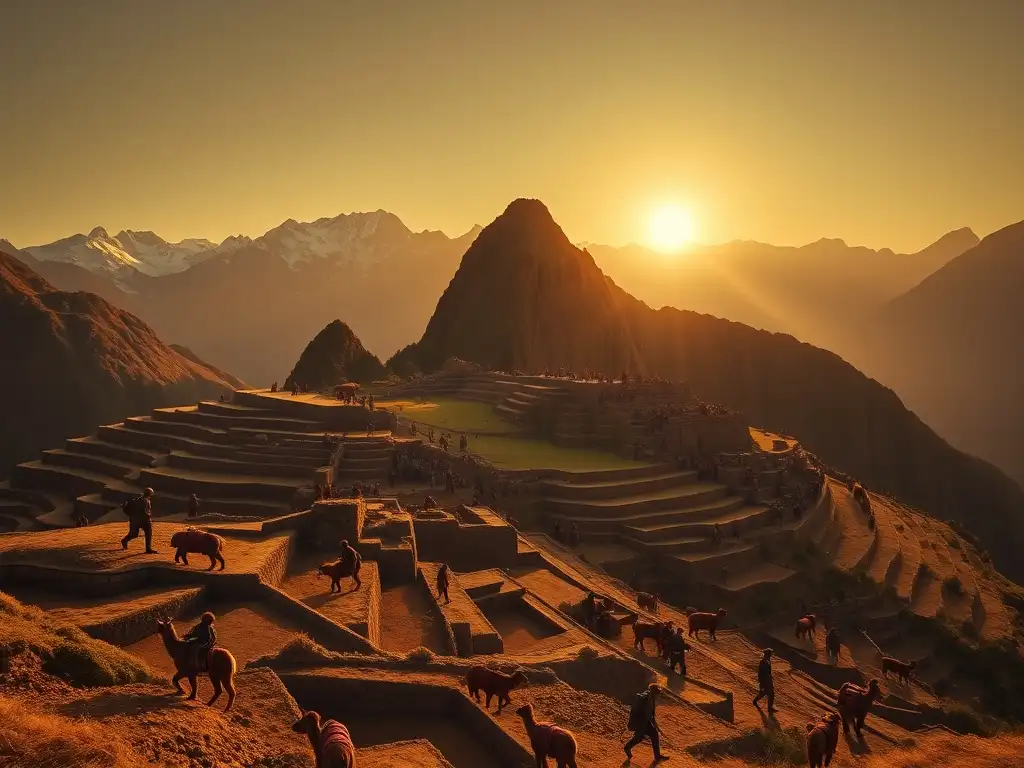
The Inca Mit'a's influence extended far beyond simple fieldwork. It encompassed a wide array of agricultural projects, demonstrating the system's versatility and importance in managing the empire's diverse agricultural landscape. The Mit'a provided the manpower for constructing and maintaining the intricate andenes (terraces) that characterized Inca hillside agriculture. These terraces, carved into steep slopes, maximized arable land and controlled water flow, allowing for cultivation in areas otherwise unsuitable for farming.
Beyond terrace construction, the Mit'a was essential for the creation and upkeep of extensive irrigation systems, vital for channeling water to crops in arid regions. This included the digging of canals, the building of reservoirs, and the management of water distribution networks, showcasing the system's sophisticated engineering capabilities. Furthermore, the Mit'a supported the cultivation of diverse crops, from staple foods like potatoes and maize to coca leaves and other specialty crops.
The labor provided was tailored to the specific needs of each crop and region, highlighting the system's adaptability and its contribution to the empire's agricultural diversity. The Mit'a also facilitated the transportation of agricultural goods, ensuring that food surpluses could be efficiently distributed across the empire. This complex network of agricultural projects, all managed through the Mit'a, contributed significantly to the Inca's remarkable success in food production and distribution.
The Mit'a's Impact on Inca Food Security
The Inca Mit'a system played a pivotal role in ensuring the food security of the empire. By providing a reliable and readily available workforce, the Mit'a enabled the Incas to cultivate a surplus of food, creating a buffer against potential crop failures or natural disasters. This surplus was crucial for maintaining stability and preventing widespread famine, a significant threat to any large population. The efficient management of resources, facilitated by the Mit'a, allowed for the storage of surplus food in strategically located warehouses across the empire.
This ensured that food could be readily distributed to areas experiencing shortages, mitigating the impact of localized crop failures. The Mit'a's contribution to food security was further enhanced by the Inca's sophisticated agricultural techniques, such as terracing and irrigation, which were supported and maintained by the system's workforce. This combination of efficient labor allocation and advanced agricultural practices resulted in a remarkably resilient food production system capable of supporting a large and growing population.
The impact on food security was not just about quantity; it was also about the diversity of crops cultivated, reducing the risk associated with relying on a single crop. The Mit'a, therefore, was instrumental in achieving a level of food security that contributed significantly to the Inca Empire's longevity and success. The system’s contribution to food security underlines its importance not just as a labor system but as a cornerstone of Inca societal stability and resilience.
The Inca mit'a system, while crucial for agricultural production, deeply impacted Inca society in multifaceted ways. It wasn't simply a labor tax; it was interwoven with the social fabric, influencing social stratification, community cohesion, and even individual identity. The system provided a crucial mechanism for social mobility, albeit limited. While commoners primarily fulfilled mit'a obligations, exceptional performance could lead to recognition and even advancement within the social hierarchy.
This created a system of incentives, motivating individuals to contribute effectively. However, the mit'a also reinforced existing social structures. The elite largely remained exempt from direct labor, further solidifying the power imbalance. The system's demands could strain family units, particularly during peak agricultural seasons, necessitating community support and cooperation.
This fostered a sense of communal responsibility and interdependence, although it also meant that individual hardship could be shared, sometimes to a debilitating extent. Furthermore, the mit'a created a complex network of obligations and reciprocal relationships between the Inca state and its subjects, shaping social relations beyond mere economic transactions. The system’s impact on social structure was therefore complex, simultaneously fostering both cooperation and reinforcing existing hierarchies.
Mit'a Contributions to Inca Irrigation Systems

The Inca's mastery of irrigation is legendary, and the mit'a played a pivotal role in its construction and maintenance. Without the mit'a, the vast and intricate irrigation networks that sustained Inca agriculture would have been impossible to build and maintain. Consider, for example, the intricate canal systems of the Urubamba Valley. These weren't merely ditches; they were engineering marvels, requiring precise surveying, skilled labor, and meticulous management.
Thousands of workers, mobilized through the mit'a, toiled for months, even years, to build and repair these systems. This involved diverting rivers, constructing terraces, and creating sophisticated water control mechanisms. The mit'a provided the manpower necessary to execute these monumental projects. Furthermore, the system ensured ongoing maintenance.
Regular mit'a rotations meant that there was always a workforce available to repair breaches, clear blockages, and ensure the smooth flow of water throughout the agricultural lands. The mit'a's effectiveness in irrigation is evident in the scale and sophistication of Inca agricultural infrastructure, a testament to the system's power to marshal resources and labor for large-scale projects. The impact on agricultural productivity was significant, enabling the Inca to cultivate vast tracts of land and support a large population.
Organization and Management of Mit'a Labor in Inca Agriculture
The effective functioning of the mit'a in Inca agriculture depended heavily on a sophisticated system of organization and management. The Inca state meticulously planned and coordinated mit'a labor, ensuring that the right number of workers were available at the right time and in the right place. This required detailed record-keeping, efficient communication networks, and a hierarchical administrative structure. Local officials, often appointed from within the communities themselves, were responsible for overseeing the mit'a assignments and ensuring that workers fulfilled their obligations.
These officials were accountable to higher authorities in the Inca bureaucracy. The mit'a wasn’t randomly assigned; it was carefully planned to minimize disruption to local economies and ensure sufficient labor for essential agricultural tasks. Consider the seasonal nature of agricultural work. The mit'a schedule was adjusted to coincide with planting, harvesting, and other crucial activities.
This ensured that the labor force was optimized for maximum agricultural output. Furthermore, the Inca state provided necessary tools and supplies to mit'a workers, reducing the burden on individual communities. This meticulous organization and management were essential to the success of the mit'a system, demonstrating the Inca's remarkable administrative capabilities and their ability to harness collective labor for the benefit of the empire. The system wasn’t perfect, but its organizational efficiency contributed significantly to the Inca's agricultural achievements.
The Mit'a System and the Distribution of Agricultural Resources
The Inca Mit'a system was far more than just a labor tax; it was a crucial mechanism for the distribution of agricultural resources across the vast Inca Empire. The empire's success hinged on its ability to efficiently manage and allocate resources, and the Mit'a played a pivotal role in this process. Agricultural surpluses from fertile regions, such as the Cusco Valley, were channeled to areas with less productive land through the labor contributions of the Mit'a. This wasn't simply a matter of transporting goods; the system ensured that the necessary manpower was available for planting, harvesting, irrigation, and storage in diverse environments.
For example, skilled farmers from the coastal regions, experienced in irrigation techniques adapted to arid climates, might be sent to the highlands to assist with terrace farming. Conversely, highland farmers adept at cultivating potatoes and other high-altitude crops could contribute their expertise to lower-lying regions. This exchange of knowledge and labor was instrumental in maintaining a relatively stable food supply across the empire, even in the face of environmental challenges.
The effectiveness of this system relied heavily on the Inca's sophisticated record-keeping, allowing them to accurately assess needs and allocate resources accordingly. This intricate network ensured that even the most remote communities received the support they needed to produce enough food for their survival. Without the Mit'a, the logistics of distributing resources across such a geographically diverse and extensive empire would have been insurmountable.
Comparing the Mit'a to Other Labor Systems in Ancient Andean Societies
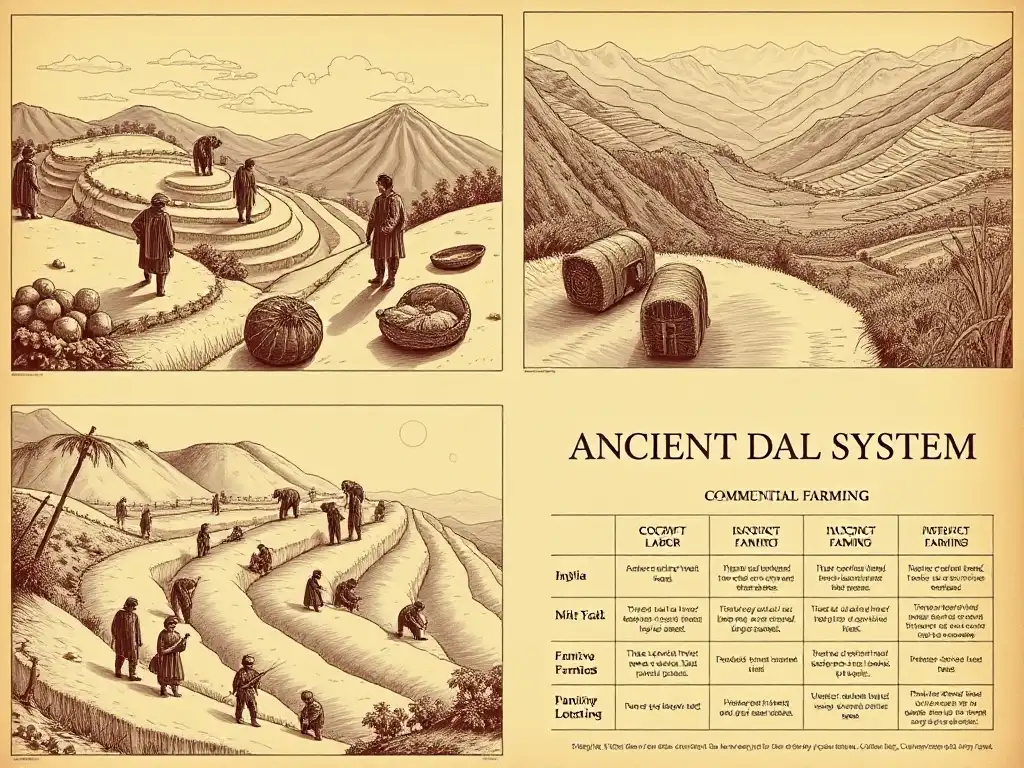
While the Inca Mit'a was a unique system, it shared similarities and differences with other labor systems employed by ancient Andean societies. The earlier Wari and Tiwanaku empires, for example, also relied on forms of centralized labor organization, although the specifics differed. While evidence suggests a degree of corvée labor in these earlier societies, the scale and organization of the Mit'a under the Incas were unparalleled. The Inca Mit'a was characterized by its structured organization, its integration into the broader administrative system, and its emphasis on reciprocal obligations between the state and its subjects.
Unlike some purely exploitative labor systems, the Mit'a incorporated elements of social reciprocity. While individuals were obligated to provide labor, they also received benefits, such as access to state-controlled resources and protection. This differed from systems prevalent in other regions, where labor obligations were often more arbitrary and less connected to reciprocal benefits. The Mit'a’s integration with the ayllu community structure also played a significant role.
The ayllu, a kinship-based community, was the primary unit of organization, and the Mit'a was often implemented within the ayllu framework, maintaining social cohesion while fulfilling state demands. This contrasts with systems where labor was extracted from individuals without consideration of their community ties, potentially leading to greater social disruption. The comparative study of these systems highlights the unique characteristics of the Inca Mit'a and its contribution to the empire's overall success.
The Legacy of the Mit'a in Understanding Inca Agricultural Practices
The legacy of the Mit'a system is profoundly intertwined with our understanding of Inca agricultural practices. The system wasn't merely a tool for resource distribution; it was integral to the development and maintenance of sophisticated agricultural techniques. The Mit'a facilitated the spread of innovative farming methods, such as terracing, irrigation, and crop diversification, across different ecological zones. By mobilizing skilled laborers, the Incas could effectively implement and disseminate these technologies, maximizing agricultural productivity throughout the empire.
Analysis of archaeological evidence, including the remains of extensive irrigation systems and terraced fields, demonstrates the scale and effectiveness of these agricultural projects. These wouldn't have been possible without a centralized system capable of organizing and managing large-scale labor projects like the Mit'a. The system's influence extends beyond the physical infrastructure. The Mit'a also promoted agricultural knowledge exchange and the development of specialized expertise.
Farmers from different regions learned from each other, contributing to the advancement of Inca agricultural techniques and ensuring the empire’s food security. The enduring impact of the Mit'a is visible in the sophisticated agricultural landscapes that remain in the Andes today, a testament to the ingenuity and organizational capabilities of the Inca civilization. Understanding the Mit'a is therefore crucial for a complete understanding of Inca agricultural practices and their remarkable achievements.
Limitations and Challenges of the Inca Mit'a System in Agriculture
The Inca Mit'a system, while instrumental in the empire's agricultural success, faced several limitations and challenges. Its effectiveness wasn't uniform across the vast Andean landscape, and its implementation varied depending on factors like terrain, climate, and the specific needs of a given region. One major constraint was the seasonal nature of agricultural tasks. The Mit'a obligations, often demanding and physically strenuous, were not always perfectly synchronized with the fluctuating demands of planting, harvesting, and irrigation. This could lead to inefficiencies and potential losses if laborers were called away from crucial agricultural moments.
Furthermore, the system's success heavily relied on effective organization and administration. The vast distances involved in managing the empire and the intricate network of labor distribution created logistical hurdles. Communication delays and bureaucratic inefficiencies could impact the timely deployment of workers, leading to missed planting seasons or inadequate irrigation efforts. Ensuring the right number of skilled laborers reached the right location at the right time was a constant challenge. This was particularly true in remote or difficult-to-access regions, where transportation of both workers and necessary materials posed significant obstacles.
Another significant challenge was the potential for abuse and exploitation. While the Mit'a was theoretically a reciprocal system offering social benefits and reciprocal obligations, its implementation was prone to corruption and coercion. Local officials might demand excessive labor, neglecting the needs of the communities they governed. This could lead to resentment and resistance among the populace, undermining the overall productivity of the system.
The lack of a standardized system of compensation beyond food and lodging also created vulnerabilities. Some communities might be disproportionately burdened, leading to social unrest and decreased agricultural output. Evidence suggests that forced labor under harsh conditions impacted the health and well-being of laborers, further reducing agricultural productivity. Chronic exhaustion and malnutrition could significantly affect the quality and quantity of their work.
Finally, the Inca Mit'a system, while efficient in many aspects, struggled with adapting to unforeseen circumstances. Natural disasters like droughts, floods, or earthquakes could severely disrupt agricultural production, placing immense strain on the system. The system’s rigidity, while providing stability in normal times, sometimes proved inadequate in responding to unexpected crises.
The need for immediate and flexible responses to such events often clashed with the pre-planned and scheduled nature of the Mit'a, potentially leading to significant agricultural losses. The lack of readily available alternative labor sources in times of emergency further exacerbated these problems. The system's overall success, therefore, depended heavily on favorable climatic conditions and the absence of large-scale natural catastrophes.
- Understanding the Inca Mit'a Labor System
- The Mit'a's Role in Inca Agricultural Infrastructure
- Mit'a Labor and Terraced Farming in the Inca Empire
- How the Mit'a System Supported Inca Crop Production
- Diverse Agricultural Projects Managed Through the Inca Mit'a
- The Mit'a's Impact on Inca Food Security
- The Social Implications of the Mit'a in the Inca Society
- Mit'a Contributions to Inca Irrigation Systems
- Organization and Management of Mit'a Labor in Inca Agriculture
- The Mit'a System and the Distribution of Agricultural Resources
- Comparing the Mit'a to Other Labor Systems in Ancient Andean Societies
- The Legacy of the Mit'a in Understanding Inca Agricultural Practices
- Limitations and Challenges of the Inca Mit'a System in Agriculture
Frequently Asked Questions
What was the Inca Mit'a system?
The Inca Mit'a was a system of mandatory public service in the Inca Empire. It wasn't just about labor; it encompassed various tasks, including agricultural production. Citizens were obligated to contribute their labor to benefit the empire.
How did the Mit'a impact Inca agriculture?
The Mit'a was crucial for large-scale agricultural projects, such as terracing mountainsides and building irrigation systems. It ensured the efficient cultivation of vast lands and the distribution of food throughout the empire.
What types of agricultural work were done through the Mit'a?
Mit'a workers performed a wide range of tasks, including planting, harvesting, and maintaining irrigation canals. They also worked on constructing and maintaining agricultural infrastructure, like terraces and storage facilities.
Was the Mit'a system solely focused on agriculture?
While agriculture was a significant component, the Mit'a covered a broader range of activities. It also included mining, construction, and military service, demonstrating its vital role in the Inca Empire's overall organization.
How effective was the Mit'a system in supporting Inca agriculture?
The Mit'a's effectiveness is evident in the Inca's remarkable agricultural achievements, especially considering their challenging geography. It allowed for sustainable food production and supported a large, complex society.
Final Reflection: The Enduring Legacy of the Inca Mit'a
The Inca Mit'a system, far from being a relic of the past, offers crucial insights into sustainable resource management and community cooperation, vital lessons for our increasingly interconnected and environmentally challenged world. Its sophisticated approach to agricultural production, balancing individual contributions with collective responsibility, remains a powerful model for addressing modern challenges like food security and equitable resource distribution.
The impact of the Mit'a extended far beyond mere agricultural output; it shaped Inca society's very fabric, fostering a sense of communal responsibility and shared destiny that is sadly lacking in many contemporary societies. The Inca state was not merely a political entity but a vast, integrated system of reciprocal obligations, where the well-being of the community was paramount.
This quote highlights the deep social cohesion built upon the foundation of the Mit'a, a model that deserves renewed consideration in our fragmented world. We can learn much from the Inca's understanding of the interconnectedness between individual effort and collective prosperity.
Consider the implications of the Mit'a for your own life. How can you contribute to a more sustainable and equitable future, drawing inspiration from the Inca's commitment to collective action and responsible resource management? Think about the ways in which you can foster collaboration within your community, and strive to create systems that prioritize the well-being of all, not just the privileged few. The legacy of the Mit'a is not just a historical curiosity; it is a call to action, a challenge to build a better world, one inspired by the ingenuity and social responsibility of the Inca civilization.
**Embrace the Legacy of the *Mit'a* – Act Now! **
Thank you for exploring the vital role of the *mit'a* system in Inca agricultural production. Your interest demonstrates a keen understanding of this remarkable ancient civilization and the power of communal cooperation.
Now, let's put that understanding into action! Here are some ways to further explore this fascinating topic:
- **Delve deeper into Andean agriculture** by researching how modern farming practices in the Andes reflect and adapt the principles of the *mit'a* system.
- **Share your knowledge** with friends, family, or online communities interested in history and sustainable agriculture. Spark engaging conversations about the past and its relevance to the present.
- **Support local community farming initiatives** and explore how their collaborative approaches can inspire more sustainable practices in your own community.
As you reflect on the *mit'a*'s enduring significance, consider this: **How can we apply its principles of shared responsibility and communal effort to create a more sustainable future for all? **