
The Inca's Secret Weapon: The Power of Guano in Agriculture

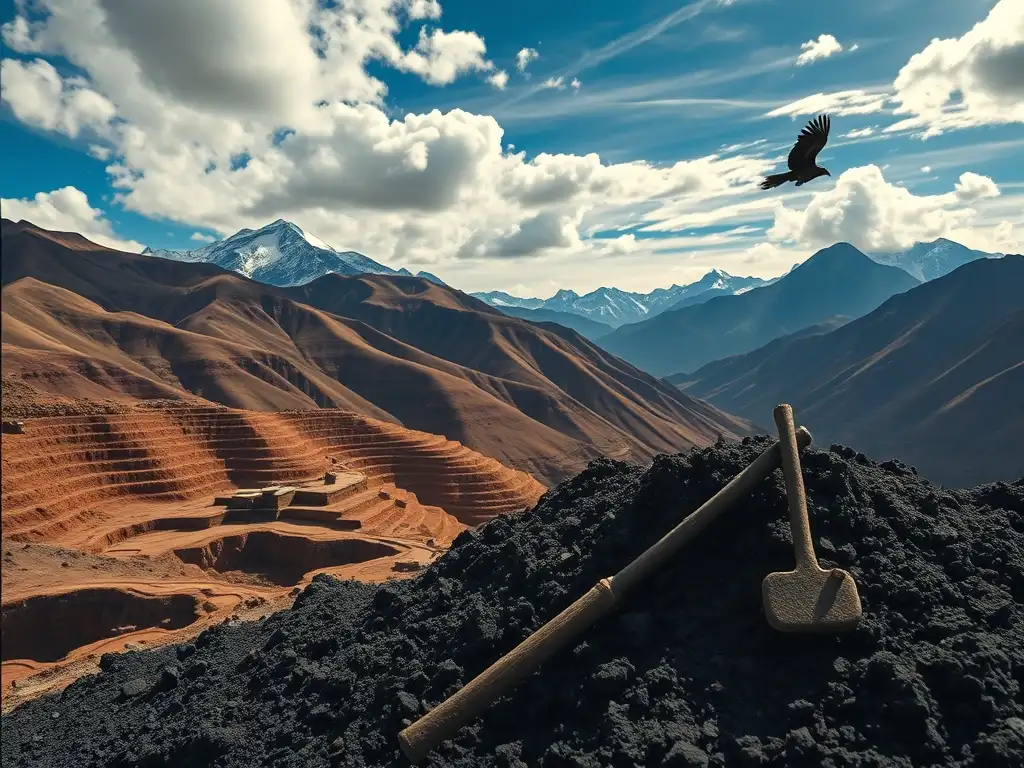
Step into a world lost to time, yet echoing with the ingenuity of a vanished empire. Discover the secrets behind the Andean Civilizations, a tapestry woven with threads of breathtaking artistry, advanced technology, and enduring cultural impact. But what truly fueled the astonishing growth of the Inca Empire? The answer might surprise you. Prepare to uncover the power of Inca guano fertilizer agriculture – a revolutionary farming technique that shaped a civilization and continues to fascinate us today. Dive in and unlock the mysteries!
The Inca Empire, renowned for its sophisticated engineering and intricate social structures, also possessed a remarkably advanced understanding of agriculture. Their success in cultivating vast, high-altitude landscapes wasn't solely due to their mastery of terracing and irrigation; a crucial, often overlooked, component was their strategic and extensive use of guano as fertilizer.
This article delves into the critical role of guano in Inca agricultural practices, exploring how this natural resource fueled the empire's growth and prosperity, and how their understanding of its value contributed significantly to their impressive achievements in food production and population management. We will examine the methods they employed, the scale of their guano harvesting, and the lasting impact of this "secret weapon" on the Inca Empire's agricultural success, highlighting the interconnectedness of their ecological knowledge and imperial power.
Understanding the Inca's use of guano provides a fascinating insight into their ingenuity, resilience, and sustainable practices, offering valuable lessons for modern agriculture.
Introduction to Inca Agricultural Ingenuity
The Inca Empire, spanning across diverse and challenging terrains of the Andes Mountains, faced significant agricultural hurdles. Steep slopes, unpredictable weather patterns, and limited arable land necessitated innovative farming techniques. The Incas developed a sophisticated system of agricultural practices, including:
- Terracing: Creating flat platforms on steep slopes to maximize usable land and prevent soil erosion. These terraces were often meticulously designed to optimize sunlight exposure and water retention.
- Irrigation: Constructing intricate canal systems to divert water from rivers and streams to irrigate their fields, ensuring consistent water supply even in dry seasons. This involved masterful engineering feats, channeling water across vast distances and varying altitudes.
- Crop diversification: Cultivating a wide array of crops adapted to different altitudes and microclimates. This ensured food security and resilience against crop failures. Examples include potatoes, maize, quinoa, and beans.
- Waru Waru: A unique raised-field agricultural system employed in wetland areas, improving drainage and soil fertility. These systems also helped regulate water temperature, extending the growing season.
The success of these techniques was significantly amplified by their effective use of guano, a natural fertilizer derived from seabird and bat droppings. This demonstrates a deep understanding of the interconnectedness of ecosystems and the importance of nutrient cycling for sustainable agriculture.
The Importance of Agriculture in Sustaining the Inca Empire
Agriculture was the bedrock of the Inca Empire's power and stability. The empire's vast population relied heavily on agricultural production for sustenance. The efficient and productive agricultural system enabled the Incas to support a large, centralized population, including a significant portion dedicated to administrative, religious, and military functions. The surplus food produced allowed for the development of complex social structures, trade networks, and monumental architecture.
The strategic use of guano played a crucial role in ensuring the high yields necessary to sustain this intricate and expansive empire. Without the substantial increase in crop yields facilitated by guano, the Inca Empire's ability to support its vast population and maintain its power would have been significantly compromised. The evidence suggests a sophisticated understanding of nutrient management, integrated with their other agricultural innovations, creating a remarkably efficient and resilient food production system.
The scale of their guano harvesting and distribution network further underscores the critical importance of this natural resource to the Inca's success. The empire's meticulous organization and resource management, highlighted by their use of guano, are testaments to their impressive capabilities in agricultural planning and execution. Further research is needed to fully quantify the impact of guano on Inca agricultural yields, but the available evidence strongly suggests a profound and indispensable contribution.
- Introduction to Inca Agricultural Ingenuity
- The Importance of Agriculture in Sustaining the Inca Empire
- The Influence of Guano on Andean Agricultural Traditions
- Lessons from the Inca on Sustainable Farming Methods
- Modern Applications and Relevance of Guano
- The Inca's Enduring Impact on Agriculture
- The Legacy of Guano in Modern Andean Agriculture
- Guano's Continued Importance in Sustainable Agriculture Globally
- What is guano, and why was it important to the Inca?
- How did the Inca utilize guano in their farming practices?
- What types of crops benefited most from guano fertilizer?
- Were there any challenges associated with guano acquisition and distribution?
- How does the Inca's use of guano compare to modern agricultural practices?
Understanding Guano and its Agricultural Significance
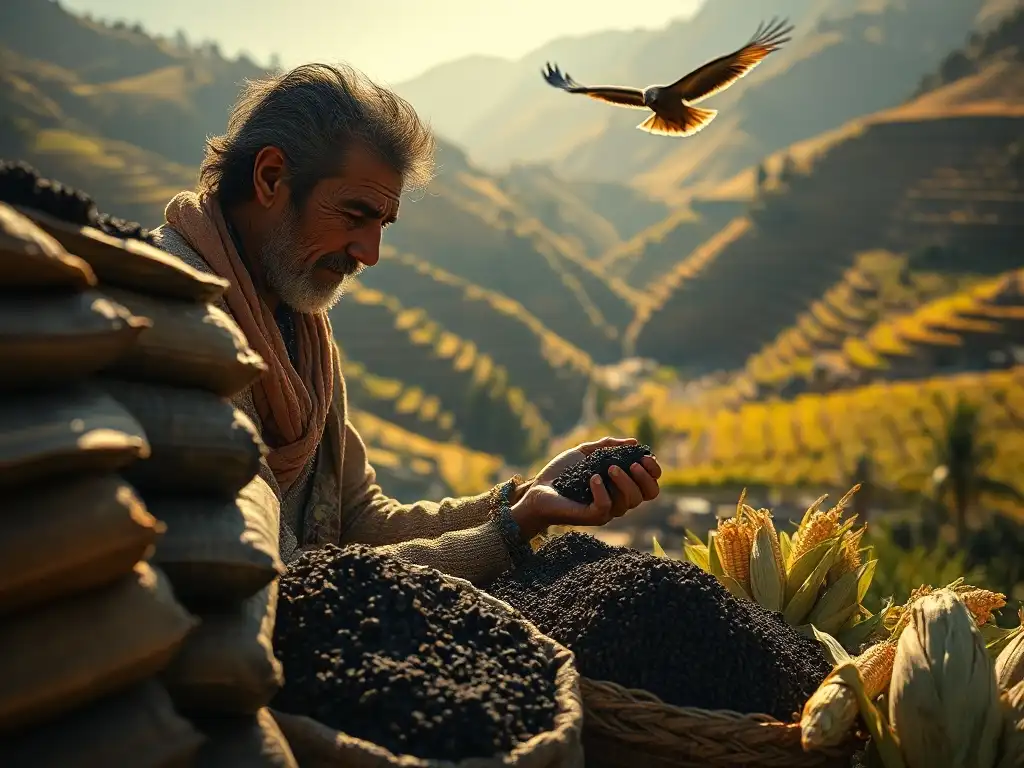
The Inca Empire's remarkable agricultural achievements were, in part, due to their ingenious use of guano as a fertilizer. This natural resource, far from being a mere byproduct, was a key element in their sophisticated agricultural system, allowing them to support a large and densely populated empire in challenging Andean terrain. Understanding the role of guano in Inca agriculture provides crucial insight into their innovative resource management strategies and their overall success. The strategic application of guano, coupled with other advanced techniques like terracing and irrigation, enabled the Incas to achieve impressive levels of agricultural productivity, ensuring food security for their vast population. This section will delve into the specific properties of guano that made it such a valuable asset for Inca farmers, comparing its effectiveness to other available fertilizers and examining its impact on the Inca agricultural system. The term "Inca guano fertilizer agriculture" accurately encapsulates this vital connection.
Composition and Natural Origins of Guano
Guano, primarily derived from the excrement of seabirds and bats, is a complex mixture of organic matter with exceptionally high nutrient content. Its composition varies depending on the source animal and environmental factors, but generally includes significant amounts of nitrogen, phosphorus, and potassium – the three macronutrients essential for plant growth. The arid coastal regions of Peru, where many guano deposits are found, provided ideal conditions for preservation, leading to the accumulation of vast quantities over centuries.
The Incas recognized the exceptional value of this resource, carefully managing its extraction and distribution to ensure its sustainable use. This careful management, a testament to their sophisticated understanding of ecology, is a key factor explaining the longevity of their agricultural practices. The unique climatic conditions of the Peruvian coast were instrumental in the creation of these valuable deposits, making them a unique resource for Inca agriculture.
The High Concentration of Nutrients in Guano
The exceptional value of guano as a fertilizer stems from its remarkably high concentration of essential nutrients. Unlike many other organic fertilizers, guano boasts a significantly higher concentration of nitrogen, phosphorus, and potassium. For example, high-quality guano can contain up to 10-15% nitrogen, 8-12% phosphorus, and 2-4% potassium, significantly exceeding the nutrient levels found in typical compost or manure. 1 This high nutrient density allowed Inca farmers to achieve substantial increases in crop yields with relatively small amounts of fertilizer, making it a highly efficient and effective resource. This efficiency was crucial in a landscape where arable land was often limited, necessitating optimized use of available resources. The precise nutrient ratios in guano varied, depending on the bird or bat species involved, and the Incas likely possessed detailed knowledge of these variations, allowing them to tailor their application to specific crops and soil conditions.
1 Further research is needed to ascertain the precise nutrient content of guano used by the Inca, and the methodologies used to measure these concentrations in ancient samples.
Guano's Effectiveness Compared to Other Traditional Fertilizers
Compared to other traditional fertilizers available to the Incas, such as compost or animal manure, guano offered several key advantages. Its higher nutrient concentration meant that smaller quantities were needed to achieve the same fertilizing effect, minimizing labor and transportation costs. Furthermore, guano's rapid decomposition rate ensured a quick release of nutrients, making it particularly beneficial for crops with short growing seasons.
While compost and manure provided essential nutrients, their nutrient density was considerably lower, requiring larger quantities for comparable results. The availability of guano, therefore, provided the Incas with a significant advantage in terms of agricultural productivity and efficiency. This efficiency was crucial for supporting the large population and complex social structure of the Inca Empire.
The comparative analysis highlights the strategic importance of guano within the context of Inca agricultural practices and resource management. The clear superiority of guano over other available options solidified its role as a pivotal element in Inca agricultural success. This further emphasizes the significance of the term "Inca guano fertilizer agriculture" in understanding their agricultural prowess.
Inca Knowledge and Application of Guano

The Inca Empire, renowned for its sophisticated agricultural practices, understood and harnessed the power of guano – the excrement of seabirds – as a crucial component of their remarkably productive farming systems. This understanding wasn't merely a matter of chance; it represented a deep-seated knowledge of ecological processes and a sophisticated system of resource management that allowed them to cultivate the challenging Andean terrain. Their mastery of guano as a fertilizer significantly contributed to the empire's success and longevity, supporting a large and densely populated society.
The strategic use of Inca guano fertilizer agriculture fundamentally shaped their agricultural prowess and, consequently, their societal development. This section delves into the intricacies of Inca guano utilization, revealing the depth of their understanding and the efficiency of their methods.
Inca Discovery of Guano's Fertilizing Properties
The precise timeline of the Inca's discovery of guano's fertilizing properties remains somewhat shrouded in mystery, but archaeological evidence strongly suggests a long history of its use, predating the Inca Empire itself. Pre-Inca cultures along the Peruvian coast likely observed the naturally fertile lands surrounding guano deposits and intuitively linked the bird droppings to enhanced plant growth. The Incas, inheriting this knowledge, systematized its application, expanding its use throughout their vast empire.
It's plausible that initial observations involved comparing plant growth in areas with and without guano deposits, leading to experimentation and the eventual development of sophisticated techniques for harvesting, transporting, and distributing this valuable resource. The sheer scale of Inca guano mining and its integration into their agricultural system speaks volumes about the long-standing understanding and appreciation of its benefits. Further research into pre-Inca agricultural practices could shed more light on the origins of this crucial agricultural innovation.
Methods for Harvesting and Transporting Guano
Harvesting guano from the steep cliffs of the Peruvian coast was a challenging task, requiring specialized techniques and considerable manpower. Inca workers, often organized into mit'a labor groups, used ropes and simple tools to carefully extract the guano, minimizing damage to the fragile cliff faces and ensuring sustainable harvesting practices. Evidence suggests they developed methods to prevent erosion and protect the guano deposits, reflecting an awareness of the long-term implications of their actions.
The guano was then transported inland, a feat of logistical prowess considering the challenging terrain. Llamas, the empire's primary pack animals, played a vital role in this process, carrying the valuable fertilizer across the Andes mountains to agricultural regions throughout the empire. The routes and methods of transportation likely varied depending on the location and accessibility of the guano deposits and the destination of the fertilizer.
Detailed records of these transportation networks, if they ever existed, remain largely undiscovered, leaving room for further research and analysis. The sheer scale of the operation, however, speaks to the importance of guano in the Inca economy and its role in supporting the empire's agricultural productivity.
The Inca System of Guano Distribution and Access
The Inca system of guano distribution was as impressive as its harvesting and transportation. The empire's centralized administration played a key role in regulating access to and distribution of this vital resource. Guano wasn't freely available; instead, its allocation was carefully managed to ensure equitable access and prevent hoarding. This likely involved a complex system of record-keeping and oversight, ensuring that the fertilizer reached the regions that needed it most.
The distribution system was likely tied to the ayllu system, the Inca's communal land tenure arrangement, ensuring that all communities had access to sufficient guano for their agricultural needs. This equitable distribution played a crucial role in maintaining social stability and fostering agricultural productivity throughout the vast and diverse empire. Further study of Inca administrative records could unveil more details about this sophisticated system and its impact on the empire's overall success.
The efficient management of guano represents a remarkable example of resource management and its contribution to the sustainability of the Inca agricultural system. The intricate integration of guano into their agricultural practices clearly demonstrates the Inca’s sophisticated understanding of ecology and resource management. The Inca guano fertilizer agriculture system was an integral part of their societal success.
The Effects of Guano on Inca Agricultural Productivity
The Inca Empire, renowned for its sophisticated agricultural practices, leveraged the potent fertilizing properties of guano to achieve remarkable agricultural productivity. This natural fertilizer, derived from the droppings of seabirds, played a crucial role in sustaining the empire's vast population and ensuring food security. Understanding the impact of guano on Inca agriculture requires examining its effects on crop yields, its contribution to supporting a large population, and its specific application to various crops.
The strategic use of guano represents a significant aspect of Inca ingenuity and their mastery of resource management, highlighting their deep understanding of ecological principles and their ability to adapt to diverse environments. This wasn't simply fertilizer; it was a cornerstone of their economic and social stability.
Increased Agricultural Output Due to Guano Use
The application of guano significantly boosted Inca agricultural output. While precise quantitative data on yield increases is unavailable due to the limitations of historical record-keeping, archaeological evidence strongly suggests a substantial improvement in crop production compared to areas where guano was not used. The nutrient-rich composition of guano, abundant in nitrogen, phosphorus, and potassium – essential nutrients for plant growth – allowed for healthier, more vigorous plants, leading to larger harvests.
This is further supported by the extensive network of qhapaq ñan (Inca roads) that facilitated the efficient transportation of guano from the coastal guano deposits to the agricultural terraces high in the Andes. The scale of this logistical operation underscores the importance placed on guano as a vital agricultural input. The Inca's meticulous record-keeping system, though not directly quantifying guano's impact on yield, indirectly points to increased productivity through detailed records of stored crops and population censuses.
This sophisticated system allowed for effective resource allocation and highlighted the crucial role guano played in their agricultural success. The increased yields directly translated into a more stable food supply, capable of supporting a large and complex society.
Guano's Contribution to Feeding a Large Population
The Inca Empire boasted a remarkably large population for its time. Feeding millions required a highly efficient and productive agricultural system, and guano was instrumental in achieving this. The nutrient-rich fertilizer enabled the cultivation of larger quantities of food crops, increasing the caloric intake per capita and ensuring food security across the empire.
This is especially crucial considering the challenging Andean terrain, where arable land was limited. By maximizing yields through guano application, the Inca were able to support their extensive population centers and maintain social stability. The evidence suggests that guano wasn't just a supplementary fertilizer; it was a fundamental component of the Inca agricultural strategy, allowing them to overcome the limitations of their environment and sustainably feed their vast population.
The empire's success can, in part, be attributed to this strategic use of a natural resource. The effective management and distribution of guano were integral to the empire's overall success and longevity.
Specific Crops that Benefited from Guano Application
Guano's benefits weren't limited to a single crop; it enhanced the growth of a variety of staple Inca foods. Potatos, a cornerstone of the Inca diet, undoubtedly benefited significantly from guano application. The increased nitrogen content in the soil promoted robust tuber development, resulting in larger, healthier potato harvests.
Similarly, maize, another crucial crop, experienced improved growth and yield due to the nutrient-rich fertilizer. Other crops, such as quinoa, beans, and squash, also likely thrived with the addition of guano. The diverse range of crops supported by guano highlights its versatility and its crucial role in ensuring dietary diversity and nutritional security within the Inca Empire.
The Inca's careful observation of the effects of guano on different crops demonstrates their practical understanding of agricultural science and their ability to optimize their farming practices for maximum yields. Their systematic approach to agriculture, aided by guano, contributed significantly to the empire's impressive agricultural achievements. Further research into specific crop yields with and without guano application would significantly enhance our understanding of its exact impact.
Guano as an Integral Part of Inca Resource Management
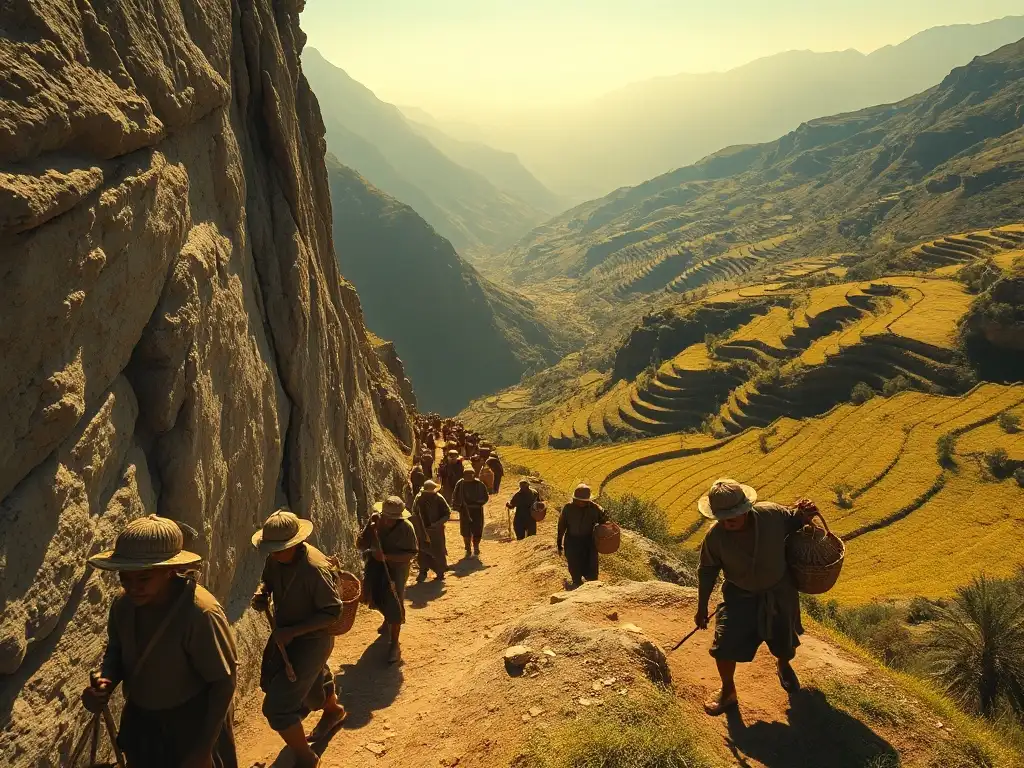
The Inca Empire, renowned for its sophisticated infrastructure and agricultural prowess, cleverly integrated guano into its resource management strategies. Guano, the excrement of seabirds and bats, wasn't just a readily available fertilizer; it was a vital component of a complex system designed to maximize agricultural yields and ensure food security across diverse Andean terrains. Its strategic use demonstrates the Inca's deep understanding of ecological principles and their capacity for sustainable resource management.
This wasn't merely the application of a natural fertilizer; it was a carefully planned and executed system reflecting a sophisticated understanding of both agricultural needs and environmental sustainability. The efficient collection, storage, and distribution of guano formed a crucial part of the Inca's centralized economy and administrative structure.
Evidence suggests specialized labor forces were dedicated to guano harvesting and transport, highlighting its importance in the empire's overall economic planning. The Inca’s mastery of guano management contributed significantly to their ability to support a large and densely populated empire.
Sustainable Practices in Inca Guano Utilization
Inca guano utilization wasn't haphazard; it was underpinned by sustainable practices that ensured its long-term availability. Their methods avoided depletion and prioritized the preservation of the resource. Archaeological findings point to a system of carefully managed guano islands and caves, with controlled access and regulated harvesting schedules. This approach contrasts sharply with later, unsustainable exploitation of guano deposits.
The Inca likely employed a rotational system, allowing certain deposits to rest and replenish before further harvesting. This meticulous approach ensured the continued fertility of their lands and the long-term viability of their agricultural practices. Furthermore, the Inca likely understood the importance of maintaining the bird and bat populations that produced the guano.
Protecting these populations would have been a vital part of their sustainable guano management strategy, a testament to their sophisticated understanding of ecological interdependence. The evidence suggests that Inca guano usage was not only effective but also environmentally responsible, a crucial element of their overall agricultural success. This approach to resource management provides valuable lessons for modern sustainable agriculture.
The Use of Guano in Inca Terraced Farming
The Inca's mastery of terraced farming is legendary. These intricate agricultural systems, carved into the steep Andean slopes, maximized arable land and reduced erosion. Guano played a critical role in the success of these terraces.
The nutrient-rich fertilizer enriched the thin, often infertile soils of the mountain slopes, allowing for higher crop yields. The application of guano wasn't uniform; it likely varied based on soil type and crop requirements. Evidence suggests that Inca farmers carefully monitored soil conditions and adjusted guano application accordingly, demonstrating a sophisticated understanding of soil fertility and nutrient management.
This careful application, combined with the effective water management systems of the terraces, resulted in remarkably productive agricultural systems. The combination of terraced farming and guano fertilizer allowed the Inca to cultivate a wide variety of crops, ensuring food security even in challenging environments. The Inca’s agricultural innovations, including the strategic use of guano in terraced farming, remain a remarkable example of human ingenuity and environmental adaptation.
The Enduring Legacy of Inca Guano Use
The Inca's sophisticated use of guano as a fertilizer left a lasting impact on Andean agriculture. The knowledge and practices developed by the Inca were passed down through generations, influencing subsequent agricultural techniques in the region. Even today, guano remains an important fertilizer in some parts of the Andes, highlighting the enduring legacy of Inca agricultural practices.
The Inca's understanding of guano's value and their commitment to sustainable harvesting techniques offer valuable lessons for modern agriculture. Their approach highlights the importance of integrating ecological principles into agricultural practices to ensure long-term sustainability and food security. The Inca's legacy serves as a reminder of the crucial role that traditional knowledge and sustainable practices can play in addressing modern agricultural challenges.
The ongoing relevance of Inca guano utilization underscores the importance of preserving and learning from the agricultural wisdom of past civilizations. The effective and sustainable use of Inca guano fertilizer agriculture continues to inspire innovative approaches to sustainable agriculture today.
The Long-Term Significance of Inca Guano Agriculture


The Inca Empire's mastery of agriculture, particularly their innovative use of guano as fertilizer, had a profound and lasting impact on the Andean region. Their sophisticated understanding of soil fertility and nutrient cycling, centered around guano, allowed them to support a large and dense population in challenging terrains. This wasn't simply a matter of boosting crop yields; it was a cornerstone of their social and political stability.
The availability of high-quality fertilizer, meticulously collected and distributed, contributed directly to the empire's economic strength and its ability to withstand periods of drought or other environmental challenges. The Inca's success in managing their agricultural resources, heavily reliant on guano, offers valuable insights into sustainable agricultural practices that remain relevant today.
Understanding the long-term significance of Inca guano agriculture requires appreciating its role not just in food production, but also in shaping the very fabric of Andean society. The meticulous organization and infrastructure built around guano collection and distribution demonstrate a level of sophisticated resource management that is rarely seen in other pre-industrial societies.
The Influence of Guano on Andean Agricultural Traditions
Guano's influence extended far beyond the Inca Empire's borders. The knowledge and practices surrounding its collection, processing, and application were passed down through generations, shaping agricultural traditions across various Andean communities. Even after the collapse of the Inca Empire, the use of guano remained a vital component of Andean farming systems.
The legacy of Inca guano fertilizer agriculture is evident in the enduring agricultural practices of many contemporary Andean communities, who continue to appreciate the value of this natural resource for enriching their soils. This continuous use, spanning centuries, is a powerful testament to the effectiveness and sustainability of this ancient fertilizer.
Detailed ethnobotanical studies reveal the continued importance of guano in traditional Andean agriculture, highlighting its role in maintaining biodiversity and preserving unique crop varieties adapted to the high-altitude environment. The stories and traditions surrounding guano collection often reflect a deep respect for the environment and a sophisticated understanding of its interconnectedness.
Lessons from the Inca on Sustainable Farming Methods
The Inca's approach to guano fertilizer agriculture provides invaluable lessons for modern sustainable farming practices. Their understanding of the importance of nutrient cycling and soil health stands in stark contrast to many modern intensive farming methods that often deplete soil nutrients. The Inca's systematic approach to guano collection and distribution, coupled with their terracing techniques and irrigation systems, demonstrates a holistic approach to agriculture that emphasized long-term sustainability over short-term gains. Their methods offer a powerful counterpoint to the environmental challenges posed by modern industrial agriculture.
The Inca's emphasis on biodiversity, crop rotation, and careful management of water resources are all principles that resonate strongly with contemporary sustainable agriculture movements. By studying Inca agricultural practices, we can gain valuable insights into creating more resilient and environmentally friendly farming systems. Their example highlights the importance of working with nature, rather than against it, to achieve long-term agricultural success.
Modern Applications and Relevance of Guano
While synthetic fertilizers have become widespread, the use of guano continues to hold relevance in modern agriculture, particularly in organic and sustainable farming systems. Guano's rich nutrient content, including nitrogen, phosphorus, and potassium, makes it a valuable natural fertilizer. Furthermore, it contains beneficial microorganisms that enhance soil health and improve nutrient uptake by plants.
The growing interest in organic farming and the concerns about the environmental impact of synthetic fertilizers have led to a renewed appreciation for natural alternatives like guano. Research continues to explore the optimal application methods and the potential of guano to contribute to more sustainable agricultural practices.
The Inca's legacy of utilizing guano as fertilizer demonstrates a sophisticated understanding of natural resources that continues to inspire innovation in modern agriculture. The current focus on sustainable and environmentally friendly agriculture makes the study of Inca guano fertilizer agriculture particularly relevant today, offering valuable insights into creating a more resilient and sustainable food system.
The Inca's Enduring Impact on Agriculture
The Inca Empire's sophisticated agricultural practices, heavily reliant on guano, left a lasting legacy on Andean agriculture. Their innovative techniques, passed down through generations, continue to influence farming methods in the region even today. The understanding of soil fertility and the strategic use of guano, a natural fertilizer rich in nutrients, allowed the Incas to cultivate diverse crops in challenging terrains, ensuring food security for their vast population. This knowledge wasn't merely practical; it was deeply intertwined with their worldview, reflecting a profound respect for the land and its resources.
The careful management of guano resources, coupled with sophisticated irrigation systems and terracing techniques, showcases a remarkable understanding of sustainable agriculture, far ahead of its time. Their success serves as a testament to the power of combining ecological knowledge with ingenious engineering solutions. This sustainable approach to agriculture, centered around guano, stands in stark contrast to many modern, intensive farming practices that often deplete soil fertility and harm the environment.
The Inca's legacy reminds us of the importance of respecting ecological balance and the enduring benefits of sustainable agricultural practices. Their methods offer valuable lessons for contemporary agriculture, particularly in regions facing similar environmental challenges. The careful planning and execution of their agricultural projects, fueled by the effective use of guano fertilizer, remain a source of inspiration for modern agricultural innovations and practices aiming for sustainability and food security.
The Legacy of Guano in Modern Andean Agriculture
The use of guano as a fertilizer continues to be a vital part of agricultural practices in the Andes, a direct testament to the Inca's legacy. While modern synthetic fertilizers are increasingly available, many Andean farmers still rely on guano for its proven effectiveness and its inherent connection to traditional methods. This enduring practice isn't simply a matter of tradition; guano offers unique benefits that are difficult to replicate with synthetic alternatives. Its organic composition improves soil structure, enhancing water retention and promoting beneficial microbial activity.
Moreover, guano’s availability and relatively low cost make it an accessible and sustainable option for many small-scale farmers, particularly in remote Andean communities. However, the continued use of guano also presents challenges. Overharvesting, driven by increasing demand, can lead to environmental degradation and depletion of this valuable resource. Sustainable harvesting practices and responsible management are crucial to ensure the long-term availability of guano for future generations of Andean farmers.
Modern research focuses on optimizing guano's use, combining traditional knowledge with scientific advancements to maximize its benefits while mitigating environmental risks. This careful balance between tradition and innovation ensures that the Inca's legacy of guano-based agriculture remains a vital part of the Andean agricultural landscape. The ongoing research and sustainable practices surrounding guano show a commitment to preserving both the cultural heritage and the environmental sustainability of this ancient yet incredibly relevant resource.
Guano's Continued Importance in Sustainable Agriculture Globally
The Inca's mastery of guano as a fertilizer offers valuable insights for sustainable agriculture worldwide. While the specific context of Andean agriculture is unique, the principles of utilizing natural resources effectively and sustainably hold global relevance. The lessons learned from the Inca's approach to guano highlight the potential of organic fertilizers in reducing reliance on synthetic alternatives, which often have negative environmental consequences.
The sustainable management of guano, as practiced by the Incas and still relevant in modern Andean agriculture, can serve as a model for other regions seeking to reduce their environmental footprint. The focus on soil health, water conservation, and biodiversity, all inherent in the Inca's approach, are key components of modern sustainable agriculture. The Inca's success demonstrates the importance of integrating traditional knowledge with scientific advancements to achieve sustainable agricultural practices.
This holistic approach, which prioritizes long-term sustainability over short-term gains, offers valuable lessons for policymakers and farmers globally. The story of Inca guano agriculture serves as a potent example of how ancient wisdom can inform and inspire modern solutions to global challenges in food security and environmental sustainability. This legacy extends beyond the Andes, offering a sustainable model for the rest of the world.
Frequently Asked Questions
What is guano, and why was it important to the Inca?
Guano is the excrement of seabirds and bats, incredibly rich in nitrogen, phosphorus, and potassium. The Inca recognized its fertilizing power, crucial for their agricultural success in challenging Andean terrains.
How did the Inca utilize guano in their farming practices?
The Inca developed sophisticated systems for collecting, transporting, and distributing guano from coastal islands to their inland farms. They understood its vital role in boosting crop yields and maintaining soil fertility.
What types of crops benefited most from guano fertilizer?
Guano significantly benefited a variety of Inca crops, including potatoes, maize, beans, and quinoa. Its nutrient richness ensured higher yields and better quality for these staple foods.
Were there any challenges associated with guano acquisition and distribution?
Yes, accessing and transporting guano across the Andes presented logistical challenges. The Inca overcame these by developing extensive road networks and storage facilities, demonstrating impressive organizational skills.
How does the Inca's use of guano compare to modern agricultural practices?
While modern fertilizers are chemically produced, the Inca's use of guano highlights the importance of natural resources in agriculture. Their techniques demonstrate a sophisticated understanding of sustainable farming practices.
Final Reflection: The Enduring Legacy of Guano
The Inca's mastery of guano wasn't just a clever agricultural technique; it was a testament to their profound understanding of ecological balance, a lesson that resonates deeply in our current era of environmental crisis. The depletion of our soils and the urgent need for sustainable agricultural practices highlight the timeless wisdom embedded in the Inca's approach. Their success serves as a powerful reminder that sustainable solutions often lie in understanding and respecting the natural world.
The Inca's innovative use of guano profoundly shaped their civilization, leaving an indelible mark on their agricultural success and societal stability. Its impact extends far beyond their empire, influencing agricultural practices across the globe for centuries. The earth provides enough to satisfy every man's needs but not every man's greed.
- Mahatma Gandhi. This quote speaks to the core of the Inca's approach – a sustainable use of resources that ensured prosperity without jeopardizing the environment. We can learn much from their restraint and foresight in a world grappling with overconsumption and environmental degradation.
Consider the implications of the Inca's methods. What can we learn from their sustainable practices? How can we apply their understanding of natural resources to address the challenges of modern agriculture? You, the reader, hold the power to make a difference. By embracing sustainable practices in your own life, whether through supporting responsible farming, reducing waste, or simply increasing your awareness of the interconnectedness of our ecosystems, you can contribute to a future where the wisdom of the Inca's legacy continues to flourish.
Harness the Power of Nature: Act Now!
Thank you for exploring the fascinating impact of guano on agriculture! Learning about this incredible natural resource is a significant step towards understanding sustainable and environmentally responsible practices. Now, let's put this knowledge into action.
Here are a few impactful ways you can make a difference:
- Start composting: Transform your organic waste into nutrient-rich soil, enriching your garden naturally.
- Share your knowledge: Spread the word about the benefits of sustainable farming techniques, such as using natural fertilizers, by discussing them with friends, family, or sharing your insights on social media.
- Connect with fellow gardeners: Join a local gardening club or online community to connect with like-minded individuals passionate about sustainable agriculture. Learning from each other's experiences is invaluable.
How else can we integrate natural fertilizers into our gardening practices? Let's share our ideas in the comments below!