
The Power of Pottery: New Insights from Ceramic Analysis in the Andes

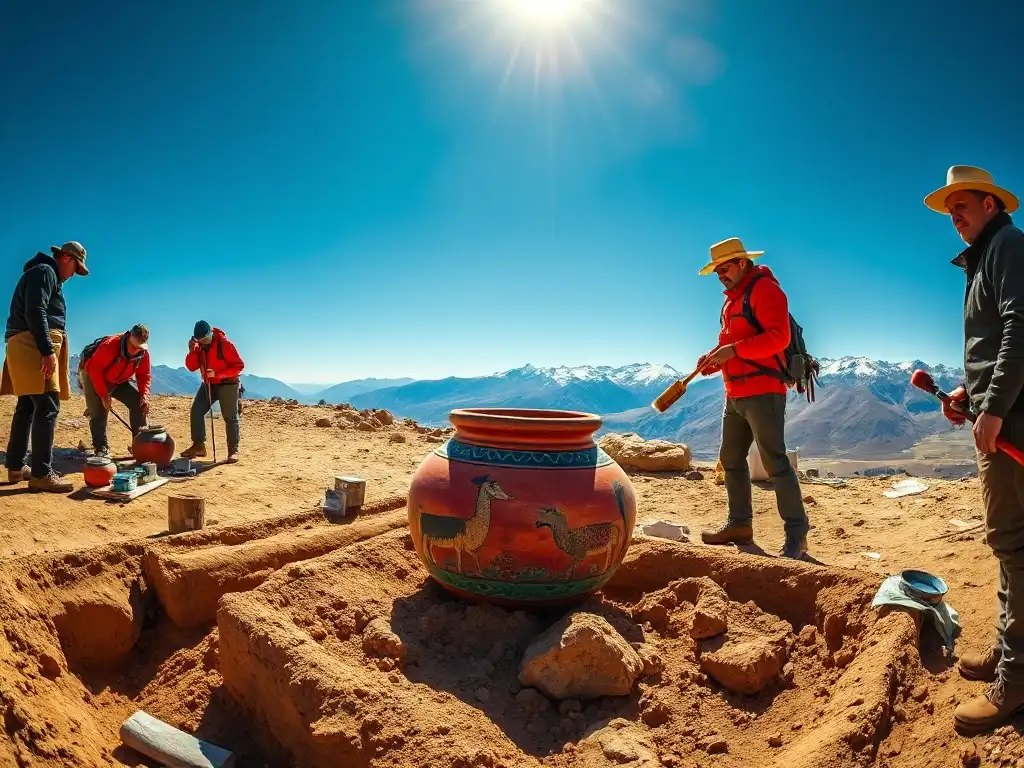
Unravel the mysteries hidden within the earth! Journey with us into the captivating world of the Andean civilizations, where vibrant cultures thrived and left behind a legacy etched in clay. Prepare to be amazed by the intricate details revealed through Andean pottery analysis, a key to unlocking the secrets of their sophisticated societies. Discover how these ancient artisans shaped not just vessels, but entire narratives, in our exploration of the remarkable legacy of Andean civilizations. Dive in and uncover the untold stories waiting to be unearthed.
The Andes Mountains, a spine of towering peaks running down the western coast of South America, are home to a rich tapestry of ancient civilizations. For centuries, archaeologists have unearthed incredible artifacts, revealing intricate social structures, sophisticated technologies, and vibrant artistic expressions. Among the most enduring and informative of these artifacts is pottery.
This article delves into the exciting world of Andean pottery analysis, exploring how the careful study of ceramic fragments provides invaluable insights into the lives, beliefs, and societal developments of these fascinating cultures – from the Incas and Moche to the Nazca and Tiahuanaco. We will examine the methodologies employed in Andean pottery analysis, highlighting recent breakthroughs and their impact on our understanding of Andean history.
Understanding the nuances of Andean pottery is key to unlocking a deeper appreciation for the complexity and ingenuity of these ancient societies. Prepare to be amazed by the stories these seemingly simple clay vessels can tell.
Analyzing Andean Pottery: Techniques and Methodologies
Andean pottery analysis is a multi-faceted field, employing a range of techniques to extract maximum information from often-fragmented remains. The process typically begins with careful excavation and meticulous documentation of the context in which the pottery is found. This includes recording the precise location, depth, and association with other artifacts. This contextual information is crucial for interpreting the pottery’s significance. Subsequently, the pottery undergoes a rigorous analysis process. This involves:
- Visual Inspection: A detailed examination of surface decoration, shape, and size, noting any unique characteristics or patterns. This initial assessment often reveals clues about the pottery's function, stylistic affiliation, and chronological placement.
- Petrographic Analysis: This involves examining thin sections of the pottery under a microscope to identify the clay minerals and tempering materials used in its production. This can pinpoint the geographical origin of the clay and reveal information about the technological skills of the potters.
- Chemical Analysis: Techniques like X-ray fluorescence (XRF) and inductively coupled plasma mass spectrometry (ICP-MS) can identify the chemical composition of the clay and any pigments used in decoration. This can help trace the movement of pottery and raw materials across vast distances, shedding light on trade networks and cultural exchange.
- Technological Analysis: This focuses on the manufacturing techniques employed, such as the type of wheel used (if any), the firing methods, and the surface treatments. These aspects reveal the level of technological sophistication and the specialization of labor within the societies.
Recent Discoveries and Their Significance for Andean History
Recent advancements in Andean pottery analysis have led to remarkable discoveries, reshaping our understanding of these ancient societies. For example, the analysis of ceramic pigments has revealed previously unknown trade routes, connecting distant communities through the exchange of valuable resources and cultural ideas. The identification of specific clay types in pottery shards has allowed archaeologists to pinpoint the geographical origins of certain pottery styles, providing crucial insights into migration patterns and settlement dynamics.
Furthermore, the study of pottery fragments found in specific contexts, such as burial sites or ceremonial centers, has helped to illuminate religious beliefs, social hierarchies, and daily life practices. The detailed analysis of decorative motifs has also revealed complex symbolic systems and narratives, enriching our understanding of Andean cosmology and worldview. The combined application of these techniques provides a holistic perspective on the significance of Andean pottery.
The Future of Andean Pottery Analysis: Emerging Technologies and Research Directions
The field of Andean pottery analysis is constantly evolving, with new technologies and methodologies continuously being developed. The application of advanced imaging techniques, such as 3D scanning and digital reconstruction, allows for the non-destructive analysis of fragile artifacts and the creation of detailed virtual models for study and dissemination. Furthermore, the integration of isotopic analysis provides insights into dietary habits and environmental conditions.
Future research will likely focus on integrating these new technologies with existing methods to achieve an even more comprehensive understanding of Andean pottery and its cultural significance. The continued application of scientific techniques will undoubtedly reveal further fascinating insights into the lives and legacies of the Andean civilizations. The potential for new discoveries remains immense, promising a deeper and more nuanced appreciation for the enduring legacy of Andean pottery.
- Analyzing Andean Pottery: Techniques and Methodologies
- Recent Discoveries and Their Significance for Andean History
- The Future of Andean Pottery Analysis: Emerging Technologies and Research Directions
Unveiling Andean Civilizations Through Pottery Analysis
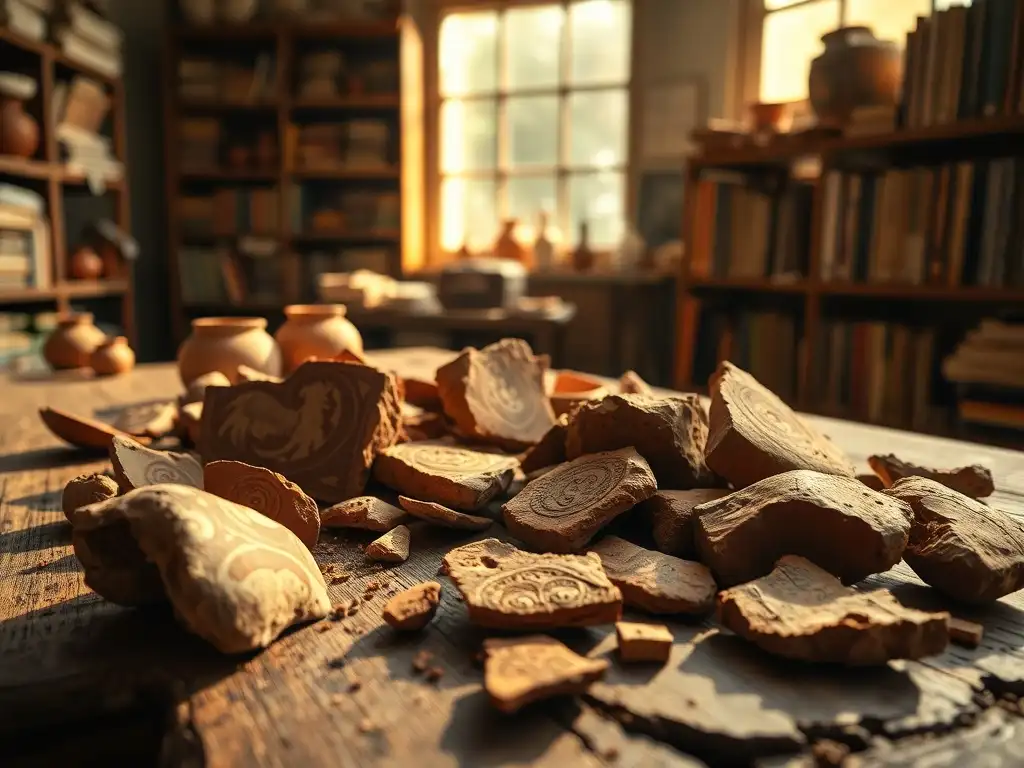
This section delves into the crucial role of pottery analysis in understanding Andean civilizations. We'll explore how analyzing Andean pottery—from its stylistic features to its chemical composition—provides invaluable insights into the social, economic, and technological advancements of these fascinating cultures. The meticulous study of Andean pottery allows archaeologists to reconstruct daily life, trade networks, and even religious beliefs with remarkable accuracy. This analytical approach goes beyond simple artifact classification; it offers a powerful lens through which we can reconstruct the complex tapestry of Andean societies.
The sheer volume of surviving pottery, coupled with its inherent durability, makes it a particularly rich source of information for Andean pottery analysis. By examining the diverse techniques, styles, and materials employed in pottery production, we gain a deeper understanding of the ingenuity and artistic capabilities of these ancient peoples. The keyword, "Andean pottery analysis," is central to this exploration.
The Significance of Pottery in Andean Archaeological Studies
Pottery holds a unique position in Andean archaeology. Unlike perishable materials like textiles or wood, pottery fragments frequently survive the ravages of time, providing a continuous record spanning millennia. The sheer quantity of ceramic artifacts recovered from Andean sites is staggering, offering researchers an unparalleled opportunity to study long-term cultural trends and changes.
Moreover, the diversity of styles, forms, and decorative motifs found in Andean pottery reflects the richness and complexity of the societies that produced them. Analysis of these features allows researchers to trace the evolution of artistic styles, identify regional variations, and even map intricate trade networks. For instance, the presence of specific ceramic styles in geographically distant locations can indicate the extent of cultural exchange or even political influence.
Detailed Andean pottery analysis allows for the identification of specific workshops, revealing insights into production techniques, labor organization, and economic systems. Furthermore, the chemical analysis of clay and pigments provides crucial data on resource procurement, trade relationships, and technological advancements. The study of Andean pottery is not simply about identifying pretty objects; it is a powerful tool for reconstructing the past.
Introduction to Andean Ceramic Traditions
Andean ceramic traditions are incredibly diverse, reflecting the vast geographical expanse and chronological depth of the region. From the early pre-ceramic periods to the Inca Empire and beyond, pottery production underwent significant transformations, reflecting evolving social structures, technological innovations, and artistic sensibilities. Early Andean pottery, often characterized by simple forms and undecorated surfaces, gradually evolved into more complex and sophisticated styles. The development of new techniques, such as the use of slip, paint, and intricate mold-making, allowed for the creation of highly decorative and expressive pieces.
Different Andean cultures developed distinct ceramic styles, reflecting their unique identities and cultural practices. For example, the Moche culture is renowned for its elaborate, narrative-style pottery depicting scenes of warfare, ritual, and daily life. The Nazca culture, on the other hand, is known for its finely painted pottery, often featuring complex geometric designs and stylized figures. The Inca Empire, with its vast political reach, saw the standardization of certain pottery forms and decorative motifs, reflecting the empire's centralized authority.
However, regional variations persisted, testifying to the enduring influence of local traditions. Understanding these regional stylistic differences is crucial for accurate dating and attribution of pottery fragments, which are essential elements of Andean pottery analysis. The evolution of Andean ceramic traditions provides a fascinating case study in the interplay between technological innovation, artistic expression, and social change.
Advanced Techniques in Andean Pottery Analysis
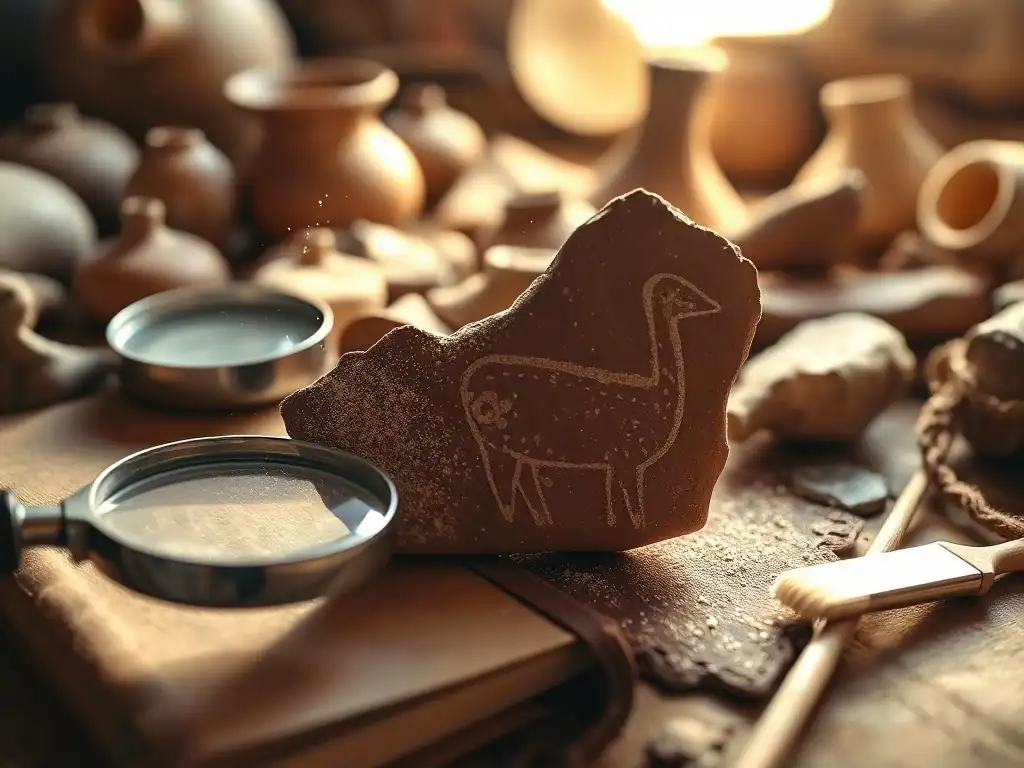
This section delves into the sophisticated analytical methods currently employed to unlock the secrets held within Andean pottery. Understanding the creation, use, and distribution of these artifacts provides invaluable insights into the social structures, technological advancements, and daily lives of ancient Andean cultures. Through a combination of techniques, researchers are able to paint a much more detailed picture than ever before possible, significantly advancing our understanding of "Andean pottery analysis."
Microscopic Analysis of Andean Pottery
Microscopic analysis offers a powerful tool for examining the fine details of Andean pottery, revealing information often invisible to the naked eye. This non-destructive technique allows researchers to study the clay composition, the manufacturing processes, and even the traces of pigments and organic materials used in decoration.
For instance, using a scanning electron microscope (SEM), researchers can identify specific clay minerals, revealing the source of the raw materials and potentially tracing trade routes. This level of detail allows for the differentiation between pottery produced in different regions or by different workshops, contributing to a deeper understanding of regional variations and economic exchange networks.
Furthermore, microscopic analysis can reveal subtle details about the pottery's surface texture and finish. These details can indicate the level of craftsmanship, the tools used in production, and even the type of firing technique employed. For example, the presence of specific tool marks might suggest the use of a particular type of paddle or burnisher, while the presence of specific firing flaws can point to variations in kiln construction and firing practices. This meticulous analysis provides a rich tapestry of information about the technological capabilities and artistic styles of different Andean cultures.
Chemical Composition Analysis of Andean Ceramics
Chemical composition analysis, often using techniques such as X-ray fluorescence (XRF) and inductively coupled plasma mass spectrometry (ICP-MS), provides crucial insights into the raw materials used in pottery production. This analysis allows researchers to identify the specific elements present in the clay, providing valuable information about the geological origin of the clay itself. By comparing the chemical fingerprints of pottery from different sites, researchers can reconstruct trade networks and understand the movement of goods and resources across the Andes.
This analysis extends beyond simply identifying the clay's origin. Trace elements found in the clay can also reveal details about the firing process and the environment in which the pottery was produced. For example, the presence of certain elements might indicate the use of specific fuel sources during firing. Moreover, the analysis of pigments used in decoration can provide insights into the sources of these materials and their availability across different regions. The combination of this data with stylistic analysis offers a powerful methodology for Andean pottery analysis.
Radiocarbon Dating of Andean Pottery Fragments
Radiocarbon dating, a cornerstone of archaeological dating, plays a crucial role in establishing the chronological framework for Andean pottery. This technique focuses on organic materials found within or associated with the pottery, such as residues of food or plant fibers. By analyzing the carbon-14 content of these organic materials, researchers can determine the age of the pottery, providing a crucial temporal context for understanding cultural change and technological development.
The accuracy of radiocarbon dating is crucial for establishing chronological sequences and understanding the evolution of pottery styles and techniques over time. It allows researchers to correlate changes in pottery with other archaeological evidence, such as changes in settlement patterns, agricultural practices, or social organization.
While the dating of pottery fragments directly can be challenging, the presence of organic residue or associated organic materials often provides the necessary material for accurate dating, thus offering a critical piece of the puzzle in Andean pottery analysis. The combination of radiocarbon dating with other analytical techniques provides a comprehensive and robust approach to understanding the complex history of Andean civilizations.
Case Studies: Andean Pottery Analysis in Action
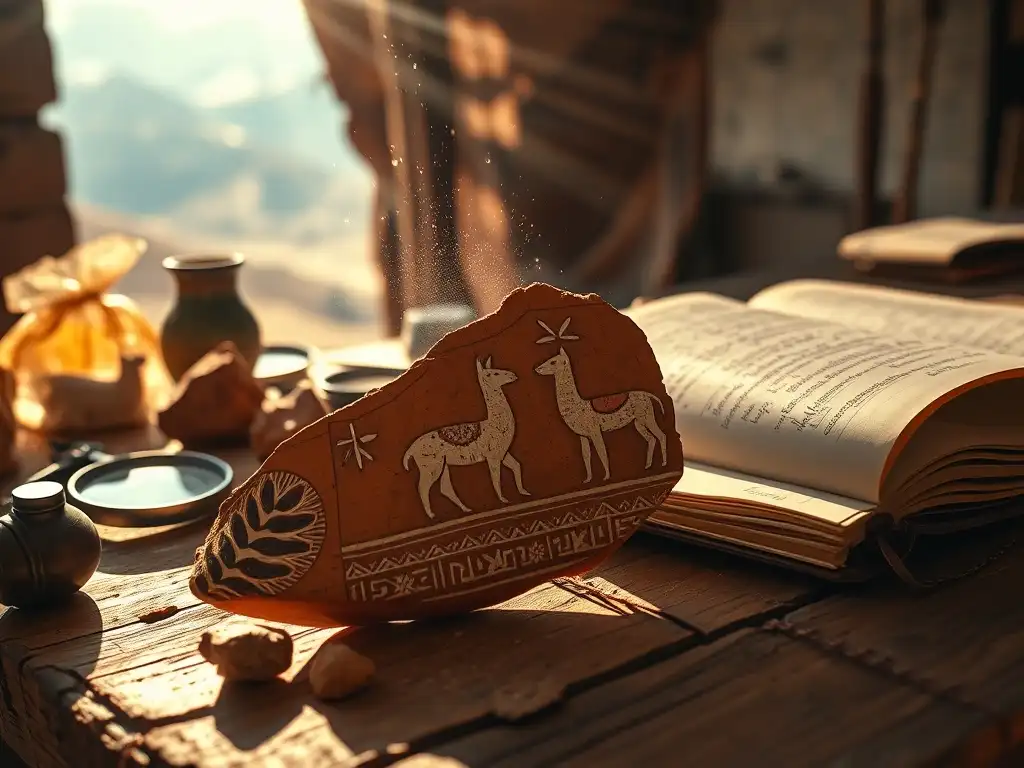
This section delves into specific examples of Andean pottery analysis, showcasing how ceramic studies illuminate various aspects of ancient Andean societies. We'll explore the methodologies employed and the significant insights gained from analyzing pottery from the Moche, Nazca, and Inca cultures, highlighting the power of this analytical approach in reconstructing their pasts. Understanding the intricacies of Andean pottery analysis provides a crucial lens through which we can interpret the rich tapestry of Andean civilization.
Analyzing Moche Ceramics: Insights into Ritual Practices
Moche pottery, renowned for its exquisite artistry and detailed depictions of daily life and ritualistic practices, offers a wealth of information to researchers. Analysis focuses on several key aspects: stylistic variations, iconography, materials used, and manufacturing techniques. For instance, the presence of specific pigments or the depiction of particular deities can reveal insights into regional variations and beliefs.
The use of sophisticated petrographic analysis – the study of the rock and mineral composition of the clay – helps determine the sourcing of raw materials. This can reveal trade networks and the geographic reach of Moche communities. Furthermore, careful examination of the pottery's surface reveals details about the manufacturing process, including the use of molds, the application of slip and paint, and the firing techniques employed.
These meticulous analyses contribute to a more comprehensive understanding of Moche social organization, religious beliefs, and economic activities. One striking example is the discovery of a unique type of red-on-white pottery found only in specific Moche burial sites, suggesting a connection to elite funerary rituals. Further research into the chemical composition of the pigments used in this specific pottery could potentially reveal further details about the rituals themselves.
Investigating Nazca Pottery: Decoding Iconography and Beliefs
Nazca pottery, famous for its intricate and often enigmatic iconography, presents a unique challenge and opportunity for Andean pottery analysis. The highly stylized figures and complex designs often represent mythological beings, deities, and shamanistic practices. Researchers employ a multi-faceted approach, combining stylistic analysis with anthropological interpretations to decipher the meaning behind these visual representations.
The analysis of Nazca pottery goes beyond mere visual interpretation. The use of sophisticated techniques such as X-ray fluorescence (XRF) spectroscopy allows researchers to identify the chemical composition of the pigments used, potentially revealing the sources of these materials and providing insights into trade networks. Furthermore, the analysis of the clay itself, including its mineralogical composition and the presence of any tempering materials, can provide information about the production methods and the geographical origin of the pottery.
The detailed analysis of the iconography, in conjunction with the scientific analysis of the materials, provides a robust methodology for decoding the complex beliefs and rituals of the Nazca culture. For example, the recurrent depiction of specific birds might suggest a connection to ancestor veneration or cosmological beliefs. Further research is needed to fully elucidate the meaning of these complex symbols.
Exploring Inca Pottery: Understanding Imperial Control and Distribution
Inca pottery, characterized by its standardization and widespread distribution throughout the vast Inca Empire, provides valuable insights into imperial control and administrative practices. Analysis of Inca ceramics focuses on identifying regional variations within a broader framework of imperial uniformity. This involves examining stylistic features, such as vessel shapes, decorative motifs, and the types of clay used.
The standardization of pottery production under Inca rule facilitated efficient distribution of goods and control over resources. However, subtle regional variations in style and decoration persist, hinting at a degree of local autonomy within the imperial system. Analysis of these variations, coupled with archaeological context, can reveal important information about the extent of Inca control and the dynamics of interaction between the imperial center and peripheral regions.
For example, the presence of specific Inca motifs on pottery found in distant regions provides evidence of the empire's reach and influence. Further research, particularly focusing on the chemical analysis of the clay used in different regions, could help pinpoint the specific workshops responsible for the production of Inca pottery and trace the routes of its distribution throughout the empire. This allows for a more nuanced understanding of the Inca's administrative strategies and the social dynamics within their vast realm.
New Discoveries and Ongoing Research in Andean Pottery Analysis
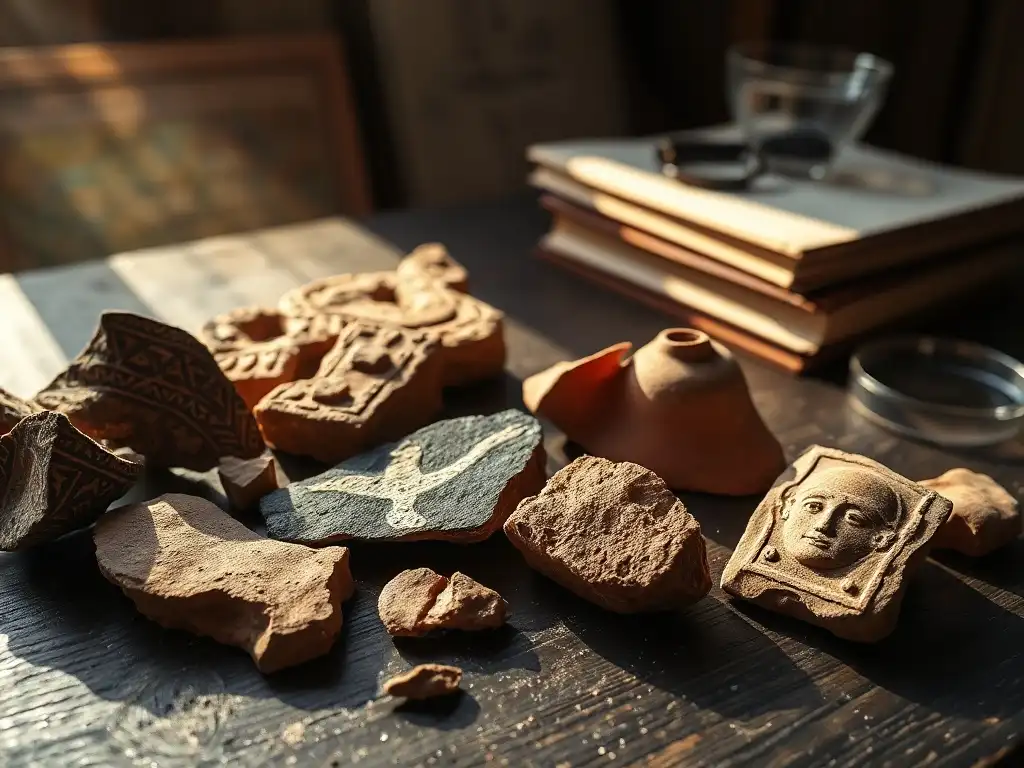
This section delves into recent advancements and ongoing research in Andean pottery analysis, offering new perspectives on the ancient Andean civilizations. We will explore how cutting-edge techniques are revealing crucial information about trade networks, technological innovations, and social structures. The study of Andean pottery, a rich and diverse field, continues to yield exciting results, constantly refining our understanding of these fascinating cultures. The analysis of Andean pottery provides a unique window into the lives, beliefs, and societal organization of past Andean populations.
Revealing Trade Networks Through Ceramic Provenance Studies
Ceramic provenance studies, utilizing techniques like X-ray fluorescence (XRF) and petrographic analysis, are revolutionizing our understanding of ancient Andean trade networks. By analyzing the chemical composition of clay and temper materials in pottery shards, researchers can pinpoint the geographical origin of the vessels. This allows us to trace the movement of goods and, by extension, the flow of ideas and cultural exchange across vast distances.
For example, recent studies have identified a significant number of pottery shards from the Nazca region found in coastal sites far to the north. This suggests a robust trade network connecting the Nazca culture with other coastal communities, possibly facilitating the exchange of luxury goods, such as textiles and precious metals, alongside the pottery itself. The analysis reveals not only the geographical origin of the clay but also potential processing techniques, indicating specialized workshops or regional variations in production methods.
This granular level of detail paints a vibrant picture of interconnectedness among Andean societies. Further research is needed to fully understand the complexities of these trade routes and their impact on the cultural development of the region, particularly considering the variations in stylistic elements across different regions. The potential for uncovering further trade relationships through this method is vast.
Identifying Technological Innovations in Andean Pottery Production
Andean pottery production demonstrates remarkable technological sophistication. Analysis of ceramic fabrics, firing techniques, and surface treatments reveals a continuous evolution of techniques across different periods and cultures. Researchers are employing advanced techniques, such as scanning electron microscopy (SEM) and thermo-luminescence (TL) dating, to understand the technological innovations and their implications for social organization.
For instance, the development of the chakiras, small, intricately carved ceramic beads, demonstrates advanced skills in ceramic modeling and firing control. The precise placement and uniformity of these beads on certain types of pottery suggest specialized labor and possibly a hierarchical system of production. Similarly, the sophisticated techniques used in the creation of polychrome pottery, with its vibrant colors and intricate designs, point to the existence of skilled artisans and specialized workshops.
These findings challenge previous assumptions about the simplicity of Andean pottery production, highlighting the complexity and skill involved. The study of these innovations provides valuable insights into the technological capabilities and social organization of Andean societies. Further research focusing on the evolution of specific techniques promises to enrich our understanding of Andean technological achievements.
Ceramic styles are not merely aesthetic choices; they often reflect social hierarchies, religious beliefs, and ritual practices. Analysis of decorative motifs, vessel shapes, and the contexts in which pottery is found provides valuable insights into the social structures of Andean societies. The presence or absence of certain stylistic elements can indicate social status, affiliation with specific groups, or participation in particular rituals.
For example, the elaborate funerary pottery found in elite tombs, often decorated with intricate designs and featuring unique shapes, stands in stark contrast to the simpler, utilitarian pottery found in common graves. This difference highlights social stratification and the importance of mortuary rituals in the Andean world. Variations in decorative motifs across different regions and time periods offer further clues to social organization and cultural identity.
The systematic analysis of these stylistic variations, coupled with contextual data from archaeological excavations, enables researchers to piece together a more nuanced picture of the social dynamics within Andean communities. Ongoing research utilizing statistical analysis of stylistic attributes promises to further refine our understanding of the complex interplay between pottery styles and social structures. The potential for discovering new patterns and insights in this area remains significant.
The Future of Andean Pottery Analysis
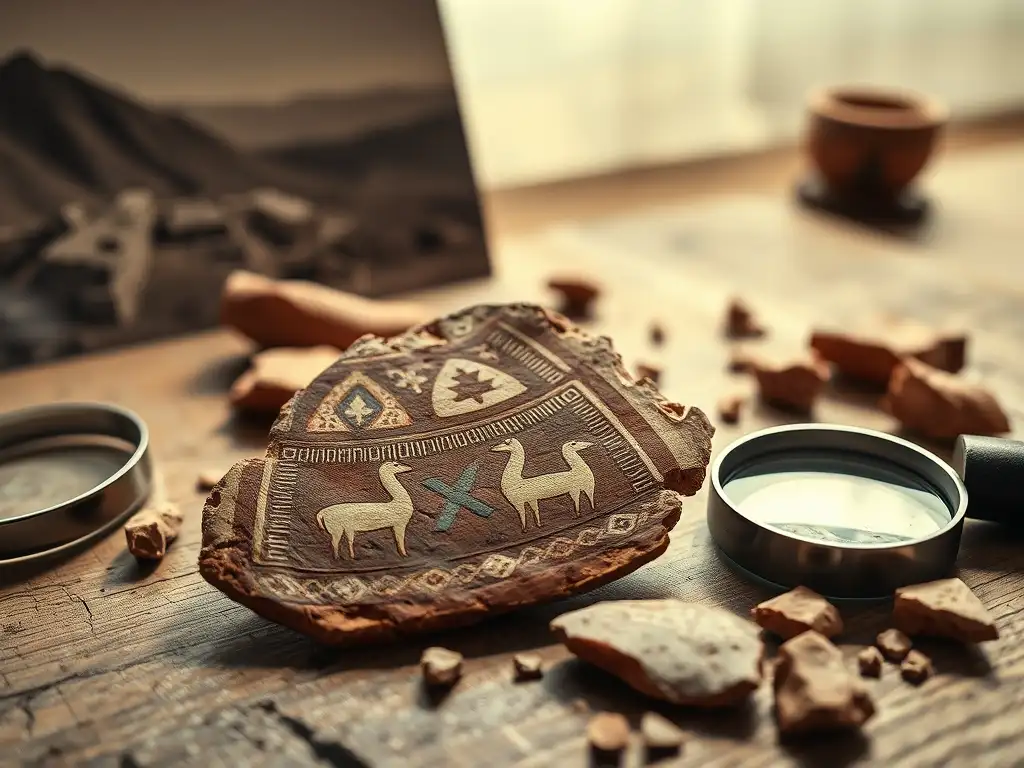
The study of Andean pottery is undergoing a renaissance, fueled by technological advancements and a renewed focus on collaborative research. Understanding the past through these intricate ceramic artifacts requires a multifaceted approach, blending traditional archaeological techniques with cutting-edge scientific methods. This section explores the exciting future of Andean pottery analysis, highlighting key areas of development and their potential to illuminate the rich tapestry of Andean civilizations. The field of Andean pottery analysis is poised for significant growth, offering unparalleled opportunities to deepen our understanding of these fascinating cultures.
Technological Advancements in Ceramic Analysis
Technological advancements are revolutionizing Andean pottery analysis, providing unprecedented levels of detail and accuracy. Techniques like X-ray fluorescence (XRF) spectroscopy allow for non-destructive elemental analysis, revealing the composition of pigments and clays used in different regions and time periods. This data provides crucial insights into trade networks, artistic techniques, and the availability of resources across the Andes. For example, XRF analysis has helped identify specific sources of clay used by the Moche civilization, revealing intricate details about their pottery production and distribution systems.
Furthermore, advanced imaging techniques such as micro-computed tomography (micro-CT) scanning allow researchers to create three-dimensional models of pottery shards, even those too fragile for traditional handling. This allows for detailed examination of internal structures, revealing manufacturing processes and potential repairs, providing insights into the craftsmanship and the lifecycle of the artifacts.
The ability to virtually reconstruct broken vessels offers a significant advantage in understanding the original form and function of these often-fragmented pieces. The application of these technologies is not only enhancing our understanding of the technical aspects of pottery production but also enriching our interpretation of the cultural and symbolic significance of the artifacts.
The use of hyperspectral imaging is also on the rise, offering the potential to identify subtle variations in pigments and surface treatments invisible to the naked eye. This offers a new dimension to the study of Andean pottery decoration, potentially revealing hidden iconography and stylistic nuances.
Collaborative Research Initiatives in Andean Archaeology
Effective Andean pottery analysis increasingly relies on collaborative research initiatives, bringing together specialists from diverse fields. These collaborations often involve archaeologists, chemists, geologists, anthropologists, and conservators, fostering interdisciplinary approaches to understanding these complex artifacts. The sharing of data and expertise across institutions and international borders is crucial for advancing knowledge and ensuring the responsible stewardship of Andean cultural heritage.
One example of a successful collaborative initiative is the ongoing project focused on the analysis of pottery from the Nazca region. This project brings together researchers from universities in Peru, the United States, and Europe, combining their expertise in ceramic technology, iconography, and social archaeology to create a more holistic understanding of Nazca culture. These types of multi-institutional collaborations facilitate the sharing of resources, expertise, and data, leading to a more comprehensive and nuanced understanding of Andean pottery.
Furthermore, collaborative projects often involve local communities, ensuring that research is conducted ethically and respectfully, with the results shared with those who are directly connected to the heritage. This participatory approach ensures that the research benefits both the academic community and the communities whose heritage is being studied.
Preserving and Protecting Andean Ceramic Heritage
The preservation and protection of Andean ceramic heritage are paramount for future research and the appreciation of these invaluable artifacts. The delicate nature of pottery, particularly in harsh Andean climates, necessitates careful conservation efforts. These efforts include proper storage conditions, the development of non-invasive analysis techniques, and the implementation of protective measures against looting and damage. The long-term preservation of these artifacts is critical for ensuring their availability for future generations of researchers and the public.
The development of ethical collecting practices and the repatriation of artifacts are also crucial aspects of protecting Andean ceramic heritage. This requires a collaborative effort between museums, researchers, and governments to ensure that artifacts are properly documented, stored, and accessible for research while respecting the rights and interests of the communities from which they originated. Moreover, educational initiatives aimed at raising awareness of the importance of preserving Andean cultural heritage are essential for safeguarding these invaluable resources for the future.
This includes community engagement programs that educate local populations about the value of their heritage and the importance of protecting it from looting and deterioration. The long-term preservation of Andean pottery is not only a scientific responsibility but also a moral imperative, ensuring that future generations can appreciate and learn from these remarkable artifacts.
Conclusion: The Enduring Value of Andean Pottery Analysis
Andean pottery analysis continues to be a cornerstone of archaeological research in the region, providing invaluable insights into the complex tapestry of ancient Andean societies. Its enduring value stems from its ability to illuminate various aspects of past life, from daily routines to religious beliefs and social structures. The meticulous study of ceramic fragments, styles, and chemical composition offers a powerful lens through which we can reconstruct the past with remarkable detail.
By understanding the intricacies of Andean pottery, we gain a deeper appreciation for the ingenuity, artistry, and resilience of these remarkable civilizations. The ongoing research in Andean pottery analysis ensures that our understanding of this rich cultural heritage will continue to evolve and deepen.
How Andean pottery analysis enriches our understanding of ancient Andean societies
Andean pottery analysis offers a multifaceted approach to understanding ancient Andean societies. The sheer diversity of styles, techniques, and decorative motifs found across different cultures and time periods is astonishing. For example, the intricate iconography of Moche pottery vividly depicts scenes of daily life, warfare, and religious rituals, providing unparalleled insights into their worldview and social hierarchy.
Similarly, the Nazca's mastery of polychrome painting reveals complex narratives and symbolic representations, hinting at sophisticated religious beliefs and cosmological understandings. Furthermore, the analysis of ceramic chemical composition can reveal information about trade networks, resource management, and technological innovations. Isotopic analysis of clay sources, for instance, can pinpoint the origin of the clay used in pottery production, illuminating trade routes and regional interactions.
Technological Innovations Revealed Through Ceramic Analysis
The technological advancements of Andean civilizations are also reflected in their pottery. Analysis of firing techniques, kiln construction, and the use of different clay types reveals a sophisticated understanding of material science. For example, the high-fired ceramics of the Tiahuanaco culture demonstrate a mastery of heat control and kiln technology, resulting in incredibly durable and aesthetically pleasing vessels. The development of specific techniques, such as the use of slip and glaze, showcases the continuous innovation and experimentation within Andean pottery production.
Moreover, the evolution of pottery forms and styles over time provides evidence of technological progress and cultural exchange. By meticulously documenting these changes, researchers can track the development of specific techniques and the spread of innovations across different regions. The meticulous study of surface treatments, such as polishing and burnishing, offers further insight into the technical expertise of Andean potters.
Andean pottery was not merely functional; it played a significant role in the social and economic life of ancient societies. The presence of specific types of pottery in burials, for example, indicates social status and power dynamics. Elaborately decorated vessels found in elite tombs suggest that pottery was a valuable commodity, reflecting wealth and prestige. Conversely, simpler, utilitarian pottery found in everyday contexts offers clues about daily life and subsistence strategies.
The distribution of pottery types across different regions can also reveal patterns of trade and exchange, highlighting economic connections between communities. The analysis of pottery production centers and workshops sheds light on the organization of labor, the specialization of skills, and the role of pottery in the Andean economy. The scale of production, ranging from small-scale household production to large-scale workshops, reflects the complexity and sophistication of Andean economies.
The Future of Andean Pottery Analysis: New Technologies and Research Directions
The field of Andean pottery analysis is constantly evolving, driven by advancements in technology and new research methodologies. The application of techniques such as X-ray fluorescence (XRF) and gas chromatography-mass spectrometry (GC-MS) allows for a more precise chemical analysis of ceramic materials, providing more detailed information about clay sources, pigments, and additives. Furthermore, the use of digital imaging and 3D modeling facilitates the creation of detailed virtual reconstructions of pottery, allowing for a more comprehensive analysis of form and decoration.
Future research directions include the integration of these new technologies with traditional archaeological methods, allowing for a more holistic and nuanced understanding of ancient Andean societies. The ongoing excavation of new sites and the re-evaluation of existing collections promise further exciting discoveries in the field of Andean pottery analysis.
The potential for new insights is vast, ensuring the continuing relevance and importance of this crucial area of study. The possibilities are truly endless 💫.
Frequently Asked Questions
What is Andean pottery analysis, and why is it important?
Andean pottery analysis is the study of ancient pottery from the Andes Mountains to understand ancient Andean cultures. It provides crucial insights into their social structures, beliefs, and technologies, offering a window into their daily lives. This analysis helps us understand their artistic achievements and technological advancements.
How do archaeologists analyze Andean pottery?
Archaeologists use various techniques, including stylistic analysis (examining shapes, decorations), petrographic analysis (studying the clay's composition), and chemical analysis (identifying pigments and other materials). These methods help determine the pottery's origin, age, and function.
What can Andean pottery tell us about the Incas?
Inca pottery reveals details about their imperial power and control, showcasing standardized styles across their vast empire. Analysis can identify regional variations, revealing information about trade networks and cultural exchange. The quality and decoration also reflect social status.
What other Andean cultures are studied through pottery analysis?
Besides the Incas, pottery analysis significantly contributes to our understanding of cultures like the Moche, Nazca, and Tiahuanaco. Each culture's unique styles, iconography, and techniques offer valuable insights into their distinct artistic traditions and societal organization.
Where can I learn more about Andean pottery analysis?
You can find more information through academic journals and books focusing on Andean archaeology and anthropology. Many museums with Andean collections also provide detailed information and exhibits on ceramic analysis and its interpretations. Online resources and university websites are also valuable.
Final Reflection: The Enduring Legacy of Andean Hands
The meticulous analysis of Andean pottery isn't just a historical exercise; it's a vibrant window into a complex past that continues to resonate in the present. Understanding the techniques, symbolism, and social contexts embedded within these ancient ceramics offers invaluable insights into the ingenuity and resilience of Andean cultures, challenging preconceived notions and enriching our understanding of human history.
The enduring power of Andean pottery lies not only in its aesthetic beauty but also in its capacity to tell stories across millennia. These artifacts, painstakingly crafted by hands long gone, speak volumes about social structures, religious beliefs, and daily life. They serve as tangible links to a rich cultural heritage, reminding us of the interconnectedness of past and present. The past is never dead. It's not even past.
– William Faulkner. This quote perfectly encapsulates the ongoing relevance of Andean pottery analysis, as each new discovery adds another layer to our understanding of this fascinating civilization.
Consider the implications of this research. What can you learn from the dedication and artistry reflected in these ancient pieces? How can we, in our own lives, strive to create something as enduring and meaningful? Let the intricate designs and the stories woven into the clay inspire you to appreciate the power of craftsmanship, the importance of cultural preservation, and the enduring legacy of human creativity. Take a moment to reflect on the connections between past and present, and let the echoes of Andean hands shape your own creative journey.
Unleash Your Creativity Through Pottery!
Thank you for exploring the fascinating world of pottery and its importance in Andean civilizations! We hope you've gained valuable insights into how ceramic analysis is revolutionizing our understanding of ancient cultural practices. Now it's time to put that inspiration into action!
Here's how you can engage with the art of pottery and contribute to this vibrant community:
- Try Your Hand at Pottery: Enroll in a local pottery class or find online workshops to explore your creativity and craft your own unique pieces.
- Share Your Discoveries: Discuss your favorite Andean pottery pieces or the innovative techniques you've learned about on social media—tag friends to inspire their own creative journeys!
- Join a Community: Connect with local artisans or participate in online forums dedicated to Andean ceramics to deepen your understanding and appreciation of this remarkable craft.
What piece of pottery has inspired you the most, and how does it connect with your personal or cultural background? Share your thoughts below!