
The Significance of Inca Textile Patterns: Deciphering Meaning

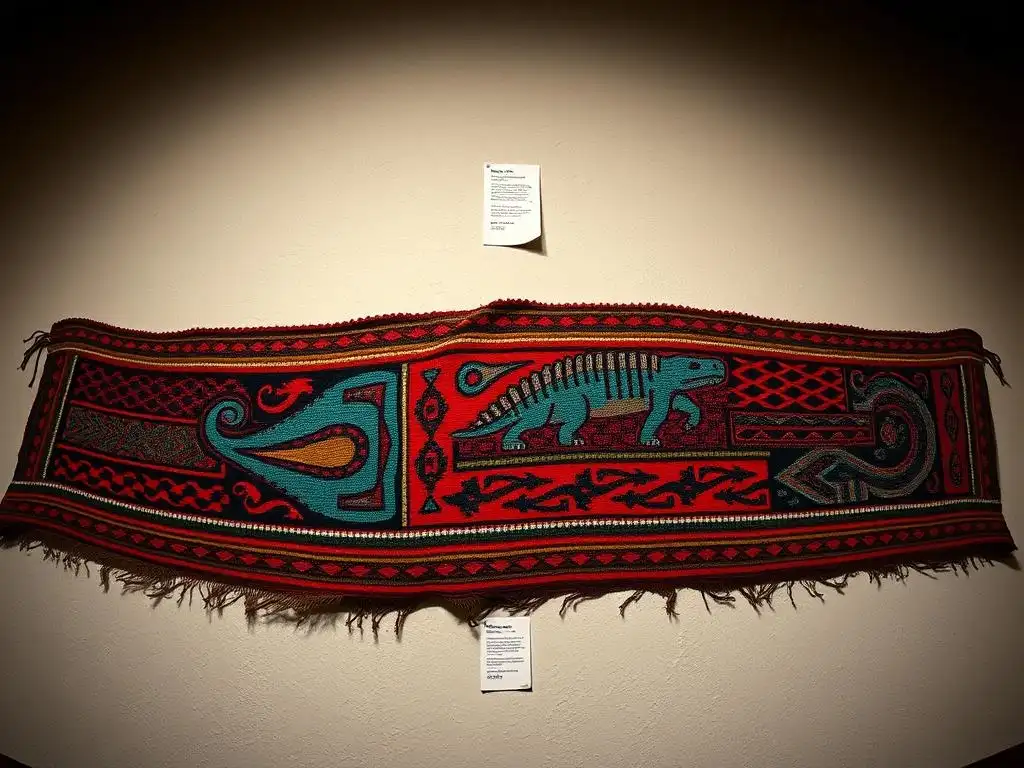
Unravel the mysteries woven into the very fabric of the Andes! For centuries, the intricate Inca textile patterns have captivated explorers and scholars alike. But what secrets do these vibrant designs hold? Journey with us into the heart of the Inca Empire and discover the profound meanings hidden within their threads—a world of symbolism waiting to be deciphered. Prepare to be amazed by the artistry and ingenuity of a civilization that continues to inspire awe.
The Inca Empire, renowned for its sophisticated engineering and intricate societal structures, also left behind a breathtaking legacy in textile arts. More than mere clothing, Inca textiles served as powerful mediums of communication, storytelling, and social status. Their vibrant colors, complex patterns, and the meticulous craftsmanship involved reveal a deep understanding of symbolism and a rich cultural tapestry that continues to fascinate researchers and enthusiasts alike.
This article delves into the world of Inca textile patterns, exploring their intricate designs and the meanings encoded within them, offering a glimpse into the beliefs and practices of this remarkable civilization. We will uncover how these patterns not only adorned clothing but also held significant social, religious, and political implications, providing valuable insights into the Inca worldview and their mastery of textile production. Understanding Inca textile pattern meanings provides a key to unlocking a deeper understanding of this influential Andean culture.
Introduction to Inca Textiles and Their Importance
Inca textiles were far more than simple garments; they were integral to the social fabric of the empire. The production of textiles was a highly specialized craft, with skilled artisans utilizing a variety of techniques including spinning, dyeing, and weaving to create incredibly intricate and durable fabrics. The materials themselves – alpaca, llama, vicuña, and cotton – held symbolic significance, with the rarer fibers often reserved for the elite. The colors used were equally important, derived from natural sources and representing different meanings depending on the context.
For instance, red might represent royalty or power, while yellow could signify divinity or the sun. The use of these colors, along with the patterns themselves, communicated a wealth of information about the wearer's social standing, clan affiliation, and even their religious beliefs. The sheer volume of surviving textiles, though limited by the ravages of time and conquest, testifies to the scale and importance of this craft within Inca society.
It wasn't just the clothing; textiles were used in various ceremonial contexts, adorning temples, religious objects, and even mummies. Their significance transcended the practical, deeply embedding itself into the spiritual and political life of the Inca people. The intricate details of Inca textiles offer a unique window into the complex social hierarchy and religious beliefs of the empire, a treasure trove waiting to be explored.
Understanding the Intricacies of Inca Textile Art
The artistry of Inca textiles is truly remarkable. The weavers employed a range of techniques, including tapestry weaving, brocade, and embroidery, to create incredibly complex and visually stunning designs. These weren't simple geometric patterns; they were often highly symbolic representations of animals, plants, and celestial bodies. Many patterns incorporated representations of mythical creatures and deities, reflecting the Inca pantheon and cosmology.
For example, the depiction of a condor might signify power and strength, while a hummingbird could represent speed and agility. The precise arrangement and combination of colors and motifs within these patterns further enhanced their symbolic meaning, creating a layered system of visual communication. Researchers are still working to fully decipher the meanings encoded in these intricate designs, with new discoveries continually expanding our understanding. The complexity of the patterns, combined with the high quality of the craftsmanship, points towards a highly structured and organized system of textile production, likely overseen by skilled master weavers and involving specialized workshops.
The survival of these textiles, often found in well-preserved archaeological sites, allows us to continue studying their intricate detail and unraveling the secrets they hold about Inca culture and beliefs. The sheer variety of patterns and techniques employed highlights the rich and diverse artistic traditions within the Inca Empire. Furthermore, the regional variations in textile styles suggest a degree of cultural autonomy within the empire, with different styles reflecting the unique traditions of various regions.
- Introduction to Inca Textiles and Their Importance
- Understanding the Intricacies of Inca Textile Art
Decoding Inca Textile Pattern Meanings: A Visual Language
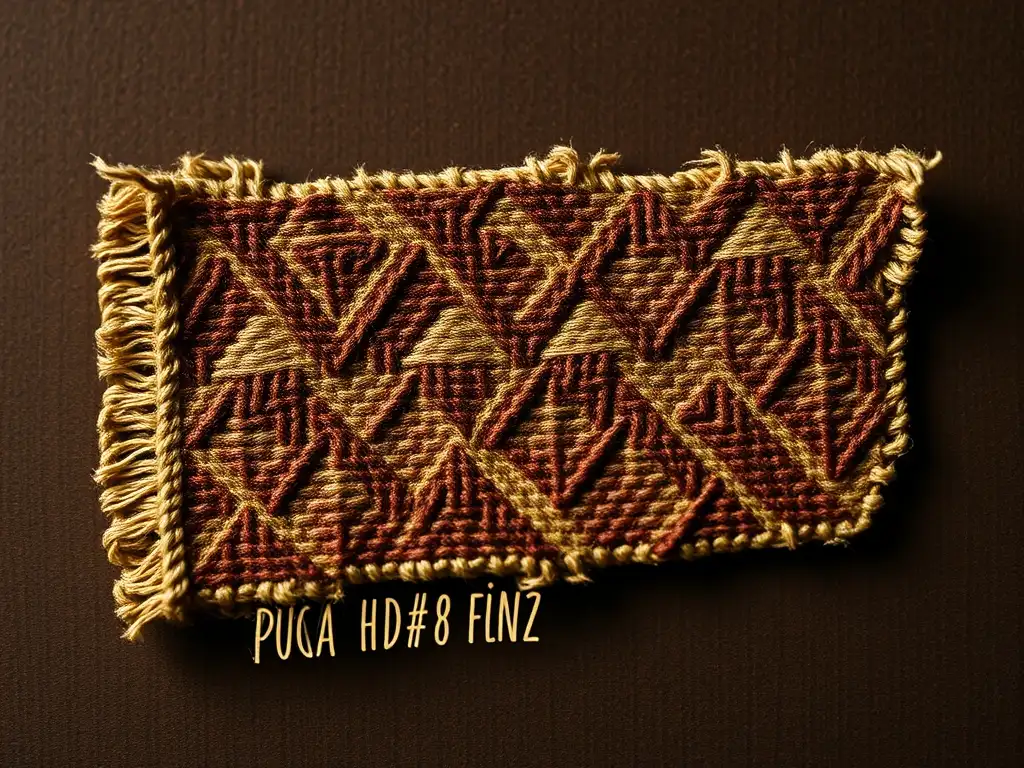
Inca textiles weren't merely functional garments; they were vibrant canvases communicating complex social, religious, and political narratives. Understanding the intricate Inca textile pattern meanings unlocks a deeper appreciation for the sophistication of their civilization. The precise symbolism woven into these fabrics offers a window into their worldview, revealing intricate details about their social hierarchy, cosmology, and daily life.
Scholars continue to unravel the secrets embedded within these meticulously crafted pieces, discovering new layers of meaning with each new analysis. The survival of these textiles, often found in remarkably well-preserved conditions, provides invaluable insights into a lost world, making the study of Inca textile patterns a crucial endeavor in Andean archaeology. This section will explore the key elements that contribute to the rich tapestry of Inca textile symbolism.
The Role of Motifs in Inca Weaving
The vibrant and diverse motifs woven into Inca textiles served as a primary means of visual communication. These weren't randomly placed designs; rather, they were carefully selected and arranged to convey specific messages. The choice of motif, its size, color, and placement within the overall textile design all contributed to its meaning. For example, a larger, centrally located motif might indicate higher status or religious importance, while smaller, repeating patterns could represent everyday life or natural elements.
The skilled weavers understood the nuances of these symbolic representations, expertly integrating them into their creations to transmit cultural narratives. The meticulous precision and artistry displayed in Inca weaving further underscore the significance of these visual codes. The use of natural dyes, derived from plants and minerals, added another layer of complexity, with specific colors carrying their own symbolic weight.
Common Inca Textile Motifs and Their Interpretations
Inca textile motifs encompassed a wide range of representations, from geometric abstractions to realistic depictions of animals and humans. These motifs were often combined in intricate compositions, creating layered meanings and complex narratives. The interpretation of these motifs is an ongoing process, with new discoveries continually refining our understanding. However, some common motifs and their generally accepted interpretations include:
Geometric Patterns and Their Symbolic Value
Geometric patterns, such as stepped frets, triangles, zigzags, and spirals, were frequently used in Inca textiles. These seemingly simple shapes held profound symbolic meaning, often representing cosmological concepts or agricultural practices.
| Pattern | Possible Interpretation | Example Location(s) on Textile |
|---|---|---|
| Stepped Frets | Terraces, agricultural productivity, social hierarchy | Borders, central panels |
| Triangles | Mountains, duality, sacred geometry | Corners, within larger compositions |
| Zigzags | Lightning, water, rivers, dynamism | Borders, repeating patterns |
| Spirals | Cycles of life, cosmic energy, continuity | Central motifs, smaller details |
The precise meaning of a geometric pattern often depended on its context within the overall design and the colors used. For instance, a stepped fret in red might symbolize a specific deity associated with that color, while the same pattern in blue might have a different meaning altogether. Further research is needed to fully understand the subtle variations in meaning.
Zoomorphic Representations: Animals in Inca Textiles
Animals played a significant role in Inca mythology and cosmology. Accordingly, zoomorphic representations are frequently found in their textiles. Llamas, for example, were crucial to their economy and held symbolic significance, often representing wealth, fertility, and even divinity. Other animals, like condors and jaguars, represented power, strength, and shamanic abilities. The style of representation – realistic or stylized – also influenced the interpretation. A highly stylized representation might emphasize a particular aspect of the animal's symbolic meaning, while a more realistic portrayal might be linked to practical aspects like hunting or herding.
Anthropomorphic Figures and Their Cultural Significance
Anthropomorphic figures, depictions of humans, are less common than geometric or zoomorphic motifs but hold significant cultural weight when found. These figures often represent deities, ancestors, or important figures within Inca society. Their attire, posture, and associated symbols help decipher their identity and role. The presence of such figures often points to ceremonial textiles or garments used in significant rituals.
Detailed analysis of these figures, including their facial features, headdresses, and accessories, provides valuable insights into Inca beliefs and social structures. Unfortunately, the limited number of well-preserved examples containing anthropomorphic figures necessitates further research to fully understand their diversity and meaning. The discovery of new textiles with such figures would significantly enrich our understanding of Inca iconography and belief systems.
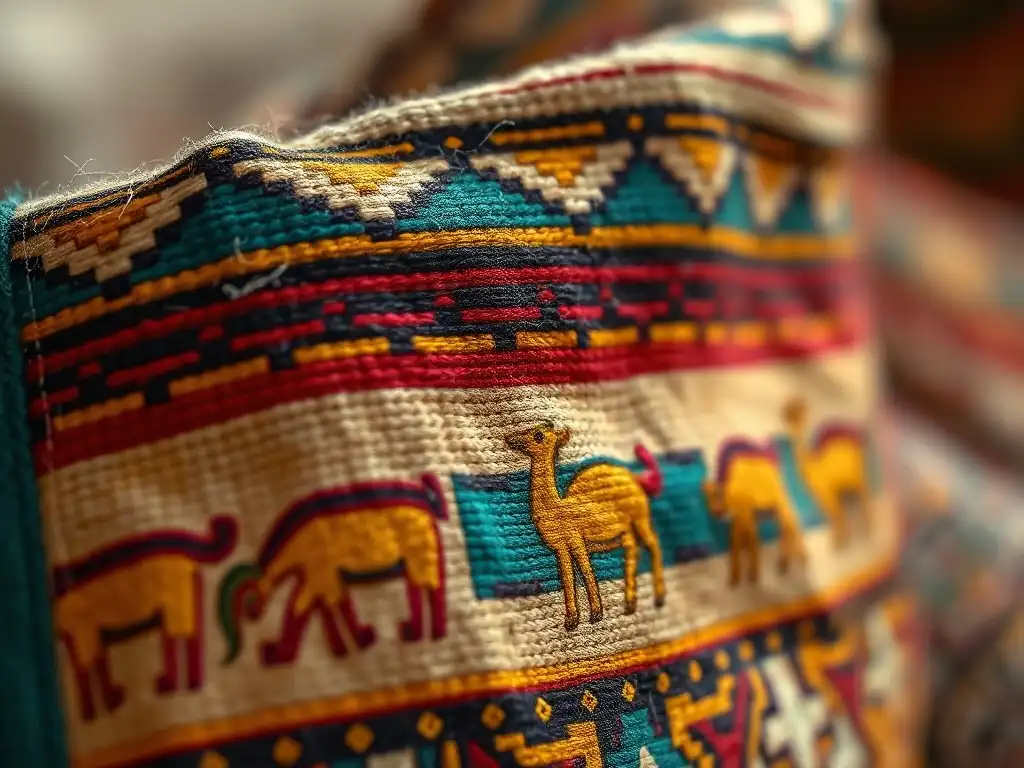
Inca textile patterns weren't merely decorative; they were powerful visual languages encoding complex social hierarchies, religious beliefs, and cosmological understandings. The intricate designs woven into chumpi (belts), lliclla (shawls), and other textiles served as potent symbols, communicating information about the wearer's status, lineage, and relationship to the divine. Understanding these patterns offers a crucial window into the rich tapestry of Inca society and spirituality. This section will delve into the multifaceted meanings embedded within these remarkable artifacts, exploring their social and religious significance in detail.
Inca Textiles as Status Symbols and Markers of Identity
The Inca Empire, renowned for its sophisticated social organization, utilized textiles as key markers of social standing. Different colors, patterns, and techniques signified varying levels of authority and social rank. For instance, the use of specific dyes, such as the vibrant purple derived from mollusks, was reserved for the elite, symbolizing their connection to the Inca royalty and their privileged position within the empire. The intricate designs themselves, often featuring geometric patterns, stylized animals, and representations of deities, further distinguished the clothing of the elite from that of commoners.
The quality of the textile also played a significant role. Finely spun vicuña wool, incredibly soft and luxurious, was exclusively used for the clothing of the Inca ruler and high-ranking officials. This contrasts sharply with the simpler textiles made from alpaca or llama wool, common among the peasantry. This deliberate differentiation through textile production and design reinforced the hierarchical structure of Inca society, visually representing the power dynamics within the empire. Archaeological evidence, such as the discovery of richly decorated textiles in royal tombs, confirms this association between textile complexity and social status.
Detailed records, though scarce, suggest that specific patterns were associated with certain clans or lineages, creating a visual lineage system. [Specific examples of clan-specific patterns pending further research]. This adds another layer of complexity to the social function of Inca textiles, highlighting their role in maintaining and expressing social identity within the vast Inca Empire.
Religious Connotations of Inca Textile Designs
Many Inca textile patterns incorporate strong religious connotations, reflecting the central role of religion in Inca life. Stylized representations of deities, such as the sun god Inti and the moon goddess Mama Killa, frequently appear in these designs. These depictions were not simply decorative; they served as powerful visual affirmations of religious belief and a means of connecting the wearer to the divine realm.
Geometric patterns, often interpreted as representing the cosmos, further reinforced this spiritual connection. The intricate arrangements of squares, triangles, and zigzags were believed to symbolize the structure of the universe, reflecting the Inca worldview and their understanding of the relationship between the human and spiritual worlds. The use of specific colors also held religious significance.
Red, for instance, was associated with blood and sacrifice, while yellow was linked to the sun and its life-giving power. The careful selection and combination of colors and patterns, therefore, created a complex visual language that expressed profound religious ideas. The precise meaning of many of these symbols remains a subject of ongoing scholarly debate, but the religious significance of Inca textile designs is undeniable.
Inca Textile Patterns in Ritual and Ceremony
Inca textiles played a vital role in religious rituals and ceremonies. Special textiles were created for specific occasions, such as festivals honoring the gods or during important ceremonies related to the agricultural cycle. These textiles were often used to adorn temples, idols, and participants in ceremonies, enhancing their sacred character. The use of textiles in rituals highlights their function as more than just clothing; they served as tangible links between the human and spiritual worlds.
Furthermore, the act of weaving itself was considered a sacred act, imbued with spiritual meaning. The intricate process of transforming raw materials into complex designs was seen as a form of communication with the divine, and skilled weavers held a respected position within Inca society. Evidence suggests that certain textiles were specifically woven for use in mummification rituals, further underscoring their importance in Inca funerary practices.
The intricate patterns and symbols woven into these textiles provided a visual representation of the deceased's journey into the afterlife and their connection to the spiritual realm. The significance of Inca textiles extends beyond their aesthetic appeal, highlighting their crucial role in shaping Inca religious beliefs and practices. The intricate designs were not mere decoration but served as powerful visual representations of their cosmology and spiritual beliefs, demonstrating the deep intertwining of art, religion, and social structure within the Inca Empire.
The Technical Aspects of Inca Weaving and Pattern Creation
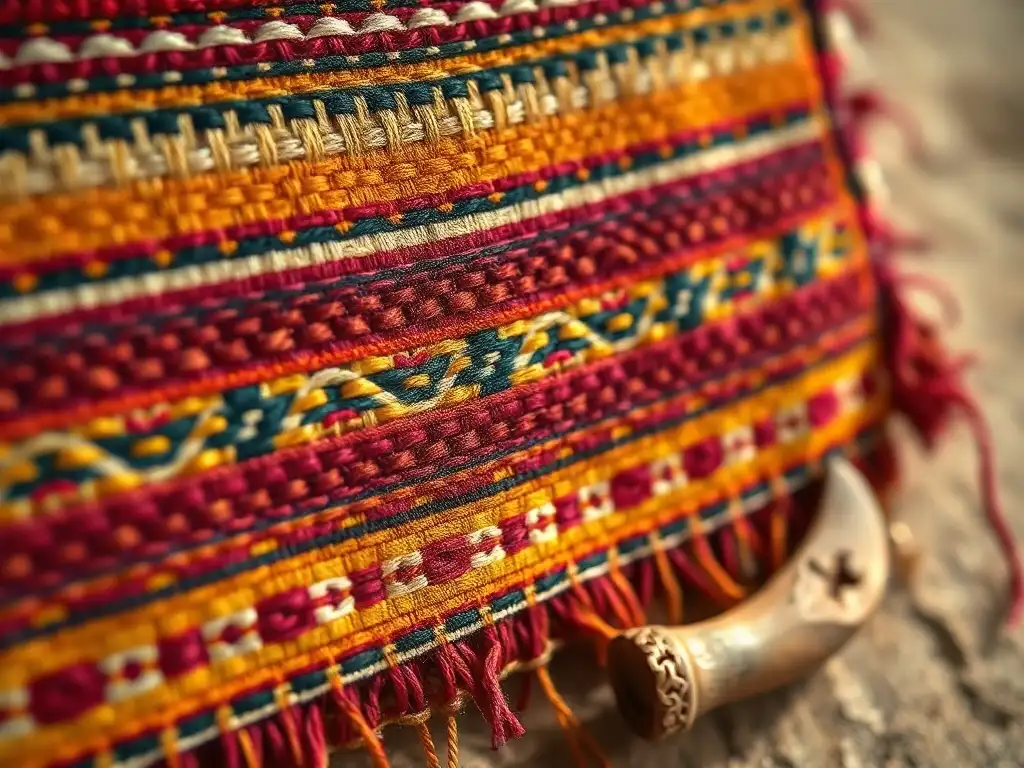
The intricate and visually stunning Inca textile patterns weren't simply aesthetically pleasing; they were the result of sophisticated techniques and a deep understanding of material properties. Understanding the technical aspects of Inca weaving is crucial to deciphering the meaning embedded within their designs. The creation of these textiles involved a complex interplay of material selection, specialized tools, and exceptional skill, all contributing to the enduring legacy of Inca textile pattern meanings.
Materials and Techniques Used in Inca Textile Production
Inca textile production relied heavily on the readily available resources of the Andes. The most commonly used fiber was alpaca, prized for its softness, warmth, and durability. Llama wool, while coarser, was also employed, often blended with alpaca to create textiles of varying textures and weights.
Cotton, grown in warmer valleys, provided a lighter and more breathable fabric, frequently used for clothing in lower altitudes. The choice of fiber directly impacted the textile's function and, potentially, its symbolic meaning. For example, a richly colored alpaca textile might signify high status, while a sturdy cotton cloth could represent practicality and everyday use.
The dyeing process was equally impressive. Inca artisans employed a wide range of natural dyes derived from plants, minerals, and insects. Cochineal insects, for instance, yielded a vibrant crimson, while various plants produced yellows, browns, and greens. The precise recipes and techniques for achieving these colors remain partially mysterious, but the resulting hues are remarkably consistent and long-lasting, a testament to the sophistication of Inca chemical knowledge. The vibrant colors themselves, as part of the Inca textile pattern meanings, likely held symbolic significance, perhaps representing specific deities, events, or social strata.
Weaving techniques were equally advanced. The Incas employed both backstrap looms and more complex vertical looms, allowing for the creation of highly detailed and intricate patterns. These looms permitted the weaving of incredibly fine textiles, some with incredibly high thread counts, showing an impressive mastery of textile production. The use of different weaving techniques, such as tapestry weaving and brocade, further enhanced the complexity and visual impact of the finished textile.
The Precision and Skill of Inca Weavers
The precision and skill of Inca weavers are evident in the incredibly fine detail and intricate patterns found in surviving textiles. Many textiles show an astonishing level of technical proficiency, with incredibly small motifs woven with remarkable consistency. This precision wasn't merely aesthetic; it demonstrated a deep understanding of the weaving process and a commitment to high-quality craftsmanship.
The creation of complex patterns required not just technical skill but also a significant investment of time and effort, reflecting the value placed on these textiles within Inca society. Some of the most intricate textiles, with their layered designs and detailed motifs, might have taken months, or even years, to complete, highlighting the expertise and dedication of the artisans.
The surviving examples of Inca textiles showcase a remarkable range of techniques, including:
- Supplementary weft techniques: These allowed for the incorporation of additional colors and patterns without altering the basic warp structure.
- Float weaves: This created textured surfaces and patterns through the manipulation of warp and weft threads.
- Intarsia: A technique where different colored threads are used to create images, contributing directly to the richness of the Inca textile pattern meanings.
The consistency and quality of the textiles suggest a high degree of standardization and possibly specialized training for Inca weavers. Evidence suggests a hierarchical system within the textile production process, with skilled artisans occupying important social roles.
How Inca Weavers Transmitted Pattern Knowledge
The transmission of Inca textile pattern knowledge across generations is a fascinating aspect of their culture. While written records are scarce, the consistency and complexity of the patterns suggest a robust system of knowledge transfer. Oral traditions, apprenticeships, and possibly even codified systems of representation likely played significant roles in maintaining and transmitting this invaluable skill.
The intricate designs were not simply copied; they were adapted and innovated upon, reflecting both continuity and change within Inca culture. Variations in patterns across different regions and time periods suggest a dynamic system of knowledge transfer, with regional styles and individual artistic expression enriching the core traditions. This dynamic interplay between tradition and innovation is crucial to understanding the evolution of Inca textile pattern meanings and their significance within the broader context of Inca society.
Further research into the archaeological record and surviving textiles is needed to fully elucidate this process, providing more insight into the techniques and social structures that underpinned Inca textile production and its symbolic significance. The subtle variations in patterns, even within similar designs, might hold clues to the social status of the weaver or the intended recipient of the textile. Unlocking these secrets promises to deepen our understanding of Inca textile pattern meanings.
Case Studies of Specific Inca Textile Patterns
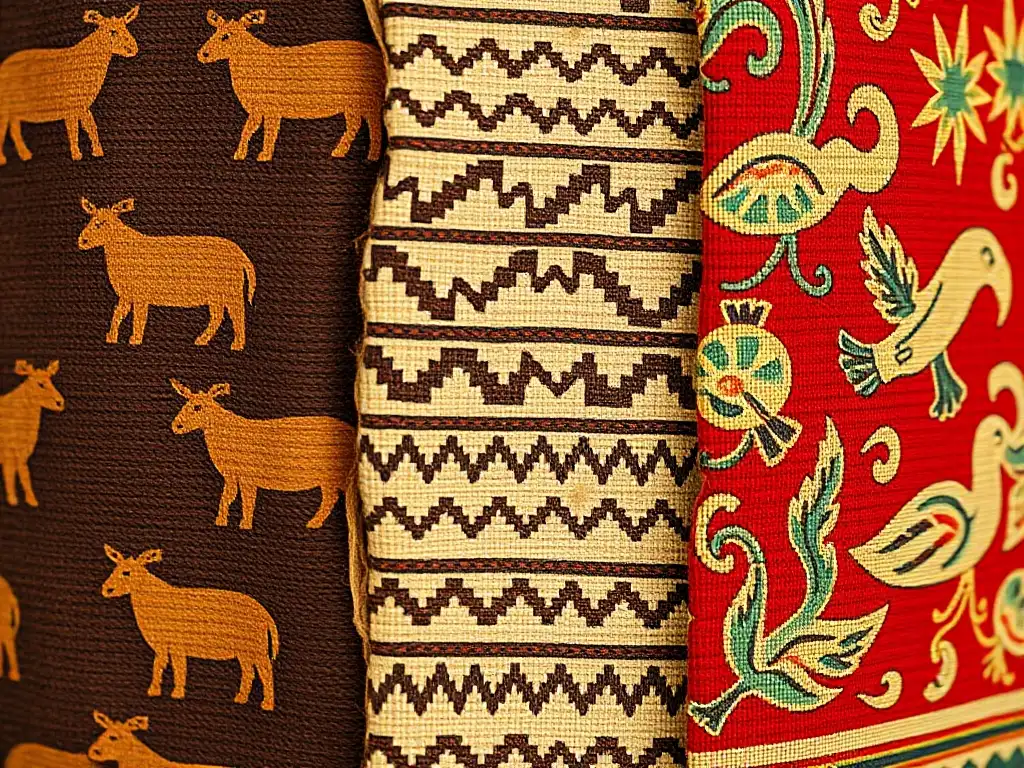
This section delves into the intricate world of Inca textile patterns, examining specific examples to illustrate the depth of meaning embedded within their designs. Understanding these patterns provides a crucial window into Inca social structures, cosmology, and religious beliefs. The analysis below focuses on three distinct motifs, highlighting their unique symbolic significance within the broader context of Inca culture.
The recurring themes of social hierarchy, astronomical observation, and spiritual reverence underscore the multifaceted nature of Inca textile art and its enduring legacy. Through careful examination of these patterns, we can gain a deeper appreciation for the sophisticated artistry and complex worldview of the Inca civilization. Keywords relevant to this section include Inca textile pattern meanings, Inca textile symbolism, Inca textile analysis, and Inca iconography.
The tocapu pattern, frequently found on Inca textiles, is characterized by its geometric arrangement of stylized birds. While the precise meaning remains a subject of ongoing scholarly debate, its frequent appearance on elite garments strongly suggests a connection to social status and power. The intricate weaving technique and the use of high-quality materials, like vicuña or alpaca wool, further emphasize its importance.
Analysis of surviving tocapu-patterned textiles reveals variations in the bird's representation. Some depict birds in flight, others perched, and still others in more abstract forms. These variations may indicate different levels of social rank or specific roles within Inca society. For instance, a more detailed and realistically rendered bird might signify a higher-ranking individual, while a simpler representation might belong to someone of lower status.
Further research into the contextual use of tocapu textiles, such as their presence in royal tombs or ceremonial contexts, is necessary to refine our understanding of their social significance. The limited surviving examples and the challenges of interpreting ancient iconography necessitate a cautious and nuanced approach to drawing definitive conclusions. However, the available evidence strongly suggests that the tocapu pattern served as a powerful visual marker of social hierarchy within the Inca Empire.
Analysis of the Step-Fret Pattern and its Cosmic Interpretation
The step-fret pattern, a ubiquitous motif in Inca textiles, is composed of repeated zigzags forming a staircase-like design. This pattern is widely interpreted as a representation of the Andes mountains themselves, reflecting the Inca's deep connection to their mountainous environment. However, its significance extends beyond mere landscape depiction; it's also strongly linked to Inca cosmology and their understanding of the universe.
The steps in the step-fret pattern are often seen as symbolizing the levels of the cosmos, connecting the earthly realm with the celestial. This interpretation is supported by the pattern's frequent appearance on textiles associated with religious ceremonies and rituals. The repetitive nature of the design might also reflect the cyclical nature of time and the Inca's understanding of the cosmos as a constantly renewing system.
Furthermore, the precise angles and proportions of the step-fret pattern may have held specific astronomical significance, possibly reflecting the Inca's sophisticated knowledge of celestial movements and their use of astronomy in agriculture and religious practices. [Specific astronomical correlations pending further research]. The step-fret pattern, therefore, embodies a complex interplay between the earthly and the celestial, reflecting the Inca's profound understanding of their place within the universe.
Analysis of the Serpent Motif and its Religious Relevance
The serpent motif appears in various forms within Inca textile art, ranging from stylized representations to more realistic depictions. This motif holds significant religious relevance, connecting with Inca mythology and beliefs surrounding fertility, water, and the underworld. The serpent, in many Andean cultures, is associated with powerful forces of nature and often acts as a mediator between the human and spiritual realms.
The presence of serpent motifs on textiles used in religious ceremonies or found in sacred sites further strengthens their religious significance. The specific attributes of the serpent representation—its posture, coloration, and associated symbols—may offer clues to its precise meaning within the context of specific rituals or beliefs. For example, a serpent depicted with feathers might be associated with a specific deity or a particular aspect of the Inca pantheon.
The use of the serpent motif in Inca textiles highlights the interwoven nature of religion and daily life. The patterns weren’t merely decorative; they served as powerful visual reminders of spiritual beliefs, reinforcing the Inca worldview and their relationship with the supernatural. Detailed analysis of the variations in serpent representation across different Inca textiles is crucial to fully understand the nuanced meanings associated with this powerful symbol. Further research into related iconography and religious texts is needed to fully decode the symbolic language of the Inca serpent motif.
The Legacy of Inca Textile Patterns in Modern Andean Culture
The vibrant and intricate textile patterns of the Inca Empire continue to resonate deeply within modern Andean culture, acting as a powerful link to a rich and complex past. Far from being mere historical artifacts, these designs remain a living tradition, influencing contemporary artistic expression and maintaining a strong connection to ancestral heritage. The enduring legacy of Inca textile patterns is evident in various aspects of modern Andean life, demonstrating the remarkable resilience and cultural significance of these ancient motifs. Understanding this legacy is crucial to appreciating the full scope of Inca artistry and its lasting impact.
Influence of Inca Designs on Contemporary Textiles
Inca textile designs, characterized by their geometric precision, symbolic imagery, and vibrant color palettes, serve as a constant source of inspiration for contemporary Andean textile artists. Many modern weavers incorporate traditional Inca patterns into their own creations, adapting and reinterpreting these motifs to reflect contemporary sensibilities while honoring their ancestral origins. This process of cultural transmission ensures the survival and evolution of Inca artistic traditions.
For example, the iconic khipu knotting system, once used for record-keeping, inspires contemporary textile artists to create complex and layered designs, echoing the intricate coding of the original khipu. The use of natural dyes, a hallmark of Inca textile production, is also widely practiced today, preserving a crucial element of the ancient craft. The continued use of traditional techniques, such as backstrap loom weaving, further strengthens the link between past and present.
The enduring popularity of these traditional patterns demonstrates their continued relevance and aesthetic appeal in modern Andean society. The adaptation of these patterns into clothing, household textiles, and decorative items showcases the versatility and enduring beauty of Inca designs.
The Preservation of Inca Weaving Traditions
The preservation of Inca weaving traditions is a testament to the dedication and skill of Andean communities who have actively maintained these ancient crafts across generations. This preservation is not merely a matter of replicating historical techniques; it also involves the continuous adaptation and innovation within the framework of traditional practices. Many communities have established workshops and training programs to teach younger generations the intricacies of Inca weaving, ensuring the survival of these vital skills.
These programs often involve not only the technical aspects of weaving but also the cultural context and symbolic meanings associated with the patterns themselves. This holistic approach to preservation safeguards not just the technical skills but also the rich cultural heritage embedded within the craft. Furthermore, the increasing recognition and appreciation of Inca textiles in global markets have also contributed to their preservation, providing economic incentives for communities to continue these traditional practices.
This economic support is crucial for sustaining the livelihoods of many artisans and fostering the continuation of this invaluable cultural legacy. Efforts to document and catalog existing Inca textiles also play a crucial role in preserving the knowledge and understanding of these intricate designs for future generations.
The Ongoing Study of Inca Textile Pattern Meanings
The study of Inca textile pattern meanings is an ongoing and complex endeavor, involving interdisciplinary collaboration between archaeologists, anthropologists, and textile experts. While much progress has been made in deciphering the symbolism embedded within these patterns, many aspects remain shrouded in mystery. Scholars are continuously working to unravel the intricate codes and symbols woven into these textiles, employing a variety of methods, including comparative analysis of different textile samples, examination of surviving Inca iconography, and consideration of the social and political contexts in which these textiles were created and used.
Recent research has shed light on the potential use of specific colors and designs to denote social status, religious affiliation, or specific events. For example, certain geometric patterns may have indicated the wearer's clan affiliation or their role within the Inca social hierarchy. However, much remains to be discovered, and further research is needed to fully understand the nuanced meanings encoded within these intricate textiles.
The ongoing efforts to decipher these patterns are not only crucial for understanding Inca society but also for appreciating the sophistication and artistry of their textile production. The complexity of these patterns highlights the advanced understanding of mathematics and geometry possessed by Inca artisans. The ongoing research promises to further illuminate the fascinating world of Inca textile symbolism and its profound cultural significance.
Frequently Asked Questions
What is the significance of Inca textiles?
Inca textiles held immense cultural and religious significance. They were not merely clothing, but also served as status symbols, ritual objects, and forms of storytelling, reflecting the wearer's social standing and beliefs.
How did Inca textile patterns communicate meaning?
Inca textile patterns used geometric shapes, colors, and symbols to convey complex messages. These patterns could represent mythological figures, agricultural cycles, or important events, acting as a visual language.
What are some common Inca textile pattern motifs?
Common motifs include geometric designs like zigzags and stepped patterns, animal representations such as condors and llamas, and anthropomorphic figures. The specific meaning varied depending on the context and combination of elements.
Where can I learn more about Inca textile pattern meanings?
Further research into Inca iconography and ethnographic studies will reveal more detailed interpretations. Museums and academic journals are valuable resources for deeper understanding.
Are there any resources to help me identify Inca textile patterns?
Several academic publications and museum databases offer detailed imagery and analysis of Inca textiles. These resources can assist in identifying specific patterns and their potential meanings, though complete deciphering remains a challenge.
Final Reflection: Unraveling the Threads of Inca Legacy
The intricate textile patterns of the Inca civilization continue to resonate today, offering a powerful testament to their sophisticated artistry and profound worldview. These weren't merely decorative elements; they were complex codes communicating social status, religious beliefs, and a deep connection to the Andean landscape. Understanding these patterns unlocks a window into a lost world, enriching our appreciation for a culture that thrived centuries ago.
The enduring influence of Inca textile patterns is undeniable, shaping contemporary Andean art, fashion, and even tourism. Their vibrant colors and symbolic imagery continue to inspire artists and designers, reminding us of the rich cultural heritage of the region. The threads themselves speak of a civilization that understood the power of visual language, a language that transcends time and continues to whisper its stories to us.
This quote encapsulates the lasting impact of these patterns, their ability to connect us across centuries to a people who expressed themselves through the very fabric of their lives.
Consider the intricate detail, the vibrant hues, the symbolic power woven into each thread. You too can unravel the threads of history and find meaning in the patterns of your own life. Let the legacy of the Inca inspire you to explore the deeper meanings behind the things you create and consume. Embrace the power of visual communication, and find your own way to weave your story into the tapestry of the world.
Unlock the Secrets of Inca Textiles!
Thank you for exploring the rich tapestry of Inca textile patterns with us! You've discovered the profound significance behind these beautiful designs. Now, let's celebrate these ancient artworks.
Here are some impactful ways you can continue your journey:
- Visit local museums or exhibitions featuring Inca textiles to experience these patterns firsthand and deepen your appreciation.
- Share your knowledge! Discuss your discoveries with friends, join online communities focused on Andean culture, and explore diverse perspectives on the meanings behind these mesmerizing designs.
- Create your own textile-inspired artwork! Let your creativity flourish through painting, weaving, digital design, or any medium that allows you to honor this fascinating heritage.
Which Inca textile pattern resonates most with you, and what draws you to its meaning? Let's discuss in the comments!