
The Significance of Music in Andean Rituals: A Journey Through Sound

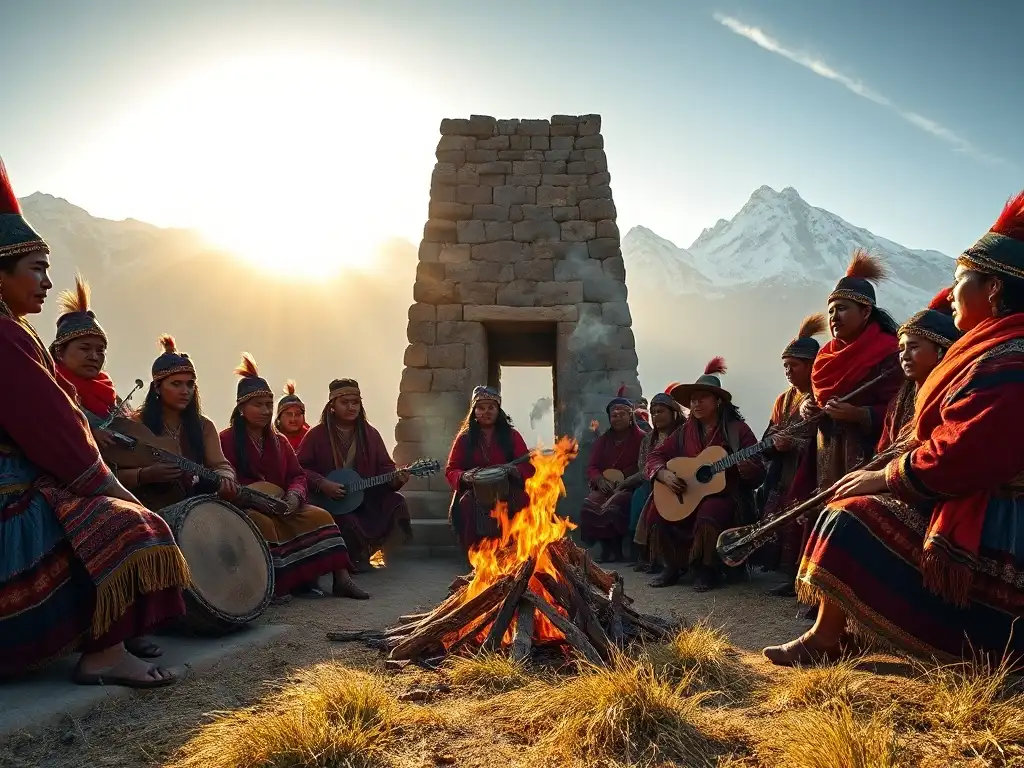
Step into a world lost to time, yet echoing with the vibrant sounds of ancient Andean civilizations. Imagine the haunting melodies and rhythmic beats that once filled sacred plazas, shaping the lives and beliefs of the Incas, Moche, and other remarkable cultures. Uncover the profound significance of Andean music rituals – a journey through sound that reveals the intricate connection between music, spirituality, and daily life. Prepare to be captivated by the mysteries waiting to be unearthed.
The Andean region, home to a tapestry of vibrant cultures stretching back millennia, reveals a profound connection between music and ritual life. From the soaring peaks of the Andes to the fertile valleys below, music wasn't merely entertainment; it was an integral component of daily life, deeply intertwined with religious practices, agricultural cycles, and social structures.
This exploration delves into the significance of music in Andean rituals, examining its role in connecting the human and spiritual realms, influencing agricultural success, and fostering community cohesion. We will journey through the sounds of ancient Andean civilizations, uncovering the power of music to shape their world and understanding its enduring legacy.
This article will focus on the diverse musical practices of various Andean cultures, highlighting the unique instruments and musical forms used in their rituals, and emphasizing the cultural and spiritual significance of these traditions. The keyword "Andean music rituals significance" will be explored in detail throughout.
The Sacred Soundscape: Music as a Bridge to the Supernatural
Andean cultures believed in a complex cosmology, populated by a multitude of deities and spirits. Music played a crucial role in bridging the gap between the human and spiritual worlds. Ritualistic songs and musical performances were believed to invoke the favor of these supernatural beings, influencing everything from the weather patterns crucial for agriculture to the success of hunts.
Specific melodies and rhythms were associated with specific deities, and the performance of these musical pieces was often accompanied by specific dances and offerings. The intricate melodies and rhythmic patterns weren't arbitrary; they were carefully crafted to resonate with the spiritual realm, creating a powerful conduit for communication with the supernatural. This wasn't passive listening; participation in the musical ritual was essential for its effectiveness.
The collective performance of these songs fostered a sense of unity and shared purpose, strengthening the community's bond with the spiritual world. For example, [Specific example of a ritual and its associated music from a specific Andean culture pending].
Agricultural Rhythms: Music and the Harvest Cycle
The Andean agricultural cycle was intrinsically linked to the musical traditions of the region. Music wasn't just a celebration of the harvest; it was an active participant in ensuring its success. Songs and musical performances were integral parts of planting, tending, and harvesting rituals. These musical practices were believed to influence the growth of crops, ensuring bountiful harvests and warding off harmful forces that could threaten the crops.
The timing of these musical rituals often coincided with significant astronomical events, further highlighting the close relationship between music, agriculture, and the cosmos. The rhythms and melodies of these songs often mimicked the natural world, reflecting the cycles of planting, growth, and harvest. [Specific examples of songs associated with agricultural cycles and their meaning pending]. This deeply embedded relationship between music and agriculture underscores the fundamental role of music in the survival and prosperity of Andean communities.
Beyond its spiritual and agricultural significance, music played a vital role in fostering social cohesion within Andean communities. Music was a powerful tool for strengthening social bonds, resolving conflicts, and celebrating communal achievements. Musical performances served as important social events, bringing people together and reinforcing their shared identity. Different musical styles and instruments were often associated with specific communities or social groups, highlighting the diverse musical landscape of the Andes and the role music played in defining social structures.
The collective performance of music created a sense of shared experience and belonging, reinforcing the communal spirit that was essential for the survival and prosperity of these societies. [Specific examples of communal musical practices and their social functions pending]. The collaborative nature of many Andean musical traditions emphasizes the importance of community participation and the shared responsibility for maintaining these vital cultural practices.
The Enduring Legacy: Andean Music in the Modern World
The significance of music in Andean rituals continues to resonate today. While many traditional practices have evolved or adapted to modern contexts, the fundamental connection between music, spirituality, and community remains strong. Modern Andean musicians continue to perform traditional songs and musical forms, preserving and transmitting these vital cultural traditions to new generations. The enduring legacy of Andean music is a testament to its power to connect people to their past, to their communities, and to the spiritual world.
The continued practice of these traditions highlights the resilience of Andean cultures and the enduring power of music to shape identity and foster community. [Specific examples of the continuation of Andean musical traditions in the modern world pending]. The preservation and revitalization of these musical practices are crucial for maintaining cultural heritage and promoting intercultural understanding.
- The Sacred Soundscape: Music as a Bridge to the Supernatural
- Agricultural Rhythms: Music and the Harvest Cycle
- Community Cohesion: Music as a Social Binding Agent
- The Enduring Legacy: Andean Music in the Modern World
Andean Music Rituals: An Introduction to Their Importance
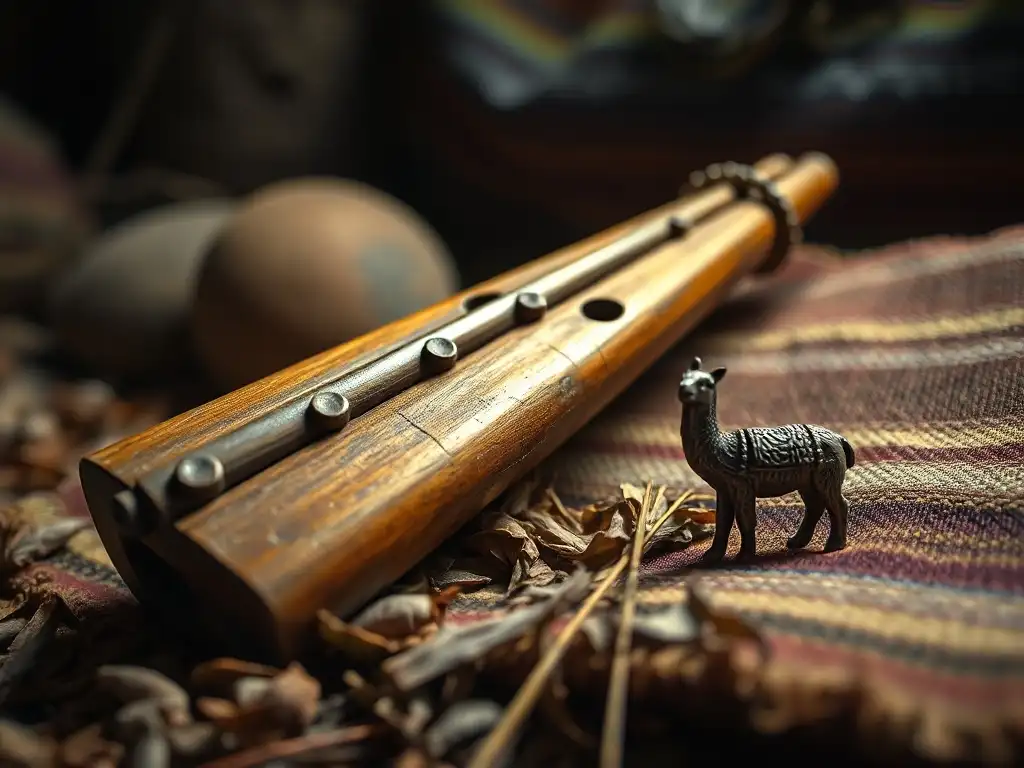
Andean music wasn't merely entertainment; it was deeply intertwined with the spiritual and social fabric of life. The significance of Andean music rituals extended far beyond simple melodies and rhythms; it represented a powerful connection to the cosmos, ancestors, and the very essence of their existence. Understanding the role of music in these rituals provides crucial insight into the Andean worldview and its complex relationship with the natural world. This section delves into the profound impact of music on Andean societies, exploring how it shaped their religious practices, social structures, and daily lives.
The pervasive influence of music is evident in various aspects of Andean culture, from agricultural cycles to healing ceremonies, and from funerary rites to celebrations of life. Analyzing these rituals reveals a sophisticated system of sonic communication that conveyed meaning, emotion, and spiritual power. The study of Andean music rituals, therefore, offers a unique lens through which to understand the richness and complexity of these ancient civilizations.
The enduring legacy of this musical tradition continues to resonate today, inspiring both scholarly research and contemporary artistic expressions. This exploration will focus on specific examples to illustrate the profound significance of music within Andean culture, highlighting its role as a vital component of their spiritual and social life. We will examine the ways in which music served as a conduit between the human and spiritual realms, fostering a deeper understanding of the Andean cosmovision.
The Role of Sound in Andean Cosmovision
The Andean cosmovision, a holistic worldview encompassing a profound connection between the human and spiritual realms, deeply integrated music into its core beliefs. Sound, in all its forms, was considered a powerful force capable of influencing the natural world and the spiritual energies that permeated it. Mountains, rivers, and the wind were all considered to possess their own unique soundscapes, contributing to a vibrant and interconnected auditory environment. Andean people believed that music could bridge the gap between these earthly and celestial realms.
Specific instruments, melodies, and rhythms were associated with particular deities, spirits, and natural phenomena. For example, the haunting sounds of the antara (panpipes) were often associated with the apus (mountain spirits), believed to be powerful protectors and sources of life-giving water. The rhythmic beating of drums could evoke the heartbeat of Pachamama (Mother Earth), connecting the performers to the very essence of the planet.
This belief system highlights the importance of sound as a medium for communication with the spiritual world, making music an integral part of their religious and ritualistic practices. The careful selection and execution of musical elements weren't arbitrary; they were meticulously planned to achieve a specific spiritual effect, underscoring the profound significance of music within their cosmology. [Specific examples of instruments and their associated deities pending].
Connecting with the Sacred Through Music: Ancestral Practices
Andean music rituals played a vital role in connecting the living with their ancestors and the spiritual world. These rituals weren't merely performances; they were active engagements with the supernatural, aimed at influencing events, seeking guidance, or honoring the deceased. Funerary rites, for instance, often involved elaborate musical processions, using instruments like the pututu (a conch shell trumpet) to guide the spirit of the deceased to the afterlife. Agricultural rituals, crucial for survival, incorporated music to ensure bountiful harvests.
These ceremonies often involved chanting, singing, and instrumental music designed to appease the earth and encourage its fertility. The melodies and rhythms weren't simply decorative; they were believed to possess the power to influence the growth of crops and the overall well-being of the community. Furthermore, healing ceremonies frequently incorporated music to address both physical and spiritual ailments. Music was believed to have the ability to cleanse negative energies and restore balance, promoting healing and well-being.
The shaman or healer would often use specific songs and instruments to interact with spiritual forces, facilitating the healing process. These examples demonstrate the profound integration of music into the fabric of Andean life, showcasing its importance as a tool for connecting with the sacred, honoring ancestors, and ensuring the well-being of the community. The meticulous planning and execution of these rituals underscore the deeply held beliefs in the power of music to shape reality and interact with the spiritual realm. The legacy of these practices continues to inspire and inform contemporary Andean cultures.
Exploring the Diverse Soundscapes of Andean Rituals
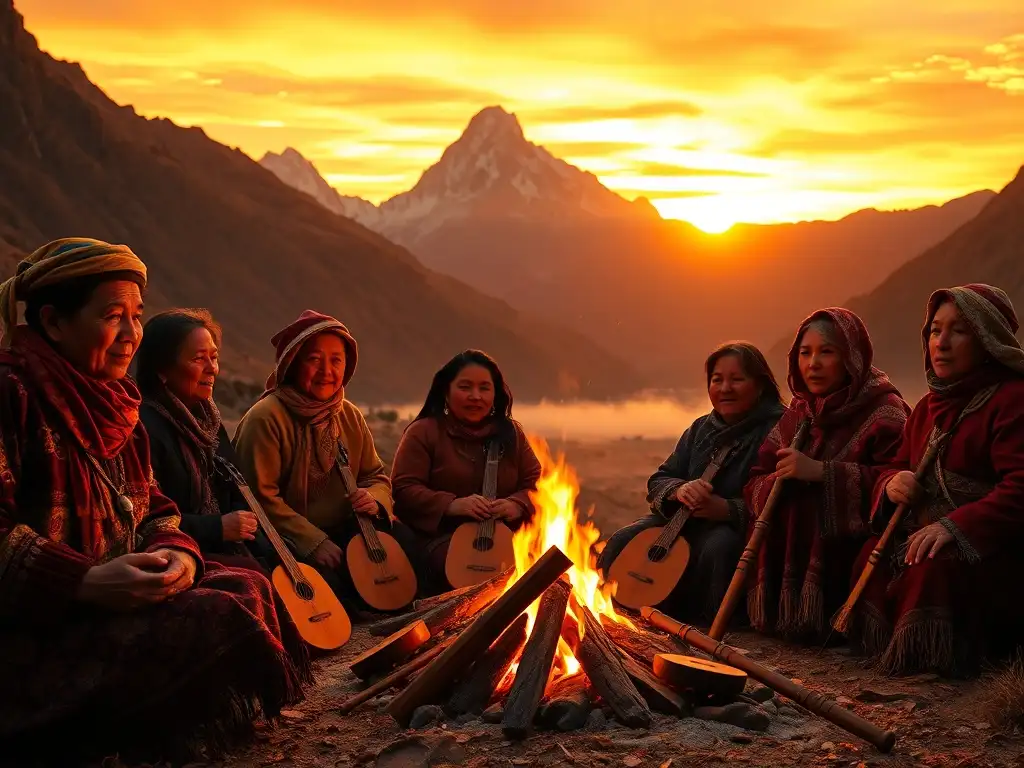
Andean music wasn't merely entertainment; it was an integral part of daily life, deeply intertwined with spiritual beliefs and social structures. The significance of Andean music rituals extended far beyond mere aesthetic appreciation; it served as a powerful tool for communication with the supernatural, reinforcing social bonds, and marking crucial life cycle events. This section delves into the diverse soundscapes of Andean rituals, examining the instruments, ceremonies, and the profound role music played in shaping Andean societies.
Understanding the significance of Andean music rituals requires appreciating the multifaceted nature of its function within these ancient cultures. The sounds, rhythms, and melodies were carefully crafted, each element contributing to the overall spiritual and social impact of the ritual.
The Importance of Instruments in Andean Ceremonies
The instruments used in Andean ceremonies were not simply tools for creating sound; they were imbued with spiritual power and symbolic meaning. Their construction, materials, and the way they were played all held deep significance. The choice of instrument often reflected the specific ritual being performed and the deities being invoked. The Andean music rituals significance is intrinsically linked to the carefully chosen instruments used.
The Role of the Zampoña in Andean Ritual Music
The zampoña, a panpipe instrument, held a prominent position in many Andean rituals. Its ethereal melodies were believed to evoke the sounds of nature, connecting the participants to the spiritual realm. Different types of zampoñas, varying in the number of pipes and the materials used, were associated with specific deities or rituals.
For instance, a zampoña made from certain types of wood might be used in ceremonies dedicated to the mountain spirits, while one made from reeds would be appropriate for water-related rituals. The haunting sounds of the zampoña often accompanied prayers and offerings, creating an atmosphere of reverence and connection to the divine. The precise pitch and timbre were crucial, reflecting the specific intention of the ritual.
Andean Drums: Rhythms of the Sacred
Andean drums, such as the tinku and huayno, played a vital role in setting the rhythm and energy of ceremonies. Their powerful beats served to energize participants, creating a sense of community and shared purpose. The rhythmic patterns were not arbitrary; they often reflected the cyclical nature of life, the movements of the sun, and the rhythms of the earth.
The Andean music rituals significance in this context lies in the drums' ability to physically manifest the spiritual energy of the ritual, driving the ceremony forward. Different drumming styles were associated with specific rituals, each contributing to the unique atmosphere and symbolic meaning of the event. The intensity and speed of the drumming could also vary, reflecting the emotional tone of the ceremony.
Charangos and Their Spiritual Connection
The charango, a small lute-like instrument, also played a significant part in Andean rituals, particularly those associated with love, courtship, and fertility. Its delicate and expressive melodies were often used to accompany songs and dances that celebrated these aspects of life. The charango's intimate sound created a space for personal reflection and connection, contrasting with the more powerful sounds of the drums and zampoña. The Andean music rituals significance of the charango reflects its intimate association with personal and community well-being. The craftsmanship of the charango, often featuring intricate carvings and decorations, further contributes to its symbolic importance.
Specific Andean Rituals and Their Musical Expressions
The Andean music rituals significance is further illuminated by examining specific ceremonies and their associated musical expressions. The music wasn't a mere accompaniment; it was an integral part of the ritual's structure and meaning.
The Significance of Music in the Inti Raymi Festival
The Inti Raymi, a celebration of the winter solstice and the Inca sun god, featured elaborate musical performances. Processions were accompanied by zampoñas, drums, and other instruments, creating a vibrant and dynamic soundscape. The music served to honor the sun god, reinforcing the Inca worldview and social order. Specific songs and melodies were associated with different stages of the festival, reflecting the changing aspects of the sun's journey and its impact on Andean life. The Andean music rituals significance in this context is its function as a powerful tool for social cohesion and religious veneration.
Musical Manifestations in the Pachamama Ceremony
The Pachamama ceremony, a ritual honoring Mother Earth, involved offerings of food, drink, and music. The music played during the Pachamama ceremony often featured slow, meditative melodies played on zampoñas and other instruments, reflecting the earth's nurturing and life-giving qualities. The sounds were intended to create an atmosphere of reverence and gratitude, fostering a sense of connection between the community and the earth. The Andean music rituals significance in this case is its role in expressing gratitude and maintaining a harmonious relationship with the natural world.
Andean Music in Agricultural Ceremonies
Agricultural ceremonies, crucial for the survival of Andean communities, were accompanied by music that reflected the cyclical nature of planting, growth, and harvest. Specific songs and melodies were associated with different stages of the agricultural cycle, reflecting the community's dependence on the earth's bounty. The music served to reinforce social cohesion and to ensure a successful harvest.
The Andean music rituals significance is its power to promote community unity and express dependence on the environment. The rhythms and melodies often mirrored the work of the fields, creating a powerful connection between the music and the daily lives of the Andean people.
The Spiritual Significance of Andean Music Rituals
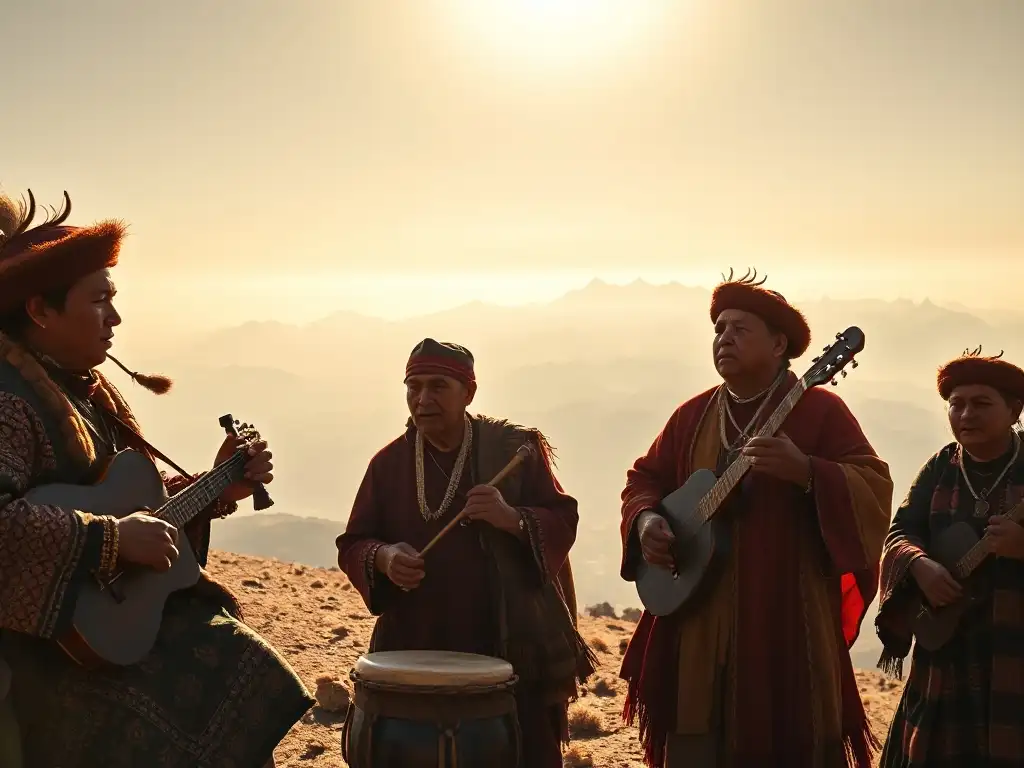
Andean music wasn't merely entertainment; it was a vital component of their spiritual worldview, deeply interwoven with their cosmology and relationship with the supernatural. The significance of Andean music rituals stemmed from the belief that music could act as a bridge between the human and divine realms, facilitating communication with deities and ancestral spirits. Understanding this profound connection is crucial to grasping the true depth and complexity of Andean culture. The soundscapes created during rituals were carefully orchestrated, utilizing specific instruments and melodies intended to invoke specific energies and deities.
This wasn't passive listening; participation was key, with individuals actively engaging in the musical performance through singing, dancing, and playing instruments. The rhythmic pulse of the music itself was believed to mirror the heartbeat of the cosmos, connecting participants to the cyclical nature of life and death. The power of Andean music rituals lay in its ability to transcend the mundane, enabling a profound spiritual experience.
Further research into specific ritualistic practices across different Andean cultures is needed to fully illuminate this aspect. For instance, [specific details on Inca rituals pending] could provide valuable insights into their musical practices. This section will delve deeper into the specific roles of music in communication with the divine and the healing properties attributed to these sonic practices.
Music as a Medium for Communication with the Gods
The Andean worldview embraced a complex pantheon of gods and spirits, each with unique attributes and domains. Music played a crucial role in establishing communication with these entities. Specific instruments, melodies, and rhythms were associated with particular deities. For example, the pututu, a long shell trumpet, was often used to communicate with mountain spirits or announce important events.
The sounds, often described as haunting and evocative, were believed to carry prayers and offerings directly to the spiritual realm. The use of specific melodies could also influence the type of response elicited from the gods. A slow, mournful melody might be used to appease an angry deity, while a fast, celebratory rhythm could be used to invite blessings and good fortune. The musicians themselves were often viewed as intermediaries between the human and divine worlds, possessing special knowledge and skills in manipulating sound to achieve specific spiritual outcomes.
Careful observation of surviving artifacts and iconography depicting musical performances in religious contexts could shed light on the precise nature of these interactions. [Specific examples of iconographic evidence pending]. The efficacy of the ritual depended heavily on the skill and intention of the musicians, highlighting the sacred nature of their role within Andean society.
Healing and Purification Through Sound in Andean Culture
Beyond communication with the gods, Andean music played a significant role in healing and purification rituals. The sounds produced were believed to possess therapeutic properties, capable of restoring balance and harmony within individuals and the community. Specific musical practices were employed to treat illnesses, both physical and spiritual.
This involved the use of specific instruments, vocalizations, and melodies tailored to address the nature of the ailment. The antara, a panpipe, for example, was often associated with healing due to its ability to produce soothing and harmonious sounds. The use of music in healing wasn’t limited to trained healers; many communities utilized music as a form of self-healing, incorporating it into their daily lives as a means of maintaining physical and spiritual well-being.
Many scholars believe that the therapeutic effects of Andean music stem from its ability to induce altered states of consciousness, facilitating access to the subconscious mind and promoting emotional release. [Specific details on the types of illnesses treated and the musical methods employed pending]. Further research into traditional Andean healing practices is needed to fully understand the efficacy and mechanisms of this unique form of sonic therapy.
The Power of Music in Community Bonding and Celebrations
Andean music rituals weren't solely confined to religious ceremonies; they also played a vital role in fostering community cohesion and celebrating life's milestones. Music served as a powerful tool for unifying individuals, reinforcing social bonds, and celebrating collective achievements. Large-scale musical events brought communities together, providing opportunities for social interaction, reinforcing shared values, and strengthening social ties. The vibrant rhythms and melodies of Andean music created a sense of shared identity and purpose, fostering a sense of belonging and collective pride.
Celebrations such as harvests and festivals often featured elaborate musical performances, involving diverse instruments and forms of musical expression. These events not only celebrated abundance and prosperity but also served as a reminder of the interdependence of individuals within the community. The festive nature of these musical gatherings reinforced social solidarity and promoted a sense of harmony within the community.
[Specific examples of community-based musical rituals and festivals pending]. The communal aspect of Andean music rituals underscores its importance as a vital element in the social fabric of Andean societies. The legacy of this communal musicality continues to resonate in contemporary Andean cultures, showcasing the enduring power of music to connect people across generations.
Preserving the Legacy of Andean Musical Rituals
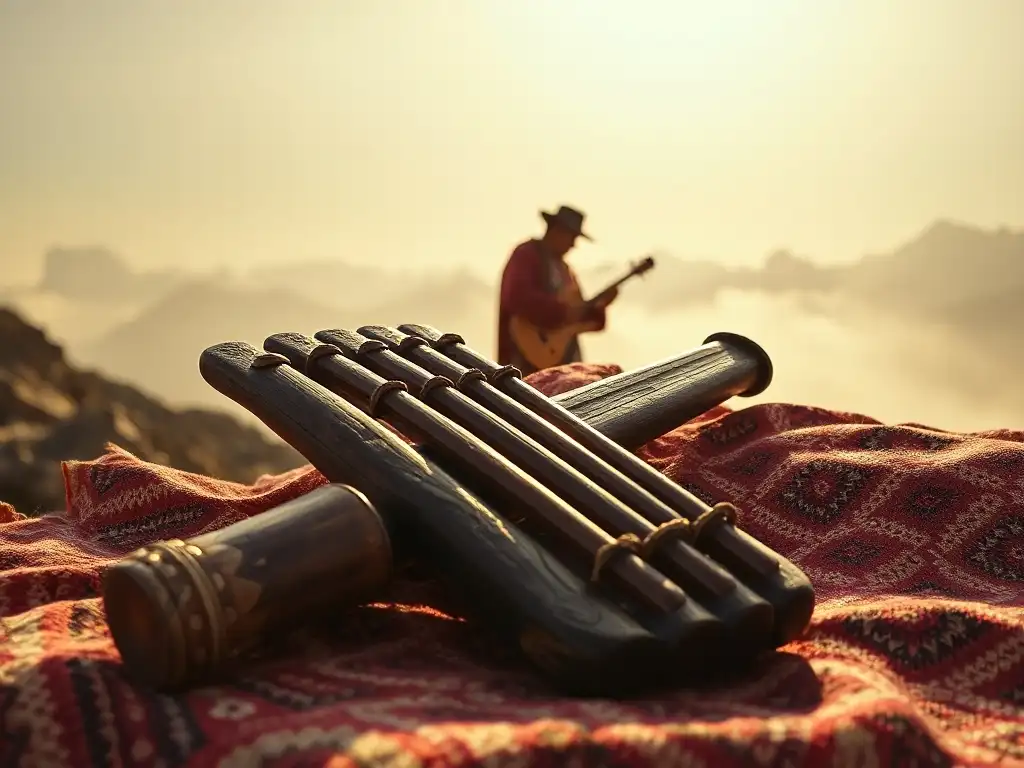
The vibrant tapestry of Andean culture is inextricably woven with the threads of music. Its significance extends far beyond mere entertainment; it's a vital component of religious ceremonies, social gatherings, and daily life. Understanding the role of Andean music rituals and their significance requires delving into the methods employed to safeguard this rich heritage for future generations.
The preservation of these traditions isn't simply about archiving recordings; it's about ensuring the living, breathing continuation of a cultural legacy deeply rooted in the Andean landscape. This section explores the multifaceted efforts dedicated to preserving the legacy of Andean musical rituals, highlighting both successes and the persistent challenges faced. The keyword "Andean music rituals significance" is central to this exploration.
The Transmission of Musical Knowledge Across Generations
The transmission of Andean musical knowledge has historically been an oral tradition, passed down through families and communities. This intergenerational transfer isn't merely about learning melodies and rhythms; it involves the transmission of cultural values, beliefs, and spiritual understanding deeply intertwined with the music. Elderly musicians, often considered yatiris (shamans) or amautas (wise ones), play a crucial role in this process.
They are the keepers of ancient knowledge, meticulously teaching younger generations the intricacies of instruments like the panpipes ( antara), the flute ( quena), and the drum ( tinku). The learning process is holistic, encompassing not only the technical aspects of playing the instruments but also the spiritual context in which the music is performed. This often involves years of apprenticeship, where young musicians observe, imitate, and eventually master the art, absorbing the profound cultural significance embedded within each note.
Furthermore, the knowledge of specific ritualistic melodies and their associated meanings is passed down through carefully guarded oral histories and symbolic representations. This ensures that the music continues to resonate with its original spiritual and cultural meaning.
Challenges in Maintaining Traditional Andean Music Practices
Despite the dedication to preserving Andean musical traditions, significant challenges remain. Modernization, urbanization, and the influence of globalized popular music pose threats to the continuity of these practices. Younger generations, often drawn to more contemporary musical styles, may not prioritize learning traditional Andean music. This leads to a decline in the number of skilled musicians proficient in playing traditional instruments and performing ancient rituals.
Economic factors also play a significant role. Many traditional musicians struggle to make a living solely from their craft, leading some to abandon their musical heritage in favor of more lucrative professions. The lack of adequate funding and support for cultural preservation programs further exacerbates these issues.
Furthermore, the loss of indigenous languages threatens the preservation of the oral traditions that underpin the transmission of musical knowledge. The meaning and context of many songs and rituals are intricately linked to these languages, and their decline poses a significant risk to the holistic understanding of Andean music's significance. Specific data on the number of active traditional musicians and the rate of decline in specific regions is [specific information pending].
The Importance of Cultural Preservation for Future Generations
Preserving Andean musical rituals is not merely an act of nostalgia; it's a crucial endeavor for the future. These musical traditions embody a rich cultural heritage that reflects the history, beliefs, and spiritual practices of Andean communities. The loss of this heritage would represent a significant cultural impoverishment, erasing an important part of humanity’s artistic and spiritual expression.
Cultural preservation efforts are essential for fostering a sense of identity and pride among Andean communities. By safeguarding these traditions, future generations can connect with their ancestry, understand their cultural roots, and appreciate the profound significance of Andean music in shaping their identity. Moreover, the preservation of these musical forms contributes to the global landscape of musical diversity, enriching the world's artistic heritage.
Supporting initiatives that promote the learning, performance, and documentation of Andean musical rituals is vital for ensuring their continued vitality and ensuring the keyword "Andean music rituals significance" remains relevant for generations to come. This involves investing in cultural education programs, supporting traditional musicians, and promoting the broader understanding and appreciation of Andean cultural heritage. The preservation of Andean music is not just about music; it is about preserving a living culture.
Conclusion: The Enduring Significance of Music in Andean Rituals
The Deep Connection between Sound, Spirituality, and Andean Culture
The significance of music in Andean rituals cannot be overstated. It wasn't merely entertainment; it was a fundamental component of their spiritual and social fabric, deeply intertwined with their cosmology and worldview. Sound, in its various forms, served as a conduit to the supernatural, a means of communication with deities, and a powerful tool for social cohesion. The Andean peoples believed that music possessed the ability to influence the natural world, appease ancestors, and ensure successful harvests. This belief system permeated every aspect of their lives, from daily routines to major ceremonies.
The use of specific instruments, melodies, and rhythms wasn't arbitrary. Each element held symbolic meaning, reflecting the intricate relationship between the human and spiritual realms. For example, the pututu, a long shell trumpet, was often used to summon deities or announce important events, its resonant sound echoing across the valleys and mountains.
The deep, resonant tones were believed to carry messages beyond the physical plane, reaching the ears of the gods themselves. The rhythmic beating of drums, on the other hand, could evoke feelings of community and shared identity, unifying participants in collective rituals. This carefully orchestrated symphony of sounds wasn't simply heard; it was experienced, shaping the very essence of Andean religious and social life.
The enduring legacy of Andean music rituals is evident in the continued practice of many musical traditions, albeit often adapted to modern contexts. While the specific rituals may have evolved, the deep-seated connection between sound, spirituality, and Andean culture remains vibrant. The echoes of ancient melodies resonate in contemporary music, reminding us of the profound impact these traditions have had on the region's cultural identity.
Understanding this historical context is crucial to appreciating the richness and complexity of Andean culture. The sounds of the past continue to inform and inspire the present, demonstrating the powerful, enduring significance of music in the lives of the Andean people.
Musical Traditions as a Legacy: Preserving the Sounds of the Andes
The preservation of Andean musical traditions is vital for safeguarding a crucial aspect of their cultural heritage. Efforts to document and revitalize these traditions are ongoing, employing various methods to ensure their continuity. Ethnomusicological research plays a key role, meticulously recording and analyzing musical practices, instruments, and their social contexts. This detailed study helps us understand the nuances of different musical styles and their historical evolution.
Furthermore, community-based initiatives work to teach younger generations traditional musical skills, fostering a sense of pride and ownership in their cultural heritage. These efforts are not merely about preserving music; they are about preserving a way of life, a worldview, and a deep connection to the land and its ancestors. The success of these preservation efforts hinges on collaboration between researchers, community members, and cultural institutions.
Only through collective action can we ensure that the vibrant sounds of the Andes continue to resonate for generations to come. Without these efforts, a significant part of Andean cultural identity risks being lost forever. The task is immense, requiring sustained commitment and resources, but the rewards—preserving a unique and invaluable cultural legacy—are immeasurable.
The Future of Andean Music Rituals: Adaption and Innovation
While the core principles of Andean music rituals remain largely unchanged, their expression continues to evolve. Modern Andean musicians incorporate new instruments and styles, while maintaining the essence of traditional forms. This dynamic interplay between tradition and innovation ensures the continued relevance of these musical practices in contemporary society.
For example, some musicians blend traditional Andean instruments with modern electronic sounds, creating a unique fusion that appeals to both younger and older generations. This innovative approach allows them to share their cultural heritage with a wider audience, while also ensuring the survival of these traditions in a rapidly changing world. The challenge lies in balancing the preservation of authenticity with the need for adaptation and innovation.
Striking this delicate balance is crucial for the continued vitality and relevance of Andean music rituals in the 21st century and beyond. The future of Andean music, therefore, lies in its ability to adapt and innovate while remaining true to its rich and profound historical roots. This process of cultural transmission is a continuous dialogue between the past, present, and future.
Frequently Asked Questions
What role did music play in Andean rituals?
Music played a central role in Andean rituals, acting as a powerful connection between the human and spiritual worlds. It was used to invoke deities, honor ancestors, and ensure successful harvests.
How did Andean music influence religious ceremonies?
Andean music was integral to religious ceremonies, shaping their structure and emotional impact. Sacred songs and instruments were used to create a trance-like state, facilitating communication with the divine.
What types of instruments were used in Andean music rituals?
A wide variety of instruments were employed, including panpipes (antara), flutes (quena), drums (tinku), and conch shells. The specific instruments varied depending on the culture and ritual.
What is the significance of Andean music in modern times?
Andean music continues to hold great cultural and spiritual significance today. Traditional music and instruments are still used in ceremonies and festivals, preserving ancient traditions.
How did the different Andean cultures express themselves through music?
Each Andean civilization had its own unique musical style and traditions, reflecting their distinct beliefs and practices. Music served as a powerful means of cultural expression and identity.
Final Reflection: Echoes of the Andes: A Legacy of Sound
The vibrant tapestry of Andean music, far from being a relic of the past, continues to resonate deeply within contemporary Andean communities and beyond. Its power to connect individuals to their ancestral heritage, to foster community, and to express profound spiritual beliefs remains strikingly relevant in our increasingly globalized world. The enduring strength of these traditions serves as a powerful testament to the resilience of cultural identity in the face of modernization.
The profound impact of Andean music rituals on the social fabric of Andean communities is undeniable. It's more than just music; it's a living, breathing expression of their history, their beliefs, and their hopes for the future. Music is the universal language of mankind.
– Henry Wadsworth Longfellow. This quote, while broad, perfectly encapsulates the transcendence of Andean music, which transcends linguistic barriers and speaks directly to the human spirit. The ceremonies, the instruments, the songs themselves – they all contribute to a powerful sense of shared identity and collective experience that continues to shape the cultural landscape of the Andes.
Consider the echoes of these ancient sounds in your own life. How does music shape your experiences, your memories, your sense of belonging? I invite you to explore the power of music in your own cultural context, to listen deeply, and to appreciate the profound ways in which sound can connect us to something larger than ourselves. Let the legacy of Andean music inspire you to find and celebrate the unique musical traditions that enrich your own life and community.
Embrace the Rhythm: Experience the Power of Andean Music!
Thank you for joining us on this journey through the vibrant soundscapes of Andean rituals! You've discovered how music is not just an art form, but a profound expression of culture and spirituality. Let's deepen your connection with this rich heritage.
Here are some ways to immerse yourself in the mesmerizing world of Andean music:
- **Explore** local music stores or online platforms to discover authentic Andean music. Let the rhythms fill your home and heart.
- **Attend** a community event or festival celebrating Andean culture. Immerse yourself in the experience, listen to live music, and interact with artisans and musicians.
- Share your newfound appreciation! Post about a favorite song or experience on social media and invite friends to explore Andean traditions with you.
What aspect of Andean music resonates most with you, and how will you incorporate it into your life?