
The Spirit of Innovation: How Andean Metalworkers Pushed the Boundaries

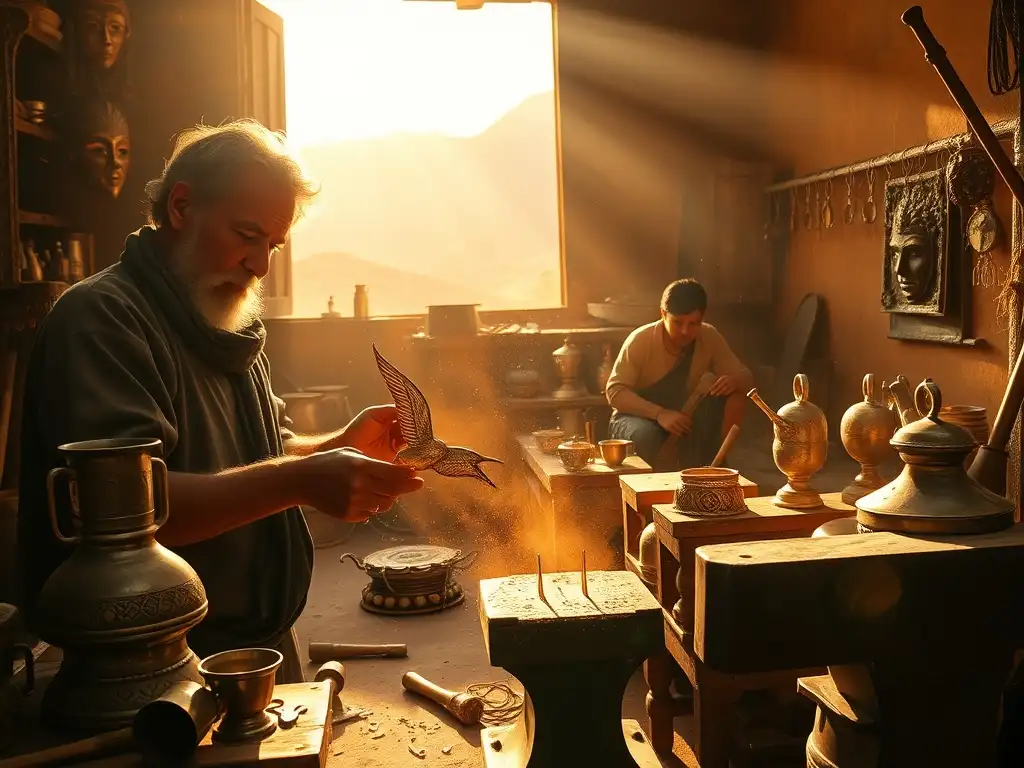
Step into a world lost to time, yet echoing with innovation. Imagine a civilization where artistry and engineering intertwined, forging breathtaking masterpieces from the very earth itself. This is the realm of the Andean civilizations, and nowhere is their ingenuity more evident than in their Andean metalworking techniques. Prepare to be amazed as we delve into the secrets behind their extraordinary skills, revealing a legacy of artistry that continues to inspire awe. Discover how these ancient masters pushed the boundaries of their craft—a story waiting to be unfolded.
The Andes Mountains, a spine of towering peaks running down the western coast of South America, nurtured not only breathtaking landscapes but also a rich tapestry of ancient civilizations. For millennia, these cultures—including the Incas, Moche, Nazca, and Tiahuanaco—developed sophisticated techniques in various artistic expressions. Among these, Andean metalworking stands out as a testament to their ingenuity, resourcefulness, and profound understanding of materials.
This article delves into the fascinating world of Andean metalworking techniques, exploring the evolution of their skills, the materials they used, and the remarkable artistry they achieved, showcasing their innovative spirit and leaving a lasting legacy for future generations to admire. We will examine how these ancient artisans mastered techniques that continue to inspire awe and wonder today, solidifying their place as pioneers of metallurgical artistry.
Understanding these techniques provides crucial insights into the social structures, religious beliefs, and technological advancements of these remarkable Andean civilizations. Prepare to be amazed by the ingenuity and skill of these ancient masters of metal.
Introduction to Andean Metalworking Ingenuity
Andean metalworking wasn't merely a craft; it was a sophisticated technology deeply intertwined with the social and religious fabric of Andean societies. Unlike many other ancient cultures that relied primarily on one metal, Andean metalworkers demonstrated a remarkable mastery of a variety of metals, including gold, silver, copper, and bronze. They didn't simply shape these materials; they manipulated them with breathtaking skill, creating intricate objects ranging from delicate jewelry to massive ceremonial artifacts.
Their techniques, often employing lost-wax casting, hammering, repoussé, and soldering, showcase an advanced understanding of metallurgy and a keen eye for artistic detail. The sheer variety and complexity of their creations—from shimmering gold masks to intricately designed tools—testify to their innovative spirit and their ability to adapt and refine their techniques over centuries.
This ingenuity wasn't limited to a single group; different Andean cultures developed unique styles and techniques, contributing to a vibrant and diverse metalworking tradition. The legacy of this tradition is evident in the stunning artifacts that have survived to this day, offering invaluable glimpses into the lives and beliefs of these ancient peoples.
The Dawn of Metalworking in the Andes: Early Techniques and Materials
The earliest evidence of metalworking in the Andes dates back to approximately 2000 BCE, with the initial use of copper. Early techniques were relatively simple, often involving hammering and annealing to shape the metal. The discovery of naturally occurring copper deposits played a crucial role in the development of this early metalworking. However, the transition from solely using native copper to the more complex process of smelting copper ores represented a significant technological leap.
This allowed for greater control over the production of copper and the creation of more complex objects. The development of alloys, such as bronze (a mixture of copper and tin), further expanded the possibilities of Andean metalworkers, allowing them to create stronger and more durable tools and ornaments. The sourcing of tin, often from distant locations, highlights the established trade networks and the high value placed on these metallic resources.
Early Andean metalwork often featured simple forms, but even these early pieces demonstrate a clear understanding of the metal's properties and potential. The evolution from basic tools to more elaborate and decorative objects reflects a gradual refinement of techniques and a growing artistic sophistication. This period laid the groundwork for the more advanced techniques and breathtaking artistry that would characterize later Andean metalworking traditions.
- Introduction to Andean Metalworking Ingenuity
- The Dawn of Metalworking in the Andes: Early Techniques and Materials
Pre-Incan Metallurgical Practices: Foundations of Andean Metalworking
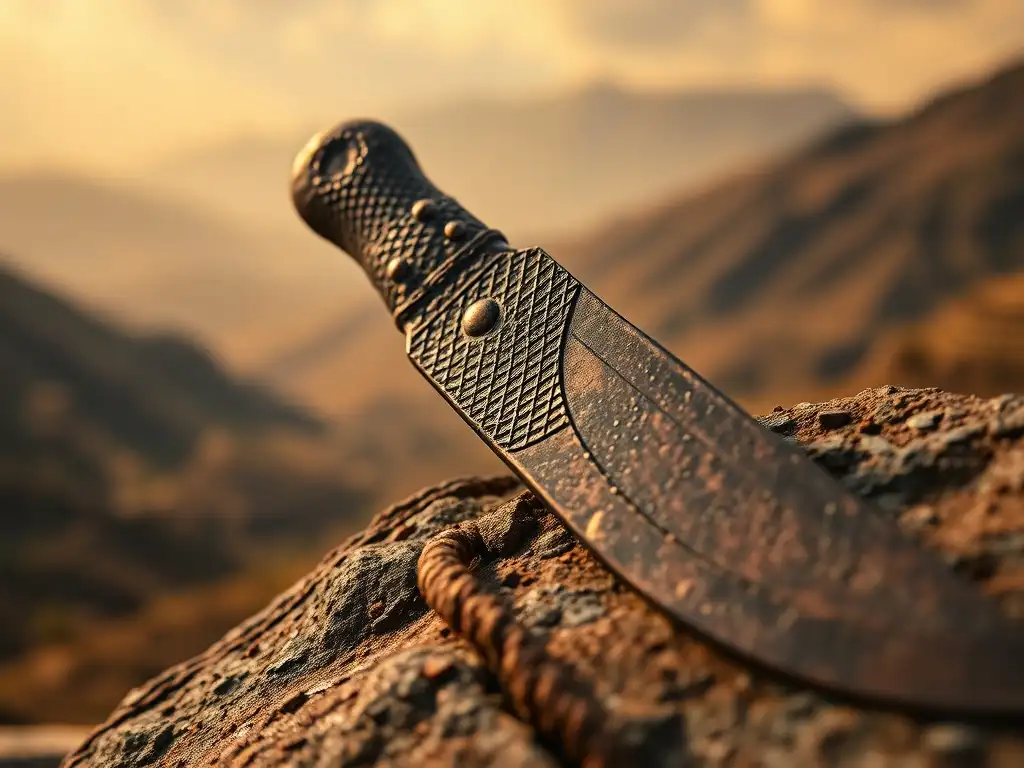
This section delves into the fascinating advancements in Andean metalworking techniques that predate the Inca Empire, laying the groundwork for the later, more sophisticated metalwork associated with Inca rule. Understanding these foundational practices is crucial to appreciating the full scope of Andean metallurgical achievements. We will explore the early adoption of copper, the incorporation of precious metals, and the crucial development of alloying – all vital steps in the evolution of Andean metalworking techniques.
Early Copper Smelting and Shaping in the Andes
The earliest evidence of copper smelting in the Andes dates back to approximately 3000 BCE, significantly earlier than many other regions of the world. Initially, the process was likely rudimentary, involving simple methods of heating copper ores in open fires or hearths. Archaeological finds reveal evidence of early copper artifacts, including simple tools and ornaments, indicating a gradual understanding and refinement of smelting techniques. The process involved obtaining copper from its ores, typically malachite or azurite.
These ores were heated to high temperatures, causing the copper to separate and be collected. The resulting copper was then hammered and shaped into the desired forms. This early period showcases the ingenuity of Andean metallurgists in adapting readily available resources to produce functional and decorative objects.
The development of more sophisticated techniques, such as casting and annealing, came later, but these early achievements laid the foundation for subsequent advancements in Andean metalworking techniques. The precise methods employed in these early stages are still being actively researched, with new discoveries continuously refining our understanding. For example, recent excavations at [Site Name Pending] have unearthed evidence suggesting [Specific technique pending further research].
The Use of Gold and Silver in Pre-Columbian Andean Cultures
The allure of gold and silver significantly impacted the development of Andean metalworking techniques. While copper provided a functional metal for tools and implements, gold and silver, with their inherent beauty and rarity, became integral to ceremonial objects, elite adornment, and expressions of power. The working of these precious metals demanded even more refined techniques, pushing the boundaries of existing metallurgical knowledge.
The earliest gold artifacts, dating back to around 2000 BCE, are relatively simple in design, often consisting of hammered sheets or wires. However, as metallurgical expertise increased, so did the complexity and artistry of gold and silver objects. The use of hammering, repoussé (hammering from the back to create relief), and casting became increasingly sophisticated.
The discovery of [Specific site with significant gold/silver artifacts] provides compelling evidence of the advanced techniques used by Andean artisans. The intricate detail and craftsmanship displayed in these artifacts highlight the high level of skill and artistry achieved during this period. The symbolic importance of these metals in Andean cosmology further fueled innovation in Andean metalworking techniques.
Development of Alloying in Ancient Andean Metalwork
A pivotal advancement in Andean metalworking techniques was the mastery of alloying – the combination of different metals to create new materials with improved properties. The most common alloy was tumbaga, a mixture of copper and gold, which offered a wider range of colors and enhanced durability compared to pure copper or gold. The precise proportions of copper and gold in tumbaga varied, resulting in a spectrum of colors ranging from pale yellow to deep reddish-gold.
The creation of tumbaga required a sophisticated understanding of metallurgy, as the process involved carefully controlling the temperature and composition of the molten metals. The development of tumbaga significantly expanded the artistic possibilities of Andean metalworkers, allowing for greater complexity and detail in their creations. The use of alloying is a clear demonstration of the advanced scientific and technical knowledge possessed by Andean metallurgists.
Furthermore, the use of alloys like tumbaga highlights the ingenuity and resourcefulness of Andean cultures in utilizing available materials to create aesthetically pleasing and durable objects. Further research is needed to fully understand the specific techniques used in creating different alloys, and the impact of these alloys on the development of Andean metalworking techniques. The precise formulas and techniques used remain a subject of ongoing study and debate among archaeologists and metallurgists.
Masterful Techniques of Andean Metalwork
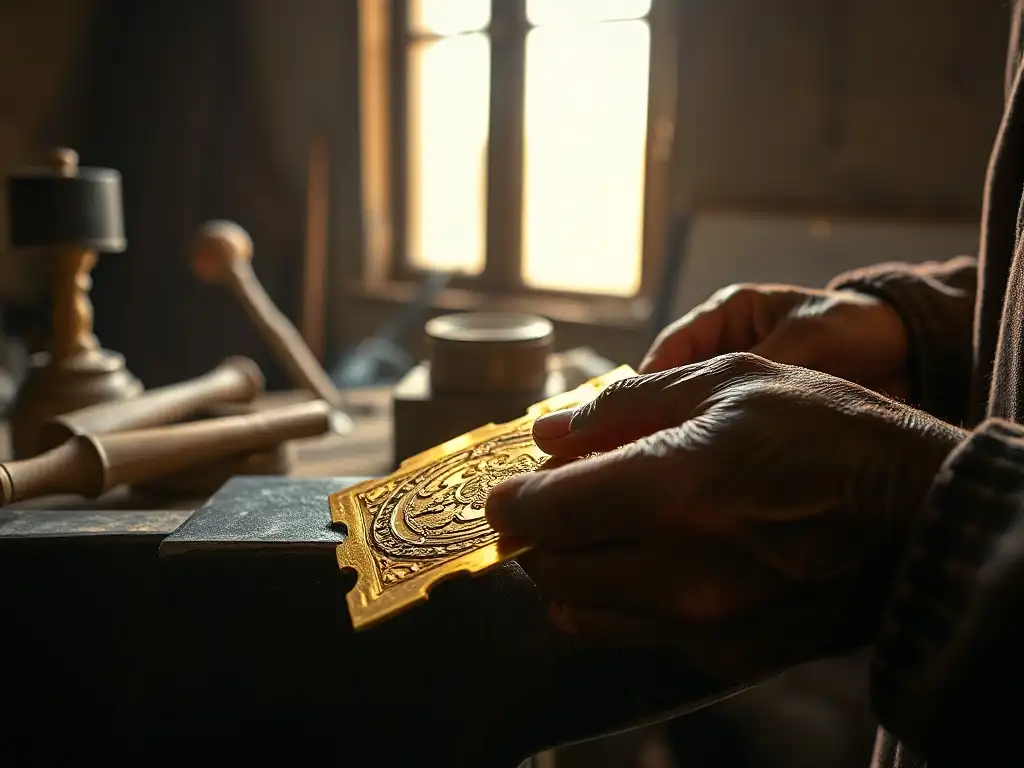
This section delves into the sophisticated techniques employed by Andean metalworkers, showcasing their remarkable ingenuity and mastery over materials. Their achievements in metalworking are a testament to their advanced understanding of metallurgy and their artistic vision. Understanding these techniques provides crucial insight into the cultural and technological advancements of these ancient civilizations. The artistry and precision displayed in Andean metal artifacts continue to inspire awe and wonder.
Analyzing these techniques helps us appreciate the complexity and skill involved in creating such stunning pieces. The study of Andean metalworking techniques reveals a fascinating interplay between artistic expression and technological prowess. We'll explore several key techniques, highlighting their significance within the broader context of Andean civilization.
Advanced Andean Metalworking Techniques: Beyond Basic Shaping
Beyond the fundamental techniques of hammering and annealing, Andean metalworkers developed sophisticated methods to manipulate metals. Repoussé, a technique involving hammering from the back of a sheet of metal to create raised designs on the surface, was widely used. This required considerable skill and precision to achieve intricate details and maintain the integrity of the metal.
Furthermore, the use of alloys, carefully combining different metals to achieve desired properties like increased hardness or specific colors, demonstrates a deep understanding of metallurgical processes. For example, the Incas expertly crafted tumbaga, a gold-copper alloy, achieving a distinctive golden-yellow hue. The precise ratios of gold and copper were carefully controlled to produce varied shades and effects, indicating a sophisticated level of metallurgical knowledge.
Evidence suggests that experimentation and refinement of these alloying techniques continued throughout different Andean cultures and across centuries, leading to increasingly complex and visually stunning results. The creation of intricate designs, often incorporating multiple techniques, highlights the exceptional skill and artistic vision of Andean artisans.
Gilding and Plating Techniques in Andean Metallurgy
Gilding and plating were crucial techniques used to enhance the visual appeal and value of Andean metalwork. Gilding, the application of a thin layer of gold onto a base metal (often copper or silver), created objects with a luxurious appearance. While the precise methods remain a subject of ongoing research, evidence suggests the use of mercury amalgamation, where gold was dissolved in mercury to create an amalgam that could be applied and then heated to evaporate the mercury, leaving behind a thin gold layer.
This process, while effective, was also hazardous, highlighting the risks undertaken by these skilled artisans in pursuit of artistic excellence. Similarly, plating involved covering a base metal with a thin layer of another metal, such as silver on copper. This was likely achieved through various techniques including electroplating (though definitive evidence is still debated among scholars) or a more rudimentary process involving hammering thin sheets of precious metal onto the base metal.
The quality and durability of both gilding and plating varied across different Andean cultures and time periods, reflecting evolving techniques and access to resources. The use of these techniques underscores the importance of aesthetics and the social significance associated with precious metals in Andean societies.
The Lost-Wax Casting Method in Ancient Andean Metalcraft
The lost-wax casting method, also known as cire perdue, stands out as a particularly remarkable achievement in Andean metalworking. This technique allowed for the creation of complex, three-dimensional forms that would have been impossible to achieve through hammering or other methods. The process involved creating a wax model of the desired object, covering it in clay, and then melting out the wax, leaving a hollow mold.
Molten metal was then poured into the mold, solidifying to create a precise replica of the original wax model. The complexity of some Andean castings, particularly those featuring intricate details and multiple components, is truly astonishing. This demonstrates a high degree of skill and precision, as well as an advanced understanding of materials science and heat control.
The lost-wax method allowed Andean artisans to produce a wide range of objects, from small figurines to large ceremonial vessels, showcasing their mastery of this sophisticated technique and their remarkable artistic creativity. The refinement of this method across different Andean cultures and time periods demonstrates an ongoing process of innovation and improvement in metalworking techniques. The application of this technique across diverse forms and styles highlights the versatility and adaptability of Andean metalworking practices.
Innovation in Andean Metal Art and Jewelry
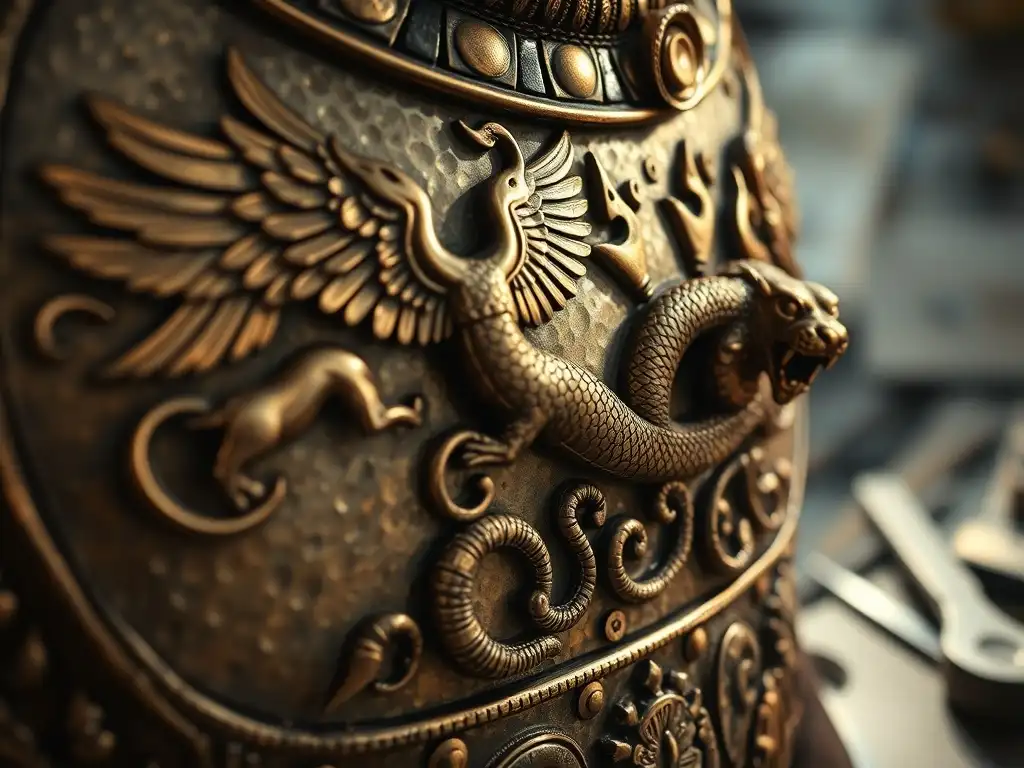
The ingenuity of Andean metalworkers is a testament to their advanced understanding of metallurgy and artistry. Their techniques, developed over centuries, resulted in objects of breathtaking beauty and technical sophistication. The mastery of these Andean metalworking techniques allowed for the creation of everything from intricate jewelry to massive ceremonial objects, reflecting the complex social and religious structures of Andean civilizations.
The sheer diversity of techniques employed, coupled with the artistic flair evident in the finished products, showcases a remarkable level of innovation within a relatively isolated geographic region. Studying these techniques provides valuable insights into the social, economic, and spiritual lives of these ancient cultures. This section will explore some key aspects of this remarkable tradition, focusing on the unique approaches and innovations that defined Andean metalworking.
The Use of Metal in Andean Ritual Objects
Andean metalworking wasn't merely a craft; it was intrinsically linked to ritual and religious practices. Metal, particularly gold, silver, and copper, held significant spiritual value, often associated with the sun, deities, and the power of the cosmos. The creation of ritual objects wasn't just a technical process; it was a sacred act. Consider, for example, the elaborate tumi ceremonial knives, often crafted from gold or copper alloys.
These weren't simply tools; their intricate designs and symbolic representations linked them directly to religious ceremonies and the power of the elite. The meticulous detail, often including inlaid gemstones and complex iconography, underscores the profound religious significance of these objects. The process of creating these ritual objects involved specialized knowledge, passed down through generations of skilled artisans.
This knowledge was not readily accessible to everyone, further reinforcing the power and prestige associated with the metalworking craft. The sheer scale of some of these objects, such as the massive gold and copper artifacts found in royal tombs, demonstrates the immense resources and manpower dedicated to these religious practices. Moreover, the techniques used, such as hammering, casting, and soldering, were refined over centuries, resulting in objects that were both aesthetically pleasing and functionally effective within the context of ritual.
Andean Metalworking and the Creation of Elaborate Jewelry
Beyond ritual objects, Andean metalworkers produced exquisite jewelry, showcasing their mastery of diverse techniques. From delicate earrings and necklaces to elaborate headdresses and breastplates, these pieces demonstrate remarkable skill and artistry. The use of repoussé, a technique involving hammering metal from the back to create raised designs, was particularly common.
This allowed for the creation of intricate three-dimensional forms, often depicting stylized figures, animals, and mythical creatures. The precision and detail involved in these pieces are astonishing, considering the tools and technology available at the time. Furthermore, the use of alloys, such as tumbaga (a gold-copper alloy), allowed for a wider range of colors and textures, adding to the visual richness of the jewelry.
The creation of these elaborate pieces was undoubtedly a time-consuming and labor-intensive process, implying a high level of social stratification and specialized labor within Andean societies. The diversity of jewelry styles also suggests regional variations in techniques and aesthetic preferences, reflecting the cultural complexity of the Andean world. For example, the Moche culture is known for its intricate goldwork, often featuring highly detailed depictions of deities and everyday life, while other cultures developed their own unique styles and techniques.
The Cultural Significance of Metalworking in Andean Society
Andean metalworking held profound cultural significance, extending far beyond mere artistic expression. The skills and knowledge involved were often associated with high social status and political power. Metalworkers occupied a respected position within Andean societies, their expertise commanding influence and prestige. Access to precious metals like gold and silver, and the ability to work them into magnificent objects, was closely tied to elite power structures.
The control over these resources and the skilled artisans who worked them helped to legitimize and strengthen the authority of rulers and elites. Furthermore, the creation and exchange of metal artifacts played a crucial role in social interactions, diplomatic relations, and economic activities. Elaborate metal objects served as gifts, symbols of alliance, and markers of social status.
The distribution of these objects across vast geographical areas provides evidence of extensive trade networks and complex social connections within the Andean region. The legacy of Andean metalworking techniques continues to inspire awe and admiration today, highlighting the creativity, innovation, and spiritual depth of these remarkable ancient civilizations. The study of these techniques offers a unique window into understanding the complexities of Andean culture, highlighting the interconnectedness of art, religion, politics, and everyday life.
Regional Variations in Andean Metalworking Traditions
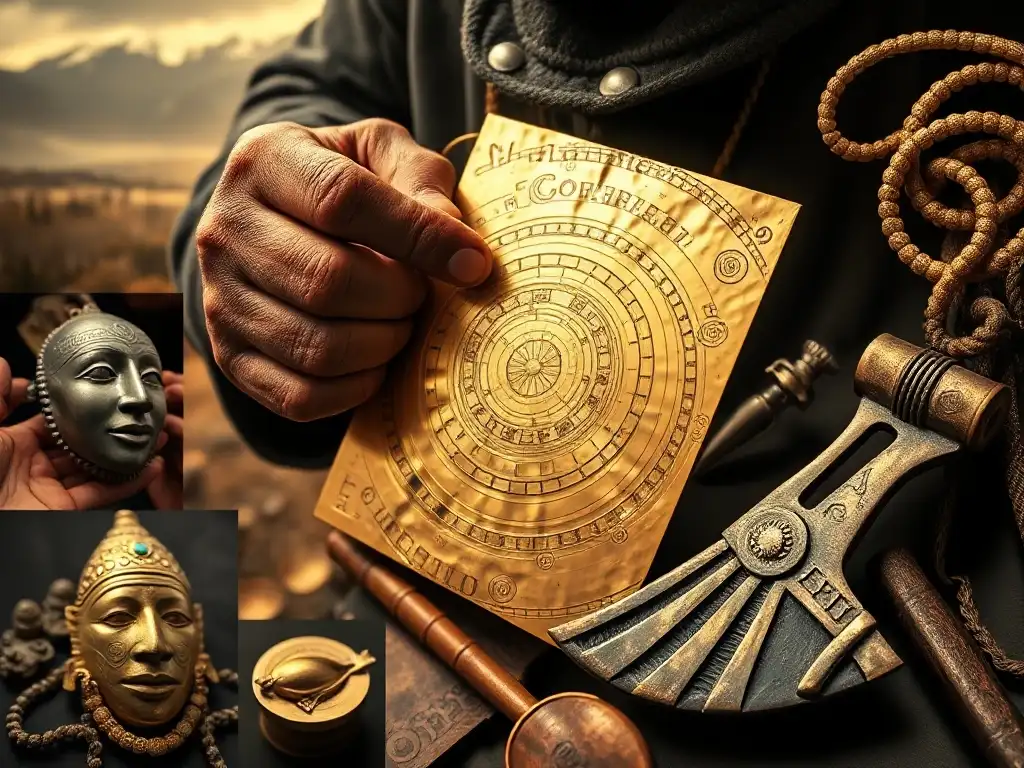
The Andes Mountains, a vast and diverse geographical region, fostered a similarly diverse range of metalworking traditions among its ancient inhabitants. While sharing some common threads, such as the use of hammering and casting, each civilization developed unique techniques, styles, and preferences in materials, reflecting their distinct cultural values and technological capabilities. Understanding these regional variations is crucial to appreciating the full complexity and artistry of Andean metalworking techniques.
The differences weren't simply aesthetic; they also reflect varying access to resources, levels of technological sophistication, and the specific needs and desires of each society. This section will delve into the unique approaches of three prominent Andean cultures: the Moche, the Tiahuanaco, and the Inca.
Moche Metalwork: A Focus on Copper and Gold
The Moche civilization (circa 100-800 CE), renowned for its elaborate ceramics and sophisticated irrigation systems, also excelled in metalworking. Their artisans displayed a mastery of both copper and gold, often combining these metals in intricate alloys and decorative techniques. Moche metalworkers were particularly skilled in repoussé, a technique involving hammering thin sheets of metal from the back to create three-dimensional forms.
This is evident in their iconic depictions of deities, animals, and scenes of daily life. The use of gold, a precious metal signifying power and divinity, was prevalent in Moche artistry, appearing in ornate headdresses, jewelry, and ceremonial objects. However, copper, more readily available, was also extensively employed, particularly for tools and weaponry.
The Moche also demonstrated proficiency in lost-wax casting, a more complex technique requiring the creation of a wax model, the application of a clay mold, and the melting and pouring of molten metal. While less common than repoussé, this method allowed for the creation of more intricate and detailed pieces. Examples include small figurines, often depicting warriors or supernatural beings, showcasing a high degree of technical skill and artistic expression.
Evidence suggests that Moche metalworkers utilized various alloys, manipulating the proportions of copper and other metals to achieve desired colors and properties. Further research into Moche metallurgical practices is needed to fully understand their precise techniques and the extent of their experimentation with different metal compositions.
Furthermore, Moche metalwork frequently incorporated inlaid details, adding further complexity and visual richness. These inlays, often made of contrasting metals or semi-precious stones, enhanced the overall effect and added another layer of sophistication to their artistry. The level of detail and the sophistication of the techniques employed by Moche metalworkers underscore their remarkable skill and the high status afforded to this craft within their society. The survival of numerous examples of Moche metalwork provides invaluable insights into their cultural beliefs and technological prowess.
Tiahuanaco Metalworking: The Use of Tin Bronze
The Tiahuanaco culture (circa 500-1000 CE) located on the shores of Lake Titicaca, developed a distinct style of metalworking characterized by the extensive use of tin bronze. Unlike the Moche's preference for copper and gold, the Tiahuanaco artisans mastered the production of bronze, an alloy of copper and tin, which offered superior strength and durability.
The availability of tin ore in the region likely played a significant role in this choice of material. Tiahuanaco metalworking, while less prolific than that of the Moche, is notable for its unique aesthetic, often featuring geometric patterns and stylized representations of human and animal figures.
The Tiahuanaco metalworkers employed various techniques, including casting and hammering, to create their artifacts. While repoussé was also used, it seems to have been less prominent compared to the Moche. Their bronze objects often exhibit a distinctive dark patina, a result of oxidation over time. This patina, far from detracting from their aesthetic appeal, adds to their antique charm and contributes to their overall visual impact.
The technical skill displayed in Tiahuanaco bronze work is evident in the precision of the castings and the clean lines of the hammered pieces. The relative scarcity of surviving Tiahuanaco metal artifacts compared to other Andean cultures highlights the need for further archaeological research to fully appreciate the extent and sophistication of their metallurgical knowledge. Further investigation is required to fully understand the specific techniques and alloys used by Tiahuanaco artisans.
Inca Metalworking: Standardizing and Expanding Metallurgical Practices
The Inca Empire (circa 1438-1533 CE), known for its vast territorial expansion and sophisticated administrative system, also inherited and significantly expanded upon existing Andean metalworking traditions. The Inca, unlike the Moche and Tiahuanaco, controlled access to a vast range of resources and a large workforce. This allowed them to standardize metallurgical practices and produce metalwork on an unprecedented scale. While they continued to use existing techniques like casting and hammering, the Inca also introduced innovations in design and production.
The Inca Empire's metalworking workshops, strategically located throughout the empire, employed specialized artisans who produced a wide range of objects, from intricately crafted jewelry and ceremonial vessels to sophisticated tools and weapons. The Inca were particularly skilled in the creation of tumbaga, a gold-copper alloy that allowed for a wide range of colors and textures. They used this alloy extensively in the production of prestigious objects, such as ceremonial axes, knives, and ornaments.
The use of gold and silver, symbols of royal power, was greatly amplified under the Inca, resulting in a large volume of high-quality, richly decorated objects. The standardization of metalworking techniques and the organization of production under the Inca resulted in a degree of uniformity in style and quality not seen in earlier Andean cultures. This standardization, however, did not suppress regional variations entirely; some regional styles and preferences continued to be expressed within the broader framework of Inca imperial production.
The Inca's impact on Andean metalworking techniques was profound, leaving a lasting legacy in the region's artistic and technological development. The Inca's mastery of Andean metalworking techniques represents the culmination of centuries of innovation and represents a high point in Andean metallurgical achievement.
The Legacy of Andean Metalworking Techniques
The legacy of Andean metalworking techniques extends far beyond the impressive artifacts that survive today. It represents a sophisticated understanding of metallurgy, a testament to the ingenuity and artistry of ancient Andean societies. Their mastery of techniques like hammering, annealing, soldering, and casting, often using multiple metals, produced objects of unparalleled beauty and functionality.
This wasn't simply craft; it was a deeply embedded cultural practice, interwoven with religious beliefs, social structures, and economic systems. The sheer diversity of techniques employed across different Andean cultures – from the intricate goldwork of the Moche to the refined silverwork of the Inca – highlights the dynamism and adaptability of these traditions. Understanding this legacy requires acknowledging not only the technical achievements but also the social and cultural context that fostered them.
The enduring influence of Andean metalworking is evident in the continued study and appreciation of these techniques, inspiring contemporary artisans and researchers alike. The legacy is not just in the objects themselves, but in the knowledge and skills passed down through generations, albeit often fragmented and requiring meticulous reconstruction by modern scholars.
The Enduring Impact of Andean Metallurgy
The impact of Andean metallurgy is still felt today. The techniques developed by ancient Andean metalworkers continue to fascinate and inspire contemporary artisans and researchers. For example, the intricate repoussé technique, used to create three-dimensional designs in thin metal sheets, is still practiced and admired.
The sophisticated lost-wax casting method, allowing for the creation of complex shapes and intricate details, remains a cornerstone of metalworking. Furthermore, the Andean understanding of alloying—combining different metals to achieve specific properties—was remarkably advanced for its time. Their ability to create durable and aesthetically pleasing alloys from gold, silver, copper, and other metals remains a source of study and admiration.
The enduring appeal of Andean metalwork is reflected in its continued presence in museums worldwide and its influence on contemporary jewelry design and artistic expression. The study of these techniques provides valuable insights into the scientific and technological capabilities of ancient Andean societies, challenging preconceived notions about their technological development. Analyzing the composition of ancient alloys also provides valuable information about trade routes and resource management in the Andes.
Andean Metalworking Techniques: A Source of Inspiration
Andean metalworking techniques serve as a powerful source of inspiration for contemporary artists and designers. The intricate designs, the mastery of techniques, and the sheer artistry of the objects are endlessly captivating. Modern artisans are increasingly drawing inspiration from these ancient techniques, incorporating elements of Andean design and metalworking processes into their own work.
This revival not only honors the legacy of ancient Andean cultures but also provides a unique perspective on contemporary artistic expression. The use of traditional techniques alongside modern tools and materials creates a fascinating blend of old and new, pushing the boundaries of metalworking and design. Moreover, the study of Andean metalworking is enriching our understanding of material culture and its role in shaping social structures and beliefs.
The symbolic meaning embedded in the objects themselves – from religious iconography to royal insignia – offers valuable insights into the cultural context of Andean societies. This interdisciplinary approach, combining art history, archaeology, metallurgy, and anthropology, is crucial for a comprehensive understanding of Andean metalworking and its enduring impact.
Exploring the Future of Andean Metalworking Studies
The future of Andean metalworking studies promises exciting new discoveries and deeper insights. Advances in scientific techniques, such as non-destructive analysis and advanced imaging, allow for a more detailed examination of artifacts without causing damage. This allows researchers to uncover subtle details about the manufacturing process, the materials used, and the techniques employed.
Furthermore, ongoing archaeological excavations continue to unearth new artifacts, providing fresh evidence and challenging existing theories. The incorporation of digital technologies, such as 3D modeling and virtual reality, offers new possibilities for studying and preserving these fragile objects. This allows for the creation of digital replicas, making these treasures accessible to a wider audience and facilitating comparative studies across different Andean cultures.
The integration of interdisciplinary approaches, bringing together experts from various fields, is crucial for advancing our understanding of Andean metalworking. This collaborative approach promises to unlock new layers of meaning and significance, enriching our knowledge of these remarkable ancient Andean cultures. The future of Andean metalworking studies is bright, promising further revelations about these sophisticated techniques and their lasting influence.
Conclusion: The Unbreakable Spirit of Andean Metal Innovation
The ingenuity of Andean metalworkers wasn't merely about crafting beautiful objects; it was a testament to their deep understanding of their environment and their unwavering spirit of innovation. Their mastery of diverse techniques, from hammering and casting to gilding and alloying, showcases a remarkable technological prowess that thrived for centuries. The legacy of Andean metalworking techniques extends far beyond the exquisite artifacts that survive today. It represents a powerful narrative of adaptation, resilience, and a profound connection between human creativity and the natural world.
The intricate designs, the sophisticated alloys, and the sheer artistry displayed in surviving pieces are a powerful reminder of the advanced metallurgical knowledge possessed by these ancient cultures. Their achievements continue to inspire awe and wonder, prompting ongoing research and analysis that steadily reveals new facets of their remarkable skills. The enduring appeal of Andean metalwork lies not only in its aesthetic beauty but also in its profound historical significance, offering a window into the complex societies that created it and the enduring spirit of human ingenuity. The techniques, though lost in many ways, continue to echo in the contemporary appreciation for their artistry and the ongoing fascination with deciphering the secrets embedded within each artifact.
Understanding these techniques is key to fully appreciating the cultural achievements and the sophisticated worldview of the Andean civilizations. The study of Andean metalworking provides a powerful lens through which to examine broader themes of cultural exchange, technological advancement, and the enduring human capacity for creativity in the face of adversity. Their legacy serves as a powerful reminder of the enduring impact of human ingenuity and the rich tapestry of Andean history. 👑
Frequently Asked Questions
What makes Andean metalworking so unique?
Andean metalworking is unique due to its highly sophisticated techniques, including lost-wax casting, hammering, and alloying of various metals like gold, silver, and copper. The artistry and precision are also remarkable.
Which Andean cultures were particularly skilled in metalworking?
Several cultures excelled, including the Moche, Nazca, Wari, and Inca. Each developed its own distinctive styles and techniques, contributing to the rich diversity of Andean metallurgy.
What were some of the common tools used in Andean metalworking?
Andean metalworkers employed a range of tools, including stone hammers, molds, crucibles, and various types of chisels. They also had a deep understanding of metallurgy, allowing for advanced techniques.
What types of objects did Andean metalworkers create?
Andean metalworkers produced a wide array of objects, from elaborate jewelry and ceremonial masks to tools, weapons, and even large-scale sculptures. These objects often held religious or symbolic significance.
How did Andean metalworking techniques influence later cultures?
Andean metalworking techniques significantly impacted later cultures in South America. The mastery of alloying and casting particularly influenced subsequent metalworking traditions, showcasing the enduring legacy of Andean innovation.
Final Reflection: The Enduring Legacy of Andean Ingenuity
The innovative spirit of Andean metalworkers continues to resonate today, a testament to human creativity and resilience in the face of challenging environments. Their mastery of techniques, far from being a relic of the past, offers invaluable lessons in resourcefulness, collaboration, and the power of artistic expression to transcend limitations. The intricate alloys, the sophisticated casting methods, and the breathtaking artistry they achieved remain a source of wonder and inspiration.
The impact of Andean metalworking extends far beyond the stunning artifacts themselves; it speaks to a deep cultural understanding of the natural world and a profound connection to the spiritual realm. These techniques were not merely technical achievements; they were integral to the social fabric, reflecting power structures, religious beliefs, and intricate trade networks. The metalworker was not just a craftsman, but a shaman, a storyteller, a bridge between the human and the divine.
This perspective underscores the holistic nature of their work and its enduring relevance in understanding ancient societies.
Consider, for a moment, the ingenuity required to master these techniques with the limited tools available. Let the artistry and precision of these ancient masters inspire you to push your own boundaries, to embrace challenges with creativity and determination. What innovative solutions can you discover in your own life, drawing inspiration from the remarkable legacy of Andean metalworking? Let the spirit of innovation ignite your own potential, and strive to leave your own mark on the world, as enduring and impactful as the metalwork of the Andes.
Unleash Your Inner Innovator!
Thank you for exploring the remarkable journey of Andean metalworkers! You've witnessed their incredible ingenuity and the boundaries they pushed. Now, it's your turn to channel that inspiration and create positive change. Here are a few practical steps to get you started:
- **Embrace creativity through a DIY project:** Repurpose materials you already own to build something new and exciting, mirroring the resourceful spirit of Andean artisans. This could be anything from constructing a birdhouse from reclaimed wood to designing a unique piece of jewelry from recycled metal.
- **Join a local makerspace or craft group:** Connect with like-minded individuals who share your passion for innovation and collaborate on inspiring projects. The shared experience and diverse skillsets within a community can lead to truly remarkable creations.
- **Share your creations and experiences:** Document your innovative journey on social media using #AndeanInnovation to inspire others and spark engaging conversations. Showcasing your work can motivate others to explore their own creative potential.
What innovative idea will you bring to life, inspired by the enduring legacy of Andean craftsmanship? Share your thoughts in the comments!