
Unlocking the Secrets: A Guide to Understanding Andean Art Symbols

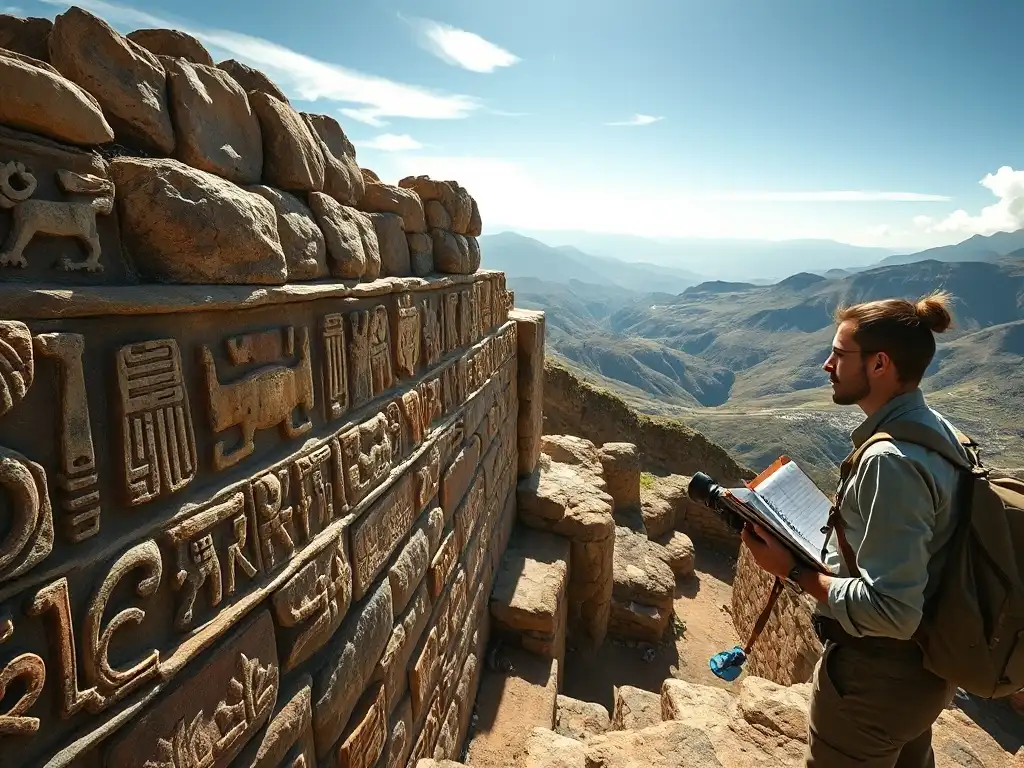
Dive into the mesmerizing world of Andean Civilizations! For centuries, the Andes mountains have echoed with the stories of powerful empires. But what secrets do their intricate symbols hold? Uncover the profound meanings behind the captivating imagery of Andean art, and embark on a journey to decipher the hidden language of the Incas, Moche, Nazca, and Tiahuanaco. Prepare to be amazed as we explore the rich tapestry of Andean art symbols meaning – a quest that will lead you through breathtaking artistry and ancient wisdom. Are you ready to unlock the mysteries?
The Andes Mountains, a spine of towering peaks running down the western coast of South America, are home to a rich tapestry of ancient cultures. For millennia, these civilizations—including the Incas, Moche, Nazca, and Tiahuanaco—developed sophisticated societies, leaving behind a legacy of breathtaking architecture, intricate textiles, and enigmatic art. Understanding the symbolism embedded within Andean art is key to unlocking a deeper comprehension of their beliefs, social structures, and worldview.
This guide delves into the fascinating world of Andean art symbols, exploring their meanings and significance within the context of their respective cultures. We will examine recurring motifs, decipher their potential interpretations, and uncover the stories woven into these captivating visual narratives, all while focusing on the diverse meanings behind Andean art symbols.
Prepare to embark on a journey through time, unraveling the secrets hidden within these remarkable artistic expressions. Learning about Andean art symbols meaning will provide a richer appreciation for the ingenuity and complexity of these ancient societies.
Deciphering the Language of Andean Art: A Multifaceted Approach
Understanding Andean art symbols requires a multifaceted approach. Unlike a written language with a fixed alphabet, Andean symbolism is often contextual and nuanced. The meaning of a particular symbol could vary depending on its location within a piece of art, the materials used, and the cultural context in which it was created.
For example, a recurring motif like a feline might represent different concepts across different Andean cultures. In one culture, it could symbolize power and divinity, while in another, it might represent fertility or protection. Archaeologists and art historians utilize various methods to interpret these symbols, including comparative analysis of different artifacts, examining the arrangement of symbols within a piece, and considering the social and religious practices of the specific culture.
This process is ongoing, with new discoveries and interpretations constantly enriching our understanding. Careful observation and a willingness to consider multiple perspectives are crucial for a truly comprehensive understanding. The complexity of Andean art symbols meaning underscores the richness and depth of these ancient cultures.
Common Andean Art Symbols and Their Interpretations
Many symbols appear repeatedly across different Andean cultures, suggesting shared beliefs or a common symbolic language. Some of the most common symbols include:
- The Serpent: Often associated with water, fertility, and the underworld. Its representation varied depending on the specific culture and context. Sometimes depicted as a benevolent life-giving force, other times as a powerful, even dangerous entity.
- The Condor: A majestic bird representing the heights, power, and connection to the divine. Its presence in Andean art often signifies spiritual leadership or a link to the celestial realm.
- The Llama/Alpaca: These animals were essential to Andean life, providing wool, meat, and transport. In art, they often symbolize prosperity, fertility, and the connection to the land.
- Geometric Shapes: Triangles, squares, and other geometric shapes frequently appear, often representing the cosmos, social structures, or abstract concepts relating to Andean cosmology. The specific meaning varies greatly depending on the arrangement and combination of shapes.
This is not an exhaustive list, and further research is needed to fully understand the nuances of each symbol and their variations across different Andean cultures. The diversity in the meanings of Andean art symbols highlights the rich tapestry of beliefs and traditions within these societies.
The Importance of Context in Interpreting Andean Art Symbols
The context in which an Andean art symbol appears is crucial for accurate interpretation. A symbol's meaning can shift dramatically depending on its location within a larger piece, the materials used to create it, and the accompanying symbols. For instance, a sun symbol might represent different aspects of the sun deity depending on its position relative to other symbols. The materials used—gold, silver, ceramics, textiles—also hold symbolic weight, reflecting the value and significance of the object.
Consideration of the cultural context, including the social status of the creator and the intended audience, is equally vital. Therefore, a holistic approach, incorporating various factors, is essential to decipher the intricate messages encoded within Andean art. Understanding the importance of context is key to unlocking the true meaning of Andean art symbols.
Further Research and Ongoing Discoveries
The field of Andean art studies is continuously evolving. New archaeological discoveries and advanced research methods constantly reveal fresh insights into the meaning and significance of Andean art symbols. Ongoing research focuses on refining existing interpretations and uncovering new symbolic meanings. Interdisciplinary collaboration between archaeologists, art historians, anthropologists, and other specialists is crucial for a comprehensive understanding. The dynamic nature of this field ensures that our understanding of Andean art symbols will continue to grow and evolve in the years to come. The quest to understand Andean art symbols meaning is a continuous journey of discovery.
- Deciphering the Language of Andean Art: A Multifaceted Approach
- Common Andean Art Symbols and Their Interpretations
- The Importance of Context in Interpreting Andean Art Symbols
- Further Research and Ongoing Discoveries
Decoding the Rich Tapestry of Andean Symbolism
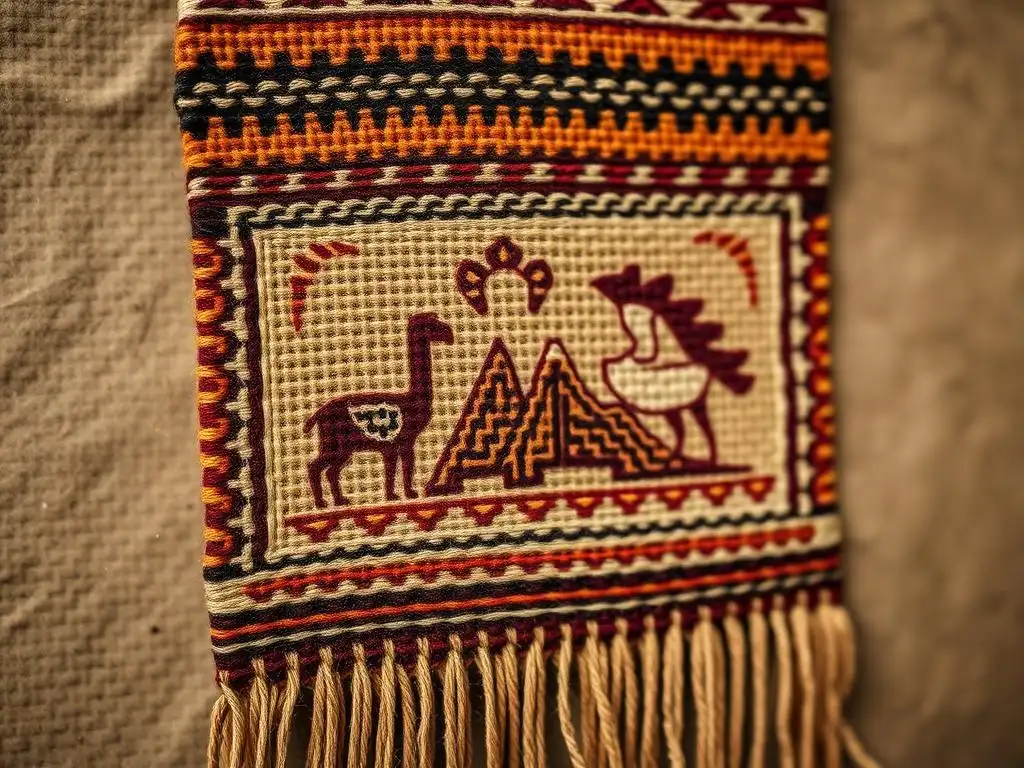
This section delves into the intricate world of Andean symbolism, exploring how these ancient cultures used visual representations to convey complex ideas, beliefs, and social structures. Understanding Andean art symbols meaning requires appreciating the context in which they were created and used. Unlike modern symbolic systems, Andean iconography wasn't standardized across all cultures or time periods.
Regional variations and evolving interpretations add layers of complexity to the study of these fascinating visual languages. The meaning of a particular symbol could shift subtly depending on its placement within a larger composition, the materials used in its creation, and the specific cultural context of its creation.
The Significance of Symbols in Ancient Andean Cultures
Ancient Andean societies, including the Inca, Moche, Nazca, and Tiahuanaco, employed a sophisticated system of visual communication. Symbols weren't merely decorative; they served crucial roles in religious rituals, political power displays, and everyday life. For example, the sun, moon, and stars held immense religious significance across many Andean cultures, representing celestial deities and cosmic order.
These celestial bodies frequently appeared in textiles, ceramics, and metalwork, often alongside other symbols that amplified their meaning. The Andean worldview was deeply intertwined with nature, and this is reflected in the prevalence of animal and plant motifs. Condor imagery, for instance, often symbolized power, strength, and connection to the upper world, while representations of maize and other agricultural products signified fertility, abundance, and the cyclical nature of life.
The use of color also carried symbolic weight. Red, for instance, was frequently associated with blood, sacrifice, and power, while yellow symbolized the sun and gold. The specific shades and combinations of colors used could further refine the meaning conveyed.
Careful consideration of these factors is paramount when attempting to decipher the meaning of Andean art symbols. Further research into specific cultural contexts, such as examining the burial practices and religious beliefs of particular Andean societies, can provide valuable insights into the nuances of their symbolism. Unfortunately, [specific information pending] regarding the precise interpretations of certain symbols found in less well-documented cultures.
The Role of Iconography in Andean Art and Society
Andean iconography wasn't just a visual language; it was an integral part of the social fabric. The creation and interpretation of symbols were often restricted to specific individuals or groups, highlighting the hierarchical nature of Andean societies. Elite members of society, such as priests and rulers, likely held privileged access to the deeper meanings encoded within the symbols, and controlled their dissemination.
This selective access to meaning reinforced their authority and influence. The use of symbols in textiles, for example, could indicate social status or membership in specific clans or lineages. Elaborate weavings adorned with complex designs were often reserved for the elite, while simpler designs were used for everyday clothing.
Furthermore, the creation of Andean art itself was often a ritualistic process. The materials used, the techniques employed, and the very act of creating a piece imbued it with symbolic significance. The meticulous craftsmanship evident in many Andean artifacts reflects the high value placed on these visual representations.
The production of these works was not simply an artistic endeavor; it was a sacred act that connected the artist and the community to the spiritual realm. The careful placement of symbols within a larger composition further emphasizes their interconnectedness and the complex narratives they convey. Many artifacts reveal a layered approach, with multiple symbols interacting and influencing each other to create a rich and multifaceted meaning.
Understanding the interplay of these symbols is key to unlocking a deeper understanding of Andean art symbols meaning and the societies that created them. The study of Andean iconography is an ongoing process, and new discoveries continue to refine our understanding of this fascinating aspect of Andean culture. This dynamic field of study requires a multifaceted approach, combining art historical analysis with anthropological and archaeological research to provide a holistic understanding of the meaning and significance of Andean art symbols.
Key Andean Art Symbols and Their Meanings
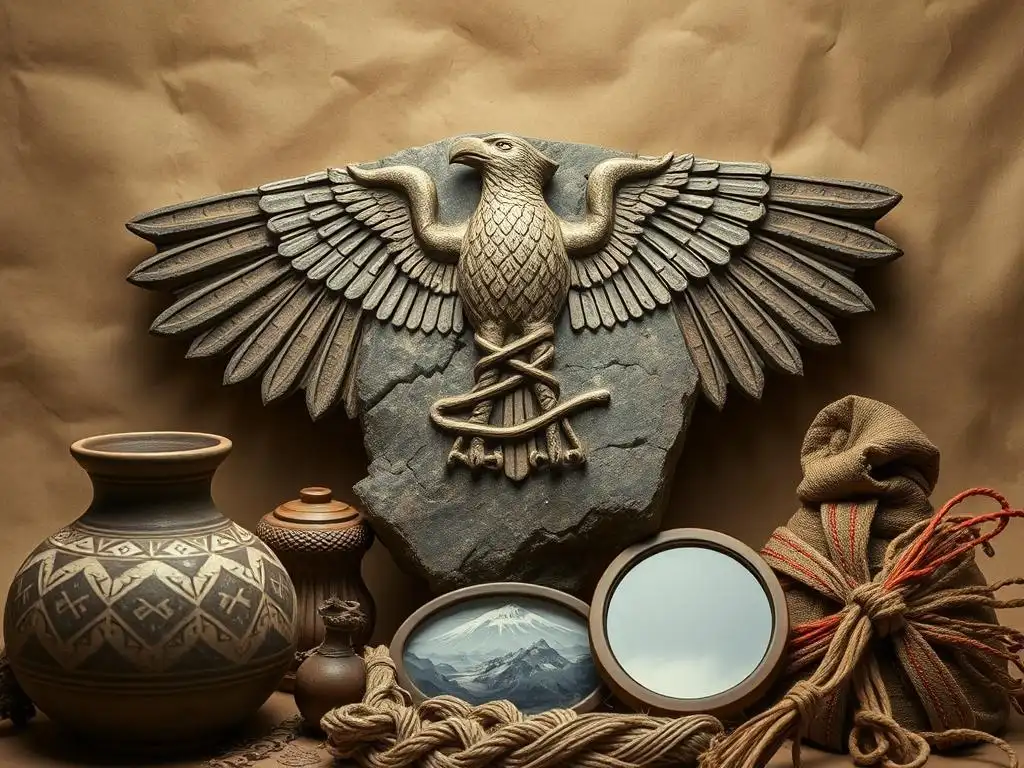
This section delves into the intricate world of Andean art symbols, exploring their meanings and significance within the context of the diverse cultures that thrived in the Andes Mountains. Understanding these symbols offers a deeper appreciation for the rich tapestry of Andean beliefs, cosmology, and societal structures. We will examine several key motifs, focusing on their interpretations and variations across different Andean civilizations.
This exploration will illuminate the power of Andean art symbols as powerful vehicles for conveying complex ideas and spiritual beliefs. Mastering the meaning behind these symbols is crucial to unlocking a deeper understanding of "Andean art symbols meaning."
The Andean Cross (Chakana): Symbolism and Interpretations
The Chakana, also known as the Inca Cross, is arguably the most iconic symbol of Andean art. Its presence in textiles, ceramics, and stone carvings across various Andean cultures signifies its profound importance. Far from a mere decorative element, the Chakana represents a complex interplay of cosmological, agricultural, and spiritual beliefs. Its four arms, often interpreted as representing the four cardinal directions, connect to the central point, symbolizing the integration of the earthly and celestial realms. The deeper meanings, however, extend beyond this basic interpretation.
Chakana: Representing the Andean Cosmos
The Chakana's representation of the Andean cosmos is multifaceted. The four arms are frequently associated with the four elements (earth, air, fire, water) or the four quarters of the world. The central point is often seen as representing Hanan Pacha (the upper world), Kay Pacha (the earthly world), and Uku Pacha (the underworld), illustrating the interconnectedness of these three realms in Andean cosmology.
Some scholars suggest a further interpretation, linking the three levels to the past, present, and future. The stepped design also reflects the Andean landscape, with its terraced fields and mountain peaks. The Chakana, therefore, acts as a microcosm of the Andean worldview, visually encapsulating their understanding of the universe.
The Chakana's Connection to Agriculture and Time
Beyond its cosmological significance, the Chakana is deeply intertwined with Andean agricultural practices and the cyclical nature of time. The stepped design mirrors the terraced agricultural systems prevalent in the Andes, reflecting the careful planning and understanding of the environment needed for successful cultivation. The cyclical nature of the seasons, crucial for Andean agriculture, is also reflected in the Chakana's design.
The repetitive patterns and symmetrical structure symbolize the continuous cycle of planting, growth, harvest, and renewal—a constant interplay between life and death, essential to the Andean understanding of time and existence. This connection emphasizes the Chakana's role not only as a religious symbol but also as a practical representation of their relationship with the land.
The Serpent (Amaru): Meaning and Variations in Andean Art
The serpent, known as Amaru in Quechua, is another prominent symbol in Andean art, appearing in diverse forms across different cultures and periods. While often depicted as a fearsome creature, the Amaru carries complex symbolic weight, embodying both destructive and creative forces. Its multifaceted nature reflects the Andean understanding of duality and the interconnectedness of seemingly opposing forces.
Amaru: Associated with Water, Fertility, and the Underworld
The Amaru's association with water is prominent throughout Andean iconography. As a symbol of water sources, rainfall, and rivers, it represents life-giving power and fertility. This connection is particularly important in a region where water availability dictates agricultural success.
Moreover, the Amaru is often linked to the underworld ( Uku Pacha), representing the unseen forces of nature and the cyclical renewal of life and death. This association with the underworld doesn't necessarily represent evil; instead, it highlights the Amaru's role as a powerful entity connecting the earthly realm with the spiritual. This duality underscores the Andean understanding of the balance between visible and hidden forces.
Variations of the Serpent Motif in Different Andean Cultures
The depiction of the Amaru varies significantly across different Andean cultures. For instance, the Moche civilization frequently depicted feathered serpents, often associated with their rulers and elite. The Nazca culture featured stylized serpent designs in their famed geoglyphs, suggesting a different interpretation of the symbol within their cosmology.
These variations highlight the adaptability of the Amaru motif, showcasing its diverse interpretations and importance across different Andean societies. The subtle differences in depiction, while maintaining a core symbolic understanding, reflect the unique cultural expressions and beliefs of each civilization. Further research into specific regional variations is needed to fully grasp the nuances of "Andean art symbols meaning" associated with the Amaru.
The Condor: Exploring its Symbolic Power in Andean Iconography
The condor, a majestic bird soaring high above the Andes Mountains, holds immense symbolic power in Andean iconography. Its presence in ancient art, textiles, and ceramics speaks volumes about the Andean worldview and the profound connection between the earthly and spiritual realms. Depictions of condors vary across different Andean cultures, but common themes consistently emerge, highlighting its significance as a symbol of power, strength, and spiritual connection.
The condor's ability to effortlessly traverse the vast Andean landscapes mirrored the Andean people's own connection to the mountains and their belief in the interconnectedness of all things. Understanding the condor's symbolism requires exploring its role within the broader Andean cosmovision, a complex system of beliefs that integrated the physical world with the spiritual.
The intricate details in the artistic representations, from the way its wings are depicted to the materials used, all contribute to a deeper understanding of its symbolic weight. Analyzing these details reveals the importance placed on the condor as a powerful symbol within Andean societies.
Condor: Symbol of the Upper World and Spiritual Power
In Andean cosmology, the condor is predominantly associated with the hanan pacha, the upper world, a realm of spirits, deities, and celestial forces. Its soaring flight, reaching altitudes far beyond human reach, symbolized the connection between the earthly and spiritual planes. The condor's keen eyesight was believed to grant it access to hidden knowledge and divine insights, making it a powerful intermediary between the human and spiritual worlds.
Many depictions show the condor with outstretched wings, seemingly reaching towards the heavens, reinforcing this association with the upper world and its spiritual power. This symbolism is evident across numerous Andean cultures, demonstrating a shared understanding of the condor’s spiritual significance.
The powerful image of the condor served as a reminder of the spiritual forces at play in the Andean world and the importance of maintaining a harmonious relationship with these forces. The use of specific colors and patterns in condor depictions likely further enhanced its symbolic meaning, though further research is needed to fully understand the nuances of these variations across different Andean cultures.
The Condor's Role in Andean Cosmovision
The condor's role extends beyond simple symbolism; it plays a crucial part in the Andean cosmovision, a holistic worldview that encompasses a complex interplay of the upper, middle, and lower worlds ( hanan pacha, kay pacha, and ukhu pacha respectively). The condor, as an inhabitant of the hanan pacha, acts as a messenger between the realms, carrying messages and influencing events in the earthly world.
Its presence in art often signifies the intervention of supernatural forces or the successful negotiation of a critical transition, such as a successful harvest or a successful battle. The condor's image was frequently incorporated into ritual objects and ceremonies, further highlighting its crucial role in maintaining balance and harmony within the Andean cosmos.
The intricate relationship between the condor, the other two worlds, and human society is a testament to the sophisticated and interconnected nature of the Andean worldview. This intricate web of relationships is subtly depicted in many ancient Andean artifacts.
The Puma: Understanding its Significance in Andean Art
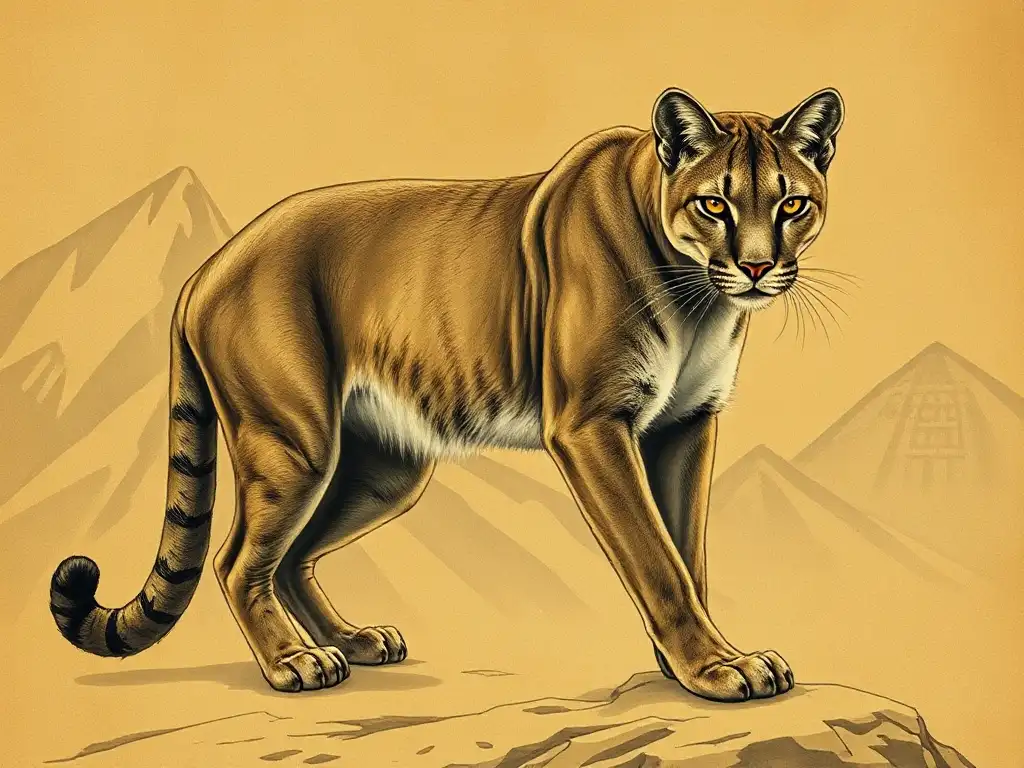
The puma, a powerful feline native to the Andes, holds a significant place in Andean art and mythology. Unlike the condor's association with the sky, the puma is strongly linked to the earth and the earthly realm. Its representation in Andean art is diverse, ranging from realistic depictions to stylized forms, each carrying its own unique symbolic weight.
The puma's powerful presence in Andean culture is reflected in its frequent appearance on textiles, pottery, and metalwork, indicating its importance across various aspects of Andean life. Analyzing these artistic representations provides valuable insights into the Andean understanding of power, strength, and the relationship between humans and the natural world. The puma’s significance varies somewhat depending on the specific Andean culture, but shared themes of power and connection to the earth consistently emerge.
Puma: Symbol of Strength, Power, and the Earthly Realm
The puma's strength, agility, and predatory nature made it a fitting symbol of power and authority in Andean societies. It embodied the raw energy and force of the natural world, representing both the potential for destruction and the capacity for creation. Its association with the kay pacha, the earthly realm, connected it to the fertility of the land and the abundance of resources.
Many depictions of pumas in Andean art show them in dynamic poses, emphasizing their strength and predatory prowess. This artistic emphasis on physical power reinforces the puma’s symbolic significance as a representation of earthly dominance and strength. The inclusion of the puma in ceremonial attire and objects suggests a connection between the animal’s power and the authority of Andean rulers and priests.
The Puma's Representation in Royal and Religious Contexts
The puma's symbolic power is particularly evident in its representation in royal and religious contexts. In many Andean cultures, the puma was associated with royalty and divine power. Rulers often adopted puma imagery to symbolize their authority and legitimacy.
The use of puma motifs in royal regalia, such as headdresses and clothing, reinforced the connection between the ruler and the spiritual power of the animal. Similarly, religious figures often incorporated puma imagery into their rituals and ceremonies, signifying their connection to the earth and its sacred forces. The puma's image was also frequently found on objects related to ritual practices, further emphasizing its crucial role in religious life.
Understanding the puma's representation in these contexts allows for a more comprehensive understanding of Andean power structures and religious beliefs. The detailed study of these artifacts reveals subtle differences in the symbolic meaning of the puma across various Andean cultures and time periods.
The Sun (Inti): The Central Figure in Andean Beliefs
The sun, known as Inti in Quechua, held paramount importance in the cosmology and daily life of Andean civilizations. Far more than a celestial body, Inti represented the source of life, energy, and the very essence of the cosmos. Its daily journey across the sky dictated the agricultural cycle, influencing planting and harvesting times, and shaping the rhythm of life for Andean communities.
The sun's power was deeply intertwined with the concept of Ayni, the principle of reciprocity and balance, highlighting the interconnectedness between humanity and the natural world. Understanding the sun's significance is crucial to deciphering much of Andean art and iconography. Its influence permeated every aspect of society, from religious practices to political structures.
The Inca Empire, for instance, explicitly linked its imperial power to the sun, with the Sapa Inca considered a direct descendant of the solar deity. This divine lineage legitimized the Inca's rule and strengthened their control over the vast empire. The sun's omnipresence ensured its representation in diverse forms across Andean art, reflecting its multifaceted role in Andean culture.
Inti: Source of Life, Energy, and Royal Authority
Inti's role as the source of life is undeniable. The sun's energy fueled agricultural production, the cornerstone of Andean economies. Without the sun's warmth and light, crops would fail, leading to famine and societal collapse. This vital connection fostered a deep reverence for Inti, manifested through elaborate rituals, offerings, and artistic representations.
Beyond sustenance, Inti was also viewed as the source of energy and vitality. It was believed to imbue the land with fertility and empower the people with strength and resilience. This association is reflected in the vibrant colors and dynamic imagery frequently used to depict the sun in Andean art.
Moreover, the sun's association with royal authority established a powerful link between the divine and the earthly realms. Inca rulers, claiming descent from Inti, leveraged this connection to solidify their legitimacy and control. The sun's radiant power mirrored the emperor's absolute authority, reinforcing the idea of a divinely ordained rule.
This symbolic association is evident in royal regalia, architecture, and artistic motifs, where the sun's image was strategically employed to emphasize the Inca's sacred status and power. The careful placement of temples dedicated to the sun and the use of solar imagery in royal palaces underscore this profound connection between earthly power and celestial authority.
The Sun's Depiction in Andean Art and Architecture
The sun's depiction in Andean art is remarkably diverse, reflecting its multifaceted nature. Common representations include anthropomorphic figures with sun rays emanating from their heads or bodies, often adorned with gold or other precious materials. These figures frequently appear in textiles, ceramics, and metalwork, showcasing the sun's importance in various artistic mediums.
The sun's face is also frequently represented with a human-like visage, sometimes adorned with elaborate headdresses and jewelry, reflecting the sun's anthropomorphic qualities in Andean mythology. The stylistic variations in these depictions are considerable, reflecting the differences in artistic traditions across various Andean cultures and time periods. For example, the Moche culture's depictions of the sun often feature dynamic and vibrant colors, contrasting with the more formalized representations found in Inca art.
In architecture, the sun's influence is equally apparent. The orientation of buildings, particularly temples and palaces, often reflects a deliberate alignment with the sun's movement across the sky. This astronomical awareness demonstrates the advanced knowledge of Andean astronomers and their deep understanding of the sun's celestial journey. The precise placement of windows and doorways, designed to capture specific sun rays at particular times of the year, also highlights the profound integration of astronomical knowledge into Andean architecture.
The Machu Picchu citadel, for instance, exemplifies this architectural sensitivity to the sun's trajectory, with its structures strategically positioned to optimize sunlight exposure and create a harmonious relationship between the built environment and the celestial sphere. The careful consideration of solar alignment demonstrates the deep reverence for Inti and its integration into the very fabric of Andean society and its artistic expression. ☀️
Regional Variations in Andean Symbolism
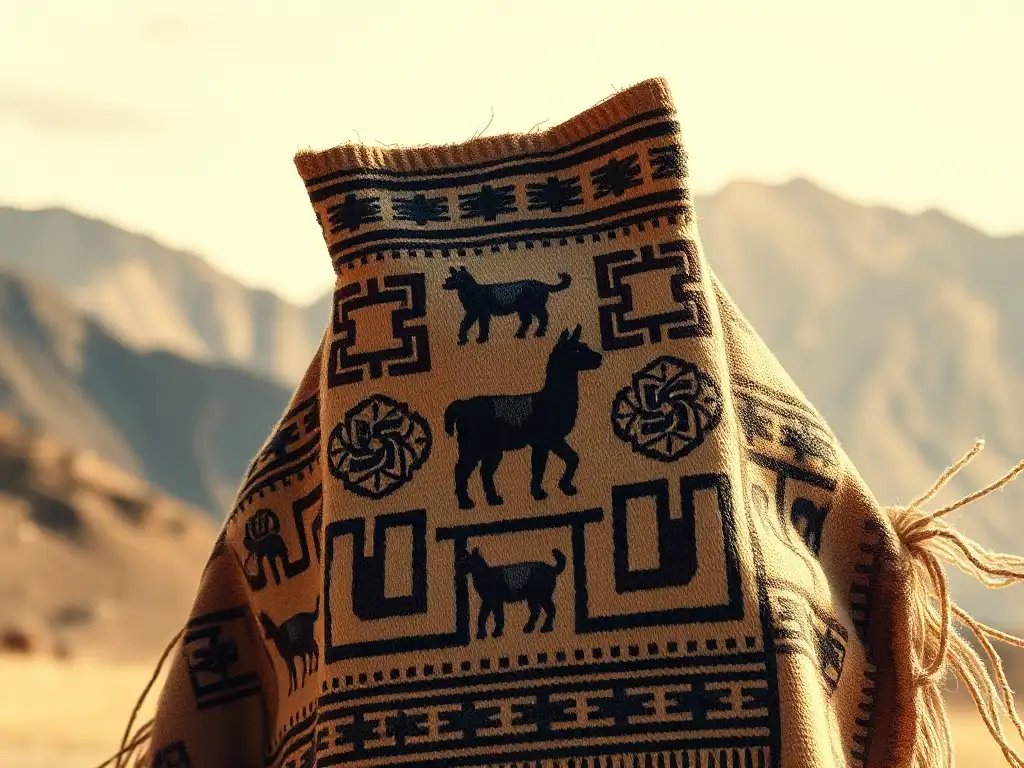
Andean art, spanning millennia and diverse cultures, reveals a complex tapestry of symbolic representations. While certain motifs, like the sun and moon, appear across various Andean societies, their specific meanings and artistic renderings varied significantly depending on the region and culture. Understanding these regional variations is crucial to deciphering the rich messages encoded within Andean art. This section explores the unique symbolic systems of three prominent Andean cultures: the Moche, the Inca, and the Nazca, highlighting the nuances and complexities of their artistic expressions. The diversity of Andean art symbols meaning reflects the rich cultural landscape of the Andes.
Symbolism in Moche Art: The Decapitator God, Ai Apaec, and its Representations
The Moche civilization (c. 100–800 CE), known for its exquisite ceramics and metalwork, developed a sophisticated iconography centered around powerful deities and ritual practices. One of the most striking and enigmatic figures is Ai Apaec, often depicted as a decapitator god, associated with warfare, sacrifice, and possibly fertility. Representations of Ai Apaec vary, but consistently feature a terrifying visage, often with fangs, claws, and a headdress adorned with trophies of war. Sometimes, he's shown wielding a ceremonial knife or club, emphasizing his role as an agent of death and renewal.
The meaning of Ai Apaec remains a subject of ongoing scholarly debate. While some interpret him solely as a god of war and destruction, others suggest a more complex symbolism, encompassing cycles of life and death, the cyclical nature of agriculture, and the power of the Moche elite to control both human and natural resources. The god's frequent portrayal on ceremonial vessels suggests his importance in Moche rituals and ideology.
Detailed analysis of individual depictions, paying close attention to accompanying iconography and the context of discovery, helps refine our understanding of this multifaceted deity. The sheer variety of Ai Apaec representations, from fierce warriors to more subtle, almost human-like figures, highlights the depth and ambiguity within Moche symbolism.
Inca Symbolism: The Royal Tunic Patterns and the Significance of the Suntur
Inca art, while often characterized by its apparent simplicity, contained a wealth of symbolic meaning, particularly evident in textiles and royal regalia. The suntur, a royal tunic, was a powerful symbol of Inca power and authority. Its intricate patterns, woven with meticulous precision, communicated messages of royal lineage, divine legitimacy, and the Inca's mastery over their vast empire.
Common motifs included geometric designs (like khipus knots, which represented numerical data and possibly narrative information), stylized animals (condors, jaguars, representing power and strength), and representations of sacred plants (coca leaves, symbolizing ritual and social life). The colors used also held symbolic value, with specific hues representing different aspects of the Inca worldview. For example, red might signify blood and sacrifice, while yellow symbolized the sun and its life-giving energy.
The arrangement and combination of these motifs on the suntur created a complex visual narrative, conveying a potent message of royal authority and cosmic order. Further research into surviving textiles and archaeological records is needed to fully decode the intricacies of Inca symbolic language.
Nazca Lines and Their Symbolic Interpretations
The Nazca Lines, a series of massive geoglyphs etched into the desert plains of southern Peru, remain one of the most enduring mysteries of Andean archaeology. While their exact purpose is still debated, scholars widely believe they held significant symbolic meaning for the Nazca culture (c. 100 BCE – 800 CE). These colossal figures, often depicting animals and plants, are thought to have been created as part of a complex religious system, possibly linked to astronomical observations, water rituals, or ancestor veneration.
The Hummingbird, Spider, and Monkey Geoglyphs and Their Potential Meanings
The Nazca Lines feature an extraordinary array of animal representations. Among the most prominent are the hummingbird, spider, and monkey geoglyphs. The hummingbird, a creature associated with swiftness and agility, likely symbolized the vitality and dynamism of the Nazca worldview.
The spider, with its intricate web, might have represented the interconnectedness of life and the cosmos. The monkey, a creature often associated with mischief and intelligence in many cultures, could represent aspects of shamanism or the spiritual world. The precise meanings remain speculative, but their sheer scale and complexity suggest their importance within Nazca society.
Further research involving advanced surveying techniques, archaeological excavations, and comparative studies of Nazca iconography in other media (like pottery and textiles) can help unravel the intricate symbolic language of these enigmatic geoglyphs. The ongoing study of these lines continues to reveal new insights into the sophisticated worldview of the Nazca people and their understanding of the Andean art symbols meaning.
Tiahuanaco Iconography: The Staff God and the Gateway of the Sun
The Tiahuanaco culture, flourishing in the Bolivian Altiplano between roughly 300 and 1000 CE, left behind a remarkable legacy of monumental architecture and intricate iconography. Understanding their art symbols requires delving into their complex cosmology and religious beliefs. Central to this understanding are two key elements: the Staff God and the Gateway of the Sun.
The Staff God, a recurring motif in Tiahuanaco art, is depicted as a powerful figure often holding a staff or scepter, symbolizing authority and divine power. Representations vary, but he's frequently shown with elaborate headdresses, stylized clothing, and sometimes, feline features, hinting at a connection to the animal world and possibly shamanistic practices. Scholars debate the Staff God's exact identity, with some suggesting he represents a supreme deity, while others propose a more complex interpretation involving multiple deities or aspects of a single god.
The recurring presence of the Staff God in various media, from ceramics to stone carvings, underscores its importance in Tiahuanaco religious life and its role in conveying the culture's worldview. The intricate details of these depictions, including the patterns on the clothing and the specific attributes held, offer valuable clues to deciphering the symbolic language of the Tiahuanaco people.
Further research into the specific materials used in these depictions could also reveal further insights into the meaning and significance of the Staff God. For example, the use of specific types of stone or pigments may indicate a connection to particular rituals or ceremonies.
The Gateway of the Sun, a monumental stone structure at Tiahuanaco, is another prime example of the culture's sophisticated artistry and symbolic language. This massive gateway, adorned with intricate reliefs, is believed to have served a ceremonial purpose, possibly marking an entrance to a sacred precinct. The central figure, often interpreted as the Staff God, is surrounded by smaller figures and intricate geometric patterns. These patterns, including stepped pyramids and stylized animals, are thought to represent cosmological concepts, possibly reflecting the Tiahuanaco understanding of the universe and their place within it.
The Gateway's symbolism is complex and multi-layered, with interpretations varying among scholars. Some researchers suggest that the figures and patterns depict a calendar system or a narrative of creation, while others focus on the astronomical alignments of the structure and its possible function as an observatory. The meticulous craftsmanship and the sheer scale of the Gateway of the Sun highlight the advanced engineering and artistic skills of the Tiahuanaco people and emphasize the profound significance of their symbolic representations.
Careful analysis of the Gateway’s carvings, combining iconographic interpretation with astronomical data, offers a promising avenue for further uncovering the mysteries of Andean art symbols and the Tiahuanaco worldview. The weathering of the stone and the potential loss of details over time pose challenges to a complete understanding; however, ongoing research and technological advancements are constantly improving our ability to decipher these ancient messages. The ongoing study of Andean art symbols, particularly those found in Tiahuanaco, continues to unveil new layers of meaning and complexity, refining our understanding of this fascinating civilization.
Understanding the Context of Andean Art Symbols
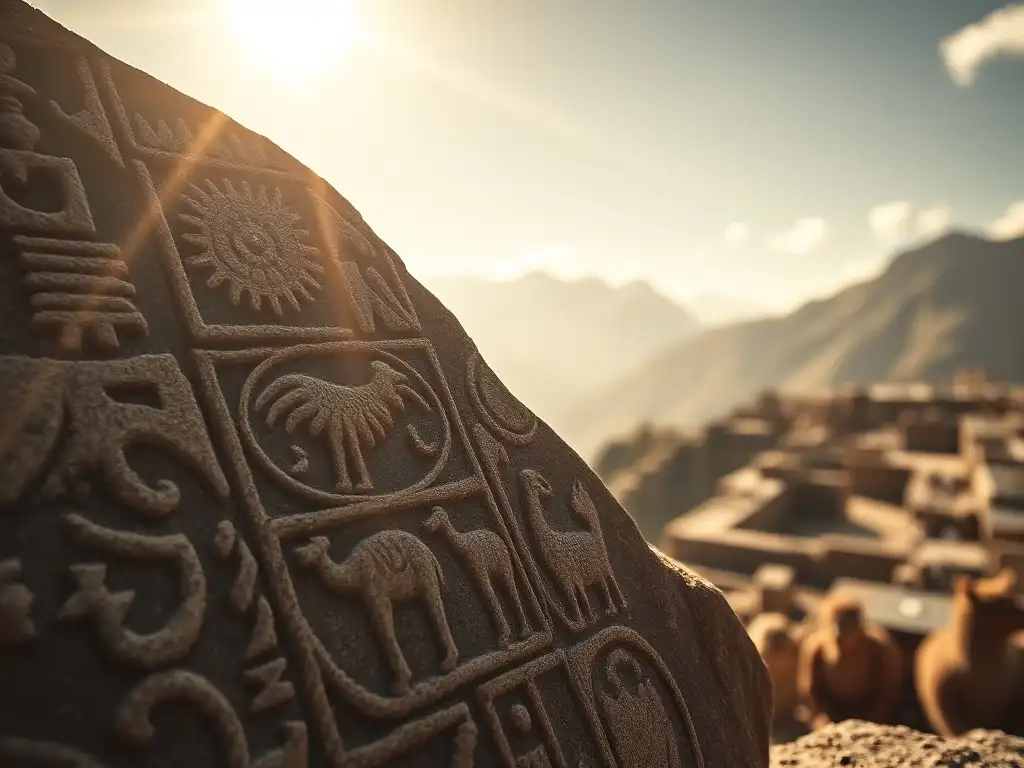
Understanding Andean art symbols requires moving beyond a simple decoding of individual images. We need to appreciate the complex interplay of religious beliefs, social structures, and artistic practices that shaped their creation and meaning. The symbols weren't merely decorative; they were powerful tools used to communicate complex ideas, convey social status, and reinforce religious narratives. This section delves into the interwoven tapestry of these factors, revealing the rich context in which these symbols flourished.
The Interplay of Religion, Society, and Art
Andean art wasn't created in a vacuum. Religious beliefs deeply influenced artistic expression. The Andean worldview, characterized by a profound connection to the natural world and a pantheon of deities, permeated every aspect of life, including art.
For instance, the frequent depiction of condors, jaguars, and snakes reflects not just observation of nature, but also the symbolic power attributed to these animals within their cosmology. Condors, often associated with the sun and high altitudes, represented power and royalty, while snakes symbolized fertility and the underworld. The meaning of an Andean art symbol, therefore, is often inextricably linked to its religious significance.
Furthermore, social structures played a significant role. The elite classes, such as Inca royalty or Moche priests, commissioned elaborate artwork to display their power and status. Specific symbols, like intricate geometric patterns or representations of royal insignia, served as markers of social hierarchy. The use of certain materials, such as gold or precious stones, further emphasized the social standing of the artwork's owner. Analyzing Andean art symbols thus requires considering their social context and the message they conveyed about power dynamics within the society.
Analyzing the techniques used in creating the artwork also offers valuable insights. The meticulous detail found in Nazca pottery, for example, speaks to the skilled artisans and the value placed on their craft. The choice of materials, the level of artistry, and the context of discovery all contribute to a fuller understanding of the symbols' meaning and their place within Andean society. The intricate weaving techniques used to create textiles, for example, often incorporated symbolic patterns that conveyed specific messages, reflecting the social and religious importance of the textile itself.
How Andean Symbols Reflect Their Worldview
Andean art symbols provide a fascinating window into the worldview of these ancient cultures. Their cosmology, a complex system of beliefs about the universe and their place within it, is vividly expressed through recurring motifs and symbolic representations. The emphasis on duality, for instance, is frequently reflected in the use of paired images, representing the balance between opposing forces such as life and death, light and darkness, male and female. This duality is not a conflict, but rather a fundamental aspect of their understanding of the cosmos.
The importance of agriculture is another key element reflected in Andean art. Symbols representing maize, potatoes, and other crops frequently appear, highlighting their central role in Andean life. These weren't merely depictions of food; they were symbols of fertility, abundance, and the cyclical nature of life and death, intimately connected to the agricultural calendar and the rhythms of the Andean landscape. Depictions of agricultural deities and ceremonies further underscore the vital role of agriculture in their worldview.
Furthermore, the Andean worldview emphasizes a deep connection to the natural world. Mountains, rivers, and celestial bodies are not merely geographical features but powerful entities that exert influence on human life. The frequent depiction of these elements in Andean art reflects their profound respect for and understanding of the natural environment.
The apus, or mountain spirits, for example, were considered sacred beings, and their representation in art reflects their importance in Andean spiritual life. The intricate representations of celestial events, such as solstices and equinoxes, further demonstrate their keen observation and understanding of the cosmos, and their attempt to connect the human realm with the divine. Understanding these connections is crucial to deciphering the full meaning of Andean art symbols meaning.
Conclusion: The Enduring Legacy of Andean Art Symbols
The intricate world of Andean art symbols offers a captivating glimpse into the beliefs, values, and daily lives of ancient Andean societies. From the soaring condors of the Inca to the stylized feline figures of the Moche, these symbols weren't merely decorative elements; they were powerful vehicles of communication, conveying complex narratives and spiritual meanings across generations. Understanding their significance allows us to connect with the rich tapestry of Andean culture in a profound way, appreciating the ingenuity and artistic prowess of these remarkable civilizations.
The enduring legacy of these symbols is evident in their continued presence in contemporary Andean art and culture, a testament to their enduring power and relevance. Analyzing these symbols provides invaluable insights into the sophisticated social structures, religious practices, and cosmological beliefs that shaped Andean societies.
The persistence of these motifs highlights the enduring connection between the past and the present, reminding us of the richness and complexity of Andean heritage. Further research and analysis are crucial to fully unlock the secrets embedded within these captivating visual expressions.
Appreciating the Depth and Complexity of Andean Iconography
The depth and complexity of Andean iconography are truly remarkable. A single symbol, seemingly simple at first glance, can hold multiple layers of meaning, reflecting diverse aspects of Andean cosmology and worldview. For instance, the recurring motif of the serpent in various Andean cultures—from the Nazca lines to Inca textiles—might represent both fertility and underworld deities, showcasing the interconnectedness of life and death in their belief systems.
Similarly, the use of color was not arbitrary; specific hues were associated with particular deities or concepts. Red, for example, often represented blood, sacrifice, and the sun, while yellow symbolized gold, wealth, and royalty. Understanding the nuances of color symbolism adds another layer of interpretation to the meaning of Andean art symbols, enriching our understanding of the cultural context.
Careful examination reveals a sophisticated system of visual communication, far more nuanced than initially apparent. The subtle variations in style and execution across different cultures and time periods further demonstrate the dynamic nature of Andean artistic expression and its adaptability to changing social and environmental contexts. The meticulous detail and artistry involved in creating these symbols speaks volumes about the skill and dedication of the artisans who crafted them.
Further Exploration of Andean Art and its Symbolism
Further exploration of Andean art and its symbolism requires a multidisciplinary approach, integrating archaeological evidence, ethnographic studies, and art historical analysis. This interdisciplinary lens allows for a more comprehensive understanding of the context in which these symbols were created and used. Consider, for example, the potential significance of specific locations where artifacts bearing certain symbols were discovered.
Such contextual information can provide crucial clues to the meaning and function of the symbols within specific rituals or ceremonies. Additionally, studying the evolution of these symbols over time provides insights into the changing beliefs and practices of Andean societies. Analyzing the stylistic variations across different regions and periods reveals a complex interplay of cultural exchange and innovation.
Furthermore, engaging with contemporary Andean communities and their interpretations of these ancient symbols can provide valuable perspectives, bridging the gap between past and present. By embracing this holistic approach, we can continue to unravel the rich tapestry of meaning embedded within Andean art and contribute to a more complete understanding of these fascinating civilizations. The ongoing research and discovery in this field promise to further illuminate the significance of Andean art symbols, enriching our appreciation for this remarkable cultural legacy.
Frequently Asked Questions
What is the significance of Andean art symbols?
Andean art symbols held deep spiritual and cultural meaning for the civilizations that created them. They often represented deities, animals, plants, and celestial bodies, reflecting their worldview and beliefs. Understanding these symbols provides insight into their complex societies.
How did Andean artists create their art?
Andean artists used a variety of techniques and materials, including textiles, pottery, metalwork, and stone carving. They employed sophisticated methods to create intricate designs and vibrant colors, showcasing their mastery of craft. Many techniques are still studied today.
What are some common Andean art symbols and their meanings?
Common symbols include the condor (representing power and strength), the llama (representing wealth and fertility), and various geometric patterns (representing celestial bodies or abstract concepts). The specific meaning varied across different cultures and time periods.
Where can I learn more about Andean art symbols and their meanings?
You can explore museums and archaeological sites showcasing Andean artifacts, consult academic books and journals, and delve into online resources and databases. Many reputable sources offer detailed information and imagery.
How does understanding Andean art symbols help us understand their culture?
By understanding the symbols and their context, we gain insights into the beliefs, values, and social structures of Andean civilizations. The art offers a crucial window into their rich and complex cultural heritage.
Final Reflection: The Enduring Legacy of Andean Symbols
The vibrant tapestry of Andean art, rich with symbolic meaning, continues to resonate deeply in our modern world. Understanding these symbols isn't just an academic exercise; it's a key to unlocking a profound cultural heritage and appreciating the enduring power of artistic expression across time and space. These intricate designs, far from being mere decorations, offer a window into the beliefs, values, and spiritual life of ancient Andean civilizations.
The influence of Andean art symbols extends far beyond museums and academic texts; they permeate contemporary art, fashion, and even spiritual practices. Their enduring appeal speaks to a universal human need for connection to something larger than ourselves, a yearning for meaning and understanding that transcends geographical boundaries. Art washes away from the soul the dust of everyday life.
– Pablo Picasso. This quote, while not directly about Andean art, perfectly captures the cleansing and enriching power of engaging with these ancient symbols, allowing us to connect with a rich history and find inspiration in their enduring beauty.
Now, consider the symbols you've encountered throughout this guide. What resonated most with you? Which designs sparked your curiosity and ignited a deeper appreciation for the ingenuity and spiritual depth of Andean cultures? Take this knowledge and apply it to your own life. Seek out opportunities to engage with Andean art in person, explore the deeper meanings behind the symbols, and share your newfound understanding with others. Let the enduring legacy of these powerful images inspire your own creative journey and deepen your connection to the rich tapestry of human history.
Unveil the Mysteries of Andean Art!
Thank you for exploring the fascinating world of Andean art symbols with us! We hope you've gained valuable insights into the rich history and cultural significance of these beautiful representations. Now, let's take your appreciation of Andean art to the next level!
Here are a few exciting ways to continue your journey:
- Dive Deeper: Explore local museums and online galleries showcasing Andean art. Consider attending guided tours or lectures to further enrich your understanding.
- Share Your Knowledge: Discuss your newfound knowledge with friends and family. Share this article on social media to spark engaging conversations about the beauty and significance of Andean culture.
- Create Your Own Artwork: Let your creativity flow! Design a piece inspired by the Andean symbols you've learned about. This hands-on experience will deepen your connection to the culture.
What was the most surprising thing you discovered about Andean art symbols, and how has this new knowledge broadened your perspective on art from other cultures?