
Paracas Textiles: Decoding the Intricate Art of the Desert Weavers

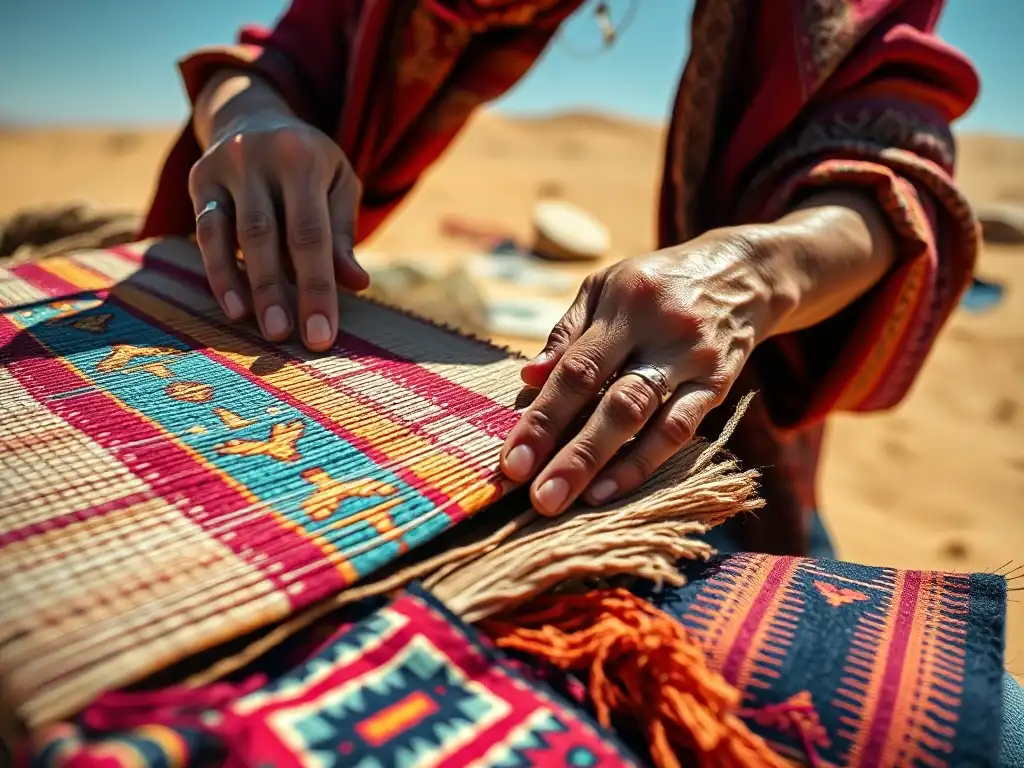
Step into a world lost to time, yet vividly preserved in thread. Imagine the intricate artistry of the ancient Andean civilizations, a tapestry woven with secrets as rich as the land itself. This journey into the heart of Pre-Incan Cultures of the Coast begins with the mesmerizing world of Paracas textile weaving techniques. Discover the ingenuity and symbolism hidden within these extraordinary textiles – a legacy that continues to captivate and confound us centuries later. Dare to unravel the mysteries?
The arid coastal plains of southern Peru, seemingly inhospitable, nurtured one of the most vibrant and enigmatic cultures of pre-Columbian South America: the Paracas. This article delves into the captivating world of Paracas textile weaving techniques, exploring the artistry, innovation, and cultural significance embedded within these extraordinary artifacts. We will unravel the secrets behind their complex designs, masterful techniques, and the enduring legacy they hold within the broader tapestry of Andean civilization.
Examining the unique geographical context and societal importance of textiles will illuminate the remarkable achievements of these desert weavers, showcasing their exceptional skills and providing insight into their beliefs and worldview. Prepare to be amazed by the intricate detail and vibrant colors that continue to captivate researchers and enthusiasts alike, making Paracas textiles a cornerstone of our understanding of Andean textile traditions and a testament to human creativity.
Introduction to Paracas Culture and its Textile Legacy
The Paracas culture flourished on the southern coast of Peru between approximately 800 BCE and 200 BCE. While less well-known than the later Inca empire, the Paracas left an indelible mark on history, primarily through their mastery of textile production. Their intricate textiles, often discovered within their elaborate burial sites, represent a remarkable feat of technical skill and artistic expression.
These textiles weren't merely functional garments; they served as powerful symbols of status, ritual, and spiritual beliefs, reflecting a deep understanding of their world and a sophisticated social hierarchy. The vibrant colors, intricate designs, and advanced weaving techniques employed by Paracas artisans are unparalleled in the pre-Columbian world, making their textile legacy a critical component of understanding their rich culture. The sheer volume and quality of surviving textiles offer an unparalleled window into their daily lives, beliefs, and artistic capabilities.
The Significance of Textiles in Andean Societies
Textiles held profound significance in many Andean societies, including the Paracas. They were far more than clothing; they were integral to social structures, religious practices, and daily life.
- Social Status: The complexity and quality of a textile often indicated the wearer's social standing. Elaborately woven garments, adorned with precious metals and feathers, were reserved for elite members of society.
- Religious Rituals: Textiles played a crucial role in religious ceremonies and rituals. Specific designs and colors were associated with deities and sacred events, making them vital components of spiritual practices.
- Daily Life: Beyond ceremonial use, textiles were essential for everyday needs, providing clothing, blankets, bags, and other necessities. The durability and practicality of Paracas textiles reflect their adaptability to the harsh desert environment.
The meticulous craftsmanship evident in Paracas textiles speaks to the high value placed upon this craft within their society. The time and skill involved in creating these pieces suggest a dedicated and specialized workforce, possibly including guilds or workshops where techniques were passed down through generations.
The Unique Geographical Context of Paracas
The Paracas Peninsula's unique geographical location profoundly influenced their textile production. The arid desert climate presented challenges, but also provided certain advantages. The limited availability of resources, like water and arable land, likely fostered innovation in textile production, pushing artisans to develop efficient and resourceful techniques.
The abundance of cotton, a staple fiber in Paracas textiles, thrived in the coastal valleys, providing a readily available raw material for their intricate creations. Furthermore, the availability of other natural dyes, derived from plants and minerals found in the region, contributed to the vibrant and lasting colors characteristic of Paracas textiles. The harsh environmental conditions also contributed to the preservation of many of the textiles, leading to the remarkable discovery of numerous well-preserved examples today.
Overview of Paracas Textile Art
Paracas textiles are renowned for their exceptional quality, showcasing a wide range of weaving techniques, including:
| Technique | Description | Example |
|---|---|---|
| Warp-faced plain weave | Simple, strong weave, ideal for everyday garments. | Clothing, bags |
| Float weave | Creates patterns by leaving some warp threads loose. | Decorative borders, geometric designs |
| Rep-weaving | Creates complex patterns by interlacing weft threads in different colors. | Detailed figurative representations |
| Embroidery | Adding decorative details using needle and thread. | Adding details to woven pieces |
| Appliqué | Sewing fabric pieces onto a base fabric. | Creating complex designs, adding embellishments |
The iconic imagery found within Paracas textiles often includes:
- Stylized human figures
- Mythological creatures
- Geometric patterns
- Plant and animal motifs
These designs not only demonstrate artistic skill but also offer valuable insights into Paracas cosmology, mythology, and social structures. The use of vibrant colors, including deep reds, blues, and yellows, further enhanced the visual impact of their work, creating textiles that were both functional and visually stunning. The level of detail and precision in these textiles is truly remarkable, showcasing a level of artistry rarely seen in other pre-Columbian cultures. The legacy of Paracas textile weaving techniques continues to inspire and amaze, serving as a testament to the creativity and skill of these ancient Andean artisans.
- What makes Paracas textiles so unique?
- What materials did the Paracas people use for their textiles?
- What are some of the key weaving techniques employed by the Paracas?
- How did the Paracas people create such vibrant colors in their textiles?
- Where can I learn more about Paracas textile weaving techniques?
Unveiling Paracas Textile Weaving Techniques
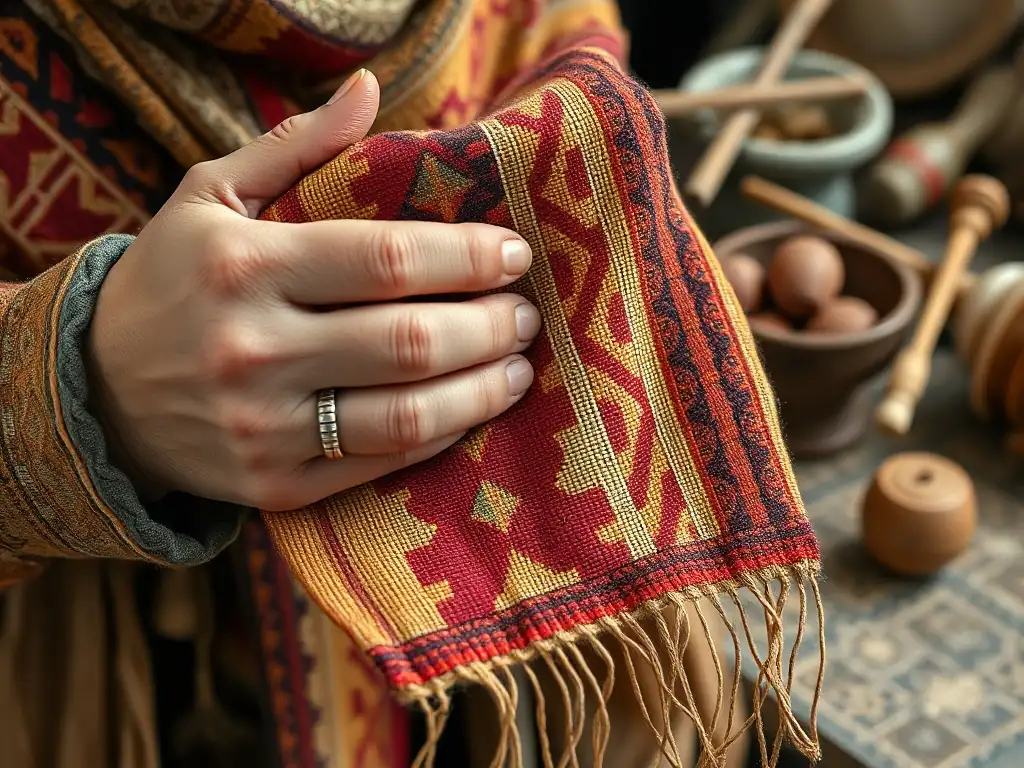
The mastery of the Paracas people in textile production is legendary, leaving behind a legacy of extraordinarily intricate and vibrant textiles. Understanding their weaving techniques requires delving into the materials used, the tools employed, and the sophisticated methods they perfected. This section explores the nuances of Paracas textile weaving techniques, revealing the secrets behind their remarkable artistry. The artistry displayed in Paracas textiles showcases the advanced skills and knowledge of these ancient Andean weavers, who skillfully combined various techniques to create truly unique and enduring pieces.
Analyzing their methods provides valuable insights into their social structures, beliefs, and daily lives. This exploration focuses specifically on the techniques employed, examining the raw materials, weaving methods, and the resulting breathtaking textiles. The keyword phrase "Paracas textile weaving techniques" is central to this analysis.
The Raw Materials of Paracas Textiles
The exceptional quality of Paracas textiles is intrinsically linked to the raw materials employed. These ancient artisans skillfully utilized readily available resources, transforming them into the vibrant and durable fabrics that have survived millennia.
Sourcing and Processing Cotton and Camelid Fibers
Paracas textiles predominantly feature cotton and camelid fibers (alpaca and llama). Cotton, grown in the coastal valleys, provided a soft, absorbent, and readily available material. The processing of cotton involved meticulous steps: harvesting the bolls, removing the seeds, and then carding and spinning the fibers into yarn. Camelid fibers, sourced from the Andean highlands, offered strength and warmth, complementing the cotton.
These fibers underwent similar processing, involving careful cleaning, carding, and spinning to create strong and durable yarns. The precise methods of fiber preparation, including techniques for softening and strengthening the fibers, remain partially undocumented, [specific information pending further research]. However, archeological evidence suggests a high degree of skill and sophistication in these preparatory stages.
Natural Dyes and Pigments: Paracas Color Palette
The vibrant colors of Paracas textiles are a testament to the artisans' mastery of natural dyes and pigments. A wide range of hues, from deep reds and oranges to subtle yellows and greens, were achieved using plant-based dyes. Cochineal insects provided brilliant reds, while various plants yielded yellows, browns, and greens. [Specific plant species used for dyeing pending further research].
The preparation of these dyes would have involved complex processes, likely involving meticulous extraction and preparation. The remarkable longevity of the colors in many surviving textiles points to a sophisticated understanding of dye fixation techniques. The rich palette of Paracas textiles reflects not only their technical expertise but also their deep connection to the natural world. The use of natural dyes is a key aspect of the "Paracas textile weaving techniques".
Fundamental Weaving Methods of Paracas
Paracas weavers employed a variety of sophisticated techniques to create their complex textiles. Their mastery of different weaving methods is a key element in understanding their artistic achievements.
The Backstrap Loom and its Importance
The backstrap loom was the primary tool used by Paracas weavers. This portable loom, consisting of a warp held taut by a backstrap and a heddle, allowed for considerable control and precision. The backstrap loom's portability allowed weavers to work anywhere, potentially explaining the prevalence of weaving activities within the Paracas society. The versatility of the backstrap loom made it suitable for creating a range of textiles, from simple cloths to highly complex tapestries. Its widespread use across various Andean cultures underscores its importance as a fundamental tool in the development of "Paracas textile weaving techniques".
The Techniques of Plain Weave, Tapestry, and Embroidery
Paracas weavers were proficient in several weaving techniques. Plain weave, the simplest technique, formed the basis for many of their textiles. However, they also mastered more complex methods such as tapestry and embroidery. Tapestry weaving involved weaving weft threads across the warp to create intricate pictorial designs.
This technique, combined with their expertise in natural dyes, allowed for the creation of strikingly detailed and colorful textiles. Embroidery added further layers of complexity and ornamentation, often used to embellish already woven fabrics. The skillful combination of these techniques, along with the use of various fiber types and colors, contributed to the unique characteristics of "Paracas textile weaving techniques". The level of detail and precision found in Paracas textiles speaks volumes about the skill and dedication of the artisans.
Advanced Paracas Textile Techniques
The Paracas culture, flourishing on the southern coast of Peru from approximately 800 BCE to 100 CE, achieved remarkable mastery in textile production. Their weaving techniques surpassed those of their contemporaries, demonstrating an advanced understanding of fiber manipulation and design. This expertise wasn't simply a matter of creating functional textiles; it was a sophisticated art form deeply intertwined with their religious beliefs and social structures.
The complexity of their work is evident in the intricate designs, vibrant colors, and the sheer variety of techniques employed. The precision and skill involved in creating these textiles suggest a highly specialized workforce, potentially involving apprenticeships and generations of passed-down knowledge. Furthermore, the sheer volume of textiles discovered in Paracas tombs highlights the importance of these woven goods in their society, indicating a significant investment of time, resources, and expertise.
The advanced techniques employed were not only aesthetically impressive but also practical, creating textiles that were durable and resilient to the harsh coastal environment. The legacy of Paracas textile techniques continues to inspire awe and admiration, influencing modern textile artists and researchers alike.
Double Cloth Weaving in Paracas Textiles
Double cloth weaving, a technique requiring significant skill and precision, was frequently employed by Paracas artisans. This method involves creating two separate layers of fabric simultaneously, often with contrasting colors or designs. These layers are interlocked at specific points, creating a three-dimensional effect and adding depth and texture to the finished textile.
Paracas weavers used this technique to create intricate patterns and images, often depicting mythological creatures, deities, and scenes from their daily life. The precision required to maintain the alignment of the two layers throughout the weaving process is remarkable, showcasing the high level of skill possessed by Paracas weavers. Examples of double cloth weaving in Paracas textiles include mantles, tunics, and burial shrouds, emphasizing the technique's versatility and its importance in various aspects of Paracas society.
Analyzing these textiles reveals not only the technical skill but also the artistic vision of the weavers, who skillfully manipulated the interplay of color and texture to create visually stunning pieces. The use of double cloth weaving demonstrates the Paracas' commitment to innovation and their ability to push the boundaries of textile production.
Gauze Weaving and its Intricate Patterns
Gauze weaving, another sophisticated technique mastered by the Paracas, involves creating a lightweight, openwork fabric by twisting together warp and weft threads. This technique allowed Paracas weavers to create incredibly delicate and intricate patterns, often featuring geometric designs and stylized representations of flora and fauna. The transparency of the gauze allowed for layering, creating a depth of design and visual complexity not possible with other weaving techniques.
The fine control required to produce even, consistent gauze fabrics demonstrates the weavers' deep understanding of fiber properties and their ability to manipulate threads with remarkable precision. The use of gauze in Paracas textiles reflects a sophisticated approach to textile design, pushing the boundaries of technical skill and aesthetic expression.
Many examples of Paracas gauze textiles survive, showcasing the resilience and durability of this seemingly delicate fabric, a testament to the quality of the materials and craftsmanship. The intricate patterns found in these textiles often served symbolic or ritualistic purposes, hinting at the deep cultural significance of the textiles themselves.
The Use of Supplementary Weft Techniques
Supplementary weft techniques, which involve adding extra weft threads to create patterns or designs on top of the main fabric structure, represent another significant achievement in Paracas textile production. These techniques allowed the weavers to incorporate intricate pictorial representations, geometric motifs, and complex designs into their textiles. The skill needed to seamlessly integrate these supplementary weft threads without compromising the overall structure of the fabric is exceptional.
The use of multiple colors and textures in supplementary weft techniques further enhanced the visual complexity and artistic expression of the textiles. The careful planning and execution involved suggest a deep understanding of both the technical aspects of weaving and the artistic vision of the creator. Examples of supplementary weft techniques in Paracas textiles include the incorporation of intricate figurative designs within larger textile pieces, demonstrating the weavers' ability to blend technical skill with artistic creativity.
This technique highlights the Paracas mastery of textile production, pushing the boundaries of both technical expertise and aesthetic innovation. The surviving examples of Paracas textiles using supplementary weft techniques offer a fascinating glimpse into the creative spirit and technical ingenuity of these ancient Andean artisans.
The Iconography and Symbolism of Paracas Textile Designs
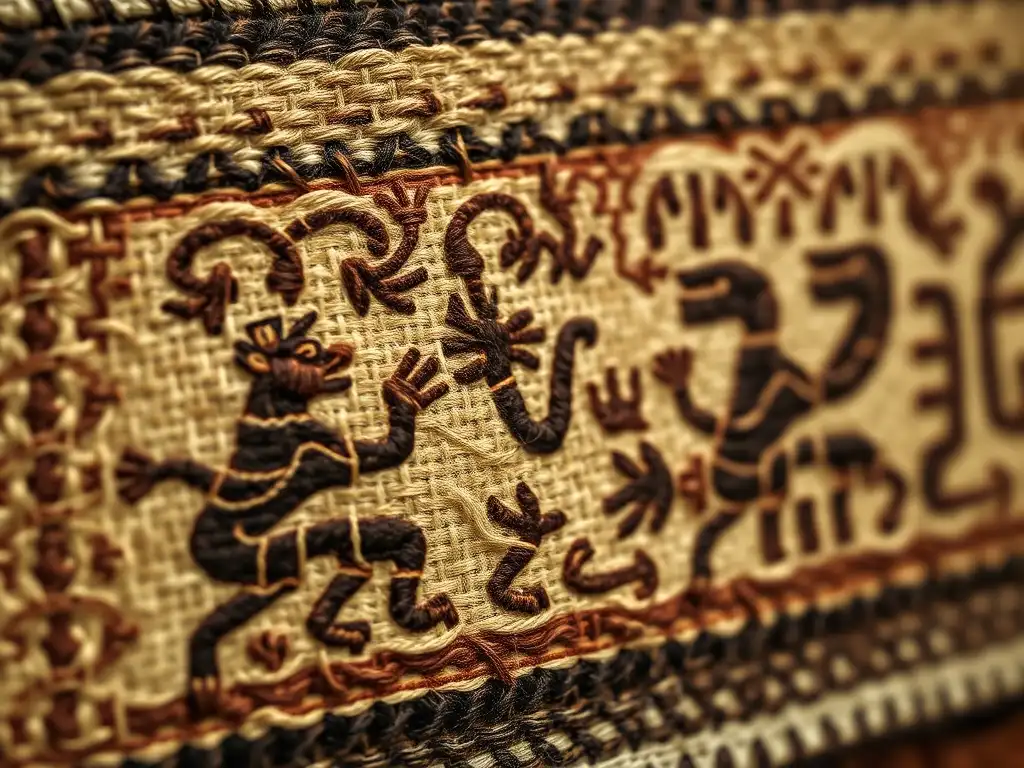
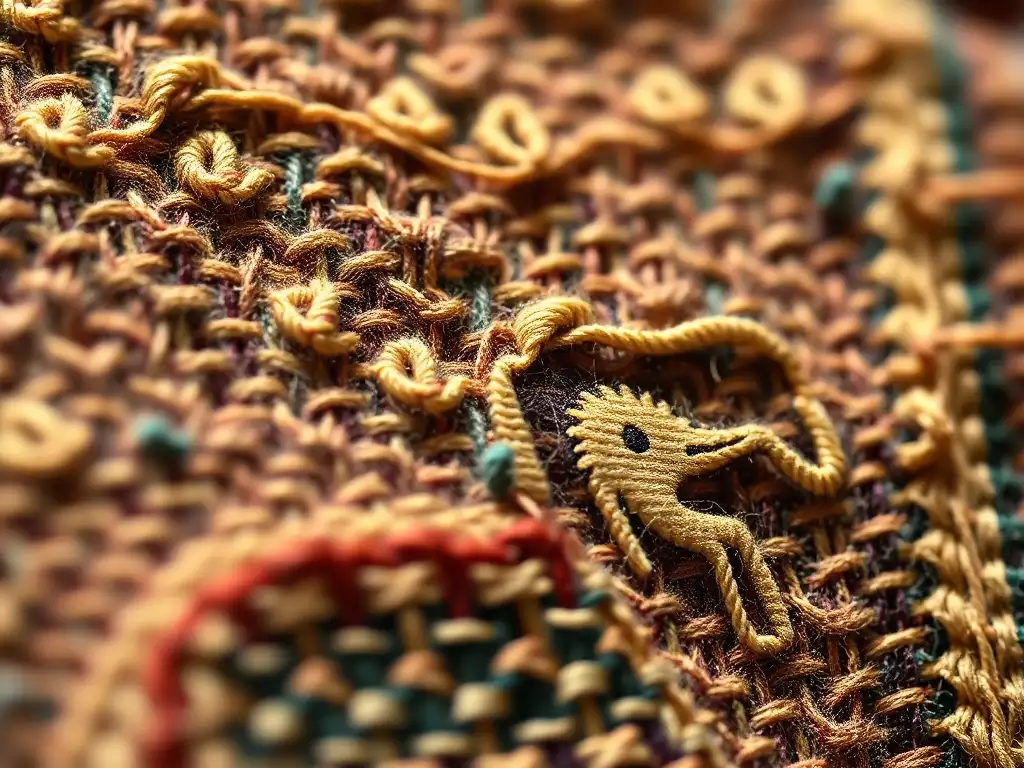
The vibrant and intricate designs adorning Paracas textiles are far more than mere decoration; they are a rich tapestry of symbolic language reflecting the worldview and beliefs of this enigmatic pre-Inca culture. Mastering the Paracas textile weaving techniques allowed them to create stunning works that communicate complex narratives, religious beliefs, and social structures. Understanding this iconography provides invaluable insight into their society. The motifs employed are remarkably consistent across different textile types, suggesting a codified system of visual communication. This section will delve into the key elements of Paracas textile iconography, analyzing their symbolism and potential interpretations.
Decoding Paracas Textile Motifs
The remarkable artistry of Paracas textiles is evident in the diverse range of motifs employed. These motifs are not randomly placed; they are carefully chosen and arranged to convey specific meanings and narratives. We can broadly categorize these motifs into anthropomorphic figures, zoomorphic representations, and geometric patterns, each carrying its own weight of symbolic significance.
Anthropomorphic Figures and Deities
Anthropomorphic figures, representing humans or human-like beings, are frequently depicted in Paracas textiles. These figures often exhibit stylized features, exaggerated proportions, and elaborate headdresses. Some researchers believe these figures represent deities, shamans, or ancestors, playing crucial roles in Paracas religious practices. The specific attributes of these figures – their posture, attire, and accompanying symbols – offer clues to their identity and function within the Paracas worldview.
For example, figures holding staffs or scepters might represent rulers or individuals of high social standing, while those depicted in ritualistic postures could be associated with shamanistic practices or ancestor veneration. Detailed analysis of these figures, often involving comparative studies with other Paracas artifacts, is crucial for a comprehensive understanding of their significance. Further research is needed to definitively link specific figures to specific deities or roles within Paracas society.
Zoomorphic Representations: Birds, Felines, and Serpents
Zoomorphic representations, depicting animals, are another prominent feature of Paracas textile design. Birds, felines, and serpents are particularly common, each carrying symbolic weight within the Paracas cosmology. Birds, often depicted in flight, may symbolize freedom, the spirit world, or the connection between the earthly and celestial realms. Felines, known for their power and agility, might represent strength, hunting prowess, or perhaps even shamanistic abilities.
Serpents, with their association with fertility and transformation, could embody concepts of rebirth, healing, or the cyclical nature of life and death. The detailed rendering of these animals, with their accurate anatomical features and vibrant colors, suggests a deep understanding and appreciation of the natural world. The positioning and interaction of these animals within the textile design further enrich their symbolic meaning. For instance, a bird perched on a serpent might symbolize the interplay between the celestial and terrestrial spheres.
Geometric Patterns and their Symbolic Meanings
In addition to anthropomorphic and zoomorphic motifs, Paracas textiles frequently incorporate intricate geometric patterns. These patterns, often composed of repeating shapes such as triangles, squares, and spirals, are not merely decorative; they are believed to carry symbolic meaning related to the Paracas worldview. Spirals, for instance, might represent the cyclical nature of life, death, and rebirth, while stepped patterns could symbolize the layered structure of the Andean landscape.
The precise meaning of these geometric patterns is still subject to ongoing research and interpretation, but their deliberate and consistent use across various textiles suggests their importance within the Paracas cultural system. Further investigation into the mathematical relationships between these patterns might reveal deeper symbolic layers. Understanding the Paracas textile weaving techniques used to create these complex geometric designs is also key to appreciating the technical skill involved.
The Narrative Power of Paracas Textiles
Beyond their symbolic elements, Paracas textiles also possess a remarkable narrative power. The motifs are not simply isolated elements; they are woven together to create complex visual narratives that tell stories about Paracas life, beliefs, and rituals.
Depictions of Rituals and Ceremonies
Many Paracas textiles depict scenes that seem to represent rituals and ceremonies. These scenes often involve figures in elaborate costumes performing actions that are suggestive of religious or shamanistic practices. Some textiles depict processions, suggesting communal rituals or ceremonies involving large groups of people. The careful arrangement of figures and symbols within these scenes suggests a structured and highly formalized system of religious practices. Further research is needed to fully decipher the specific actions and meanings represented in these ritualistic depictions. The inclusion of specific objects or symbols within these scenes might provide further clues to their interpretation.
The Role of Textiles in Paracas Cosmology
Paracas textiles played a significant role in Paracas cosmology. Their use in funerary contexts suggests a belief in an afterlife and the importance of textiles in facilitating the transition to the next world. The intricate designs and symbolic motifs found on burial textiles suggest a connection between the earthly and spiritual realms.
The careful selection and arrangement of textile designs on burial shrouds and other funerary objects suggest a deliberate attempt to create a symbolic environment for the deceased, ensuring their safe passage to the afterlife. These textiles are thus not only artistic achievements but also essential components of Paracas religious practices.
Paracas Textiles as a Form of Communication
Paracas textiles served as a powerful form of communication, transmitting information and narratives across generations. The consistent use of specific motifs and symbolic elements suggests a shared understanding of meaning within the Paracas community. These textiles were not merely objects of personal adornment or funerary ritual; they were vehicles for conveying complex ideas, beliefs, and social structures.
The longevity and durability of these textiles allowed them to act as a historical record, transmitting knowledge and cultural values across generations. The remarkable preservation of these textiles allows us to continue decoding their intricate messages today, offering a unique window into the rich cultural heritage of the Paracas civilization and their mastery of Paracas textile weaving techniques.
Preservation and Study of Paracas Textiles
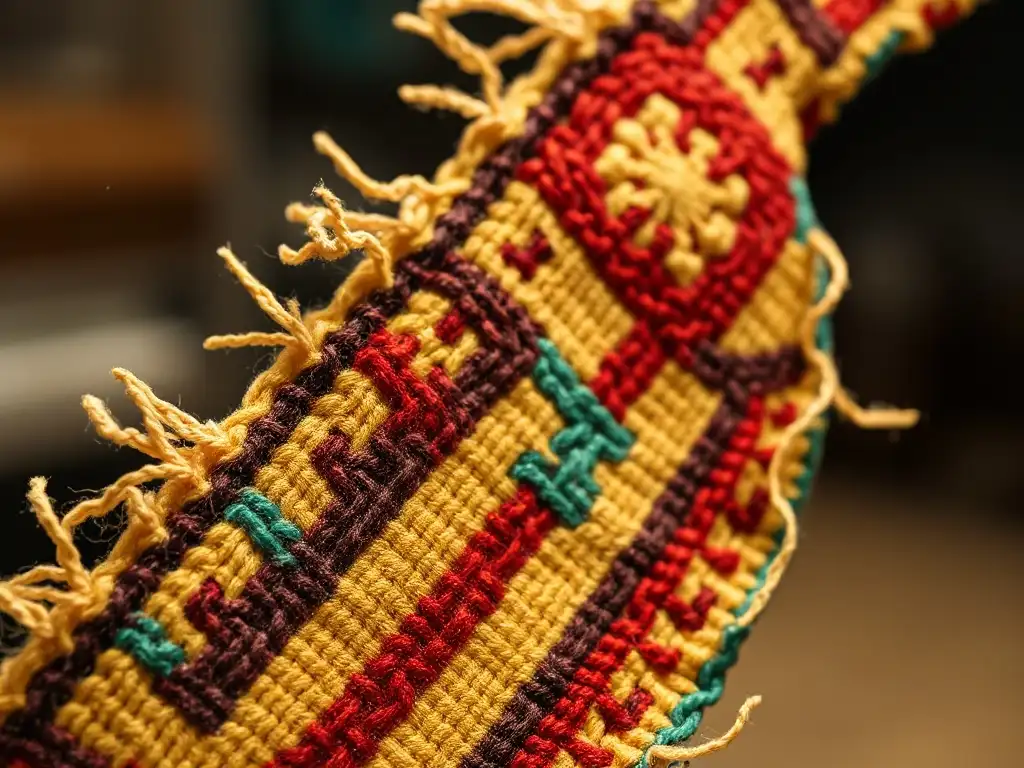
The remarkable artistry of Paracas textiles is only half the story. Understanding their creation requires equally impressive efforts in preservation and scientific study. The fragility of these ancient fabrics, coupled with the harsh desert environment where they were found, presents significant challenges. However, advancements in archaeological techniques and conservation methods have allowed us to glean invaluable insights into the lives, beliefs, and sophisticated textile production techniques of the Paracas people.
This section delves into the complexities of preserving these delicate artifacts and the scientific approaches used to unlock their secrets. The meticulous work of archaeologists and conservators ensures that future generations can appreciate the skill and artistry of these ancient Andean weavers. Understanding the challenges faced in preserving these textiles provides a deeper appreciation for the remarkable achievements of both the Paracas artisans and modern-day researchers dedicated to their study.
The Archaeological Context of Paracas Textile Finds
The arid climate of the southern Peruvian coast has paradoxically aided and hindered the study of Paracas textiles. The dry conditions have prevented the complete decomposition of many organic materials, including the textiles themselves. However, the same conditions can also lead to fragility and degradation over time. Most significant finds are associated with burial sites, providing crucial context for understanding the textiles' social and ritual significance.
The Necropolis of Wari Kayan and its Treasures
The Necropolis of Wari Kayan, a vast Paracas cemetery, stands as a testament to the culture's elaborate burial practices and the importance of textiles within those rituals. Thousands of intricately woven textiles, many in remarkably good condition, have been unearthed here. These finds showcase the diverse range of Paracas textile production, from simple everyday cloths to elaborate funerary garments adorned with complex iconography.
The sheer volume of textiles found at Wari Kayan provides unparalleled data on Paracas textile weaving techniques, color palettes, and design motifs. The discovery and study of these artifacts continue to revolutionize our understanding of Paracas society and their mastery of textile production. The sheer scale of the necropolis highlights the significant investment of time and resources the Paracas people dedicated to their funerary practices and the creation of these elaborate textiles.
The Importance of Radiocarbon Dating
Radiocarbon dating plays a crucial role in establishing the chronology of Paracas textile production. By analyzing organic materials found within or associated with the textiles, researchers can accurately determine the age of the artifacts. This dating helps to create a timeline of stylistic changes and technological advancements in Paracas weaving techniques, providing a clearer picture of the evolution of their textile production over time.
The precision offered by radiocarbon dating allows for a more nuanced understanding of the historical development of Paracas textile art and its relationship to broader cultural changes within the Paracas society. For example, identifying shifts in fiber types or dyeing techniques through radiocarbon dating can reveal trade networks and technological innovations.
Challenges in Preserving Ancient Textiles
Paracas textiles face a myriad of threats, both from the environment and the passage of time. The delicate nature of the fabrics, combined with the effects of light, humidity, and pests, necessitates specialized conservation techniques. These techniques require a deep understanding of the materials used and the chemical processes that affect their stability. The challenge is not merely to preserve the textiles, but also to ensure that any preservation methods do not compromise future study and analysis.
Conservation Techniques for Paracas Fabrics
Conservation of Paracas textiles involves a multi-faceted approach. Careful cleaning is crucial to remove accumulated dirt and debris without damaging the fragile fibers. This often involves gentle dry cleaning techniques or the use of specialized solvents. Stabilization is another key aspect, which may involve the application of consolidants to strengthen weakened fibers and prevent further disintegration.
The choice of conservation techniques depends heavily on the condition of the textile and the specific materials used in its creation. Researchers carefully consider the balance between preserving the artifact for future generations and the potential impact of any intervention on its integrity. Careful documentation of each step in the conservation process is essential for ensuring transparency and allowing for future reassessment.
The Role of Museums and Research Centers
Museums and research centers play a vital role in the long-term preservation and study of Paracas textiles. They provide controlled environments to minimize deterioration, and researchers utilize these facilities to conduct detailed analyses of the textiles' composition, structure, and design. These institutions also serve as repositories of knowledge, making research findings accessible to scholars and the public alike.
The collaboration between museums, research centers, and archaeologists is crucial for ensuring the responsible stewardship of these invaluable cultural heritage artifacts. The ongoing research efforts undertaken by these institutions contribute significantly to our understanding of "Paracas textile weaving techniques," expanding our knowledge of this ancient Andean civilization's sophisticated craftsmanship and artistic achievements. The work continues, with new discoveries and innovative techniques constantly refining our understanding of these remarkable textiles.
Ongoing Research and New Discoveries
Research into Paracas textile weaving techniques continues to evolve, driven by both technological advancements and the ongoing discovery of new artifacts. Modern scientific methods, such as advanced microscopy and fiber analysis, allow researchers to gain unprecedented insights into the dyes, fibers, and weaving techniques employed by Paracas artisans. For example, recent studies using spectral imaging have revealed previously unseen details in the intricate designs, uncovering subtle variations in color and texture that were invisible to the naked eye.
This allows for a more nuanced understanding of the artistic process and the level of skill possessed by these ancient weavers. The analysis of organic materials within the textiles, like the identification of specific plant dyes, also helps reconstruct the ancient Paracas ecosystem and their interaction with their environment.
Furthermore, new archaeological discoveries regularly contribute to our understanding of Paracas textiles. Excavations at various sites along the southern coast of Peru continue to unearth burial bundles containing remarkably well-preserved textiles, offering fresh perspectives on the range of techniques and artistic styles employed. These discoveries often challenge existing theories and expand our knowledge of the evolution of Paracas weaving traditions. The emergence of new textile fragments, sometimes revealing previously undocumented techniques or motifs, necessitates a constant reevaluation and refinement of our understanding of Paracas textile production.
The ongoing nature of these discoveries emphasizes the dynamic and ever-evolving field of Paracas textile studies. Each new find presents a unique opportunity to deepen our appreciation for the ingenuity and artistry of these ancient masters. The ongoing research not only helps us understand the past but also informs contemporary textile arts and inspires new generations of artists and researchers.
The study of Paracas textiles is far from complete; ongoing research promises to unravel even more secrets of these remarkable artifacts and their creators. The combination of advanced scientific techniques and continued archaeological discoveries ensures that the legacy of Paracas textile weaving techniques will continue to fascinate and inspire for years to come. The meticulous work of researchers, archaeologists, and conservators ensures that these fragile yet enduring masterpieces continue to reveal their stories.
Conclusion: The Enduring Legacy of Paracas Textile Art
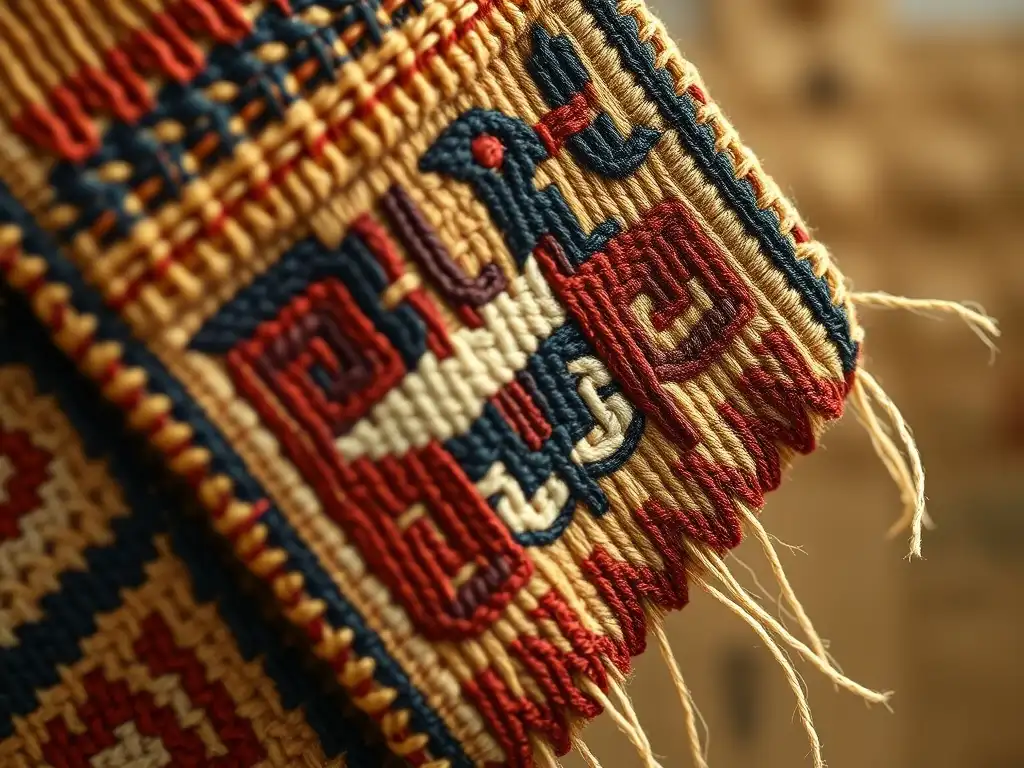
The intricate artistry and innovative techniques employed in Paracas textile weaving left an undeniable mark on Andean textile traditions. Their mastery of complex weaving structures, vibrant color palettes derived from natural dyes, and symbolic iconography continue to inspire awe and admiration centuries later. Understanding Paracas textile weaving techniques provides a crucial lens through which we can appreciate the sophisticated artistic and technological achievements of this pre-Inca culture. The legacy of Paracas weaving extends far beyond its immediate historical context, influencing subsequent Andean textile traditions and offering invaluable insights into the cultural beliefs and practices of ancient Peru.
The Impact of Paracas Weaving on Andean Textile Traditions
Paracas textile weaving techniques significantly impacted subsequent Andean textile traditions, particularly those of the Nazca and Inca cultures. The sophisticated tapestry techniques, such as the use of multiple warps and wefts to create intricate designs, were refined and adapted by later cultures. For example, the Nazca people, known for their geoglyphs, also demonstrated exceptional weaving skills, exhibiting clear stylistic links to the Paracas tradition.
The use of vibrant, natural dyes—a hallmark of Paracas textiles—continued to be a prominent feature of Andean weaving for centuries. Moreover, the symbolic motifs and iconography present in Paracas textiles, often featuring deities, animals, and plants, found echoes in later Andean art forms. Analyzing the evolution of these motifs helps track the transmission of cultural knowledge and beliefs across generations.
The continuity of certain design elements and weaving techniques across different Andean cultures highlights the enduring influence of Paracas artistry. Further research comparing specific techniques, such as the use of interlocking tapestry or the preparation of specific dyes, across different cultural periods could reveal even more specific connections and influences.
Paracas Textiles as a Window into Ancient Andean Beliefs
The iconography woven into Paracas textiles offers a unique window into the cosmology and beliefs of the Paracas people. The recurring motifs, often meticulously detailed, reveal a complex system of symbolic representation. For instance, the frequent depiction of feline figures, such as jaguars and pumas, might signify shamanic power or connection to the spirit world.
Similarly, the representation of stylized birds could symbolize communication with the otherworld or celestial beings. The use of specific colors also likely held symbolic meaning, with certain hues potentially associated with particular deities or rituals. Analysis of these visual narratives, combined with archaeological evidence from Paracas burial sites, can help reconstruct a more complete picture of their religious beliefs and practices.
The detailed nature of these textiles suggests a highly developed system of symbolic communication, where even the smallest detail might carry significant meaning. Further studies focusing on specific motifs and their contextualization within Paracas society would greatly enhance our understanding of their worldview.
Future Directions in Paracas Textile Studies
Future research on Paracas textile weaving techniques should focus on several key areas. Firstly, a more comprehensive analysis of the dyes used in Paracas textiles is needed. Advanced scientific techniques, such as mass spectrometry, can help identify the exact plant and mineral sources of the dyes, providing further insights into trade networks and resource management. Secondly, further investigation into the social organization of Paracas textile production is necessary.
Were there specialized workshops or were textiles produced within households? Analyzing the consistency of techniques and styles across different textiles may shed light on this aspect. Thirdly, exploring the relationship between textile production and other aspects of Paracas culture, such as their funerary practices and social hierarchy, is crucial.
For example, the types of textiles used in elite burials compared to those in commoner burials may indicate social stratification. Finally, the development of more accessible digital resources, such as high-resolution images and detailed online databases of Paracas textiles, would greatly benefit the field, facilitating wider access to this rich artistic heritage. This interdisciplinary approach, combining textile analysis with archaeology, anthropology, and scientific techniques, will undoubtedly unlock further secrets of Paracas weaving and its significance within the broader context of Andean civilization.
Frequently Asked Questions
What makes Paracas textiles so unique?
Paracas textiles are renowned for their exceptional craftsmanship, vibrant colors, and complex iconography. Their intricate weaving techniques, using a variety of fibers and dyes, are unparalleled in Andean art.
What materials did the Paracas people use for their textiles?
The Paracas utilized a range of materials, including cotton, alpaca, and llama wool. They also employed various dyes derived from plants and minerals to achieve a wide spectrum of colors.
What are some of the key weaving techniques employed by the Paracas?
Paracas weavers mastered techniques like tapestry, embroidery, and gauze. They also employed multiple weft techniques to create incredibly detailed and complex designs.
How did the Paracas people create such vibrant colors in their textiles?
The Paracas employed natural dyes derived from plants, insects, and minerals. Their mastery of dyeing techniques allowed them to produce a stunning array of long-lasting, vibrant colors.
Where can I learn more about Paracas textile weaving techniques?
Further research into Paracas textile weaving techniques can be found in academic journals, museum exhibitions focusing on Andean textiles, and books dedicated to ancient Peruvian art and culture. Many online resources also offer detailed information.
Final Reflection: The Enduring Legacy of Paracas Weavers
The intricate artistry of Paracas textiles continues to resonate today, a testament to the ingenuity and cultural depth of a civilization lost to time. These aren't simply ancient artifacts; they are vibrant expressions of a society's beliefs, stories, and unparalleled technical skill in textile production, offering invaluable insights into a complex past that continues to fascinate and inspire. Their techniques, though centuries old, still hold the power to amaze and challenge modern textile artists.
The enduring influence of Paracas weaving extends far beyond the museum walls; it permeates the very fabric of Peruvian cultural identity and continues to inform contemporary artistic expressions. Their innovative techniques, such as the use of pre-Columbian dyes and complex tapestry weaving, remain a source of inspiration for artists and researchers alike. The past is never dead. It's not even past.
- William Faulkner. This quote perfectly encapsulates the ongoing relevance of Paracas textiles; their legacy lives on, shaping our understanding of ancient artistry and influencing creative endeavors today.
Consider the meticulous detail, the vibrant colors, the sheer complexity of these ancient textiles. Now, imagine the dedication and skill required to create such masterpieces using only the simplest of tools. You too can find inspiration in their perseverance and artistry.
Take a moment to appreciate the enduring power of human creativity, and let the legacy of the Paracas weavers inspire you to explore your own creative potential, to find beauty in the details, and to strive for excellence in your own endeavors. Let their story remind you of the power of human ingenuity to transcend time and leave an indelible mark on the world.
**Unveil the Vibrancy of Paracas Textiles Today! **
Thank you for exploring the fascinating world of Paracas textiles! You've discovered the artistry and rich history woven into each intricate piece, and now it's time to deepen your appreciation. Let's put your newfound knowledge into practice!
- **Explore further:** Immerse yourself in the beauty of Paracas textiles by visiting museums or exhibitions showcasing Andean art. Seeing these exquisite pieces up close will truly enhance your understanding.
- **Share your discovery:** Share your enthusiasm for Paracas textiles on social media, inspiring others to learn about this vibrant culture. A captivating image paired with a thoughtful caption can make a real difference.
- **Join a community:** Connect with like-minded individuals online through forums or social media groups dedicated to Andean art and history. Sharing insights and resources with others will expand your knowledge and appreciation.
Which Paracas textile resonates most with you, and why? Share your thoughts—let's celebrate this extraordinary craftsmanship together!