
Aymara Origins: Unraveling the Mysteries of an Ancient Andean Language

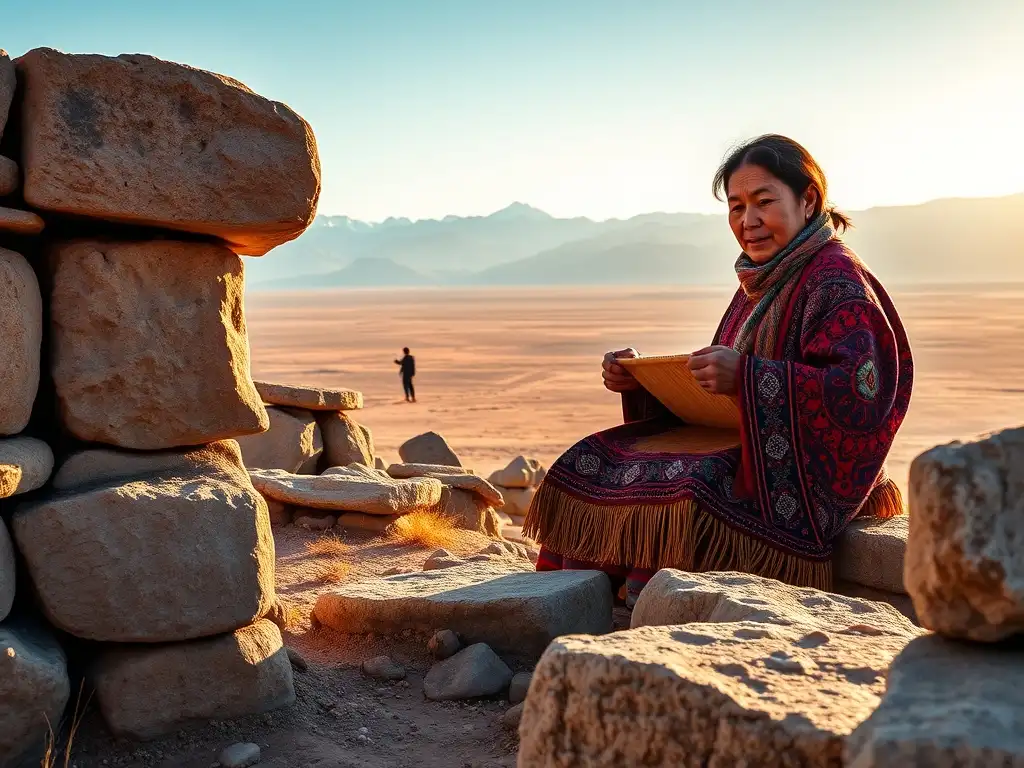
Dive into the enigmatic world of the Andean civilizations! From the towering heights of Machu Picchu to the intricate artistry of the Nazca Lines, a vast and captivating history unfolds. But have you ever pondered the secrets held within the Aymara language? Its origins remain a captivating puzzle, a thread weaving through the rich tapestry of Andean culture. Unravel its mysteries with us – discover the surprising story behind the Aymara language origins and unlock a deeper understanding of this remarkable civilization.
The Aymara language, a vibrant thread in the rich tapestry of Andean cultures, holds a captivating history shrouded in mystery. This article delves into the fascinating quest to unravel the origins of this ancient tongue, exploring its linguistic connections, its evolution through time, and its enduring significance within the cultural landscape of the Andes. Understanding the Aymara language's origins is crucial to appreciating the complex interplay of cultural exchange and societal development that shaped the Andean civilizations.
We will examine various theories, archaeological evidence, and linguistic analyses to shed light on this intriguing subject, ultimately painting a more complete picture of the Aymara people and their remarkable legacy. The journey into the Aymara language's past is not just an academic pursuit; it's a gateway to understanding the resilience and adaptability of a culture that has thrived for centuries.
Linguistic Affiliations and Family Trees
The precise linguistic family to which Aymara belongs remains a subject of ongoing debate among linguists. While it's widely classified as a member of the Aymaran family, the relationship between Aymaran and other language families in South America is far from definitively established. Some theories propose links to other Andean languages, while others suggest more distant connections. The lack of extensive written records from the pre-Columbian era presents a significant challenge in tracing its origins.
However, recent advancements in comparative linguistics and computational methods are providing new insights, allowing researchers to analyze subtle similarities and differences between Aymara and other languages, potentially revealing deeper connections. This ongoing research is crucial for refining our understanding of the Aymara language's place within the broader context of South American linguistic diversity. Detailed analysis of its phonology, morphology, and syntax continues to contribute valuable data to this complex puzzle.
Archaeological Evidence and Cultural Context
Archaeological findings offer crucial clues in piecing together the story of the Aymara language's origins. While direct evidence linking specific artifacts to the language itself is scarce, the discovery of ancient settlements and cultural remains provides context for the language's development. The study of pre-Columbian pottery, textiles, and other artifacts can reveal insights into the cultural practices and social structures of the Aymara-speaking communities.
The geographical distribution of these artifacts also helps to map the historical reach of the language and its potential interactions with neighboring groups. Analyzing the iconography and symbolism present in these artifacts may also provide indirect evidence of linguistic development and cultural transmission. Further research into archaeological sites associated with Aymara settlements is crucial to enriching our understanding of the cultural context in which the language emerged and evolved.
The Influence of Quechua and Other Languages
The Aymara language has undoubtedly been influenced by its contact with other languages throughout its history, most notably Quechua. The prolonged interaction between Aymara and Quechua speakers has resulted in linguistic borrowing and code-switching, blurring the lines between the two languages in some regions. Analyzing the extent and nature of this linguistic interaction is essential to understanding the evolution of Aymara. The identification of loanwords and structural similarities can shed light on the historical relationships between these languages and the dynamics of cultural exchange in the Andean region.
Additionally, the influence of other less prominent languages spoken in the Andes must also be considered. This complex interplay of linguistic influences has undoubtedly shaped the Aymara language into the vibrant and unique form we know today. Further research is needed to fully quantify the influence of each language on Aymara.
Enduring Significance and Modern Aymara
Despite facing challenges such as the dominance of Spanish and Quechua, the Aymara language persists as a vital part of the cultural identity of its speakers. Efforts to revitalize and preserve the Aymara language are crucial for maintaining its cultural heritage. The development of educational resources, the creation of Aymara-language media, and the promotion of bilingualism are all essential components of these efforts.
The continued use of Aymara in daily life, in literature, and in other cultural expressions demonstrates the resilience of the language and its enduring connection to the Aymara people. The ongoing struggle to preserve the Aymara language underscores its importance as a symbol of cultural identity and resistance. This ongoing preservation effort reflects the deep-seated connection between language and cultural identity.
- Linguistic Affiliations and Family Trees
- Archaeological Evidence and Cultural Context
- The Influence of Quechua and Other Languages
- Enduring Significance and Modern Aymara
The Enigma of Aymara Linguistic Roots
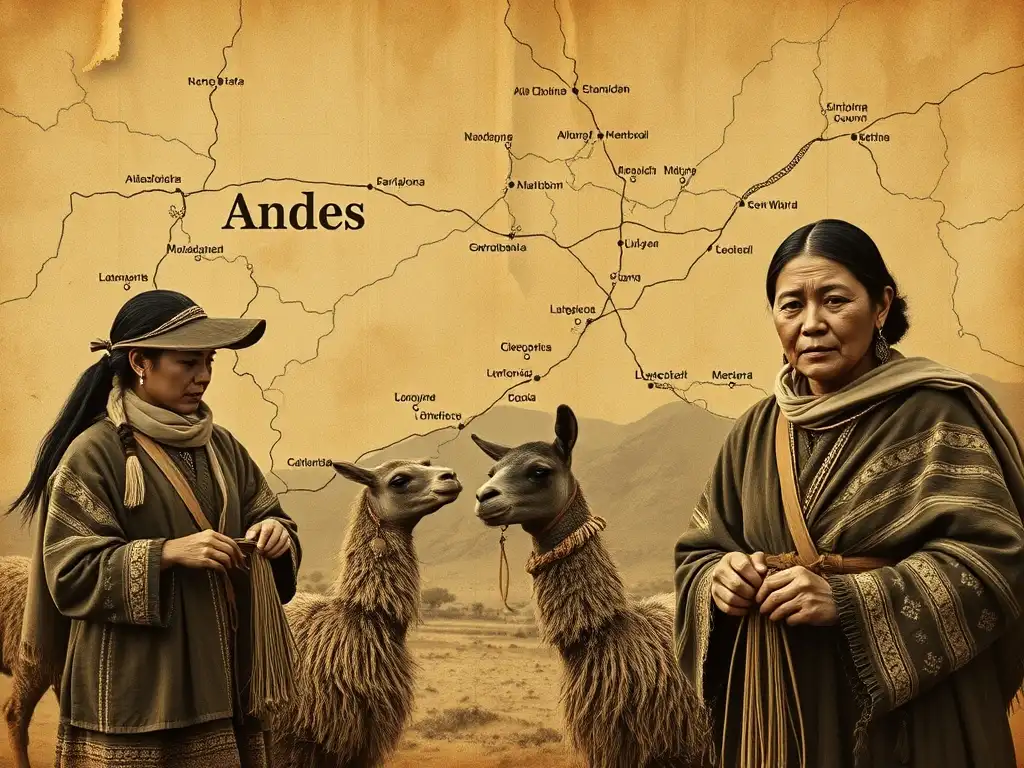
The Aymara language, a vibrant and enduring testament to Andean cultural resilience, presents a fascinating linguistic enigma. Unlike many other languages in the region, its origins remain shrouded in mystery, defying easy categorization within established language families. While its current geographic distribution is primarily across the Altiplano, encompassing parts of Bolivia, Peru, and Chile, pinpointing its precise birthplace and early evolution proves challenging.
The lack of extensive written records before the Spanish conquest significantly hampers research, forcing scholars to rely heavily on comparative linguistics, archaeological evidence, and analysis of related contemporary dialects. The quest to understand the Aymara language origins is a complex puzzle, demanding interdisciplinary approaches to unravel its intricate history.
The scarcity of early textual data necessitates innovative methodologies, including the careful examination of vocabulary, grammatical structures, and phonetic features, searching for potential links to other known language families. This ongoing investigation promises to illuminate not only the linguistic history of Aymara but also the broader cultural tapestry of the Andes.
Tracing the Earliest Forms of the Aymara Language
Reconstructing the earliest forms of Aymara is a daunting task. The absence of ancient written texts leaves researchers reliant on indirect evidence. One crucial approach involves analyzing the internal structure of the language itself. By comparing modern Aymara dialects, linguists seek to identify common ancestral features, tracing back possible evolutionary pathways.
This process, however, is complicated by the significant dialectal variations across the Aymara-speaking region. Some scholars propose that the core vocabulary and grammar may point to an earlier, more unified proto-Aymara, potentially dating back several millennia. However, the exact timeframe and the geographical location of this proto-language remain highly debated.
Further complicating the matter is the influence of other Andean languages, which may have contributed to the current structure of Aymara through processes of borrowing and linguistic contact. The meticulous comparison of vocabulary and grammatical structures across different Aymara dialects, along with a thorough analysis of potential loanwords from neighboring languages, is essential to refining our understanding of its early development. This detailed linguistic archaeology allows us to piece together a more complete picture, although many questions still remain unanswered.
Pre-Columbian Linguistic Landscape of the Andes
Understanding the Aymara language origins requires placing it within the broader context of the pre-Columbian linguistic landscape of the Andes. Before the arrival of the Spanish, a rich tapestry of languages flourished across this diverse region. Many of these languages, unfortunately, are now extinct or exist only in fragmented forms. However, the surviving linguistic diversity offers valuable clues.
The presence of language families like Quechuan, which exhibits some limited similarities to Aymara in certain aspects, necessitates a careful comparative analysis to assess potential relationships. However, these similarities are often superficial, hindering the establishment of a definitive genealogical link. It's essential to acknowledge the complexities of linguistic contact and diffusion in the Andes, which could easily lead to the development of shared features without a direct genetic relationship.
The pre-Columbian Andes witnessed significant population movements and cultural exchanges, which inevitably impacted the evolution of languages. Therefore, discerning the extent to which these interactions shaped the Aymara language requires a nuanced understanding of the socio-cultural dynamics of the time. Further research into the linguistic diversity of the pre-Columbian Andes is crucial to refining our understanding of Aymara's place within this complex linguistic ecosystem.
Divergent Theories on Aymara Language Development
Several competing theories attempt to explain the development of the Aymara language. Some linguists propose a link to other languages within the Andes, suggesting a possible common ancestor, although this remains highly speculative due to the limited evidence. Others argue for a more independent origin, proposing that Aymara developed largely in isolation, evolving its unique characteristics over millennia.
The lack of conclusive evidence makes it difficult to definitively favor one theory over another. Moreover, the possibility of language contact and borrowing from neighboring languages complicates any attempt to trace a clear, linear evolutionary path. The debate is further fueled by the ongoing discovery and analysis of archaeological and linguistic data.
Each new piece of evidence, whether it's a newly discovered inscription or a refined understanding of a particular linguistic feature, can shift the landscape of this ongoing scholarly discussion. The field of Aymara linguistics continues to evolve, with new research methodologies and technologies constantly refining our understanding of this ancient language's origins and development. The mystery of Aymara's linguistic roots remains a compelling challenge for researchers, promising to yield further insights as investigations continue.
Exploring Possible Ancestral Connections of Aymara
The Aymara language, a vibrant thread in the tapestry of Andean cultures, continues to captivate researchers with its intricate linguistic features and enigmatic origins. Pinpointing the precise ancestral connections of Aymara remains a complex task, shrouded in the mists of time and the challenges of reconstructing ancient languages. However, several compelling theories and ongoing research shed light on potential relationships with other language families, both extant and extinct.
Understanding these potential connections provides crucial insights into the broader linguistic landscape of the Andes and the migratory patterns of its ancient inhabitants. The quest to unravel the mysteries of Aymara's origins is a journey through time, fueled by linguistic analysis, archaeological discoveries, and the enduring legacy of the Aymara people themselves.
Aymara and the Jaqi Linguistic Family
The most widely accepted hypothesis posits Aymara as belonging to the Jaqi language family. This family, predominantly located in the Andes region, includes Aymara itself and other closely related languages, such as Jaqaru and Kawki. The Jaqi languages share a significant number of cognates – words with a common etymological origin – suggesting a shared ancestry.
These cognates are not limited to basic vocabulary; they extend to grammatical structures and phonological features, strengthening the hypothesis of a common ancestor. For example, the similar structures for verb conjugation across Jaqi languages provide compelling evidence for their genetic relatedness. However, the exact timeframe of divergence between these languages remains a subject of ongoing debate, with estimates varying considerably depending on the methodologies employed.
Further research, particularly in areas such as historical linguistics and computational phylogenetics, is crucial for refining our understanding of the internal structure and evolutionary history of the Jaqi family and its place within the broader Andean linguistic context. The intricacies of this family's development are a testament to the complexity of language evolution and the challenges of tracing its roots through millennia.
The Debate Surrounding Aymaran and Quechuan Connections
While the Jaqi affiliation is prominent, the relationship between Aymara and Quechua, the dominant Andean language, remains a point of contention. Some researchers suggest a distant genetic relationship, proposing a common ancestor far back in time. This theory is supported by the presence of certain lexical similarities, although these similarities could also be attributed to language contact and borrowing rather than shared ancestry.
The debate is further complicated by the extensive geographical overlap and historical interaction between Aymara and Quechua-speaking communities. This prolonged contact could have led to significant lexical and possibly even grammatical borrowing, obscuring any deeper genetic ties.
The challenge lies in distinguishing between inherited features and borrowed ones, a task requiring careful comparative analysis and a nuanced understanding of the historical dynamics of the Andean region. 🕵️ Sophisticated computational methods, such as Bayesian phylogenetic analyses, are increasingly being used to model language relationships and differentiate between shared ancestry and borrowing, offering new avenues for resolving this ongoing debate.
Examining Potential Links to Extinct Andean Languages
The possibility of links between Aymara and extinct Andean languages adds another layer of complexity to the puzzle. The archaeological record reveals evidence of numerous ancient cultures and languages across the Andes, many of which have left behind only fragmented linguistic traces. Unfortunately, the scarcity of well-preserved textual records and the challenges of interpreting limited archaeological evidence hinder our ability to confidently establish connections.
Nonetheless, ongoing research into pre-Columbian inscriptions and linguistic reconstructions based on archaeological and ethnohistorical data offers glimpses into the potential existence of language families now extinct. Identifying potential cognates between Aymara and these extinct languages would be a significant breakthrough, potentially reshaping our understanding of the ancient linguistic landscape of the Andes.
The discovery of new archaeological sites and the development of more sophisticated analytical techniques hold promise for advancing our knowledge in this area. The quest to connect the dots between modern Aymara and its potential extinct relatives is a testament to the enduring power of linguistic investigation and its capacity to illuminate the past.
The Geographical Diffusion of the Aymara Language
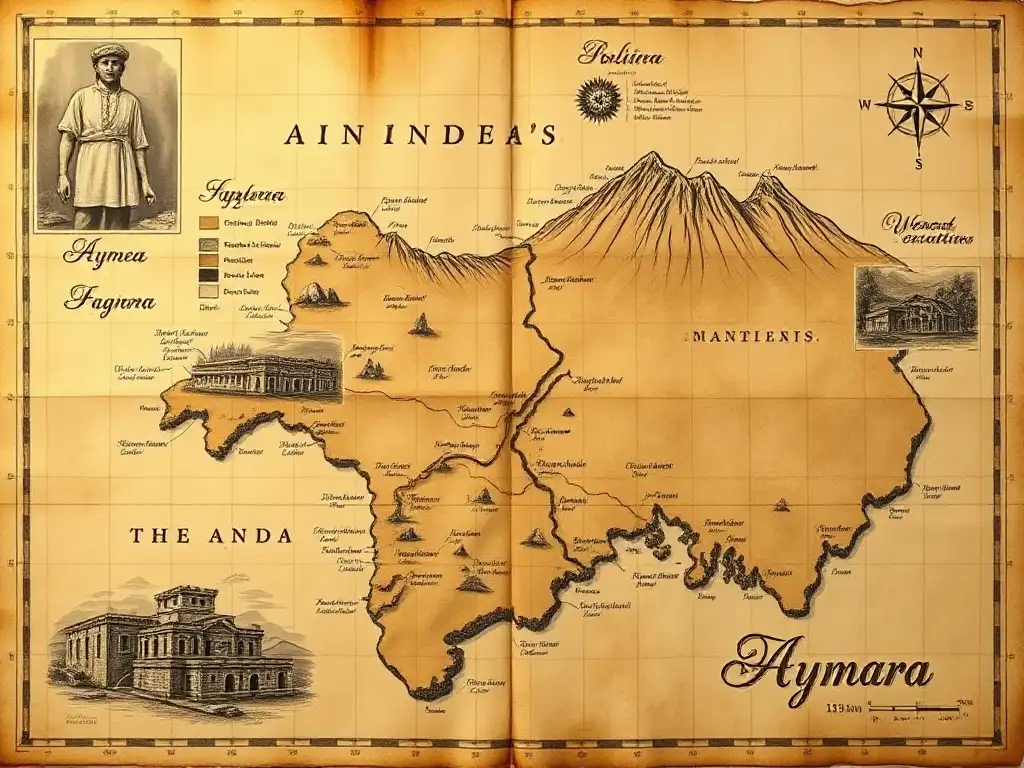
The Aymara language, a vibrant testament to Andean linguistic heritage, boasts a fascinating history of geographical diffusion. Understanding its spread helps us unravel the complexities of Aymara language origins and the movements of its speakers throughout the Andes. The language's current distribution is a result of centuries of migration, conquest, and adaptation, reflecting the dynamic interplay between geography, culture, and politics.
Tracing this diffusion requires examining both historical and contemporary data, revealing a rich tapestry of cultural exchange and linguistic resilience. The Aymara language's journey across the high-altitude landscapes of the Andes is a compelling narrative of human adaptation and cultural transmission.
Aymara Speaking Regions in the Andean Highlands
The core Aymara-speaking regions are nestled within the high Andes, primarily in the Altiplano, a vast plateau characterized by its high elevation and challenging terrain. This challenging environment profoundly shaped the Aymara people's way of life and, consequently, their language's evolution and spread. Historically, Aymara communities were concentrated around fertile valleys and lakeshores, utilizing the limited resources available to create thriving agricultural societies.
These areas provided strategic advantages, facilitating both communication and trade between different groups. The rugged terrain, however, also acted as a natural barrier, limiting the extent of rapid linguistic expansion. The distribution of Aymara speakers wasn't uniform; instead, it followed patterns dictated by resource availability and the accessibility of different regions.
Evidence suggests that certain valleys and lake basins experienced higher population densities and, therefore, a more concentrated presence of Aymara speakers. This uneven distribution is a key factor to consider when studying the Aymara language's geographical spread. Further research into archaeological findings and historical records could provide more precise details on the initial settlements and subsequent migration patterns of Aymara-speaking communities.
The Territorial Expansion of the Aymara Peoples
The territorial expansion of the Aymara peoples significantly influenced the Aymara language's diffusion. While precise dates and details remain a subject of ongoing research, historical accounts suggest that Aymara communities gradually expanded their territory over centuries, interacting with and influencing neighboring groups. This expansion wasn't always peaceful; it often involved conflicts and alliances with other Andean cultures, resulting in both linguistic exchange and competition.
The incorporation of other groups into Aymara-speaking territories contributed to the language's diversification, with regional dialects emerging that reflect the unique history and cultural practices of different communities. Understanding the dynamics of these interactions is crucial for comprehending the full extent of the Aymara language's spread and its current distribution.
Archaeological excavations, linguistic analysis of regional dialects, and the study of historical chronicles are all vital tools for reconstructing this complex history of territorial growth and linguistic adaptation. Specific information regarding the timeline and key events driving Aymara territorial expansion requires further investigation.
Aymara Language Distribution in Modern-Day Bolivia, Peru, and Chile
Today, the Aymara language is primarily spoken in the Andes Mountains of Bolivia, Peru, and Chile. In Bolivia, it holds significant presence in the departments of La Paz, Oruro, and Potosí, forming a substantial part of the country's linguistic landscape. Peru also has sizable Aymara-speaking communities, particularly in the Puno region and surrounding areas.
In Chile, Aymara speakers are concentrated in the northern regions, primarily in the Arica and Parinacota regions. The exact number of Aymara speakers in each country is subject to variation depending on the methodology used in population surveys and the definition of "Aymara speaker". Furthermore, the vitality of the Aymara language varies across these regions, with some areas showing stronger Aymara language maintenance than others.
Factors such as government policies promoting indigenous languages, access to education in Aymara, and the overall socio-economic conditions of Aymara communities all play a significant role in shaping the current distribution and vitality of the language. Detailed demographic data is needed to paint a complete picture of the contemporary Aymara language distribution in each of these Andean nations. The ongoing efforts to revitalize and preserve the Aymara language are essential for ensuring its continued presence in the future.
Cultural and Historical Context of Aymara Language Origins
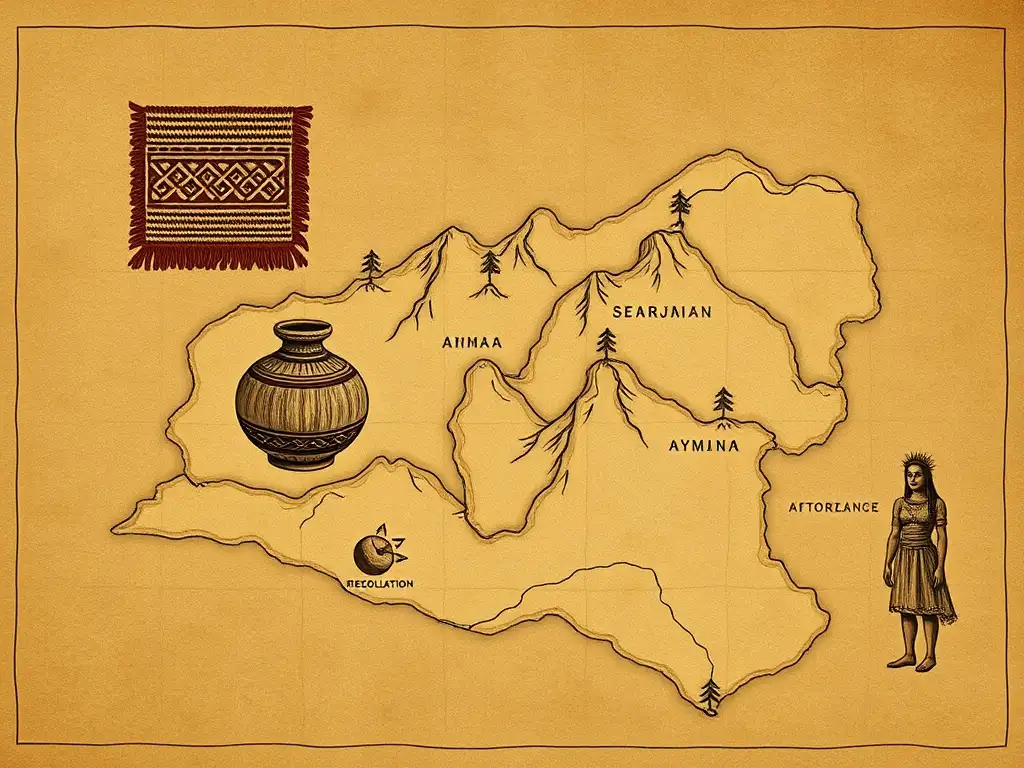
The Aymara language, a vibrant and enduring testament to Andean cultural resilience, boasts a history deeply intertwined with the region's complex social and political landscapes. Understanding its origins requires delving into the rich tapestry of Andean civilizations, their interactions, and the lasting impact on linguistic development. Pinpointing the precise origins of Aymara remains a challenge for linguists, but analyzing its structure and vocabulary, alongside archaeological and historical evidence, offers valuable clues regarding its evolution and the societies that shaped it.
The enduring presence of Aymara, spoken by millions across the Andes, highlights its adaptability and significance as a marker of cultural identity in a region marked by both continuity and change. It's crucial to remember that the Aymara language isn't static; it's a living entity, constantly evolving and reflecting the dynamism of its speakers' lives and experiences.
The Role of the Tiwanaku Civilization in Aymara History
The Tiwanaku civilization (c. 300-1000 CE), a powerful and influential Andean society, holds a significant place in discussions surrounding Aymara language origins. While a direct causal link hasn't been definitively established, many scholars propose a strong correlation between the Tiwanaku's widespread influence and the early development of Aymara. The Tiwanaku's extensive territorial control, sophisticated administrative structures, and complex social organization likely fostered linguistic standardization and communication across a vast area.
Archaeological findings from Tiwanaku sites, though not directly providing linguistic data, offer insights into the cultural context in which the language might have emerged or gained prominence. The presence of similar architectural styles and societal structures across the Tiwanaku empire suggests a possible shared linguistic foundation, contributing to the hypothesis that the language we know as Aymara may have roots in the Tiwanaku period, potentially evolving from earlier proto-Aymara dialects.
Further research, particularly comparative linguistic studies and analysis of pre-Columbian artifacts with potential inscriptions, is needed to solidify this connection. The discovery of new archaeological sites and the advancement of linguistic analysis techniques could provide more concrete evidence in the future.
Aymara Language and its Relationship with Andean Cosmology
The Aymara language is not merely a tool for communication; it's deeply interwoven with the Andean worldview. Its vocabulary is rich with terms describing the intricate relationship between humans and the natural world, reflecting a cosmology centered on the reciprocal exchange between the celestial and terrestrial realms. Words related to agriculture, weather patterns, and the Andean landscape reflect the deep connection between Aymara speakers and their environment.
The language's grammatical structure, including its complex system of suffixes and prefixes, can be interpreted as reflecting the cyclical nature of Andean cosmology, emphasizing the interconnectedness of all things. This inherent connection between language and cosmology suggests that the origins of the Aymara language may be inextricably linked to the development of Andean spiritual beliefs and practices, making the study of Aymara a crucial component of understanding the broader Andean cultural landscape.
Understanding this cosmological dimension is essential to fully grasp the nuances of the language and its evolution. Further research into the semantic fields related to cosmology within Aymara could provide deeper insights into its historical development.
Aymara Oral Traditions and the Transmission of Language
Oral traditions have played, and continue to play, a vital role in the preservation and transmission of the Aymara language. For centuries, before the advent of widespread literacy, stories, songs, and rituals served as the primary vehicles for passing down knowledge, history, and cultural values across generations. These oral traditions, often rich in metaphorical language and symbolic imagery, offer valuable clues to understanding the evolution of the language and its cultural context.
Analyzing the structure and content of these oral narratives can reveal insights into the linguistic changes that have occurred over time, as well as the cultural forces that have shaped the language. The continued practice of oral storytelling in Aymara communities highlights the resilience of the language and its enduring importance as a means of cultural preservation. Documenting and analyzing these oral traditions is crucial for understanding the Aymara language's historical trajectory and ensuring its continued vitality.
This involves working closely with Aymara communities to preserve and interpret their rich oral heritage. Unfortunately, much of this oral tradition remains undocumented, highlighting the urgent need for further research and collaborative efforts to safeguard this invaluable linguistic and cultural legacy. The loss of these oral traditions would represent an irreparable loss to the understanding of Aymara language origins and Andean cultural history.
Key Features of the Aymara Language
The Aymara language, a vibrant testament to the enduring cultural legacy of the Andes, boasts a rich tapestry of linguistic features that set it apart. Understanding these key characteristics is crucial to appreciating its historical significance and its continued relevance in contemporary Andean society. Its unique phonology, grammar, and vocabulary reflect a complex history and adaptation to the challenging Andean environment.
Research into the Aymara language origins continues to unveil fascinating insights into its development and evolution. This section explores the core elements that define the Aymara language, focusing on aspects that contribute to its unique identity and enduring strength.
Phonology and Grammar of Aymara
Aymara's phonology presents a relatively simple structure compared to many other languages, yet it exhibits fascinating complexities. It's characterized by a relatively small inventory of phonemes – the basic units of sound – with a strong emphasis on consonant clusters. For instance, the presence of glottal stops (/ʔ/) significantly influences word pronunciation and meaning. The grammar is agglutinative, meaning that grammatical relations are expressed by adding suffixes to the root word.
This creates highly inflected words, capable of conveying complex information within a single unit. This agglutination, a hallmark of many Andean languages, allows for a high degree of precision and nuance in expression. For example, a single Aymara verb can encode tense, aspect, mood, person, number, and object.
This contrasts sharply with languages like English, which rely more on word order and auxiliary verbs to convey similar information. The study of Aymara grammar provides valuable insights into the cognitive processes underlying language structure and evolution, particularly within the context of Andean linguistic families. Further research is needed to fully understand the intricate interplay of phonological and grammatical features in Aymara, especially concerning its dialectal variations across the Andean region.
Unique Characteristics of Aymara Vocabulary
The vocabulary of Aymara reflects its deep connection to the Andean environment and its rich cultural history. Many words directly relate to the unique flora, fauna, and geography of the Altiplano. For example, Aymara possesses a rich lexicon for describing different varieties of potatoes, reflecting the crucial role of this crop in Andean agriculture. Furthermore, the language contains a wealth of terms related to traditional Andean practices, beliefs, and social structures.
This includes specific terminology for kinship systems, ritual practices, and traditional forms of governance. The preservation of this specialized vocabulary provides invaluable insights into Aymara social organization and worldview. The influence of Quechua, Spanish, and other languages on Aymara vocabulary is also a subject of ongoing investigation.
Determining the extent of this influence and identifying the specific lexical items involved requires further detailed comparative studies. Understanding the unique aspects of Aymara vocabulary is essential for preserving and promoting the cultural heritage associated with the language. Detailed lexicographical work and corpus linguistics are crucial tools in this endeavor.
Aymara Language as a Living Heritage
Despite facing challenges from the dominance of Spanish and other languages, Aymara remains a vibrant and living language, spoken by hundreds of thousands of people across Bolivia, Peru, and Chile. Its survival is a testament to the resilience of Aymara communities and their commitment to preserving their cultural identity. Efforts to revitalize and promote the Aymara language are gaining momentum, fueled by a growing awareness of its importance as a key element of Andean cultural heritage.
These efforts include initiatives focused on language education, the development of Aymara-language media, and the documentation of Aymara oral traditions. The continued use of Aymara in everyday life, its presence in literature and music, and its increasing role in formal education all contribute to its ongoing vitality. However, challenges remain, including the need for greater governmental support for language preservation programs and the development of resources to meet the needs of Aymara speakers across different generations.
The future of Aymara hinges on the continued commitment of its speakers and the broader recognition of its cultural and linguistic significance. The preservation of the Aymara language is not merely a linguistic endeavor; it is a crucial step in safeguarding a rich and diverse cultural heritage. The ongoing research into Aymara language origins is essential to understanding its place within the broader context of Andean linguistic and cultural history.
Challenges in Studying Aymara Language Origins
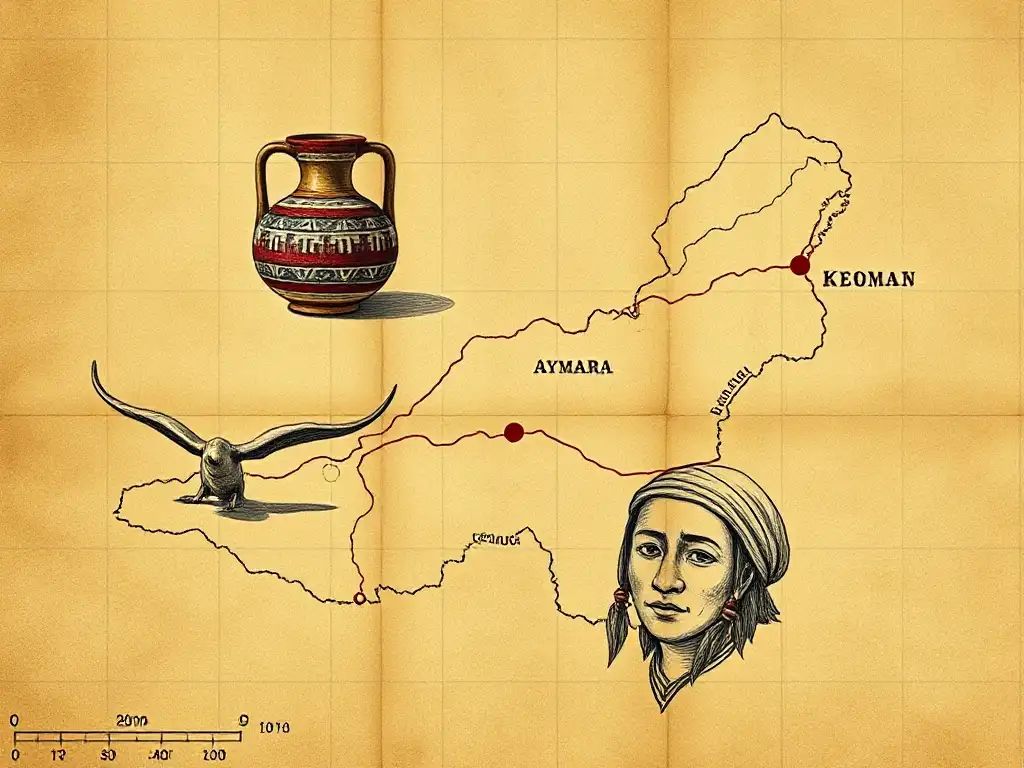
Unraveling the origins of the Aymara language presents significant challenges to linguists and historians. Unlike some other ancient languages with extensive written records, the Aymara language's history is shrouded in relative obscurity, making tracing its roots a complex and demanding endeavor. This lack of readily available historical data necessitates the use of indirect methods and interpretations, leading to various theories and ongoing debates.
The quest to understand Aymara's origins requires meticulous investigation and a careful consideration of multiple perspectives. The scarcity of direct evidence forces researchers to rely heavily on linguistic comparisons and archaeological findings, each with its inherent limitations. The very nature of the investigation contributes to the ongoing fascination and the continuous pursuit of a more complete understanding.
The Scarcity of Historical Records for Aymara
The primary challenge in studying Aymara language origins stems from the limited availability of historical records. Unlike languages like Latin or Greek, which boast vast literary corpora and inscriptions spanning centuries, Aymara's written history is relatively recent. Pre-Columbian Aymara lacked a widespread writing system; therefore, we lack primary sources like texts, inscriptions, or official documents that could directly illuminate the language's earlier forms.
The few existing pre-colonial records are often fragmented, incomplete, or open to various interpretations. This absence of direct textual evidence significantly hinders efforts to reconstruct the language's earlier stages and trace its evolutionary path. The challenge is compounded by the fact that much of the existing oral tradition, while valuable, is prone to changes and interpretations over time.
This lack of substantial written documentation necessitates reliance on indirect methods, making the task of establishing definitive origins a considerable hurdle. The implications of this scarcity are far-reaching, impacting our understanding not just of the language itself, but also of the cultural and societal developments of the Aymara people throughout history.
Linguistic Reconstruction and its Limitations
Linguistic reconstruction, a crucial method in tracing language origins, attempts to recreate ancestral languages by comparing related modern languages. For Aymara, this involves comparing it to other languages in the potentially related families, such as the Jaqi languages. However, the process of linguistic reconstruction for Aymara is fraught with limitations.
The reliability of the reconstruction depends heavily on the accuracy and completeness of the comparative data. The absence of extensive historical records for Aymara makes identifying reliable cognates (words with a common ancestor) difficult, increasing the potential for errors in reconstruction. Furthermore, language change is a complex process, and sound changes, grammatical shifts, and lexical borrowing can obscure relationships between languages over long periods.
These factors introduce uncertainty into the reconstructions, making it challenging to definitively establish the Aymara language's precise origins and affiliations. The results are often presented as hypotheses rather than definitive conclusions, reflecting the inherent limitations of the methodology when applied to languages with limited historical documentation. Ongoing debates among linguists about the classification of Aymara highlight the challenges involved.
The Ongoing Research and Discoveries in Aymara Linguistics
Despite the challenges, research into Aymara language origins continues. Modern linguistic techniques, including computational methods and advanced statistical analysis of language data, are being applied to refine comparative studies and improve the accuracy of linguistic reconstructions. Archaeological discoveries, while not directly providing written Aymara, can offer contextual clues about the language's geographical spread and possible interactions with other language families.
Ethnolinguistic studies, focusing on the Aymara language's internal structure, its dialects, and its relationship to other languages spoken in the Andes, also contribute valuable insights. The ongoing research is gradually illuminating various aspects of Aymara's history, though a complete and definitive picture remains elusive. New findings continually refine our understanding, pushing the boundaries of knowledge and challenging existing theories.
The collaborative efforts of linguists, archaeologists, and anthropologists are crucial in this ongoing quest to unravel the mysteries surrounding the Aymara language's origins. The journey is far from over, and future research promises to reveal further details about this fascinating and complex linguistic heritage.
Aymara Language Today: Resilience and Revitalization
The Aymara language, despite centuries of colonization and societal pressures favoring Spanish and Quechua, continues to demonstrate remarkable resilience. Understanding its current state is crucial to appreciating its ongoing struggle for survival and the efforts dedicated to its preservation. This section will explore the current number of speakers, the initiatives undertaken to promote its use, and the future prospects for this ancient Andean tongue. The enduring presence of Aymara is a testament to the cultural strength and identity it represents for its speakers.
Current Speakers of the Aymara Language
Precise figures regarding the number of Aymara speakers are challenging to obtain due to inconsistencies in census data and the fluid nature of language use. However, estimates suggest a significant population of fluent speakers, primarily concentrated in the Andean regions of Bolivia, Peru, and Chile. While exact numbers remain elusive, [specific information pending on current speaker demographics from reputable sources such as UNESCO or Ethnologue], it's clear that Aymara remains a vital part of the linguistic landscape.
This population is not uniformly distributed; certain rural communities maintain a higher level of Aymara fluency than urban centers, where Spanish often dominates. The age of speakers also plays a significant role; older generations generally exhibit greater fluency, while younger generations often show varying degrees of bilingualism (Aymara and Spanish). This generational shift highlights the need for sustained language revitalization programs.
The continued existence of a substantial Aymara-speaking population, however, proves the language's enduring vitality and its continued importance to Andean cultural identity. Understanding the nuances of this speaker distribution is essential for targeted language preservation efforts.
Efforts to Preserve and Promote Aymara
Numerous initiatives are underway to preserve and promote the Aymara language, recognizing its critical role in maintaining cultural heritage and promoting linguistic diversity. These efforts range from formal educational programs to community-based language immersion projects. Many organizations and governments are actively involved in developing and implementing Aymara language curricula in schools, aiming to integrate it into the formal education system.
This includes the creation of Aymara-language textbooks, teacher training programs, and the development of standardized orthographies. Furthermore, community-based initiatives play a crucial role in fostering Aymara language use outside the formal education system. These initiatives often involve storytelling, traditional song, and community events conducted entirely in Aymara.
The use of technology, such as the development of Aymara language apps and online resources, also contributes significantly to language preservation efforts. These digital tools provide increased accessibility to learning resources and facilitate communication among Aymara speakers across geographical boundaries. The combined efforts of governmental, educational, and community-based organizations are crucial for the long-term survival of the Aymara language.
The Future of Aymara in the Andean Region
The future of the Aymara language hinges on the continued success of ongoing revitalization efforts and the sustained commitment of both speakers and supporting organizations. While challenges remain, particularly in balancing the promotion of Aymara with the realities of globalization and the dominance of Spanish, the prospects for its survival are promising. The resilience demonstrated by the Aymara-speaking communities, coupled with the increasing awareness of the importance of linguistic diversity, suggests a positive trajectory for the language.
However, continued investment in education, community-based programs, and technological advancements are essential to ensure the long-term sustainability of Aymara. The language's rich cultural heritage and its deep connection to the Andean identity provide a strong foundation for its continued growth and evolution. The future of Aymara is not simply about linguistic survival; it's about the preservation of a vibrant cultural heritage and the empowerment of its speakers.
The ongoing efforts to revitalize and promote the Aymara language are a testament to the enduring strength and cultural significance of this ancient Andean tongue. The success of these efforts will determine not only the future of the Aymara language but also a significant part of Andean cultural identity.
Conclusion: Understanding the Legacy of Aymara Language Origins
The journey to understand the origins of the Aymara language has been, and continues to be, a fascinating exploration into the depths of Andean linguistic history. While definitive answers remain elusive, the accumulated research offers compelling insights into the complex interplay of linguistic evolution, cultural exchange, and environmental influences that shaped this vibrant language. Understanding Aymara's origins is not merely an academic exercise; it's crucial for appreciating the rich tapestry of Andean cultural heritage and the resilience of its people.
The enduring presence of Aymara, spoken across vast geographical areas and adapted to diverse contexts, stands as a testament to its inherent strength and the enduring spirit of its speakers. The ongoing efforts to preserve and revitalize the Aymara language are a vital part of safeguarding a significant piece of Andean cultural identity.
The Significance of Aymara to Andean Cultural Identity
Aymara's significance extends far beyond its linguistic features. It acts as a powerful symbol of Andean cultural identity, deeply intertwined with the social fabric, traditions, and worldview of its speakers. The language itself embodies a rich oral tradition, preserving ancient knowledge, stories, and beliefs passed down through generations.
This oral tradition includes intricate narratives, songs, and proverbs that reflect the Aymara people's unique relationship with their environment and their understanding of the cosmos. Furthermore, Aymara plays a vital role in maintaining social cohesion within communities, facilitating communication, and fostering a sense of shared identity. The preservation of the Aymara language is therefore not simply a matter of linguistic preservation but a crucial step in safeguarding a significant aspect of Andean cultural heritage.
Its continued use is a vibrant affirmation of Aymara identity in the face of globalization and linguistic dominance. The language's survival reflects the strength and determination of the Aymara people to maintain their cultural legacy.
The Enduring Mystery of Aymara Origins
Despite considerable research, the precise origins of Aymara remain shrouded in mystery. While linguistic analyses suggest connections to other Andean languages, the exact family relationships and the timeline of its evolution remain subjects of ongoing debate. The lack of extensive written records from the pre-Columbian era complicates efforts to trace the language's history accurately. Furthermore, the complex interplay of migration patterns, cultural contact, and language shift within the Andes makes it challenging to pinpoint a single origin point for Aymara.
The search for definitive answers requires a multidisciplinary approach, combining linguistic analysis with archaeological, anthropological, and historical research. This collaborative effort will help shed light on the intricate processes that shaped the language's development and its enduring presence in the Andean region. The puzzle of Aymara's origins serves as a reminder of the complexities inherent in reconstructing the linguistic history of ancient civilizations.
Future Research Directions for Aymara Linguistics
Future research on Aymara language origins should focus on several key areas. First, a more comprehensive comparative study of Aymara with other Andean languages is needed to refine existing phylogenetic hypotheses. This requires leveraging advanced computational methods and incorporating data from lesser-studied dialects.
Secondly, a deeper investigation into the pre-Columbian history of the Andes through archaeological and anthropological research is crucial to contextualize linguistic findings. This includes the analysis of ancient artifacts, settlement patterns, and cultural practices that could offer clues about language contact and migration. Thirdly, a systematic documentation of existing Aymara dialects is essential to understand the language's internal diversity and its evolution over time.
This includes recording oral traditions, conducting linguistic surveys, and creating comprehensive language corpora. Finally, further research into the sociolinguistic aspects of Aymara is necessary to understand the factors contributing to its vitality and resilience in the face of globalization. By combining these different approaches, future research can significantly enhance our understanding of the Aymara language's fascinating history and its enduring legacy within the Andean cultural landscape.
Frequently Asked Questions
What is the Aymara language?
The Aymara language is a native language of the Andes, primarily spoken in Bolivia and Peru. It boasts a rich history and continues to be spoken by a significant population today.
Where did the Aymara language originate?
Pinpointing the exact origins of Aymara is challenging. However, linguistic evidence suggests a pre-Inca origin in the southern Andes, with its development likely influenced by contact with other Andean languages.
The Aymara language family is considered an isolate, meaning it doesn't have any demonstrably close relatives among other known language families. However, it shows some possible distant connections with other Andean languages through shared vocabulary and grammatical features.
What is the current status of the Aymara language?
Despite facing challenges from dominant languages like Spanish, the Aymara language remains vibrant and actively spoken. Efforts are underway to preserve and promote its use through education and cultural initiatives.
What are some key features of the Aymara language?
Aymara is known for its complex grammatical structure, including agglutinative morphology (adding suffixes to words to express grammatical relations) and a unique phonology (sound system). It also possesses a rich vocabulary reflecting its long history in the Andes.
Final Reflection: Echoes of the Andes: Aymara's Enduring Legacy
The Aymara language, a vibrant thread woven into the rich tapestry of Andean history, continues to resonate powerfully in the 21st century. Its survival, despite centuries of colonization and societal pressures, stands as a testament to the resilience of its speakers and the enduring power of cultural identity. The mysteries surrounding its origins, explored throughout this article, highlight not only the linguistic complexities of the Andes but also the broader human story of adaptation, innovation, and cultural transmission.
The Aymara language, far from being a relic of the past, is a living testament to the enduring strength of indigenous cultures. Its continued use, particularly in the face of globalization, speaks volumes about the importance of linguistic diversity and the inherent value of preserving ancestral knowledge. Language is the road map of a culture. It tells you where its people come from and where they are going.
– Rita Mae Brown. This quote perfectly encapsulates the significance of understanding Aymara's origins, as it allows us to better appreciate the journey of its people and the richness of their cultural heritage.
Consider, for a moment, the profound implications of linguistic loss. Each language holds within it a unique worldview, a distinct way of understanding the world and our place within it. The preservation of Aymara, therefore, is not merely an academic pursuit; it is a vital act of cultural preservation, a commitment to ensuring that the voices and stories of the Andean people continue to be heard for generations to come. Let us all strive to appreciate and protect the linguistic diversity of our world, starting with a deeper understanding and appreciation of languages like Aymara.
Unleash Your Curiosity - Dive Deeper into Aymara!
Thank you for exploring the fascinating world of the Aymara language! We hope you've gained insights into its rich history and cultural significance. Now you can further immerse yourself in this ancient language.
Here are some ways to continue your journey:
- Join our Aymara language community: Connect with fellow enthusiasts and native speakers in our online forums and social media groups.
- Expand your knowledge with our resources: Download our comprehensive guide to Aymara vocabulary and phrases to begin speaking today!
- Share your experiences: Whether you're a seasoned learner or just beginning, share your thoughts on Aymara in the comments below.
What aspect of the Aymara language or culture most surprised you, and how will you incorporate your new knowledge into your life?