
Daily Life in a Time of Drought: Coping Strategies and Resilience

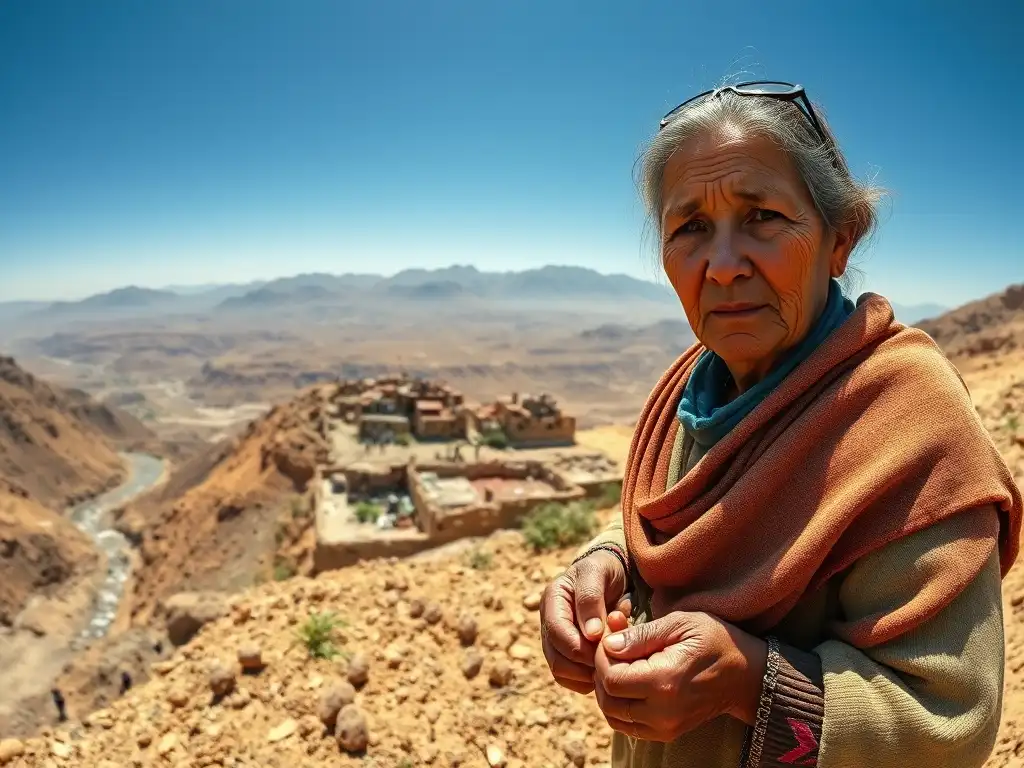
Step into a world lost to time, yet echoing with resilience. Imagine life in the towering Andes, where survival hinged on ingenuity against the relentless threat of drought. This is the story of the ancient Andean civilizations – the Incas, Moche, Nazca, and Tiahuanaco – and their remarkable Andean drought coping mechanisms. Discover how these masterful societies navigated the harsh realities of their environment, leaving behind a legacy of innovation that continues to fascinate and inspire. Uncover their secrets and prepare to be amazed.
- Daily Life in a Time of Drought: Coping Strategies and Resilience in Ancient Andes
- Andean Drought Coping Mechanisms: Traditional Strategies
- Community Resilience and Social Adaptation to Drought
- The Spiritual Dimension of Drought in the Andes
- Case Studies: Examples of Drought Adaptation in Andean Civilizations
- Modern Applications of Andean Drought Coping Strategies
- Frequently Asked Questions
- Final Reflection: Resilience in the Face of Andean Drought
- Cultivate Resilience and Take Action Against Drought!
Daily Life in a Time of Drought: Coping Strategies and Resilience in Ancient Andes
The Andes Mountains, a breathtaking yet unforgiving landscape, presented significant challenges to the ancient civilizations that thrived there. While renowned for their sophisticated engineering feats, intricate social structures, and vibrant cultures, the inhabitants of the Inca, Moche, Nazca, and Tiahuanaco empires faced a constant threat: drought. This article delves into the ingenious coping strategies and remarkable resilience demonstrated by these Andean communities in the face of prolonged water scarcity.
We will explore how they adapted their agricultural practices, social organizations, and belief systems to survive and even flourish during periods of severe drought, providing valuable insights into their ingenuity and adaptability. Understanding these Andean drought coping mechanisms is key to appreciating the complexity and sophistication of these ancient societies and their enduring legacy.
The impact of drought shaped their daily lives, influencing everything from agricultural practices to religious rituals, making it a crucial aspect of studying their history and culture. 🌎
Understanding the Impact of Drought on Andean Societies
Droughts in the Andes were not merely inconvenient; they were existential threats. The arid and semi-arid regions of the Andes, characterized by unpredictable rainfall patterns, frequently experienced prolonged periods of water scarcity. The impact was devastating, leading to crop failures, livestock deaths, and famine. This scarcity impacted every aspect of Andean life. Consider the following:
- Agriculture: The foundation of Andean societies was agriculture. The failure of crops like potatoes, maize, and quinoa, staples of their diet, directly threatened their survival. The availability of water dictated the success or failure of their agricultural cycles, influencing the entire social structure.
- Social Structures: During droughts, social hierarchies could be tested. Access to limited water resources, often controlled by elites, could exacerbate existing inequalities and lead to social unrest. Evidence suggests that communities developed intricate systems of water management and distribution, sometimes overseen by specialized officials.
- Religious Beliefs: The importance of water in Andean societies is reflected in their religious beliefs. Many deities were associated with water and fertility. During droughts, elaborate rituals and ceremonies were performed to appease these gods and implore them to bring rain. These rituals often involved human sacrifice in some cultures, highlighting the desperation of the situation.
The consequences of drought extended beyond immediate survival. Prolonged periods of water scarcity could lead to population displacement, warfare over resources, and the collapse of entire settlements. Understanding the scale and severity of these impacts is crucial to appreciating the significance of the coping mechanisms developed by Andean peoples.
The Challenges of Water Scarcity in the Ancient Andes
The challenges posed by water scarcity in the Andes were multifaceted and deeply intertwined with the environment and social structures. The geographical features of the region, including steep slopes, high altitudes, and unpredictable rainfall, presented unique obstacles to water management. These challenges demanded innovative solutions:
| Challenge | Examples | Coping Mechanism |
|---|---|---|
| Unpredictable Rainfall | Erratic monsoons, El Niño events leading to both floods and droughts. | Development of sophisticated irrigation systems. |
| Steep Terrain | Difficult to build and maintain irrigation channels and terraces. | Terracing, canals, and aqueducts adapted to topography. |
| High Altitude | Reduced atmospheric pressure, shorter growing seasons. | Selection of drought-resistant crops. |
| Limited Water Sources | Dependence on snowmelt, springs, and limited rainfall. | Water storage techniques (e.g., reservoirs, qochas). |
| Soil Erosion | Loss of fertile topsoil due to heavy rainfall or lack of vegetation cover. | Terracing and other soil conservation techniques. |
The ingenuity of Andean communities is evident in their ability to overcome these obstacles. Their mastery of hydraulic engineering is demonstrated by the intricate network of canals, aqueducts, and reservoirs they constructed to capture, store, and distribute water. These systems, often integrated with sophisticated agricultural techniques like terracing, allowed them to maximize their use of limited water resources. Moreover, their selection of drought-resistant crops and their adaptive agricultural practices played a vital role in ensuring food security during periods of scarcity.
The resilience demonstrated by these ancient Andean societies in the face of recurring drought remains a testament to their remarkable adaptability and ingenuity. Further research is needed to fully understand the nuances of their coping mechanisms in specific regions and time periods. [Specific information pending on regional variations in coping mechanisms].
Andean Drought Coping Mechanisms: Traditional Strategies
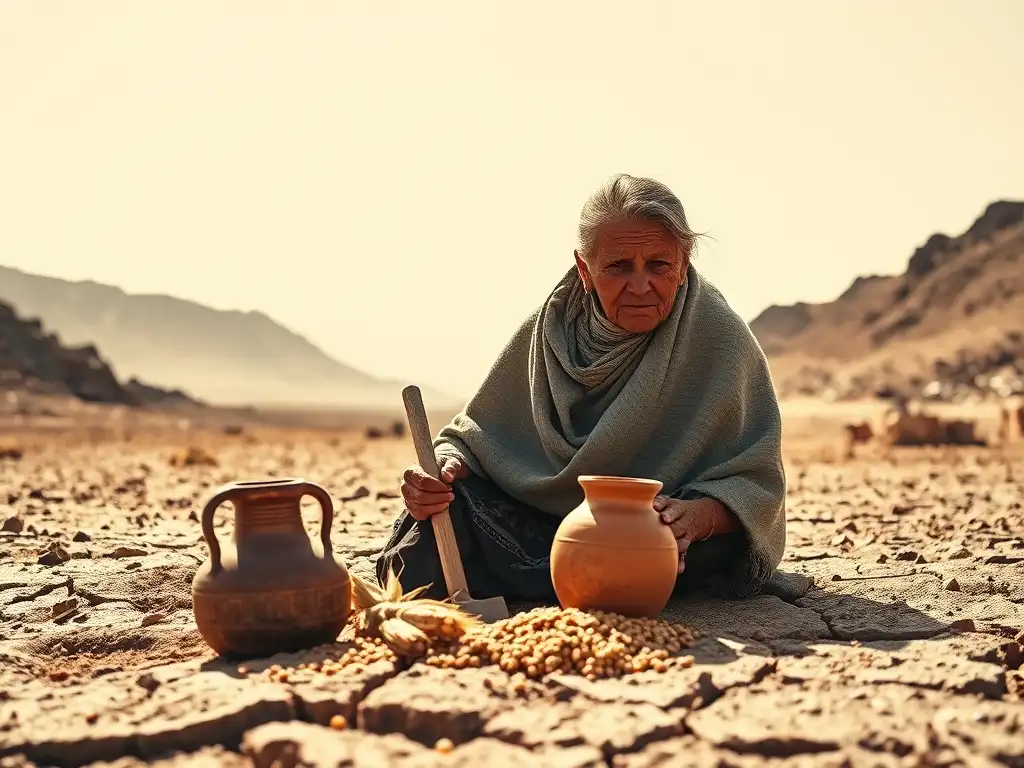
The Andes Mountains, a region characterized by dramatic altitude changes and unpredictable weather patterns, presented significant challenges to its ancient inhabitants. Droughts, in particular, posed a constant threat to agricultural production and societal stability. However, the ingenuity of Andean civilizations resulted in the development of sophisticated coping mechanisms, demonstrating remarkable resilience in the face of adversity.
These strategies, honed over millennia, allowed them to not only survive but also thrive in environments where water scarcity was a recurring reality. Understanding these "Andean drought coping mechanisms" provides valuable insight into their remarkable adaptability and resourcefulness. The effectiveness of these strategies hinged on a deep understanding of their environment and a complex interplay of social organization, technological innovation, and spiritual beliefs.
Water Management Techniques in the Andes
Efficient water management was paramount for Andean societies. Their strategies went beyond simple rainwater collection; they involved a complex system of canals, reservoirs, and sophisticated irrigation techniques tailored to the specific topographical and climatic conditions of different regions. The ingenuity displayed in their water management systems stands as a testament to their profound knowledge of hydrology and engineering.
For instance, the Nazca people, renowned for their geoglyphs, also built extensive canal systems to divert water from ephemeral rivers and streams to their fields, ensuring a relatively stable water supply even during periods of reduced rainfall. This meticulous planning allowed for increased agricultural productivity and reduced vulnerability to drought.
Evidence suggests that these systems were maintained and improved upon over generations, demonstrating a long-term commitment to sustainable water resource management. Furthermore, the intricate network of canals wasn't just about irrigation; it also played a crucial role in flood control, showcasing a holistic approach to water management that balanced the needs of agriculture with the protection of settlements.
Terrace Farming and Water Conservation
Terrace farming, a defining characteristic of Andean agriculture, stands as a prime example of a drought-coping mechanism. By creating a series of level platforms on steep slopes, Andean farmers significantly increased arable land, maximizing the use of available water resources. This technique not only reduced soil erosion but also improved water retention.
The terraced fields acted as miniature reservoirs, slowing down the flow of water and allowing it to soak into the soil, ensuring that crops received adequate moisture even during drier periods. The design and orientation of terraces were carefully considered, taking into account factors such as sunlight exposure and prevailing winds to optimize crop growth. Different crops were often planted on different terraces, reflecting a sophisticated understanding of microclimates and the varied water requirements of different plants.
The meticulous construction and maintenance of these terraces involved substantial communal labor, highlighting the importance of social cooperation in mitigating the effects of drought. The scale and complexity of these terraced landscapes are a striking testament to the organizational capabilities and engineering skills of Andean civilizations.
Advanced Irrigation Systems of Andean Civilizations
The sophistication of Andean irrigation systems varied across different civilizations and regions. The Incas, for example, developed highly advanced canal systems that incorporated sophisticated engineering techniques, such as aqueducts and tunnels, to transport water over long distances and across challenging terrain. These systems often included intricate networks of channels, reservoirs, and distribution points, allowing for precise control of water flow and efficient irrigation of large agricultural areas.
The Moche civilization, known for its elaborate irrigation systems, utilized a combination of gravity-fed canals and sophisticated water-lifting devices to irrigate arid coastal regions. These systems, often built on a monumental scale, required significant planning and coordination, reflecting the advanced engineering capabilities and organizational prowess of the Moche. Analysis of these systems reveals a deep understanding of hydraulic principles and a remarkable ability to adapt irrigation techniques to diverse environmental conditions.
The construction of these advanced systems was not merely a response to drought; it represented a proactive strategy to ensure agricultural productivity and societal resilience in the face of environmental variability. The legacy of these sophisticated irrigation systems continues to inspire contemporary water management practices in the region.
Crop Diversification as a Response to Drought
Andean civilizations, renowned for their agricultural prowess, developed sophisticated strategies to mitigate the risks associated with frequent droughts. Crop diversification was a cornerstone of their resilience. Instead of relying on a single crop, communities cultivated a wide variety of plants, each adapted to different environmental conditions and possessing varying levels of drought tolerance. This approach minimized the impact of any single drought event.
For example, the Incas cultivated potatoes in diverse varieties, some thriving in wetter conditions while others were exceptionally drought-resistant. This diversification wasn't limited to potatoes; they also cultivated quinoa, maize, beans, and numerous other crops, creating a robust and resilient food system. The sheer variety ensured that even if one crop failed due to drought, others would likely survive, guaranteeing a degree of food security.
This diversification wasn't merely a matter of chance; it was a carefully planned and managed system, reflecting a deep understanding of Andean ecology and agricultural principles. The knowledge passed down through generations played a crucial role in sustaining their societies through periods of prolonged water scarcity. This intricate system highlights the ingenuity and adaptability of Andean agricultural practices in the face of environmental challenges.
Selection of Drought-Resistant Crops
A key aspect of Andean drought coping mechanisms revolved around the meticulous selection and cultivation of drought-resistant crops. Farmers carefully identified and preserved plant varieties that exhibited superior tolerance to arid conditions. This involved a deep understanding of local plant genetics and environmental factors.
For instance, certain varieties of potatoes, quinoa, and maize were specifically chosen for their ability to withstand prolonged periods without sufficient rainfall. The selection process wasn't solely based on yield; it also considered factors such as nutritional value and adaptability to specific microclimates. This careful selection ensured that even in the harshest drought conditions, some crops would still produce a harvest, providing a crucial safety net for communities.
The process often involved preserving seeds from the most resilient plants, ensuring the continuation of these valuable traits through generations. This meticulous selection process exemplifies the advanced agricultural knowledge and practices of Andean civilizations, reflecting their commitment to adapting to the challenging environmental conditions. This practice directly contributed to the survival and prosperity of Andean communities over centuries.
The Role of Andean Agriculture in Food Security
Andean agriculture wasn't just about subsistence; it played a critical role in ensuring food security for entire communities. The sophisticated techniques employed, including crop diversification and the selection of drought-resistant varieties, were directly linked to the ability of these civilizations to withstand environmental shocks, such as prolonged droughts. The surplus produced during favorable years was strategically stored in qollqas (granaries), providing a buffer against lean times.
This careful management of resources was crucial for maintaining social stability and preventing widespread famine. The integrated nature of their agricultural systems, combined with their extensive knowledge of local ecosystems, allowed them to effectively manage water resources and optimize crop yields even under challenging conditions.
The success of Andean agriculture in maintaining food security during periods of drought stands as a testament to the ingenuity and adaptability of their agricultural practices, offering valuable lessons for contemporary approaches to food security in arid and semi-arid regions. The resilience of Andean societies in the face of drought is directly attributable to their deeply rooted agricultural practices, highlighting the crucial link between agricultural innovation and societal stability.
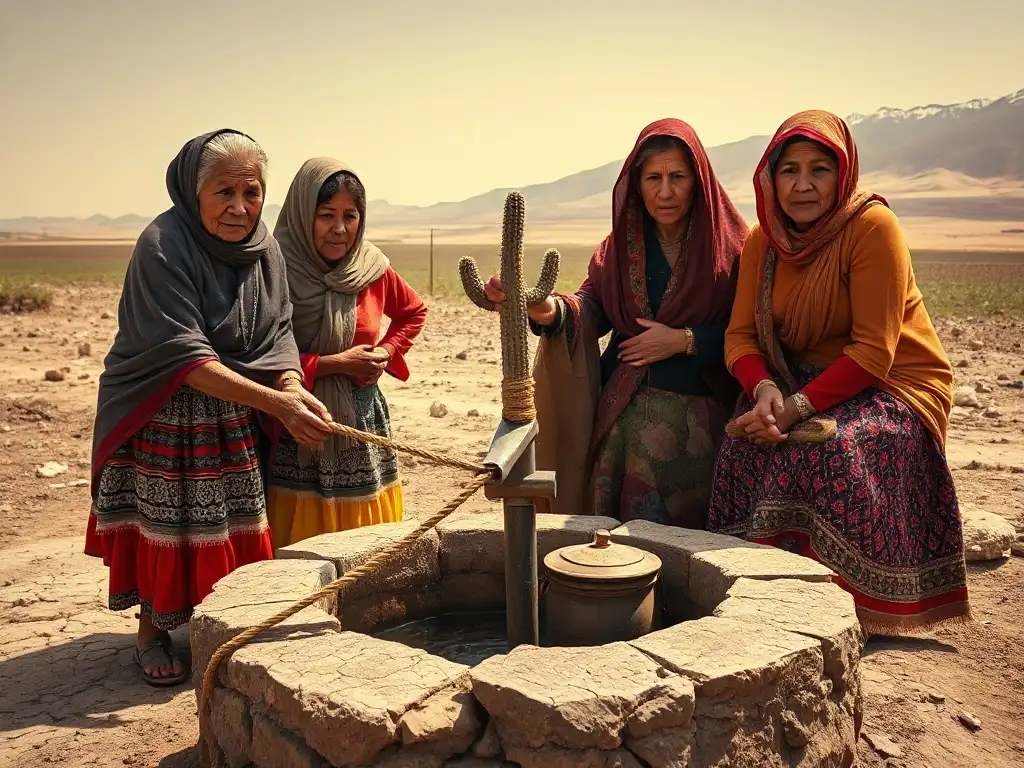
The Andean region, characterized by its diverse geography and unpredictable weather patterns, frequently experienced periods of severe drought. Survival for ancient Andean populations hinged not just on individual preparedness, but critically on the strength and flexibility of their social structures. Understanding their Andean drought coping mechanisms reveals a sophisticated interplay of collective action, resource management, and social adaptation that allowed them to endure these challenging times.
The ability to successfully navigate drought periods was a testament to the ingenuity and resilience of these civilizations, shaping their social fabric and leaving a lasting legacy on their cultural practices. This section will explore the key elements of their societal responses to water scarcity.
Collective Labor and Resource Sharing
Facing drought, Andean communities didn't rely solely on individual efforts. Instead, they implemented sophisticated systems of collective labor and resource sharing, ensuring the survival of the entire group. This approach, deeply embedded in their social fabric, was crucial for mitigating the impact of prolonged water shortages.
Ayllu System and its Role in Drought Management
The ayllu, a fundamental socio-economic unit in many Andean societies (particularly among the Inca), played a pivotal role in drought management. This kinship-based community organized collective labor for crucial tasks like irrigation maintenance, terracing repair, and the construction of water storage facilities. During droughts, the ayllu system ensured equitable distribution of scarce resources like food and water, preventing widespread famine and social unrest.
The elders of the ayllu, often possessing detailed knowledge of water sources and traditional practices, guided these efforts, maintaining social cohesion and ensuring the survival of the community. Evidence suggests that the ayllu system's effectiveness in drought response contributed significantly to the long-term stability and prosperity of Andean societies. Detailed records of ayllu activities during drought periods are unfortunately scarce, but archaeological findings and ethnographic studies of later Andean communities offer valuable insights into these crucial practices.
The efficient distribution of water was paramount during droughts. Andean societies developed sophisticated social structures and organizational systems specifically designed to manage water resources effectively, even under extreme scarcity. These systems were not static; they adapted and evolved in response to environmental challenges, demonstrating a remarkable capacity for innovation and resilience.
The Importance of Communal Water Management
Communal water management was central to Andean survival during droughts. This involved the collective responsibility for maintaining irrigation canals, reservoirs, and other water infrastructure. The community actively participated in these tasks, sharing the workload and ensuring that the water supply reached all members fairly. This collaborative approach fostered a sense of shared responsibility and strengthened social bonds, particularly crucial during times of crisis.
Evidence from archaeological sites reveals extensive irrigation systems, some dating back millennia, testament to the long-term commitment to communal water management. The intricate network of canals and reservoirs, often meticulously constructed on challenging terrain, highlights the advanced engineering and organizational skills of Andean societies in their efforts to secure water resources. The failure of these systems during periods of extreme drought likely had devastating consequences, underscoring the importance of their careful maintenance and management.
The Spiritual Dimension of Drought in the Andes
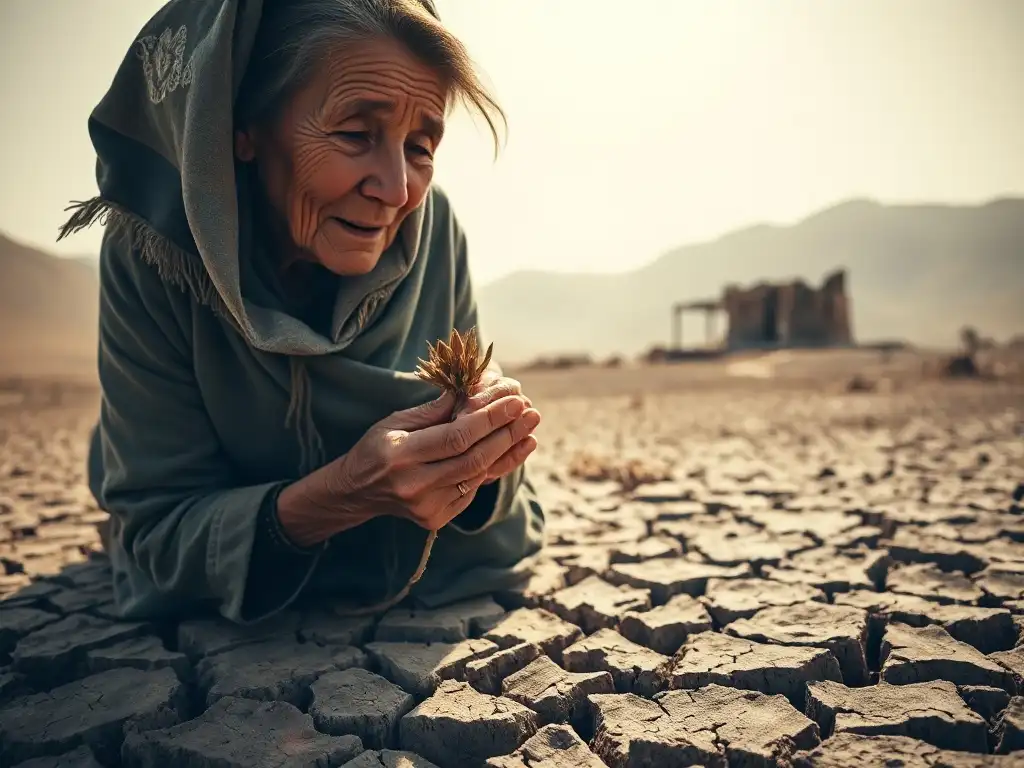
The impact of drought on Andean societies extended far beyond the practical challenges of water scarcity and crop failure. Drought was deeply intertwined with the spiritual beliefs and cosmological understanding of these cultures, shaping their religious practices and influencing their responses to this recurring environmental threat. Understanding the spiritual dimension is crucial to fully grasping the Andean people's resilience in the face of prolonged dryness. The concept of Andean drought coping mechanisms must therefore include a robust analysis of their religious and spiritual responses.
Religious Practices and Drought Rituals
Andean religions were deeply interconnected with the natural world. Mountains, rivers, and the weather itself were considered sacred entities, imbued with spiritual power. Consequently, drought wasn't simply a meteorological event; it was interpreted as a disruption of the cosmic order, often attributed to displeased deities or a weakening of the sacred balance. This understanding shaped the rituals and practices employed to address the crisis.
Communities engaged in collective ceremonies, often involving elaborate offerings and prayers aimed at appeasing the spirits and restoring the flow of water. These rituals were not merely superstitious acts; they served a vital social function, reinforcing community bonds and offering a sense of collective agency in the face of adversity. The effectiveness of these practices was not measured solely by rainfall but also by their role in maintaining social cohesion and hope during challenging times.
Andean Cosmology and the Quest for Rain
Andean cosmology provided a framework for understanding drought within a larger cosmic context. The concept of Pachamama, the Earth Mother, was central. Drought was seen as a sign of Pachamama's displeasure, a consequence of human actions deemed disrespectful or out of balance with the natural world. This interpretation led to practices focused on restoring harmony with the earth, such as cleansing rituals, offerings of coca leaves and other sacred items, and specific behaviors aimed at respecting the natural order.
The intricate relationship between humans and the environment, as understood through the lens of Andean cosmology, profoundly shaped their response to drought. It highlighted the importance of reciprocal relationships with nature, emphasizing the need for respect and balance to ensure the continued well-being of both humanity and the environment. The quest for rain was thus not merely a practical endeavor but a spiritual journey aimed at restoring cosmic harmony.
Offerings and Prayers for Relief from Drought
Specific rituals varied across different Andean cultures and regions, reflecting the diversity of their religious beliefs and practices. However, common elements included offerings of food, drink, and precious objects to appease the deities associated with water and fertility. Prayers, often chanted in unison by the community, formed a crucial part of these ceremonies.
These prayers were not simply supplications for rain; they represented a dialogue with the spiritual world, an attempt to re-establish a relationship of reciprocity and balance. The act of offering and praying served to strengthen community bonds and offered a source of collective hope during periods of intense hardship. Evidence suggests that the size and nature of offerings were often directly correlated with the severity of the drought, indicating a direct link between the intensity of the crisis and the scale of the spiritual response.
For example, during particularly severe droughts, human sacrifices, though rare, may have been offered in some Andean cultures as a last resort to appease powerful deities. The scale and nature of these offerings underscore the profound impact drought had on the spiritual life of Andean communities. The detailed records of these practices, while fragmentary, offer invaluable insights into the Andean worldview and their sophisticated strategies for coping with environmental challenges.
Case Studies: Examples of Drought Adaptation in Andean Civilizations
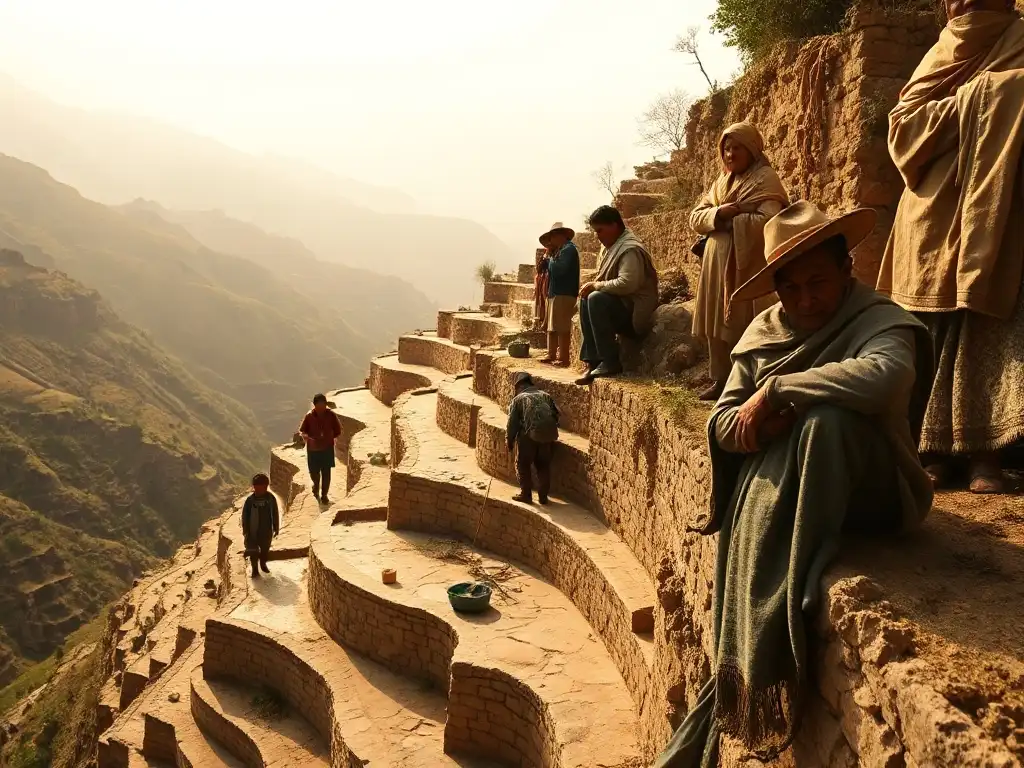
This section delves into specific examples of how different Andean civilizations developed and implemented coping mechanisms to survive recurring droughts. Understanding these strategies provides valuable insights into the ingenuity and resilience of these ancient societies in the face of environmental adversity. Analyzing their approaches offers a rich understanding of Andean drought coping mechanisms, highlighting the diversity of solutions employed across various cultures and time periods.
The Moche and Their Response to Environmental Challenges
The Moche civilization (circa 100-800 CE), known for its elaborate artistic expressions and sophisticated irrigation systems, faced significant environmental challenges, including periodic droughts. Their survival hinged on a complex interplay of agricultural practices, social organization, and potentially, ritualistic responses.
Evidence suggests the Moche employed a sophisticated system of canals and reservoirs to capture and store water from rivers and seasonal rainfall. These weren't simply rudimentary ditches; archaeological findings indicate intricate engineering, including the use of terraces and check dams to manage water flow and prevent erosion.
Furthermore, the Moche likely practiced crop diversification, cultivating a variety of drought-resistant crops alongside those requiring more water. This minimized the impact of a failed harvest in any single crop. Archaeobotanical studies are ongoing, but initial findings suggest the presence of crops such as maize, beans, squash, and various tubers, each with varying water requirements.
Beyond infrastructure, the Moche's social structure may have played a crucial role in drought resilience. A centralized power structure likely facilitated resource management and the implementation of community-wide responses to drought. However, the precise details of this social organization and its role in drought mitigation remain areas of ongoing research. Further investigation into Moche societal structures is needed to fully understand their ability to overcome challenging climatic periods.
Inca Strategies for Water Management and Drought Resilience
The Inca Empire (1438-1533 CE), renowned for its vast territorial control and impressive engineering feats, developed advanced water management techniques to combat the recurring threat of drought. Their ingenuity in water management is a prime example of effective Andean drought coping mechanisms.
The Inca implemented a highly organized system of qanchas, which were artificial reservoirs strategically located throughout their empire. These reservoirs were not only crucial for irrigation but also served as a critical buffer against drought. The size and distribution of these qanchas varied depending on local geography and rainfall patterns, demonstrating a sophisticated understanding of hydrology.
In addition to qanchas, the Inca employed sophisticated terracing techniques to create level agricultural plots on steep slopes. These terraces not only increased arable land but also helped to conserve water by slowing runoff and reducing soil erosion. The terraces themselves often incorporated drainage systems to prevent waterlogging, a common problem in high-altitude agriculture.
The Inca's success in water management was also rooted in their centralized administrative system. A complex network of officials oversaw the construction and maintenance of irrigation systems and the equitable distribution of water resources. This centralized control ensured that even remote communities had access to water, particularly during periods of drought. This level of organization is a testament to their sophisticated understanding of the importance of water management for long-term societal survival.
Lessons Learned from Ancient Andean Societies
The strategies employed by the Moche and Inca, and other Andean societies, offer valuable lessons for contemporary societies facing similar challenges. Their innovative approaches to water management and agricultural practices highlight the importance of:
- Sustainable water management: The Inca's qanchas and the Moche's canal systems demonstrate the crucial role of infrastructure in mitigating drought's impact. Modern societies can learn from these ancient examples by investing in robust water storage and distribution systems.
- Crop diversification: The Moche's likely practice of growing a variety of crops served as a buffer against crop failure. Diversifying agricultural practices is crucial for reducing vulnerability to climate change and drought.
- Community-based approaches: The Inca's centralized system, and potentially the Moche's social organization, show the importance of community involvement in resource management. Collective action is vital for effective drought preparedness and response. This highlights the importance of community engagement in modern drought mitigation strategies.
- Technological innovation: The innovative engineering solutions implemented by the Andean civilizations demonstrate the potential of technological advancements in adapting to environmental challenges. Investing in research and development of climate-resilient technologies is crucial for the future.
The study of Andean drought coping mechanisms provides a wealth of knowledge that can inform and inspire contemporary responses to climate change and water scarcity. By understanding the ingenuity and resilience of these ancient societies, we can develop more effective strategies for ensuring water security and building more resilient communities in the face of future droughts. Further research into these ingenious systems will continue to reveal valuable insights for modern-day challenges.
Modern Applications of Andean Drought Coping Strategies
The ingenuity of Andean civilizations in confronting recurring droughts offers valuable lessons for contemporary water management. Their sophisticated understanding of water harvesting, storage, and distribution systems, developed over millennia, provides a rich source of inspiration for addressing modern challenges. Understanding and adapting these ancient techniques can significantly improve water security in regions facing increasing water scarcity. This section will explore the relevance of these ancient strategies in the modern world, focusing on their application in sustainable agriculture and the preservation of this invaluable knowledge.
Relevance of Ancient Techniques for Contemporary Water Management
Andean communities developed intricate systems for managing water resources, including qanats (underground canals), andenes (terraced agriculture), and sophisticated irrigation networks. These systems, designed to maximize water capture and minimize loss, demonstrate a deep understanding of hydrology and environmental sustainability. For example, the qanats, which channeled water from underground aquifers, were particularly effective in arid regions, minimizing evaporation and ensuring a reliable water supply even during prolonged droughts.
These methods are directly applicable today in arid and semi-arid regions globally, offering sustainable alternatives to energy-intensive water pumping and inefficient irrigation practices. Modern engineering incorporates principles from qanats in designing water management systems for arid areas.
The efficiency of water distribution, inherent in these ancient techniques, is significantly higher than many modern approaches, offering a practical solution to drought mitigation. Furthermore, the careful observation of weather patterns and the development of early warning systems, inherent in Andean water management practices, provide a valuable framework for contemporary drought preparedness.
Promoting Sustainable Agriculture in Drought-Prone Regions
The Andean agricultural practices, particularly the development of andenes, offer crucial insights into sustainable agriculture in drought-prone regions. These terraced fields, built on steep slopes, maximized arable land while conserving water through reduced runoff and improved soil moisture retention. The creation of microclimates within the terraces also contributed to increased crop yields, even in harsh conditions.
Modern agricultural practices could greatly benefit from the integration of these techniques, especially in mountainous regions prone to drought. Implementing andenes or adapted versions thereof can improve water use efficiency, enhance soil fertility, and increase crop resilience to drought. Furthermore, the Andean focus on diverse cropping systems, including drought-resistant crops, provides a valuable model for enhancing agricultural biodiversity and improving food security in arid environments.
The resilience of Andean agriculture, demonstrated through centuries of adaptation to drought, should inspire the development of more sustainable and drought-resistant agricultural practices globally. Studies comparing the water use efficiency of traditional Andean agricultural practices with modern methods clearly demonstrate the superiority of the former in drought contexts.
Preserving the Legacy of Andean Water Wisdom
The preservation of traditional Andean knowledge related to drought coping mechanisms is paramount. This knowledge, passed down through generations, represents a valuable resource for addressing contemporary water challenges. Documenting these practices, through ethnographic research and community engagement, is crucial for ensuring their continued relevance and application.
Furthermore, supporting local communities in the maintenance and restoration of traditional water management systems is essential for preserving both cultural heritage and vital water resources. The Andean approach to water management was not merely technical; it was deeply intertwined with spiritual and social practices, reflecting a holistic understanding of the relationship between humans and the environment. This integrated approach, emphasizing community participation and respect for natural resources, offers valuable lessons for contemporary water governance and sustainable development.
The preservation of this cultural heritage is not only a matter of historical significance but also a vital step towards building more resilient and sustainable communities in a world facing increasing water scarcity. Investing in educational programs that promote and disseminate this knowledge will be crucial for long-term success in mitigating the effects of drought.
Frequently Asked Questions
How did Andean civilizations cope with drought?
Andean civilizations developed diverse coping mechanisms to survive droughts. These included irrigation systems, terracing, and water storage techniques like reservoirs and canals. They also adapted their agricultural practices to conserve water.
What role did agriculture play in drought resilience?
Agriculture was central to Andean survival. Adaptable crops, like potatoes and quinoa, which tolerate drought conditions, were crucial. Efficient farming techniques ensured maximal yield even with limited water resources.
Yes, social organization played a vital role. Community-based water management systems ensured equitable distribution. Reciprocity and redistribution of resources helped vulnerable populations during periods of scarcity.
What technological innovations helped Andean people endure droughts?
Andean ingenuity led to remarkable innovations. Advanced irrigation technologies, such as aqueducts and underground channels, were crucial for water management. Terracing on steep slopes maximized arable land and conserved water.
How did religious beliefs influence drought response?
Religious beliefs and practices were deeply intertwined with drought response. Rituals and ceremonies, often involving water deities, were performed to appease the gods and ensure rainfall. This provided psychological comfort and social cohesion.
Final Reflection: Resilience in the Face of Andean Drought
The enduring impact of drought in the Andes is not merely an environmental crisis; it's a profound societal challenge that demands immediate and innovative solutions. The stories shared throughout this article highlight the devastating consequences of water scarcity, yet simultaneously illuminate the remarkable resilience and ingenuity of Andean communities in the face of adversity. Their struggles serve as a stark warning to the global community about the escalating effects of climate change and the urgent need for proactive measures.
The coping mechanisms detailed—from ancient water management techniques to modern adaptations—underscore the deep connection between Andean communities and their environment. These strategies are not simply survival tactics; they represent a profound cultural heritage and a testament to human adaptability. The land teaches us patience, and the drought teaches us resilience,
a Quechua elder once told me. This sentiment encapsulates the spirit of perseverance that permeates Andean communities, a spirit that deserves our respect and support. The ongoing struggle against drought also highlights the critical need for global cooperation in addressing climate change and providing sustainable resources to vulnerable populations.
Consider the stories you've read, the challenges you've learned about, and the resilience you've witnessed. You now hold a deeper understanding of the complexities of Andean drought and the human cost of climate change. Let this knowledge inspire you to act. Support organizations working to improve water access and sustainable agriculture in the Andes. Advocate for policies that address climate change at a global level. Most importantly, remember the faces and stories of the Andean people, and let their resilience be a beacon guiding your own commitment to a more sustainable and equitable future.
Cultivate Resilience and Take Action Against Drought!
Thank you for exploring this crucial topic of drought preparedness. Your interest demonstrates a commitment to both resilience and environmental stewardship. Let's translate this knowledge into practical action!
Here are some immediate steps you can take to build resilience in your community and personal life:
- Conserve water: Begin by reducing water consumption at home. Consider installing water-efficient appliances, collecting rainwater for gardening, or employing drip irrigation techniques.
- Share your expertise: Discuss water conservation with friends, family, and neighbors. Organize a community workshop to share effective drought resilience strategies and best practices.
- Participate in local conservation initiatives: Engage with local organizations dedicated to sustainable water management and community education. Volunteering your time and skills can make a significant difference.
What innovative approaches to drought management have you observed in your community? Please share your experiences and inspire others to take action!