
Inca Warfare Tactics: Strategy Games Simulating Battles and Conquests

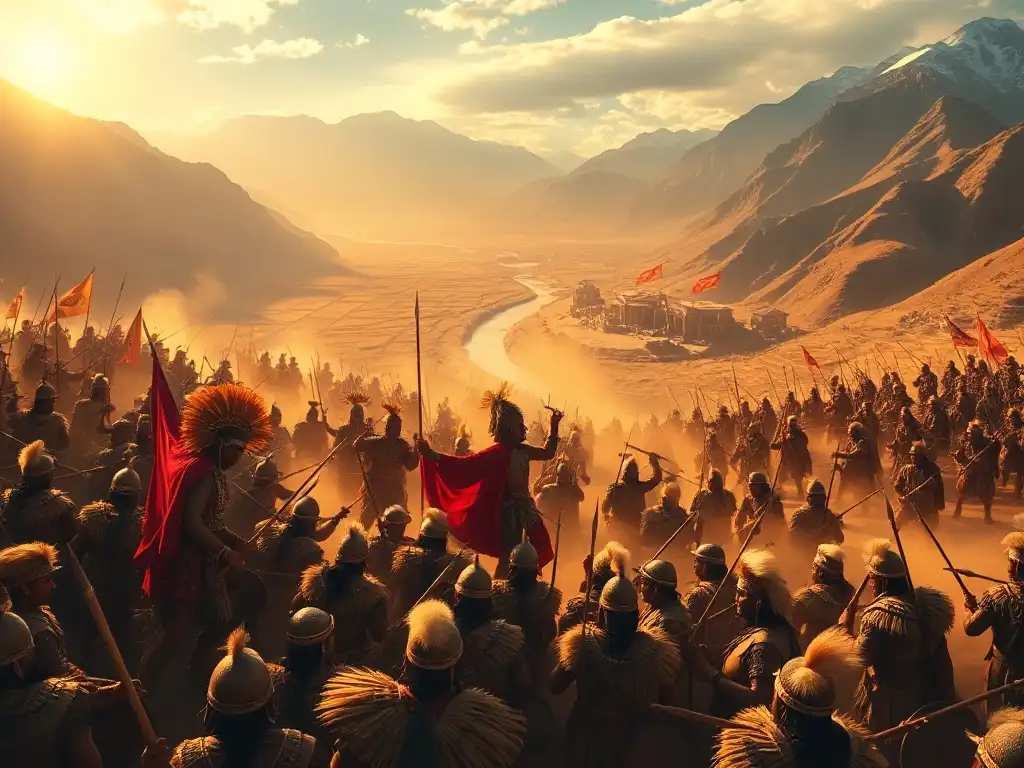
Step into a world lost to time, yet echoing with the power of the Andes. Discover the ingenious strategies and breathtaking innovations of the ancient Andean civilizations – from the intricate artistry of the Nazca to the awe-inspiring architecture of the Tiahuanaco. But today, we delve into the heart of the Inca empire. Prepare to be amazed by the sophisticated Inca warfare strategies that secured their vast dominion. Uncover the secrets behind their military might and explore the digital resources that bring these fascinating battles to life. Are you ready to unravel the mysteries of their conquests?
- Understanding Inca Military Strategies through Gaming
- Best Strategy Games for Exploring Inca Warfare Strategies
- Key Elements of Inca Military Strategy Simulated in Games
- Choosing the Right Inca Warfare Game: A Comparative Guide
- Maximizing Your Experience with Inca Warfare Strategy Games
- Conclusion: Continuing the Exploration of Inca Military History
- Frequently Asked Questions
- Final Reflection: Echoes of Conquest: Understanding Inca Warfare Strategies
- Unleash Your Inner Strategist Today!
Understanding Inca Military Strategies through Gaming
The Inca Empire, a civilization that flourished in the Andes Mountains from the 15th to the 16th centuries, left an indelible mark on history. Their sophisticated societal structures, impressive engineering feats, and intricate agricultural systems are well-documented. However, the Inca's military prowess, often overlooked, played a crucial role in their expansion and the consolidation of their vast empire.
This article explores the Inca warfare strategies, not through dry historical accounts alone, but through the lens of educational games and simulations. By examining how these digital tools represent Inca military tactics, we gain a deeper understanding of the ingenuity and effectiveness of their approach to conquest and defense. We'll delve into the intricacies of their organizational structure, their strategic deployment of forces, and the innovative technologies they employed on the battlefield, all while appreciating how these elements are recreated in engaging and informative games designed to bring this fascinating aspect of Andean history to life.
This approach allows for a more dynamic and accessible understanding of Inca warfare strategies than traditional methods, making the complex subject matter more approachable for a wider audience. The following sections will explore specific aspects of Inca military prowess as depicted in these simulations, offering a unique perspective on this vital component of Inca civilization.
Delving into the Art of Inca Warfare
Inca warfare wasn't simply about brute force; it was a carefully orchestrated system combining sophisticated strategy, effective organization, and innovative weaponry. Simulations often highlight the Inca's mastery of terrain, their use of ambushes, and their ability to effectively utilize different types of troops. For example, many games accurately represent the role of chasquis, the Inca's swift runners, who formed a vital communication network, allowing for rapid deployment of troops and coordinated attacks.
The simulations also showcase the importance of surprise attacks and the strategic use of high-altitude positions to gain a tactical advantage. Furthermore, the games often illustrate the devastating effectiveness of Inca weaponry, such as the bolas (throwing weapons) and macanas (clubs), which were meticulously designed for maximum impact on the battlefield.
These digital representations offer a dynamic and engaging way to understand the nuances of Inca combat techniques, going beyond simple descriptions to provide a visceral experience of the challenges and triumphs of Inca warfare. The effectiveness of these tactics is often demonstrated through scenarios where players must strategically manage resources, deploy troops effectively, and adapt to changing battlefield conditions, mirroring the real-life complexities faced by Inca commanders.
The Importance of Inca Military Organization and Tactics
The success of Inca warfare hinged not only on individual skill but also on a highly structured and efficient military organization. Games effectively demonstrate the hierarchical nature of the Inca army, with different ranks and responsibilities clearly defined. The simulations often showcase the importance of kurakas, local leaders who commanded troops from their respective regions, highlighting the decentralized yet coordinated nature of the Inca military machine.
Furthermore, many games emphasize the crucial role of logistics and supply lines in sustaining long campaigns. The Inca's sophisticated road network, qhapaq ñan, is frequently depicted as a vital element in the success of their military operations, showcasing its importance in transporting troops, supplies, and communications across the vast empire. The games also highlight the Inca's ability to quickly mobilize large numbers of troops, demonstrating their capacity for rapid response and effective resource management.
By simulating these aspects of Inca military organization, the games offer a valuable educational tool, illustrating the intricate workings of a system that enabled the Inca to conquer and control such a vast and diverse territory. The strategic depth showcased in these simulations underscores the sophisticated understanding of military logistics and organization that underpinned the Inca Empire's military success.
Best Strategy Games for Exploring Inca Warfare Strategies
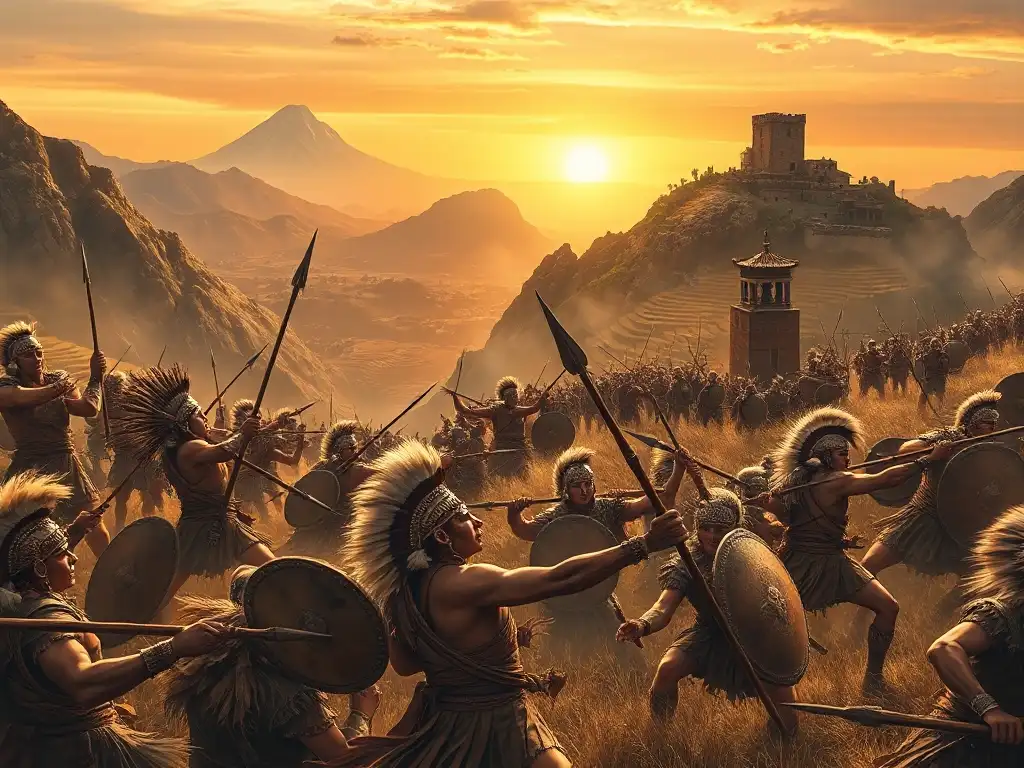
This section explores digital resources that allow for engaging and educational exploration of Inca warfare strategies. We'll examine specific games, detailing their strengths and weaknesses in representing the complexities of Inca military tactics and their historical context. Understanding these strategies provides valuable insight into the Inca Empire's rise and dominance. The games discussed offer varying levels of historical accuracy and gameplay complexity, catering to different preferences and skill levels.
Game Option 1: Age of Empires II: The Conquerors - Immersive Inca Conquest
Age of Empires II: The Conquerors expansion pack introduces the Inca civilization, offering a compelling, albeit simplified, representation of their warfare. While not perfectly mirroring the historical nuances, it provides a fun and accessible way to engage with the core elements of Inca military strategies.
Authentic Inca Military Units in Age of Empires II: The Conquerors
The game features unique Inca units, such as the Kamayuks (elite warriors) and Llama (transport animals), reflecting some aspects of Inca military organization. However, the representation is necessarily stylized for gameplay purposes. For example, the game doesn't fully capture the logistical complexities of Inca warfare, such as the chasquis messenger system or the intricate network of roads used for troop movement. The game's focus is on tactical combat, not a perfectly accurate historical simulation.
Tactical Gameplay Reflecting Inca Warfare
Age of Empires II allows players to experience Inca warfare through real-time strategic combat. Players must manage resources, build bases, train units, and engage in battles. While the game simplifies many aspects, it still allows players to strategize using elements like terrain advantage (a key aspect of Inca warfare), and the strengths and weaknesses of different Inca units. The emphasis on siege warfare and defensive positions also aligns with some historical accounts of Inca combat.
Monetization Opportunity: Affiliate Link to Age of Empires II: Definitive Edition on Steam
[Affiliate link placeholder - Requires an affiliate link to the Steam store page for Age of Empires II: Definitive Edition] This would allow for potential revenue generation through sales driven by this article.
Age of Empires II: Definitive Edition Price Point and User Reviews
The Definitive Edition of Age of Empires II is generally well-received, boasting high user ratings on Steam and other platforms. [Specific price point and average user review score pending]. This provides a benchmark for evaluating the game's value and overall player experience.
Game Option 2: Europa Universalis IV - Recreating Inca Battles
Europa Universalis IV, a grand strategy game, offers a significantly different approach to simulating Inca warfare. It provides a more in-depth, albeit more complex, experience, focusing on long-term strategic planning and empire management rather than direct real-time combat.
Historical Accuracy in Europa Universalis IV's Depiction of Inca Warfare
Europa Universalis IV aims for greater historical accuracy than Age of Empires II, modelling aspects of Inca society, politics, and military organization in more detail. However, the game still simplifies some aspects due to its broad scope. The game accurately reflects the Inca's expansionist tendencies and the challenges they faced in managing a vast empire. The representation of Inca military technology and tactics is more nuanced than in Age of Empires II, although still subject to the limitations of a grand strategy game.
Strategic Depth and Management in Inca Campaigns
Playing as the Inca in Europa Universalis IV requires a deep understanding of strategic resource management, diplomacy, and military planning. Players must balance internal stability with expansion, manage relations with neighboring tribes, and adapt their strategies to different challenges. This reflects the complexities of governing and defending the Inca Empire. The game's long-term perspective necessitates a more thoughtful and deliberate approach to warfare than the real-time battles of Age of Empires II.
Monetization Opportunity: In-Game Purchases & DLCs
Europa Universalis IV utilizes a model of in-game purchases and DLCs (downloadable content). [Specific details on revenue sharing or affiliate programs pending]. This offers additional monetization opportunities for the website.
Europa Universalis IV System Requirements and Compatibility
[Specific system requirements and compatibility information pending]. This information is crucial for potential players to determine if the game is suitable for their hardware. Providing this information ensures transparency and helps readers make informed decisions.
Game Option 3: Civilization VI - A Turn-Based Approach to Inca Military Tactics
Exploring Inca Warfare through Turn-Based Strategy
Civilization VI offers a unique perspective on Inca warfare strategies. Unlike real-time strategy games, its turn-based nature allows for meticulous planning and consideration of long-term consequences. Players must carefully manage their resources, research technologies, and forge alliances to effectively conquer their opponents.
The Inca civilization's unique abilities, such as their powerful terrace farming and unique unit strengths, are well-represented, allowing players to experience the advantages and challenges of Inca military tactics firsthand. The game emphasizes strategic positioning, utilizing the terrain to your advantage, and carefully timing your attacks to maximize your impact. This approach to Inca warfare strategies provides a compelling blend of strategic depth and historical accuracy, making it an engaging learning tool.
Mastering the intricacies of the Inca military within Civilization VI requires a nuanced understanding of resource management, technological advancement, and diplomatic maneuvering—all crucial aspects of Inca power in the real world. The game effectively models the challenges of expansion and maintaining control over a vast, mountainous empire.
Resource Management and Inca Military Logistics
A key aspect of successful Inca warfare in Civilization VI, and indeed in real history, is effective resource management. The game accurately reflects the challenges of supplying a large army across the Andes' rugged terrain. Players must carefully balance the need for food, production, and gold to maintain a strong military force.
The Inca civilization's unique bonuses, often related to food production, can be strategically leveraged to maintain a larger army than other civilizations. Effective planning and efficient use of resources are paramount to achieving military dominance. Ignoring these aspects results in prolonged campaigns, potentially leading to economic instability and vulnerability to attacks from opponents.
The game effectively teaches players the importance of logistics and sustainable expansion, highlighting the intricate relationship between economic prosperity and military might in the context of Inca history. For example, neglecting infrastructure development can severely hamper your ability to move troops efficiently and supply them with necessary resources.
Monetization Opportunity: Direct Purchase/Affiliate Link to Civilization VI
Civilization VI presents a strong monetization opportunity through affiliate marketing. By including a direct purchase or affiliate link to the game, the website can generate revenue while simultaneously providing readers with easy access to the game. This approach is mutually beneficial, as it helps users acquire the game while providing the website with a stream of income. The affiliate link should clearly state that purchasing through the link supports the website's efforts in creating educational content.
This transparency builds trust with the audience and fosters a positive user experience. The revenue generated can then be used to maintain and expand the website's resources, ensuring the continued creation of high-quality educational content on Andean civilizations and their history. The success of this monetization strategy hinges on clear communication and a genuine commitment to providing value to readers.
Civilization VI Player Base and Community
Civilization VI boasts a large and active player base, with a thriving online community. This provides opportunities for engagement and collaboration amongst players interested in Inca warfare strategies. Players can share tips, strategies, and replays, creating a dynamic learning environment. The community offers a wealth of resources, including custom scenarios and modifications, which can further enhance the learning experience.
The abundance of online forums, guides, and video content allows players of varying skill levels to access a wide range of information. This active community aspect is a significant advantage, transforming the game from a solitary experience into a collaborative learning platform for exploring Inca warfare strategies. The community's collective knowledge and shared experiences significantly enrich the overall learning experience.
Game Option 4: Total War: Attila - Grand Strategy and Inca Empire Building
Expanding the Inca Empire: A Grand Strategy Perspective
Total War: Attila, while not directly featuring the Inca, provides a compelling framework for understanding the challenges and strategies involved in building and maintaining a large empire, mirroring the Inca experience. The game's grand strategy elements allow players to experience the intricacies of managing resources, expanding territories, and engaging in diplomacy and warfare, all crucial aspects of Inca imperial administration. By adapting the game's mechanics to a hypothetical Inca campaign, players can simulate the expansion of the Inca empire across the Andes.
The focus shifts from direct historical accuracy to the strategic principles underlying Inca success, such as efficient resource management, skillful diplomacy, and the effective use of military force. This approach allows for a deeper understanding of the challenges faced by the Inca rulers in consolidating their power and expanding their influence.
Diplomacy, Warfare, and Inca Governance
In a hypothetical Inca campaign within Total War: Attila, diplomacy plays a critical role. Successfully navigating the complex political landscape of the Andes requires skillful negotiation and strategic alliances. The game's mechanics for diplomacy can be adapted to reflect the Inca's approach to managing relationships with neighboring tribes and kingdoms. Simultaneously, warfare is essential for expansion and securing the empire's borders.
Players must develop effective military strategies, taking into account the terrain and the strengths and weaknesses of their armies. The game's emphasis on governance and resource management directly reflects the challenges faced by Inca rulers in maintaining control over a vast and diverse empire. The experience allows players to grasp the delicate balance between military might, economic prosperity, and political stability in the context of Inca governance.
Monetization Opportunity: Premium Edition/Expansions
Monetization for this section could focus on promoting the premium edition or expansions of Total War: Attila. These often include additional factions, units, and gameplay mechanics that could enhance the hypothetical Inca campaign experience. Highlighting the features of these expansions that are relevant to simulating Inca warfare strategies provides a compelling reason for players to upgrade.
This approach is beneficial because it leverages existing interest in the game to promote additional purchases, generating revenue while providing players with enhanced gameplay options. Clearly outlining the benefits of the premium content related to the Inca campaign provides a clear value proposition for potential buyers. The success of this monetization strategy relies on highlighting the relevant features and benefits of the expansions.
Total War: Attila Gameplay Videos and Tutorials
Including links to gameplay videos and tutorials focused on grand strategy and empire building within Total War: Attila enhances the article's value. These resources can provide viewers with practical examples of the strategic principles discussed in the article. Focusing on videos and tutorials that showcase effective resource management, diplomatic maneuvering, and military tactics within the game further strengthens the educational aspect.
This approach provides a practical application of the theoretical concepts discussed, making the article more engaging and informative. The inclusion of such resources transforms the article into a comprehensive guide to understanding Inca warfare strategies through the lens of Total War: Attila, even without the Inca directly present in the game.
Key Elements of Inca Military Strategy Simulated in Games
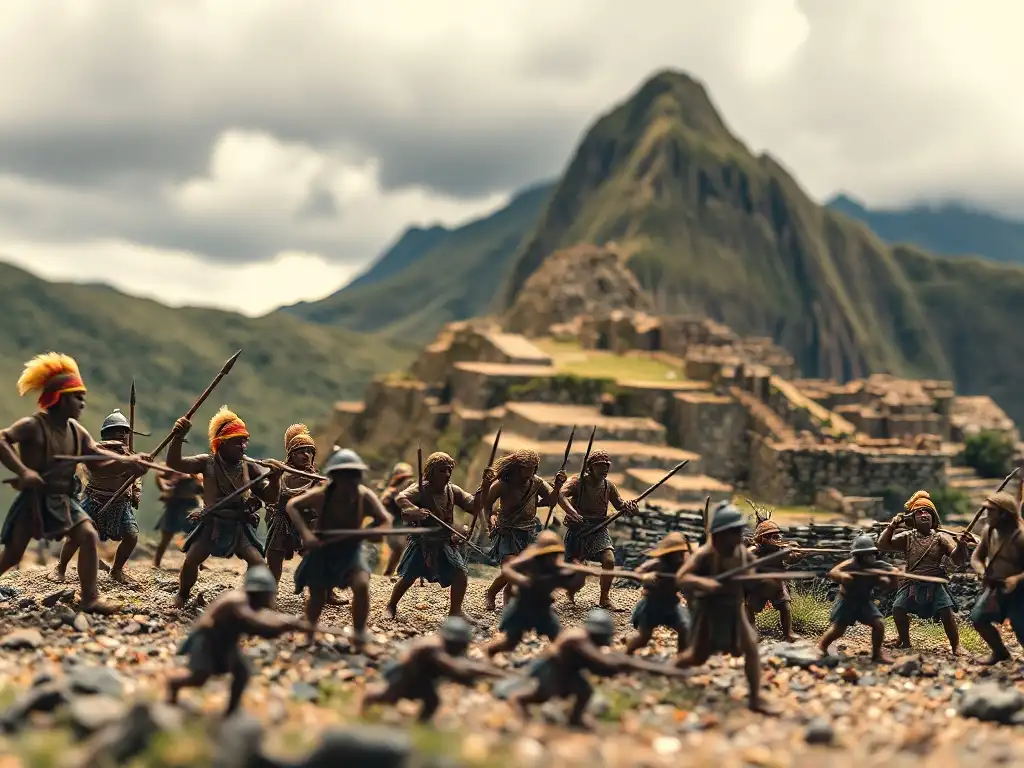
This section delves into the core components of Inca warfare strategies frequently incorporated into educational games and simulations. Understanding these elements is crucial to appreciating the complexity and effectiveness of Inca military operations. Accurate simulations strive to recreate not only the battles themselves but also the intricate planning and logistical prowess that underpinned Inca military success. The effective simulation of Inca warfare strategies requires a deep understanding of their unique approaches to combat, siege warfare, logistics, and overall military organization. This allows for a more immersive and historically accurate gaming experience.
Inca Warfare Tactics: Siege Warfare and Fortifications
Inca warfare strategies weren't solely focused on open battles. Sieges played a significant role, particularly when facing fortified settlements. Games accurately simulating Inca sieges often highlight their mastery of constructing and utilizing siege weaponry. This includes the effective use of slingers for ranged attacks, the deployment of specialized siege engines (though less sophisticated than those of some Eurasian civilizations), and the strategic undermining of walls. Furthermore, successful simulations portray the Inca's adeptness at constructing their own fortifications, often integrating natural features like cliffs and rivers into defensive positions.
The Inca's approach to siege warfare was characterized by patience and perseverance. Instead of relying solely on brute force, they often employed a combination of tactics: prolonged blockades to starve out defenders, coordinated assaults on weaker points of the fortifications, and the psychological warfare of creating fear and intimidation.
For example, a well-designed game might depict the strategic placement of troops to create a sense of overwhelming numbers, even if the actual force was smaller, thereby influencing enemy morale. The effective use of psychological warfare, a key aspect of Inca warfare strategies, is often underrepresented in historical depictions, but good games attempt to remedy this.
Detailed simulations may also incorporate the use of specialized tools and techniques for breaching fortifications, such as the use of fire, or the construction of ramps and siege towers. The specific materials used, available resources, and the terrain would all influence the choice of siege tactics employed.
Inca Military Formations and Combat Manevers
Effective simulations of Inca warfare strategies must also accurately represent their military formations and combat maneuvers. While detailed accounts are scarce, archaeological evidence and ethnohistorical sources suggest a flexible and adaptable approach. Games often depict the use of various formations, such as phalanxes for close-quarters combat and flanking maneuvers to exploit enemy weaknesses.
The Inca army was not a monolithic entity; it was composed of different units with specialized roles. Simulations should reflect this diversity, including the presence of elite warriors, slingers, spearmen, and possibly even specialized units equipped with clubs or other melee weapons. The strategic deployment of these units, based on terrain and the enemy's strengths and weaknesses, was a crucial aspect of Inca military success.
Moreover, successful simulations incorporate the use of psychological warfare within combat maneuvers. The use of intimidating war cries, the display of captured weapons and trophies, and the strategic use of terrain to create a sense of numerical superiority were all part of the Inca's arsenal. These factors significantly impacted enemy morale and could often lead to decisive victories. Games that realistically simulate these aspects provide a far richer and more nuanced representation of Inca warfare.
Understanding Inca Military Logistics and Supply Lines
A critical, often overlooked, aspect of Inca warfare strategies is their sophisticated logistics and supply lines. These were essential for sustaining large armies during prolonged campaigns. Games that accurately represent Inca military power should emphasize the importance of the chaski messenger system. This relay network, using runners to transmit messages across the vast Inca empire, was instrumental in coordinating troop movements and maintaining communication across long distances.
Furthermore, successful simulations should reflect the Inca's ability to effectively manage resources. The mita system, a form of labor tribute, allowed for the mobilization of large numbers of people to support military campaigns, providing food, supplies, and construction support. The efficient organization of food and supplies through storage facilities and networks of trails and roads was paramount to the army’s success. A well-designed game should showcase the challenges of sustaining a large army in difficult terrain and the ingenious solutions the Inca employed to overcome them.
The efficient movement of troops and supplies across the challenging Andean terrain also depended on a well-developed infrastructure. This includes the famous Inca roads, bridges, and storehouses. Games should accurately portray these elements, highlighting their importance in logistical success, and the consequences of disrupting these supply lines. Ignoring these logistical aspects would result in an incomplete and ultimately inaccurate portrayal of Inca warfare strategies.
The Inca Warrior Ethos and Its Representation in Games
The Inca military wasn't just about brute force; it was deeply intertwined with the Inca worldview and social structure. A strong warrior ethos, emphasizing loyalty, discipline, and unwavering dedication to the Sapa Inca, formed the bedrock of their fighting capabilities. This wasn't simply a matter of training; it was a deeply ingrained cultural value.
Games attempting to simulate Inca warfare must accurately reflect this ethos to be truly representative. For example, a game might incorporate a system where troop morale is directly tied to the player's adherence to Inca values, rewarding strategic decisions that align with Inca principles and penalizing actions deemed dishonorable. A simple "kill count" wouldn't suffice; the game needs to model the complex interplay between individual warrior performance and the broader societal context.
Furthermore, the representation of Inca weaponry and tactics in games must reflect the cultural significance of war. The macuahuitl, for instance, wasn't just a weapon; it was a symbol of power and authority. Games should portray its use not just as a means to inflict damage, but also as a ritualistic act, reflecting the ceremonial aspects of Inca warfare.
Simulations that accurately capture the spiritual dimension of Inca combat, including the roles of priests and shamans in boosting morale or cursing enemies, would add depth and authenticity to the experience. Failing to incorporate these nuances would present a simplified, and ultimately inaccurate, picture of Inca warfare. The integration of religious rituals before battle, the significance of specific battle cries, and the careful planning and coordination of attacks should all be considered for a truly immersive and educational gaming experience.
The Inca warrior wasn't just a soldier; he was a representative of the empire, and games need to reflect this crucial aspect. This approach ensures that the simulated battles are not only strategically engaging but also offer a window into the rich cultural tapestry of Inca society.
Choosing the Right Inca Warfare Game: A Comparative Guide
Choosing the right game to learn about Inca warfare strategies can feel overwhelming. The market offers various options, each with its strengths and weaknesses. This guide helps you navigate the choices, ensuring you find a game that aligns with your learning style and expectations. We'll analyze key aspects to consider before making your purchase, focusing on gameplay, cost, and platform compatibility. Understanding these factors will significantly enhance your experience and learning outcome related to Inca warfare strategies.
Comparing Gameplay Styles and Historical Accuracy
Not all Inca warfare games are created equal. Some prioritize realistic battle simulations, meticulously recreating Inca tactics and weaponry. Others opt for a more arcade-style approach, emphasizing fast-paced action over historical fidelity. The level of historical accuracy significantly impacts the educational value.
For example, some games might accurately depict the chaca (a type of Inca rope bridge) as a crucial element in military campaigns across challenging Andean terrain. Others might simplify this aspect, neglecting the strategic importance of such infrastructure in Inca military maneuvers. Similarly, the representation of Inca weaponry, such as the macuahuitl (a wooden club with obsidian blades) or the bolas (throwing weapons), varies greatly across different games. Some may accurately portray their effectiveness, while others might oversimplify or even misrepresent their use in combat.
The gameplay style also affects the learning experience. Real-time strategy (RTS) games offer a complex, in-depth simulation, demanding strategic thinking and resource management. Turn-based strategy games, on the other hand, provide a more deliberate pace, allowing for careful planning and consideration of Inca warfare strategies. Finally, some games might adopt a role-playing game (RPG) approach, focusing on character development and narrative within a broader context of Inca conflict.
| Game Type | Historical Accuracy Potential | Gameplay Pace | Learning Focus |
|---|---|---|---|
| Real-Time Strategy (RTS) | High to Low | Fast | Strategic decision-making, resource management |
| Turn-Based Strategy | High to Low | Slow | Tactical planning, long-term strategy |
| Role-Playing Game (RPG) | Low to Medium | Variable | Narrative, character development, context |
It's crucial to research the specific game's features and reviews before purchasing to gauge its historical accuracy and gameplay style. Look for games that cite their historical sources and consult reviews that assess the game's adherence to known Inca warfare strategies.
Considering Price, Availability, and Platform
The cost of Inca warfare games varies considerably. Some are free-to-play, supported by in-app purchases, while others require a one-time purchase or a subscription. Availability also differs; some games might be exclusive to specific platforms (PC, mobile, console), while others offer broader compatibility.
Consider your budget and preferred gaming platform when making your choice. Free-to-play options offer a low-risk entry point, allowing you to explore the game before investing further. However, be mindful of potential in-app purchases that could increase the overall cost. Paid games often offer a more complete experience with fewer limitations. Checking for reviews about potential "pay-to-win" mechanics is also wise. Lastly, ensure the game is available on your preferred platform—PC, mobile (iOS or Android), or gaming console—to avoid compatibility issues.
Matching Your Interests with the Available Games
The best Inca warfare game for you depends on your specific interests and learning goals. If you prioritize historical accuracy and a deep simulation of Inca military tactics, you should seek out games known for their meticulous research and realistic battle mechanics. If you prefer a more casual approach, a fast-paced arcade-style game might be more suitable. Perhaps you're more interested in the cultural aspects surrounding Inca warfare and less focused on the technicalities of battle simulations. In that case, a game with a strong narrative focus might be ideal.
Consider what aspects of Inca warfare most intrigue you. Are you fascinated by the logistical challenges of moving armies across the Andes? Or are you more drawn to the intricacies of Inca military organization and command structure? Do you want to learn about specific battles or campaigns? Tailoring your game selection to these interests will significantly enhance your engagement and learning experience. Remember to read reviews and compare different games to find the one that best aligns with your learning style and preferences concerning Inca warfare strategies. Enjoy your conquest! 🕹️
Recommendations Based on Different Player Profiles
Choosing the right Inca warfare game depends heavily on your gaming preferences and experience. Different games cater to different player profiles, offering varying levels of complexity, historical accuracy, and gameplay mechanics. Let's explore some recommendations based on typical player types:
For the Casual Player: If you're new to strategy games or simply want a relaxing yet engaging experience, look for games with simplified mechanics and intuitive interfaces. Games that emphasize resource management and strategic positioning over complex unit micromanagement are ideal. A good Inca warfare game for casual players should offer a tutorial mode and clear objectives, making it easy to learn and enjoy without feeling overwhelmed.
These games often prioritize a shorter playtime, allowing for quick sessions without significant time commitment. A focus on a visually appealing map and satisfying gameplay loop are also key components for a positive casual experience. Think of games that prioritize fun and accessibility over hardcore simulation.
For the Strategy Enthusiast: Experienced strategy gamers will appreciate games offering intricate mechanics, deep strategic layers, and a high level of challenge. These players might prefer games with a larger map, a wider variety of units with unique abilities, and complex diplomatic options reflecting the nuances of Inca warfare. A strong emphasis on historical accuracy in terms of unit composition, terrain effects, and overall strategic considerations is also crucial.
Consider games that require advanced planning, tactical flexibility, and the ability to adapt to changing circumstances. The replayability factor, due to diverse strategic options and unpredictable opponents (whether AI or human), will be paramount for this player profile. A steep learning curve is expected and even welcomed by this type of player.
For the History Buff: Players interested primarily in the historical aspects of Inca warfare will value games with accurate depictions of Inca military organization, weaponry, and tactics. Historical accuracy in unit types, technologies, and battle formations is essential. These players might prefer games with detailed historical information, perhaps even including background narratives or encyclopedic entries about the Inca Empire and its military campaigns.
The possibility to play as different factions within the Inca Empire or against other contemporaneous Andean civilizations would further enhance the historical immersion. The game's educational value and its capacity to deliver a realistic representation of Inca warfare would be the key factors influencing their choice.
For the Multiplayer Fan: Players who enjoy social interaction and competitive gameplay will prioritize games with robust multiplayer modes. The game should offer a stable online platform with a large and active player base. Features like ranked ladders, custom matches, and clan support are desirable.
The focus here shifts from the single-player experience to the competitive aspect, with the ability to strategize and outmaneuver other players online. The quality of the online infrastructure and the community surrounding the game are just as important as the game mechanics themselves. The existence of regular tournaments or events further contributes to the appeal for this player segment.
Maximizing Your Experience with Inca Warfare Strategy Games
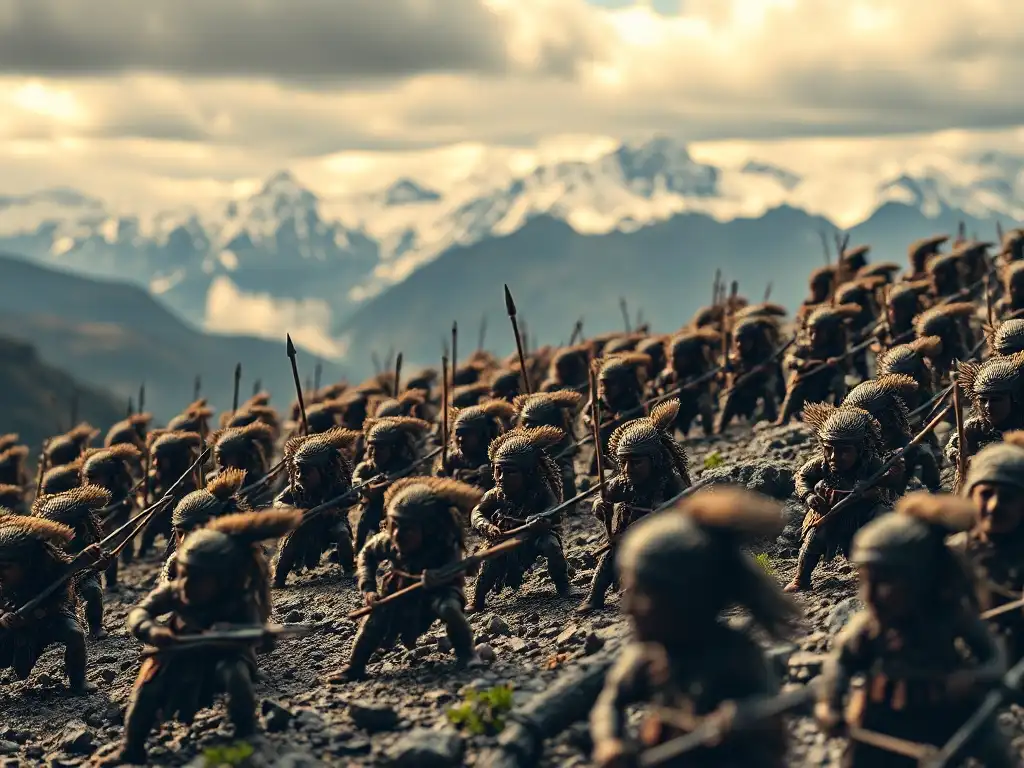
This section delves into practical tips and techniques to enhance your gameplay and understanding of Inca warfare strategies within digital simulations. Mastering these games isn't just about winning battles; it's about comprehending the nuanced tactics employed by the Inca Empire. By understanding their logistical prowess, strategic deployment, and adaptability, you'll gain a deeper appreciation for their military achievements.
Tips for Mastering Inca Military Strategies
Effective Inca warfare strategies hinge on several key elements. Successfully simulating these strategies in games requires a keen understanding of these elements. One crucial aspect is resource management. The Inca relied heavily on efficient resource distribution – food, supplies, and manpower – for sustained campaigns. In the games, this translates to careful management of your economic resources, prioritizing infrastructure development (like chacas for storage) and strategically positioning your armies near supply lines. Neglecting this aspect will lead to depleted armies and ultimately, defeat.
Another significant element is terrain advantage. The Inca were masters of utilizing the Andes' challenging geography to their advantage. They built impressive road networks, qhapaq ñan, to swiftly move troops and supplies across mountainous terrain. In the simulations, carefully study the map! Identify choke points, high-altitude passes, and defensible positions. Use these features to your advantage, flanking enemies, and setting ambushes. Think like an Inca general – utilize the natural landscape to your benefit.
Finally, consider the composition of your armies. The Inca army wasn't a monolithic force. They employed diverse units, each with its own strengths and weaknesses. In the games, understanding these unit types and their capabilities is paramount.
Experiment with different army compositions, adapting your strategies based on the terrain and the enemy you face. A balanced army, combining the strengths of different units, is often more effective than a large, homogenous force. Remember, even the most advanced Inca warfare strategies relied on effective scouting and intelligence gathering. In the game, this translates to careful reconnaissance, using scouts to identify enemy positions and weaknesses before engaging in direct combat.
Where to Find Community Resources and Guides
Beyond the game itself, numerous online communities and resources can significantly enhance your understanding of Inca warfare strategies. Dedicated forums and online communities often host discussions among players, sharing tips, strategies, and even custom scenarios based on historical battles. These communities provide a wealth of collective knowledge and insights, allowing players to learn from each other's experiences and refine their strategies.
Furthermore, many online guides and tutorials offer detailed analyses of the games' mechanics and strategies. These resources often delve into specific aspects of Inca warfare, such as siege warfare, guerrilla tactics, and the effective use of different unit types. Searching for "[game name] Inca strategies" or "[game name] Inca warfare guide" will likely yield relevant results. These resources are invaluable in understanding the intricacies of the game's mechanics and how they relate to the historical context. Remember to always cross-reference information from multiple sources to obtain a well-rounded understanding.
Integrating Inca Warfare Games into Educational Settings
Inca warfare strategy games can be powerful educational tools when integrated effectively into classroom settings. They offer an engaging and interactive way to teach students about Inca history, culture, and military organization. These games can be used to complement traditional teaching methods, providing a hands-on learning experience that fosters critical thinking and problem-solving skills.
For example, teachers can use the games to illustrate specific aspects of Inca warfare, such as the importance of logistics, the effective use of terrain, or the diversity of Inca military units. Students can work individually or in groups, designing and executing their own campaigns, analyzing their successes and failures, and learning from their mistakes. Post-game discussions can then focus on comparing the game's strategies with historical accounts of Inca warfare, enriching the learning experience.
The games can also be used to spark broader discussions about the Inca Empire's political and social structures, their relationship with other Andean civilizations, and their eventual conquest by the Spanish. The incorporation of these games requires careful planning and integration into the curriculum to maximize their educational value.
Teachers should consider creating structured learning objectives and providing clear guidelines for students to ensure the games effectively contribute to learning outcomes. Remember to focus on the historical context and avoid solely focusing on the game's competitive aspects.
Conclusion: Continuing the Exploration of Inca Military History
This exploration of Inca warfare strategies through the lens of strategy games has only scratched the surface of a fascinating and complex topic. The Inca Empire's military prowess wasn't solely reliant on brute force; it was a carefully orchestrated system integrating sophisticated logistics, psychological warfare, and adaptive tactics tailored to diverse terrains and enemies. Understanding these strategies provides valuable insight into the broader context of Inca society, their political organization, and their remarkable ability to maintain control over a vast and geographically challenging empire.
Further research into Inca military records, archaeological findings, and ethnohistorical accounts can significantly enrich our comprehension of their military capabilities and their impact on the Andean region. The enduring legacy of Inca military organization continues to inspire and inform modern strategic thinking, highlighting the timeless relevance of studying past civilizations.
The Value of Games in Learning about Inca Culture
Strategy games offer a unique and engaging pathway to understanding complex historical topics like Inca warfare strategies. By actively participating in simulated battles and resource management, players develop a deeper appreciation for the challenges faced by Inca commanders and the intricacies of their military operations. The interactive nature of these games fosters a more intuitive grasp of concepts that might be difficult to convey through traditional methods of historical instruction.
For example, a game might illustrate the logistical difficulties of supplying an army across the Andes, or the impact of terrain on battle formations, far more effectively than a textbook description. Moreover, well-designed games can incorporate accurate historical data, enhancing learning while simultaneously providing entertainment. This approach is particularly valuable for younger audiences, making the study of Andean history more accessible and enjoyable.
The gamified approach can significantly improve knowledge retention and stimulate a lifelong interest in Inca culture and history. Consider the impact of a game accurately depicting the use of chasquis (Inca runners) for rapid communication – a far more memorable experience than a simple reading.
The Future of Inca-Themed Strategy Games
The potential for Inca-themed strategy games is vast. Future iterations could incorporate more sophisticated AI opponents, improved graphical fidelity, and even virtual reality elements to further immerse players in the Inca world. More detailed simulation of Inca weaponry, fortifications, and siege warfare would add layers of complexity and realism.
Furthermore, incorporating archaeological discoveries and the latest research into game design will ensure historical accuracy and enhance the educational value of such games. The integration of multiple languages, including Quechua, could also broaden the accessibility and cultural relevance of these games. We can anticipate the emergence of games that explore lesser-known aspects of Inca warfare, such as their naval strategies on Lake Titicaca or their interactions with other Andean cultures.
The future is ripe with possibilities for creating engaging and educational experiences that bring the rich tapestry of Inca military history to life. This will not only entertain but also contribute to a wider appreciation of Inca achievements and their lasting impact on the world.
Encouraging Further Exploration of Andean History
The study of Inca warfare strategies, facilitated by engaging strategy games, serves as a gateway to a deeper exploration of Andean history as a whole. The military organization of the Inca Empire was intrinsically linked to its political, social, and economic structures. By understanding Inca military tactics, we gain a broader understanding of their societal values, their mastery of engineering and infrastructure, and their sophisticated administrative systems.
This leads to a richer appreciation of the complex tapestry of Andean civilizations, extending beyond the Incas to encompass the Moche, Nazca, and Tiahuanaco cultures, each with its own unique history and contributions. Encouraging further research and educational initiatives focused on Andean history is crucial to preserving and celebrating this vital part of human heritage.
Interactive games, alongside traditional academic approaches, can play a significant role in fostering a new generation of scholars and enthusiasts passionate about uncovering and sharing the wonders of Andean civilization. The potential for discovery and understanding remains vast, promising a future filled with new insights into this fascinating and historically significant region.
Frequently Asked Questions
What were the primary Inca warfare strategies?
The Inca employed a combination of strategies, including surprise attacks, ambushes, and siege warfare. They also excelled at psychological warfare, using propaganda and displays of power to intimidate enemies.
How did the Inca's geography influence their military tactics?
The Andean terrain heavily influenced Inca tactics. They were masters of mountain warfare, utilizing their knowledge of the landscape for ambushes and strategic positioning. Their road system also facilitated rapid troop deployment.
What role did weaponry play in Inca warfare?
While the Inca utilized various weapons like clubs, slings, and spears, their superior organization and strategy often proved more decisive than individual weapons technology. Psychological intimidation was a key component.
How effective was Inca warfare in achieving conquest?
Inca warfare was remarkably effective, leading to the creation of a vast empire. Their strategies, combined with superior organization and logistics, allowed them to conquer and subdue numerous groups across the Andes.
What were some of the limitations of Inca warfare strategies?
Despite their success, Inca warfare had limitations. Their strategies were less effective against highly mobile or technologically advanced adversaries. Disease also played a significant role in weakening their armies.
Final Reflection: Echoes of Conquest: Understanding Inca Warfare Strategies
The sophisticated military strategies employed by the Inca Empire remain relevant today, not just as historical curiosities, but as potent examples of effective resource management and strategic thinking in the face of complex challenges. Their innovative approaches to logistics, reconnaissance, and psychological warfare offer valuable lessons applicable to modern conflict resolution and even business strategy. The Inca's ability to conquer and unify such a vast and diverse territory speaks volumes about their mastery of these techniques.
The enduring legacy of Inca warfare extends far beyond the battlefield; it continues to shape our understanding of empire building, societal organization, and the very nature of power. Their intricate system of roads, strategically placed fortifications, and highly disciplined army were all integral parts of a larger, sophisticated societal structure. The Inca Empire was not built on brute force alone, but on a meticulous understanding of human nature and the strategic deployment of resources.
This quote encapsulates the nuanced approach the Inca took, highlighting the importance of both military prowess and political acumen. Their story serves as a powerful reminder of the interconnectedness of military strength and societal well-being.
Consider the implications of Inca warfare strategies for your own life. How can you apply their principles of meticulous planning, resource allocation, and understanding of your "terrain" – be it a professional project, a personal challenge, or a community initiative – to achieve your goals? Embrace the spirit of innovation and strategic thinking that defined the Inca, and discover the power of thoughtful planning in navigating the complexities of your own world. The echoes of their conquests resonate not just in history books, but in the potential for strategic mastery within each of us.
Unleash Your Inner Strategist Today!
Thank you for exploring the fascinating world of Inca warfare tactics! We hope you've gained a deeper understanding of these remarkable strategies and their rich historical context. Now, let's delve even further into the art of strategy.
Here are some ways to continue your exploration:
- Join a strategy gaming community: Connect with fellow enthusiasts and share your insights on Inca tactics and warfare strategies in online forums or social media groups. Discussions with others can provide new perspectives and deepen your understanding.
- Challenge yourself with a new strategy game: Many games incorporate ancient military tactics, offering a fascinating comparison to the Inca's use of terrain and formations. Experimenting with different games can highlight the strengths and weaknesses of various strategic approaches.
- Share this article: Spread the word! Share your newfound knowledge with friends who might appreciate learning about history or strategy games.
We're eager to hear your thoughts: Which Inca tactic most inspires your own strategic gameplay? Let's discuss!