
Echoes of the Andes: Creating Music with Ancient Instruments

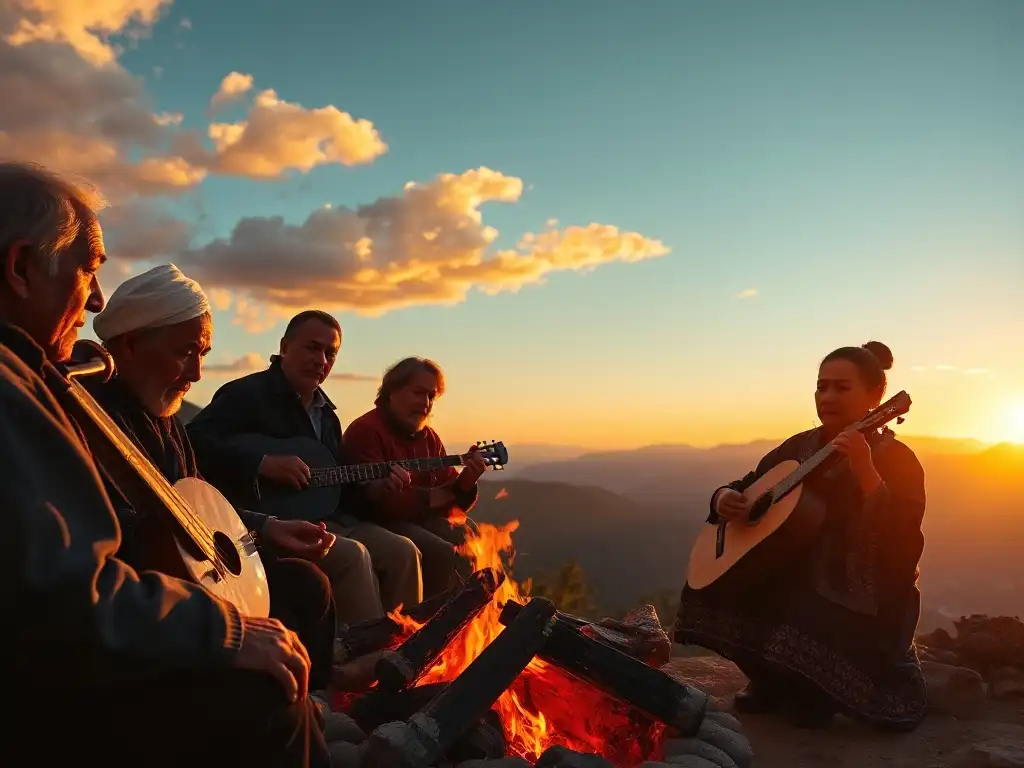
Uncover the secrets whispered on the wind across the Andes Mountains. For centuries, the echoes of vibrant cultures have resonated through the valleys – a legacy woven into the very fabric of their ancient Andean musical instruments. Journey with us into a world of intricate artistry and captivating sounds as we explore the remarkable ingenuity behind these artifacts, revealing the surprising stories they hold. Prepare to be amazed by the power of music to connect us to the past, and discover how these instruments continue to inspire today.
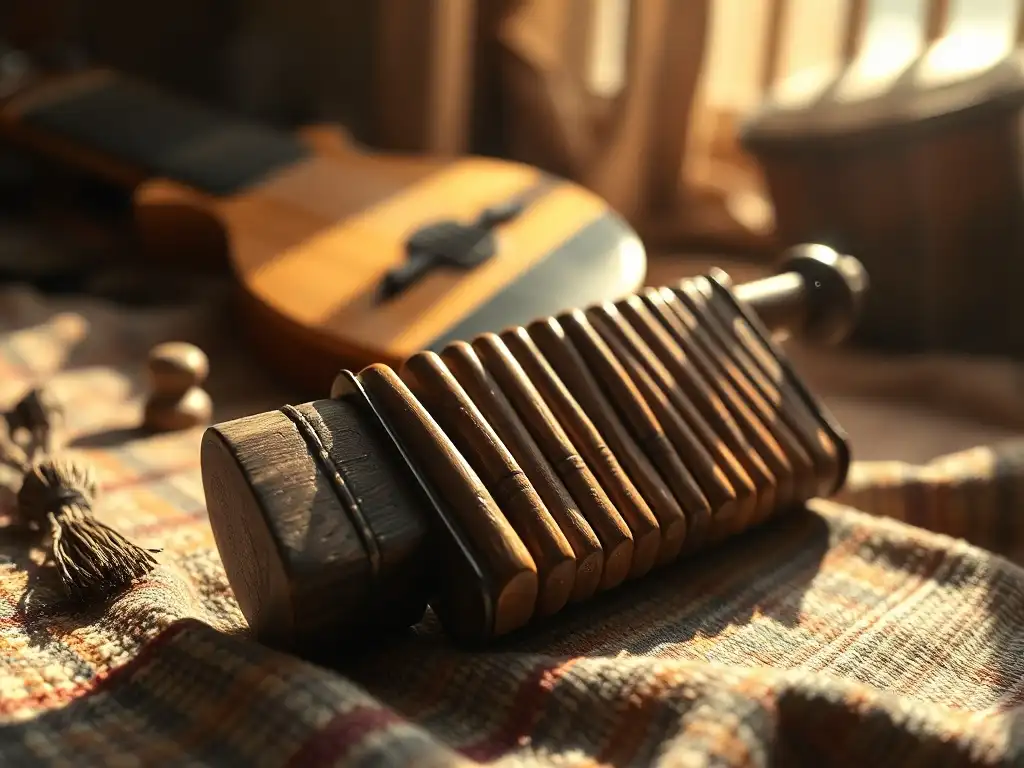
The Andes Mountains, a spine of towering peaks stretching along the western coast of South America, have nurtured some of the world's most fascinating and enduring cultures. For millennia, the vibrant societies that flourished in this challenging landscape—the Incas, Moche, Nazca, and Tiahuanaco, among others—developed unique artistic expressions, including a rich musical tradition.
This article delves into the captivating world of ancient Andean musical instruments, exploring their construction, sounds, and the crucial role they played in daily life and spiritual practices. We will uncover the echoes of these ancient instruments, providing insights into how you can create your own Andean-inspired music today, allowing you to connect with the legacy of these remarkable civilizations.
From the haunting melodies of panpipes to the rhythmic beats of drums, we’ll journey through the soundscapes of the Andes and discover the enduring power of their musical heritage. This exploration will provide a deeper understanding of "ancient Andean musical instruments," enriching your appreciation for both their historical significance and artistic potential.
Introduction: Journey into Andean Soundscapes
The sounds of the Andes are as diverse and captivating as the landscape itself. Imagine the wind whistling through towering peaks, the rush of glacial rivers, and the calls of exotic birds – these natural soundscapes undoubtedly influenced the development of Andean music.
Ancient Andean societies didn't just passively listen; they actively participated in creating music using a variety of ingenious instruments crafted from readily available materials. These instruments weren't mere entertainment; they were integral to religious ceremonies, agricultural rituals, and social gatherings, reflecting a deep connection between music, nature, and the spiritual world.
This section will introduce you to the core families of ancient Andean instruments, laying the groundwork for a more detailed exploration of their individual characteristics and cultural significance. We'll discover how these instruments, often made from simple materials like wood, bone, and gourds, produced a range of sounds capable of evoking powerful emotions and conveying complex meanings.
Understanding the Legacy of Andean Musical Instruments
Ancient Andean musical instruments were not just tools for making music; they were extensions of the culture itself. The construction techniques, the materials used, and even the sounds produced were deeply intertwined with the beliefs and practices of the different Andean societies.
Let's explore some key instrument types:
- Panpipes (antara): These iconic instruments, made from a series of reeds of varying lengths, produced haunting, ethereal melodies. The number of pipes varied depending on the region and the intended purpose. Different arrangements of pipes created unique timbres, adding complexity and richness to the music. The meticulous crafting of these instruments reflects the level of skill and artistry of the Andean musicians.
- Drums (tinku): Rhythmic drums, often made from animal skins stretched over wooden frames, provided the percussive backbone of Andean music. Their varied sizes and shapes produced different tones and rhythms, often used to accompany dances and ceremonies. The rhythmic intensity of these drums could be both celebratory and deeply spiritual.
- Flutes (quena): Simple yet elegant, these end-blown flutes were crafted from various materials including wood and bone. Their clear, resonant tones added melodic depth to musical ensembles. Their relatively simple construction belies their significant role in Andean musical traditions.
- Other Instruments: Beyond these prominent instruments, a variety of other percussion instruments, such as rattles and scrapers, were also used, adding layers of texture and rhythmic complexity to the music. These instruments often incorporated natural materials, highlighting the close relationship between music and the environment.
The enduring legacy of these instruments is evident in the continued use of their modern counterparts in Andean music today. Their sounds continue to resonate, carrying the echoes of ancient traditions into the present.
The Significance of Music in Ancient Andean Societies
Music wasn't simply entertainment in ancient Andean societies; it held profound social, religious, and political significance. It played a crucial role in:
- Religious Ceremonies: Music was an integral part of religious rituals, used to communicate with deities and ancestors. Specific instruments and melodies were associated with particular deities or ceremonies, underscoring their spiritual importance. The music helped to create a sacred atmosphere and facilitate communication with the supernatural world.
- Agricultural Practices: Music accompanied agricultural activities, believed to influence crop yields and ensure a bountiful harvest. Rhythmic drumming and chanting might have been used to synchronize work efforts and foster community spirit during planting and harvesting seasons.
- Social Gatherings: Music and dance were essential components of social gatherings, celebrations, and festivals. These events provided opportunities for social interaction, strengthening community bonds and reinforcing social structures. Music served as a powerful tool for collective expression and identity.
- Political Power: Music also played a role in expressing and maintaining political power. Elaborate musical performances could have been used to demonstrate the authority and prestige of rulers, reinforcing their legitimacy and control.
The study of ancient Andean musical instruments offers a window into the rich cultural tapestry of these remarkable civilizations. Their sounds, though separated by centuries, continue to speak to us, reminding us of the enduring power of music to connect us to the past and inspire us in the present. Understanding their historical context allows us to appreciate their artistic merit and cultural significance on a deeper level.
Key Types of Pre-Columbian Andean Instruments
The ancient Andean civilizations developed a diverse range of musical instruments, reflecting their rich cultural tapestry and sophisticated understanding of sound. These instruments weren't merely for entertainment; they played vital roles in religious ceremonies, agricultural rituals, and social gatherings. Understanding these instruments provides a fascinating glimpse into the soundscapes of these ancient societies and their beliefs. The creation and use of these instruments were often deeply intertwined with their spiritual and cosmological views. For example, the sounds produced were believed to influence the natural world, affecting harvests and ensuring good fortune.
One of the most iconic instruments is the pututu, a long, shell trumpet often made from a Strombus shell. Its deep, resonant sound could carry for considerable distances, making it ideal for signaling across valleys or announcing important events. The pututu wasn't just a practical tool; its powerful sound was also believed to have spiritual significance, connecting the human world to the divine. Variations in size and shape of the pututu created unique tonal qualities, adding to its versatility. Archaeological finds reveal pututus in various sizes and shapes, suggesting regional variations in design and use.
Another prominent instrument family is the panpipes, or antara. These consist of a set of pipes of graduated lengths, bound together, producing a melodic sound. The antara’s ability to produce complex melodies made it suitable for a wide range of musical expressions, from ritualistic chants to celebratory songs.
Different sizes and numbers of pipes within an antara created diverse sounds, reflecting regional styles and preferences. The crafting of an antara required considerable skill and precision, demonstrating the high level of craftsmanship within Andean societies. Depictions of antara players can be found in various pre-Columbian artwork, highlighting their importance in Andean culture.
Percussion instruments also held significant importance. The tinku, a type of drum, was often used in ceremonies and dances. Its rhythmic beat provided the backbone for many musical performances. Different sizes and materials were used to create varying sounds, each with its own specific cultural and ritualistic significance. The tinku’s rhythmic power was likely considered a powerful force, capable of influencing the energy of ceremonies and celebrations. Furthermore, the materials used to create the tinku often held symbolic meaning, adding to the instrument’s spiritual significance.
Finally, stringed instruments, though less common than wind and percussion instruments, were also present. These instruments, often simple in design, were used to accompany vocal performances or create softer, more intimate sounds. Their exact construction and use remain an area of ongoing research, but their presence indicates a broader musical palette than is often initially assumed. The limited evidence of stringed instruments suggests a possibly more localized or specialized use compared to the more widespread use of wind and percussion instruments. Further research is needed to understand their full role in Andean musical traditions.
- Introduction: Journey into Andean Soundscapes
- Understanding the Legacy of Andean Musical Instruments
- The Significance of Music in Ancient Andean Societies
- Key Types of Pre-Columbian Andean Instruments
- What types of ancient Andean musical instruments are discussed in the article?
- How were these ancient instruments used in Andean society?
- What materials were typically used to create ancient Andean musical instruments?
- What is the significance of ancient Andean music in understanding their culture?
- Where can I learn more about ancient Andean musical instruments?
Step-by-Step Guide to Creating Your Own Andean Music
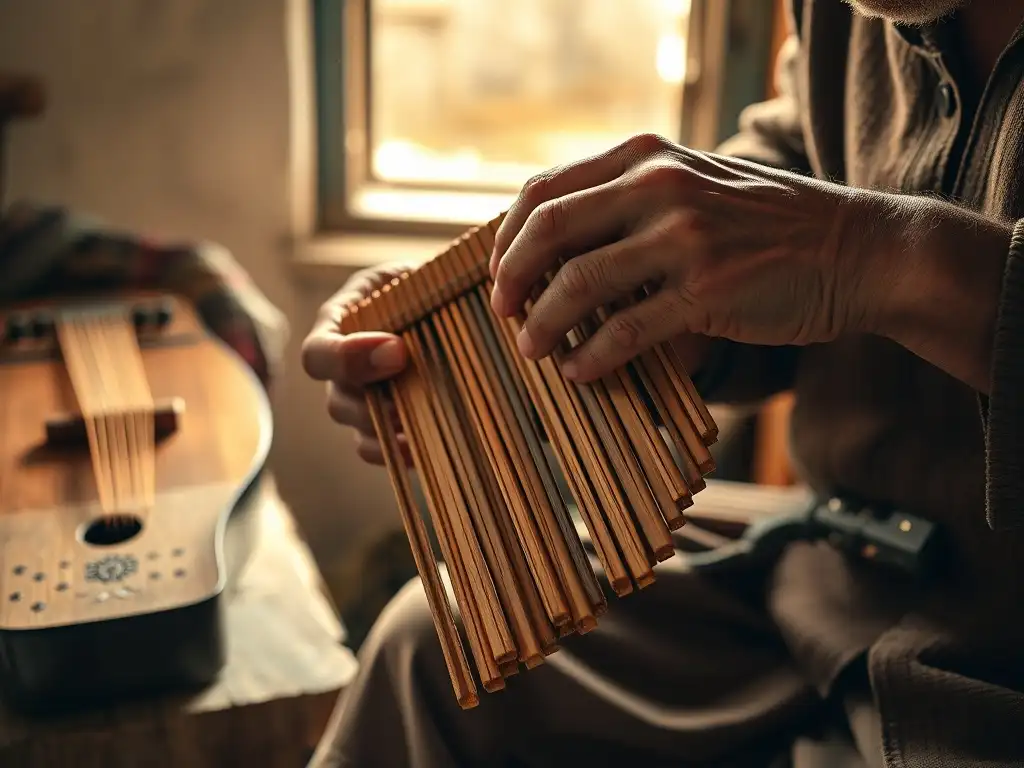
This section provides a practical guide to crafting your own Andean-inspired music, focusing on recreating the sounds of ancient Andean civilizations using readily available instruments or their modern equivalents. We'll explore the unique characteristics of several ancient Andean musical instruments and how to approach learning the basic rhythms and melodies associated with this rich musical tradition. This guide is perfect for anyone interested in exploring the captivating world of ancient Andean musical instruments.
Step 1: Choosing Your Instrument - Recreating Andean Sounds
The first step in your Andean musical journey is selecting an instrument. While many instruments were used across various Andean cultures, some stand out for their prevalence and distinctive sounds. Let's explore three popular choices, each offering a unique contribution to the overall Andean musical landscape. Remember, the beauty of recreating this music lies in the exploration and experimentation—don't be afraid to try different instruments and find your own voice within this rich tradition.
Option 1: The Versatile Zampoña (Panpipes)
The zampoña, also known as panpipes, is arguably the most iconic ancient Andean musical instrument. These panpipes are made from a series of reeds of varying lengths, bound together and played by blowing across the open ends. The zampoña produces a hauntingly beautiful sound, capable of both delicate melodies and powerful, resonant harmonies. Its versatility made it a staple in Andean rituals, celebrations, and everyday life.
Different regions had their own variations in the number of pipes and the overall tuning, resulting in a diverse range of sounds. You can find modern versions made from various materials, offering a range of price points and tonal qualities. Consider researching the different types of zampoñas, such as the siku (a type of zampoña played in pairs), to discover the instrument that best suits your style.
Option 2: The Rhythmic Charm of the Wankara (Drum)
The wankara is a crucial element in Andean music, providing the rhythmic heartbeat of many traditional pieces. This cylindrical drum, typically made from wood and covered with animal skin, is played with sticks or hands, producing a deep, resonant sound. The wankara’s rhythmic patterns are complex and varied, reflecting the diverse musical traditions across the Andes.
Mastering the wankara requires dedicated practice to develop control over the dynamics and rhythmic nuances. The size and material of the wankara directly influence its tone and volume, impacting the overall character of the music. Researching different regional variations of the wankara will help you understand the nuances and variations within this ancient instrument's rich history.
Option 3: The Haunting Sound of the Quena (Flute)
The quena, a simple end-blown flute, possesses a uniquely haunting and evocative tone. Made from wood or cane, its simple design belies its expressive capabilities. The quena plays a significant role in Andean musical traditions, often used to create both melancholic and celebratory melodies.
Its relatively straightforward construction makes it a popular choice for beginners, though mastering its nuances still requires practice and dedication. The quena's sound is deeply intertwined with the landscapes and cultures of the Andes, making it a powerful instrument for conveying emotion and storytelling. Exploring different key signatures and playing techniques will unlock the quena's full expressive potential.
Step 2: Learning Basic Andean Rhythms and Melodies
Once you've chosen your instrument, the next step involves learning the fundamental rhythms and melodies of Andean music. This requires dedicated effort and a willingness to immerse yourself in the rich musical heritage of the region.
Accessing Online Resources for Andean Music Tutorials
Fortunately, the digital age offers numerous resources for learning Andean music. Many websites and online platforms provide tutorials, sheet music, and audio examples that can guide you through the process. These resources often include lessons on basic scales, rhythms, and techniques specific to Andean instruments.
Searching for terms like "Andean music lessons," "ancient Andean musical instruments tutorials," or "learn to play the zampoña" will yield a wealth of information. Remember to explore various resources and find those that best suit your learning style and instrument choice. The availability of high-quality resources makes learning accessible to everyone, regardless of their prior musical experience.
Exploring Andean Scales and Modes
Andean music often employs unique scales and modes that differ from Western musical traditions. Understanding these scales is crucial for playing authentic-sounding Andean music. These scales often feature intervals and melodic patterns that create a unique and captivating sound. Researching Andean musical theory will reveal the specific scales used in different regions and musical styles.
Understanding these scales will not only improve your playing but also deepen your appreciation of the intricacies and nuances of Andean musical traditions. This exploration will allow you to truly capture the essence of ancient Andean music in your own compositions and performances. The more you delve into this aspect, the more authentic your creations will become.
Step 3: Combining Instruments and Creating Your Own Andean Sound
Creating authentic-sounding Andean music involves more than just mastering individual instruments; it's about understanding how these instruments interact and complement each other. The beauty of Andean music lies in its layered textures and rhythmic complexities, achieved through the careful blending of various instruments. This step focuses on exploring different instrument combinations and utilizing technology to enhance the final product. We'll delve into the art of layering sounds, balancing tones, and achieving a cohesive musical experience reminiscent of ancient Andean traditions.
Understanding the interplay of instruments is key to capturing the spirit of the music, moving beyond simple imitation to true artistic expression. The process is iterative; experimentation is crucial to finding your unique voice within this rich musical landscape. Don't be afraid to break the rules and discover your own signature sound.
Experimenting with Different Instrument Combinations
The possibilities are vast when combining ancient Andean instruments. Consider the deep, resonant tones of the antara flutes, the percussive energy of the tinku drums, and the melancholic melodies of the charango. Experimenting with different combinations reveals the unique sonic potential of each pairing. For instance, the combination of a zampoña (panpipes) and a rondador (a type of panpipe) creates a rich, layered texture, often used to create a sense of depth and atmosphere.
Pairing these with the rhythmic drive of a tinku drum can generate a powerful and dynamic sound. Conversely, a more subdued combination might involve the delicate melodies of the charango accompanied by the gentle drone of a pututo (a type of horn). The key is to listen carefully to how the instruments interact, paying attention to the interplay of their frequencies and rhythmic patterns. Try contrasting high-pitched instruments with low-pitched ones, creating a balance that is both harmonious and exciting.
Think about the emotional impact you want to create – do you want a vibrant, celebratory sound, or a more reflective, introspective one? Your choice of instrument combination will directly influence the overall mood and character of your music. Remember to document your experiments; note down which combinations work best and why. This will help you refine your approach and develop your own unique style.
Using Digital Audio Workstations (DAWs) for Enhanced Sound
While traditional methods are essential, modern technology offers powerful tools for enhancing the sound of your Andean-inspired music. Digital Audio Workstations (DAWs) allow for precise control over individual tracks, enabling sophisticated mixing and mastering techniques. DAWs provide a flexible environment for layering sounds, adjusting individual instrument volumes, and applying effects like reverb and delay to create a more immersive soundscape. For example, you might use a DAW to add a subtle reverb to your antara flutes, creating the impression of playing in a vast Andean landscape.
Similarly, you could apply a delay effect to the charango, adding a sense of depth and spaciousness to its melodies. DAWs also allow for precise editing and correction of individual notes or sections of your recordings, ensuring a professional and polished final product. Furthermore, DAWs facilitate experimentation with different sound processing techniques, allowing you to explore new sonic territories and discover unique soundscapes.
Remember, the goal is not to replace the authenticity of the instruments but to enhance their natural beauty and create a richer, more nuanced listening experience. Exploring the features of a DAW will unlock a world of possibilities, transforming your creations into a modern interpretation of ancient Andean musical traditions. The use of DAWs allows for a level of control and precision that would be difficult to achieve through purely acoustic methods, bridging the gap between tradition and contemporary musical production techniques.
Resources for Further Exploration of Andean Music
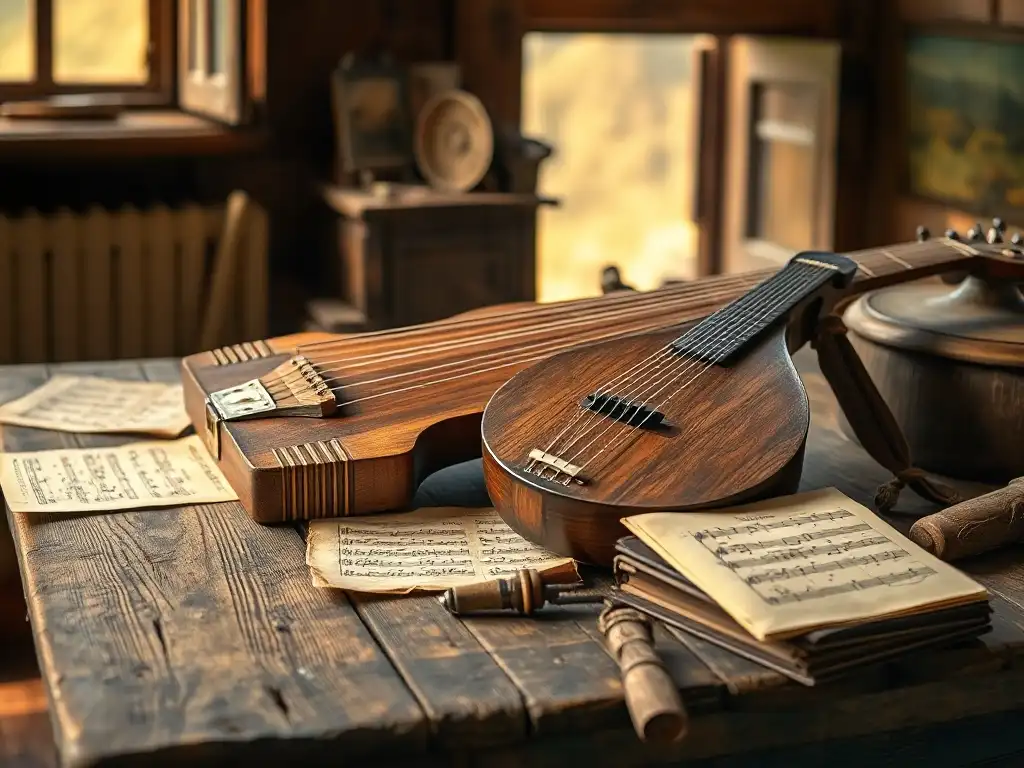
This section delves into resources available for those wishing to deepen their understanding and appreciation of ancient Andean musical instruments and their historical context. We'll explore avenues for further research, allowing you to continue your journey into the captivating soundscapes of the Andes.
Books and Articles on Andean Music History
Discovering the history of ancient Andean musical instruments requires dedicated research. Fortunately, a growing body of scholarly work exists, offering valuable insights into the craftsmanship, cultural significance, and musical practices associated with these artifacts. Several key areas of focus exist within this research, providing a multifaceted understanding of the subject.
Several books offer comprehensive overviews of Andean music history. These often include detailed descriptions of various instruments, their construction techniques, and their roles in different Andean societies. For example, studies focusing on the Inca Empire often highlight the pututu (a shell trumpet) and the antara (panpipes) and their use in religious ceremonies and state occasions.
Similarly, research on pre-Inca cultures, such as the Moche and Nazca, reveals fascinating information about their unique musical traditions and the instruments they employed. These works often incorporate archaeological findings, ethnomusicological studies, and analyses of surviving instruments to paint a vivid picture of ancient Andean musical life.
Beyond books, numerous scholarly articles provide in-depth analyses of specific instruments or musical practices. These articles frequently appear in journals dedicated to ethnomusicology, archaeology, and Andean studies. They often focus on specific aspects, such as the materials used in instrument construction, the evolution of playing techniques, or the social and political contexts in which music was performed.
For example, one might find articles dedicated to the iconography of musical instruments in ancient Andean art, providing further context for their cultural significance. The detailed analysis found within these articles provides crucial insights into the nuances of ancient Andean musical traditions. Searching academic databases using keywords like "ancient Andean musical instruments," "Andean ethnomusicology," and "pre-Columbian music" will yield fruitful results.
Online Communities and Forums for Andean Music Enthusiasts
The digital age has fostered vibrant online communities dedicated to Andean music and culture. These spaces provide opportunities for enthusiasts to connect, share knowledge, and engage in discussions about ancient Andean musical instruments and related topics. Participating in these online forums can be incredibly valuable for expanding your understanding and network within this field.
Many online forums and social media groups focus specifically on Andean music. These platforms often feature discussions on instrument construction, playing techniques, musical scores, and historical interpretations. Members may share resources, such as recordings of traditional music, images of ancient instruments, and links to relevant articles.
This collaborative environment facilitates the exchange of information and perspectives, allowing individuals to learn from each other's experiences and expertise. The interactive nature of these communities provides a dynamic learning experience, enriching your understanding of ancient Andean musical instruments far beyond what you might find in a textbook. Moreover, direct interaction with experts and passionate hobbyists can lead to valuable insights and unexpected discoveries, fostering a deeper appreciation for the subject.
These online spaces are living archives of knowledge and enthusiasm, constantly evolving and expanding. Finding these communities requires searching online using terms such as "Andean music forum," "Andean instrument community," or "Andean music enthusiasts." Joining these groups can provide access to a wealth of information and a supportive network of fellow enthusiasts.
Frequently Asked Questions
What types of ancient Andean musical instruments are discussed in the article?
The article explores a variety of instruments, including the panpipes (antara), the pututu horn, the tarka flute, and various types of drums and percussion instruments. These instruments reflect the diverse musical traditions of the Andean civilizations.
How were these ancient instruments used in Andean society?
These instruments played a vital role in religious ceremonies, agricultural rituals, and social gatherings. Music was deeply integrated into daily life and held significant cultural importance.
What materials were typically used to create ancient Andean musical instruments?
Natural materials were predominantly used, such as wood, bone, shells, reeds, and metals like gold and silver. The choice of material often reflected the available resources in each region.
What is the significance of ancient Andean music in understanding their culture?
Ancient Andean music offers crucial insights into their belief systems, social structures, and artistic expression. It provides a window into the hearts and minds of these fascinating civilizations.
Where can I learn more about ancient Andean musical instruments?
This article provides a starting point, but you can delve deeper by exploring museums, academic journals, and ethnomusicology resources focusing on Andean cultures. Many online resources also exist dedicated to this topic.
Final Reflection: The Enduring Song of the Andes
The resurgence of ancient Andean musical instruments is not merely a nostalgic trend; it's a powerful testament to the enduring spirit of a culture that refuses to be silenced. These instruments, crafted with meticulous care and imbued with centuries of tradition, offer a vibrant connection to a rich history and a profound understanding of the human experience. Their sounds resonate not only in museums and concert halls but also in the hearts of communities striving to preserve their heritage.
The impact of these instruments extends far beyond their musicality. They represent a living link to ancestral knowledge, a tangible connection to the past that shapes the present and informs the future. Their intricate designs and unique sonic qualities tell stories of resilience, adaptation, and the enduring power of cultural identity. Music is the universal language of mankind,
said Henry Wadsworth Longfellow, and the music of the Andes, played on these ancient instruments, speaks volumes about the human spirit's capacity for creativity and perseverance.
Consider the echoes of these instruments – the haunting melodies of the antara, the rhythmic pulse of the tarka, the deep resonance of the pututu. Let their sounds inspire you to explore the rich tapestry of human culture, to appreciate the beauty of diversity, and to seek out the unique voices that enrich our world. You, too, can become a part of this enduring song, by learning more, sharing this knowledge, and supporting the artisans and musicians who keep these traditions alive.
Unleash Your Inner Musician and Explore Ancient Andean Sounds!
Thank you for exploring the rich history of Andean music and its fascinating ancient instruments. We hope you've found inspiration in the unique sounds and stories that resonate through time. Now, let's put that inspiration to work!
Here are a few ways to connect with Andean music and create your own vibrant musical experiences:
- Learn to play an ancient Andean instrument! Many workshops and online tutorials offer instruction on instruments like the pan flute or charango—find one that suits you and begin your musical journey.
- Share your progress! Post a video of your playing on social media and connect with other music enthusiasts using relevant hashtags.
- Join a world music community. Immerse yourself further in the culture and collaborate with others who share your passion for Andean music.
What melodies will you create as you explore the echoes of the Andes? Share your thoughts below!