
The Rhythms of the Past: How Andean Dance Traditions Live On

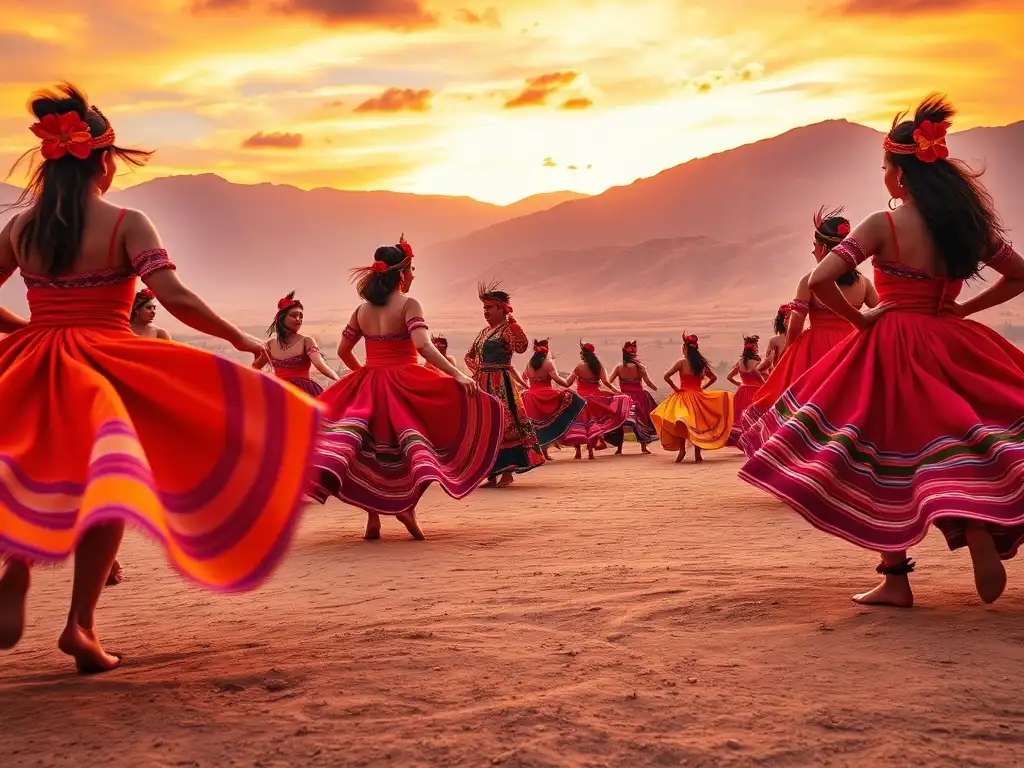
Step into a world lost to time, yet vibrantly alive in its legacy. Imagine the echoes of ancient rhythms, the swirling colours of intricate costumes, and the powerful stories whispered through generations of Andean dance. This is more than just history; it's a living testament to the enduring spirit of civilizations like the Incas, Moche, and Nazca. Discover the captivating history and enduring traditions of Andean dance history traditions – a journey through time that will leave you breathless. Explore the depths of their legacy and uncover the secrets they hold within their movements...
The vibrant tapestry of Andean culture is interwoven with threads of dance, a legacy passed down through millennia, reflecting the beliefs, struggles, and triumphs of its people. From the sacred rituals of the Incas to the celebratory movements of modern communities, Andean dance traditions continue to resonate, shaping social identity and artistic expression. This exploration delves into the rich history of Andean dance, tracing its evolution from ancient ceremonies to its dynamic presence in contemporary society.
We will examine how these ancient forms not only survived but thrived, adapting and reinventing themselves while maintaining a profound connection to their ancestral roots. Understanding Andean dance history is key to understanding the enduring spirit of Andean civilizations and their lasting influence on the region's cultural landscape. The keyword "Andean dance history traditions" will be explored throughout this article, demonstrating the depth and continuity of this significant cultural element.
Ancient Roots: Dance in Inca, Moche, and Nazca Societies
Andean dance didn't emerge in a vacuum; it was deeply embedded within the socio-religious fabric of ancient societies. Inca society, for example, utilized elaborate dances during religious festivals dedicated to their deities. These ceremonies, often involving hundreds of participants, were meticulously choreographed, with specific movements and costumes signifying particular deities or agricultural cycles.
Similarly, the Moche culture, known for its sophisticated artistry, likely incorporated dance into their rituals, although concrete evidence is more limited due to the nature of their archaeological record. We can infer a significant role for dance based on their artistic representations depicting figures in dynamic poses, suggestive of movement and performance. The Nazca people, famed for their geoglyphs, also likely engaged in ritual dances, possibly reflecting their complex cosmology and agricultural practices.
Unfortunately, the exact nature of these dances remains largely a matter of scholarly interpretation and reconstruction, relying heavily on artistic depictions and anthropological analysis. Further research and archaeological discoveries are crucial to fully understand the intricacies of these ancient dance forms.
The Spanish Conquest and its Impact on Andean Dance
The arrival of the Spanish conquistadors in the 16th century dramatically altered the Andean world, including its dance traditions. The Spanish attempted to suppress indigenous practices, including religious ceremonies which often incorporated dance. However, Andean people demonstrated remarkable resilience. While some dances were suppressed or altered, others adapted, incorporating elements of Spanish culture while retaining their core Andean identity.
This fusion led to the emergence of hybrid dance forms, blending indigenous steps and rhythms with European influences, creating a unique and syncretic cultural expression. The process wasn't always harmonious; it often involved a struggle for cultural survival and the adaptation of indigenous traditions to survive under colonial rule. This period highlights the strength and adaptability of Andean dance traditions in the face of adversity.
Andean Dance in the Modern Era: Continuity and Change
Today, Andean dance thrives, continuing to evolve while preserving its historical roots. From the vibrant caporal of Bolivia to the graceful marinera of Peru, each dance tells a story, reflecting regional variations and cultural nuances. Many communities actively work to preserve these traditions, teaching them to younger generations through workshops, festivals, and cultural centers. This dedication ensures that the rhythms of the past continue to resonate in the present, fostering a sense of cultural identity and pride.
However, challenges remain. Globalization and urbanization threaten to erode traditional practices, making the efforts to preserve and promote Andean dance even more critical. The continued support for these traditions is essential for maintaining cultural diversity and heritage.
Andean Dance and Tourism: A Double-Edged Sword
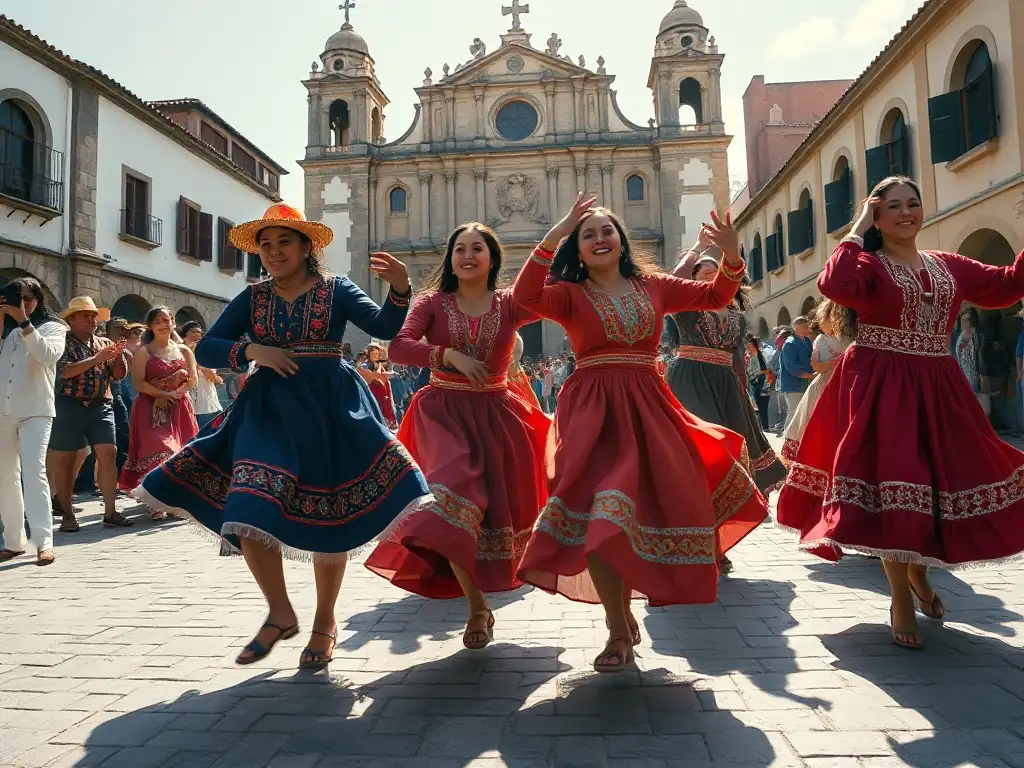
The growing popularity of Andean dance as a tourist attraction presents a complex scenario. On one hand, it provides economic opportunities for communities and encourages the preservation of traditional skills. On the other, there's a risk of commodification, where authenticity is sacrificed for entertainment value.
The crucial balance lies in ensuring that the cultural significance of the dances is respected and that the communities involved benefit directly from the tourism industry, not just exploitative intermediaries. Careful consideration and community involvement are essential to navigate this challenge successfully. A sustainable approach is vital to ensure that the rich heritage of Andean dance is preserved for future generations, not merely exploited for short-term gain.
The Future of Andean Dance Traditions
The future of Andean dance traditions hinges on the continued engagement of communities, the support of governments and cultural institutions, and a growing global awareness of their importance. Efforts to document, preserve, and promote these traditions are crucial for ensuring their survival.
By fostering collaboration between researchers, educators, and communities, we can work towards a future where the rhythms of the past continue to inspire and enrich the lives of people in the Andes and beyond. The preservation and celebration of Andean dance is not merely the preservation of dance itself, but the preservation of a rich cultural heritage, a living testament to the enduring spirit of Andean civilizations.
- Ancient Roots: Dance in Inca, Moche, and Nazca Societies
- The Spanish Conquest and its Impact on Andean Dance
- Andean Dance in the Modern Era: Continuity and Change
- Andean Dance and Tourism: A Double-Edged Sword
- The Future of Andean Dance Traditions
Andean Dance History: A Legacy in Motion
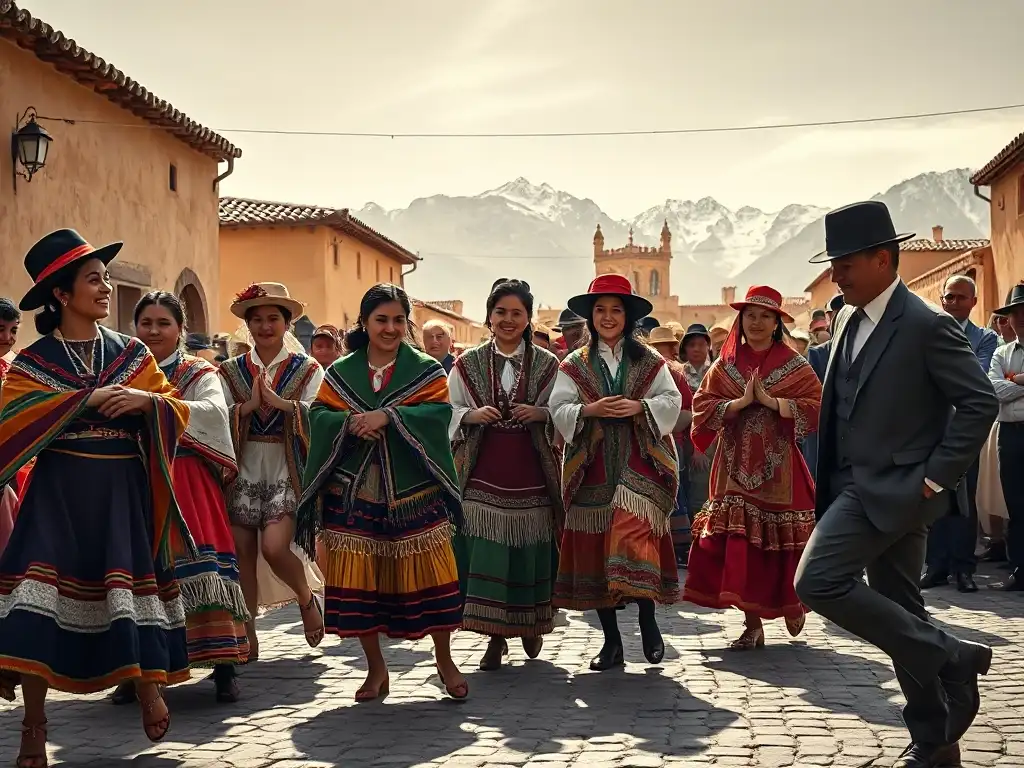
This section delves into the fascinating history of Andean dance, exploring its pre-Columbian origins, evolution under Inca rule, and adaptation following the Spanish conquest. We'll examine how these ancient traditions have persevered and continue to shape modern Andean cultural identity, enriching our understanding of "Andean dance history traditions."
The Roots of Andean Dance: Pre-Columbian Expressions
Long before the Inca Empire, diverse Andean cultures developed intricate dance traditions reflecting their unique beliefs, social structures, and agricultural cycles. Archaeological evidence, including pottery depicting dancers and ceremonial objects, suggests vibrant dance practices among the Moche, Nazca, and Tiahuanaco civilizations. These dances, often linked to religious rituals and agricultural festivities, utilized symbolic movements and costumes to communicate with the gods and celebrate the bounty of the land.
For example, Moche pottery frequently depicts dancers in elaborate headdresses and costumes, performing what appear to be ritualistic dances. The exact meaning and significance of these early Andean dance forms remain a subject of ongoing research, but their artistic and cultural importance is undeniable. The rhythmic movements and symbolic gestures likely served as crucial communication tools in societies where written language was not widespread.
Further research into pre-Columbian iconography and the analysis of surviving textiles and artifacts may reveal even more about the complexity of these ancient dance traditions and their role in shaping subsequent Andean dance forms. Understanding these roots is crucial to appreciating the full scope of "Andean dance history traditions."
Inca Dance Forms and Their Significance
The Inca Empire (1438-1533 CE) standardized and centralized many aspects of Andean life, including dance. Inca dance, far from being merely entertainment, played a vital role in religious ceremonies, state rituals, and social gatherings. Specific dance styles were associated with different deities, agricultural cycles, and social classes.
For instance, dances honoring the sun god Inti often involved elaborate costumes and intricate movements symbolizing the sun's journey across the sky. These dances were not merely performed; they were carefully choreographed and taught, passed down through generations within specific communities and lineages. The Inca also utilized dance in military contexts, using it to instill discipline and promote unity among soldiers.
Furthermore, dance was an integral part of festivals and celebrations, reinforcing social bonds and affirming the Inca worldview. Records from Spanish chroniclers, although often biased, provide glimpses into the grandeur and significance of Inca dance performances, describing large-scale events involving hundreds of dancers and musicians. The Inca’s meticulous organization and standardization of dance served to consolidate their power and reinforce their ideological control, leaving a lasting impact on subsequent Andean dance "traditions."
The Influence of Colonialism on Traditional Andean Dances
The Spanish conquest dramatically altered Andean society, profoundly impacting its dance traditions. While many indigenous dances were suppressed or banned, elements of pre-Columbian styles persisted, often blending with European dance forms introduced by the colonizers. This resulted in a fascinating syncretism, where indigenous movements and rhythms were subtly incorporated into new dances, preserving some aspects of the pre-colonial heritage within a transformed cultural landscape.
For example, certain religious festivals, though adapted to incorporate Catholic themes, retained core elements of indigenous dance styles, demonstrating a remarkable resilience of Andean traditions. The process of cultural exchange was not always harmonious; however, indigenous communities actively resisted the complete eradication of their cultural heritage, finding creative ways to maintain their identity through dance. The fusion of indigenous and European dance elements laid the foundation for many contemporary Andean dance forms, highlighting the enduring legacy of pre-Columbian traditions and their adaptation within a new historical context.
This complex interplay of suppression, resistance, and adaptation significantly shaped the evolution of "Andean dance history traditions" into the vibrant tapestry we see today. The continued performance of these dances is a testament to the strength and endurance of Andean culture.
Modern Manifestations of Andean Dance Traditions
The vibrant tapestry of Andean dance, woven through centuries of history and tradition, continues to thrive in the modern era. While the forms may have evolved, the spirit, the energy, and the profound connection to the land and ancestors remain potent. This section explores how these ancient dance traditions persist and adapt, influencing contemporary Andean culture in profound ways. Understanding the evolution of Andean dance history traditions reveals a dynamic interplay between the past and the present, a testament to the resilience and enduring power of cultural heritage.
Preserving Andean Dance Heritage Through Community Practices
Many Andean communities actively work to preserve their unique dance traditions. These efforts often involve formal and informal initiatives. Formal initiatives might include dance schools and cultural centers dedicated to teaching traditional steps, costumes, and music. These institutions often employ experienced dancers and musicians who act as custodians of cultural knowledge, passing down techniques and stories through generations. For example, in the Cusco region of Peru, numerous schools focus specifically on Inca-inspired dances, meticulously recreating historical movements and utilizing traditional instruments like the pututu (a shell trumpet) and antara (panpipes).
Informal preservation occurs within families and social groups. Elderly members often teach younger generations the dances associated with their community's history and identity. These informal settings are crucial in maintaining the nuances and subtleties of the dances, often incorporating elements passed down orally alongside the movements themselves. This organic transmission ensures the preservation of not just the steps, but also the cultural context and spiritual significance embedded within the dances. This vibrant, community-based approach ensures the continuity of Andean dance history traditions, fostering a sense of collective identity and pride.
Andean Folkloric Dance: Contemporary Adaptations
While many groups strive to maintain the authenticity of traditional Andean dances, others incorporate contemporary elements to create fresh interpretations. This often involves blending traditional steps with modern choreography, sometimes incorporating influences from other dance styles. For instance, some groups might fuse traditional Andean rhythms with elements of contemporary ballet or jazz, resulting in unique performances that appeal to a wider audience while still retaining a core connection to Andean heritage.
This adaptation isn't solely about choreography; it also extends to costumes and music. Modern materials might be used in the creation of costumes, while traditional instruments might be augmented or accompanied by contemporary ones. This process of creative adaptation doesn't necessarily diminish the value of the original tradition; rather, it showcases its adaptability and enduring relevance in a changing world.
The incorporation of modern elements can broaden the appeal of Andean dance, bringing it to new audiences and fostering a deeper appreciation for its richness and complexity. The result is a vibrant and evolving landscape of Andean dance, where tradition and innovation coexist. This demonstrates the dynamic nature of Andean dance history traditions, their ability to evolve whilst retaining their essence.
Ritualistic Dances: Connecting with Ancestral Spirits
Many Andean dances retain strong ritualistic elements, connecting the dancers and the community to ancestral spirits and the forces of nature. These dances, often performed during significant festivals or ceremonies, are not merely entertainment; they are sacred acts that reaffirm cultural identity and seek blessings or protection. The movements, costumes, and accompanying music are imbued with symbolic meaning, reflecting the cosmology and beliefs of the respective Andean cultures.
For example, dances honoring Pachamama (Mother Earth) often involve movements that mimic the cycles of nature, symbolizing the interconnectedness between humanity and the environment. These rituals are not simply performed; they are lived experiences, fostering a profound sense of belonging and spiritual connection. The continuity of these ritualistic dances underscores the enduring importance of Andean spirituality in the modern world.
The preservation and performance of these dances are vital in maintaining a living link to the ancestral past, illustrating the enduring strength of Andean dance history traditions in their spiritual context. This deeply rooted connection to ancestral spirits continues to shape and inspire modern Andean culture, ensuring the longevity of these sacred practices.
The Cultural Significance of Andean Dance
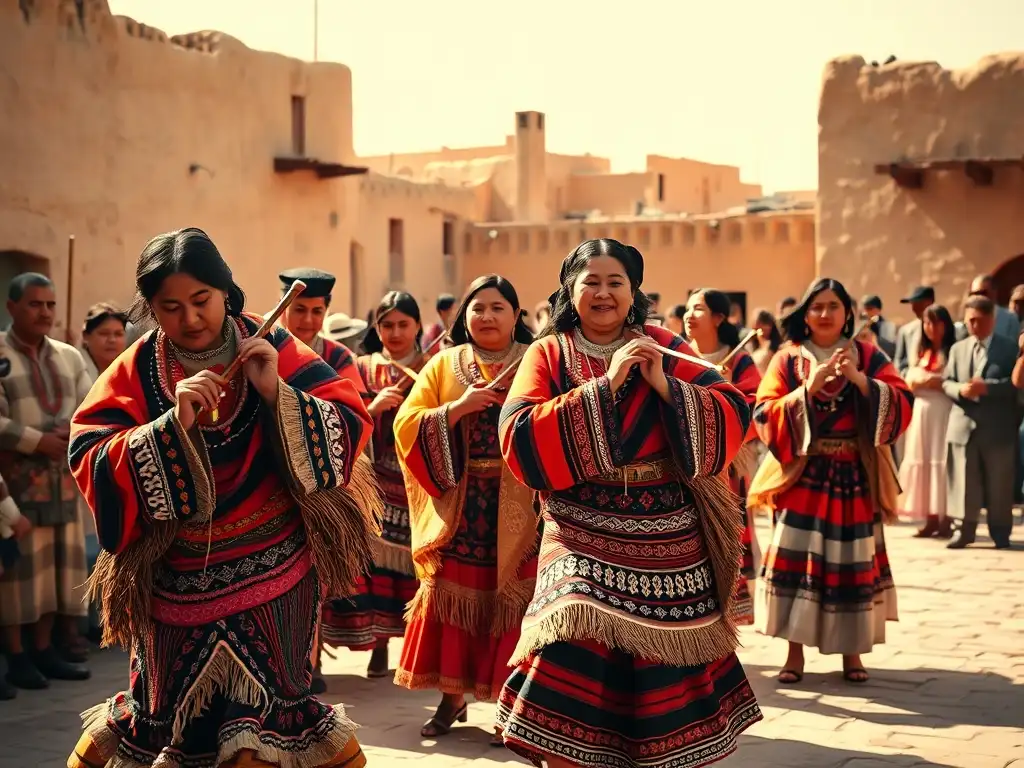
Andean dance, a vibrant tapestry woven from centuries of tradition, holds immense cultural significance for the people of the Andes. Far from mere entertainment, these dances serve as powerful expressions of identity, history, and spirituality, carrying echoes of ancient rituals and beliefs into the modern era. Understanding this profound cultural significance requires examining the dances not as isolated performances, but as living embodiments of a rich and complex heritage.
The preservation and performance of these dances are crucial for maintaining cultural continuity and fostering a sense of collective identity among Andean communities. The evolution of Andean dance styles reflects the dynamic interplay between indigenous traditions and outside influences, resulting in a diverse and captivating range of expressions.
The intricate steps, rhythmic movements, and symbolic gestures all contribute to the enduring power and appeal of these captivating performances. Analyzing the "Andean dance history traditions" reveals a deep connection to the land, the ancestors, and the ongoing life of the Andean people.
Andean Dance as a Form of Storytelling
Andean dances are not simply sequences of steps; they are powerful narratives, visually conveying stories, myths, and historical events. For example, many dances recount the struggles and triumphs of past battles, the cycles of agriculture, or the legends surrounding revered deities. The movements themselves—a graceful leap, a sharp turn, a slow, deliberate sway—become symbolic representations of events or emotions. Consider the huayno, a lively couple's dance from the Andes, often depicting courtship and the joys and sorrows of love.
The rhythmic shifts and changes in tempo within the dance can reflect the ebb and flow of emotions within the story being told. Furthermore, the use of specific props, such as staffs or shawls, can add another layer of narrative depth. The intricate choreography often mirrors the complexities of Andean social structures, reflecting hierarchies and relationships within the community.
These dances, therefore, serve as living archives, transmitting knowledge and cultural memory across generations. The ability to interpret the symbolic language of Andean dance is key to understanding its deeper cultural meaning and appreciating its lasting impact. The careful study of "Andean dance history traditions" reveals the intricate ways in which these dances serve as living storybooks.
The Role of Music in Andean Dance Performance
Music is inextricably linked to Andean dance; it provides the rhythmic pulse, the emotional core, and the narrative framework for the performance. The instruments used, from panpipes and flutes to drums and charangos, vary depending on the specific dance and region, each contributing unique timbres and rhythms. The music itself often reflects the themes and emotions depicted in the dance. A fast-paced, energetic rhythm might accompany a celebratory dance, while a slower, more melancholic melody might underscore a dance depicting loss or reflection.
The interaction between the dancers and the musicians is crucial, creating a dynamic interplay of movement and sound. The musicians often act as storytellers themselves, their playing enhancing the narrative conveyed by the dancers. The musical accompaniment is not merely background noise; it's an integral part of the performance, shaping its emotional impact and overall meaning.
The intricate interplay between music and movement in Andean dance traditions represents a sophisticated form of artistic expression, showcasing the deep integration of music and dance within Andean culture. Further research into the specific musical styles associated with different Andean dances will illuminate the multifaceted relationship between music and movement in these captivating performances. Studying the "Andean dance history traditions" through the lens of musical accompaniment reveals a rich interplay between sound and movement.
Costumes and Symbols: Decoding Andean Dance Attire
The costumes worn in Andean dances are not simply decorative; they are rich repositories of cultural symbolism. The vibrant colors, intricate designs, and specific garments all carry significant meanings, often reflecting regional identity, social status, or the themes of the dance itself. For instance, the use of specific textiles, such as hand-woven fabrics with traditional patterns, can indicate a particular community or even a specific family lineage. Headwear, jewelry, and other accessories also contribute to the overall symbolic message.
A particular type of hat might signify a specific role within the community, while the use of certain colors could represent specific deities or natural elements. The detailed craftsmanship of these costumes often reflects the high level of skill and artistry within Andean communities. The careful study of these costumes provides valuable insights into the social, religious, and historical contexts of the dances themselves.
Decoding the symbolism embedded within Andean dance attire allows for a deeper appreciation of the rich cultural heritage reflected in these traditional performances. Understanding the "Andean dance history traditions" requires careful attention to the visual elements of the costumes and their symbolic weight. Further research into regional variations in costume design would provide even richer insights into the diverse expressions of Andean dance.
Exploring Specific Andean Dance Styles
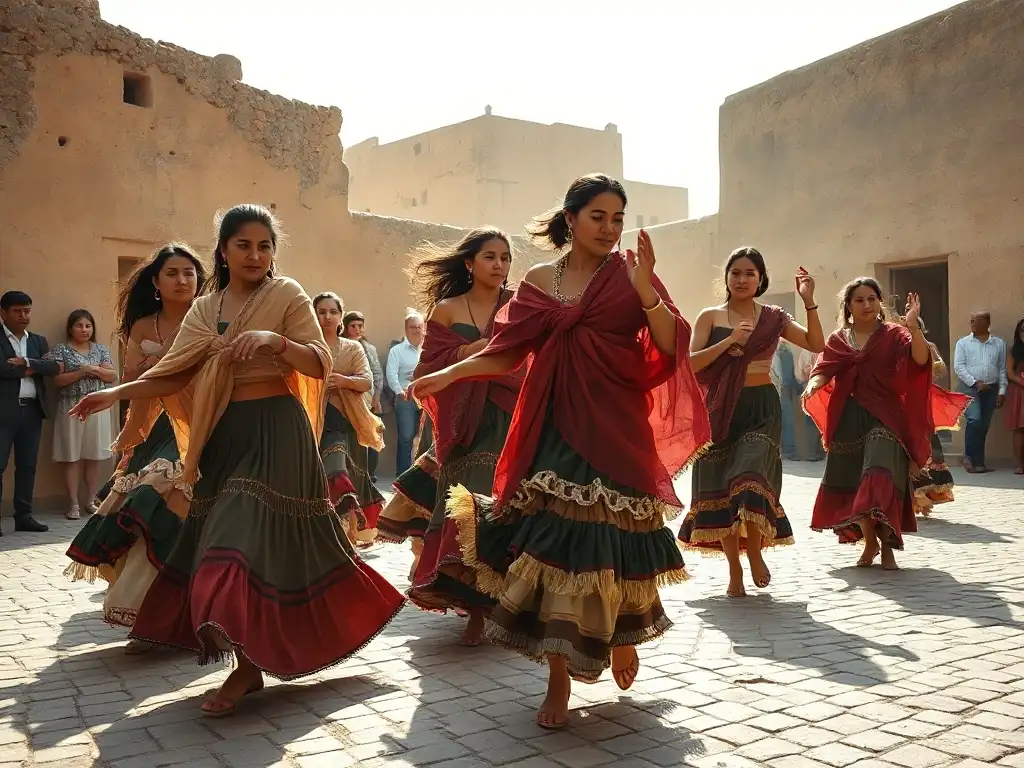
This section delves into the rich tapestry of Andean dance, exploring specific styles that continue to thrive today, carrying echoes of ancient traditions and adapting to modern expressions. Understanding these dances offers a window into the complex social structures, beliefs, and artistic sensibilities of Andean cultures, past and present. The enduring popularity of these dances showcases the vibrant legacy of Andean dance history traditions.
Huayno: A Dance of Courtship and Celebration
Huayno, a vibrant and expressive dance form, is perhaps one of the most widely recognized Andean dance traditions. Its origins are deeply rooted in the Andean highlands, particularly in Peru and Bolivia, but its infectious rhythms have spread throughout the region. The dance itself is characterized by its lively steps and passionate movements, often portraying a courtship narrative.
The Zapateo: Footwork and Rhythmic Stomping
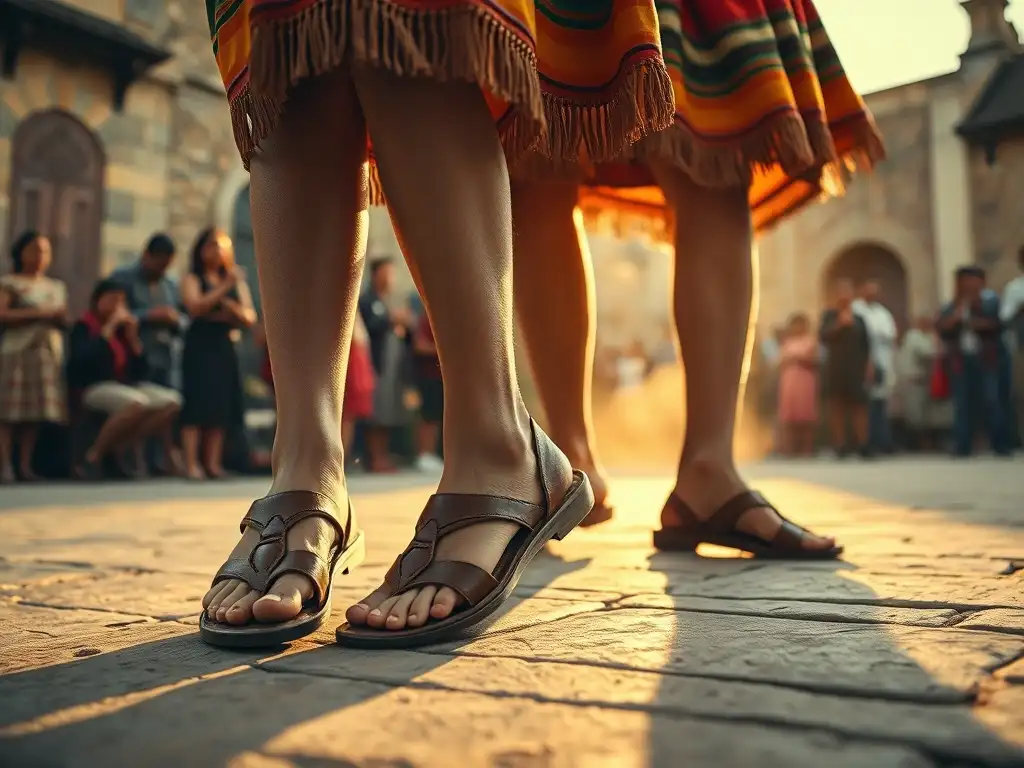
A crucial element of Huayno is the zapateo, a complex and intricate footwork technique. This rhythmic stamping of the feet, often accompanied by rapid heel-toe movements, generates a percussive sound that complements the music. The zapateo requires significant skill and practice, with variations in speed and intensity adding to the dance's expressive power.
Mastering the zapateo is a testament to a dancer's dedication and expertise, reflecting the dedication to preserving Andean dance history traditions. The rhythmic complexity of the zapateo also contributes to the overall energy and excitement of the Huayno performance. Different regions exhibit variations in the zapateo, further highlighting the diverse expressions within this dance style.
Saya, originating in the lowlands of Bolivia, is a powerful and dynamic dance that reflects the rich Afro-Bolivian heritage. Unlike the more pastoral imagery often associated with Huayno, Saya often incorporates themes of social commentary and resistance. Its rhythmic energy is driven by the powerful beats of drums and the expressive movements of the dancers, reflecting the historical experiences and cultural identity of the Afro-Bolivian community. The preservation of Saya is crucial in understanding the broader Andean dance history traditions and the diverse cultural influences within the region.
The Use of Drums: A Driving Force in Saya
The drums are undeniably the heart and soul of Saya. Their deep, resonant beats provide the rhythmic foundation for the dance, setting the mood and driving the energy. Different drum sizes and playing styles create a complex and layered soundscape, reflecting the multifaceted nature of Afro-Bolivian culture. The rhythmic patterns themselves often tell stories, encoding historical events or social messages within their percussive language.
The skill of the drummers is paramount, requiring years of training to master the intricate rhythms and nuances of Saya drumming, showcasing the dedication to preserving these Andean dance history traditions. The drums' powerful presence underlines the importance of Saya as a means of cultural expression and social commentary within the broader context of Andean culture. The intensity and power of the drumming directly influence the dancers' movements and energy, creating a powerful and unforgettable performance.
Andean Dance: A Living Tapestry of Culture
Andean dance, a vibrant expression of history and cultural identity, continues to thrive in modern societies. Its enduring legacy is a testament to the ingenuity and resilience of Andean peoples. The movements, costumes, and music are not merely entertainment; they are living archives, carrying echoes of ancient rituals, agricultural cycles, and social structures. Understanding Andean dance history traditions requires appreciating its multifaceted nature, extending beyond mere choreography to encompass social, religious, and economic aspects of Andean life.
The intricate steps, often mirroring agricultural practices or animal movements, are meticulously passed down through generations, ensuring the continuation of these rich traditions. For example, the huayno, a popular Andean dance style, showcases a complex interplay of footwork and upper body movements, reflecting the dynamism of Andean life. Its evolution over centuries, adapting to changing social contexts while retaining its core essence, highlights its remarkable adaptability and enduring appeal. The melodies accompanying these dances, often played on traditional instruments like the charango and panpipes, add another layer of cultural richness, reflecting the diverse musical heritage of the Andes.
The costumes themselves are often elaborate and symbolic, using vibrant colors and intricate designs to represent specific regions, deities, or social roles. The use of textiles, often handwoven with traditional techniques, underscores the deep connection between Andean dance and the broader textile arts. These are not simply costumes; they are wearable narratives, embodying the history and cultural identity of the dancers.
The Future of Andean Dance Traditions
The preservation of Andean dance traditions faces several challenges in the modern era. Globalization, urbanization, and the allure of Western entertainment styles pose significant threats. However, dedicated efforts are underway to safeguard this invaluable cultural heritage. Community-based initiatives, dance schools, and cultural centers play a crucial role in teaching and promoting Andean dance to younger generations.
These efforts not only ensure the continuity of these traditions but also foster a sense of cultural pride and identity among Andean youth. Moreover, the increasing recognition of Andean dance on international stages provides an opportunity to showcase its beauty and cultural significance to a wider audience, generating interest and support. However, challenges remain: the need for adequate funding, access to resources, and the documentation of diverse dance styles are essential to ensure the long-term survival of these traditions. There's a pressing need for comprehensive documentation of different Andean dance styles, including detailed descriptions of movements, music, and costumes, to create a comprehensive archive for future generations.
This documentation should be both textual and visual, incorporating videos and photographs to capture the nuances and energy of these performances. Furthermore, supporting research into the historical and anthropological aspects of Andean dance is crucial for a deeper understanding of its origins and cultural significance. This research should involve collaboration between scholars, dancers, and community members to ensure an inclusive and respectful approach. The future of Andean dance depends on a collaborative effort involving governments, cultural institutions, and local communities to preserve and promote this vital aspect of Andean heritage.
The Importance of Supporting Andean Dance Groups
Supporting Andean dance groups is crucial not only for the preservation of their cultural heritage but also for the economic well-being of the communities they represent. Many dance groups rely heavily on performances and tourism for their income, and providing them with opportunities to showcase their talents is essential for their sustainability. This support can take many forms, including financial assistance for costumes, instruments, and travel expenses. Funding for workshops and training programs is equally important, allowing dancers to hone their skills and pass on their knowledge to younger generations.
Furthermore, promoting Andean dance groups through media coverage, festivals, and cultural events helps increase their visibility and attract larger audiences. This increased visibility not only generates income but also raises awareness of the cultural significance of Andean dance, fostering appreciation and respect for this rich tradition. Consider the economic ripple effect: supporting a dance group supports artisans who create the costumes, musicians who provide the music, and the communities where the performances take place.
A thriving Andean dance scene boosts local economies and empowers communities to preserve their cultural identity. The economic benefits extend beyond direct financial support; the cultural tourism generated by these performances attracts visitors, supporting local businesses and creating employment opportunities. Therefore, supporting Andean dance groups is an investment in the preservation of cultural heritage, economic empowerment, and sustainable community development.
Experiencing Andean Dance: Where to Witness Performances
Experiencing the energy and artistry of Andean dance firsthand is an unforgettable experience. While specific locations for performances can vary depending on the time of year and specific events, several avenues provide opportunities to witness these vibrant traditions. Many cultural centers and museums regularly host Andean dance performances, often as part of larger festivals or celebrations. These events offer a controlled and informative setting to appreciate the nuances of the dance styles and learn more about their cultural significance.
Additionally, local communities often organize their own dance performances, providing a more intimate and authentic experience. These performances can be found through local tourism information centers or by contacting community leaders directly. Attending festivals dedicated to Andean culture is another excellent way to witness a diverse range of dance styles. These festivals often feature multiple groups from different regions, offering a comprehensive overview of the richness and diversity of Andean dance traditions.
Finally, many travel agencies offer tours that incorporate Andean dance performances, providing a convenient and structured way to experience this aspect of Andean culture. Remember that respectful observation is key – appreciating the artistry without disrupting the performance or the dancers is paramount. By actively seeking out these opportunities, you can contribute to the continued appreciation and support of these living traditions, helping ensure that the rhythms of the past continue to resonate in the present and future.
Frequently Asked Questions
What is the significance of dance in Andean cultures?
Dance held immense religious and social significance in Andean civilizations. It was integral to ceremonies, celebrations, and storytelling, reflecting their worldview and connection to the spiritual realm. Many traditions continue today.
How did Andean dance styles vary between different cultures?
Each Andean culture (Inca, Moche, Nazca, Tiahuanaco, etc.) developed unique dance styles. These variations reflected their distinct beliefs, social structures, and artistic expressions. Costumes and movements often mirrored their environment.
What instruments accompanied Andean dances?
Andean dances were accompanied by a variety of instruments, including panpipes (antara), drums (tinku), flutes (quena), and conch shells. The specific instruments used varied depending on the region and the specific dance performed.
How have Andean dance traditions survived to the present day?
Many Andean dance traditions have persisted through generations, often passed down within families and communities. They are now also preserved and celebrated through festivals and cultural performances.
Where can I learn more about specific Andean dance styles?
You can find more information through ethnomusicology resources, museums focusing on Andean cultures, and online archives. Many academic papers and documentaries delve deeper into specific dances and their histories.
Final Reflection: Echoes of the Andes: A Legacy in Motion
The vibrant rhythms and intricate steps of Andean dance traditions are not merely historical artifacts; they are living testaments to resilience, cultural identity, and the enduring power of community. These dances, passed down through generations, continue to shape social landscapes and offer a powerful connection to a rich past, proving that history isn't static, but a dynamic force that evolves with each performance.
The enduring influence of Andean dance transcends mere entertainment; it's a vital thread in the tapestry of Andean identity, a means of preserving history, and a powerful tool for social cohesion. These dances are more than just steps and music; they are stories etched in movement, carrying the weight of ancestral wisdom and collective memory. Dance is the hidden language of the soul,
as Martha Graham eloquently stated, and in the case of Andean dances, this language speaks volumes about the spirit and resilience of a people.
Consider the legacy of these dances, the stories they tell, and the communities they unite. You, the reader, are now part of this ongoing conversation. Let the rhythms of the Andes inspire you to explore your own cultural heritage, to appreciate the power of tradition, and to find your own unique way to contribute to the vibrant tapestry of human expression. Embrace the legacy, share the stories, and keep the dance alive.
Unleash the Spirit of Andean Dance!
Thank you for exploring the vibrant world of Andean dance traditions with us! You've discovered the rich heritage that shapes cultural identity and fosters a strong sense of community. Now, let's bring that energy into your own life.
Here are some powerful ways to connect with Andean dance:
- **Take an Andean dance class** to experience the rhythms firsthand. Whether it's a workshop or a regular class, you'll find yourself moving to the beat in no time!
- **Deepen your understanding** by visiting museums or attending cultural events that celebrate Andean civilizations and their traditions. This will further ignite your passion for this rich culture.
- **Share your experiences** with friends, family, or online. Let others know how these inspiring traditions have touched your life.
Which aspect of Andean dance resonates most with you, and how will you integrate it into your daily life? We'd love to hear your thoughts!