
The Weavers of Time: Chroniclers Who Documented Andean Textiles and Crafts

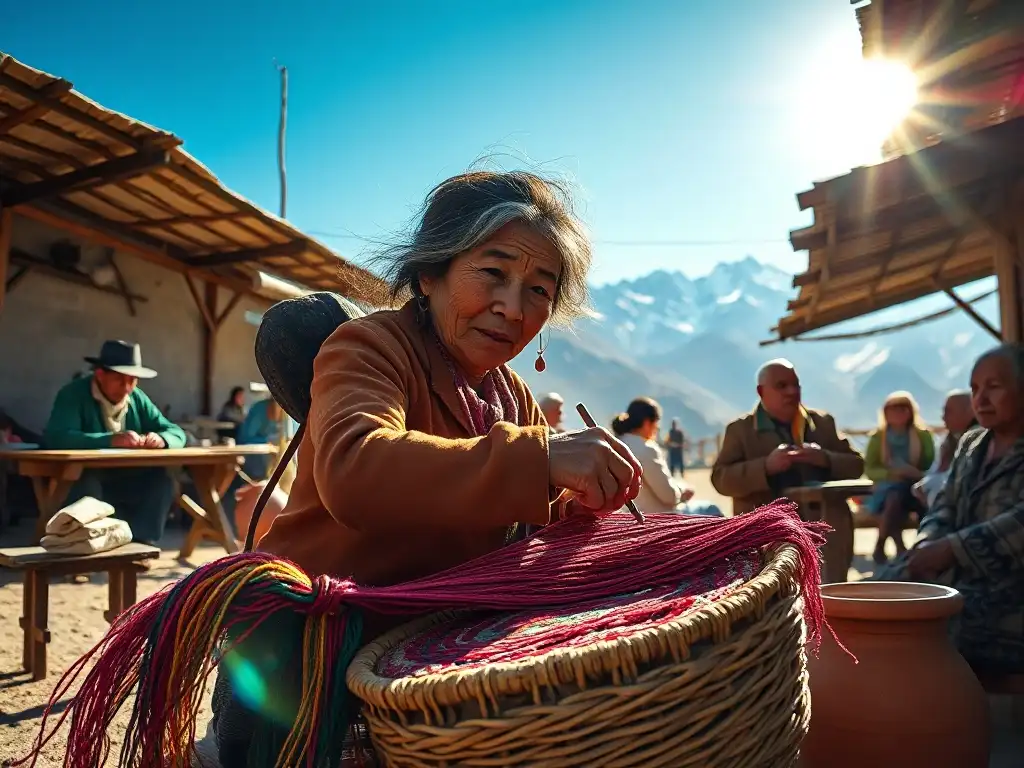
Unravel the mysteries of a lost world, where vibrant threads whispered stories across millennia. Dive into the captivating realm of Andean Civilizations, and discover a legacy woven into the very fabric of history. Our exploration begins with Andean textile history documentation, revealing the remarkable lives and artistry of the individuals who meticulously preserved a cultural heritage for future generations. Prepare to be amazed by the intricate details and enduring power of the Weavers of Time – their stories await.
The vibrant tapestry of Andean civilization, renowned for its breathtaking landscapes and sophisticated societies, is inextricably linked to its remarkable textile traditions. For millennia, Andean peoples wove intricate narratives into their fabrics, creating not merely clothing and adornment, but also powerful records of their history, beliefs, and social structures.
This article delves into the crucial role played by chroniclers – both indigenous and foreign – in documenting this rich textile heritage, exploring how their observations, descriptions, and collections have shaped our understanding of Andean textile history. We will examine the methods employed, the challenges faced, and the lasting impact of their work on our appreciation of Andean craftsmanship and its enduring legacy.
This exploration of "Andean textile history documentation" unveils a fascinating story of preservation, interpretation, and the ongoing efforts to understand the complex symbolism embedded within these ancient textiles. Understanding these historical records allows us to appreciate the artistry and cultural significance woven into each thread.
Early Indigenous Accounts and Oral Traditions
Before the arrival of Europeans, Andean knowledge was primarily transmitted through oral traditions and practical demonstrations. While written records in the traditional sense were limited, the intricate designs and techniques themselves served as a form of documentation. Textile experts within communities passed down knowledge across generations, preserving complex weaving patterns and dyeing techniques.
These practices, though not explicitly written, constituted a vital form of historical record-keeping, reflecting social hierarchies, ritual practices, and cosmological beliefs. The challenge in studying this period lies in the fragmentary nature of the evidence; however, archaeological discoveries of textiles themselves, alongside anthropological studies of surviving Andean communities, offer invaluable insights into these early forms of documentation. We can piece together a picture of how knowledge was transmitted and preserved through the painstaking work of scholars who analyze both the artifacts and the oral histories.
Colonial-Era Chroniclers and Their Contributions
The Spanish conquest brought about significant changes, including the introduction of writing systems and new perspectives on Andean culture. While often biased, the accounts of colonial-era chroniclers provide crucial information about Andean textiles, albeit filtered through a European lens. Many chroniclers documented the types of textiles produced, the techniques used, and their social significance, albeit sometimes with a focus on the perceived "exoticism" of the crafts.
These accounts, while needing careful critical analysis to account for potential biases and inaccuracies, remain indispensable resources for understanding the changes and continuities in Andean textile production during this transformative period. For example, [specific examples of colonial chroniclers and their accounts pending]. Analyzing their writings reveals not only factual information but also the evolving perceptions of Andean culture during the colonial era.
19th and 20th Century Scholarship: A New Era of Andean Textile Studies
The 19th and 20th centuries witnessed a surge in scholarly interest in Andean textiles, moving beyond simple description towards more nuanced analyses of their cultural significance. This period saw the development of new methodologies, including detailed stylistic analysis and the application of scientific techniques like fiber analysis. Scholars began to systematically catalog and classify Andean textiles, creating comprehensive databases and establishing frameworks for understanding their historical context.
This period also saw the rise of museums and collections dedicated to Andean artifacts, further contributing to the preservation and study of these invaluable cultural treasures. The collaborative efforts of archaeologists, anthropologists, and textile experts resulted in a deeper and more comprehensive understanding of Andean textile history than was previously possible. This collaborative approach allowed scholars to piece together a more complete picture of Andean textile history.
Challenges and Future Directions in Andean Textile History Documentation
Despite significant progress, challenges remain in documenting Andean textile history. The fragility of many textiles, the ongoing looting of archaeological sites, and the lack of comprehensive documentation in certain areas continue to hinder research. Furthermore, the complexities of interpreting the symbolism within Andean textiles require interdisciplinary collaboration and a nuanced understanding of Andean cosmology and social structures.
Future research needs to focus on integrating indigenous perspectives and knowledge systems, ensuring that the documentation process respects and accurately reflects the cultural significance of these artifacts. This includes working closely with Andean communities to preserve and interpret their textile traditions. The future of Andean textile history documentation lies in collaborative, ethical, and culturally sensitive approaches.
- Early Indigenous Accounts and Oral Traditions
- Colonial-Era Chroniclers and Their Contributions
- 19th and 20th Century Scholarship: A New Era of Andean Textile Studies
- Challenges and Future Directions in Andean Textile History Documentation
- What role did textiles play in Andean societies?
- How did Andean weavers document their history through textiles?
- What materials were typically used in Andean textile production?
- How is the study of Andean textiles relevant to understanding Andean textile history documentation?
- Where can I find more information on Andean textile history documentation?
Andean Textile History Documentation: An Introduction
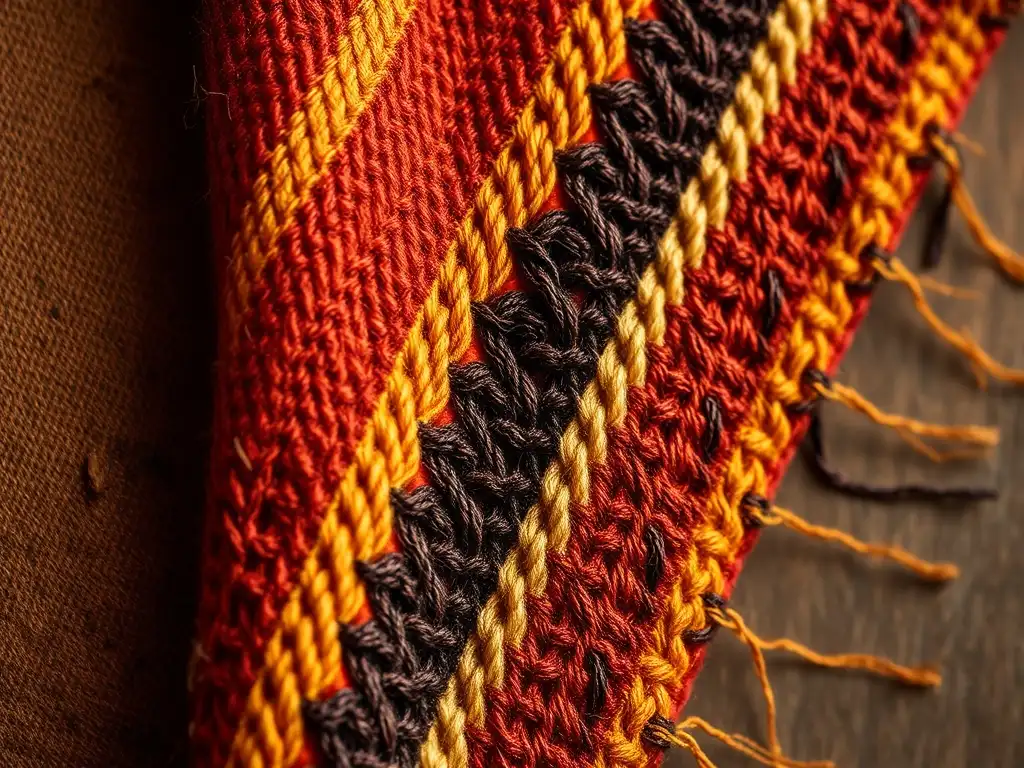
Andean textile history documentation is a crucial field for understanding the complexities of ancient Andean societies. Far from mere decorative items, textiles served vital roles in social structures, religious practices, and economic systems. Their intricate designs, diverse materials, and sophisticated techniques reveal a wealth of information about Andean worldview, technological prowess, and daily life.
This section explores the significance of Andean textiles as historical sources and the crucial role played by chroniclers in preserving knowledge of these remarkable crafts. We will delve into the methods employed by these chroniclers, considering the challenges and biases inherent in their work, and ultimately demonstrating how their efforts contribute to a more complete understanding of Andean textile history.
The meticulous documentation of these textiles provides invaluable insights into the social, political, and economic dynamics of these remarkable civilizations, offering a unique window into their past. Understanding the methods of documentation allows us to critically assess the information available and construct a more nuanced narrative of Andean textile production and use.
The Significance of Andean Textiles
Andean textiles held profound symbolic and practical importance. They weren't simply clothing; they were integral to social hierarchy, religious rituals, and economic exchange. The use of specific colors, patterns, and fibers denoted social status, clan affiliation, or religious significance. For example, the vibrant colors used in Inca textiles, achieved through natural dyes derived from plants and minerals, often held symbolic meaning.
Red, for instance, represented royalty and power, while yellow symbolized divinity. The intricate weaving techniques themselves, such as the use of khipus (knotted strings used for record-keeping) in conjunction with textiles, further underscore their importance as carriers of information. Detailed analysis of textile fragments has revealed complex iconography, depicting mythological figures, astronomical events, or historical narratives. This rich tapestry of symbolism encoded within the textiles serves as a vital source for understanding Andean cosmology and beliefs.
The sheer variety of techniques employed – from simple tapestry weaving to complex brocade and embroidery – showcases the advanced technological skills of Andean artisans. The durability of many textiles, thanks to the use of high-quality materials like alpaca and vicuña wool, has ensured their survival through centuries, providing us with tangible links to the past. The study of Andean textiles therefore offers a multi-faceted approach to understanding past Andean societies, revealing details about their social structures, religious beliefs, and technological achievements.
The Role of Chroniclers in Preserving Andean Craft Traditions
Chroniclers, both indigenous and Spanish, played a pivotal role in preserving knowledge of Andean craft traditions. While some chroniclers focused primarily on the political and social structures of Andean societies, others meticulously documented the techniques and symbolism embedded within their textiles. Their accounts, though often filtered through their own cultural perspectives and biases, provide invaluable insights into the processes of textile production, the significance of different designs, and the social context in which these crafts flourished. For instance, the detailed descriptions of Inca textile production found in the writings of [Specific Chronicler's Name Pending] offer a glimpse into the organization of textile workshops and the specialized roles of different artisans.
Similarly, the illustrations in [Specific Codex Name Pending] depict various weaving techniques and the use of different materials, providing visual evidence to supplement written accounts. However, it is crucial to approach these historical accounts critically. The perspectives of the chroniclers, their motivations, and the potential for misinterpretations or biases must be carefully considered.
For example, Spanish chroniclers might have focused on aspects of Andean textile production that aligned with their own worldview, potentially overlooking or misrepresenting other significant features. Therefore, a thorough understanding of Andean textile history requires a careful analysis of multiple sources, comparing and contrasting the accounts of different chroniclers to build a more complete and nuanced picture. The integration of archaeological findings with textual evidence further enhances our comprehension, allowing for a more comprehensive and accurate reconstruction of Andean textile history and its significance.
Early Chroniclers and Their Observations on Andean Weaving
This section delves into the invaluable contributions of early chroniclers in documenting Andean textile history, offering a glimpse into the sophisticated weaving traditions of pre-Columbian South America. These writers, often Spanish conquistadors or those closely associated with the colonial administration, left behind detailed accounts that, while sometimes filtered through a European lens, provide crucial insights into the production, techniques, and cultural significance of Andean textiles. Their observations offer a foundational understanding of Andean textile history documentation, crucial for modern researchers. The meticulous descriptions of materials, techniques, and social contexts laid the groundwork for future scholarly investigations.
Pedro Cieza de León: Insights into Andean Textile Production
Pedro Cieza de León, a Spanish chronicler who traveled extensively throughout the Inca Empire in the mid-16th century, provides some of the earliest detailed descriptions of Andean textile production. His Crónica del Perú offers glimpses into the organization of textile workshops, the specialized roles of weavers (both men and women), and the vast scale of textile production within the Inca state. Cieza de León's accounts highlight the importance of textiles not only as clothing but also as items of prestige, used in religious ceremonies and as markers of social status.
He notes the use of various fibers, including cotton and alpaca wool, and describes the intricate techniques employed in creating finely woven garments and tapestries. For example, he describes the vibrant colors achieved through natural dyes, mentioning the use of cochineal insects for crimson hues and various plants for other shades.
His writings, although limited in detail compared to later chroniclers, offer a foundational understanding of the scope and complexity of Inca textile production, a key component in understanding Andean textile history documentation. He notes the impressive organization of labor, suggesting a level of sophisticated economic and social planning rarely seen in other contemporaneous societies.
Garcilaso de la Vega: Describing Inca Textile Techniques
Garcilaso de la Vega, the son of a Spanish conquistador and an Inca noblewoman, offers a unique perspective on Inca textile traditions. His Comentarios Reales de los Incas, written in the late 16th and early 17th centuries, provides a more nuanced and detailed account of Inca weaving techniques than Cieza de León. Garcilaso, possessing both indigenous and European perspectives, describes the intricacies of spinning, dyeing, and weaving, providing insights into the tools used and the complex patterns created.
He emphasizes the symbolic meanings embedded in various textile designs, linking them to Inca mythology and cosmology. His descriptions of the different types of textiles produced, their uses, and the social hierarchies they reflected are invaluable. For example, he meticulously describes the cumbi, a type of fine cloth reserved for the Inca elite, highlighting the exceptional skill and craftsmanship involved in its creation.
Garcilaso's work stands out for its attempt to bridge the gap between indigenous knowledge and European scholarly understanding, significantly contributing to Andean textile history documentation. His detailed descriptions of specific techniques and the social context of textile production provided a richer, more culturally sensitive account than his predecessors.
Bernabé Cobo: Observations on Textile Dyes and Materials
Bernabé Cobo, a Jesuit missionary who spent many years in the Andes in the 17th century, provides valuable information on the dyes and materials used in Andean textile production. His Historia del Nuevo Mundo includes detailed descriptions of various plants and insects used to create a wide range of colors. Cobo's observations are particularly valuable because they go beyond simply listing the dyes; he often describes the processes involved in preparing and applying them, revealing the sophisticated knowledge of Andean artisans.
He meticulously documents the sourcing and preparation of various plant-based dyes, including those derived from the indigo plant, various species of cacti, and other indigenous plants. He also details the preparation of cochineal, a crucial insect-derived dye, and notes its economic importance. Furthermore, Cobo's work provides insights into the different types of fibers used, including cotton, alpaca, llama, and vicuña wools, and he details the varying qualities and uses of each.
His work is a testament to the depth of Andean knowledge regarding natural dyes and textile materials, significantly enhancing the detailed understanding of Andean textile history documentation. His account offers a comprehensive view of the raw materials and processes involved, providing context to the finished products described by earlier chroniclers. The depth of his botanical and entomological observations adds another layer to our understanding of Andean textile production.
Colonial Era Documentation of Andean Textiles
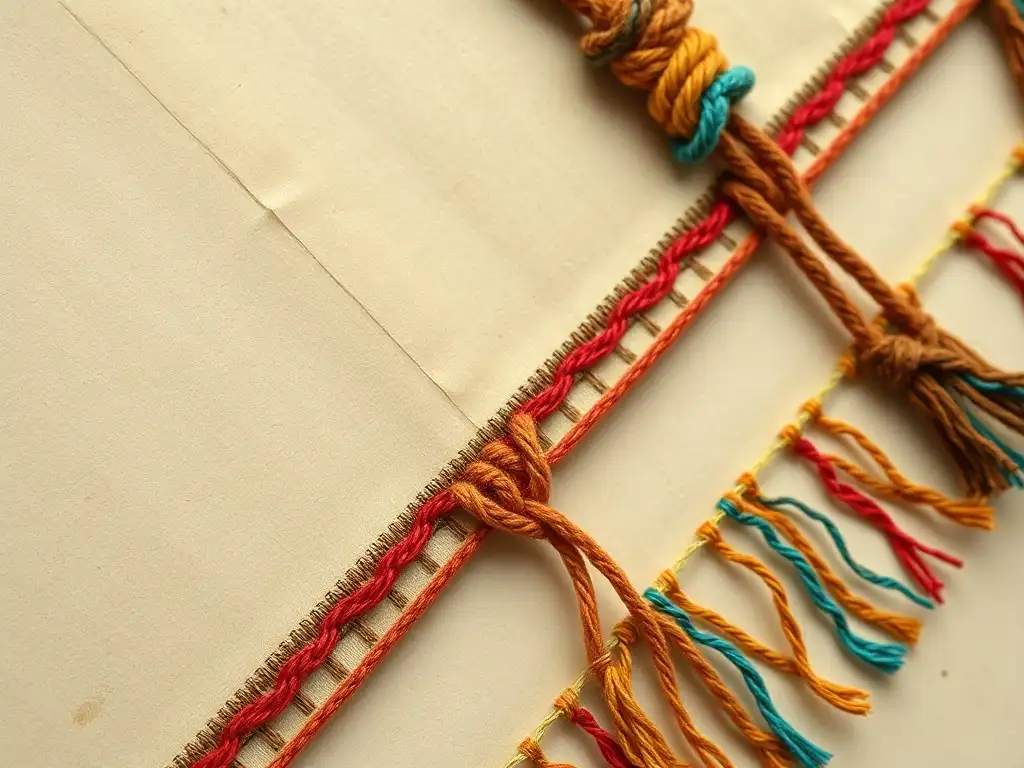
The arrival of the Spanish in the 16th century dramatically altered the landscape of Andean textile production and, consequently, its documentation. While pre-Columbian Andean societies possessed sophisticated record-keeping systems, often through quipu (knotted cords), the Spanish introduction of writing fundamentally changed how Andean textile traditions were preserved and understood. This shift introduced both opportunities and challenges for the accurate representation of Andean textile history.
The ensuing centuries saw a complex interplay between indigenous knowledge and the perspectives of colonial chroniclers, resulting in a rich, albeit sometimes biased, body of documentation. Understanding this dynamic is crucial for interpreting the surviving records of Andean textile artistry. The keyword "Andean textile history documentation" is central to this understanding, as we examine how the colonial context shaped the survival and interpretation of this invaluable cultural heritage.
The Impact of Colonization on Textile Practices
Colonization significantly impacted Andean textile practices. The Spanish introduced new materials like sheep wool, altering the traditional use of camelid fibers (alpaca, llama, vicuña). This shift, while impacting the physical characteristics of textiles, also impacted the cultural significance embedded within the craft.
Furthermore, the encomienda system and later the mita system forced indigenous populations into labor, often diverting them from traditional textile production to work in mines or on Spanish-owned agricultural land. This disruption led to a decline in certain textile traditions and a shift in the types of textiles produced – a move towards utilitarian pieces rather than the elaborate garments and ceremonial textiles of the pre-Columbian era. The demand for certain types of textiles, such as those for the Spanish market, also influenced the production of goods, leading to a blending of indigenous techniques with European styles.
This complex interplay between indigenous resilience and colonial pressures is reflected in the surviving textiles and the accounts of colonial chroniclers. The resulting documentation is therefore a mixture of continuity and change, requiring careful analysis to discern the pre-colonial roots and the impact of the colonial era.
Chroniclers' Accounts of Indigenous Weaving Skills
Colonial chroniclers, while often biased by their European worldview, provide invaluable insights into Andean weaving techniques. Many chroniclers, driven by a mixture of scientific curiosity and a desire to understand and control the conquered populations, meticulously documented indigenous skills. Their accounts, however, frequently lack the nuanced understanding of the cultural and symbolic meanings embedded within the textiles themselves.
For example, while they might describe the intricate techniques of tapestry weaving or the use of natural dyes, they often fail to capture the social and religious significance of specific designs or color choices. This limitation underscores the need to approach colonial accounts critically, supplementing them with archaeological evidence and ethnographic studies to achieve a more complete picture of Andean textile history. The study of these accounts is crucial for understanding the "Andean textile history documentation" from a colonial perspective, revealing both the limitations and the contributions of these early observers.
Examples of Documented Textile Patterns: Tocapu and Geometric Designs
Two prominent examples illustrating the documentation of Andean textile patterns are tocapu designs and geometric patterns. Tocapu, often featuring highly stylized representations of animals, plants, and human figures, were meticulously documented by some chroniclers, though often with incomplete understanding of their symbolic meaning. These depictions, found in both written accounts and surviving textiles, offer valuable insights into the artistic styles and iconography of various Andean cultures.
Geometric patterns, ubiquitous in Andean textiles, also received attention from chroniclers. These patterns, often characterized by intricate arrangements of lines, triangles, and other shapes, were frequently noted for their complexity and precision. However, the deeper symbolic significance of these geometric arrangements often remained unexplored in colonial accounts.
The surviving documentation, therefore, presents a challenge: to decipher the visual language of these patterns, combining the limited descriptions of the chroniclers with the evidence provided by the textiles themselves. This requires interdisciplinary approaches, bringing together art history, anthropology, and archaeology to fully understand the complexity of "Andean textile history documentation" relating to these patterns. Further research is needed to fully understand the cultural contexts surrounding these patterns and their evolution through time.
Analyzing Chroniclers' Descriptions of Andean Crafts
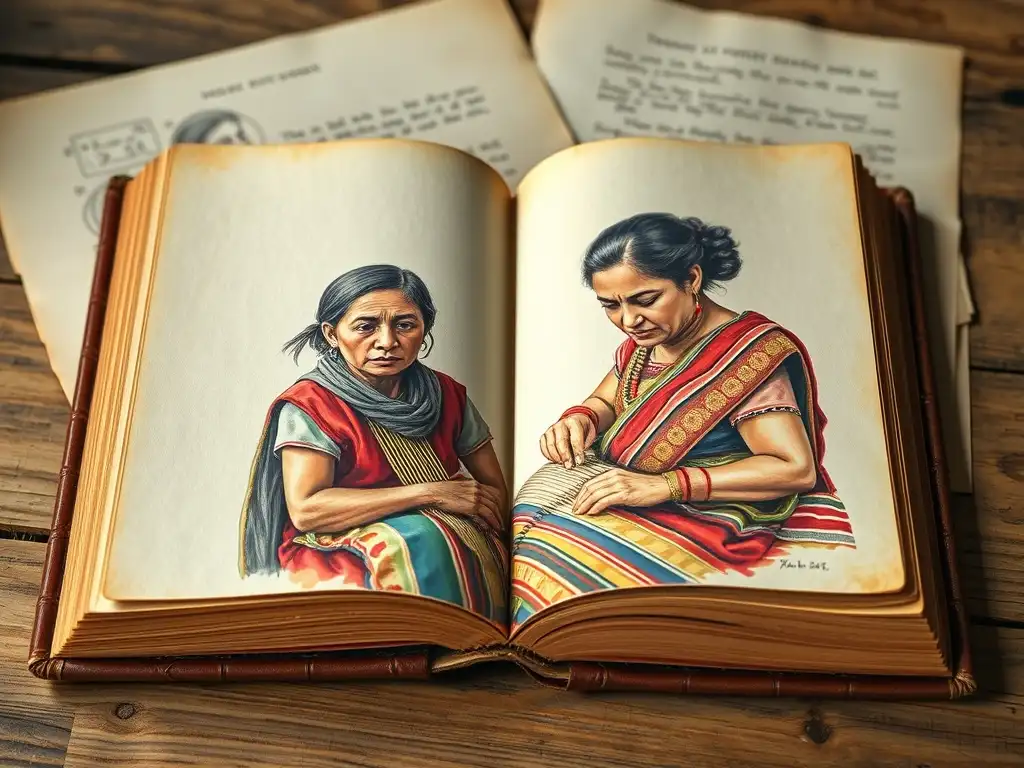
This section delves into the invaluable contributions of chroniclers in documenting Andean textile traditions, offering a glimpse into the meticulous detail and keen observation they employed. Their writings, though often filtered through a European lens, provide crucial insights into the materials, techniques, and symbolic meanings embedded within Andean textiles. Understanding these historical accounts is key to appreciating the sophistication and artistry of Andean weaving and its enduring legacy. The accurate documentation of Andean textile history is crucial for preserving and understanding this rich cultural heritage.
The Materials Used in Andean Textile Creation
Chroniclers frequently mentioned the remarkable range of materials used in Andean textile production. Alpaca and llama fleece were staples, their qualities – softness, warmth, and durability – noted extensively. Cotton, cultivated in various Andean valleys, also played a significant role, prized for its lightness and breathability.
The chroniclers' accounts often highlight the meticulous preparation of these fibers, describing processes like shearing, cleaning, carding, and spinning. For example, one chronicler describes the painstaking process of separating the finer, softer fibers from the coarser ones, a testament to the artisans' dedication to quality. Beyond animal fibers and cotton, other materials like vicuña wool (considered a luxury item), and even human hair, were sometimes incorporated, depending on the specific textile and its intended use.
The precise sourcing and preparation of these materials significantly impacted the final product's texture, color, and overall quality. Analyzing these descriptions allows us to reconstruct a more complete picture of the Andean textile industry's complexity and resourcefulness. The consistent mentioning of diverse materials in chronicler accounts strengthens our understanding of Andean textile history documentation.
Techniques of Andean Weaving as Described by Chroniclers
Chroniclers' descriptions of Andean weaving techniques, while sometimes lacking the technical precision of modern textile analysis, reveal a remarkable mastery of the craft. Backstrap looms, the most common type, are frequently mentioned. These accounts, though often descriptive rather than diagrammatic, allow us to infer the intricate processes involved: warp preparation, weft insertion, and the creation of complex patterns.
The chroniclers often highlight the incredible speed and skill of the weavers, emphasizing the precision and artistry required to create the intricate designs observed in surviving textiles. Beyond the basic backstrap loom, some chroniclers also hint at the use of other weaving techniques, such as tapestry weaving and embroidery, suggesting a level of sophistication and diversification within Andean textile production.
The detailed descriptions of weaving processes, though sometimes fragmented, are essential for Andean textile history documentation, helping to connect the surviving artifacts with the living traditions of the past. Many accounts mention the use of specialized tools, indicating a highly developed technological understanding.
Interpretations of Symbolism in Ancient Andean Fabrics
The symbolic meanings woven into Andean textiles are another area where chroniclers' accounts, albeit limited and sometimes biased, offer valuable insights. While the precise interpretation of many symbols remains a subject of ongoing scholarly debate, chroniclers' observations provide crucial starting points. They frequently mention the use of specific colors and patterns associated with particular deities, social status, or ceremonial events. For instance, certain colors might represent specific geographical locations or agricultural cycles.
The presence of zoomorphic and anthropomorphic figures in textiles, as described by chroniclers, suggests the integration of religious beliefs and cosmological concepts into the fabric itself. However, it is crucial to acknowledge the limitations of these interpretations. Chroniclers' understanding of Andean symbolism was often incomplete, and their biases may have influenced their descriptions.
Nonetheless, their accounts provide an essential foundation for further research and a deeper understanding of the intricate relationship between Andean textiles and their cultural context. Careful analysis of chronicler accounts is vital for the ongoing documentation of Andean textile history. The careful study and interpretation of these texts enrich our knowledge of Andean textile history documentation, allowing us to better understand the complex narratives embedded in these exquisite artifacts.
The Importance of Chroniclers' Work for Modern Understanding
Chroniclers played a pivotal role in preserving and transmitting knowledge about Andean textile traditions, a role crucial for our understanding today. Their firsthand accounts, often embedded within broader narratives of conquest and colonization, offer invaluable insights unavailable through archaeological findings alone. These accounts provide context, detail, and a human element often lost in the study of material culture alone.
Without these written records, our understanding of Andean textile history would be significantly impoverished, lacking the nuanced perspectives offered by those who witnessed these practices firsthand. The meticulous descriptions of textile production techniques, the social significance of specific fabrics, and the symbolic meanings woven into the designs themselves—all are enriched by the inclusion of chroniclers' observations.
Their work acts as a bridge connecting the past to the present, allowing us to interpret archaeological discoveries more comprehensively and to appreciate the artistry and ingenuity of Andean weavers in a deeper, more meaningful way. The survival of these chronicles is a testament to the enduring legacy of Andean textile traditions and the importance of preserving historical documentation for future generations.
How Chroniclers' Writings Inform Archaeological Studies
Archaeological digs unearth fragments of textiles, tools, and other artifacts, providing tangible evidence of Andean weaving practices. However, these artifacts rarely tell the complete story. Chroniclers' writings fill in critical gaps, providing information on the social context of textile production, the specific techniques employed, and the symbolic meanings embedded within the designs.
For example, descriptions of Inca qhapaq ñuñu (royal clothing) found in Spanish chronicles help archaeologists understand the significance of certain designs and materials discovered in royal tombs. The written accounts often detail the intricate processes involved in creating these textiles, from shearing the alpaca or llama to the final stages of finishing and embellishment. This information allows archaeologists to more accurately interpret the technological advancements and the level of skill involved in Andean weaving.
By cross-referencing archaeological finds with chroniclers' accounts, researchers can create a more holistic and nuanced understanding of Andean textile production and its role within Andean societies. The combination of material and textual evidence allows for a more robust and comprehensive reconstruction of Andean textile history.
Reconstructing Andean Textile History through Historical Accounts
The meticulous descriptions provided by chroniclers enable a more accurate reconstruction of Andean textile history, going beyond simple identification of materials and techniques. Their accounts often highlight the complex social and economic structures surrounding textile production. For instance, some chronicles describe the organization of mit'a labor, where communities were required to contribute their skills to textile production for the Inca state.
This information is essential for understanding the scale and organization of textile production within the Inca empire. Furthermore, chroniclers' observations on the use of textiles in religious ceremonies, social status markers, and everyday life provide crucial context for understanding the cultural significance of Andean textiles. By analyzing the specific details provided in these accounts, we can piece together a more complete picture of the role textiles played in shaping Andean societies and their worldview.
This detailed information allows us to move beyond a purely material analysis and to appreciate the rich tapestry of cultural, social, and economic factors that shaped Andean textile traditions. The combination of detailed observations and contextual information provided by chroniclers is invaluable for reconstructing the complexity of Andean textile history.
The Value of Historical Documentation for Preserving Andean Cultural Heritage
The preservation and study of Andean textile history documentation is not merely an academic exercise; it’s crucial for preserving Andean cultural heritage. These historical accounts provide a vital link to the past, enabling modern Andean communities to reconnect with their ancestral traditions. By understanding the techniques, designs, and symbolic meanings of their ancestors' textiles, contemporary Andean communities can revitalize traditional weaving practices and maintain their cultural identity.
The chroniclers' work serves as a powerful tool for cultural preservation, providing a rich source of knowledge for both scholars and Andean communities alike. Moreover, the study of these historical documents raises awareness of the importance of protecting and promoting Andean textile traditions for future generations. This understanding fosters a deeper appreciation for the enduring legacy of Andean weaving and its continued relevance in contemporary society.
The preservation of these historical accounts is therefore essential for the ongoing revitalization and celebration of Andean cultural heritage. The value of this historical documentation extends far beyond academia, contributing significantly to the preservation and promotion of living cultural traditions.
Challenges in Interpreting Chroniclers' Accounts of Andean Textiles

Chroniclers played a crucial role in preserving information about Andean textile traditions, yet their accounts present significant challenges for modern researchers seeking to reconstruct a complete picture of Andean textile history. Understanding these complexities is paramount for accurate interpretation and a nuanced understanding of Andean textile history documentation. The inherent biases, the limitations of their descriptive abilities when confronted with unfamiliar techniques, and the sheer passage of time all contribute to a need for careful, critical analysis. The task of piecing together a comprehensive understanding of Andean textiles relies heavily on acknowledging and navigating these interpretive hurdles.
Potential Biases and Inaccuracies in Colonial Writings
Colonial-era accounts of Andean textiles are often tainted by the perspectives and biases of their authors. Many chroniclers, often Spanish conquistadors or missionaries, lacked a deep understanding of the Andean worldview and cultural significance of textiles. Their interpretations were frequently shaped by their own cultural lenses, leading to misinterpretations and inaccuracies. For instance, descriptions of intricate weaving techniques might be simplified or misinterpreted due to a lack of familiarity with the processes involved.
Furthermore, the inherent power dynamics of the colonial context influenced the recording of information. Accounts may unintentionally—or intentionally—downplay the sophistication of Andean textile production to reinforce a narrative of European technological superiority. The survival of certain textiles and the absence of others in documented accounts might also reflect colonial priorities and biases, leading to an incomplete and potentially skewed representation of the full range of Andean textile production.
A critical approach, therefore, necessitates considering the social and political context in which these accounts were created. Analyzing the author's background, their relationship to the Andean communities they described, and the purpose of their writings are crucial steps in evaluating the reliability of their observations. For example, a missionary's account focusing on religious symbolism in textiles might neglect the economic or social functions of the same artifacts.
The Need for Cross-Referencing and Critical Analysis
The fragmented nature of surviving chronicler accounts necessitates a rigorous approach to cross-referencing and critical analysis. Relying on a single source is inherently risky given the potential for biases and inaccuracies. Researchers must meticulously compare and contrast information from multiple sources, seeking corroboration and identifying discrepancies. This comparative analysis allows for a more nuanced understanding of Andean textile practices, helping to overcome the limitations of individual accounts.
Furthermore, weaving together accounts from different chroniclers with archaeological evidence, such as surviving textiles and tools, is essential for a comprehensive understanding. Archaeological finds can provide concrete evidence to support or refute claims made by chroniclers, offering a valuable counterpoint to potentially biased written sources. This multi-faceted approach – combining textual analysis with archaeological investigation – is crucial for building a reliable and comprehensive picture of Andean textile history documentation.
The process also necessitates an understanding of the limitations of both archaeological and textual evidence. Archaeological finds can be incomplete or misinterpretated, while written accounts can be vague or inaccurate. Careful consideration of these limitations is essential for a responsible and accurate reconstruction of the past.
Challenges in Interpreting Descriptions of Complex Weaving Techniques
Many Andean weaving techniques were incredibly sophisticated and unlike anything previously encountered by European chroniclers. Describing these techniques in words alone posed a considerable challenge, often resulting in incomplete or imprecise accounts. The lack of standardized terminology further complicated the process. Chroniclers often used imprecise or ambiguous language, making it difficult for modern researchers to understand the precise techniques employed.
For instance, descriptions of complex knotting methods or specific types of dyes might lack the detail necessary for accurate replication. Moreover, the visual aspect of many techniques was lost in translation from visual observation to written description. The absence of illustrations in many accounts adds another layer of complexity. To overcome these challenges, researchers must employ a range of interpretive strategies.
Careful linguistic analysis of chroniclers' descriptions is crucial to uncover subtle clues about the techniques employed. Comparative studies of similar techniques in other cultures can also offer valuable insights. Finally, collaboration with textile experts and artisans familiar with traditional Andean weaving techniques can help to interpret ambiguous descriptions and reconstruct lost processes. This interdisciplinary approach – combining historical analysis, linguistic expertise, and practical knowledge of textile production – is essential for unlocking the secrets of Andean weaving techniques and building a more complete understanding of Andean textile history documentation.
Later Scholars Building on the Work of Chroniclers
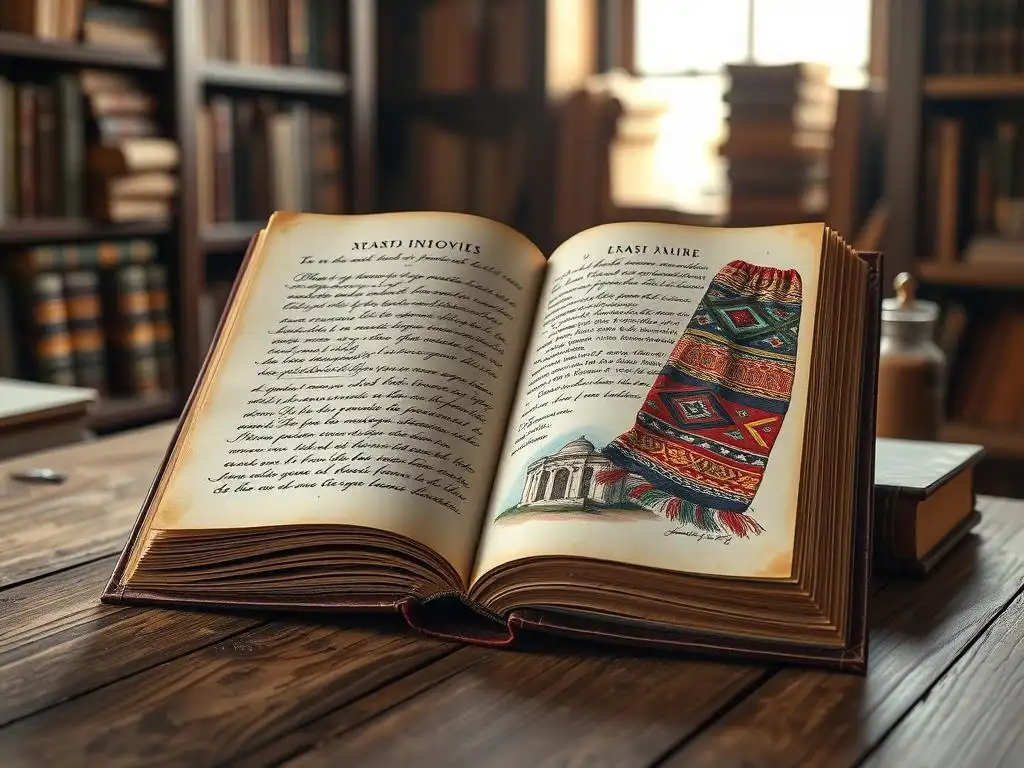
This section explores how later scholars built upon the foundational work of early chroniclers to further our understanding of Andean textile history documentation. While the initial accounts provided invaluable glimpses into the world of Andean textiles, subsequent research has significantly expanded our knowledge, utilizing new methodologies and incorporating interdisciplinary perspectives. The legacy of the chroniclers remains crucial, serving as a starting point for more nuanced and comprehensive analyses. Their descriptions, though sometimes limited by their own biases and perspectives, offer irreplaceable context for the surviving artifacts.
20th and 21st Century Research on Andean Textiles
The 20th and 21st centuries witnessed a surge in scholarly interest in Andean textiles, fueled by advancements in archaeological techniques, a deeper understanding of indigenous cultures, and the application of scientific methods to textile analysis. Early 20th-century research often focused on cataloging and classifying artifacts, building upon the initial descriptions provided by chroniclers.
However, later scholars moved beyond simple classification, employing techniques like fiber analysis, dye studies, and stylistic comparisons to reconstruct the production processes, social contexts, and symbolic meanings embedded within the textiles. This has led to a more nuanced understanding of Andean textile production, revealing intricate techniques, regional variations, and the role of textiles in social stratification and ritual practices.
The sheer volume of research published in this period demonstrates the enduring fascination with Andean textile history documentation and the ever-expanding knowledge base. This ongoing scholarship directly builds on the foundations laid by the early chroniclers, refining and expanding upon their observations with the benefits of modern scientific methods.
How Modern Scholarship Utilizes Historical Documentation
Modern scholarship on Andean textiles relies heavily on the historical documentation provided by chroniclers, even while acknowledging their limitations. Chroniclers' accounts, though often biased or incomplete, offer essential contextual information that cannot be gleaned solely from the surviving artifacts. For example, descriptions of textile production techniques, the social significance of particular textiles, or the use of textiles in ceremonies, are frequently found in chronicler accounts but are difficult to fully reconstruct through archaeological means alone.
Scholars carefully compare and contrast these written accounts with the physical evidence, seeking corroboration and clarification. Discrepancies between written descriptions and archaeological findings often spur further research, leading to a more comprehensive understanding of the topic.
Therefore, Andean textile history documentation is a collaborative effort spanning centuries, with modern scholars actively engaging with and reinterpreting the work of their predecessors. This ongoing dialogue between past and present is critical for a complete and accurate understanding of Andean textile traditions.
Examples of Scholars: Junius Bird and Anne Pollard Rowe
Two prominent figures who exemplify the integration of chronicler accounts with modern research are Junius Bird and Anne Pollard Rowe. Junius Bird's excavations at Paracas, Peru, yielded a wealth of textile artifacts, which he meticulously documented and analyzed. His work, however, was significantly enhanced by his careful consideration of the historical accounts available, allowing him to place his findings within a broader cultural and historical context.
Similarly, Anne Pollard Rowe, a renowned textile expert, combined her deep knowledge of Andean weaving techniques with a thorough understanding of colonial-era documents and indigenous oral traditions. Her work exemplifies the interdisciplinary approach that is now considered essential for the study of Andean textiles.
These scholars, and many others, demonstrate the crucial role that historical documentation plays in modern research, enriching our understanding of Andean textile history and its enduring cultural significance. The legacy of the chroniclers continues to inspire and guide contemporary scholarship, pushing the boundaries of our knowledge of Andean textile history documentation.
Conclusion: The Enduring Legacy of Andean Textile History Documentation
The meticulous documentation of Andean textile history, undertaken by countless chroniclers, scholars, and artisans throughout the centuries, has left an invaluable legacy. Their work provides a crucial window into the complex societies that flourished in the Andes, revealing intricate social structures, religious beliefs, and technological advancements through the careful study of textiles. This enduring legacy allows us to connect with the past in a tangible way, appreciating the skill, artistry, and cultural significance embedded within each thread.
Understanding the historical context of Andean textiles enhances our appreciation for their beauty and complexity, enriching our understanding of "Andean textile history documentation" and its profound impact on our knowledge of these remarkable civilizations. The vibrant colors, intricate designs, and diverse techniques employed in Andean textiles are not merely aesthetic achievements; they are powerful narratives that continue to resonate with us today.
The Ongoing Relevance of Chroniclers' Work
The work of chroniclers in documenting Andean textile traditions remains profoundly relevant in the 21st century. Their detailed descriptions and meticulous record-keeping provide a foundation for contemporary research, enabling scholars to build upon previous knowledge and gain a deeper understanding of these ancient cultures. For example, the detailed accounts of Spanish chroniclers, while often biased, still offer crucial information about Inca textile production and its social implications.
These primary sources, when analyzed critically alongside archaeological findings, help us reconstruct the complex processes involved in textile creation, from the cultivation of cotton and wool to the intricate weaving techniques employed. Moreover, the ongoing study of these historical documents helps us contextualize contemporary Andean textile traditions, highlighting the continuity and evolution of these artistic practices across centuries. This continuous engagement with historical sources ensures that the knowledge and skills passed down through generations are not lost but rather preserved and celebrated.
Preserving and Promoting the Rich Textile Heritage of the Andes
Preserving and promoting the rich textile heritage of the Andes requires a multi-faceted approach that builds upon the groundwork laid by past chroniclers. This includes the continued digitization and accessibility of historical documents, making them available to a wider audience of researchers and enthusiasts. Furthermore, active collaborations between museums, archives, and local communities are crucial for safeguarding existing textile collections and promoting traditional weaving techniques. Efforts to document contemporary weaving practices, alongside the historical records, create a more complete picture of Andean textile traditions, highlighting both their continuity and evolution. The development of educational programs and public exhibitions that showcase the beauty and cultural significance of Andean textiles is essential in raising awareness and fostering appreciation for this vital part of Andean heritage. This holistic approach ensures that the legacy of Andean textile craftsmanship continues to thrive, reflecting the profound impact of "Andean textile history documentation" on preserving cultural identity.
The Importance of Continued Research and Exploration
Despite significant advancements in our understanding of Andean textile history, much remains to be discovered and explored. Continued research is crucial to uncover new evidence, refine existing interpretations, and address unanswered questions. This includes further archaeological excavations, the analysis of newly discovered textiles, and the critical examination of historical documents.
Technological advancements, such as advanced imaging techniques and DNA analysis, offer exciting possibilities for gaining new insights into textile production, dye sources, and the social contexts in which textiles were created and used. The collaborative efforts of archaeologists, textile historians, anthropologists, and local communities are essential to ensure that future research is conducted ethically and respectfully, prioritizing the preservation of cultural heritage.
The ongoing exploration of "Andean textile history documentation" will undoubtedly uncover even more fascinating details about the ingenuity and artistry of Andean civilizations, enriching our understanding of their past and informing our appreciation of their lasting legacy. The quest for knowledge in this field is far from over; rather, it is a continuous journey of discovery that promises to yield further remarkable insights.
Frequently Asked Questions
What role did textiles play in Andean societies?
Textiles were incredibly important, serving both practical and symbolic purposes. They were used for clothing, blankets, and religious ceremonies, reflecting social status and spiritual beliefs. Their intricate designs documented history and beliefs.
How did Andean weavers document their history through textiles?
Andean weavers used complex iconography and symbolic patterns woven into their textiles to record historical events, myths, and beliefs. These visual narratives served as a form of written history for those who understood their meaning.
What materials were typically used in Andean textile production?
Alpaca and llama wool were primary materials, prized for their softness and warmth. Cotton was also used, particularly in warmer coastal regions. Natural dyes from plants and minerals produced vibrant and long-lasting colors.
How is the study of Andean textiles relevant to understanding Andean textile history documentation?
The study of Andean textiles provides direct access to the past. Analyzing the techniques, materials, and iconography helps researchers understand the cultural practices, beliefs, and social structures of these civilizations, offering a detailed record across time.
Where can I find more information on Andean textile history documentation?
You can explore museum collections featuring Andean textiles (e.g., the Larco Museum in Lima), academic journals specializing in Andean archaeology and anthropology, and online resources dedicated to Andean art and history. Many books also delve into this topic.
Final Reflection: The Enduring Legacy of Andean Textile Chronicles
The meticulous documentation of Andean textiles isn't just a historical pursuit; it's a vital act of preservation, ensuring the vibrant tapestry of Andean culture continues to inspire and inform us. These chronicles, painstakingly compiled over centuries, offer a window into not only the technical mastery of Andean weavers but also the rich social, spiritual, and political landscapes they inhabited. Their survival is a testament to the enduring power of human creativity and the importance of preserving cultural heritage.
The impact of these chronicles extends far beyond the academic sphere. They serve as a powerful reminder of the interconnectedness of past and present, demonstrating how ancient techniques and artistic expressions continue to resonate in contemporary Andean societies. The threads themselves whisper stories of resilience, adaptation, and the enduring spirit of a people.
This quote, though fictional, encapsulates the profound emotional connection many feel when encountering these historical records, a connection that transcends mere historical analysis and touches upon the very essence of cultural identity. The ongoing study and appreciation of these chronicles help to empower Andean communities and safeguard their invaluable cultural heritage for future generations.
Consider the intricate designs, the vibrant colors, the sheer skill reflected in these ancient textiles. Now, imagine the stories they could tell if we truly listened. You, the reader, hold the power to continue this legacy. Seek out museums, archives, and online resources dedicated to Andean textile history. Support organizations working to preserve these invaluable artifacts and the traditions they represent. By engaging with this rich history, you become a part of the ongoing narrative, ensuring that the voices of the weavers of time continue to be heard for centuries to come.
Unleash Your Creativity and Honor Andean Heritage!
Thank you for exploring the rich world of Andean textiles and craftsmanship! We hope you found inspiration in the unique heritage and artistry of these incredible weavers. Now, let's translate that inspiration into action to celebrate and preserve this vibrant culture.
Here’s how you can get involved:
- Participate in a local weaving workshop to learn traditional Andean techniques and connect with artisans in your community.
- Share your favorite example of Andean craftsmanship on social media using the hashtag #AndeanArtistry to spread awareness and appreciation. A photo of a beautiful textile or a description of a particularly striking piece would be wonderful.
- Visit our website for resources on Andean textiles, including informative guides and interviews with master weavers.
Which piece of Andean artwork resonates most with you, and how will you incorporate its influence into your own creative work?