
The Power of Performance: Music and Dance as Political Statements

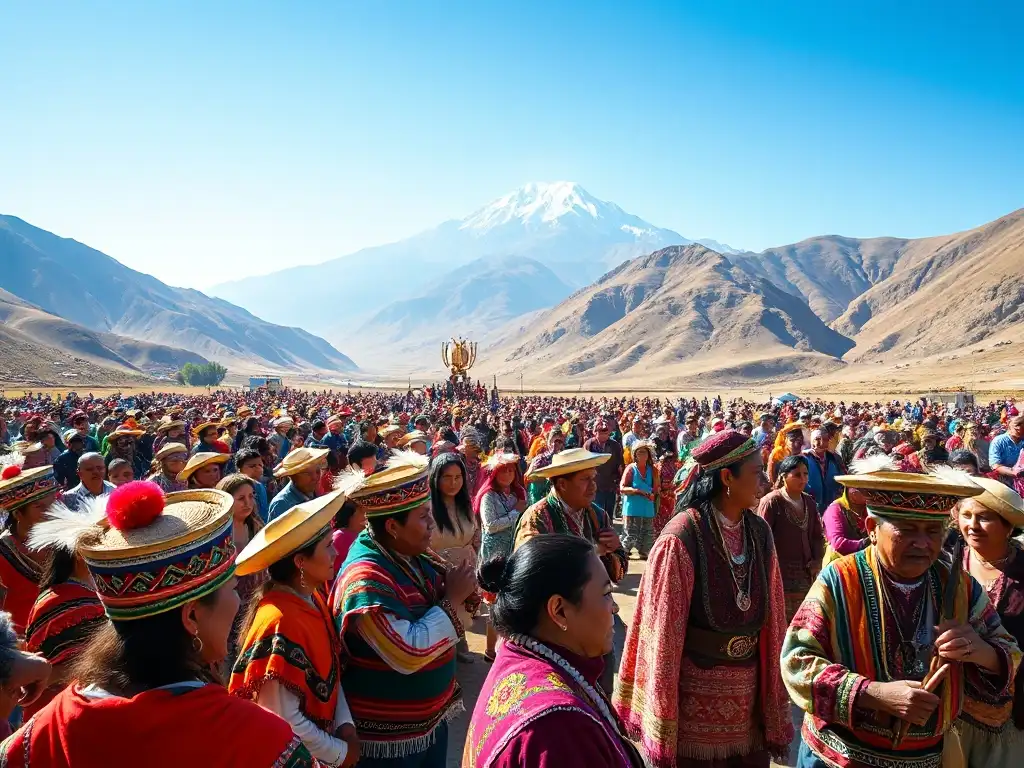
Uncover the secrets whispered on the wind across the Andes Mountains. For centuries, the vibrant tapestry of Andean culture has been woven with threads of powerful music and dance. But what stories do these rhythmic expressions truly tell? Our exploration of Andean music and dance history reveals a captivating world where performance wasn't just entertainment, but a potent force shaping political landscapes and societal structures. Prepare to be amazed as we delve into the intricate details – a journey that will leave you questioning everything you thought you knew about the ancient Andean civilizations.
- The Power of Performance: Music and Dance as Political Statements in Andean Civilizations
- Andean Music and Dance History: A Foundation of Power and Expression
- Ritualistic Performances: Conveying Authority and Control
- Music and Dance as Resistance and Social Commentary
- The Enduring Legacy: Andean Music and Dance Today
- Frequently Asked Questions
- Final Reflection: Echoes of Resistance: Andean Music and Dance's Enduring Legacy
- Unleash Your Voice Through Music and Dance!
The Power of Performance: Music and Dance as Political Statements in Andean Civilizations
Music and dance weren't merely forms of entertainment in the ancient Andean civilizations; they served as potent tools for expressing political power, social status, and religious beliefs. This exploration delves into the rich history of Andean music and dance, revealing how rhythmic movements and melodic soundscapes functioned as powerful political statements across diverse cultures, from the Inca Empire to the preceding Moche, Nazca, and Tiahuanaco societies. We will examine how these art forms reinforced social hierarchies, celebrated victories, and even subtly challenged existing power structures, offering a nuanced understanding of their multifaceted role in Andean society.
Understanding the historical context of Andean music and dance is crucial to appreciating its enduring legacy and its continuing influence on contemporary Andean cultures. This article will specifically analyze the intricate relationship between performance and politics, showcasing how music and dance were integral to the fabric of Andean life and governance.
The Inca Empire: Music and Dance as Imperial Propaganda
The Inca Empire, known for its sophisticated administrative system and vast territorial control, utilized music and dance extensively as a tool for consolidating power and projecting imperial authority. Elaborate state-sponsored performances, featuring hundreds of musicians and dancers, were staged to celebrate imperial victories, reinforce the legitimacy of the Sapa Inca (emperor), and impress conquered populations. These spectacles, often involving complex choreographies and intricate musical arrangements, served as powerful displays of imperial might and cultural dominance.
The music itself, frequently incorporating instruments like the pututo (a long horn) and the tarka (a panpipe), likely conveyed messages of power and control through its rhythmic structure and melodic variations. Furthermore, specific dances may have symbolically represented Inca military prowess or the emperor's divine connection to the sun god, Inti.
The meticulous organization and scale of these performances underscore their importance as instruments of state propaganda. Evidence suggests that specific musical styles and dance forms were associated with different regions and social groups within the empire, highlighting the use of performance as a means of both unification and control.
Pre-Inca Societies: Diverse Expressions of Power Through Performance
Long before the Inca Empire, diverse Andean cultures developed unique musical and dance traditions reflecting their distinct social structures and political systems. The Moche civilization, renowned for its elaborate ceramic art, likely employed music and dance in religious ceremonies and elite rituals. Depictions on Moche pottery suggest the use of instruments like drums and flutes in contexts related to warfare, hunting, and possibly shamanistic practices. These performances, while perhaps less grand in scale than Inca imperial displays, were nonetheless significant in reinforcing social hierarchy and expressing religious beliefs that legitimized the power of the ruling class.
The Nazca culture, famous for its enigmatic geoglyphs, also possessed a rich musical tradition, though direct evidence is more limited. Archaeological findings suggest the use of various percussion instruments and potentially wind instruments. It is plausible that music and dance played a role in their elaborate religious ceremonies, potentially connected to their complex cosmology and the worship of deities associated with water and fertility – aspects crucial to their social and political stability.
The Tiahuanaco civilization, characterized by its monumental architecture, likely utilized music and dance in large-scale religious festivals and ceremonies. The scale of their urban centers and monumental structures suggests that performances may have involved a considerable number of participants and served to strengthen social cohesion and reinforce the authority of religious leaders. Unfortunately, the specific details of Tiahuanaco music and dance remain somewhat obscure due to the limited surviving evidence.
The Legacy of Andean Music and Dance: A Continuing Political Resonance
The enduring legacy of Andean music and dance is undeniable. Many traditions persist to this day, often incorporating elements from pre-Columbian practices alongside Spanish colonial and modern influences. While the overt political function of these performances may have shifted, the underlying power dynamics remain relevant.
Contemporary Andean music and dance continue to serve as vehicles for expressing cultural identity, social commentary, and political resistance. The rich tapestry of sounds and movements, passed down through generations, continues to resonate with the political undercurrents that have shaped Andean societies for millennia.
The study of historical Andean music and dance provides a valuable lens through which to understand the complex interplay between art, power, and cultural identity in this fascinating region. Further research is needed to fully uncover the intricacies of specific musical forms and their connection to power structures within each individual Andean civilization, but even the limited evidence available demonstrates their undeniable significance.
Andean Music and Dance History: A Foundation of Power and Expression
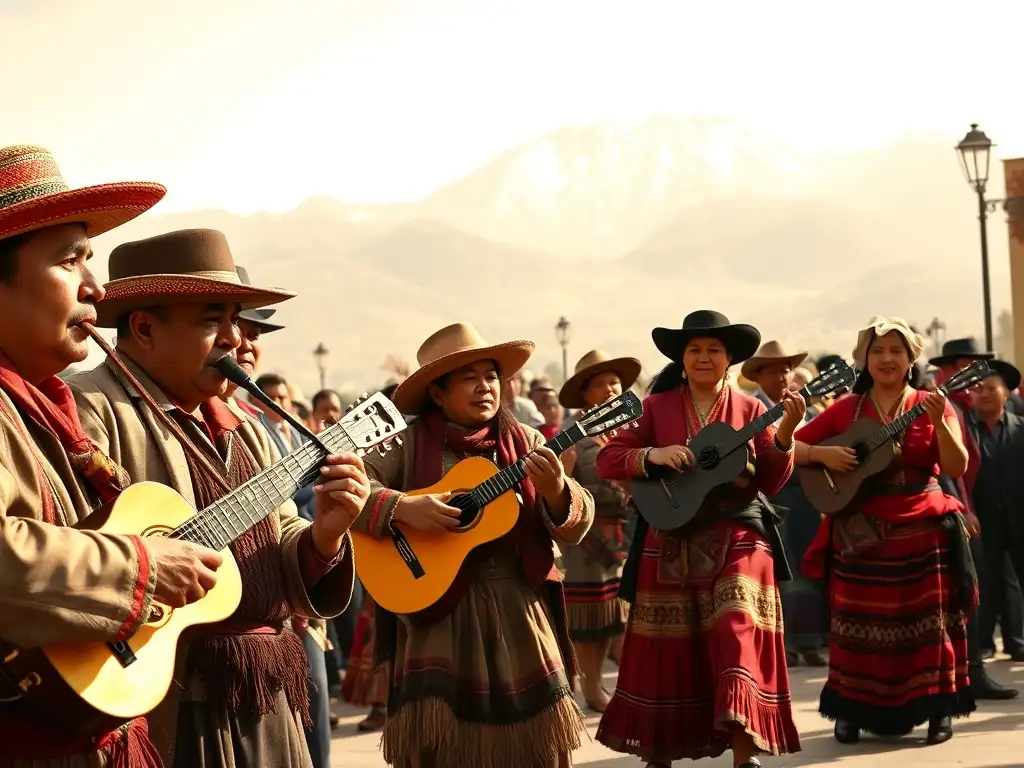
This section delves into the profound historical significance of Andean music and dance, exploring its intricate relationship with political power and social expression across various ancient Andean cultures. We will examine how music and dance weren't merely forms of entertainment, but rather integral components of social structures, religious beliefs, and political ideologies. Understanding this historical context is crucial to appreciating the enduring legacy of Andean music and dance today. The vibrant tapestry of sounds and movements woven throughout Andean history reflects a rich and complex civilization.
The Role of Music in Ancient Andean Societies
Music in ancient Andean societies held a position of immense importance, far exceeding mere entertainment. It served as a powerful tool for communication, social cohesion, and the reinforcement of political authority. Archaeological evidence, such as the discovery of intricately crafted musical instruments like panpipes ( antara) and drums ( tinku), suggests a sophisticated musical culture. These instruments, often made from materials like wood, bone, and precious metals, weren't simply functional objects; they were imbued with symbolic meaning, reflecting the society's values and beliefs.
The use of music in religious ceremonies was particularly significant. Music accompanied rituals dedicated to deities, ensuring the success of harvests, and invoking blessings for the community. The melodies and rhythms themselves likely held specific meanings, understood only by those initiated into the religious practices.
Consider the intricate melodies associated with Inti Raymi, the Inca festival celebrating the sun god Inti – the music played an integral role in the ritual's efficacy and the reinforcement of the Inca's divine right to rule. Further research is needed to fully understand the specific musical notations and their meanings across different Andean cultures, as many aspects of musical tradition were passed down orally. The surviving instruments, however, provide a tangible link to the past, hinting at the central role music played in the lives of these ancient peoples.
Dance as a Vehicle for Political Messaging
Dance in ancient Andean societies wasn't simply a display of physical prowess; it served as a powerful medium for communicating political messages and reinforcing social hierarchies. Elaborate dances, often performed in large public gatherings, communicated important social and political messages. The movements, costumes, and accompanying music all contributed to the overall meaning.
For example, certain dances may have been reserved exclusively for the elite, reinforcing their social status and power. Others might have depicted historical events, mythical narratives, or agricultural cycles, thereby educating and uniting the community. The choreography itself could symbolically represent battles, harvests, or religious themes, communicating complex narratives through physical movement. The use of specific costumes and adornments further amplified these messages. Brightly colored textiles, intricate headdresses, and precious metal ornaments served not only as decoration but also as visual cues that conveyed social standing and the power of the ruling class.
The significance of dance in ancient Andean society is evidenced by the numerous depictions found in pottery, textiles, and stone carvings. These artifacts provide glimpses into the various forms of dance, costumes, and their potential meanings within their respective cultural contexts. However, a complete understanding of the nuances and variations in dance across different Andean cultures requires further investigation and interdisciplinary collaboration between archaeologists, anthropologists, and ethnomusicologists.
The limited surviving written records necessitate a multi-faceted approach to fully decipher the rich history of Andean dance as a powerful tool for political expression. More research into the surviving iconography and oral traditions is crucial to fully understand the intricate relationship between dance and power in these ancient societies.
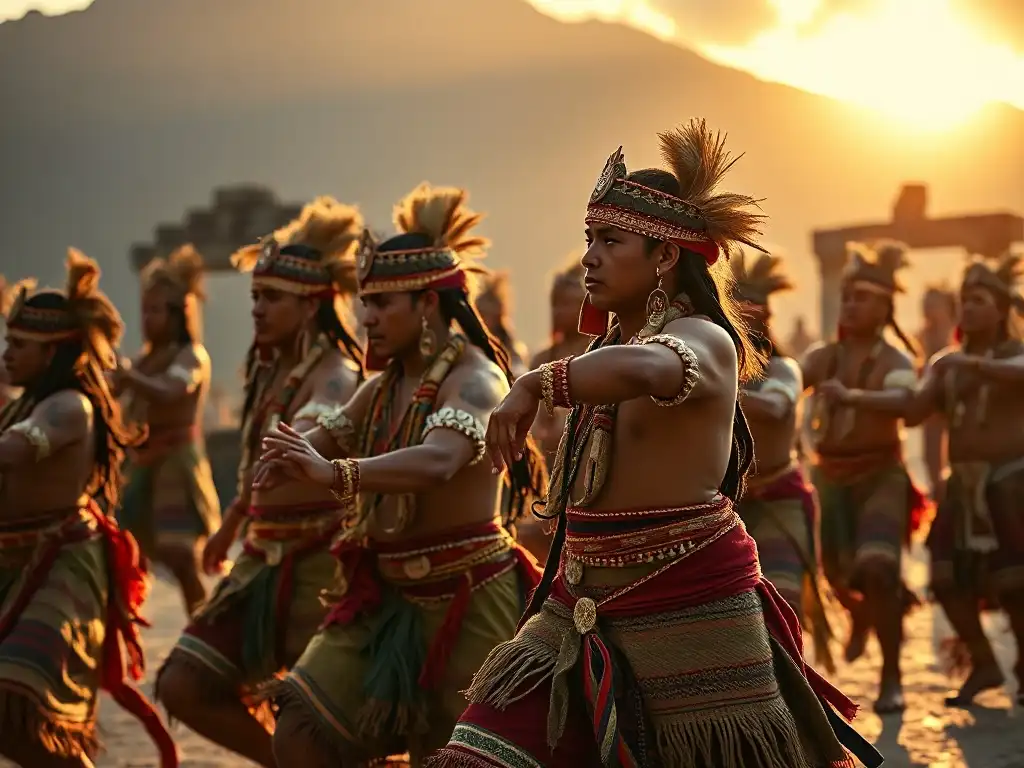
The Andean world wasn't just a tapestry of vibrant textiles and breathtaking architecture; it was a dynamic stage where music and dance played pivotal roles in expressing, reinforcing, and even challenging political power. From the vast Inca empire to the sophisticated Moche civilization, ritualistic performances served as potent tools for conveying authority, legitimizing rule, and maintaining social order.
Understanding these performances provides crucial insights into the complexities of Andean societies and their intricate systems of governance. This section will explore how music and dance functioned as powerful political statements, examining specific examples from Inca and Moche cultures to illuminate this fascinating aspect of Andean "Andean music and dance history".
Music and Dance in Inca Imperial Ceremonies
The Inca empire, renowned for its meticulous organization and sophisticated bureaucracy, employed music and dance extensively in its elaborate ceremonies. These weren't merely entertainment; they were carefully choreographed displays of imperial power, designed to impress both the populace and visiting dignitaries.
The Significance of Royal Processions and Performances
Royal processions, often accompanied by vibrant musical ensembles and intricately coordinated dances, served as potent symbols of Inca authority. The emperor, positioned at the center of these spectacles, was visually presented as the embodiment of divine power, his presence underscored by the rhythmic precision and majestic sounds of the accompanying performance. The sheer scale of these processions, involving thousands of participants, further amplified their impact, leaving an indelible mark on the collective consciousness of the empire's subjects.
These performances reinforced the Inca ideology of divine kingship and emphasized the emperor's absolute control. The meticulous planning and execution of these events highlight the importance placed on these performances as a core element of Inca governance.
Musical Instruments as Symbols of Power
Certain musical instruments held particular symbolic significance within the Inca court. The pututu, a long, shell trumpet, was reserved for announcing important events and conveying messages of imperial authority. Its powerful, resonant sound echoed across the landscape, literally and figuratively amplifying the voice of the emperor.
Similarly, specific types of panpipes and drums were associated with royal ceremonies, their use strictly regulated and controlled. The possession and performance of these instruments were privileges reserved for the elite, further reinforcing the hierarchical structure of Inca society and the power dynamics embedded within it. The careful control and symbolic use of these instruments provide a compelling example of how music was intertwined with the political landscape of the Inca empire.
Manifestations of Power in Moche Rituals
The Moche civilization, known for its stunning artistry and complex social structure, also utilized music and dance in ritualistic contexts to express and reinforce power structures. Unlike the Inca's emphasis on imperial grandeur, Moche rituals often focused on themes of warfare, sacrifice, and the relationship between the earthly and supernatural realms.
Dance as a Narrative of Authority
Moche dancers, often depicted in their intricate pottery, engaged in dynamic and powerful performances that likely narrated stories of conquest, sacrifice, and the exploits of powerful rulers. These dances weren't simply aesthetic expressions; they were active embodiments of narratives that legitimized Moche rule and instilled awe and respect in the populace. The stylized movements and costumes likely conveyed messages of power, bravery, and divine favor, reinforcing the authority of the ruling elite. Further research into surviving Moche artifacts is needed to fully understand the specific narratives conveyed through dance.
The Role of Music in Moche Warfare and Sacrifice
Music played a crucial role in Moche warfare and sacrificial rituals. The sounds of drums and trumpets likely accompanied military campaigns, inspiring warriors and instilling fear in their enemies. Similarly, music may have been used to accompany sacrificial ceremonies, creating a powerful atmosphere intended to appease the gods and ensure the prosperity of the civilization.
The precise nature of this musical accompaniment remains a topic of ongoing scholarly debate, requiring further investigation of archaeological evidence and iconographic representations. However, the strong correlation between music, warfare, and ritual in Moche culture is undeniable, showcasing the instrument's potent role in the society's political and religious life. The interplay of music and ritual in Moche society offers a fascinating glimpse into the power dynamics of this ancient civilization, highlighting the multifaceted nature of "Andean music and dance history".
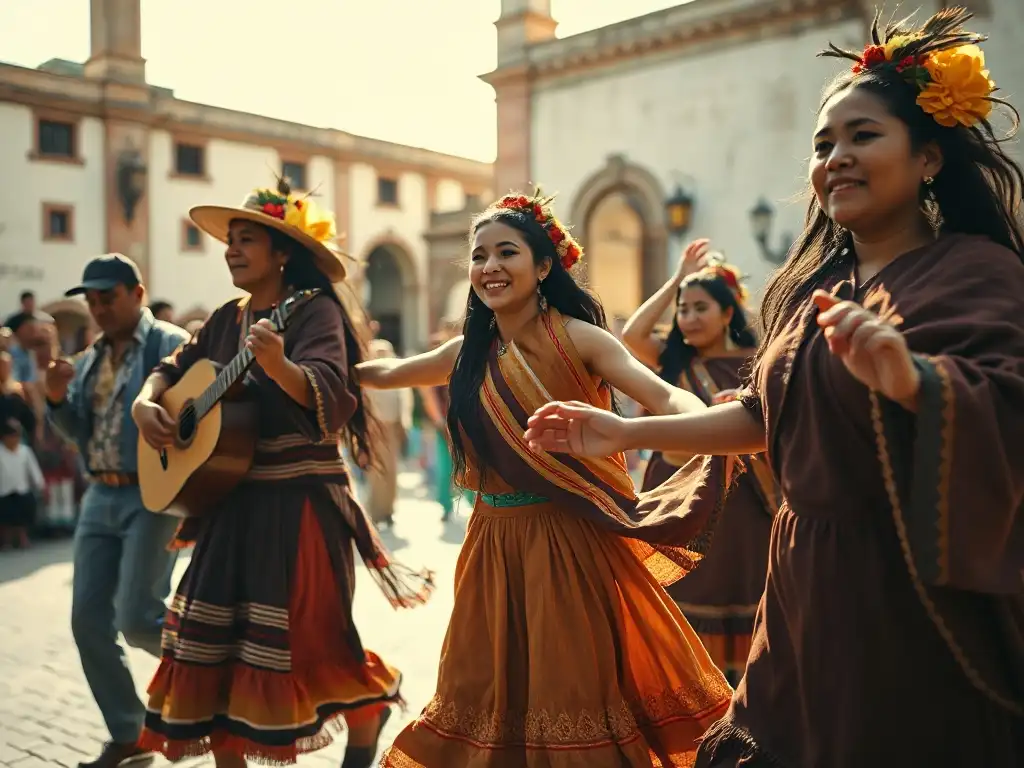
Andean music and dance history is replete with examples of how performance served as a powerful tool for social commentary and resistance against oppressive forces. Far from being mere entertainment, music and dance were—and continue to be—vehicles for expressing dissent, preserving cultural identity, and challenging established power structures. The vibrant tapestry of Andean cultural expression is interwoven with narratives of struggle, resilience, and the enduring spirit of a people determined to maintain their unique heritage. Understanding this aspect is crucial to grasping the true depth and significance of Andean music and dance.
Expressions of Dissent in Andean Communities
The use of music and dance as forms of protest and social commentary in Andean communities has a long and complex history. From subtle coded messages within seemingly innocuous performances to overt displays of defiance, Andean peoples have skillfully employed these art forms to challenge authority and express their grievances. This section will delve into specific examples illustrating the power of performance as a means of social and political resistance.
The Taki Onqoy Movement: Rejection of Colonial Religion Through Dance
The Taki Onqoy movement of the late 15th and early 16th centuries provides a compelling example of how Andean peoples utilized music and dance to resist the imposition of Spanish colonial religion. Taki Onqoy, meaning "dancing sickness," was a religious and political movement that sought to revitalize indigenous Andean beliefs and practices in the face of aggressive Christianization.
The movement's adherents employed ritualistic dances and songs, often incorporating pre-Columbian deities and symbols, to denounce the Spanish crown and the Catholic Church. These performances served as powerful acts of defiance, uniting communities in their rejection of imposed religious beliefs and reclaiming their cultural heritage.
The specific dances and songs used are unfortunately not comprehensively documented, but accounts suggest a fervent and ecstatic style intended to inspire both spiritual and political fervor. Further research into indigenous accounts could shed more light on the precise nature of these performances and their effectiveness as a form of resistance.
The use of performance to challenge established power structures
Beyond the Taki Onqoy movement, many other instances demonstrate the use of Andean music and dance to subvert or challenge existing power structures. Subtle critiques often embedded within lyrics or dance movements could subtly communicate dissatisfaction with colonial rule or local elites. For example, certain rhythms or melodies might have held hidden meanings only understood by members of the community, allowing for a clandestine form of protest.
The specific examples of such coded messages often remain elusive due to the lack of detailed historical records, requiring further research to uncover the nuanced ways Andean communities used performance to convey their dissent. The study of surviving oral traditions and anthropological analysis of contemporary performances may help reveal these subtle yet powerful forms of resistance.
Cultural Preservation through Music and Dance
The enduring power of Andean music and dance lies not only in its ability to express dissent but also in its capacity to preserve cultural identity across generations. These art forms have served as vital repositories of history, tradition, and social values, ensuring the continuity of Andean cultural heritage amidst significant societal and political changes.
Maintaining Cultural Identity Through Saya and Sikuri Traditions
The Saya and Sikuri traditions epitomize the role of music and dance in preserving Andean cultural identity. Saya, a vibrant Afro-Bolivian dance and music genre, reflects the fusion of indigenous and African musical traditions, showcasing the resilience and adaptability of Andean culture. Its rhythmic beats and energetic movements transmit a powerful sense of community and cultural pride.
Similarly, Sikuri, a genre featuring panpipes, maintains its importance as a vehicle for transmitting Andean history, cosmology, and social values. The specific melodies and lyrics of Sikuri often tell stories of ancestral heroes, mythical beings, and significant historical events, ensuring the preservation of cultural memory.
The continued practice of both Saya and Sikuri demonstrates the enduring power of these art forms in maintaining cultural identity in the face of modernization and globalization. The ongoing evolution of these traditions, incorporating new influences while retaining their core essence, highlights their adaptive strength and their continued relevance to contemporary Andean society.
The evolution of Andean musical styles and dance forms
The evolution of Andean musical styles and dance forms over time reflects both the resilience of indigenous traditions and their capacity for adaptation and innovation. While many traditional forms persist, new styles have emerged, often incorporating elements of both indigenous and external influences.
This ongoing process of cultural exchange and adaptation highlights the dynamic nature of Andean music and dance and their ability to remain relevant and engaging across generations. The study of this evolution requires analyzing the historical context of specific musical and dance forms and understanding the social and political factors that shaped their development.
For instance, the incorporation of Western instruments or musical structures into traditional Andean music reflects the adaptation to new technologies and cultural influences while preserving the core identity of the genre. Further research into the specific historical trajectory of various Andean musical styles and dance forms is needed for a complete understanding of their evolution.
The Enduring Legacy: Andean Music and Dance Today
Andean music and dance history extends far beyond ancient rituals; its influence resonates powerfully in the contemporary world. The vibrant traditions of the Andes continue to be utilized as potent tools for social commentary, cultural preservation, and political action. This enduring legacy is a testament to the inherent power of these art forms to transcend time and connect people to their heritage. Understanding this continuation is crucial to appreciating the full scope of Andean music and dance history.
The Contemporary Relevance of Ancient Traditions
The rhythmic pulse of ancient Andean music and dance continues to beat strongly in the heart of modern society. While the specific instruments and styles may have evolved, the underlying principles – storytelling, community building, and expressing emotions – remain central. Modern interpretations often blend traditional techniques with contemporary influences, creating a dynamic and ever-evolving art form.
This fusion allows younger generations to connect with their heritage while also injecting fresh perspectives into age-old traditions. We see this in the increasing popularity of chicha music, a genre that blends traditional Andean instruments with modern pop and rock influences. This adaptation demonstrates the enduring resilience and adaptability of Andean musical traditions.
Modern Andean Music and Dance Performances Supporting Indigenous Rights
Modern Andean music and dance performances frequently serve as powerful platforms for advocating indigenous rights and reclaiming cultural identity. Groups utilize these art forms to raise awareness about issues such as land rights, environmental protection, and the preservation of indigenous languages. For example, many performances incorporate protest songs and dances that directly address political and social injustices.
These acts of cultural resistance not only preserve ancient traditions but also provide a vital voice for marginalized communities, reminding us that Andean music and dance history is intrinsically linked to the ongoing struggle for social justice. The use of traditional instruments and attire within these modern contexts imbues the performances with a profound sense of authenticity and power.
The impact of these art forms on contemporary social movements
The impact of Andean music and dance on contemporary social movements is undeniable. The rhythmic energy of these art forms can galvanize crowds, fostering a sense of unity and shared purpose. The use of symbolic gestures and narratives within the performances can effectively communicate complex political messages to a wide audience. Furthermore, these art forms provide a safe and accessible space for individuals to express their emotions and engage in collective action.
Studies have shown a clear correlation between the increased visibility of Andean music and dance in social protests and a rise in public awareness and support for indigenous rights. This demonstrates the significant role these art forms play in shaping public opinion and mobilizing social change. The use of traditional imagery and symbolism within contemporary protests further underscores the enduring significance of Andean heritage in the fight for social justice.
Andean Music and Dance: A Timeless Form of Political Expression
Andean music and dance history is replete with examples of these art forms being used as tools for political expression. From ancient rituals honoring deities and rulers to modern-day protests against oppression, performance has consistently served as a powerful means of communication and social commentary. The inherent theatricality of music and dance allows for complex narratives and subtle critiques to be conveyed effectively, often bypassing censorship and reaching a wider audience than traditional forms of political discourse. This enduring characteristic underscores the importance of studying Andean music and dance history within a broader socio-political context.
The continuing power of performance in shaping social and political discourse
The power of performance in shaping social and political discourse continues to be relevant today. The use of music and dance in protests and social movements worldwide demonstrates the enduring effectiveness of these art forms as tools for mobilization and communication. The emotional resonance of music and the visual impact of dance can create a powerful collective experience, fostering unity and inspiring action.
The ability of these art forms to transcend language barriers further enhances their effectiveness in global contexts. Analyzing the historical and contemporary uses of Andean music and dance in political activism provides valuable insights into the broader power of performance as a means of social and political engagement. This analysis is crucial to understanding the enduring legacy and continuing relevance of Andean music and dance history.
Frequently Asked Questions
What role did music and dance play in Andean societies?
Music and dance were integral to Andean life, serving religious, political, and social functions. They were used to communicate stories, reinforce social hierarchies, and honor deities.
How did music and dance reflect the power of Andean rulers?
Elaborate ceremonies featuring orchestrated music and dance showcased the ruler's authority and divine connection. These performances reinforced their legitimacy and power within their societies.
What instruments were commonly used in Andean music?
Panpipes, pututus (shell trumpets), drums, and antaras (panpipes) were among the popular instruments. The specific instruments varied across different Andean cultures and periods.
Were there different styles of Andean music and dance?
Yes, distinct styles existed across various Andean cultures (Inca, Moche, Nazca, etc.). These styles reflected unique cultural beliefs, practices, and regional variations.
How did music and dance change over time in the Andean region?
Andean music and dance evolved with the rise and fall of different empires and cultures. Spanish colonization significantly impacted these traditions, leading to the fusion of indigenous and European styles.
Final Reflection: Echoes of Resistance: Andean Music and Dance's Enduring Legacy
The vibrant rhythms and intricate steps of Andean music and dance are not merely artistic expressions; they are potent symbols of cultural resilience, echoing through history as powerful political statements. The enduring legacy of these traditions, from pre-Columbian times to the present day, demonstrates the profound ability of art to both reflect and shape societal realities. This article has explored the multifaceted ways in which music and dance have served as tools for resistance, community building, and the preservation of identity in the face of oppression.
The impact of Andean music and dance on the cultural landscape is undeniable, a testament to the enduring spirit of the Andean people. These art forms have not only survived centuries of colonization and social upheaval but have also thrived, adapting and evolving while retaining their core essence. They continue to serve as vital channels for transmitting history, values, and social commentary. Music is the universal language of mankind,
said Henry Wadsworth Longfellow, and in the case of Andean music and dance, this language speaks volumes about struggle, survival, and the unwavering strength of a culture.
Consider the power of rhythm and movement to unite, to inspire, and to challenge. You, the reader, are now equipped with a deeper understanding of the historical and political significance embedded within these seemingly simple expressions of art. Take a moment to listen to the music, watch the dance, and reflect on the stories they tell. Let the echoes of resistance inspire you to appreciate the profound ways in which art can shape our world, and perhaps even to find your own voice within the vibrant tapestry of human expression.
Unleash Your Voice Through Music and Dance!
Thank you for exploring the powerful connection between music, dance, and political expression. We hope you've been inspired by the ways these art forms can convey powerful messages and drive social change. Now, it's your turn to contribute to this vital conversation!
Here's how you can make a difference:
- Share a song or dance that resonates with you on social media, using the hashtag #AndeanExpressions to connect with our community. Consider sharing why this particular piece is meaningful to you and how it relates to social or political issues.
- Attend local music and dance events or workshops focused on activism – participate, and encourage your friends to join you! Experiencing these events firsthand can be incredibly inspiring and empowering.
- Consider writing a personal reflection or blog post about how a specific piece of music or dance has shaped your understanding of social issues. Sharing your experiences can help others engage with these important themes.
What impact do you believe music and dance can have on shaping today's political landscape? Share your thoughts in the comments below!