
Ancient Andean Choirs: The Power of Communal Singing

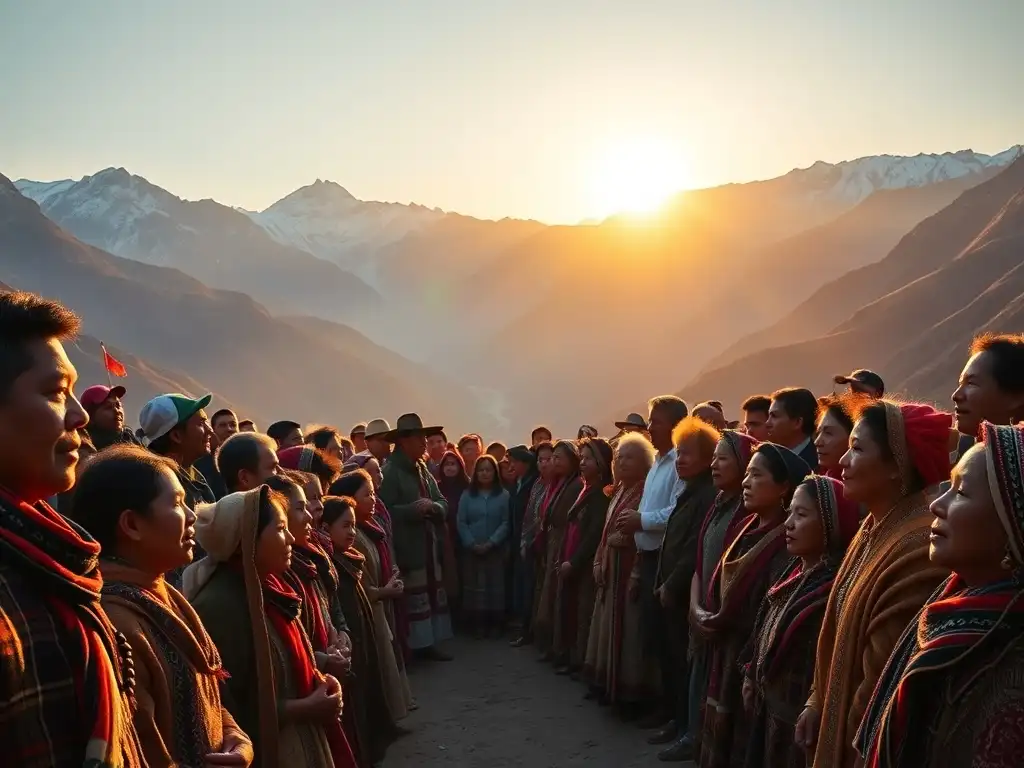
Unravel the mysteries of the Andes! Journey through time and discover a world of breathtaking artistry and innovation in the heart of South America. But prepare to be captivated by something truly unexpected: the powerful legacy of Ancient Andean choral music. Did these sophisticated civilizations use song not just for celebration, but for something far more profound? Dive into the vibrant tapestry of Andean culture and uncover the secrets held within these ancient melodies.
Communal singing played a vital and multifaceted role in the lives of ancient Andean civilizations. Far from being mere entertainment, choral music served as a powerful tool for social cohesion, religious expression, and the transmission of cultural knowledge across generations.
This article delves into the fascinating world of ancient Andean choral music, exploring its significance, origins, and diverse forms, shedding light on the profound impact it had on the societies that cultivated it. We will examine the evidence available from archaeological findings, anthropological studies, and the surviving traditions of Andean music to understand the power and enduring legacy of these ancient choral practices.
The rich tapestry of ancient Andean choral music offers a unique window into the spirituality, social structures, and artistic achievements of these remarkable civilizations. This exploration will reveal how the seemingly simple act of communal singing was intricately woven into the fabric of Andean life, shaping their worldview and leaving an indelible mark on their cultural heritage.
The Significance of Choral Singing in Ancient Andean Societies
Choral singing in ancient Andean societies was deeply intertwined with their spiritual beliefs and social structures. It wasn't simply a form of entertainment; it was a fundamental element of their daily lives, religious ceremonies, and agricultural cycles. Evidence suggests that communal singing served several crucial functions:
- Religious Rituals: Many scholars believe that choral singing played a central role in religious ceremonies, acting as a means of communicating with deities and ancestors. The rhythmic chanting and harmonies may have been used to induce altered states of consciousness or to invoke supernatural forces. Specific songs might have been associated with particular deities or agricultural events.
- Social Cohesion: The act of singing together fostered a sense of community and unity among the people. Large-scale choral performances could have strengthened social bonds and reinforced shared identities, particularly within large, complex societies like the Inca Empire.
- Storytelling and Oral Tradition: Ancient Andean cultures lacked a written language for a significant period. Choral singing became a crucial vehicle for transmitting stories, myths, historical accounts, and cultural knowledge from one generation to the next. Complex narratives and genealogies might have been encoded within the melodies and lyrics of these songs.
- Agricultural Cycles: The timing and themes of choral performances often coincided with agricultural cycles. Songs associated with planting, harvesting, and other agricultural activities served as a reminder of the importance of these events and helped to coordinate collective efforts.
Origins of Communal Singing in the Andes
Pinpointing the precise origins of communal singing in the Andes is challenging due to the limited written records and the perishable nature of oral traditions. However, archaeological evidence, such as the discovery of musical instruments dating back thousands of years, suggests a long and rich history of musical practice. The development of communal singing likely evolved gradually, influenced by various factors:
- Pre-Inca Traditions: Many Andean cultures predating the Inca Empire had their own unique musical traditions, which likely contributed to the development of later choral forms. Archaeological excavations have uncovered evidence of musical instruments from various pre-Inca cultures, suggesting a long history of musical expression.
- Inca Influence: The Inca Empire played a significant role in standardizing certain aspects of Andean culture, including music. While the Incas didn't invent communal singing, they likely played a role in its dissemination and standardization across their vast empire. The use of music in Inca ceremonies and public life is well documented in Spanish chronicles.
- Environmental Factors: The diverse geography of the Andes, with its high altitudes, valleys, and coastal regions, may have influenced the development of distinct musical styles and choral traditions. The environment itself may have inspired the themes and rhythms of the songs.
Early Forms of Andean Choral Music
Early forms of Andean choral music likely varied considerably across different regions and cultures. While detailed descriptions are scarce, we can infer some characteristics based on surviving traditions and archaeological findings:
- Vocal Techniques: Ancient Andean singers likely employed a variety of vocal techniques, including different registers, harmonies, and rhythmic patterns. The use of call-and-response patterns and polyphonic singing is evident in many contemporary Andean musical traditions, suggesting that these techniques were also present in earlier forms.
- Musical Instruments: Various instruments accompanied choral singing, including panpipes ( antara), flutes ( quena), drums ( tinku), and others. The specific combination of instruments would have varied depending on the region, occasion, and social context. The interplay between vocal and instrumental music created a rich and complex soundscape.
- Themes and Lyrics: The themes of ancient Andean choral music likely revolved around religious beliefs, agricultural cycles, historical events, and social relationships. Lyrics may have been passed down orally through generations, reflecting the importance of oral traditions in Andean cultures. The content of these songs likely held deep cultural and spiritual significance.
The study of ancient Andean choral music remains a work in progress. Further research and analysis of available evidence will undoubtedly reveal more about the complexity and significance of this vital aspect of Andean civilization. The enduring legacy of these ancient choral traditions continues to inspire and inform contemporary Andean musical practices, reminding us of the rich cultural heritage of the Andes.
The Role of Music in Andean Rituals and Ceremonies
Music played a profoundly significant role in the lives of ancient Andean peoples, weaving its way into the very fabric of their rituals and ceremonies. It wasn't simply entertainment; it was a powerful force believed to connect the living with the spiritual world, influencing the success of harvests, the appeasement of deities, and the overall well-being of the community.
Ancient Andean choral music, in particular, served as a vital element in these practices. The coordinated voices, often accompanied by instruments like the pututu (a shell trumpet) or panpipes, created a sonic landscape that evoked a sense of awe and reverence.
Consider, for example, the Inca Empire. Their elaborate ceremonies, often held at significant sites like Machu Picchu or Sacsayhuamán, featured large-scale choral performances. These weren't simply haphazard gatherings; they were meticulously planned events, with specific songs and chants associated with particular deities or agricultural cycles.
The power of collective singing was believed to amplify the prayers and offerings, increasing the likelihood of a favorable outcome. The rhythmic chanting, often accompanied by the pounding of drums, created a hypnotic atmosphere, fostering a shared sense of unity and purpose among participants. The music helped to establish a sacred space, setting the stage for the ritual’s unfolding.
Beyond the Inca, other Andean cultures also placed great emphasis on choral music within their religious practices. The Moche civilization, known for its elaborate artistic representations, likely incorporated choral singing into their ceremonies honoring their gods. While written records are scarce, their pottery and murals offer glimpses into their rituals, sometimes depicting figures engaged in musical performances.
These visual representations, although not providing direct audio evidence, strongly suggest the central role of music, and likely choral music, in their religious life. The Nazca culture, famous for their geoglyphs, might have used choral singing in conjunction with their astronomical observations and rituals related to the cycles of the sun and stars. Further research into their archaeological sites may reveal more concrete evidence of their musical practices.
The exact nature and specific forms of ancient Andean choral music are still being actively researched by archaeologists and musicologists. However, the surviving evidence, combined with ethnomusicological studies of contemporary Andean musical traditions, paints a compelling picture of its importance. The power of communal singing, its ability to unite a community and connect them to the spiritual realm, remains a central theme in understanding the role of music in ancient Andean societies. The enduring legacy of these ancient choral traditions continues to inspire and influence Andean musical practices today.
- The Significance of Choral Singing in Ancient Andean Societies
- Origins of Communal Singing in the Andes
- Early Forms of Andean Choral Music
- The Role of Music in Andean Rituals and Ceremonies
- What is the significance of choral music in ancient Andean cultures?
- Which ancient Andean civilizations are known for their choral traditions?
- What instruments accompanied ancient Andean choral music?
- How has ancient Andean choral music influenced modern music?
- Where can I learn more about ancient Andean choral music?
Exploring the Characteristics of Ancient Andean Choral Music
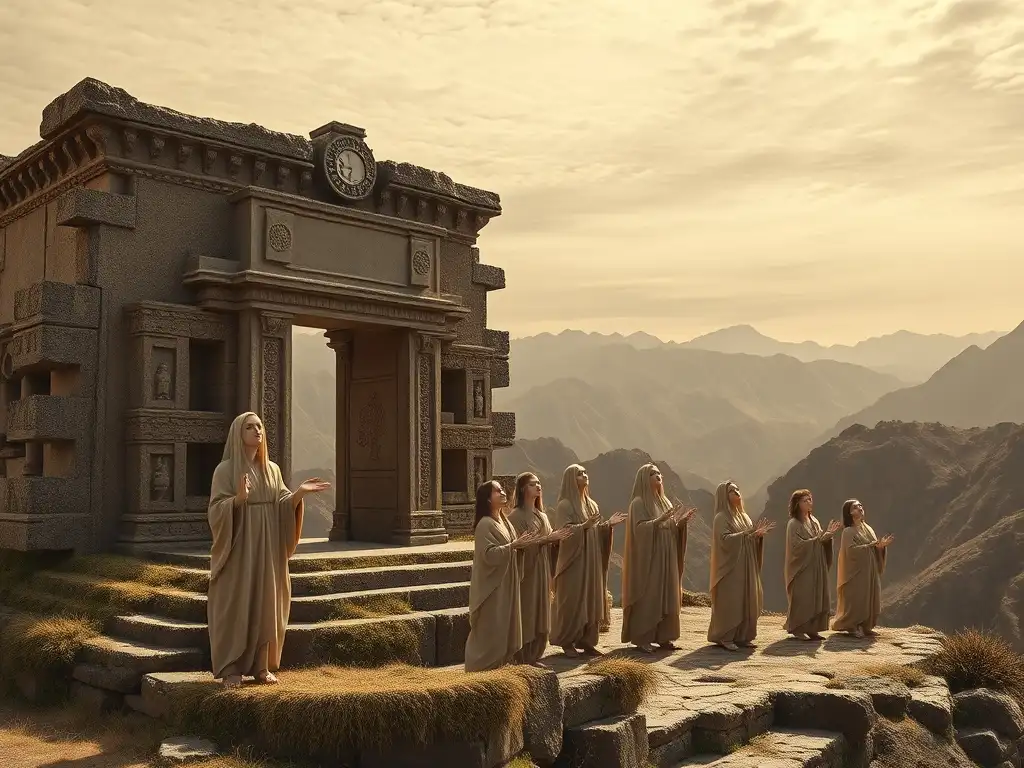
This section delves into the fascinating world of ancient Andean choral music, exploring its unique vocal techniques, melodic structures, and instrumental accompaniments. Understanding these elements provides crucial insight into the social, religious, and cultural significance of music within these vibrant civilizations. The term "Ancient Andean choral music" encompasses a vast and diverse repertoire, spanning centuries and encompassing various Andean cultures, each with its own distinct musical traditions. However, common threads of communal expression and intricate vocal interplay weave through these diverse traditions, highlighting the power of music as a unifying force.
Vocal Techniques in Andean Choirs
Ancient Andean choirs employed sophisticated vocal techniques, often characterized by a blend of huayno and yaraví styles, depending on the region and cultural group. These techniques went beyond simple unison singing; they involved complex harmonies and polyphonic textures. Evidence suggests the use of techniques like:
- Heterophony: Multiple singers performing variations of the same melody simultaneously, creating a rich, layered sound. This created a sense of communal participation and emphasized the collective nature of the musical experience. Think of it as a textured tapestry of sound, rather than a single, clear melody. The slight variations between the voices added depth and emotional resonance.
- Call and Response: A common feature in many Andean musical traditions. One voice or section would initiate a phrase, which was then answered by another voice or section. This dynamic interaction engaged the audience and fostered a sense of shared participation. This technique was particularly effective in amplifying the emotional impact of the music.
- Use of extended vocal ranges: Andean singers frequently employed a wide vocal range, incorporating high-pitched ululations and low-pitched drones to create a dramatic and expressive soundscape. This technique, combined with the use of vibrato and other vocal embellishments, added layers of complexity and emotional depth to the choral performances.
The precise vocal techniques varied between different Andean cultures. Further research is needed to fully document the nuanced vocal styles employed by specific groups like the Incas, Moche, or Nazca, as much information relies on interpretations of archaeological finds and limited surviving musical notations. However, the available evidence strongly suggests a level of vocal sophistication that deserves further investigation.
Unique Melodic Structures of Ancient Andean Choral Music
The melodic structures of ancient Andean choral music were often characterized by their modal scales and pentatonic melodies. Unlike Western music's reliance on a diatonic scale, Andean music frequently used scales that contained five notes, creating a unique and evocative sound. These scales, often with intervals not found in Western music, lent a distinctive character to the music. Think of it as a different musical language, capable of conveying emotions and narratives in ways that are unfamiliar to Western ears.
Moreover, the melodies themselves were often characterized by their stepwise movements and ornamentation. These subtle melodic variations, often improvised by the singers, added to the richness and complexity of the choral performances. The use of ornamentation, such as trills and grace notes, further contributed to the overall expressive quality of the music. This improvisation, while seemingly spontaneous, was likely governed by established conventions and traditions within each community.
| Feature | Description | Example |
|---|---|---|
| Modal Scales | Scales based on modes other than the major or minor scales, creating unique melodic flavor. | Pentatonic scales, modes with unique intervals |
| Pentatonic Melodies | Melodies built on five-note scales, producing a distinct and evocative sound. | Common in many Andean musical traditions |
| Stepwise Movement | Melodies that move primarily by small intervals, creating a smooth and flowing quality. | Characteristic of many ancient Andean melodies |
| Ornamentation | Embellishments such as trills and grace notes, adding richness and expressiveness. | Adds a layer of improvisation and nuance |
Instrumentation and Accompaniment in Andean Choral Performances
While vocal performance formed the core of ancient Andean choral music, instrumentation played a crucial supporting role. The exact instruments used varied across different cultures and periods, but several instruments were common features in choral performances. These included:
- Panpipes (Antaras): These reed pipes, often played in sets, provided a melodic counterpoint to the vocal lines. Their haunting sound blended beautifully with the human voice, adding depth and texture to the overall musical experience. The number of pipes in a set could vary, influencing the melodic possibilities.
- Drums (Tinku): Drums provided rhythmic accompaniment and created a powerful rhythmic foundation for the choral singing. The drums' pulsating rhythm often served to emphasize certain sections of the song and heighten the emotional impact. Different drum sizes and playing techniques generated a variety of rhythmic patterns.
- Wind Instruments (Pututus): Long, straight trumpets, often made from shell or bone, were used ceremonially to create a powerful and resonant sound. Their use in choral performances often signaled important moments or transitions within the musical narrative. These instruments added a dramatic element, especially during religious or celebratory events.
The role of instrumentation varied depending on the context of the performance. In some cases, instruments provided a simple rhythmic accompaniment, while in others they played more complex melodic lines that interacted with the vocal parts. Further research is needed to fully understand the intricate interplay between the vocal and instrumental components of ancient Andean choral music. The surviving archaeological evidence, along with ethnomusicological studies of contemporary Andean music traditions, offers valuable clues, but much remains to be discovered about the full range of instrumental combinations used in ancient Andean choral performances.
The Use of Indigenous Languages in Andean Choral Singing
The vibrant tapestry of Ancient Andean choral music was inextricably linked to the indigenous languages of the region. Far from being mere vehicles for lyrics, these languages – Quechua, Aymara, and others – were integral to the very essence of the musical expression. The sounds themselves, the rhythmic patterns, and even the melodic contours often mirrored the phonetic structures and grammatical nuances of the spoken word. This deep linguistic connection ensured that the music wasn't simply heard, but felt – a visceral experience rooted in cultural identity.
The choice of language within a specific choral piece often reflected the social context and intended purpose. For instance, ceremonies dedicated to agricultural cycles might utilize Quechua words associated with fertility and abundance, while songs performed during funerary rites could incorporate Aymara terms related to the afterlife and spiritual journeys. This careful selection wasn't arbitrary; it was a deliberate act of imbuing the music with potent symbolic meaning, connecting the singers and listeners to the deeper spiritual and social fabric of their community.
The linguistic diversity itself reflected the rich tapestry of Andean cultures, with different regions and ethnic groups employing their unique languages in their choral traditions. This linguistic richness, unfortunately, is often lost in modern interpretations of Ancient Andean music, highlighting the importance of studying original sources and preserving the linguistic heritage embedded within these ancient choral practices. Further research is needed to fully understand the subtle ways in which specific linguistic features influenced the musical characteristics of different Andean choral traditions.
The interplay between language and music represents a fascinating area of study for ethnomusicologists and linguists alike, offering a window into the complex relationship between language, culture, and musical expression in the ancient Andes. Understanding this connection is crucial for a complete appreciation of the power and significance of Ancient Andean choral music.
Regional Variations in Ancient Andean Choral Traditions
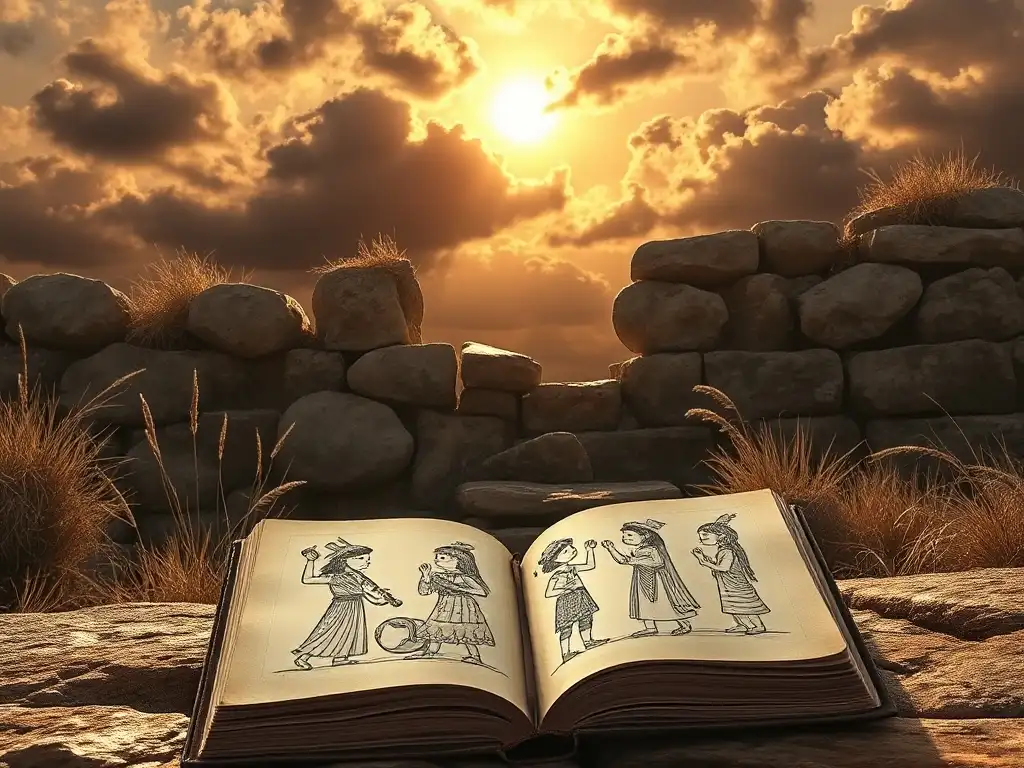
The vibrant tapestry of Ancient Andean choral music wasn't a monolithic entity. Instead, it showcased remarkable regional diversity, reflecting the unique cultural practices and beliefs of different Andean societies. While limited written sources survive, archaeological evidence, ethnographic parallels with later Andean traditions, and interpretations of iconography provide compelling glimpses into the diverse choral practices across various regions and time periods.
The power of communal singing resonated deeply within these ancient communities, serving crucial social, religious, and political functions. Understanding these regional variations is key to appreciating the full richness and complexity of Ancient Andean choral music. The following sections will explore some of the most prominent examples.
Choral Music in the Inca Empire
The Inca Empire, at its zenith, controlled a vast territory encompassing diverse ethnic groups. While the Inca imposed their political and administrative structures, they also skillfully incorporated and adapted existing cultural practices, including musical traditions. Inca choral music played a vital role in imperial ideology and social control, reflecting the centralized nature of the empire.
Inca Choral Practices and their Social Context
Inca choral performances were not simply spontaneous gatherings; they were carefully orchestrated events reflecting hierarchical social structures. Evidence suggests the use of large ensembles, potentially involving hundreds of singers, organized into sections or choirs based on social standing, age, and gender. These performances were integral to religious ceremonies, state occasions, and agricultural cycles. The songs themselves, passed down orally through generations, likely served as vehicles for transmitting history, mythology, and Inca values.
The themes would have ranged from hymns praising the Inca gods to songs celebrating harvests and military victories. The precise musical characteristics of Inca choral music remain elusive, but we can infer a likely emphasis on vocal harmonies and rhythmic complexity, reflecting the musical aesthetics of other Andean cultures. Further research, including the analysis of surviving musical instruments and iconographic representations, is necessary to fully reconstruct the sonic landscape of Inca choral performances.
The Significance of the "Acllawasi" Choirs
The "Acllawasi" were elite groups of chosen women who served as priestesses and artisans within the Inca Empire. While not strictly "choirs" in the Western sense, these groups played a crucial role in the performance of religious music and ritual. Their training included intense vocal instruction, suggesting a high level of musical proficiency.
The songs they performed were likely associated with fertility rites, agricultural cycles, and the worship of the sun god Inti. The "Acllawasi" thus represent a specialized form of choral participation within the broader Inca musical landscape, highlighting the importance of gender and religious roles in shaping musical practices. Their existence underscores the sophisticated musical training and organization within the Inca court.
Choral Music in the Moche Culture
The Moche civilization (c. 100–800 CE), known for its stunning artistry and advanced irrigation systems, also possessed a rich musical culture. While direct evidence of organized choral singing is scarce, iconographic representations on Moche pottery suggest the presence of communal musical performances. These depictions often showcase musicians playing various instruments—panpipes, drums, and possibly conches—in what appear to be ceremonial contexts. The presence of multiple musicians playing simultaneously hints at the possibility of coordinated musical ensembles, possibly including vocal components.
The Moche's emphasis on ritual and ceremony strongly suggests that music played a crucial role in their religious beliefs. Given the evidence of sophisticated musical instrument-making and the elaborate nature of their iconography, it's plausible that choral singing served important functions in Moche religious rituals and social gatherings. However, more research is needed to confirm this hypothesis and to uncover the specific characteristics of Moche choral music.
The interpretation of iconography remains a crucial area for future investigation in understanding the role of music within Moche culture. The absence of detailed textual records makes the reconstruction of Moche choral traditions a challenging but fascinating endeavor. Further archaeological discoveries may reveal more about this enigmatic aspect of Moche culture.
Choral Music in the Nazca Culture
The Nazca culture, famed for its enigmatic geoglyphs etched into the desert plains of southern Peru, also possessed a vibrant musical tradition, though its specifics remain shrouded in mystery. Archaeological evidence suggests a strong emphasis on communal activities, and it's highly probable that choral singing played a significant role in their social and religious life. While we lack detailed written accounts of Nazca music, the discovery of numerous ceramic artifacts depicting musicians playing panpipes, flutes, and drums hints at the presence of organized musical ensembles. These ensembles likely included vocal components, given the prevalence of communal activities in Nazca society.
We can infer the importance of choral music by considering the societal structure—a hierarchical society often used communal activities to reinforce social bonds and religious beliefs. The rhythmic nature of many Andean musical traditions suggests that choral singing could have accompanied ceremonial dances or processions, perhaps related to agricultural cycles or ancestor veneration. Further research, particularly the careful analysis of surviving musical instruments and iconographic representations, is crucial for a more complete understanding of Nazca choral music.
The lack of written records necessitates a reliance on archaeological interpretation and comparative analysis with other contemporary Andean cultures to reconstruct a picture of their choral practices. The vibrant colors and intricate designs on Nazca pottery often depict scenes of communal celebration, suggesting a significant role for music, including choral music, in these events. The potential for future discoveries to shed light on this fascinating aspect of Nazca culture remains high.
Choral Music in the Tiahuanaco Civilization
The Tiahuanaco civilization, centered around the imposing city of Tiahuanaco on the shores of Lake Titicaca, developed a sophisticated culture with a complex religious system. Evidence suggests that choral music played a central role in their religious ceremonies and social gatherings. Unlike the Nazca, Tiahuanaco left behind more substantial architectural remains, which offer clues about their musical practices. The monumental structures, such as the Kalasasaya temple, suggest large-scale gatherings, indicating the potential for large, organized choirs.
The presence of numerous ceremonial plazas would have provided ample space for communal singing and dancing. Moreover, the iconography found on Tiahuanaco artifacts often depicts figures playing instruments, suggesting that music was an integral part of their religious rituals. Although we don't have surviving musical scores, the sheer scale of their architectural achievements hints at the importance of large-scale, coordinated events, including choral performances. The influence of Tiahuanaco culture extended throughout the Andes, and their musical traditions likely spread and evolved in different regions, impacting the development of later Andean musical styles.
The precise nature of their choral music—the melodies, harmonies, and accompanying instruments—remains largely unknown, but the grandeur of their civilization suggests that their choral traditions were as impressive and complex as their architectural and artistic achievements. Further research into Tiahuanaco musical instruments and the iconographic evidence found in their art could reveal more about their ancient choral practices. The integration of music into their religious and social spheres is undeniable, and choral singing likely played a crucial role in maintaining social cohesion and religious fervor within their vast empire.
Ancient Andean choral music wasn't merely entertainment; it was deeply intertwined with the social fabric and spiritual beliefs of the various Andean cultures. The power of communal singing resonated far beyond the immediate sounds, shaping community identity, reinforcing social structures, and expressing profound spiritual connections. Understanding this impact requires examining both the social unification it fostered and the religious significance it held. This section delves into the multifaceted influence of ancient Andean choral traditions, exploring their enduring legacy.
Choral Singing as a Unifying Force in Andean Communities
Choral singing served as a powerful tool for social cohesion in ancient Andean societies. The act of collective singing created a sense of shared identity and belonging, strengthening bonds within communities and fostering cooperation. Imagine hundreds of voices rising in unison, echoing across the valleys and mountains – a powerful display of unity and collective strength.
This wasn't just a random gathering; it was a carefully orchestrated performance, often tied to significant events like harvests, religious festivals, or military campaigns. Participation in these choral events reinforced social hierarchies and roles, with different groups within the community taking on specific parts or leading the singing. The rhythmic chants and repetitive melodies helped to synchronize movements and actions, further solidifying the group's unity.
Anthropological studies suggest that the communal aspect of the singing strengthened social bonds and fostered a sense of mutual reliance, essential for survival in harsh Andean environments. The shared experience fostered a sense of collective identity, surpassing individual differences and emphasizing a shared cultural heritage.
The Spiritual and Religious Dimensions of Andean Choral Music
Beyond its social function, ancient Andean choral music played a crucial role in religious and spiritual practices. Many Andean cultures believed that music possessed the power to communicate with the supernatural world, to appease deities, and to influence the forces of nature. Choral singing was often incorporated into rituals and ceremonies designed to ensure successful harvests, to appease ancestral spirits, or to invoke divine intervention. Specific songs and melodies were associated with particular deities or spirits, and their performance was carefully regulated to ensure their efficacy.
For example, [Specific examples of songs and their associated deities pending]. The use of specific instruments alongside the choral singing further enhanced the ritualistic aspect, amplifying the connection between the earthly and spiritual realms. The volume and intensity of the choral performance could also be used to express the intensity of the ritual, with louder, more powerful singing used in ceremonies of great importance.
The chanting and rhythmic patterns were often designed to induce a trance-like state, facilitating communication with the spiritual world. These rituals were not simply performances; they were crucial components of Andean religious life, shaping beliefs and influencing daily practices. The power of collective vocalization was seen as a conduit to the divine.
The Legacy of Ancient Andean Choral Traditions
While much of the ancient Andean choral music has been lost to time, its legacy continues to resonate in contemporary Andean cultures. Many traditional Andean musical forms still incorporate elements of ancient choral traditions, reflecting the enduring influence of these ancient practices. While modern Andean choral music might incorporate Western musical influences, the essence of communal singing and its spiritual significance remains.
The continued practice of these traditions testifies to the profound impact of ancient Andean choral music on Andean identity and cultural expression. Studies of modern Andean musical practices reveal striking similarities to ancient forms, suggesting a direct lineage. The persistence of these traditions highlights the resilience of Andean culture and its ability to adapt while preserving its core values.
Moreover, the revival of interest in ancient Andean music by researchers and musicians is helping to bring these traditions to a wider audience, ensuring that the legacy of ancient Andean choral music continues to inspire and enrich our understanding of Andean civilizations. The ongoing research and documentation of these traditions are vital for preserving this invaluable cultural heritage for future generations. 🤯
Preserving and Reviving Ancient Andean Choral Music
The study and revival of Ancient Andean choral music presents unique challenges. Unlike many European musical traditions with extensive written scores, much of the Andean choral repertoire was transmitted orally, resulting in a significant loss of knowledge over time. However, archaeological evidence, such as depictions on pottery and textiles, along with ethnographic studies of surviving Andean communities, provide crucial clues to reconstruct these lost soundscapes.
The task is painstaking, requiring careful analysis of fragmented evidence and cross-referencing various sources to build a coherent picture of ancient choral practices. For example, researchers have painstakingly analyzed iconography from Moche ceramics depicting ceremonial gatherings, identifying potential musical instruments and vocal arrangements. This meticulous work is essential for breathing life back into these ancient musical traditions.
The recovery process often involves collaboration between musicologists, archaeologists, and anthropologists, highlighting the interdisciplinary nature of this research. Furthermore, the accurate transcription of these ancient melodies into modern musical notation is a significant undertaking, often requiring specialist knowledge of indigenous musical scales and rhythms. This is vital for allowing modern musicians to properly interpret and perform these ancient works.
Efforts to Reconstruct and Perform Ancient Andean Choral Works
Several initiatives are dedicated to reconstructing and performing ancient Andean choral works. These efforts often involve painstaking research into historical sources, including colonial-era chronicles, indigenous oral traditions, and archaeological finds. For instance, scholars have analyzed descriptions of Inca ceremonies from Spanish chronicles to understand the role of choral singing in these events. This analysis, combined with the study of surviving indigenous musical traditions, helps to piece together a more complete understanding of ancient Andean choral music.
Furthermore, the development of modern interpretations often involves adapting ancient melodies and rhythms to contemporary musical contexts. This requires a careful balance between maintaining the authenticity of the original music and making it accessible to modern audiences. The use of original or historically informed instruments is also crucial for achieving an authentic sound.
Many projects involve collaborations with Andean communities, ensuring that the revival efforts respect and integrate indigenous knowledge and perspectives. This collaborative approach is vital for preserving the cultural integrity of the music. For example, some projects involve training local musicians in traditional vocal techniques and instruments, empowering communities to actively participate in the preservation of their cultural heritage.
The Importance of Cultural Preservation for Andean Communities
The preservation of ancient Andean choral music is not merely an academic pursuit; it holds profound cultural significance for Andean communities. For many indigenous groups, choral music is deeply intertwined with their spiritual beliefs, social structures, and identity. The revival of these traditions can strengthen community bonds, promote cultural pride, and help to preserve a vital part of their heritage.
The loss of traditional musical knowledge can lead to a weakening of cultural identity and a disconnect from ancestral practices. Reviving ancient choral music provides a powerful tool for revitalizing these traditions, fostering a sense of continuity across generations. Moreover, the active participation of Andean communities in these revival projects ensures that the music is interpreted and performed in a culturally sensitive and respectful manner.
These projects often serve as a platform for intergenerational dialogue, allowing younger generations to learn from elders and preserving valuable knowledge for future generations. For example, participation in choral singing can provide a sense of belonging and shared identity for community members, strengthening social cohesion and promoting cultural pride.
Modern Interpretations of Ancient Andean Choral Music
Modern interpretations of ancient Andean choral music vary widely, ranging from scholarly reconstructions aiming for historical accuracy to contemporary adaptations that blend traditional elements with modern musical styles. Some projects focus on recreating the sounds of ancient Andean choirs as accurately as possible, using historically informed instruments and vocal techniques. Other projects take a more creative approach, incorporating elements of ancient Andean music into contemporary musical compositions. These modern interpretations often explore new sonic landscapes, while retaining the core essence of the ancient traditions.
The use of modern technology, such as digital audio workstations (DAWs), allows for innovative approaches to recording and disseminating this music, reaching a wider audience than ever before. However, ethical considerations are crucial when interpreting ancient music. Striking a balance between artistic expression and cultural sensitivity is key.
Careful consideration must be given to avoid misrepresenting or appropriating indigenous musical traditions. The involvement of Andean communities in the creative process is vital for ensuring that modern interpretations are respectful and authentic. This collaborative approach ensures that the music remains a living tradition, evolving while honoring its rich history.
Continuing Research and the Future of Andean Choral Traditions
The study of ancient Andean choral music is a vibrant and evolving field. Researchers continue to uncover new information through archaeological digs, the analysis of surviving artifacts like ceramic vessels depicting musical scenes, and the painstaking decipherment of pre-Columbian texts. These efforts are crucial in piecing together a more complete understanding of the social, religious, and political contexts in which this music thrived.
For example, recent excavations in the Sacred Valley of the Incas have unearthed fragments of what appears to be a type of musical notation, significantly different from European systems, potentially offering insights into the organization and structure of ancient Andean choral pieces. The potential implications of such discoveries are immense, promising to revolutionize our understanding of ancient Andean musical practices.
Furthermore, ongoing ethnomusicological research plays a vital role in preserving and understanding ancient Andean choral traditions. By studying contemporary Andean communities that maintain oral traditions linked to ancient practices, researchers gain invaluable insights into the evolution and continuity of these musical forms. This approach is particularly important because many ancient musical practices were passed down through generations orally, without written documentation.
By documenting and analyzing these living traditions, scholars can identify connections to ancient practices, tracing the lineage of musical styles and techniques over centuries. This interdisciplinary approach, combining archaeological findings with ethnomusicological fieldwork, provides a richer and more nuanced understanding of ancient Andean choral music than either approach could achieve independently.
The future of Andean choral traditions hinges on several key factors. Firstly, continued funding and support for archaeological research and ethnomusicological studies are paramount. Without adequate resources, the vital work of preserving and interpreting this musical heritage is at risk.
Secondly, collaboration between researchers, local communities, and cultural institutions is essential to ensure that research is conducted ethically and respectfully, with the active participation of those whose heritage is being studied. This collaborative approach not only safeguards the integrity of the research but also empowers local communities to take ownership of their cultural heritage. Finally, the integration of ancient Andean choral music into educational curricula at various levels can foster a deeper appreciation and understanding among future generations, ensuring the longevity of these vital traditions.
The preservation of this musical heritage is not merely an academic pursuit; it is a crucial step in safeguarding cultural identity and promoting intercultural dialogue. The power of ancient Andean choral music resonates far beyond its historical context, offering a powerful connection to the past and a rich source of inspiration for the future.
Frequently Asked Questions
What is the significance of choral music in ancient Andean cultures?
Ancient Andean choral music played a vital role in religious ceremonies, community gatherings, and agricultural cycles. It served as a powerful means of social cohesion and spiritual connection.
Which ancient Andean civilizations are known for their choral traditions?
Evidence suggests that many Andean civilizations, including the Incas, Moche, Nazca, and Tiwanaku, had developed sophisticated choral traditions. However, information varies depending on the civilization and the available archeological records.
What instruments accompanied ancient Andean choral music?
While specific instruments vary across cultures and time periods, panpipes, drums, and wind instruments were commonly used to accompany choral singing. These instruments enhanced the overall musical experience.
How has ancient Andean choral music influenced modern music?
Ancient Andean musical traditions, including choral styles, continue to influence modern Andean music and have inspired contemporary composers globally. The unique harmonic structures and rhythmic patterns remain distinctly recognizable.
Where can I learn more about ancient Andean choral music?
You can find more information through academic research papers, ethnographic studies, and museums specializing in Andean archaeology and cultural heritage. Searching online for "Ancient Andean music" will also yield many relevant results.
Final Reflection: Echoes of the Andes, Whispers of the Future
The resonant power of ancient Andean choral music continues to resonate today, a testament to the enduring strength of communal expression and its ability to transcend time. These ancient songs, passed down through generations, offer a powerful counterpoint to the isolating forces of modern life, reminding us of the profound connection found in shared experience and collective voice. Their survival speaks volumes about the importance of preserving cultural heritage and the vital role music plays in shaping identity.
The enduring legacy of Andean choral music is not merely historical; it’s a living, breathing force that continues to shape cultural landscapes and inspire new generations of musicians and listeners. The intricate harmonies and deeply spiritual lyrics speak to a profound connection with the land and ancestors, a connection that feels increasingly vital in our fragmented world. Music is the universal language of mankind,
said Henry Wadsworth Longfellow, and in the case of Andean choral music, this universality transcends geographical boundaries and speaks directly to the human spirit's yearning for connection and belonging.
Consider the echoes of these ancient songs in your own life. How can you cultivate a sense of community and shared purpose? How can you find your own voice within a larger chorus, contributing to a collective harmony? Let the vibrant legacy of Andean choral music inspire you to seek out connection, to celebrate shared experiences, and to find your place within the beautiful, ever-evolving symphony of human life. Embrace the power of collective voice, and let your own song contribute to the ongoing melody of our shared human experience.
Unleash the Power of Your Voice: Join the Choir!
Thank you for exploring the rich world of ancient Andean choral music with us! You've discovered the profound impact of communal singing and the vibrant heritage it represents. Now, let's put that inspiration into action!
Here’s how you can get involved:
- Join a local choir: Experience the magic of communal singing firsthand. Find a choir in your community and immerse yourself in this empowering activity.
- Share your newfound appreciation: Discuss the power and beauty of Andean choral music with friends and family, or share this article on social media to spread awareness of this incredible tradition.
- Attend a concert or cultural event: Learn more about traditional Andean music through live performances, workshops, or festivals. Seek out events in your area that celebrate this vibrant culture.
What will inspire your singing now that you've connected with the power of communal harmony? Share your thoughts below!